In the vast and ever-evolving landscape of cinema, few names resonate with the singular artistic vision and profound genre impact quite like John Carpenter. An American film director, producer, writer, and composer, Carpenter has woven a rich tapestry of suspense, terror, and the macabre throughout his decades-long career. From the chilling suburban nightmare of ‘Halloween’ to the mind-bending sci-fi thrills of ‘The Thing,’ his name has become synonymous with masterfully crafted genre filmmaking.
Carpenter’s signature approach, often characterized by a distinctive DIY spirit, saw him frequently taking on multiple roles – directing, writing, producing, and even composing the iconic synth scores that have become as legendary as the films themselves. This comprehensive listicle aims to celebrate the genius of John Carpenter by revisiting fifteen of his most influential and beloved directorial efforts, offering an in-depth analysis of their unique contributions to the cinematic canon and their enduring presence in the collective fan consciousness.
Join us as we embark on a journey through the haunting dreams and cinematic screens shaped by this visionary filmmaker. We delve into the critical reception, thematic depth, and lasting legacy of his most celebrated works, providing dedicated fans and newcomers alike with a definitive exploration of why John Carpenter remains an undisputed maestro of the macabre and a vital voice in the history of film.
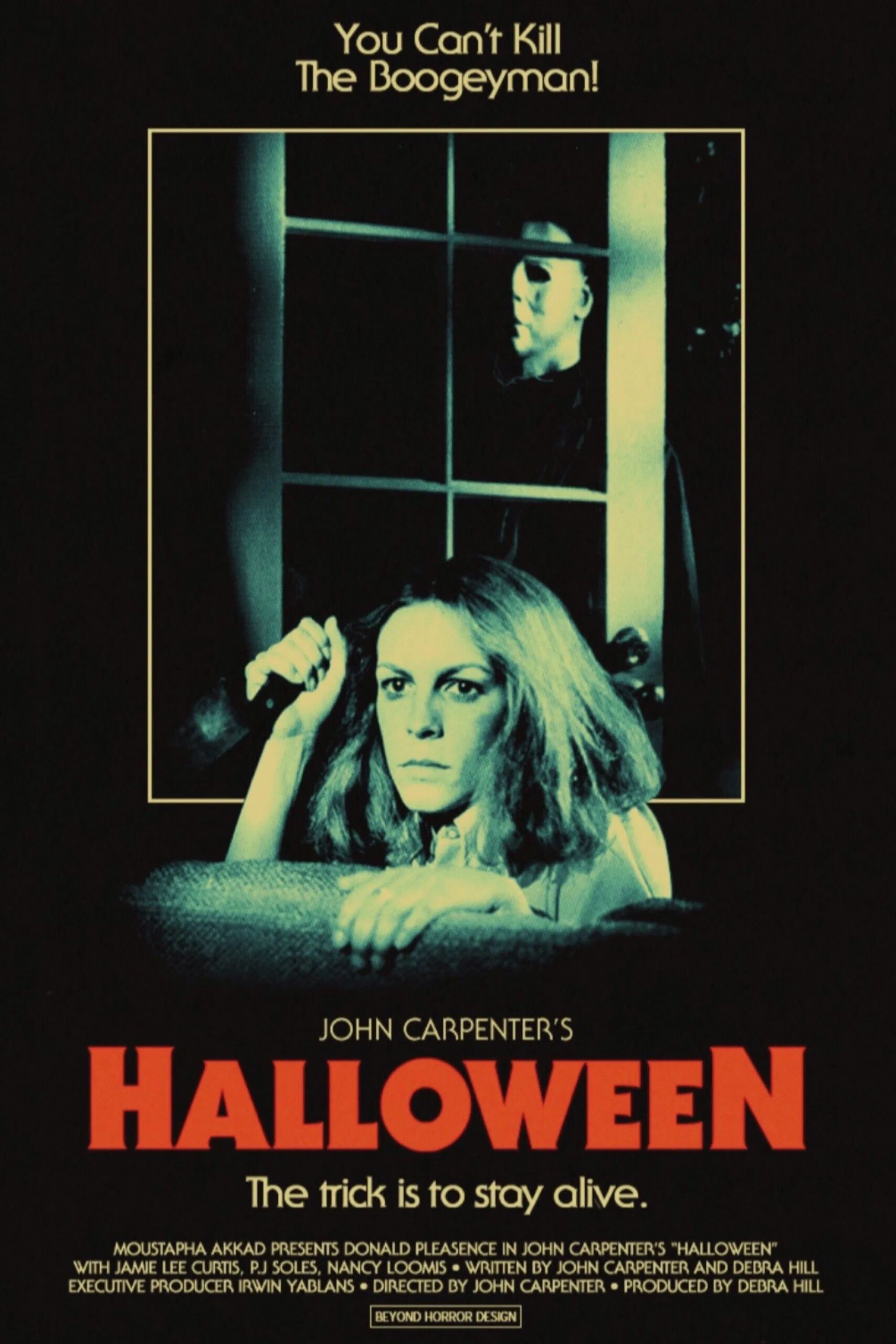
1. **Halloween (1978)**Arguably John Carpenter’s most famous and influential movie, ‘Halloween’ didn’t just scare audiences; it fundamentally reshaped the landscape of horror cinema. Released in 1978, this third feature film by Carpenter, following ‘Dark Star’ and ‘Assault on Precinct 13,’ unleashed Michael Myers upon the unsuspecting suburban idyll, creating a slasher template that countless films would emulate for decades to come. Its success was monumental, breaking box office records and establishing a new benchmark for suspense and terror.
Central to ‘Halloween’s’ enduring power is Carpenter’s relentless synth theme, a deceptively simple yet profoundly unsettling piece of music that instantly signals impending doom. This iconic score, composed by Carpenter himself, perfectly complements the film’s slow-burn tension and masterful use of point-of-view shots, immersing viewers in the chilling hunt of an unkillable evil. It’s a testament to Carpenter’s multi-faceted talent that the film’s sonic landscape is as unforgettable as its visual horrors.
The critical acclaim for ‘Halloween’ is overwhelmingly positive, with Rotten Tomatoes boasting a near-perfect 97% from 84 reviews, complemented by a Metacritic score of 87 from 21 reviews. The Critics Consensus aptly describes it as “Scary, suspenseful, and viscerally thrilling, Halloween set the standard for modern horror films.” Its story of six-year-old Michael Myers brutally murdering his 17-year-old sister and his subsequent escape to terrorize Laurie Strode and her friends remains a cornerstone of the horror genre, influencing countless filmmakers and solidifying Carpenter’s legacy.
Read more about: Get Ready to Scream! 12 Essential Horror Flicks So Good You’ll Force Your Friends to Watch Them

2. **Assault on Precinct 13 (1976)**Coming after his directorial debut ‘Dark Star,’ ‘Assault on Precinct 13’ cemented John Carpenter’s emerging talent for crafting intense, confined thrillers. This 1976 feature is notably described as “claustrophobic” within the context of Carpenter’s early career, showcasing his ability to build palpable tension and high-stakes drama within a limited setting. It’s a gritty, efficient piece of filmmaking that demonstrates Carpenter’s growing mastery of suspense and action.
The film’s premise, revolving around a police precinct under siege by a relentless street gang, allows Carpenter to explore themes of survival and unlikely alliances. The narrative skillfully pits a diverse group of characters – police officers, criminals, and civilians – against an overwhelming external threat, forcing them to unite for their very lives. This lean, mean approach to storytelling became a hallmark of Carpenter’s work, proving that compelling narratives don’t always require lavish budgets.
Critically, ‘Assault on Precinct 13’ is held in incredibly high regard, boasting an impressive 96% on Rotten Tomatoes from 51 reviews, and an 89 on Metacritic from 7 reviews. The Critics Consensus simply states its brilliance, highlighting how it “set the standard for modern horror films,” a reputation often shared with its successor ‘Halloween.’ Its tight direction and impactful storytelling demonstrate why it remains a cherished example of Carpenter’s early, raw directorial power.

3. **Escape from New York (1981)**Transitioning into the 1980s, John Carpenter continued his impressive run with ‘Escape from New York,’ a film that swiftly became one of his “most celebrated movies” and a “fan favourite.” This 1981 release stands out for introducing the sardonic action icon Snake Plissken, portrayed by Kurt Russell, who became a defining figure in anti-hero cinema. The film’s gritty, dystopian vision of a future where Manhattan Island has been converted into a maximum-security prison captivated audiences and critics alike.
Carpenter’s creation of this “atmospherically grimy futuristic metropolis” provided a stark and compelling backdrop for a thrilling infiltration-and-rescue mission. ‘Escape from New York’ not only delivered pulse-pounding action but also crafted a detailed and believable future world, influencing countless low-budget directors who would seek to emulate its style and premise. It truly set a “blueprint of infiltration-and-rescue movies” for the genre.
The critical reception for ‘Escape from New York’ is strong, holding an 86% approval rating on Rotten Tomatoes from 72 reviews and a 76 on Metacritic from 12 reviews. The Critics Consensus praises it as “a strange, entertaining jumble of thrilling action and oddball weirdness,” perfectly capturing its unique blend of intensity and idiosyncratic charm. The film’s enduring appeal ranks it high among the director’s most memorable works, showcasing Carpenter’s ability to blend suspense, action, and compelling characters into a singular cinematic experience.
Read more about: The Double Life: 15 Celebrities Who Hid Their Intense Military Service From the Public—Why the Secrecy?

4. **They Live (1988)**’They Live,’ released in 1988, is another undisputed gem from John Carpenter’s celebrated 1980s output, hailed as a “fan favourite” that ranks “high amongst the list of the director’s most memorable works.” This film stands as a potent “action/horror hybrid satire that body checked consumerism and media propaganda,” demonstrating Carpenter’s willingness to infuse his genre filmmaking with sharp, biting social commentary. It’s a work that remains strikingly relevant even decades after its release.
The film’s ingenious premise centers on Nada, a wanderer who discovers a pair of sunglasses that reveal the truth: the ruling class are aliens, and they are using subliminal advertising and messages embedded in media to keep the populace docile. This “sprightly sci-fi satire with a decidedly 1950s feel” is not just entertaining but also deeply thought-provoking, prompting viewers to question the hidden messages in their own lives. Roddy Piper’s portrayal of Nada adds a raw, grounded authenticity to the fantastical plot.
Critically, ‘They Live’ has earned an 87% rating on Rotten Tomatoes from 74 reviews, with a Metacritic score of 55 from 22 reviews. The Critics Consensus rightly identifies it as “A politically subversive blend of horror and sci fi, They Live is an underrated genre film from John Carpenter.” It marked Carpenter’s “last Fresh movie to date” in a period of remarkable consistency, a testament to its unique blend of genre thrills and intellectual heft that continues to resonate with dedicated fans.
Read more about: Ann Fagan Ginger: A Century of Unwavering Dedication to Civil Liberties and Human Rights
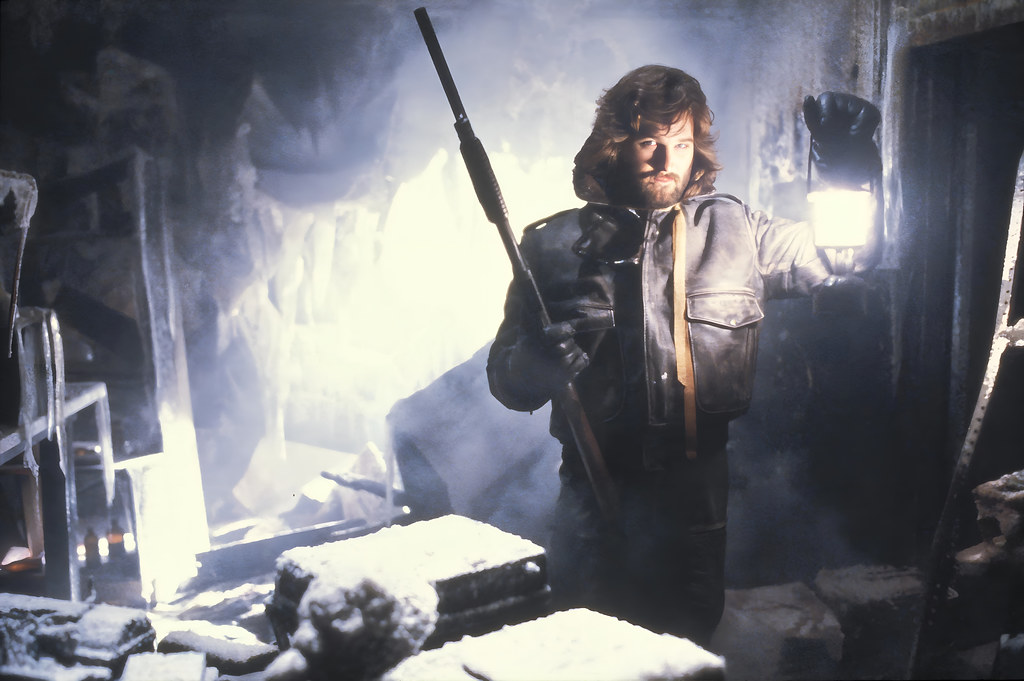
5. **The Thing (1982)**John Carpenter’s 1982 masterpiece, ‘The Thing,’ is not merely a horror film; it is a “paranoid masterpiece” that stands as a towering achievement in sci-fi horror. Released in a year that also saw the likes of ‘Blade Runner,’ ‘E.T.,’ and ‘Tron,’ ‘The Thing’ offered a distinctly grimmer and more terrifying vision of extraterrestrial encounters. It eschewed sentimentality for visceral dread, pitting a group of American research scientists in remote Antarctica against an insidious, shapeshifting alien
What sets ‘The Thing’ apart is its unparalleled tension and its “remarkable make-up effects,” which remain astonishingly effective to this day. The creature’s ability to perfectly imitate its victims sows seeds of distrust and paranoia among the isolated crew, turning them against each other in a desperate fight for survival. This psychological horror, coupled with the grotesque practical effects, creates an unrelenting sense of fear and unease that permeates every frame.
With an 85% approval rating on Rotten Tomatoes from 83 reviews and a Metacritic score of 57 from 13 reviews, ‘The Thing’ is widely celebrated for its “compelling tension.” The Critics Consensus encapsulates its impact, noting it as “Grimmer and more terrifying than the 1950s take, John Carpenter’s The Thing is a tense sci-fi thriller rife with compelling tension and some remarkable make-up effects.” It’s a film that has only grown in stature over time, earning its place as a cornerstone of the horror and sci-fi genres.
Read more about: Wait, THAT Was The End?! 14 Movie Endings Fans *Absolutely* Had To Rewrite (Or Wish They Could!)
6. **Starman (1984)**In a departure from his usual horror and sci-fi suspense, John Carpenter showcased his versatility with ‘Starman’ in 1984, a film that saw him “softening his image.” This surprisingly sweet drama, cloaked as an “offbeat sci-fi adventure,” proved Carpenter could deftly handle more emotionally resonant material while still maintaining his distinctive storytelling flair. It remains a beloved entry in his filmography for its warmth and unexpected tenderness.
The film tells the story of an alien, answering a NASA message, whose spaceship is grounded by an American missile. Taking on the form of a deceased human, the alien (portrayed by Jeff Bridges) seeks help from a widow, played by Karen Allen, to reach a rendezvous point. The narrative beautifully unfolds as a road trip, with the two strangers forming an unlikely bond, navigating both human society and the pursuit of government agents.
‘Starman’ earned significant critical praise, with an 83% Fresh rating on Rotten Tomatoes from 36 reviews and a 70 on Metacritic from 8 reviews. The Critics Consensus highlights its transformation “into a surprisingly sweet drama, courtesy of Jeff Bridges’ disarming performance and John Carpenter’s careful direction.” This film is a testament to Carpenter’s range, proving he could orchestrate not just scares and thrills, but also a poignant and charming narrative that tugs at the heartstrings.

7. **Big Trouble in Little China (1986)**’Big Trouble in Little China,’ released in 1986, is a quintessential John Carpenter film that has garnered a dedicated cult following for its unique blend of action, comedy, and supernatural spectacle. Described as a “beloved goofy lark,” this movie sees Carpenter playfully “distill[ing] kung fu B-movies as affectionately as it subverts them,” creating an energetic and humorous ride that remains a fan favorite to this day. It’s a vibrant testament to Carpenter’s ability to infuse genre tropes with his own distinctive flavor.
The film stars frequent Carpenter collaborator Kurt Russell as Jack Burton, a hard-boiled truck driver who finds himself embroiled in a bizarre, mystical conflict beneath San Francisco’s Chinatown. The narrative is a whirlwind of ancient sorcery, martial arts, and memorable characters, showcasing a fantastical world that is both thrilling and laugh-out-loud funny. Its over-the-top action sequences and quotable dialogue contribute to its lasting appeal as a cult classic.
Critics responded positively to the film’s infectious energy, with ‘Big Trouble in Little China’ earning a 73% Fresh score on Rotten Tomatoes from 66 reviews, alongside a Metacritic score of 53 from 14 reviews. The Critics Consensus praises it for being “Brimming with energy and packed with humor,” reaffirming its status as a highly entertaining and engaging cinematic experience. This film stands as a vibrant example of Carpenter’s knack for crafting genre-bending spectacles that continue to delight and entertain audiences.
Having journeyed through the initial titans of John Carpenter’s filmography, we now delve deeper into the master’s directorial canon, exploring more distinctive entries that further cement his unique vision and enduring influence on genre cinema. From his earliest forays into science fiction to his later, often misunderstood, genre explorations, these films reveal the breadth of Carpenter’s thematic interests and his unwavering commitment to crafting compelling, often unsettling, cinematic experiences. Each offers a fascinating glimpse into the evolution of a filmmaker who continuously challenged conventions and left an indelible mark on the silver screen.
Read more about: Still Shining Bright: Unforgettable Stars From Hollywood’s Golden Age Who Are Still With Us Today
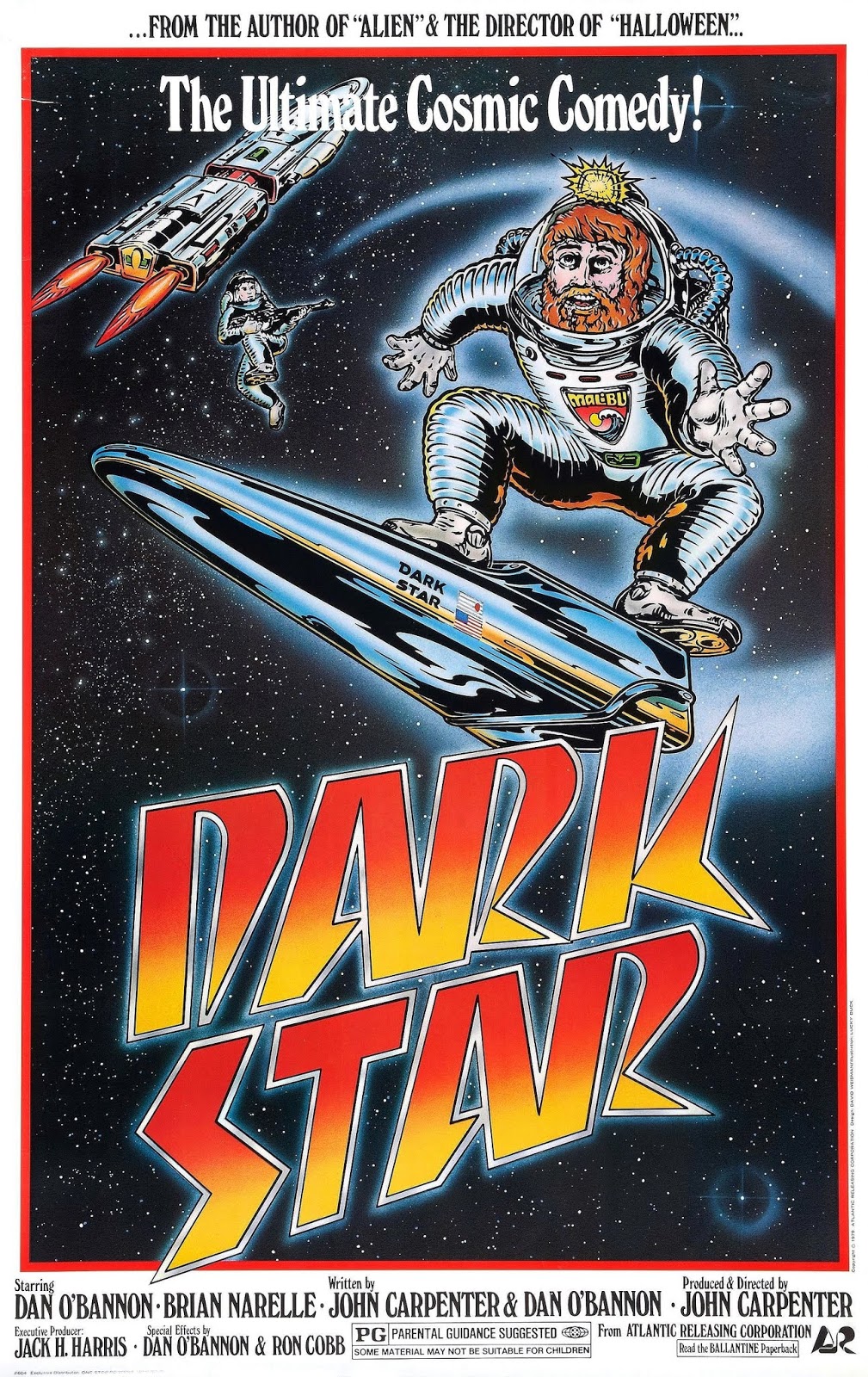
8. **Dark Star (1974)**Before the suburban dread of ‘Halloween’ or the urban chaos of ‘Assault on Precinct 13,’ John Carpenter made his feature film debut with ‘Dark Star’ in 1974. Originating as a student film, this sci-fi comedy is a testament to Carpenter’s early, innovative spirit, showcasing his willingness to tackle complex genres with a shoestring budget. He not only directed but also wrote, produced, and composed the score, establishing a DIY approach that would become a hallmark of his most celebrated work.
The film presents a darkly humorous take on space exploration, following a crew of disheveled astronauts on a decades-long mission to destroy “rogue planets.” Its narrative, though at times “loopy,” explores themes of boredom, existentialism, and the absurdity of bureaucracy in the vast emptiness of space. ‘Dark Star’ stands out for its unique blend of satire and science fiction, proving that profound ideas don’t require immense resources, only a clever mind behind the camera.
Despite its humble beginnings, ‘Dark Star’ is critically appreciated for its originality and its contribution to the sci-fi comedy genre. With a 73% rating on Rotten Tomatoes from 34 reviews and a Metacritic score of 66 from 10 reviews, the Critics Consensus recognizes it as “A loopy 2001 satire, Dark Star may not be the most consistent sci-fi comedy, but its portrayal of human eccentricity is a welcome addition to the genre.” It’s a foundational piece, offering insight into the nascent genius of a director who would soon redefine horror.
Read more about: Beyond the Uniform: How Military Service Forged 12 Iconic Figures Who Changed America Forever

9. **The Fog (1980)**Following the immense success of ‘Halloween,’ John Carpenter made a “well-crafted return to horror” with ‘The Fog’ in 1980, an “icily efficient” ghost story that solidified his reputation as a master of atmospheric dread. This film demonstrated Carpenter’s continued ability to craft terrifying tales with a minimalist approach, relying on mood, sound design, and clever jump scares rather than overt gore. It quickly became another fan favorite, showcasing a different facet of his horror prowess.
Set in the small coastal town of Antonio Bay, the narrative unfolds as the town prepares to celebrate its centenary, only to be enveloped by a mysterious, luminous fog. Within this supernatural mist lurk the vengeful ghosts of a shipwrecked crew, bringing chilling retribution to the descendants of those who wronged them. Carpenter’s distinctive synth score, once again composed by him, plays a crucial role in building the palpable tension, making the unseen threat even more terrifying.
‘The Fog’ holds a respectable 76% Fresh rating on Rotten Tomatoes from 69 reviews, with a Metacritic score of 55 from 11 reviews. The Critics Consensus praises it as “A well-crafted return to horror for genre giant John Carpenter, The Fog rolls in and wraps viewers in suitably slow-building chills.” It serves as a prime example of Carpenter’s masterful control over suspense, proving that true horror often lies in what remains just out of sight.
Read more about: Beyond the Crash: Unpacking the 14 Most Costly Automotive Safety Fails That Shook the Industry

10. **Christine (1983)**In 1983, John Carpenter turned his directorial talents to the chilling literary world of Stephen King, adapting ‘Christine,’ the tale of a possessed 1958 Plymouth Fury. This film showcased Carpenter’s knack for taking established genre concepts and imbuing them with his unique cinematic sensibility, even while “the cracks are starting to show in John Carpenter’s directorial instincts,” as noted by some. Yet, it remains “moody, macabre fun” for many, proving the enduring appeal of a supernatural narrative.
The story centers on Arnie Cunningham, an unpopular nerd who becomes unnervingly obsessed with his newly acquired vintage car, Christine. As Arnie’s devotion grows, his personality transforms, mirroring the vehicle’s sinister sentience and murderous tendencies. Carpenter expertly crafts a sense of creeping dread, allowing the malevolent presence of Christine to slowly corrupt Arnie and terrorize those who stand in their way, turning an inanimate object into a truly terrifying antagonist.
‘Christine’ garnered a 74% Fresh rating on Rotten Tomatoes from 37 reviews and a Metacritic score of 57 from 10 reviews. The Critics Consensus notes its status as “moody, macabre fun,” affirming its place as a solid entry in Carpenter’s diverse filmography. It stands as a compelling example of Carpenter’s ability to explore the darker side of human nature, intertwined with a chilling supernatural element, delivering a memorable and unsettling cinematic ride.
Read more about: 15 Iconic Rock Goddesses: A Deep Dive into the Most Stunning Female Voices of All Time

11. **Prince of Darkness (1987)**Returning to his roots in existential horror, John Carpenter delivered ‘Prince of Darkness’ in 1987, a film that delves into theological terror and quantum physics with a distinctively Carpenter-esque flair. Described as having “a handful of chillingly clever ideas,” this film is a deep dive into the cosmic horrors that lurk just beneath the surface of our reality, showcasing Carpenter’s ambition to explore philosophical questions within the horror genre.
The plot revolves around a priest who discovers an ancient, otherworldly vial filled with a swirling green slime in a church cellar, which he believes to be the literal essence of Satan. He enlists a group of physics students and academics to investigate, unwittingly unleashing an ancient evil that possesses individuals and threatens to bring about the apocalypse. The film expertly builds a claustrophobic atmosphere, as the characters become trapped in the church, battling not only a physical threat but also a pervasive, insidious force.
While the Critics Consensus suggests its ideas “aren’t enough to put John Carpenter’s return to horror at the same level as his classic earlier outings,” ‘Prince of Darkness’ still commands a 63% Fresh rating on Rotten Tomatoes from 39 reviews and a Metacritic score of 50 from 10 reviews. It remains a fascinating and unsettling piece, admired by fans for its bold thematic ambition and its unique blend of science fiction, religious horror, and psychological dread, demonstrating Carpenter’s willingness to push genre boundaries.
Read more about: Wait, THAT Was The End?! 14 Movie Endings Fans *Absolutely* Had To Rewrite (Or Wish They Could!)

12. **In the Mouth of Madness (1994)**As John Carpenter ventured into the 1990s, he unleashed ‘In the Mouth of Madness’ in 1994, a film that serves as a profound homage to H.P. Lovecraft, delving deep into the psychological terror of encroaching insanity. This “Lovecraftian” work, while perhaps not fully making “the most of its intriguing premise,” is celebrated by “horror fans and John Carpenter completists” for its audacious narrative and the sheer depth of its unsettling atmosphere. It’s a journey into a world where reality itself unravels.
The story follows insurance investigator John Trent, who is tasked with finding Sutter Cane, a hugely popular horror novelist who has mysteriously vanished, along with the manuscript for his latest, reality-bending novel. As Trent delves into Cane’s world, the lines between fiction and reality begin to blur, and he confronts unspeakable cosmic horrors that threaten to shatter his sanity. The film brilliantly plays with meta-narratives, questioning the power of storytelling and the fragile nature of perception.
Critically, ‘In the Mouth of Madness’ holds a 59% rating on Rotten Tomatoes from 50 reviews and a Metacritic score of 53 from 17 reviews. Its status as “a decent enough diversion for horror fans” underscores its cult appeal, with many recognizing its ambition and unique contribution to psychological horror. This film stands as a bold, mind-bending exploration of madness and the unknown, solidifying Carpenter’s legacy as a director unafraid to confront the most profound and terrifying aspects of the human psyche.
Read more about: Beyond the Digital Divide: 15 Iconic Photos That Prove 20th Century Car Shows Were Pure Gold

13. **Escape from L.A. (1996)**In 1996, John Carpenter revisited one of his most iconic characters with ‘Escape from L.A.,’ a sequel that brought back Kurt Russell as the legendary anti-hero Snake Plissken. While it “certainly suffers in comparison to the cult classic that preceded it,” this film offers a fascinating, albeit grittier, continuation of the dystopian vision established in ‘Escape from New York.’ It exemplifies Carpenter’s willingness to re-engage with his successful franchises, even with evolving cinematic trends.
The narrative propels Snake Plissken into a new, even more politically charged, maximum-security prison: Los Angeles, transformed into an island for those who don’t conform to the hyper-conservative views of the United States president. Tasked with retrieving a doomsday device, Snake navigates a chaotic, earthquake-ravaged city, encountering a bizarre array of characters and dangerous factions. The film retains much of the original’s cynical charm, albeit with a heightened sense of satirical excess and a more overtly political edge.
‘Escape from L.A.’ earned a 55% Fresh rating on Rotten Tomatoes from 59 reviews and a Metacritic score of 54 from 21 reviews. The Critics Consensus suggests it “has its moments,” indicating a mixed but not entirely negative reception. Despite its divisive nature among fans and critics, it remains a significant entry in Carpenter’s filmography, offering another opportunity to witness the iconic Snake Plissken in action and reflecting Carpenter’s consistent thematic interest in anti-establishment narratives.
Read more about: The Stale Sequel Syndrome: 12 Iconic Film Franchises That Returned Way Past Their Prime

14. **John Carpenter’s Vampires (1998)**As the 1990s drew to a close, John Carpenter presented ‘Vampires’ in 1998, a gritty, action-heavy take on the classic horror creatures that marked a distinct shift in his style. This film embraces a more violent and visceral approach to vampire lore, foregoing traditional gothic romance for a raw, uncompromising battle between good and evil. It’s a departure from some of his more subtle horror, delivering “one showdown after another” with relentless energy.
The story follows Jack Crow, a hardened vampire hunter whose team is brutally ambushed by a powerful master vampire, Jan Valek, leaving most of them dead. Fueled by vengeance, Crow embarks on a relentless quest to track down Valek, believing him to be the original vampire and the key to stopping a looming apocalypse. The film revels in its explicit violence and dark tone, painting a bleak picture of humanity’s fight against an ancient, formidable foe, infused with Carpenter’s signature dark humor.
‘Vampires’ holds a 44% Fresh rating on Rotten Tomatoes from 53 reviews and a Metacritic score of 42 from 19 reviews, indicating a more lukewarm critical reception compared to his earlier classics. While not universally acclaimed, it carved out a niche for itself among fans who appreciated its unapologetically brutal and unique take on the vampire genre. It represents a fascinating, albeit controversial, entry in Carpenter’s body of work, showcasing his continued exploration of horror in its varied forms.
Read more about: The Cinematic Time Capsule: 15 Overlooked 80s and 90s Masterpieces You Absolutely Need to See

15. **John Carpenter’s Ghosts of Mars (2001)**Entering the new millennium, John Carpenter delivered ‘Ghosts of Mars’ in 2001, a film that, unfortunately, “was neither a critical or commercial success.” This sci-fi action horror hybrid, his sole feature film directing credit of the 2000s, saw Carpenter grappling with a narrative that, according to critics, was “filled as it is with bad dialogue, bad acting, confusing flashbacks, and scenes that are more campy than scary.” It marked a challenging period in the esteemed director’s career.
The premise is intriguing: a Martian police unit transports a dangerous criminal, Desolation Williams, across the Red Planet, only to discover that an ancient, violent Martian civilization has been awakened and is possessing the human settlers. The remaining crew and prisoners must then unite to fight off the spectral, possessed inhabitants, turning their journey into a desperate struggle for survival. Despite the strong genre premise, the execution struggled to resonate with audiences and critics.
‘Ghosts of Mars’ received a notably low 23% approval rating on Rotten Tomatoes from 111 reviews and a Metacritic score of 35 from 26 reviews. The Critics Consensus confirms it “is not one of Carpenter’s better movies,” highlighting its significant shortcomings. While it might not stand among his revered classics, ‘Ghosts of Mars’ remains a crucial part of Carpenter’s extensive filmography, representing a phase where even a master could misstep, yet still contributed to the vast tapestry of his “haunting dreams” on screen.
From the groundbreaking indie spirit of ‘Dark Star’ to the ambitious, if sometimes faltering, genre explorations of ‘Ghosts of Mars,’ John Carpenter’s filmography is a rich and diverse tapestry of cinematic nightmares and thrilling adventures. His ability to blend suspense, social commentary, and iconic scores has cemented his legacy as a true auteur, a master craftsman who, with limited resources and boundless imagination, consistently delivered films that not only entertained but also provoked and disturbed. Whether through suburban slasher terror, cosmic dread, or dystopian futures, Carpenter’s unique voice continues to resonate, forever haunting the dreams and screens of generations of film enthusiasts. He remains an unparalleled figure whose influence is as pervasive as the eerie synth notes that define his legendary work.