Dodge, a name synonymous with American muscle and robust performance, has etched a significant legacy in automotive history since its founding in 1900 as the Dodge Brothers Company. From the raw power of the Challenger to the aggressive styling of the Daytona, the brand has delivered numerous successes that captured the spirit of an era and the hearts of enthusiasts worldwide. Acquired by Chrysler, Dodge became a global phenomenon, particularly during the muscle car era, defining an aesthetic of power and presence. Yet, even the most legendary carmakers, in their extensive journeys, inevitably encounter moments where vision and execution don’t quite align.
While Dodge is celebrated for its triumphs, the brand’s expansive lineup over the decades has also seen its share of models that missed the mark, both in terms of design and consumer appeal. Critics often argue that Dodge’s occasional lack of a firm focus has led to questionable vehicles, suggesting a disconnect from consumer desires for style and substance. It’s a testament to the dynamic and often unforgiving nature of the automotive industry that even a powerhouse like Dodge can, at times, produce models that fall short of expectations, leaving enthusiasts and casual drivers alike scratching their heads.
This article embarks on an in-depth exploration of some of Dodge’s most notable design disasters and less-than-stellar offerings. It’s a journey through the brand’s past and present, examining cars that, for various reasons—be it controversial styling, underwhelming performance, or a fundamental misunderstanding of market trends—failed to achieve the iconic status of their more celebrated siblings. We will objectively analyze these models, understanding the context of their creation and the reception they received, acknowledging that in the subjective world of car design, one person’s misstep might be another’s guilty pleasure.
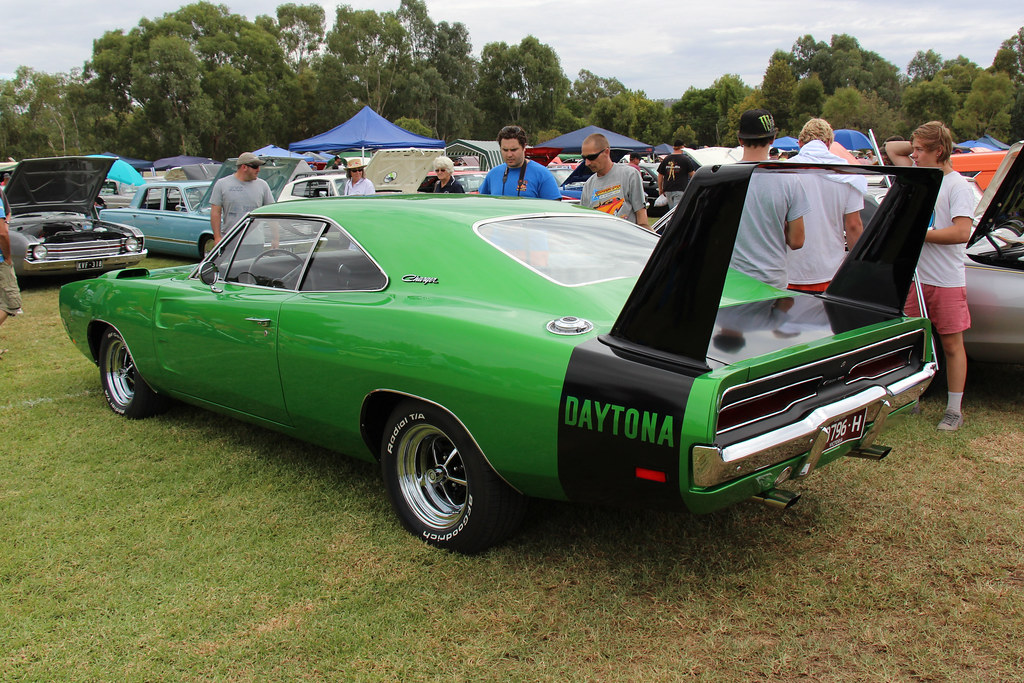
1. 1982 Dodge Charger
The name “Charger” evokes powerful images of roaring V8 engines and aggressive coupe designs, symbolizing the pinnacle of the muscle car era. Icons like the 1969 Dodge Hemi Charger 500 defined this legacy with their immense power. However, the fifth generation, launched in the early 1980s, presented a stark and controversial departure, offering little resemblance to its storied lineage and ultimately redefining the Charger nameplate in a way few enthusiasts embraced.
This iteration transformed the Charger into a compact hatchback coupe, a drastic shift from its muscular predecessors. Gone were the pleasing curves, the distinctive vertical grille, and the signature round headlights of the late ’60s model. Instead, it adopted a very square and sloping front end, based on the Omni platform, which rendered it a miniature, almost unrecognizable version of the original. This design choice, while aligning with compact cars of its era, fundamentally alienated a core segment of Dodge’s loyal following.
Beyond the divisive aesthetics, performance further cemented its problematic reception. The standard 1.7-liter inline-four cylinder engine generated a meager 70 horsepower, a world away from the raw power historically associated with the Charger. Moreover, Dodge switched from its traditional rear-wheel drive to front-wheel drive, altering a key staple of the muscle car genre. While it offered improved fuel economy and surprisingly better off-the-line performance than some rivals, getting over its transformation into an “Omni clone” proved an insurmountable hurdle for many enthusiasts.
Car Model Information: 2016 Dodge Charger R/T
Name: Dodge Charger
Caption: 1969 Dodge Charger
Manufacturer: Dodge
Production: 1966–1978,1981–1987,2005–present
ModelYears: 1966–1978,1982–1987,2006–present
Categories: 1960s cars, 1970s cars, 1980s cars, 2000s cars, 2010s cars
Summary: The Dodge Charger is a model of automobile marketed by Dodge in various forms over eight generations since 1966.
The first Charger was a show car in 1964. A 1965 Charger II concept car resembled the 1966 production version.
In the United States, the Charger nameplate has been used on mid-size cars, personal luxury coupes, subcompact hatchbacks, and full-size sedans.
Get more information about: Dodge Charger
Buying a high-performing used car >>>
Brand: Dodge Model: Charger
Price: $17,395 Mileage: 101,397 mi.
Read more about: The Unsafe Hall of Fame: Unmasking 14 Cars with the Highest Fatal Accident Rates
2. Dodge Caliber
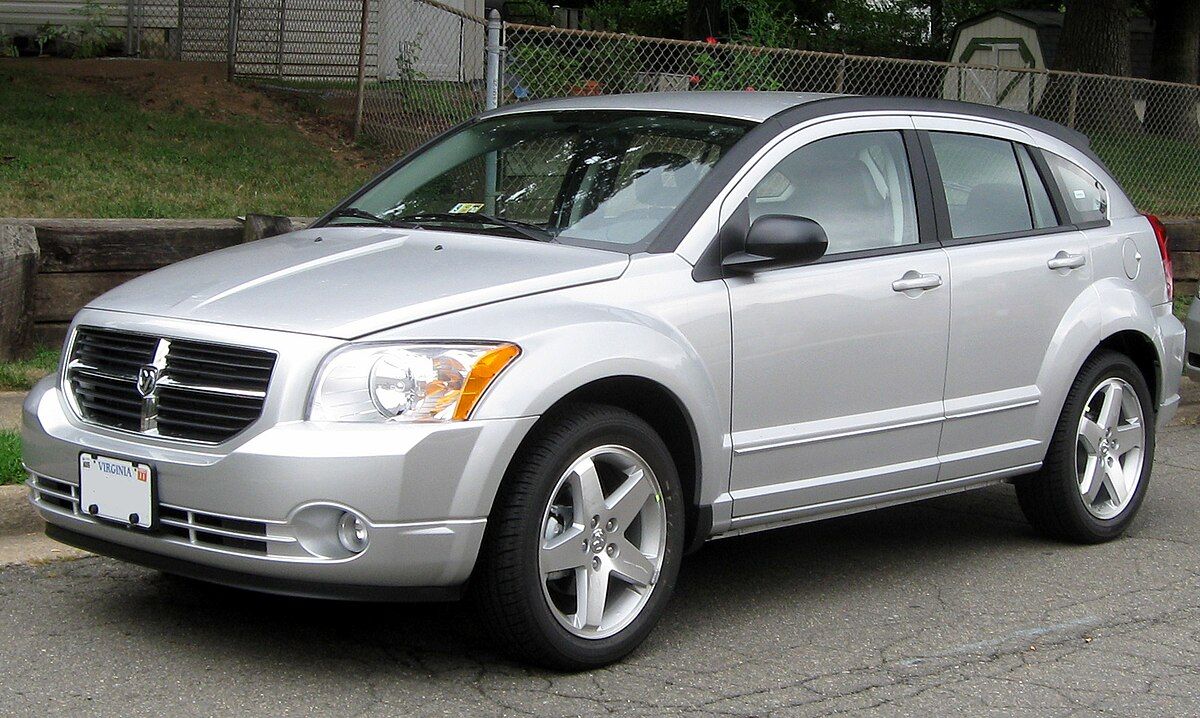
The Dodge Caliber holds a particularly infamous spot in the brand’s history, not only for its polarizing design but also for the controversial decision to replace the popular Dodge Neon. Introduced in the mid-2000s, the Caliber blurred the lines between a compact hatchback and a quasi-sport utility vehicle, a design direction that many traditional Dodge enthusiasts found perplexing and disappointing. The automotive sphere often reacted with a wish for the Neon to have simply lasted longer.
Aesthetically, the Caliber’s design was widely criticized for its bulky, almost boxy shape, coupled with an oversized grille and pronounced fenders. This contributed to an off-putting visual presence, with some reviewers describing it as a shrunk-down Dodge Durango lacking the sleekness and aerodynamic refinement expected of modern vehicles. The plastic-heavy interiors further solidified perceptions of cheapness, failing to deliver the desired quality and design coherence.
Dodge’s advertising, with phrases like “Grab Life By The Horns” and “It’s Anything But Cute,” attempted to align the Caliber with the brand’s muscular image. However, this marketing rhetoric clashed significantly with the reality of the vehicle, which was equipped with modest four-cylinder engine options, even the R/T version offering a mere 172 horsepower. This disconnect between bold claims and actual capability, combined with its polarizing design, meant the Caliber struggled to find a definitive identity and ultimately failed to resonate broadly.
Car Model Information: 2008 Dodge Caliber SXT
Name: Dodge Caliber
Manufacturer: Dodge
Production: March 2006 – November 2011
ModelYears: 2007–2012
Assembly: Belvidere, Illinois,Valencia, Carabobo
Designer: Mike Nicholas (2005)
Class: Compact car
BodyStyle: hatchback
Platform: Mitsubishi GS platform
Related: Jeep Compass,Jeep Patriot,Mitsubishi ASX
Layout: Front-engine, front-wheel-drive layout
Engine: Global Engine Alliance,Global Engine Alliance,Volkswagen,Global Engine Alliance,Global Engine Alliance
Transmission: Magna International,Aisin,Getrag,Continuously variable transmission
Wheelbase: 2635 mm
Abbr: on
Order: flip
Length: 173.8 in
Width: 68.8 in
Height: {{convert,60.4,in,mm,0,abbr=on
Weight: 3052 lb
Predecessor: Dodge Neon,Dodge Neon SRT-4,Chrysler PT Cruiser
Successor: Dodge Dart (PF)
Categories: 2010s cars, All-wheel-drive vehicles, All articles needing additional references, All articles with dead external links, Articles needing additional references from July 2017
Summary: The Dodge Caliber is a compact hatchback manufactured and marketed by Chrysler’s Dodge division from the 2007 through 2012 model years, replacing the Dodge Neon and Chrysler PT Cruiser.
Following the Caliber concept, which debuted at the 2005 Geneva Motor Show, the pre-production version debuted at the 2006 North American International Auto Show, with a market launch in March 2006.
The Caliber was manufactured at the Belvidere Assembly (Illinois) plant, and across its six-year model run, just over 400,000 were produced.
Get more information about: Dodge Caliber
Buying a high-performing used car >>>
Brand: Dodge Model: Caliber
Price: $1,500 Mileage: 249,192 mi.
Read more about: Headaches in Every Turn: 6 SUVs Owners Say They’d “Send to the Scrapyard” If Allowed
3. Dodge Aries
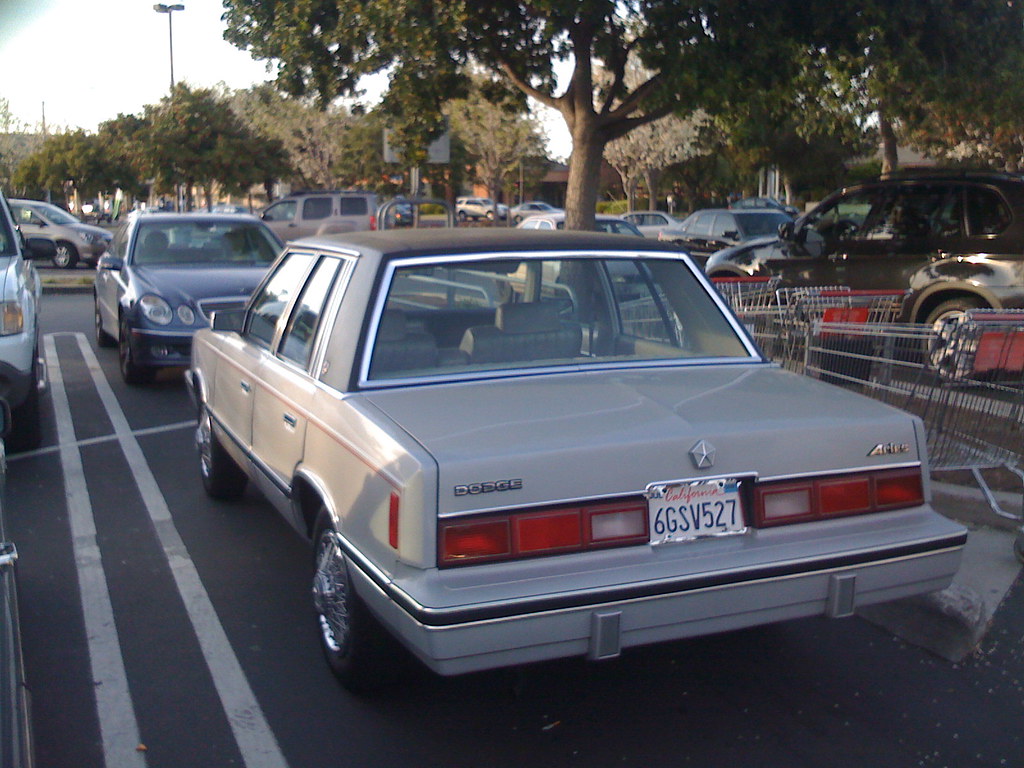
The Dodge Aries, a product of the 1980s K-Car platform, stands out as an emblem of the brand’s less successful design ventures. Available as a coupe, sedan, or station wagon from 1981 to 1989, it emerged during a decade known for “boxes with wheels.” Yet, even within that context, the Aries’ appearance was remarkably unmemorable, quickly fading from recollection due to its utterly bland aesthetic.
Its design prioritized functionality and economy, leading to a slab-sided body and an uninspiring grille that fulfilled its purpose without offering any visual excitement. Dodge’s attempt at an elegant motif often resulted in a cut-rate appearance, exacerbated by features like faux wood paneling running along its sides—a design choice widely considered among the industry’s worst. Questionable paint colors, such as light baby blue or muddy brown, further diminished its perceived quality and appeal, with one owner even affectionately (or resignedly) calling it “my little blue turd.”
Despite its shortcomings, the Aries did manage a peculiar, almost cult-like appeal to a select few, with one owner admitting, “It was ugly, but for some reason it was cool.” However, this niche appreciation failed to translate into widespread admiration, particularly with younger demographics, as the wagon version notably attracted older drivers. Ultimately, the Aries’ bland aesthetics and lackluster performance, often described as “gutless,” ensured its place as a functional but undeniably uninspiring chapter in Dodge’s design history.
Read more about: Ruin in Every Click: 14 Dating App Disasters So Wild, They’ll Make You Want to Uninstall Everything!

4. Dodge Rampage
The Dodge Rampage remains an often-overlooked model in automotive history, a car-pickup crossover with a brief three-year production run in the early 1980s. Essentially, it married the boxy front end of the 1982 Charger with a pickup bed, an ambition that, unlike the seamless integration seen in models like the Chevy El Camino, often appeared more like a “Frankenstein mishmash” than a cohesive, mass-produced vehicle. Its unique form factor struggled to find broad acceptance.
Aesthetically, the Rampage tried to inject sportiness with two-tone color schemes and side stripes, alongside options like a distinctive Ram logo or a pronounced scoop on the hood advertising its 2.2-liter engine. While these elements aimed for aggression, they often clashed with the underlying crossover design, contributing to its awkward visual identity. The interior could also be bold, with options like a red interior, a choice rarely encountered in vehicles today.
Where the El Camino effortlessly blended car and truck, the Rampage’s transition from compact car front to utilitarian pickup rear lacked visual harmony. It didn’t exude ruggedness nor the sleekness of a typical car, leaving it in a curious design limbo. Despite a loyal following among car-pickup enthusiasts and its practical ability to haul up to 1,145 pounds, shifting consumer interests and its unique, often misunderstood design ultimately led to its discontinuation, marking it as a memorable, albeit polarizing, experiment for Dodge.
Car Model Information: 1984 Dodge Rampage Base
Caption: 1982 Dodge Rampage
Name: Dodge Rampage
Aka: Plymouth Scamp
Manufacturer: Dodge
Production: 1982–1984
ModelYears: 1982–1984
Assembly: Belvidere, Illinois
Class: Coupé utility
BodyStyle: 2-door truck
Engine: Chrysler 2.2 & 2.5 engine#2.2,Inline-four engine
Transmission: Unbulleted list
Platform: Chrysler L platform
Layout: Front-engine, front-wheel-drive layout
Wheelbase: 104.2 in (2,647 mm)
Length: 183.8 in (4,669 mm)
Width: 66.8 in (1,696 mm)
Height: 51.7 in (1,314 mm)
Related: Unbulleted list
Weight: 2,293 lbs (1,040 kg)
Categories: Articles with short description, Cars discontinued in 1984, Cars introduced in 1982, Commons category link is on Wikidata, Coupé utilities
Summary: The Dodge Rampage was a subcompact unibody coupe utility based on Chrysler’s L platform and manufactured and marketed from 1982 to 1984 model years. Plymouth marketed a rebadged variant for model year 1983, as the Scamp.
The Rampage combined the handling and passenger carrying characteristics of a traditional passenger car with the open-bed versatility and load capacity of a small pickup truck, similar to its competitors: the Volkswagen Rabbit Sportruck and Subaru BRAT.
Get more information about: Dodge Rampage
Buying a high-performing used car >>>
Brand: Dodge Model: Rampage
Price: $8,995 Mileage: 71,544 mi.
Read more about: Evaluating the 8 Safest Used Trucks Under $20,000 for Savvy Buyers
5. Dodge Nitro
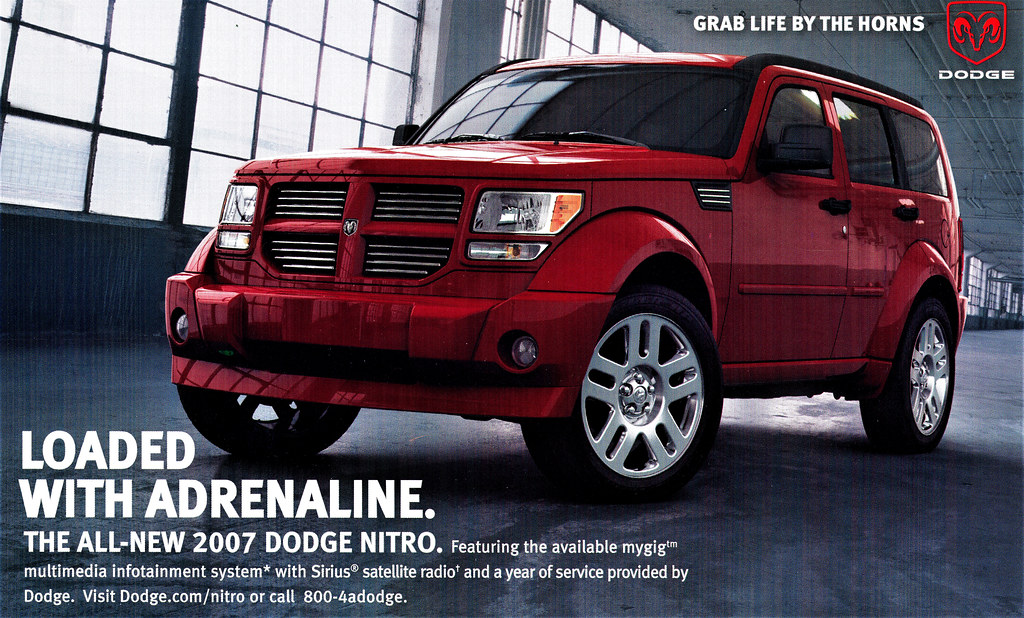
The Dodge Nitro, with its high beltline and distinctly blocky appearance, often projected an image of a vehicle trying excessively hard to convey rugged toughness. Launched during the SUV boom, the Nitro aimed for a menacing aesthetic that, for many, resulted in an unwieldy and overly aggressive visual statement, frequently lacking the performance credentials to truly back up its imposing looks. This created a significant gap between its visual promise and actual capability.
Its design language, characterized by prominent, squared-off wheel arches and an upright stance, contributed to a perceived lack of sophistication and aerodynamic efficiency. The elevated beltline, while possibly intended to convey security, instead made the windows appear smaller and the vehicle’s profile somewhat disproportionate. This combination lent the Nitro a heavy and cumbersome appearance, rather than one of agility or commanding presence, a critical misstep in a competitive SUV market increasingly favoring refined aesthetics.
The Nitro’s bold and aggressive styling, while attention-grabbing, alienated a segment of buyers who preferred more graceful or subtle SUV designs. It was a vehicle that made a strong visual statement, but one often interpreted as trying too hard, sacrificing fluid lines for a brute-force aesthetic. Without corresponding class-leading performance or innovative features, the Nitro relied heavily on its polarizing visual impact, solidifying its reputation as a model where design aspirations outstripped practical realities.
Car Model Information: 2008 Dodge Nitro SXT
Name: Dodge Nitro
Manufacturer: DaimlerChrysler
ModelYears: 2007–2011 (2012 fleet only)
Production: [object Object]
Designer: Dennis Myles (2004)
Class: Compact SUV
Related: Jeep Liberty,Jeep Grand Cherokee (WK),Jeep Commander (XK),Jeep Wrangler (JK)
Assembly: Toledo, Ohio,United States
BodyStyle: SUV
Wheelbase: 108.8 in
Abbr: on
Length: 178.9 in
Width: 73.1 in
Height: 69.9 in
Weight: 4162 lb
Layout: Longitudinal engine,Front-engine, rear-wheel-drive layout,rear-wheel drive
Platform: Chrysler KA platform
Engine: Chrysler PowerTech engine#3.7 EKG,SOHC,V6 engine
Transmission: Chrysler (brand),Chrysler NSG370 transmission,manual transmission
Categories: 2010s cars, All-wheel-drive vehicles, All articles with failed verification, All articles with unsourced statements, Articles with failed verification from January 2017
Summary: The Dodge Nitro is a compact SUV manufactured and marketed by Dodge for model years 2007–2012 across a single generation — as a close variant of the second-generation Jeep Liberty. Both vehicles use a composite unitized construction integrating the body structure with full-length frame rails.
The Nitro entered production in August 2006 aside the Liberty at the Toledo North Assembly Plant in Toledo, Ohio and was offered in a single, four-door body configuration. Like the Liberty, it was manufactured in RHD and LHD configurations, and marketed globally. Sales commenced in September 2006 for model year 2007 in rear-wheel drive or optional and part-time four-wheel drive. Approximately 200,000 Nitro models were manufactured before production ended in December 2011.
Get more information about: Dodge Nitro
Buying a high-performing used car >>>
Brand: Dodge Model: Nitro
Price: $3,500 Mileage: 248,150 mi.
Read more about: Instant Depreciation and Collector’s Gold: A Deep Dive into 10 Iconic Cars and Their Startling Value Trajectories
6. Dodge Avenger
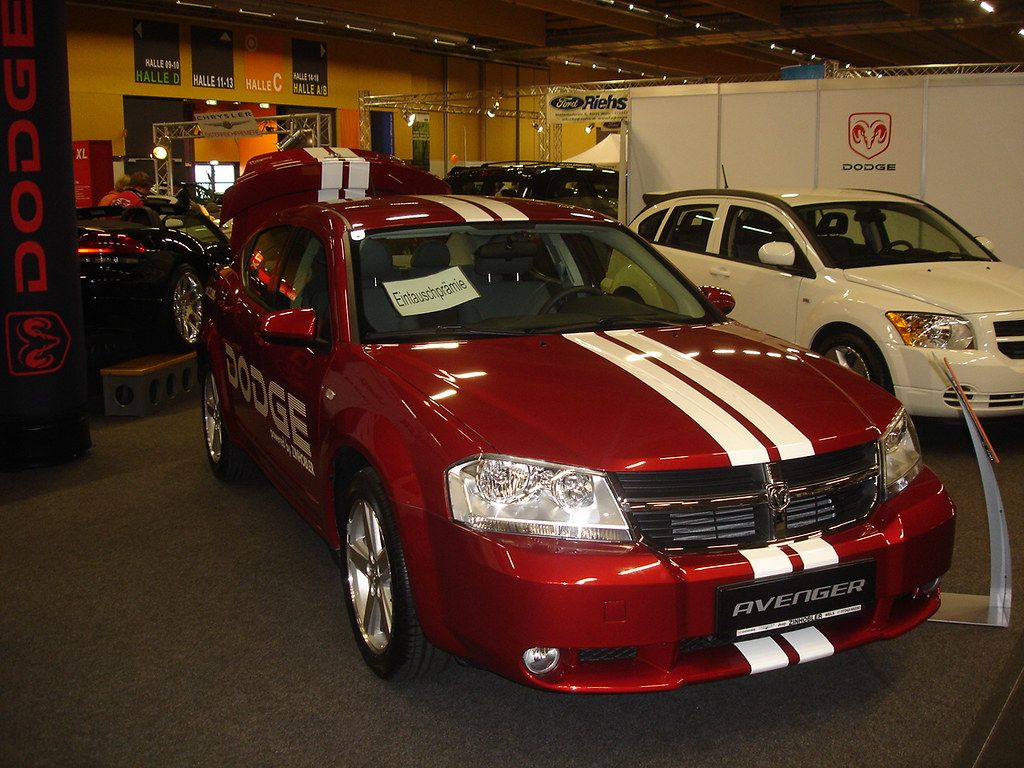
The Dodge Avenger, particularly its second generation, struggled significantly in the fiercely competitive mid-size sedan market due to its overwhelmingly bland and forgettable design. In a segment where vehicles vied for either sporty dynamism or luxurious elegance, the Avenger unfortunately failed to establish any distinctive visual mark, largely fading into obscurity amidst its more aesthetically compelling rivals.
Critics and consumers found the Avenger’s exterior uninspired, failing to evoke strong emotional responses. Its conventional proportions, safe lines, and overall lack of assertive styling meant it simply blended into the background, rather than asserting any unique identity associated with the Dodge brand’s typically bolder designs. This absence of visual punch was a crucial flaw, as first impressions and aesthetic appeal heavily influence purchasing decisions in this competitive segment.
The design philosophy behind the Avenger seemed to prioritize practicality and cost-effectiveness, potentially at the expense of aesthetic innovation. This approach resulted in a vehicle that was neither offensively ugly nor remarkably attractive—it was simply unremarkable. Such neutrality ultimately worked against it, as blandness in automotive design often translates to a lack of desirability and a failure to capture consumer imagination, particularly when competitors offered more engaging and visually appealing options.
Car Model Information: 2013 Dodge Avenger SE
Name: Dodge Avenger
Caption: 2012 Dodge Avenger sedan
Class: Sport compact,Mid-size car
Manufacturer: Dodge
Production: 1994–2000,2007–2014
ModelYears: 1995–2000,2008–2014
Successor: Chrysler 200,Dodge Dart (PF)
Categories: 2000s cars, 2010s cars, All articles with dead external links, Articles with dead external links from April 2015, Articles with short description
Summary: The Dodge Avenger is a front-wheel drive, mid-sized sedan that was marketed by Dodge. The Avenger made its North American debut in 1994 for the 1995 model year as a coupe that was produced until 2000. The model name was reintroduced to the market as a four-door sedan in 2007 for the 2008 model year. The Dodge Avenger name was used on the South African market Hillman Avengers in 1975 and 1976.
The 2014 model year marked the end of Avenger production as the mid-sized models for both the Dodge and Chrysler brands were consolidated into the new Chrysler 200 introduced for the 2015 model year while Dodge received the new compact Dart.
Get more information about: Dodge Avenger
Buying a high-performing used car >>>
Brand: Dodge Model: Avenger
Price: $5,000 Mileage: 123,860 mi.
Read more about: Headaches in Every Turn: 6 SUVs Owners Say They’d “Send to the Scrapyard” If Allowed
7. Dodge Aspen
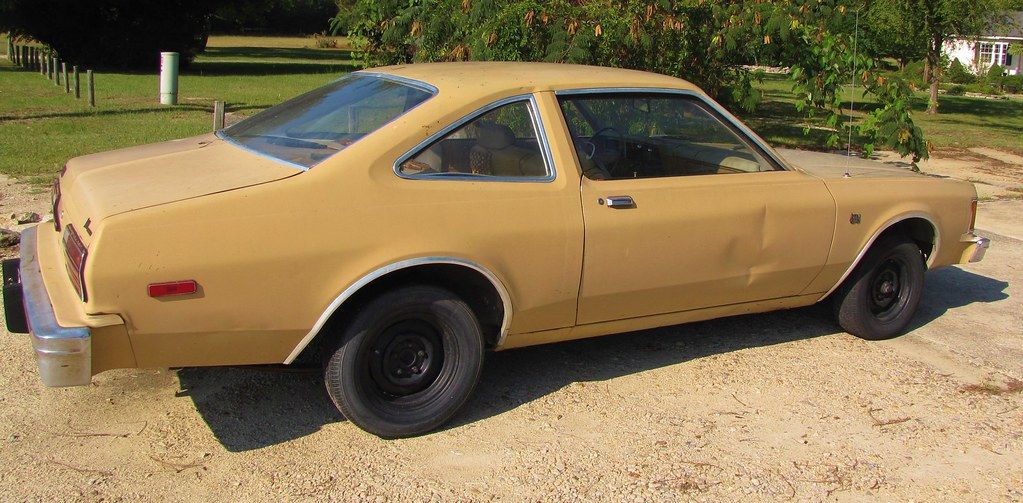
The Dodge Aspen, though not universally condemned, is frequently cited as a model exemplifying uninspired design and a notable absence of flair within the brand’s historical lineup. Introduced during a period of shifting automotive tastes, the Aspen’s aesthetics were often perceived as dull, lacking the visual excitement needed to attract enthusiasts or even the average family buyer seeking a more engaging vehicle. Its visual attributes were largely conventional, contributing to an overall impression of blandness.
A particularly polarizing design element of the Aspen was the option of wood paneling. While this feature could carry a certain nostalgic charm, on the Aspen, it often highlighted its uninspired and somewhat dated exterior. Rather than adding class or retro appeal, the wood paneling frequently underscored the vehicle’s lack of contemporary styling, making it appear less sophisticated and more a relic of bygone eras in a rather unflattering light.
Beyond the contentious wood paneling, the Aspen’s general exterior lacked any distinctive character or innovative elements. Its simple lines, unmemorable grille, and generic silhouette did little to spark enthusiasm, preventing it from establishing a strong visual identity. This absence of unique design cues meant the Aspen struggled to distinguish itself in a market increasingly moving towards more expressive and dynamic styling, reflecting a design strategy that prioritized function over compelling form.
Car Model Information: 1976 Dodge Aspen
Caption: Dodge Aspen coupe
Name: Plymouth Volaré / Dodge Aspen
Manufacturer: Chrysler
Production: 1976–1980
ModelYears: 1976–1980
Class: Compact car
Layout: Front-engine, rear-wheel-drive layout
Platform: Chrysler F platform
Assembly: Hamtramck, Michigan
BodyStyle: station wagon,sedan (car),coupe
Engine: {{convert,225,CID,L,1,abbr=on,Chrysler Slant-6 engine
Abbr: on (wagon)
Transmission: manual transmission,TorqueFlite,A998/A999 3-speed TorqueFlite automatic,manual transmission
Predecessor: Plymouth Valiant
Successor: Plymouth Reliant,Dodge 400
Aka: ubl
Wheelbase: {{convert,108.7,in,mm,0,abbr=on
Weight: 3200 lb
Length: {{convert,198.8,in,mm,0,abbr=on
Width: 73.3 in
Height: {{convert,53.3,in,mm,0,abbr=on
Related: Monteverdi Sierra
Categories: All articles needing additional references, All articles with unsourced statements, Articles needing additional references from June 2025, Articles with short description, Articles with unsourced statements from December 2008
Summary: The Dodge Aspen, and its badge-engineered variant, the Plymouth Volaré, are compact rear-drive cars manufactured and marketed by Chrysler for model years 1976-1980 in four-door sedan, two-door coupe, and four-door wagon styles.
During the Volaré/Aspen’s production, North American automakers were actively “downsizing” their lineups, reducing size and weight for improved fuel economy — and the industry was reclassifying its size nomenclature. The Volaré/Aspen were thus classified originally as compact cars, but as intermediate-sized cars by the time their production ended.
The Volaré/Aspen were discontinued following the 1980 model year prior to the introduction of the front-wheel-drive Plymouth Reliant and Dodge Aries, known collectively as K-cars. The end of production also marked the demise of Dodge Main Assembly, which was closed the same day.
Get more information about: Dodge Aspen
Buying a high-performing used car >>>
Brand: Dodge Model: Aspen
Price: $10,500 Mileage: 68,590 mi.
Read more about: Engineering Nightmares: 15 Vehicles So Flawed, Owners Still Regret Buying Them

8. Dodge Stratus
After navigating the turbulent waters of divisive designs and utility-first vehicles, Dodge also found itself grappling with a more subtle, yet equally detrimental, aesthetic issue: blandness. The Dodge Stratus, a model that emerged in a competitive sedan market, exemplifies this challenge perfectly. While it might not have been offensively ugly, its design was frequently described as uninspired, leading to a critical lack of presence and desirability.
The Stratus’s primary design characteristic was its rounded features, which, while contemporary for a brief period, ultimately contributed to its anonymity. There was a notable absence of striking design elements that could command attention or establish a memorable visual identity. In an era where sedans from other manufacturers began to carve out distinct niches with more aggressive styling or innovative profiles, the Stratus simply blended into the automotive landscape.
This lack of distinctiveness proved to be its undoing, making the Stratus easily forgotten amidst a sea of more charismatic and visually engaging competitors. For a brand like Dodge, known for its bold statements and powerful vehicles, producing a car that was so utterly unremarkable represented a significant misstep in design philosophy. It underscored the fact that in the automotive world, being forgettable can be just as damaging as being outright unappealing.
Car Model Information: 2004 Dodge Stratus SXT
Name: Dodge Stratus
Aka: Europe,Brazil,South Korea
Manufacturer: Chrysler Corporation
Production: June 1994–2006 (sedan),2000–2005 (coupe)
ModelYears: 1995–2006 (sedan),2001–2005 (coupe)
Class: Midsize car
Predecessor: Dodge Spirit
Successor: Dodge Avenger#Dodge_Avenger_sedan_(2007–2014)
Layout: Front-engine, front-wheel-drive layout
Alt: Engine 2.5 6g72
Categories: 2000s cars, All articles needing additional references, Articles needing additional references from December 2018, Articles with short description, Cars introduced in 1995
Summary: The Dodge Stratus is a mid-size car introduced by Dodge and Chrysler in December 1994, built on the four-door sedan Chrysler JA platform. Immediately recognized for its design and performance, the Stratus, alongside its platform mates, the Plymouth Breeze and Chrysler Cirrus, gained Car and Driver magazine’s “Ten Best list” for 1996 and 1997. While initial critical acclaim was high, its ratings eventually declined.
An updated version was introduced for the 2001 model year when the Cirrus was rebranded as the Chrysler Sebring, and a coupe body style was added to the lineup. Production of the Stratus and Sebring models at the Sterling Heights Assembly Plant ceased in early 2006 after 1,308,123 Stratus and Chrysler Sebring sedan and convertible models were built since 2000.
The Dodge Avenger replaced the Stratus nameplate in early 2007 for the 2008 model year. After the Stratus sedan’s discontinuation, Chrysler sold its assembly line and tooling to the Russian concern GAZ, which produced almost 9,000 slightly modified units as the GAZ Volga Siber from 2008 until 2010.
Get more information about: Dodge Stratus
Buying a high-performing used car >>>
Brand: Dodge Model: Stratus
Price: $6,985 Mileage: 25,570 mi.
Read more about: The Great Deception: 12 Vintage Sports Cars That Looked Like Supercars But Drove Like Sloths
9. Dodge Diplomat
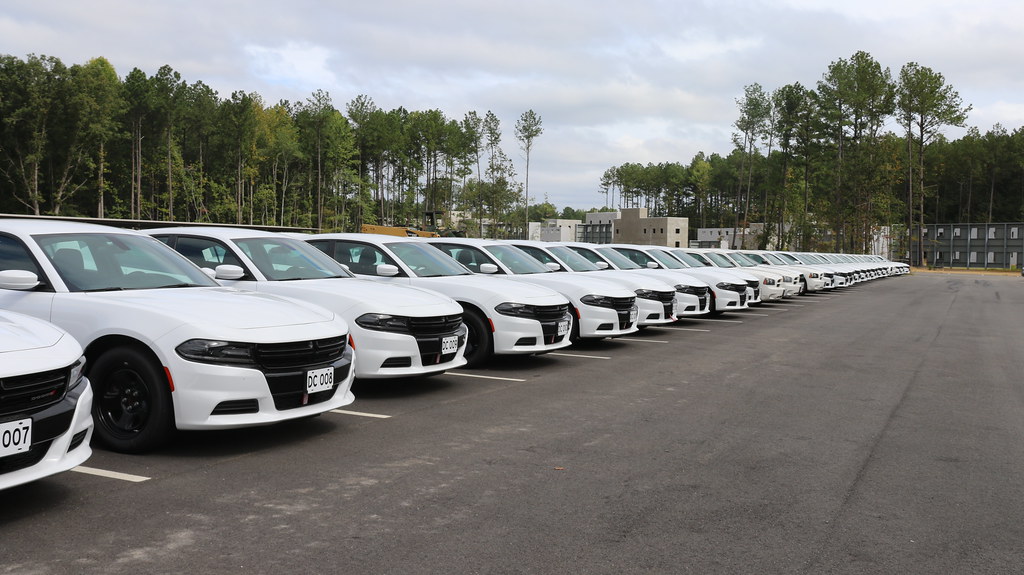
Shifting gears from forgettable aesthetics to vehicles designed with a singular, unglamorous purpose, the Dodge Diplomat offers a stark contrast. This model was unequivocally aimed at the fleet market, prioritizing utilitarian function over any semblance of style or aesthetic appeal. Its design philosophy was rooted in practicality and cost-effectiveness, characteristics that seldom translate into visually exciting automobiles.
The Diplomat’s exterior was defined by its unapologetically square body and a collection of nondescript features. These design choices were not merely conservative; they were explicitly *not* engineered to capture attention or turn heads on the street. Every line and panel seemed to serve only the most basic functional requirements, stripping the vehicle of any visual dynamism or inherent charm that might attract private buyers.
Consequently, while the Diplomat may have fulfilled its role efficiently within police departments or taxi services, it stood out as a rather unattractive and uninspiring choice for personal use. The absence of compelling design elements meant that discerning individual consumers, seeking vehicles with character and visual appeal, quickly overlooked it. The Diplomat serves as a potent reminder that a singular focus on utility, without any consideration for broader aesthetic desirability, can lead to a car that is perfectly functional but utterly unremarkable in the public consciousness.
Read more about: Engineering Nightmares: 15 Vehicles So Flawed, Owners Still Regret Buying Them

10. Dodge Magnum
Among Dodge’s more polarizing designs, the Magnum stands as a vehicle that, despite cultivating a devoted following, frequently drew criticism for its unconventional aesthetic. Introduced as a station wagon that aimed to blend practicality with a performance-oriented stance, its visual execution proved to be a point of contention, demonstrating how bold design choices can lead to a love-it-or-hate-it reception.
A significant point of criticism revolved around the Magnum’s elongated roofline and overall bulky appearance. While these features were integral to its wagon functionality, offering generous cargo space and a distinctive silhouette, they also contributed to a visual heaviness that some found less than appealing. This particular design choice, intended to create a unique presence, instead became a source of ridicule for a segment of the automotive public.
Indeed, the Magnum’s proportions, especially its lengthy roof, led some critics to liken its appearance more to a hearse than a dynamic performance wagon. This perception, whether fair or not, highlighted the fine line between bold styling and unintended visual associations. Despite its powerful Hemi engine options and undeniable utility, the Magnum’s divisive aesthetic became a defining characteristic, preventing it from achieving universal admiration and marking it as a visually challenging chapter in Dodge’s design narrative.
Car Model Information: 1999 Dodge Ram 1500 Laramie SLT
Name: Dodge Magnum
Caption: 2008 Dodge Magnum SE, Stone White
Production: 1978–1979, 1979–1981,1981–1988, 2005–2008,
ModelYears: 1978–1979,1979–1981,1981–1988,2005–2008
Manufacturer: Chrysler Corporation
Categories: 1980s cars, 2000s cars, All articles with unsourced statements, Articles with short description, Articles with unsourced statements from August 2025
Summary: The Dodge Magnum is a nameplate used by several Dodge vehicles, at different times and on various markets. The name was first applied to a large Chrysler B platform-based 2-door coupe marketed from 1978 to 1979 sold in the United States and Canada. From the 2005 to the 2008 model years, the nameplate was revived for a Charger-based station wagon on the rear-wheel drive Chrysler LX platform, produced in Canada and sold on the American and Canadian market.
In Brazil, the Magnum was a top-of-the-line version of the local Dodge Dart, produced from 1979 to 1981.
In Mexico, the Dodge Magnum was a sporty rear-wheel drive two-door car based on Chrysler’s M-body (American Dodge Diplomat/Plymouth Gran Fury). From 1983 to 1988 Dodge marketed a sporty two-door K-car as the “Magnum”, with an available turbocharger engine from 1984 on.
Get more information about: Dodge Magnum
Buying a high-performing used car >>>
Brand: Dodge Model: Magnum
Price: $4,000 Mileage: 191,081 mi.
Read more about: Hidden Dangers: Why Were These 8 Famous Pickup Trucks Allowed to Stay on the Market?

11. Dodge Neon
The first-generation Dodge Neon, a compact car introduced in the 1990s, presented a unique design challenge for a brand traditionally associated with muscle and aggressive styling. Its “cute” appearance, characterized by bug-eyed headlights and a generally rounded, friendly aesthetic, represented a significant departure from the more formidable image Dodge had cultivated over decades. This stylistic choice, while perhaps intended to broaden its appeal, ultimately created a notable disconnect with the brand’s core identity.
The Neon’s design, with its cheerful demeanor and approachable lines, struggled to reconcile with Dodge’s established reputation for muscular, performance-oriented offerings. Where vehicles like the Challenger and Viper exuded raw power and a commanding presence, the Neon projected an almost antithetical image. This conflict meant that traditional Dodge enthusiasts, accustomed to a certain level of visual aggression, found the Neon’s aesthetic perplexing and out of sync with their expectations of the brand.
This stylistic dissonance highlighted a crucial brand identity issue for Dodge. While aiming for a broader market with a more accessible compact car, the chosen design risked diluting the very essence of what made Dodge distinctive. The “cute” Neon, despite its practical advantages and affordability, became a visual anomaly in the Dodge lineup, serving as a reminder that even well-intentioned design shifts must carefully consider their alignment with a brand’s established legacy and consumer perceptions.
Car Model Information: 2005 Dodge Neon SXT
Name: Chrysler/Dodge/Plymouth Neon
Manufacturer: Chrysler,Mercedes-Benz Group,Fiat Chrysler Automobiles
Production: November 1993,2016–2021
ModelYears: 1995–2005,2017–2020
Class: Compact car
Layout: Front-engine, front-wheel-drive layout
Platform: Chrysler PL platform
Predecessor: Dodge Colt,Dodge Shadow,Plymouth Laser
Successor: Dodge Caliber
Aka: Chrysler Neon,Dodge Neon,Plymouth Neon (1995–2001),Dodge SX 2.0 (Canada),Dodge SRT-4 (2003–2005)
Related: Dodge SRT-4,Chrysler PT Cruiser
Categories: 2000s cars, 2010s cars, All articles needing additional references, All articles that may contain original research, All articles with unsourced statements
Summary: The Neon is a compact car built from November 1993 until 2005 by the American Chrysler Corporation over two generations. It has a front-engine, front-wheel-drive layout and was available in two-door and four-door sedan body styles. In the United States and Canada, it was sold as either a Dodge or a Plymouth (except for the 2001–2003 model years in Canada, when it was branded as a Chrysler), while in Europe, Mexico, Japan, South Korea, Egypt, Australia, South Africa, and South America, it was branded as a Chrysler.
The Neon was offered in multiple versions and configurations over its production life, which lasted from the 1995 model year until 2005. The Neon nameplate was subsequently resurrected in 2016 for the Dodge Neon, a rebadged variant of the Fiat Tipo sedan for the Mexican and the Middle Eastern market.
Get more information about: Chrysler Neon
Buying a high-performing used car >>>
Brand: Dodge Model: Neon
Price: $9,995 Mileage: 19,101 mi.
Read more about: Engineering Nightmares: 15 Vehicles So Flawed, Owners Still Regret Buying Them
12. Dodge Dart (Modern)
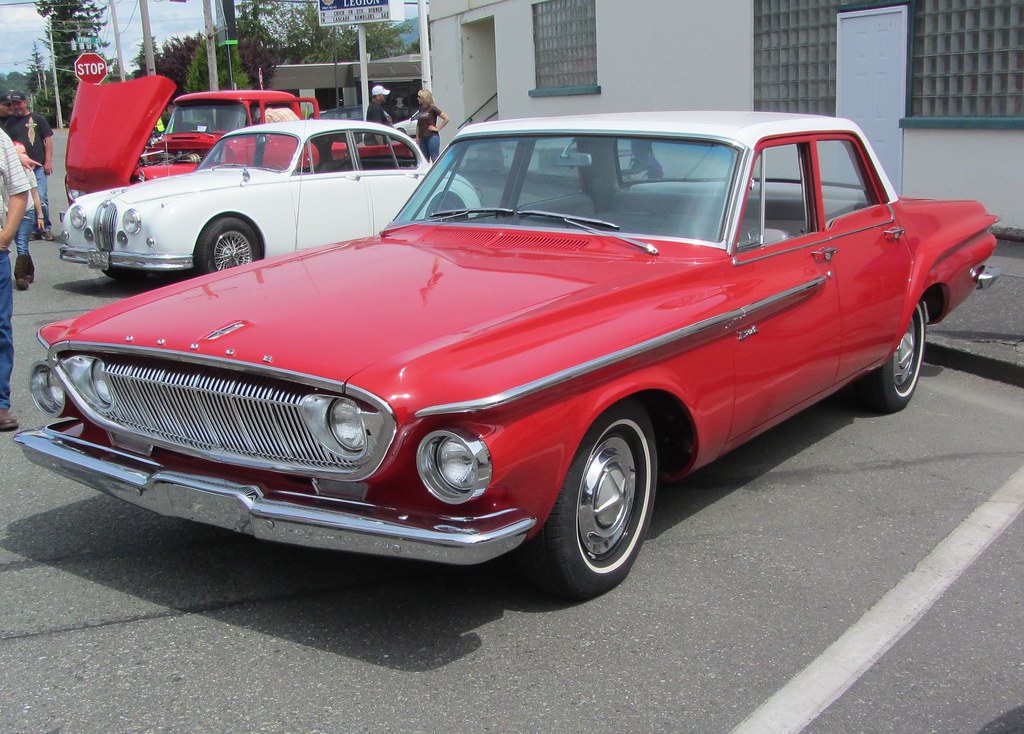
The modern Dodge Dart, reintroduced in 2013, was an ambitious attempt to re-enter the fiercely competitive compact sedan market. However, despite its contemporary launch, the Dart quickly found itself struggling to gain meaningful traction in a segment brimming with strong contenders. Its journey was hampered by a combination of conservative design choices, underwhelming powertrain options, and critical reliability concerns that collectively undermined its potential.
A key factor in the Dart’s lukewarm reception was its design, which was largely perceived as conservative and lacking a distinctive edge. In a market where competitors were pushing stylistic boundaries and offering visually engaging packages, the Dart’s aesthetic played it safe. This reluctance to embrace bolder styling meant it failed to stand out, effectively blending into the background rather than capturing the imagination of potential buyers who valued both aesthetics and performance in their compact sedans.
Beneath its unassuming exterior, the Dart also struggled with powertrain offerings that proved underwhelming for many enthusiasts. The base 2.0-liter engine often left drivers wanting more in terms of power delivery, while the optional 1.4-liter turbocharged engine, while providing a slight boost, frequently lacked the refinement and spirited dynamics expected in a modern compact. This gap between expectation and reality further diminished its appeal in a segment where energetic driving experiences were increasingly a selling point.
Adding to these challenges were persistent reliability issues, which eroded consumer trust and contributed to its struggles in the marketplace. For a vehicle aiming to carve out a significant share in a highly competitive segment, a reputation for mechanical problems can be particularly damaging. The cumulative effect of conservative design, lackluster performance, and reliability concerns ultimately meant the modern Dart, despite its historical nameplate, failed to achieve the enduring success Dodge had hoped for, highlighting the multifaceted demands of contemporary automotive design and engineering.
Car Model Information: 2015 Dodge Dart SXT
Name: Dodge Dart
Caption: 1966 Dodge Dart GT 2-door hardtop
Manufacturer: Dodge
Production: 1959–1976 (US market)
ModelYears: 1960–1976 (US market)
Class: Full-size
Layout: FR layout
Predecessor: Dodge Coronet#Fourth generation (1957–1959)
Related: Plymouth Valiant,Chrysler Valiant,Dodge Phoenix
Successor: Dodge Aspen,Dodge Diplomat,Talbot Tagora
Categories: 1970s cars, All articles with unsourced statements, Articles with short description, Articles with unsourced statements from December 2023, Articles with unsourced statements from May 2025
Summary: The Dodge Dart is a line of passenger cars produced by Dodge from the 1959 to 1976 model years in North America, with production extended to later years in various other markets.
The production Dodge Dart was introduced as a lower-priced full-size model in 1960 and 1961, but became a mid-size car for one model year for 1962, and was then reduced to a compact for two generations, from 1963 to 1976.
Chrysler had first used ‘Dart’ name plates on two Italian styled show cars, in 1956 and 1957, before it became a Dodge model name. The Dart nameplate was resurrected for a Fiat-derived compact car that was introduced in 2012.
Get more information about: Dodge Dart
Buying a high-performing used car >>>
Brand: Dodge Model: Dart
Price: $9,995 Mileage: 143,082 mi.
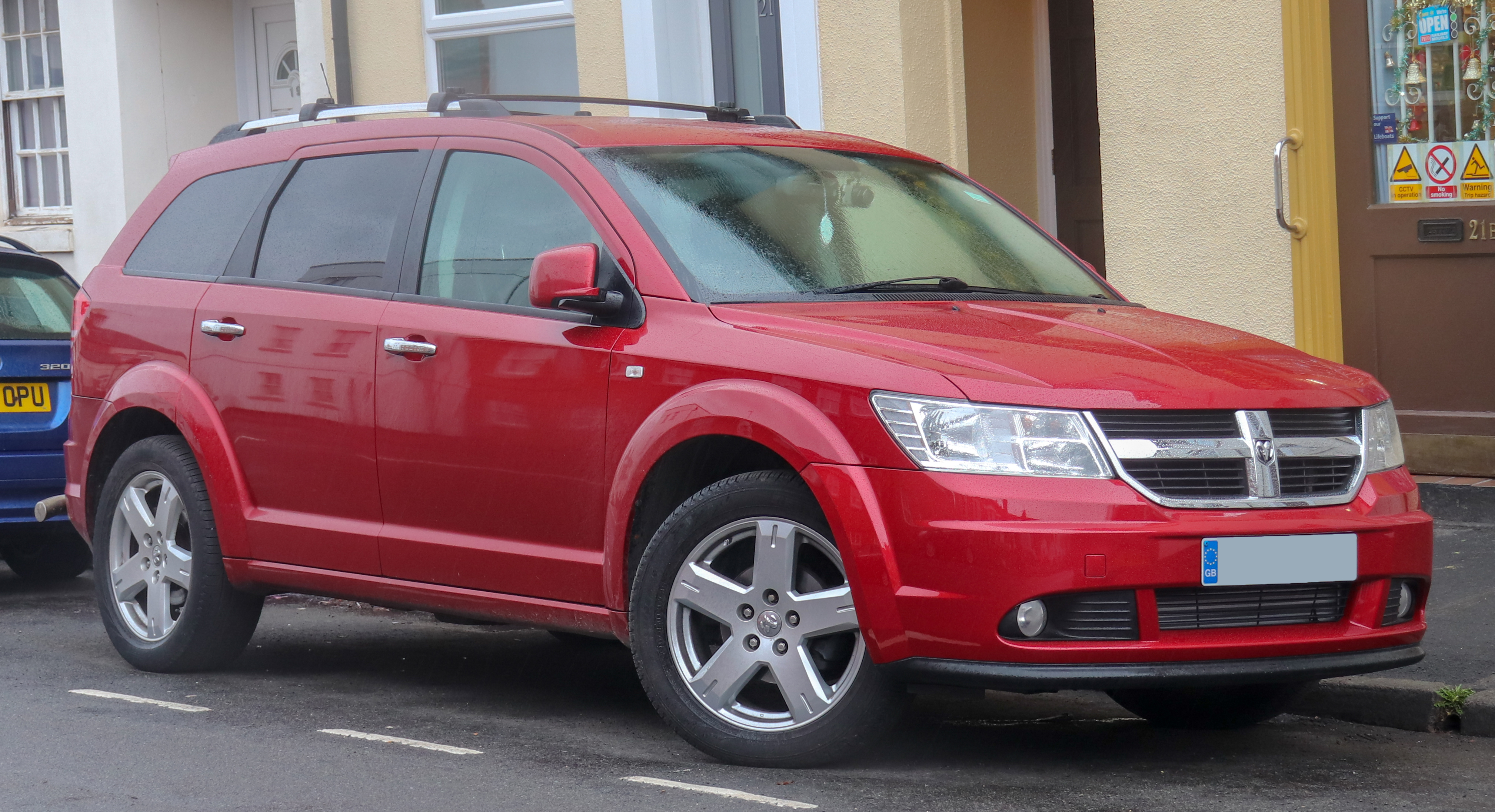
13. Dodge Journey
The Dodge Journey, a crossover vehicle designed to offer family-friendly utility, became a prime example of a model whose longevity was undermined by a failure to evolve with market demands. Introduced at a time when the crossover segment was rapidly expanding and innovating, the Journey quickly fell behind, drawing significant criticism for its outdated platform, lackluster performance, and particularly, its poor fuel economy.
At the core of the Journey’s challenges was its reliance on an aging platform. This fundamental design constraint limited its ability to incorporate modern advancements in vehicle dynamics, safety, and efficiency, making it feel behind the curve compared to its rapidly progressing rivals. The result was a driving experience that, while functional, lacked the refinement and responsiveness that consumers increasingly expected from contemporary crossovers.
Compounding this was its often-criticized performance and, notably, its poor fuel economy. In an era where environmental consciousness and running costs were becoming paramount for family vehicle buyers, the Journey’s inefficiency became a significant detractor. Despite offering the highly sought-after three-row seating and being positioned with a competitive price point, these advantages were frequently overshadowed by its fundamental shortcomings in efficiency and modern engineering.
Ultimately, the inability of the Dodge Journey to compete effectively with more modern and fuel-efficient competitors led to its declining popularity and eventual discontinuation. It serves as a stark reminder in the automotive industry that even attractive features like spacious interiors and competitive pricing cannot overcome the core issues of an outdated platform and a failure to meet evolving consumer expectations regarding performance and economic operation.
Car Model Information: 2019 Dodge Journey SE
Name: Dodge Journey
Caption: 2012 Dodge Journey
Manufacturer: Dodge
Aka: Fiat Freemont,Dodge JC (Japan),Dodge JCUV (China)
Production: 2008–2020
ModelYears: 2009–2020,2011–2015 (Freemont)
Assembly: Toluca, Mexico
Designer: Ryan Nagode
Class: Mid-size crossover SUV
BodyStyle: SUV
Platform: Mitsubishi GS platform
Related: Chrysler 200,Chrysler Sebring,Dodge Avenger
Layout: Front-engine, front-wheel-drive layout
Engine: ubl
Transmission: Ultradrive#40TES/41TES
Wheelbase: 2890 mm
Abbr: on
Order: flip
Length: 192.4 in
Width: 72.2 in
Height: 66.6 in
Weight: 3818 lb
Predecessor: Fiat Ulysse,Fiat Croma
Successor: Dodge Journey (2021)
Categories: 2010s cars, 2020s cars, All-wheel-drive vehicles, All articles with dead external links, All articles with unsourced statements
Summary: The Dodge Journey is a mid-size crossover SUV manufactured and marketed by Fiat Chrysler Automobiles’ Dodge brand for model years 2009 to 2020 over a single generation, with a facelift for the 2011 model year. The Journey was styled by Ryan Nagode, and was marketed globally in both left- and right-hand drive, including as the Fiat Freemont.
Internally identified as the JC49, the Journey shares FCA’s global D-segment platform with the Dodge Avenger and a nearly identical wheelbase to the outgoing short-wheelbase (SWB) Dodge Caravan.
Having debuted at the 2007 Frankfurt Motor Show, the Journey subsequently appeared at the 2009 Frankfurt Motor Show. All models were manufactured in Mexico at FCA’s Toluca Assembly facility, with just over 1.1 million manufactured before production ended in 2020.
Get more information about: Dodge Journey
Buying a high-performing used car >>>
Brand: Dodge Model: Journey
Price: $12,962 Mileage: 83,381 mi.
Read more about: Headaches in Every Turn: 6 SUVs Owners Say They’d “Send to the Scrapyard” If Allowed

14. Dodge Viper (Early Models)
While the Dodge Viper is rightfully celebrated as an icon of American performance and raw power, a closer look at its early iterations reveals a fascinating paradox: a vehicle revered for its aggressive spirit yet hampered by a conspicuous absence of modern amenities. These early models, in their uncompromising pursuit of visceral driving, omitted crucial features like Anti-lock Braking System (ABS) and traction control, making them notoriously challenging to drive, especially for those less accustomed to managing extreme power without electronic aids.
The Viper’s design, characterized by its unapologetically aggressive stance and formidable engine, was indeed appreciated by enthusiasts who craved an unadulterated sports car experience. The sheer force generated by its powerful V10 engine offered an adrenaline-fueled connection to the road that few vehicles could match. However, this raw power came at a significant cost in terms of everyday practicality and driving ease, contributing to its niche appeal rather than widespread adoption.
The impracticality of the early Viper models extended beyond their challenging driveability. A harsh ride, often described as unforgiving on anything but the smoothest surfaces, coupled with a general lack of comfort features, made them less suitable for long journeys or daily commuting. This uncompromising philosophy, while endearing to purists, ultimately limited its broader market success when compared to more refined sports cars that began to offer a blend of high performance with a degree of comfort and modern safety nets.
In essence, the early Dodge Viper represents a design philosophy where raw performance and a menacing aesthetic were prioritized above all else, almost to the exclusion of practicality and modern driver assistance. While this made it a legendary, almost mythical beast for a select few, it simultaneously carved out a reputation for being an unpolished, demanding machine that, for many, was simply too much car to handle, thus constraining its market impact despite its undeniable prowess.
Car Model Information: 2008 Dodge Viper SRT10
Name: Dodge Viper
Caption: 2013 SRT Viper GTS Launch Edition
Manufacturer: Dodge
Production: 1991–2006,2007–2017
Assembly: Detroit,Michigan
Class: Sports car
BodyStyle: liftback,coupe
Layout: Longitudinal engine,Front mid-engine, rear-wheel drive layout
Engine: Viper engine,{{convert,488,cuin,L,abbr=on,1,order=flip,lk=on
Abbr: on
Order: flip
Powerout: SR-I and II:,{{convert,400,hp,PS kW,0,abbr=on,lk=on
Lk: on
ModelYears: 1992-2006,2008-2017
Categories: 1990s cars, 2000s cars, 2010s cars, All accuracy disputes, All articles with unsourced statements
Summary: The Dodge Viper is a sports car that was manufactured by Dodge (by SRT for 2013 and 2014), a division of American car manufacturer Chrysler from 1992 until 2017, having taken a brief hiatus in 2007 and from 2011 to 2012. Production of the two-seat sports car began at New Mack Assembly Plant in 1991 and moved to Conner Avenue Assembly Plant in October 1995.
Although Chrysler considered ending production because of serious financial problems, on September 14, 2010, then–chief executive Sergio Marchionne announced and previewed a new model of the Viper for 2012. In 2014, the Viper was named number 10 on the “Most American Cars” list, meaning 75% or more of its parts are manufactured in the U.S. The Viper was eventually discontinued in 2017 after approximately 32,000 were produced over the 26 years of production.
The 0–60 mph (97 km/h) time on a Viper varies from around 3.5 to 4.5 seconds. Top speed ranges from 160 mph (260 km/h) to over 200 mph (320 km/h), depending on variant and year.
Get more information about: Dodge Viper
Buying a high-performing used car >>>
Brand: Dodge Model: Viper
Price: $104,995 Mileage: 8,082 mi.
Read more about: Six-Figure Dreams: 14 Iconic 1990s Cars That Are Now Worth a Fortune
As we conclude our journey through Dodge’s design lexicon, it becomes clear that even a brand celebrated for its triumphs faces moments of miscalculation. From the utilitarian blandness of the Stratus to the polarizing hearse-like appearance of the Magnum, and the challenging purity of the early Viper, these models offer invaluable insights into the complexities of automotive design and market reception. They remind us that while beauty truly is in the eye of the beholder, enduring success in the fiercely competitive automotive world often requires a harmonious blend of compelling aesthetics, robust performance, and an astute understanding of evolving consumer desires. Each of these “design disasters,” in its own unique way, contributed to the rich, multifaceted history of Dodge, serving as a testament to the continuous quest for innovation and perfection on the open road.