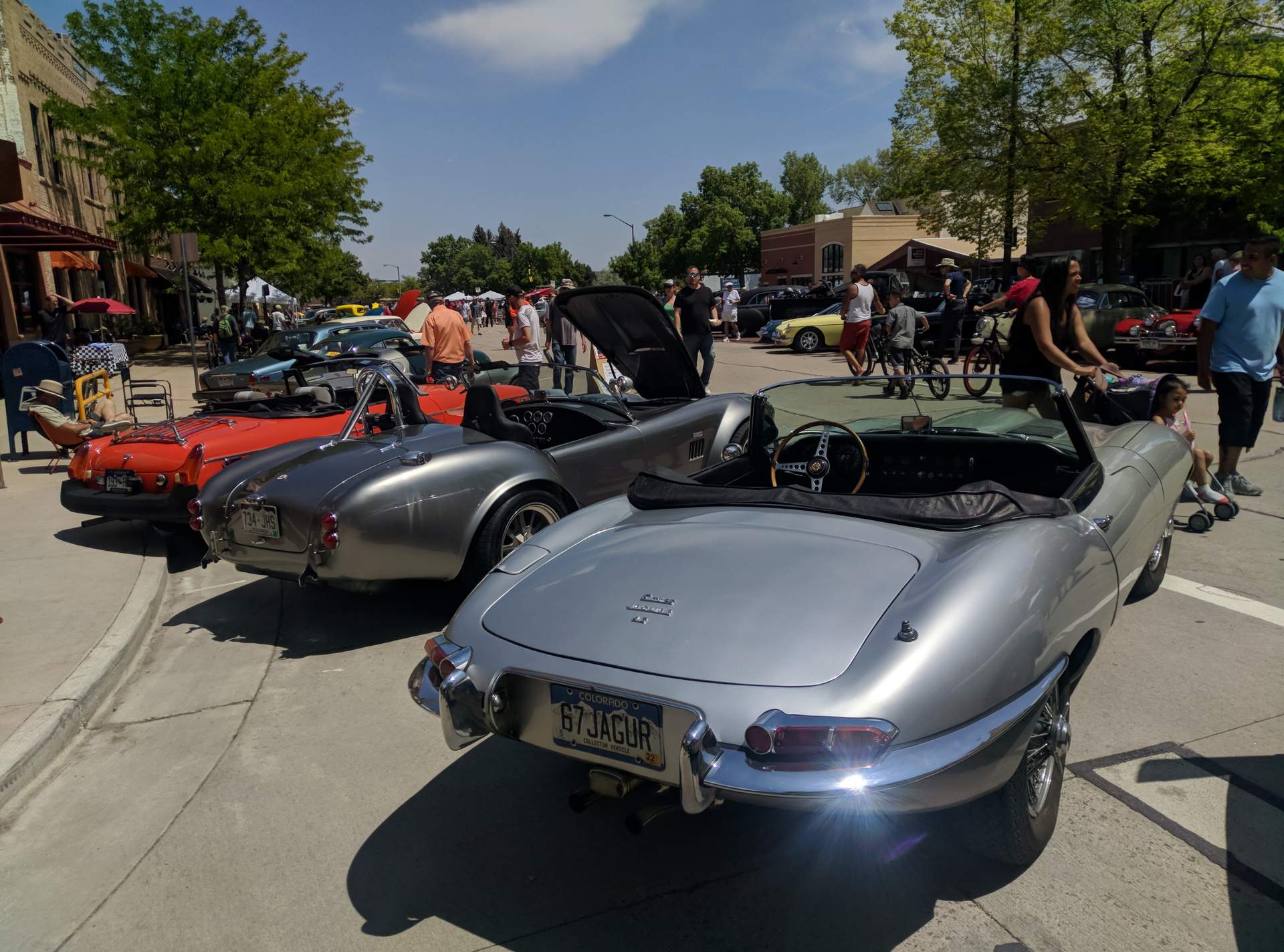
Alright, buckle up, fellow car enthusiasts and curious minds! There’s a fascinating generational divide happening right under our noses when it comes to classic cars. While baby boomers fondly reminisce about the sleek lines, roaring V8s, and sheer presence of the vehicles that defined their youth, a different narrative is unfolding among millennials. For many younger enthusiasts, these titans of the road just don’t spark the same kind of joy—or even a flicker of interest. It’s a tale of changing tastes, evolving priorities, and a big shift in what makes a car ‘cool.’
Classic cars are usually associated with the baby boomer generation, who have long been the driving force behind the classic car market. They have a strong affinity for vehicles from the 1950s to the early 1970s. However, as this generation reaches their 70s and beyond, mobility considerations and lifestyle changes are prompting many to reassess their collections. The maintenance demands and driving challenges associated with older classics are leading some to downsize or transition to more modern, user-friendly vehicles. This shift is influencing market values, with more common classics from the baby boomer era experiencing a plateau or decline in value.
So, what gives? Why are these once-revered machines getting the cold shoulder from a generation that appreciates vintage everything else? It often boils down to a combination of practicality, modern sensibilities, and a desire for different kinds of performance and efficiency. We’re about to take a deep dive into some truly legendary rides that, despite their charm and historical significance, are being overlooked by younger buyers. Let’s peel back the layers and discover why these twelve classic Boomer cars simply aren’t making waves with millennials.
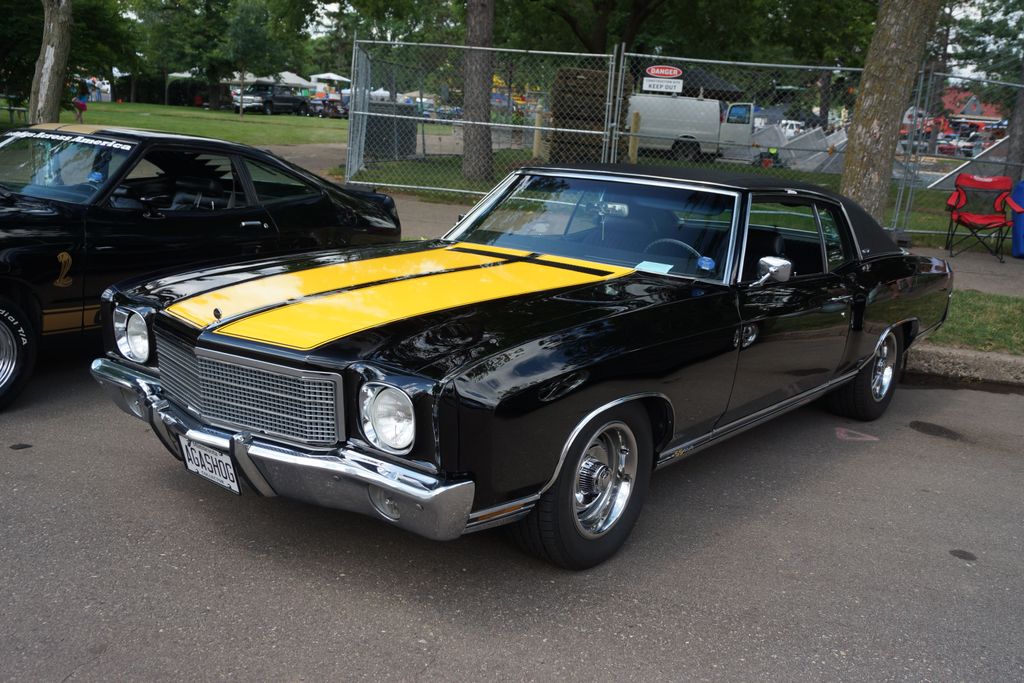
1. Chevrolet Monte Carlo
The Chevrolet Monte Carlo, a name that evokes images of personal luxury and muscle car swagger, enjoyed a long production run from 1970 to 2007. It was particularly popular in the 1970s and 1980s, offering a captivating blend of performance and style. With a range of powerful V8 engines under its distinctive long hood, the Monte Carlo was a statement piece, a car that conveyed a certain level of success and an appreciation for American automotive design. Boomers often appreciate it for its role as a stylish, affordable luxury coupe in its heyday, recognizing its place in NASCAR history.
However, for many millennials, the Monte Carlo presents a different picture. Its large size is often a significant deterrent, clashing with a preference for more compact, nimble vehicles suited for urban environments. The car’s fuel inefficiency is another major drawback, especially in an era where environmental consciousness and rising fuel costs are top of mind. This means that despite its potential appeal with its retro style and spacious interior, younger buyers are often drawn to more modern, fuel-efficient vehicles.
The perception that it’s an “old man’s car” also plays a role in its generational neglect. While its powerful engine options could theoretically attract some, the practical drawbacks tend to overshadow the nostalgic allure. Millennials often criticize the Monte Carlo for its bulky size and lackluster handling, making it less appealing for daily use or as a performance enthusiast’s choice today. It’s a clear example of how aesthetics and cultural associations from one era can directly conflict with the values of another.
Car Model Information: 2022 Volvo XC90 T6 Inscription
Name: Chevrolet Monte Carlo
Manufacturer: Chevrolet
Production: 1969–1987,1994–2007
ModelYears: 1970–1988,1995–2007
Class: Personal luxury car
BodyStyle: coupé
Layout: FR layout
Caption: 2006 Chevrolet Monte Carlo LS
Categories: 1980s cars, 1990s cars, 2000s cars, All Wikipedia articles written in American English, All articles needing additional references
Summary: The Chevrolet Monte Carlo is a two-door coupe that was manufactured and marketed by the Chevrolet division of General Motors. Deriving its name from the city in Monaco, the Monte Carlo was marketed as the first personal luxury car of the Chevrolet brand. Introduced for the 1970 model year, the model line was produced across six generations through the 2007 model year, with a hiatus from 1989 until 1994. The Monte Carlo was a variant of the Pontiac Grand Prix throughout its production.
From 1970 until 1972, the Monte Carlo rode on the unique “A-Special” platform with the Grand Prix, shifting to the standard A-body intermediate chassis from the 1973 through 1977 model years. For 1978, the Monte Carlo line underwent downsizing, but was still considered a midsized coupe. The rear-wheel drive A-body platform of this generation of Monte Carlo was redesignated as the G-body when GM’s front-wheel drive A-body cars were introduced for the 1982 model year. After an abbreviated 1988 model year, the Monte Carlo was replaced by the two-door Chevrolet Lumina.
For the 1995 model year, the Monte Carlo was revived, replacing the two-door Lumina. It shared the front-wheel drive W-platform with the two-door Grand Prix, and was the largest coupe in the Chevrolet lineup. After the 2002 model year, the Grand Prix coupe was discontinued, the Monte Carlo became the largest two-door model produced by an American auto manufacturer.
In response to declining sales of the model line, Chevrolet discontinued the Monte Carlo after the 2007 model year. During much of its production, the Monte Carlo represented the Chevrolet brand in stock car racing. During the 1980s, the Monte Carlo SS was introduced, featuring aerodynamically enhanced styling; as part of its revival, the Monte Carlo again represented Chevrolet in stock car racing from 1995 through its discontinuation.
Get more information about: Chevrolet Monte Carlo
Buying a high-performing used car >>>
Brand: Chevrolet Model: Monte Carlo
Price: $36,945 Mileage: 22,063 mi.
Read more about: Speed Trap: Unveiling 14 Iconic Classics With the Most Disappointing Horsepower Ever Built
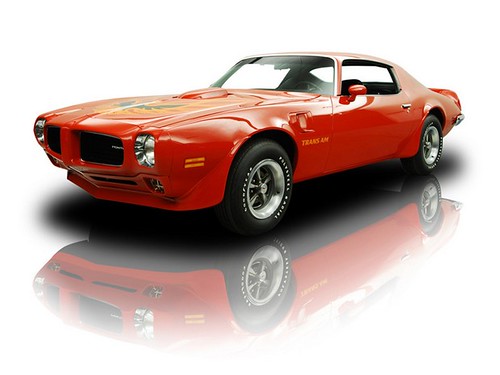
2. Pontiac Firebird
The Pontiac Firebird stands as a true muscle car icon, a legend forged in the fiery crucible of American automotive history. Produced from 1967 to 2002, its various iterations, particularly the Trans Am variant, gained massive pop culture status, famously popularized by the “Smokey and the Bandit” movies. Featuring engines ranging from robust inline-sixes to formidable V8 powerhouses, the Firebird delivered exciting performance matched by striking design elements, most notably the iconic “screaming chicken” hood decal. For many boomers, this car represents raw power and untamed freedom.
Yet, this roaring bird finds itself largely grounded when it comes to millennial interest. A primary reason for this generational disconnect lies in its dated technology. Modern drivers are accustomed to advanced infotainment systems, safety features, and connectivity that simply weren’t conceived when the Firebird was in its prime. This lack of contemporary amenities can make it feel like a relic rather than a desirable classic.
Furthermore, the higher maintenance costs associated with classic muscle cars often put off younger buyers who prioritize reliability and affordability. Millennials often overlook the Firebird due to these practical considerations, expressing a clear preference for newer sports cars that offer better fuel efficiency and the kind of modern amenities they expect. The allure of raw, unrefined power is simply not enough to overcome these practical and technological hurdles for a generation seeking a more balanced automotive experience.
Car Model Information: 1983 Pontiac Firebird Trans Am 2D Coupe
Name: Pontiac Firebird
Caption: The second, third, and fourth generations of,the Pontiac Firebird Trans Am
Manufacturer: Pontiac (automobile)
Production: February 23, 1967 – August 30, 2002
ModelYears: 1967 – 2002
Class: Pony car,Muscle car
Platform: GM F platform
Related: Chevrolet Camaro
Layout: Front engine, rear-wheel-drive layout
Categories: 1970s cars, 1980s cars, 1990s cars, 2000s cars, All articles with dead external links
Summary: The Pontiac Firebird is an American automobile built and produced by Pontiac from the 1967 to 2002 model years. Designed as a pony car to compete with the Ford Mustang, it was introduced on February 23, 1967, five months after GM’s Chevrolet division’s platform-sharing Camaro. This also coincided with the release of the 1967 Mercury Cougar, Ford’s upscale, platform-sharing version of the Mustang.
The name “Firebird” was also previously used by GM for the General Motors Firebird series of concept cars in the 1950s.
Get more information about: Pontiac Firebird
Buying a high-performing used car >>>
Brand: Pontiac Model: Firebird
Price: $22,991 Mileage: 38,257 mi.
Read more about: The Unsafe Hall of Fame: Unmasking 14 Cars with the Highest Fatal Accident Rates
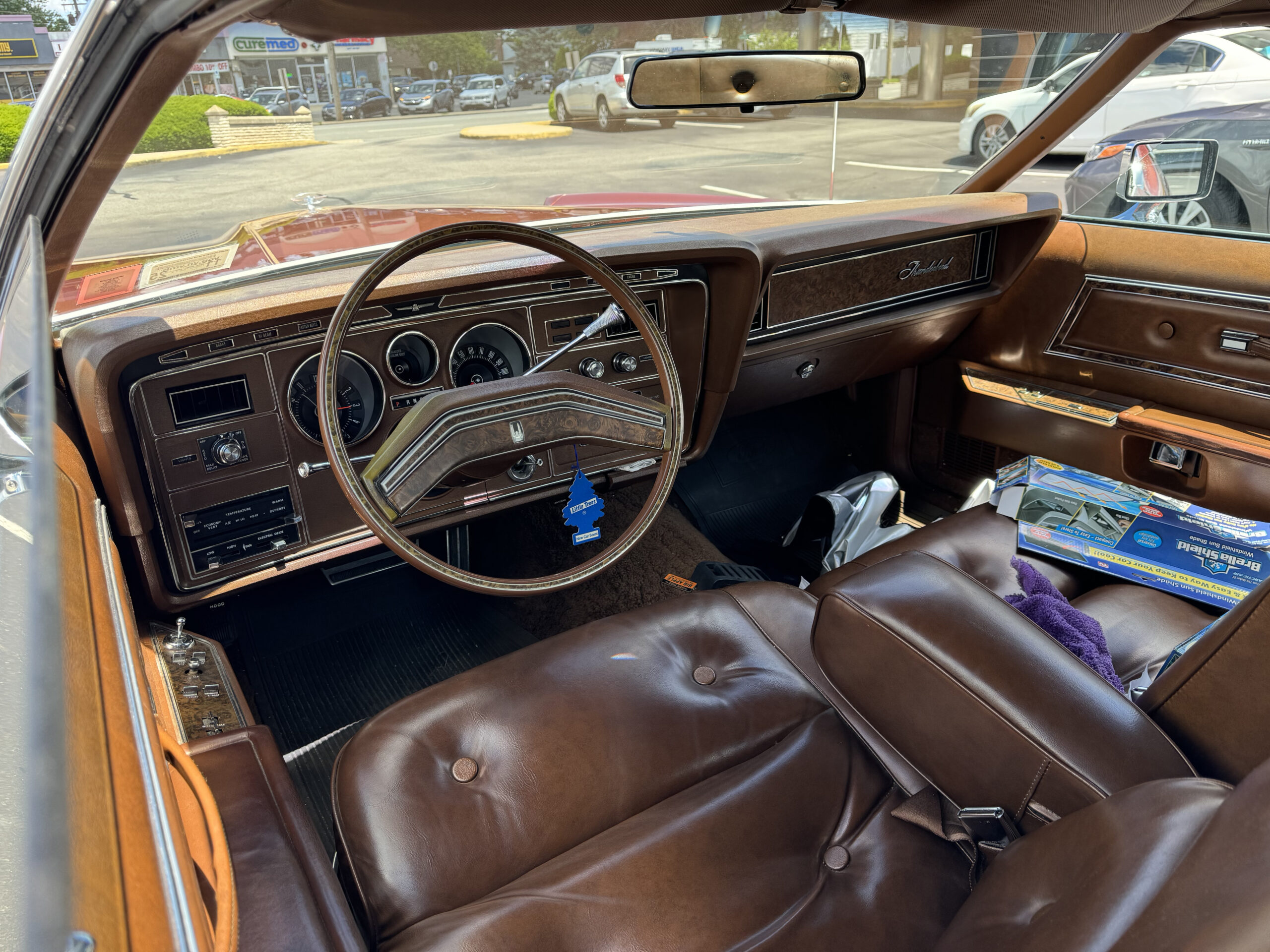
3. Ford Thunderbird
The Ford Thunderbird embarked on a remarkable journey through automotive history, evolving significantly over its long production run from 1955 to 2005. It started life as a sophisticated two-seat sports car, directly challenging European imports, before transitioning into a more luxurious cruiser. The models from the 1950s and 1960s, in particular, with their powerful V8 engines and sleek, stylish designs, are deeply cherished by boomers. These early Thunderbirds represent an era of elegance and aspirational American motoring.
However, despite its storied past and undeniable classic lines, millennials tend to pass over the Thunderbird, often viewing it as distinctly a “car for older generations.” This perception isn’t necessarily a critique of the car itself but rather a reflection of differing aesthetic preferences and the weight of generational association. The car’s legacy, while rich, sometimes inadvertently labels it as something from a bygone era that doesn’t quite resonate with current trends.
The practical aspects also contribute to this oversight. The lack of modern technology is a recurring theme, as younger buyers are used to a certain level of convenience and connectivity in their vehicles. Compounding this is the Thunderbird’s less-than-stellar fuel efficiency, which makes it less appealing in today’s landscape of rising fuel costs and environmental concerns. While its classic design and powerful engines possess a certain charm, these practical considerations often tip the scales for younger buyers, making it a difficult choice for a generation seeking both style and substance in a contemporary package.
Car Model Information: 1966 Ford Thunderbird Base
Name: Ford Thunderbird
Caption: 1957 Thunderbird
Manufacturer: Ford Motor Company
Production: unbulleted list
ModelYears: unbulleted list
Class: unbulleted list
Layout: Front-engine, rear-wheel drive layout
Categories: 1960s cars, 1970s cars, 1980s cars, 1990s cars, 2000s cars
Summary: The Ford Thunderbird is a personal luxury car manufactured and marketed by Ford Motor Company for model years 1955 to 2005, with a hiatus from 1998 to 2001.
Ultimately gaining a broadly used colloquial nickname, the T-Bird, the model was introduced as a two-seat convertible, subsequently offered variously in a host of body styles including as a four-seat hardtop coupe, four-seat convertible, five-seat convertible and hardtop, four-door pillared hardtop sedan, six-passenger hardtop coupe, and five-passenger pillared coupe, before returning in its final generation, again as a two-seat convertible.
At its inception, Ford targeted the two-seat Thunderbird as an upscale model. The 1958 model year design introduced a rear seat and arguably marked the expansion of a market segment that came to be known as personal luxury cars, positioned to emphasize comfort and convenience over handling and high-speed performance.
Get more information about: Ford Thunderbird
Buying a high-performing used car >>>
Brand: Ford Model: Thunderbird
Price: $44,999 Mileage: 71,017 mi.
Read more about: All Show, No Go: Unmasking the Classic Muscle Cars That Dazzled with Style But Disappointed on the Dragstrip
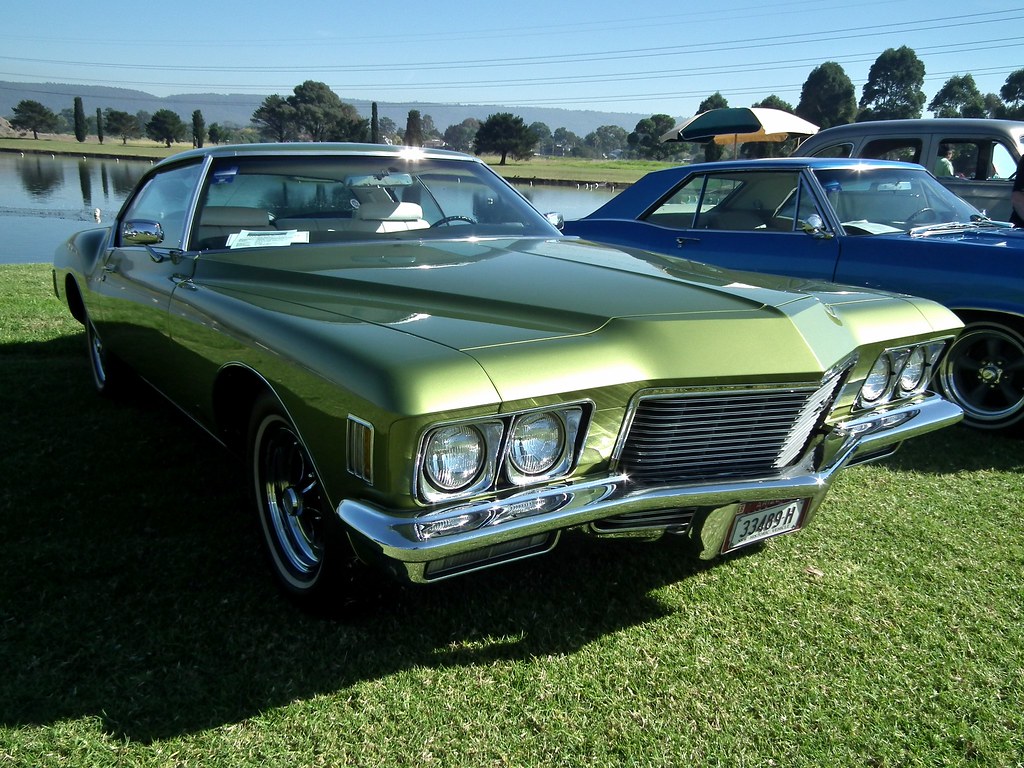
4. Buick Riviera
Ah, the Buick Riviera – a car celebrated for its luxurious features and distinctive styling, particularly the iconic “boat-tail” models of the early 1970s. Produced from 1963 to 1999, the Riviera was more than just a car; it was a status symbol, an embodiment of comfort and sophisticated design. With powerful V8 engines providing a smooth, effortless ride, it exuded an aura of understated elegance and American luxury. The 1963 Buick Riviera, for instance, was noted for being inspired by European cars and considered highly fashionable in its time.
Despite its historical significance and unique aesthetic, millennials often pass on the Riviera. Its large size is a significant point of contention, as younger generations often prefer more manageable vehicles. This is especially true given the challenges of parking and navigating tighter urban spaces. The substantial dimensions of the Riviera, while contributing to its luxurious ride, are seen as impractical by many today.
Fuel inefficiency is another predictable barrier. The powerful V8s, while smooth, were not designed with modern fuel economy in mind, making them costly to run. Additionally, the higher maintenance costs often associated with older luxury vehicles can deter younger buyers looking for more economical options. Furthermore, while the 1963 model was fashion-forward for its era, its “boxy look” doesn’t always inspire today’s younger generations, who often prefer the curvature and streamlined appearance of other cars from that period. It’s a classic caught between its era’s definition of luxury and today’s practical demands.
Car Model Information: 1971 Buick Riviera
Caption: 1963 Buick Riviera
Name: Buick Riviera
Predecessor: Buick Super
Manufacturer: Buick
ModelYears: 1963–1993,1995–1999
Class: Personal luxury car
Categories: 1960s cars, 1970s cars, 1980s cars, 1990s cars, All articles with specifically marked weasel-worded phrases
Summary: The Buick Riviera is a personal luxury car that was marketed by Buick from 1963 to 1999, with the exception of the 1994 model year.
As General Motors’ first entry into the personal luxury car market segment, the Riviera was highly praised by automotive journalists upon its high-profile debut. It was a ground-up design on a new GM E platform debuting for the 1963 model year and was also Buick’s first unique Riviera model.
Unlike its subsequent GM E platform stablemates, the Oldsmobile Toronado and Cadillac Eldorado, the Riviera was initially a front engine/rear-wheel drive platform, switching to front-wheel drive starting with the 1979 model year.
While the early models stayed close to their original form, eight subsequent generations varied substantially in size and styling. A total of 1,127,261 Rivieras were produced.
The Riviera name was resurrected for two concept cars that were displayed at auto shows in 2007 and in 2013.
Get more information about: Buick Riviera
Buying a high-performing used car >>>
Brand: Buick Model: Riviera
Price: $22,499 Mileage: 91,150 mi.
Read more about: From Glory to Ghost: 11 Iconic Car Brands That Crashed After a Single Fateful Decision
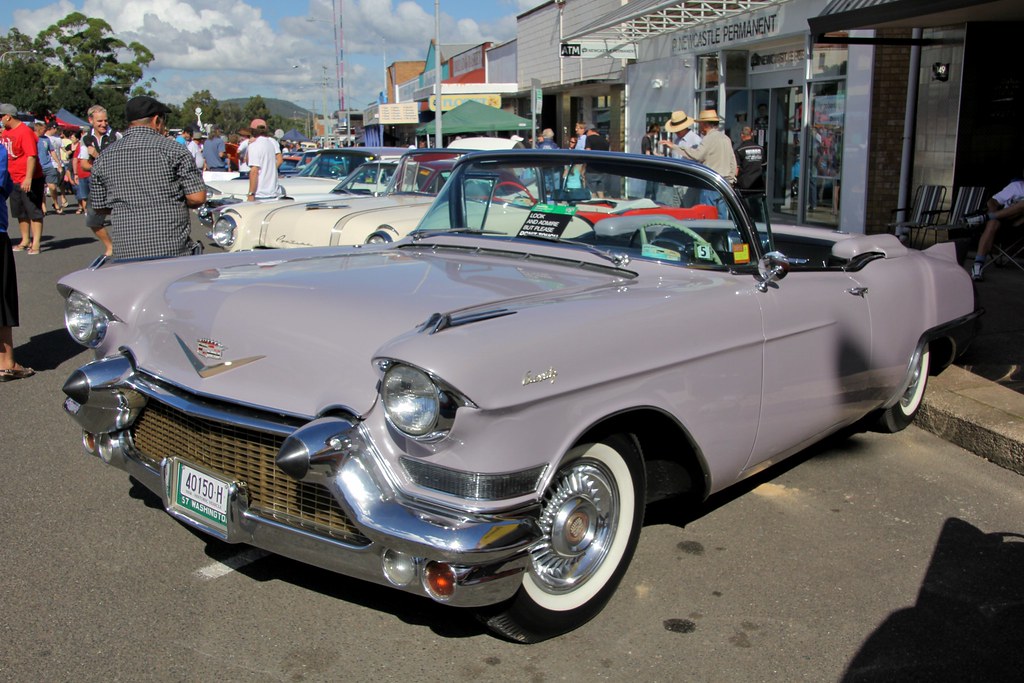
5. Cadillac Eldorado
The Cadillac Eldorado, produced from 1952 to 2002, was an undeniable symbol of American luxury and opulence. For decades, it represented the pinnacle of automotive extravagance, a favorite among affluent buyers seeking comfort, status, and an undeniably plush interior. Featuring massive V8 engines and lavishly appointed cabins, the Eldorado was more than just transportation; it was a statement, a rolling embodiment of success and the American dream, deeply cherished by boomers for its sheer presence.
However, this emblem of grandiosity often finds itself overlooked by millennials. The car’s enormous size is a primary factor, clashing significantly with contemporary preferences for more compact and environmentally conscious vehicles. For a generation that values efficiency and maneuverability, the Eldorado’s sheer scale can feel excessive and cumbersome, particularly in crowded cityscapes or when fuel costs are a concern.
Poor fuel economy is another major point of contention, contributing to the perception of the Eldorado as an impractical choice for modern living. Coupled with typically high maintenance costs, these practical drawbacks make the car less attractive to younger generations who prioritize sustainability and economic sense. While its classic design, luxurious interiors, and powerful engines hold a certain appeal, the overwhelming practical issues consistently make it a tough sell for millennial buyers who are looking for a more balanced and sensible automotive investment.
Car Model Information: 1976 Cadillac Eldorado Convertible
Caption: 1963 Cadillac Eldorado Convertible
Name: Cadillac Eldorado
Manufacturer: Cadillac
Production: 1952–2002
Layout: Front-engine, rear-wheel-drive layout
Aka: Cadillac Fleetwood Eldorado
Class: Personal luxury car
Successor: Cadillac CTS
Categories: 1960s cars, 1970s cars, 1980s cars, 1990s cars, 2000s cars
Summary: The Cadillac Eldorado is a luxury car manufactured and marketed by the Cadillac Motor Car Division of General Motors from 1952 until 2002, over twelve generations.
The Eldorado was at or near the top of the Cadillac product line. The original 1953 Eldorado convertible and the Eldorado Brougham models of 1957–1960 had distinct bodyshells and were the most expensive models offered by Cadillac during those years. The Eldorado was never less than second in price after the Cadillac Series 75 limousine until 1966. Beginning in 1967, the Eldorado retained its premium position in the Cadillac price structure, but was manufactured in high volumes on a unique, two-door personal luxury car platform.
The Eldorado carried the Fleetwood designation from 1965 through 1972, and was seen as a modern revival of the pre-war Cadillac V-12 and Cadillac V-16 roadsters and convertibles.
Get more information about: Cadillac Eldorado
Buying a high-performing used car >>>
Brand: Cadillac Model: Eldorado
Price: $28,499 Mileage: 31,898 mi.
Read more about: Speed Trap: Unveiling 14 Iconic Classics With the Most Disappointing Horsepower Ever Built
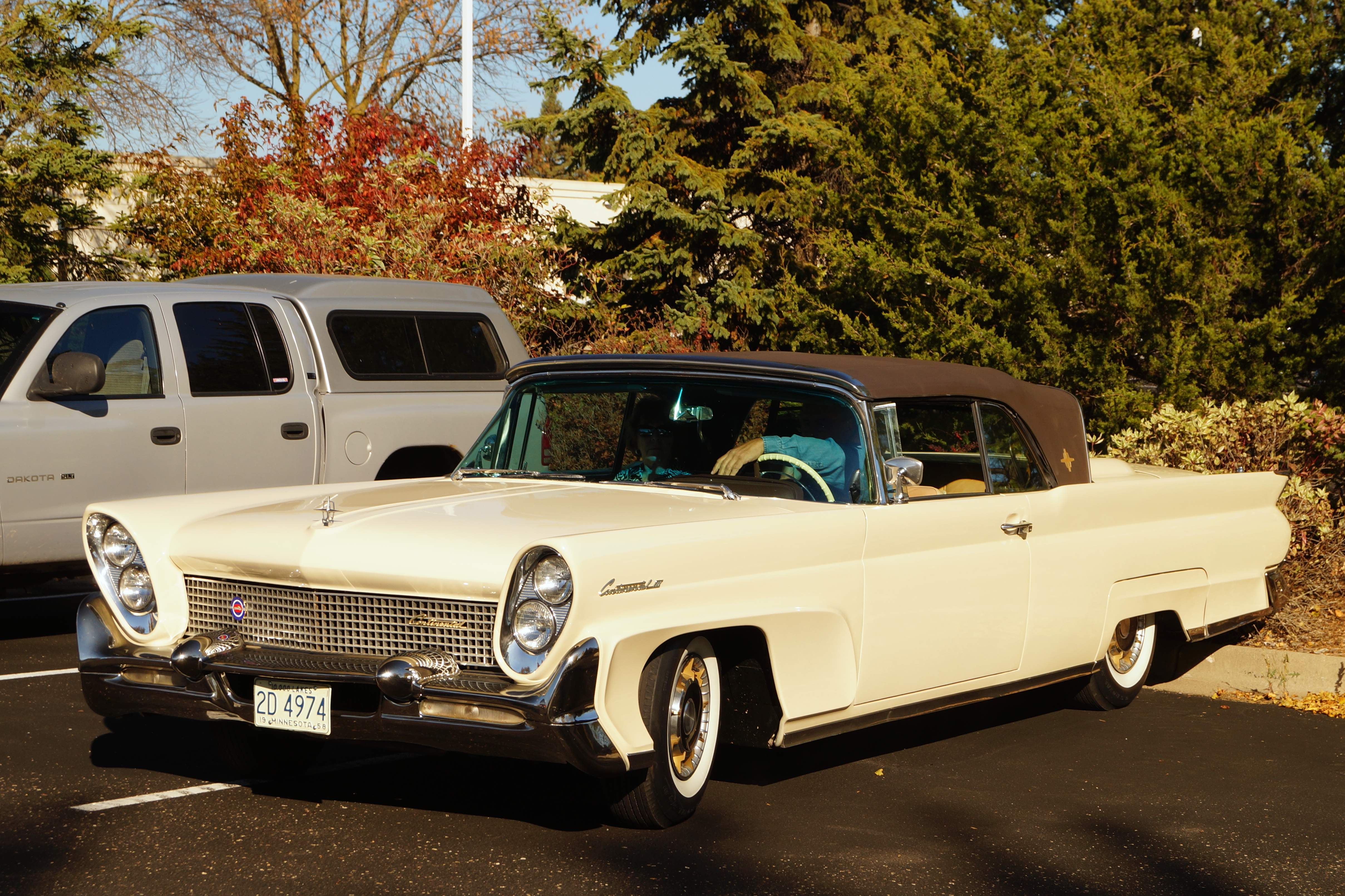
6. Lincoln Continental Mark IV
The Lincoln Continental Mark IV, produced between 1972 and 1976, made an indelible mark with its distinctive design. It was a true product of its era, known for its iconic opera windows and a long, sleek body that commanded attention on the road. Powering this luxurious cruiser was a formidable 460 cubic inch V8 engine, which delivered a smooth and powerful ride, embodying the grand touring aspirations of its time. For boomers, this car represented an elevated standard of personal luxury, a comfortable and stylish way to travel.
Despite its undeniable presence and historical significance, the Mark IV struggles to capture the imagination of millennials. Its large size is a recurring issue, as younger buyers generally shy away from such expansive vehicles that can be challenging to park and maneuver in modern urban environments. This practical consideration often outweighs any nostalgic appreciation for its classic American grandeur. The car is often perceived as a ‘car for older generations,’ lacking the contemporary edge that appeals to younger tastes.
Fuel economy is another significant hurdle. The powerful 460 V8, while impressive, was notoriously thirsty, leading to poor fuel efficiency that doesn’t align with today’s environmental awareness or economic realities. Furthermore, high maintenance costs, a common characteristic of vintage luxury cars, add to the practical drawbacks that deter many younger buyers. While its luxurious interior and unique styling possess a certain undeniable charm, these significant practical concerns ultimately limit its appeal to a generation focused on efficiency and modern convenience.
Alright, so we’ve already zipped through a few iconic rides from the Boomer era that just aren’t clicking with the younger crowd. Now, let’s slam the accelerator and dive into the next batch of classic beauties that, despite their storied pasts, are largely getting a shrug from millennials. Get ready to uncover more reasons why these automotive legends, once the envy of the road, are being passed over for something a little more, well, *now*.
Car Model Information: 2022 Volvo XC90 T6 Inscription
Manufacturer: Lincoln Motor Company
Caption: 1975 Continental Mark IV
Name: Mark IV
Production: 1971–1976
ModelYears: 1972–1976
BodyStyle: coupe
Layout: Front-engine, rear-wheel-drive layout
Engine: 460 cuin
Abbr: on
Assembly: Wixom Assembly,Wixom, Michigan
Transmission: Ford C6 transmission
Predecessor: Lincoln Continental Mark III
Wheelbase: 120.4 in
Length: 228.1 in
Width: 79.8 in
Height: 53.5 in
Weight: convert
Successor: Lincoln Continental Mark V
Related: Ford Thunderbird (sixth generation)
Categories: 1970s cars, All Wikipedia articles needing clarification, Articles with short description, Cars discontinued in 1976, Cars introduced in 1972
Summary: The Continental Mark IV is a personal luxury car that was marketed by the Lincoln division of Ford Motor Company from the 1972 to 1976 model years. The third generation of the Mark series, the Mark IV grew in size over its Continental Mark III predecessor. As with the previous generation, the Mark IV saw little direct competition in the American marketplace, competing nearly exclusively against the Cadillac Eldorado (redesigned for 1971).
As with the Mark III, the Mark IV shared its chassis with the Ford Thunderbird, with the Mark IV receiving its own bodywork below the windows. Hidden headlights and a faux Rolls-Royce chrome grille were retained, and a Continental spare tire trunklid. For 1976, the Designer Series option package was introduced; in what would become a tradition for the Mark series (and later Lincoln), the option consisted of specially coordinated exterior and interior trims developed between Lincoln and contemporary fashion designers.
Ford assembled the Continental Mark IV at its Wixom Assembly Plant in Michigan) facility alongside the Ford Thunderbird and the Lincoln Continental. For 1977, the Mark IV underwent a substantial revision, becoming the Continental Mark V.
Get more information about: Lincoln Continental Mark IV
Buying a high-performing used car >>>
Brand: Lincoln Model: Continental Mark IV
Price: $36,945 Mileage: 22,063 mi.
Read more about: End of the Line: 15 Iconic Car Brands Brutally Killed Off by Industry Rivals
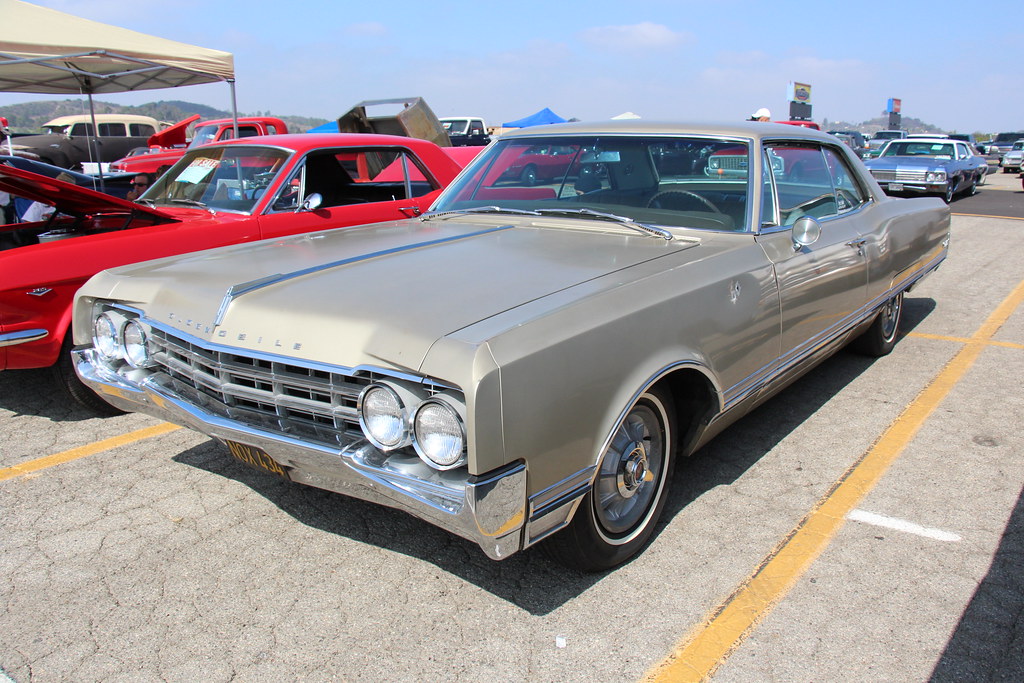
7. Oldsmobile 442
Talk about a classic muscle car that meant business! The Oldsmobile 442, produced from 1964 to 1987, really packed a punch. It was famous for its powerful V8 engines and styling that screamed aggression. And get this: the “442” wasn’t just a random number; it actually stood for its signature features – a four-barrel carburetor, a four-speed manual transmission, and dual exhausts. This car was a legend for those who loved raw power and a distinctive roar on the streets.
However, for millennials, the 442 often gets left on the sidelines. One of the biggest reasons? Its fuel inefficiency is a major turn-off, especially in today’s world where gas prices and environmental consciousness are top concerns. Add to that the typically higher maintenance costs associated with classic muscle cars, and you’ve got a recipe for a generational disconnect. It’s hard to justify those expenses when modern performance cars offer a more balanced package of speed and practicality.
While its classic muscle car appeal, those powerful engines, and its undeniably iconic design could theoretically draw in younger enthusiasts, the practical drawbacks simply overshadow the nostalgic allure. Millennials are looking for performance, sure, but they also value reliability, affordability, and a ride that doesn’t guzzle gas like it’s going out of style. The Oldsmobile 442, despite its legendary status, just doesn’t quite fit that bill for many today.
Car Model Information: 1969 Oldsmobile 442
Name: Oldsmobile 442
Manufacturer: Oldsmobile
ModelYears: 1964–1980,1985–1987,1990–1991
Class: Muscle car
Layout: FR layout
Caption: 1971 Oldsmobile 442
Categories: 1960s cars, 1970s cars, 1980s cars, All articles with unsourced statements, Articles with short description
Summary: The Oldsmobile 4-4-2 is a muscle car produced by Oldsmobile between the 1964 and 1987 model years. Introduced as an option package for US-sold F-85 and Cutlass models, it became a model in its own right from 1968 to 1971, spawned the Hurst/Olds in 1968, then reverted to an option through the mid-1970s. The name was revived in the 1980s on the rear-wheel drive Cutlass Supreme and early 1990s as an option package for the new front-wheel drive Cutlass Calais.
The “4-4-2” name (pronounced “Four-four-two”) derives from the original car’s four-barrel carburetor, four-speed manual transmission, and dual exhausts. It was originally written “4-4-2” (with badging showing hyphens between the numerals), and remained hyphenated throughout Oldsmobile’s use of the designation. Beginning in 1965, the 4-4-2s standard transmission was a three-speed manual along with an optional two-speed automatic and four-speed manual, but were still badged as “4-4-2″s.
Because of this change, from 1965 on, according to Oldsmobile brochures and advertisements, the 4-4-2 designation referred to the 400 cubic inch engine, four-barrel carburetor, and dual exhausts. By 1968, badging was shortened to simply “442”, but Oldsmobile brochures and internal documents continued to use the “4-4-2” model designation.
Get more information about: Oldsmobile 442
Buying a high-performing used car >>>
Brand: Oldsmobile Model: 442
Price: $43,990 Mileage: 24,000 mi.
Read more about: The Deep Dive: Unpacking Why Banks Now Hold 9 Out of 10 New Car Titles and What It Means for You
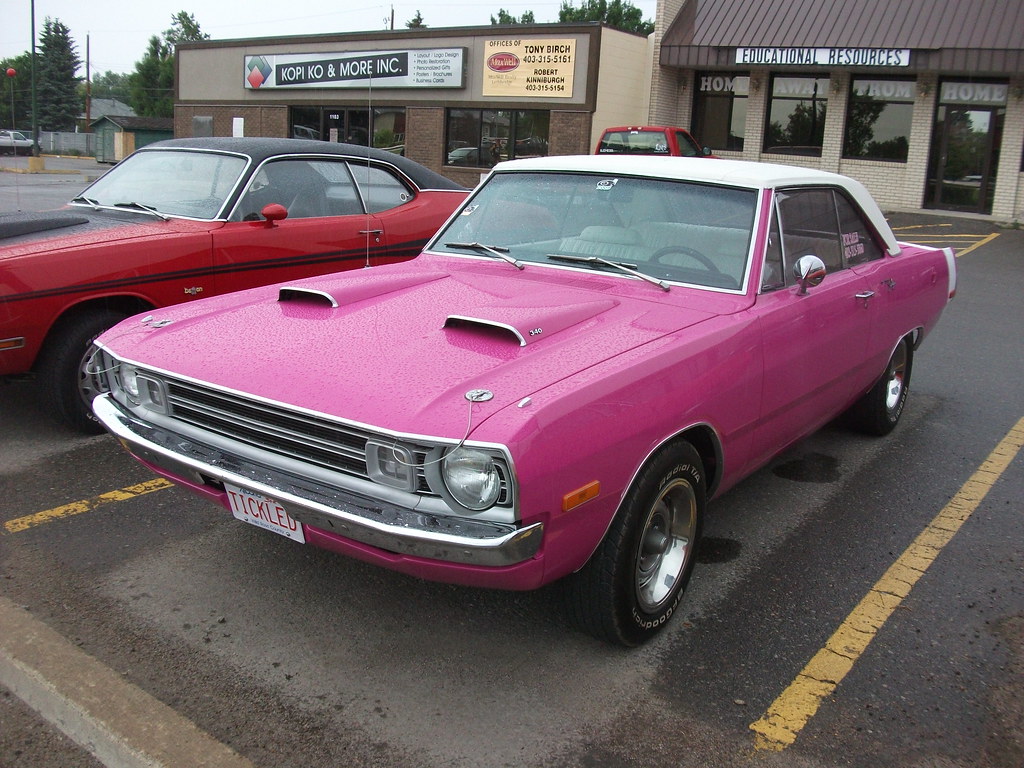
8. Dodge Dart Swinger
The Dodge Dart Swinger, rocking the streets from 1967 to 1976, was a genuine compact muscle car sensation. It boasted a fantastic range of V8 engine options, which, combined with its lightweight design, made it a truly fun and surprisingly affordable performance machine. This car was a hit because it offered exhilarating performance without breaking the bank, giving everyday drivers a taste of muscle car excitement. It was nimble, powerful, and an absolute blast to drive for many boomers.
But here’s the kicker: many millennials are giving the Dart Swinger a wide berth. A big part of the issue lies in its dated technology – or rather, the lack thereof. Younger drivers are used to modern amenities and safety features that simply weren’t a thing back in the Swinger’s heyday. Plus, concerns about lower build quality compared to contemporary vehicles make it a less appealing option for those seeking reliability and a smooth ownership experience.
Even with its cool retro styling and impressive performance capabilities for its era, the practical realities often outweigh the nostalgia. The absence of modern features and the prospect of higher maintenance costs make it less attractive to younger buyers. They’re often gravitating towards newer, more reliable vehicles that blend performance with the conveniences they’ve grown up with, leaving the Dart Swinger as more of a historical footnote than a coveted classic.
Car Model Information: 2022 Volvo XC90 T6 Inscription
Name: Dodge Dart
Caption: 1966 Dodge Dart GT 2-door hardtop
Manufacturer: Dodge
Production: 1959–1976 (US market)
ModelYears: 1960–1976 (US market)
Class: Full-size
Layout: FR layout
Predecessor: Dodge Coronet#Fourth generation (1957–1959)
Related: Plymouth Valiant,Chrysler Valiant,Dodge Phoenix
Successor: Dodge Aspen,Dodge Diplomat,Talbot Tagora
Categories: 1970s cars, All articles with unsourced statements, Articles with short description, Articles with unsourced statements from December 2023, Articles with unsourced statements from May 2025
Summary: The Dodge Dart is a line of passenger cars produced by Dodge from the 1959 to 1976 model years in North America, with production extended to later years in various other markets.
The production Dodge Dart was introduced as a lower-priced full-size model in 1960 and 1961, but became a mid-size car for one model year for 1962, and was then reduced to a compact for two generations, from 1963 to 1976.
Chrysler had first used ‘Dart’ name plates on two Italian styled show cars, in 1956 and 1957, before it became a Dodge model name. The Dart nameplate was resurrected for a Fiat-derived compact car that was introduced in 2012.
Get more information about: Dodge Dart
Buying a high-performing used car >>>
Brand: Dodge Model: Dart Swinger
Price: $36,945 Mileage: 22,063 mi.
Read more about: Engineering Nightmares: 15 Vehicles So Flawed, Owners Still Regret Buying Them
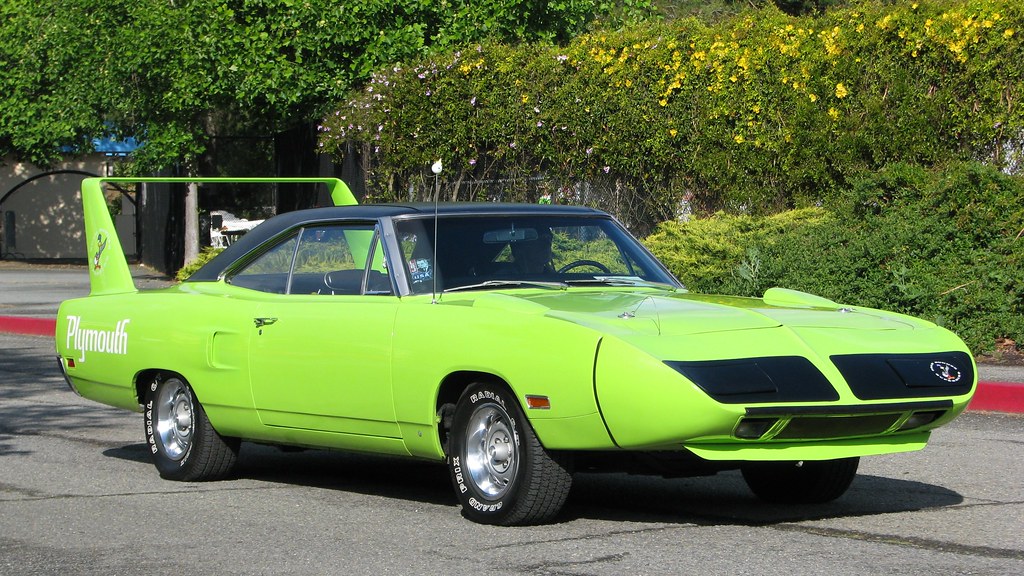
9. Plymouth Road Runner.
Beep beep! The Plymouth Road Runner, produced from 1968 to 1980, is truly a classic muscle car celebrated for its no-frills, all-performance attitude. This wasn’t about luxury; it was about raw speed and power, embodying the true spirit of the muscle car era. With powerful V8 engines, the Road Runner was built with one thing in mind: going fast. It quickly became a firm favorite among performance enthusiasts who cherished its straightforward, uncompromised focus on exhilaration.
However, this speed demon often finds itself stuck in neutral when it comes to millennial interest. You guessed it – fuel inefficiency is a big one. Those powerful V8s weren’t designed with today’s environmental standards or fuel prices in mind, making it a costly vehicle to run. Then there are the higher maintenance costs, which are pretty common for these vintage performance machines, acting as another significant barrier for younger potential owners.
While the Road Runner’s raw performance and iconic, aggressive design hold a certain undeniable charm, these practical considerations tend to limit its appeal for a generation that’s often looking for a more balanced package. Millennials often prefer more modern, fuel-efficient sports cars that offer a blend of excitement and everyday usability. The pure, unadulterated muscle of the Road Runner, while legendary, just doesn’t make the cut for today’s value-driven buyers.
Car Model Information: 2022 Volvo XC90 T6 Inscription
Name: Plymouth Road Runner
Assembly: Detroit,Michigan
Manufacturer: Plymouth (automobile)
Class: Mid-size car
Production: 1968–1980
Related: unbulleted list
Layout: FR layout
Categories: 1970s cars, 1980s cars, All articles needing additional references, All articles with peacock terms, All articles with unsourced statements
Summary: The Plymouth Road Runner is a muscle car introduced by Chrysler in the United States for the 1968 model year and marketed under its Plymouth brand. Initially based on the Belvedere, the brand’s basic mid-size model, the Road Runner combined a powerful engine with a spartan trim level and a price that undercut increasingly upscale and expensive muscle cars such as the Pontiac GTO and Plymouth’s own GTX. It was initially a sales success.
The Road Runner was built in three generations on the mid-size B platform. Like most muscle cars, its performance and sales declined in the 1970s due to an increasing focus on fuel economy and the adoption of more stringent U.S. emission standards. The nameplate became to a trim package for the compact Plymouth Volaré for model year 1976—no longer offering any special performance capability—and was discontinued in 1980.
Get more information about: Plymouth Road Runner
Buying a high-performing used car >>>
Brand: Plymouth Model: Road Runner
Price: $36,945 Mileage: 22,063 mi.
Read more about: From Flop to Coveted Classic: The Unlikely Rise of 12 Automotive Underdogs
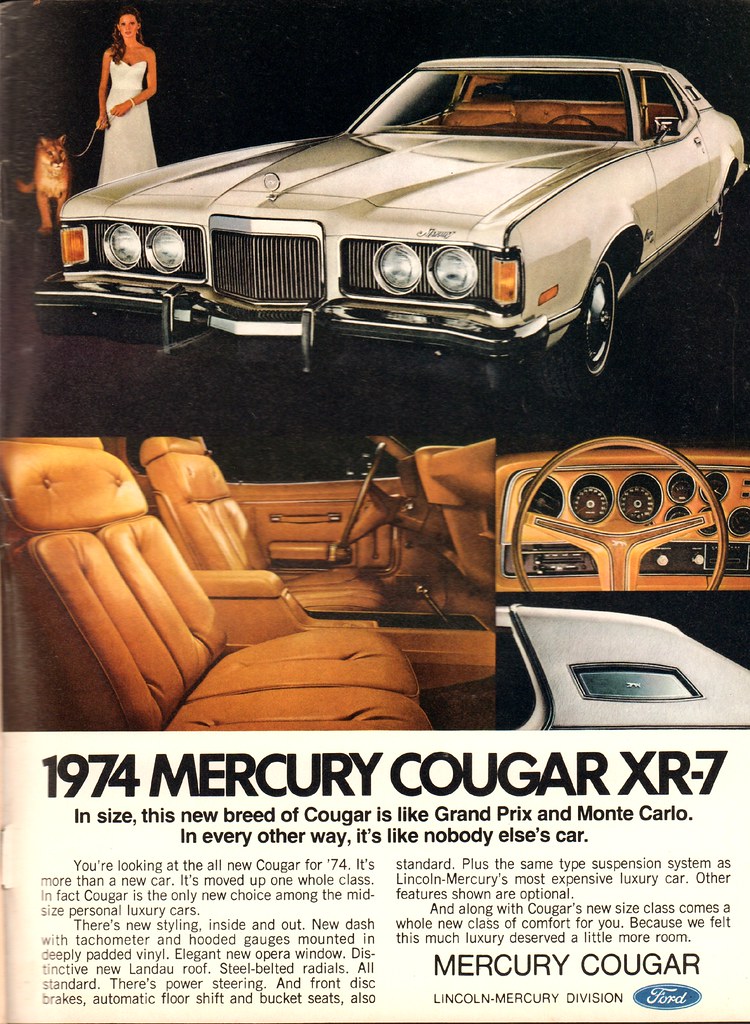
10. Mercury Cougar
The Mercury Cougar, which had a lengthy production run from 1967 to 2002, was initially crafted as a more upscale and sophisticated counterpart to the wildly popular Ford Mustang. It offered a fantastic combination of performance and comfort, featuring a range of powerful V8 engines alongside interiors that leaned into luxury. This car was designed to give drivers the best of both worlds: muscle car thrills with a touch of refinement and elegance, making it a standout in its time.
Despite its stylish design and powerful engines, the Cougar frequently gets overlooked by millennials. A primary reason is its size; like many cars from its era, the Cougar is quite large. Younger generations often prefer smaller, more agile vehicles that are easier to maneuver and park in increasingly crowded urban environments. This practical concern often overshadows any historical appreciation for its place in automotive history.
Another significant deterrent is its fuel inefficiency – a common theme with these Boomer-era giants. The V8 engines, while impressive, weren’t built for modern fuel economy standards. This, coupled with the perception that it’s an “older generation’s car,” and the general lack of modern features, makes it less attractive. Higher maintenance costs further dampen its appeal, pushing millennials towards cars that offer a better blend of style, performance, and contemporary convenience.
Car Model Information: 1995 Mercury Cougar XR7
Name: Mercury Cougar
Caption: 1969 Mercury Cougar (first generation)
Manufacturer: Mercury (automobile)
Layout: Front-engine, rear-wheel-drive layout
ModelYears: 1967–1997,1999–2002
Class: Pony car,Personal luxury car,Mid-size car,Sport compact
Categories: 1960s cars, 1970s cars, 1980s cars, 1990s cars, 2000s cars
Summary: The Mercury Cougar is a series of automobiles that was sold by Mercury from 1967 to 2002. The model line is a diverse series of vehicles; though the Cougar nameplate is most commonly associated with two-door coupes, at various stages in its production, the model also was offered as a convertible and a hatchback. During its production as the mid-size Mercury line, the Cougar was also offered as a four-door sedan and five-door station wagon.
In production for 34 years across eight generations (skipping the 1998 model year), the Cougar is second only to the Grand Marquis (36 years) in the Mercury line for production longevity. 2,972,784 examples were produced, making it the highest-selling Mercury vehicle. During the 1970s and 1980s, the marketing of the Mercury division was closely associated with the Cougar, with promotional materials advertising Mercury dealers as “The Sign of the Cat” with big cats atop Lincoln-Mercury dealer signs. Cat-related nameplates were adopted by other Mercury lines, including the Bobcat and Lynx.
During its production, the Cougar was assembled at the Dearborn Assembly Plant (part of the Ford River Rouge Complex) in Dearborn, Michigan from 1967 until 1973, San Jose Assembly (Milpitas, California) from 1968 into early 1969, Lorain Assembly (Lorain, Ohio) from 1974 until 1997, and at Flat Rock Assembly (Flat Rock, Michigan) from 1999 through 2002.
Get more information about: Mercury Cougar
Buying a high-performing used car >>>
Brand: Mercury Model: Cougar
Price: $10,995 Mileage: 37,589 mi.
Read more about: Built to Crash? A Deep Dive into 12 Cars That Failed Key Safety Tests
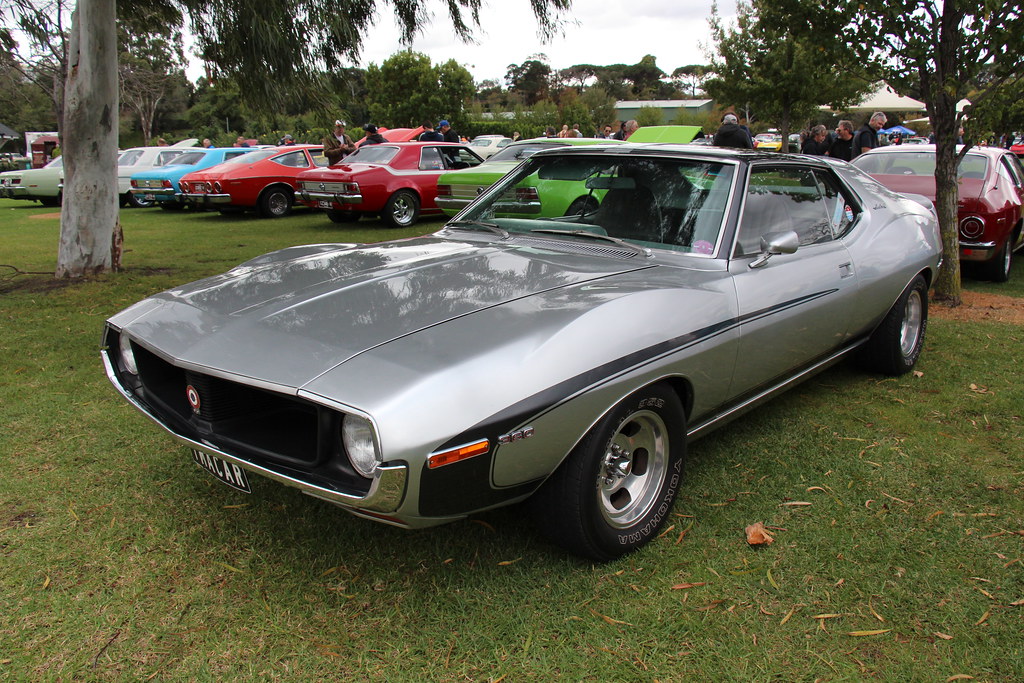
11. AMC Javelin
For a unique slice of muscle car history, look no further than the AMC Javelin, produced between 1968 and 1974. This car was a distinctive player in the muscle car arena, known for its eye-catching styling and robust performance. It came with a range of potent V8 engines, including the seriously powerful 401 cubic inch engine, which really made it stand out. The Javelin offered exciting performance and a look that set it apart from its contemporaries, cementing its status as a cult classic.
Yet, for all its unique design and muscle car heritage, the Javelin often misses the mark with millennials. One of the main culprits, as you might expect, is its fuel inefficiency. Those big V8 engines, while providing thrilling performance, weren’t exactly sips of fuel, making it an expensive proposition to run regularly. This clashes with a generation that’s increasingly mindful of both their wallets and their environmental footprint.
Beyond the gas pump, higher maintenance costs also play a significant role in deterring younger buyers. Keeping a classic muscle car in top shape can be a costly endeavor, and many millennials prioritize affordability and lower running costs. While its unique design and storied muscle car past could pique the interest of some enthusiasts, the practical drawbacks often prove too substantial, pushing them towards more modern performance cars that offer a different kind of thrill and a lot more practicality.
Read more about: Built to Crash? A Deep Dive into 12 Cars That Failed Key Safety Tests
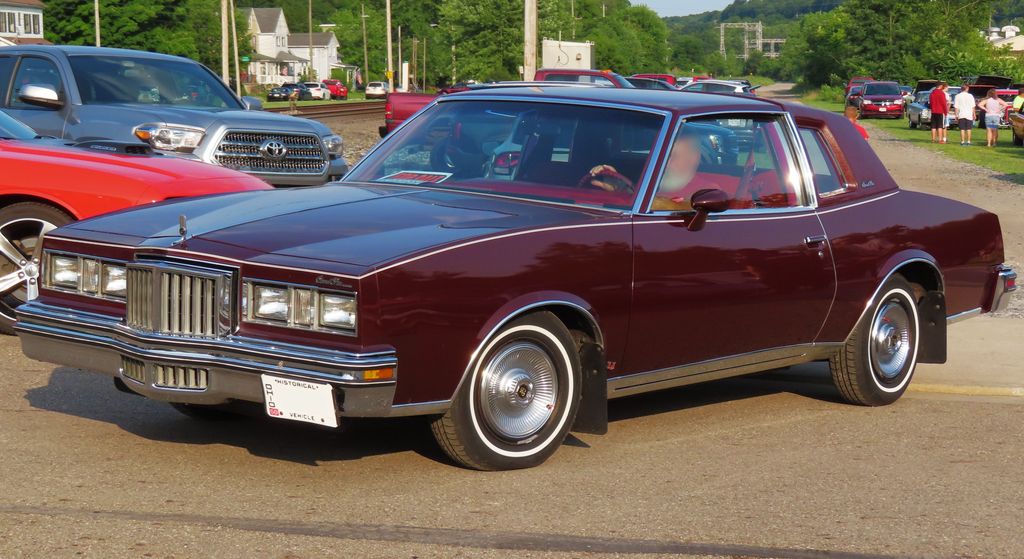
12. Pontiac Grand Prix
The Pontiac Grand Prix had an impressive run, gracing the roads from 1962 all the way to 2008. It started its journey as a popular personal luxury car, evolving later into a mid-size sedan, but always maintaining a certain flair. Across its various iterations, the Grand Prix was known for combining powerful V8 engines with stylish designs, aiming to offer drivers both exhilarating performance and a comfortable, refined ride. It was a car that spoke to aspirations and offered a taste of luxury.
However, despite its historical significance and stylish pedigree, the Grand Prix often finds itself on the sidelines when millennials are looking for a classic. Its large size is a common sticking point. In an era where compact and efficient vehicles are preferred for navigating busy streets and tight parking spots, the Grand Prix’s generous dimensions can feel like a cumbersome relic of the past. It just doesn’t align with the modern urban driving experience.
And, you guessed it, fuel inefficiency is another big reason. The powerful V8s were great for performance, but not so much for gas mileage, making it a costly car to operate today. This, combined with the perception that it’s an “older generation’s car” and a general lack of modern features, pushes younger buyers away. While its stylish design and powerful engines hold a certain appeal, the lack of modern conveniences and high running costs make it a tough sell for millennial sensibilities.
Car Model Information: 2022 Volvo XC90 T6 Inscription
Name: Pontiac Grand Prix
Caption: 2004–2008 Pontiac Grand Prix
Manufacturer: Pontiac (automobile)
ModelYears: 1962–2008
Class: Personal luxury car
Layout: Front-engine, rear-wheel-drive layout
Successor: Pontiac G8
Platform: unbulleted list
Categories: 1960s cars, 1970s cars, 1980s cars, 1990s cars, 2000s cars
Summary: The Grand Prix is a line of automobiles produced by the Pontiac Division of General Motors from 1962 until 2002 as coupes and from 1989 through 2008 model years as four-door sedans.
First introduced as a full-size performance coupe for the 1962 model year, the model repeatedly varied in size, luxury, and performance over successive generations. The Grand Prix was the most expensive coupe Pontiac offered until the 1970s, when the Bonneville Brougham and the Firebird Trans Am became more exclusive; the Grand Prix moved into the intermediate personal luxury car and later the mid-size market segments.
All Grand Prixs from 1962 through 1972 were pillarless hardtops (except for the 1967 convertible).
Get more information about: Pontiac Grand Prix
Buying a high-performing used car >>>
Brand: Pontiac Model: Grand Prix
Price: $36,945 Mileage: 22,063 mi.
Read more about: End of the Line: 15 Iconic Car Brands Brutally Killed Off by Industry Rivals
So, there you have it – a dozen classic rides that, for a mix of practical, cultural, and generational reasons, just aren’t capturing the hearts (or wallets) of millennials. It’s a fascinating look at how automotive tastes evolve, moving from a reverence for raw power and opulent size to a preference for efficiency, modern tech, and a more understated cool. While these cars are undeniably legends, their legacy is perhaps more appreciated in memory than on today’s bustling roads. The future of classic car appreciation might just look a whole lot different than its past, focusing on vehicles that blend historical charm with contemporary relevance. It truly is a new era for car enthusiasts, with a new generation driving different dreams.