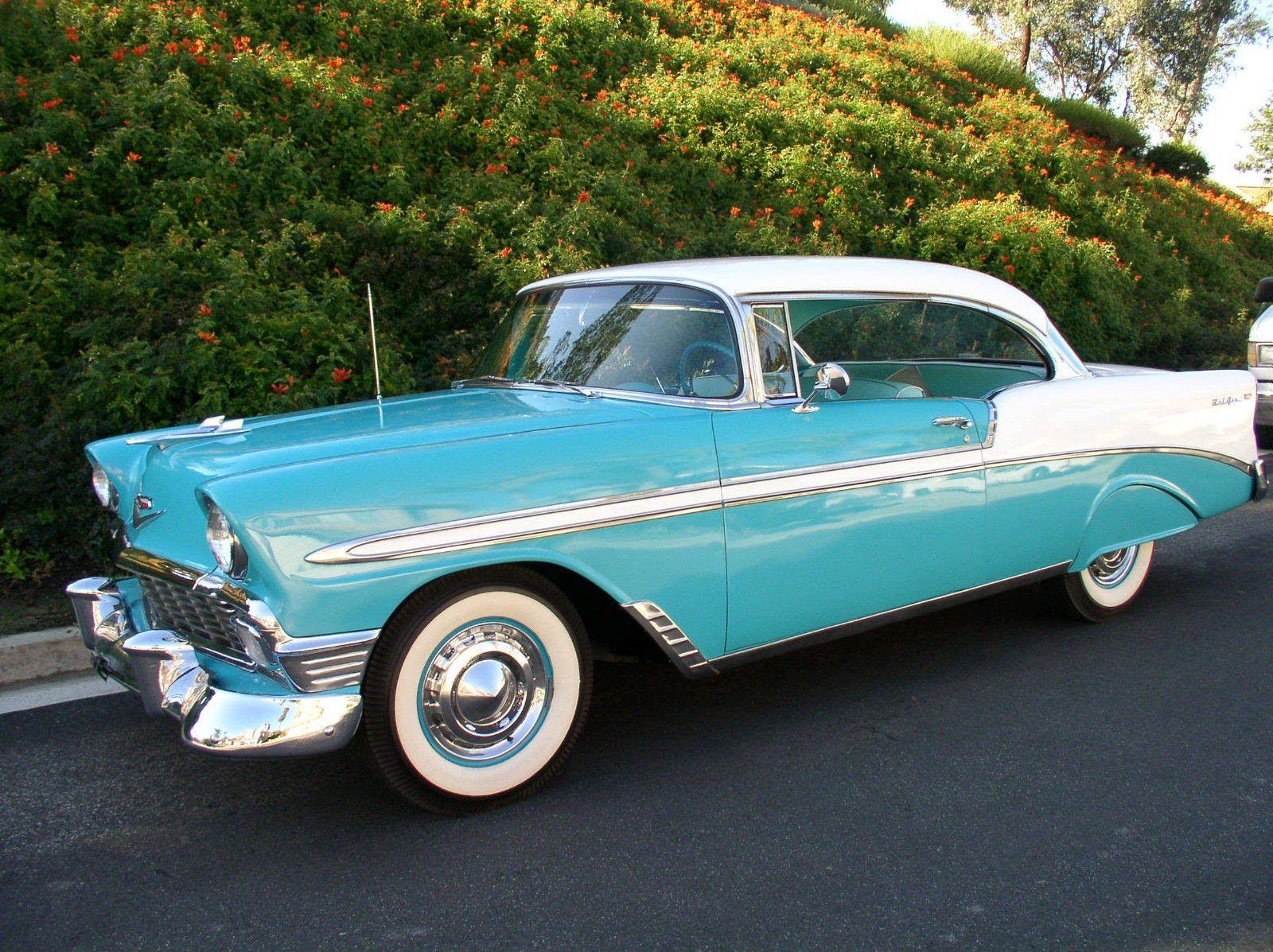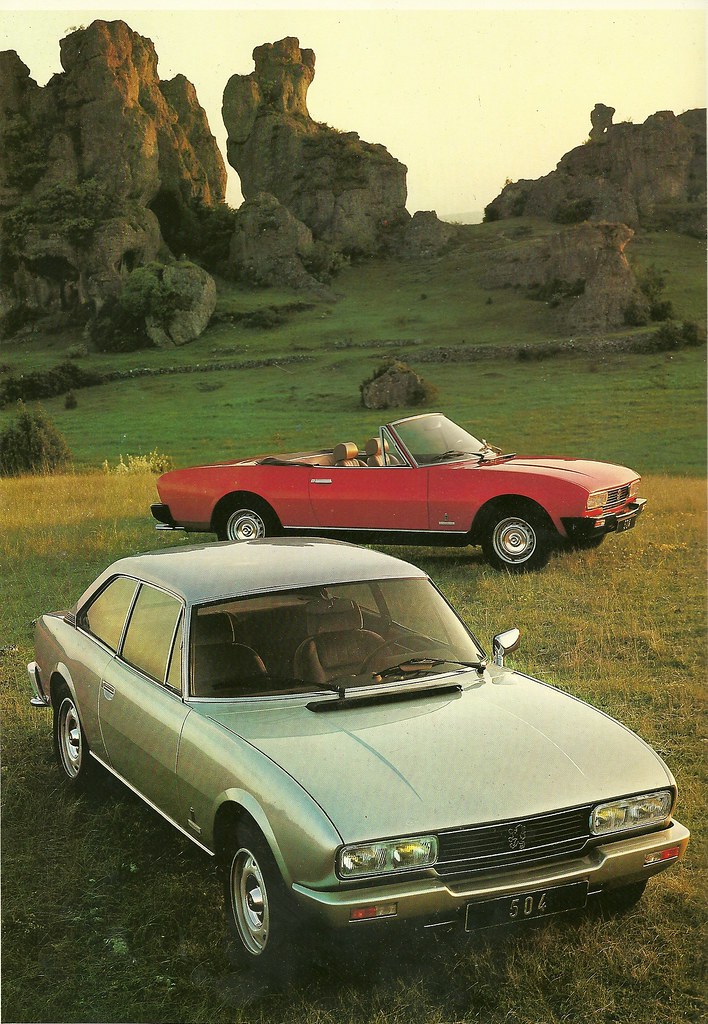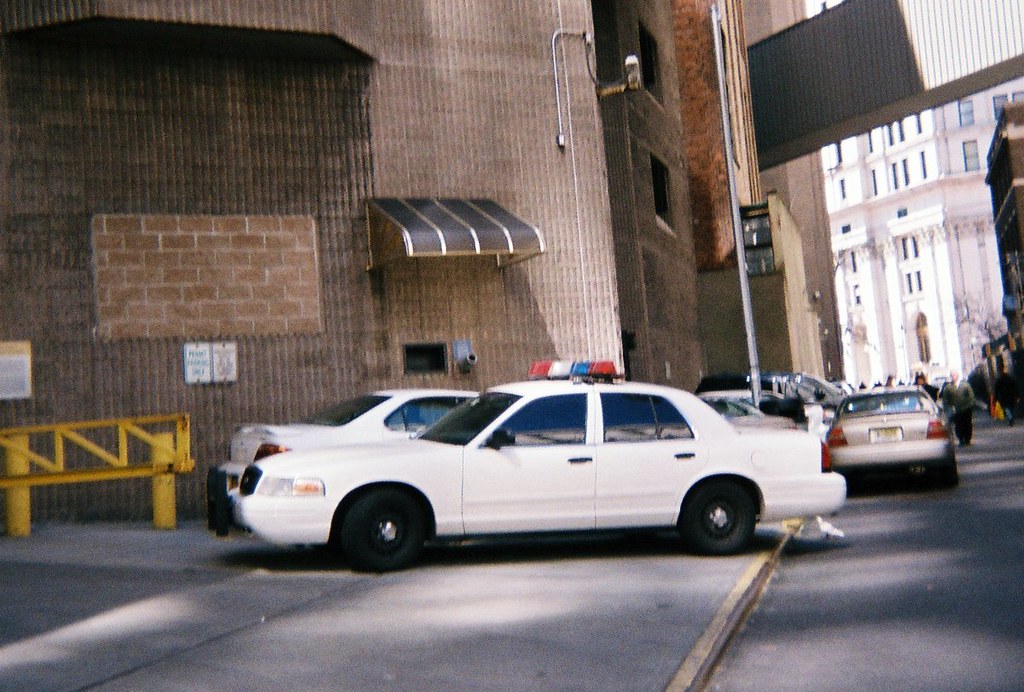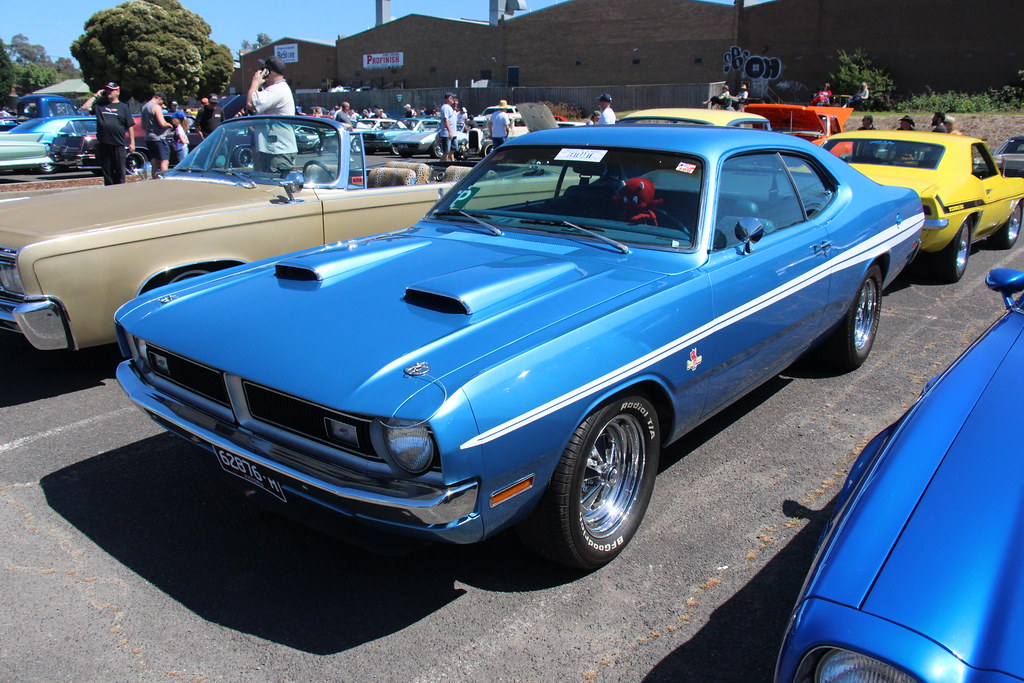
Ah, the mighty station wagon — the true champion of family road trips and an icon of a bygone era. These long, lumbering vehicles were more than just cars; they were rolling homes on wheels, packed to the roof with luggage, snacks, siblings, and maybe even the family dog squeezed in somewhere. They were the silent witnesses to countless singalongs, blurry landscapes, and the pure, unadulterated joy of the open road.
Before SUVs became the kings of the highway, American station wagons were the ultimate family road trip machines, packed with memories and adventure. These iconic vehicles carried generations to beaches, mountains, and grandma’s house, blending practicality with undeniable style. From those unmistakable wood-paneled classics to futuristic innovations, these wagons truly defined an era when the journey mattered as much as the destination.
Each station wagon had its own personality, a trusty sidekick with quirks and charms that turned even the longest, most winding journeys into epic adventures. So buckle up, roll down the windows, and let’s take a nostalgic cruise through some of the most beloved station wagons that made every family road trip a joyride to remember. We’re about to dive deep into the heart of automotive nostalgia!
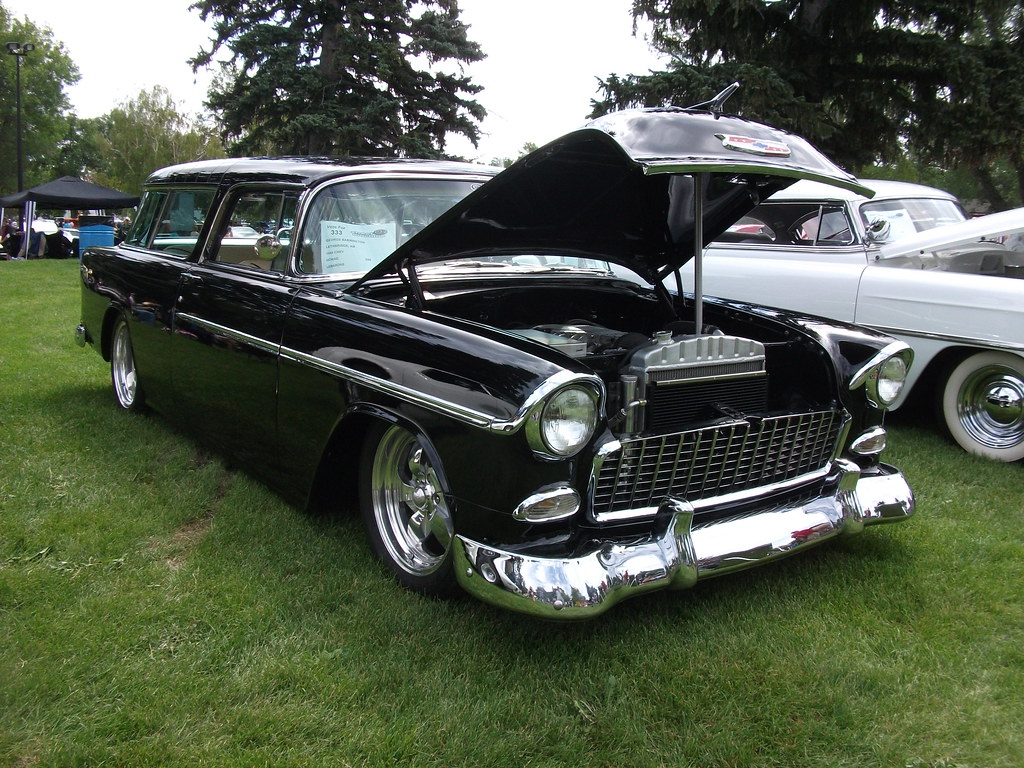
1. **1955 Chevrolet Nomad: The Revolution Starter**Imagine pulling up to a drive-in in 1955, not in a boxy, utilitarian hauler, but in a sleek, sporty wagon that turned heads. That’s exactly what the 1955 Chevrolet Nomad delivered, and it’s often credited with single-handedly transforming the family car market. It brought an unprecedented level of style and flair to what was traditionally a purely practical segment.
Its distinctive two-door design, combined with those signature chrome accents, made it pop out from the crowd of more conventional vehicles. Families suddenly had a choice that offered both the utility they desperately needed for long trips and the head-turning looks that made them feel cool. It was a perfect blend of form and function that captured the American imagination.
Built on Chevy’s incredibly reliable Bel Air platform, the Nomad promised and delivered a smooth ride and dependable performance, which was crucial for those cross-country adventures. The smart rear tailgate and its ample cargo space were a godsend for packing up everything from luggage and coolers to camping gear, solidifying its reputation as a cherished companion for countless family escapades.
The Nomad wasn’t just a car; it was a statement. It showed that family transportation didn’t have to be boring or purely utilitarian. It could be exciting, stylish, and still perfectly capable of hauling everything a bustling family could throw at it, cementing its legacy as a true trendsetter in automotive history.
Car Model Information: 1957 Chevrolet Nomad
Caption: 1955 Chevrolet Bel Air Nomad
Name: Chevrolet Nomad
Manufacturer: Chevrolet
Production: 1955–1961,1968–1972
Layout: FR layout
Categories: 1950s cars, 1960s cars, Articles with short description, Chevrolet concept vehicles, Chevrolet vehicles
Summary: Chevrolet Nomad is a nameplate used by Chevrolet in North America from the 1950s to the 1970s, applied largely to station wagons. Three different Nomads were produced as a distinct model line, with Chevrolet subsequently using the name as a trim package.
Marketed as a halo model of the Chevrolet station wagon line for the Tri-Five series, the Nomad was repackaged as a station wagon counterpart of the Chevrolet Bel Air and Chevrolet Impala from 1958 to 1961. From 1968 to 1972, the Nomad returned as the base-trim Chevrolet Chevelle station wagon.
Making its debut on a 1954 concept car, the nameplate has again seen used by Chevrolet on multiple concept vehicles; none have reached production.
Get more information about: Chevrolet Nomad
Buying a high-performing used car >>>
Brand: Chevrolet Model: Nomad
Price: $72,999 Mileage: 30 mi.
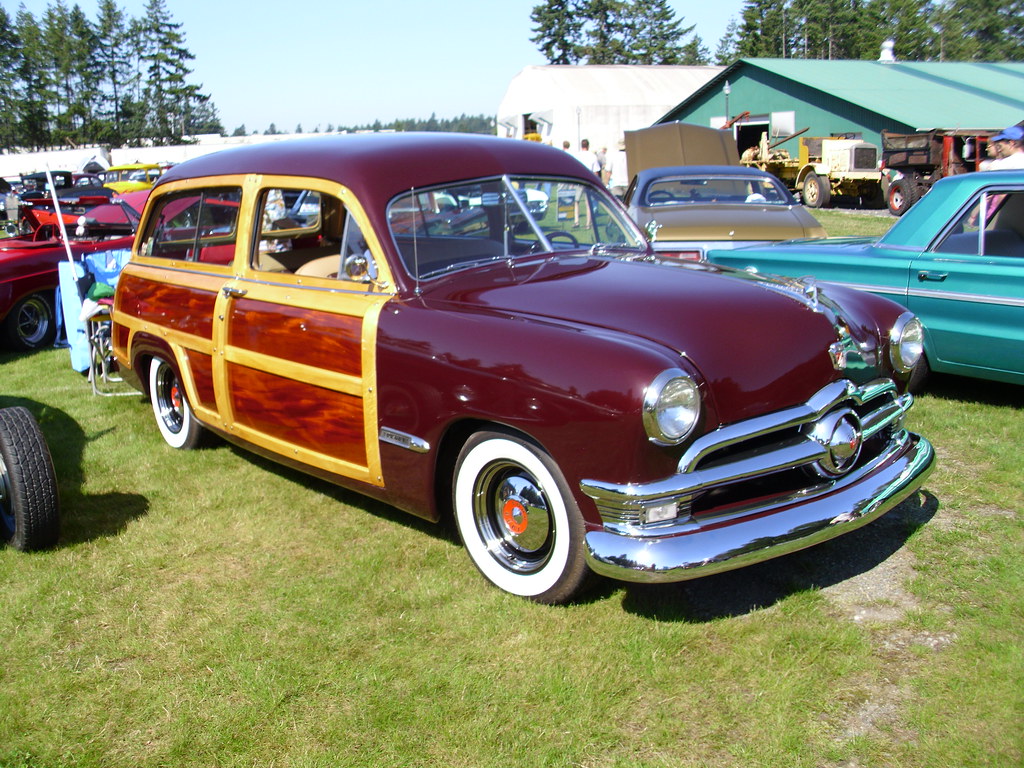
2. **Ford Country Squire: The Quintessential Family Icon**When most of us think of classic American station wagons, the image that immediately springs to mind is often the 1966 Ford Country Squire. This magnificent machine, with its unmistakable woodgrain paneling and vast interior, wasn’t just a car; it became a veritable symbol of suburban life and family togetherness, a rolling living room on wheels for countless adventures.
This model was an absolute champion for large families and all their accompanying gear, making it the go-to vehicle for everything from quick grocery runs to epic cross-country vacations. Its iconic rear-facing third-row seats weren’t just practical for extra passengers; they were the coveted kingdom for kids, offering a unique perspective of the world blurring by behind them.
Underneath that classic exterior, a robust V8 engine provided plenty of power for effortless highway cruising, ensuring that even the longest journeys felt manageable. Coupled with a soft suspension system, the Country Squire prioritized comfort, making sure that every mile was as smooth as possible for its precious cargo.
The Country Squire’s enduring popularity and its prominent role in countless family memories have firmly cemented its place in American automotive history. Fun fact: this classic was often the backdrop for blockbuster movies of its time, further solidifying its image as the quintessential American family vehicle, proving its unmatched charm and utility were truly timeless.
Car Model Information: 2023 Buick Envision Preferred AWD
Caption: 1988–1989 Ford LTD Country Squire
Name: Ford Country Squire
Manufacturer: Ford Motor Company
Class: Full-size,station wagon
BodyStyle: station wagon
ModelYears: 1950–1991
Predecessor: 1941 Ford#1948
Related: Mercury Colony Park,Ford Country Sedan,Ford Ranch Wagon
Categories: 1960s cars, 1970s cars, 1980s cars, 1990s cars, All articles with dead external links
Summary: The Ford Country Squire is a series of full-size station wagons that were assembled by American automaker Ford. Positioned as the top-level station wagon of the Ford division, the Country Squire was distinguished by woodgrain bodyside trim. From 1950 through the 1991 model years, eight generations of the Country Squire were produced. Following the discontinuation of Edsel Bermuda, Mercury marketed the Mercury Colony Park as a divisional counterpart of the Country Squire, sharing bodywork and trim while the Mercury was not available with a six cylinder engine and was more expensive due to the optional equipment on the Ford that was standard on the Mercury.
As part of the full-size Ford model range, the Country Squire was the top trim package station wagon counterpart of several model lines. For its first two generations, the Country Squire was based upon the Ford Custom Deluxe and the Ford Crestline that replaced it, along with the more modestly equipped Ford Country Sedan which was identical in dimensions except for the woodgrain appearance and minimal standard equipment. For its next three generations, the Country Squire was a distinct model range; initially sharing its trim with the Ford Fairlane, the Country Squire later adopted trim of the Ford Galaxie. For its final two generations, the Country Squire became a counterpart of Ford LTD and the Ford LTD Crown Victoria after its downsizing for the last generation, while sharing multiple passenger accommodation duties with the Ford Aerostar.
The Country Squire was discontinued as part of the development of the 1992 Ford Crown Victoria and passenger carrying duties were given to the Ford Windstar. The decline in full-size station wagon sales meant the Crown Victoria was exclusively a four-door sedan. The 41-year production run of the Country Squire is the third-longest of a Ford car nameplate in North America, surpassed only by the Ford Thunderbird and Ford Mustang which is to date still in production.
The term squire is a British term that refers to a village leader or a lord of the manor, which is also called a “squire”, and the term was applied to members of the landed gentry.
Get more information about: Ford Country Squire
Buying a high-performing used car >>>
Brand: Ford Model: Country Squire
Price: $25,991 Mileage: 27,903 mi.
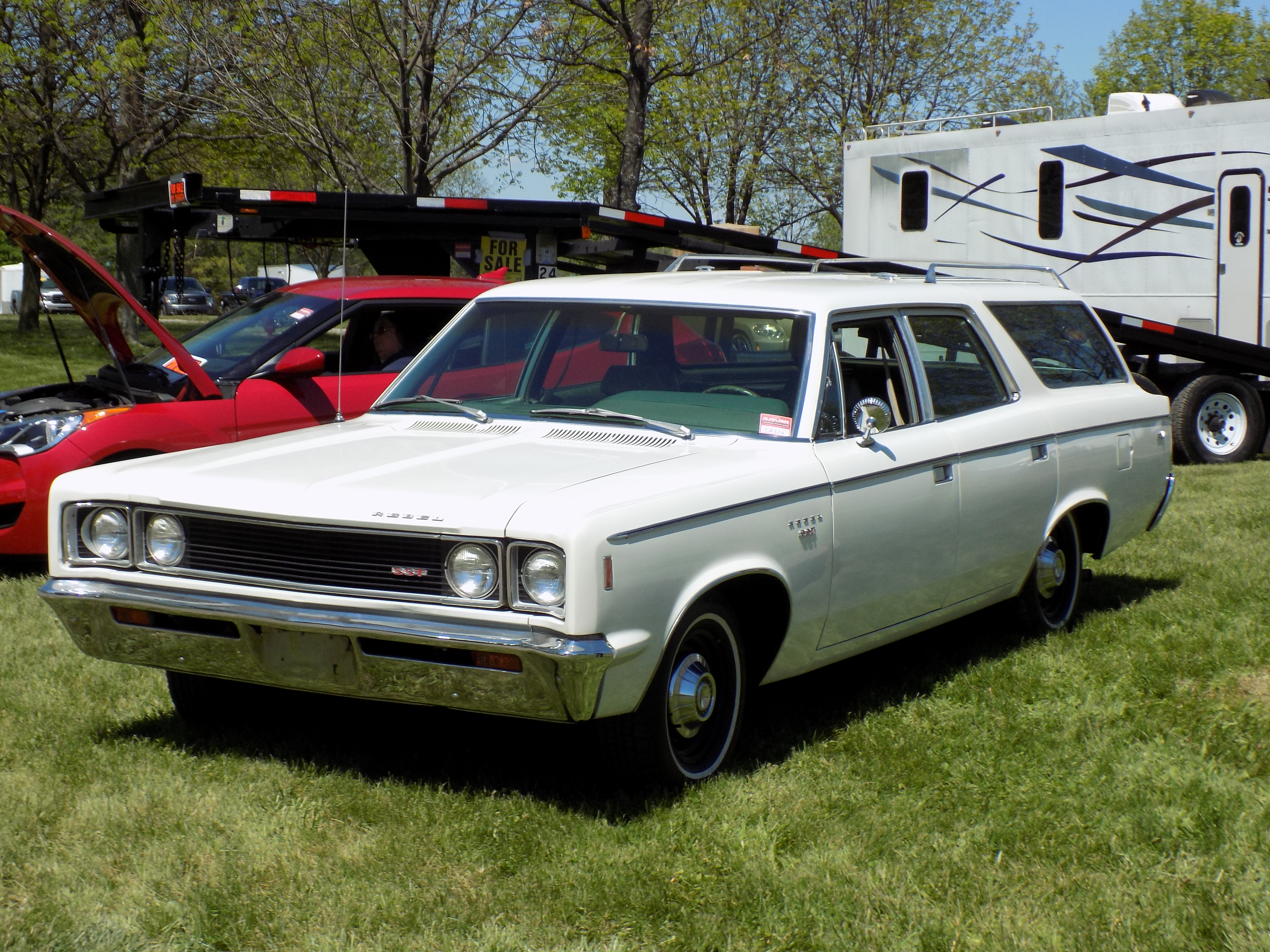
3. **AMC Rebel Wagon: The Underdog Adventurer**The 1969 AMC Rebel Wagon might not have boasted the instant name recognition of its ‘Big Three’ rivals, but it certainly earned respect for its rugged durability and sheer value. This unassuming hero became a firm favorite among practical-minded families, proving that you didn’t need flashy marketing to win hearts; reliability and honesty did the trick.
AMC engineered the Rebel with a focus on simplicity and steadfast reliability, a philosophy that deeply resonated with those seeking a trustworthy companion for their travels. It wasn’t about extravagant features; it was about getting the job done, day in and day out, on the open road or just around town, making it a truly dependable choice.
Inside, the Rebel Wagon surprised many with its abundant space and remarkable comfort. Its straightforward engineering was a huge bonus for families, translating to fewer breakdowns and much easier, more affordable repairs – a significant advantage when you’re miles from home on a long road trip. This vehicle was built to endure and serve.
For countless families, the Rebel Wagon wasn’t just another car; it was a dependable workhorse that quietly delivered countless miles of cherished memories. Its unpretentious charm lay in its ability to make ordinary trips feel special, and its dual-action tailgate (found on similar model years) offered an added layer of versatility, able to swing open or drop down to handle any cargo, truly embodying practicality and power.
Car Model Information: 2023 Buick Envision Preferred AWD
Caption: 1968 AMC Rebel 770 station wagon
Name: AMC Rebel
Aka: Australia,Mexico,Europe
Manufacturer: American Motors Corporation
Production: 1967–1970 (US market)
ModelYears: 1967–1970 (US market)
Assembly: Australia
Class: Mid-size car
BodyStyle: sedan (car),convertible,hardtop,4-door sedan,station wagon
Engine: 232 CID
Abbr: on approx.
Transmission: Manual transmission,Overdrive (mechanics),4-speed manual floor or console,Automatic transmission,3-speed “Shift-Command” on console
Layout: Front-engine, rear-wheel drive layout
Wheelbase: 114 in
Length: {{convert,197,in,mm,0,abbr=on
Width: 77.29 in
Height: 53.5 in
Weight: 3500 lb
Platform: AMC’s “senior cars”
Predecessor: Rambler Classic
Successor: AMC Matador
Related: AMC Ambassador
Categories: 1970s cars, AMC vehicles, All articles with dead external links, Articles with dead external links from July 2023, Articles with permanently dead external links
Summary: The AMC Rebel (known as the Rambler Rebel in 1967) is a midsized car produced by American Motors Corporation (AMC) from the 1967 until the 1970 model year. It replaced the Rambler Classic. A similar AMC Matador line replaced the Rebel models, starting with the 1971 model year.
The Rebel was positioned as the high-volume seller in the independent automaker’s line of models. The Rebel was also available in several specialty models, including station wagons featuring themed trim and luxury equipment offered only in selected geographical regions. A high-performance, low-priced muscle car version was produced in 1970, the Machine, which is most recognized in its flamboyant white, red, and blue trim.
The Rebel is the shorter-wheelbase, intermediate-sized version of the longer-wheelbase, full-sized Ambassador line.
The Rebel was built at AMC’s West Assembly Line (along with the Ambassador) in Kenosha, Wisconsin, and in Brampton, Ontario, Canada (Bramalea – Brampton Assembly Plant).
The Rebel was also assembled from Complete Knock-down (CKD) kits under license in Europe (by Renault in 1967), in Mexico (by Vehiculos Automotores Mexicanos), in Costa Rica by Purdy Motor; and from Semi Knockdown kits (SKD) in Australia (by Australian Motor Industries), and in New Zealand (by Campbell Motor Industries). Although the Rambler name was discontinued on the Rebel in the U.S. and Canadian markets after the 1967 model year, the cars continued to be sold in international markets under the historic “Rambler” brand.
Get more information about: AMC Rebel
Buying a high-performing used car >>>
Brand: AMC Model: Rebel Wagon
Price: $25,991 Mileage: 27,903 mi.
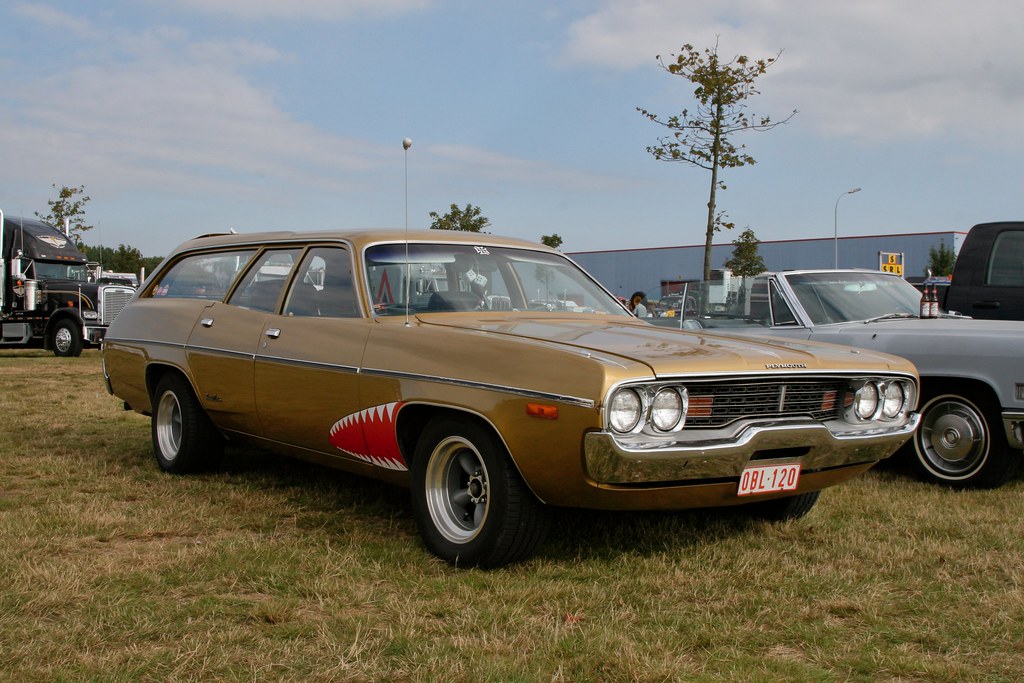
4. **1971 Plymouth Satellite Wagon: Muscle Meets Utility**Who says a family car can’t have a bit of a rebellious streak? The 1971 Plymouth Satellite Wagon masterfully bridged the gap between raw muscle car performance and undeniable family-friendly utility, bringing an unexpected jolt of excitement right into the family driveway. It was the best of both worlds, truly.
This wagon sported aggressive styling and came with available V8 engines, offering a thrilling taste of performance that even the most discerning parents could appreciate. Imagine the joy of merging onto a highway with ease, all while confidently hauling kids, pets, and all the cargo a family could possibly need for an adventure.
Inside, the Satellite Wagon was a marvel of space and versatility. It featured conveniently folding rear seats and an exceptionally roomy cargo area, making it incredibly adaptable for any situation. Whether it was a spontaneous camping trip or just a regular school run, this wagon handled it all with aplomb and a surprising amount of style.
Its powerful engine options ensured that highway cruising was always a breeze, and its distinctive looks ensured this wagon truly stood out in any parking lot. The Satellite Wagon undeniably proved that practicality and performance didn’t have to be mutually exclusive; they could, and in this case, did, go hand in hand, leaving a memorable mark in automotive history. Its design was even influenced by the exciting space race era, giving it a subtle futuristic flair.
Car Model Information: 2023 Buick Envision Preferred AWD
Name: Plymouth Satellite
Manufacturer: Plymouth (automobile)
Production: 1964–1974
ModelYears: 1965–1974
Caption: 1966 Plymouth Satellite 2-door hardtop
Layout: FR layout
Class: Mid-size car
Predecessor: Plymouth Belvedere
Successor: Plymouth Fury
Platform: Chrysler B platform
Assembly: Highland Park, Michigan,Fenton, Missouri
Categories: 1970s cars, All articles needing additional references, Articles needing additional references from April 2015, Articles with short description, Cars discontinued in 1974
Summary: The Plymouth Satellite is a mid-size automobile introduced in the 1965 model year as the top trim model in Plymouth’s “B” platform Belvedere line. Available initially in two-door hardtop and convertible models, the Satellite remained the top-of-the-line model until the 1967 model year. A station wagon version was added and a higher “Sport” trim introduced.
The Fury name was moved to Plymouth’s mid-size models for 1975, at which time the Satellite name was discontinued.
Get more information about: Plymouth Satellite
Buying a high-performing used car >>>
Brand: Plymouth Model: Satellite Wagon
Price: $25,991 Mileage: 27,903 mi.
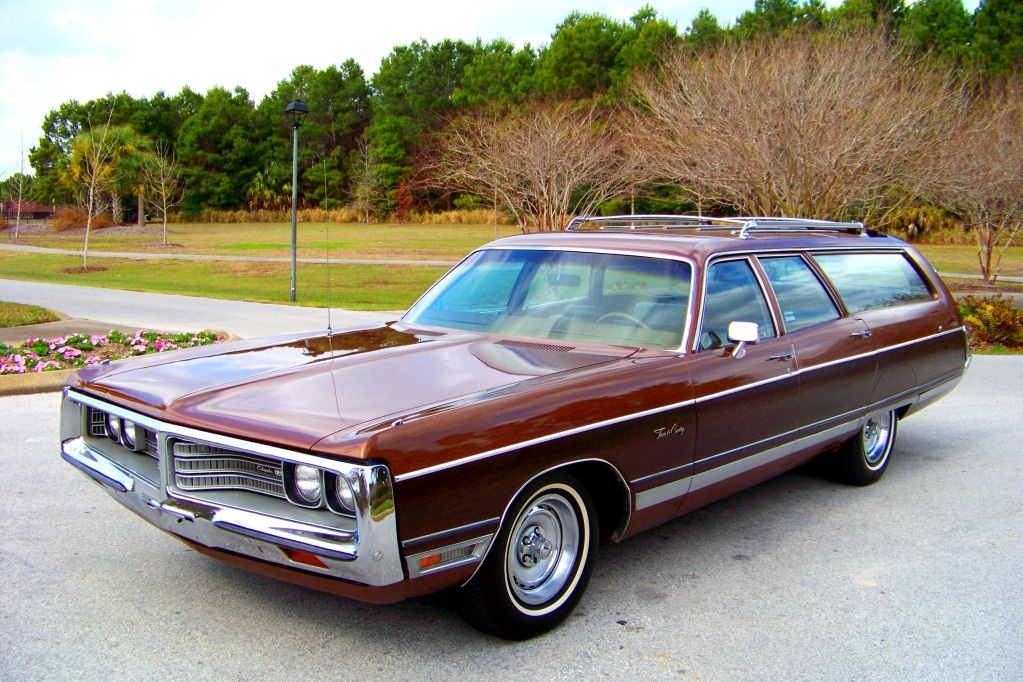
5. **1984 Chrysler Town & Country Wagon: The Luxury Liner**Before its name became synonymous with the minivan, the Chrysler Town & Country was a genuinely handsome full-size station wagon, boasting serious road trip clout and an air of upscale sophistication. The 1984 model, in particular, truly raised the bar, setting itself apart with luxurious appointments and stylish faux-wood trim that hinted at a more refined experience.
Chrysler’s goal was clear: to deliver an upscale experience, and they certainly succeeded. The interior was a sanctuary of comfort, offering plush seating, an array of power accessories, and an meticulous attention to detail that made every single trip, whether long or short, feel truly special. It was like driving a premium lounge on wheels.
Despite this strong focus on comfort and luxury, practicality was never sacrificed. The Town & Country maintained a wonderfully spacious cargo area and flexible seating configurations, ensuring it could handle all of life’s demands. This model brilliantly bridged the evolving gap between traditional wagons and the emerging minivan segment, offering the best of both worlds for families constantly on the go.
Driving the Town & Country was an exercise in pure elegance, a true nod to a time when cars were crafted with an emphasis on both style and substance. It effortlessly offered families a blend of luxury and utility, and its sophisticated features were even inspired by the grand tourers of Europe, adding an extra layer of worldly charm to this American classic.
Car Model Information: 2023 Buick Envision Preferred AWD
Name: Chrysler Town & Country
Assembly: Jefferson North Assembly#Jefferson Avenue Assembly,Detroit
Caption: 1972 Chrysler Town & Country 4-door wagon
Manufacturer: Chrysler (brand)
Production: 1940–1941,1945–1988
ModelYears: 1941–1942,1946–1988
Successor: Chrysler Town & Country
Class: Full-size,luxury car
Categories: 1950s cars, 1960s cars, 1970s cars, 1980s cars, Articles with short description
Summary: The Chrysler Town & Country is an automobile which was manufactured by Chrysler from 1940 to 1942 and from 1945 to 1988 with production interrupted during World War II. Primarily produced as a luxury station wagon, the Town & Country was also available in “woodie” four-door sedan, two-door hardtop and convertible body styles from 1947 to 1950, 1968 to 1969 and from 1983 to 1986. The 1988 model year was the last for the station wagon until the 1990 model year when Chrysler reintroduced the Town & Country nameplate as the rebadged variant Chrysler Town & Country minivan.
Chrysler’s Town & Country wagon was reintroduced with all-steel construction in 1951, in both Windsor and New Yorker variants through the end of Windsor model production for the 1960 model year, and then in Newport and New Yorker models through 1965. In 1966 it became a stand-alone model, with trim and features which bridged the gap between the two sedan lines. It was distinguished by luxury features including a carpeted rear cargo area with split-folding second row bench seats trimmed with chrome covered strips of steel, and from 1968 forward, simulated woodgrain paneling on the body sides and tailgate, a feature also associated with somewhat competitive top-shelf station wagons such as the AMC Ambassador, Buick Estate, Oldsmobile Custom Cruiser, Ford Country Squire, and the Mercury Colony Park, and in 1976 AMC introduced the Jeep Grand Wagoneer with similar passenger accommodation and a simulated woodgrain appearance built on a dedicated chassis. The Town and Country, however, stood in a luxury class by itself until the last of the full-sized versions of 1977. From 1978, it was sized down and absorbed into the LeBaron series, with a lesser version lacking the more luxurious features and the woodgrain bodyside decals available for a few years in the early 1980s.
Chrysler reintroduced the Town & Country nameplate in 1989 as a luxury rebadged variant of the Dodge Grand Caravan/Plymouth Grand Voyager minivan for the 1990 model year and continued to sell this incarnation of the Chrysler Town & Country until the end of the 2016 model year when Chrysler reintroduced the Pacifica nameplate for their minivan in 2016 for the 2017 model year.
A simulated woodgrain appearance reappeared on other Chrysler products, such as the 1993 Jeep Grand Cherokee (ZJ) and the Chrysler PT Cruiser.
Get more information about: Chrysler Town & Country (1941–1988)
Buying a high-performing used car >>>
Brand: Chrysler Model: Town & Country Wagon
Price: $25,991 Mileage: 27,903 mi.

6. **Oldsmobile Vista Cruiser: The Panoramic Performer**For any curious child, the Oldsmobile Vista Cruiser was nothing short of a dream wagon, primarily thanks to its iconic raised roof and those magnificent, extra glass-paneled skylights. In countless families, the back seat of a Vista Cruiser became the most coveted spot, transforming every road trip into a glorious safari of sights and an unforgettable sightseeing adventure.
These unique windows were a game-changer, flooding the interior with abundant natural light and granting passengers a truly panoramic view of the world outside. It felt like having a personal observatory on wheels, turning even the dullest landscapes into dynamic, ever-changing vistas. This ingenious design blended practicality with a whimsical touch, captivating everyone onboard.
Beyond its innovative roofline, the Vista Cruiser was impressively practical, offering comfortable room for up to eight passengers. Coupled with a powerful V8 engine and a smooth, consistent ride, it was an absolute joy to drive, whether navigating busy highways or exploring scenic backroads. It became a true staple of American family travel for good reason.
More than just a mode of transport, the Cruiser was a gateway to adventure, igniting imagination with every mile. Its distinctive design sparked wonder, making every trip feel like a grand voyage. Fun fact: the Vista Cruiser’s design was so universally beloved, it even inspired its very own line of toys, and today, it boasts a devoted fan base among collectors and enthusiasts, a true masterclass in family-friendly innovation.
Car Model Information: 2023 Buick Envision Preferred AWD
Name: Oldsmobile Vista Cruiser
Layout: FR layout
Manufacturer: Oldsmobile
ModelYears: 1964–1977
Related: Chevrolet Chevelle,Pontiac Tempest#Second generation (1964–1967),Buick Sport Wagon
Caption: 1966 Oldsmobile Vista Cruiser
Class: Mid-size
Chassis: body on frame
BodyStyle: Station Wagon
Successor: Oldsmobile Cutlass Supreme#Fourth generation (1978–1988)
Platform: GM A platform (RWD)
Categories: 1960s cars, 1970s cars, Articles with short description, Cars discontinued in 1977, Cars introduced in 1964
Summary: The Oldsmobile Vista Cruiser is a station wagon manufactured and marketed by Oldsmobile over three generations from 1964 to 1977.
The first and second generation Vista Cruisers are noted for their fixed-glass, roof-mounted skylights over the second-row seating with sun visors for the second row passengers, a raised roof behind the skylight and lateral glass panels over the rear cargo area along the raised roof, and access to the third row of forward-facing passenger seating was accomplished by a second row split bench seat that retracted forward.
Sharing its bodystyle with the Buick Sport Wagon, Pontiac Tempest Safari and Chevrolet Chevelle Greenbrier, the Vista Cruiser was introduced on February 4, 1964, as a 1964 model, based on the Oldsmobile Cutlass/F-85 Series. The skylight roof panel was only shared with the Buick Sport Wagon and was not available on the Chevrolet Chevelle or Pontiac Tempest station wagons. Prior to the 1973 model year the Vista Cruiser utilized a wheelbase which was 5 inches (127 mm) longer than that of the Cutlass/F-85 sedan.
Subsequent Oldsmobile mid-size wagons featured a skylight as did the 1991–92 full-size Oldsmobile Custom Cruiser wagon and the 1991–96 Buick Roadmaster Estate.
Reminiscent of earlier models, the third generation Vista Cruiser (1973–1977) featured optional rear-facing third row seating, while incorporating a single flat venting moonroof over the front row seating.
Get more information about: Oldsmobile Vista Cruiser
Buying a high-performing used car >>>
Brand: Oldsmobile Model: Vista Cruiser
Price: $25,991 Mileage: 27,903 mi.
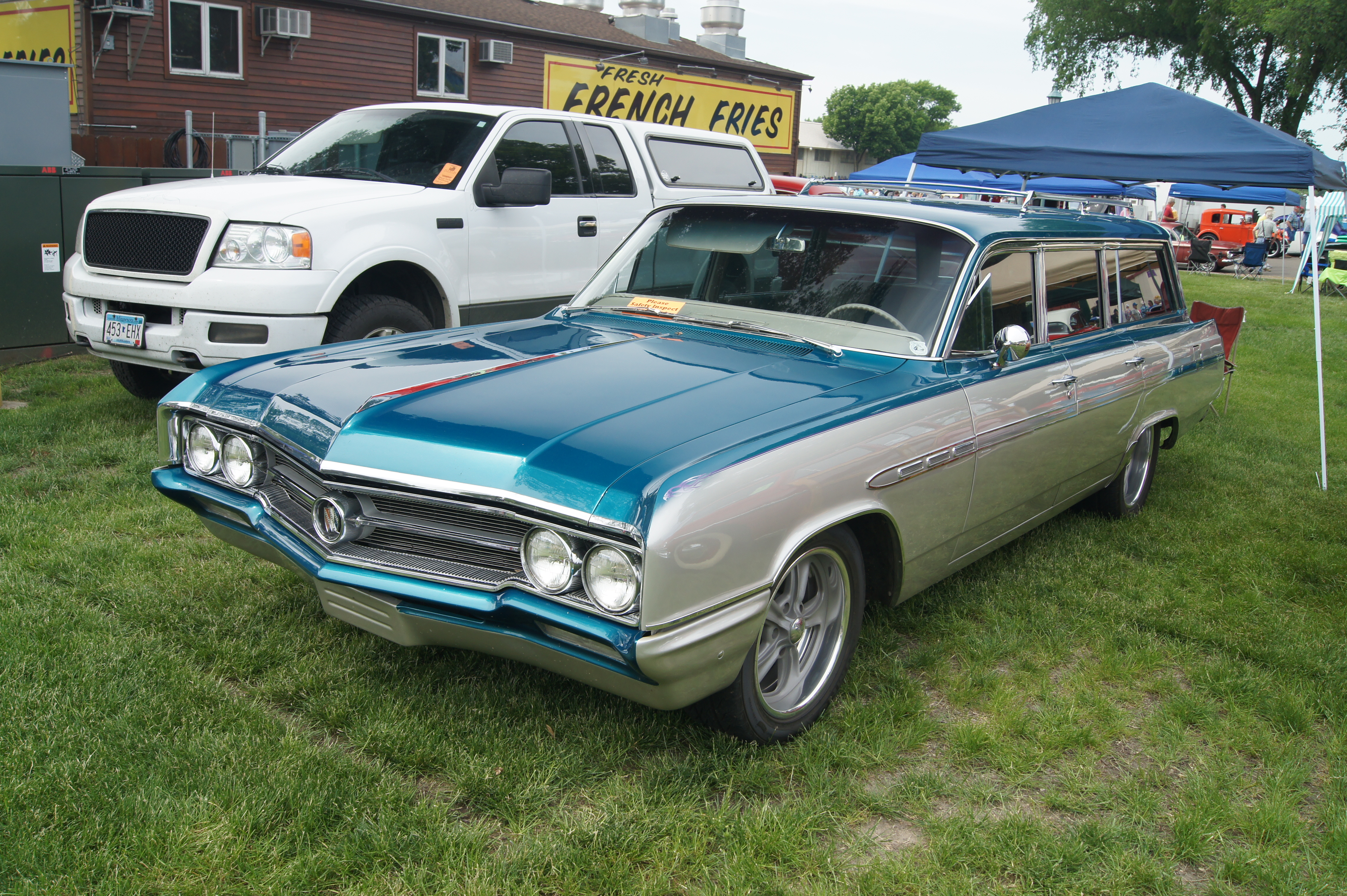
7. **1964 Buick Sport Wagon: Upscale Versatility**The 1964 Buick Sport Wagon effortlessly combined everyday practicality with an undeniable touch of upscale refinement, distinguishing itself from much of the competition. This was the classier cousin in the wagon family, designed to turn every road trip into a first-class journey, making mundane travel feel like a luxurious escape.
One of its most innovative features was an extended wheelbase, which contributed to a remarkably smooth ride, and the ingenious ‘Skyroof’ panels positioned directly over the rear seats. These panels flooded the cabin with light, creating a brighter, airier, and altogether more enjoyable atmosphere for passengers, even on the longest of journeys.
Inside, the Sport Wagon truly lived up to Buick’s esteemed reputation for comfort. Plush seating and high-quality materials were standard, ensuring that every occupant felt pampered. The flexible cargo area was impressively versatile, capable of swallowing everything from picnic baskets for a weekend outing to all the necessary camping equipment for a longer trip.
Meanwhile, the smooth handling made it an absolute pleasure for parents to drive, proving definitively that family cars could indeed be both highly functional and incredibly stylish. The Sport Wagon’s innovative design was notably inspired by the grand luxury coaches of Europe, effectively bringing a taste of the continent’s sophisticated automotive styling right to American shores, a true testament to its commitment to comfort and class.
Car Model Information: 2023 Buick Envision Preferred AWD
Name: Buick Sport Wagon
Layout: FR layout
Manufacturer: Buick
Production: 1964-1971
Assembly: Buick City,Flint, Michigan,Fremont Assembly,Fremont, California,Leeds Assembly,Leeds, Kansas City,Kansas City, Missouri
Caption: 1967 Buick Custom Sport Wagon
Related: Chevrolet Chevelle,Pontiac Tempest#Second generation (1964–1967),Oldsmobile Vista Cruiser
Class: Mid-size car
BodyStyle: station wagon
Platform: GM A platform (RWD)
Engine: 225 cuin
Abbr: Buick V8 engine#400
Transmission: Super Turbine 300
Wheelbase: Convert
Length: Convert
Width: Convert
Weight: Convert
Successor: Buick Century#Third generation (1973–1977)
Categories: Articles with short description, Buick vehicles, Cars introduced in 1964, Commons category link is on Wikidata, Mid-size cars
Summary: The Buick Sport Wagon was a mid-size station wagon built by Buick and was shared with the Oldsmobile Vista Cruiser, Pontiac Tempest Safari and Chevrolet Chevelle Greenbrier. Featuring a raised roof and skylights over the cargo and second seat area, this model was an extended wheelbase version of the Buick Skylark station wagon. Buick Sport Wagons were built in three generations, spanning 1964–67, 1968–69, and 1970–72. During this time period, this was the only luxury level station wagon offered under the Buick model line until 1970 when the Buick Estate Wagon was returned as a full-size station wagon.
Get more information about: Buick Sport Wagon
Buying a high-performing used car >>>
Brand: Buick Model: Sport Wagon
Price: $25,991 Mileage: 27,903 mi.

8. **1978 Chevrolet Caprice Estate Wagon: The Road Trip Commander**Alright, let’s talk about a true leviathan of the highway: the 1978 Chevrolet Caprice Estate Wagon. This bad boy wasn’t just a car; it was a bona fide land yacht, renowned for its absolutely cavernous interior and a ride so plush it made you wonder if you were floating on a cloud. For big families, or anyone who liked to bring the whole crew (pets included!), this nine-passenger titan was the ultimate road trip command center. Seriously, remember piling into the rear-facing third-row seats, making faces at cars behind you? Good times!
Chevy truly went all out to make the Caprice Estate a luxury liner on wheels. Under that expansive hood, a powerful V8 engine hummed along, effortlessly propelling you down the highway. And inside? It was loaded with all the creature comforts you could dream of, from icy cold air conditioning to convenient power windows. It was like driving your living room, but with better scenery!
But beyond the comfort, its massive cargo area was legendary. Luggage, sports gear, a week’s worth of groceries – you name it, the Caprice Estate swallowed it up with room to spare. This wagon wasn’t just practical; it was a symbol of American abundance, making every family outing feel like a grand expedition. It truly embodied family togetherness on an epic scale, proving that bigger sometimes really is better.
The ride quality was just divine, easily rivaling some of the fanciest hotels we stayed at back in the day. It wasn’t just about getting there; it was about enjoying every smooth, quiet mile. This Caprice Estate truly commanded the road, leaving an indelible mark on our collective family travel memories.
Car Model Information: 2023 Buick Envision Preferred AWD
Name: Chevrolet Caprice
Caption: Chevrolet Caprice PPV
Manufacturer: unbulleted list
Production: unbulleted list
ModelYears: unbulleted list
Predecessor: unbulleted list
Class: Full-size car
Platform: unbulleted list
Layout: FR layout
Categories: 1970s cars, 1980s cars, 1990s cars, 2000s cars, 2010s cars
Summary: The Chevrolet Caprice is a full-size car produced by Chevrolet in North America for the 1965 through 1996 model years. Full-size Chevrolet sales peaked in 1965, with over a million units sold. It was the most popular car in the U.S. in the 1960s and early 1970s, which, during its production, included the Biscayne, Bel Air, and Impala.
Introduced in mid-1965 as a luxury trim package for the Impala four-door hardtop, Chevrolet offered a full line of Caprice models for the 1966 and subsequent model years, including a “formal hardtop” coupe and an Estate station wagon. The 1971 through 1976 models are the largest Chevrolets built. The downsized 1977 and restyled 1991 models were awarded Motor Trend Car of the Year. Production ended in 1996.
From 2011 until 2017, the Caprice nameplate returned to North America as a full-size, rear wheel drive police vehicle, a captive import from Australia, built by General Motors’s subsidiary Holden. The police vehicle is a rebadged version of the Holden WM/WN Caprice. The nameplate also had a civilian and police presence in the Middle East from 1999 until 2017, where the imported Holden Statesman/Caprice built by Holden was marketed as the Chevrolet Caprice in markets such as Saudi Arabia and the UAE.
Get more information about: Chevrolet Caprice
Buying a high-performing used car >>>
Brand: Chevrolet Model: Caprice Estate Wagon
Price: $25,991 Mileage: 27,903 mi.
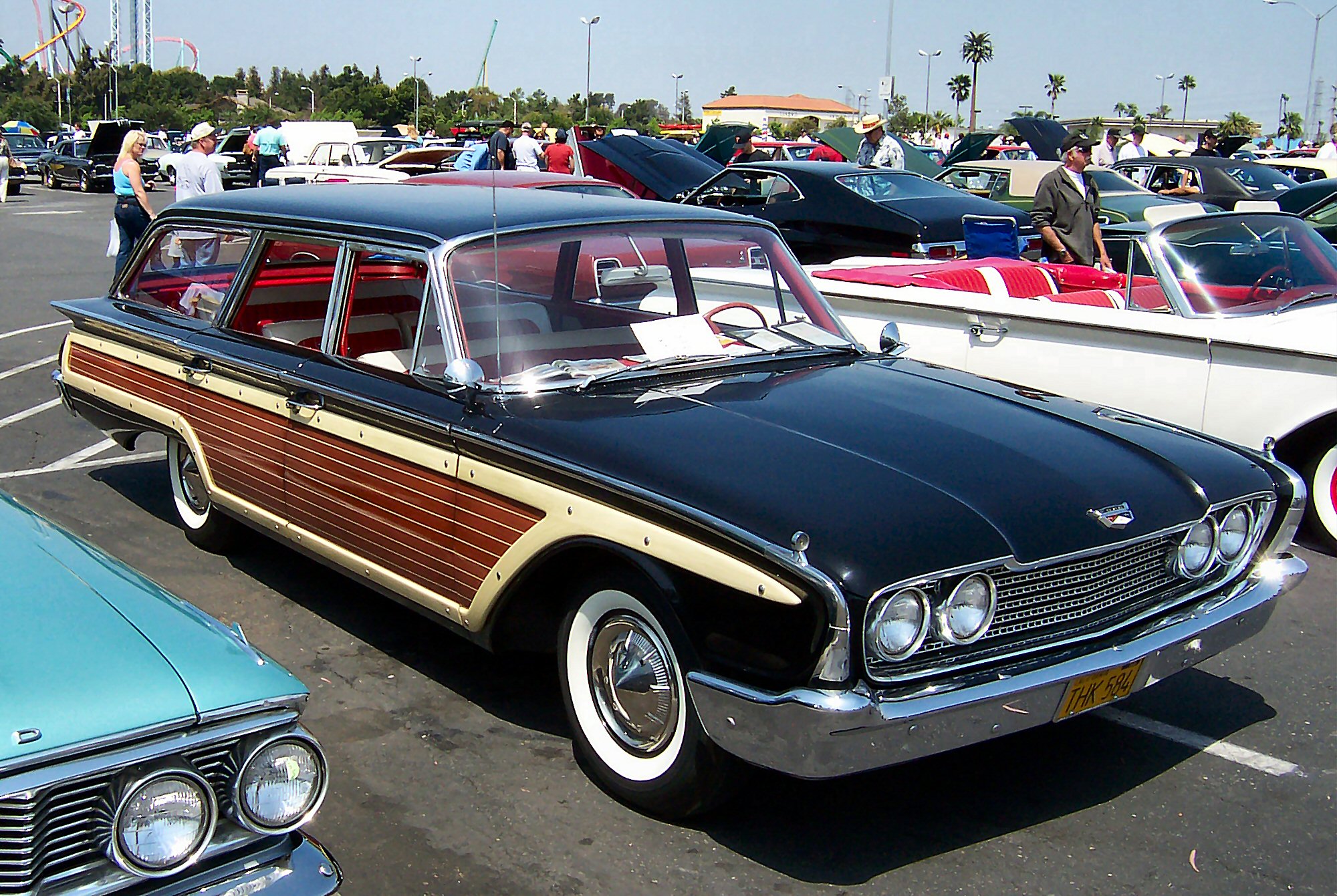
9. **1983 Ford LTD Country Squire: Classic Charm, Modern Twist**By the early 80s, the automotive landscape was shifting, but the Ford LTD Country Squire wasn’t about to be left behind. The 1983 model was a masterclass in evolution, brilliantly blending that beloved, instantly recognizable woodgrain styling with a whole host of modern features. It was like your favorite retro sweater, but updated with super comfy, breathable fabric – all the charm, none of the itch! Families who craved tradition but also appreciated the latest tech found their perfect match in this refreshed classic.
Ford really upped its game with this iteration, focusing on the practical needs of the modern family. We’re talking improved fuel efficiency (a big deal back then!), updated interiors that felt surprisingly fresh, and even advanced safety options that gave parents much-needed peace of mind. It proved that a classic could adapt without losing an ounce of its soul, offering a delightful mix of reliability and comfort for every journey.
While it embraced the future, the Country Squire wisely held onto its best attributes. You still got generous seating for the whole clan and enough cargo space to pack for an invasion, not just a vacation. Plus, Ford added some seriously convenient features, like power locks and cruise control, making those long stretches of highway feel like a breeze. It truly was the best of both worlds, blending time-honored design with contemporary convenience.
This wagon’s smooth ride and remarkably quiet cabin made it an absolute dream for long-distance travel. It glided along, making conversation easy and singalongs even better! The 1983 LTD Country Squire wasn’t just a vehicle; it was a testament to the idea that classic charm could, and should, keep up with the times, still reigning as a beloved icon of family adventures.
Car Model Information: 2023 Buick Envision Preferred AWD
Caption: 1988–1989 Ford LTD Country Squire
Name: Ford Country Squire
Manufacturer: Ford Motor Company
Class: Full-size,station wagon
BodyStyle: station wagon
ModelYears: 1950–1991
Predecessor: 1941 Ford#1948
Related: Mercury Colony Park,Ford Country Sedan,Ford Ranch Wagon
Categories: 1960s cars, 1970s cars, 1980s cars, 1990s cars, All articles with dead external links
Summary: The Ford Country Squire is a series of full-size station wagons that were assembled by American automaker Ford. Positioned as the top-level station wagon of the Ford division, the Country Squire was distinguished by woodgrain bodyside trim. From 1950 through the 1991 model years, eight generations of the Country Squire were produced. Following the discontinuation of Edsel Bermuda, Mercury marketed the Mercury Colony Park as a divisional counterpart of the Country Squire, sharing bodywork and trim while the Mercury was not available with a six cylinder engine and was more expensive due to the optional equipment on the Ford that was standard on the Mercury.
As part of the full-size Ford model range, the Country Squire was the top trim package station wagon counterpart of several model lines. For its first two generations, the Country Squire was based upon the Ford Custom Deluxe and the Ford Crestline that replaced it, along with the more modestly equipped Ford Country Sedan which was identical in dimensions except for the woodgrain appearance and minimal standard equipment. For its next three generations, the Country Squire was a distinct model range; initially sharing its trim with the Ford Fairlane, the Country Squire later adopted trim of the Ford Galaxie. For its final two generations, the Country Squire became a counterpart of Ford LTD and the Ford LTD Crown Victoria after its downsizing for the last generation, while sharing multiple passenger accommodation duties with the Ford Aerostar.
The Country Squire was discontinued as part of the development of the 1992 Ford Crown Victoria and passenger carrying duties were given to the Ford Windstar. The decline in full-size station wagon sales meant the Crown Victoria was exclusively a four-door sedan. The 41-year production run of the Country Squire is the third-longest of a Ford car nameplate in North America, surpassed only by the Ford Thunderbird and Ford Mustang which is to date still in production.
The term squire is a British term that refers to a village leader or a lord of the manor, which is also called a “squire”, and the term was applied to members of the landed gentry.
Get more information about: Ford Country Squire
Buying a high-performing used car >>>
Brand: Ford Model: LTD Country Squire
Price: $25,991 Mileage: 27,903 mi.
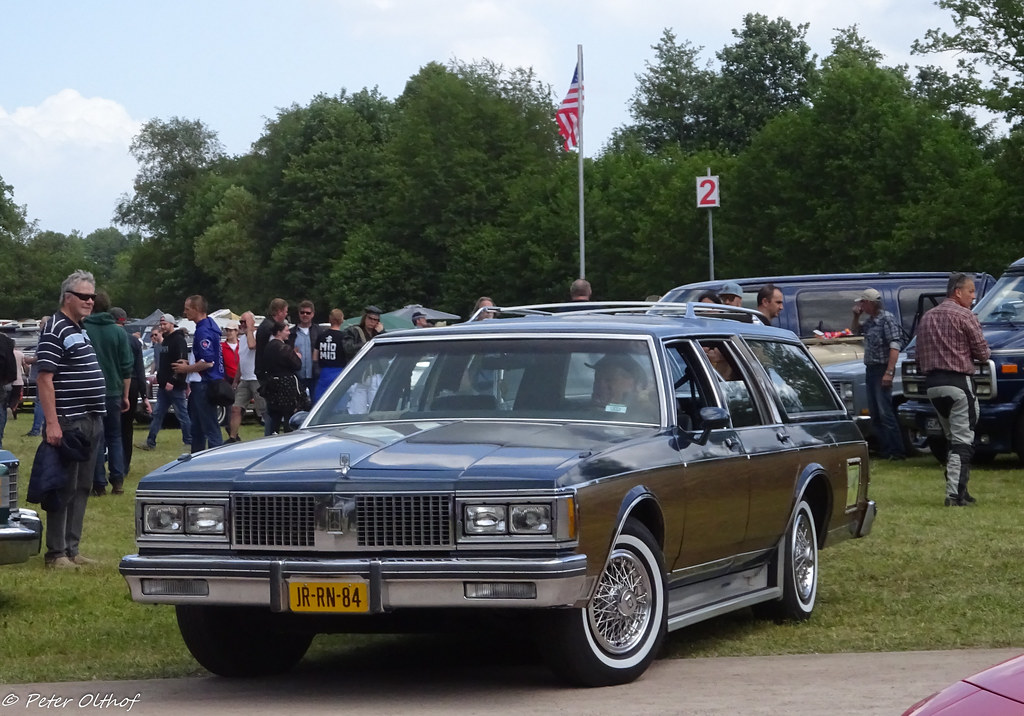
10. **1987 Oldsmobile Custom Cruiser: The Last Grand American Wagon**Gather ’round, because the 1987 Oldsmobile Custom Cruiser is a truly significant piece of American automotive history. This magnificent machine represented the end of an era, standing tall as one of the very last true body-on-frame, full-size American wagons. It was like the final, majestic roar of a dinosaur before the asteroid hit – a beautiful, powerful swan song for an iconic segment. Owning one today is like holding a piece of a truly grand automotive tradition.
Oldsmobile perfectly executed a delicate balance with the Custom Cruiser, combining its rugged, traditional design with a suite of modern amenities. You got classic, sturdy construction paired with the conveniences of the late 80s, like effortless power accessories and a climate control system that actually worked! It was robust yet refined, a truly sophisticated beast that knew how to pamper its passengers.
Inside, the Custom Cruiser was an absolute masterclass in spaciousness. Its massive cargo capacity and expansive interiors made it the go-to choice for epic family vacations, frantic holiday shopping trips, or even hauling half of your kid’s dorm room to college. This wagon was built for life’s big moments, ensuring you never had to leave anything (or anyone!) behind, making memories for miles and miles.
With its smooth, quiet ride, it was an ideal companion for those endless highway journeys, turning long stretches into serene cruises. And those classic looks? They weren’t just pretty faces; they served as a heartwarming reminder of a time when wagons genuinely ruled the road. The 1987 Custom Cruiser wasn’t just a car; it was a moving monument, celebrating the golden age of American family wagons with style and grace.
Car Model Information: 2023 Buick Envision Preferred AWD
Name: Oldsmobile Custom Cruiser
Caption: 1989 Oldsmobile Custom Cruiser
Manufacturer: Oldsmobile
ModelYears: 1971–1992
BodyStyle: 5-door station wagon
Platform: GM B platform
Layout: FR layout
Predecessor: Oldsmobile 88#Fifth generation (1961–1964)
Related: Buick Estate
Categories: 1970s cars, 1980s cars, 1990s cars, Articles with short description, Cars discontinued in 1992
Summary: The Oldsmobile Custom Cruiser is an automobile that was manufactured and marketed by Oldsmobile from 1971 until 1992. Marking the return of Oldsmobile to the full-size station wagon segment, the Custom Cruiser was initially slotted above the intermediate Oldsmobile Vista Cruiser, ultimately above the later mid-size Oldsmobile Cutlass Cruiser.
For three generations, the Custom Cruiser shared the General Motors B platform with the Buick Estate, Pontiac Safari, and the Chevrolet Caprice (initially Chevrolet Kingswood) station wagons. Within Oldsmobile, the Custom Cruiser shared its trim with the Oldsmobile Delta 88 and Oldsmobile Ninety-Eight. During 1985 and 1986, all three GM mid-price divisions downsized their B-platform full-size sedans, leaving the Custom Cruiser with no sedan counterpart. After the discontinuation of the Cutlass Supreme Classic, the model line became the sole Oldsmobile sold with rear-wheel drive.
Following the 1992 model year, production of the Custom Cruiser was discontinued. Alongside an extensive redesign for 1991, Oldsmobile had already initiated station wagon alternatives, introducing both the Oldsmobile Silhouette minivan (1990) and Oldsmobile Bravada mid-size SUV (1991). In total, Oldsmobile produced 451,819 Custom Cruisers over 21 years. Following the discontinuation of the model line, GM ended full-size station wagon production after 1996, becoming the final American-brand manufacturer to do so at the time.
Get more information about: Oldsmobile Custom Cruiser
Buying a high-performing used car >>>
Brand: Oldsmobile Model: Custom Cruiser
Price: $25,991 Mileage: 27,903 mi.
Read more about: The Golden Age of Chrome and Power: 15 Iconic American Cars That Defined the 1950s
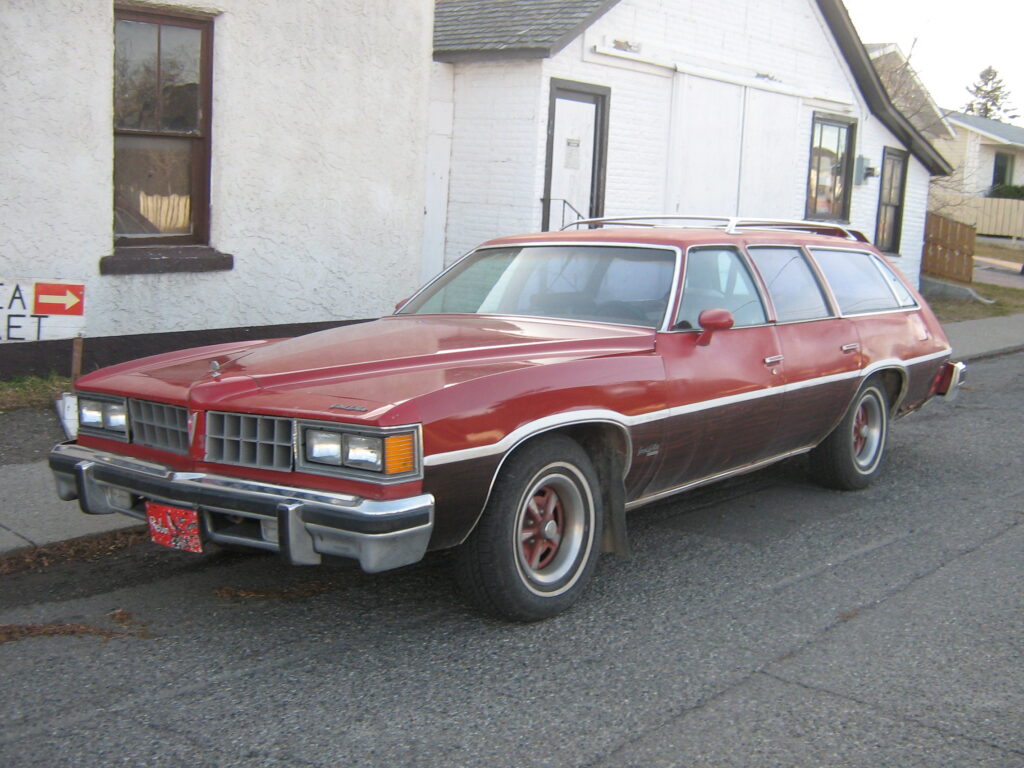
11. **1977 Pontiac Safari Wagon: The Style Statement**Who said family wagons had to be boring? Certainly not Pontiac! The 1977 Pontiac Safari Wagon was a bold, attention-grabbing showstopper that refused to blend in. With its unique front end, sweeping body lines, and those unmistakable Pontiac details, this wagon truly knew how to make an entrance. It was infused with a vibrant sense of fun, proving that even family transportation could be a head-turning, personality-packed ride.
Pontiac didn’t just stop at looks; they backed it up with performance. The Safari often sported sporty touches and came with a range of powerful engine options, ensuring that every drive felt lively and engaging. Imagine cruising down the street, kids and cargo in tow, but still feeling that exhilarating rumble under the hood! It was a brilliant blend of practicality and pure driving pleasure, a testament to Pontiac’s commitment to excitement.
Beyond its dazzling exterior and powerful heart, the Safari was incredibly versatile. Its roomy interiors and flexible seating configurations made it a cinch to accommodate kids, friends, and all the gear needed for any weekend getaway, from camping trips to beach days. It was ready for anything you threw at it, always delivering with a certain flair that only a Pontiac could.
The Safari’s irresistible combination of standout style and solid substance firmly cemented its place as a memorable part of the station wagon legacy. It was more than just a car; it was a rolling celebration of individuality and adventure, reminding us all that family life can, and should, be lived with a touch of zest and a whole lot of cool. It truly turned heads wherever it went!
Car Model Information: 2023 Buick Envision Preferred AWD
Name: Pontiac Safari
Manufacturer: Pontiac (automobile)
Caption: 1964 Pontiac Catalina Safari
Production: 1955–1989
ModelYears: 1955–1989 (except 1982–1986)
BodyStyle: 3-door station wagon (1955–1957),5-door station wagon (1958–1989)
Class: Full-size car
Successor: Chevrolet Astro,Pontiac Trans Sport
Categories: 1950s cars, 1960s cars, 1970s cars, 1980s cars, All Wikipedia articles written in American English
Summary: The Pontiac Safari is a line of station wagons that was produced by Pontiac from 1955 to 1989. Initially introduced as the Pontiac counterpart of the two-door Chevrolet Nomad, the division adopted the nameplate across its full-size wagon range in 1957. Through its production, the Safari was positioned between Chevrolet full-size station wagons and below its Buick and Oldsmobile counterparts. During the mid-1960s, the Safari added simulated woodgrain trim to the exterior, becoming a feature associated with the model line.
The name “safari” is derived from the Swahili word safari, which means journey, originally from the Arabic سفر (safar) meaning a journey; the verb for “to travel” in Swahili is kusafiri. As General Motors expanded into the intermediate, compact, and subcompact segments, the Safari nameplate saw a similar usage as the Estate (Buick, Chevrolet) and Cruiser (Oldsmobile) nameplates, denoting the highest-trim station wagon in each model range.
After 1989, Pontiac became the first GM division to discontinue its full-size wagons; along with model overlap between its divisional counterparts, demand for full-size wagons had been overtaken by minivans. For 1990, the Pontiac Trans Sport was introduced as the first Pontiac minivan. After 1991, Pontiac ended its use of the Safari nameplate (and production of station wagons) entirely; the GMC Safari continued through the 2005 model year.
Get more information about: Pontiac Safari
Buying a high-performing used car >>>
Brand: Pontiac Model: Safari Wagon
Price: $25,991 Mileage: 27,903 mi.
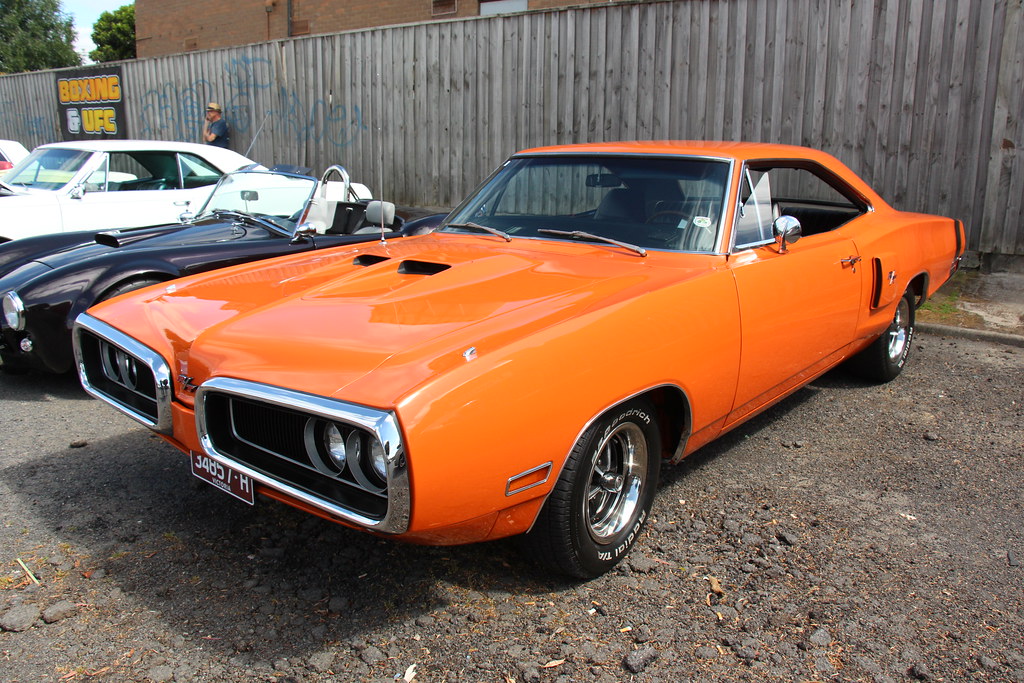
12. **1970 Dodge Coronet Wagon: The Dependable Voyager**If you were a family in the 1970s needing a vehicle that could handle absolutely anything thrown its way, chances are you turned to the 1970 Dodge Coronet Wagon. This wasn’t a flashy showboat; it was the trusty steed, built like a tank and ready to tackle everyday chores, epic summer adventures, and everything in between with remarkable ease. It was the friend you could always count on, no matter the journey.
Its sturdy construction and powerful engine options made the Coronet Wagon an incredibly dependable choice. Whether you were hauling people, pets, or enough camping gear to outfit a small army across town or across the country, this wagon handled it all without breaking a sweat. It instilled a sense of confidence, letting families focus on the fun parts of the trip rather than worrying about the ride itself.
Inside, you’d find comfortable seating that made long stretches bearable, along with practical storage solutions that helped keep the chaos of family travel somewhat organized. Plus, its straightforward mechanics were a huge bonus for parents, translating to easier maintenance and fewer headaches. When you’re miles from home, knowing your car is built simply and reliably is a priceless comfort.
For countless American families during the 1970s, the Coronet Wagon wasn’t just transportation; it was a steadfast member of the family, earning its place in driveways and hearts through sheer durability and undeniable value. It embodied the spirit of reliable adventure, powering countless cherished memories on the open road with its no-nonsense, get-it-done attitude.
Car Model Information: 2023 Buick Envision Preferred AWD
Name: Dodge Coronet
Caption: 1967 Dodge Coronet R/T
Manufacturer: Dodge
Production: 1949–1959,1965–1976
Class: Full-size
Predecessor: Dodge Custom
Successor: Dodge Dart
Layout: FR layout
Categories: 1950s cars, 1970s cars, All articles with dead external links, All articles with unsourced statements, Articles with dead external links from June 2016
Summary: The Dodge Coronet is an automobile that was marketed by Dodge in seven generations, and shared nameplates with the same bodyshell with varying levels of equipment installed. Introduced as a full-size car in 1949, it was the division’s highest trim line and moved to the lowest level starting in 1955 through 1959. The name was reintroduced on intermediate-sized models from the 1965 until 1976 model years. Muscle car versions were available starting in 1965 with the 383 and 426 wedge cu in (7.0 L) Chrysler RB engine, followed in 1966 by the powerful 426 cu in (7.0 L) Chrysler Hemi. Other performance models included the “Superbee”, and featured, the 383 cu in (6.3 L) Magnum, among other engine options. The nameplate “coronet” is a type of crown worn by royalty.
In the 1980s, the Coronet was used on Dodge models marketed in Colombia.
Get more information about: Dodge Coronet
Buying a high-performing used car >>>
Brand: Dodge Model: Coronet Wagon
Price: $25,991 Mileage: 27,903 mi.
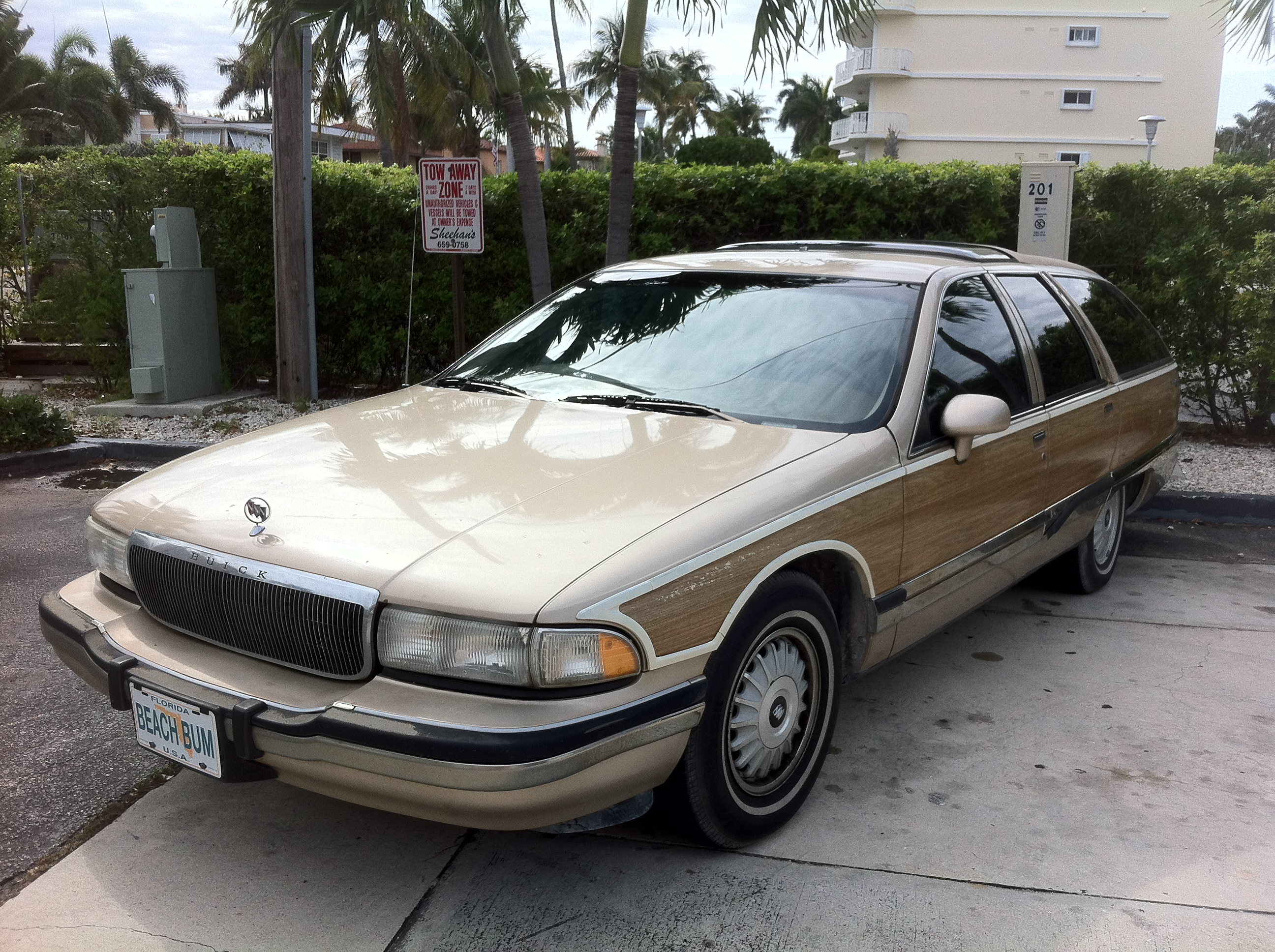
13. **1991 Buick Roadmaster Estate Wagon: A Grand Comeback**Just when minivans and SUVs started to take over the world, Buick decided to give us a glorious throwback with the 1991 Roadmaster Estate Wagon. It wasn’t just a car; it was a grand, nostalgic return to the era of big, comfortable wagons, a heartfelt nod to a golden age that many thought was lost forever. This beast revived that classic experience, proving that some legends just refuse to fade away!
This magnificent machine flaunted its long body, powerful V8 engine, and those iconic signature woodgrain panels with unapologetic pride, offering a true sense of tradition that modern vehicles just couldn’t replicate. And inside? Oh, the luxury! Plush leather seats, advanced sound systems, and an abundance of space made it absolutely perfect for those sprawling family road trips. It was like a luxury liner, but for the highway!
Driving the Roadmaster was an absolute dream. Its smooth ride and powerful engine made highway cruising genuinely enjoyable, turning mundane travel into a pleasurable glide. That undeniable retro styling instantly appealed to anyone who yearned for the golden age of the American wagon, striking a chord with nostalgia buffs and young families alike. It truly was a head-turner, capturing hearts with its timeless appeal.
The 1991 Buick Roadmaster Estate Wagon stands as a majestic farewell, one of America’s last full-sized station wagons, and a fitting tribute to the era it represented. It symbolizes American family travel at its most opulent, ensuring that the legacy of those grand, comfortable wagons lived on, even as new eras dawned. It wasn’t just a car; it was an experience, a memory maker on wheels.
Car Model Information: 2023 Buick Envision Preferred AWD
Name: Buick Roadmaster
Predecessor: Buick Master Six
Manufacturer: Buick
Production: 1935–1942,1946–1958,1990–1996
ModelYears: 1936–1942,1946–1958,1991–1996
Class: Full-size car
Layout: FR layout
Categories: 1950s cars, 1980s cars, 1990s cars, All articles with unsourced statements, Articles with short description
Summary: The Buick Roadmaster is an automobile built by Buick from 1936 until 1942, from 1946 until 1958, and then again from 1991 until 1996. Roadmasters produced between 1936 and 1958 were built on Buick’s longest non-limousine wheelbase and shared their basic structure with the entry-level Cadillac Series 65, the Buick Limited, and after 1940, the Oldsmobile 98. Between 1946 and 1957, the Roadmaster served as Buick’s flagship.
After being resurrected in 1991, the Roadmaster became the marque’s largest vehicle, measuring 10 in (254 mm) longer with a 5 in (127 mm) greater wheelbase than the C-body Buick Park Avenue. This generation was the first in Roadmaster history to be built on the General Motors B-body platform rather than the C-body, which had traditionally been reserved for GM’s largest and most opulent models that were not Cadillacs.
A Buick Roadmaster Estate station wagon was introduced in 1947 and was manufactured in several generations through 1996. The final run of 1991-1996 Roadmasters shared powertrains and platforms with the Chevrolet Caprice, Cadillac Fleetwood, and Oldsmobile Custom Cruiser.
Get more information about: Buick Roadmaster
Buying a high-performing used car >>>
Brand: Buick Model: Roadmaster Estate Wagon
Price: $25,991 Mileage: 27,903 mi.
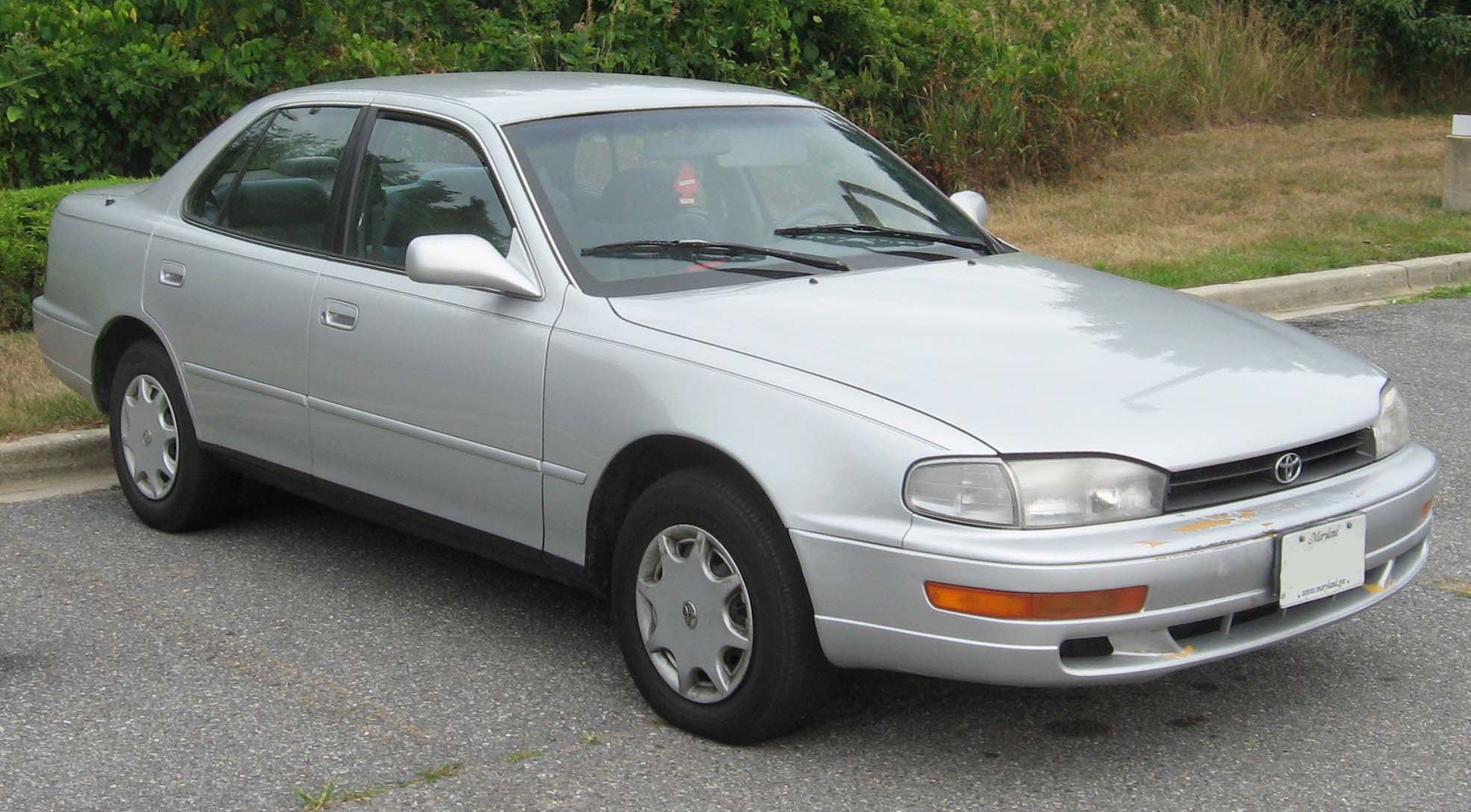
14. **1994 Toyota Camry Wagon: The Efficient Farewell**As the sun began to set on the classic American wagon era, a new champion emerged, subtly signaling a shift in automotive priorities: the 1994 Toyota Camry Wagon. This isn’t just another car on our list; it represents a pivotal moment, introducing a fresh standard of reliability and efficiency that would redefine family transportation for years to come. It was the pragmatic, dependable friend that showed us the way forward.
Toyota’s legendary reputation for durability, incredibly low maintenance costs, and a surprisingly comfortable ride made the Camry Wagon an irresistibly practical choice for families. Forget the gas-guzzling behemoths; this wagon offered peace of mind and predictability, something every busy family desperately needed. Its efficient four-cylinder engine and front-wheel drive made it an economical superstar for both daily commutes and those longer, cherished road trips.
And let’s not forget about practicality! While it might have been more compact than its vintage predecessors, the Camry Wagon still offered a wonderfully spacious cargo area. It effortlessly swallowed everything from massive grocery hauls to sports equipment for after-school activities. It was the quintessential everyday hero, proving that you didn’t need immense size to be incredibly functional and utterly indispensable for family life.
The Camry Wagon’s brilliant blend of practicality and unwavering dependability firmly cemented its place in the hearts of American families, even as the SUV era began to loom large on the horizon. It was a testament to the idea that thoughtful design and consistent performance could create a truly beloved family vehicle, one that carried us into a new age while still honoring the spirit of the wagon. What a way to go out!
***
And there you have it, fellow nostalgia seekers! Our epic cruise through 14 of the most iconic and heartwarming family wagons has come to an end. These incredible vehicles were so much more than just metal, rubber, and glass; they were the backdrops to our childhoods, the silent witnesses to countless laughs, singalongs, and maybe a few sibling squabbles in the back seat. From the majestic wood-paneled beauties that symbolized suburban dreams to the innovative designs that pushed boundaries, each wagon etched itself into the fabric of our family memories.
Car Model Information: 2023 Buick Envision Preferred AWD
Name: Toyota Camry (XV20)
Caption: Pre-facelift Toyota Camry Vienta 3.0 VXi sedan (MCV20R, Australia)
Manufacturer: Toyota
Aka: unbulleted list
Production: unbulleted list
Assembly: unbulleted list
Designer: Kawazu Masahiko (1993)
Class: Mid-size car
BodyStyle: unbulleted list
Layout: unbulleted list
Related: unbulleted list
Engine: unbulleted list
Transmission: unbulleted list
Wheelbase: 105.1 in
Round: 5
Abbr: on
Order: flip
Width: 70.3 in
Length: 187.6 in
Weight: 3000 lb
Height: 56.3 in
Predecessor: unbulleted list
Successor: unbulleted list
ModelYears: 1997–2001
ModelCode: XV20
Categories: 1990s cars, 2000s cars, All Wikipedia articles written in American English, All articles with unsourced statements, Articles with short description
Summary: The Toyota Camry (XV20) is a mid-size car that was sold by Toyota between September 1996 and 2001 in Japan and North America, and 1997 and 2002 in Australia. Introduced on 3 September 1996, the XV20 series represented the fourth generation of the Toyota Camry in all markets outside Japan, which followed a different generational lineage. The XV20 Camry range is split into different model codes indicative of the engine. Inline-four models utilize the SXV20 (gasoline) and SXV23 (CNG) codes, with MCV20 designating the six-cylinder (V6) versions.
The XV20 Camry continued as a sedan and station wagon, though the latter model was not sold in North America, where the sedan was launched in 1996 for the 1997 model year. The XV20 Camry was offered in 2.2-liter inline-four and 3.0-liter V6 engined versions. In Australia, the luxury-oriented version was badged Toyota Vienta.
In Japan, this generation was sold as the Toyota Camry Gracia. An upmarket version of the wagon also sold as the Toyota Mark II Qualis. Furthermore, this was the first Camry to be badge-engineered as a Daihatsu; the Daihatsu Altis sold in Japan was identical to the export version of the Camry. The Japanese Scepter ceased to exist as the Japanese Camrys adopted the 1,795 mm (70.7 in) wide platform, thereby incurring an increased tax liability in Japan due to its extended length and width according to Japanese exterior dimension limits. The Vista began departing from the Camry, remaining 1,700 mm (66.9 in) wide and eventually forming the basis of the growing Corolla. In addition, the Vista’s sheet metal resembled a tall, formal sedan, while the Camry became sleeker. The Lexus ES 300 was again built from the Windom, which uses the Camry chassis.
In August 1999 for the 2000 model year, the sedan models in North America received a mid-model upgrade to the front and rear fascias, this included larger headlights that now feature a four-bulb system instead of two, a separated grille with chrome surround, larger taillights, and larger body-side moldings. Toyota Australia started production of the facelift model in 2000.
Get more information about: Toyota Camry (XV20)
Buying a high-performing used car >>>
Brand: Toyota Model: Camry Wagon
Price: $25,991 Mileage: 27,903 mi.
They remind us of a simpler time when road trips meant paper maps, cooler-packed sandwiches, and the sheer thrill of the open road ahead. These classics paved the way for modern family vehicles, ensuring their legacy of practicality, comfort, and undeniable charm lives on. So next time you see one of these vintage beauties, give it a nod – you’re looking at a piece of history, a memory-maker on wheels that still sparks joy and ignites that warm, fuzzy feeling of childhood nostalgia. Who’s ready for another road trip? We sure are!