
For decades, the gleaming allure of a brand-new car has symbolized independence, achievement, and a quintessential part of the American dream. Yet, as we navigate a landscape marked by unprecedented economic shifts and evolving priorities, a curious phenomenon is taking hold: consumers are increasingly turning their backs on certain new car offerings. The traditional path to vehicle ownership, once a straightforward aspiration, is now fraught with considerations that extend far beyond horsepower and paint color, challenging long-held assumptions about automotive appeal.
This profound shift isn’t merely a fleeting trend; it reflects a deeper recalibration of consumer expectations and financial realities across various demographics. Where once the latest luxury features and advanced technology were primary motivators for new vehicle purchases, today’s buyer is often seeking something more fundamental: value, simplicity, and unwavering reliability. This reevaluation is significantly impacting sales figures and compelling automotive manufacturers to fundamentally rethink their product strategies and marketing approaches, signaling a pivotal moment for the entire industry.
Our comprehensive exploration will delve into the specific, multifaceted factors driving this change, examining why some highly anticipated models and popular features are losing their appeal in the current market. From the escalating costs of vehicle acquisition and ongoing ownership to the practical frustrations experienced by early adopters of new technologies, we will uncover the key reasons consumers are exercising greater caution, opting for alternatives, or even scaling back their automotive aspirations in a market that demands greater scrutiny and pragmatism.
1. **High New Car Prices and the Affordability Crisis**The sticker shock associated with purchasing a new vehicle has become a primary deterrent for many American shoppers, fundamentally reshaping their buying decisions. With the average price of a new car steadily creeping closer to the daunting $50,000 mark, consumers are drawing a hard line, critically reassessing what they can realistically afford in a turbulent and uncertain economic climate. This relentless upward trajectory in pricing is not just an inconvenience; it represents a significant and growing barrier to entry for a large segment of the population.
This intensifying affordability crisis is compounded by a complex confluence of macroeconomic factors that have tightened household budgets. Persistently high interest rates have made financing a new vehicle considerably more expensive, dramatically increasing the total cost of ownership over the entire loan term. Simultaneously, persistent rising inflation has steadily eroded consumer purchasing power, leaving less discretionary income available for substantial, large-ticket items like a new automobile, forcing difficult trade-offs and greater scrutiny of every purchase.
Experts like Karl Brauer, executive analyst at iSeeCars, underscore the gravity and widespread nature of the situation. He states, “An automobile is among the most expensive items in a consumer’s budget, and with the current state of economic uncertainty, it’s not surprising to see car buyers more hesitant about committing to a purchase.” This sentiment highlights a widespread apprehension, as consumers grapple with financial insecurity and the sheer magnitude of what a car purchase now represents. The cherished dream of owning a new car is increasingly clashing with harsh economic realities for many American families across the nation.
Read more about: Engineering Eyesores: 14 Ford Models with the Most Confusing and Awful Styling of All Time

2. **Shift Towards Simplicity and Value**New data reveals a significant and accelerating shift in consumer demand toward simplicity and a sensible price tag. Many American shoppers are consciously turning their backs on “leather-wrapped luxury and touchscreen-laden dashboards,” instead prioritizing core functionality and undeniable economic viability. This emerging preference indicates a growing market segment that values practicality, durability, and essential utility over premium embellishments and complex, often costly, advanced features.
These astute, value-seeking shoppers often represent key demographics, including Millennials or Baby Boomers, typically earning around $50,000 annually and predominantly living in suburban areas. Their budgets for a new vehicle generally range between $25,000 and $35,000, reflecting a pragmatic approach to their finances. They are frequently purchasing their first new car after diligently holding onto an older model for over a decade, signaling a deliberate approach to vehicle replacement rather than impulsive upgrades.
Their ideal vehicle is meticulously characterized by fuel efficiency, which remains a timeless concern, along with modest screens that provide necessary information without overwhelming complexity. They prefer manual controls for essential functions, favoring tactile interaction and reliability over digital interfaces. Crucially, they demand proven safety technology, ensuring fundamental protection without the costly bells and whistles of more advanced systems. This list clearly delineates their priorities: essential utility and safety at an accessible price point.
Robby DeGraff, manager of product and consumer insights at AutoPacific, succinctly captures this evolving mindset, noting that “Front-wheel drive, base stereos, cloth seats with various manual adjustments, and analog gauges are in.” This perspective strongly suggests a widespread rejection of unnecessary complexity, exorbitant costs, and perceived luxury. Manufacturers are now faced with the pressing challenge of re-examining the standard equipment found on their entry and mid-level trims to effectively align with these tightening consumer belts and shifting preferences.
Read more about: End of the Line: 15 Iconic Car Brands Brutally Killed Off by Industry Rivals

3. **Decreased Interest in Advanced Driver-Assist Technologies**While the foundational aspect of safety remains a universal and unwavering priority for car buyers across virtually all price points, a notable divergence in interest explicitly emerges when considering certain advanced driver-assist technologies (ADAS). Consumers consistently maintain their demand for core, proven safety features, such as essential front and rear parking sensors or critical rear cross-traffic alert systems paired with automatic emergency braking. Interest levels for these fundamental protective systems are nearly identical between shoppers below and above the $35,000 price point, indicating a widespread, non-negotiable expectation for basic protection.
However, the enthusiasm for more sophisticated ADAS, particularly those systems designed to assume greater control of the vehicle, notably wanes among budget-conscious buyers. Features like adaptive cruise control with active lane centering, especially when these systems include stop-and-go functionality for heavy traffic, attract considerably less interest from these financially prudent shoppers. The additional cost associated with these high-end, often complex, technologies proves to be a significant deterrent for a segment of the market focused on value.
Specifically, buyers operating within the $25,000–$35,000 price range demonstrate a distinct 6 to 7 percentage point lower interest in these higher-cost systems, regardless of the stop-and-go functionality. This pronounced difference strongly suggests a reluctance to pay extra for capabilities they may deem either non-essential to their daily driving needs or simply an unnecessary luxury given their budgetary constraints. Their priority remains robust, proven safety without the added financial burden of cutting-edge, yet sometimes perceived as superfluous, automated features.
Ed Kim, president and chief analyst at AutoPacific, offers clear strategic guidance for automakers navigating this delicate balance between innovation and consumer affordability. He explicitly advises that while it can be beneficial for models in this particular price range to offer “some fancier, lower-demand features,” these should emphatically be “optional and limited to higher trim levels.” This discerning approach allows manufacturers to cater to a diverse range of preferences without compelling budget-conscious consumers to pay for features they genuinely don’t want or simply cannot afford, thereby effectively maintaining overall affordability and broad market appeal.
Read more about: California’s Ambitious Speed Limiter Bill: A Deep Dive into a Vetoed Road Safety Mandate
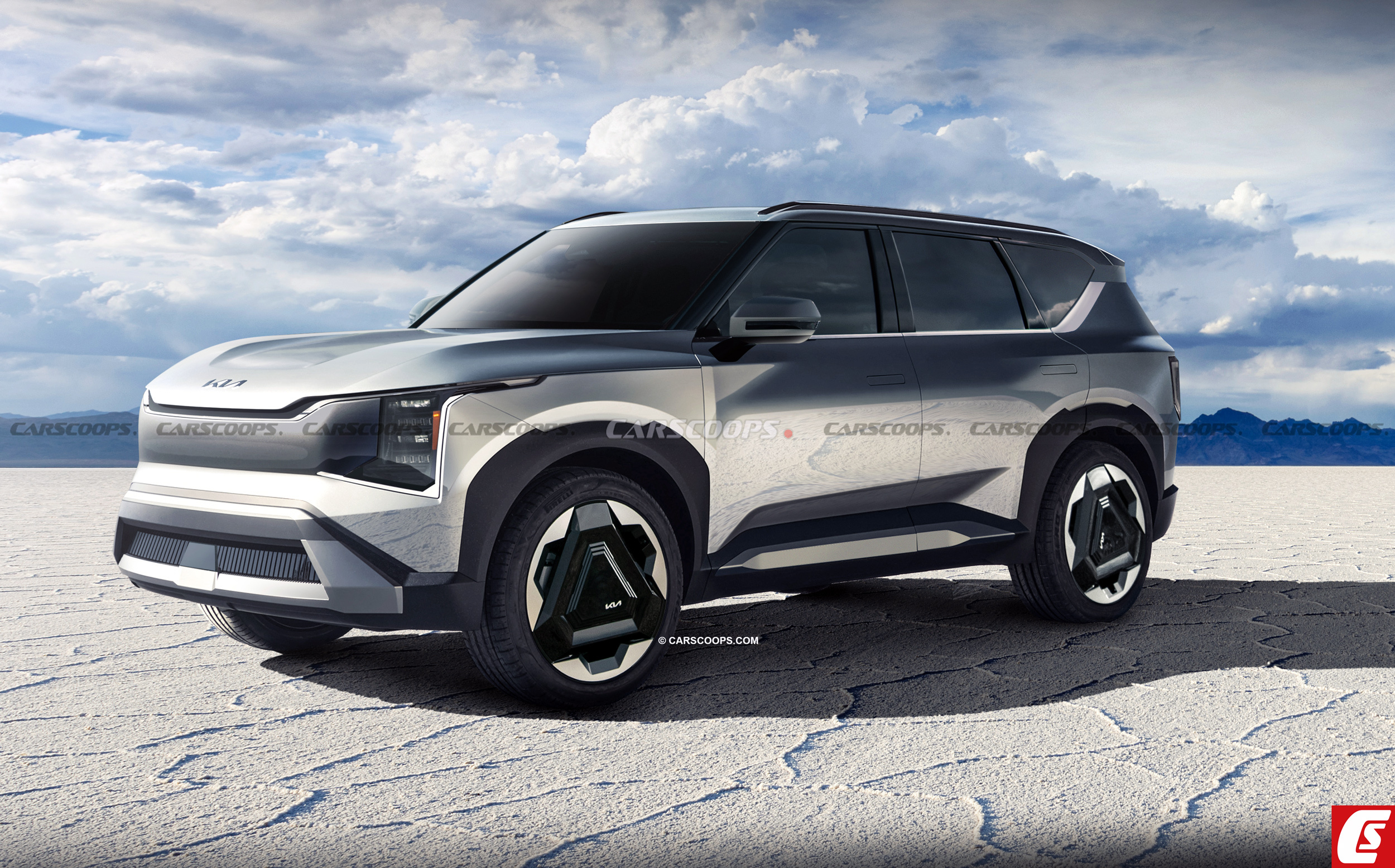
4. **EV Buyer’s Remorse and the Return to Gas**Despite widespread governmental promotion, significant private sector investments, and an escalating climate narrative, electric vehicles (EVs) are currently confronting a surprising and concerning wave of buyer’s remorse among existing owners. A recent “bombshell report” scrutinizing the global EV marketplace reveals a remarkably high figure: a substantial 46% of American EV drivers are reportedly so disillusioned with their ownership experience that they are actively considering switching back to traditional gas-powered vehicles. This high percentage signals a significant, unexpected challenge to the widely anticipated smooth and rapid transition to an all-electric automotive future.
The primary and most frequently cited drivers behind this pervasive regret are “charging and mobility issues,” which collectively indicate that the practical, day-to-day realities of owning an EV do not always align with, or fully live up to, initial consumer expectations. This sentiment of dissatisfaction and logistical difficulty is clearly echoed in regions such as Massachusetts, which has pursued aggressive EV adoption goals. Despite Governor Maura Healey’s ambitious environmental plan to place one million EVs on the state’s roads by the end of the current decade, and millions of dollars spent on supporting infrastructure, only 66,000 EVs were officially registered as of January 1. This number falls dramatically short of the state’s own targets.
Christian Milneil, editor-in-chief of Streetsblog Massachusetts, observes this concerning trend with a critical eye, noting that “It’s not happening at nearly the pace that we need to have to meet those goals.” He highlights that EV sales in the state significantly lag behind expectations, while, conversely, gas-powered vehicle use is trending noticeably upward. This real-world experience powerfully demonstrates that even with robust government incentives, a clear environmental mandate, and rising awareness, practical concerns such as the availability, reliability, and sheer convenience of charging infrastructure are paramount for achieving broad consumer adoption. Currently, these crucial needs appear to be largely unmet, leading to frustration and a desire to revert to familiar technologies.
Clifford Atiyeh, president of the New England Motor Press Association, offers a straightforward explanation for this reluctance, stating, “People aren’t stupid. They see their options; they’ve been educated about what cars they want; and right now, electric cars are, by and large, not meeting those needs for single-car families.” This blunt assessment highlights that for many households, particularly those relying on a single vehicle, the current compromises associated with EV ownership—especially regarding charging—are simply too significant to overcome, forcing them to turn away from the electric dream.
Read more about: Engineering Nightmares: 15 Vehicles So Flawed, Owners Still Regret Buying Them
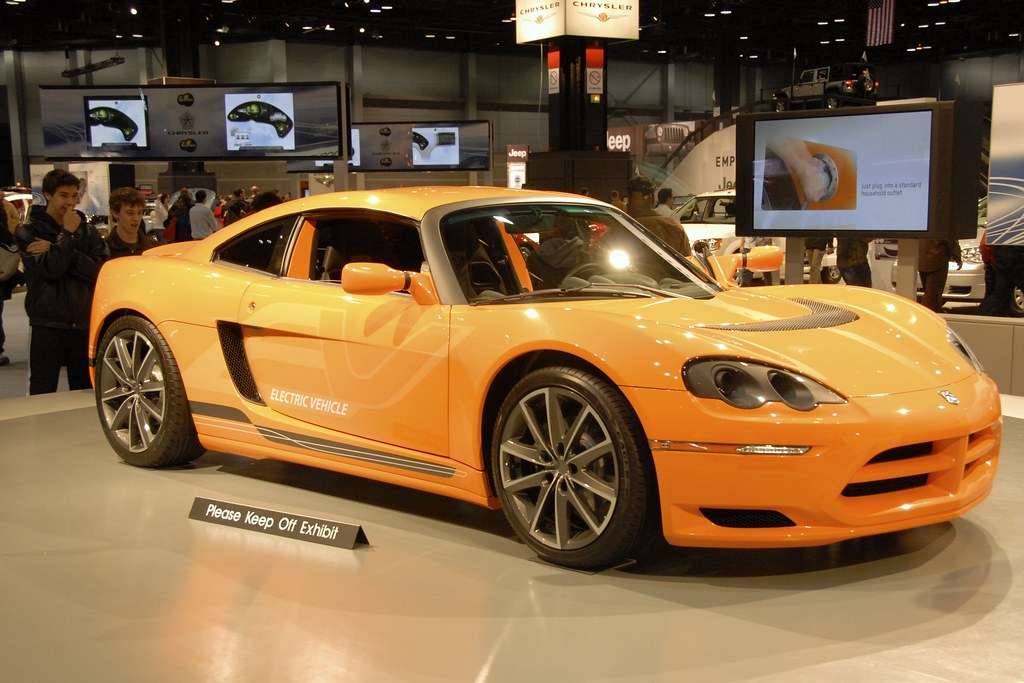
5. **Lack of Adequate EV Charging Infrastructure**A critical and continually escalating impediment to widespread electric vehicle adoption, and a major underlying source of current consumer dissatisfaction, is the persistent inadequacy of the charging infrastructure. Despite electric vehicles having been available on the market in various forms for several decades, the supporting national network of public charging stations has demonstrably failed to keep pace with the steadily growing number of EVs on the road. This profound deficiency directly creates significant “mobility issues” for owners, especially during longer distance trips, when spontaneous travel is desired, or when reliable home charging options are simply not available.
A comprehensive 2022 McKinsey & Company report explicitly identified a pervasive “lack of charging ports” as a key and primary factor actively deterring a substantial number of would-be EV buyers. While the convenience and cost savings of home charging remain a significant benefit for many EV owners, the undeniable reliance on public charging infrastructure while on the go remains a substantial and often anxiety-inducing concern. The report’s findings suggest that if the critical development of these essential public charging points does not accelerate proportionally with EV sales, it could continue to “put them off entirely,” thereby stifling crucial market growth and consumer confidence.
Beyond the mere availability of charging stations, EV owners and prospective buyers are also expressing a strong, unequivocal demand for speed and efficiency from public charging solutions. The same McKinsey & Company study rigorously noted that a significant majority—a clear 60%—of surveyed consumers desire charging times of 30 minutes or less to fully replenish their vehicle’s battery. This explicit expectation for rapid replenishment reflects a deep-seated desire for an experience that closely mirrors the quick and convenient process of refueling a conventional gasoline car. The current reality often falls significantly short of these crucial consumer needs, contributing to the broader sentiment of regret and frustration among existing EV owners and hesitation among potential buyers.
Read more about: Honda’s $30K Bet: Unpacking the Game-Changing EV Aiming to Redefine Affordable Electric Mobility in America
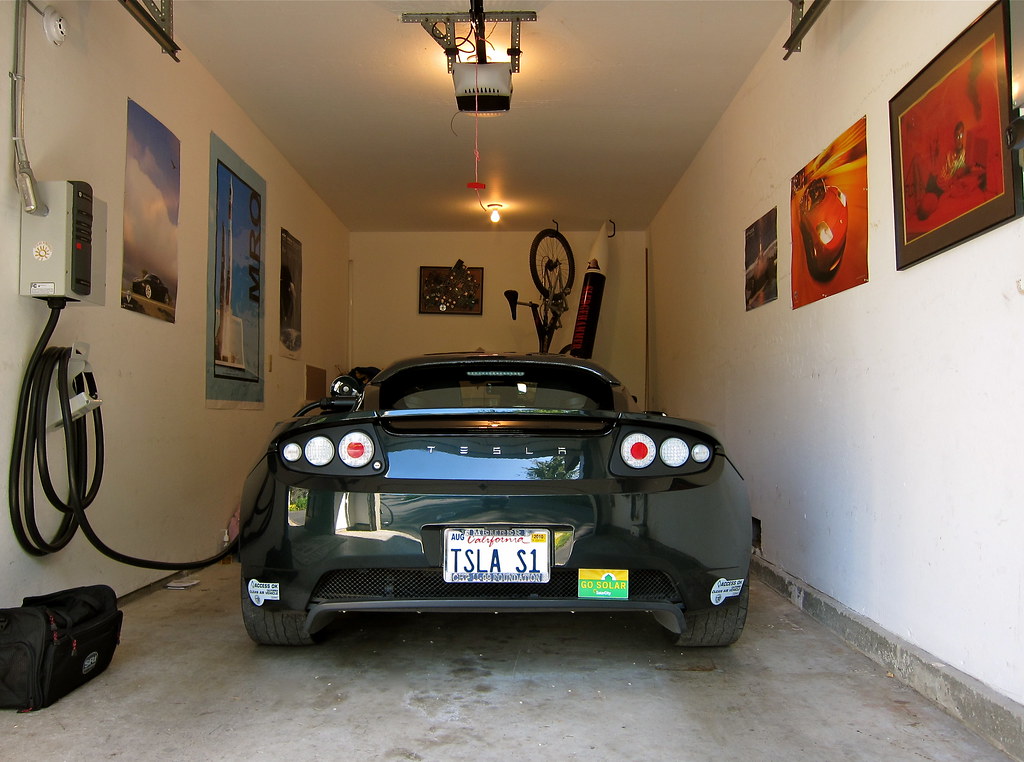
6. **Higher Upfront Cost of Electric Vehicles**One of the most immediate and tangible hurdles consistently deterring consumers from wholeheartedly embracing electric vehicles is their notably and often significantly higher upfront purchase price when compared to conventional gasoline-powered counterparts. This “sticker price” difference can be quite substantial, creating a considerable financial barrier for many potential buyers, even before any potential long-term savings on fuel or maintenance are factored into the equation. The initial capital investment required for an EV often represents a considerable financial stretch for average household budgets, making it a critical decision point.
To illustrate this ongoing and relevant financial disparity, consider the example of Toyota’s immensely popular RAV4 line, a vehicle known for its practicality and widespread appeal. The 2025 Toyota RAV4’s Manufacturer’s Suggested Retail Price (MSRP) starts at approximately $29,250 for its gasoline-only version. In contrast, the RAV4 Hybrid, which offers a degree of electrification, begins at a higher price point of $32,300. This represents an immediate difference of $3,050 for a partially electrified variant, and fully electric models often command an even larger premium, sometimes thousands of dollars more. Such significant price disparities at the point of sale are a tangible and immediate concern for consumers primarily focused on upfront affordability and strict budget constraints, directly impacting the rate of adoption.
While reputable organizations like the Natural Resources Defense Council (NRDC) highlight studies suggesting that EVs can indeed save as much as 60% on fuel costs over a car’s entire lifetime, potentially mitigating some of the extra upfront cost through operational savings, this long-term financial benefit often struggles to outweigh the immediate and substantial impact of a higher purchase price. For a large segment of consumers, the initial outlay is the most critical and pressing factor, and the promise of future, albeit significant, savings may simply not be enough to justify the current financial stretch required to make the switch.
Read more about: 11 Cars So Problematic, Owners Are Seriously Wishing for an ‘Insurance Event’ (If You Catch Our Drift)
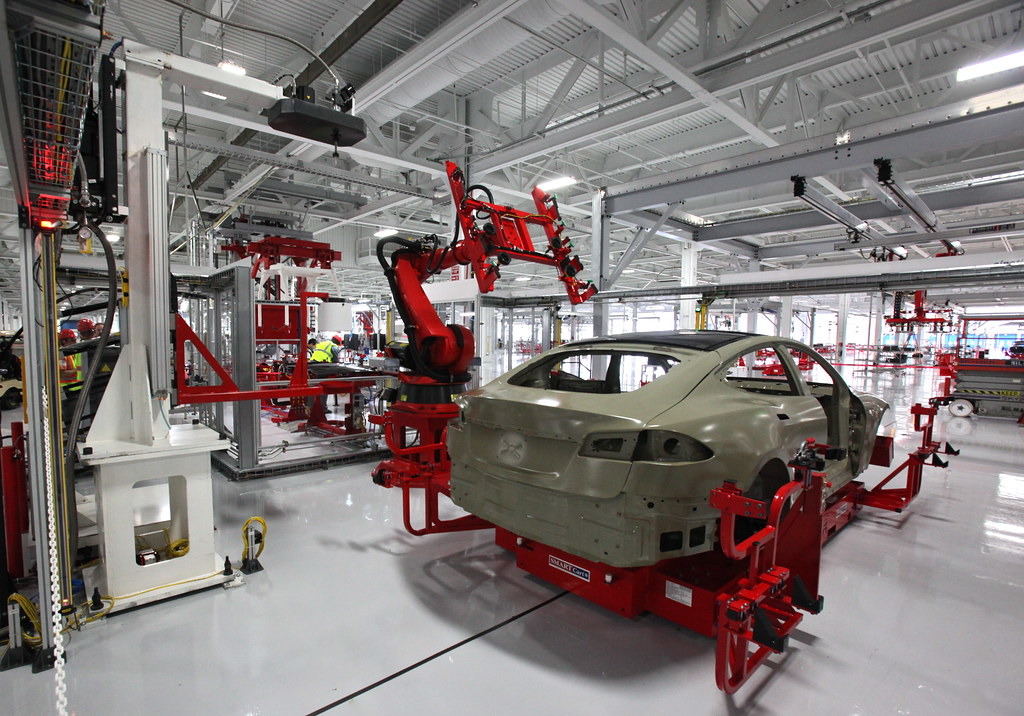
7. **Increased EV Insurance Costs**Beyond the significant hurdle of the initial purchase price, electric vehicle owners often unexpectedly encounter yet another substantial financial burden: noticeably higher insurance premiums. According to detailed analyses conducted by Value Penguin, insurers estimate charging approximately 20% more to adequately cover electric vehicles when compared to their direct gasoline-powered equivalents. This additional and often unanticipated cost can come as an unwelcome surprise to new EV owners, adding another layer to the overall expense of EV ownership and critically impacting the vehicle’s perceived value proposition for the consumer.
The fundamental reasons behind these elevated insurance costs are deeply rooted in the current economics of repairing and, if necessary, replacing electric vehicles. EVs frequently incorporate advanced technological systems, specialized materials, and complex electronic components, which make collision repairs inherently more intricate, time-consuming, and consequently, more expensive. Furthermore, the large battery packs that power EVs are themselves incredibly costly to replace. In many unfortunate instances, even seemingly minor accidents can lead to extensive and prohibitive repairs, or even total write-offs, specifically due to damage to these vital battery components, which significantly increases the risk profile for insurance providers.
To effectively illustrate the wide and sometimes unpredictable range of these insurance costs, Value Penguin’s data provides valuable insights. The Volkswagen ID.4 was identified as among the most affordable electric vehicles to insure, indicating a relatively lower risk profile for that specific model. In stark contrast, Tesla’s Model X stood out conspicuously as the most expensive EV to insure, reflecting its higher purchase price, complex systems, and potentially greater repair costs. This significant variance clearly suggests that specific EV models can have vastly different insurance profiles and associated premiums, which consumers must consider. Consequently, prospective electric vehicle buyers are strongly and unequivocally advised to obtain a detailed and precise insurance quote directly from their agent “before purchasing” any EV. This proactive step is crucial for fully understanding and preparing for this potentially significant and ongoing expense.
Beyond the immediate pressures of acquisition costs and the nuances of early EV adoption, a broader set of systemic issues is fundamentally reshaping the automotive market and challenging the long-held tradition of car ownership. These overarching trends, from the persistent increase in operational expenses to significant shifts in trade policy and evolving consumer lifestyles, are compelling both buyers and manufacturers to re-evaluate their approaches to mobility. As the landscape continues to evolve, understanding these deeper currents becomes crucial for comprehending why some new car offerings are struggling to resonate with today’s discerning consumers.
Read more about: The Perilous Pavement: Unpacking 9 Off-Road Icons That Became Highway Hazards, Including the Unprecedented Ban of 3-Wheel ATVs
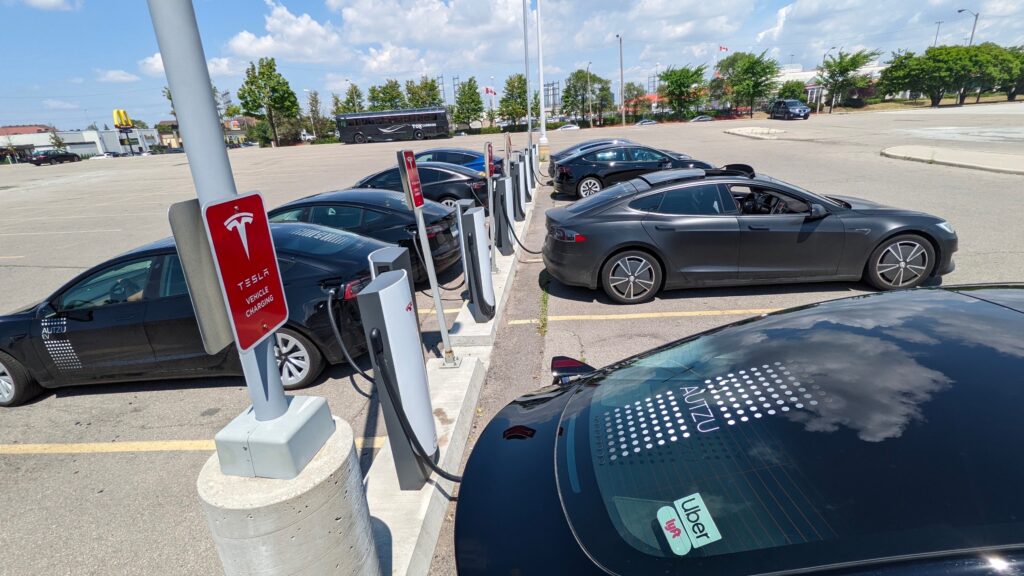
8. **Rising Maintenance and Repair Costs for All Vehicles**Beyond the initial purchase and ongoing insurance expenses, consumers are also encountering rising costs for vehicle maintenance and repairs. This significant financial burden is not exclusive to electric vehicles; it affects the entire automotive landscape, adding another layer of complexity to vehicle ownership and influencing purchasing decisions.
The escalation in these costs can be attributed to several critical factors. Since the COVID-19 pandemic, disruptions in the global supply chain have led to increased prices for parts and labor, making even routine servicing more expensive. Furthermore, a discernible increase in reckless driving behavior on the roads has contributed to a greater frequency of accidents, subsequently driving up repair expenditures across the board.
These escalating maintenance and repair outlays weigh heavily on household budgets already strained by other economic pressures. For many consumers, the long-term financial viability of car ownership is becoming a central concern, prompting a reevaluation of whether a new vehicle remains a practical and affordable investment in the current economic climate. This sustained financial pressure is a key reason why consumers are carefully considering every aspect of vehicle ownership.
Read more about: Autonomous Vanguard: Unpacking the Development of Self-Driving Military Vehicles for High-Risk Operations

9. **The Impact of Trade Policies and Tariffs on Car Prices**Trade policies, particularly the implementation of tariffs, introduce an additional layer of financial uncertainty and risk to new car prices for American consumers. While some tariff adjustments have been made, the threat of increased costs due to levies on imported components and finished vehicles remains a significant concern, directly impacting affordability.
Karl Brauer, executive analyst at iSeeCars, explains the pervasive nature of this issue, stating, “Every car sold in the U.S. relies on imported components, even the models produced in U.S. factories. If there are tariffs on both imported vehicles and imported vehicle components, it will raise the cost of producing vehicles and likely force automakers to raise prices.” He further notes that while automakers may absorb some costs, tariffs in the 25 percent range or higher mean a percentage will undoubtedly be passed to the consumer.
Despite recent modifications to tariff policies, industry insiders remain skeptical about their immediate benefit to consumers. Patrick Masterson, lead researcher for Cars.com’s American-Made Index, highlights that “No car is 100 percent American-made” and that many vehicles will only partially qualify for new tariff credits, meaning consumers “won’t necessarily see cuts as a result.” Consequently, the advice to car shoppers is to “start shopping now” to potentially avoid future price hikes.
Mark Hamrick, Bankrate Senior Economic Analyst, reinforces this sentiment, pointing out that “Consumer confidence is in a bad place,” reducing the willingness to commit to large purchases like a car. The uncertainty surrounding tariff policies, which remain “a moving target,” according to Hamrick, exacerbates concerns about affordability, keeping buying intentions under pressure.
Read more about: Macy’s ‘Bold New Chapter’: Unpacking the Closure of 150 Stores by 2026 and the Future of an American Retail Icon
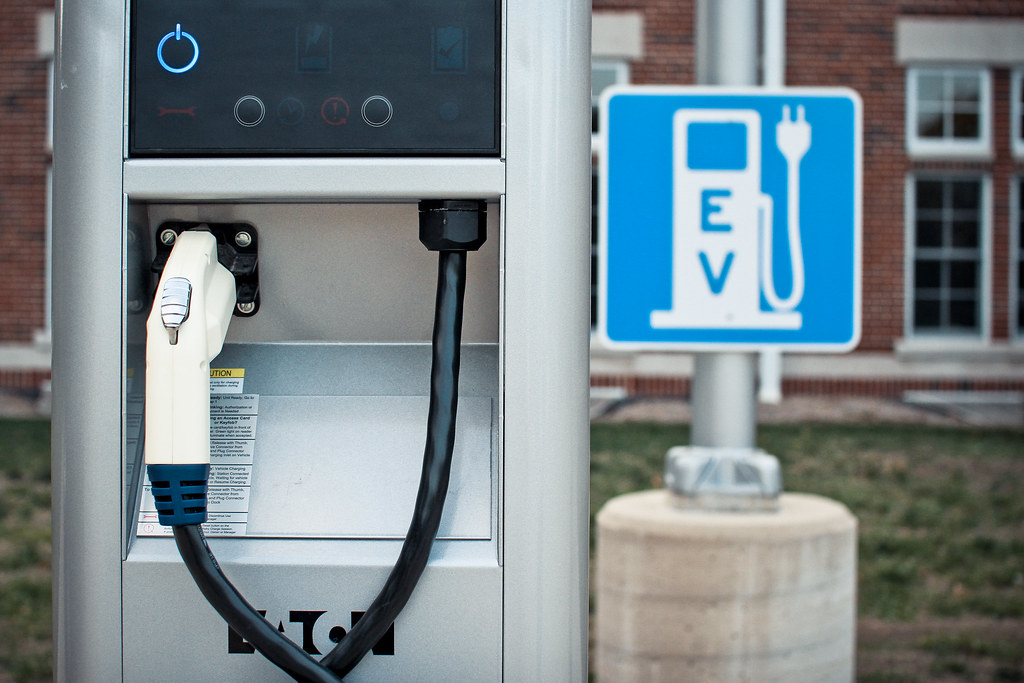
10. **Growing Appeal of Car-Sharing and Ride-Sharing as Alternatives**As the economic landscape continues to make traditional car ownership a more formidable financial commitment, a growing number of Americans are actively exploring and embracing alternatives such as car-sharing and ride-sharing services. These options provide access to transportation without the extensive financial burden associated with purchasing, maintaining, and insuring a personal vehicle.
Recent data underscores this burgeoning trend, with a Harris survey conducted for Turo, a car-sharing marketplace, revealing that 60 percent of car owners reported increased car costs in the last four years. Crucially, nearly half (48 percent) of all respondents declared an openness to choices other than purchasing or leasing. This indicates a widespread readiness to consider more flexible mobility solutions.
Albert Mangahas, Turo Chief Data Officer, emphasizes that “Car sharing and rental alternatives are rapidly gaining momentum as Americans look for more flexible and affordable transportation options.” He further notes that 57 percent of those surveyed are interested in accessing a car without the long-term commitment of ownership, with financial stress being a major driving factor. This shift points to a fundamental change in how consumers view and utilize personal transportation.

11. **Public Transportation’s Role and Limitations**Public transportation stands as another viable and increasingly considered alternative to private car ownership, particularly for its economic and environmental advantages. It offers a cheaper and more environmentally sustainable option compared to the costs associated with owning a car, or even relying on ride-sharing services.
However, the practicality and accessibility of public transit are heavily dependent on geographical location. It presents a far more feasible option for residents residing in densely populated urban areas, where infrastructure is typically well-developed and routes are extensive. This stands in contrast to many living in suburban and more remote towns of the country, which were not originally built with robust public transportation networks in mind.
This geographical disparity means that while public transportation can significantly ease the financial burden for some, it remains an impractical or non-existent solution for a substantial portion of the population. The limitations of current infrastructure highlight that universal access to affordable, alternative mobility remains a significant challenge, even as consumers seek ways to reduce their reliance on personal vehicles.
12. **The “Non-Drivers Revolution” and Generational Shift Away from Ownership**An observable societal shift is underway in the United States, often termed the “non-drivers revolution,” where a notable segment of the population is actively opting out of, or delaying, traditional car ownership and even obtaining a driver’s license. A Pew Research Center survey from late 2024 indicated that one in ten Americans seldom or never drive a car, with 6 percent not driving at all.
This phenomenon is particularly pronounced among younger generations and urban populations. The share of non-drivers nearly doubles in urban areas (18 percent) compared to suburban (6 percent) and rural (8 percent) areas. Furthermore, non-driving is more common among adults in lower-income households (19 percent), Black households (21 percent), and crucially, those under age 30 (15 percent), signaling a significant generational divergence.
Albert Mangahas notes that “Younger generations, especially Gen Z and millennials, are clearly shifting away from the traditional dream of car ownership.” He refers to a survey showing 58 percent of Gen Z and 56 percent of millennial respondents are likely to consider alternatives to buying or leasing a car in 2025. This choice is largely propelled by financial constraints, with millennials reporting the highest average monthly car payments of any generation at $244, making ownership financially unsustainable for many.
The shift away from traditional ownership isn’t exclusive to the youth. Mangahas also highlights that older generations are feeling the pinch, with over 60 percent of survey respondents reporting increased vehicle expenses in the past four years, citing repairs, insurance, and tariffs. This has led two-thirds of surveyed Baby Boomers to state they do not plan to purchase or lease a car in 2025, suggesting that access-based mobility is gaining traction across all age groups as a more attractive option.
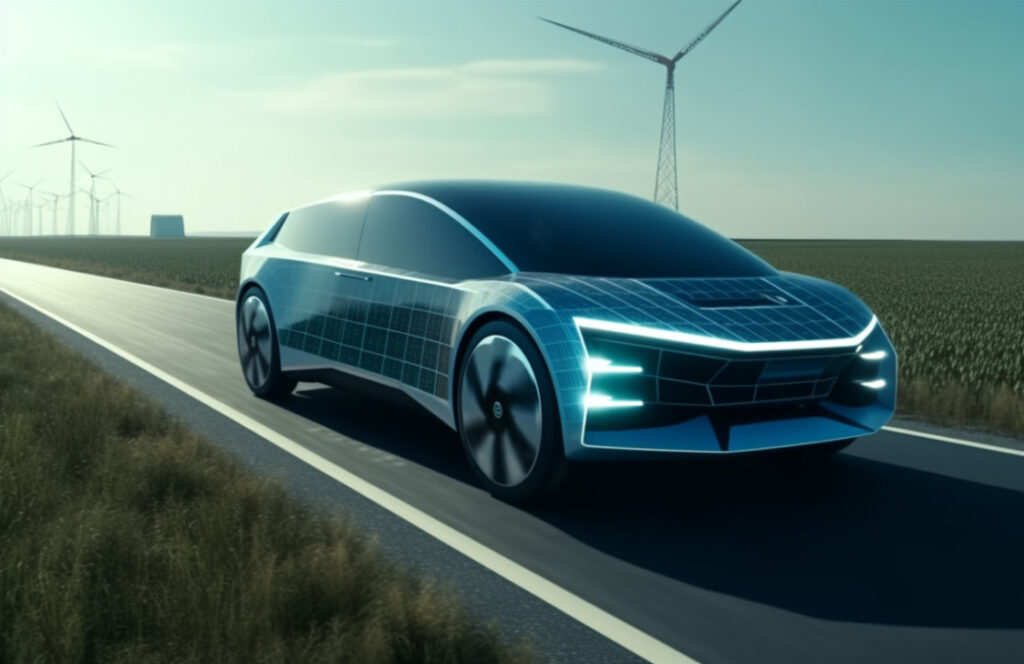
13. **Automakers Recalibrating Ambitious EV Targets**The automotive industry, once in a state of “EV euphoria” with ambitious all-electric targets and optimistic sales forecasts, is now experiencing a significant recalibration. This shift in sentiment reflects a dawning reality that consumer demand for electric vehicles has not materialized at the rapid pace initially anticipated by many executives and investors.
Major manufacturers, including Ford Motor, General Motors, Mercedes-Benz, Volkswagen, Jaguar Land Rover, and Aston Martin, are notably scaling back or delaying their electric vehicle plans. Even Tesla, the dominant U.S. EV leader, is bracing for a “notably lower” rate of growth, according to CEO Elon Musk. This broad retraction from aggressive EV-only strategies marks a pivotal moment for the industry.
While EV sales are still projected to increase in the coming years—reaching a record 1.2 million units last year, representing 7.6% of the U.S. market—this growth is occurring at a much slower clip than initially expected. Sam Fiorani, vice president of global vehicle forecasting at AutoForecast Solutions, explains, “The market was never going to make a smooth transition to EVs, and we expected a slowdown in this shift as early adopters were satisfied.” The challenge now lies in appealing to less tech-savvy mainstream buyers, which inherently slows market share growth.
Michelle Krebs, an executive analyst at Cox Automotive, aptly summarizes the situation: “A few years ago, there were wildly ambitious ideas of how EV sales would go and it seemed like nobody was thinking about bumps in this road. Now they’re here, and so reality has set in.” This reality is evident in ballooning EV inventory levels, which have led to price cuts and discounts on several models, indicating a market grappling with oversupply relative to current demand.
Read more about: Ford’s Electric Future Undergoes Major Recalibration: Unpacking 12 Key Strategic Shifts and Factory Adjustments
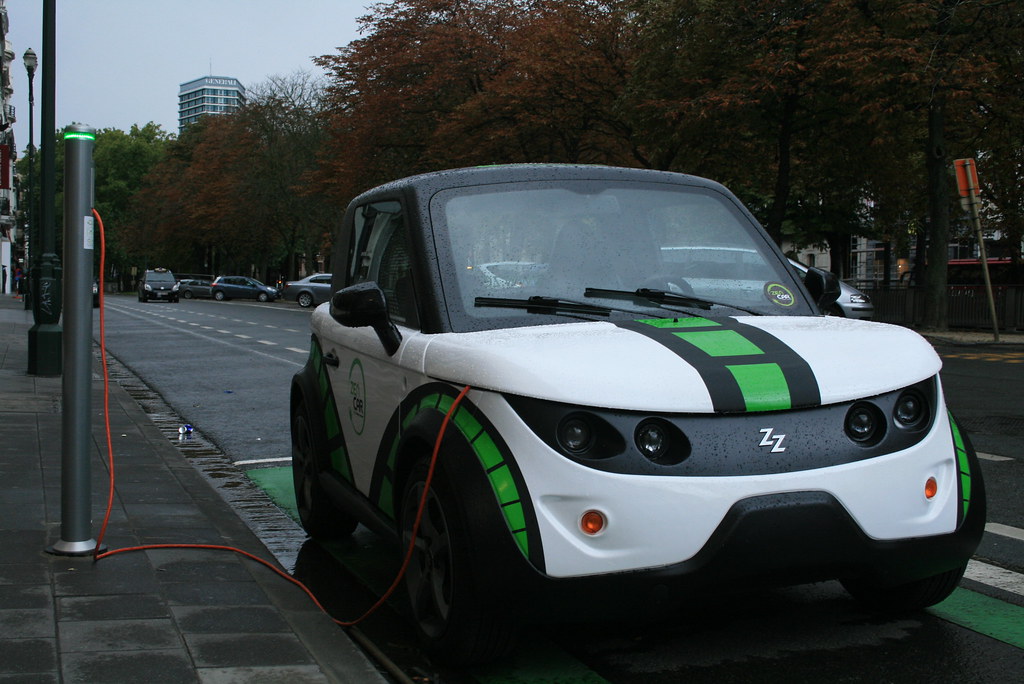
14. **The Strategic Embrace of Hybrid Models**In direct response to the slower-than-expected EV adoption and evolving consumer preferences, automakers are strategically pivoting towards a more balanced product portfolio, with a significant renewed emphasis on hybrid and plug-in hybrid vehicles. This approach signals a recognition that a diverse offering best meets varied customer needs and market realities.
Ford, for instance, is substantially increasing its production and sales of hybrid models, particularly trucks, which are seen as a critical bridge for drivers hesitant about fully electric models. Similarly, GM, despite its previous “all-in” EV stance, now plans to roll out plug-in hybrid electric vehicles alongside EVs and gasoline cars. These hybrid options allow companies to ease the transition for consumers while also helping meet tightening federal carbon emissions standards.
This balanced strategy aligns with a long-held ethos championed by automakers like Toyota, which has consistently advocated for a diversified lineup including hybrids, plug-in hybrids, EVs, and hydrogen fuel cells to achieve carbon-neutrality goals. VW of America CEO Pablo Di Si affirms this, stating, “I think the balanced approach is the best way,” as he discusses bringing hybrid vehicles, which already exist within the VW group, to the U.S. market.
Morgan Stanley analyst Adam Jonas succinctly captures the current market dynamic, noting, “EVs may be ‘the future’ but are struggling in the present. Hybrid sales are growing 5x faster than EVs in the US.” This compelling data reinforces the wisdom of a diversified strategy, allowing automakers flexibility in responding to consumer demand and regulatory landscapes. Ultimately, while an all-electric future remains a distant goal, the interim path is undeniably being paved with increasingly popular hybrid solutions.
Read more about: Driving into Tomorrow: The 11 Best New SUVs & Crossovers Redefining the Road for 2025-2026
The profound shifts sweeping across the automotive industry underscore a fundamental re-evaluation of what a car means to the modern consumer. From the sticker shock of purchase to the ongoing burden of maintenance, and from the limitations of new technologies to the macroeconomic forces shaping trade, consumers are demonstrating a clear desire for practicality, value, and flexibility. This isn’t merely a passing trend but a deep-seated transformation in priorities, compelling automakers to innovate not just in technology, but in affordability, accessibility, and the very concept of vehicle ownership itself. The road ahead for the automotive market demands unprecedented adaptability and a keen understanding of evolving consumer needs to navigate these complex terrains successfully.