Okay, buckle up, fellow sci-fi fanatics, because we’re about to embark on an epic journey through some of the most mind-blowingly gorgeous future worlds ever projected onto the silver screen! Seriously, if there’s one genre that truly knows how to transport us to new realities, it’s science fiction. These aren’t just movies; they’re portals to faraway galaxies, dystopian metropolises, and futures so vivid you can almost taste the synthetic air. We’re talking about films that don’t just tell a story, but *show* you a whole new universe, using visuals so spectacular they redefine what’s possible in filmmaking.
From groundbreaking cinematography that literally invented new ways of seeing, to masterfully crafted CGI that blurs the line between imagination and reality, these movies are pure eye candy. They make the unbelievable extraordinarily real, turning concepts that exist only in our wildest dreams into tangible, immersive experiences. Get ready to gasp, marvel, and maybe even get a little bit terrified as we celebrate the visual geniuses who dared to imagine what tomorrow might look like, sound like, and feel like.
So, grab your popcorn, settle into your favorite viewing spot, and prepare to have your socks knocked off. We’ve combed through the annals of sci-fi cinema to bring you 14 visually awesome future world movies that are absolute must-sees. And trust us, these aren’t just “good-looking” films; they are influential masterpieces designed to mesmerize and stick with you long after the credits roll. Let’s dive into the first half of this epic visual feast!

1. **2001: A Space Odyssey (1968)**Where do we even begin with Stanley Kubrick’s “2001: A Space Odyssey”? This film isn’t just a cinematic masterpiece; it’s practically the genesis block of visual storytelling in science fiction, and in film as a whole! From its iconic opening scene to its astounding, enigmatic ending, Kubrick’s influential sci-fi epic continues to be dissected, celebrated, and referenced across popular culture to this very day. It set an unprecedented benchmark for realism and spectacle in its time, proving that science fiction could be as profound as it was visually stunning.
What truly made “2001” such a visual pioneer was its groundbreaking use of visual effects, which brought a level of immersion that audiences simply hadn’t witnessed before. Think about the legendary “Star Gate” sequence, a psychedelic journey that still melts minds today with its dazzling abstract light effects. Beyond the “Star Gate,” the film also innovated with realistic techniques, such as the ingenious way it simulated zero gravity by suspending actors from wires, making the experience of space travel feel utterly authentic and weightless.
These weren’t just simple tricks; they were revolutionary methods that pushed the boundaries of what a camera could capture and a film could portray. Kubrick’s commitment to the accurate portrayal of space flight, coupled with his characteristic long takes and minimal dialogue, creates an almost meditative experience. Viewers are compelled to absorb every meticulous detail of its exquisitely designed future, from the sleek, pristine interiors of the spacecraft to the enigmatic alien monoliths.
It’s a testament to its timeless quality that “2001: A Space Odyssey” remains utterly captivating and relevant over half a century after its premiere. Its ambition and precise execution of an advanced future, both technological and philosophical, solidifies its place as a definitive visual marvel. Seriously, if you haven’t seen it, stop reading and go watch it – your eyes will thank you!
Read more about: The 10 Legendary Directors Who Shaped Cinema: An In-Depth Look at Their Enduring Impact
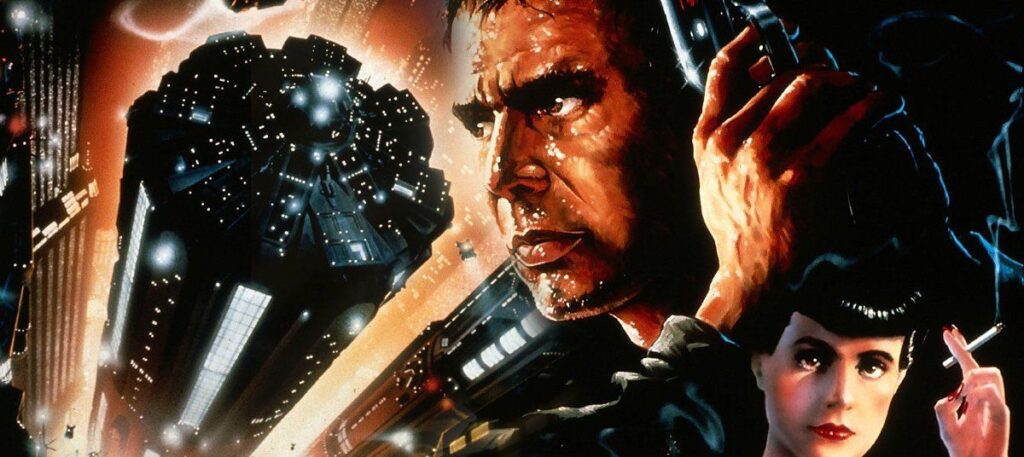
2. **Blade Runner (1982)**Next up, we have Ridley Scott’s “Blade Runner,” a film that, despite being a polarizing underperformer at the box office upon its 1982 release, has since cemented itself as one of the greatest dystopian movies ever made. This iconic work is often cited alongside the most influential pieces of science fiction, and its impact on the cyberpunk aesthetic is, frankly, immeasurable. If you want to see where that “smog-filled, neon-lit, overcrowded future” trope truly took hold, look no further.
Adapted from Philip K. Dick’s novel “Do Androids Dream of Electric Sheep?”, “Blade Runner” immerses us in a future where synthetic humanoids, called Replicants, are almost indistinguishable from humans. Rick Deckard, played by Harrison Ford, is forced into hunting down escaped Replicants through a cityscape that is constantly drenched in rain, creating an atmosphere that is both gritty and eerily beautiful. This neo-noir story is a visual feast, painting a haunting picture of a future designed with consumerism in mind.
The film’s world-building is so potent that its aesthetic has become inextricably linked with cyberpunk itself. Its striking vision of the future is characterized by towering, grimy skyscrapers that pierce a perpetually dark sky, bathed in the glow of neon advertisements. These visuals depict an overcrowded future where the dark and dangerous streets feel disturbingly inevitable, reflecting a society obsessed with technology yet crumbling at its core. Scott had already found major success creating a dirty, industrial future in “Alien,” and he pushed that idea even further here.
This captivating world of Scott’s film resonated deeply with audiences then and continues to do so today. Even its sequel, “Blade Runner 2049,” while perhaps not matching the original’s narrative impact, is absolutely worth watching for its astounding visuals alone, proving the enduring power of this vision. This is a future world that challenges, intrigues, and ultimately, remains unforgettable.
Read more about: Wait, THAT Was The End?! 14 Movie Endings Fans *Absolutely* Had To Rewrite (Or Wish They Could!)
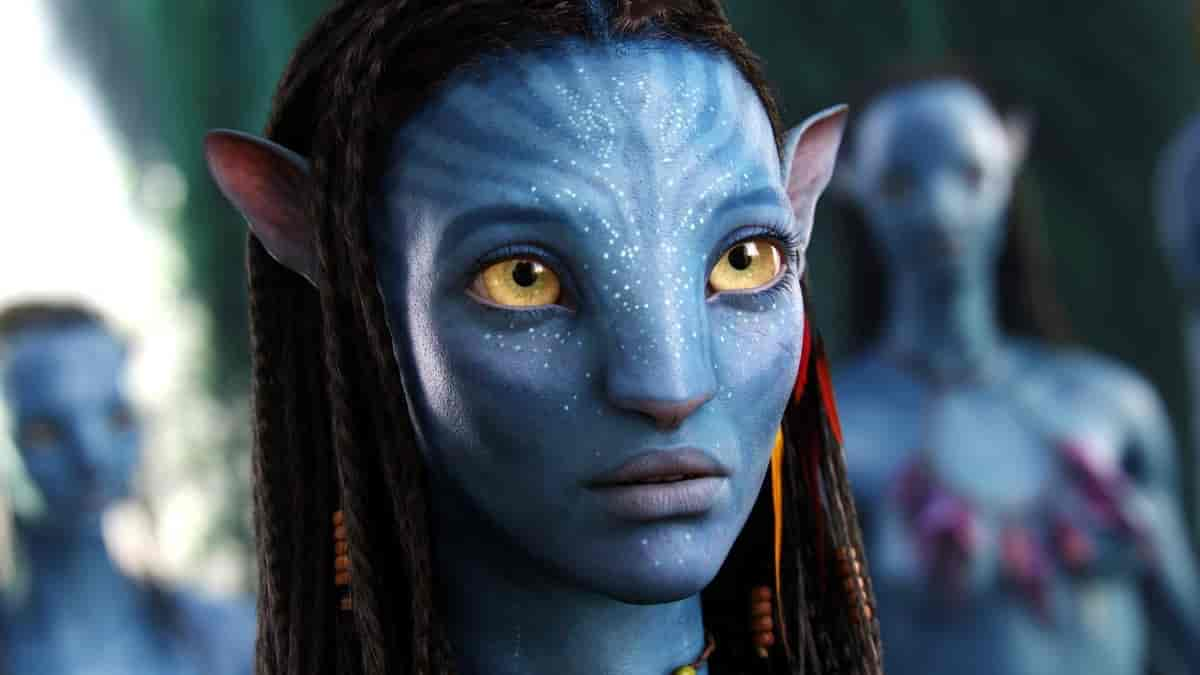
3. **Avatar (2009)**Get ready to dive headfirst into the breathtaking world of Pandora with James Cameron’s “Avatar,” a film so popular and profitable it practically became synonymous with 3D cinema! This pioneering epic sci-fi movie transports us to a lush, vibrant moon where human attempts to extract a valuable resource lead to intense conflicts with the local inhabitants, the Na’vi people. Cameron and his team truly set a new standard for visual immersion and realism here.
“Avatar” brought the enchanting world of Pandora to life with unprecedented detail, leveraging brand-new 3D technology and advanced motion capture to create an alien environment and its community that felt utterly, magically real. The visual fidelity allowed audiences to feel truly present on this extraordinary moon. It wasn’t just watching a story; it was stepping into a living, breathing ecosystem.
Imagine bioluminescent flora glowing under your feet as the protagonists walk by, illuminating pathways with every step, or the majestic floating mountains defying gravity against a backdrop of alien skies. These geological wonders obscured massive, fantastical flying creatures that soared gracefully through the air. These aren’t just background details; they are integral to the immersive experience, making audiences truly believe in this awesome new reality.
The film’s astounding visuals weren’t just for show; they served to make Pandora a character in itself, a world so richly imagined that it has since spawned a massive franchise. While subsequent installments might not have replicated the initial awe, they stand as a powerful testament to the original 2009 film’s far-reaching impact on how we perceive and create fictional worlds. It’s a colorful, vibrant adventure that reminds us of the endless possibilities of cinematic imagination.
Read more about: Digital Immortality or Unsettling Impersonation? The High-Stakes Legal and Ethical Battle Over Actors’ Faces in the CGI Era
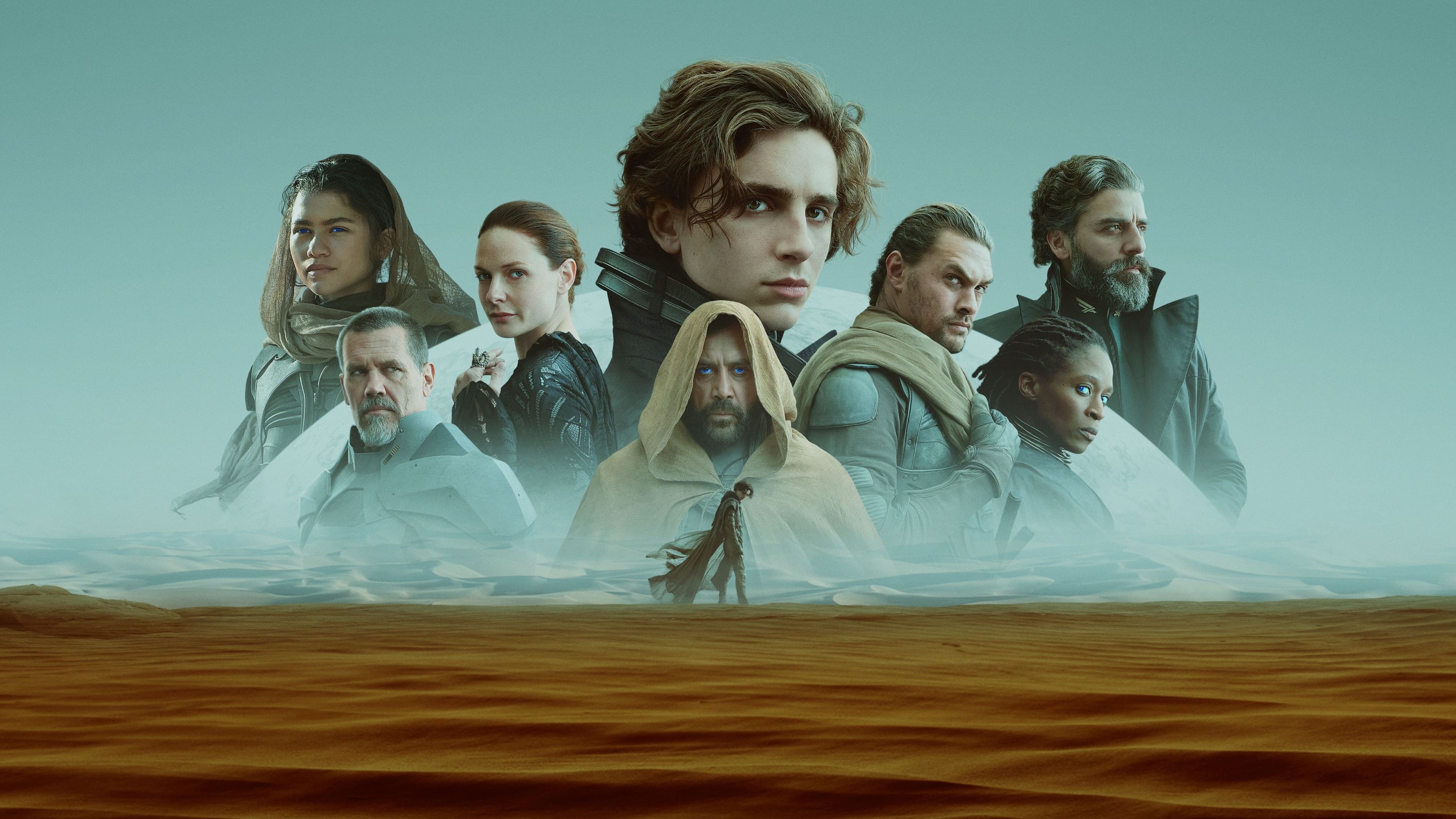
4. **Dune (2021)**Prepare to be swept away by the sheer grandeur of director Denis Villeneuve’s “Dune,” a film that boldly adapted Frank Herbert’s notoriously “unadaptable” novel and absolutely knocked it out of the desert-planet park! Starring Timothée Chalamet as Paul Atreides, this cinematic marvel plunges us into a future roughly 20,000 years from now. It focuses on the noble House Atreides as they relocate to the harsh, unforgiving desert planet of Arrakis, quickly finding themselves embroiled in a major political conspiracy that threatens their very lives.
“Dune” is nothing short of a visual spectacle, a film that passionately attempts—and largely succeeds—in capturing the epic scale and majesty of its source material. Villeneuve’s adaptation demonstrates an incredible eye for every single visual detail, from the vast, unending desert landscapes that stretch to the horizon to the towering rocky outcrops that dot the planet. Each element is presented with awe-inspiring scope.
The visual richness extends to the familiar ornithopters, which are depicted with a majestic, insect-like grace as they cut through the skies. Furthermore, the intricate, evocative costumes worn by its characters are not just clothes; they tell stories of culture, survival, and status on this alien world. This unique future, where humanity has been without A.I., robots, and advanced computers for 10,000 years, finds its advancement through purely humanistic means, and the visual presentation reflects this.
The result is a rich, alluring alien world that refuses to fade into the background; it becomes an integral, living part of the story, shaping its characters and conflicts. While a completely flawless adaptation of Herbert’s masterpiece might be impossible, the 2021 film and its highly-anticipated sequel are certainly pushing the boundaries, making this a visually stunning journey that needs to be seen on the biggest screen possible.
Read more about: From Disney Darling to Hollywood Heavyweight: 12 Game-Changing Moves That Catapulted Zendaya to the Top of the A-List Earnings
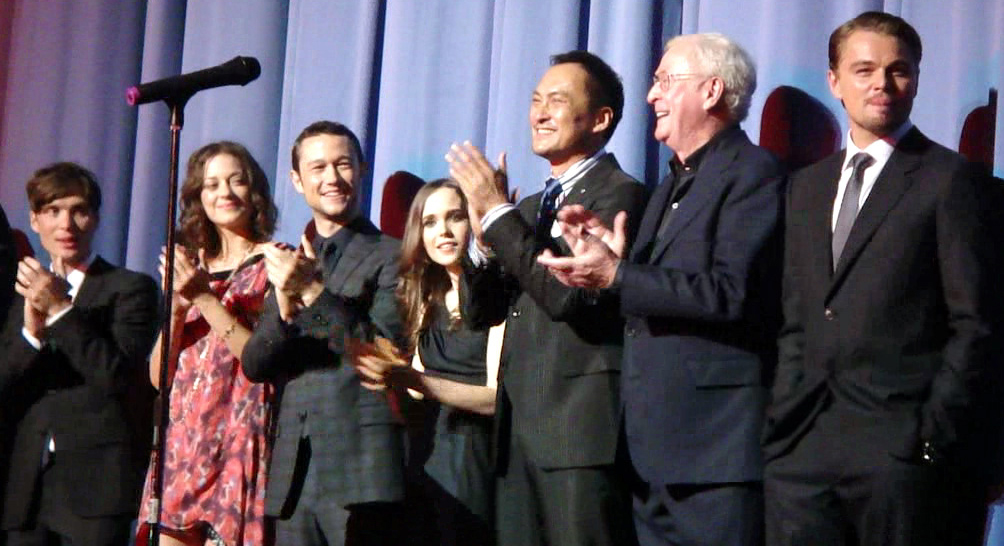
5. **Inception (2010)**Christopher Nolan’s “Inception” isn’t just a mind-bending blockbuster that took the world by storm in 2010; it’s a masterclass in creating visually distinct and unforgettable dreamscapes! Centered on Dom Cobb, an “extractor” (played by Leonardo DiCaprio) who can skillfully steal secrets from people’s subconscious minds, the film ratchets up the visual stakes when he’s tasked with implanting an idea instead, leading to the riskiest heist of his life across multiple layers of dreams.
What truly makes “Inception” a visual powerhouse is Nolan’s famous preference for practical effects over heavy CGI. This paid off in spectacular fashion, earning the film four Oscars, including Best Cinematography and Best Visual Effects. Instead of relying solely on digital trickery, the team behind “Inception” meticulously constructed complicated and inventive set pieces to bring the movie’s dreamlike, constantly shifting settings to life.
This dedication to physical creation meant that much of what we see on screen was actually built, allowing for more authentic interactions between actors and their environment. Who could forget the infamous rotating hallway that Joseph Gordon-Levitt had to master, defying gravity in a truly ingenious way? Or the startling appearance of a tractor-trailer disguised as a freight train pummeling through a bustling street, an unexpected intrusion from a different dream layer?
“Inception” is an enduring masterpiece of the sci-fi and action genres, offering a dream logic made spectacularly real through its visuals. Its ability to depict abstract concepts like the subconscious and dream architecture with such vivid, concrete imagery is what secures its place as a truly visually awesome future world movie. It’s a film that constantly demands your visual attention, pulling you deeper into its layered realities.
Read more about: Beyond Mr. Bean’s Mini: A Deep Dive into Rowan Atkinson’s Multi-Million Dollar Automotive Empire

6. **Gravity (2013)**Hold onto your seats, because Alfonso Cuarón’s “Gravity” is a heart-pounding sci-fi thriller that was a spectacular surprise, redefining what it meant to experience space on screen! Starring Sandra Bullock as medical engineer Dr. Ryan Stone and George Clooney as experienced astronaut Matt Kowalski, the film throws them into a catastrophic event during a routine shuttle mission. They are forced to make impossible choices for survival, adrift in the vast emptiness. The visual achievement here is simply out of this world.
“Gravity” absolutely dominated the 86th Academy Awards, taking home Oscars for Best Cinematography and Best Visual Effects, among many others, and for good reason! The film’s CGI-dominant visuals were not just thrown together; they were painstakingly perfected over the course of three years. This intensive development involved groundbreaking techniques to create the illusion of weightlessness and a sense of endless space.
This incredible visual work was then seamlessly combined with innovative rigs that Bullock and Clooney had to use during filming, allowing for a breathtaking blend of practical and digital elements. The actors were often suspended on intricate wire systems, allowing the cameras to move around them as if they were truly floating in zero gravity. This meticulous detail created an unprecedented level of realism, making you feel every tumble and lost breath.
What we get is a breathtaking, utterly realistic portrait of space that masterfully conveys both its epic, awe-inspiring scale and its terrifying, suffocating darkness. It’s an immersive, intense experience that puts you right alongside the astronauts, making you feel the isolation and danger of being adrift in the cosmos. “Gravity” isn’t just a movie; it’s a visceral journey that makes you truly appreciate the beautiful, deadly vacuum of space.
Read more about: George Clooney’s Unflinching Stance: The Acting Criticism He Absolutely Refuses to Answer

7. **Her (2013)**Finally, for this section, let’s talk about Spike Jonze’s “Her,” a wonderfully subtle yet deeply emotional film that paints a visually distinctive picture of a not-too-distant future Los Angeles. Theodore Twombly (Joaquin Phoenix), a letter-writer for others, is grappling with loneliness when he forms a profound connection with an operating system named Samantha (voiced by Scarlett Johansson). This movie’s unique aesthetic choices are an absolute masterclass in quiet futurism, a vision that feels both familiar and subtly alien.
“Her” captivates with its soft pastel hues and warm color palette, which serve as the perfect visual counterpart to Theodore and Samantha’s intimate, quiet conversations. It’s a visually comforting and inviting world, designed to feel gently utopian and almost idyllic, yet undeniably futuristic. The production design avoids overt sci-fi tropes, opting instead for a future that feels organically evolved from our present, rather than overtly fantastical.
A less obvious but equally dominant aspect of the film’s visual genius is how seamlessly it integrates familiar elements with subtle alien features within its setting. Think cozy homes and everyday clothing, which ground the characters in a relatable reality, juxtaposed with exaggeratedly modernist buildings that hint at advanced urban planning. Even the technology, though central, is elegantly integrated rather than flashy, appearing as a natural extension of life.
This brilliant blend makes “Her” a convincingly real movie about AI, one that feels ever so slightly beyond our current grasp, yet seems incredibly right around the corner. The sleek, unobtrusive interfaces and the natural way technology blends into daily life contribute to this sense of plausible advancement. It’s a beautifully crafted vision that explores the possibilities of human connection and technology in a way that is both visually charming and deeply thought-provoking.
Alright, sci-fi adventurers, if you thought the first seven picks were mind-blowing, just wait until you see what else we’ve got in store! We’re diving even deeper into the cinematic multiverse to uncover more visually awesome future worlds that have captivated us, challenged our perceptions, and left an indelible mark on filmmaking. Get ready for another round of epic storytelling, stunning effects, and worlds so rich they almost feel real. Let’s blast off into the next chapter of our visual feast!
Read more about: From Bottom Ranks to Box Office Gold: Ranking Dwayne ‘The Rock’ Johnson’s Movies, Worst to (Almost) Best
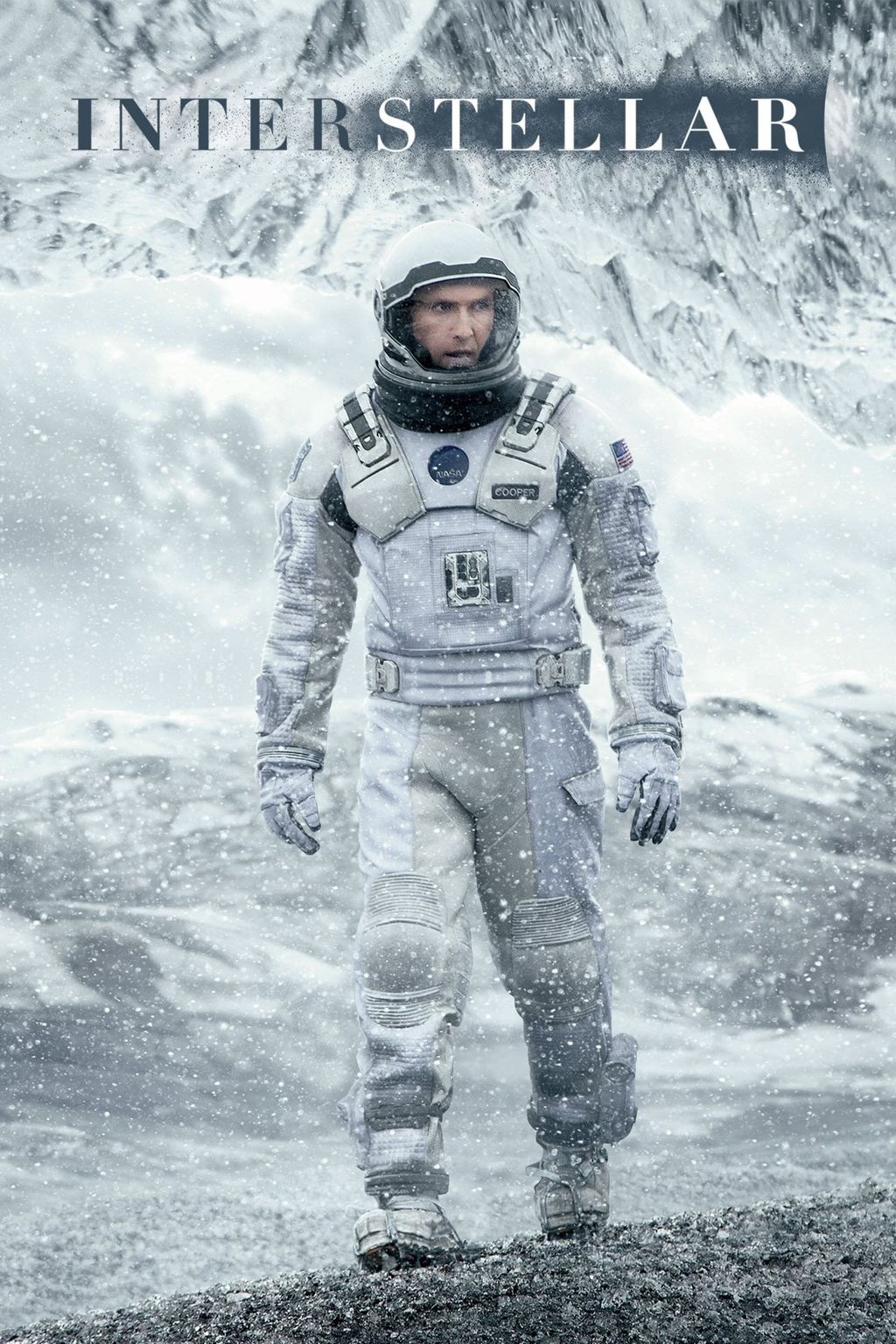
8. **Interstellar (2014)**Prepare for a journey that will tug at your heartstrings as much as it bends your mind with Christopher Nolan’s incredibly ambitious “Interstellar”! Following up his blockbuster “Inception,” Nolan plunged us into a space odyssey in 2014 that draws heavily from the legendary “2001: A Space Odyssey.” This epic stars Matthew McConaughey as a NASA pilot navigating a grim 2067, where Earth is quickly becoming uninhabitable. It’s a race against time, with scientists desperately seeking new worlds for humanity to colonize.
If you’re already a fan of modern sci-fi, chances are you’ve already experienced the sheer scope of “Interstellar.” But seriously, if it’s been a while, or if you’re somehow one of the few who haven’t, this film demands a return visit! The visuals are absolutely breathtaking, and Hans Zimmer’s commanding musical score is just as haunting and beautiful now as it was when the film first soared into theaters. It’s a true feast for the senses, pulling you into the vastness of space with every frame.
Beyond the stunning spectacle, “Interstellar” grapples with profoundly relevant themes, especially with climate change becoming an ever-more urgent crisis. It masterfully explores the very real possibilities of Earth’s future, while simultaneously celebrating our incredible potential for human cooperation and scientific advancement. Nolan’s talent for pacing, drama, and mystery is clearly evident throughout, and the performances from McConaughey, Anne Hathaway, Jessica Chastain, Michael Caine, and the rest of the stellar cast are truly exceptional.
This isn’t just a movie; it’s a powerful exploration of humanity’s resilience and ingenuity in the face of existential threats. It’s a masterfully crafted film that continues to resonate, reminding us of both the fragility of our planet and the boundless spirit of exploration. Seriously, get ready to feel all the feels and have your mind expanded!
Read more about: The Astounding Saga of Stars: An In-Depth Look at Their Birth, Life, and Cosmic Legacy
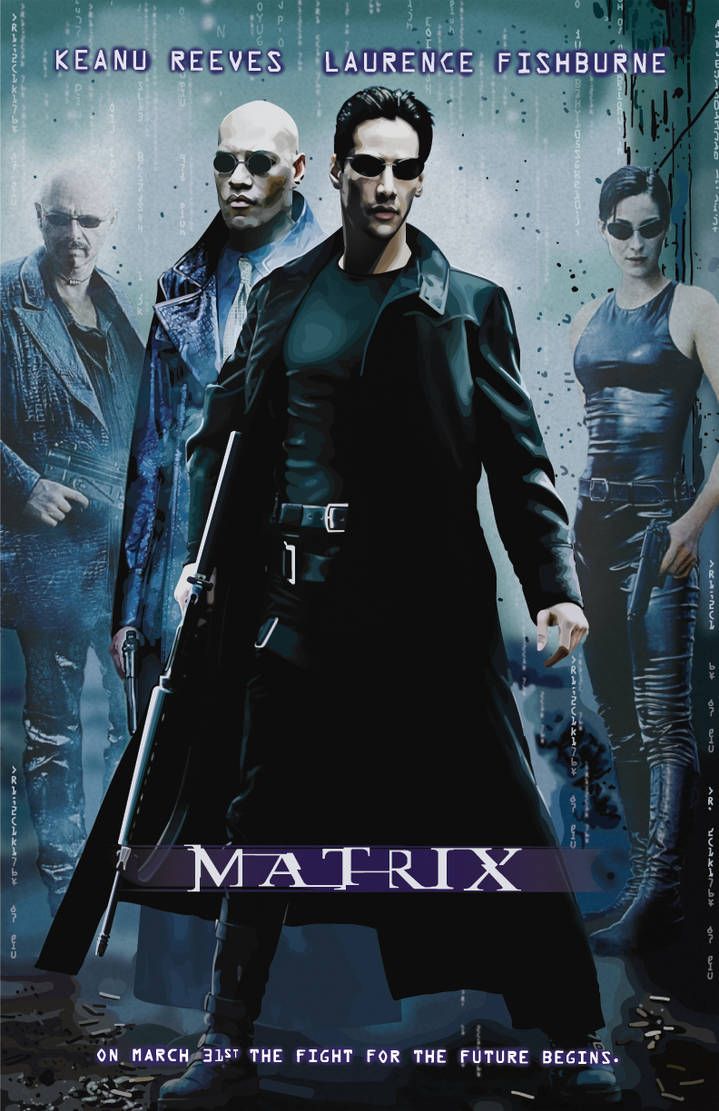
9. **The Matrix (1999)**Okay, are you ready to talk about one of the most iconic, genre-defining films of all time? We absolutely HAVE to discuss “The Matrix”! If you haven’t seen this Wachowski sisters’ breakout hit, drop everything and go watch it immediately. And if you have seen it, well, it’s probably time for a rewatch because this film just keeps on giving! Few films have had such a monumental impact on science fiction over the past two decades. While cautionary tales about AI and virtual reality existed before, “The Matrix” took things to a whole new, mind-bending level.
What truly sets “The Matrix” apart visually is its incredible juxtaposition. You’ve got the slick, cyber aesthetic of the Matrix itself – those instantly recognizable green lines of code, the gravity-defying bullet time, and the sleek, urban environments – contrasted sharply with the grim, post-apocalyptic visuals of the outside world, a desolate landscape ravaged by war and ruled by machines. This dual visual identity paints a truly unforgettable and haunting portrait of what could be, blending terrifying possibilities with incredible spectacle.
The film’s futurism isn’t just about dire warnings of technology run amok. The “Matrix” franchise also explores the potential benefits, showing instances where humans and certain machines work together in harmony, achieving feats neither could independently. Across all the films, the series dives deep into profound ideas of human identity, fate, purpose, community, creation, and faith. It’s a dense, thought-provoking ride!
There’s a staggering amount packed into the “Matrix” franchise, and while some parts can get a bit confusing (especially in the later films), this is a series that holds up incredibly well. It constantly rewards repeat viewings with new surprises and revelations, solidifying its place as a visually groundbreaking and intellectually stimulating future world movie.
Read more about: Keanu Reeves Broke His Silence On Rumors That He Secretly Wed Alexandra Grant
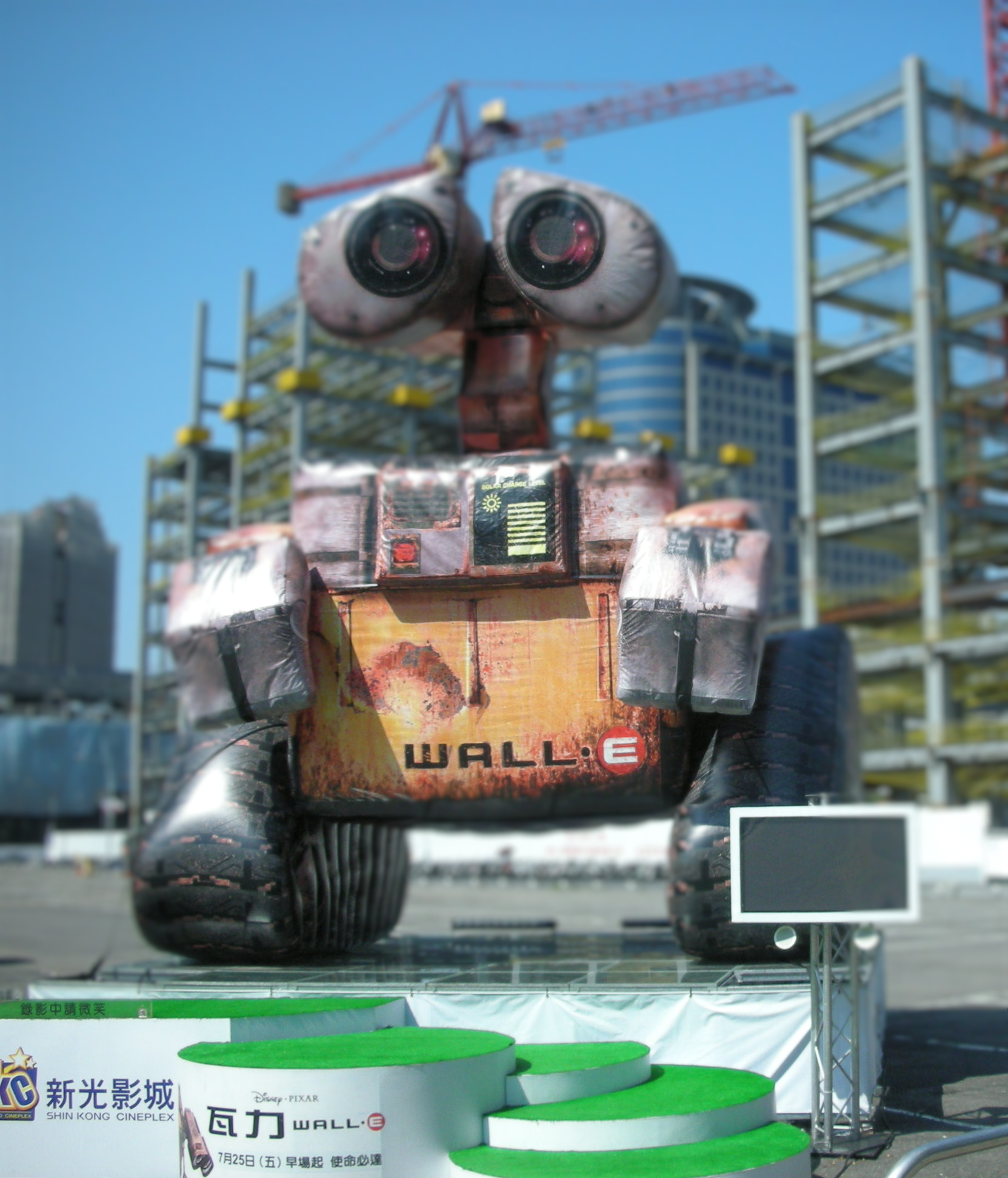
10. **WALL-E (2008)**Get ready for some serious feels because Disney Pixar’s “WALL-E” isn’t just an animated feature; it’s often hailed as one of the best the studio has ever produced! This heartwarming, visually spectacular film takes us to a future Earth, a stunning yet heartbreaking landscape completely covered in towering cubes of trash, a direct consequence of humanity’s unchecked consumerism. It’s a powerful and poignant vision, made beautiful even in its devastation.
From the moment the film begins, you’re treated to vista shots of Earth that were, at the time, enough to put all previous animated films to shame. Seriously, even buried under layers of garbage, the world Pixar created in “WALL-E” is absolutely stunning and remains so today! The animators managed to milk so much emotion out of WALL-E and his eventual love interest, EVE, making their near-speechless first act a truly beautiful, haunting, and sweet experience.
The narrative of heartless corporations turning Earth into an uninhabitable wasteland feels even more resonant today than it did upon its release. But amidst this sobering backdrop, there’s a charming and simple love story that unfolds, reminding us of hope and connection. While the film’s second half on the human ship, the Axiom, might feel a bit more conventional compared to the groundbreaking first act, “WALL-E” still stands as one of Pixar’s finest and one of the most impressive cinematic achievements of all time.
It’s a film that proves animation can deliver just as much visual grandeur and emotional depth as any live-action blockbuster. Prepare to laugh, cry, and marvel at a future that’s both cautionary and utterly captivating.
Read more about: Decoding Pixar: How Innovation, Strategic Shifts, and Creative Vision Forged an Animation Empire

11. **Snowpiercer (2013)**Next up, let’s talk about a truly wild ride from director Bong Joon-Ho, well before he set the world on fire with “Parasite”: the incredible “Snowpiercer”! This gripping film is set in a future where a disastrous attempt to reverse global warming has plunged Earth into an uninhabitable, frozen wasteland. The only place where humans can survive is aboard the titular train, a massive, perpetually moving vessel that circumnavigates the globe at high speeds. It’s a visually distinct and utterly unique vision of the future.
Of course, life aboard the Snowpiercer isn’t exactly a utopian dream for everyone. The film vividly portrays harsh class divisions, with the privileged living in luxury at the front of the train while the impoverished masses are crammed into squalid conditions in the tail sections. These societal inequalities are visually striking, creating a stark contrast between the lavish carriages and the grimy, utilitarian ones. The escalating conflict, born from these divisions, is a masterclass in visual storytelling and tension.
“Snowpiercer” isn’t just a strong narrative idea; it’s executed with incredibly striking visuals and a truly great ensemble performance from Chris Evans, Song Kang-ho, Ed Harris, and Tilda Swinton, among others. Its distinct style and world-building immediately set it apart from other post-apocalyptic stories about classism.
Whether you’ve seen the recent TV adaptation or are curious about the original French graphic novel, the 2013 movie is a must-watch. It’s fresh, exciting, and unsettling at times, delivering a compelling and visually rich journey from start to finish. Get ready to be hooked by this chilling vision of humanity’s future!
Read more about: From Legendary Icons to Modern Muses: 11 Redheaded Actresses Who’ve Lit Up Hollywood and Stolen Our Hearts
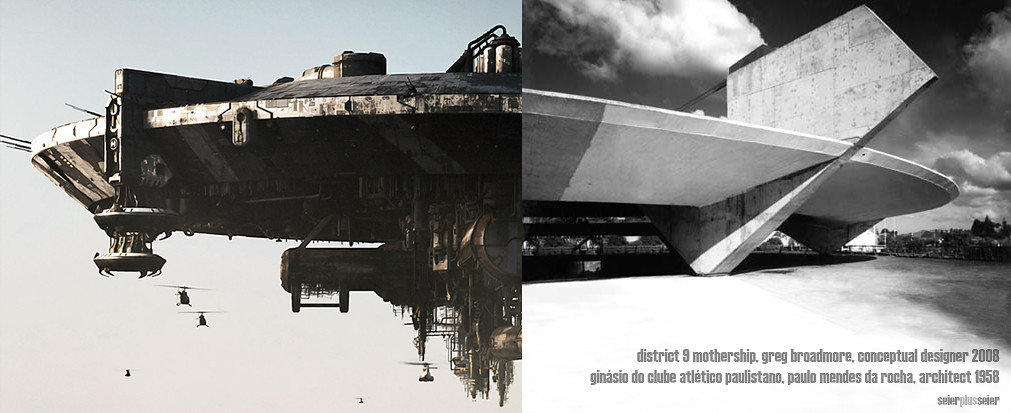
12. **District 9 (2009)**Ever wondered what would *really* happen if aliens landed on Earth? Well, “District 9” gives us an answer, and let us tell you, it’s not pretty, but it is visually stunning and incredibly thought-provoking! This 2009 film received widespread critical acclaim upon its release, particularly praised for its unique mockumentary framing device and its powerful parallels to the real horrors of South African Apartheid.
The setup is novel yet simple: a massive spaceship filled with alien refugees appears over Johannesburg, and its passengers, dubbed “Prawns,” are permitted to reside in an isolated, impoverished slum area called District 9. The film’s “striking visuals” masterfully depict this alien encampment, showcasing a gritty, lived-in future where extraterrestrial life is not romanticized but rather oppressed and marginalized.
The story takes a fascinating turn when one of the human managers of the area, played brilliantly by Sharlto Copley, is accidentally exposed to a substance that slowly transforms him into one of the aliens. This personal transformation allows for an even deeper, more visceral exploration of the film’s themes. As a science fiction story, “District 9” is fresh and compelling, but as a story about racism and the brutal treatment of refugees, it’s even more powerful and its visuals are integral to this impact.
Most sci-fi movies depict aliens as either clear allies or enemies, but “District 9” offers a profoundly unique and haunting take on the genre. It’s a rare depiction where humans are unequivocally the villains and oppressors, making it a cinematic gem that continues to resonate more than a decade after its premiere.
Read more about: The $30 Million Battle Over Unreleased Demos: A Deep Dive into Pop Star Legal Fights and the Future of Music Protection

13. **Children of Men (2006)**Get ready for a beautifully bleak and utterly immersive experience with Alfonso Cuarón’s “Children of Men,” a grim, gritty vision of a near-future dystopia that will leave you breathless! Adapted from P.D. James’ novel, this film plunges us into an Earth where the entire human race has become infertile, throwing society into utter disarray. The world is a crumbling mess, until the secret discovery of one young woman capable of giving birth ignites a desperate, dangerous glimmer of hope.
Seriously, “Children of Men” is worth watching for the cinematography alone! It features some of the most staggering long takes in modern cinema, immersing you so deeply into its chaotic and harrowing world that you feel like you’re right there alongside the characters. The beautifully dreary production design and impressive camera choreography create a visually distinct and profoundly impactful future that feels terrifyingly plausible. Every frame is meticulously crafted to convey the raw desperation of this dying world.
But there’s so much more to this film than just its breathtaking visuals. The performances from Clive Owen, Clare-Hope Aey, Julianne Moore, Michael Caine, and Chiwetel Ejiofor are incredibly powerful, throwing the raw desperation of the film’s reality directly into the faces of those watching it. It’s a movie that explores hope in the most desolate circumstances, but also unflinchingly confronts tragedy and cruelty.
Like most of Cuarón’s films, “Children of Men” is a masterfully crafted piece of cinema, from its sharp screenplay to its precise editing. While it can certainly be a bit of a bummer given its persistent pessimism, even within its grim outlook, there are still glimmers of better things to come, making it a profoundly moving and visually unforgettable journey.
Read more about: Beyond the Uniform: How Military Service Forged 12 Iconic Figures Who Changed America Forever
14. **Nausicaä of the Valley of the Wind (1984)**For our final visually awesome future world movie, let’s journey back in time to the incredible 1984 sci-fi epic, “Nausicaä of the Valley of the Wind”! This absolute masterpiece from Hayao Miyazaki was crafted even before Studio Ghibli was officially founded, but don’t let its age fool you – it possesses all the magical traits that would make Miyazaki’s later work so globally celebrated. It takes place in the far future, a thousand years after an apocalyptic war devastated human civilization and mutated much of the planet’s wildlife into deadly, giant insects.
“Nausicaä” immediately captivates with its strikingly original and unique vision of a post-apocalyptic world. While it draws from other far-future stories, its influences never stop it from feeling wholly distinct. Miyazaki creates a world that is simultaneously cautionary and frightening, with vast toxic jungles and monstrous creatures, yet also incredibly lovely and peaceful in the pockets of nature that remain. The vivid animation and imaginative creature design are simply unparalleled.
The main themes here are ones that would continue to resonate through Miyazaki’s illustrious career: profound environmentalism, the crucial importance of living in harmony with nature, and the inherent evil of war and violence. The visuals aren’t just for spectacle; they are deeply intertwined with these powerful messages, making the film a truly immersive and thought-provoking experience.
This film was an early showcase of what the world should expect from Miyazaki’s epic, visually rich, and deeply philosophical works. It’s a timeless animated adventure that demonstrates the enduring power of hand-drawn animation to create future worlds that are both terrifying and breathtakingly beautiful. Seriously, if you love sci-fi and animation, this is an absolute must-see!
And there you have it, fellow cinephiles! We’ve journeyed through 14 incredible films that didn’t just tell stories, but built entire universes right before our eyes. From the mind-bending practical effects of Nolan’s dreams to the awe-inspiring animated wonders of Pixar and Ghibli, these movies are a testament to the boundless creativity that science fiction ignites. They remind us that whether the future is gleaming and utopian or gritty and dystopian, it will always be a canvas for incredible visual artistry. So, next time you’re craving an escape, pop on one of these visual masterpieces and prepare to be transported!