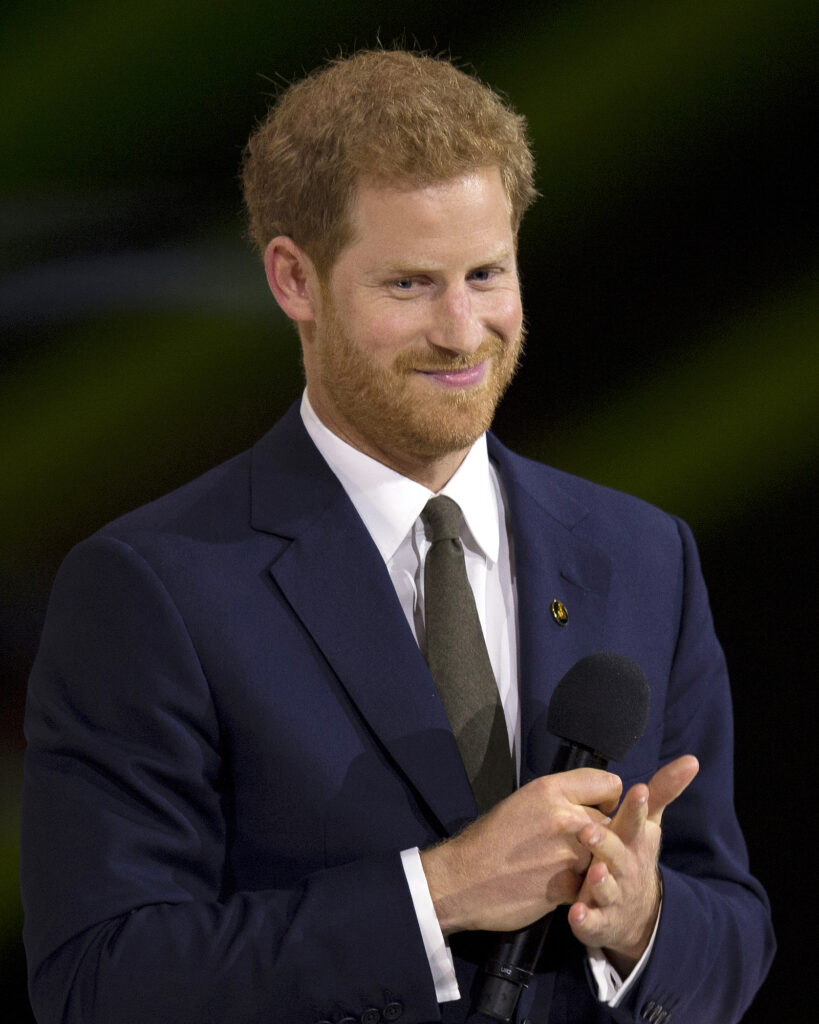
There’s something inherently captivating about watching a young star rise. One moment, they’re gracing our TV screens or dominating social media feeds, and the next, they’re plastered across every teen magazine cover, fueling dreams and fantasies for millions. For many teenage fans, as a survey by the Pew Research Center found, “60% of teenage girls have had a crush on a celebrity at some point, with 40% admitting to daydreaming about their favorite stars regularly.” This allure is powerful, making these young idols the epitome of youthful charm and, sometimes, unattainable romance.
However, the path from youthful fame to sustained adult stardom is anything but guaranteed. The Hollywood landscape is famously littered with child actors who never quite made that jump. As the saying goes, for every success story, there are countless others who struggled, unable to shake off their youthful personas or simply finding the pressures of fame too much to bear. It’s a challenge that spans generations, evolving with the platforms that launch these stars. Think about it: a decade ago, pop juggernauts were minted on TV shows like *The X Factor*, transforming “kids off the street” into household names in less than a year. Today, as Tyler Brown, co-founder of Heatwave Records notes, “there’s not a centralization of key platforms where people are finding artists,” making the path to superstar status “a lot longer now” for young artists.
Indeed, the rules of the game are changing for emerging talent. Mike Weiss, VP of music and head of A&R at UnitedMasters, observes that “everything is more niche,” requiring time to “build from community to community and expand that base.” Yet, even with these shifts, the fundamental challenge remains: how do you transition from a beloved teen idol to a respected adult artist? It’s a journey that demands talent, versatility, strategic choices, and a robust support system. Let’s dive into the fascinating careers of six actors who not only survived their teen idol status but leveraged it into legitimate, enduring Hollywood staying power, showcasing the diverse paths to success.
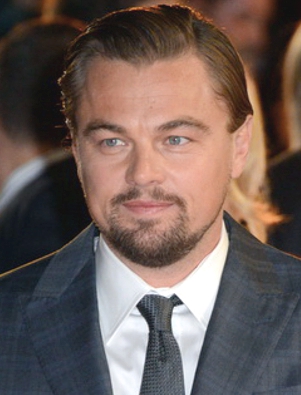
1. **Leonardo DiCaprio**Before he was an Oscar-winning titan of cinema, Leonardo DiCaprio was a familiar face gracing early 1990s television shows, even scoring bit parts on iconic series like *Roseanne* and *Parenthood*. His undeniable breakthrough, however, arrived in 1991 when, still a teenager, he secured the recurring role of Luke Brower on the immensely popular TV sitcom *Growing Pains*. With his “piercing blue eyes and blond locks,” DiCaprio quickly became a staple, adorning “teen magazine covers across the country” and cementing his status as a quintessential teen heartthrob of the era. He easily could have been typecast, a mere “cute pinup boy” destined for a fleeting moment in the spotlight.
But DiCaprio, hailing from Los Angeles, possessed more than just good looks; he had what the industry calls “real-deal acting chops.” This became abundantly clear when he demonstrated an early drive for substantial roles. In a 2014 interview, DiCaprio revealed a competitive streak, recalling how he vied “with over 400 young actors for the role of Tobias Wolff in *This Boy’s Life*.” This biographical coming-of-age drama was a far cry from sitcom fare, and it was here that he garnered a powerful advocate in none other than Robert De Niro, who played Tobias’s abusive father and “championed DiCaprio and fought for him to be in the movie.” This early endorsement from a cinematic legend was a crucial turning point, signaling to the industry that DiCaprio was an actor to watch, not just a teen sensation.
From that point, DiCaprio’s career trajectory soared with an impressive string of starring roles that highlighted his dramatic range. Films like *What’s Eating Gilbert Grape* and *The Basketball Diaries* showcased a young actor capable of profound depth and vulnerability, quickly establishing him beyond his television beginnings. Yet, it was in 1997 that he transcended mere stardom to become, arguably, “the most famous movie star in the world with his romantic/tragic turn as Jack Dawson in *Titanic*.” The film’s unprecedented success brought an almost unbearable level of global exposure, leading many to believe that “a giant fall seemed inevitable” due to potential overexposure.
However, DiCaprio defied expectations with remarkable resilience and a commitment to challenging himself. He “proved time and time again that his talent demanded an audience,” consistently delivering performances that garnered both critical acclaim and box-office success well into the 21st century. His celebrated collaborations with director Martin Scorsese in films like *Gangs of New York*, *The Aviator*, *The Departed*, *Shutter Island*, and *The Wolf of Wall Street* not only redefined his image but also solidified his legacy as one of his generation’s most formidable actors. The culmination of this unwavering dedication came in 2015, when he finally “won the Academy Award for Best Actor for his powerhouse performance in *The Revenant*,” a testament to a career built on artistic integrity and enduring talent.
Read more about: From Cinematic Duds to Diamonds: 15 Actors Who Pulled Off the Ultimate Movie Magic Trick and Saved Bad Films
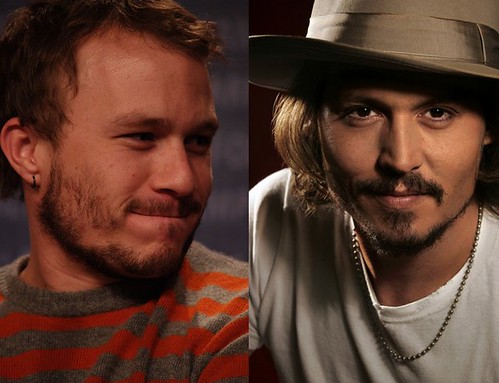
2. **Johnny Depp**For an entire generation, particularly Gen-X females, Johnny Depp was *the* poster boy, his image gracing countless lockers and bedroom walls. His rocket to “instant teenage sensation” status was thanks to his role as Officer Tom Hanson, an undercover cop, on the hit drama *21 Jump Street*. Depp’s brooding intensity and undeniable charisma made him a household name, synonymous with youthful rebellion and allure. Yet, as the series wrapped in 1990, Depp harbored a profound desire to shed his teen idol persona and transition into a serious dramatic actor, a sentiment openly expressed by his press agent, Jeff Ballard, who stated, “I hope this isn’t going to be about that teen-idol. We’re really .”
Depp himself was remarkably candid about his artistic ambitions and his aversion to being typecast solely on his looks. “I don’t want to make a career of taking my shirt off,” he declared in 1988, expressing a radical willingness to transform his appearance: “I’d like to shave off all my hair, even my eyebrows, try it that way.” He keenly observed the fleeting nature of some teen stardom, noting, “I don’t fault the TV stars who do teen magazines. They took a hold of their situation, took offers that gave them the big money fast – but they were dead in two years. I don’t want that.” This foresight guided his career choices, pushing him toward roles that challenged perceptions rather than reinforced them.
His artistic salvation, it turned out, came in the form of a perfect filmmaking partnership with director Tim Burton. Burton, known for his quirky and dark aesthetic, cast Depp in a series of off-beat, unconventional movies such as *Edward Scissorhands* and *Ed Wood*. These roles were instrumental in dismantling “any preconceived notion of who Johnny Depp wanted to be in Hollywood,” allowing him to explore eccentric characters and showcase a versatile acting talent far beyond his teen idol image. Indeed, the three-time Oscar nominee “appeared to make it a point to star in movies that were more counter-culture than Hollywood mainstream,” deliberately carving out a unique niche for himself.
Depp continued to diversify his filmography with strong, character-driven performances in critically acclaimed films like *Donnie Brasco*, *Fear and Loathing in Las Vegas*, *Chocolat*, and *Blow*. These roles further demonstrated his range and commitment to his craft, earning him respect as a serious actor. However, it was his comedic and quirky turn as Captain Jack Sparrow in 2003’s *Pirates of the Caribbean: The Curse of the Black Pearl* that catapulted him back into massive box-office success. This role not only garnered him immense popularity but also spawned one of the highest-grossing franchises in film history, proving that his unique blend of artistry and charisma could command both critical respect and commercial triumph.
Read more about: The High Price of Influence: 14 Stars Who Faced Brand Backlash and Lost Lucrative Deals in the Digital Age

3. **Jennifer Connelly**Jennifer Connelly’s journey into the limelight began at a remarkably young age, stepping into professional modeling with the Ford Agency when she was just 10 years old. Her fresh face quickly became a familiar sight, regularly gracing “the cover of *Seventeen* magazine” and appearing in “television commercials, magazines, and newspapers.” Despite this early success, Connelly harbored no deep love for modeling; her true ambition lay in acting. This led her to secure her first small, yet significant, part at the age of 12 in Sergio Leone’s 1984 epic, *Once Upon a Time in America*, a role that hinted at the dramatic depth she would later display.
It wasn’t long before Connelly landed her first starring role, cementing her status as a teen idol. In 1986, she took on the role of the teen heroine in Jim Henson’s enchanting fantasy-adventure *Labyrinth*. While the film initially “disappointed at the box office,” it has since blossomed into a cherished cult classic, a testament to its enduring charm and Connelly’s memorable performance. Yet, as she moved into her 20s, like many young stars, she confronted the arduous task of transitioning from a beloved teen presence to a credible adult actress, a period she openly admitted was challenging.
Connelly has candidly spoken about the difficulties of her child acting days, revealing that her “hectic work schedule” meant “she didn’t develop emotionally in her teen years.” She famously added, “I didn’t become a teenager until my twenties,” a poignant reflection on the sacrifices made for early fame. Globally recognized as both a teen idol and a symbol, finding “adult roles proved to be difficult” as she battled the industry’s tendency to pigeonhole her. Fortunately for Connelly, her talent and perseverance ultimately led her to find deeply “rewarding work” that allowed her to break free from these constraints.
Her career took a dramatically gritty turn with Darren Aronofsky’s harrowing 2000 drama *Requiem for a Dream*. In this film, Connelly delivered perhaps “the grittiest role in her entire career,” portraying an addict “willing to sacrifice everything in order to score her next fix.” This raw, transformative performance was a powerful statement of her capabilities. Just two years later, her phenomenal talent was undeniable, leading her to win “the Academy Award for Best Supporting Actress for her performance in Ron Howard’s *A Beautiful Mind*,” a definitive moment in her transition. Connelly has since cultivated an “impressive filmography of screen work,” with memorable performances in diverse projects like *Little Children*, *Noah*, and the acclaimed TV series *Snowpiercer*, demonstrating a remarkable ability to evolve and thrive in a demanding industry.
Read more about: The Enduring Echo: Unpacking the Global Phenomenon of the Name Jennifer

4. **Neil Patrick Harris**Neil Patrick Harris’s ascent from a prodigious young actor to a multi-hyphenate adult performer is a fascinating case study in strategic career reinvention and the power of embracing versatility. His journey into the spotlight began remarkably early when playwright Mark Medoff discovered the teenage Harris at a drama camp. This serendipitous encounter led to his casting in the 1988 movie *Clara’s Heart*, a role that earned him a well-deserved Golden Globe nomination at just 15 years old. This initial critical recognition served as a powerful springboard, launching him into what would become his defining youthful role. Just one year later, the New Mexico-born actor landed the iconic title role in the beloved TV series *Doogie Howser, M.D.*, where he charmed audiences as a 16-year-old whiz kid who adeptly balanced the responsibilities of being a respected doctor with the typical challenges of adolescence.
The immense popularity of *Doogie Howser, M.D.*, while propelling him to household name status, also presented a significant challenge: the very real risk of being permanently typecast. The character of Doogie was so ingrained in the public consciousness that many speculated whether Harris could ever shake off that youthful persona and successfully transition into mature adult roles. However, Harris himself demonstrated an early awareness of the potential pitfalls of teen stardom. He candidly shared his reservations about the exploitative nature of some teen magazines, stating in an interview when he was 24, “Kids don’t need to be exploited,” and warning, “If they’re poster boys, then they’re going to be a flash in the pan.” This keen insight influenced his post-*Doogie* choices, as he consciously sought out smaller, less defining parts in the 1990s, including a memorable turn in films like *Starship Troopers*, which allowed him to refine his craft without being pigeonholed.
His true, undeniable career resurrection, however, arrived with a bold and self-aware comedic turn in the 2004 stoner comedy *Harold and Kumar Go to White Castle*. In this film, Harris played an exaggerated, coked-out version of himself, a performance that hilariously subverted his clean-cut “Doogie” image and showcased a willingness to embrace humor and challenge audience expectations. This pivotal role paved the way for what would become his most iconic adult performance: the wise-acking, suit-clad womanizer Barney Stinson on the immensely popular sitcom *How I Met Your Mother*. Beginning in 2005, this show became a global phenomenon, running for nine seasons and providing Harris with the perfect platform to display his impeccable comic timing, infectious charisma, and surprising emotional depth to a whole new generation of fans, solidifying his status as a comedic powerhouse.
Beyond the sustained success of *How I Met Your Mother*, Harris has consistently proven himself to be an extraordinarily multi-faceted talent, effortlessly traversing various entertainment mediums. He has not only graced Broadway stages, earning critical acclaim for his theatrical work, but also expertly hosted prestigious events like the Academy Awards, showcasing his polished showmanship. Furthermore, he has boldly ventured into darker dramatic territory, delivering a chilling and complex performance as a sinister character in David Fincher’s acclaimed thriller *Gone Girl*. This incredibly diverse body of work underscores his unwavering commitment to artistic challenge and growth.
Harris’s career trajectory serves as an inspiring blueprint for how a teen idol can not only survive but truly thrive in the demanding world of Hollywood. By making deliberate strategic choices to diversify his roles, by continuously honing his craft, and by demonstrating an impressive adaptability across genres, he has cultivated an enduring and respected legacy. His story is a powerful testament to the fact that with genuine talent and a smart approach, youthful adoration can indeed be transformed into legitimate, lasting adult stardom and sustained relevance in a constantly evolving entertainment landscape.
Read more about: The Hollywood Curse Shattered: 11 Child Stars Who Thrived as A-List Adults

5. **Christina Applegate**Christina Applegate’s journey into the entertainment world was defined early by her unforgettable portrayal of Kelly Bundy on the raunchy yet seminal Fox sitcom *Married… with Children*. For an impressive 11 seasons, which ran until 2002, Applegate became synonymous with Kelly, embodying the “token attractive ‘dumb blonde’ teenager” whose wild antics and “outward promiscuity” frequently gave her father, Ed O’Neill, a run for his money. This role embedded her deeply into popular culture, making her “singularly known as Kelly Bundy” and presenting a formidable challenge: for many TV viewers, it seemed “impossible… to see her as anything except ‘a dumb blonde’ type” once the series concluded.
Recognizing the immense task of shedding such a powerfully ingrained persona, Applegate made a conscious and determined effort in her post-*Married… with Children* career to “avoid further typecasting.” This strategic foresight was so strong that she famously turned down the lead role of Elle Woods in *Legally Blonde*, a part that ultimately became a career-defining moment for Reese Witherspoon. Applegate later reflected on this decision, admitting, “The script came along my way… I got scared of kind of repeating myself,” and jokingly added, “What a stupid move that was, right?” While the hindsight might bring a touch of regret for that specific opportunity, her choice at the time clearly signaled her unwavering dedication to diversifying her acting portfolio and proving her capabilities beyond the comedic mold that had defined her youth.
Fortunately for Applegate, her undeniable talent and impeccable comedic timing allowed her to make a successful and widely praised transition from a beloved TV teen idol to a respected and versatile presence on the big screen. She deftly showcased her range in a string of successful comedies, charming audiences in films like *The Sweetest Thing*, *Anchorman: The Legend of Ron Burgundy*, *Hall Pass*, and *Bad Moms*. These roles were crucial in broadening her appeal and demonstrating that her comedic prowess extended far beyond the Bundy household. Concurrently, on the small screen, she continued to shine, taking on lead roles in sitcoms like *Samantha Who?*, making memorable appearances as Rachel Green’s sister on *Friends*, and starring in the short-lived but acclaimed *Up All Night*.
One of the most compelling and critically lauded demonstrations of Applegate’s impressive range and growth as an actress came with her Emmy-nominated performance in the popular Netflix dramedy *Dead to Me*. Now in her 40s, she masterfully brought to life a complex character that perfectly utilized her unique skill set, allowing her to explore both profound dramatic depth and sharp comedic nuances with remarkable impact. This role not only garnered her significant critical acclaim but also solidified her standing as a mature and formidable performer. Her ability to navigate such challenging and multi-layered characters powerfully highlights her artistic evolution and the enduring nature of her talent.
Beyond her professional achievements, Applegate has openly spoken about the crucial role of personal grounding in her sustained success. In a 2018 interview, she candidly discussed how she managed the challenging transition from child to adult actor: “I have a very grounded family unit, and because of that, I’m still here, and because of that, I’m still working and I’m functioning, you know, as an adult.” She further added, “I was lucky that I had a family that allowed me to live that out and not just be this machine. But, having been the machine, I’ve learned how to be responsible and professional, and I’m on time and all of those things. That’s because I did work through my childhood, I think.” This poignant reflection underscores the vital role of robust support systems and healthy personal foundations in enabling young stars to mature both personally and professionally, transforming the demands of early fame into a platform for genuine and lasting adult stardom.
Read more about: Laughing All the Way to Legend: 15 Iconic TV Scenes Where Comedians Totally Lost It on Live TV
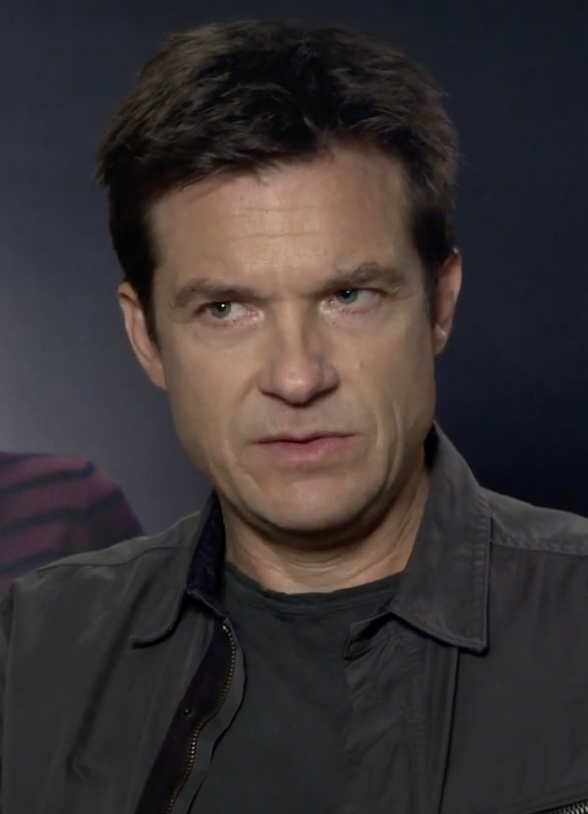
6. **Jason Bateman**Jason Bateman’s journey from a beloved 1980s teen idol to a celebrated, multi-award-winning actor and director is a testament to perseverance, strategic reinvention, and an astute understanding of his own evolving comedic and dramatic talents. His career initially flourished in the mid-1980s, where he quickly became a familiar face to television audiences through his breakout performance as Ricky Schroder’s mischievous best friend on *Silver Spoons*. This early success rapidly led to a co-starring role just two years later as David Hogan on *The Hogan Family*, a sitcom also recognized under its initial titles *Valerie* and *Valerie’s Family*. The part cemented Bateman’s status as a quintessential teen idol, ensuring his charismatic face was a regular fixture on tween and teen magazines across the nation, an early indicator of his widespread youthful appeal.
However, the path from youthful stardom to enduring adult success is notoriously challenging, and Bateman encountered his own significant hurdles. His attempt to carry a leading film role in 1987 with *Teen Wolf Too* unfortunately resulted in a pronounced box-office failure, a common stumble for young actors trying to make the leap to the big screen. As *Valerie’s Family* concluded its six-season run in 1991, Bateman’s career experienced a noticeable cooling-off period. While he continued to work steadily throughout the 1990s, taking on various roles, he “failed to find a hit movie or TV show that cemented him as anything more than a ‘working Hollywood actor’,” illustrating the immense pressure and precarious nature of maintaining relevance after the initial surge of early fame.
Bateman’s significant career resurrection arrived in 2003 with his starring role as Michael Bluth in the critically acclaimed and highly influential sitcom *Arrested Development*. As the lone voice of reason amidst a hilariously dysfunctional family of narcissistic eccentrics, Bateman’s dry wit, understated delivery, and grounded performance were nothing short of a revelation, earning him a well-deserved Golden Globe in 2005 for his portrayal of the Bluth patriarch. This pivotal role not only brilliantly revitalized his public image but also showcased a more mature, refined comedic talent, proving his ability to anchor a complex ensemble with nuanced performance. His newfound popularity and critical acclaim opened doors, paving the way for a successful transition to the silver screen.
On the big screen, Bateman initially excelled in memorable supporting characters in a string of popular comedies that cemented his status as a reliable and charismatic performer. These included hits like *Dodgeball: A True Underdog Story*, *The Break-Up*, *Juno*, *Hancock*, and *Horrible Bosses*, steadily building his cinematic presence and demonstrating his versatility within the comedic genre. The momentum continued to build as he gracefully transitioned into leading man roles, achieving both significant box-office and critical success with ensemble comedies like *Game Night*. Further demonstrating his expanding creative repertoire, he made a successful feature-length directorial debut with *Bad Words*, showcasing his ambition and vision beyond just acting.
In 2017, Bateman masterfully worked his way back to the small screen, cementing his status as a truly multi-talented force by starring in the acclaimed Netflix drama *Ozark*. In this darker, more intense series, he not only delivered a compelling and nuanced dramatic performance but also took on directorial duties for several episodes, a testament to his burgeoning skills behind the camera. His exceptional work on *Ozark* earned him an Emmy for Outstanding Directing for a Drama Series in 2017, solidifying his reputation as a formidable talent both in front of and behind the lens. Jason Bateman’s career vividly illustrates how strategic career reinventions, diverse role selections that challenge expectations, and a continuous commitment to expanding one’s craft can lead to enduring adult stardom and profound artistic relevance, proving that a “working Hollywood actor” can indeed become a lasting icon.
Read more about: You Won’t Believe These 12 Child Stars Still Dominate the Box Office Today
The captivating narratives of Neil Patrick Harris, Christina Applegate, and Jason Bateman, when viewed alongside those of Leonardo DiCaprio, Johnny Depp, and Jennifer Connelly, collectively offer a profound and inspiring look into the incredibly challenging, yet ultimately achievable, art of maturing in Hollywood’s relentless spotlight. These six stars didn’t just passively survive the intense pressures of early fame; they actively thrived, demonstrating that while the initial allure of teen idol status is undeniably potent, true, lasting staying power hinges on a delicate and deliberate balance. It demands an abundance of innate talent, a relentless drive for strategic career reinvention, and an unwavering, tenacious commitment to continuously honing one’s craft. From courageously shunning the easy path of typecasting to boldly embracing diverse, often challenging roles, and critically, by often leveraging invaluable support systems and a keen awareness of public perception, their collective journeys vividly illuminate the profound resilience and adaptability required to transform fleeting youthful adoration into a legitimate, enduring, and deeply respected legacy. Their stories serve as powerful reminders that sometimes, the most exciting and impactful acts of an artist’s career are yet to come, long after the covers of the teen magazines have been filed away, proving that true talent always finds its way to shine brightest.