Ever finished a movie and just sat there, staring at the credits, feeling like your brain just ran a marathon? Maybe you had to immediately hit up social media or Google for explanations, or even worse, rewatch the whole thing just to grasp what *actually* happened? Yeah, we’ve all been there. It’s that moment when you realize some films aren’t just for casual viewing; they’re an intellectual workout.
These aren’t your typical popcorn flicks, folks. We’re talking about movies that are so intricately crafted, so layered with symbolism, philosophical questions, and narrative twists, that they often leave the “average viewer” a little baffled after the first watch. They demand your full attention, a willingness to ponder the deeper meanings, and sometimes, a comfy seat for a second (or third!) viewing. They challenge you, make you think, and often redefine what you thought storytelling could be.
So, buckle up, movie buffs! We’re about to take a deep dive into some of the most mind-bending cinematic experiences out there – the films that truly earned their reputation for being “too smart” for a quick, passive watch. Get ready to revisit some classics and discover why these masterpieces keep us coming back for more, desperately trying to crack their codes.
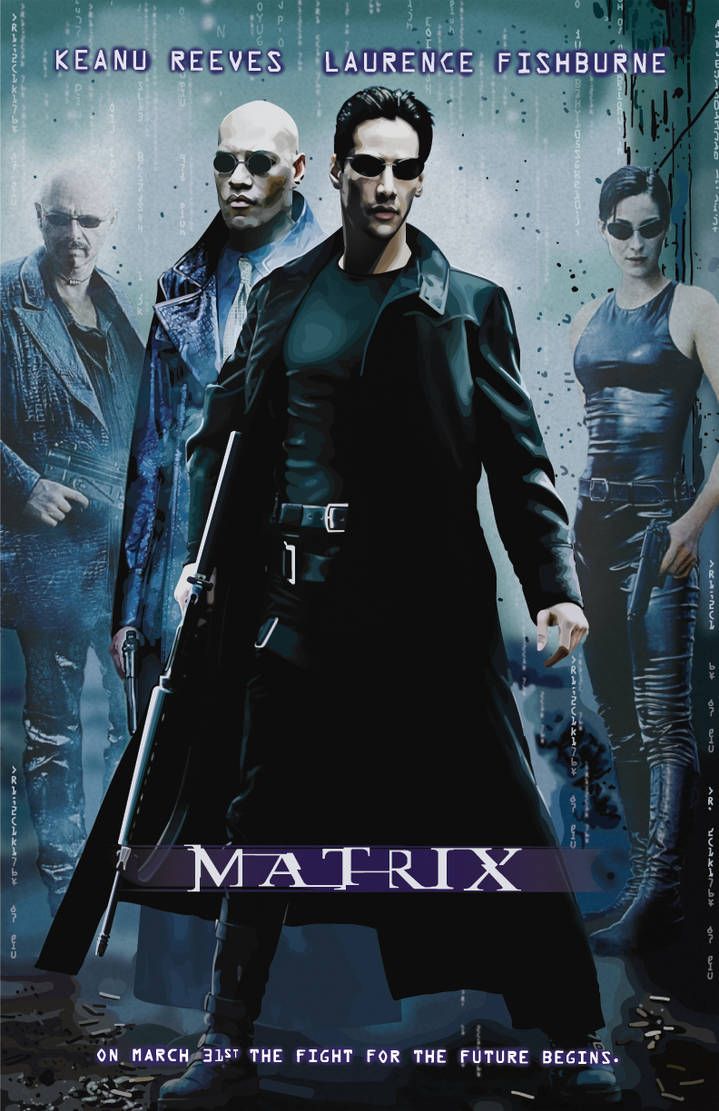
1. **The Matrix (1999)**When *The Matrix* first dropped in 1999, it wasn’t just a movie; it was a seismic event that shook the foundations of sci-fi cinema and pop culture. It wasn’t merely about stunning bullet-time effects (though those were *chef’s kiss*); it was about questioning everything you thought you knew about reality. This groundbreaking film redefined special effects, layered storytelling, and mind-bending plots, forcing audiences into a philosophical rabbit hole.
The film’s core concept, that our world might just be a sophisticated simulation, was both thrilling and deeply unsettling. Neo’s journey, from a mundane hacker to “The One,” was wrapped in dense allegories and cyberpunk aesthetics. The iconic red pill or blue pill choice quickly became a cultural touchstone, representing a decision between blissful ignorance and a harsh, profound truth.
What made *The Matrix* truly “too smart” for many on their initial watch was its intricate philosophical underpinnings and narrative twists. Many viewers found themselves needing a second, third, or even fourth viewing to fully grasp its complex themes and narrative twists, from Plato’s Allegory of the Cave to Baudrillard’s simulacra. It’s a film that keeps on giving, peeling back layers of meaning with each rewatch, proving its enduring relevance in discussions about consciousness, freedom, and technology.
Read more about: Keanu Reeves Broke His Silence On Rumors That He Secretly Wed Alexandra Grant

2. **The Prestige (2006)**Ah, Christopher Nolan. If there’s one director synonymous with films that make your brain do gymnastics, it’s him. *The Prestige* is a prime example of his genius, a thought-provoking tale about two rival magicians, Robert Angier (Hugh Jackman) and Alfred Borden (Christian Bale), whose professional competition spirals into an all-consuming, destructive obsession. It’s a masterclass in narrative misdirection, much like a good magic trick itself.
The film is not just about the illusions on stage; it’s a deep dive into the human psyche, exploring profound themes of sacrifice, competition, and the relentless pursuit of greatness. Every character is driven by a singular, often dark, motivation, blurring the lines between hero and villain. Nolan’s sophisticated and thought-provoking plot uses the structure of a magic trick – the Pledge, the Turn, and the Prestige – to weave its own cinematic spell on the audience.
Nolan’s directorial magic kept viewers on the edge of their seats, constantly guessing and re-evaluating what they had just seen. The film’s brilliance lies in its meticulous details and subtle clues, which are often overlooked in the initial viewing due to the sheer intensity of the drama. It’s a narrative puzzle box that practically begs for rewatching, allowing you to trace the intricate machinations and hidden truths that were there all along, making the final twist even more satisfying.
Read more about: Mind-Bending Moments: 14 Movie Plot Twists That Will Leave You Saying ‘Just Happened?’
3. **The Last Action Hero (1993)**Okay, *The Last Action Hero* might seem like an odd pick for a list of “smart” movies, especially given its initial mixed reception. But trust us, this Arnold Schwarzenegger vehicle is a wildly ambitious, often misunderstood gem that was way ahead of its time. It’s literally “a movie within a movie,” following a young film fan who gets magically transported into his favorite action flick, starring Jack Slater (Schwarzenegger).
What truly makes this film “too smart” for a casual glance is its incredibly nuanced commentary on the genre it inhabits. It’s a meta-commentary, poking fun at the clichés and conventions of 80s and 90s action movies while simultaneously celebrating them. From cartoon logic dictating the rules of the film world to characters realizing their own fictionality, it’s a clever tale about how action movies are made in Hollywood, and how their fantastical elements clash with the grim realities of the real world.
Director John McTiernan crafted a film laden with self-referential humor, satirical digs, and a truckload of Easter eggs that are easy to miss if you’re not paying close attention. This blend of overt action and subtle, intelligent critique made it a film that contemporary audiences weren’t quite ready for. It requires a discerning eye to catch all its brilliant meta-jokes and appreciate its bold, genre-bending ambition, which makes it a fantastic rewatch for those who love to find hidden depths.
Read more about: Can’t Stop, Won’t Stop! 12 Movies You’ll Want To Rewatch Forever
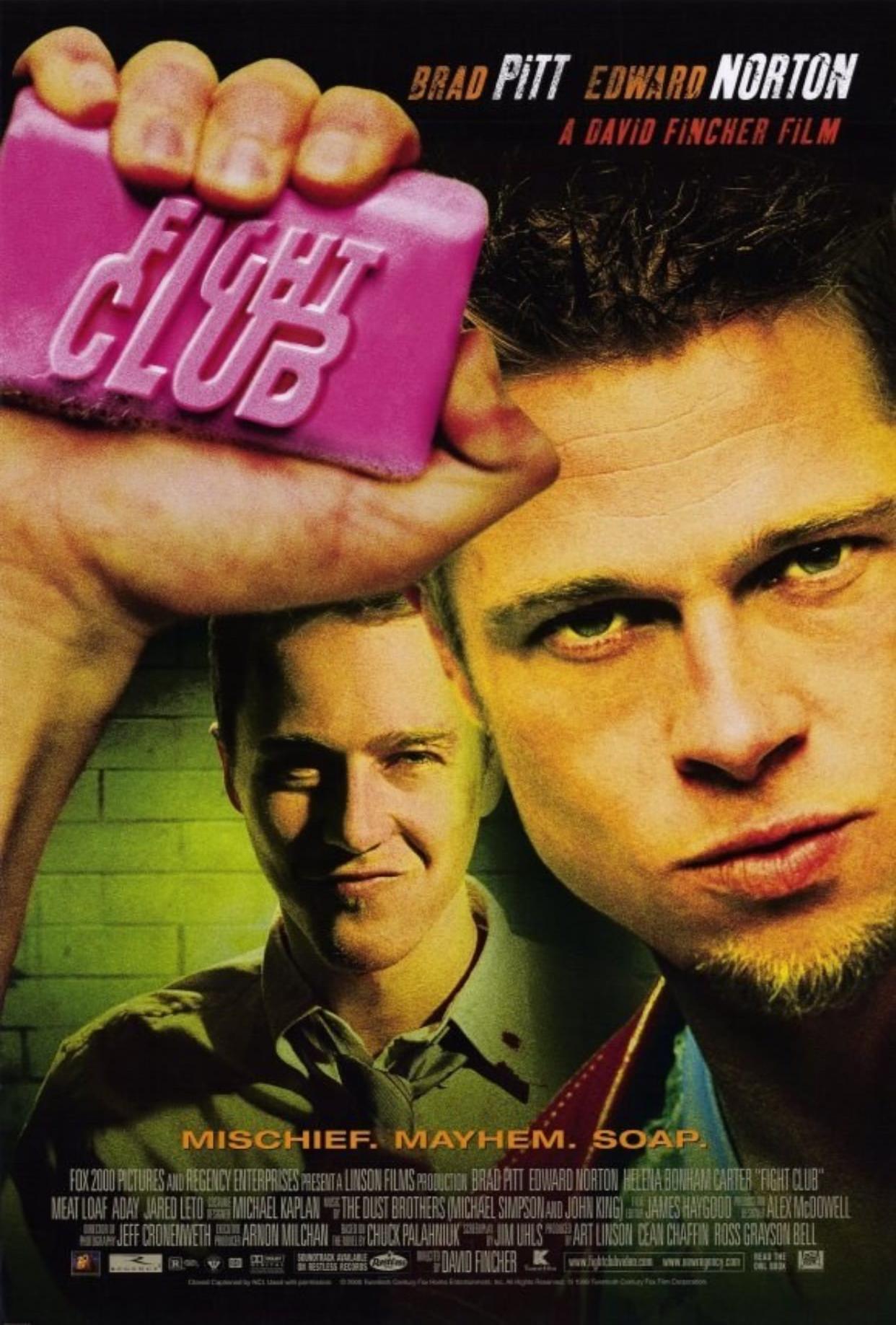
4. **Fight Club (1999)**”The first rule of Fight Club is: you do not talk about Fight Club.” But honestly, how can we *not* talk about this movie? David Fincher’s *Fight Club* is not just a film; it’s a cultural phenomenon, a gritty, subversive exploration of modern alienation that left audiences reeling in 1999. Starring Edward Norton as the unnamed narrator and Brad Pitt as the charismatic Tyler Durden, it’s a dizzying descent into chaos and self-destruction.
The film operates on a constant blurring of realities and shifting narratives, with rules that make sense and don’t make sense at the same time. It plunges into profound themes of identity, consumerism, and the urge to revolt against societal norms, questioning what it means to be a man in a world obsessed with material possessions. The famous rules of Fight Club are superimposed on a backdrop that is far more complex than a simple underground boxing ring.
*Fight Club* is a prime example of a movie that demands repeat viewings to truly unpack its intricate layers. The ending twist is legendary, but understanding *why* it works, and how all the subtle clues were laid out throughout the narrative, transforms the entire viewing experience. It’s a film that challenges your perceptions, provokes intense discussion, and continues to be analyzed and debated years after its release, making it one of the smartest and most enduring cinematic experiences out there.
Read more about: More Than Just Popcorn Spills: 14 Blockbusters Viewers *Actually* Walked Out Of, From Gruesome Gore to Pure Boredom

5. **Mulholland Drive (2001)**If David Lynch’s name is attached, you know you’re in for a wild, dreamlike ride. *Mulholland Drive* is quintessential Lynch: a masterpiece of surrealism and ambiguity that famously started as a TV pilot before being reworked into one of the most enigmatic films ever made. It begins with an amnesiac woman (Laura Harring) teaming up with an aspiring actress (Naomi Watts) to search for answers across the labyrinthine landscape of Los Angeles.
What makes *Mulholland Drive* truly mind-bending is how David Lynch expertly subverts traditional storytelling. The narrative doesn’t follow a straight line; instead, it unfolds like a fractured dream, filled with disconnected scenes, unsettling imagery, and characters whose identities shift and merge. Naomi Watts’s character embarks on a surreal journey filled with mystery and complex puzzles, forcing the viewer to constantly question what is real and what is imagined.
For fans of intricate and abstract films, this is a cinematic experience not to be missed. It’s a film that doesn’t offer easy answers, instead inviting (or rather, demanding) interpretation from its audience. Viewers often find themselves piecing together theories, dissecting every frame, and engaging in fervent online discussions to try and make sense of its profound mysteries. *Mulholland Drive* is a film that resides in your head long after the credits roll, rewarding those brave enough to dive into its beautiful, bewildering depths.
Read more about: Revisiting the Shadows: 10 Underrated Women of Classic Cinema We Should All Know

6. **Blade Runner (1982)**Alright, sci-fi aficionados, get ready for a classic that truly stands the test of time and intellect. Ridley Scott’s *Blade Runner* isn’t just a visual spectacle; it’s a profoundly philosophical journey set in a rain-soaked, neon-drenched dystopian Los Angeles of 2019. Harrison Ford delivers an outstanding performance as Rick Deckard, a “replicant hunter” tasked with retiring (read: killing) rogue artificial humans.
This visionary film probes deep themes of artificial intelligence, humanity, and the very nature of existence in its grim, futuristic setting. It asks fundamental questions: What defines consciousness? What separates humans from highly advanced machines? And if an artificial being can feel, dream, and love, do they deserve the same rights as their creators? These philosophical nuances add immensely to the film’s overall appeal and mystique, elevating it far beyond a simple action flick.
*Blade Runner*’s ambiguity, particularly regarding Deckard’s own identity and the film’s famous “unicorn” sequence, has fueled decades of fan theories and critical analysis. Its slow burn, atmospheric pace, and reliance on visual storytelling over explicit exposition mean that you have to actively engage with the world to grasp its full impact. It’s a film that requires multiple viewings to fully appreciate its layers, making it a benchmark for intelligent science fiction cinema.
Read more about: Wait, THAT Was The End?! 14 Movie Endings Fans *Absolutely* Had To Rewrite (Or Wish They Could!)

7. **2001: A Space Odyssey (1968)**Prepare for liftoff, because Stanley Kubrick’s *2001: A Space Odyssey* is arguably the ultimate “too smart for the average viewer” movie. This monumental sci-fi epic isn’t just a film; it’s a transcendental experience that actively defies the confines of traditional storytelling and stretches the imagination to its absolute limits. Forget narrative conventions; Kubrick is playing by his own rules here, and we’re all just trying to keep up.
This movie masterfully tackles themes of the unknown, human evolution, and artificial intelligence in a perceptive and futuristic way, spanning from prehistoric apes discovering tools to a trippy journey beyond the stars. HAL 9000, the chillingly calm AI antagonist, remains one of cinema’s most iconic and terrifying creations, forcing us to confront our fears about technology evolving beyond our control. It’s a visual poem, a philosophical treatise, and a technological marvel all rolled into one.
*2001* is renowned for its abstract nature, minimal dialogue, and reliance on awe-inspiring visuals and a haunting score to convey its grand ideas. It doesn’t spoon-feed you answers; instead, it immerses you in its profound mysteries, inviting you to interpret its meaning yourself. It’s a challenging watch that truly demands patience and an open mind, but the intellectual rewards for those who engage with it are immense, making it a film that defines cinematic intelligence.
Read more about: The 10 Legendary Directors Who Shaped Cinema: An In-Depth Look at Their Enduring Impact

8. **Cast Away (2000)**Ever wonder what it would *really* be like to be completely alone, just you, a deserted island, and a volleyball named Wilson? *Cast Away*, starring the incredible Tom Hanks, takes that terrifying thought and transforms it into a profound cinematic experience that’s often underestimated due to its deceptively simple premise. It’s not just a survival story; it’s an intense study of the human spirit pushed to its absolute limits.
The film plunges us deep into the isolation of Chuck Noland, a FedEx executive whose plane crashes, leaving him marooned with only cargo for company. This minimalist setting forces us to confront vast themes of resilience, the relentless will to survive, and the sheer psychological toll of solitude. Hanks’s performance is a masterclass, inviting viewers to form a truly deep connection with his solitary protagonist. Seriously, try not to cry during *that* scene with Wilson.
What makes *Cast Away* “too smart” for a quick watch is its unwavering commitment to introspection and a reflective, introspective tone that permeates Chuck’s entire journey. The film isn’t about flashy escapes or dramatic confrontations; it’s about the quiet, agonizing struggle for sanity and hope. It forces you to think about what truly matters when everything else is stripped away, making you ponder the value of connection and the sheer strength of the human mind.
It’s a powerful narrative that unpacks the meaning of purpose and perseverance in the face of unimaginable odds. You might go into it expecting a simple adventure, but you’ll come out having contemplated life, loss, and the incredible fight to reclaim your existence. It’s truly a testament to how much can be conveyed with very little, leaving a lasting impression that transcends the screen.
Read more about: Sudden Silence: 12 Automotive Icons We Lost in 2025 – Their Enduring Legacies and the Future They Paved
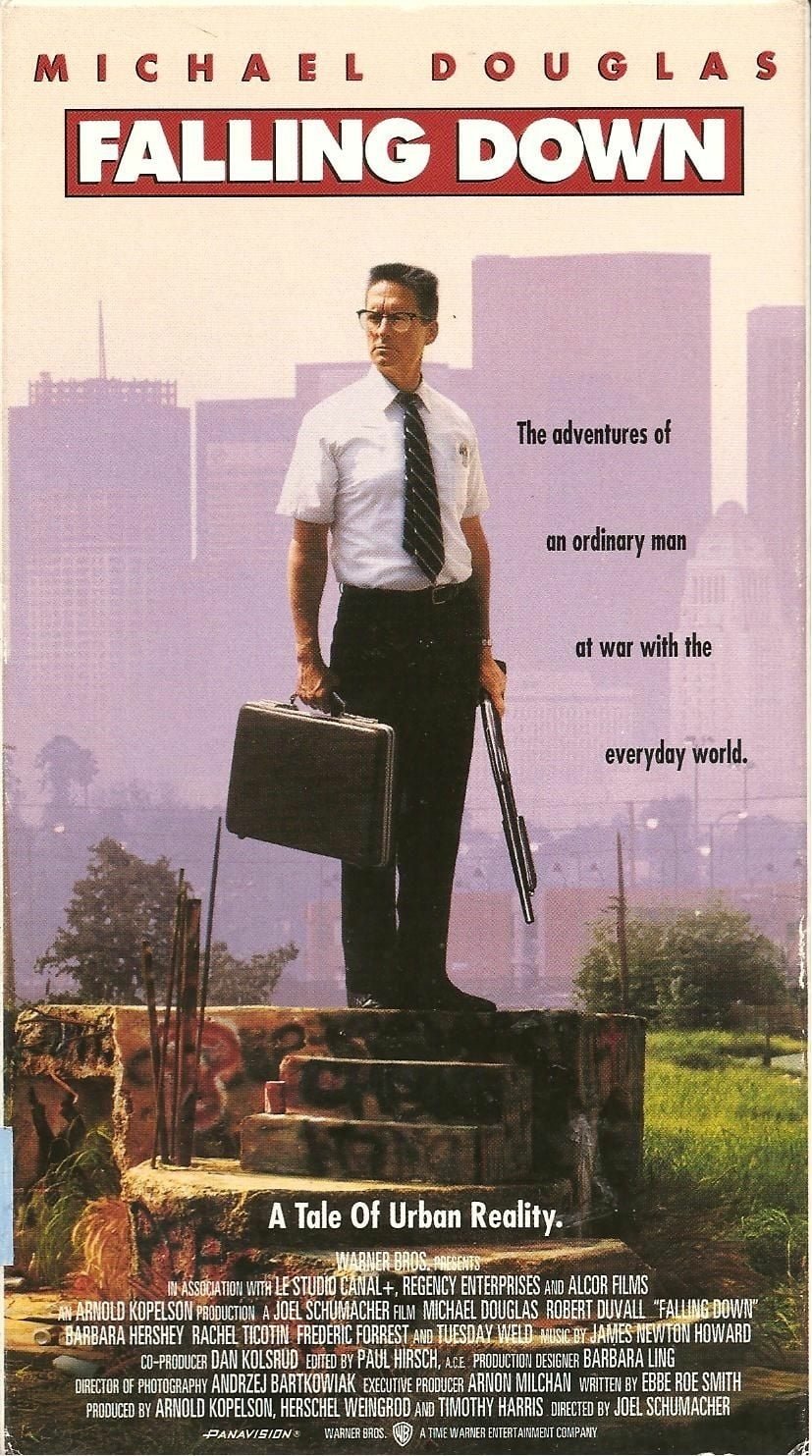
9. **Falling Down (1993)**Okay, now let’s talk about a movie that holds up a rather uncomfortable mirror to society: *Falling Down*. Have you ever had one of those days where *everything* just goes wrong, and you feel like you’re about to snap? Well, Michael Douglas’s character, D-Fens, takes that feeling to a whole new, terrifying level. This film is a raw, powerful portrayal of an ordinary man’s dramatic unraveling when societal pressures finally push him past his breaking point.
Douglas delivers an absolutely outstanding performance as William Foster, a recently laid-off defense engineer who just wants to get home for his daughter’s birthday. His descent into a violent rage, fueled by petty frustrations and systemic injustices, is both disturbing in its intensity and complex in its curiosity. It forces us to grapple with questions about the cumulative effect of daily stressors and the thin line between civility and chaos.
The film’s genius lies in how it challenges viewers’ perceptions, making you question your own empathy and understanding for a character who becomes deeply divisive. Is he a villain, a victim, or just a reflection of the uglier sides of society? Director Joel Schumacher doesn’t offer easy answers, instead portraying the unsettling consequences of individual actions and the societal undercurrents that can lead to such a dramatic breakdown.
*Falling Down* is a nuanced social commentary, wrapped in the guise of a thriller, that was perhaps too stark for some audiences at the time. It’s a film that sparks discussion, making you consider the tipping points in everyday life and the fragile peace that often holds things together. Prepare to feel a bit uneasy, but also profoundly thoughtful, after this one.
Read more about: Beyond Belief: 6 Minivans That Made Owners Cringe – Dissecting the Worse and Worst in Automotive History

10. **The Wolf Of Wall Street (2013)**Get ready for a wild ride straight into the heart of excess with Martin Scorsese’s *The Wolf Of Wall Street*! If you thought you knew greed, think again. This rambunctious, witty, and absolutely over-the-top movie chronicles the rise and fall of Jordan Belfort, a stockbroker who, let’s just say, *really* leaned into the “live fast, die young” mentality – but with a whole lot more money and Quaaludes.
Leonardo DiCaprio delivers a truly powerful performance as Belfort, leading us through a swift-moving narrative that tackles moral ambiguity, insatiable greed, and outright dishonesty with a devilish smirk. Scorsese brings down the house with his signature style, creating a film that’s less a cautionary tale and more an immersive, often hilarious, journey into the abyss of unbridled capitalism. You’ll laugh, you’ll gasp, and you’ll probably question a few life choices.
The film is “too smart” because it doesn’t just show you the debauchery; it pulls you into the psychology of it all. It’s a masterclass in portraying human vices, offering an overarching commentary on power and desire that’s both fascinating and deeply unsettling. It’s a relentless onslaught of flashy cars, lavish parties, and shocking behavior that ultimately examines the emptiness beneath the gilded surface.
*The Wolf Of Wall Street* demands your full attention, not just to keep up with the rapid-fire dialogue and frantic pacing, but to truly grasp the satirical bite of its narrative. It’s a film that forces you to confront the darker side of ambition and the seductive, destructive nature of wealth. Prepare for a truly unforgettable, and perhaps slightly uncomfortable, cinematic experience that will leave you thinking long after the credits roll.
Read more about: The Double Life: 15 Celebrities Who Hid Their Intense Military Service From the Public—Why the Secrecy?

11. **Memento (2000)**Christopher Nolan is back on our “too smart” list, and this time, he’s here to mess with your head in the most brilliant way possible with *Memento*. Imagine living your life without the ability to form new memories, constantly searching for clues to solve a mystery you can’t quite recall. That’s the harrowing reality for Leonard Shelby (Guy Pearce), a man with short-term memory loss, brilliantly played in this riveting non-linear story.
This innovative thriller isn’t just complex; it’s a puzzle box that unfolds backward, scene by dizzying scene, forcing you to experience Leonard’s fractured perception of reality right along with him. The film expertly explores profound themes of identity, memory, and vengeance, all wrapped around a hard-to-scratch itch of consciousness that weaves in and out throughout the narrative. You’ll be piecing things together alongside Leonard, constantly questioning what’s real.
What makes *Memento* a standout “too smart” film is its audacious narrative structure, which is both its greatest strength and its biggest challenge for viewers. It actively demands your engagement, making you connect the dots, remember details from previous scenes that haven’t actually happened *yet* in the chronological timeline, and question every piece of information presented. It’s a true test of observation and deduction.
For those who absolutely love cerebral and eccentric films, *Memento* is an absolute must-watch. It’s a film that thrives on repeat viewings, as each rewatch uncovers new layers of meaning and reveals just how meticulously Nolan crafted every single frame. This is not just a movie; it’s an intellectual exercise that will leave your brain buzzing and your perception of memory forever altered. Add this one to your watch list, stat!
Read more about: Prepare to Scream: The 12 Mind-Bending Movie Plot Twists That Still Leave Us Totally Speechless!
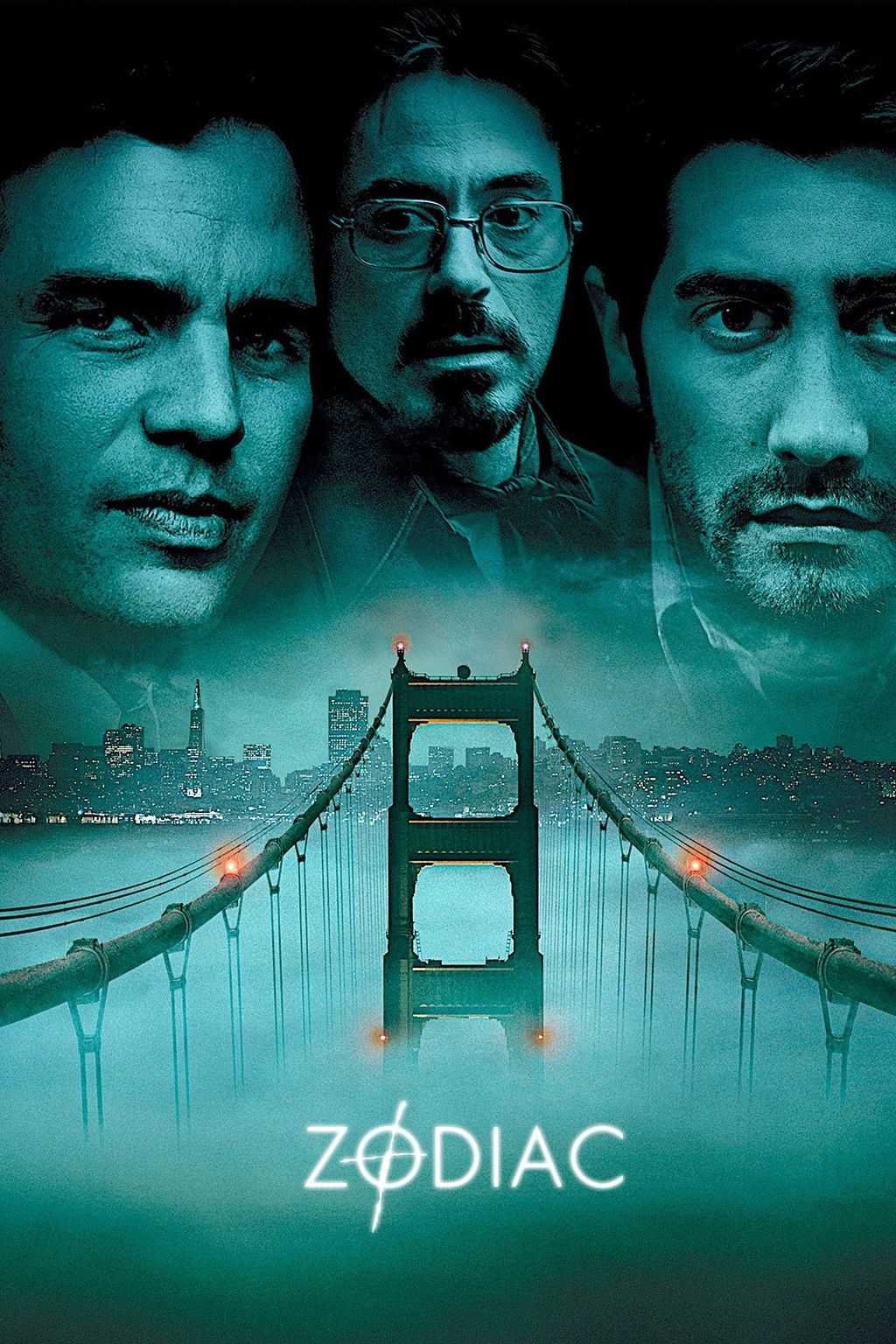
12. **Zodiac (2007)**If you’re a true-crime fanatic or just love a good mystery that absolutely grips you, then David Fincher’s *Zodiac* is calling your name. But be warned, this isn’t a casual viewing experience – it’s a meticulously directed deep dive into real-life events, portraying the unsolved Zodiac attacks that terrorized California in the late 60s and early 70s. You’ll need your detective hat on for this one!
The film is elevated to a gripping and terrifying crescendo thanks to the stellar performances of Jake Gyllenhaal, Robert Downey Jr., and Mark Ruffalo, who portray the men obsessed with unmasking the elusive killer. Fincher’s dedication to historical accuracy and his signature atmospheric tension create an unnerving sense of dread that keeps viewers on the absolute edge of their seats. It’s less about jump scares and more about sustained psychological suspense.
Due to the intricacies of the plot and the sheer volume of details, the viewer must pay *close attention* to piece together the missing clues of the story. Seriously, this isn’t a film you can scroll through your phone during. If you’re looking for a casual movie to play in the background as you come and go, please, for the love of all that is cinematic, *skip this title*. You’ll miss everything!
*Zodiac* is “too smart” because it mirrors the frustrating, obsessive nature of the investigation itself. It doesn’t offer neat resolutions or easy answers, much like the real case. Instead, it immerses you in the painstaking, often fruitless, pursuit of truth, making you feel the weight of every clue and dead end. It’s a film that respects the intelligence of its audience, rewarding those who are willing to fully commit to its complex, haunting narrative.
Read more about: Digital Immortality or Unsettling Impersonation? The High-Stakes Legal and Ethical Battle Over Actors’ Faces in the CGI Era

13. **The Place Beyond The Pines (2012)**Prepare for a sprawling, emotionally resonant journey with *The Place Beyond The Pines*, a film that beautifully explores the lasting impact of choices across generations. Director Derek Cianfrance masterfully weaves three distinct stories into a single, moving narrative about transgressions and the complex dance of forgiveness, creating an authentic portrayal of familial bonds that truly hits home.
The film stars Ryan Gosling as a motorcycle stunt rider turned bank robber, Luke, and Bradley Cooper as a rookie police officer, Avery. Their initial confrontation sets off a chain of events, but the true brilliance of the film lies in how it meticulously follows the generational burdens passed down to their children. It’s a powerful examination of legacy, the consequences of parental actions, and the unexpected ways destinies intertwine.
What makes *The Place Beyond The Pines* “too smart” for a quick glance is its ambitious, non-linear structure and its deep thematic exploration. It asks us to consider how past mistakes echo through time, shaping the lives of those who follow. You’re not just watching one story; you’re witnessing an epic saga of family, fate, and the pursuit of redemption, all unfolding with a deliberate, artful pace.
This is definitely one of those films that rewards patience and a willingness to immerse yourself in its rich, character-driven drama. It’s not about immediate gratification; it’s about the slow burn of consequences and the profound connections that tie us together, whether we like it or not. If you appreciate cinema that explores the intricate tapestry of human relationships, this is a profound and unforgettable experience.
Read more about: Mind-Bending Moments: 14 Movie Plot Twists That Will Leave You Saying ‘Just Happened?’
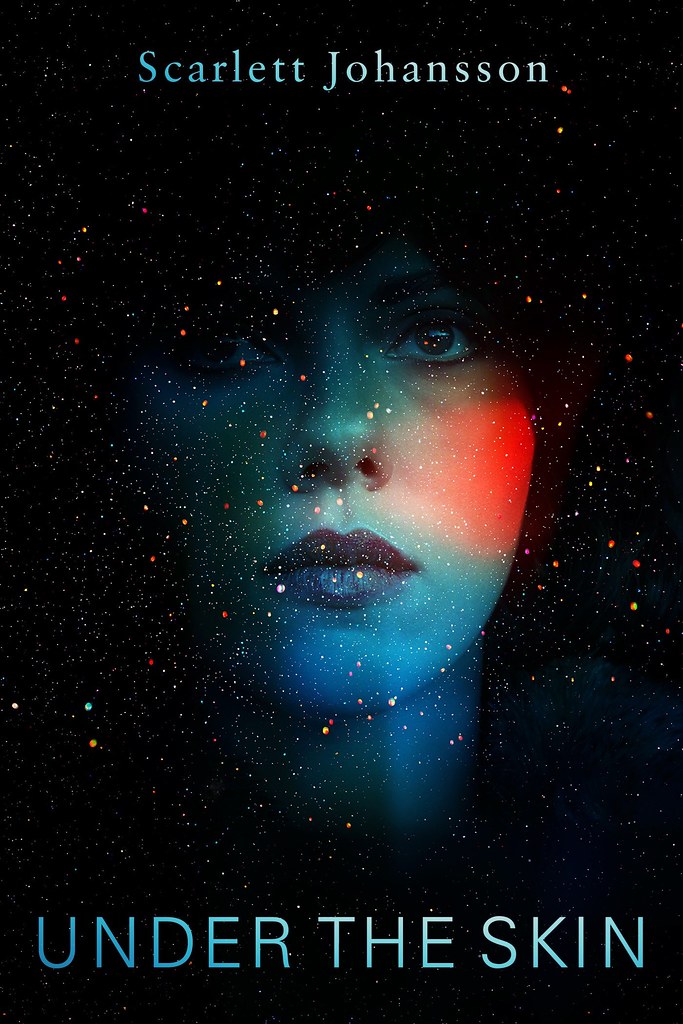
14. **Under The Skin (2013)**Okay, buckle up, because *Under The Skin* is about to take you on an unconventional, slow-burn arthouse sci-fi trip that’s unlike almost anything else you’ve ever seen. Directed by Jonathan Glazer, this film stars Scarlett Johansson in a performance that’s so nuanced and unsettling, it’s practically alien – which, as it turns out, is kind of the point!
This unique film takes an unorthodox approach to storytelling, focusing less on heavy dialogue and more on subtle body language and haunting atmosphere. Johansson’s character drives through the open Scottish landscape, luring unsuspecting strangers into her car. What happens next is a chilling, often disturbing, exploration of humanity through an alien’s eyes, making you question perception and connection.
The movie’s sparse dialogue is powerfully aided by a haunting score and an unsettling sense of mystery that permeates every single frame. It’s a film that requires you to actively *feel* its narrative rather than simply follow a plot, creating a deeply immersive and often uncomfortable experience. It’s “too smart” because it communicates through pure cinematic language – visuals, sound, and mood – forcing you to engage on a primal, interpretive level.
For viewers who appreciate a slow-burn experience and films that defy genre conventions, *Under The Skin* is a perfect choice. It’s a film that will get under your skin (pun absolutely intended!) and stay there, prompting contemplation about what it means to be human, to observe, and to truly connect. Get ready for a hypnotic and thought-provoking journey.
Read more about: Distress in Every Upgrade: 12 Luxury Cars Owners Would Happily Forget They Ever Owned

15. **L’Intrus (2004)**And finally, for our last entry, we’re venturing into the realm of truly philosophical cinema with Claire Denis’s *L’Intrus*. If you’re looking for a traditional narrative with a clear-cut plot and easy answers, you might want to adjust your expectations. This French film is a masterclass in ambiguity, prioritizing the emotional and contemplative journey of the viewer over straightforward storytelling.
Based on an autobiographical essay by Jean-Luc Nancy, *L’Intrus* centers around a dying old man who leaves his remote home in search of a heart transplant and, in the process, attempts to reconnect with his estranged son. But don’t expect a typical family drama; Denis crafts a narrative that is deliberately fragmented and abstract, reflecting the internal world and shifting memories of its protagonist.
What makes *L’Intrus* “too smart” is its commitment to a slower, more contemplative pace, inviting deep thought rather than spoon-feeding explanations. It uses imagery, mood, and subtle shifts in perspective to explore profound themes of identity, belonging, and the search for oneself in a complex world. It’s a film that trusts its audience to engage with its mysteries and derive their own meanings.
This is a film that challenges your perceptions and encourages a personal, introspective response. It’s a testament to the power of cinema to convey complex human experiences without relying on conventional plot devices. If you’re ready for a film that feels less like a story and more like a meditation, then *L’Intrus* is a deeply rewarding, albeit demanding, cinematic adventure that will linger in your mind long after it ends. It’s the perfect capstone to our list of films that truly make you think!
So there you have it, folks! Our deep dive into 15 movies that dared to be “too smart” for the average viewer. From mind-bending sci-fi to intricate thrillers and philosophical dramas, these films aren’t just entertainment; they’re invitations to think, debate, and rediscover the sheer power of storytelling. They challenge us, push our intellectual boundaries, and ultimately, make us better, more engaged movie buffs. So next time you’re looking for a film that will truly stick with you, ditch the easy watch and pick one of these brain-teasers. Happy watching (and rewatching)!