We’ve all been there: glued to the screen, investing our emotions in a character who seems, at first glance, utterly charming, heroic, or just plain good-hearted. They might be the protagonist, the quirky sidekick, or even the seemingly well-meaning mentor. We root for them, we empathize with their struggles, and we forgive their minor flaws, convinced that deep down, they’re the kind of person we’d want in our corner.
But what happens when that perception shatters? What if the veneer of niceness or heroism is just a cleverly constructed facade, hiding a truly self-absorbed, manipulative, or downright awful personality? It’s a shocking realization that can reframe an entire series or film, making us question everything we thought we knew about our beloved fictional worlds.
Get ready to have your streaming memories re-evaluated because we’re taking a deep dive into the darker corners of pop culture. We’ve combed through some of the most iconic movies and TV shows to uncover the characters who, despite their initially positive portrayals, turned out to be absolute jerks on the inside. Prepare to be surprised, maybe a little disappointed, and definitely ready to debate!

1. **Jack Shepard from “Lost”**On an island full of mysteries and survival, Jack Shepard often appeared as the steadfast leader, the surgeon striving to keep everyone alive and sane. He was the one who took charge, seemingly putting himself on the line. Yet, beneath that veneer of responsible leadership and self-sacrifice lay a deeply conflicted and often infuriating personality that truly fooled us all.
Jack was a walking contradiction, embodying both a hero complex and an inferiority complex simultaneously. He constantly complained about being the de-facto leader, but steadfastly refused to let anyone else make decisions for themselves. This wasn’t genuine leadership; it was a desperate need for control, masked by the heavy burden of responsibility he claimed to bear. His manipulative tendencies extended to his closest friends, as he often kept secrets from them purely to influence their choices.
His self-righteousness led him to be super judgmental of those around him, acting as if he was intrinsically better than them. The original text bluntly notes, “Some of the best moments of this show are the ones where Jack is nowhere to be found.” We wanted to believe in Jack as the ultimate protector, but his incessant need for control and veiled contempt for others reveal a character far less heroic and much more frustrating than we initially perceived.

2. **Arizona Robbins from “Grey’s Anatomy”**When Dr. Arizona Robbins first skated into Seattle Grace, she brought a ray of sunshine with her wheeled shoes and a pediatric specialty that promised compassion. Her infectious optimism and seemingly sweet demeanor quickly endeared her to colleagues and viewers alike, especially as she embarked on a beloved relationship with Callie Torres. But behind the bright smile, Arizona harbored a deeply problematic personality.
Many fans agree she “didn’t deserve Callie,” a sentiment reinforced by undeniable betrayals. Who could forget when Arizona cheated on Callie, shattering their relationship? Or the equally bewildering moment she callously “dumped Callie at the airport,” leaving her partner stranded and heartbroken with seemingly little remorse or explanation. For all her self-serving actions, she then had “the nerve to be overly possessive any chance she gets,” a glaring double standard.
Despite her role as Chief of Pediatric, a position ideally requiring profound empathy and sensitivity, Arizona was “completely lacking in empathy because she is so self-absorbed.” Her professional front as a child advocate masked a personal life characterized by a profound lack of consideration for those closest to her. Arizona Robbins, in retrospect, was a master of appearing sweet while consistently acting like a jerk.
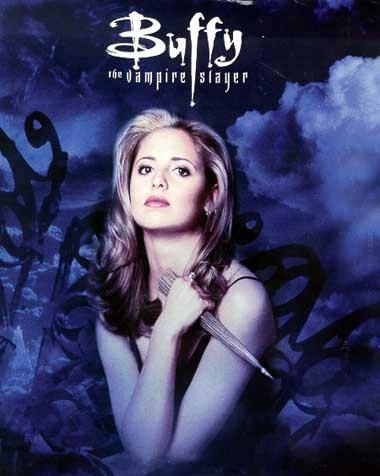
3. **Xander Harris from “Buffy the Vampire Slayer”**Xander Harris was presented as the everyman of the Scooby Gang, the relatable, wisecracking friend providing comic relief amid supernatural chaos. He wasn’t a slayer or a powerful witch, but he was always there, seemingly loyal and indispensable. However, peel back the layers of the “class clown” and you’ll find a deeply insecure individual who often projected his own inadequacies onto his friends.
His insecurities didn’t just affect him; they actively poisoned his relationships. Despite the Scoobies always seeing value in him, Xander “always seemed to find a way to blame them for his feelings of inadequacy.” This tendency to externalize his problems, rather than confronting them, made him a burden, turning their support into a source of his resentment. His loyalty, often touted as his greatest strength, was disturbingly questionable.
He notoriously “plays with Willow’s emotions when she has a crush on him,” exploiting her feelings for his ego rather than treating her with respect. Perhaps even more shockingly, he “cruelly leaves Anya at the altar because of his own self doubt,” devastating a woman he supposedly loved. He was “often critical of Buffy’s behavior, judging her for dealing with her problems poorly, rather than helping her.” This solidified Xander’s place as a character profoundly a jerk on the inside.
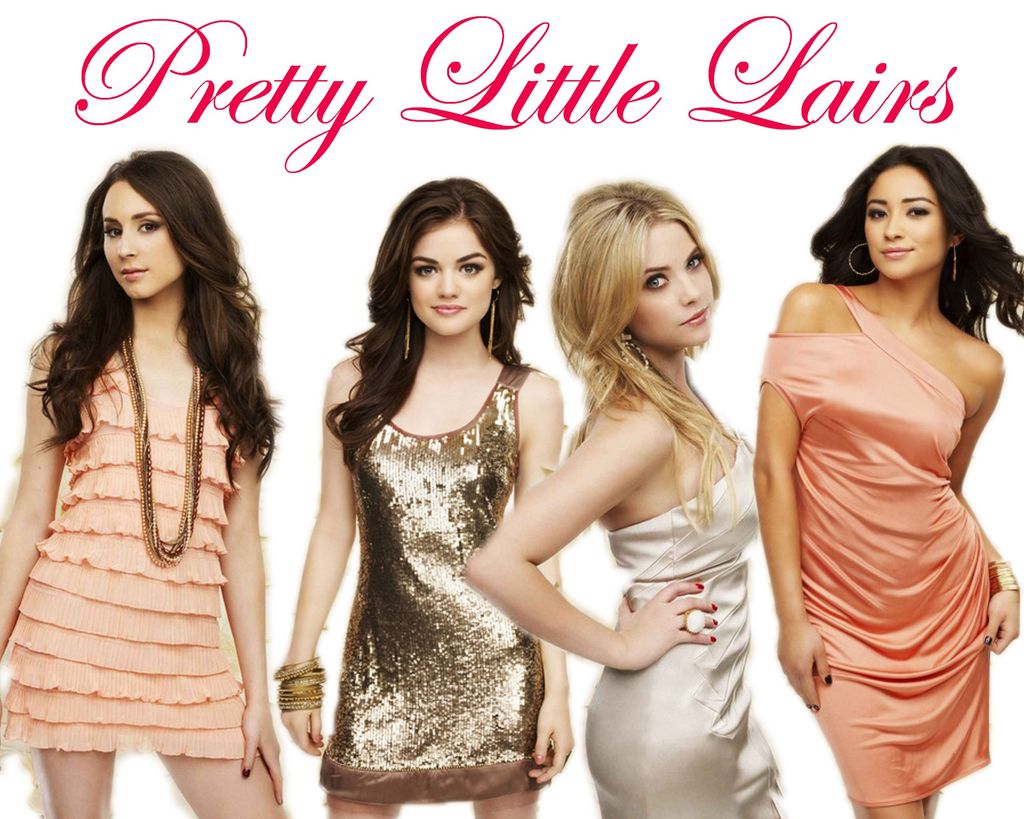
4. **Ezra Fitz from “Pretty Little Liars”**”Pretty Little Liars” built much of its dramatic tension around forbidden romances, and the relationship between Ezra Fitz and Aria Montgomery was often framed as the ultimate epic love story. He was the brooding English teacher, she the rebellious student. Many fans championed their bond, seeing past the obvious power imbalance. However, the context’s stark declaration – “The dude had an affair with a teenage student, need we say more?” – cuts straight to the heart of why Ezra Fitz was, in reality, a deeply problematic and creepy character.
The narrative often tried to soften the edges by noting “They didn’t know that they would be in a student/teacher dynamic when they first met, honest mistake.” This initial ignorance might grant a moment’s reprieve, but it quickly dissipates. Upon discovering he was her teacher, Aria, recognizing the inappropriateness, “tried to transfer out of his class.”
It was at this crucial juncture that Ezra’s true manipulative colors shone through. Far from respecting Aria’s attempt at ethics, “It was he who asked her to stay, then practically stalked her to get her attention.” This action utterly obliterates any claim to an “honest mistake,” redefining their dynamic as one where the adult in power actively pursued and entrapped a minor student. Ezra Fitz, regardless of how the show romanticized their illicit affair, was unequivocally “a creep.”
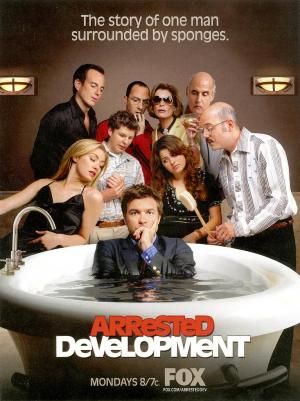
5. **Michael Bluth from “Arrested Development”**Michael Bluth was positioned as the long-suffering, sane center of the perpetually dysfunctional Bluth family in “Arrested Development.” He was the one trying to keep the family business afloat, the responsible father to George Michael, constantly criticizing his absurd relatives. Yet, the great irony is that “Michael criticizes his family for doing exactly what he himself does.” This fundamental hypocrisy made him not the hero he thought, but rather another deeply flawed and self-absorbed Bluth.
Michael harbored a profound sense of superiority, always believing “he’s better than everyone else and therefore knows what’s best for everyone.” This conviction often led him to meddle in others’ lives, convinced his interventions were for their own good, while overlooking his own glaring shortcomings. His desire for control and judgment of others were constant themes, highlighting his lack of self-awareness.
His role as a father, supposedly his anchor, was equally fraught. He was “not the best dad,” committing acts such as sleeping with a teacher George Michael had a crush on. He constantly judged his girlfriends, holding them to impossible standards, and frequently “neglects his son for work,” prioritizing ambitions over his child’s needs. He’d “complain about how terrible his family was to him growing up,” but “turn around and does the same things to his son.” “Having crappy parents doesn’t really give him an excuse for being a crappy parent himself.”
Read more about: You Won’t Believe These 12 Child Stars Still Dominate the Box Office Today

6. **Dawson Leery from “Dawson’s Creek”**Dawson Leery, the aspiring filmmaker, was often seen as sensitive, artistic, and deeply introspective. He frequently “prides himself on being overly self aware,” often waxing philosophical about life. However, this self-proclaimed introspection rarely translated into genuine understanding or empathy, revealing a character often profoundly “oblivious” to others’ feelings and consumed by his own desires.
His relationship with Joey Potter perfectly illustrates his self-centeredness. He “spent the first 15 years of his life ignoring Joey’s feelings for him,” taking her unwavering presence for granted. When he finally acknowledged his love, he immediately began to “treat her like property,” asserting a possessiveness that suffocated her independence. He then “tosses her away when he decides he wants to sow his wild oats,” abandoning her once his own fleeting desires took precedence.
Perhaps the most infamous display of Dawson’s immaturity came when Joey and Pacey fell in love. Instead of acknowledging their connection, Dawson, in an act of emotional blackmail, “makes her choose between the two of them, lording their lifelong friendship over her.” This manipulation, coupled with his judgmental attitude towards his parents and friends, and his tendency to “throw a tantrum whenever things don’t go his way,” solidified his status as a self-absorbed and often cruel individual.
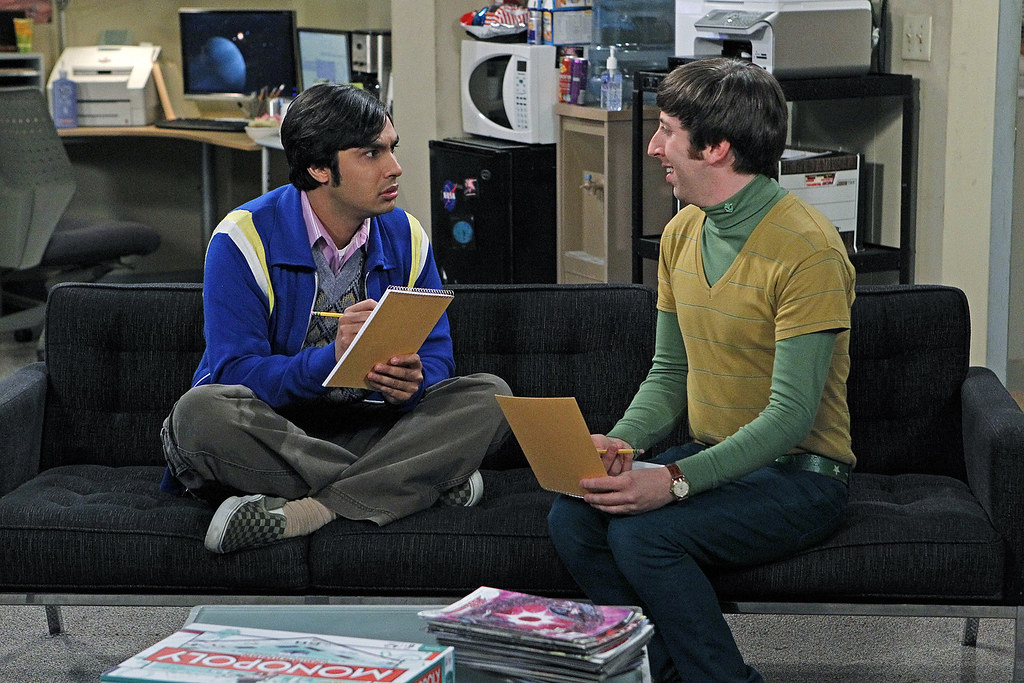
7. **Sheldon Cooper from “The Big Bang Theory”**Sheldon Cooper quickly became the breakout star of “The Big Bang Theory,” his eccentricities, genius-level intellect, and blatant social awkwardness providing much of the show’s humor. His lack of social graces was often excused as a byproduct of his extraordinary mind. Yet, a deeper, less charming truth about Sheldon emerged: he wasn’t just socially inept; he was a genuinely “narcissistic a$$hole” whose behavior extended far beyond simple misunderstandings.
While “he may have some sort of social development issue, and doesn’t pick up on cues well,” the context explicitly states “that doesn’t excuse his extreme narcissism.” This crucial distinction shifts the perception from quirky genius to a character whose self-absorption drove his often cruel actions. His brilliance became a weapon, used to diminish those around him rather than enlighten them, demonstrating a profound lack of respect.
Sheldon consistently showed a profound lack of empathy. He was “always putting down his friends,” belittling their intelligence and problems. For Sheldon, “doesn’t think anything that isn’t about him is important,” reducing their lives to background noise in his self-important world. He would “impose unrealistic rules on others that, of course, only apply when they benefit him.” Most notoriously, he “lies to all his friends about not having a driver’s license so they keep having to chauffeur him around everywhere,” a deliberate deception for convenience.
Okay, so we’ve already had a good look at some TV legends who turned out to be less-than-stellar humans, despite their charming exteriors. But don’t put away your critical lens just yet! We’re diving even deeper, unmasking seven more characters—from both the small and big screen—who had us all fooled. Prepare for more revelations about toxic behaviors, blatant hypocrisies, and moments of outright villainy that will make you rethink your favorite rewatches. Let’s get into it!
Read more about: Bob Newhart, Deadpan Comedy Legend Who Shaped Generations’ Humor, Dies at 94
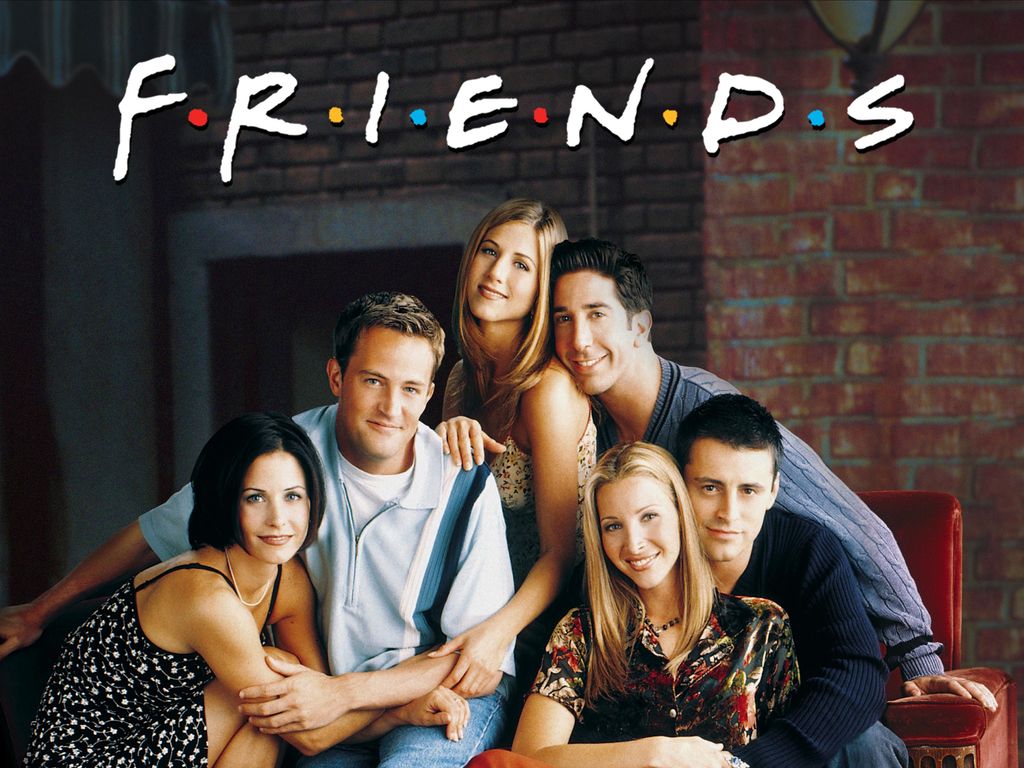
8. **Ross Geller from “Friends”**Ah, Ross Geller. For many, he was the lovable, nerdy paleontologist in “Friends,” the one with the quirky sense of humor and a heart full of yearning for Rachel. But if you peer beyond his academic charm and ‘will they/won’t they’ saga, you’ll find a character brimming with problematic traits that often made him everyone’s “least favorite friend.” He constantly needed to assert himself as “the smartest guy in the room,” often at the expense of others.
Ross consistently displayed an alarming level of possessiveness and jealousy, especially when it came to Rachel. He simply didn’t trust or respect her during their relationship, even belittling her job. Remember when he thought Mark was making moves on her? He didn’t just express concern; he actively started “marking his territory,” as if Rachel were an object to be claimed.
And let’s not forget the infamous “we were on a break” incident. While the debate rages on, his immediate action of sleeping with someone else, combined with his continued belief that Rachel belonged to him and no one else, even when they weren’t together, showcased a deep-seated insecurity and entitlement.
Beyond his relationship woes, Ross was often generally pretentious and, frankly, super annoying. His self-importance often overshadowed any genuine kindness, making him a character who, despite his good intentions (sometimes), was often a significant jerk.
Read more about: Hold Onto Your Latte: 10 TV Couples with Zero Chemistry That Fans Just Couldn’t Help But Ship Anyway!
9. **Eric Forman from “That ‘70s Show”**Eric Forman, the relatable, slightly awkward protagonist of “That ’70s Show,” was initially presented as the charming, everyday guy navigating adolescence in the disco decade. He was the anchor of his friend group, and his relationship with Donna was often central to the show’s heart. However, Eric’s seemingly innocent persona hid a deeply unsupportive and often selfish core that undermined his perceived niceness.
Despite the progressive era of the ’70s, Eric consistently failed to support Donna’s desires to be a modern, independent woman. He expected her to “give up her dreams and stay at home with their future children,” a particularly hypocritical stance considering he was “the one with no job, no dreams, and no discernible talents.” His lack of personal ambition often translated into resentment towards hers.
Eric’s insecurity was a major factor in his problematic behavior. He became easily “threatened by any other guy who ever looked her way,” even though he himself “had a tendency to stray.” This double standard was infuriating, especially when he would “break up with her multiple times for seemingly no reason,” leaving Donna heartbroken and confused.
The epitome of his selfishness came when he “left for Africa without even talking to her about it,” then casually “dumped her while away.” Upon his return, he had the audacity to expect them to “just get back together.” Eric Forman’s inability to communicate, his hypocrisy, and his emotional immaturity truly position him as a character who fooled us into thinking he was a good guy.
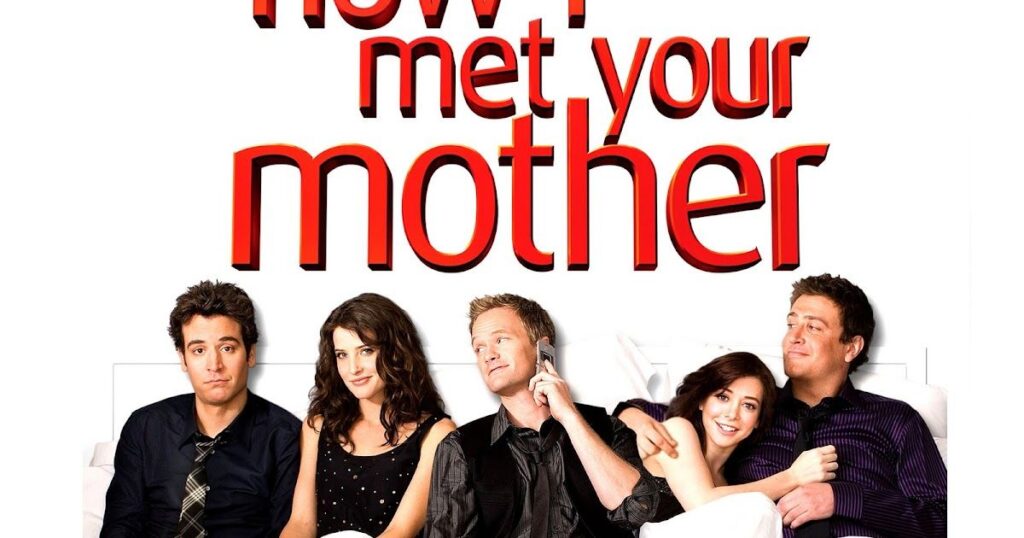
10. **Ted Mosby from “How I Met Your Mother”**Ted Mosby, the supposed bleeding-heart romantic at the center of “How I Met Your Mother,” spent nine seasons recounting his epic search for “the one.” He painted himself as a charming, thoughtful guy who just wanted true love. Yet, beneath this romanticized narrative lay a character who, despite his grand aspirations, often treated women “like crap” and was, as the context so aptly puts it, “the literal worst.”
His relentless pursuit of Robin is a prime example of his self-absorption. Even though she made it “clear from the beginning that they want different things,” Ted continued to chase her throughout the entire series. This wasn’t romantic persistence; it was a disregard for her autonomy and desires. His moral compass was equally skewed, as he notably “cheats on Victoria to hook up with Robin.”
Ted’s callousness extended to other women in his life. He infamously “dumps a woman on her birthday twice,” a move that speaks volumes about his insensitivity. He also wrongly “accuses Zoey of trying to destroy his dream of building a skyscraper,” conveniently forgetting that “Zoey was already trying to save the Arcadian when they met.” His self-serving interpretations of events painted him as a victim, never the antagonist.
Ultimately, Ted’s entire romantic quest was a series of selfish experiments. He essentially “uses women as test subjects to find ‘the one’,” and then unfairly “blames them for not meeting his ridiculous standards.” His self-proclaimed romanticism was, in reality, a deeply problematic and entitled approach to relationships, making him a character who, by the end, had revealed his true, unlikable colors.
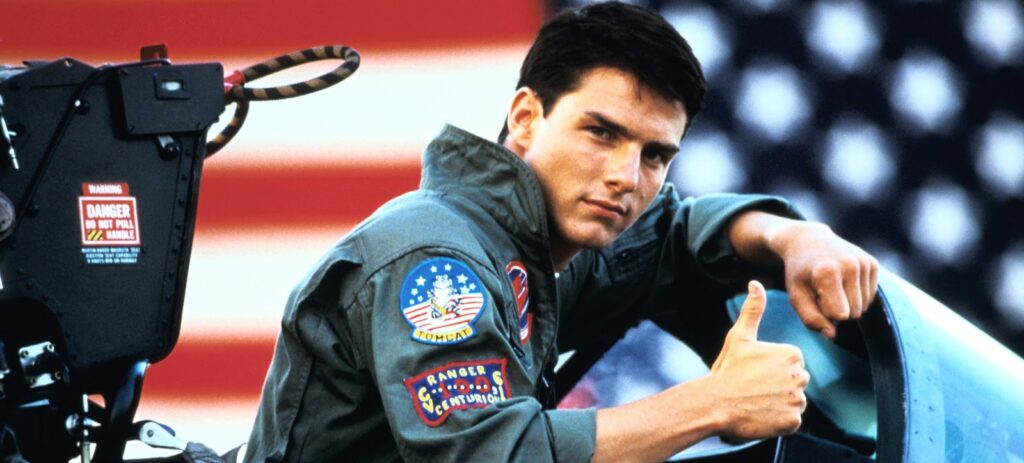
11. **Tom “Iceman” Kazanski from “Top Gun”**In the high-octane world of “Top Gun,” Tom “Iceman” Kazanski was Maverick’s primary rival, introduced as the cool, collected pilot contrasting with Maverick’s hotheadedness. Many saw him as a competitive foil, pushing Maverick to be better. However, a closer look, as the context boldly states, reveals Iceman as “absolutely an unrepentant murderer,” whose “smug and antagonistic” personality went far beyond simple rivalry.
From the get-go, Iceman was ridiculing Maverick’s attitude, piloting skills, and even his volleyball game, displaying an intense, personal animosity. But it was during a crucial training exercise that his pettiness proved truly lethal. Iceman not only “cuts off Maverick to acquire a target,” but in his frustration, he “angrily breaks off causing Maverick to fly through his jet wash.”
This reckless maneuver directly led to the engine flameout that tragically caused “the death of Mav’s radio intercept officer and best friend Goose.” The most infuriating part? Iceman “totally gets away with it!” Maverick is cleared, but “nobody even thinks to pin any responsibility on Iceman at all,” despite his clear culpability in the chain of events.
And if that wasn’t enough, he then had “the brass stones to question Maverick’s competency as a pilot to his CAG” right before a real mission. Even after Maverick saves him from a squadron of Mig28s, his response is not gratitude, but continued disdain. “Screw you Iceman. You’re the worst,” perfectly sums up this character who, despite his piloting prowess, was an inexcusable jerk.
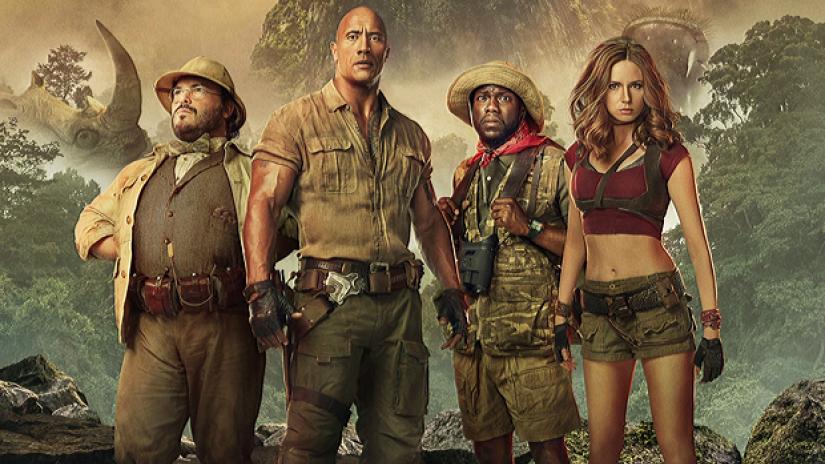
12. **Fridge from “Jumanji: Welcome to the Jungle”**Fridge, the high school football jock from “Jumanji: Welcome to the Jungle,” might seem like a typical, popular kid, but his actions, even before being transformed into Kevin Hart’s character in the video game, mark him as “a complete turd blossom.” His behavior consistently highlighted a profound lack of integrity and an alarming tendency to blame others for his own misdeeds.
He exploited his “estranged friendship with eager-to-please nerd Spencer” by getting him to do his homework. Once the work was in hand, he “ditches him as soon he has the work,” showing a complete disregard for their supposed bond. When caught cheating, Fridge didn’t take any responsibility; instead, he “angrily blames *Spencer* for getting him in trouble.”
His self-absorption only escalated once they were in Jumanji. Despite being in a life-or-death situation, Fridge’s bullying continued as he “not only berates Spencer and says they aren’t really friends, but then literally straight up murders him by pushing him off a cliff.” While Spencer had multiple lives, this ” move” demonstrated Fridge’s utter lack of empathy and respect.
Throughout the movie, Fridge “whines incessantly” and makes “one mistake after another.” When he finally does “one thing right” – defanging a snake using game-given skills – he can’t “shut up about it.” This brief high leads him to carelessly “drop the mcguffin needed to beat the game… off a helicopter… into a rhino stampede.” His subsequent complaint when Spencer throws him after it, costing him a life, perfectly encapsulates his selfish, unrepentant nature. The film gives him a pass, but Fridge is, without a doubt, a terrible person.
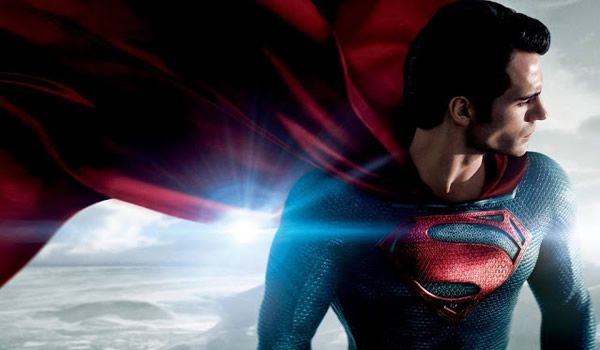
13. **Jonathan Kent from “Man of Steel”**Jonathan Kent, as portrayed in “Man of Steel,” aimed to be a protective, guiding father figure to young Clark. However, his methods and philosophy were so skewed that he fundamentally undermined the very essence of Superman’s character – his unwavering commitment to saving innocent lives. Instead of fostering heroism, Jonathan instilled fear and isolation, turning Clark into a character unrecognizable from his humanitarian roots.
His most shocking counsel came after young Clark saved a busload of children from drowning. Instead of pride, Jonathan “chastises him for risking exposure” and chillingly “suggests that *maybe he should have let them die*.” This moment redefined Jonathan not as a cautious parent, but as a proponent of sacrifice to preserve a secret, regardless of human cost.
The hurricane scene further cemented his problematic nature. When Clark could easily save his father, Jonathan “throws him a forbidding look and walks into the twister… to save a dog,” choosing a pointless, preventable death over allowing Clark to use his powers. His own demise became a perverse lesson for Clark: never use your powers publicly, even if it means letting others die.
Jonathan “pounds into his son that he must never use his powers in public,” driven by an irrational fear that humanity might “not like him.” This constant, fear-based indoctrination, rather than nurturing Clark’s innate kindness, pushed him towards a “grimdark” path, which, as the context humorously notes, “when it comes to Superman *you never go full grimdark*.” He was a sociopath, burdening his son with a twisted moral code.
14. **Severus Snape from “The Harry Potter series”**Severus Snape, the perpetually sneering Potions Master from the “Harry Potter” series, has been fiercely debated for years. Many fans have tried to paint him as a tragic, romantic hero, a redeemed figure whose love for Lily Potter excused his decades of cruelty. However, as the context boldly asserts, “If you’re of the opinion that Severus Snape was in any way at all a decent human being you might want to get out here.” He was, unequivocally, “a legitimately terrible person.”
Snape was the very definition of petty, refusing to “ever rise above his circumstances and learn how to get through life without sneering.” His deep-seated resentment manifested as active hatred towards an “eleven-year-old for having the temerity to be born to someone he didn’t like.” This isn’t just a character flaw; it’s an unforgivable malice directed at a child for reasons entirely outside of his control.
His own experiences with high school bullying didn’t teach him empathy; instead, he chose to replicate that pain. He relentlessly “bullying his students to the point where one of them sees *him* when a boggart approaches.” His teaching philosophy was equally cruel, demanding students “do things he has yet to teach them and then mocking them when they can’t.”
Now, for those defending his “tragically doomed love for Harry’s mom” – the context offers a brutal rebuttal. His “realization that you shouldn’t be associating yourself with murderous metaphors for white supremacy” came “only after they targeted your eight grade crush who you hurled a racial slur at when she friend-zoned you even though you’re such a ‘nice’ guy.” This isn’t heroism; it’s a delayed, self-serving awakening.
Snape’s redemption, if it can even be called that, involved putting “the absolute bare minimum of effort into it.” His motivations were rooted in possessive love, not genuine goodness. Ultimately, Severus Snape remains a “garbage human” whose dark past and bitter present made him one of the most effectively disguised jerks in literary history.
So there you have it – fourteen characters who masterfully tricked us all. From the seemingly noble leaders to the sensitive romantics and even the misunderstood anti-heroes, these individuals peeled back their initial layers to reveal deeply flawed, self-serving, and sometimes downright villainous personalities. It just goes to show you, sometimes the biggest jerks are hiding in plain sight, charming their way through our favorite stories. Maybe it’s time for a rewatch with a fresh, more critical eye? You might be surprised by what else you uncover!