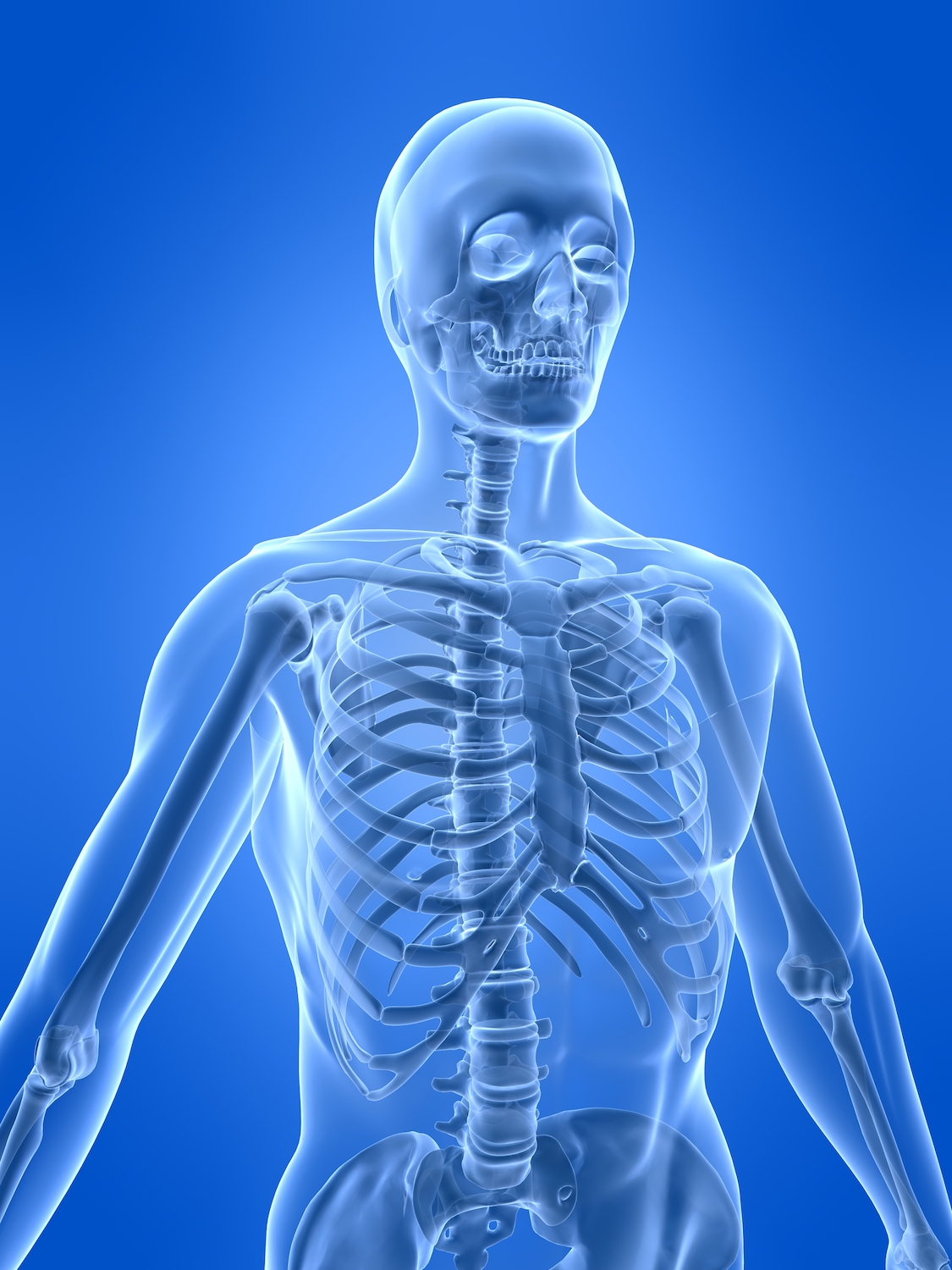
Ever wondered what truly goes on beneath your skin, holding you all together? Forget those spooky movie marathons; we’re about to dive deep into something far more incredible, and perhaps a little ‘bone-chilling’ in its sheer complexity: your very own skeleton! These aren’t just inert structures; they’re bustling hubs of activity, constantly working to keep you moving, thinking, and even breathing.
You might think you know bones – they’re just hard bits that break, right? Wrong! They are dynamic, living organs with an astonishing array of jobs, from protecting your most vital squishy bits to literally making your blood. Prepare to have your mind blown as we uncover some truly mind-boggling facts about these unsung heroes of your anatomy.
So, buckle up, non-anatomy fans! Get ready to discover the inner workings of your skeletal system with a fresh perspective. We’re breaking down the amazing world of bone, showing you exactly why these rigid organs are the unsung superstars of your body, and how they contribute to everything you do. Let’s get into it!
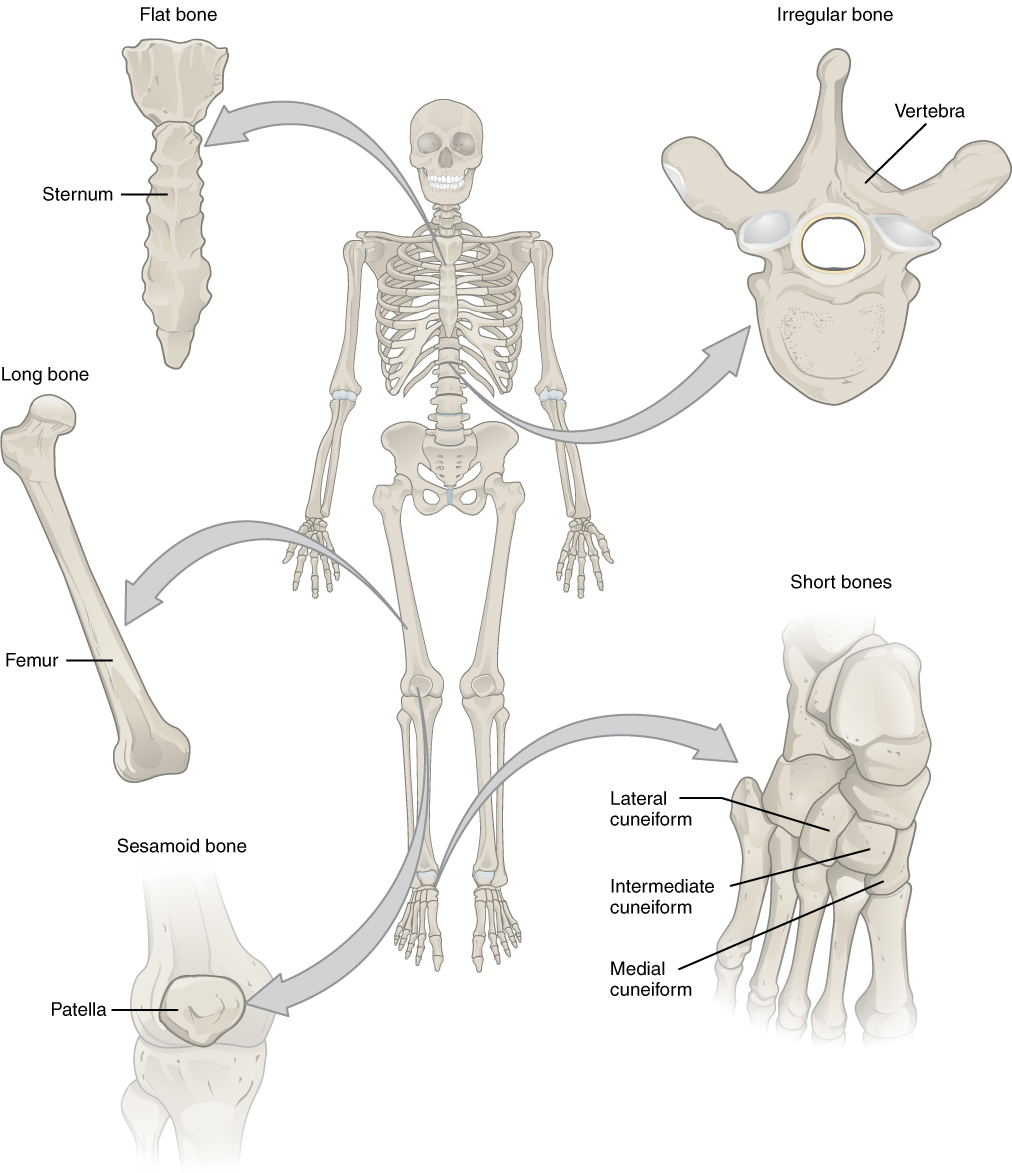
1. **The Five Main Types of Bones**Five distinct types of bones grace the human body, each with a unique shape and purpose, proving that not all bones are created equal. We’ve got long bones, short bones, flat bones, irregular bones, and sesamoid bones, forming a diverse team that supports, protects, and enables every movement you make. Classifying them by their appearance or form helps us understand their specialized roles within our incredible skeletal framework.
Long bones, like the femur in your thigh or the bones in your fingers and toes, are characterized by a shaft much longer than its width, with rounded ends. They’re primarily made of compact bone, offering strength and leverage, but also contain marrow within their central cavity. Fun fact: Even bones with slightly different shapes, like the clavicle, still fall into this ‘modified long bone’ category, flexing the definition a bit!
Then there are short bones, which are roughly cube-shaped, providing a fantastic balance of stability and support with limited motion. Think about the intricate bones in your wrist and ankle – they’re perfectly designed for precise movements in those crucial joints. These compact little powerhouses often have a thin layer of dense bone surrounding a spongy interior, making them robust yet adaptable.
Flat bones are, as their name suggests, thin and typically curved, acting like protective shields for vital organs. Most of your skull bones, which guard your precious brain, are flat bones, as is your sternum (breastbone). They feature two parallel layers of compact bone with a spongy layer sandwiched in between, offering both strength and a degree of flexibility.
Finally, we have the truly unique sesamoid and irregular bones. Sesamoid bones, like your kneecap (patella) or the tiny pisiform in your wrist, are embedded directly within tendons, increasing muscle leverage. Irregular bones, on the other hand, don’t fit neatly into any other category; with their complex and often intricate shapes, such as those found in your spine or pelvis, they are perfectly tailored for specialized roles, often due to containing bony sinuses or multiple ossification centers.
Read more about: Beyond the Showroom Shine: Unveiling 14 of the Most Dangerous Cars Ever Made
2. **The Mechanical Superpowers of Your Skeleton**Your bones are the unsung heroes providing an incredible array of mechanical functions, forming the very scaffolding that keeps your body upright and articulated. Together, they create the skeleton, a dynamic frame that doesn’t just hold you up but also serves as vital attachment points for muscles, tendons, ligaments, and joints. This intricate partnership allows us to generate and transfer forces, manipulating individual body parts or our entire physique in three-dimensional space – a fascinating field studied in biomechanics!
Beyond structural support, your bones are the ultimate bodyguards, shielding your most delicate internal organs from harm. Just think about your skull, a bony helmet meticulously designed to protect your brain, or your rib cage, an intricate shield safeguarding your heart and lungs. It’s truly amazing how these rigid structures are engineered for such critical protective roles, allowing you to move through life with a sense of security.
The strength of bone is truly remarkable, especially its resistance to pushing or compressional stress, boasting an impressive 170 MPa. While it’s less resilient to pulling (tensile) stress and rather poor at resisting shear stress, its overall design is optimized for resilience. What’s often overlooked is bone’s significant degree of elasticity, a quality largely thanks to its collagen content, preventing it from being purely brittle and allowing it to absorb impacts.
But wait, there’s more! Mechanically, bones even play a crucial and surprising role in your sense of hearing. Tucked away in your middle ear are the three tiniest bones in your body, collectively known as the ossicles. These minuscule marvels are perfectly positioned and shaped to transduce sound vibrations, turning them into signals your brain can interpret. It’s a testament to the skeletal system’s multifaceted genius, extending its mechanical prowess far beyond mere movement and protection.
3. **Your Body’s Own Blood Factory: Bone Marrow and Hematopoiesis**Deep within the cancellous, or spongy, parts of many of your bones lies a vital, bustling factory: the bone marrow. This incredible tissue is responsible for a process called hematopoiesis, which is essentially your body’s way of continuously producing all the different types of blood cells you need to survive. It’s like a perpetual motion machine, tirelessly working behind the scenes!
This amazing factory churns out red blood cells, which carry oxygen, as well as platelets, crucial for blood clotting, and all varieties of white blood cells, the mighty defenders of your immune system. It all starts with special progenitor cells, like hematopoietic stem cells, which divide through mitosis to create precursor cells. These precursors then embark on a fascinating journey of differentiation, eventually maturing into the specialized blood cells your body requires.
The sheer scale of this operation is utterly mind-boggling. Every single day, your bone marrow produces over 2.5 billion red blood cells and platelets, alongside an astonishing 50 to 100 billion granulocytes – a type of white blood cell. Once these cells are fully matured, they gracefully exit the bone marrow and enter your bloodstream, ready to perform their essential duties. Amazingly, bone marrow isn’t just a birth canal for new cells; it also serves as a crucial site where defective or aged red blood cells are recycled and destroyed.
4. **Beyond Support: Bones as Metabolic Powerhouses**Prepare to have your perception of bones utterly transformed, because these rigid structures are far more than just scaffolding – they’re metabolic powerhouses! One of their critical roles is mineral storage, acting as vast reserves of essential minerals like calcium and phosphorus, which are vital for countless bodily functions beyond just bone health. Your bones literally hold the keys to mineral balance.
But the magic doesn’t stop there. The mineralized bone matrix also cleverly stores important growth factors, such as insulin-like growth factors, transforming growth factor, and bone morphogenetic proteins, ready to be deployed when needed. And guess what? Your bone marrow also contains marrow adipose tissue (MAT), which serves as a significant storage reserve of fatty acids, showcasing another surprising metabolic function.
Bones are also unsung heroes in maintaining your body’s delicate internal environment, specifically in acid-base balance. They buffer your blood against excessive pH changes by expertly absorbing or releasing alkaline salts, working tirelessly to keep your system in perfect harmony. Plus, in a truly ‘chilling’ revelation, bone tissues can even store heavy metals and other foreign elements, removing them from your bloodstream and lessening their harmful effects on other tissues, before gradually releasing them for excretion.
And here’s where it gets really interesting: bones function as an endocrine organ! They actively control phosphate metabolism by releasing fibroblast growth factor 23 (FGF-23), which signals your kidneys to reduce phosphate reabsorption. This sophisticated communication highlights their active role in systemic regulation.
Additionally, bone cells release a hormone called osteocalcin, which plays a pivotal role in regulating blood sugar (glucose) and fat deposition. Osteocalcin isn’t just a bit player; it increases both insulin secretion and sensitivity, and even boosts the number of insulin-producing cells while helping to reduce fat stores. This intricate ballet of bone resorption by osteoclasts and bone formation by osteoblasts continuously releases and fixes calcium, making bones absolutely central to regulating your body’s calcium balance.
5. **The Dynamic Duo: Cortical and Cancellous Bone Tissue**Beyond their outward appearance, bones are an incredible mosaic of different tissues, primarily composed of a flexible matrix (about 30%) and strong, bound minerals (roughly 70%). This unique blend allows them to be remarkably hard and robust, yet surprisingly lightweight – a true marvel of biological engineering! This intricate structure is continuously being woven and remodeled by specialized bone cells, highlighting just how active these ‘rigid’ organs truly are, and how they contribute to our dynamic bodies.
Within this complex architecture, the tissue is broadly organized into two main patterns: cortical and cancellous bone, each presenting distinct appearances and characteristics perfectly suited for their specific roles. The matrix itself is mostly made of elastic collagen fibers, also known as ossein, which provides essential fracture resistance, while inorganic mineral salts, mainly calcium phosphate, form the bone mineral that gives bones their characteristic rigidity. It’s a perfect synergy of flexibility and strength.
First up is cortical bone, often called compact bone, which forms the tough, hard outer layer of almost all your bones. It’s incredibly dense, accounting for about 80% of an adult human skeleton’s total bone mass, and is what gives bones their smooth, white, and solid look. Cortical bone is a multi-tasking powerhouse: it supports your entire body, protects your internal organs, acts as levers for movement, and stores and releases vital chemical elements, especially calcium, all through an organized system of microscopic columns called osteons.
In contrast, we have cancellous bone, also known as spongy or trabecular bone, which forms the internal tissue. Picture an open, porous network, much like a biological foam, that’s less dense than cortical bone, making it weaker but significantly more flexible. This spongy structure also boasts a much higher surface-area-to-volume ratio, making it exceptionally well-suited for crucial metabolic activities, such as the efficient exchange of calcium ions right where they’re needed.
You’ll typically find cancellous bone strategically located at the ends of your long bones, near joints, and throughout the interior of your vertebrae. This tissue is highly vascularized, meaning it has a rich blood supply, and frequently houses red bone marrow, which, as we mentioned, is the site of hematopoiesis, or blood cell production. Its primary functional units are the trabeculae – tiny, rod- and plate-like elements that lighten the bone and provide space for blood vessels and marrow, perfectly aligned to distribute mechanical loads and ensure efficient physiological processes.
Ready to dive even deeper into the incredible world beneath your skin? We’ve already uncovered how your bones are far more than just rigid supports, serving as mechanical marvels, blood factories, and metabolic powerhouses. Now, let’s zoom in even closer and meet the tiny, tireless architects and demolishers that continuously sculpt and maintain your skeletal masterpiece, as well as explore what happens when these amazing systems face challenges.
Get ready to have your mind blown by the cellular superheroes and the fascinating processes that keep your bones strong and healthy, day in and day out!

6. **The Specialized Cells: Bone’s Unseen Architects**It might seem like your bones are just… there. But trust us, they’re bustling with activity, thanks to a dynamic team of specialized cells working around the clock! These unsung heroes are constantly creating, maintaining, and even — gasp! — breaking down bone tissue, ensuring your skeleton is always adapting and staying strong. It’s a true testament to the constant regeneration happening within you.
Let’s meet the first star players: osteoblasts. These mononucleate cells are the incredible bone-builders, diligently located on the surface of osteon seams. Their main gig? Synthesizing a protein mixture called osteoid, primarily made of Type I collagen. Think of this collagen as the flexible framework. Once the framework is laid, they then get to work mineralizing it, depositing calcium phosphate that hardens into actual bone! It’s like watching a biological construction crew in action.
But what happens when an osteoblast finishes its building spree? It gets trapped within the very bone it helped create, transforming into an osteocyte! These cells, of mesenchymal origin, reside in tiny spaces called lacunae within the mineralized matrix. Their many cellular processes reach out through microscopic channels called canaliculi, connecting with other osteocytes, osteoblasts, osteoclasts, and bone lining cells. This intricate network is crucial for communication, allowing them to sense mechanical stress and signal for bone remodeling. They’re like the wise elders, overseeing the bone’s health from within.
Then we have the demolition crew: osteoclasts. These are seriously cool, very large multinucleate cells responsible for breaking down bone in a process called bone resorption. Picture them as giant vacuum cleaners, clearing away old or damaged bone tissue! Derived from monocyte stem-cell lineage, they’re equipped with phagocytic-like mechanisms, much like your body’s circulating macrophages. You’ll find them on bone surfaces in little scooped-out areas called Howship’s lacunae, which are literally the pits created by their work. Their activity also plays a critical role in maintaining your body’s delicate calcium balance, releasing stored calcium into your bloodstream when needed.

7. **The Making and Remaking of Bone: Ossification and Remodeling**Your bones aren’t static structures; they’re constantly evolving, from the moment you’re a tiny fetus to your golden years! This amazing transformation, known as ossification, is how bone actually forms. During fetal development, this happens in two main ways, showing just how clever nature is at building our internal scaffolding.
First up is intramembranous ossification, where bone develops directly from connective tissue, not cartilage. This is how many of your flat bones, like those in your skull, jaw, and collarbones, come to be. It’s a precise process involving the development of an ossification center, calcification, the formation of trabeculae (those spongy networks), and finally, the development of the periosteum, the protective outer layer of bone. It’s fascinating how bone can just emerge where connective tissue once was!
Then there’s endochondral ossification, the process responsible for forming most of your body’s bones, especially your long bones. This method starts with a cartilage model, which then gradually transforms into bone. Think of it as a cartilage blueprint that gets replaced by solid bone! It involves several stages, including the growth of the cartilage model, the development of primary and secondary ossification centers, and the eventual formation of articular cartilage and epiphyseal plates, which are your growth plates. These processes continue right up until skeletal maturity, around 18-25 years of age, when all that cartilage is finally replaced by bone, fusing everything together.
But the story doesn’t end after development. Your bones are in a perpetual state of flux through a process called remodeling. About 10% of your adult skeletal mass is remodeled *every single year*! This ongoing turnover involves osteoclasts resorbing old bone and osteoblasts replacing it with new, strong tissue, all without changing the bone’s overall shape much. The purpose? To regulate calcium homeostasis, repair tiny micro-damages from everyday stress, and even to shape your skeleton as you grow. It’s truly incredible how your body constantly self-repairs and renews!
This intricate dance of creation and destruction is meticulously controlled by a symphony of chemical enzymes and signals. Calcitonin and osteoprotegerin, for example, put the brakes on osteoclast activity, slowing down bone breakdown. On the flip side, hormones like growth hormone, thyroid hormone, and hormones stimulate osteoblasts to increase bone mass. But it’s not always about building up; signals from vitamin D, parathyroid hormone, and even osteocytes can prompt osteoblasts to release compounds like RANK-ligand and interleukin 6, which in turn boost osteoclast activity. It’s a complex, balanced system designed to keep your bones perfectly tuned!
8. **When Bones Go Wrong: Fractures and Their Causes**Our bones are incredibly strong, but even superheroes have their weak spots. When a significant force is applied, or if there’s repetitive trauma over time, you can end up with a fracture – basically, a break in the bone. But sometimes, fractures can happen even without a huge impact, especially when a bone is already weakened by conditions like osteoporosis, Paget’s disease, or even the growth of cancer. It just shows how vital bone health truly is!
You’ve probably heard of common fractures like a broken wrist or a hip fracture, which are often linked to osteoporosis, especially in older adults. Vertebral fractures, on the other hand, can be the result of high-energy trauma or even cancer. And then there are fractures of the long bones, which can range from simple breaks to complex injuries. It’s important to remember that not all fractures immediately scream ‘pain’ – sometimes they can be subtle, but still serious.
Some fractures can lead to really serious complications, depending on their type and location. Imagine a flail chest, where multiple ribs are broken and separate from the chest wall, or compartment syndromes where swelling cuts off blood flow to muscles. And then there are compound fractures, where the bone actually pierces through the skin – definitely not for the faint of heart! Thankfully, advancements like bone grafting procedures can replace missing bone portions, helping to heal even complex breaks.
So, how do doctors figure out what’s going on inside? Imaging is key! X-rays are usually the first step, giving a quick peek at the damage. But for more detailed views, especially with complex breaks or suspected underlying issues, CT scans and MRIs come into play. Fractures are then described by their location and shape, with various classification systems used to categorize them. For kids, a common type to look out for is a Salter–Harris fracture, which involves the growth plate.
Once a fracture is diagnosed, the priority is pain relief, of course! Then, the fractured area is typically immobilized, often with a cast or splint, to give the bone the best chance to heal properly. In some cases, surgical measures, like internal fixation with plates, screws, or rods, might be needed to stabilize the bone. And don’t forget the importance of rehabilitation afterwards – getting those muscles and joints moving again is crucial for a full recovery. It’s a whole journey back to full strength!
9. **Unwelcome Guests: Bone Tumors and Cancer**Just like any other tissue in your body, bones can sometimes develop unwelcome growths, from benign (non-cancerous) tumors to more serious cancers. It’s a stark reminder that every part of us is a living, breathing, and sometimes, unpredictable, system. Thankfully, many bone tumors are not cancerous, but understanding the difference is key.
Some examples of benign bone tumors are osteoma, osteoid osteoma, osteochondroma, osteoblastoma, enchondroma, giant-cell tumor of bone, and aneurysmal bone cyst. While these aren’t cancerous, they can still cause pain or other issues depending on their size and location. They might require monitoring or treatment, but they don’t spread to other parts of the body, which is a big relief.
However, cancer can also arise in bone tissue. These are called “primary” bone cancers, and thankfully, they are quite rare. Far more common are “secondary” cancers, which are cancers that start elsewhere in the body and then spread, or “metastasize,” to the bones. Think about breast cancer, lung cancer, prostate cancer, thyroid cancer, and kidney cancer – these are common culprits for bone metastases. These secondary cancers can either destroy bone, leading to “lytic” lesions, or paradoxically, cause new bone to form, resulting in “sclerotic” lesions.
It’s not just the bone tissue itself that can be affected; cancers of the bone marrow inside the bone, such as leukemia and multiple myeloma, can also wreak havoc on bone tissue. And in a truly “bone-chilling” twist, cancers in other parts of the body can even release substances like parathyroid hormone or related peptides, which trick your body into increasing bone reabsorption, further weakening bones and making them prone to fractures. This can lead to distorted, weakened bones, spinal cord compression, destruction of marrow (causing bruising, bleeding, immunosuppression), and significant bone pain.
When it comes to managing bone cancers, the approach is highly individualized, depending on the type of cancer, its stage, prognosis, and the symptoms it’s causing. Primary bone cancers are often treated with radiotherapy, while cancers of the bone marrow might involve chemotherapy. Newer targeted therapies, like immunotherapy, are also becoming important tools in the fight. For those facing a difficult prognosis, palliative care, which focuses on maximizing a person’s quality of life, plays an absolutely vital role.

10. **Preserving Our Inner Strength: Osteoporosis and Lifelong Bone Health**While we’ve explored the incredible strength and resilience of our bones, they’re not invincible. One of the most common and silent threats to bone health, especially as we age, is osteoporosis. This condition causes bones to become weak and brittle, making them much more susceptible to fractures from even minor falls or stresses. It’s why taking care of your bones throughout your life is absolutely non-negotiable!
When a doctor suspects an issue with bone, a thorough history and exam are just the start. They often turn to imaging techniques like X-rays to get an initial look, or more advanced scans like CTs and MRIs for a detailed view. Sometimes, specialized bone scans are even used to investigate conditions like cancer. For more complex cases, blood tests for autoimmune markers or even synovial fluid aspirates (from joints) might be taken to pinpoint the problem.
The volume of your bone, and ultimately its strength, is a delicate balance between bone formation and bone resorption. This balance can be locally altered by various growth factors, many of which are produced by bone cells themselves! We’re talking about substances like insulin-like growth factors (I and II), transforming growth factor-beta, fibroblast growth factor, platelet-derived growth factor, and bone morphogenetic proteins. These factors are stored within the bone matrix and, when released, can stimulate the proliferation of osteoblast precursors, essentially boosting bone building. It’s like a secret internal repair kit!
This brings us to the ultimate secret weapon for strong bones: a commitment to lifelong bone health, starting young! Regular exercise during childhood and adolescence is profoundly important. Think about resistance training, or high-impact sports like soccer, basketball, and tennis – these activities don’t just build muscle, they actually stimulate bone growth, improving bone architecture, density, and strength. Studies show a clear positive correlation between such activities and better bone mineral density and content in teenagers. By laying this groundwork early, we can significantly reduce the risk of bone-related conditions, including osteoporosis, later in life. So, get moving, and give your bones the love they deserve!
It’s truly incredible to think about the complex, dynamic world thriving within each of us. From the tireless cells that build and remodel, to the intricate processes of development, and the strategies to keep them healthy against all odds, our bones are constant marvels. They’re not just the framework of our existence; they’re a testament to the biological genius that keeps us standing tall, moving freely, and living life to the fullest. So, the next time you hear a ‘bone-chilling’ tale, remember the real, fascinating story happening inside you – it’s an epic saga of strength, renewal, and astounding biological wonder!