The world of rock and roll recently dimmed a little with the passing of Viv Prince, the legendary drummer of the 1960s British band The Pretty Things. Known for an incendiary drumming style and an off-stage persona that pushed the boundaries of excess, Prince was a true original, a “high priest of lunacy” whose brief but unforgettable tenure in rock history left an indelible mark. His death at the age of 84 at his home near Faro, Portugal, brought a wave of tributes, reminding us of the profound impact this eccentric visionary had on music and culture.
Viv Prince embodied the untamed spirit of early rock, carving out a reputation not just as a musician, but as a force of nature. His wildness was so legendary that even in an era of rock-and-roll rebels, he stood out as the “maniac among maniacs.” This article journeys through the tumultuous and fascinating life of the man who redefined what it meant to be a rock drummer, influencing countless others, including the incomparable Keith Moon, and cementing his status as a foundational figure in the sound that would become known as proto-punk.
As we delve into the life and times of Viv Prince, we uncover the stories, the music, and the sheer audacity that made him one of rock’s most talked-about figures. From his early days to his explosive stint with The Pretty Things and beyond, Prince’s journey is a vivid testament to a time when rock and roll was truly dangerous, unpredictable, and thrillingly alive.
1. **The Sad News and Enduring Tributes**News of Viv Prince’s passing, at 84, from his home near Faro, Portugal, reached the world through social media, with Jack White, the former frontman of The White Stripes, sharing the solemn announcement. White, a musician known for his deep respect for rock’s pioneers, shared words that perfectly encapsulated Prince’s spirit and legacy, lamenting the loss of a true original. The specific date or cause of his death was not immediately disclosed, adding to the mystique that always surrounded Prince.
Jack White’s tribute was particularly poignant, describing Prince as “an incredible drummer, wild and full of abandon.” He further elaborated, calling him “an inspired and eccentric rock and roller,” a sentiment echoed by many who knew or admired Prince’s work. White, who had the unique opportunity to meet Prince years ago while the drummer was working on his farm in Portugal, expressed a genuine admiration, even suggesting the intriguing possibility of working on a documentary about this remarkable man one day.
This sentiment from a contemporary rock icon underscores the lasting influence Prince wielded. His death serves not just as an obituary, but as a powerful reminder of a formative era in music, prompting reflection on the foundational figures whose fearless experimentation paved the way for future generations of artists. His passing closes a chapter, but his legend continues to inspire and resonate within the rock community.
Read more about: The Unsafe Hall of Fame: Unmasking 14 Cars with the Highest Fatal Accident Rates
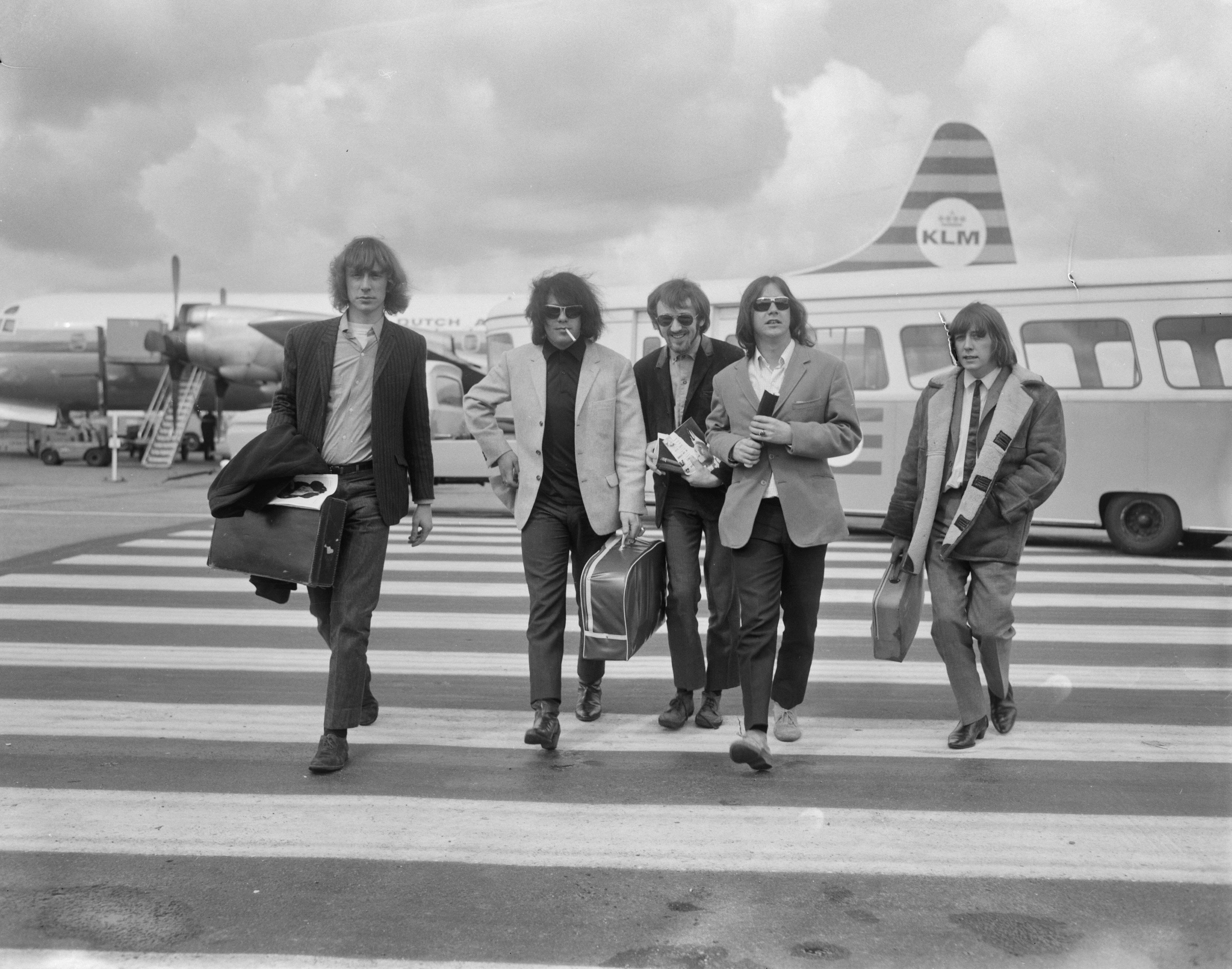
2. **Rock’s Original Madman**Viv Prince’s reputation as “Rock’s Original Madman” was not merely a label; it was a testament to his innate ability to infuse every aspect of his life, both on and off stage, with an unbridled, chaotic energy. During his pivotal 18-month run with The Pretty Things, Prince was universally recognized as “the high priest of lunacy.” His performances were a spectacle of raw power and unpredictable showmanship, earning him the moniker of one of music’s reigning Visigoths.
Indeed, in a band already known for its ferocious outfit and incessant partying, Prince stood out as “the maniac among maniacs.” The Pretty Things were a group that scandalized buttoned-up British society with their earthy music and impudent behavior, often seen as a ruder, cruder version of The Rolling Stones. Yet, even within this context of debauchery and rebellion, Prince managed to set a new standard for rock extremity, cementing his place as an undeniable force of nature.
His unhinged persona wasn’t just for show; it was an integral part of his artistic expression. He reveled in the chaos, and this dedication to pushing boundaries made him a captivating, if often challenging, figure. His legend grew precisely because he was so unapologetically himself, a wild and abandoned spirit who lived and played by his own rules, leaving audiences and bandmates alike mesmerized and often bewildered.
Read more about: Hollywood Muscle: 15 Strongest Stars on the Big Screen
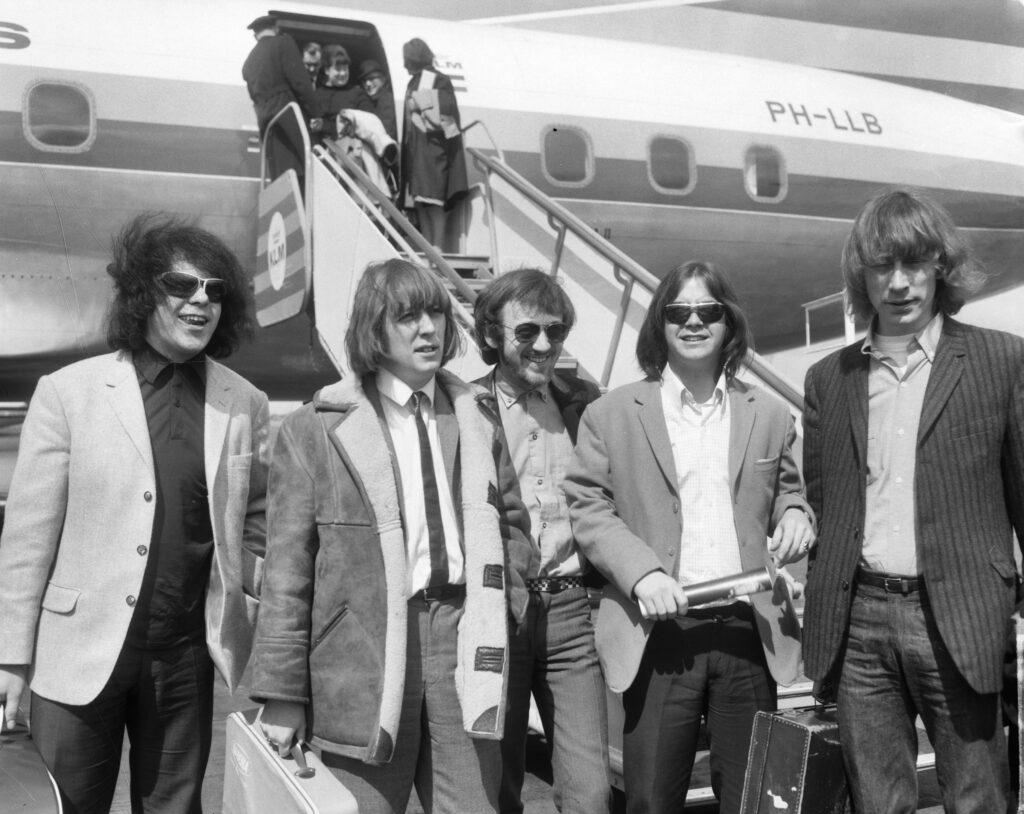
3. **The Pretty Things Era: A Whirlwind Debut**Prince’s entry into The Pretty Things in 1964 marked the beginning of a truly transformative period for the band and, indeed, for British rock. Though his tenure was remarkably brief, lasting only 18 months until his departure towards the end of 1965, this was a whirlwind debut that etched his name into rock history. He became an integral part of their “first iconic lineup,” bringing a dynamic energy that instantly propelled the group into the media spotlight.
During this intense period, Prince contributed his unique drumming style to two seminal albums for the counter-cultural rock group: their self-titled debut, “The Pretty Things,” and “Get the Picture?”, both released in 1965. These records captured the raw, aggressive sound that would define the band, a sound that was heavily influenced by Prince’s fiery and unpredictable rhythms. His presence was not just heard but felt throughout these recordings.
It was Prince’s unruly antics, however, that often garnered more media coverage than the band’s music itself. His stage behavior, characterized by brazen pranks and a general disregard for convention, became a focal point for journalists and fans alike. This constant stream of headline-grabbing misbehavior ensured that The Pretty Things, with Prince at the helm, were never out of the public eye, even as it set the stage for future conflicts.
Read more about: The Real Scarlett Johansson: Your Ultimate Glimpse Into Her Unpolished Daily Snaps & Superstar Life
4. **A Proto-Punk Pioneer**Before the term “punk” existed, Viv Prince and The Pretty Things were laying down the groundwork for its raw, aggressive ethos. The band’s brand of blues rock, intensified by Prince’s unhinged performances and powerful drumming, was often described as “proto-punk.” This was music that eschewed the polish of some of their contemporaries, opting instead for a visceral, unrefined energy that directly communicated a sense of rebellion and urgent vitality.
Their sound was a deliberate contrast to the prevailing trends, presenting a “ruder, cruder version of the Rolling Stones,” a band that itself was already pushing societal boundaries. The Pretty Things, with Prince’s untamed spirit driving their rhythm section, embraced an edginess that anticipated the rawness of future punk movements. They weren’t just playing rock and roll; they were living it, and their performances reflected an authentic, unvarnished intensity.
Prince’s contribution to this proto-punk sound was significant. His drumming was not merely rhythmic accompaniment; it was a central element of the band’s identity, providing the explosive backbone for their aggressive sound. He helped define an attitude of irreverence and a musical approach that favored immediate impact over intricate refinement, establishing a blueprint that many subsequent generations of rock musicians would unconsciously follow.
Read more about: How Many of Music’s Greatest Years Did You Actually Vibe Through? Let’s Find Out!
5. **Mentoring the Moon**One of Viv Prince’s most profound and widely acknowledged legacies is his direct and undeniable influence on Keith Moon, the legendary drummer of The Who. Accounts from those who witnessed it confirm that a young Keith Moon was a regular at The Pretty Things’ shows, meticulously studying Prince’s distinctive and charismatic drumming style. Moon, who would later go on to define rock extremity with his gale-force solos and hurricane-level smashing of hotel rooms, found his early inspiration in Prince’s explosive fills and wild stage presence.
Phil May, The Pretty Things’ lead singer, vividly recalled Moon being “mesmerized” by Prince. May’s observations highlight the revolutionary impact Prince had on the very concept of a rock drummer: “Before that, playing drums was quite sedentary,” May said. “Boring. And through Viv, you’d suddenly realized that you could be a drummer, but also an extrovert. You could be a star.” This shift, from a background musician to a flamboyant showman, was directly attributable to Prince’s pioneering example.
Adding a layer of personal connection to this mentorship, it was Viv Prince himself who reportedly coined the iconic nickname “Moon the Loon” for Keith. This small anecdote underscores not only their mutual acquaintance but also the deep, almost fraternal bond formed through their shared approach to drumming and life. Prince not only inspired Moon’s technique but also validated his theatrical, over-the-top persona, setting the stage for one of rock’s most iconic figures.
Read more about: Quincy Jones, the Master Orchestrator Whose Boundless Influence Reshaped Global Music and Entertainment, Dies at 91
6. **The Antics That Defined Him: Onstage Mayhem**Viv Prince’s reputation was built as much on his outrageous onstage antics as on his drumming prowess. These brazen pranks and spontaneous acts of rebellion became a signature part of The Pretty Things’ live performances, captivating audiences and confounding authorities. He viewed the stage not just as a platform for music, but as a canvas for chaos, ensuring that every gig was an unforgettable, unpredictable experience.
One particularly memorable incident involved Prince sabotaging a performance by teen idol Eden Kane. While Kane was performing, Prince took it upon himself to begin laying carpet onstage, a surreal act that he later confirmed, stating, “Everyone was digging it.” Despite other sensational claims, such as lighting fires onstage during a “scorched-earth tour” of New Zealand in 1965, Prince denied those specific allegations, though he did admit to a general pattern of mischief and misbehavior.
Another notorious story involved Prince allegedly releasing live crayfish in an airport lounge. With characteristic wit and defiance, Prince addressed the news accounts by denying the crayfish were alive, stating, “The fish were dead when we bought them. They always are. How on earth can dead fish run around?” These tales, whether fully true or embellished by the passage of time, paint a vivid picture of a drummer who was “often inebriated or high on amphetamines,” prone to leaving his drum stool to roam the stage and generally “cause havoc wherever he went.
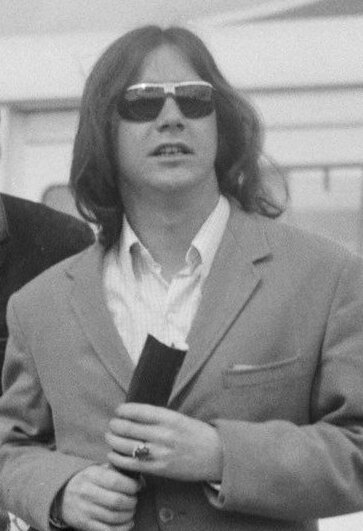
7. **The Notorious Offstage Persona**Viv Prince’s reputation for chaos wasn’t confined to the stage; it spilled over into his everyday life, cementing his image as “one of the great debauched people of our time,” a sentiment even Ron Wood of the Rolling Stones echoed. His wild behavior became such a defining characteristic that it often overshadowed the band’s musical prowess, making him as much a headline-grabber for his antics as for his drumming. This untethered personality, while initially captivating, would eventually prove to be his undoing with The Pretty Things, signaling a larger pattern of self-destructive tendencies that pushed even his rebellious bandmates to their limits.
Indeed, Prince’s proclivity for mischief was deeply ingrained, often fueled by being “often inebriated or high on amphetamines.” These habits led to a pattern of unreliability and an inability to conform to conventional expectations. He seemed to exist in a perpetual state of rebellion, viewing social norms and professional obligations as mere suggestions to be disregarded or, better yet, actively subverted. His life off the stage was a continuous performance of defiance, always pushing boundaries and daring anyone to challenge his chaotic lifestyle.
This consistent lack of discipline caused significant headaches for The Pretty Things. Phil May, the group’s lead singer, recalled how they were initially “sort of novice lunatics,” but Prince was like “the high priest of lunacy” handed to them. His extreme behavior was a stark contrast even to their own brand of rebellion, and it began to severely compromise their ability to function as a professional touring and recording act. The band’s efforts to maintain some semblance of order were constantly undermined by Prince’s persistent unpredictability.
Perhaps one of the most revealing incidents that showcased his offstage temperament, and the one that ultimately sealed his fate with the band, occurred at The Twisted Wheel in Manchester. Prince famously refused to play a gig because a pub across the street had denied him service. The irony, as Mr. Unterberger noted, was that Prince had apparently “smashed up the place the previous night” with some friends. This flagrant disregard for consequences and commitment underscored how his chaotic lifestyle had become incompatible with the demands of a touring band. It was a moment of stark realization for the other members that his genius came with an unmanageable price.
Read more about: Lucine Amara, 99, Dies; Soprano Stalwart at the Met Who Championed Rights and Artistry for Over Four Decades

8. **Early Life and Musical Roots**Before his tumultuous but influential tenure with The Pretty Things, Viv Prince began his musical journey in a very different realm, far from the raucous blues-rock he would become known for. Born Vivian Martin Prince on August 9, 1941, in Loughborough, Leicestershire, England, his exposure to music came early, through his father, Harry Prince, who led a local jazz band. This familial connection to music clearly set the stage for young Viv’s future, immersing him in rhythm and performance from a young age.
Initially, Prince picked up the guitar, but soon found his true calling behind the drum kit. His early schooling at Loughborough Grammar School even saw him forming his own group, the Viv Prince Skiffle Group. Skiffle, a lively blend of American folk, blues, and jazz, was a major craze among British youth in the 1950s, a movement that even captivated a teenage John Lennon. This early immersion in popular, genre-blending music hinted at his future innovative and boundary-pushing spirit.
Prince’s path continued through various musical fads of the era. He embraced the New Orleans-style revival known as trad jazz, joining Lennie Baldwin’s Dauphin Street Six in 1961, which led to tours in Denmark and his first recordings in 1962. After a brief stint with the Jazz Cardinals in Germany, he returned to London, establishing himself as a sought-after session musician. His skills contributed to numerous pop records, showcasing his versatility and growing professional reputation within the vibrant British music scene.
His professional experience deepened significantly when he joined Carter-Lewis and the Southerners in June 1963. This Everly Brothers-inflected group proved to be a significant stepping stone, not only for Prince but also for rock history, as he played alongside a young Jimmy Page, who would later become the legendary guitarist for Led Zeppelin. During this period, Prince also became notably, and perhaps infamously, the first British rock musician to face a drug-related charge in court, further cementing his early rebellious image even before The Pretty Things.
Read more about: Lady Gaga’s Most Intimate Revelation: Motherhood, Michael, and Their Future Family Journey
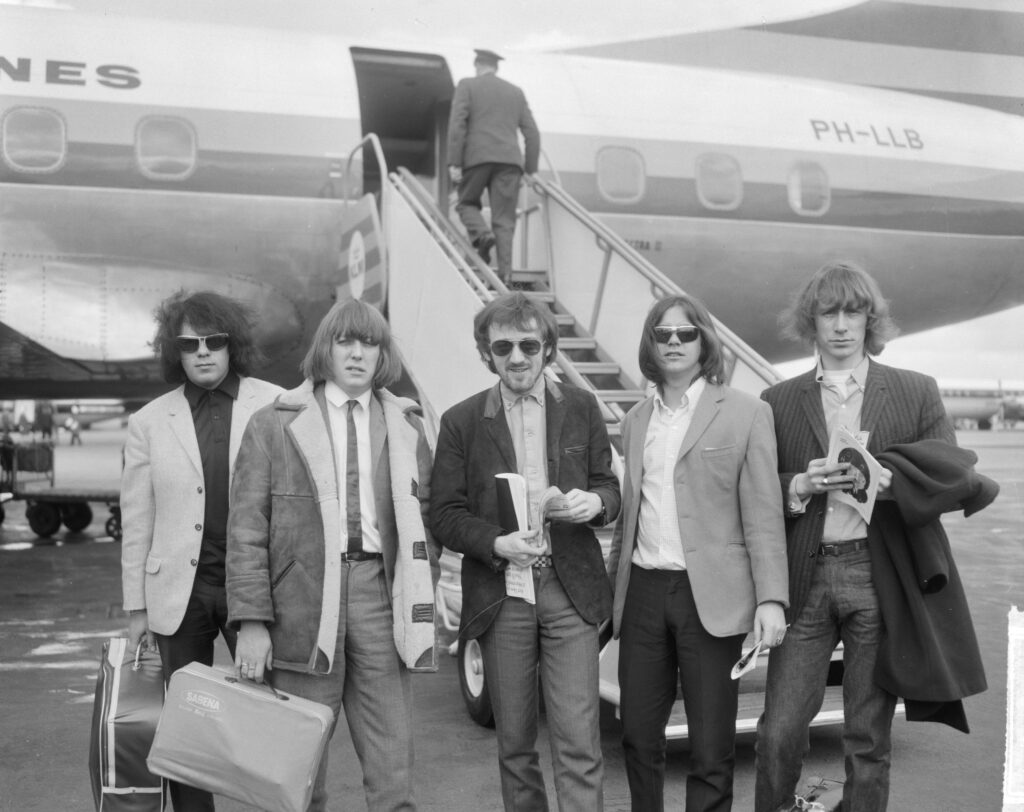
9. **Chart Success and British Invasion Potential**Despite their reputation for wildness and Prince’s notorious antics, The Pretty Things, with Viv Prince driving their rhythm section, achieved surprising commercial success on the British charts during his brief but impactful tenure. This period saw them transcend their status as a mere cult act, demonstrating a genuine capacity for mainstream appeal even while maintaining their raw and unpolished edge. Their records captured the attention of a wide audience, proving that their particular brand of “proto-punk” had a significant place in the burgeoning British music scene.
The band notched a string of successful singles, showcasing their ability to craft compelling, aggressive blues-rock that resonated with listeners. “Rosalyn” landed at No. 41 in June 1964, setting the stage for greater triumphs. This was quickly followed by “Don’t Bring Me Down,” which soared into the Top 10, reaching an impressive No. 10 that October. These early hits cemented their position as a significant force in British rock, standing as a clear contrast to their more scandalous headlines.
Their momentum continued into 1965 with “Honey, I Need,” which peaked at No. 13 the following March. Crucially, their self-titled debut album, “The Pretty Things,” released in 1965, climbed to a respectable No. 6 on the British album charts. This commercial performance was a testament to the band’s musicality and the compelling energy they brought to their recordings, with Prince’s distinctive drumming an undeniable factor in their appeal. The success was notable enough that David Bowie later covered both “Rosalyn” and “Don’t Bring Me Down” on his 1973 album “Pin Ups,” underscoring the enduring quality and influence of these tracks.
The band’s chart success, combined with their raw appeal, positioned them perfectly to join the “British Invasion” that was sweeping the United States. They were “well placed to join the British Invasion, and perhaps to become much bigger stars.” However, a critical missed opportunity arose: The Pretty Things “never managed to tour the United States at their mid-1960s peak.” This absence from the American stage likely prevented them from achieving the global stardom that many of their contemporaries enjoyed, leaving their full potential unrealized on an international scale.
Read more about: The Name Graveyard: 10 Once-Defining ’50s Moments That Have Totally Died Out
10. **The Inevitable Departure**The explosive energy and unpredictable nature that made Viv Prince a rock icon ultimately became the very reasons for his premature departure from The Pretty Things. While his presence initially brought a captivating dynamic to the band and garnered significant media attention, his “untethered personality” proved to be an increasing liability. The balance between his wild antics and the band’s professional obligations became utterly unsustainable, culminating in a series of dramatic incidents that made his exit inevitable, a bittersweet end to a powerful, albeit brief, collaboration.
The growing unreliability was a major factor in the band’s decision. Prince frequently missed recording sessions, forcing the group to enlist substitute drummers such as Bobby Graham, Mitch Mitchell, and Twink, to ensure their albums could be completed. This operational disruption, born from his frequent intoxication or drug use, showcased a pattern of behavior that was becoming severely detrimental to the group’s stability and progress. Phil May, the band’s lead singer, succinctly put it, explaining that without Prince, “We couldn’t finish a concert,” highlighting the profound impact his absences had.
His notorious “scorched-earth tour” of New Zealand in 1965, though he denied setting fires, resulted in “a large amount of bad publicity” and culminated in an altercation with the crew that saw him “thrown off the plane that was taking the band home.” He then had to make his own way back to England, an event that vividly illustrated the extent of the mayhem he caused and the strain it put on the entire touring operation. This tour served as a stark precursor to the final breach, signaling that a major change was imminent.
The final straw, widely documented, occurred at The Twisted Wheel in Manchester. Prince, having caused “mayhem with The Kinks” the night before in an attached hotel, refused to play the gig because the pub across the road wouldn’t serve him. Dick Taylor, The Pretty Things’ guitarist and founder, recounted the moment in 2021, stating, “What he hadn’t twigged was that it was attached to the hotel he’d been in the night before… In the end Phil said: ‘You’d better just go home.’ He was a wonderful drummer, but…” This particular incident, coupled with his general pattern of “bad behaviour” and escalating unreliability, led to his being sacked in mid-November 1965, ending a turbulent yet historically significant 18-month period.
Read more about: Cosmic Enigmas: 10 Celestial ‘Stars’ Who Vanished from Their Spotlight—What Drove Their Dramatic Departure?
11. **Life Beyond The Pretty Things**Following his tumultuous departure from The Pretty Things, Viv Prince’s life took on a diverse and often unexpected trajectory, far removed from the consistent spotlight of a major rock band. While he continued to engage with music in various capacities, his career path after 1965 reflected a restless spirit and an unwillingness to settle into a conventional existence. His post-Pretty Things years were a mosaic of brief musical stints, entrepreneurial ventures, and continued brushes with notoriety.
Initially, Prince remained active in the music scene, albeit in a more transient capacity. He briefly filled in for an ailing Keith Moon on tour with The Who, a testament to his drumming prowess, though it’s reported he “quickly wore out his welcome, even in that context.” He also played with groups like the Bunch of Fives and the Denny Laine String Band, and deputized on drums for the Honeycombs and Hawkwind. He even recorded with artists such as Chris Barber, Twink, and McGough & McGear, the latter session notably involving Jimi Hendrix. He was also considered for the Jeff Beck Group, showcasing his continued demand as a session musician.
Beyond performing, Prince explored other avenues. For some time, he ran the Knuckles club in Soho, London, a venue he famously claimed served as the first rehearsal base for Jimi Hendrix in England. He even asserted that he suggested musicians to complete the lineup of the Jimi Hendrix Experience, adding another layer to his already rich rock-and-roll mythology. These claims, whether fully verifiable, illustrate his continued proximity to and influence within the vibrant London music scene of the late 1960s, despite his departure from a major band.
Later in life, Prince made a significant shift, leaving the music industry decades ago. He eventually settled in Portugal, living for many years on a farm with a citrus grove near Faro. Even during this seemingly quieter phase, his rebellious spirit resurfaced in anecdotal form. A persistent rumor suggested he joined the Hells Angels Motorcycle Club, only to be “ejected for misbehaviour” because, as he reportedly claimed, he was “too much of a handful” even for a notorious biker gang. This final flourish of defiance perfectly encapsulates the enduring, untamable character of Viv Prince.
Read more about: Get Ready to Rewatch! 8 R-Rated Sci-Fi Movies That Are Just Plain Awesome
12. **A Lasting Legacy and Tributes**Viv Prince’s career, though marked by brevity and controversy, left an undeniable and lasting legacy on the landscape of rock and roll. His influence extended far beyond his 18-month stint with The Pretty Things, shaping the performance style of subsequent drumming legends and defining a proto-punk attitude that resonated for decades. He wasn’t just a drummer; he was a cultural force, an embodiment of rock’s wild, unpredictable, and thrillingly alive spirit that continues to inspire.
The most tangible testament to his impact is undoubtedly his mentorship of Keith Moon. As Phil May observed, Prince transformed the role of the drummer from a “sedentary” background figure into an “extrovert,” a “star.” This radical redefinition of the drummer’s role, demonstrated nightly through Prince’s explosive fills and wild stage presence, directly paved the way for Moon’s iconic showmanship with The Who, illustrating a clear lineage of rock drumming innovation that began with Viv Prince.
His contributions to The Pretty Things’ early sound also earned him a permanent place in rock history. The band’s aggressive blues-rock, fueled by Prince’s unhinged rhythms, is now recognized as a precursor to punk rock, influencing future generations of musicians who sought raw energy over refinement. David Bowie’s decision to cover Pretty Things songs decades later further underscores their enduring musical quality and Prince’s foundational role in that distinctive sound, cementing his place in the annals of influential rock music.
Even years after his departure, Prince remained an unforgettable figure to his former bandmates. In 1999, The Pretty Things recorded a song specifically as a tribute to him, titled “Vivian Prince,” which was included on their album “Rage Before Beauty.” This heartfelt homage, along with the recent tributes from contemporary artists like Jack White, who described him as “an incredible drummer, wild and full of abandon” and “an inspired and eccentric rock and roller,” solidify his status. White’s expression of interest in a documentary further cements Prince’s enduring fascination and ensures that his wild, influential story continues to captivate new generations, preserving the memory of rock’s original madman drummer.
Read more about: Lady Gaga’s Most Intimate Revelation: Motherhood, Michael, and Their Future Family Journey
From the moment he stepped behind the drum kit with The Pretty Things to his later life on a tranquil Portuguese farm, Viv Prince lived a life as uncontained and unpredictable as his drumming. He was a force of nature, a true original who defied categorization and pushed every boundary, both musical and personal. His story is a vibrant, chaotic chapter in rock and roll history, a reminder that true artistry sometimes demands a touch of madness. Viv Prince may be gone, but the reverberations of his wild spirit will echo through rock and roll for generations to come, an enduring anthem to freedom, rebellion, and the sheer, exhilarating joy of living life on your own terms.