Formula 1 is a relentless proving ground for automotive innovation, a high-stakes arena where the quest for milliseconds drives monumental leaps in engineering. From its inception, the sport has served as a crucible, transforming theoretical concepts into tangible speed. The F1 car’s evolution chronicles human ingenuity, from rudimentary mechanical marvels to today’s complex hybrid machines.
This journey encompasses a holistic transformation of vehicle design and performance, driven by pioneering engineers and audacious drivers. Their insatiable desire to conquer physics culminates in spectacular machines thrilling millions globally. To truly appreciate modern F1, one must understand the foundational steps and revolutionary shifts defining its technological lineage.
We delve into F1 car development, exploring key technological breakthroughs. Tracing the path from early designs to the digital age, we dissect engineering brilliance and strategic decisions that continuously redefined what was possible, laying groundwork for today’s cutting-edge vehicles.
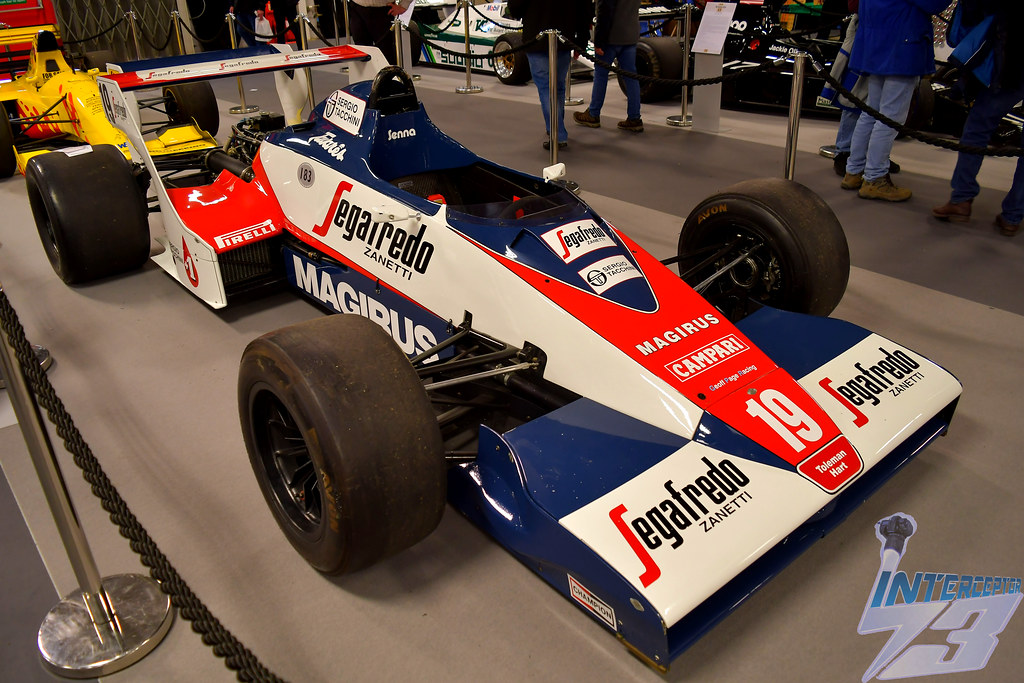
1. **The Early Days (1950s-1960s): Rudimentary Foundations and First Regulations**The genesis of Formula 1 racing, kicking off in 1950, saw machines that, by today’s standards, were surprisingly simple, yet fiercely potent. These early Grand Prix cars were highly-tuned versions of standard road vehicles, powered by large-displacement, naturally aspirated engines. The FIA standardized racing rules in 1946, setting the stage for modern F1. The first official F1 race occurred in Pau, 1950, with the first world championship held a month later at Silverstone.
These pioneering vehicles lacked sophisticated aerodynamic enhancements. Drivers like Juan Manuel Fangio, a five-time champion, and Stirling Moss, frequently faced significant challenges navigating tricky circuits. Their incredible skill allowed them to master these rudimentary machines, pushing limits despite design limitations and lacking modern safety features. These early cars laid groundwork for future advancements, proving high-speed, open-wheel racing’s concept.
A significant turning point arrived in 1958 with F1’s first major racing regulations, dictating track size reduction and Avgas fuel. Crucially, 1958 also saw a groundbreaking design: the first winning car with its engine placed behind the racer’s seat, a Cooper driven by Stirling Moss, fundamentally altering car design. Further efforts in 1961 reduced speeds by requiring 1.5-liter, non-supercharged engines, though this was reversed by 1966 allowing 3-liter engines. The 1960s ushered in the “Lotus Era,” where the British Lotus F1 team revolutionized construction, replacing the spaceframe chassis with a lighter, more rigid aluminum sheet monocoque. This upgrade helped Jim Clark secure two world titles, underscoring structural innovation’s immediate impact.
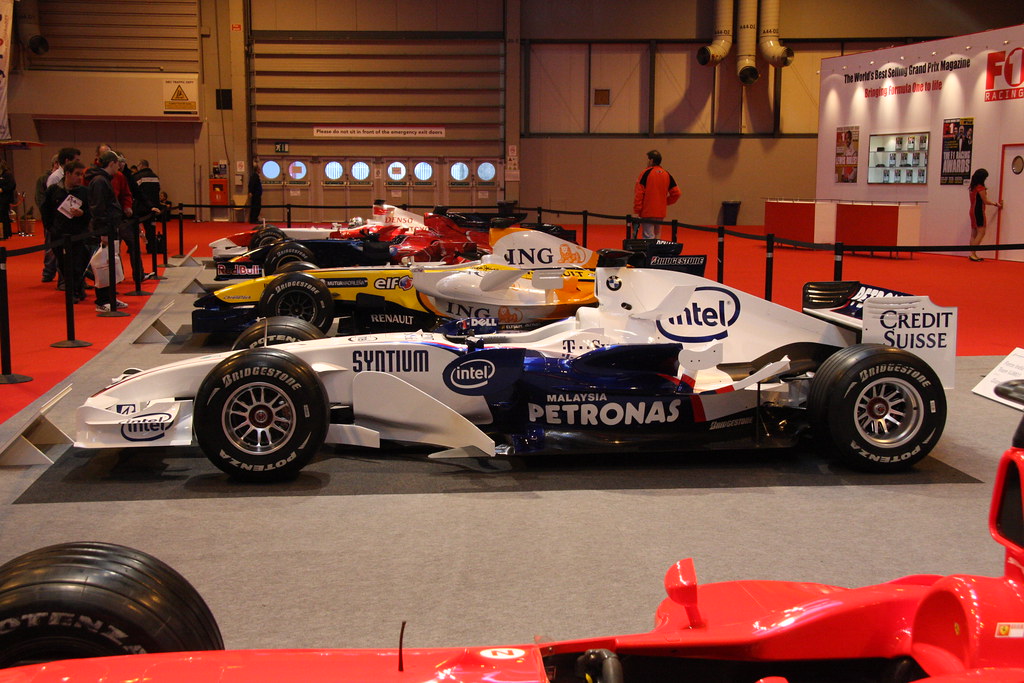
2. **The Dawn of Aerodynamics (Late 1960s): Wings Take Flight**While early days focused on power and integrity, the late 1960s marked a profound shift with the introduction of aerodynamic elements. Inspired by Jim Hall’s Can-Am Chaparral cars, wings, or “aerofoils,” began appearing on F1 vehicles. This was a fundamental re-evaluation of how a car interacted with air, directly influencing its performance.
The primary purpose of these wings was to generate downforce. Manipulating airflow pushed the vehicle down onto the track, increasing traction and stability, especially when cornering at high speeds. Better grip meant drivers could push cars harder, resulting in faster lap times and more controlled driving.
This aerodynamic innovation had such a transformative impact it signaled the end of the dominant “Lotus Era,” primarily defined by chassis improvements. Once cars achieved significantly faster speeds with greater stability from downforce, the playing field was irrevocably altered. Any competitive team had to embrace and develop these aerodynamic principles, cementing aerodynamics as a critical F1 discipline and setting the stage for decades of complex designs.
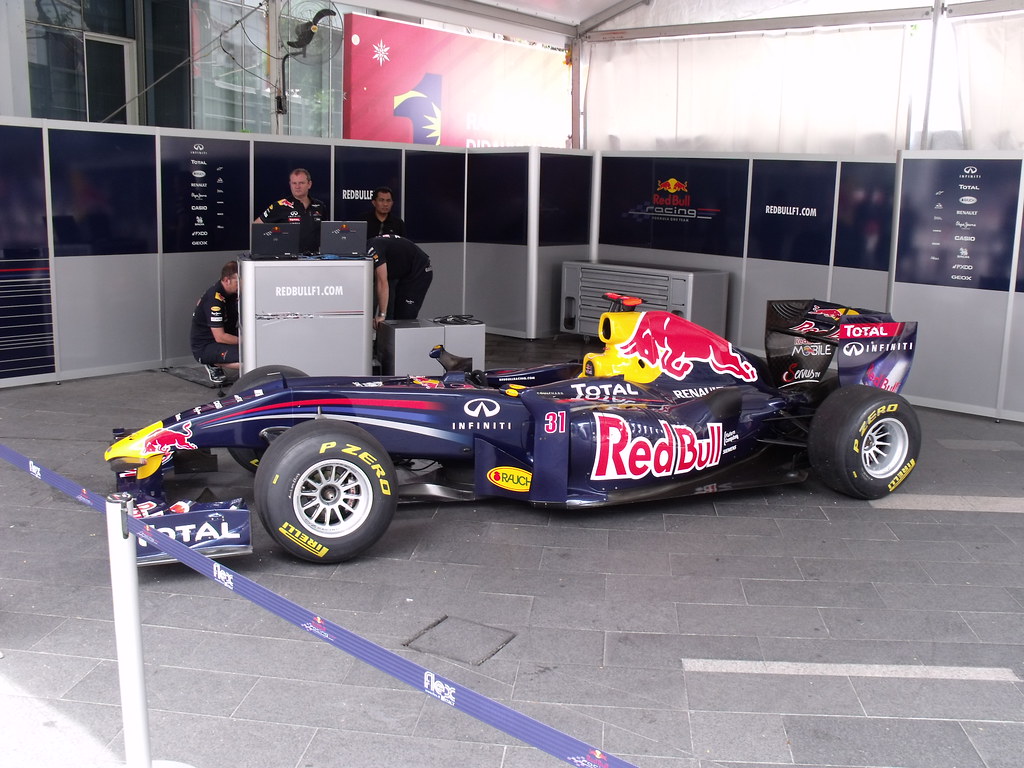
3. **The 1970s: Safety Revolution and Ground Effect Genesis**The 1970s witnessed a dual evolution in Formula 1: a critical focus on driver safety and a radical leap in aerodynamic theory. Previous decades highlighted dangers, prompting a shift towards protecting drivers. Carbon fibre monocoques, a revolutionary structural innovation, offered superior crash protection by preserving structural integrity, creating a safer survival cell.
Driver attire also improved significantly. Fire-resistant suits became a vital bulwark against blazes during mishaps. Helmet designs advanced, heightening cranial defense and enhancing visibility. These were decisive strides in fortifying the sport’s overall safety standards, recognizing that speed could not come at the absolute expense of human life.
Technologically, the “start of aerodynamics” intensified, particularly with Lotus’s re-emergence through a distinctive “nose shovel” and established wings. Ferrari also made its mark in 1975 with their flat-12 powered 312T. A transformative innovation was the mid-1970s introduction of airboxes and nascent “ground effects,” where the car created a vacuum underneath, sucking it closer to the track. This generated immense downforce, enhancing grip and cornering speeds, a principle engineers relentlessly optimized through Venturi tunnels and sleek bodywork. However, increased risks eventually led to its 1982 ban.
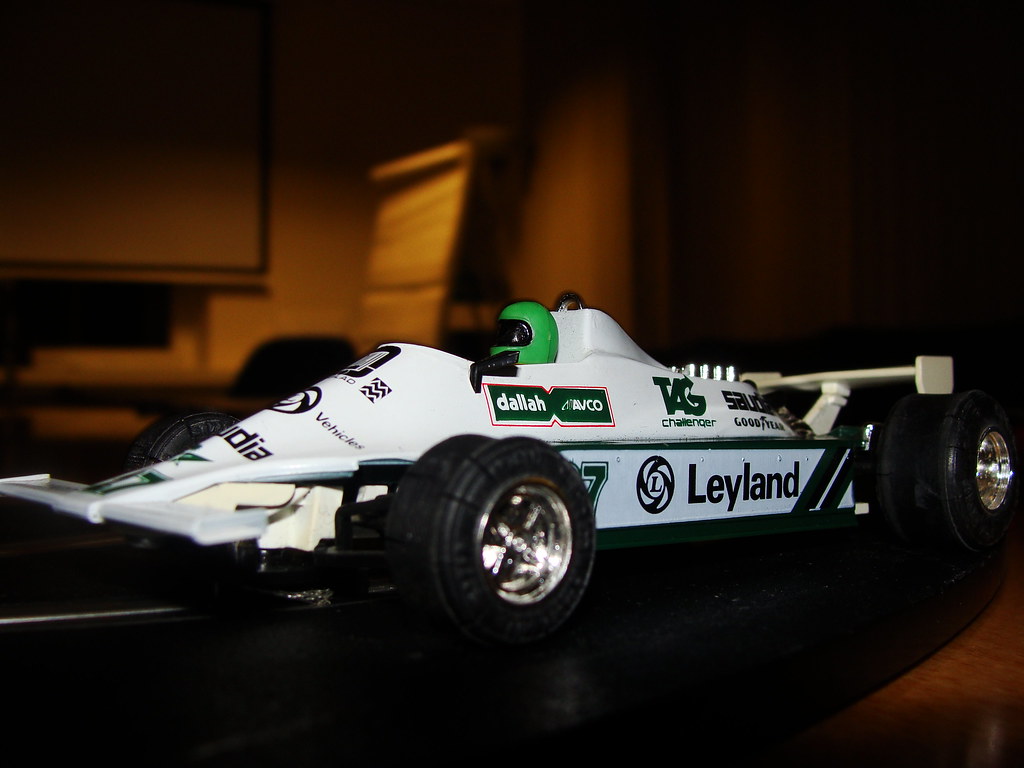
4. **The 1980s: The Turbocharged Power Surge**The roaring 1980s ushered in a new era of raw power for Formula 1, predominantly characterized by the ascendancy of turbocharging technology. This fundamentally altered engine performance, paving the way for colossal surges in output. Turbochargers forced voluminous air into the combustion chamber, enhancing fuel combustion and producing monumental power for breathtaking speeds.
Renault pioneered this, creating the first turbocharged F1 car, the RS01, driven by Jean-Pierre Jabouille. They tackled “turbo lag,” minimizing the delay in acceleration response. By 1983, turbocharged engines decisively took the lead, with Nelson Piquet winning the world championship in a BMW-powered car.
McLaren introduced the TAG-Porsche engine, and their MP4/2 car, equipped with this turbo engine, won 12 of 16 races in 1984. However, the extraordinary, often unpredictable power surges brought inherent challenges and safety concerns. Turbochargers were ultimately banned in the late 1980s due to these unpredictable power deliveries and escalating speeds, leading to a return to naturally aspirated 3.5-liter engines.
Read more about: The Unforgettable Classics: 13 Legendary Cars Car Enthusiasts Deeply Regret Letting Go Of, and Their Skyrocketing Values Today
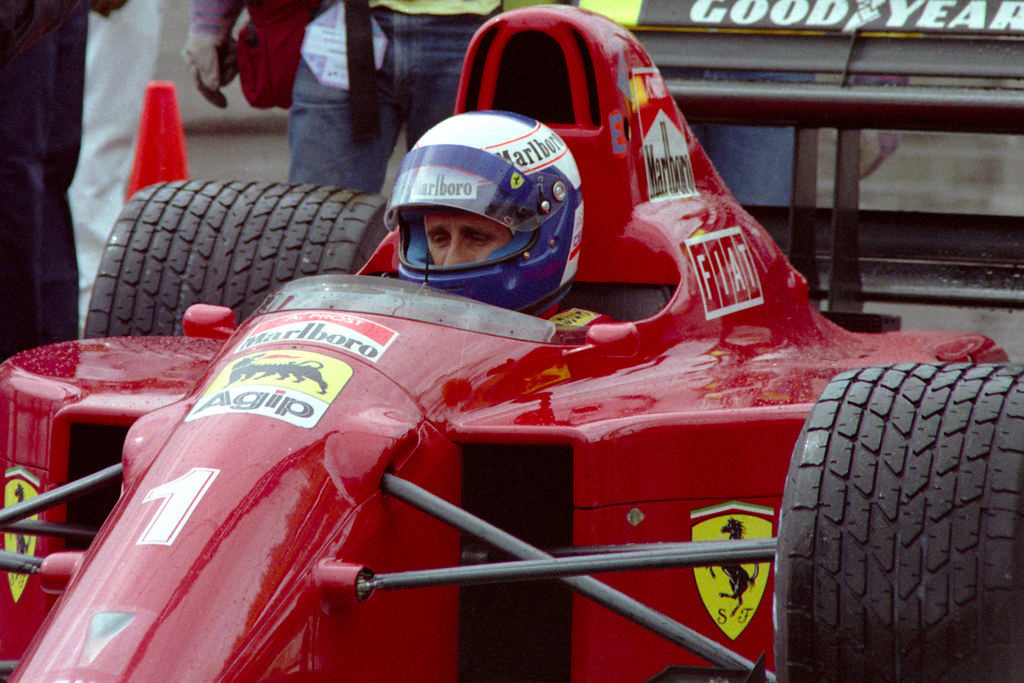
5. **The 1990s: Entering the Digital Age with Electronic Innovations**With the 1990s, Formula 1 thundered into an epoch defined by pervasive electronics and advanced computing. This digital age fundamentally altered how cars were driven and teams managed performance. A landmark innovation was the first semi-automatic gearbox, synergistically combined with traction control, debuting in the iconic Williams FW14.
The semi-automatic gearbox allowed drivers to swap gears at lightning speed with impeccable accuracy, drastically trimming human error and bolstering performance. Traction control systems prevented wheel spins during acceleration, enhancing stability and control. This allowed drivers to extract consistent performance, reducing costly mistakes.
Telemetry proved revolutionary, unlocking real-time data acquisition from the car to the pit lane. Engineers monitored every parameter—engine performance, tire temperatures, suspension loads—conferring unparalleled strategic advantage. However, proliferation of electronic aids sparked debate about driver skill versus tech advantage. The FIA banned active suspension and other automatic adjustments, aiming to return more control to the driver, though this caused challenges for designers and drivers alike.
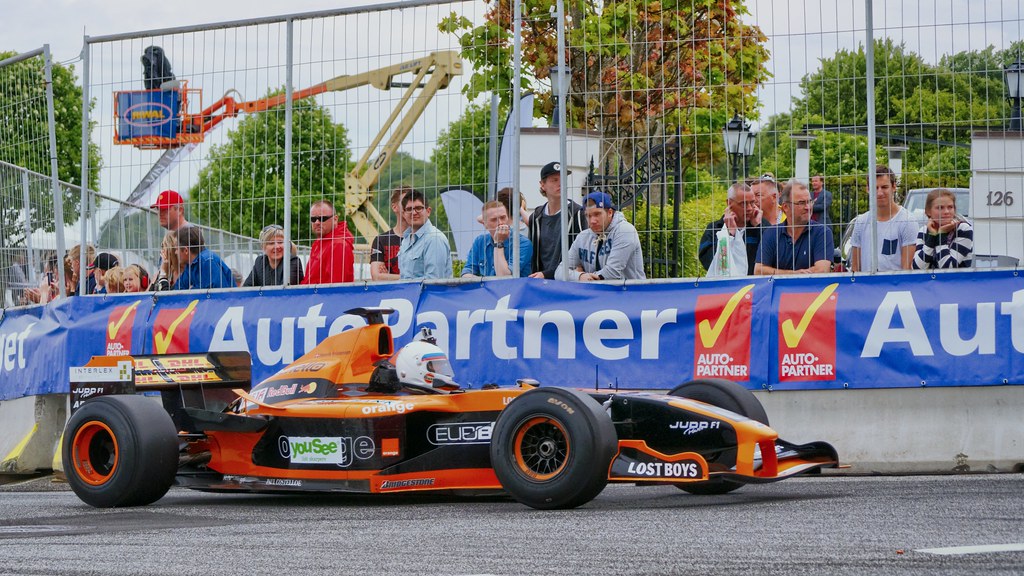
6. **The 2000s: Aerodynamic Mastery and the Green Awakening**The turn of the new millennium brought with it an intensified focus on aerodynamic ingenuity within Formula 1, paired with an emerging consciousness regarding environmental impact. As engineers relentlessly chased every fractional advantage on the track, the cars became canvases for ever more intricate air-management solutions. This period was characterized by a meticulous refinement of surfaces and forms designed to sculpt airflow with unprecedented precision, a testament to the sport’s unyielding pursuit of performance.
Winglets and diffusers, already present in varying forms, evolved into highly sophisticated components. They were not merely additions but integral parts of a complex system, expertly maneuvering the air to increase downforce while simultaneously minimizing drag. The goal was to make the car grip the track like glue through corners, allowing blistering speeds, yet remain slippery enough on the straights to achieve maximum velocity. This delicate balance demanded an extraordinary level of engineering foresight, facilitated by advanced computational fluid dynamics and wind tunnel testing, allowing for micro-adjustments that yielded significant lap time gains.
A particularly ingenious innovation that emerged during this time was the exhaust-blown diffuser. This clever design harnessed hot exhaust gases, typically considered waste products, by strategically routing them to create an additional stream of downforce. This revolutionary concept caused a seismic shift in car design philosophy, further blurring the lines between engine performance and aerodynamic principles. It allowed for even greater aerodynamic efficiency and grip, granting drivers a more stable and faster platform, particularly through high-speed corners.
Simultaneously, the early 2000s marked Formula 1’s initial pivot towards environmentally conscious racing, foreshadowing a broader shift in the automotive world. The ushering in of biofuels represented a concerted effort to whittle down the sport’s carbon footprint without curtailing the raw performance that fans expected. While perhaps modest in its initial application, this was the nascent stage of what would become a much larger sustainability drive, setting a precedent for future eco-friendly innovations within the sport.
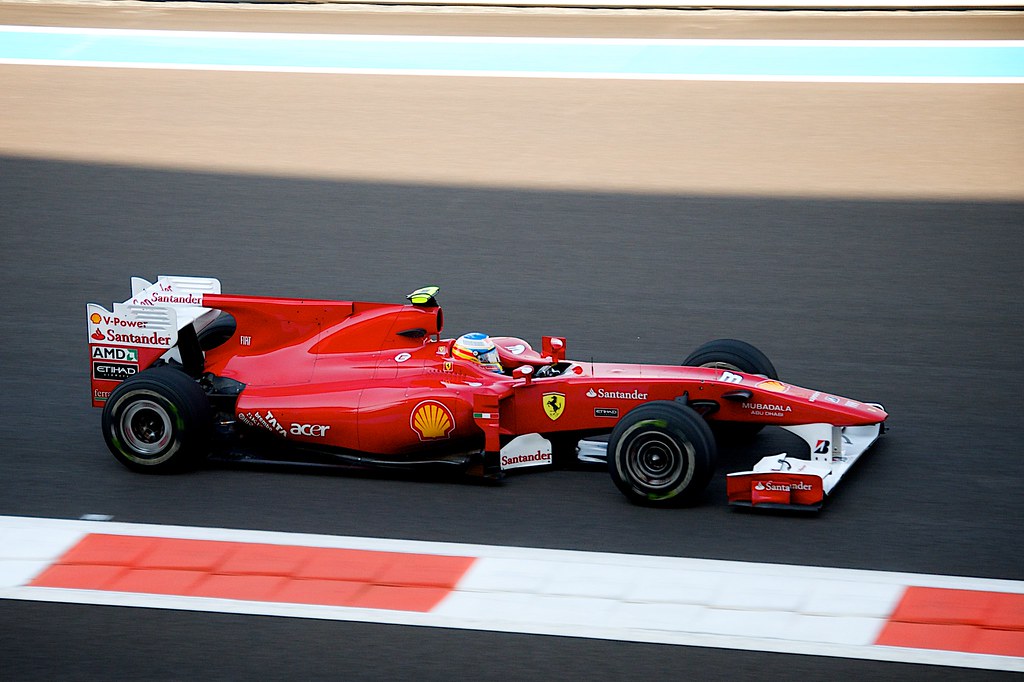
7. **The 2010s: Hybrid Power Units and Energy Recovery**The decade of the 2010s ushered in one of the most significant transformations in Formula 1’s technological landscape: the comprehensive integration of hybrid power units. This groundbreaking shift moved beyond traditional internal combustion engines, embracing a sophisticated synergy with electric motors to redefine both power delivery and energy efficiency. It represented a monumental engineering challenge, requiring a complete rethink of powertrain architecture and a bold statement about the future direction of high-performance motorsport and automotive technology as a whole.
At the heart of this revolution was the Kinetic Energy Recovery System, or KERS, first fully implemented in 2009. KERS was an ingenious mechanism designed to reclaim energy typically lost during deceleration, storing it and then converting it into a burst of propulsive power that could be deployed by the driver. This ‘push-to-pass’ feature not only enhanced performance on demand, providing crucial boosts for overtaking or defending, but also introduced a fresh, tactical layer to racing, as drivers had to manage this supplementary energy intelligently throughout a race.
Building upon the initial success and learning from KERS, the 2010s saw the development of more comprehensive and integrated hybrid systems, epitomized by the introduction of Thermal Energy Recovery Systems (TERS). TERS went a crucial step further by capturing heat energy from exhaust fumes – a significant source of wasted energy in any internal combustion engine – and converting it into supplemental electrical power. This innovative approach highlighted the sport’s capacity to transform efficiency into outright speed.
These trailblazing innovations collectively propelled F1 racing towards a much greener and more relevant path, demonstrating conclusively that cutting-edge performance could coexist with enhanced fuel efficiency and environmental responsibility. The sophisticated interplay between the internal combustion engine and the electric recovery systems added unprecedented strategic depth, turning every race into a complex equation of power management, tire wear, and fuel consumption, compelling teams to optimize every millisecond of energy usage.
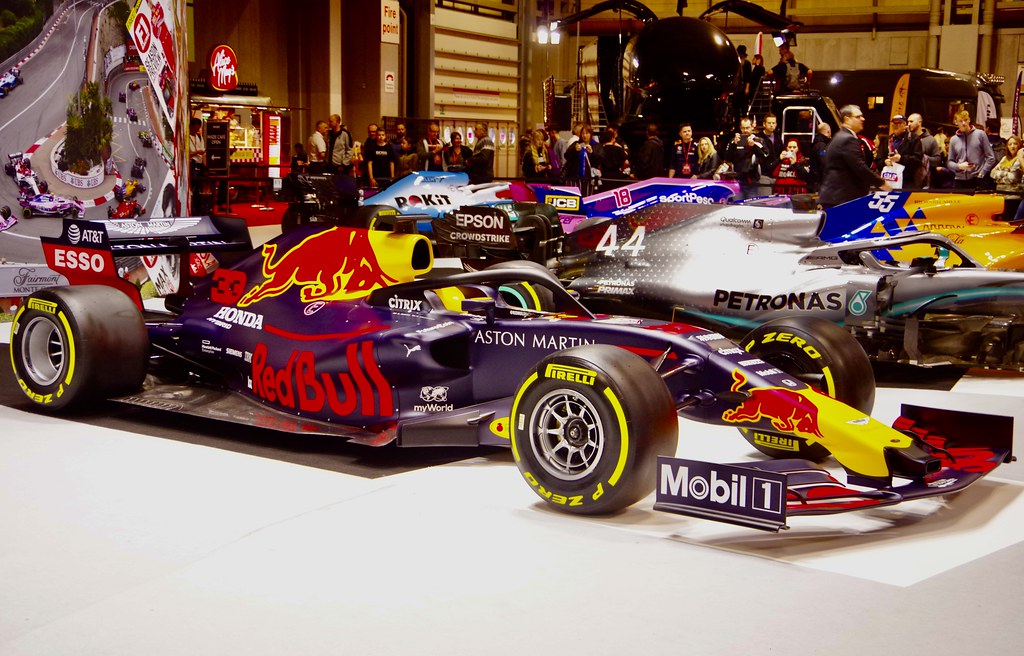
8. **Present Day Innovations: Data-Driven Performance and Advanced Hybrid Systems**In the contemporary realm of Formula 1, the sport stands as an exquisite blend of cutting-edge technology and unparalleled athletic prowess, a spectacle as electrifying as any high-stakes competition. The vehicles themselves are paragons of engineering, bristling with state-of-the-art hybrid systems that continue to push the boundaries of power and efficiency. These advanced systems represent years of iterative development, integrating seamlessly to deliver a relentless torrent of performance while adhering to stringent efficiency regulations, a true marvel of modern engineering.
Beyond the physical hardware, present-day F1 is profoundly shaped by the pervasive influence of Artificial Intelligence (AI) and the sheer volume of “big data” being collected. Today’s F1 cars are, in essence, roving data centers. Equipped with hundreds of sensors, they meticulously dispatch gigabytes of information back to the pit wall and factory control rooms over the course of a race weekend. This constant, real-time stream of telemetry provides teams with an unparalleled, granular snapshot of every conceivable parameter affecting the car’s performance, from tire temperature across all four corners to minute suspension loads and engine combustion efficiency.
This deluge of data is not just collected; it’s analyzed with incredible speed and sophistication, often by AI algorithms, fueling teams with the precise insights needed for informed decisions. These critical choices pivot on factors such as optimal tire attrition rates, precise fuel expenditure predictions, brake wear monitoring, and continuous assessment of aerodynamic integrity. Every adjustment to strategy, every call to the pit lane, and every engineering modification during a race weekend is now guided by a profound understanding derived from this comprehensive data analysis.
Ultimately, this makes present-day Formula 1 a true testament to intelligent, data-driven performance optimization. The ability to process, interpret, and act upon vast quantities of information in real-time gives teams a competitive edge, transforming the sport into an intellectual battle fought as fiercely in the data centers as it is on the track. This synergy between human intuition and machine intelligence continues to redefine what’s possible in the relentless pursuit of speed.
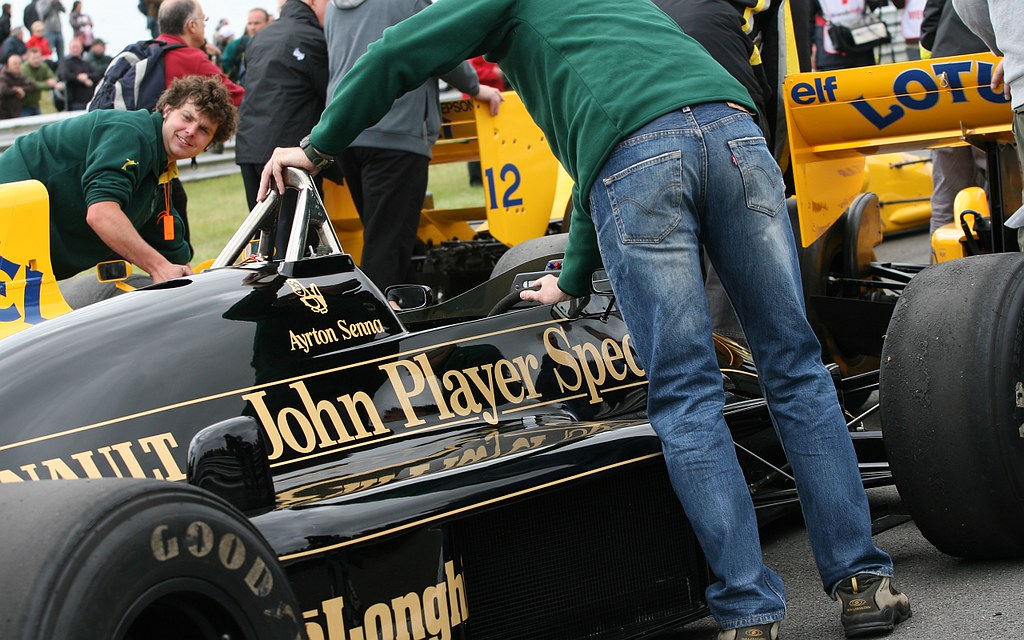
9. **The Future: The Shift Towards Full Electric Power**As Formula 1 gazes into its future, the vista of technological evolution remains an open field, continually burgeoning with transformative opportunities. A highly foreseeable prospect on this horizon, driven by an imperative to uphold eco-conscious principles, is the eventual transition to full electric power. This isn’t merely a speculative idea but a logical progression, given the global shift towards sustainable automotive solutions and the sport’s perennial role as an engineering pioneer, pushing boundaries for the entire industry.
The rise of Formula E, an entirely electric single-seater championship, already stands as a robust testament that pure electricity is a viable vehicle for delivering high-velocity excitement and intense racing. Its rapid growth and competitive spectacle demonstrate that the visceral roar of a V6 turbo-hybrid engine can potentially be replaced by the distinctive, high-pitched whine of advanced electric powertrains without diminishing the fundamental thrill of competition. This precedent provides a tangible roadmap and valuable lessons for F1’s potential future electrification, highlighting both possibilities and challenges.
Should Formula 1 fully embrace this paradigm shift, it promises to introduce a myriad of new challenges and catalyze groundbreaking innovations across multiple engineering disciplines. Significant advancements would be required in battery technology to meet the extreme demands of endurance races, necessitating not just lighter and more powerful energy storage solutions, but also systems capable of rapid discharge and recharge cycles without degradation. This pursuit would likely spawn technologies with broad applications beyond motorsport.
Concurrently, the inception of ultra-high-speed charging solutions would become absolutely essential for pit stops, fundamentally reshaping race strategy and the very flow of an F1 Grand Prix. Imagine pit stops where the focus shifts from changing tires and adding fuel to a rapid battery swap or an induction charging system that replenishes power in seconds. Such developments would not only maintain the strategic element of pit stops but also push the boundaries of energy transfer technology to unprecedented levels.
Read more about: San Antonio-Built Hybrids Drive Toyota’s 2024 Sales Surge Amidst Shifting Market Dynamics
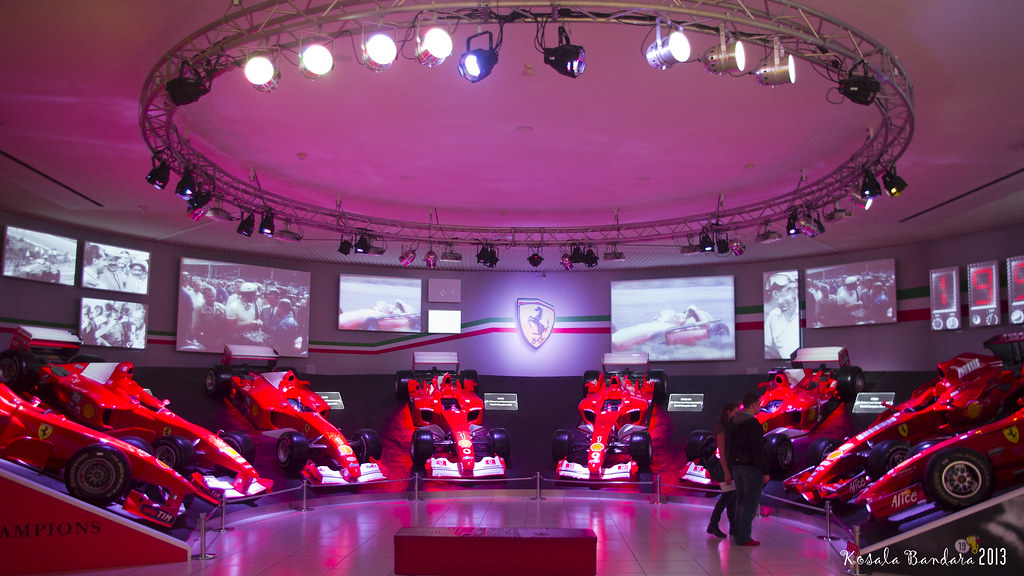
10. **Artificial Intelligence: Reshaping F1 Strategy and Design**Beyond the realm of power units and aerodynamics, Artificial Intelligence (AI) is rapidly emerging as a profoundly promising catalyst for reshaping the entire fabric of Formula 1. We have already begun to witness the substantial potential of AI as an indispensable strategic tool, adept at decoding a vast sea of race data with astonishing speed and accuracy, thereby informing smarter, more decisive actions during the heat of competition. This analytical power is transforming how teams approach every session, from meticulous practice runs to the high-stakes Grand Prix itself, providing clarity in a torrent of complex variables.
AI has also found invaluable application in modeling sophisticated racing simulations, allowing teams to run countless scenarios and counter myriad variables to predict outcomes and tip the scales in favor of favorable results. By simulating complex interactions between car, driver, and track conditions, engineers can explore design iterations, optimize setup changes, and refine race strategies with unparalleled efficiency. This virtual proving ground accelerates development cycles and allows teams to arrive at a race weekend with a far more optimized package than ever before.
Yet, it is widely believed that we are only scratching the surface of AI’s potential within F1. Picture sophisticated AI systems that can continuously monitor and dynamically adapt to fluctuating race conditions in real-time, effectively becoming a hyper-intelligent co-pilot. This could involve manipulating a car’s aerodynamics in subtle yet effective ways in response to minute wind variations, or intelligently tweaking fuel consumption strategies based on the current race positioning, competitor behavior, and predicted weather shifts. Such proactive, adaptive systems represent the next frontier.
This advanced integration of AI would not only accentuate its pivotal role in strategy and performance optimization but also engender a new competitive frontier, where technological supremacy in intelligent systems becomes as crucial as raw mechanical power. The ability of a car to learn and react autonomously, within regulatory limits, could redefine the dynamics of racing, placing an even higher premium on the fusion of human skill and advanced machine intelligence in the pursuit of ultimate speed.
Read more about: Navigating a ‘Black Hole’ Job Market: A Boomer’s Seven-Year Struggle Against Suspected Ageism and What It Means for Older Workers
From its rudimentary mechanical marvels of the 1950s to the intricate, data-driven hybrid machines of today, and on to the electrifying possibilities of tomorrow, Formula 1 stands as a vibrant chronicle of human ingenuity and relentless progress. The sport has consistently pushed the boundaries of automotive engineering, serving as a global stage where speed, safety, and efficiency are perpetually reimagined. This continuous quest for perfection not only elevates the spectacle of racing but also drives fundamental advancements that reverberate across the broader automotive industry and beyond, inspiring new generations of innovators to dream bigger and push harder.