For decades, Cybill Shepherd has been a name synonymous with Hollywood glamour, undeniable talent, and an outspoken personality that captivated audiences from the silver screen to primetime television. From her breakout role in *The Last Picture Show* to her iconic turn as Maddie Hayes in *Moonlighting*, she carved out a unique space in the entertainment industry. Her presence was unmistakable, her performances memorable, and her wit sharp, making her a beloved figure to millions. Yet, in recent years, the once-ubiquitous star has seemingly faded from the constant glare of the spotlight, prompting many to wonder: what happened to Cybill Shepherd?
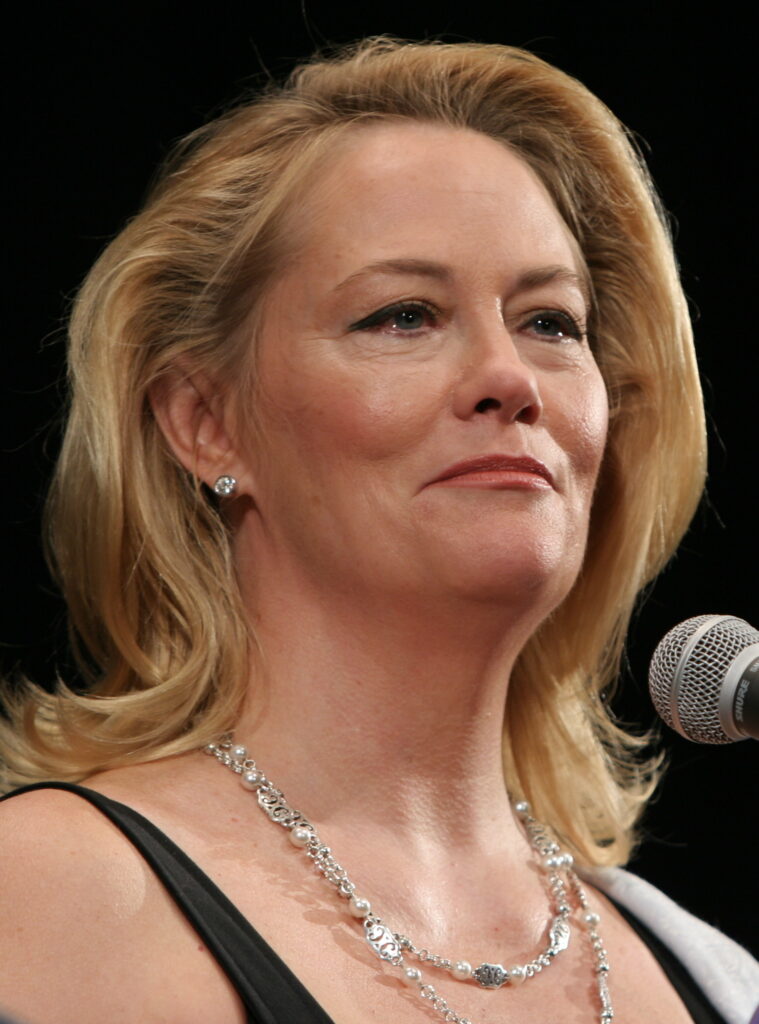
Recent rare public appearances have stirred new conversations, with photos circulating that show a more frail Cybill, carefully navigating her daily life in Los Angeles. These glimpses into her current reality paint a poignant picture, sparking both concern and curiosity among her long-time fans. It’s a natural human inclination to ponder the paths of our beloved stars, especially when they transition from high-profile careers to more private lives.
Indeed, Cybill Shepherd’s journey is a multifaceted one, marked by early career highs, personal upheavals, a conscious shift in priorities, and strategic decisions that ultimately shaped her visibility. Far from a simple disappearance, her story is a rich tapestry woven with the complexities of fame, motherhood, critical scrutiny, and the relentless demands of Hollywood. Let’s embark on a compassionate exploration into the various reasons why we might not hear from Cybill Shepherd as often as we once did, understanding the layers that have defined her remarkable, yet often challenging, career.
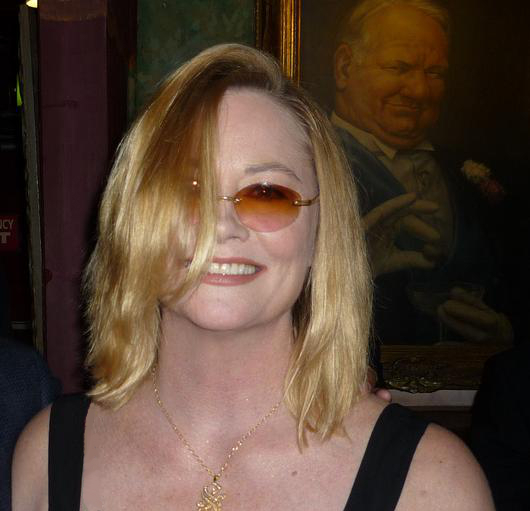
1. **Recent Frail Appearances and Health Concerns**The most immediate and visible factor contributing to the public’s perception of Cybill Shepherd’s lessened presence is her recent public appearances. At 74, the veteran actress has been spotted in Los Angeles looking noticeably frail, often requiring assistance to maintain her balance while running errands near her Southern California home. These images, shared widely, have undeniably captured the attention of fans and media alike, raising questions about her current health and well-being.
In December 2024, photos emerged of Shepherd holding onto her trainer to walk down the street, and on another occasion, relying on her personal assistant for support. A source, quoted in the context, expressed palpable concern, stating, “She has been frail for years, but these photos are shocking. She looked skeletal and was hanging on for dear life to her assistant — it really looks as if she is on her last legs.” Such descriptions, while candid, underscore the dramatic change in her physical presentation from her more robust public image of earlier years.
These infrequent outings in 2024, including one a day after her 75th birthday, consistently depicted her as thin and shielding her eyes with large sunglasses. While the context also notes that the Hollywood star has “embraced aging gracefully,” the visual evidence of her physical vulnerability naturally leads to speculation and worry. For a public figure known for her vitality and outspoken nature, a perceived decline in health can often be misinterpreted as a retreat from public life, even if her spirit remains strong.
Such physical challenges inherently limit the extent of public engagement an individual can undertake, whether it be demanding acting roles, extensive travel for promotions, or even frequent social appearances. While Cybill Shepherd’s spirit and will to engage may remain, the physical demands of a high-profile career often become incompatible with the realities of aging and health concerns. This shift, more than a deliberate decision to disappear, suggests a natural progression that affects anyone, even beloved Hollywood icons.
The quietness around Cybill Shepherd, therefore, can partly be attributed to the simple, yet profound, fact that she is navigating her later years with the dignity and privacy she deserves. The occasional public glimpse, while sparking headlines, serves as a gentle reminder that even the brightest stars eventually seek comfort and care, often away from the relentless public gaze that once defined their lives. It’s a testament to her enduring presence that even these quiet moments resonate so deeply with her audience.
Read more about: Devastating Details: An Authoritative Chronicle of Freddie Mercury’s Final Days and Enduring Impact
2. **Early Career Critical Reception and Struggles**Cybill Shepherd’s entry into Hollywood was nothing short of spectacular, launching with a Golden Globe-nominated performance in Peter Bogdanovich’s acclaimed 1971 drama, *The Last Picture Show*. This initial success was followed by a string of high-profile roles in the 1970s, including *The Heartbreak Kid*, *Daisy Miller*, *At Long Last Love*, and Martin Scorsese’s classic *Taxi Driver*. With such a formidable start, many expected her trajectory to continue soaring, solidifying her as one of her generation’s biggest stars.
However, despite appearing in what are now considered A-list projects, her performances didn’t always garner universal critical acclaim. The intense scrutiny that came with her rapid ascent also brought some exceptionally harsh judgments. For instance, her role in the 1975 musical comedy *At Long Last Love*, directed by Bogdanovich, proved to be a significant stumbling block. Critic Gene Shalit famously stated, as quoted in the context, that “Cybill Shepherd cannot walk, talk, much less sing.” Shepherd herself later conceded to parts of this criticism, writing in her online biography that “He was right about the walking and talking part, but I actually sang pretty well considering it was all done live without overdubs.”
Beyond Shalit’s cutting remarks, Shepherd recalled another reviewer who suggested she had “all the charm of a hamster.” Such brutal assessments, especially early in a career, can be incredibly damaging, not only to an actor’s morale but also to their perceived bankability in a fiercely competitive industry. While *Taxi Driver* brought her back into critical favor with good reviews for her supporting work as Betsy, these earlier critical drubbings undeniably left their mark on her burgeoning career and public image.
These early experiences with negative critical reception may have contributed to a more cautious approach to her career choices later on, or at least tempered the initial boundless enthusiasm for blockbuster roles. When an actor faces such public criticism, it can subtly shift their focus, perhaps making them more inclined to choose roles based on personal satisfaction or specific challenges rather than the pursuit of universal acclaim. The initial promise, though immense, was sometimes overshadowed by these public judgments, preventing her career from uniformly taking off in the way many had initially predicted.
Ultimately, this mixed bag of critical responses in her foundational years demonstrates that even immense talent and striking beauty aren’t always enough to guarantee a smooth, upward trajectory in Hollywood. The early hurdles she faced, particularly in terms of critical assessment, formed part of the complex narrative of her career, influencing how she navigated the industry and the kinds of roles she sought, often out of the brightest spotlight, in the decades that followed.
Read more about: The Enduring Shadow: Unraveling the Profound Tragedies of Marlon Brando’s Life Beyond the Silver Screen
3. **The Scandalous Affair with Peter Bogdanovich**One of the most defining and publicly scrutinized periods of Cybill Shepherd’s early career involved her romantic relationship with director Peter Bogdanovich. The affair began on the set of her debut film, *The Last Picture Show*, in 1971, while Bogdanovich was still married to his wife, Polly Platt. This entanglement quickly evolved into a full-blown romance, with Bogdanovich recalling in a 2019 interview, “Cybill and I kept saying this was just during the [filming of the] picture. We were not going to be going out after the movie’s over. But we fell in love.”
This high-profile affair ignited a major Hollywood scandal, with images of Shepherd and Bogdanovich frequently filling the tabloids. Bogdanovich’s subsequent divorce from Polly Platt, a highly respected and influential figure in the film industry, only intensified the public’s scrutiny. In the conservative societal climate of the 1970s, such a relationship involving a married director and his young ingénue was often met with widespread condemnation, particularly for the woman involved.
Shepherd herself spoke about the personal impact of the romance, revealing to *Rolling Stone* that “If you think of a person as a circle, I had a huge wedge of myself that was empty, which was confidence. And he helped fill that. And then he helped me get to the point where I could do things to fill myself up.” While the relationship offered her personal growth and confidence, the public perception was far less forgiving. She was often cast as the “other woman,” leading to a negative image that could significantly hinder a young actress’s career momentum.
The professional fallout was swift and tangible. The context explicitly states that Bogdanovich’s producer informed him he could not cast Shepherd in his 1976 film *Nickelodeon*. The reason given was telling: “There was a kind of mood in the town.” This “mood” clearly reflected a collective disapproval within the industry, making it difficult for Shepherd to secure roles that would have otherwise been natural progressions in her career. The scandal effectively put a damper on her burgeoning stardom at a crucial time, diverting attention from her talent to her personal life.
For eight years, their relationship endured, but its initial public reception undoubtedly contributed to the challenges Shepherd faced in solidifying her position as a leading lady. This period stands as a powerful example of how personal choices, particularly those deemed scandalous by the public and the industry, can significantly impact an actor’s career trajectory, forcing them to rebuild their image and professional standing in the wake of intense media scrutiny.

4. **Prioritizing Motherhood and Family Life**Following the intense, eight-year relationship with Peter Bogdanovich and the associated career complexities, Cybill Shepherd made a profound shift in her personal priorities, turning her focus towards starting a family. A key divergence in her desires from Bogdanovich was her strong wish for children, a desire he did not share, having already had two children with Polly Platt. Shepherd openly shared her perspective, stating, “He already had two kids with Polly Platt and didn’t want any more. I really wanted to have children.” This fundamental difference ultimately led her to seek a different path in her personal life.
Her return to Memphis, her hometown, marked the beginning of this new chapter. There, she met David M. Ford, a local auto parts dealer and nightclub entertainer. Their connection quickly deepened, leading to marriage in 1978 and the birth of their daughter, Clementine Ford, in 1979. While this marriage ended in divorce in 1982, Cybill’s commitment to motherhood remained steadfast. Her desire for a family was further realized when she married chiropractor Bruce Oppenheim in 1987, welcoming twins Ariel and Cyrus during the fourth season of *Moonlighting*.
With three children, Shepherd’s life naturally became centered around her family. She made a conscious decision to move to California’s San Fernando Valley, prioritizing an environment she believed was more suitable for raising her children. She explained her choice, stating, “I just thought the Valley was a better place to raise kids. The Valley is down to earth and my kids went to school here.” This geographic and lifestyle shift signified a deliberate step away from the relentless, often all-consuming, demands of a central Hollywood existence.
Her children rapidly became one of her primary focuses, leading her to embrace a quieter life away from the intense media scrutiny that characterized her earlier years. This prioritization of family is a common, yet often underappreciated, reason why many public figures reduce their professional output. The demands of balancing a high-profile career with active parenting can be overwhelming, and Shepherd’s choice reflects a deep commitment to her role as a mother, consciously opting for a more grounded existence over constant career elevation. This significant personal choice inherently reduced her visibility in the competitive landscape of Hollywood.
Read more about: It’s No Secret Where All Of Kate Gosselin’s Money Went: Unpacking the Financial Realities of a Reality TV Life

5. **The Intense “Rat in a Cage” Friction with Bruce Willis on *Moonlighting***Cybill Shepherd experienced a powerful career resurgence in 1985 with her starring role as Madelyn ‘Maddie’ Hayes opposite Bruce Willis in the groundbreaking detective comedy-drama, *Moonlighting*. The series quickly became a cultural phenomenon, a unique blend of mystery, romance, and rapid-fire comedic dialogue that revitalized both actors’ careers. Her performance on the show earned her two Golden Globe wins for Best Performance by an Actress in a Television Series — Comedy or Musical in 1986 and 1987, along with an Emmy nomination in 1988, firmly placing her back in the national spotlight.
However, behind the scenes, the dynamic chemistry that crackled on screen between Shepherd and Willis was often fueled by intense, real-life friction. Shepherd candidly spoke about their tumultuous working relationship, telling *Closer* in 2019, “We were always fighting. We were kind of like rats in a cage.” She elaborated on the challenging production, noting their preference for “overlapping [dialogue]” and the difficulties they encountered with sound engineers who struggled with their distinctive style. This constant tension created a demanding and often exhausting work environment.
Despite the professional challenges, Shepherd acknowledged the undeniable spark that existed between them, a crucial ingredient for the show’s success. Recalling her initial meeting with Willis, she shared with *Extra*, “My temperature went up 10 degrees. That meant two things to me: one, I was very attracted to him, two, I would never act on it, ‘cause we were both very attracted to each other.” This profound mutual attraction, channeled into their on-screen performances, became the bedrock of *Moonlighting*’s allure, captivating viewers who adored their combative yet romantic interplay.
While the professional friction and personal attraction undoubtedly contributed to the show’s iconic status, working in such a high-pressure, high-conflict environment for four years could be profoundly draining. The emotional and mental toll of constant on-set battles, even if they translated into captivating television, might influence an actor’s future choices, steering them towards projects with more harmonious dynamics. The *Moonlighting* experience, for all its glory and professional rewards, was far from easy, and the intensity of that period could have certainly informed Shepherd’s desire for different kinds of professional engagements thereafter.
This period, therefore, represents a fascinating dichotomy: a career-defining role born out of both incredible talent and considerable personal strain. The eventual quietness around Cybill Shepherd may partly reflect a natural progression away from such high-octane, demanding productions, seeking environments that offer more peace and less constant contention, even if it means stepping out of the brightest, most scrutinizing glare of network television stardom.

6. **Orson Welles’ Crucial Advice and Her Return to Roots**Following the rollercoaster of early critical scrutiny and the highly publicized affair, Cybill Shepherd found herself at a crossroads. A string of less-successful roles after her acclaimed work in *Taxi Driver*, including the 1979 remake of *The Lady Vanishes*, prompted her to re-evaluate her path. Seeking guidance, she reached out to a revered mentor, the legendary Orson Welles, whose wisdom would profoundly shape her next steps and perhaps, her enduring presence in the industry.
Welles, known for his incisive understanding of the craft and the industry, offered Shepherd invaluable advice. He encouraged her to pursue stage experience, but with a crucial caveat: she should do so “anywhere but Los Angeles or New York City.” This counsel was designed to allow her to hone her skills, build confidence, and connect with an audience away from the relentless, often brutal scrutiny of big-city critics. It was a strategic retreat, not a surrender, providing a fertile ground for growth without the overwhelming pressure of Hollywood’s unforgiving spotlight.
Embracing Welles’ wisdom, Shepherd made a conscious decision to move back to her hometown of Memphis, Tennessee. There, she immersed herself in regional theatre, starring in plays like *Vanities* in St. Louis in 1981 and touring with *Lunch Hour* in 1982. This period of focusing on live performance, away from the camera’s lens and the tabloid’s gaze, allowed her to reconnect with the pure joy of acting and to develop her artistry without the constant noise of celebrity culture. It was a pivotal moment, signaling a deliberate step back from the conventional path to superstardom.
This strategic period of artistic recalibration in her hometown not only revitalized her passion but also set a precedent for a career that would often prioritize personal fulfillment and artistic integrity over constant visibility. The wisdom of Orson Welles helped Shepherd navigate a critical juncture, influencing a career marked by thoughtful choices and a willingness to step away from the glare when necessary, rather than always chasing the next big Hollywood role. This foundational experience certainly contributed to her later pattern of selective engagements and a more grounded approach to her public life.
Read more about: James Earl Jones, a Titan of Stage and Screen, Whose Voice Defined Generations, Dies at 93

7. **The Self-Referential Success of Her Sitcom *Cybill***After her impactful return to television with *The Yellow Rose* and the monumental success of *Moonlighting*, which redefined her public image and earned her two Golden Globes, Cybill Shepherd continued to build on her renewed prominence. When *Moonlighting* concluded in 1989, she moved on to films like *Chances Are* and *Texasville*, but it was her return to the small screen with her eponymous sitcom, *Cybill*, that truly cemented her comeback and allowed her to explore new facets of her persona.
Launched in 1995, *Cybill* was a groundbreaking series that ran for four seasons, earning Shepherd her third Golden Globe Award in 1996 for Best Actress in a Television Series – Musical or Comedy. The show’s premise was refreshingly meta: Shepherd played Cybill Sheridan, a middle-aged actress navigating the often-humorous struggles of a varied, though at times mediocre, career. Many episodes cleverly incorporated a “show-within-a-show” format, often in the cold opens, where Cybill Sheridan would portray characters in fictional films and TV shows, directly mirroring aspects of Shepherd’s own career journey.
This self-referential style allowed Shepherd to playfully satirize and reflect upon her own experiences in Hollywood, including portrayals of her two ex-husbands and her then-teenage daughter. It was a bold and authentic move, demonstrating her confidence and willingness to use her own public narrative as fodder for comedic gold. The series not only showcased her comedic timing but also provided a unique platform for her to comment on the nature of fame, aging in Hollywood, and the complexities of maintaining a career and family life.
The success of *Cybill* represented a significant chapter in her later career, proving her enduring appeal and versatility. It was a period where she was firmly back in control, shaping her own narrative on screen. The show’s conclusion in 1998, after four seasons, marked another transition, but its legacy was clear: Cybill Shepherd had successfully navigated Hollywood’s tides, embracing self-awareness and humor to define her continued relevance. Her willingness to put herself out there, albeit through a fictionalized lens, kept her firmly in the public consciousness, albeit on her own terms.

8. **Her Unwavering Voice as an Activist**Beyond her captivating performances on screen, Cybill Shepherd has consistently used her platform to advocate for causes close to her heart, demonstrating a deep commitment to social justice throughout her career. Her outspoken nature, a characteristic that often defined her public persona, extended far beyond Hollywood scripts and into the realm of impactful political and social activism.
Shepherd has been a prominent and unwavering advocate for LGBTQ+ rights, passionately speaking out in support of gay rights and same- marriage. This commitment was formally recognized in 2009 when the Human Rights Campaign honored her in Atlanta with one of their prestigious National Ally for Equality awards. Her willingness to lend her celebrity to such causes helped to amplify important messages and rally support for marginalized communities, reinforcing her image as a star with a conscience.
Equally vocal, Shepherd has been a fierce proponent of abortion rights, participating in significant events like the US Abortion March in 2004, alongside other influential figures such as Whoopi Goldberg and Ashley Judd. Her presence at these demonstrations underscored her dedication to women’s reproductive freedom and her refusal to shy away from controversial topics. For Shepherd, activism was not a fleeting engagement but a consistent thread woven through her public life.
Furthermore, her deep roots in Memphis are evident in her support for the National Civil Rights Museum in her hometown, to which she lent financial aid and was present at its opening. This involvement highlights her dedication to memorializing and advancing civil rights, connecting her personal history to broader societal struggles. While her acting roles brought her fame, it was often her passionate and principled activism that truly defined her public engagement and offered a different, more purpose-driven reason for her presence in the news cycle, distinguishing her from stars who remain solely focused on entertainment.
Read more about: Unfiltered Voices: The Jaw-Dropping Moments When Celebrity Acceptance Speeches Were Silenced – And What They *Really* Said

9. **A Journey of Spiritual Exploration and Reconnection**Cybill Shepherd’s personal evolution has not been limited to her career choices and public activism; it also encompasses a rich and often unconventional spiritual journey. Though raised Christian, she openly acknowledged a period where she “lost touch” with the religion, embarking on a path of spiritual exploration that reflected her independent and inquisitive spirit.
In a candid 2007 interview with *Metro Weekly*, Shepherd offered a fascinating glimpse into her diverse spiritual worldview, describing herself as being “a goddess-worshipping Christian Pagan Buddhist.” This eclectic self-description painted a picture of a woman unafraid to blend different spiritual traditions, seeking truth and meaning across various belief systems rather than adhering strictly to one dogma. It revealed a deeply personal and internal quest for understanding, far removed from the public performance of her acting career.
Years later, in October 2014, Shepherd shared that she had reconnected with her Christian faith, stating in *Christianity Today* that she was “talking to Jesus” again. This return to her Christian roots, while seemingly a full circle, underscores a dynamic spiritual life characterized by searching, questioning, and ultimately, finding renewed comfort and connection. It suggests that for Shepherd, spirituality is not static but an ongoing, evolving process.
These deeply personal spiritual explorations, moving from traditional faith to a more syncretic approach and then back to a renewed Christian connection, illustrate a profound internal focus. Such journeys often lead individuals to prioritize inner peace and personal growth, naturally shifting their attention away from the relentless external demands and pressures of a high-profile public career. This quiet, internal work contributes significantly to why we might hear less from Cybill Shepherd in the traditional entertainment sense, as her focus has broadened to encompass a deeper, more personal form of fulfillment.
Read more about: Beyond the Ritual: An Exclusive Deep Dive into Duʿāʾ, the Heart of Islamic Prayer and Spiritual Connection

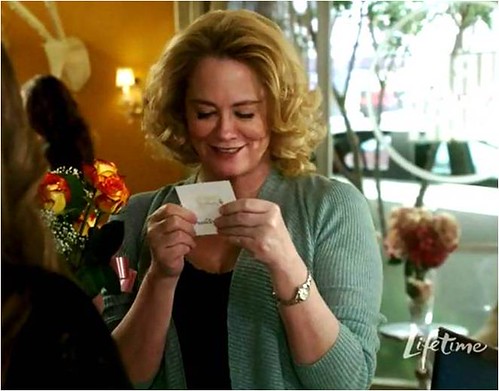
10. **Selective Roles and Candid Reflections on a Storied Career**Even as she embraced family life, activism, and spiritual exploration, Cybill Shepherd never fully left acting, instead pivoting to a pattern of selective, often impactful, roles that defined her later career. From the early 2000s onwards, she continued to make appearances in a variety of television shows and films, demonstrating her enduring talent and versatility. Her roles included Phyllis Kroll on *The L Word*, Madeleine Spencer on *Psych*, and parts in TV movies like *Martha, Inc.: The Story of Martha Stewart* and *The Client List*, leading up to her most recent role in the 2023 Lifetime film *How to Murder Your Husband: The Nancy Brophy Story*.
This deliberate choice of projects aligns perfectly with a guiding philosophy she once shared, attributed to her mentor Orson Welles: “‘A career is made not by what you do but by what you don’t do.’” However, in a January 2023 interview with the *Las Vegas Review-Journal*, Shepherd revealed a nuanced evolution of this motto, stating, “But so much about these past few years has been about saying yes to things in life, and it’s really paid off.” This adaptability, swinging between strategic discernment and embracing new opportunities, speaks volumes about her approach to a long-lasting career.
Shepherd’s candidness about her journey also extends to her reflections on fame itself. In 2023, she offered a refreshingly honest and self-aware summation to the *Las Vegas Review-Journal*: “I started at the top and have been working my way down ever since.” This powerful statement, delivered with characteristic wit, isn’t a complaint but rather a clear-eyed acknowledgment of the unique path her career has taken. It highlights her acceptance of a career that, while perhaps not reaching the astronomical heights initially predicted, has been rich, diverse, and deeply personal.
These later, often supporting or guest roles, combined with her philosophical outlook on life and career, define Cybill Shepherd’s current presence. She remains a respected veteran, choosing her projects with intent, engaging in meaningful endeavors, and reflecting on her storied life with an open heart. Her reduced, but thoughtful, public visibility is not a sign of fading away, but rather a testament to a career thoughtfully curated, where quality of life and personal resonance often take precedence over the relentless pursuit of peak stardom.
Read more about: Hollywood’s Unconventional Hearts: 14 Celebrities Who Chose Their Own Path Beyond the Altar
And so, the story of Cybill Shepherd is not one of disappearance, but of deliberate evolution. From the early blaze of stardom to the quiet dignity of her later years, she has navigated the turbulent waters of Hollywood with resilience, grace, and an unwavering commitment to her authentic self. Her journey reminds us that true celebrity isn’t just about the bright lights and big screens, but about the enduring impact of a life lived fully, with passion, purpose, and the courage to redefine success on one’s own terms. Whether captivating audiences with her wit or standing up for what she believes in, Cybill Shepherd remains an indelible figure, still shining brightly, albeit with a more gentle, reflective glow.