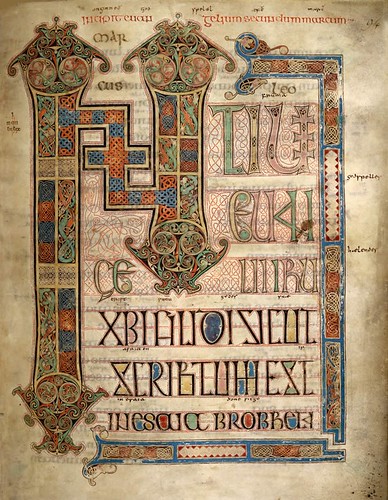
The Gospel of Mark stands as a pivotal text within the Christian canon, recognized as the second of the four canonical Gospels and one of the three synoptic Gospels. Its narrative, chronicling the ministry of Jesus from his baptism by John the Baptist through to his death, burial, and the discovery of his empty tomb, has profoundly shaped theological understanding and historical inquiry for centuries. This ancient biography, rich in its portrayal of Jesus as a teacher, exorcist, healer, and miracle worker, yet notably silent on a miraculous birth or divine pre-existence, offers a unique window into early Christian thought and its evolving perspectives on the figure of Christ.
Mark’s distinct voice, characterized by an emphasis on Jesus referring to himself as the Son of Man and keeping his messianic nature secret, even from his disciples, presents a compelling narrative for scholars and adherents alike. This nuanced depiction, in keeping with a Christian interpretation of prophecy foretelling the messiah as a suffering servant, underscores the gospel’s intricate theological framework. As the earliest of the four gospels, Mark has occupied a foundational position in New Testament scholarship, serving as a primary source for both Matthew and Luke, whose similarities have led to the extensive study of the Synoptic Problem.
Despite its ancient origins and enduring influence, the Gospel of Mark remains a subject of vibrant scholarly debate, particularly concerning its authorship, precise dating, and the subtle complexities embedded within its textual tradition. This article endeavors to provide an in-depth, objective examination of this seminal work, drawing exclusively from established textual information to illuminate its historical context, structural ingenuity, and the profound theological insights that continue to resonate through contemporary discourse.

1. **The Foundational Narrative: Identity and Scope of the Gospel of Mark**The Gospel of Mark, often simply referred to as Mark, serves as a cornerstone of Christian scripture, presenting a concise yet potent account of Jesus’s earthly ministry. It is distinguished as one of the three synoptic Gospels, alongside Matthew and Luke, due to the significant overlap in their narratives, order, and wording. This commonality has led to the widely accepted hypothesis of Marcan priority, where a majority of scholars believe Mark was the first gospel composed and subsequently utilized as a source by the authors of Matthew and Luke.
The gospel meticulously outlines Jesus’s journey, commencing with his baptism by John the Baptist and progressing through his public ministry, which is replete with instances of teaching, exorcism, healing, and miracle-working. Mark consistently portrays Jesus in these multifaceted roles, albeit notably omitting any mention of a miraculous birth or divine pre-existence, a characteristic that differentiates it from the later gospels. His self-designation as the Son of Man, coupled with the motif of a veiled messianic identity—where even his closest disciples fail to fully grasp his true nature—forms a central pillar of the narrative, aligning with a prevalent Christian interpretation of prophetic fulfillment concerning a suffering servant messiah.
Mark’s presentation of the gospel as “good news” encompasses not only the public career of Christ but also, crucially, his death and resurrection. This comprehensive scope underscores the text’s fundamental purpose: to strengthen the faith of its readers. By integrating accounts of God’s rule through miracles, emphasizing Jesus as the “Son of God,” and maintaining a certain secrecy around his messianic status, Mark crafts a compelling narrative designed to affirm and deepen the convictions of early Christian communities, which were often small, household-based assemblies of believers.
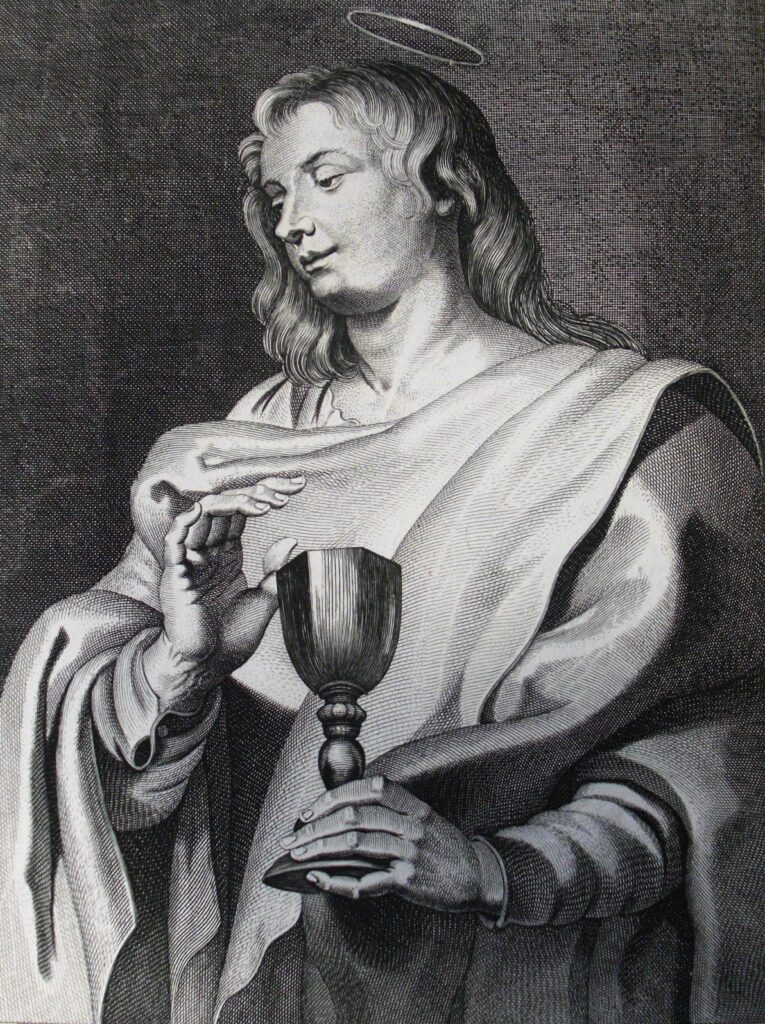
2. **Unpacking Authorship and Dating: The Enigma of Mark’s Origins**The question of authorship for the Gospel of Mark is a complex one, steeped in both early Christian tradition and modern critical scholarship. Traditionally, the gospel has been attributed to Mark the Evangelist, identified as a companion of the Apostle Peter. This tradition, stemming from figures like Papias of Hierapolis (c. 60 – c. 130 AD), posits that the gospel is based on Peter’s preaching as recorded by John Mark, an interpreter for the apostle. However, contemporary scholarship largely regards the gospel as anonymous, with the name of Mark potentially affixed early on to link it to an authoritative figure, rather than necessarily indicating direct authorship by a named individual mentioned in the Bible.
Scholarly opinion remains inconclusive, with some researchers denying any direct connection to a biblical Mark, while others, like Helen Bond and Gerd Theissen, argue for homonymity or suggest that the name goes back to the earliest period of circulation, implying it was indeed written by someone named Mark. This ongoing debate highlights the meticulous efforts to ascertain the historical context of its creation, prioritizing factual evidence over traditional assumptions. The lack of definitive internal claims of authorship within the text itself contributes to this persistent academic inquiry.
Regarding its dating, the consensus among scholars places the composition of Mark around 70 AD. This dating is significantly influenced by the eschatological discourse found in Mark 13, which is widely interpreted as referring to the First Jewish–Roman War (66–74 AD) and the subsequent destruction of the Second Temple in 70 AD. Scholars like Rafael Rodriguez and Helen Bond point to a “growing consensus” for a dating in the early to mid-70s, or during the buildup of the war. This period marks a crucial juncture in early Christian history, shaping the narrative’s urgency and its theological implications for its initial gentile audience, likely situated in Rome or other Mediterranean cities.
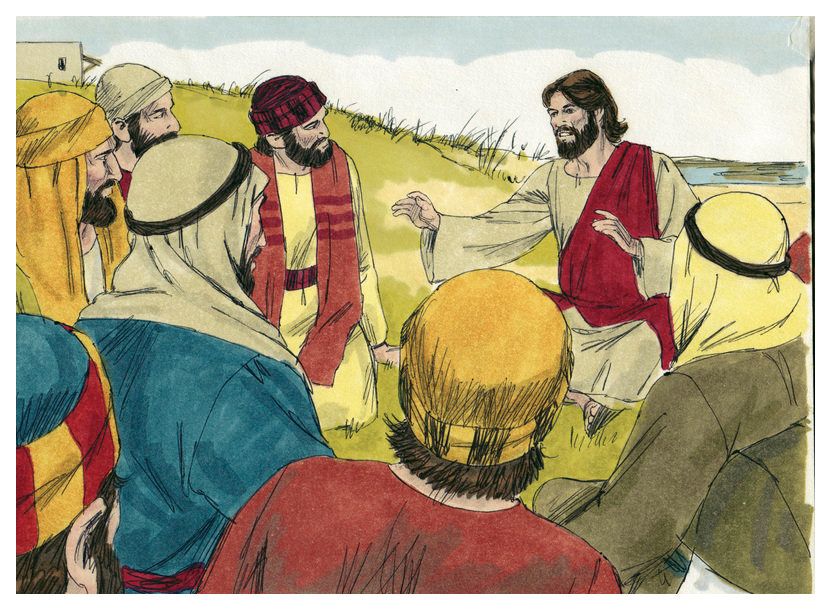
3. **Structural Insights: Navigating the Gospel’s Narrative Architecture**While there is no universally agreed-upon singular structure for the Gospel of Mark, scholars widely recognize certain pivotal breaks and organizational principles that shape its narrative flow. A significant and broadly accepted division occurs at Mark 8:26–31. Prior to this point, the gospel is characterized by numerous miracle stories, with the action primarily set in Galilee and Jesus openly preaching to large crowds. This initial section establishes Jesus’s authority and divine power through demonstrable acts.
Following Mark 8:31, a distinct shift occurs in both geography and focus. Miracles become less frequent, the narrative moves away from Galilee towards gentile areas or the increasingly hostile Judea, and Jesus’s teachings primarily target his disciples rather than the wider crowds. This turning point is critically marked by Peter’s confession in Mark 8:27–30, where he declares Jesus as the Messiah, an event that then leads to Jesus’s subsequent revelation of his impending suffering and death. This pivotal moment fundamentally reshapes the disciples’ understanding, or lack thereof, of Jesus’s mission.
Further structural analysis suggests additional turning points, such as the end of chapter 10, when Jesus and his followers arrive in Jerusalem, initiating the foreseen confrontation with the Temple authorities. This leads R.T. France to characterize Mark as a three-act drama. Other analyses propose a four-act drama, with divisions at 1:21, 6:1, 8:27, and 11:1. These structural insights, whether viewing the gospel as a series of questions about Jesus’s identity and mission or recognizing key apocalyptic moments at his baptism, transfiguration, and crucifixion, underscore Mark’s deliberate literary design, often compared to the structure of a Greek tragedy, to convey its profound theological message.
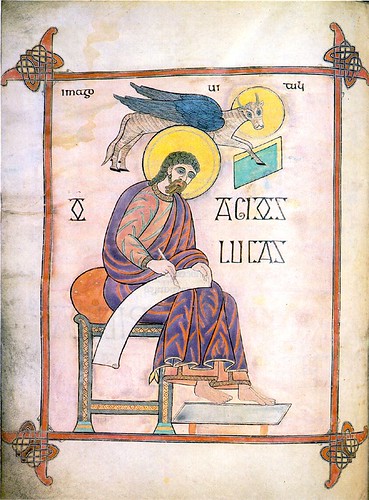
4. **Theological Depth: The Profound Motif of the Messianic Secret**Central to the theological landscape of the Gospel of Mark is the compelling motif identified by William Wrede in 1901 as the “Messianic Secret.” This theme refers to Jesus’s consistent efforts to conceal his true identity as the Messiah, often commanding demons, healed individuals, and even his disciples to remain silent about his miraculous deeds and divine status. This deliberate concealment is manifested through various narrative elements, including Jesus’s silencing of demons who recognize him, the perceived obtuseness of the disciples regarding his identity, and the occasional concealment of truth within parables.
Wrede’s argument posited that these elements of secrecy were not historical reflections of Jesus’s own practices but rather literary inventions of the early church. He suggested they arose from a tension between the post-resurrection messianic belief of the Church and the historical reality of Jesus, who, during his earthly ministry, might not have openly proclaimed himself as Messiah in the way the early Church later understood him. This interpretation has sparked extensive and ongoing scholarly debate regarding the origin and purpose of the Messianic Secret within Mark’s narrative.
Discussions continue on whether the “secret” originated with Mark himself or if he inherited it from existing traditions. Furthermore, scholars explore the extent to which it genuinely reflects the self-understanding and practices of the historical Jesus. Regardless of its precise genesis, the Messianic Secret serves as a powerful theological tool within Mark, compelling readers to ponder Jesus’s identity and mission in a deeper, often paradoxical, manner. It frames the understanding that Jesus’s true messiahship is only fully comprehended through his suffering, death, and resurrection, rather than through overt displays of power or explicit self-proclamation.

5. **Understanding Christology: Titles and Their Meaning in Mark**Christology, the doctrine concerning the person and nature of Christ, is intricately woven into the fabric of Mark’s Gospel, primarily conveyed through the titles ascribed to Jesus. Among these, “Son of God” stands out as the most significant title, appearing on the lips of God himself at Jesus’s baptism and transfiguration, and also serving as Jesus’s own self-designation. This recurrent designation provides crucial insight into how the evangelist perceived Jesus, although its precise meaning for Mark and his 1st-century audience remains a subject of academic exploration.
The term “Son of God” held diverse connotations in Hebrew Scriptures and among Jews, referring to figures such as angels, the nation of Israel, a suffering righteous man, or even simply a man. One of its most significant Jewish interpretations was its application to an earthly king, adopted by God as his son at his enthronement, thereby legitimizing his rule over Israel. In Hellenistic culture, the phrase denoted a “divine man” or a supernatural being, encompassing legendary heroes, god-kings, or famous philosophers. However, there is limited evidence that “son of God” was a common messianic title in 1st-century Judaism, leading scholars to debate whether Mark leans towards a Hellenistic “divine man” portrayal, particularly concerning Jesus’s death and resurrection signifying salvation, or maintains a more Jewish-Christian understanding.
Mark also employs “christos” (Christ), which translates the Hebrew “messiah” (anointed person). In the Old Testament, “messiah” described prophets, priests, and kings, but by Jesus’s time, it had evolved to mean an eschatological king—a human figure of immense power, free from sin, who would rule in justice and glory at the end of time. The most important occurrences of this title in Mark are found in contexts of Jesus’s death and suffering, suggesting that for Mark, Jesus’s messianic identity is inextricably linked to his ultimate sacrifice. Furthermore, the title “Son of Man,” rooted in Ezekiel and Daniel 7:13–14, assigns royal roles of dominion and glory to Jesus, and in passages like Mark 14:62, it is combined with allusions to his seating at God’s right hand, effectively equating the titles of Christ, Son of God, and Son of Man through their common reference to kingly power and divine authority.
Read more about: Unveiling the Enduring Enigmas: The Gospel of Mark’s Silent Struggle Through History and Interpretation

6. **The Disciples’ Journey: Portrayal of Failure and Fidelity**The Gospel of Mark is often interpreted as presenting the disciples of Jesus in a remarkably negative light, particularly the Twelve. Their journey throughout the narrative is characterized by a persistent lack of perception regarding Jesus’s true identity and mission, progressing from initial misunderstanding to an eventual rejection of the “way of suffering” that Jesus foretells for himself and his followers. This culminates in their ultimate flight and denial during his arrest and crucifixion, with even the women who first encounter the empty tomb depicted as initially failing to report the good news due to fear.
This portrayal of the disciples’ shortcomings has generated considerable scholarly discussion. Some argue that Mark employed these depictions to correct “erroneous” views within his own community concerning the reality of a suffering messiah, contrasting naive triumphalism with the hard truth of divine suffering. Others propose that it served as a critique of certain factions within the early church, perhaps the Jerusalem branch, for resisting the expansion of the gospel to Gentiles. It could also reflect the typical experience of converts, moving from initial enthusiasm to a deeper, more challenging awareness of the necessity for suffering and sacrifice in their faith journey.
Crucially, this theme resonates deeply with broader narratives within Jewish scripture, where God’s enduring love is frequently met with infidelity and failure, only to be continually renewed by divine grace. The collective failure of the disciples, underscored by Peter’s specific denial of Jesus, therefore becomes a powerful symbol of faith, hope, and the potential for reconciliation for early Christians. It offers a relatable human dimension to the divine narrative, suggesting that shortcomings and doubts are part of the spiritual journey, which God’s unwavering love ultimately addresses and redeems.

7. **Miracles and Accusations: Defending Divine Power Against Charges of Magic**The Gospel of Mark is distinguished by its substantial number of miracle accounts, with twenty instances of healings and exorcisms collectively comprising almost a third of the entire gospel and half of its first ten chapters. This makes Mark proportionally richer in miracle narratives than any other gospel, serving to signify God’s rule and Jesus’s divine authority. However, Mark’s descriptions of Jesus’s healing methods, which occasionally involve the use of spittle to restore sight or the utterance of Aramaic words acting as potent formulae, bear a striking resemblance to the practices attributed to magicians in the ancient world.
This similarity did not go unnoticed by Jesus’s adversaries, particularly the Jewish religious leaders, who leveraged it to levy serious accusations against him. They claimed that Jesus performed exorcisms with the aid of an evil spirit, identified as Beelzebub, and even suggested he was calling up the spirit of John the Baptist. Such charges were not trivial; as classical scholar Ramsay MacMullen notes, magicians were consistently regarded as “an enemy of society” within the Roman Empire, subject to severe penalties ranging from exile to death. Thus, the implications of these accusations for Jesus were profound and potentially fatal.
All four gospels, including Mark, actively work to defend Jesus against these grave charges, as their truth would directly contradict the ultimate claims for his divine nature and messianic role. The Beelzebub incident in Mark, for example, is presented precisely to counter these accusations, unequivocally establishing Jesus’s claims to be an instrument of God, rather than an agent of Satan. By framing these powerful acts as divine interventions rather than magical exploits, Mark not only affirms Jesus’s unique relationship with God but also strategically disarms the highly dangerous accusations leveled against him, reinforcing his identity as the legitimate Son of God within a religiously and culturally complex world.
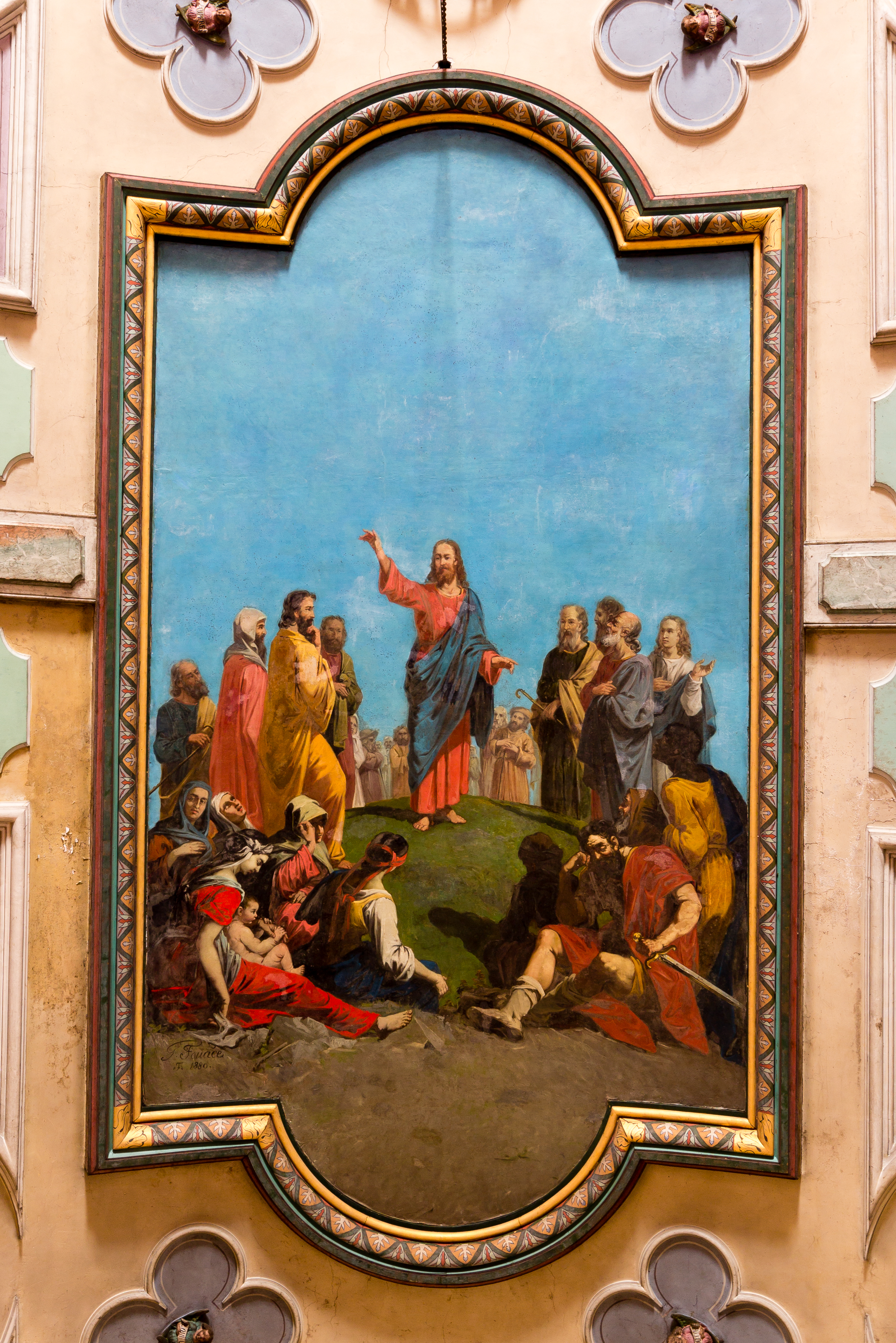
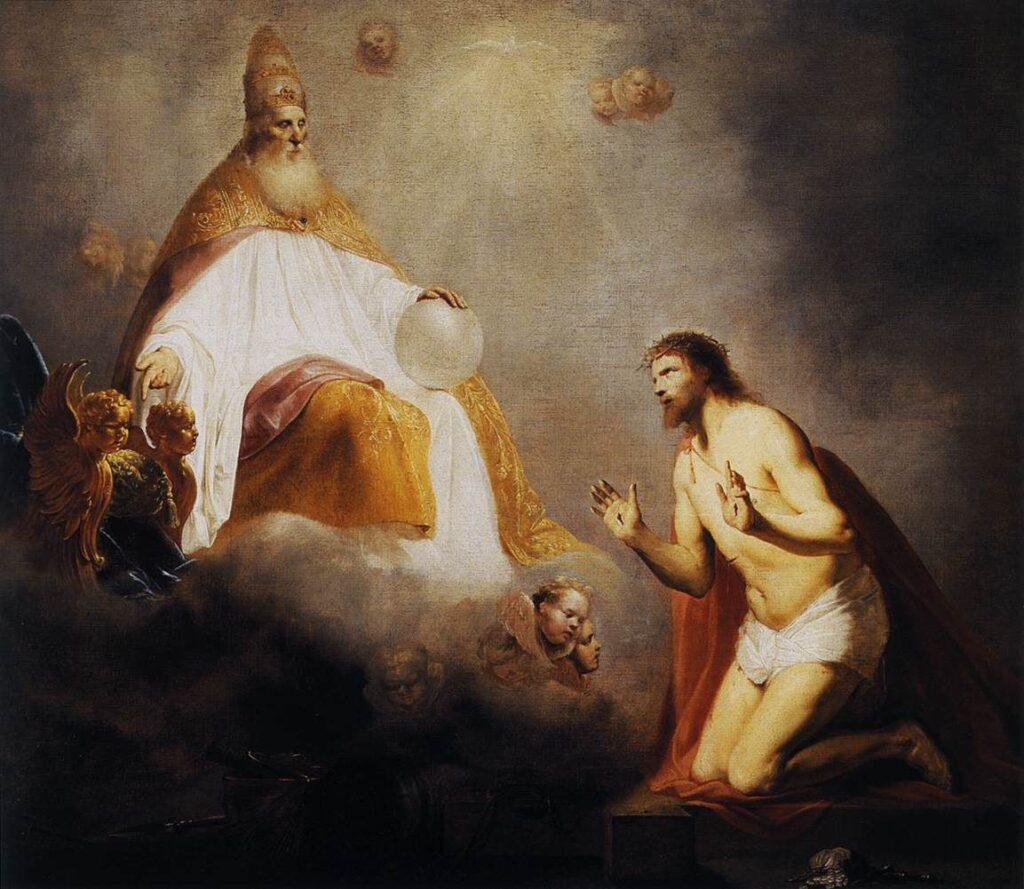
8. **Eschatological Expectations: Christ’s Return and the Kingdom of God**The eschatological framework embedded within the Gospel of Mark offers profound insights into early Christian understandings of the end-times and the Kingdom of God. Historically, Jewish tradition anticipated the messiah as an eschatological figure, a deliverer who would manifest at the culmination of an age to inaugurate an earthly kingdom. The nascent Jewish Christian community initially embraced this perspective, viewing Jesus as this divinely appointed human regent on earth. Yet, their conviction in Jesus’s resurrection and his subsequent exaltation to heaven expanded this understanding, positioning him as God’s agent—the “son of God”—who was destined to return in glory to establish the Kingdom of God.
Mark, in alignment with other gospels, attributes the promise of return directly to Jesus. Scholarly discourse often highlights a conditional understanding of eschatology present in these texts, suggesting that the timing of the parousia, or second coming, was contingent upon Israel’s repentance rather than being a fixed event. This expectation of an imminent return is widely reflected across various New Testament writings, including the Pauline Epistles, the Epistle of James, the Epistle to the Hebrews, and the apocalyptic visions of the Book of Revelation.
The delay of the parousia, however, prompted evolving theological interpretations within early Christianity. According to Burkett, early Christians revised their understanding, while Christopher Hays posits that such delays were consistent with ancient Jewish prophecy’s contingent nature. The Gospel of John, for instance, reoriented the focus towards “eternal life” as an accessible present reality, and the Second Epistle of Peter directly addresses those who doubted Jesus’s eventual return. Other scholars argue that the gospels’ eschatological themes largely concern the destruction of the Jewish Temple, Jesus’s transfiguration, and his resurrection, with his return serving as a future promise demanding constant readiness. Contrarily, some, like those associated with the Jesus Seminar, view the apocalyptic language in the gospels as later inventions for theological and cultural purposes.
9. **Synoptic Similarities and Divergences: Mark in Relation to Other Gospels**The Gospel of Mark holds a pivotal position within New Testament scholarship due to the widely accepted hypothesis of Marcan priority. This theory posits that Mark was the earliest of the synoptic gospels and subsequently served as a primary source for both Matthew and Luke, explaining the significant overlaps in their narratives, order, and precise wording—a phenomenon known as the Synoptic Problem. Mark’s foundational status thus provides a critical lens for understanding the development of early Christian accounts of Jesus’s life and ministry.
Despite these crucial similarities, Mark also exhibits notable divergences from the other canonical gospels, highlighting distinct theological and narrative emphases. For instance, unlike John, Mark never explicitly refers to Jesus as “God” nor does it claim Jesus existed prior to his earthly life. Furthermore, Mark notably omits accounts of a miraculous birth or divine pre-existence, characteristics that distinguish it from Matthew and Luke, which include narratives of Jesus’s virgin birth, specific details of his human parentage, and extensive genealogies tracing his lineage.
Perhaps one of the most striking differences lies in the depiction of Jesus’s death. Mark’s narrative presents a poignant and despairing cry from the cross: “My God, my God, why have you forsaken me?” This stark portrayal contrasts with the subsequent gospels, which tend to offer more triumphal or serene accounts. Matthew, while repeating Mark’s cry, frames Jesus’s death as the inauguration of Israel’s resurrection. Luke replaces this cry of abandonment with one of submission to divine will, “Father, into your hands I commend my spirit.” John, the final gospel, portrays Jesus dying without overt suffering, emphasizing the fulfillment of a divine plan. These evolving depictions reflect the diverse theological interpretations emerging within early Christian communities regarding the significance of Christ’s ultimate sacrifice.
10. **Debating Historicity and Compositional Underpinnings**The widespread acceptance of Marcan priority in the 19th century initially led to the assumption that Mark was the most reliable of the four gospels for reconstructing facts about the historical Jesus. This perspective positioned Mark as a direct window into Jesus’s life, largely unembellished by later theological developments or literary conventions. However, this methodological confidence faced significant challenges in the early 20th century, critically reshaping scholarly approaches to the historical Jesus.
Two seminal arguments delivered substantial blows to this prevailing view. In 1901, William Wrede introduced the concept of the “Messianic Secret,” arguing that Jesus’s consistent efforts to conceal his true identity were not historical reflections of Jesus’s own practices but rather literary inventions of the early church. Subsequently, in 1919, Karl Ludwig Schmidt contended that the narrative links between episodes in Mark were literary constructs by the author, implying that the text could not be reliably used to reconstruct a precise chronology of Jesus’s mission. These arguments suggested that Mark was not a straightforward historical account but a theologically shaped narrative, although certain details, such as Mark 15:21 naming Simon of Cyrene’s sons, are often cited as potentially reflecting eyewitness testimony and thus challenging the notion of complete literary invention.
By the mid-1990s, scholars generally converged on the understanding that the gospels, including Mark, functioned as ancient biographies (bios) rather than unique, sui generis works or purely theological treatises. Despite this, Mark retained its reputation as the most reliable of the gospels in its overall description of Jesus’s life and ministry through the end of the 20th century. This view has since been challenged, with scholars like Michael Patrick Barber and Dale Allison arguing that Matthew’s overall portrait presents a more historically plausible picture of Jesus. Furthermore, scholarship has explored Mark’s use of various pre-existing sources, such as conflict stories, apocalyptic discourses, miracle accounts, parables, and a passion narrative, though the hypothesized Q source is generally not included among them. While source criticism has seen a decline in gospel studies, the concept of a pre-Markan passion narrative has, as Helen Bond notes, remained “remarkably resilient” despite ultimately being deemed fictitious. Additionally, debates persist regarding whether Mark originated as an oral work, as Nicholas Elder suggests, or if the transition to a written gospel represented a significant break in tradition, a view critiqued by scholars like James D.G. Dunn and Rafael Rodriguez.

11. **The Setting of Mark: Audience, Geography, and Purpose**The compositional context of the Gospel of Mark reveals crucial insights into its original intent and reception. Written in Greek, the gospel was primarily intended for a gentile audience, suggesting a theological aim to bridge the narratives of Jesus to those unfamiliar with Jewish customs and traditions. While Rome is the most widely accepted location for its composition, scholarly suggestions have also included Galilee, Antioch in northern Syria, southern Syria, and even Libya, as proposed by theologian Rowan Williams, due to its historical connection with Cyrene and an enduring Arabic tradition of Mark’s residence there.
As a subset of the ancient genre of bios, or ancient biography, Mark shares characteristics with other synoptic gospels. These ancient biographies were not strictly historical documents in the modern sense but aimed to provide examples for readers to emulate, preserve and promote the subject’s reputation and memory, and incorporate moral teachings and rhetorical flourishes. The overarching purpose of Mark, consistent with other gospels, was to strengthen the faith of existing believers, rather than serving exclusively as a tractate for missionary conversion. Early Christian communities were typically small, household-based assemblies, and evangelists often crafted their narratives on two distinct levels: a historical presentation of Jesus’s story and an address to the specific concerns of their contemporary audience.
This dual focus is evident in Mark’s proclamation of Jesus, where terms like “kingdom of God,” used by Jesus as a first-century Jew, are blended with “believe” and “gospel,” terms more indicative of the early church’s theological lexicon. Christianity emerged from within Judaism, with its initial “church” (ekklesia) formed by followers who claimed to have witnessed Jesus risen from the dead. These early Christians relied heavily on Jewish literature, interpreting scriptures through the lens of Jesus Christ to support their core convictions—concepts such as the messiah, the Son of God and Son of Man, the suffering servant, the Day of the Lord, and the Kingdom of God. A pervasive apocalyptic expectation united these ideas, as both Jews and Christians believed in the imminent end of history and the establishment of God’s rule, viewing themselves at the center of these divine plans. Mark’s gospel, therefore, was designed to resonate with these deeply held beliefs, offering an experience of the living Christ to its readers.

12. **Distinctive Narrative Elements in Mark (Part 1)**The Gospel of Mark stands apart through a series of distinctive narrative elements that are not universally present in the other synoptic gospels. These unique contributions illuminate Mark’s particular theological perspectives and his specific engagement with his intended audience. Examining these singular passages offers a clearer understanding of the evangelist’s choices and their significance within early Christian discourse.
One such notable distinction is Jesus’s profound declaration in Mark 2:27: “The Sabbath was made for man, not man for the Sabbath.” This assertion, absent from the parallels in Matthew and Luke, emphasizes Jesus’s authority over rigid legalism and positions human well-being above strict adherence to religious custom, a point of contention with Jewish lawkeepers. Furthermore, Mark alone presents the Parable of the Growing Seed (Mark 4:26–32), which offers a unique perspective on the Kingdom of God’s mysterious and inherent growth, operating independently of human intervention once the seed is sown, subtly affirming divine sovereignty and the natural progression of faith.
Mark’s narrative also contains precise and evocative details that lend a vivid quality to its accounts. In the story of the Gerasene demoniac, only Mark quantifies the number of possessed swine as “about two thousand” (Mark 5:13), adding a dramatic scale to the exorcism that is not matched by the other gospels. Additionally, Mark uniquely preserves Jesus’s original Aramaic commands during healings, such as “Talitha koum” (Mark 5:41), meaning “Little girl, I say to you, arise!”, and “Ephphatha” (Mark 7:34), meaning “Be opened.” These untranslated phrases imbue the text with a sense of authenticity and immediacy, allowing readers to encounter Jesus’s words as they might have been spoken, underscoring the direct and powerful nature of his divine interventions.
Read more about: 12 Iconic Boomer-Era Cars Millennials Are Totally Ignoring (And Why!)
13. **Distinctive Narrative Elements in Mark (Part 2)**Continuing our exploration of Mark’s unique textual contributions, we find further instances where subtle details or explicit statements distinguish this gospel and provide particular insights into its early Christian context. These elements often clarify Mark’s theological stance or his approach to portraying Jesus and his mission.
Mark is the only canonical gospel that explicitly refers to Jesus himself as “a carpenter” (Mark 6:3), rather than simply “the carpenter’s son” as found in Matthew. This designation might have served to emphasize Jesus’s humble origins and working-class background more directly to a gentile audience. Another significant divergence lies in Jesus’s instructions to his disciples regarding their mission. In Mark 6:8–9, Jesus permits them to take a staff and wear sandals, a seemingly minor detail that nonetheless contrasts with the prohibitions against these items found in both Matthew 10:9–10 and Luke 9:3, suggesting varying practical or theological directives among early Christian communities or evangelists.
Mark also demonstrates a unique attention to cultural explanations, indicative of his gentile readership. The inclusion of an explanation for Jewish customs, such as the washing of hands, produce, and utensils (Mark 7:3–4), serves to clarify practices unfamiliar to those outside Jewish tradition. Perhaps most profoundly, within this same discourse, Mark 7:19 explicitly states that by Jesus’s teachings, “Thus he declared all foods clean” (NRSV). This direct theological assertion, not found in the Matthean parallel, represents a pivotal moment in early Christian thought, contributing to the theological foundation for the inclusion of Gentiles and challenging traditional Jewish dietary laws, thereby signaling a significant shift in the nascent faith’s understanding of purity and inclusion.
Read more about: The Gabor Sisters: How Three Hungarian-American Socialites Conquered 1950s Hollywood with Glamour and Wit
14. **The Concluding Debates: Mark’s Endings and Their Implications**One of the most intensely debated textual issues within the Gospel of Mark concerns its ending, with scholars identifying several distinct conclusions. The earliest and most critically accepted ending appears at Mark 16:8, where the women, having discovered the empty tomb and heard the resurrection announcement, flee in fear and silence, telling “nothing to anyone.” This abrupt conclusion, attested in the venerable Codex Vaticanus and Codex Sinaiticus manuscripts, is largely regarded by modern scholarship, reinforced by comments from early Church Fathers such as Eusebius and Jerome, as the original conclusion of the gospel.
Beyond this, two other endings exist. A “shorter ending,” found in a limited number of manuscripts, briefly states that the women reported everything they were commanded to “those around Peter,” and that the message of “eternal life” was subsequently sent out by Jesus himself. This version, however, is almost universally considered a spurious addition due to its stylistic and theological incongruities with the rest of Mark’s gospel. The “longer ending” (Mark 16:9–20) is, by contrast, present in the overwhelming majority of New Testament manuscripts. This extended conclusion provides accounts of the resurrected Jesus’s appearances, the commissioning of the disciples to preach the gospel, and Christ’s ascension into heaven.
While most of the content within the longer ending finds parallels in other New Testament texts, thereby not being entirely unique to Mark, one specific phrase—”and if they drink any deadly thing, it shall not hurt them” (Mark 16:18b)—is distinct to this particular textual tradition. Critical editions of the New Testament typically enclose the longer ending in brackets, acknowledging its significant presence in the manuscript tradition while simultaneously signaling its disputed authenticity. The existence of these various endings profoundly impacts theological interpretation, as the stark, fear-laden conclusion of Mark 16:8 offers a far more enigmatic and challenging perspective on the resurrection and the disciples’ understanding compared to the definitive and triumphal resolution presented by the longer ending. This ongoing debate underscores the dynamic textual history of the Gospel of Mark and its enduring interpretative challenges for scholars and believers alike.
This comprehensive exploration of the Gospel of Mark reveals not merely an ancient historical document but a vibrant narrative that continues to engage and challenge. From its nuanced portrayal of Jesus’s identity and mission, through the complex journey of his disciples, to its unique structural and textual characteristics, Mark offers a potent lens through which to understand early Christian thought. The debates surrounding its authorship, dating, historicity, and particularly its evocative conclusion, underscore its enduring significance as a foundational text that continues to shape theological inquiry and inspire spiritual reflection across centuries. Mark’s gospel, with its profound theological depth and singular narrative artistry, remains a testament to the transformative power of its “good news,” inviting continuous scholarly engagement and personal discovery.