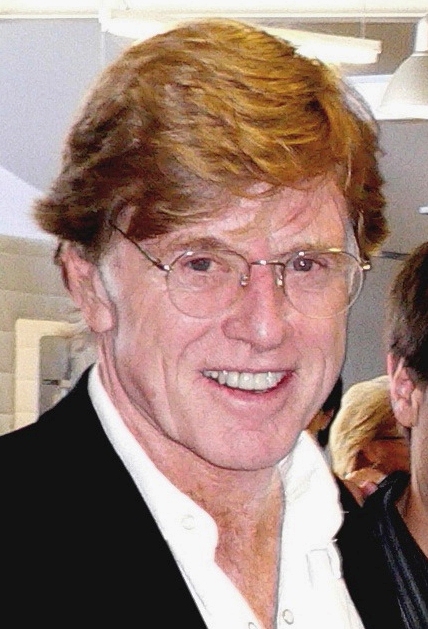
Robert Redford, a name synonymous with American cinematic grace and rugged individualism, carved an indelible path through Hollywood’s golden age and beyond. Celebrated for his magnetic presence as a leading man and later revered as an Academy Award-winning director and a visionary behind the Sundance Institute, Redford’s public persona often projected an image of effortless charm and success. Yet, beneath the veneer of the iconic “Golden Boy,” his life was a tapestry woven with profound personal challenges, quiet heartaches, and an unwavering resilience that shaped the man behind the legend. For all the accolades and public admiration, Redford navigated a private world marked by significant sorrow and persistent struggle, aspects often overshadowed by his luminous career.
Vanity Fair has long sought to peel back the layers of celebrity, revealing the intricate human stories that lie beneath the carefully constructed public images. In this spirit, we delve into the less-traveled avenues of Robert Redford’s life, exploring the deep-seated experiences that tested his resolve long before his passing. These moments of adversity, from the earliest days of his youth to the personal tolls of his adult life, offer a more complete portrait of an artist whose journey was far from merely glamorous. They illuminate the strength required to endure, to innovate, and to maintain an authentic self in the relentless glare of the spotlight.
His was a life not only of cinematic triumph but also of poignant human experience, demonstrating that even the most celebrated figures carry burdens and confront sorrows that define their character and drive their contributions. The narrative of Robert Redford is not just about the films he made or the awards he won, but about the deeply personal struggles he overcame, making his eventual passing, and indeed his entire life, a testament to an extraordinary human spirit.
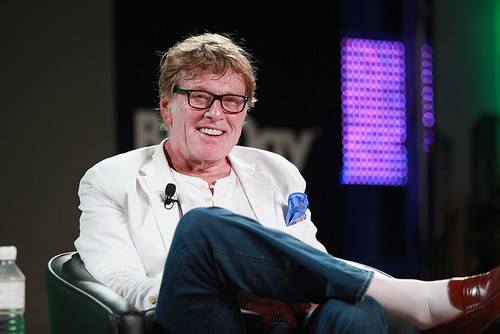
1. **The Shadow of Early Academic Struggles and Expulsion**Before Robert Redford became a towering figure in cinema, his youth was characterized by a period of significant personal turbulence, particularly within the confines of formal education. While he attended Van Nuys High School, where he was classmates with baseball pitcher Don Drysdale, Redford candidly described himself as having been a “bad” student. This self-assessment hints at a deeper struggle with conventional academic structures, suggesting an individual whose spirit yearned for expression and discovery beyond the traditional classroom setting. His true inspiration, he noted, was found outside, in the realms of art and sports, rather than within scholastic pursuits.
This early disengagement from academic norms became even more pronounced during his brief stint at the University of Colorado in Boulder. Redford’s tenure there lasted only a year and a half, marked by a descent into heavy drinking. This period proved to be a critical turning point, leading to the loss of his half-scholarship—a significant blow that highlighted the precariousness of his position. The consequence of these struggles was severe: he was expelled from the university, an event that undoubtedly carried a profound emotional weight for the young Redford.
The expulsion was not merely a bureaucratic decision; it represented a personal setback, a public failure, and a disruption to the expected trajectory of a young man’s life. It forced him to confront the consequences of his choices and to re-evaluate his path. While he eventually found his way to travel through Europe, studying painting and later drama, this initial academic failure and the underlying issues it exposed cast an early shadow over a life that would later achieve such grand successes, reminding us that even icons grapple with foundational difficulties.
Read more about: Alain Delon, The ‘Grand Fauve’ of French Cinema, Dies at 88: A Retrospective on a Life of Cinematic Brilliance and Personal Turmoil

2. **A Childhood Battle: Robert Redford’s Mild Polio**The narrative of Robert Redford’s youth also encompasses a quiet but significant health challenge: a mild case of polio at the age of 11. In an era before widespread vaccination and public awareness mitigated its terror, polio was a deeply feared disease, capable of inflicting debilitating paralysis and, in severe cases, death. To experience even a mild form of it as a child would have been a profoundly frightening and uncertain time for both young Redford and his family.
While the context specifies it as a “mild case,” the very mention of polio immediately evokes a sense of vulnerability and the unpredictable nature of illness. A diagnosis of polio, regardless of its severity, would have introduced a stark reality of fragility and the potential for long-term health implications into a child’s life. It would have meant a period of intense anxiety, medical intervention, and perhaps a forced pause from the typical freedoms and activities of childhood.
This experience, though not explicitly detailed as a source of ongoing heartbreak, undoubtedly left an imprint. Surviving such a public health threat at a formative age contributes to the resilience and perspective of an individual. It serves as a stark reminder that even figures who seem destined for greatness are not immune to the universal struggles of illness and the anxieties it brings, making his robust later career and active life even more remarkable.

3. **The Unspeakable Loss: The Death of Infant Son Scott Anthony**Among the most profound and unimaginable heartbreaks that can befall any parent is the loss of a child, and Robert Redford experienced this devastating tragedy early in his family life. On August 9, 1958, Redford married Lola Van Wagenen, and together they embarked on building a family, welcoming four children into their lives. However, their joy was tragically cut short with the death of their first child, Scott Anthony, at the tender age of two and a half months.
Scott Anthony’s death was attributed to sudden infant death syndrome (SIDS), a term that describes the sudden, unexplained death of an infant who is younger than 1 year of age. The randomness and mysterious nature of SIDS make it an especially cruel form of loss, leaving parents grappling with incomprehensible grief and often a desperate search for answers that may never come. For Robert and Lola, this would have been an emotionally shattering experience, a profound rupture in the fabric of their young family.
The loss of an infant son is an enduring sorrow that resonates throughout a parent’s life, shaping their perspective and tempering future joys with a subtle undercurrent of remembrance. This deeply private tragedy, while not widely publicized in the context of his burgeoning career, would have been an immense personal cross to bear. It underscores the universal vulnerability of life and the immense strength required to navigate such an unspeakable pain, highlighting the human depth beneath Redford’s public persona.
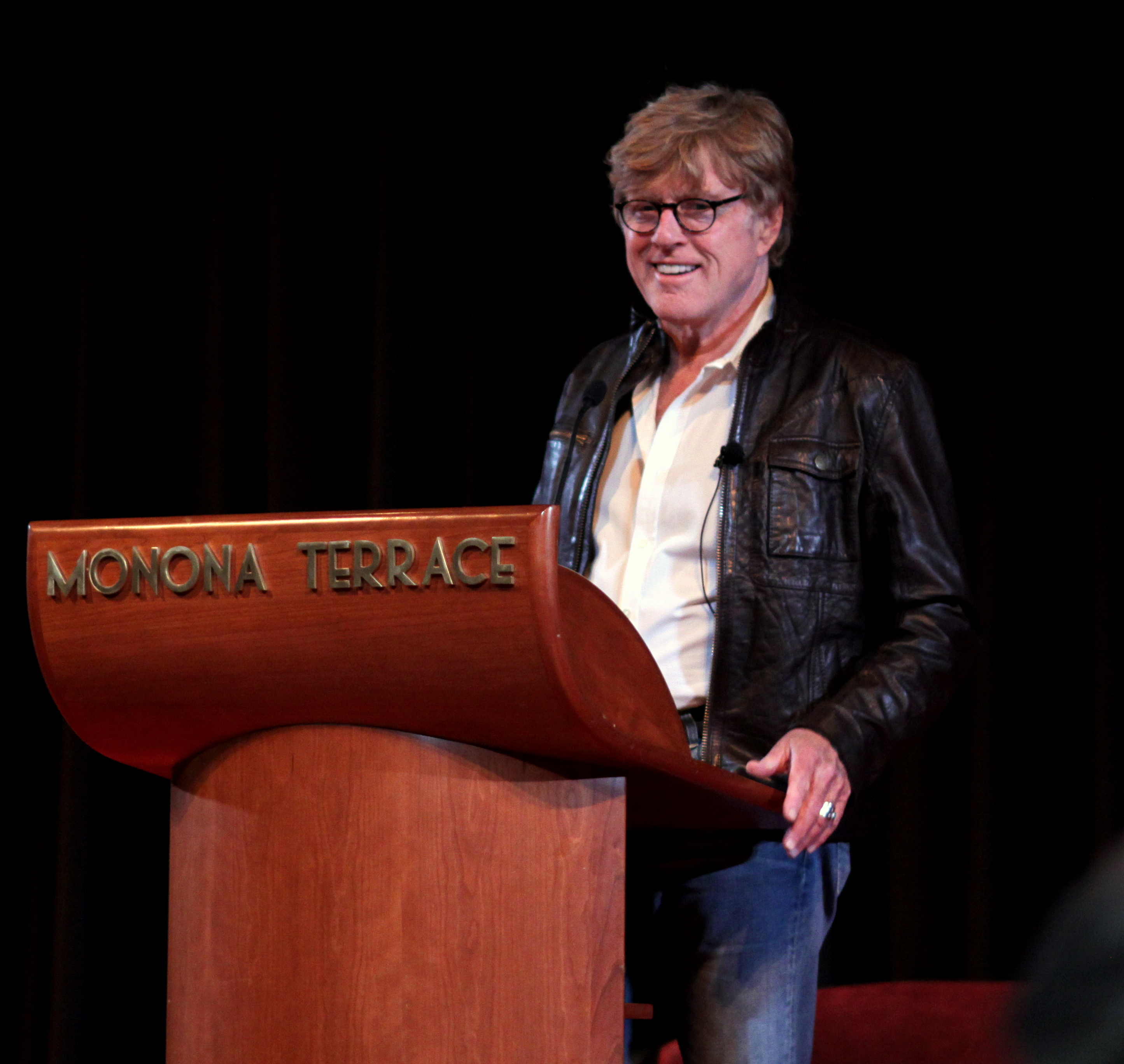
4. **A Marriage Under Strain: The Quiet Struggles of His First Union**Robert Redford’s first marriage to Lola Van Wagenen, which began in 1958, spanned a significant period of his early rise to stardom. While the couple had four children together and created a home in Utah, the union eventually faced considerable strains that led to a protracted and somewhat ambiguous separation. In 1982, entertainment columnist Shirley Eder reported that the pair “have been very much apart for several years,” a public acknowledgment of a private difficulty that had been unfolding for some time.
The process of formalizing their separation and divorce appears to have been complex and prolonged. The context notes that Redford was actively negotiating their divorce settlement while filming the critically acclaimed and highly successful *Out of Africa* in 1984. This detail paints a poignant picture of a man balancing the intense demands of a high-profile artistic endeavor with the deeply personal and often painful realities of dissolving a long-term marriage. The contrast between his professional triumph on screen and the personal turmoil behind the scenes speaks volumes about the pressures and complexities of his life.
Further complicating the narrative, *Parade* magazine in 1991 stated that “it is unclear whether the divorce has been finalized.” This suggests a prolonged state of marital limbo, which can itself be a source of considerable emotional distress and uncertainty. The enduring lack of clarity surrounding the formal end of their marriage indicates a deeply personal and perhaps difficult process, highlighting a quiet heartache that persisted for years beneath the surface of his glittering public life, long before his eventual marriage to Sibylle Szaggars.
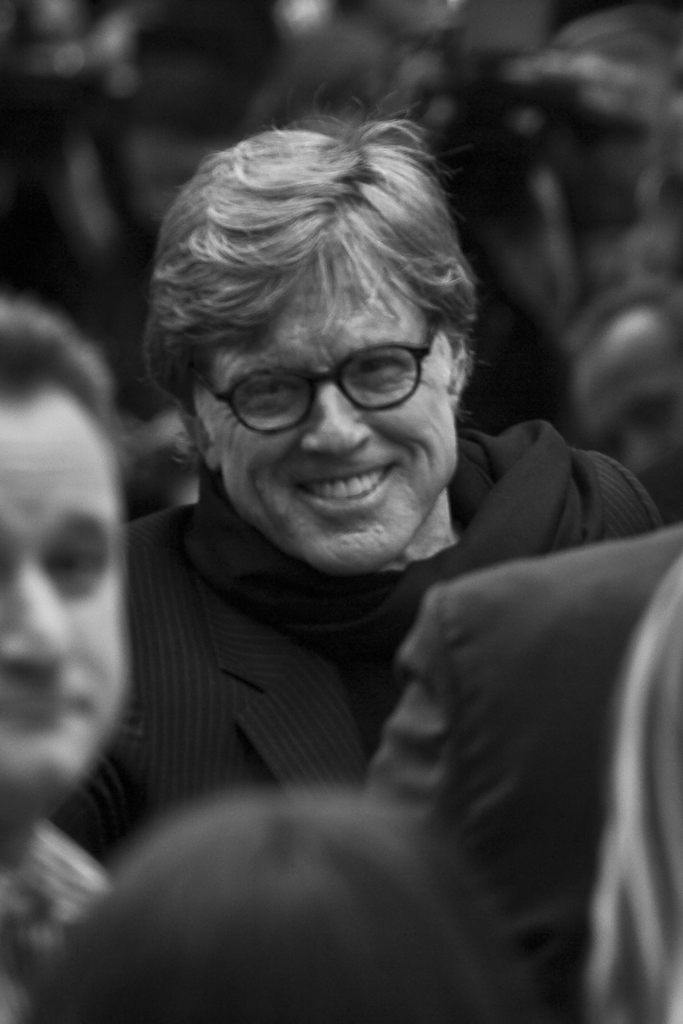
5. **Navigating Public Perception: Resisting the “Blond Male Stereotype”**As Robert Redford achieved Hollywood stardom in the late 1960s with films like *Barefoot in the Park* and *Butch Cassidy and the Sundance Kid*, he quickly became synonymous with a particular image: that of the “blond male stereotype.” While this image contributed to his rapid ascent as a leading man, Redford himself was acutely aware of its limitations and actively resisted being confined by it. This internal struggle against public perception was a significant, albeit less visible, challenge in his career.
His concern about this stereotypical casting led him to make deliberate choices, famously refusing roles in now-iconic films such as *Who’s Afraid of Virginia Woolf?* and *The Graduate*. These were not merely career decisions but acts of artistic integrity, demonstrating his desire to seek out roles that offered greater depth and complexity than the superficial labels Hollywood often assigned. He sought to define his own niche, one that would allow him to embody characters that were intelligent, reliable, and sometimes sardonic, rather than just conventionally handsome.
This resistance to being typecast reflects an early understanding of the potential pitfalls of fame and the importance of maintaining artistic control. It was a battle fought not against external adversaries, but against the very image that made him a star. This determination to forge his own path, even if it meant turning down lucrative and prominent roles, reveals a man deeply committed to his craft and to shaping his legacy on his own terms, underscoring that the pursuit of authenticity can be its own form of struggle and heartache, particularly in an industry obsessed with image.” , “_words_section1”: “1738
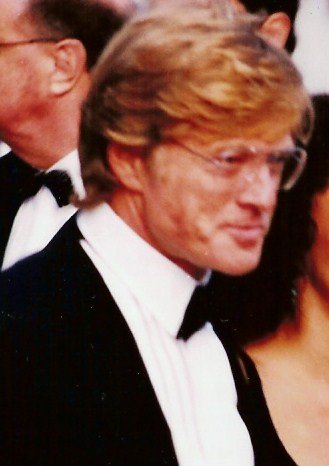
6. **The Continuing Shadow of Loss: The Death of His Son David James**While the loss of an infant son is an unspeakable tragedy, Robert Redford was unfortunately destined to experience the profound sorrow of losing another child later in life. His son, David James Redford, a talented writer and producer in his own right, passed away in 2020 due to cancer. This later, adult loss cast yet another long shadow over the acclaimed actor’s personal life, a testament to the enduring and recurrent nature of grief that transcends public accolades and professional triumphs.
The death of a child, regardless of age, carries an unimaginable weight, but the loss of an adult son to illness brings a unique agony. It entails witnessing a life fully lived but cut short, the unfulfilled potential of a creative spirit, and the enduring pain of a parent whose child precedes them in passing. For Redford, this meant navigating the public eye while grappling with a deeply personal void, reinforcing the narrative that even the most celebrated lives are not immune to the cruelest blows of fate.
This second, profound loss of a son undeniably contributed to the tapestry of Redford’s quiet heartaches, shaping his perspective and grounding him in a reality far removed from the glamour of Hollywood. It underscores the immense personal cost that often accompanies a life of great achievement, revealing an emotional resilience forged through repeated encounters with the most fundamental human sorrows. His ability to continue contributing to cinema and culture while bearing such private burdens is a testament to an extraordinary strength of character.
Read more about: Aron Bell, Last Brother of a World War II Resistance Group, Dies at 98: A Legacy of Courage and Rescue
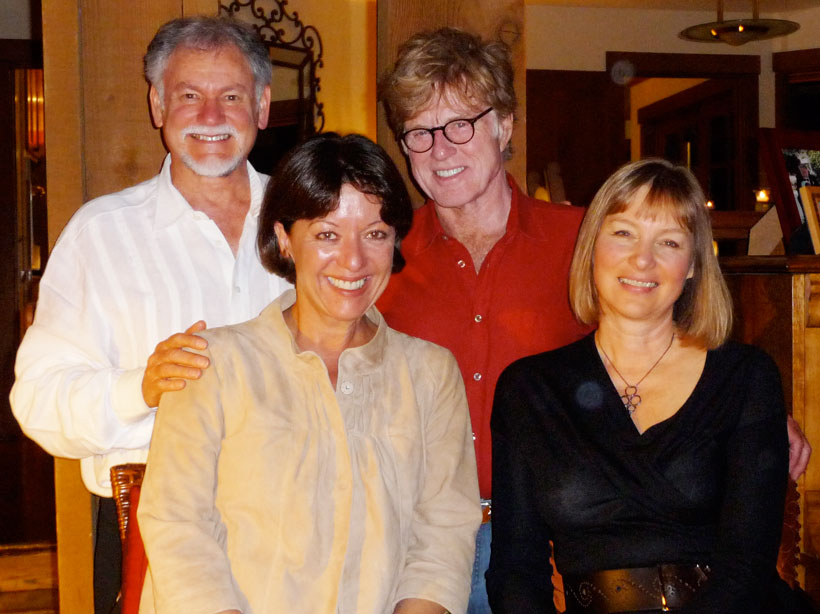
7. **Beyond the Blockbusters: Navigating Critical Success Amidst Commercial Swings**Robert Redford’s career was punctuated by undeniable box-office blockbusters such as *Butch Cassidy and the Sundance Kid*, *The Sting*, and *Out of Africa*, films that solidified his status as a quintessential leading man. However, his professional journey was not a linear ascent of uninterrupted commercial triumphs. A closer look reveals a deliberate willingness to embrace projects that, while often critically significant, did not always achieve the same widespread commercial success, highlighting a continuous negotiation between artistic ambition and the demands of the market.
Early in his career, after his initial breakthrough, Redford starred in films like *Downhill Racer* (1969), *Tell Them Willie Boy Is Here* (1969), *Little Fauss and Big Halsy* (1970), and *The Hot Rock* (1972). While many of these were bold artistic choices or critically appreciated, the context indicates they were not commercially successful. This pattern demonstrated Redford’s early commitment to diverse and often more challenging material, even if it meant foregoing the immediate financial rewards that might accompany more conventional roles, revealing a professional trial in staying true to his artistic vision.
This trend continued throughout his career, even after he cemented his directing prowess with *Ordinary People* (1980), which won him an Academy Award for Best Director and Best Picture. Despite this directorial triumph, other projects like *Legal Eagles* (1986) were only minor box office successes, and *The Milagro Beanfield War* (1988), though well-crafted and based on an acclaimed novel, was not commercially successful. Later still, *Lions for Lambs* (2007) opened to mixed reviews and disappointing box office results.
These instances underscore a consistent aspect of Redford’s professional life: a deep-seated desire to explore diverse narratives and take risks, even when it meant navigating the choppy waters of public reception. His dedication to serious, often political, or character-driven storytelling often took precedence over guaranteed commercial appeal, presenting a quiet professional struggle to maintain artistic integrity within a profit-driven industry, thereby contributing to a more complex and nuanced understanding of his enduring legacy.
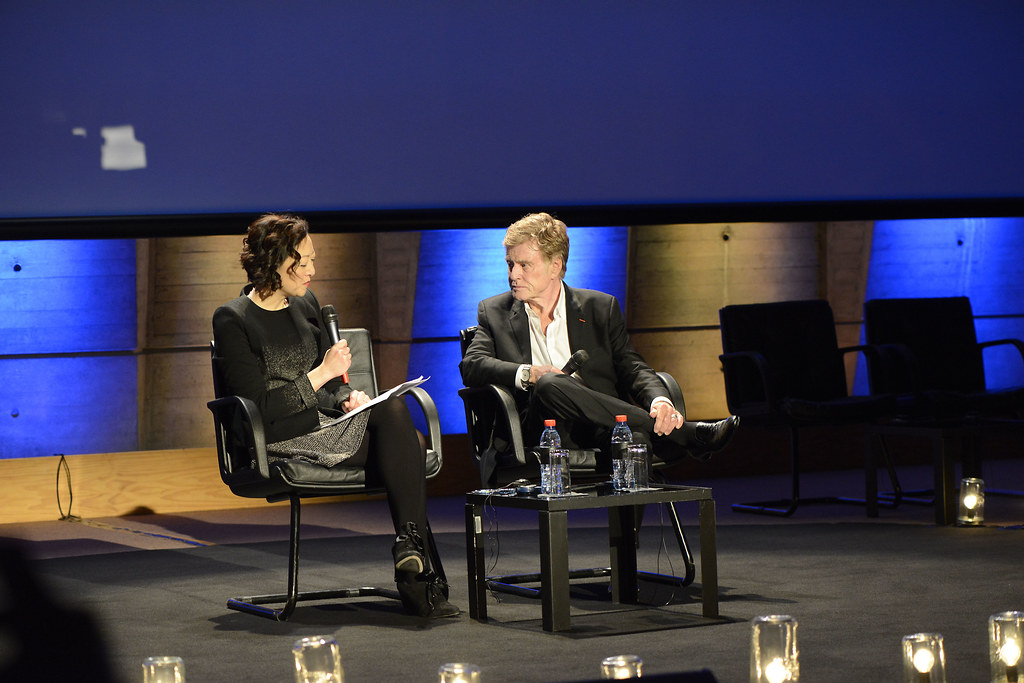
8. **The Persistent Burden: A Lifelong Rejection of the “Sex Symbol” Moniker**Despite his undeniable talent, striking good looks, and magnetic on-screen presence, Robert Redford consistently found himself grappling with a public image he actively resisted: that of a mere ” symbol.” This label, while fueling his widespread appeal, became a persistent source of frustration, challenging his identity as a serious actor and filmmaker. It was a burden he carried throughout his career, constantly striving to transcend a superficial categorization that threatened to overshadow his profound artistic contributions.
His aversion to this reductive image was clearly articulated in a revealing 1974 interview with *The New York Times*. When confronted with his status as a symbol, Redford responded with unvarnished candor, declaring, “‘I never thought of myself as a glamorous guy, a handsome guy, any of that stuff. Suddenly, there’s this image…Glamour image can be a real handicap. It is crap.'” This powerful statement highlights not just a humble nature, but a deep-seated discomfort with an identity imposed upon him by the media and public, rather than one he cultivated himself.
This isn’t merely the complaint of a handsome man; it speaks to a deeper professional and personal trial. For an artist dedicated to his craft, being reduced to a physical attribute can be profoundly disheartening and creatively limiting. Redford’s early refusal of roles in iconic films such as *Who’s Afraid of Virginia Woolf?* and *The Graduate* was an intentional effort to carve out a niche that emphasized intelligence, reliability, and depth, rather than succumbing to the “blond male stereotype” that threatened to define him.
His continuous efforts to shape his narrative, from taking on challenging, complex roles to his eventual pivot towards directing and founding the Sundance Institute, can be seen as a lifelong endeavor to counteract this pervasive “glamour image.” It reveals a man constantly battling the superficiality of celebrity, striving to be recognized for his substance and his work, rather than just his appearance. This struggle for authentic self-definition in the face of widespread public perception was a quiet, yet profound, heartache of his iconic life.

9. **A Partnership Interrupted: The Unfinished Narrative with Paul Newman**The cinematic world was irrevocably enriched by the electrifying partnership of Robert Redford and Paul Newman. Their on-screen chemistry, first ignited in *Butch Cassidy and the Sundance Kid* and famously rekindled in *The Sting*, forged an enduring legend of Hollywood camaraderie. These collaborations transcended mere acting; they were an alchemy of charisma, wit, and subtle interplay that captivated audiences and defined an era of filmmaking. Yet, for all their shared triumphs, their story holds a poignant note of an unfulfilled creative narrative.
Years after their blockbuster successes, a desire for a third collaboration lingered, a testament to the powerful bond and mutual respect between the two stars. Redford, recognizing the magic they created together, had diligently pursued a project with Newman in mind. He optioned the film rights for Bill Bryson’s acclaimed book, *A Walk in the Woods*, more than a decade before its eventual release in 2015, specifically envisioning himself co-starring with his beloved friend.
However, fate intervened with a cruel hand. The context reveals that Redford “had shelved the project after Newman’s death.” This detail casts a somber pall over their iconic legacy, a powerful reminder that some creative dreams, however cherished and meticulously planned, are destined to remain unrealized. Newman’s passing didn’t just end a life; it severed a unique artistic connection, leaving an imagined cinematic reunion forever in the realm of “what if.”
This unfulfilled collaboration stands as a quiet heartache in Redford’s professional life. It speaks to the bittersweet reality of creative partnerships, where shared visions can be tragically interrupted by life’s unpredictable turns. Even for a man who achieved so much and nurtured countless independent filmmakers through Sundance, the absence of this final, cherished project with Newman serves as a poignant reminder of artistic narratives left incomplete, adding a layer of enduring melancholy to his illustrious career.
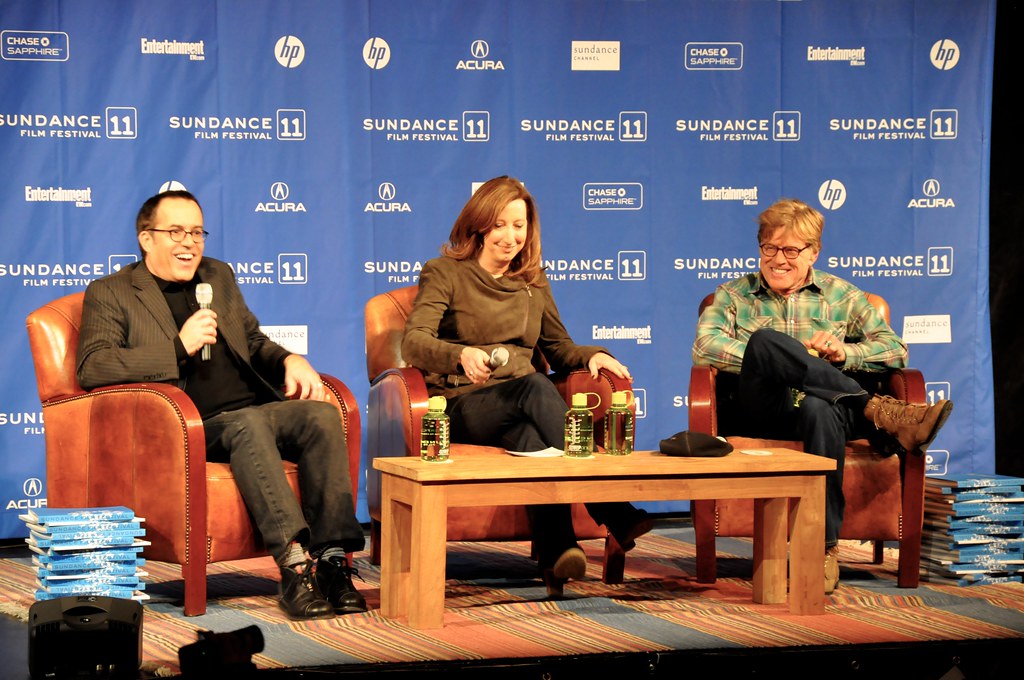
10. **The Fierce Advocate: Redford’s Unwavering Stand on Activism and Its Costs**Beyond the silver screen and the director’s chair, Robert Redford dedicated a significant portion of his life to a fervent and often outspoken commitment to political and environmental activism. This wasn’t merely a celebrity endorsement but a profound, unwavering stance on issues he held dear, including environmentalism, Native American rights, and LGBTQ+ equality. His public advocacy, while earning him admiration, also positioned him in sometimes controversial territories, revealing a different kind of trial he faced as a public figure.
Redford was a tireless champion for environmental protection, serving as a trustee of the Natural Resources Defense Council and as vice president for The Way of the Rain, an organization raising environmental awareness through art. His advocacy was not abstract; he vocally opposed the TransCanada Corporation’s Keystone Pipeline, even being identified by its CEO as a leader of the anti-pipeline movement. Furthermore, his influence was instrumental in Pitzer College’s decision to divest fossil fuel stocks from its endowment, a significant commitment for a higher-education institution.
His political engagements were equally robust and, at times, polarizing. He publicly endorsed Democratic presidents Barack Obama and Joe Biden, clearly aligning himself with progressive causes. Yet, his journey through the political landscape also included a clarified, initially ambiguous, statement on Donald Trump’s book, followed by increasingly sharp criticisms. In op-eds, Redford referred to Trump’s administration as a “monarchy in disguise,” stated “it’s time for Trump to go,” and criticized his handling of the COVID-19 pandemic and the withdrawal from the Paris Agreement, ultimately declaring Trump lacked a “moral compass.”
These strong political stances underscore Redford’s conviction that his platform carried a responsibility, even if it meant risking public backlash or navigating controversy. His executive production and narration of *Incident at Oglala*, a documentary about American Indian Movement activist Leonard Peltier, further exemplified his deep commitment to Indigenous rights.
His lifelong dedication to these causes—from the environment to social justice—was not a fleeting trend but a core component of his identity, often shaping his public narrative as much as his films. This consistent, and at times controversial, commitment to being a fierce advocate meant confronting criticism and navigating complex political landscapes, a distinct and ongoing personal and professional trial that further defined the remarkable man behind the legend.
The enduring narrative of Robert Redford is undeniably one of dazzling cinematic achievement and pioneering artistic vision. Yet, to truly understand the man—the depth of his character, the source of his profound empathy, and the wellspring of his resilience—one must look beyond the celebrated roles and public triumphs. It is in the quiet corridors of personal loss, the artistic battles fought against superficial labels, the creative dreams left unfulfilled, and the unwavering, sometimes costly, commitment to a better world, that the true measure of Robert Redford’s spirit comes into sharpest focus. His life was indeed marked by heartaches and trials long before his passing, but it was precisely through these experiences that he forged an indelible legacy, not merely as an icon, but as a profoundly human and impactful figure who understood the intricate tapestry of joy and sorrow that defines a life well-lived.