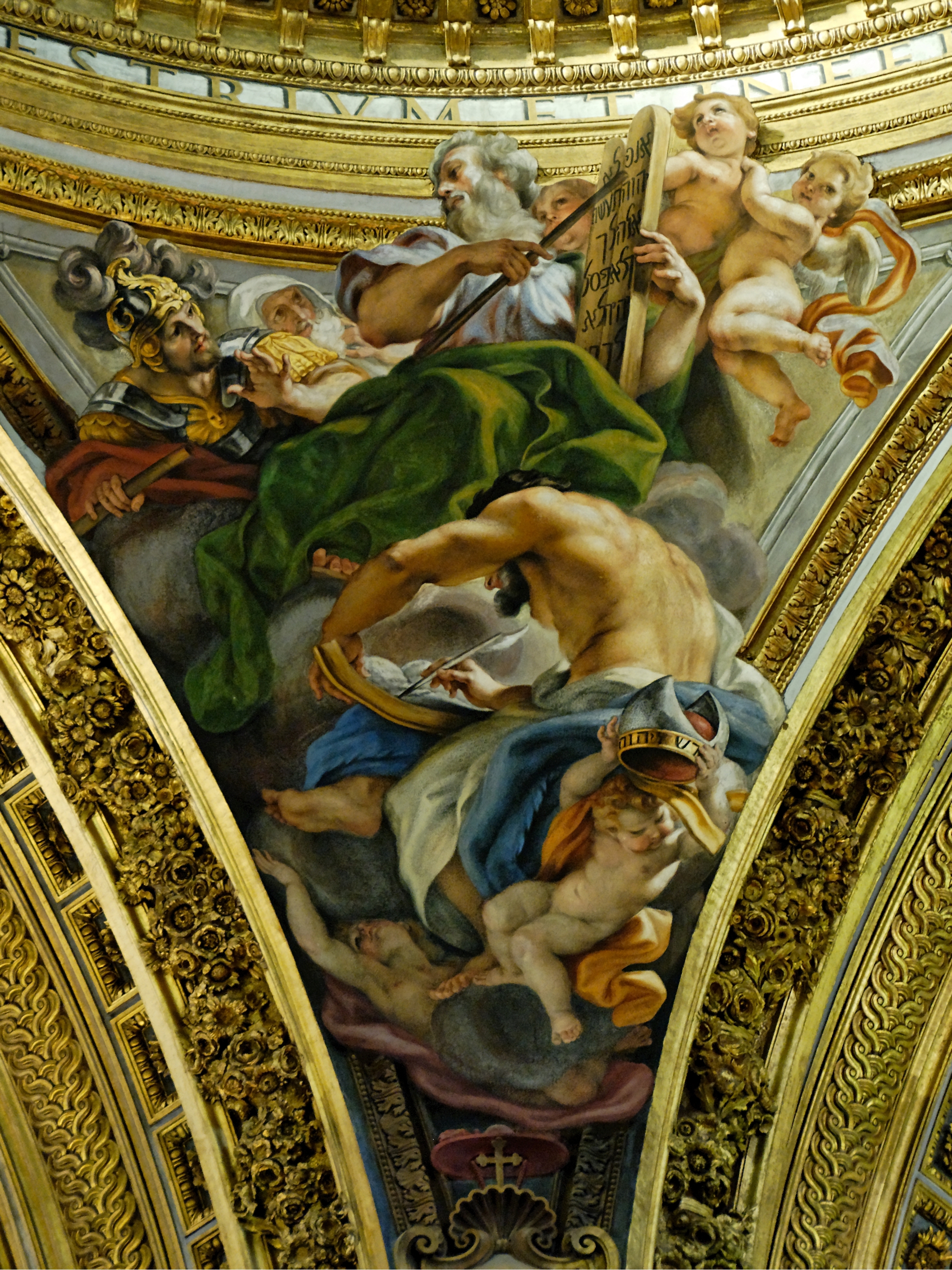
In the sprawling tapestry of ancient Israel’s history, few figures loom as large and as multifaceted as Samuel. Often remembered as a pivotal prophet, his story is far more intricate than a simple tale of divine communication. Samuel was a true transitional figure, straddling the worlds of the biblical judges and the emerging monarchy, a bridge between tribal leadership and the unified kingdom that would define Israel for centuries to come. His life, documented in the Hebrew Bible, is a masterclass in divine intervention, human frailty, and the complex dance between spiritual authority and political power.
To truly grasp Samuel’s immense significance, one must delve beyond the surface-level narratives and unearth the deeper currents that shaped his destiny and that of an entire nation. His journey is a compelling drama, filled with miraculous beginnings, stark moral choices, and the weighty burden of a prophet called to anoint—and later denounce—kings. We’re not just recounting facts here; we’re deconstructing a legacy, observing how a single individual, guided by divine purpose, could fundamentally alter the trajectory of a people. His story offers a rare glimpse into the formative years of Israel’s national identity, revealing the struggles and triumphs that paved the way for future kings and prophets.
From his very inception, Samuel was marked by destiny, a child born of fervent prayer and a solemn vow. His early life unfolded against a backdrop of religious decline, yet it was precisely in this challenging environment that his unique calling would take root, preparing him for the monumental tasks ahead. He wasn’t merely a passive observer; Samuel was an active participant, an agent of change who would challenge the status quo, deliver his people from oppression, and ultimately reshape the very structure of their governance. Let’s unpack the extraordinary chapters of a life that redefined leadership in ancient Israel, starting with the very first breaths of this remarkable man.

1. **The Promise and the Vow: Samuel’s Miraculous Entry**The story of Samuel begins with his parents, Hannah and Elkanah, and a deep-seated heartache that resonates across generations. Elkanah, a Levite residing in Ramathaim in the district of Zuph, had two wives: Peninnah, who bore him children, and Hannah, who remained barren. Despite Hannah’s infertility, Elkanah favored her, a tenderness that unfortunately fueled Peninnah’s jealousy. This familial tension was a constant source of anguish for Hannah, especially during the annual pilgrimages Elkanah would lead to the holy site of Shiloh. It was there, amidst her sorrow, that Hannah’s unwavering faith would forge a new path for her family and, indeed, for Israel itself.
Driven by profound grief and a desperate longing for a child, Hannah sought solace in prayer at the sanctuary. In a poignant display of devotion, she made a solemn vow: if God would grant her a son, she would dedicate him to God as a Nazirite, meaning he would be set apart for divine service from birth. Eli, the priest of Shiloh and one of the last Israelite Judges, observed her in the sanctuary, initially mistaking her silent, tearful prayer for drunkenness. However, upon understanding her pure motivation and sobriety, Eli blessed her, unknowingly sealing a destiny that would profoundly impact Israel.
Following Eli’s blessing, Hannah conceived and gave birth to a son, whom she named Samuel. This name itself is steeped in the narrative of her prayer, with 1 Samuel 1:20 stating, “…[She] called his name Samuel, saying, Because I have asked him of the Lord” (KJV). While the Hebrew suggests meanings like “God has set” or “God has placed,” the popular understanding, stemming from Hannah’s explanation, links it to being “asked/borrowed him from God.” This dual etymology beautifully captures the essence of Samuel’s existence: a divine gift and a child dedicated entirely to God’s purpose. True to her word, once Samuel was weaned, Hannah brought him to Shiloh and left him in Eli’s care, fulfilling her sacred vow and setting the stage for his extraordinary life of service.

2. **A Voice in the Night: Samuel’s Divine Calling**Samuel’s childhood was unlike that of other children. He grew up within the sacred confines of the shrine at Shiloh, ministering under the watchful eye of Eli, the aged priest. While Eli’s own sons, Hophni and Phinehas, were described as “wicked in that they were immoral and showed contempt for the Lord’s offering” (1 Samuel 2:17, 22), young Samuel “continued to grow in stature and in favor with the Lord and with men” (1 Samuel 2:26). This stark contrast between Eli’s corrupt lineage and Samuel’s burgeoning piety set the stage for a dramatic divine intervention, signaling a shift in spiritual leadership.
It was during this era, a time when prophecies and visions were rare, that God chose to reveal Himself to Samuel. One night, a voice called Samuel’s name. The first-century Jewish historian Josephus notes Samuel was merely 12 years old, making this moment all the more remarkable. Initially, Samuel, still unaccustomed to such divine interaction, assumed the voice belonged to Eli and went to him, asking what he wanted. Eli, however, sent the boy back to sleep. This exchange repeated three times, a powerful narrative device emphasizing the distinct nature of the call.
Finally, Eli, perhaps with a flash of spiritual insight, realized that the voice was the Lord’s. He instructed Samuel on how to respond: “If He calls you, then you must say, ‘Speak, Lord, for Your servant hears'” (1 Samuel 3:9). When Samuel followed these instructions, the Lord delivered a message of devastating judgment against Eli’s household, condemning his dynasty due to the wickedness of his sons. The following morning, Samuel, though hesitant, bravely recounted the entire message to Eli, marking his first significant act as a prophet. Eli, accepting his fate, merely responded, “The Lord should do what seems right unto him.” This moment solidified Samuel’s credibility, and soon, “all Israel from Dan to Beersheba” came to know that Samuel was a trustworthy prophet of the Lord.

3. **From Judge to Deliverer: Restoring Israel’s Hope**Samuel’s rise to national prominence was catalyzed by a period of severe national crisis. During his youth, the Philistines, perennial adversaries of Israel, inflicted a crushing defeat at Eben-Ezer, seizing the sacred Ark of the Covenant and placing the land under their oppressive control. This catastrophe had immediate and tragic consequences: upon hearing the news of the Ark’s capture and the deaths of his wicked sons, Eli collapsed and died. It was a dark moment for Israel, a testament to their spiritual decline and vulnerability, and it presented Samuel with an immense leadership vacuum to fill.
For seven months, the Philistines endured calamities and misfortunes, attributed to their possession of the Ark, which ultimately compelled them to return it to Israel. However, the period of Philistine oppression lingered for two decades. The context describes Samuel as a crucial figure in preserving Israel’s religious heritage and identity during this dark age, exercising authority in roles that typically wouldn’t converge in a single individual: priest, prophet, and judge. He was the spiritual anchor during a time of national despair, meticulously preparing the ground for a resurgence of faith and national pride.
After 20 years of subjugation, Samuel, whose reputation as a prophet had spread throughout the land, summoned the people to Mizpah. There, he led them in a national act of repentance, instructing them to cast aside their false gods. When the Philistines marched to Mizpah to attack the newly assembled Israelite army, they were met with a sound and decisive defeat, fleeing in terror. The retreating Philistines were slaughtered, and Samuel commemorated this victory by erecting a large stone as a memorial. This victory, explicitly attributed to God’s power through Samuel’s leadership, ushered in a long period of peace, firmly establishing Samuel’s authority as the recognized judge of all Israel.
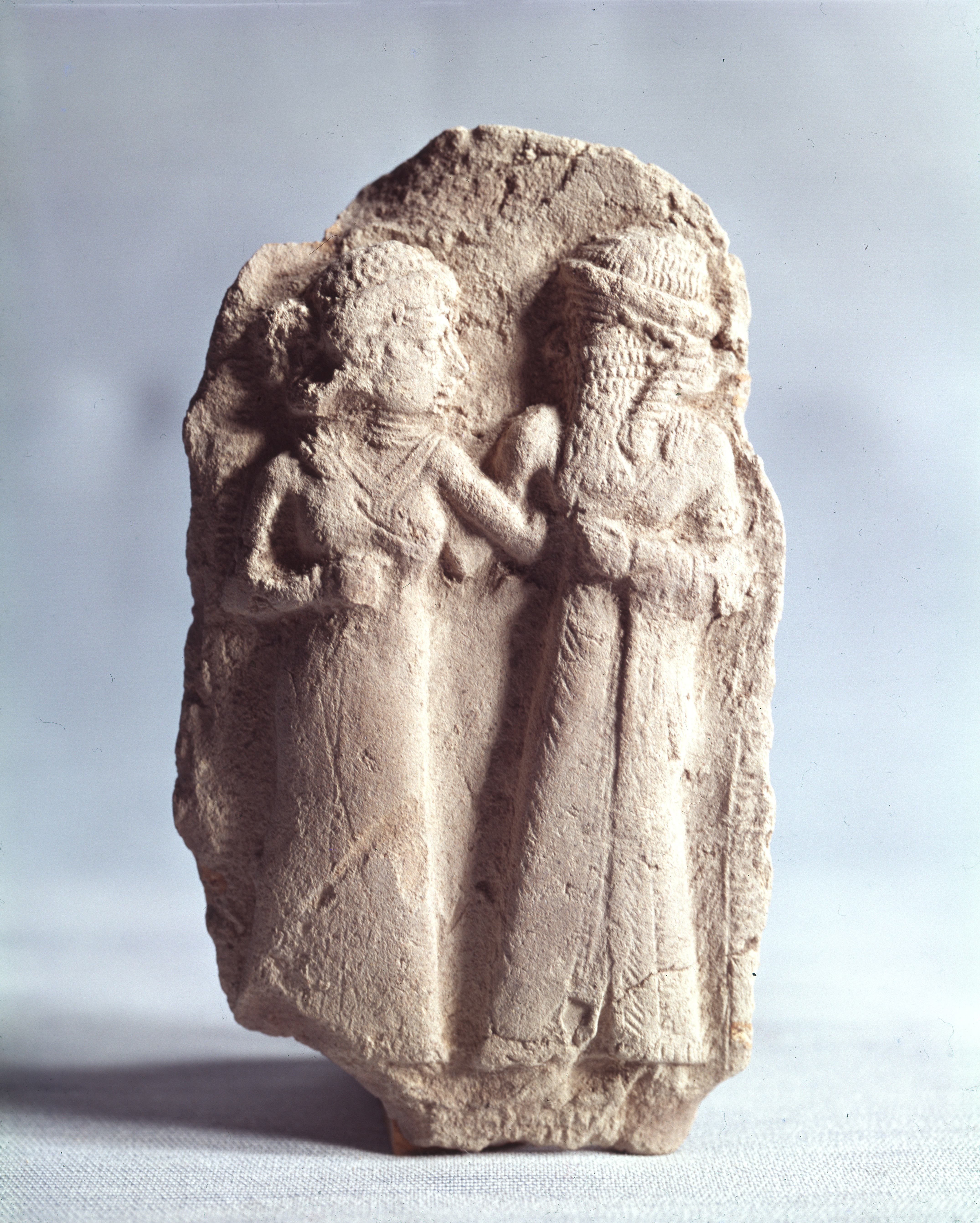
4. **The Kingdom’s Dawn: Why Israel Demanded a King**Despite Samuel’s exemplary leadership and the peace he brought to Israel, the old patterns of corruption and the looming threat of external enemies would soon challenge the established order. As Samuel aged, he appointed his two sons, Joel and Abijah, as his successors, much as Eli had done before him. However, the narrative is painfully clear: just like Eli’s sons, Samuel’s proved unworthy, accepting bribes and perverting justice. This failure of hereditary leadership created a profound crisis of confidence among the Israelite elders, rekindling an age-old desire for a different form of governance.
Faced with the internal corruption of Samuel’s sons and the persistent “external threat from other tribes, such as the Philistines,” the tribal leaders converged on a seemingly logical, albeit revolutionary, solution. They approached Samuel, articulating a demand that would forever alter Israel’s political and spiritual landscape: “because he was too old and his sons did not walk in his ways, they wanted Samuel to appoint a king to rule like other nations had” (1 Samuel 8:1–5). This wasn’t just a request for a new leader; it was a fundamental rejection of the charismatic, divinely appointed judges who had guided Israel for centuries, in favor of a more conventional, worldly monarchy.
Samuel’s initial reaction to this demand was one of “great displeasure,” viewing it as a deeply personal slight and a departure from God’s chosen path for Israel. He turned to God in prayer, seeking divine counsel on this unprecedented request. God’s response was both validating and profoundly insightful: He reassured Samuel that “they had not rejected him, but had rejected God as their king.” While granting Samuel leave to permit their request, God issued a stark warning to the people, detailing the potential negative consequences and burdens they could expect from an earthly king—a chilling prophecy of taxation, forced labor, and military conscription. This moment, then, was not merely a transition of power, but a pivotal theological shift, underscoring Israel’s desire to conform to human norms rather than embrace its unique divine covenant.

5. **Anointing the First King: Saul’s Unexpected Rise**With the divine, albeit reluctant, mandate to appoint a king, Samuel was now tasked with finding a suitable candidate. The narrative swiftly introduces Saul, a Benjamite, who enters the stage under the most prosaic of circumstances: searching for his father’s lost donkeys. Saul was seemingly an unlikely choice for kingship – from the smallest tribe of Israel, and initially without any obvious claim to power. Yet, it was this very anonymity and humble task that providentially led him directly to Samuel, a testament to God’s often surprising methods of selecting leaders.
Samuel, guided by divine revelation, recognized Saul as the future king. Their first meeting was remarkably private and understated. Samuel treated Saul to a meal, then secretly anointed him, pouring oil on his head as a sacred sign of his future office. This clandestine anointing highlighted the divine choice, setting Saul apart before any public declaration. It was a moment of profound significance, cementing God’s selection through His prophet, Samuel, even before the people were aware of their new leader.
The formal introduction of Saul to the nation was a more public affair, orchestrated by Samuel at an assembly. He gathered the people to Gilgal, or at Mizpah, and presented Saul to the masses. Despite Saul’s initial shyness and need to be found hiding among the baggage, his impressive stature – standing a head taller than anyone else – captivated the people. When Samuel publicly proclaimed him king, the Israelites responded with acclamation, hailing their new monarch. Thus, Samuel, the last of the judges, effectively inaugurated the era of monarchy in Israel, anointing the man who would lead them, despite his own earlier reservations and God’s explicit warnings about the nature of human kingship.
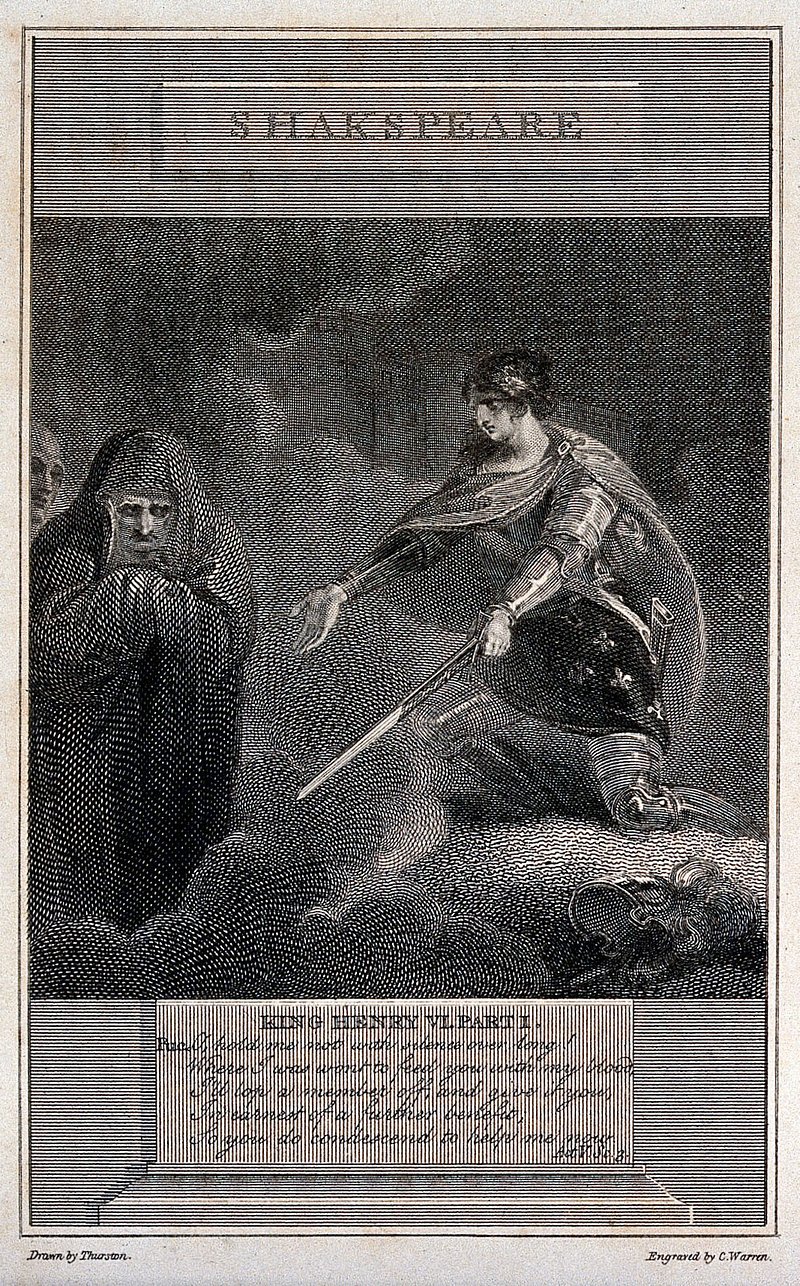
6. **The Cracks in the Crown: Samuel’s Clash with Saul**The honeymoon period for Israel’s first king was, unfortunately, short-lived. Samuel, the very prophet who had anointed Saul, quickly became his sternest critic, embodying the tension between spiritual authority and monarchical power. The first major clash arose when Saul, preparing to face the Philistines, took it upon himself to offer the pre-battle sacrifice without waiting for Samuel’s overdue arrival. This act of disobedience, seemingly minor but fundamentally a transgression against divine protocol, drew Samuel’s swift and damning condemnation.
Samuel confronted Saul directly, prophesying that his rule would see no dynastic succession. “Samuel immediately warned Saul that God had already sought out a replacement for him” (1 Samuel 13:14). This was not merely a rebuke but a divine pronouncement that undermined the very stability of Saul’s nascent kingdom, signaling God’s displeasure with the king’s independent actions and his failure to wait on the Lord’s chosen representative. It underscored Samuel’s unwavering commitment to divine commands over human expediency or royal prerogative.
The conflict escalated with the campaign against the Amalekites. Samuel conveyed God’s explicit command to Saul: “utterly destroy all that they have, and spare them not; but slay both man and woman, infant and suckling, ox and sheep, camel and ass” (1 Samuel 15:3, KJV). However, Saul again disobeyed, sparing Agag, the Amalekite king, and the “best of their livestock,” intending to sacrifice them to the Lord. Samuel, utterly disgusted by this partial obedience, famously declared to Saul, “To obey is better than sacrifice.” He unequivocally told Saul that “God made him king, and God can unmake him king.” Following this pronouncement, Samuel himself executed Agag. After this profound confrontation, “Saul never saw Samuel alive again,” and Samuel mourned for the king he had once anointed, yet whose disobedience had sealed his fate. This pivotal moment solidified Samuel’s role not just as a king-maker, but as the formidable guardian of divine law, even against the crown itself. He epitomized the principle that even kings were subject to God’s ultimate authority, as communicated through His prophet.

7. **Anointing a New Dawn: David’s Secret Selection**The narrative of Samuel, so intertwined with the rise and fall of Saul, takes a dramatic turn as God’s chosen prophet is tasked with anointing a new monarch. Following Saul’s repeated acts of disobedience, Samuel had already delivered a damning prophecy, declaring that God had sought out a replacement for the king. This wasn’t merely a political decree; it was a profound spiritual reorientation, a testament to God’s ultimate sovereignty over Israel’s leadership, even when the people clamored for earthly power.
It was against this backdrop of royal rejection and divine redirection that Samuel received his next critical mission: to journey to Bethlehem and anoint a new king from the family of Jesse. This was a mission cloaked in secrecy, a stark contrast to the public acclamation that had marked Saul’s initial presentation to the nation. Samuel, ever obedient to the divine directive, proceeded to Bethlehem, guided by an unseen hand toward the individual who would become Israel’s greatest king.
There, Samuel met Jesse and his sons. One by one, the older sons were presented, each seemingly fitting the mold of a king. Yet, the divine eye saw differently. Ultimately, it was Jesse’s youngest son, David, a mere shepherd, whom Samuel was instructed to anoint. This clandestine act, pouring oil upon David’s head, consecrated him as God’s chosen, setting the stage for a future kingship that would redefine Israel, all while Saul still sat uneasily upon his throne. Samuel, despite his mourning for Saul, faithfully executed this pivotal divine command, laying the foundation for a new era.
Samuel didn’t just anoint David; he also later provided sanctuary for David when the jealous Saul, consumed by his own diminishing power and God’s rejection, first tried to have him killed. This act of protection further cemented Samuel’s role as a guardian of God’s chosen path, demonstrating his unwavering commitment to the divine will even when it placed him in direct opposition to the reigning king. It was a dangerous, yet essential, intervention that underscored Samuel’s courage and his pivotal role in ensuring the survival of God’s anointed successor.

8. **Beyond the Grave: Samuel’s Death and Posthumous Counsel**Having fulfilled his monumental tasks of ushering in the monarchy and anointing its divinely chosen successor, Samuel’s earthly journey came to an end. The biblical narrative explicitly states that Samuel died, and “all Israel assembled and mourned for him.” This widespread lamentation speaks volumes about his profound impact and the reverence he commanded throughout the nation. His burial place is described as Ramah, a location traditionally identified with Samuel’s tomb in the West Bank village of Nabi Samwil, a site that continues to hold significance.
However, Samuel’s influence, and indeed his presence, was not confined by death. In one of the most chilling and dramatic episodes in the Hebrew Bible, Saul, now deeply distressed and abandoned by God, sought forbidden counsel from the Witch of Endor. Desperate to predict the outcome of an impending battle, and unable to receive divine guidance, Saul commanded the witch to conjure Samuel’s spirit from Sheol, the realm of the dead. This act underscores the immense spiritual authority Samuel possessed, an authority that even death could not fully extinguish.
The conjuring was successful, and Samuel’s spirit appeared, angered by his recalling. His posthumous message to Saul was devastating, confirming God’s abandonment and prophesying Saul’s imminent defeat and death alongside his sons. “Samuel was angered by his recalling, and told Saul that the Lord had left him.” This encounter, though brief and supernatural, served as Samuel’s final, authoritative pronouncement, a last-gasp affirmation of divine judgment against a disobedient king. It vividly illustrated the enduring power of Samuel’s prophetic voice, capable of piercing the veil between life and death to deliver God’s uncompromising truth.
The rabbinical Midrash offers further fascinating details on this enigmatic encounter, asserting that the Witch of Endor was Zephaniah, the mother of Abner. It further clarifies that the spirit was invoked within the first twelve months after Samuel’s death, a period during which, according to the Rabbis, the spirit still hovers near the body. The rabbis also developed a theory distinguishing who sees and hears: the necromancer sees the spirit but cannot hear, while the person for whom the spirit is called hears but cannot see, and bystanders neither hear nor see. Samuel’s unusual upright rising, as opposed to a horizontal position, caused the woman’s outcry, highlighting the extraordinary nature of his appearance.

9. **Samuel Through a Rabbinical Lens: Wisdom and Empathy**In classical Rabbinical literature, Samuel is not merely a biblical character but a figure whose life and actions are expanded upon, interpreted, and often amplified to illustrate profound theological and ethical lessons. This rich tradition presents Samuel as an individual of extraordinary devotion and intellect, shaping Jewish thought on leadership, piety, and divine communication in ways that complement and deepen the biblical narrative.
According to both the Book of Jeremiah and one of the Psalms, Samuel possessed a high devotion to God. Rabbinical literature takes this further, asserting that he was even “more than an equal to Moses,” a testament to his unique intimacy with the divine. This is explained by the idea that “God speaking directly to Samuel, rather than Samuel having to attend the tabernacle to hear God,” highlighting a level of direct communion rarely seen. His intelligence is also a frequent theme, notably his argument that laymen could legitimately slaughter sacrifices, as Halakha only required priests to bring the blood. While Eli deemed this technically true, he believed Samuel should be punished for making such a ruling in his presence, showcasing the dynamic of authority and emerging wisdom.
Furthermore, the Rabbis portray Samuel with a remarkable degree of empathy and human warmth, often softening aspects of his biblical portrayal. His famous annual circuit, traversing from Ramah to Bethel, Gilgal, and Mizpah, is reinterpreted not as a judicial duty but as an act of profound consideration: “due to his wish to spare people the task of having to journey to him.” He is even depicted as being very wealthy, enabling him to take his entire household on these circuits, ensuring he would “not need to impose himself on anyone’s hospitality.” This nuanced understanding adds layers to Samuel’s character, presenting him as a truly compassionate leader.
His grief over Saul’s fall from grace is also underscored, with the Rabbis describing him as having “grieved copiously and having prematurely aged” due to his sorrow. This portrayal humanizes Samuel, showing him not just as a stern prophet but as someone deeply invested in the fate of the people and their chosen king, despite the king’s failures. The enduring reverence for Samuel in Judaism is further marked by the observance of his yahrzeit on the 28th day of Iyar, a tangible link to his lasting spiritual legacy within the faith.
10. **A Prophet Across Faiths: Christian and Islamic Perspectives**Samuel’s profound impact extends far beyond Judaism, reaching into the core theological frameworks of Christianity and Islam, where he is revered as a significant spiritual figure. These traditions, while drawing from a shared historical narrative, interpret and commemorate Samuel in ways unique to their own doctrinal understandings, highlighting the universal appeal of his life and prophetic mission.
For Christians, Samuel is lauded as a prophet, judge, and wise leader of Israel, serving as a powerful “example of fulfilled commitments to God.” His multifaceted roles are often seen as prefiguring aspects of Christ’s own ministry. Herbert Lockyer, a notable Anglican theologian, and other scholars have observed in Samuel’s combined offices of prophet, priest, and ruler a striking “foreshadowing of Christ.” This theological connection elevates Samuel’s historical importance to a profound spiritual significance within Christian thought. His veneration is marked by specific feast days, with Catholic, Eastern Orthodox, and Lutheran calendars observing his feast day on August 20, while the Armenian Apostolic Church commemorates him on July 30, and the Coptic Orthodox Church on 9 Paoni.
In Islam, Samuel, referred to as Šamūʾīl or Ṣamūʾīl in Arabic, is also recognized as a prophet and seer, even though he is not explicitly named in the Qur’an but may be alluded to in surah Al-Baqarah (2:246–248). The Islamic narrative particularly emphasizes his birth and the anointing of Talut, who is understood to be the biblical Saul. Exegesis recounts Samuel’s vigorous preaching against idolatry, a consistent theme across his prophetic life, demonstrating a shared foundational understanding of his mission.
The Islamic account provides an intriguing contrast to the Hebrew Bible concerning the anointing of the first king. When the Israelites, after Moses, desired a king, God sent Samuel to anoint Talut. Crucially, “in sharp contrast to the Hebrew Bible, the Qur’an praises Saul greatly,” highlighting his immense “spiritual and physical strength,” even though the Israelites initially “mocked and reviled the newly appointed king, as he was not wealthy from birth.” Samuel, in this tradition, prophesies that the sign of Talut’s kingship will be the return of the Ark of the Covenant to the Israelites, thus reinforcing his role as a divinely guided messenger validating leadership.
Beyond these, `Abdu’l-Bahá, a central figure in the Bahá’í Faith, also acknowledges Samuel as a “genuine Prophet of the House of Israel,” placing him alongside figures like Ezekiel. This broad recognition across diverse religious traditions underscores Samuel’s universal appeal as a figure of faith, leadership, and divine communication, whose story continues to inspire and inform believers worldwide.
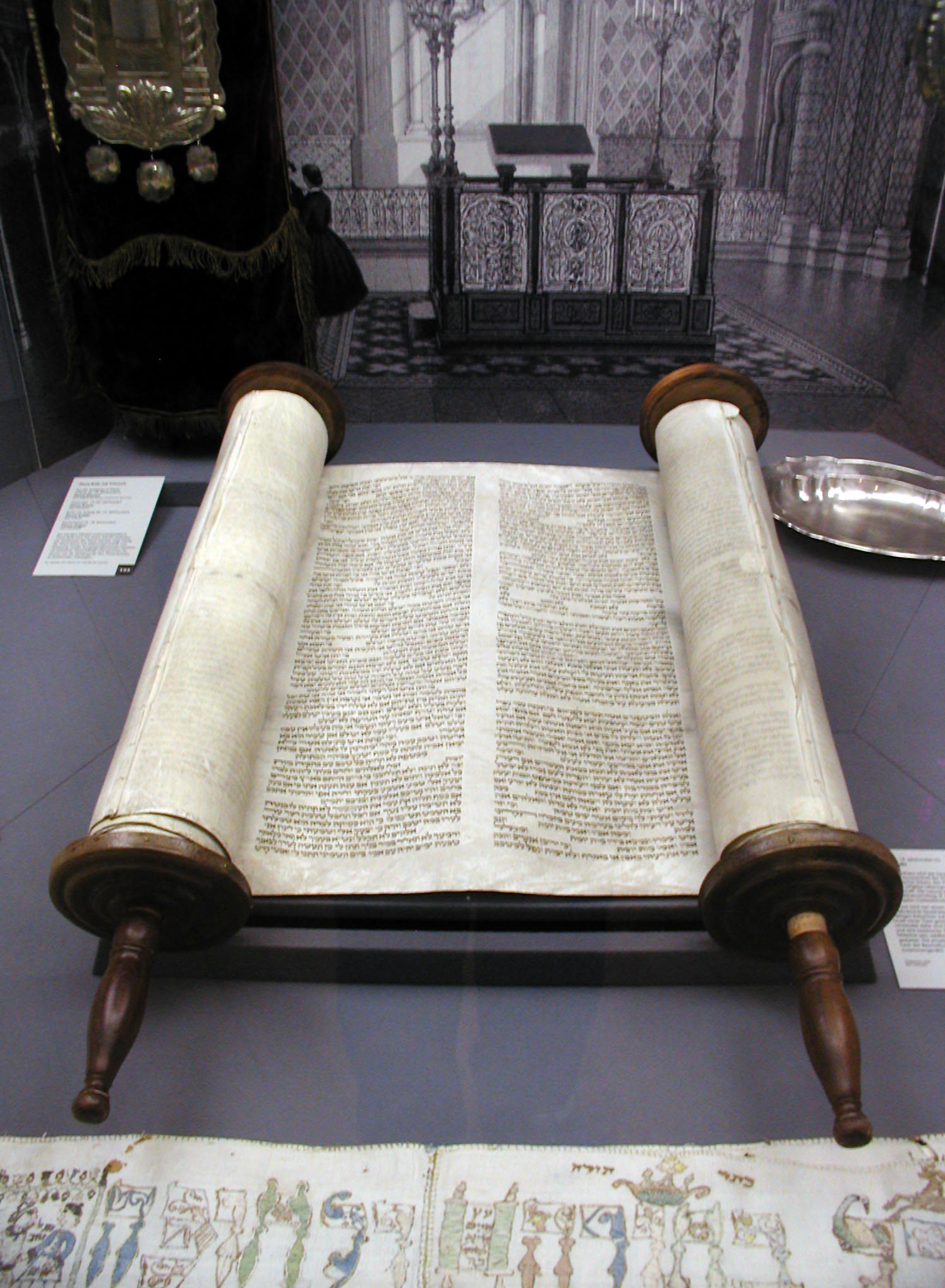
11. **Dissecting the Narrative: Scholarly Approaches and the Documentary Hypothesis**Beyond religious interpretations, Samuel’s biblical narrative has long been a subject of rigorous scholarly inquiry, particularly through the lens of critical methodologies like the Documentary Hypothesis. These academic approaches seek to understand the composition, sources, and historical context of the Books of Samuel, often revealing fascinating complexities within the seemingly seamless biblical account. Far from diminishing his stature, these analyses underscore the intricate layers of storytelling that shaped Samuel’s portrayal.
One prominent scholarly perspective posits that the biblical Samuel combines descriptions from “two distinct roles.” The first is that of “a seer, based at Ramah,” whose influence was initially localized, as evidenced by Saul’s unfamiliarity with him. In this capacity, Samuel is associated with “bands of musical ecstatic roaming prophets” and secretly anointed Saul, treating him to a meal during his search for lost donkeys. The second role describes him as “a prophet, based at Shiloh, who went throughout the land” as a judge, publicly advising the nation and eventually appointing his sons to similar roles. These “two roles come from different sources, which later were spliced together to form the Book(s) of Samuel,” according to source-critical scholarship. The “oldest is considered to be that marking Samuel as the local seer of Ramah,” while “the latter presents Samuel as a national figure, begrudgingly anointing Saul as king in front of a national assembly.” These are often labeled the Republican source (denigrating monarchy) and the Monarchial source (treating it favorably), highlighting different ideological stances embedded within the text.
Further analysis delves into the birth narrative of Samuel found in 1 Samuel 1:1-28. Some scholars argue that “the narrative originally described the birth of Saul, and was given to Samuel to enhance the position of David and Samuel at the former king’s expense.” This theory is supported by the extensive play with the root-elements of Saul’s name within the passage and the phrase “hu sa’ul le-Yahweh” (“he is dedicated to Yahweh”). Alternatively, Nadav Na’aman suggests a link between the verbal root sh-‘-l and “Shiloh,” Samuel’s birthplace. These discussions don’t dispute Samuel’s existence but rather the literary crafting of his story, showcasing how ancient narratives could be shaped to serve later theological or political aims.
The “Deuteronomistic historians,” who are believed to have redacted the Former Prophets (including Samuel), are seen as having “idealized Samuel as a figure larger than life, like Joshua.” They portray him not just as a judge and military leader but also as “the first of prophets to articulate the failure of Israel to live up to its covenant with God,” positioning him as an “extension of Moses,” continuing his functions as prophet, judge, and priest. This scholastic understanding helps explain the towering significance attributed to Samuel in the canonical texts, even while acknowledging the complex layers of historical and theological interpretation that surround his figure.
Another point of scholarly interest concerns Samuel’s performance of sacrifices and altar construction. According to later Priestly/Deuteronomic Codes, only Aaronic priests or Levites were permitted these actions. While the Books of Samuel and Kings show kings and prophets performing them, critical scholars note that “in the Book of Chronicles, Samuel is described as a Levite, rectifying this situation.” This, however, is often seen as Chronicles’ attempt to “redact the Book(s) of Samuel and of Kings to conform to later religious sensibilities,” suggesting a theological rather than strictly historical motivation for the Levitical genealogy.
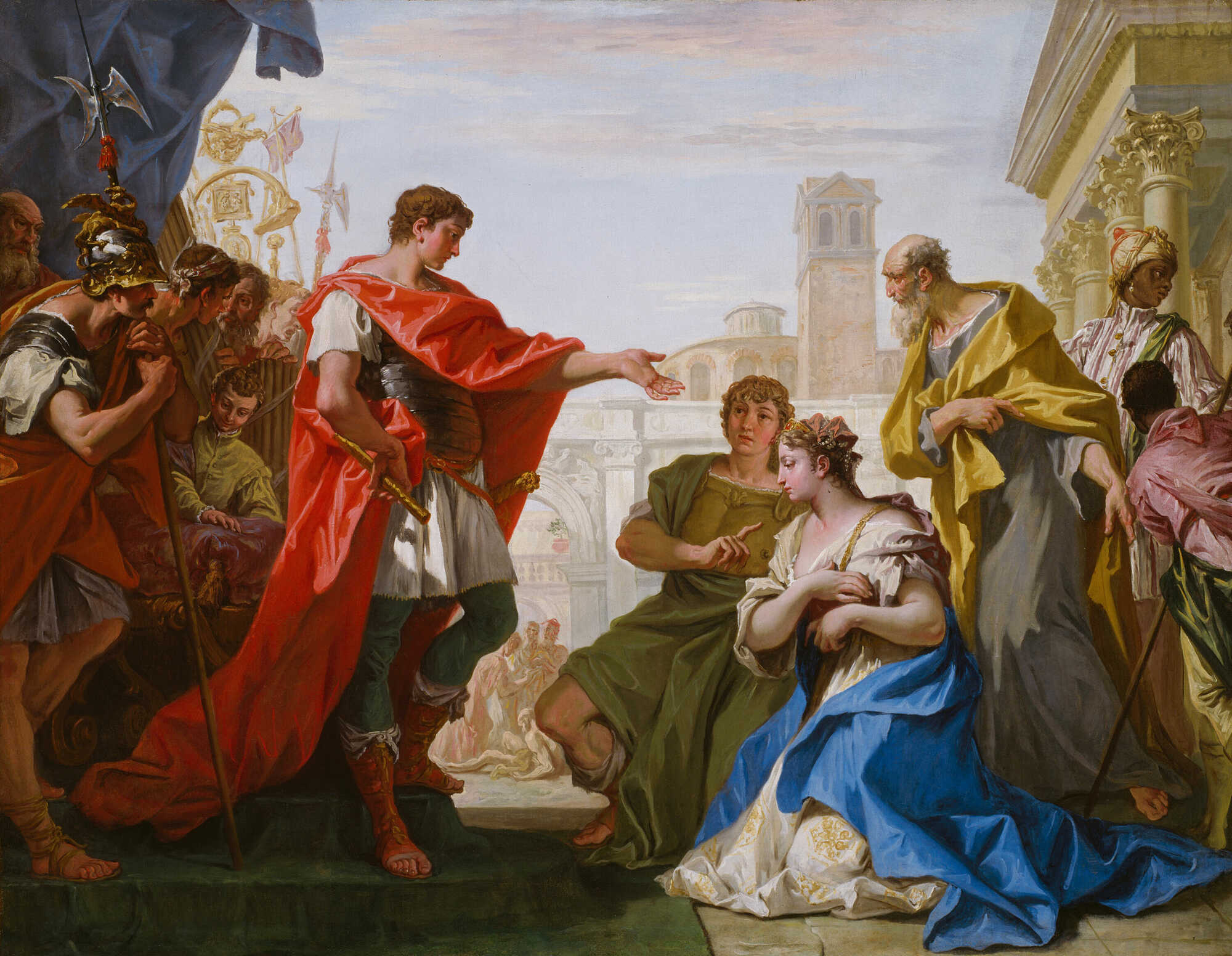
12. **Samuel’s Enduring Legacy: A Figure of Profound and Complex Influence**The life and legacy of Samuel transcend simple historical recounting; he remains a figure of profound and often complex influence across religious traditions and scholarly discourse. His journey from a miraculously conceived child dedicated to God to a pivotal prophet, judge, and king-maker fundamentally shaped the trajectory of ancient Israel and continues to resonate deeply in contemporary thought. Samuel epitomizes the intricate dance between divine will and human agency, serving as a perpetual reminder of spiritual authority’s enduring power.
In his roles, Samuel embodied a unique fusion of spiritual and political power that bridged eras. He was the last of Israel’s judges, leading the people through a dark period of Philistine oppression and spiritual decline, and the very prophet who inaugurated the monarchy. His unwavering commitment to God’s commands, even when it meant confronting the king he anointed, established a precedent for prophetic accountability that would challenge future monarchs. This dual identity—both foundational and confrontational—ensures his place as an indispensable character in biblical history.
The diverse interpretations across Judaism, Christianity, Islam, and scholarly circles further attest to his multifaceted significance. Whether seen as an intellectual giant in rabbinical texts, a foreshadowing of Christ in Christian theology, or a divinely appointed messenger in Islamic narratives, Samuel’s story adapts and inspires. Critical scholarship, by dissecting the textual layers, helps us appreciate the depth and evolution of his portrayal, revealing not only the historical figure but also the literary and theological constructs that have shaped his image over millennia. His story is a testament to the power of a dedicated life and the lasting impact of a voice attuned to the divine.
Samuel’s life presents a compelling study in leadership, faith, and the inherent tensions between human desires for worldly governance and God’s sovereign plan. He reminds us that true authority often stems from divine appointment and unwavering obedience, even in the face of immense pressure and personal cost. His legacy is not just a collection of historical events but a vibrant, living narrative that continues to provoke thought, inspire devotion, and offer critical insights into the dynamics of power, prophecy, and faith in the human experience.
From his miraculous birth to his posthumous counsel, Samuel’s story is a testament to an individual who, guided by divine purpose, left an indelible mark on religious history and human understanding. He remains a beacon of prophetic integrity, a bridge between old and new orders, and a figure whose influence, generations later, continues to be explored, debated, and revered across the global spiritual landscape.