Horror movies, in their purest form, are more than just a fleeting scare; they are a deep dive into our collective anxieties, a thrilling exploration of the unknown, and a powerful testament to storytelling. For generations, filmmakers have masterfully crafted tales designed to chill us to the bone, linger in our minds, and make us question what lurks in the shadows. From silent era specters to the groundbreaking psychological thrillers that redefined the genre, the staying power of classic horror is undeniable.
There’s something truly special about these “old reliables” that continue to scare new generations, often with practical effects and jaw-dropping performances that hold up remarkably well even today. While modern horror has certainly given us some instant classics and evolved our collective definition of scary, understanding the genre means appreciating its roots. If you consider yourself a true horror fan, you’ll definitely appreciate everything these foundational films have to offer.
So, whether you’re looking to revisit some beloved frights or discover the films that laid the groundwork for horror as we know it, join us on a journey through some of the best and most classic horror movies of all time. These are the essential watches that any self-respecting scary movie buff absolutely needs to see, proving that sometimes, the old ways are still the most terrifying.

1. **Nosferatu (1922)**It doesn’t get much more “classic” than Nosferatu, a silent film from 1922 that literally set the standard for vampire movies for the next century. This scare-fest, an unofficial adaptation of Bram Stoker’s “Dracula,” introduced audiences to a terrifying new kind of monster, distinct from the more romanticized vampires that would follow. Its eerie visuals and unsettling atmosphere established many tropes we still see today.
The film’s impact cannot be overstated; it was a pioneering work in German Expressionism, utilizing shadows and stark contrasts to build a palpable sense of dread. Even without spoken dialogue, the exaggerated performances and haunting cinematography communicate a profound sense of fear and isolation. It proved that true horror could transcend language, speaking directly to our primal fears.
The original text describes Nosferatu as a “scare-fest from 1922 that set the standard for vampire movies for the next century,” even noting a 2024 remake by Robert Eggers. This longevity speaks volumes about its timeless terror. This take on Dracula will undoubtedly send shivers up your spine, proving that sometimes the quietest horrors are the most piercing. It’s a foundational piece for anyone wanting to understand the vampire genre.
Its influence trickles down through countless horror films, shaping how cinematic vampires are portrayed, from their gaunt appearances to their nocturnal habits and predatory nature. For such an early film, its ability to create sustained psychological discomfort is remarkable, showcasing how effectively visual storytelling can convey deep-seated fear without a single spoken word. Truly a classic for the ages.
Read more about: Know the Legends? These 14 Scream Queens Were the Terrifying Rulers of Horror Across the Decades!
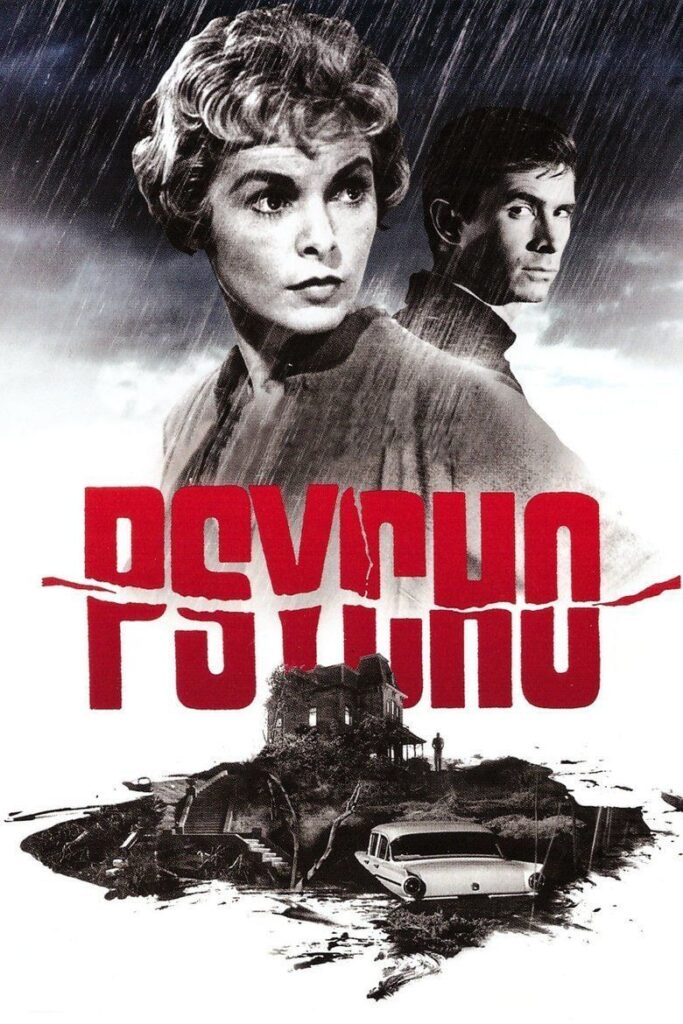
2. **Psycho (1960)**When you think of classic horror, what’s the first image that springs to mind? For many, it’s the raised knife of Psycho’s infamous shower scene. This Alfred Hitchcock masterpiece, released in 1960, is a cornerstone of the psychological thriller genre and remains thoroughly terrifying more than 50 years later. It redefined what audiences expected from a horror film, blending suspense with shocking twists.
Hitchcock is known as the master of horror, and Psycho exemplifies why. The film’s meticulous pacing, groundbreaking narrative structure, and iconic score build an unbearable tension that culminates in one of cinema’s most memorable and imitated sequences. It was a bold departure for its time, daring to kill off its main character early and then delve into the disturbed mind of Norman Bates.
The context states that it’s “infamous for its shower scene, but immortal for its contribution to the horror genre.” It also notes that “Because Psycho was filmed with tact, grace, and art, Hitchcock didn’t just create modern horror, he validated it.” This highlights its artistic merit and its crucial role in elevating horror beyond mere schlock. It taught filmmakers how to truly get under an audience’s skin.
Its impact on modern horror cannot be overstated; it paved the way for slasher films and psychological thrillers by demonstrating the power of suspense and the terror of the human mind. The film explores themes of guilt, voyeurism, and fractured identity, making it a complex and enduring work. Psycho is a must-watch to understand how cinematic horror evolved into the sophisticated genre we know today.
Read more about: Warning: 14 Movies So Scary They’ll Haunt Your Dreams (and Keep You Up All Night!)
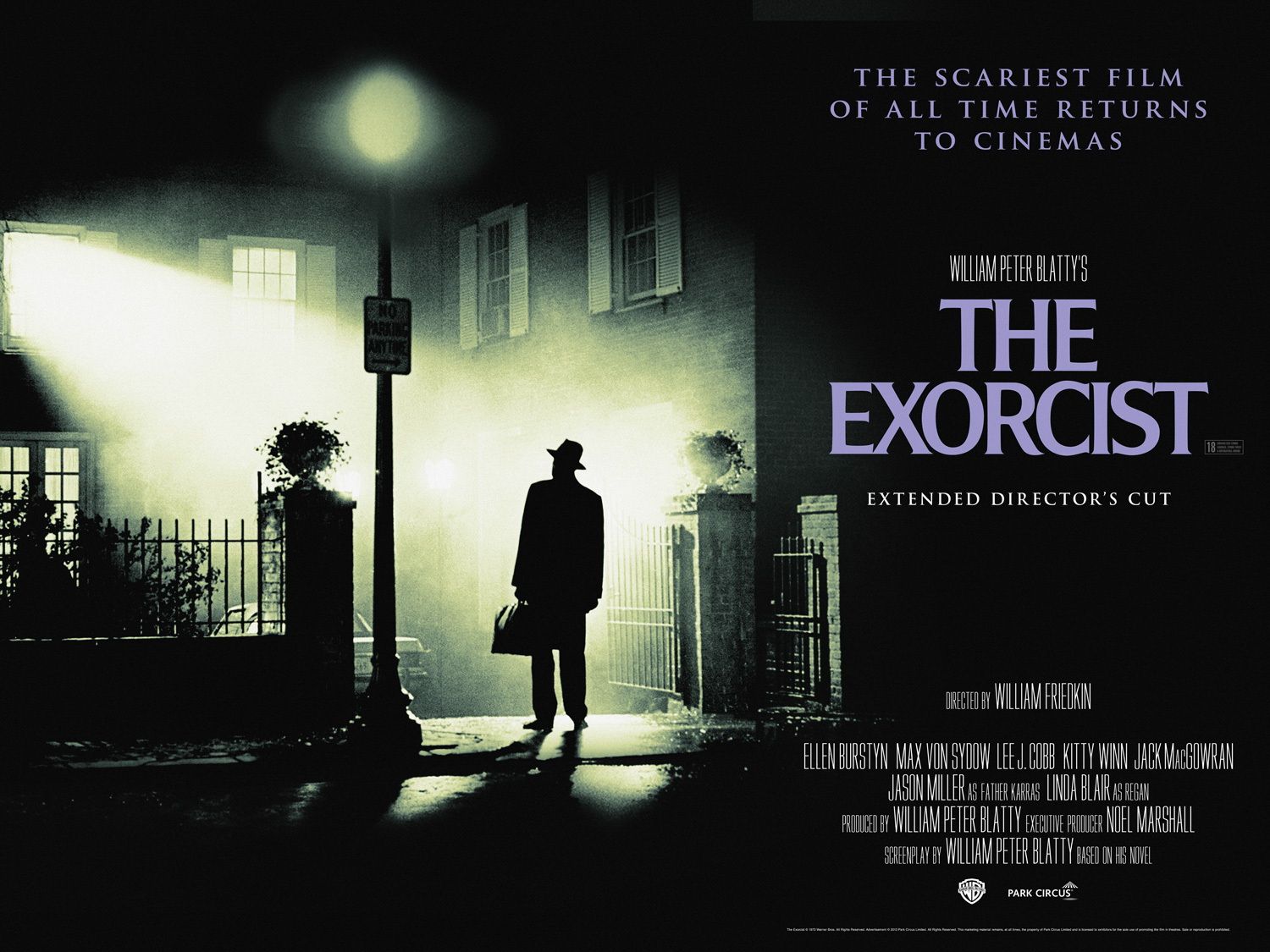
3. **The Exorcist (1973)**Many argue that The Exorcist, released in 1973 and directed by William Friedkin, is quite simply “the scariest movie of all time.” This satanic film delves deep into themes of faith, evil, and the terrifying ordeal of demonic possession, leaving audiences stunned with its bonkers practical effects and incredible performances. It’s a film that pushes boundaries and leaves an indelible mark.
The narrative centers on Regan, a young girl portrayed by Linda Blair, who becomes possessed by a malevolent demon. Her mother’s desperate search for help leads her to two priests who undertake a harrowing exorcism. The film’s portrayal of Regan’s transformation and the priests’ struggle against supernatural evil is unflinching, making it a profoundly disturbing experience that resonated deeply with viewers.
The context emphasizes its terrifying nature, stating, “William Friedkin’s satanic film is full of bonkers practical effects and performances that’ll leave you stunned.” This speaks to the film’s commitment to delivering visceral horror, achieving its shocking moments through masterful practical effects that still impress decades later. It was a visceral, unsettling experience unlike anything seen before.
Beyond the jump scares and unsettling imagery, The Exorcist tackles profound spiritual and psychological horror, forcing viewers to confront existential dread. It set a new benchmark for supernatural horror, inspiring countless films about demonic entities and haunted individuals. Its lasting legacy as arguably the most terrifying film ever made secures its place as an absolute classic that every horror enthusiast must witness.
Read more about: Warning: 14 Movies So Scary They’ll Haunt Your Dreams (and Keep You Up All Night!)
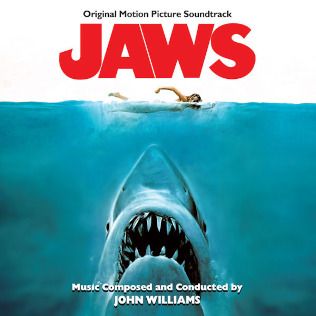
4. **Jaws (1975)**Steven Spielberg created one of the scariest movies of all time with Jaws, released in 1975, and remarkably, it’s entirely set in the daylight. This iconic film introduced audiences to a blood-thirsty shark terrorizing a Cape Cod beach, proving that terror doesn’t need darkness to thrive. It’s a masterclass in suspense, making you think twice before dipping your toes in the water.
Jaws cemented its place in cinematic history by making an unseen threat far more terrifying than a constantly visible one. The relentless build-up of tension, coupled with John Williams’ unforgettable score, created a feeling of impending doom that had audiences gripped. It’s a testament to Spielberg’s genius that the mechanical shark often malfunctioned, forcing creative solutions that ultimately enhanced the film’s suspense.
The critical consensus notes that “Compelling, well-crafted storytelling and a judicious sense of terror ensure Steven Spielberg’s Jaws has remained a benchmark in the art of delivering modern blockbuster thrills.” This acknowledgment highlights the film’s exceptional narrative quality and its enduring influence on the blockbuster format. It was a game-changer for Hollywood, proving that a genre film could also be a critically acclaimed, massive commercial success.
The film’s strength lies not just in the shark attacks but in its compelling characters and the moral dilemmas they face, drawing viewers into the community’s struggle against an unstoppable force. It defined the summer blockbuster and reshaped perceptions of ocean safety, enduring as a true classic that still makes people hesitant to go into the water. Jaws is a brilliant example of how effective horror can be when anchored by strong storytelling and character development.
Read more about: Beyond the Beach: Unraveling 10 Hidden Layers of M. Night Shyamalan’s ‘Old’ – A Deep Dive into Its Production, Themes, and Polarizing Impact
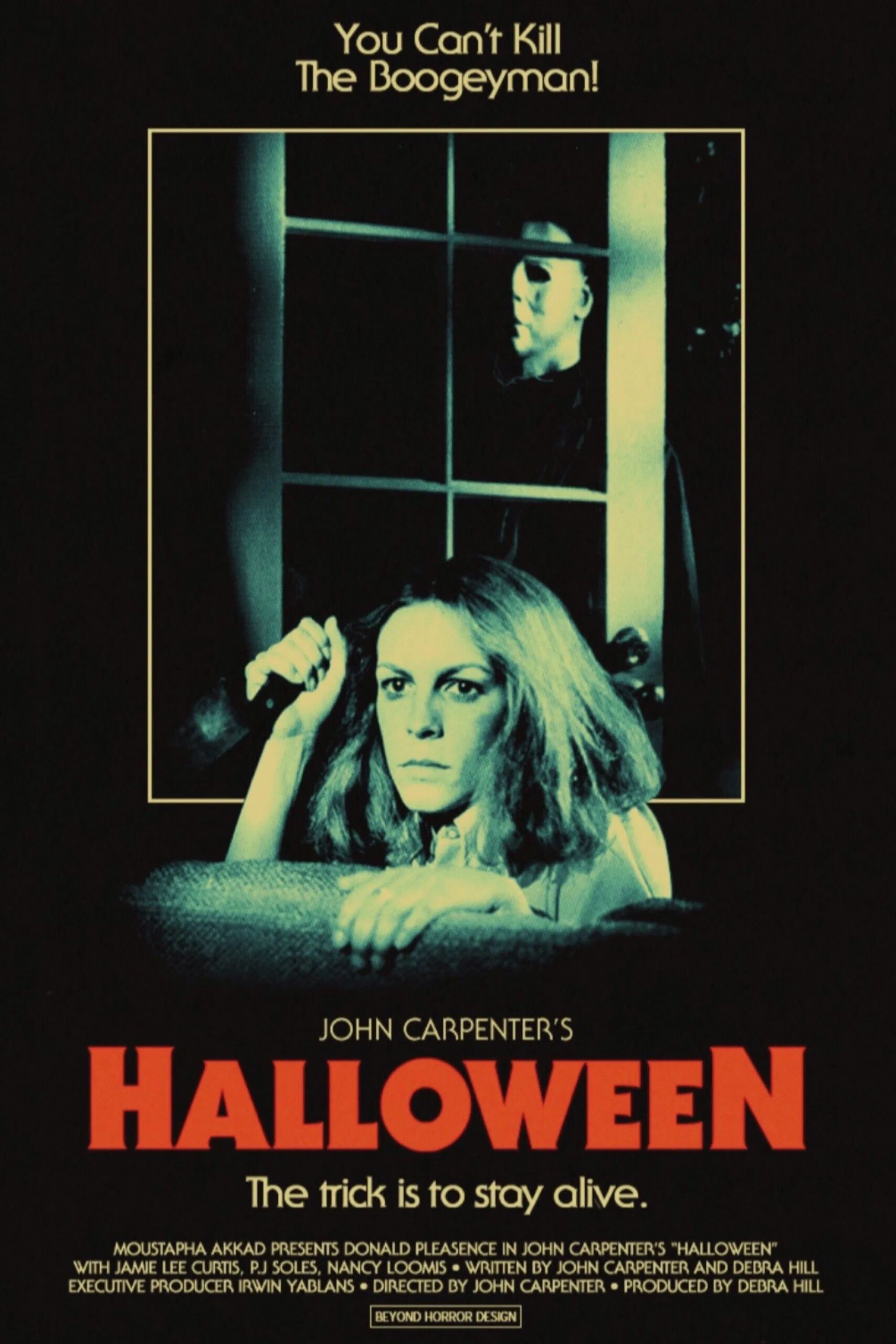
5. **Halloween (1978)**When it comes to slasher flicks, it truly doesn’t get much more classic than John Carpenter’s original Halloween, released in 1978. This groundbreaking film didn’t just look at how eerie suburbia could be; it established the masked murderer as the gold standard in scary movies and famously crowned Jamie Lee Curtis as the definitive Scream Queen. Its simplicity and effectiveness are its greatest strengths.
The premise is deceptively simple: six-year-old Michael Myers brutally murders his 17-year-old sister on a cold Halloween night in 1963. Fifteen years later, he escapes from a mental institution and returns to his hometown, stalking babysitter Laurie Strode and her friends. Carpenter’s direction creates an unbearable sense of dread through slow, deliberate camerawork and an iconic, minimalist score.
The context praises it as setting “the standard for modern horror films,” a testament to its profound and lasting impact on the genre. Halloween proved that suspense, psychological terror, and a seemingly indestructible killer could be far more frightening than gore. It’s the archetype from which countless slasher films would draw inspiration, defining a new era of horror.
This film’s influence is evident in its enduring legacy, spawning numerous sequels and imitations. It perfected the “final girl” trope and showed how a silent, relentless killer could embody pure, unadulterated evil. For anyone wanting to understand the birth and evolution of the slasher genre, Halloween is not just a recommendation; it’s required viewing, a true masterpiece of cinematic terror.
Read more about: Warning: 14 Movies So Scary They’ll Haunt Your Dreams (and Keep You Up All Night!)
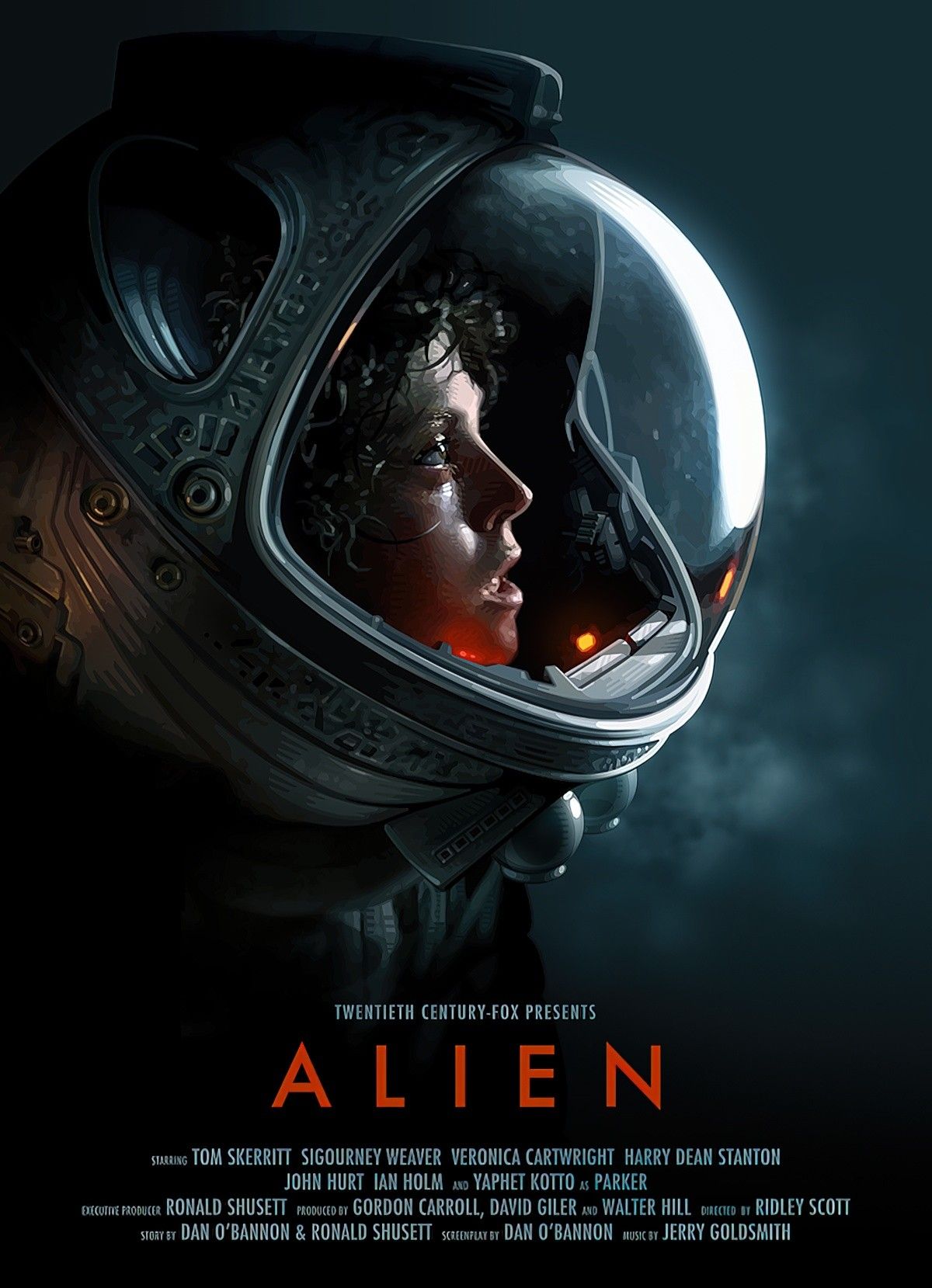
6. **Alien (1979)**In space, no one can hear you scream, and that chilling truth becomes terrifyingly clear in Ridley Scott’s iconic outer-space film, Alien, from 1979. This modern classic seamlessly blends science fiction, horror, and bleak poetry into a cohesive and horrifying whole. It’s a film that proved that horror could exist beyond earthly confines, venturing into the cold, silent depths of the cosmos.
The narrative follows the crew of the commercial starship Nostromo, awakened from cryo-sleep to investigate a mysterious distress signal. What they discover is a ruthless killing machine, a xenomorph, hellbent on taking out the entire crew one by one. The film’s confined setting, combined with the creature’s shocking life cycle and terrifying design, creates an unparalleled sense of claustrophobic dread.
The critics consensus praises Alien for its masterful combination of genres: “A modern classic, Alien blends science fiction, horror and bleak poetry into a seamless whole.” This recognition underscores its groundbreaking approach to storytelling, where the existential fears of deep space are intertwined with the primal terror of a perfect predator. Sigourney Weaver’s portrayal of Ripley became an instant icon, shattering genre stereotypes.
Alien’s innovation lies in its creature design, its slow-burn suspense, and its feminist undertones, making Ripley one of cinema’s most enduring heroines. It’s a seminal work that not only delivered intense scares but also explored deeper themes of corporate greed and biological horror. For science fiction and horror fans alike, this film remains a pivotal, terrifying experience that continues to influence storytelling across genres.
Read more about: 12 War Movies With Masterful Opening Scenes That Defined Their Masterpieces
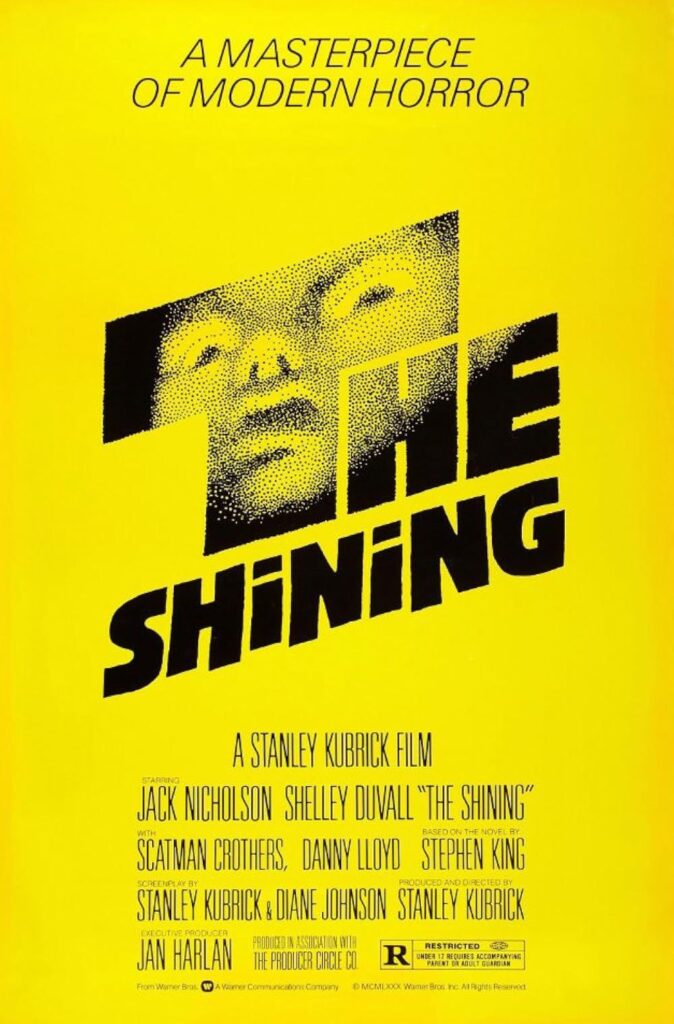
7. **The Shining (1980)**All work and no play makes people lose their minds and attempt to murder their families—at least, that’s the harrowing lesson embedded in Stanley Kubrick’s 1980 adaptation of Stephen King’s novel, The Shining. This film is a psychological mind trip in the best, and undoubtedly scariest, of ways, pushing the boundaries of what a haunted house story could be and delving deep into human madness.
The story follows writer Jack Torrance, played by Jack Nicholson, who takes a winter caretaker job at the isolated Overlook Hotel with his wife Wendy and psychic son Danny. As they are snowed in, malevolent forces within the hotel begin to prey on Jack’s sanity, transforming him into a terrifying figure. Kubrick’s meticulous direction, iconic imagery, and chilling score create an atmosphere of suffocating dread.
While not explicitly quoted, the description of “a psychological mind trip—in the best and scariest of ways” perfectly encapsulates the film’s unique brand of terror. It’s a horror film that works on a deeply unsettling psychological level, playing with themes of isolation, domestic abuse, and inherited trauma. The ambiguity of whether the horror is supernatural or entirely within Jack’s mind adds to its enduring power.
The Shining is celebrated for its iconic performances, particularly Nicholson’s descent into madness, and its innovative cinematography, including the use of Steadicam to explore the vast, empty corridors of the Overlook. Its influence on psychological horror and haunted house narratives is immense, making it a film that continues to be analyzed and admired. It remains a chilling portrait of madness and a definitive classic of the genre.
We’ve explored the genre’s powerful roots, uncovering the films that first dared to peek into the darkest corners of human experience and imagination. From the eerie silence of early cinema to the chilling psychological landscapes that dominated the mid-20th century, these classics paved the way. But horror, much like our deepest fears, is constantly evolving, adapting, and finding new ways to get under our skin. As we creep into the later decades of the 20th century and surge into the new millennium, the genre truly exploded, birthing iconic slashers, mind-bending psychological thrillers, and “elevated” horror that challenged perceptions and pushed storytelling boundaries further than ever before.
It’s a thrilling journey to witness how filmmakers embraced new technologies, explored diverse themes, and even turned the genre on its head with self-aware narratives. So, if you thought you were done with the scares, think again! We’re diving headfirst into seven more essential watches that have solidified their place as enduring classics, proving that the frights just keep getting better, and often, more complex. These are the films that redefined what it means to be scared, leaving an indelible mark on both cinema and our collective nightmares.
Read more about: Binge-Worthy Bliss: 14 Movies You’ll Never Get Tired Of Watching (Seriously!)
8. **A Nightmare on Elm Street (1984)**Ever had a dream so vivid it felt real? What if that dream was literally trying to kill you? That’s the terrifying, game-changing premise of Wes Craven’s 1984 masterpiece, *A Nightmare on Elm Street*. This film introduced the world to Freddy Krueger, a monstrous murderer who hunts teenagers in their sleep, proving that true terror could transcend the physical realm and invade our most vulnerable moments. It was a concept so fresh and unsettling, it instantly carved out its own unique niche in the burgeoning slasher landscape.
Craven’s genius lay in tapping into the primal fear of sleep, a universal human experience. The film brilliantly blurs the lines between reality and nightmare, making audiences question what’s truly safe. You could lock your doors, hide under the covers, but if Freddy was after you, there was nowhere to run. The original text describes it as “a monstrous murderer who comes for you in your dreams and kills you in your sleep? It’s a real nightmare and, appropriately, the premise for the ’80s classic helmed by the legendary Wes Craven.”
Freddy Krueger quickly became an iconic figure, a wise-cracking yet utterly sadistic villain whose striped sweater, fedora, and razor-glove are instantly recognizable. His unique method of killing elevated him beyond typical masked maniacs. *A Nightmare on Elm Street* profoundly influenced subsequent slasher films, pushing them to be more creative with their villains and kill methods. It’s an undeniable classic that continues to haunt our dreams (and waking hours) to this day.
Read more about: Warning: 14 Movies So Scary They’ll Haunt Your Dreams (and Keep You Up All Night!)
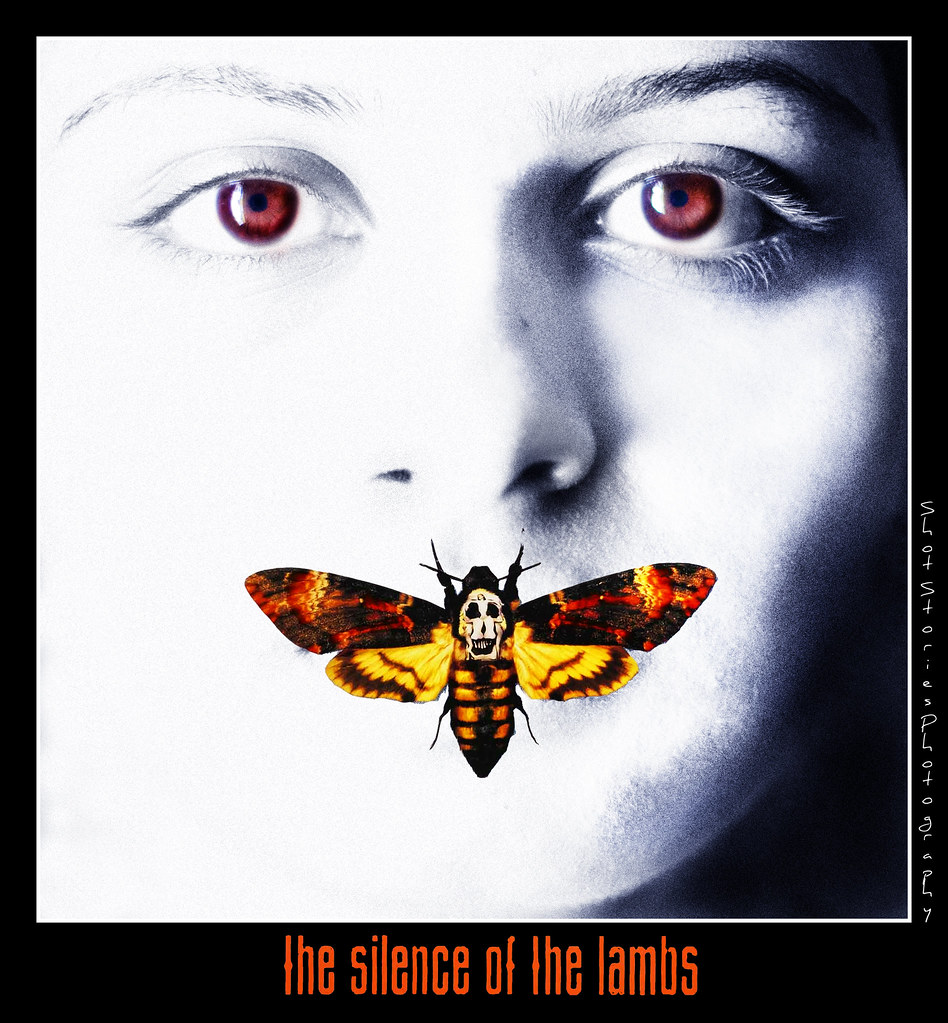
9. **The Silence of the Lambs (1991)**If you’re looking for a film that masterfully blends murder mystery with chilling psychological horror, then *The Silence of the Lambs*, released in 1991, is an absolute must-see. This procedural thriller puts the psychological aspect front and center, immersing viewers in a gripping game of cat and mouse between an ambitious FBI profiler and one of cinema’s most iconic villains. It proved horror could be intellectually stimulating and deeply unsettling without relying solely on gore.
The movie’s power lies in the electrifying dynamic between FBI profiler Clarice Starling, portrayed by the incredible Jodie Foster, and the iconic, cannibalistic villain Hannibal Lecter, brought to chilling life by Anthony Hopkins. Their conversations are the beating heart of the film, a psychological chess match where Lecter’s insights into the human psyche are as terrifying as his notorious appetite. He doesn’t just offer clues; he delves into Starling’s mind, creating a palpable sense of dread and vulnerability.
The context states, “To this day, it’s the only horror movie to ever win Best Picture at the Oscars—so it’s safe to say it’s as iconic as they come.” This isn’t just a fun fact; it’s a testament to the film’s artistic merit and groundbreaking achievement. Winning the “Big Five” Academy Awards solidified its place not just in horror history, but in cinematic history, validating horror as a serious and impactful genre capable of critical acclaim.
*The Silence of the Lambs* redefined psychological horror, demonstrating how suspense, character depth, and intellectual sparring could be as terrifying as any monster. It set a benchmark for future thrillers and elevated the genre, proving that complex narratives and compelling performances could resonate with both critics and audiences alike.
Read more about: Get Ready to Scream! 12 Essential Horror Flicks So Good You’ll Force Your Friends to Watch Them
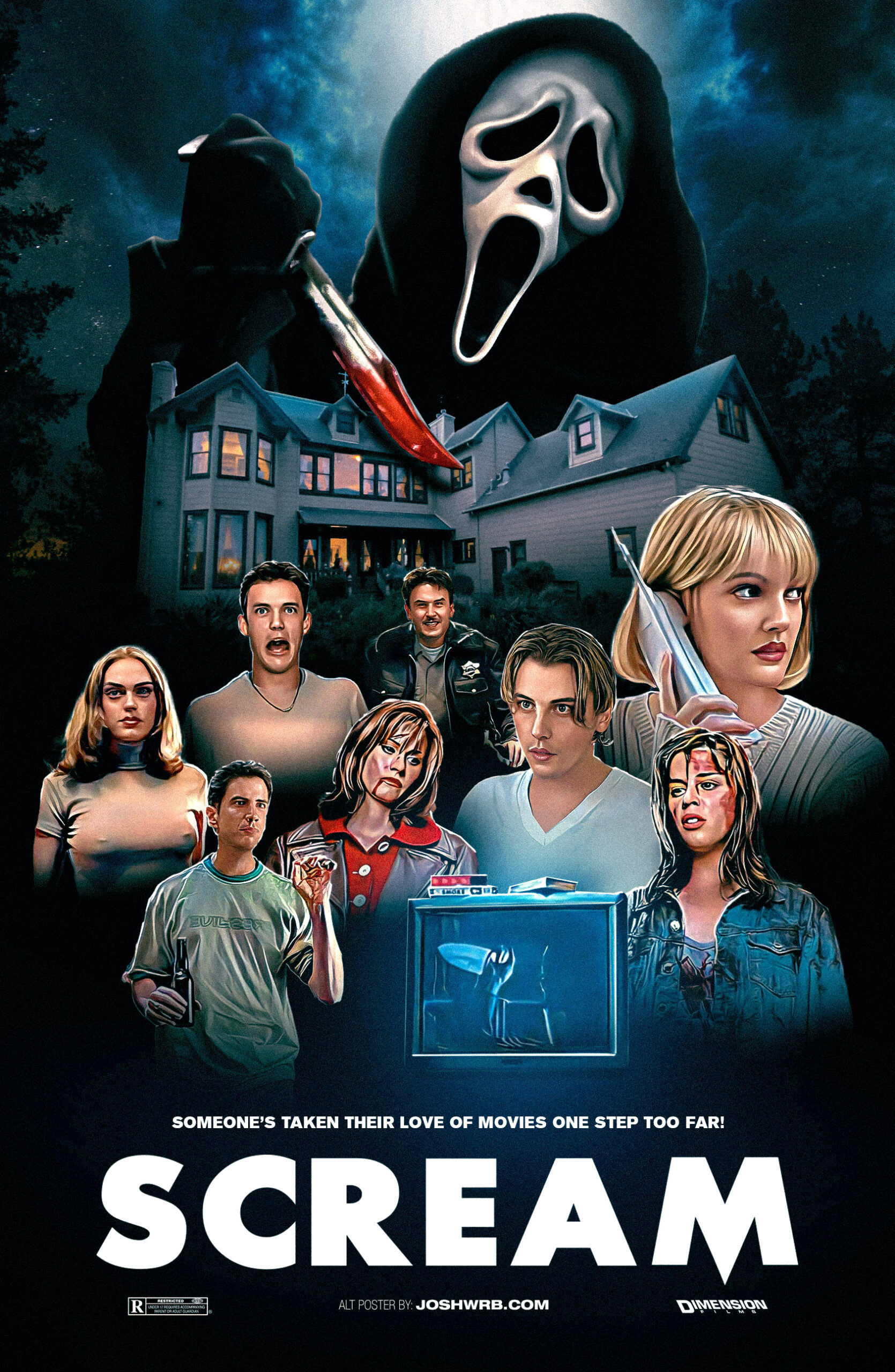
10. **Scream (1996)**Just when you thought you knew all the rules of horror, Wes Craven came back in 1996 with *Scream*, a movie that didn’t just play by the rules—it wrote them down, pointed them out, and then gleefully broke them. This film was a meta-commentary on horror movies that horror fans had been waiting for, a pitch-perfect scary movie that was both a loving homage and a sharp satire of the genre it belonged to. It instantly cemented itself as a defining moment for 90s cinema.
*Scream*’s brilliance lies in its self-awareness. It features characters who know the horror movie tropes inside and out, making their attempts to survive all the more compelling and, at times, tragically futile. The killer, Ghostface, uses these very tropes to his advantage, blurring the line between expectation and reality. The context highlights that *Scream* “was Wes Craven’s meta look at horror movies that horror fans had been waiting for—but also a pitch-perfect scary movie in its own right.”
This dual nature is what made it an “instant classic.” Even as it satirized horror sequels and clichés, it managed to deliver genuine scares, tense sequences, and a whodunit mystery that kept audiences guessing until the very end. Its legacy is immense; it not only launched a massively successful franchise but also inspired a wave of self-aware horror films that followed. *Scream* proved that horror could be smart, funny, terrifying, and deeply ingrained in pop culture all at once.
Read more about: Get Ready to Rewatch! 8 R-Rated Sci-Fi Movies That Are Just Plain Awesome
11. **The Blair Witch Project (1999)**Before *The Blair Witch Project* hit screens in 1999, the “found-footage” genre was a niche curiosity. After it, everything changed. This low-budget phenomenon wasn’t just a scary movie; it was a cultural event, setting box office records and paving the way for countless imitators. It proved that sometimes, the most terrifying monsters are the ones you never truly see, and the most effective scares come from pure, unadulterated suspense and ambiguity.
The film’s ingenious marketing campaign, which blurred the lines between fiction and reality, convinced many viewers that they were watching actual recovered footage of three student filmmakers who vanished in the Black Hills Forest while investigating the legend of the Blair Witch. This created an unprecedented level of immersion and dread, as the shaky cam footage and increasingly desperate pleas of the characters felt chillingly authentic.
The context emphasizes its impact, stating, “This low-budget phenomenon changed the game in scary movies, set box office records, and paved the way for the found-footage genre.” It wasn’t about elaborate special effects or a high body count; it was about the power of suggestion, the terror of the unknown, and the raw, unedited fear captured through the lens of a handheld camera. This minimalist approach was incredibly effective, proving that true horror could be achieved with very little, yet feel profoundly real.
Read more about: More Than Just Popcorn Spills: 14 Blockbusters Viewers *Actually* Walked Out Of, From Gruesome Gore to Pure Boredom

12. **The Ring (2002)**For many millennials, *The Ring*, released in 2002, wasn’t just a movie; it was our first, truly terrifying experience of being scared out of our minds. Adapted from a “just as great Japanese movie,” this film brought a new wave of psychological and supernatural horror to Western audiences, proving that subtle dread and a chilling urban legend could be far more impactful than outright gore. It seamlessly blended modern technology with ancient fears.
The premise is simple yet utterly petrifying: watch a mysterious videotape, and you have seven days to live before a vengeful spirit named Samara comes to claim you. Naomi Watts stars as reporter Rachel Keller, whose investigation into her niece’s grotesque death leads her down a rabbit hole of supernatural terror. The film’s iconic imagery, from the grainy, disturbing tape itself to Samara’s emergence from the television, etched itself into the collective consciousness.
The film’s power comes from its slow-burn tension and the horrifying inevitability of its curse. It’s not just about a ghost; it’s about a viral nightmare, a cursed chain letter for the digital age, spreading fear and death through a seemingly innocuous piece of media. This concept tapped into anxieties about technology and media consumption, making the horror feel unsettlingly contemporary, even two decades later.
Read more about: From Bottom Ranks to Box Office Gold: Ranking Dwayne ‘The Rock’ Johnson’s Movies, Worst to (Almost) Best
13. **Saw (2004)**Every once in a while, a movie comes along that doesn’t just push boundaries; it reinvents its entire genre, and in the early 2000s, that movie was *Saw*. Released in 2004, this audacious film, written by eventual genre fave Leigh Whannell and directed by the visionary James Wan, was a brutal, uncompromising, and ultimately groundbreaking cinematic experience that left audiences stunned and often squirming in their seats.
The premise is chillingly simple: two strangers wake up chained in a dilapidated bathroom, given impossible choices by a mysterious killer known as Jigsaw, who believes his victims don’t appreciate life. The film is a masterclass in suspense and psychological manipulation, forcing characters (and viewers) to confront morality, survival, and unimaginable pain. The context notes that *Saw* “reinvented its entire genre,” which it earned by introducing a distinct blend of detective thriller, psychological horror, and visceral traps.
It proved that a low-budget independent film could achieve massive commercial and cultural success, launching a hugely profitable franchise and establishing James Wan and Leigh Whannell as major forces in modern horror filmmaking. While often controversial for its graphic content, the original film’s tightly wound plot, shocking twists, and philosophical underpinnings make it a compelling and essential watch for understanding early 21st-century horror.
Read more about: Beyond the Verdict: Remembering the Beloved ‘Law & Order’ Stars We’ve Lost Too Soon
14. **Get Out (2017)**In recent years, horror has experienced a remarkable renaissance, evolving with more “elevated” concepts and visionary directors. Case in point: Jordan Peele’s game-changing social thriller, *Get Out*, which achieved instant classic status when it was released in 2017. This film wasn’t just scary; it was smart, timely, and delivered its trenchant social critiques with a brilliantly effective and entertaining horror/comedy thrill ride. It utterly redefined what a horror movie could achieve.
The narrative follows Chris, a young Black man, as he meets his white girlfriend Rose’s seemingly progressive family, only to uncover a terrifying, racially charged secret. Peele masterfully weaves themes of racism, appropriation, and identity into a genuinely chilling plot, using horror tropes to amplify real-world anxieties. The film’s ability to be simultaneously funny, scary, and thought-provoking is a rare feat, making it resonate deeply with audiences.
The critical consensus praises *Get Out* for “seamlessly weav[ing] its trenchant social critiques into a brilliantly effective and entertaining horror/comedy thrill ride.” This recognition underscores its groundbreaking nature, not only for its critical success but also for its cultural impact. It was a massive box office hit and earned Jordan Peele an Academy Award for Best Original Screenplay, a significant achievement for a genre film and particularly for a directorial debut.
*Get Out*’s legacy is already immense, solidifying Jordan Peele as a master of modern horror and inspiring a new wave of socially conscious thrillers. It demonstrated that horror could be a powerful vehicle for exploring complex societal issues, pushing the boundaries of what audiences expected from the genre.
Read more about: Get Ready for Thrills! 10 Must-See R-Rated Movies You Absolutely Need to Stream on Netflix Right Now!
From the relentless dream stalker of the 80s to the meta-commentary of the 90s, and the genre-reinventing psychological depths and social critiques of the new millennium, the world of classic horror is a vast, exhilarating landscape of fear. Each of these films, whether through groundbreaking special effects, revolutionary storytelling, or their sheer audacity, has contributed irrevocably to the rich tapestry of what makes us scream. They remind us that horror isn’t just about monsters lurking in the dark; it’s about the monsters within, the societal anxieties we face, and the primal fears that connect us all. So grab your popcorn, dim the lights, and prepare to be thrilled, because these classics, old and new, promise a spine-tingling journey you won’t soon forget. The legacy of fear lives on, ever ready to find new ways to whisper in the shadows of our minds.