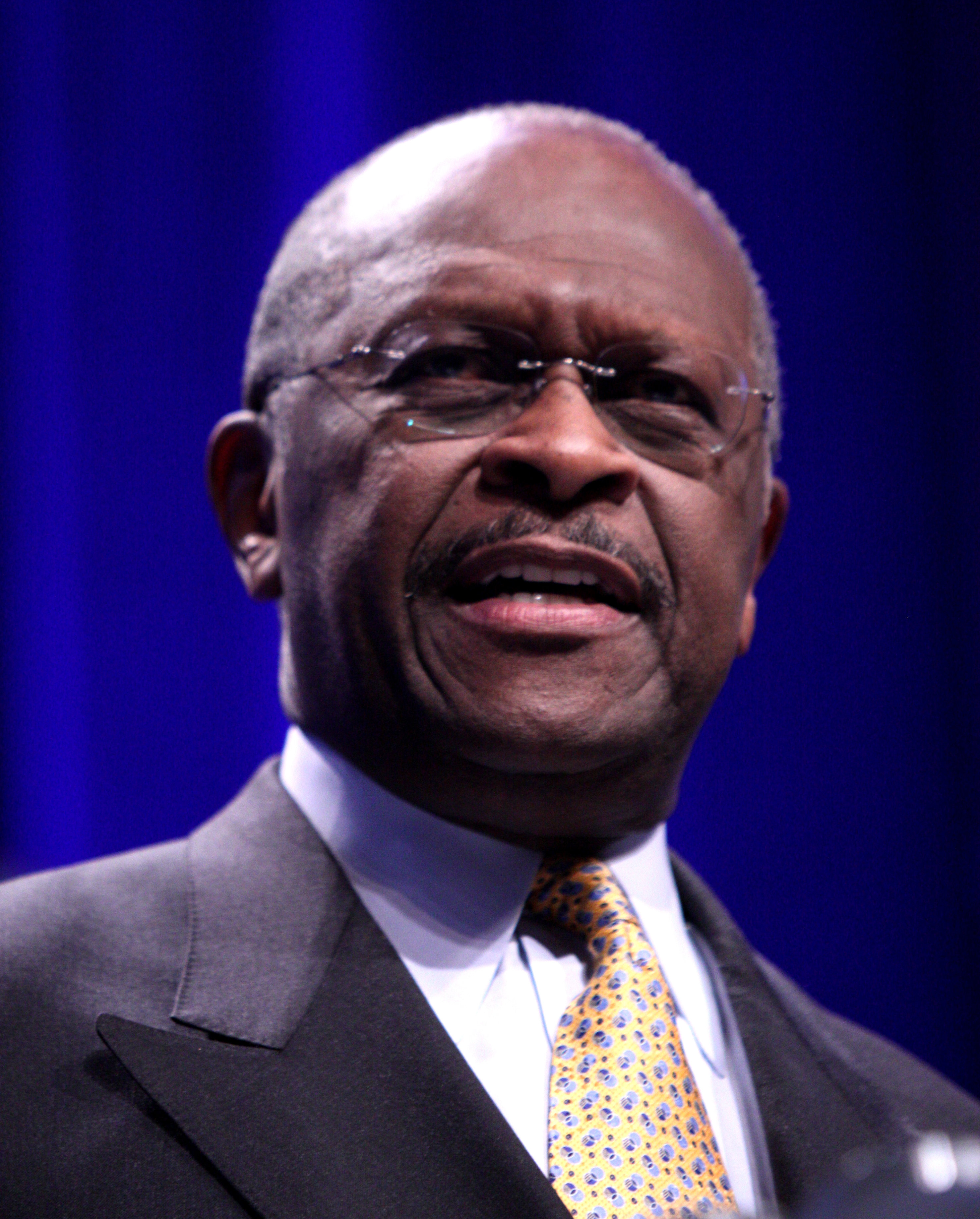
The sentencing of Sean “Diddy” Combs on Friday, October 3, 2025, marked a pivotal moment in a legal saga that has captivated national attention. Following a two-month, headline-making trial, the music mogul, once an undisputed titan of the entertainment industry, appeared in Manhattan federal court to hear his fate. The proceedings culminated in a 50-month prison sentence, a striking outcome for a figure whose public persona had long been synonymous with success and influence.
Judge Arun Subramanian presided over the emotional hearing, which saw Combs deliver a tearful statement directly addressing the court, his victims, and his family. The courtroom drama unfolded against a backdrop of intense public scrutiny, with the details of Combs’s conviction on two counts of transportation to engage in prostitution bringing to light disturbing allegations that challenged his carefully cultivated image. While a jury acquitted him of the more severe charges of racketeering and trafficking, the lesser counts nonetheless carried significant legal consequences, reshaping his future and legacy.
This in-depth article will meticulously detail the key aspects of the sentencing hearing, drawing exclusively from the provided context. It will explore the judge’s pointed admonitions, Combs’s public expressions of remorse and self-reflection, the specifics of the charges, and the profound impact of the legal proceedings on all involved. We begin by examining the judge’s direct challenge to Combs’s characterization of his actions, a moment that underscored the gravity of the court’s findings.

1. **Judge Subramanian’s Direct Admonition to Combs: “You Were No John”**During the sentencing hearing, Judge Arun Subramanian delivered a direct and unequivocal rebuke to Sean “Diddy” Combs, challenging the defense’s attempts to minimize the nature of his actions. Combs’s lawyers had argued that he was, at most, a “john” in hiring prostitutes, implying a less culpable role in the illicit activities. However, Judge Subramanian swiftly dismissed this characterization, emphasizing the coercive elements of Combs’s conduct.
Addressing Mr. Combs directly, the judge stated, “You were no john.” He continued, articulating a crucial distinction: “You were more than that, even if your currency was satisfying your ual desires instead of money. But the coercion was the same, if not worse.” This statement underscored the court’s view that Combs’s influence and power were instrumental in orchestrating the encounters, irrespective of the financial exchanges, and highlighted the manipulative aspect of his behavior. The judge’s words served as a stark rejection of the defense’s narrative, reaffirming the severity of the offenses for which Combs was convicted.
This direct address from the bench left no room for ambiguity regarding the court’s interpretation of Combs’s involvement. It framed his actions not merely as participation in consensual prostitution, but as a more profound abuse of power, leveraging personal desires and influence to facilitate harmful ual encounters. The judge’s decision to specifically refute the “john” defense demonstrated a clear intent to hold Combs accountable for the full extent of his adjudicated culpability, setting a firm tone for the remainder of the sentencing.
2. **Sean Combs’ Tearful Statement to the Court: “I Got Lost in Excess”**Sean “Diddy” Combs broke his silence in court on Friday, October 3, 2025, delivering a tearful statement directly addressing Judge Arun Subramanian, his victims, and his family. Dressed in a sweater and sporting a gray beard, Combs rose from his seat, let out a deep exhale, and expressed gratitude for the chance to speak. His allocution was marked by profound emotion and a public acknowledgment of personal failings.
Combs confessed, “My mother taught me better. My faith taught me better … I got lost in the journey of life. I got lost in excess. I got lost in my ego. Because of my decisions, I lost my freedom.” He painted a picture of a man stripped bare by his own conduct, stating, “I’ve totally destroyed my reputation. I’ve been humbled and broken down. I hate myself right now. I’ve been stripped down to nothing.” These words represented a stark contrast to his previously guarded silence during the trial, offering a rare glimpse into his purported internal struggle.
His statement continued, emphasizing a sense of deep personal responsibility and regret. “I take full responsibility and accountability for failing my community,” Combs said, vowing to change for the better. He asserted, “I got lost. I’m not a bad person. I know I’ve been changed for the better. I can’t change the past, but I know I can change the future.” This plea for understanding and a second chance was a central theme of his emotional address to the court, seeking to convey a profound transformation during his year in detention.

3. **The Conviction: Transportation to Engage in Prostitution**Sean “Diddy” Combs was convicted on two lesser counts of transportation to engage in prostitution following a two-month trial that captured widespread attention. These charges were specifically related to travel arrangements he facilitated for ual encounters between his girlfriends and hired male escorts. These sessions were infamously known as “freak-offs” and “hotel nights,” involving travel across state and even international boundaries.
Despite the significant media scrutiny and the severity of initial accusations, a jury ultimately acquitted Combs of the more serious charges he had faced, including racketeering and trafficking. His lawyers had portrayed him as a man largely vindicated by these acquittals, arguing for a significantly lighter sentence. However, the convictions on the prostitution-related counts established his legal culpability in orchestrating and facilitating these illicit activities, regardless of the outcomes on the more severe charges.
The specific nature of the conviction centered on the logistical arrangements Combs made to enable these ual encounters. The charges highlighted the fact that Combs was not merely a participant but actively involved in coordinating the movement of individuals for the purpose of prostitution. This legal finding underscored the court’s determination that his actions extended beyond casual involvement, establishing a pattern of conduct that warranted legal consequence, even if it fell short of the higher-level trafficking and racketeering allegations.

4. **The Pronounced Sentence: 50 Months in Prison and Maximum Fine**Judge Arun Subramanian sentenced Sean “Diddy” Combs to 50 months – or just over four years – for his conviction on two counts of transportation to engage in prostitution. This sentence represented a midpoint between the prosecution’s request for over 11 years and the defense’s argument for no more than 14 months, aligning with neither extreme but reflecting the court’s assessment of the seriousness of the crimes.
In addition to the prison term, the judge imposed a substantial fine of $500,000, which was the maximum possible under the law. This financial penalty further underscored the gravity of the court’s judgment and served as an additional measure of accountability for Combs’s actions. The combination of incarceration and a significant fine highlighted the comprehensive nature of the punishment levied against the former music mogul.
Accounting for the year Mr. Combs had already spent in detention since his arrest in September 2024, and considering the potential for time off for good behavior, the sentence means that he would likely remain incarcerated until 2028. This long-term consequence marked a striking and definitive turn of fate for a man who had once stood at the pinnacle of the music and business worlds, leveraging his fame into a vast empire. The judge’s resolution in imposing a steeper punishment, despite the acquittals on top charges, signified that Combs’s conduct necessitated a significant period of incarceration.

5. **Combs’ Apology to Cassie Ventura: “I Didn’t Mean to Hurt You”**In a deeply emotional segment of his courtroom address, Sean “Diddy” Combs specifically apologized to his former girlfriend, singer Casandra “Cassie” Ventura Fine, who was a key witness during his trial. Ventura Fine had testified for four harrowing days, detailing physical abuse, control, and forced participation in drug-fueled ual encounters with male escorts, known as “freak-offs.”
Combs stated, “I personally apologize to Cassie Ventura for any harm I’ve caused to her emotionally or physically. I don’t take that lightly.” His voice shaking, he added, “I didn’t mean to hurt you. I’m sorry I brought you into my mess.” This direct apology to Ventura Fine, who was nine months pregnant during her testimony, marked a public acknowledgment of the pain and trauma she endured as a result of his actions. It was a moment of specific remorse directed towards one of his most prominent accusers.
Beyond his verbal apology in court, Combs also reiterated his remorse in a letter to Judge Subramanian dated the day before his sentencing. In it, he wrote, “The scene and images of me assaulting Cassie play over and over in my head daily. I literally lost my mind. I was dead wrong for putting my hands on the woman that I loved. I’m sorry for that and always will be.” These written and spoken apologies represented a significant shift from his prior denials, particularly after the emergence of the infamous 2016 hotel security footage.

6. **The Acknowledgment of the “Disgusting, Despicable Video”**Sean “Diddy” Combs addressed the infamous 2016 hotel security footage during his courtroom comments, explicitly referencing the video depicting him attacking Casandra “Cassie” Ventura Fine. This footage, from the now-shuttered InterContinental Hotel in Los Angeles where he was seen kicking and beating Ventura Fine, played a significant role in public perception and was shown repeatedly during his two-month trial.
Combs characterized the video with strong terms, stating, “That video, that disgusting, despicable video, triggered a lot of people around the world.” His acknowledgment of its nature and impact indicated a recognition of the widespread revulsion it caused. This admission came after years of denying Ventura Fine’s allegations of assault, a denial that became untenable once the graphic footage became public, compelling a different narrative from Combs and his defense.
In his letter to Judge Subramanian, Combs further elaborated on his remorse regarding the incident: “The scene and images of me assaulting Cassie play over and over in my head daily. I literally lost my mind. I was dead wrong for putting my hands on the woman that I loved. I’m sorry for that and always will be.” The repeated emphasis on this particular incident underscores its profound significance, not only in the legal proceedings but also in shaping public and, ultimately, Combs’s own perception of his past conduct.

7. **A Plea for Mercy and a Chance at Redemption**Throughout his allocution and in his letter to the judge, Sean “Diddy” Combs made a fervent plea for mercy, expressing a desire for a chance at redemption and a positive future. He repeatedly implored Judge Subramanian to consider his claims of personal transformation during his year in detention, arguing that he had changed for the better and learned from his mistakes.
Combs stated, “I can’t change the past but I can change the future. I ask your honor for mercy. I beg your honor for mercy. I ask your honor for a chance to be a father again. I ask your honor for a chance to be a son again. I ask your honor for a chance to be a leader in my community again. I ask your honor for a chance to get the help I desperately need to be a better person.” He envisioned himself as a positive example, asking the judge to “make me an example of what a person can do if you give me another chance,” rather than making an example out of him with a lengthy sentence.
He further vowed, “I know I’ll never put my hands on another person again.” Combs claimed his story was “real” and “tragic,” and that he no longer cared for “fame or money or records or performing.” Instead, he expressed a profound desire to use his experiences to help others, stating, “if your honor gives me a chance to share my story, this will have a positive impact … at least I can help one person for not ending up like this.” These heartfelt appeals sought to paint a picture of a man profoundly humbled and ready for a path of positive contribution upon release.
Read more about: Exclusive: Behind the Velvet Rope – Paris Hilton’s Harrowing Journey Through a Secret Trauma

8. **The Harrowing Testimony of Casandra “Cassie” Ventura Fine**Central to the prosecution’s case and a significant factor in shaping public perception was the harrowing testimony of Casandra “Cassie” Ventura Fine. Combs’s former girlfriend, who was nine months pregnant at the time, bravely took the stand for four grueling days, recounting a deeply disturbing pattern of physical abuse, control, and forced participation in illicit activities. Her detailed account provided the court with a visceral understanding of the environment that Combs allegedly fostered.
Ventura Fine’s testimony painted a vivid picture of a relationship marked by extreme manipulation and coercion. She described instances where Combs physically abused her, exerted profound control over her life, and compelled her to engage in activities against her will. These personal revelations were crucial in demonstrating the dynamics of power and vulnerability that underpinned many of the allegations against the music mogul.
Among the most disturbing elements of her testimony were the descriptions of “marathon drug-fueled ual encounters with male escorts,” famously dubbed “freak-offs.” Ventura Fine detailed her forced participation in these sessions, which often involved travel across state and even international boundaries. Her account highlighted the systematic nature of these events and the profound trauma she endured as a result of Combs’s actions, underscoring the severity of the experiences for which he was ultimately held accountable.
Her courage in testifying, despite her advanced pregnancy and the intense public scrutiny, resonated deeply within the courtroom and beyond. Ventura Fine’s unflinching narrative provided a critical foundation for understanding the prosecution’s case, illustrating the severe human cost of the activities for which Combs was convicted.

9. **The Account of “Jane”: Allegations of Physical Violence and Coercion**Further underscoring the pattern of abusive behavior was the testimony of another former girlfriend, identified only by the pseudonym “Jane.” Her account, distinct yet disturbingly resonant with Ventura Fine’s, provided the jury with additional evidence of physical violence and coercive ual acts orchestrated by Combs. Her decision to testify under a pseudonym highlighted the fear and vulnerability many witnesses experienced in coming forward.
“Jane” detailed a terrifying episode that illustrated the extreme physical aggression she endured. She told the jury that Combs chased her around her home, subjected her to a chokehold, and then proceeded to punch her in the head. The violence escalated as she recounted being kicked while she lay defenseless in a ball on the ground, and subsequently dragged by her hair, painting a grim picture of assault.
Following this brutal physical attack, “Jane” testified to being pressured into having with a male sex worker. This sequence of events, from physical assault to forced sexual coercion, demonstrated a deeply disturbing continuum of control and exploitation. Her testimony was critical in establishing a pattern of conduct that transcended isolated incidents and pointed to a systematic approach to manipulating and abusing women.
Her detailed, firsthand account served as a powerful complement to other testimonies, reinforcing the prosecution’s narrative of a perpetrator who leveraged his power to inflict both physical and psychological harm. The consistency in the nature of abuse described by multiple witnesses lent significant weight to the court’s findings regarding Combs’s culpability in orchestrating illicit and harmful encounters.
Read more about: Sean ‘Diddy’ Combs: Unpacking the Conviction, Shattered Legacy, and Harrowing Days Behind Bars

10. **The Mechanics of “Freak-Offs” and “Hotel Nights”**At the heart of Sean Combs’s conviction for transportation to engage in prostitution were the precisely orchestrated events known as “freak-offs” and “hotel nights.” These terms, frequently invoked during the trial, referred to specific ual encounters that were not merely spontaneous acts but meticulously arranged sessions involving his girlfriends and hired male escorts. Understanding their mechanics was crucial for the jury to comprehend the nature of the charges.
These encounters were characterized by their organized nature, often involving significant logistical planning. The context revealed that these sessions frequently necessitated travel across state lines and, in some instances, even international boundaries. This element of movement was paramount, as it formed the basis of the “transportation” aspect of the prostitution charges, distinguishing Combs’s actions from more localized offenses. The active coordination of travel underscored his role not merely as a participant, but as a facilitator.
Furthermore, a recurring descriptor for these events was their “drug-fueled” nature, as detailed by witnesses like Casandra Ventura Fine. This aspect suggested an environment where participants’ inhibitions might have been lowered, potentially complicating the question of consent and intensifying the coercive elements alleged by the prosecution. The combination of organized travel and drug use painted a picture of deeply problematic and exploitative scenarios.
The prosecution successfully argued that Combs’s actions went beyond casual involvement, demonstrating a deliberate and sustained effort to arrange and enable these illicit ual activities. The specifics of how these “freak-offs” and “hotel nights” were planned, the movement of individuals involved, and the conditions under which they occurred, became central to establishing his legal culpability, despite his acquittal on the more severe charges.
11. **The Stark Disparity in Sentencing Arguments**Ahead of Judge Arun Subramanian’s final decision, the court witnessed a significant clash between the prosecution and defense regarding the appropriate length of Sean Combs’s prison sentence. This stark disparity in recommendations highlighted the differing interpretations of the severity of his crimes and the impact of his partial acquittal on the more serious charges. The judge was tasked with navigating these diametrically opposed proposals to arrive at a just outcome.
The prosecution, emphasizing the gravity of the offenses for which Combs was convicted and portraying him as a “longtime abuser who exploited women,” had requested a substantial prison term. They advocated for a sentence of over 11 years, specifically citing 11 years and three months. This aggressive stance reflected their view that despite the acquittals on racketeering and trafficking, Combs’s conduct warranted a significant punitive response to ensure accountability and deter similar behavior.
Conversely, Combs’s defense team argued for a dramatically lighter sentence, proposing no more than 14 months. Their argument largely hinged on the jury’s acquittal of the most serious charges, which they contended had largely vindicated their client. They also emphasized Combs’s year already spent in detention, claiming it was sufficient punishment, and highlighted his asserted personal transformation during that time, portraying him as a man deserving of a near immediate release.
Ultimately, Judge Subramanian rendered a sentence of 50 months, or just over four years. This decision represented a midpoint between the two extremes, aligning with neither the prosecution’s demand for a lengthy term nor the defense’s plea for minimal incarceration. The judge’s resolution in imposing a steeper punishment than the defense sought, despite the acquittals, unequivocally signaled that Combs’s adjudicated conduct necessitated a significant period of incarceration, reflecting the court’s assessment of the seriousness of his crimes.
Read more about: Navigating the Autobahn’s Complexities: The 200 MPH Incident and Germany’s Ongoing Debate Over Speed Limits

12. **Claims of Transformation in Detention Amidst Skepticism**Sean Combs’s allocution and a letter to Judge Subramanian presented a narrative of profound personal transformation, asserting that his year in detention had fundamentally changed him. He claimed to have undergone a “spiritual reset,” stating that the “old me died in jail and a new version of me was reborn,” further noting that “prison will change you or kill you — I choose to live.” This portrayal of self-improvement was a central component of his plea for mercy.
During his incarceration at the Metropolitan Detention Center in Brooklyn, Combs detailed various activities undertaken to facilitate this change. He stated he had been reading, writing, going to therapy, and working out. Furthermore, he claimed to be teaching a six-week course to other inmates titled “Free Game with Diddy,” imparting business wisdom and lessons learned from his mistakes. He expressed a desire to use his experiences to help others, claiming he no longer cared for “fame or money or records or performing.”
However, these claims of sincere remorse and transformation were met with considerable skepticism, most notably from Casandra Ventura Fine. In her victim impact statement to the judge, Ventura Fine directly challenged Combs’s sincerity. She asserted, “His defense attorneys claim he is a changed man, and he wants to mentor abusers. I know firsthand what real mentorship means, and this disgusts me; he is not being truthful.”
Ventura Fine’s letter delivered a powerful counter-narrative, declaring, “I know that who he was to me — the manipulator, the aggressor, the abuser, the trafficker — is who he is as a human. He has no interest in changing or becoming better. He will always be the same cruel, power-hungry, manipulative man that he is.” This stark dichotomy between Combs’s narrative of redemption and his victim’s unwavering assessment presented a complex challenge for the court in weighing the sincerity of his words against the documented impact of his past actions.
Read more about: Unraveling the Shadows: The Unresolved Questions Surrounding the Death of Diddy’s Key Associate

13. **The Profound Impact on a Once-Illustrious Career**The sentencing of Sean “Diddy” Combs marks a striking and definitive turn of fate for a man who once stood at the pinnacle of the music world, leveraging his fame into a vast empire encompassing fashion, media, and branding. His conviction and subsequent incarceration have fundamentally reshaped his public identity and legacy, transitioning him from an undisputed titan to an inmate facing a lengthy prison term.
Combs himself acknowledged the profound personal and professional toll of the legal proceedings. In his emotional statement to the court, he confessed, “I’ve totally destroyed my reputation. I’ve been humbled and broken down. I hate myself right now. I’ve been stripped down to nothing.” These words underscore the complete dismantling of the meticulously cultivated image of success and influence that had defined his career for decades, replaced now by public ignominy.
The 50-month prison sentence, which means he will likely remain incarcerated until 2028, signifies a long-term consequence that effectively sidelines him from the industries he once dominated. This fall from grace, from leading a star-studded life to confronting the stark realities of confinement, is a testament to the severe repercussions of his adjudicated conduct. The once-unthinkable prospect of Diddy behind bars has become a stark reality, altering the course of his life irrevocably.
His claims of no longer caring for “fame or money or records or performing” further illustrate this profound shift. The legal process has seemingly forced a reevaluation of his priorities, with a stated focus on family and community impact. Yet, this transformation comes at the cost of his public stature and the dissolution of the empire built on his name, leaving a legacy now irrevocably marked by scandal and conviction.
Read more about: Hollywood’s Infamous Landmines: 14 Films That Absolutely Decimated A-List Careers
14. **Apologies to Family, Other Victims, and the Community**Beyond his specific and deeply personal apology to Casandra Ventura Fine, Sean Combs extended his remorse more broadly in the courtroom, addressing his family, another former girlfriend, and the wider community. These generalized expressions of regret aimed to convey a comprehensive acknowledgment of the harm he had caused, reflecting a desire to take responsibility beyond individual grievances.
In an intensely emotional segment of the hearing, Combs turned to his children, who were present in the courtroom gallery. His voice breaking, he stated, “I’m so sorry. Y’all deserve better,” a poignant admission of his failings as a father. He then looked at his mother, Janice Combs, and tearfully apologized, saying, “Mom, I failed you as a son. I’m sorry. You taught me better, you raised me better,” highlighting his sense of personal shame and regret for disappointing his upbringing.
Combs also included an apology to the woman who testified under the pseudonym “Jane.” He acknowledged that “after hearing her testimony, I realized that I hurt her,” indicating a specific recognition of the pain he inflicted upon her, separate from Ventura Fine’s account. This apology, though brief, demonstrated an attempt to address the suffering of another individual whose life was impacted by his actions.
Throughout his statements, Combs reiterated a broader sense of accountability, stating, “I take full responsibility and accountability for failing my community.” He extended his apologies to all victims of domestic violence who were affected by the “disgusting, despicable video” of him assaulting Ventura Fine. He expressed a desire to use his experiences to help others, stating, “if your honor gives me a chance to share my story, this will have a positive impact … at least I can help one person for not ending up like this,” envisioning a path of positive contribution upon his release. These apologies collectively aimed to convey a man grappling with the full weight of his past, seeking to mend broken ties and contribute positively to society, even as the path to redemption remains fraught with skepticism.
Read more about: The Dark Underbelly of Stardom: 14 Celebrities We Worshiped Who Are Now Tarnished
The culmination of Sean Combs’s legal battle, marked by his conviction and the pronounced sentence, signals not merely a personal downfall but a broader societal reckoning with power, accountability, and the long-lasting impact of abuse. The detailed testimonies, the fierce legal arguments, and Combs’s own public display of remorse, however contested, will undeniably leave an indelible mark on the public consciousness. As the music mogul now faces years in federal prison, his story serves as a stark reminder of the consequences that can follow unchecked ambition and alleged exploitation, forever altering the narrative of a once-unassailable icon.