In the glittering, often cutthroat world of Hollywood, an actor’s career trajectory can be a rollercoaster of highs and lows. Audiences and critics alike often celebrate what is dubbed a ‘winning streak’—a sustained period where every project an actor touches seems to turn to gold, earning critical acclaim, commercial success, or both. This golden era can elevate a performer to an almost mythical status, making them appear infallible and ensuring massive anticipation for their next move.
Yet, as history continually reminds us, even the most unstoppable momentum can be abruptly halted. This phenomenon is often not about an actor suddenly losing their talent, but rather a confluence of factors: a script that doesn’t quite land, a directorial vision that misfires, or simply a movie that fails to connect with its intended audience. The intriguing aspect is that these ‘streak-ending’ films aren’t always outright terrible movies, though some certainly are. Instead, they are projects that come at a time when an actor is at the peak of their professional success, only to cool that hot streak with a release that is critically panned, falls flat at the box office, or unfortunately, both.
While such a setback rarely spells the definitive end of an actor’s career, it undeniably forces them to recalibrate, to rebuild the momentum that once seemed effortless. For some, it might just be a temporary blip before they soar to even greater heights. For others, however, it marks the end of their highest level of fame and clout, a zenith they never quite seem to reach again. Today, we’re diving deep into some of these defining moments, examining the movies that, for better or worse, brought an end to an actor’s otherwise unblemished winning streak.

1. **Adam Sandler in Little Nicky (2000)**Adam Sandler, a name synonymous with a particular brand of comedy, experienced an incredible ascent in Hollywood that redefined the genre for a generation. While not his absolute debut film, the 1995 comedy “Billy Madison” truly ignited what would become known as “Adam Sandler movies”—projects where he not only starred but also co-wrote, exercising significant creative freedom. This foundational film, despite being a modest box office success, was instrumental in expanding Sandler’s fanbase far beyond his “Saturday Night Live” days, generating palpable excitement for his subsequent endeavors.
What followed was an enviable run of success that solidified his position as a major cinematic force. Films like “Happy Gilmore,” “The Wedding Singer,” “The Waterboy,” and “Big Daddy” each surpassed the commercial performance of their predecessors, establishing Sandler as a comedic juggernaut. This sustained period of hits propelled him to the upper echelons of Hollywood, quickly making him one of the highest-paid actors in the industry. During this era, it seemed he possessed an unerring touch for delivering audience-pleasing comedies, making it appear as though he could “do no wrong” when it came to his signature films.
This immense box office clout and critical goodwill empowered New Line Cinema to greenlight “Little Nicky,” an ambitious high-concept comedy in 2000, investing a substantial $80 million into its production. The film was characterized by “elaborate sets and costly special effects,” a testament to the studio’s confidence in Sandler’s appeal and ability to deliver. It was, at the time, his most expensive film to date, designed to push the boundaries of his comedic universe with a devilish premise.
However, “Little Nicky” proved to be a stark deviation from his established pattern of success. It became Sandler’s “first big flop,” a significant commercial disappointment that failed to recoup its substantial budget. Compounding this, it was also his “worst-reviewed effort up to that point,” garnering a level of critical disdain that was uncharacteristic of his recent output. While Sandler demonstrably “bounced back just fine” in the long term, continuing a prolific career, “Little Nicky” undoubtedly “dulled the shine on Hollywood’s comedy golden boy,” and he arguably never fully regained the unprecedented, unassailable status he held immediately prior to its release.
Read more about: The Casting Curse: 12 Actors Who Took On One Role That Forever Changed Their Hollywood Trajectory
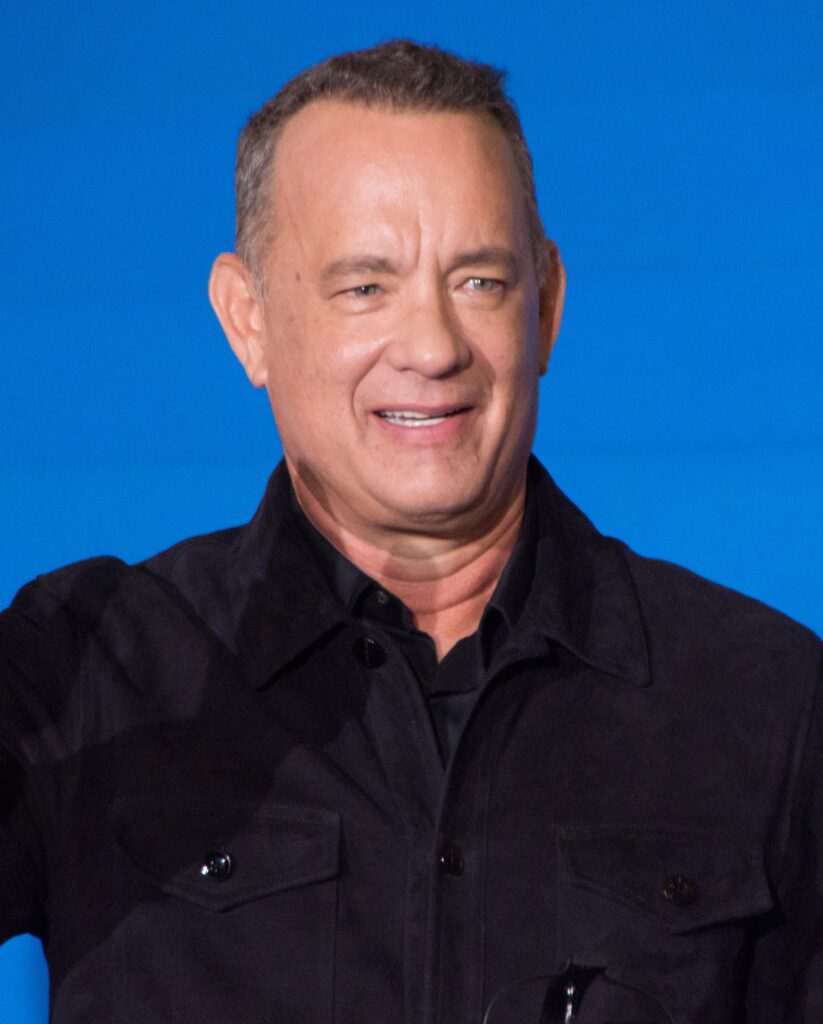
2. **Tom Hanks in The Ladykillers (2004)**Tom Hanks holds a unique place in Hollywood lore, widely regarded as an actor with an uncanny ability to select quality projects. There are indeed “a select few actors who are known for barely making any bad movies,” and Hanks’ name stands prominently among them, often alongside luminaries such as Daniel Day-Lewis, Christian Bale, and Meryl Streep. Yet, even among this esteemed company, it is “hard to think of an actor who had the run that Tom Hanks did from 1992 to 2002,” a decade-long stretch that remains legendary in its consistency and impact.
This incredible period began auspiciously with “A League of Their Own” and continued virtually unbroken “up through ‘Catch Me If You Can’.” During this remarkable span, Hanks starred in an astonishing “14 consecutive films that were well-received by critics and did well at the box office.” This wasn’t merely a streak of commercial hits; it was a run of critical triumphs too, with “four of which earned him Best Actor Oscar nominations and two for which he won,” cementing his status as one of cinema’s most acclaimed and bankable stars. His name became synonymous with quality and box office appeal.
Then came 2004’s “The Ladykillers,” a film that starkly brought this unparalleled run to a grinding halt. The movie not only delivered “Hanks his worst reviews in over a decade” but also marked a “rare misstep for the Coen brothers,” who both wrote and directed the film. The anticipation for a collaboration between such an iconic actor and two revered filmmakers was immense, promising an exciting moment in cinema. Unfortunately, the reality fell short, resulting in “a disappointing and forgettable project for all three of them.”
While the Coen brothers are known for their distinctive cinematic vision, and their films don’t always achieve massive box office success, “The Ladykillers” was particularly notable for its critical reception. It earned a “rotten score on Rotten Tomatoes,” a significant anomaly as it “remains the only Coen brothers movie to earn a rotten score” on the aggregate review site. This critical drubbing, coupled with a less-than-stellar box office performance, unequivocally ended Hanks’ “amazing streak.” To his credit, Hanks “couldn’t have known he was signing on for their worst movie,” but it was the one that broke his decade-long golden touch.
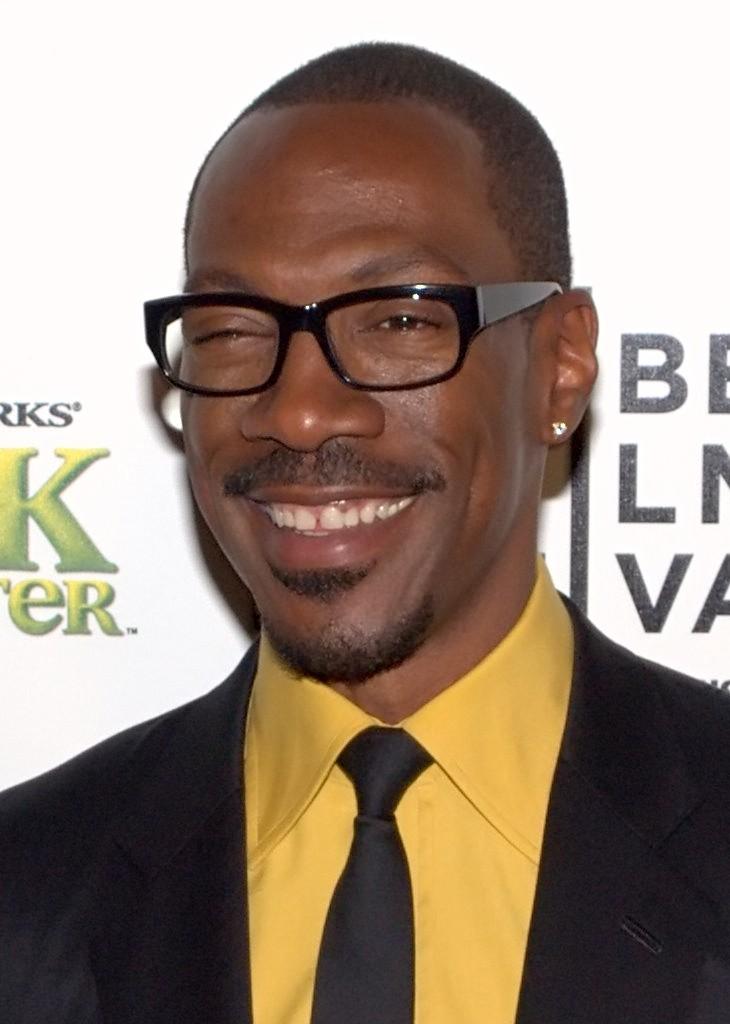
3. **Eddie Murphy in The Distinguished Gentleman (1992)**Eddie Murphy revolutionized the path from sketch comedy to superstardom, effectively setting the blueprint for “Saturday Night Live” cast members aspiring to become legitimate movie stars. While not the first SNL alumnus to achieve a hit film, Murphy’s meteoric rise established a clear template: emerge from the show as a fully-formed cinematic presence, then churn out a string of hits that dominated the early phase of his film career. His raw talent and undeniable charisma made him an immediate box office draw, a rare feat for a TV personality transitioning to the big screen.
His impressive streak began with critically and commercially successful films such as “48 Hrs.” and “Trading Places.” This was followed by a relentless series of triumphs including “Beverly Hills Cop,” “The Golden Child,” “Beverly Hills Cop II,” the groundbreaking concert film “Raw,” “Coming to America,” “Harlem Nights,” “Another 48 Hrs.,” and “Boomerang.” Each of these films either achieved significant “commercial successes and/or have gone on to become undeniable cult classics,” solidifying Murphy’s status as an unparalleled box office king and cultural icon. While he did have an earlier dud in 1984’s “Best Defense,” that film was an anomaly, a troubled production he was shoehorned into, making his subsequent run all the more remarkable.
This incredible run, a testament to his comedic genius and leading man appeal, hit an unexpected roadblock in 1992 with the release of the political comedy “The Distinguished Gentleman.” This film marked a significant departure from his recent string of successes, becoming “the first critical and commercial disappointment he was in since ‘Best Defense’.” Unlike “Best Defense,” which was an external issue, “The Distinguished Gentleman” was unequivocally an Eddie Murphy vehicle, and its underperformance sent a clear signal that his infallible golden touch might be waning.
“The Distinguished Gentleman” signaled a noticeable shift in Murphy’s career trajectory. Post-1992, his filmography began to show a less consistent pattern of success, with the context noting that he would subsequently “make several bad movies for every good one.” This marked a definitive “end of the golden touch that dominated the first decade of his movie stardom,” transitioning from an almost unbroken chain of hits to a more varied and unpredictable output. While he continued to work and later found new successes, that initial, almost perfect run of consistent hits was undeniably broken.

4. **George Clooney in The Good German (2006)**George Clooney’s journey to A-list movie stardom was a unique and often challenging one, particularly when considering his initial transition from television. Excluding his pre-TV-fame film career, which largely comprised “mostly forgettable B-movies,” his move to Hollywood after achieving household name status on “ER” was initially quite “spotty.” For every critically appreciated project like “From Dusk till Dawn” and “Out of Sight,” there was a commercial and critical misfire such as “Batman and Robin” and “One Fine Day,” indicating a period of trial and error in finding his cinematic footing.
However, as the 1990s drew to a close, Clooney began to forge a more consistent and reliable path, firmly establishing himself as a sought-after A-lister. His collaboration with acclaimed filmmakers like Robert Rodriguez, Steven Soderbergh, and the Coen brothers proved pivotal in this transformation, elevating his profile and cementing his reputation for choosing interesting projects. This era of sustained success was notably kicked off by his role in Terrence Malick’s “The Thin Red Line” in 1998, initiating “a long string of success” that would define his next nine years.
His impressive run wasn’t limited to just acting in popular films; Clooney also evolved into a respected filmmaker in his own right, commencing with his directorial debut, “Confessions of a Dangerous Mind” in 2002. During this period, he wasn’t just leading “big box office wins like ‘Ocean’s Eleven’ and ‘The Perfect Storm’;” he was also earning significant critical accolades. He received “Best Director and Original Screenplay Oscar nominations for ‘Good Night, and Good Luck,’ plus his first and thus far only acting Oscar for his role in ‘Syriana’—a part that literally almost killed him,” showcasing his versatility and commitment.
Yet, this incredible nine-year hot streak, marked by both commercial and critical triumph, met an abrupt end with the 2006 film “The Good German.” Despite being directed by his frequent collaborator and acclaimed filmmaker Steven Soderbergh, the movie was a rare misstep. According to Rotten Tomatoes, it is categorized as “the second-worst movie Steven Soderbergh ever directed,” a stark indicator of its critical reception. This unexpected stumble brought a definitive halt to “star Clooney’s hot streak that had been burning for the previous nine years,” serving as a potent reminder that even the most consistent A-listers are not immune to cinematic curveballs.
Continuing our exploration into Hollywood’s fickle fortunes, this section spotlights four more celebrated actors who experienced a sudden shift in their career trajectory due to a singular film. We delve into John Cusack’s ‘Hot Pursuit,’ Leonardo DiCaprio’s ‘Body of Lies,’ Denzel Washington’s ‘John Q.,’ and Bill Murray’s ‘The Razor’s Edge,’ analyzing the precise moments these films disrupted otherwise stellar runs. The discussion will cover the critical and commercial reception of these movies, the actors’ responses, and the long-term implications for their star power, concluding with a reflection on the enduring resilience of these talents in an unforgiving industry.

5. **John Cusack in Hot Pursuit (1987)**John Cusack, an actor whose relationship with Hollywood has seemingly grown more complicated over the years, particularly in the last decade, once epitomized the young, rising star. His current perspective, often characterized by a reluctance to engage in the typical A-lister games, contrasts sharply with his early career. As a teenager and young adult in the 1980s, Cusack led a remarkable number of films that became either immediate successes or achieved lasting cult status, cementing his passionate fanbases.
His meteoric ascent began early, with a small but memorable role in John Hughes’ iconic coming-of-age film “Sixteen Candles” after just three movies into his career. This was quickly followed by his first top-billed credit in the beloved cult classic “Better Off Dead,” showcasing his nascent leading man potential. The critically acclaimed “The Journey of Natty Gann” further demonstrated his range, preceding a string of other notable films.
This impressive run included a role in the classic “Stand by Me” and a second collaboration with filmmaker Savage Steve Holland on “One Crazy Summer,” projects that firmly announced him as a definite young star on the rise. Each role built upon the last, solidifying his reputation for choosing interesting and impactful projects, leading to an almost perfect early filmography that resonated with critics and audiences alike.
However, this otherwise stellar early run encountered its first significant hurdle in 1987 with “Hot Pursuit.” This film marked the first critically panned and subsequently largely forgotten movie of his burgeoning career. It was a clear departure from the positive reception and lasting impact of his previous works, signaling an unexpected blip in his seemingly flawless trajectory.
While “Hot Pursuit” represented a major black mark on an almost perfect first batch of films, Cusack’s career ascent wasn’t truly derailed in the long term, as “Say Anything…” was just around the corner. This immediate rebound meant his career momentum quickly resumed, but the film nonetheless serves as a potent example of how even promising young stars can face early, albeit temporary, setbacks in their winning streaks.
Read more about: Still Crushing It: These 14 Rom-Coms Are the Absolute Gold Standard, and You NEED to Rewatch Them ASAP!

6. **Leonardo DiCaprio in Body of Lies (2008)**Leonardo DiCaprio’s career trajectory is a masterclass in strategic role selection, especially after the formative years of the 1990s. While his early choices weren’t always flawless, his approach shifted dramatically in the 2000s, becoming far more discerning. This meticulousness has resulted in an almost flawless output over the last two decades, characterized by an unwavering commitment to quality and prestige.
A significant factor in DiCaprio’s sustained success has been his deliberate collaboration with some of the most acclaimed filmmakers in modern cinema. His filmography is notably dominated by projects with Martin Scorsese, but also includes partnerships with directorial titans such as Steven Spielberg, Clint Eastwood, Baz Luhrmann, Quentin Tarantino, Alejandro G. Iñárritu, and Christopher Nolan. This consistent alignment with visionary directors makes it remarkably challenging for him to be involved in a subpar film.
Yet, even the most esteemed directors are not immune to making movies that don’t quite hit the mark. This reality manifested when DiCaprio teamed up with Ridley Scott for the 2008 spy thriller “Body of Lies.” While certainly “not a terrible movie by any stretch,” it was ultimately “the kind of movie that is mildly entertaining at best and forgotten before you even get home from the theater,” a stark contrast to his usual fare.
At that specific juncture in DiCaprio’s career, he had seemingly moved beyond merely decent movies, consistently delivering critically acclaimed prestige films. He had capped an incredible run that included “Catch Me If You Can,” “Gangs of New York,” “The Aviator,” “The Departed,” and “Blood Diamond.” To follow such a powerful sequence with a “throwaway action movie like ‘Body of Lies'” represented a rare misstep for the modern-day, highly selective DiCaprio.
Though it didn’t permanently damage his standing, the film undeniably cooled the scorching hot streak of critical and commercial darlings he had amassed. It served as a stark reminder that even an actor as meticulously selective as DiCaprio, collaborating with a renowned director, could still produce a film that felt out of sync with his established pattern of unparalleled success, momentarily disrupting his near-perfect run.
Read more about: From Rising Stars to Legends: Dive Deep into the Lives and Careers of 15 Top Hollywood Actresses Who Are Absolutely Crushing It Right Now!
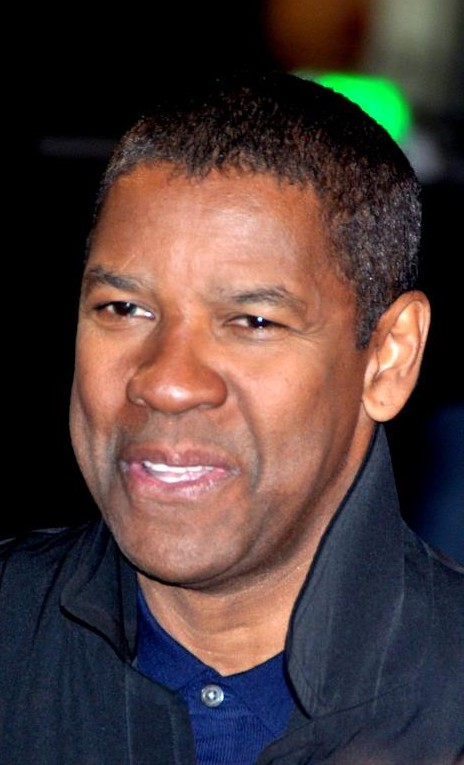
7. **Denzel Washington in John Q. (2002)**Denzel Washington stands as one of the most revered actors to grace both stage and screen, a true titan of the craft. However, despite his undeniable talent and consistent excellence in performance, Washington’s filmography is not entirely devoid of less-than-stellar movies. Indeed, he has appeared in some films that could be categorized as “pretty bad movies,” even if his individual performance invariably remains exceptional within them.
It is, in fact, quite challenging to pinpoint a truly long, unbroken stretch of consecutive great movies in Washington’s career without a critical or commercial dud appearing. Yet, this inconsistency rarely matters in the grand scheme. Audiences and critics rarely wait long before his next incredible performance in an excellent movie emerges, effectively making the preceding less successful projects fade into memory.
With this unique career pattern in mind, a particularly brilliant stretch of films for Washington warrants special attention. This golden period included “The Hurricane,” “Remember the Titans,” and “Training Day.” Two of these critically acclaimed features earned him Best Actor Oscar nominations, with “Training Day” ultimately netting him his second Academy Award win, solidifying his status as an industry legend.
However, this stellar run was followed by a particularly jarring transition. The movie that came next was “John Q.,” a film characterized as the “second-lowest-rated movie of his entire career.” While it was “well-meaning,” it ultimately proved to be a “huge misfire.” This abrupt shift from career-defining triumphs to such a critically maligned project marked an especially whiplash-inducing moment, showcasing the extreme ends of Washington’s filmography.
Yet, true to his resilient nature, Washington swiftly bounced back. What did he follow “John Q.” up with? His directorial debut, “Antwone Fisher,” which earned him significant praise both for his work behind the camera and his performance within it. With this triumphant return, “John Q.” was quickly forgotten, and Washington was back in a big way, demonstrating his remarkable ability to navigate and overcome career setbacks.
Read more about: Denzel Washington’s Next Chapter: Unpacking the Speculation Around His Illustrious Career and Final Acts
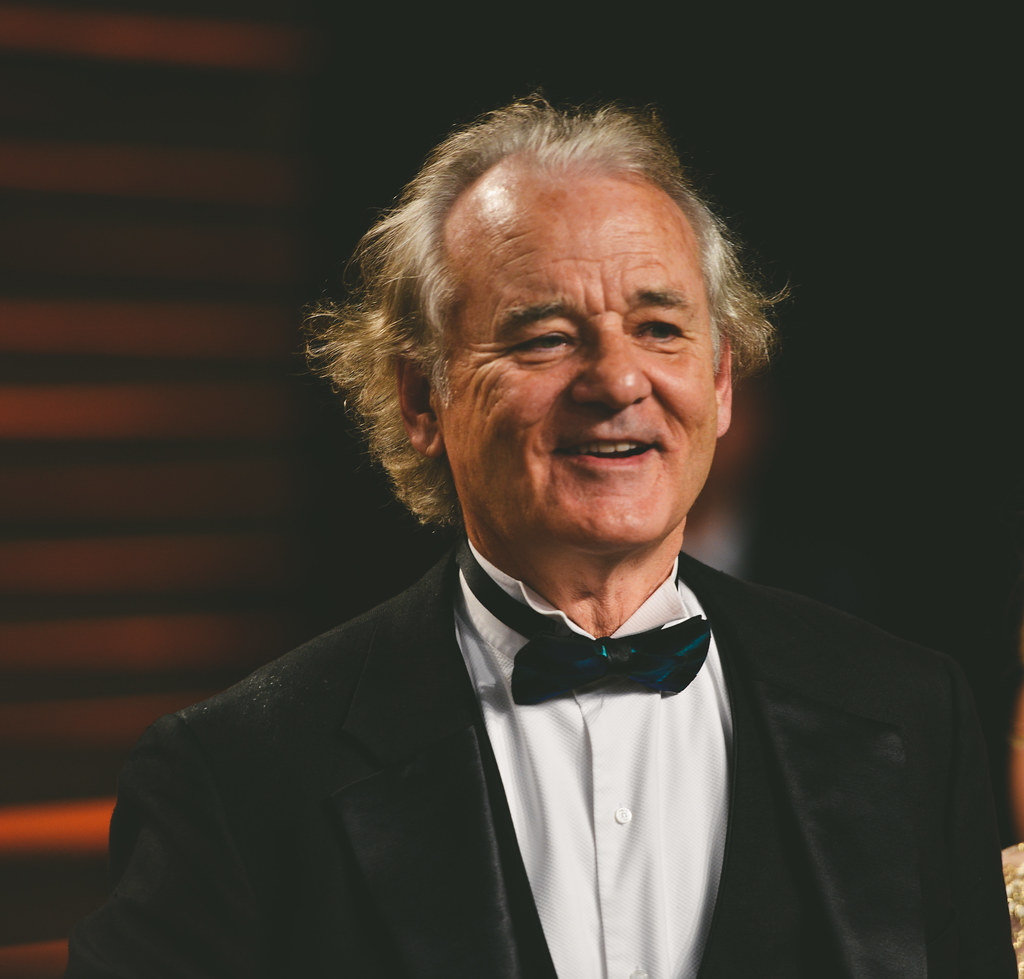
8. **Bill Murray in The Razor’s Edge (1984)**These days, Bill Murray is celebrated equally for his dramatic prowess as he is for his iconic comedic roles, a testament to his remarkable artistic evolution. After a period in the mid-1990s where his career seemed to flounder somewhat, a new wave of indie-minded filmmakers, notably Wes Anderson, Sofia Coppola, and Jim Jarmusch, played a pivotal role in revitalizing his trajectory. They helped him transition into the more serious, character-driven work that has largely defined his output for the last couple of decades, showcasing a successful pivot that audiences now readily embrace.
However, this successful dramatic pivot wasn’t Murray’s first attempt at serious acting. It was merely the first time it landed successfully. While his initial batch of movies at the very start of his career wasn’t consistently stellar, once he found his stride, he embarked on a truly remarkable run of comedic hits. This streak included beloved classics like “Caddyshack,” “Stripes,” “Tootsie,” and the groundbreaking “Ghostbusters.” He even starred in “Nothing Lasts Forever,” one of the most infamous unreleased movies of all time, which could have been a cult classic if it had ever received official distribution.
Then, in 1984, Murray decided to deliberately challenge his established comedic persona by attempting a serious acting role. He starred in and co-wrote an adaptation of W. Somerset Maugham’s novel “The Razor’s Edge.” This project was a conscious effort to demonstrate his dramatic capabilities and broaden his artistic horizons beyond the uproarious comedies that had made him a household name.
While critics were generally positive regarding Murray’s individual performance in “The Razor’s Edge,” their enthusiasm did not extend to the movie itself. Audiences mirrored this sentiment, failing to show up at the box office. The film’s commercial failure proved to be a significant setback, indicating that Murray, at that point in his career, had not yet cultivated the star power or audience acceptance necessary for a successful transition into dramatic leading roles.
The box office disappointment of “The Razor’s Edge” brought an undeniable end to the incredible, almost unbroken run of comedic hits that had characterized his early stardom. It forced Murray to temporarily retreat from serious projects and return to his comedic roots for a time. While he eventually found his path to dramatic acclaim, this film stands as a critical juncture, marking the moment his initial, effortless winning streak of beloved comedies was broken by an ambitious, yet ill-fated, dramatic endeavor.
As we conclude our deep dive into the unpredictable world of Hollywood’s winning streaks, it becomes abundantly clear that even the most talented and successful actors are not immune to the industry’s capricious nature. Whether it’s a genre departure, a critical misfire, or a commercial disappointment, that single film can momentarily dim the brightest star. Yet, what truly defines these legends is not the stumble, but their enduring resilience, their ability to learn, adapt, and ultimately, reclaim their place in the hearts of fans and the annals of cinematic history. The journey through these career-defining moments offers not just a glimpse into the past, but a profound appreciation for the tenacity required to thrive in Tinseltown’s relentless spotlight.