For over six decades, the Chevrolet Corvette has been more than just a car; it is a profound cultural statement, a gleaming embodiment of American automotive ingenuity, and a relentless pursuit of performance. From its humble beginnings as an audacious two-seater concept, the Corvette quickly evolved, etching its name into the annals of sports car history with each successive generation. These machines transcend mere transportation, becoming objects of desire, subjects of outlandish posters, intricate scale models, and symbols of an enduring passion for speed and design.
The journey of the Corvette is one marked by constant innovation, daring design choices, and an unwavering commitment to exhilarating the driver. Across six generations and over 1.3 million units, some Corvettes have merely been good, a few less so, but a select number have achieved true greatness. These are the models that resonate deeply within the enthusiast community, sparking thoughts about driving them even in the middle of a workday, and resetting the bar for what constitutes automotive awesomeness for generations.
In this curated collection, we celebrate those truly exceptional Corvettes that continue to turn heads and ignite dreams. We delve into their individual stories, exploring the engineering marvels, groundbreaking designs, and sheer audacious spirit that cement their status as sought-after classics. These aren’t just cars; they are legacies, each a testament to a moment in time when Chevrolet pushed the boundaries of what was possible, creating machines that were, and remain, truly great.

1. **1963 Corvette Fuel-Injected Coupe**The 1963 Corvette coupe, a full half-century after its debut, stands as one of the most alluring automotive designs ever conceived. Its razor-sharp fender shapes, a tapered tail, and a sharklike mouth combine to create a silhouette that is both gorgeous and aggressively captivating. This particular model year marked the introduction of the first fixed-roof Corvette coupe, and for many, it remains the pinnacle of Corvette beauty. Its distinctive split rear window, unique to the 1963 coupe, further solidifies its iconic status, making it instantly recognizable and highly coveted.
Beyond its breathtaking aesthetics, the 1963 coupe ushered in a revolutionary new era for the Corvette’s underlying architecture. The chassis was entirely new, featuring an all-independent suspension system incorporating transverse leaf springs. This innovative setup immediately elevated the Corvette’s competitiveness, allowing it to rival the world’s finest sports cars in both daily driving comfort and on-track performance. This engineering leap was crucial, making the Corvette a formidable challenger once again, particularly against rivals like Shelby’s new Cobras.
For those seeking the ultimate performance in 1963, the best engine available in the Corvette was the highly developed, 360-horsepower, “L84” 327-cubic-inch small-block V8. This powerhouse was capped by Rochester mechanical fuel injection, a sophisticated system ensuring precise fuel distribution and optimal performance. Despite being the most potent engine in the range that year, it was also remarkably easygoing and flexible, a testament to its refined engineering.
The 1963 Corvette also offered the legendary Z06 option, a package designed to extract maximum performance from the L84 engine. This option stiffened the suspension, tightened the ratios in the Muncie four-speed manual gearbox, and beefed up stopping power with bigger drum brakes. Additionally, it featured a huge 36.5-gallon fuel tank for extended racing, and fit a set of spectacular finned, cast aluminum, center knock-off wheels. This comprehensive package transformed an already exceptional car into a track-ready beast, setting a formidable standard for every subsequent Corvette.
Read more about: The Zenith of Chrome and Power: 15 Legendary Cars That Defined the 1950s Automotive Golden Era
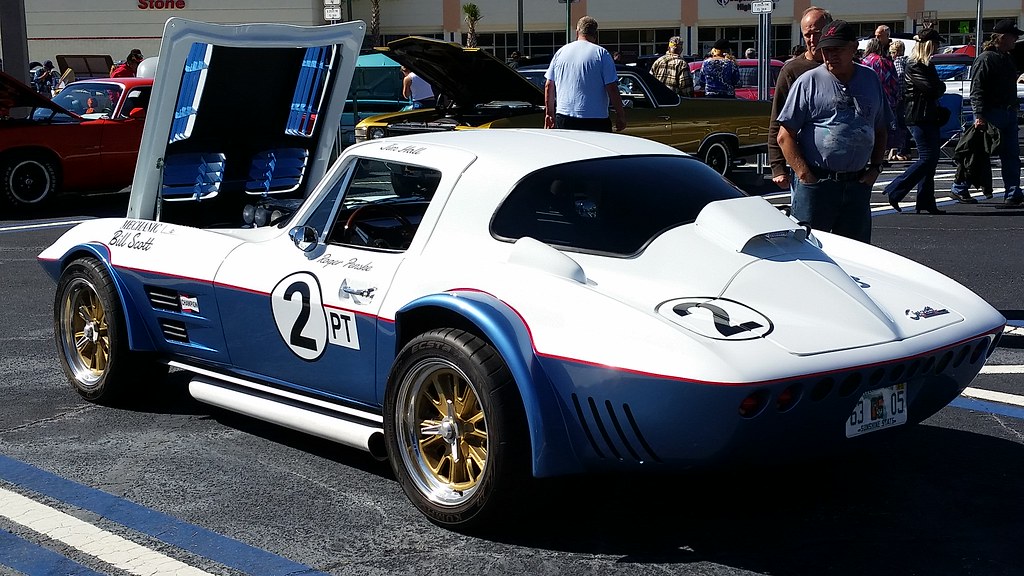
2. **1963 Chevrolet Corvette Grand Sport**The Chevrolet Corvette Grand Sport is not merely a car; it is a legendary model that powerfully embodies the very essence of American performance and a rich racing heritage. Introduced in 1963, this incredible machine was explicitly conceived and designed to challenge and compete with formidable adversaries, most notably the revered Shelby Cobra. Its very existence was a statement, a declaration that America could produce a world-beating sports car.
To achieve its ambitious goals, the Grand Sport was meticulously crafted with performance in mind. It boasted a lightweight fiberglass body, a crucial element in reducing overall mass and enhancing agility on the track. Under its sculpted hood lay a powerful 377 cubic-inch V-8 engine, a marvel of engineering that could produce an astonishing 550 horsepower. This combination of minimal weight and immense power created a truly fearsome competitor, capable of blistering speeds and agile handling.
What truly sets the Grand Sport apart, however, is its extreme rarity. Only five units were ever made, each one a testament to Chevrolet’s ambition and engineering prowess. This severely limited production run, coupled with its undeniable racing pedigree and striking design elements, ensures its status as a highly coveted collector’s item today. The Grand Sport is more than just a fast car; it represents a pivotal moment in American motorsport history, a symbol of innovation and an enduring passion for competition.
Owning a Grand Sport transcends the experience of simply possessing a high-performance vehicle. It is about holding a tangible piece of automotive history, a monument to speed, innovation, and the relentless pursuit of victory. Its aggressive stance, purposeful design, and the raw power lurking beneath its lightweight shell make it a favorite among enthusiasts, a machine that continues to celebrate the spirit of racing and captivate all who encounter it. The Grand Sport remains a dream car for many, an undisputed icon of the Corvette lineage.
Car Model Information: 2024 Honda Civic LX
Name: Chevrolet Corvette (C2)
Caption: 1963 Chevrolet Corvette Sport Coupe
Manufacturer: Chevrolet
Aka: Chevrolet Corvette Sting Ray
Production: August 1962–July 1967
ModelYears: 1963–1967
Platform: Series 0800 (1962-1964),Series 194 (1965-1967)
Chassis: Body-on-frame
Assembly: St. Louis, Missouri
Predecessor: Chevrolet Corvette (C1)
Successor: Chevrolet Corvette (C3)
Class: Sports car
BodyStyle: Convertible (car),coupé
Layout: Front-engine, rear-wheel-drive layout
Engine: {{cvt,327,cuin,L,1,Chevrolet small-block engine (first- and second-generation)#327,V8 engine
Wheelbase: cvt
Length: cvt
Width: cvt
Height: cvt
Weight: cvt
Transmission: manual transmission,manual transmission,Powerglide
Related: Bill Thomas Cheetah
Designer: Larry Shinoda
Categories: 1960s cars, All articles needing additional references, All articles with specifically marked weasel-worded phrases, All articles with unsourced statements, Articles needing additional references from July 2024
Summary: The Chevrolet Corvette (C2) is the second-generation Corvette sports car, produced by the Chevrolet division of General Motors (GM) for the 1963 through 1967 model years.
Get more information about: Chevrolet Corvette (C2)
Buying a high-performing used car >>>
Brand: Chevrolet Model: Corvette Grand Sport
Price: $25,547 Mileage: 18,825 mi.
Read more about: The Restoration Trap: 10 Classic Collector Models That Could Cost You More Than Their Worth

3. **1965 Chevrolet Corvette Manta Ray**The 1965 Chevrolet Corvette Manta Ray stands as a truly fascinating piece of automotive history, showcasing a bold and innovative spirit that defined its era. Far from being a mere production model, this was a singular concept car, with only one ever produced. Its existence is a testament to the creative design capabilities within Chevrolet, pushing the boundaries of what a Corvette could be and look like.
This unique concept car featured a robust 7.0-liter V8 engine, a formidable powerplant capable of delivering 430 horsepower and an impressive 480 lb-ft of torque. However, the Manta Ray’s allure extends far beyond its raw power. Its design elements were strikingly innovative, including distinctive covered headlights that gave it a futuristic, seamless fascia, and prominent side-exhaust pipes that exuded raw, untamed performance. These features made it stand out dramatically from other Corvettes of its time.
The Manta Ray’s design narrative is particularly engaging, drawing inspiration from the graceful yet powerful deep-sea creature after which it was named. Its sleek, dynamic lines beautifully evoked the fluid motion of ocean waves, giving it an organic and incredibly aerodynamic aesthetic. This deliberate design choice imbued the car with a sense of purpose and artistry, making it more than just a vehicle, but a piece of kinetic sculpture.
This model is not solely about speed; it symbolizes a crucial period in the Corvette’s design evolution, a bold exploration of form and function. Its extreme rarity, being a one-off creation, combined with its truly striking and visionary design, guarantees its status as a highly desirable collector’s gem. The 1965 Chevrolet Corvette Manta Ray continues to captivate enthusiasts today, a powerful reminder of Corvette’s enduring commitment to innovation and pushing the limits of automotive artistry.
Car Model Information: 2024 Audi Q5 45 S line Premium
Categories: Articles with short description, Chevrolet vehicles, Lists of cars, Lists of vehicles by manufacturer, Pages using multiple image with auto scaled images
Summary: Chevrolet is a division of the manufacturer General Motors (GM), which produces vehicles since 1911 worldwide.
Get more information about: List of Chevrolet vehicles
Buying a high-performing used car >>>
Brand: Chevrolet Model: Corvette Manta Ray
Price: $37,990 Mileage: 15,088 mi.
Read more about: The ‘Mini-Vette’ Phenomenon: A Deep Dive into the Opel GT’s Iconic Design and Engineering Journey
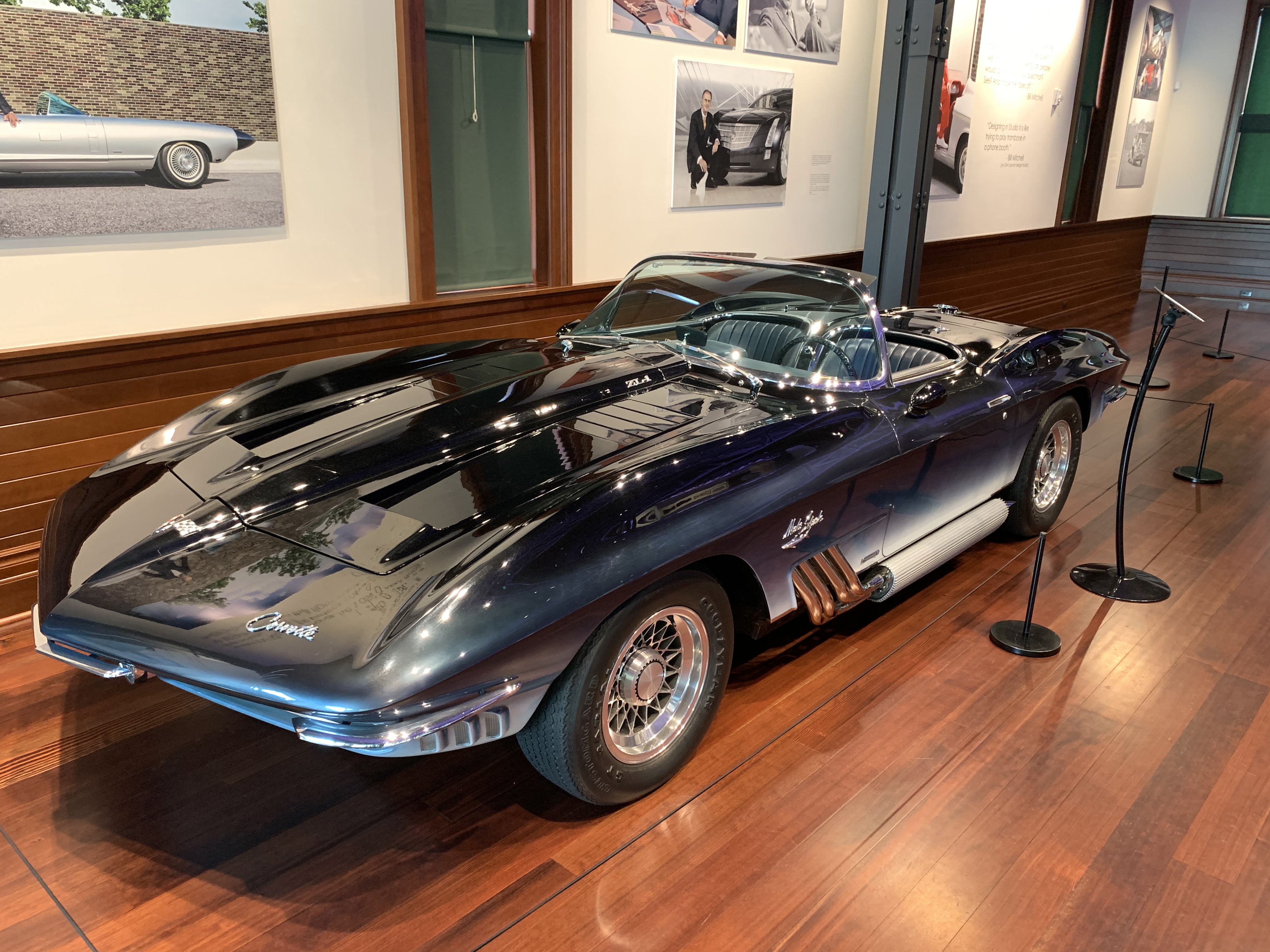
4. **1961 Chevrolet Corvette Mako Shark**Following in the wake of remarkable concept designs, the 1961 Chevrolet Corvette Mako Shark brilliantly captured the automotive spotlight as a groundbreaking concept car that unequivocally pushed the very boundaries of conventional automotive design. Its appearance was nothing short of revolutionary, with sleek lines and a futuristic look that provided a tantalizing glimpse into the potential evolution of Corvette styling. This car was a visionary statement, setting a new benchmark for what was possible in sports car aesthetics.
Beneath its avant-garde exterior, the Mako Shark was engineered with serious performance in mind. It housed a powerful 7.0-liter (427 cubic inch) V-8 engine, a formidable heart that delivered an impressive 425 horsepower and a robust 480 lb-ft of torque. This combination of stunning visual appeal and potent mechanical prowess ensured that the Mako Shark didn’t just turn heads; it commanded unwavering attention, affirming its status as a true performance machine.
Crucially, the Mako Shark’s influence extended far beyond its immediate impact as a show car. Its distinctive styling cues and overall design philosophy played a significant role in shaping future Corvette designs, most notably setting the stage for the iconic C3 generation. Elements of its aggressive yet fluid form found their way into production models, demonstrating how concept cars serve as vital incubators for future automotive aesthetics and engineering.
With only two units ever produced, the Mako Shark is an exceedingly rare gem, making it immensely desirable among both collectors and passionate enthusiasts. It embodies the relentless spirit of innovation that has become a defining characteristic of the Corvette legacy. Owning or even encountering a Mako Shark is to witness a pivotal moment in design history, a testament to Chevrolet’s commitment to visionary automotive artistry and a constant drive to redefine what a sports car can be.
Car Model Information: 2024 Audi Q5 45 S line Premium
Name: Mako Shark Concept
Caption: Mako Shark II in front of the first — ,GM Technical Center in Warren, Michigan
Manufacturer: Chevrolet
Production: 1962
Class: Concept car,sports car
BodyStyle: convertible (car)
Related: Chevrolet Corvette (C2),Chevrolet Corvette (C3)
Designer: Bill Mitchell (designer),Larry Shinoda
Categories: All articles with style issues, Articles with short description, Chevrolet Corvette, Chevrolet concept vehicles, Commons category link is locally defined
Summary: The XP-755 concept car, also known as the Mako Shark, was designed by Larry Shinoda under the direction of General Motors Styling and Design head Bill Mitchell. With the 1963 Corvette C2 design locked down, in 1961 as a concept for future Chevrolet Corvette the groundwork for the XP-755 was laid down. Building on the design of the 1958 XP-700 “double bubble”, the XP-755 added design elements of the soon to be released C2 Corvette. In keeping with the name, the streamlining, pointed snout, and other detailing was partly inspired by the sleek, fast-moving shortfin mako shark. The ’61 Corvette tail was given two additional tail lights (six total) for the concept car. The concept was also inspired by Bill Mitchell’s 1959 Stingray racer XP-87 which also influenced the 1963 Corvette Sting Ray. Charles M. Jordan’s son, Mark reports that the XP-755 was built out of the 1958 XP-700 Corvette show-car.
The Mako Shark debuted at the New York Coliseum at the 1962 6th International Automobile Show, and the car was a success on the auto show circuit. With many of the Mako’s design elements making into production on future Corvettes, it was successful in building hype for the forthcoming next generation of Corvette.
Like many show cars, the Mako Shark underwent styling and detail changes over time. The hood and front facia were modified and the interior was updated. The car also lost the distinctive “double-bubble” canopy. The car was retroactively dubbed the Mako Shark I when the Mako Shark II debuted. The car now resides in the GM Heritage Collection.
Get more information about: Mako Shark (concept car)
Buying a high-performing used car >>>
Brand: Chevrolet Model: Corvette Mako Shark
Price: $37,990 Mileage: 15,088 mi.
Read more about: From C1 to C8: The Complete History of the Legendary Chevrolet Corvette

5. **1967 Corvette 427 L88**Few cars in the world can evoke as much raw excitement and uncompromising aggression as the 1967 Corvette 427 L88. Standing next to one when it starts is an experience in itself; you can practically feel the massive Holley 850 carburetor fiercely fighting to pull the air out of your lungs. After a few heart-stopping moments, the engine settles into a vicious, menacing idle, and the intense heat radiating from the exhaust begins to sear your nostrils. While there may have been faster Corvettes produced, none have ever matched the sheer, unadulterated aggression of the L88.
This automotive beast came with a critical, albeit understated, warning label. The label explicitly carried this message: “Warning: Vehicle must operate on fuel having a minimum of 103 research octane and 95 motor octane or engine damage may result.” This stern caution was absolutely necessary due to the extreme engineering beneath the hood. The aluminum heads, capping the iron 427-cubic-inch big-block V8, featured combustion chambers running a startling 12.5:1 compression ratio, a specification indicative of its race-bred pedigree and its demand for the highest-octane fuel available.
Chevrolet officially, and almost certainly conservatively, rated the L88 engine at 430 horsepower. However, most knowledgeable observers and enthusiasts quickly realized that this figure was a significant understatement, with common consensus placing its actual output at a staggering 550 horsepower or even more. This deliberate under-rating was partly a reflection of the era’s rising insurance rates, a subtle nod to the practicalities of putting such an uncompromising machine on public roads.
The extreme exclusivity of the L88 further cements its legendary status; only 20 of these race-ready supercars were ever made. Each one was meticulously equipped with the very best that General Motors had to offer in 1967, providing a no-compromise package for serious performance. Intriguingly, this dedication to performance extended to the omission of creature comforts, as these L88s typically came without either a heater or a defroster, underscoring their singular focus as machines built for speed and competition. The 1967 Chevrolet Corvette L88 Stingray is an icon of American muscle, a testament to raw power and a coveted piece of automotive history, often fetching over $3 million at auctions.
Car Model Information: 2024 Audi Q5 45 S line Premium
Name: Chevrolet Corvette (C3)
Caption: 1973 Chevrolet Corvette Stingray
Manufacturer: Chevrolet
Aka: Chevrolet Corvette Stingray,(1968–76)
Production: August 1967 – October 1982
ModelYears: 1968–82
Platform: General Motors Z platform
Assembly: St. Louis Truck Assembly,Bowling Green Assembly Plant
Predecessor: Chevrolet Corvette (C2)
Successor: Chevrolet Corvette (C4)
Class: Sports car
BodyStyle: Convertible (car),coupé
Layout: Mid-engine design
Engine: {{cvt,305,cuin,L,1,Chevrolet small-block engine (first- and second-generation)#LG4,V8 engine
Transmission: manual transmission,manual transmission,Turbo-Hydramatic,Automatic transmission
Wheelbase: cvt
Length: {{cvt,182.1,in,mm,0
Width: {{cvt,69.2,in,mm,0
Height: {{cvt,47.8,in,mm,0
Weight: cvt
Designer: GM & Chevrolet design staff,Zora Arkus-Duntov,Bill Mitchell (designer)
Categories: 1970s cars, 1980s cars, All articles with unsourced statements, Articles with short description, Articles with unsourced statements from April 2024
Summary: The Chevrolet Corvette (C3) is the third generation of the Corvette sports car that was produced from 1967 until 1982 by Chevrolet for the 1968 to 1982 model years. Engines and chassis components were mostly carried over from the previous generation, but the body and interior were new. It set new sales records with 53,807 produced for the 1979 model year. The C3 was the second Corvette to carry the Stingray name, though only for the 1969–76 model years. This time it was a single word as opposed to Sting Ray as used for the 1963–67 C2 generation. The name was then retired until 2014 when it returned with the release of the C7.
The most expensive Corvette C3 to sell in history was a 1969 L88 Lightweight, one of only four lightweight L88s to be produced. It was sold by Barrett-Jackson in January 2014 for $2,860,000 (£1,728,941).
Get more information about: Chevrolet Corvette (C3)
Buying a high-performing used car >>>
Brand: Corvette Model: 427 L88
Price: $37,990 Mileage: 15,088 mi.
Read more about: Beyond Myth and Legend: Unearthing 15 of the Rarest American Muscle Cars Ever Built

6. **1969 Chevrolet Corvette ZL-1**Among the rarest and most ferociously powerful models in the entire Corvette lineage, the 1969 Chevrolet Corvette ZL-1 stands as a truly monumental achievement. Its scarcity is almost mythical, with only two units ever produced, making it an exceptionally coveted piece of automotive history. To simply own a ZL-1 is not just to possess a car, but to hold a profound piece of automotive art and an engineering marvel that continues to astound.
At the heart of this beast was a formidable 7.0-liter (427 cubic inch) V8 engine, an all-aluminum masterpiece. While conservatively rated by Chevrolet at 430 horsepower, this figure was a profound understatement. In reality, this mighty engine was capable of producing a staggering 560 to 585 horsepower, a colossal output for its time. This raw, unbridled power allowed the ZL-1 to dominate the road and track with an authority that remains deeply impressive even by today’s performance standards.
The ZL-1’s lightweight construction, particularly its all-aluminum engine, was a key factor in its track prowess. This focus on minimizing weight, combined with its incredible power, made it a true force to be reckoned with, earning it a reputation as a track monster. Its design and engineering were singularly focused on pure, uncompromising performance, reflecting an era when muscle cars pushed boundaries without restraint.
The car’s extreme rarity only amplifies its immense allure. With an estimated value that has skyrocketed to over $3 million, the 1969 ZL-1 is a testament to bespoke performance and limited-production exclusivity. It is the ultimate statement piece for any serious collector or enthusiast looking to make a statement on the road, cementing its place as a holy grail for Corvette aficionados.
Car Model Information: 1957 Chevrolet Corvette Base
Name: Chevrolet Corvette
Caption: 2021 Chevrolet Corvette C8
Manufacturer: Chevrolet
Production: 1953–present
ModelYears: bulleted list
Assembly: bulleted list
Class: Sports car
BodyStyle: coupé
Layout: Front-engine, rear-wheel-drive layout,Rear mid-engine, rear-wheel-drive layout
Categories: 1950s cars, 1960s cars, 1970s cars, 1980s cars, 1990s cars
Summary: The Chevrolet Corvette is a line of American two-door, two-seater sports cars manufactured and marketed by General Motors under the Chevrolet marque since 1953. Throughout eight generations, indicated sequentially as C1 to C8, the Corvette is noted for its performance, distinctive styling, lightweight fiberglass or composite bodywork, and competitive pricing. The Corvette has had domestic mass-produced two-seater competitors fielded by American Motors, Ford, and Chrysler; it is the only one continuously produced by a United States auto manufacturer. It serves as Chevrolet’s halo car.
In 1953, GM executives accepted a suggestion by Myron Scott, then the assistant director of the Public Relations department, to name the company’s new sports car after the corvette, a small, maneuverable warship. Initially, a relatively modest, lightweight 6‑cylinder convertible, subsequent introductions of V8 engines, competitive chassis innovations, and rear mid-engined layout have gradually moved the Corvette upmarket into the supercar class. In 1963, the second generation was introduced in coupe and convertible styles. The first three Corvette generations (1953–1982) employed body-on-frame construction, and since the C4 generation, introduced in 1983 as an early 1984 model, Corvettes have used GM’s unibody Y‑body platform. All Corvettes used front mid-engine configuration for seven generations, through 2019, and transitioned to a rear mid-engined layout with the C8 generation.
Initially manufactured in Flint, Michigan, and St. Louis, Missouri, the Corvette has been produced in Bowling Green, Kentucky, since 1981, which is also the location of the National Corvette Museum. The Corvette has become widely known as “America’s Sports Car.” Automotive News wrote that after being featured in the early 1960s television show Route 66, “the Corvette became synonymous with freedom and adventure,” ultimately becoming both “the most successful concept car in history and the most popular sports car in history.”
Get more information about: Chevrolet Corvette
Buying a high-performing used car >>>
Brand: Chevrolet Model: Corvette
Price: $59,991 Mileage: 39,417 mi.
Read more about: Beyond Myth and Legend: Unearthing 15 of the Rarest American Muscle Cars Ever Built

7. **1970 Corvette LT-1**As the muscle car era reached its fervent performance zenith, the most feared and respected Corvettes were typically the monstrous big-block variants, with their immense 427- and 454-cubic-inch engines rumbling under the hood. Yet, just as it seemed all ‘Vette glory would be earned through sheer displacement, a different kind of hero emerged: the sweetly balanced, exquisitely detailed, and undeniably quick 1970 Corvette LT-1. This marvel was powered by a 370-horsepower, 350-cubic-inch small-block V8, proving that refined power could be just as potent as brute force.
That 370-horsepower rating, impressive as it was, was widely considered an understatement. The solid-lifter, 11.0:1 compression ratio, four-barrel carbureted LT-1 engine—which also graced that year’s legendary Camaro Z/28—likely produced closer to 400 horsepower. However, with rising insurance rates creating a cautious climate, there was little incentive for manufacturers to overtly publicize such blistering performance figures. The whispers among enthusiasts, however, knew the true capability of this potent small-block.
The LT-1’s reign at peak power was, unfortunately, brief yet brilliant. By 1971, the looming specter of impending emissions regulations, coupled with the widespread adoption of low-lead and unleaded gasoline, necessitated changes. Compression ratios began to drop, and solid lifters became increasingly problematic to maintain with new fuel formulations. Consequently, the LT-1’s official rating saw a realistic drop to 330 horsepower in 1971, and by its final production year in 1972, it was listed at a claimed 255 horsepower.
Despite these later adjustments, the 1970 LT-1 remains a cornerstone of Corvette history, celebrated for its phenomenal balance, precise handling, and high-revving engine characteristics. It offered a driving experience that was both engaging and rewarding, embodying a different philosophy of performance that prioritized agility and responsiveness alongside raw power. Its striking styling and impressive, if understated, capabilities make the 1970 LT-1 a highly sought-after classic, a testament to an era when a small-block could stand shoulder-to-shoulder with its big-block brethren.
Continuing our exploration of the Corvettes that have truly defined automotive excellence, we now delve into another seven exceptional models. These cars, from their early foundational years to modern-day supercars, each represent a pivotal moment in the brand’s relentless pursuit of power, design, and exhilarating performance. They continue to captivate enthusiasts and collectors, solidifying their place in the pantheon of automotive legends.
Read more about: The Ultimate Vibe: 14 Affordable Roadsters That Command a Million-Dollar Presence
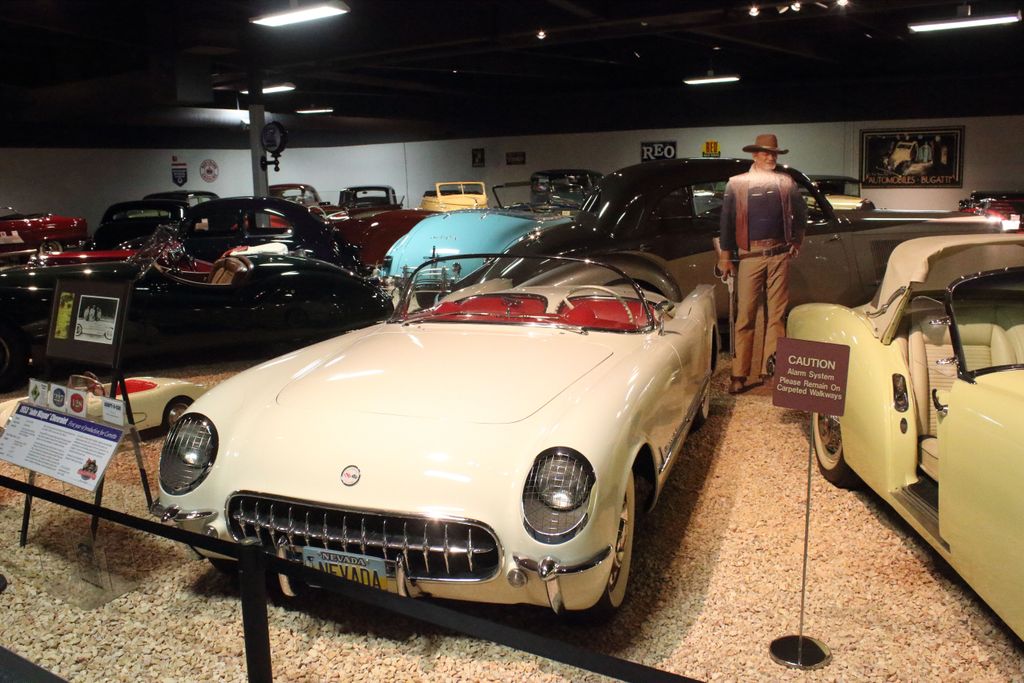
8. **1953 Corvette**The greatness of the original Corvette lies in that it was the very first of its species. The 1953 Corvette C1 is the car that started it all, marking the birth of America’s sports car. Its design and historical significance make it a highly coveted classic.
When the first Corvette debuted at the GM Motorama in New York City on January 17, 1953, it was an instant sensation. It wasn’t because the mechanical bits were exotic — the engine under the hood was a slightly tweaked, 150-hp version of the Chevy “Stovebolt” inline-6 that had been around since 1941, the transmission was a two-speed automatic and the suspension was lifted straight from the Chevy sedans — but the fiberglass body was gorgeous.
It was a two-seater that exuded confidence without looking European or fragile. It was a robust American at a time when the most popular sports cars of the day were spindly contraptions like the MG-TF. With its sleek, fiberglass body and distinctive Polo White paint with a red interior, the C1 was a head-turner. Under the hood, it featured a 3.9-liter inline-six engine producing 150 horsepower. Although modest by today’s standards.
Based on crowd reaction, Chevrolet immediately ordered the Corvette into production. And 300 examples of the new 1953 Corvette were hurriedly built — all painted Polo White. A great start. Or at least good enough.
Read more about: The Restoration Trap: 10 Classic Collector Models That Could Cost You More Than Their Worth

9. **1955 Corvette**At first glance the 1955 Corvette doesn’t look much different from the ’53 or ’54. That’s deceiving because while the body and chassis didn’t change much, for the first time there was a V8 engine available under the hood.
That V8, of course, was the classic and brilliant Chevrolet small-block. Initially displacing a mere 265 cubic inches (4.3 liters) the first small-block was only rated at 195 hp. But those horses could pull, too, with the V8’s torque production suddenly making the Corvette a truly viable sports car.
No, the ’55 Corvette wasn’t that fast. But it’s the Corvette that made fast Corvettes possible.
Read more about: Beyond the Showroom Shine: Unveiling 14 of the Most Dangerous Cars Ever Made
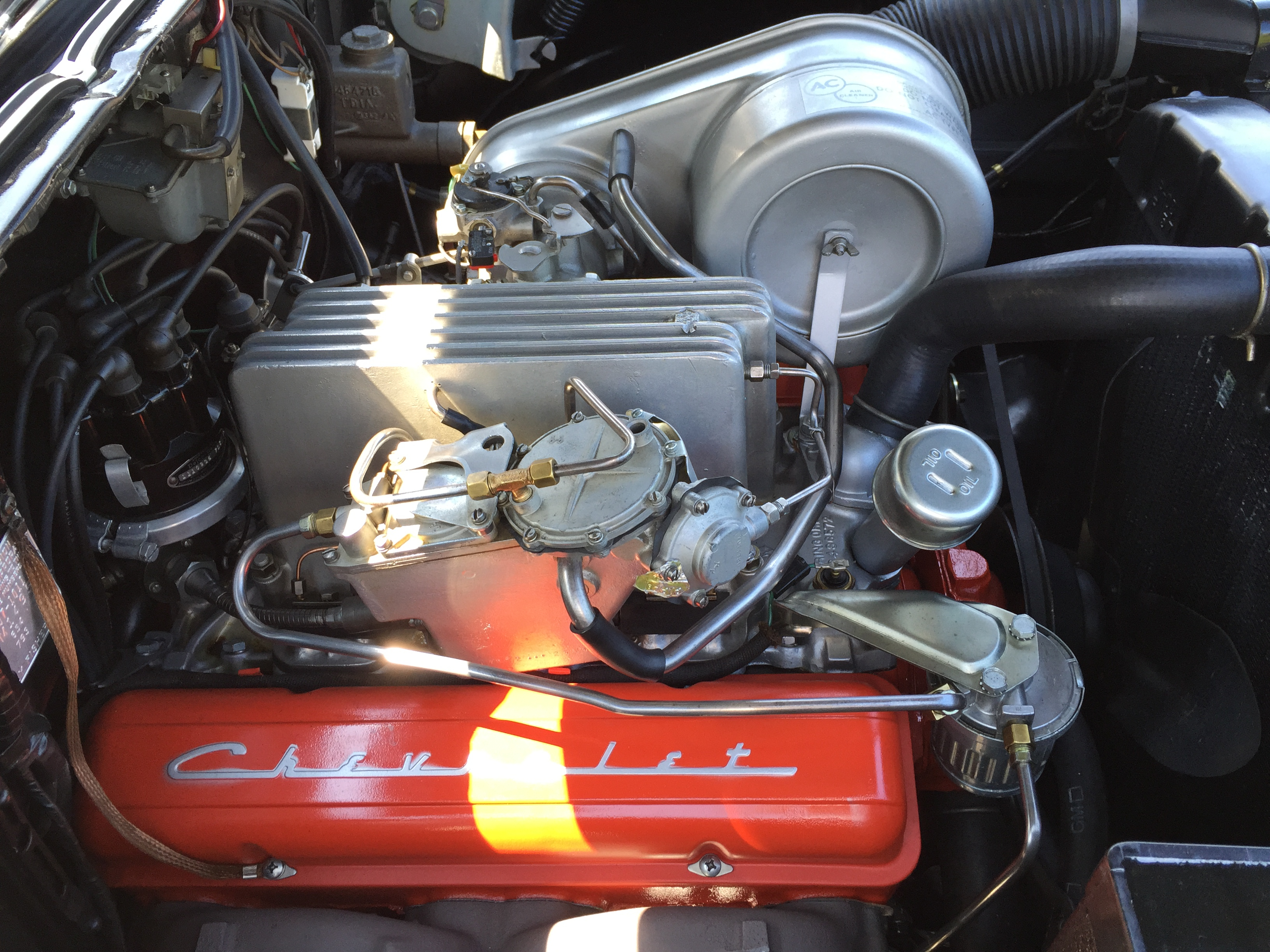
10. **1957 Corvette Fuel Injection**The 1957 Corvette Fuelie was one of the first production cars to feature fuel injection, offering improved performance and efficiency. Its classic design and pioneering fuel injection system make it a desirable collector’s item.
With Zora Arkus-Duntov guiding Corvette development as chief engineer, Chevrolet’s two-seater finally comes of performance age with the addition of Rochester mechanical fuel injection for the 1957 model year. Thanks to the precise fuel distribution, the 283-cubic-inch small-block V8 is able to make 283 hp — a startling 1 hp per cubic inch in an era when most engines were often only half that efficient.
A development of the injection system fitted to John Fitch’s 1956 B-Class winner at Sebring, it was a sophisticated system that became instantly iconic. Chevrolet built 6,338 Corvettes for 1957 and of those, just 1,040 had the “Ramjet Fuel Injection” system.
Road & Track tested a ’57 Corvette running fuel injection and a 4.11:1 rear gear set. According to its test the Corvette ran zero to 60 mph in 5.7 seconds. That’s still pretty good today.
Read more about: Speed Trap: Unveiling 14 Iconic Classics With the Most Disappointing Horsepower Ever Built
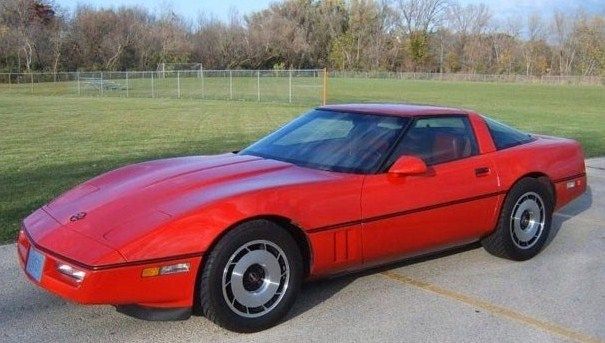
11. **1984 Corvette C4**By the early 1980s the Corvette was something of a joke. The C3 generation had been introduced way back in 1968 and grown increasingly soft as the years rolled by. The Corvette could no longer run with Porsches and Ferraris, but had become a mushy boulevard cruiser — the left seat for the middle-age driver, the right seat for her lap dog.
The wheels were now a massive 16 inches in diameter and wrapped in Goodyear Gatorback directional rubber. And the interior was even a little spacey, with a digital dashboard that lit up like a game of Frogger.
What initially held the C4 back was a lackluster “Cross-Fire Injection” version of the 5.7-liter small-block V8 that only made 205 hp, the crude Doug Nash “4+3” manual transmission, and a suspension tuned brutally stiff.
But the new Corvette could run away from some Porsches and was an instant winner in showroom stock racing.
Read more about: The Restoration Trap: 10 Classic Collector Models That Could Cost You More Than Their Worth
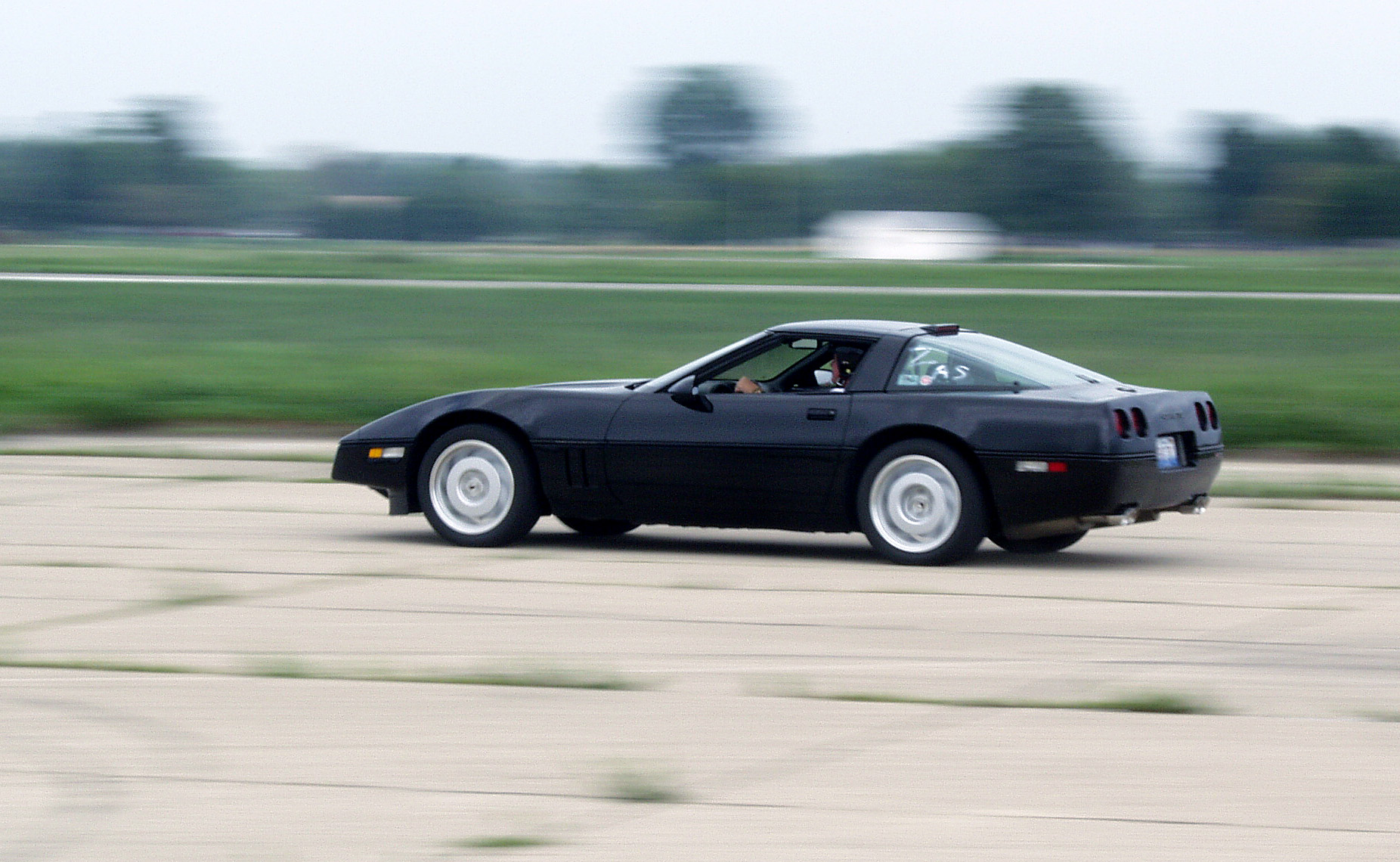
12. **1990 Corvette ZR-1**The 1990 Corvette ZR-1, known as the “King of the Hill,” was a game-changer in terms of performance. It featured a 5.7-liter LT5 V8 engine, developed in collaboration with Lotus, producing 375 horsepower. The ZR-1’s advanced engineering, including a sophisticated suspension system, made it a world-class sports car. Its performance and innovative technology make it a highly desirable classic.
The Corvette goes high tech with the Lotus-designed, Mercury Marine-built, DOHC, 32-valve LT5 V8 under the clamshell hood of the wide-hipped ZR-1. Opening the LT5’s throttle body at 70 mph in 4th gear would unleash a fury that would break the P315/35ZR17 rear Goodyear Eagle GS-Cs traction and produce a blue-gray haze. And it remains the only factory Corvette not powered by an overhead-valve engine.
According to Motor Trend, the last 1995 model-year, 405-hp edition of the C4-based ZR-1 would burst down the quarter-mile in only 13.0 seconds at over 117 mph. Zero to 60 mph? That takes only 4.9 seconds. But the LT5’s forte was actually midrange punch; the ZR-1 would rip from 60-100 mph in just 4.8 seconds. Those are all astonishing numbers in the context of the 1990s.
The C5 and C6 Corvettes have chased and surpassed the old ZR-1. But that doesn’t diminish the achievement the ZR-1 represents.
Read more about: America’s Iconic Sports Car: Decoding the Most Problematic Corvette Models in History to Help You Buy Smart
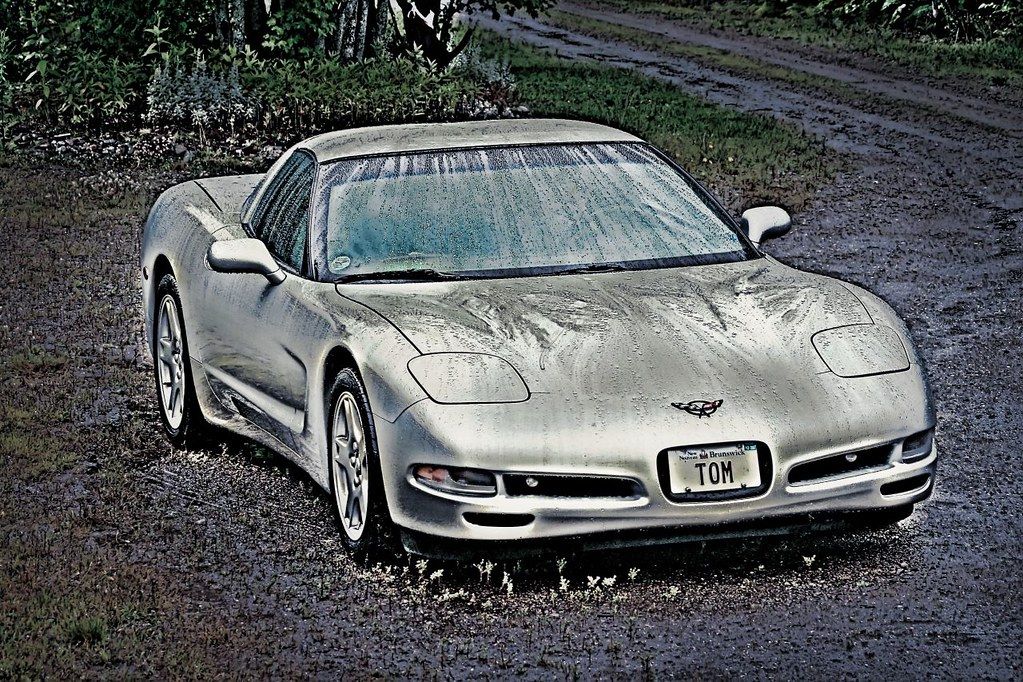
13. **1997 Corvette C5**While the C4 generation Corvette was capable, it wasn’t until the C5 came along in 1997 that Chevrolet finally produced a Corvette that mixed both performance capability and true touring comfort. The C5 was the first Corvette that was as comfortable crossing the country as dicing for position on a racetrack.
The trick to the C5’s uncanny balance was that the balance was engineered in from the beginning. The C5’s basic structure was an all-new backbone frame that positioned the transmission between the rear wheels so its mass could offset the engine’s mass up front. The result was better weight distribution.
Pushing the C5’s advantage even further was the brilliant all-new LS1 5.7-liter V8. The first all-aluminum V8 used in a volume production Corvette, and GM’s first all-new small-block since 1955, the LS1 produced 345 hp and a seamless ribbon of torque.
And it was quick, too. With the four-speed automatic transmission it would run from zero to 60 mph in just over 5 seconds. With the six-speed manual, that time would drop to just under 5 seconds.
Car Model Information: 2021 Land Rover Range Rover Westminster
Name: Chevrolet Corvette (C5)
Manufacturer: Chevrolet
Production: October 1, 1996 – July 2, 2004
ModelYears: 1997–2004
Assembly: Bowling Green, Kentucky
Designer: John Cafaro (1993)
Predecessor: Chevrolet Corvette (C4)
Successor: Chevrolet Corvette (C6)
Class: Sports car
BodyStyle: coupé,Convertible (car),hardtop
Layout: Front-engine, rear-wheel-drive layout#FMR
Platform: GM Y platform
Engine: General Motors LS-based small-block engine#LS1,General Motors LS-based small-block engine#LS6
Transmission: Manual transmission,Automatic transmission
Wheelbase: cvt
Length: cvt
Width: cvt
Height: {{cvt,47.7,in,mm,0
Weight: {{cvt,1472,kg,lb,0
Related: Callaway C12
Categories: 2000s cars, All articles with unsourced statements, Articles with short description, Articles with unsourced statements from August 2024, Articles with unsourced statements from March 2019
Summary: The Chevrolet Corvette (C5) is the fifth generation of the Corvette sports car, produced by the Chevrolet division of General Motors for the 1997 through 2004 model years. Production variants include the high performance Z06. Racing variants include the C5-R, a 24 Hours of Daytona and 24 Hours of Le Mans GTS/GT1 winner. The C5 Corvette was the first GM vehicle to feature the third generation small block “LS” engines. This was the last generation Corvette with Pop-up headlights.
Get more information about: Chevrolet Corvette (C5)
Buying a high-performing used car >>>
Brand: Chevrolet Model: Corvette C5
Price: $42,900 Mileage: 58,790 mi.
Read more about: The Restoration Trap: 10 Classic Collector Models That Could Cost You More Than Their Worth
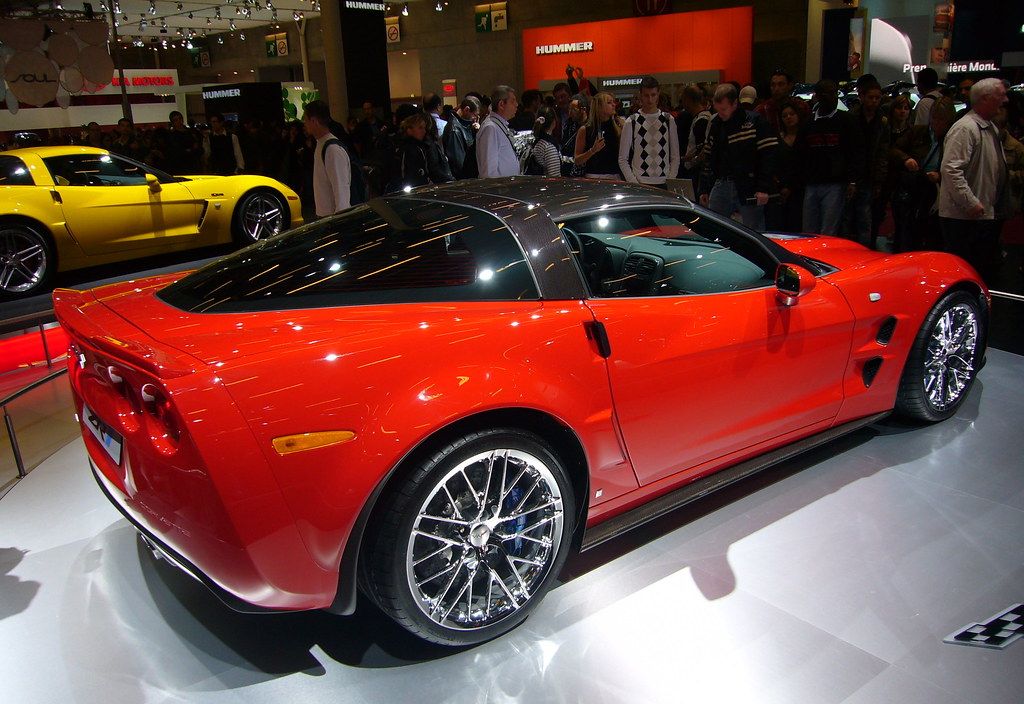
14. **2009 Corvette ZR1**The 2009 Corvette ZR1 was a supercar that set new performance benchmarks for Corvette. It featured a supercharged 6.2-liter LS9 V8 engine producing 638 horsepower. The ZR1’s advanced aerodynamics, lightweight construction, and powerful engine made it a world-class performer. Its extreme performance and cutting-edge technology make it a highly desirable modern classic.
The numbers are simply overwhelming. A supercharged 6.2-liter version of the LS-series V8 rated at 638 hp rockets this Corvette coupe to 60 mph in just 3.5 seconds and obliterates the quarter-mile in 11.5 seconds at 128.3 mph.
Top speed is beyond 200 mph. Massive tires allow it to stick on a skid pad beyond the force of gravity. And it’s the first factory Corvette to carry a six-figure price tag.
But despite all that insane performance ability, the ZR1 is also among the most civilized Corvettes yet built. It’s a car that can be used as a regular commuter during the week, and for setting low lap times at any road course in the world on the weekends.
Even as the ZR1 was leaving production just as 2013 began, it was still winning comparison tests and burning down tires befitting the legend it had established. This is the fastest, most capable Corvette ever built.
Read more about: Unleash the Beasts: The Most Powerful Muscle Cars from the Big Three’s Glorious Legacy
From the C1’s audacious debut to the modern ZR1’s supercar capabilities, the Corvette’s journey is a testament to continuous innovation and an unwavering commitment to exhilarating performance. These sought-after classics don’t just turn heads; they tell a story of American automotive prowess, embodying decades of passionate engineering and design that continue to inspire drivers and collectors alike. Each model, a chapter in this remarkable saga, reminds us why the Corvette remains an undisputed icon, a dream machine forever etched in the heart of car culture.