The automotive world is a relentless conveyor belt of innovation, new models, and, unfortunately, often, quiet goodbyes. Manufacturers are constantly pushing boundaries, sometimes for the better, sometimes in pursuit of fleeting trends that prioritize mass appeal over genuine automotive spirit. Yet, amidst the rush of electrified powertrains, autonomous ambitions, and ever-growing SUVs, there’s a powerful undercurrent of nostalgia that pulls at the hearts of true enthusiasts.
My friends and colleagues would tell you that they’re not surprised if I were ever caught reminiscing (or ranting) about how the car scene once was. I’m the first person to tell you I hate every modern vehicle on the road, whether it’s yet another oversized SUV with plenty of screens yet not a single shred of originality or a soulless EV stuffed with irritating features to make up for its lack of personality. This sentiment isn’t just a lament for the past; it’s a recognition that some vehicles possessed a certain magic, a blend of engineering prowess, design daring, and sheer driving enjoyment that feels increasingly rare today.
For this journey through automotive history, we’re not just looking at cars that were momentarily popular; we’re diving into models that left a profound impression and, crucially, still had so much more to give. These are the vehicles that exited the stage too soon, leaving us to wonder “what if?” Each one offered a personality or a purpose that genuinely set it apart from the crowd of automotive appliances. Their absence leaves a palpable void, a reminder that true character is something to be cherished. Join us as we explore some of these unforgettable machines, cars that truly deserve a second act.
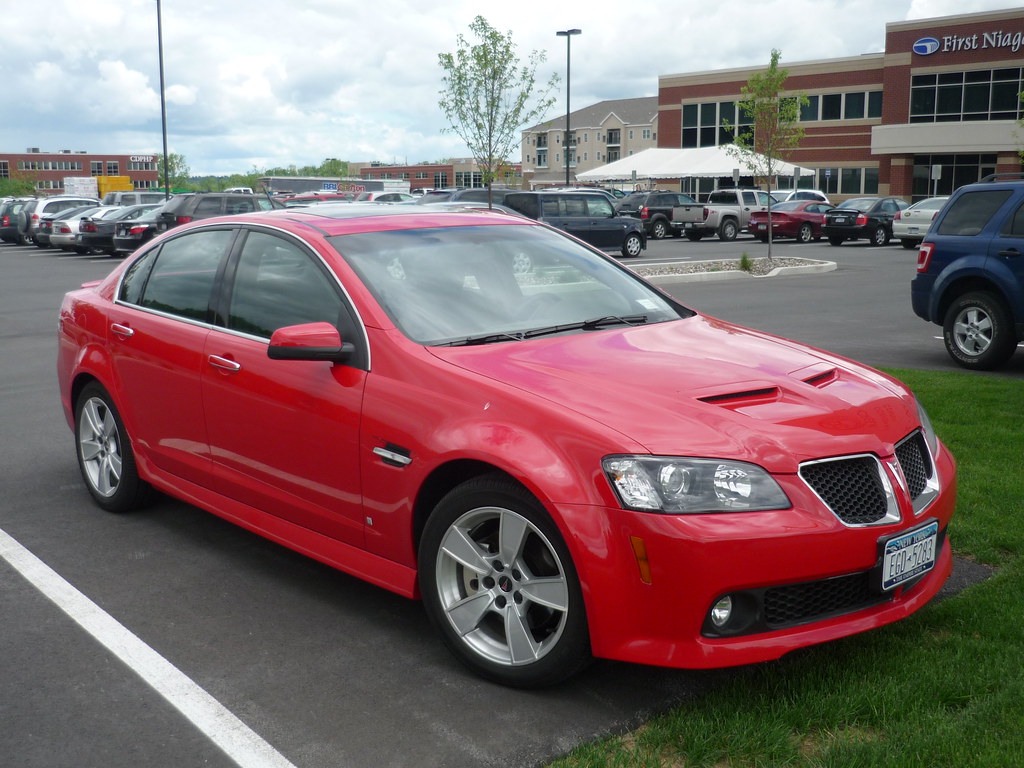
1. **Pontiac G8**When the Pontiac G8 arrived, it did so with the unshakeable confidence of a bar brawler, a vehicle unapologetically ready to make its presence known. It offered a potent mix of sharp handling and bold styling that instantly stood out from the typical sedan crowd, much like a loud American at a quiet European café. This wasn’t some domestic compromise; it was a bona fide Holden VE Commodore from Australia, skillfully re-engineered and re-skinned, wearing a slightly questionable but undeniably charismatic American suit.
Inside, the design philosophy was refreshingly straightforward and driver-centric, a welcome departure from the increasingly cluttered cabins of its contemporaries. There was an admirable focus on simplicity, with a clear layout that prioritized the human connection to the machine over needless touchscreens or digital fluff. It was a space crafted for driving, where the controls felt intuitively placed and the emphasis remained firmly on the experience behind the wheel.
Beneath its assertive exterior, the G8 delivered serious performance, solidifying its enthusiast credentials. Buyers could choose from the robust 6.0L L76 V8 in the G8 GT or step up to the truly beastly 6.2L LS3 V8 in the G8 GXP. This latter variant, especially when paired with its regrettably rare 6-speed manual transmission, felt like a genuine four-door Corvette for a fraction of the price, boasting exhilarating rear-wheel-drive grunt and an engaging chassis.
Tragically, the G8’s time in the spotlight was far too brief, axed in 2009 during GM’s painful restructuring when the decree came down: “Pontiac Bad.” Many drivers only discovered its brilliance after its untimely demise, left to lament what could have been a truly epic era for the brand. If timing and corporate priorities had been different, this car, with its honest, muscular appeal, might still be here today, representing GM’s brief, glorious moment of clarity before they remembered they hated joy.
Car Model Information: 2009 Pontiac G8 GT
Name: Pontiac G8
ModelCode: GMX557
Aka: Holden Commodore#Chevrolet Lumina
Manufacturer: Holden
Production: December 2007
ModelYears: 2008–2009
Assembly: Adelaide, South Australia
Class: Full-size car
BodyStyle: Sedan (car)
Layout: Automobile layout
Platform: GM Zeta platform
Related: Buick Park Avenue,Chevrolet Camaro (fifth generation),Chevrolet Caprice,Holden Caprice (WM)
Engine: ubl
Transmission: GM 5L40-E transmission,automatic transmission
Wheelbase: 114.7 in
Abbr: on
Length: 196.1 in
Width: 74.8 in
Height: 57.7 in
Weight: 3946 lb
Predecessor: Pontiac Bonneville
Successor: Chevrolet SS (sedan)
Categories: All articles with unsourced statements, Articles with short description, Articles with unsourced statements from September 2018, Cars discontinued in 2009, Cars introduced in 2007
Summary: The Pontiac G8 is a full-size sedan that was produced by Holden in Australia for export to the United States, where it was sold by Pontiac. The G8, a rebadged Holden Commodore, was released in early 2008 for the 2008 model year in the United States, and in 2008 for the 2009 model year in Canada. Production stopped in mid-2009, following the decision by GM to discontinue Pontiac. While available, the G8 took the place in the Pontiac lineup of both the Pontiac Bonneville, which ceased production after the 2005 model year, and the Pontiac Grand Prix, which ceased production after the 2008 model year.
By December 2008, the rear wheel drive G8 had not become the expected sales replacement for the previous front-drive models, with 11,000 unsold G8s in the inventory and just 13,000 sold. During the 2009 global economic downturn, market prices had dropped by $3000–5000 below GM’s sticker price for the car. By July 2009, there were only 5,000 unsold G8s in inventory, with almost 30,700 sold.
With the imminent demise of the Pontiac brand, a result of GM’s Chapter 11 bankruptcy, the 2009 model year marked the end of all Pontiacs, including the G8. However, in July 2009, Bob Lutz made an off-hand comment during a press review that the G8 would be revived as the Chevrolet Caprice. Subsequently, Lutz retracted this statement, citing market conditions. Nevertheless, General Motors announced the Chevrolet Caprice Police Patrol Vehicle (PPV) in 2009, which Car and Driver described as a successor to the G8. To fill the gap left by the G8, GM announced the Chevrolet SS, a RWD V8 powered sedan for 2014 based on the Holden Commodore (VF).
Get more information about: Pontiac G8
Buying a high-performing used car >>>
Brand: Pontiac Model: G8
Price: $12,997 Mileage: 148,596 mi.
Read more about: 12 Iconic Boomer-Era Cars Millennials Are Totally Ignoring (And Why!)
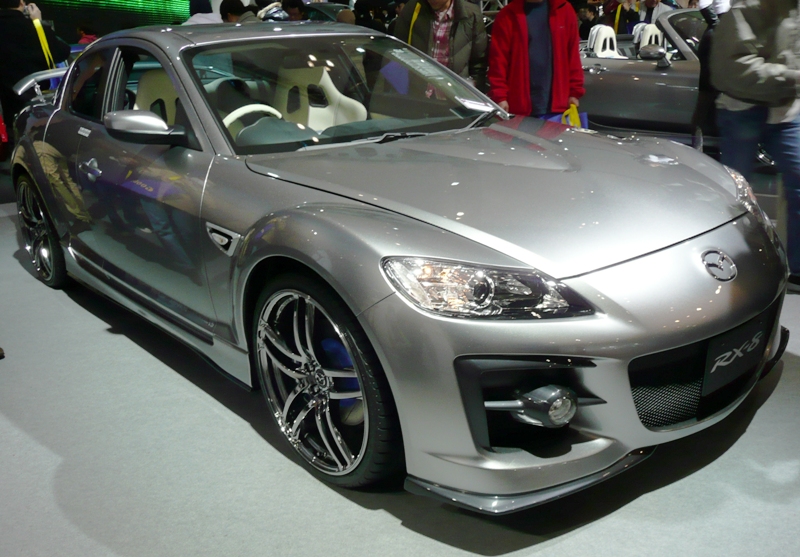
2. **Mazda RX-8**Mazda truly dared to be different with the RX-8, creating a vehicle that brilliantly combined coupe-like styling with an unexpected layer of practicality. Its signature “freestyle” rear-hinged access doors were a stroke of design genius, allowing easier ingress and egress to the rear seats without entirely compromising the car’s sleek, athletic profile. It was a compromise, to be sure, but one executed with such panache that it felt genuinely cool, offering something unique in a segment often constrained by tradition.
The true magic of the RX-8, however, lay in its driving dynamics. Balanced, responsive, and eager to change direction, it felt incredibly alive in the hands of a skilled driver, urging them to explore its limits. This visceral connection was thanks in no small part to its screaming 1.3L Renesis rotary engine, which famously boasted a 9,000 RPM redline, inviting drivers to stay connected with the road and savor the unique process of keeping that tiny, high-revving engine on the boil.
While not everyone fully grasped its unique, high-maintenance purpose, often citing its thirst for oil and fuel, those who truly understood and embraced the rotary engine’s characteristics rarely forgot the experience. The RX-8 had a distinctive way of moving, conveying a sense of latent power and motion even when it was standing still, looking as if it were poised to pounce on the asphalt at any given moment.
Ultimately, production for the RX-8 came to an end in 2012, largely due to increasingly stringent global emissions standards and, frankly, the rotary’s legendary thirst for apex seals, which presented ongoing challenges. Yet, in today’s automotive landscape, dominated by quiet efficiency and electric appliances, something with the raw, mechanical spark of the RX-8 would be a desperately needed jolt. It was a car clearly built by engineers who, we suspect, snorted just a little too much racing fuel in the best possible way.
Car Model Information: 2004 Mazda RX-8 6 Speed Manual
Name: Mazda RX-8
Manufacturer: Mazda
Production: February 2003 – June 2012
Assembly: Hiroshima
Class: Sports car
BodyStyle: Quad coupé
Related: Mazda MX-5 (NC)
Layout: Front-engine, rear-wheel-drive layout#Front mid-engine, rear-wheel-drive layout
ModelCode: List of Mazda model codes#Model codes
Designer: Ikuo Maeda,Wu-Huang Chin (interior designer)
Engine: Mazda Wankel engine#13B-MSP Renesis,Wankel engine
Powerout: convert
Transmission: Manual transmission,6-speed manual,Jatco JR405E transmission,6-speed automatic
Wheelbase: 2703 mm
Abbr: on
Length: 2003–2008: {{convert,4425,mm,in,1,abbr=on
Width: 1770 mm
Height: 1340 mm
Weight: Manual models: {{convert,1309,-,1373,kg,lb,0,abbr=on
Predecessor: Mazda RX-7
ModelYears: 2003–2012
Doors: Car door#Conventional
Categories: 2010s cars, All Wikipedia articles written in American English, All articles with failed verification, All articles with unsourced statements, Articles with failed verification from November 2019
Summary: The Mazda RX-8 is a sports car manufactured by Japanese automobile manufacturer Mazda between 2003 and 2012. It was first shown in 2001 at the North American International Auto Show. It is the direct successor to the RX-7. Like its predecessors in the RX range, it is powered by a rotary Wankel engine. The RX-8 was available for the 2003 model year in most parts of the world.
The Mazda RX-8 utilizes a rotary Wankel engine, and the non-reciprocating piston engine uses a triangular rotor inside a near oval housing, producing from 141 kW (189 hp) and 164 lb⋅ft (222 N⋅m) of torque, to 177 kW (237 hp) and 159 lb⋅ft (216 N⋅m) of torque from launch.
The RX-8 was discontinued for the 2012 model year without a successor. It was removed earlier from the European market in 2010 after the car failed to meet emissions standards. Due to falling sales from Europe coupled with rising yen prices, Mazda could not justify the continued sale of the RX-8 in other markets. 192,094 units were produced during its nine-year production run.
Get more information about: Mazda RX-8
Buying a high-performing used car >>>
Brand: Mazda Model: RX-8
Price: $9,896 Mileage: 50,444 mi.
Read more about: Driving Disasters: The 9 Most Shameful Engineering Blunders That Rocked Automotive History
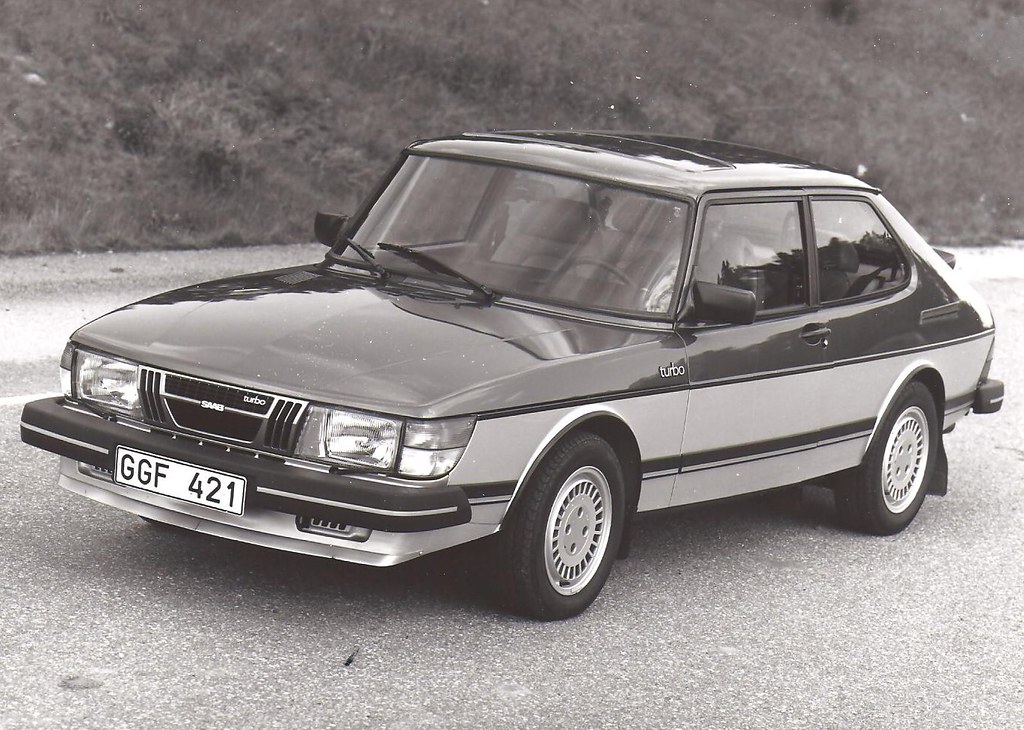
3. **Saab 900 Turbo**The Saab 900 Turbo exuded a unique sense of intellectual confidence and unmistakable individuality that made it truly unforgettable. From its iconic wraparound windshield to its distinctively upright stance, every design element felt intentional, quirky, and utterly Swedish, projecting an aura of sophisticated non-conformity. This was the quintessential car for architects, professors, and anyone who proudly parked it the wrong way ’round at the supermarket, reveling in its distinctiveness.
The 900 Turbo masterfully balanced everyday comfort with an edgy, almost aircraft-like feel that was quintessentially Saab. It offered both a relaxed, composed drive for long journeys and a surprisingly potent rush of capability when that characteristic low-pressure turbocharger kicked in, delivering power in a uniquely satisfying surge. This duality contributed to its cult status among those who valued both practicality and spirited performance.
Saab, as a brand, famously never chased the mainstream; in fact, they actively seemed to avoid it. The 900 Turbo epitomized this mindset with pride, appealing to a clientele that appreciated thoughtful design details, such as the ignition placed unconventionally between the seats, and genuinely unconventional engineering solutions. Drivers who sought substance over flash found something truly special and enduring behind its wheel, a testament to its unique character.
The “classic” 900 was phased out in 1993, just before General Motors began its unfortunate process of systematically diluting the brand’s unique identity. It looked like it had arrived from another world, and in many ways, it did—a world where engineers were clearly encouraged to have fun and challenge conventions. A return of a vehicle with the 900 Turbo’s spirit would speak volumes to those who still believe in character over conformity, and who don’t mind explaining why their car appears to have more buttons than a 747 cockpit.
Car Model Information: 2023 Buick Envision Preferred AWD
Name: Saab 900
Caption: Saab 900 SE Turbo 3-door
Manufacturer: Saab-Scania,Saab Automobile
Production: 1978–1998
Assembly: Sweden:,Trollhättan,Arlöv,Malmö,Uusikaupunki
Class: Compact executive car
Layout: Front-engine, front-wheel-drive layout
Predecessor: Saab 99
Successor: Saab 9-3
Categories: 1980s cars, 1990s cars, All Wikipedia articles needing clarification, All articles needing additional references, All articles that may contain original research
Summary: The Saab 900 is a mid-sized automobile produced by Swedish manufacturer Saab from 1978 until 1998 in two generations: the first from 1978 to 1994, and the second from 1994 to 1998.
The first-generation car was based on the Saab 99 chassis, though with a longer front end to meet U.S. frontal crash regulations and to make room for the turbo-charged engines, air conditioning and other equipment that was not available in the early days of the 99 model. The 900 was produced in 2- and 4-door sedan, and 3- and 5-door hatchback configurations and, from 1986, as a cabriolet (convertible) model. There were single- and twin-Zenith carburettor; fuel injected, and turbocharged engines, including Full Pressure Turbo (FPT) and, in European models during the early 1990s, Low Pressure Turbos (LPT).
Get more information about: Saab 900
Buying a high-performing used car >>>
Brand: Saab Model: 900 Turbo
Price: $25,991 Mileage: 27,903 mi.
Read more about: Ghost Brands: Unearthing the 12 Once-Mighty Car Companies You Forgot Even Existed
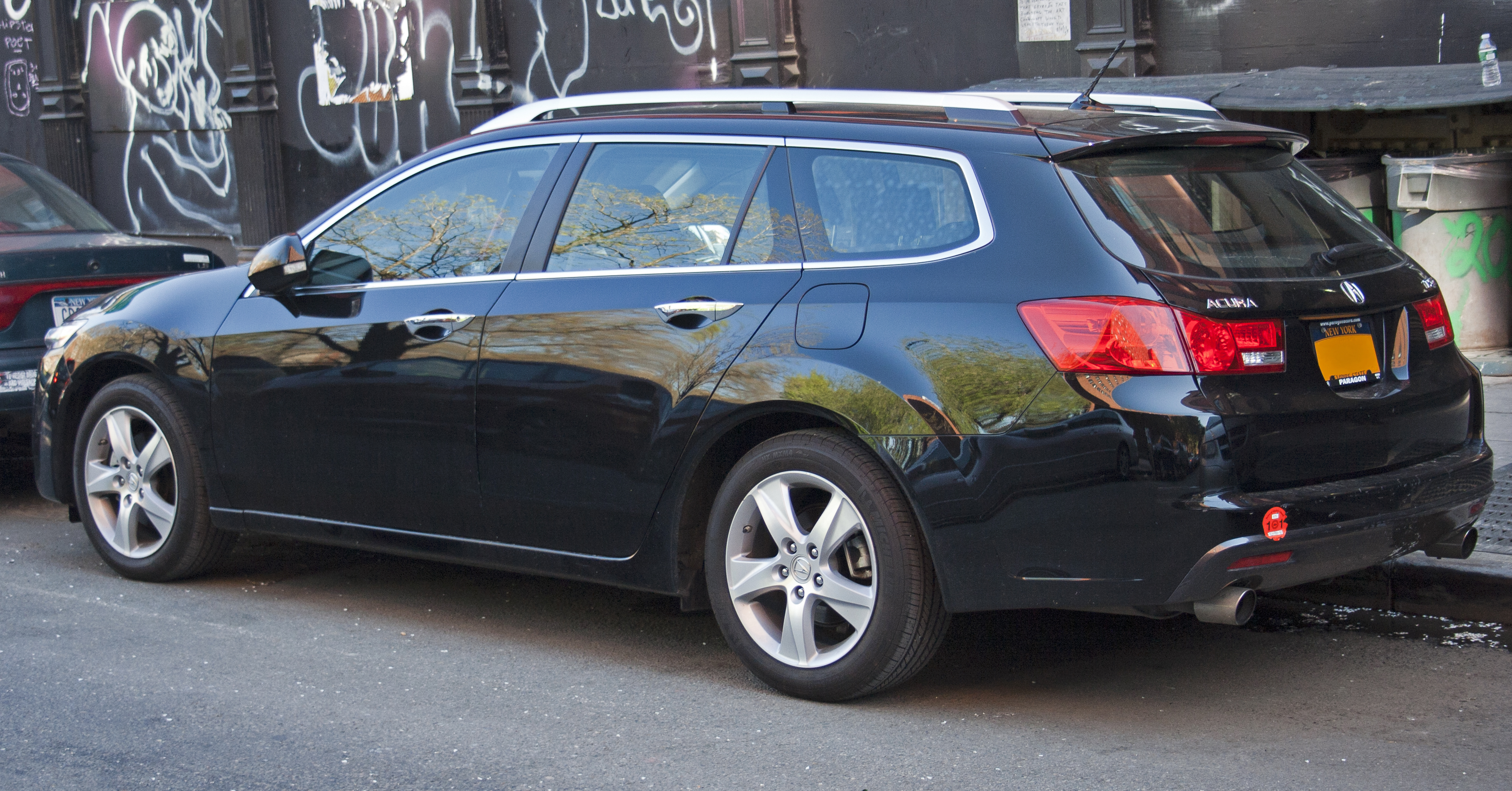
4. **Acura TSX Sport Wagon**This model never tried to be flashy, loud, or overtly aggressive; it simply understood how to deliver exactly what smart, discerning drivers wanted. The Acura TSX Sport Wagon offered the highly practical utility and expansive space typically associated with an SUV, yet it did so without the inherent bulk, the often-hideous proportions, or the desperate longing for a sedan that many crossovers inexplicably inspire. It was, in essence, a rebadged European Honda Accord Tourer, meaning it was endowed with all the good stuff: a refined chassis, excellent build quality, and a commitment to driving pleasure.
Its aesthetic was one of clean lines and understated elegance, a testament to thoughtful design that prioritized function without sacrificing form. The handling was composed, precise, and genuinely engaging, especially for those lucky enough to find one equipped with the highly desirable 6-speed manual transmission paired with the spirited 2.4L K24 engine. The interior, too, was a masterclass in understated refinement, well-crafted and ergonomically sound, without trying too hard to be a futuristic spaceship.
While it may not have been a volume seller, the TSX Sport Wagon cultivated a quiet, fiercely loyal audience. This small but vocal group unequivocally understood that wagons are inherently cooler, more elegant, and often more dynamic than their SUV counterparts. As broader automotive tastes shifted relentlessly toward taller, heavier, and arguably uglier vehicles, this exceptional wagon quietly stepped away from the North American market after the 2014 model year, a victim of evolving consumer preferences.
Looking back, the Acura TSX Sport Wagon feels like it provided a compelling answer to a question no one in the all-important focus groups asked loudly enough. Bringing it back today, perhaps with a contemporary twist, would surely find the audience it always deserved—the drivers who genuinely enjoy the act of driving and owning something that exudes subtle competence rather than screaming, “I gave up on engaging cars!”
Car Model Information: 2023 Buick Envision Preferred AWD
Caption: 2009–2014 Acura TSX
Name: Acura TSX
Aka: Honda Accord
Manufacturer: Honda
Production: 2003–2014
ModelYears: 2004–2014
Class: Compact executive car
Layout: Front-engine, front-wheel drive layout
Predecessor: Acura Integra
Successor: Acura TLX,Acura ILX
Categories: 2010s cars, Acura vehicles, All Wikipedia articles written in American English, All articles with dead external links, Articles with dead external links from August 2025
Summary: The Acura TSX is a compact executive car manufactured by Honda and sold through its Acura division from the 2004 to 2014 model years. The TSX spanned two generations, both derived from the corresponding Japanese/European versions of the Honda Accord, which were more compact and sporting-oriented than their larger North American counterpart. The latter Accord platform was also used for the Acura TL, which slotted above the TSX in Acura’s lineup. All TSXs were built in Sayama, Saitama, Japan.
The first-generation TSX was introduced in April 2003 as a 2004 model, as a rebadged version of the Japanese domestic market (JDM) Honda Accord 2.4 Type-S, with the exception of its interior, borrowed from the JDM fourth-generation Honda Inspire. It was succeeded by the second-generation TSX, introduced in March 2008 as a 2009 model and based on the eighth-generation JDM Accord. Notably, the final generation of the TSX would introduce a V6 option for the 2010 model, and a wagon for the 2011 model year.
It was sold in North America under the Acura luxury marque as the replacement for the Integra sedan which was discontinued in 2001 (1996 in Canada since the EL was the Integra sedan’s replacement there), and would become Acura’s entry-level vehicle after the Acura RSX got discontinued in 2006. From the 2007 model year until 2012, the TSX was the smallest vehicle in the Acura model line, other than the Civic-based CSX and the preceding Acura 1.6 and 1.7 EL sold only in Canada. In 2013, the smaller ILX was introduced in both the United States and Canada, based upon the Civic platform (replacing the CSX in Canada).
Honda discontinued the TSX and the larger TL in 2014 with the introduction of the TLX, which replaced both vehicles, although the TLX is close in size to the TL. The ILX, introduced for the 2012 model year, succeeded the TSX as Acura’s entry-level offering.
Get more information about: Acura TSX
Buying a high-performing used car >>>
Brand: Acura Model: TSX Sport Wagon
Price: $25,991 Mileage: 27,903 mi.
Read more about: Driving Smarter, Spending Less: The 11 Best Fuel-Efficient Sedans Under $15,000 from Recent Years
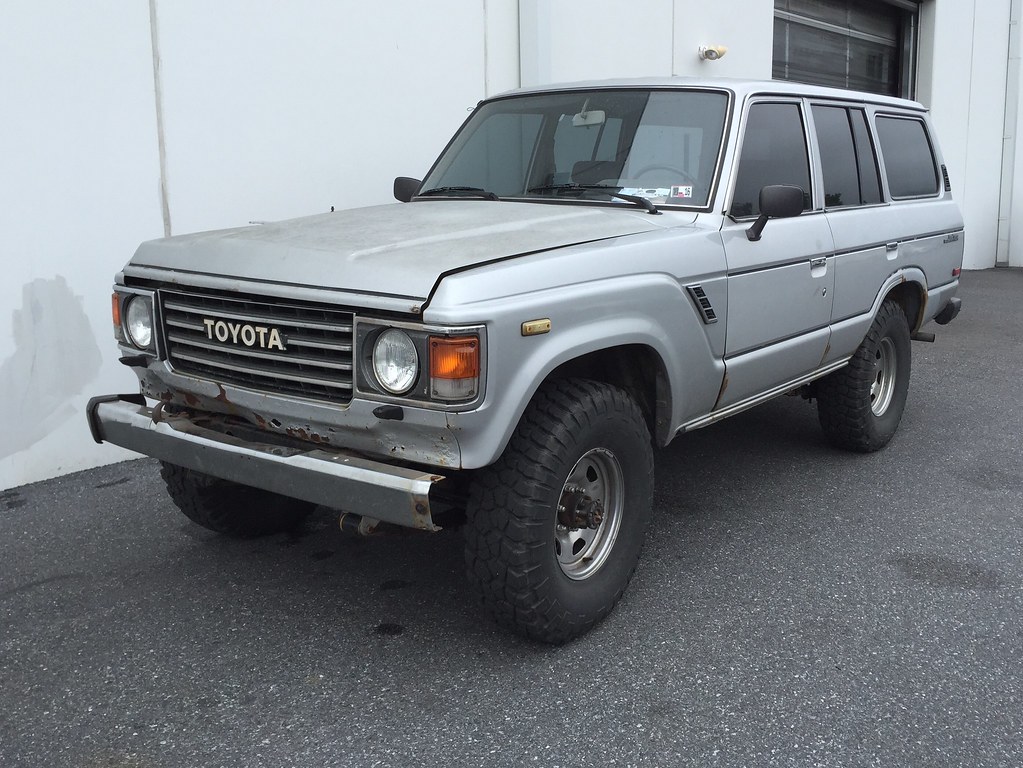
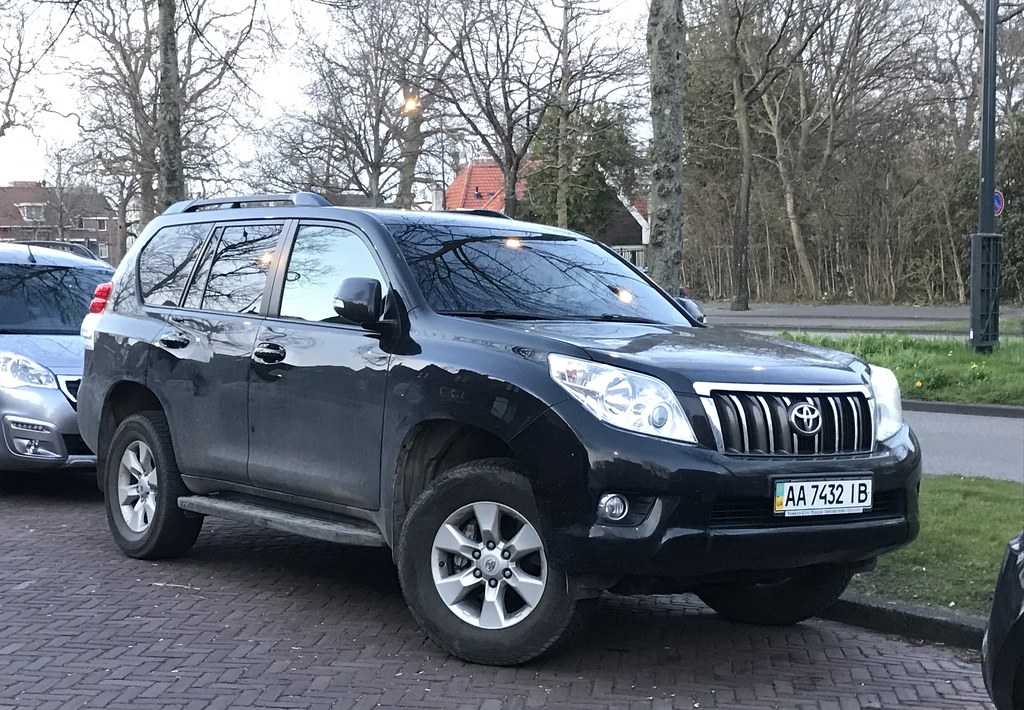
5. **Toyota FJ Cruiser**With a design that looked ripped straight from an expeditionary poster, ready for the dust and drama of a Dakar Rally, the Toyota FJ Cruiser injected a dose of bold attitude and serious off-road capability into a world increasingly overrun by soft-roading pretenders. Its characteristic short overhangs, upright build, and interior grab-handle personality made it far more than just a means of transport; it swiftly became a symbol of adventure, even if your most challenging journey was merely to Costco.
Built upon the famously indestructible Land Cruiser Prado platform, the FJ Cruiser was engineered from the ground up to handle tough environments with uncompromising resilience. Its robust 4.0L V6 engine provided ample power, yet the vehicle never sacrificed its distinctive charm, evident in every detail from its unique three windshield wipers to the rear-hinged half-doors that offered both visual flair and functional access. It thrived off the beaten path and possessed an innate ability to stand out in city traffic without even trying, a vibrant and charismatic throwback.
As urban landscapes and suburban driveways increasingly filled with generic, lookalike crossovers, the FJ Cruiser made an incredibly compelling case for standing tall, embracing a different aesthetic, and actively thinking outside the conventional automotive box. Its undeniable presence and rugged charm resonated deeply with those who yearned for a vehicle that promised genuine capability and a sense of escapism. Production for the U.S. market concluded after 2014, though it continued to linger on in other global markets for a few more years.
A revival of the FJ Cruiser today wouldn’t merely bring back a beloved nameplate; it would reignite a spirit of genuine adventure and distinctive design that feels increasingly rare in Toyota showrooms these days. This vehicle was undeniably cool long before “cool” became synonymous with “efficient hybrid,” proving that a vehicle can be both immensely capable and brimming with character, a true icon that warrants a second chapter.
Car Model Information: 2023 Buick Envision Preferred AWD
Name: Toyota FJ Cruiser
Manufacturer: Toyota
ModelCode: XJ10
Production: January 2006
ModelYears: 2007–2014 (North America)
Assembly: Hamura, Tokyo
Designer: unbulleted list
Class: Mid-size SUV
BodyStyle: SUV
Platform: Toyota F2
Layout: unbulleted list
Chassis: Body-on-frame
Related: unbulleted list
Engine: unbulleted list
Transmission: unbulleted list
Wheelbase: cvt
Length: cvt
Width: cvt
Height: unbulleted list
Weight: cvt
Predecessor: Toyota Hilux Surf
Categories: 2010s cars, 2020s cars, All-wheel-drive vehicles, All articles containing potentially dated statements, All articles with unsourced statements
Summary: The Toyota FJ Cruiser is a retro-styled mid-size SUV produced by Toyota between 2006 and 2022. Introduced as a concept car at the January 2003 North American International Auto Show, the FJ Cruiser was approved for production after positive consumer response and debuted at the February 2005 Chicago Auto Show in final production form.
The FJ Cruiser was built by Toyota subsidiary Hino Motors in Hamura, Japan, between 2006 and 2022. The vehicle shares many structural underpinnings with the Toyota Land Cruiser Prado. The FJ Cruiser entered the Japanese market on 4 December 2010, announced on 25 November in that year.
On 5 November 2013, Toyota USA announced the 2014 model year Trail Teams edition would be called the “Ultimate Edition” and that the 2014 model year would be the last for the FJ Cruiser in that market. It continued to be made for sale in other markets such as Australia until its export to that market was discontinued in August 2016. As of April 2022, it was still sold in markets such as Chile, the Middle East, the Philippines and Southern African Customs Union countries.
On 1 October 2022, Toyota announced that the FJ Cruiser would be discontinued in the Middle East by December 2022, along with a final edition model.
Get more information about: Toyota FJ Cruiser
Buying a high-performing used car >>>
Brand: Toyota Model: FJ Cruiser
Price: $25,991 Mileage: 27,903 mi.
Read more about: The Longevity Leaders: 10 Vehicles Proven to Last Beyond 250,000 Miles, According to Data
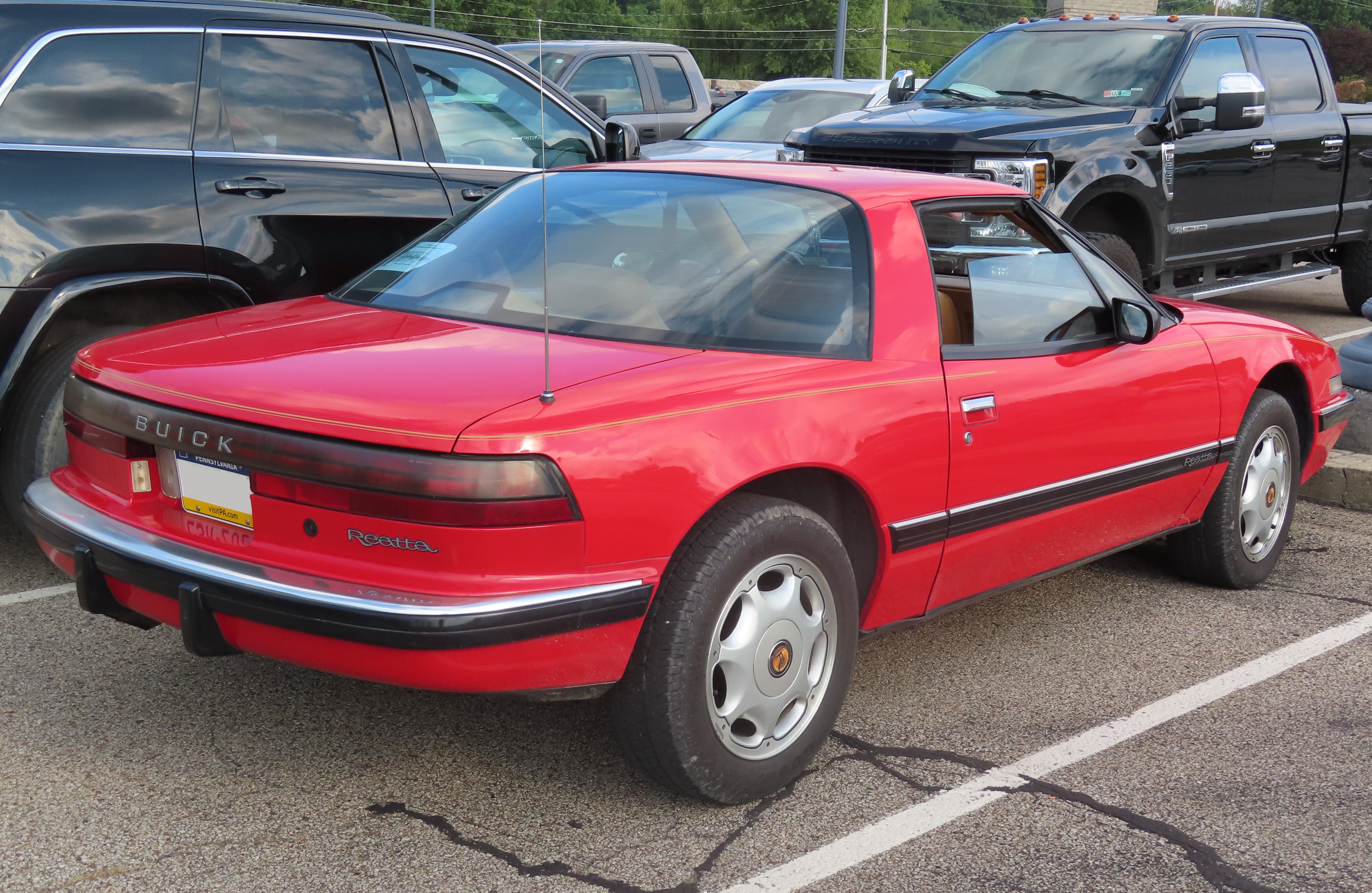
6. **Buick Reatta**Few cars ever wore their uniqueness with such quiet, confident elegance as the Buick Reatta. Produced for a brief, glorious period from 1988 to 1991, this two-seat personal luxury coupe defied convention with its sleek proportions and a surprisingly tech-forward interior for its era. It proudly featured a pioneering CRT touchscreen, known as the “Graphic Control Center,” proving that Buick was thinking outside the box long before digital dashboards became commonplace.
Hand-built on the same platform as the Riviera, the Reatta was a distinct departure from its showroom peers, aiming for a blend of luxury and design in a compact, personal escape. It wasn’t about setting speed records or delivering flashy performance figures; instead, it focused on the experience—a serene, sophisticated cruise for those who appreciated understated opulence and a sense of refinement. This was a car for individuals who had perhaps retired from the corporate grind and sought a vehicle that echoed their personal achievements without shouting about them.
Today, in an era where automotive individuality feels increasingly rare, a car like the Reatta deserves a serious second look. It represented Buick’s earnest attempt at understated, elegant luxury, confidently staking its claim before the influx of many European and Japanese premium brands. Its return, perhaps with a contemporary reimagining, could once again offer discerning drivers a uniquely American take on personal grand touring, eschewing the anonymous designs that dominate so much of the market today.
Car Model Information: 1990 Buick Reatta Base
Name: Buick Reatta
Manufacturer: General Motors
Related: Buick Riviera#Seventh generation (1986–1993),Oldsmobile Toronado#Fourth generation (1986–1992),Cadillac Eldorado#Eleventh generation (1986–1991)
Production: 1988–1991
Chassis: unibody
Platform: GM E platform
BodyStyle: coupe
Engine: Buick V6 engine#Pre-Series I,V6 engine
Designer: Dave McIntosh (1983)
Transmission: Turbo-Hydramatic 125#Turbo-Hydramatic 440-T4,automatic transmission
Wheelbase: 98.5 in
Abbr: on
Length: 183.7 in
Width: 73.0 in
Height: 51.2 in
Weight: 3377 lb
Assembly: Lansing, Michigan
Layout: Front-engine, front-wheel-drive layout
Class: Grand tourer
Caption: 1988 Buick Reatta coupe
Categories: 1990s cars, Articles with short description, Buick vehicles, Cars discontinued in 1991, Cars introduced in 1988
Summary: The Buick Reatta is a low-volume transverse front-engine, front-wheel drive, two-door, two-seater grand tourer manufactured and marketed by Buick as a coupe (1988–1991) and convertible (1990–1991) — both featuring a 3.8 liter V6 engine and shortened version of the GM E platform, shared with the seventh generation Buick Riviera.
As Buick’s first two-seater and its first convertible since the 1985 Riviera, the Reatta was manufactured in a highly specialized assembly program at the Reatta Craft Center (later known as the Lansing Craft Center) in Lansing, Michigan—achieving production of over 21,000 units in four years.
Get more information about: Buick Reatta
Buying a high-performing used car >>>
Brand: Buick Model: Reatta
Price: $26,993 Mileage: 57,073 mi.
Read more about: The Great Pretenders: 12 Muscle Cars That Looked Fierce But Felt Flat Behind the Wheel

7. **Mitsubishi Eclipse GSX**The Mitsubishi Eclipse GSX, particularly in its first and second generations from the 1990s, carved out an undeniable legacy through sheer purpose and a serious performance punch. It masterfully combined all-wheel drive traction, sharp precision, and an unmistakable, aggressive style that immediately made it a favorite among those who cherished road feel and the exhilarating surge of turbo boost. With its strong, purposeful lines and a grounded stance, the Eclipse GSX had an undeniable presence even before the key turned, hinting at the performance lurking beneath its skin.
This model was a crucial part of the legendary Diamond-Star Motors (DSM) triumvirate, alongside the Plymouth Laser and Eagle Talon. All were famously powered by the iconic 4G63T turbocharged engine, a powerplant that quickly became revered for its robust nature and immense tuning potential. Once in motion, the GSX revealed layers of grip and control that inspired unwavering confidence, especially as that turbocharger spooled up, delivering a thrilling shove. It was a true driver’s companion, designed for enthusiasts who paid meticulous attention to how a car responded and how much power could be squeezed out with just a few well-chosen modifications.
Tragically, the Eclipse nameplate suffered a disheartening devolution into a front-wheel-drive convertible, a shadow of its former glory, before vanishing entirely in 2012. However, the spirit of the original GSX remains vibrant within the enthusiast community. Reviving it today, equipped with proper all-wheel drive and a powerful turbocharged engine, could perfectly bridge the gap between cherished nostalgia and real, modern performance. There is still a significant space in the market for a car that offers an uncompromised connection to the road, a vehicle that proves it doesn’t need a starring role in a blockbuster movie franchise to be profoundly, authentically cool.
Car Model Information: 2023 Buick Envision Preferred AWD
Name: Mitsubishi Eclipse
Caption: Fourth-generation Mitsubishi Eclipse GS coupe
Manufacturer: Mitsubishi Motors
Production: 1989–August 2011 (906,876 units)
ModelYears: 1990–2012
Assembly: Normal, Illinois
Class: Sport compact
BodyStyle: liftback,coupé
Layout: Front-engine, front-wheel-drive layout,Front-engine, four-wheel-drive layout
Predecessor: Mitsubishi Cordia,Mitsubishi Starion
Categories: 1990s cars, 2000s cars, 2010s cars, All-wheel-drive vehicles, All articles with unsourced statements
Summary: The Mitsubishi Eclipse was a sport compact car manufactured and marketed by Mitsubishi over four generations in the 1990–2012 model years. A convertible body style was added during the 1996 model year.
The first two generations were marketed simultaneously as rebadged variants, including the Eagle Talon and Plymouth Laser — and were a byproduct of Mitsubishi Motors and Chrysler Corporation’s close alliance. Their partnership in turn gave rise to Diamond-Star Motors (DSM). In Japan, the first two generations were sold at a specific Japanese retail chain called Mitsubishi Car Plaza. The third, 2000–2005 generation shared an extended wheelbase variant of their platform with the Chrysler Sebring and Dodge Stratus. In May 2005, the fourth, and final generation Eclipse was introduced, replacing the Chrysler platform used for the third generation with the PS platform.
According to Mitsubishi, the Eclipse was named after an unbeaten 18th-century English racehorse that won 18 races in a row and then retired.
At the end of August 2011, the final Eclipse was manufactured and auctioned for charity.
In 2017, Mitsubishi resurrected the Eclipse name on a compact crossover vehicle, called the Eclipse Cross.
Get more information about: Mitsubishi Eclipse
Buying a high-performing used car >>>
Brand: Mitsubishi Model: Eclipse GSX
Price: $25,991 Mileage: 27,903 mi.
Read more about: Unleash the Beasts: The Most Powerful Muscle Cars from the Big Three’s Glorious Legacy

8. **Volkswagen Corrado**Bold, compact, and brimming with engineering sophistication, the Volkswagen Corrado arrived on the scene and immediately placed itself in a category all its own. It was a proper driver’s car from a brand more commonly associated with reliable, if sometimes a bit sedate, Golfs and Passats. Its unique, muscular shape stood proudly apart from anything else on the road, while the interior felt singularly focused on the driving experience, eschewing unnecessary frills. The sheer engagement it offered behind the wheel created a lasting impression that stayed with drivers long after their journey concluded.
This wasn’t just another hot hatch; it was a sophisticated coupe hybrid, famously featuring the quirky G60 supercharger in earlier models, or for the truly enlightened and performance-minded, the glorious VR6 engine. The Corrado even boasted an active rear spoiler that elegantly popped up at speed, a delightful touch of engineering theatre that asked, “Why not?” This car truly felt alive when tackling corners, demonstrating remarkable poise and stability in motion, cementing its reputation as a genuinely thrilling and capable machine.
It was a vehicle crafted for drivers who noticed the small details, those who valued pure, unfiltered feel over mere flash and showmanship. Volkswagen clearly aimed to push its own limits with the Corrado, and for a glorious period, it undeniably succeeded, creating a cult classic. The Corrado eventually left the market quietly, arguably suffering from its relatively high price point and Volkswagen’s perennial lack of unwavering commitment to anything too overtly “fun” or niche. Yet, those who remember it often recall it with a wistful smile, perhaps even shedding a single tear when its name comes up in conversation.
That enduring sentiment alone speaks volumes and makes a compelling case for its return. A modern Corrado would not only be a testament to Volkswagen’s past capabilities in building true driver’s cars but could also remind the brand – and its customers – of the joy that exists beyond chasing ever-larger sales charts with a parade of SUVs.
Car Model Information: 1992 Volkswagen Corrado SLC
Name: Volkswagen Corrado
Manufacturer: Volkswagen
Production: 1988–1995
Assembly: Osnabrück
Class: Sport compact
BodyStyle: 2+2 (car body style),coupé
Layout: Front-engine, front-wheel-drive layout
Platform: Volkswagen Group A platform#A2
Engine: ubl
Transmission: Manual transmission
Wheelbase: 97.3 in
Abbr: on
Order: flip
Length: 159.4 in
Width: 65.9 in
Height: 51.57 in
Weight: convert
Related: Volkswagen Golf Mk2,Volkswagen Jetta
Designer: Herbert Schäfer
Predecessor: Volkswagen Scirocco#Second generation (1981–1992)
Successor: Volkswagen Scirocco#Third generation (2008–2017)
Categories: 1990s cars, All articles needing additional references, All articles with unsourced statements, Articles needing additional references from March 2012, Articles with short description
Summary: The Volkswagen Corrado is a compact four passenger (2+2), three door, front-engine, front-wheel-drive liftback coupe marketed by Volkswagen from 1988 until 1995, and manufactured by Karmann in Osnabrück, Germany.
Designed by Herbert Schäfer, the Corrado overlapped and eventually superseded Volkswagen’s Scirocco model. 97,521 Corrados were manufactured over the seven year production run; about 50,000 of them were sold in the United States.
Get more information about: Volkswagen Corrado
Buying a high-performing used car >>>
Brand: Volkswagen Model: Corrado
Price: $9,000 Mileage: 143,900 mi.
Read more about: Rare Cars of the 1980s: Icons of Performance Innovation and Style
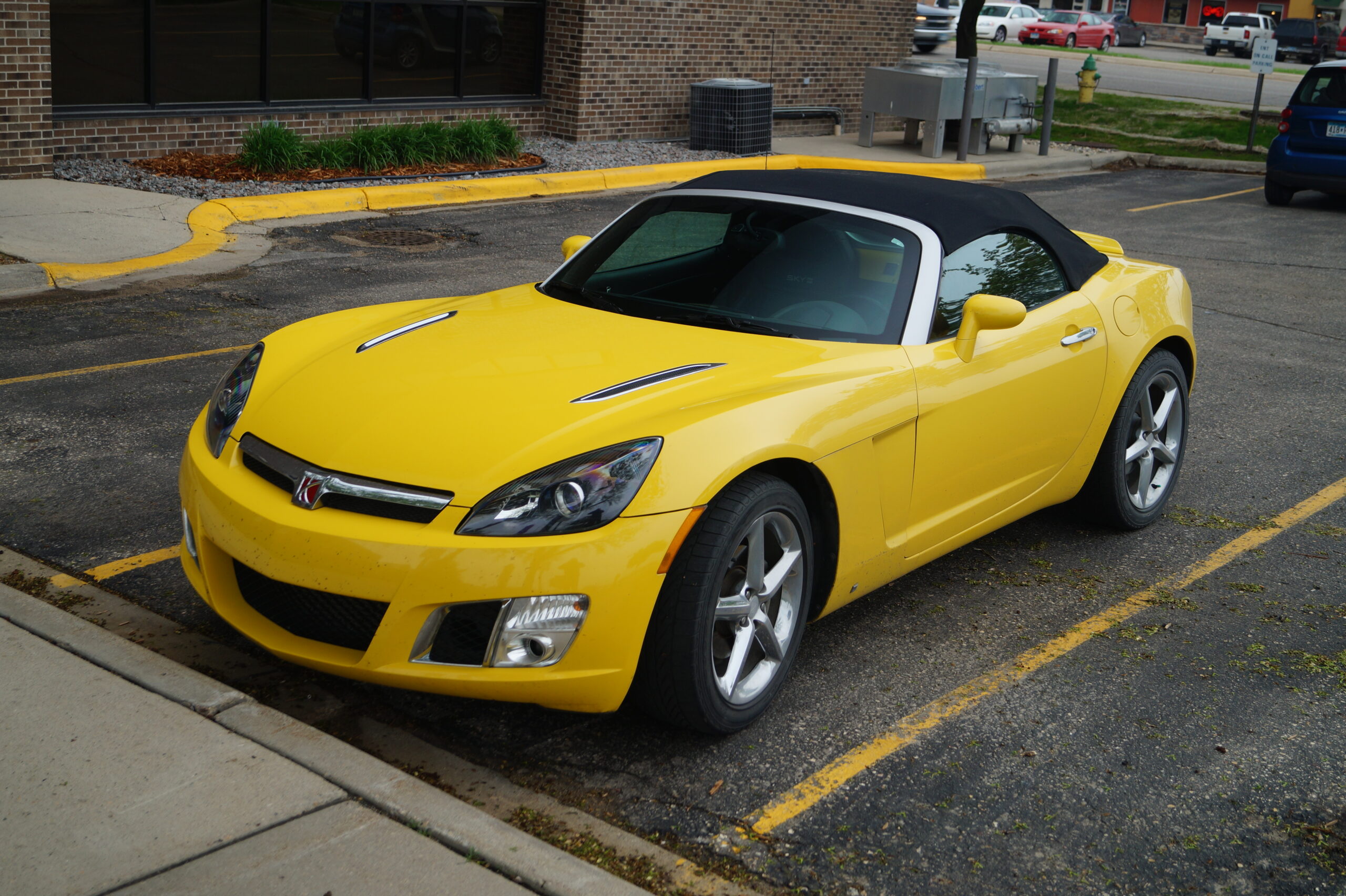
9. **Saturn Sky**The Saturn Sky represented a brief, yet incredibly bright, shining moment when the oft-maligned brand truly reached for something more expressive than its signature plastic body panels and no-haggle pricing model. It arrived as a proper roadster, sporting a clean, purposeful layout, and offered drivers an unexpectedly affordable way to embrace top-down freedom. Sharing its Kappa platform with the beloved Pontiac Solstice (and its European cousin, the Opel GT), the Sky’s proportions were remarkably sharp and athletic, while the seating position felt far more intimate and engaging than one might expect from a Saturn.
On open roads, the Sky truly came alive, especially in its performance-oriented Red Line trim. Powered by a potent 260 hp turbocharged Ecotec engine, it delivered the kind of exhilarating driving experience typically found in significantly more expensive European sports cars. It wasn’t just about speed; it was about the raw, visceral connection to the road, the wind in your hair, and the distinct sense of being utterly connected to the machine as you carved through a winding road. The Sky offered a compelling argument for accessible, unadulterated driving pleasure.
While Saturn as a brand may be long gone—and let’s have a moment of silence for those wonderfully weird commercials, which arguably possessed more personality than some brands’ entire EV fleets today—the underlying idea behind the Sky still resonates powerfully. A modern iteration, perhaps infused with a few more of the quirky, independent traits that once defined Saturn, could effortlessly pick up where the original left off. Sometimes, a single bold idea, executed with passion, can convey far more genuine character and excitement than an entire lineup of anonymously designed sedans and crossovers. The Sky was a valiant effort to inject passion into a struggling brand, a car that tried to save Saturn, but sadly, it was just too late.
Car Model Information: 2008 Saturn Sky Red Line
Name: Saturn Sky
Caption: 2007 Saturn Sky
Manufacturer: General Motors
Aka: Opel GT#GT (roadster) (2007–2010),Daewoo G2X
Production: 2006–2009
ModelYears: 2007–2010
Assembly: Wilmington, Delaware
Designer: Franz von Holzhausen
Class: Sports car
BodyStyle: Roadster (automobile)
Platform: GM Kappa platform
Related: Pontiac Solstice
Layout: Front-engine, rear-wheel-drive layout#Front mid-engine, rear-wheel-drive layout
Engine: ubl
Transmission: Aisin Seiki,GM 5L40 transmission
Wheelbase: 95.1 in
Abbr: on (Red Line)
Length: 161.1 in
Width: 71.4 in
Height: 50.2 in
Weight: 2940 lb
Categories: All articles with specifically marked weasel-worded phrases, Articles with short description, Articles with specifically marked weasel-worded phrases from September 2025, Cars discontinued in 2009, Cars introduced in 2006
Summary: The Saturn Sky is a convertible sports car that was produced by Saturn, and was initially released in the first quarter of 2006 as a 2007 model. It uses the Kappa automobile platform shared with the Pontiac Solstice. The Sky concept was shown at the 2005 North American International Auto Show, with the production version following at the 2006 show. It was built at GM’s Wilmington Assembly plant in Wilmington, Delaware, alongside the Solstice. The Sky featured 18-inch wheels and a 2.4 L (146 cu in) Ecotec LE5 inline-four engine with direct injection and variable valve timing that produced 177 hp (132 kW), a new 2.0-litre turbocharged direct injected inline-four engine also featuring VVT that made 260 hp (194 kW) and 260 lb⋅ft (353 N⋅m). An optional dealer-installed MAP sensor and ECM flash upgrade kit was also available for the Red Line model from 2008 onwards. Both five-speed manual and automatic transmissions were available.
The styling for the Sky, penned by Franz von Holzhausen, was based on the Opel Speedster’s design. It was available in some European markets as the Opel GT. A rebadged version named the Daewoo G2X was unveiled as a concept vehicle for the South Korean market in 2006, then released for sale in September 2007. The price of the G2X was nearly double the price of the Sky and Solstice as sold in the United States, likely due to tariffs and cost of shipping from the Wilmington plant.
The Wilmington Assembly plant closed in July 2009, ending production as both the Pontiac and Saturn nameplates were retired.
Get more information about: Saturn Sky
Buying a high-performing used car >>>
Brand: Saturn Model: Sky
Price: $12,995 Mileage: 48,009 mi.
Read more about: Remember These? The Witty, Wild, and Often Woeful Tales of 7 Sedan Brands That Vanished From Our Roads
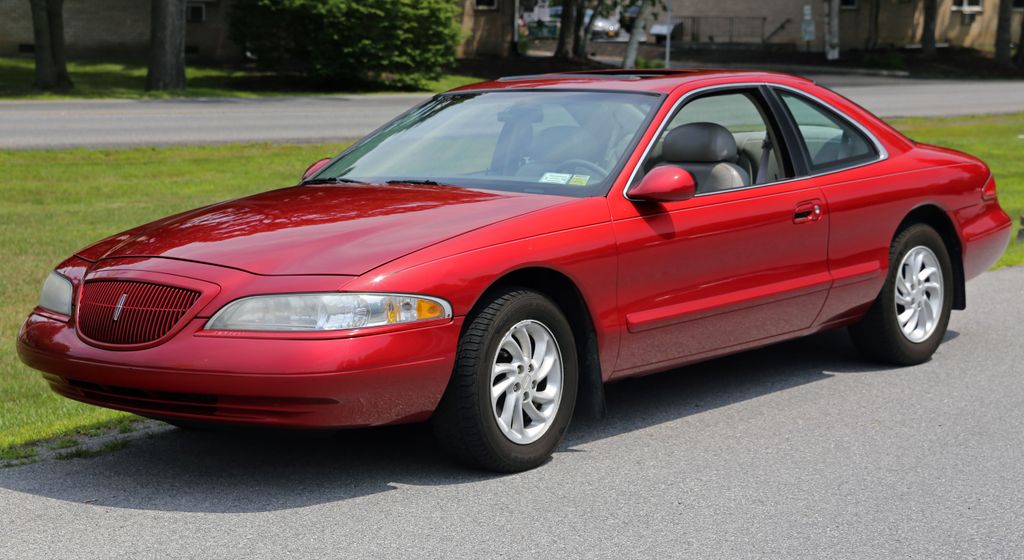
10. **Lincoln Mark VIII**The Lincoln Mark VIII offered something that today feels rarer than a four-leaf clover at a pristine classic car meet: American luxury imbued with a true sense of motion and genuine, distinctive style, rather than merely an excess of bloated chrome. Its long, sleek profile, characterized by elegantly hidden headlights and a sophisticated ‘coke bottle’ shape, allowed it to glide across highways with a calm, almost predatory, precision. This was a car that didn’t just move; it flowed, a testament to thoughtful design that prioritized aerodynamic grace and an imposing road presence.
Inside, the Mark VIII masterfully blended plush, enveloping comfort with an aura of quiet, understated confidence. It offered a cockpit that felt both exquisitely refined and deeply personal, a space where one could truly relax and enjoy the journey. Power came from a silky smooth 4.6L InTech DOHC V8 engine, an engineering marvel that, perhaps surprisingly to some, was shared with the performance-oriented Mustang Cobra. This engine provided effortless power delivery and a refined soundtrack, contributing significantly to its grand touring capabilities.
This was a vehicle that never needed to shout to make an indelible impression; it simply commanded respect through its sheer presence and sophisticated demeanor. Lincoln meticulously shaped the Mark VIII for a specific kind of discerning driver—one who appreciated quiet strength, the elegance of effortless travel, and perhaps the discreet luxury of a leisurely game of golf. That particular kind of automotive presence is almost tragically impossible to find today, largely replaced by a homogenous fleet of anonymous luxury SUVs. A contemporary return of the Mark VIII could infuse fresh elegance and a much-needed sense of unique American style into a world increasingly chasing complexity and over-the-top grille designs. It stands as a pivotal moment, representing Lincoln’s last genuine stand for unbridled cool before the brand began its unfortunate shift towards producing a continuous stream of Navigator clones and a lineup of sad, utterly anonymous sedans.
When the Road Still Misses Them
Read more about: Driving Dreams on a Budget: The 14 Best-Performing Cars Under $35,000 You Can Buy Today
Time, in the automotive world, moves forward relentlessly, but some cars leave behind a profound gap in the landscape that, for many enthusiasts, never truly closes. These exceptional models arrived with a clear purpose, captivated attention among those who truly understand what makes a great car, and then, far too often, quietly stepped away. Their disappearance was typically the result of some MBA’s spreadsheet decree, deeming them not “synergistic” enough or too niche for the relentless pursuit of mass-market appeal. Yet, they offered something genuinely irreplaceable: raw attitude, groundbreaking design, or a unique, visceral driving feel that the market simply has not replaced. Years later, their names still spark intense interest and fond curiosity among those of us who remember, especially as we mindlessly wave our fingers at gesture control screens and listen to our cars start up silently on even the coldest of mornings. A revival of these legends wouldn’t just bring back a surge of comforting nostalgia; it could reignite the raw, unadulterated emotion and distinctive character that often feels conspicuously absent in today’s increasingly sanitized automotive routines, making the road ahead a far less soul-crushing experience.