
It’s a common habit, almost a reflex for many of us: treating our cars as convenient, mobile storage units. With ample space and the perceived security of locked doors, it’s all too easy to let your vehicle accumulate a collection of everyday essentials, important papers, and forgotten odds and ends. While it’s perfectly fine, and even recommended, to keep certain emergency items stashed in your vehicle, there’s a crucial distinction to be made about what *shouldn’t* become a permanent fixture in your car, especially for extended periods.
Overlooking this distinction can open up a surprising array of problems, ranging from significant security vulnerabilities to potential health hazards and costly damage to your belongings. It’s not just about deterring opportunistic thieves; the internal environment of your car, with its fluctuating temperatures, can be surprisingly hostile to many common items. As Eva Velasquez, the CEO of the Identity Theft Resource Center, points out, even minor oversights can leave you vulnerable to serious security risks, a sentiment that extends well beyond just personal data.
This practical guide will help you understand why certain items are best kept out of your vehicle, detailing the specific risks they pose and offering actionable advice to protect your health, finances, and peace of mind. By making a few simple adjustments to your car-storage habits, you can prevent unnecessary headaches and safeguard your valuables effectively. Let’s delve into the first seven items on our essential list, offering clear, actionable steps for each.

1. **Medication**Most medications are designed to be stored within a specific temperature range, typically at moderate room temperature, to maintain their efficacy and stability. Your car, unfortunately, rarely provides such a consistent environment. Once parked, especially on a hot day, the internal temperature can soar dramatically, turning your vehicle into a veritable oven, far exceeding ideal storage conditions for pharmaceuticals.
While heat might not always render your drugs directly harmful, it can significantly reduce their effectiveness, making them less potent when you need them most. Chemical changes caused by high temperatures can alter the composition of the medication, impacting how it works in your body. For instance, insulin can become ineffective, and antibiotics can degrade rapidly, compromising the treatment they are meant to provide.
Furthermore, extreme cold can also affect medication, altering its composition and potentially making it less effective or even unusable. The constant fluctuation between heat and cold, depending on the season and whether your car is running, creates a volatile environment. To ensure your prescriptions remain safe and effective, always store medication in a controlled, stable environment, ideally indoors, preventing health risks and wasted doses.
Read more about: Behind the Blacklist: Unpacking the Tumultuous Journeys and Dramatic Departures of NBC’s Star Characters

2. **Electronics**Our modern lives are inextricably linked to electronics, and it’s tempting to leave gadgets like laptops, cell phones, and thumb drives in the car for convenience. However, these devices pose a dual threat when left unattended: they are highly susceptible to damage from temperature extremes and are prime targets for thieves seeking valuable goods or, more critically, the sensitive information they contain.
Extreme heat can wreak havoc on electronics. Batteries can overheat, swell, and even explode, creating a dangerous situation and potentially damaging your vehicle’s interior. Conversely, cold conditions can shorten battery life and cause irreparable damage to screens and internal components. The cost of replacing these expensive devices alone is significant, but the real danger lies in the data they hold.
Should your car be broken into, the information on your unprotected electronics can be easily stolen. This includes personal files, work documents, financial data, and passwords, making you vulnerable to identity theft and other cybercrimes. If you absolutely must leave a device in your vehicle, Eva Velasquez strongly recommends ensuring the information contained within is encrypted. She notes, “It’s a strong layer of protection, and would need someone putting a fair amount of effort into it to view. It’s much stronger than password protection.” Always prioritize taking your devices with you or securing them in a temperature-controlled space.
Read more about: Luxury Breakdown: Demystifying the 14 Most Expensive Parts to Replace in Iconic Italian Sports Cars

3. **Sunscreen**It might seem counterintuitive to protect sunscreen from the sun, but ironically, the very active ingredients that shield your skin are vulnerable to high heat. Leaving a tube or bottle of sunscreen in a hot car can cause these crucial ingredients to break down, significantly reducing its effectiveness. This means you could apply what you believe to be protective lotion, only to find yourself unprotected, leading to painful sunburns and increasing your risk of long-term skin damage, including skin cancer.
Beyond its reduced protective capabilities, high temperatures can also have a more immediate, messy consequence. The pressure inside the container can build up, causing the bottle to warp, crack, or even explode. Imagine returning to your car to find the contents of a sunscreen bottle splattered across your dashboard, seats, and upholstery – a sticky, oily mess that can be incredibly difficult to clean and potentially ruin your car’s interior.
To ensure you’re always truly protected, proper storage of sunscreen is paramount. Keep it in a cool bag when you’re out and about, especially at the beach or pool, where you should even cover it with a towel to shield it from direct sunlight. When not in use, store your sunscreen indoors, away from extreme heat, so it’s ready to provide optimal protection whenever you need it.
Read more about: Road Trip Mastery: The 14 Essential Items Expert Drivers Never Travel Without
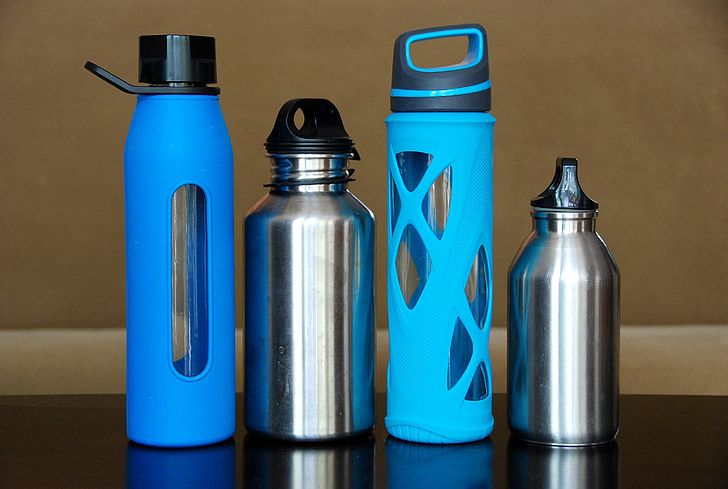
4. **Water Bottles**Leaving plastic water bottles in your car, especially where they can heat up in the sun, carries surprising health risks that many people overlook. Studies have highlighted links between chemicals found in some plastic bottles, such as BPA and phthalates, and various health conditions, including cancer and heart disease. When plastic bottles are exposed to heat, these chemicals, along with microplastics, can leach into the water you intend to drink.
Even if you’re not concerned about chemical leaching, an opened and partially consumed water bottle left in a warm car becomes a breeding ground for bacteria. The warm, stagnant water creates an ideal environment for microbial growth, turning your refreshing drink into a potential source of illness. This is why paying attention to the expiration date on bottled water, and promptly consuming it, is crucial.
Forgoing the convenience of leaving plastic bottles in your car is a simple yet effective way to safeguard your health. Instead, consider investing in a reusable, BPA-free water bottle made from materials like stainless steel or insulated plastic that can better withstand temperature fluctuations. This not only protects you from potential chemical exposure and bacterial growth but also contributes to reducing plastic waste, making it a win-win for your well-being and the environment.
Read more about: Unveiling the Tumultuous Realities of Seattle’s CHAZ: A Deep Dive into the Capitol Hill Autonomous Zone’s Sum mer Saga
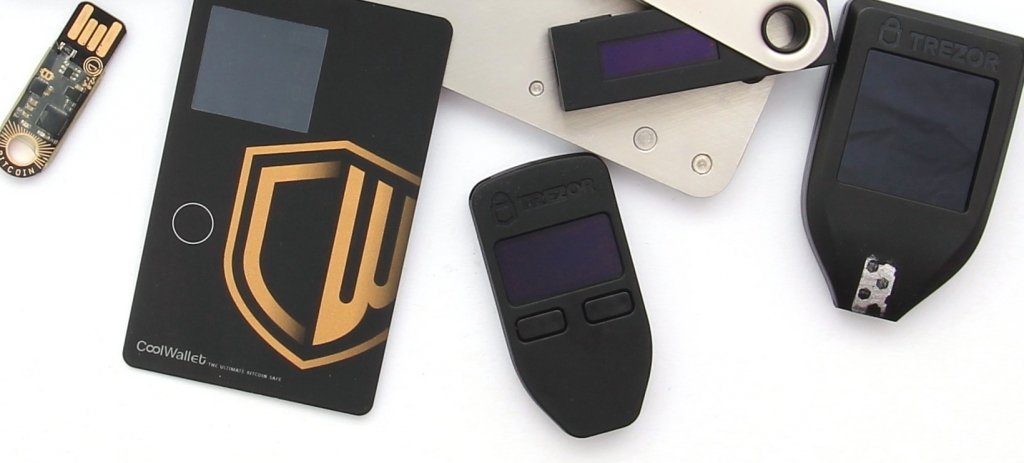
5. **Handbags/Wallets**Leaving a handbag, purse, or wallet in plain sight in your car is essentially an open invitation for thieves. Even if you’ve locked your doors, or removed cash and other obvious valuables, the mere presence of a bag signals potential plunder. As Eva Velasquez emphasizes, “It doesn’t matter if the alarm goes off. It’s attractive, and they’re going to grab it.” Opportunistic thieves often act on impulse, and a visible bag is a strong motivator for a smash-and-grab.
The consequences extend far beyond just the loss of the bag itself. Car break-ins can result in significant damage to your vehicle, leaving you with costly repairs for shattered windows or damaged locks. Furthermore, if any identifying documents, credit cards, or personal items are still inside the bag, you immediately face the risk of identity theft and financial fraud, which can be a long and arduous process to rectify.
To deter such incidents, the simplest and most effective strategy is to keep valuables out of sight entirely. If you must have your handbag or wallet in the car, store it in the trunk, under a seat, or covered with a jacket – anywhere it won’t be immediately visible from outside the vehicle. Better yet, take your bag with you whenever you leave your car, ensuring your possessions and personal information remain secure and out of reach.

6. **Glasses/Sunglasses**The sunglasses compartment in your car might seem like the perfect place to store your eyewear, and it is convenient while driving. However, making it a permanent storage spot after you reach your destination can be detrimental to your glasses and your vision. The extreme heat that accumulates inside a parked car can cause significant damage to both frames and lenses, leading to expensive repairs or replacements.
Plastic frames can warp and distort under high temperatures, altering their fit and potentially making them uncomfortable or even impossible to wear. Metal frames can become dangerously hot to the touch. Even more critically, the lenses themselves can warp, affecting your vision and making it difficult to see clearly. This compromise to your eyesight can be more than just an inconvenience; it can pose a safety risk if your vision is impaired while driving.
Placing your glasses or sunglasses on the dashboard is an even graver mistake. The windshield can act like a magnifying glass, concentrating sunlight and intensifying the heat, thereby exacerbating all the aforementioned risks and even potentially creating a fire hazard. After reaching your destination, always take your eyewear with you, keeping them safe from heat damage and ensuring they remain in optimal condition for clear vision.
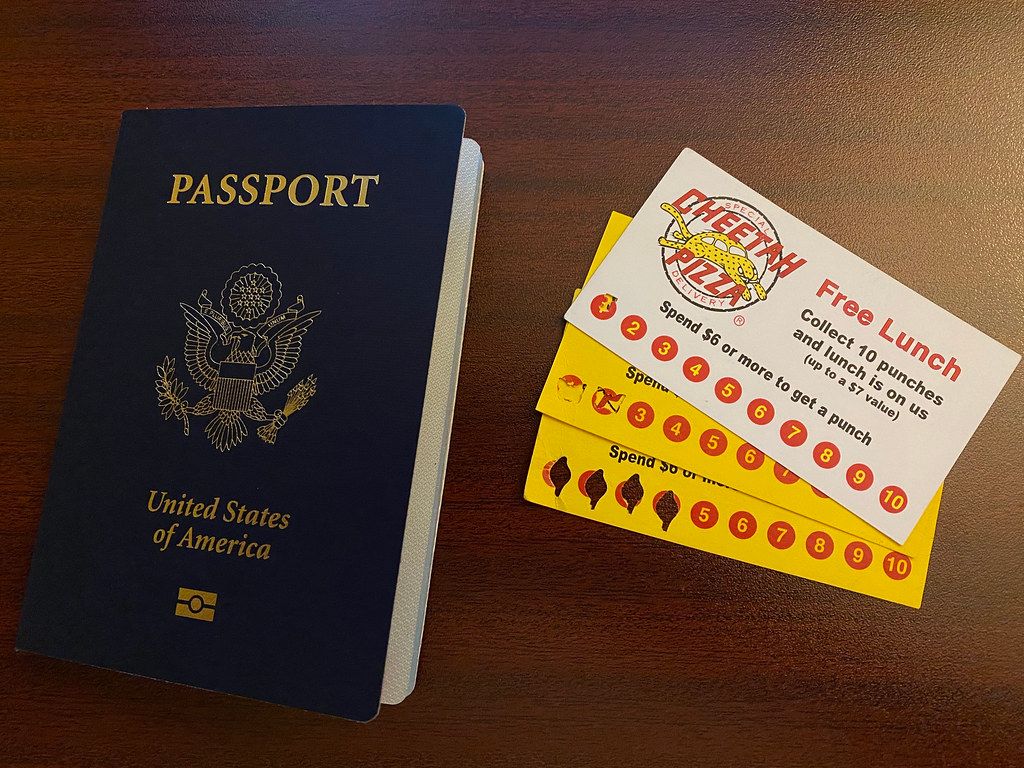
7. **Important Documents**Leaving important personal documents in your car, whether it’s for a brief errand or an extended period, is a significant security risk that many people underestimate. Files like school transcripts, tax forms, birth certificates, or even a passport contain a wealth of personal information that, if stolen, can be used for sophisticated identity theft. Eva Velasquez warns that “Identity theft is even easier with a passport than with a driver’s license.”
When these documents are left vulnerable in your vehicle, especially if a thief manages to break in, you’re essentially handing over the keys to your personal identity. The process of recovering from identity theft is often complex, time-consuming, and emotionally draining, involving numerous calls, reports, and financial adjustments. Velasquez emphasizes, “We have to think of data and pieces of our identity as valuables. You’re not going to leave jewelry in the car, but we don’t have that same level of concern with things that make up our identity, and we need to.”
Beyond the theft risk, heat and humidity inside a car can also physically damage paper documents, causing them to curl, become brittle, or even degrade over time, making them unreadable or unusable. The practical solution is simple: if documents don’t absolutely need to be in your car for an immediate task, leave them at home in a secure location or in your office. If you’re transporting sensitive papers for shredding or mailing, make it the first or last stop on your errand list and follow through immediately, minimizing their time in the vehicle. If temporary storage is unavoidable, use a secure, fireproof container and remove it as soon as possible.
Having covered crucial personal items and documents that pose significant risks when left in your car, our journey into smarter vehicle storage continues. We’ll now explore items beyond immediate valuables or health-related essentials. This section touches on everything from culinary delights and living beings to everyday products that can become surprisingly hazardous under the wrong conditions. These insights will help you further safeguard your belongings, ensure the well-being of those you care for, and prevent costly damages or dangerous incidents. By the end of this guide, you’ll be equipped to make your car a safer space for everyone and everything.
Read more about: Ageless Beauty: The 15 Sauces Halle Berry Absolutely Never Touches for Youthful Appearance and Wellness.

8. **Passport**Never underestimate the profound significance of your passport. Beyond its primary function as an international travel document, it represents a treasure trove of personal information, making it an incredibly tempting target for identity thieves. Leaving your passport in a car, even temporarily, is akin to handing over a master key to your personal identity, far more potent than a driver’s license in the wrong hands, as it contains extensive and verified personal data.
Eva Velasquez, CEO of the Identity Theft Resource Center, strongly emphasizes this vulnerability. She warns that “Identity theft is even easier with a passport than with a driver’s license,” highlighting the comprehensive nature of the data it holds. Should this document fall into the wrong hands, the process of recovering from identity theft can be incredibly complex, time-consuming, and emotionally draining.
Velasquez insightfully points out, “We have to think of data and pieces of our identity as valuables. You’re not going to leave jewelry in the car, but we don’t have that same level of concern with things that make up our identity, and we need to.” This powerful statement urges a necessary shift in our security mindset, recognizing personal data as a valuable asset.
The practical advice is straightforward: your passport should always be on your person or securely stored at home in a locked drawer or safe. If you’re actively traveling, ensure it’s kept in a secure place, such as a hotel safe, a hidden compartment, or a travel bag that remains with you at all times. This proactive step protects your identity from falling into the wrong hands.
Read more about: The Longevity Leaders: 10 Vehicles Proven to Last Beyond 250,000 Miles, According to Data

9. **Wine**For many, picking up a fine bottle of wine is a delightful part of an evening. However, that joy can quickly turn sour if the bottle spends too much time lingering in your car, especially on a warm day. Wine is a delicate beverage, exquisitely sensitive to temperature fluctuations, and an overheated car interior is its natural enemy, capable of irreversibly altering its quality.
When a bottle of wine gets too hot, the air trapped inside expands, exerting significant pressure on the cork. This internal pressure can cause the cork to loosen, push outwards, or even partially dislodge from its seal. Even a slight compromise to the cork’s integrity allows unwanted oxygen and environmental bacteria to seep into the bottle, rapidly contaminating the wine and initiating an undesirable chemical transformation. This degradation means what you hoped would be a lovely Cabernet could, in a matter of hours, become oxidized and spoiled, tasting flat or sour, resembling vinegar.
The solution is simple: make your wine purchase the very last stop on your errand list. If you must transport it with other stops, consider an insulated carrier. Upon arriving home, immediately transfer the bottle to a cool, dark place, ensuring it retains its intended flavor profile and quality, ready for you to enjoy as intended.
Read more about: The Masterpiece Cut: Decoding 14 Iconic Bob Hairstyles for the Discerning Individual

10. **Young children**This point is a stark, absolute imperative: never, under any circumstances, leave young children alone in a car. Even if an errand is anticipated to take just a few minutes, the dangers posed by rapidly escalating temperatures inside a vehicle are immense, often underestimated, and tragically, life-threatening. The grim statistics paint a clear picture of this preventable tragedy, with 39 children dying from heatstroke after being left in a car in 2024 alone, a figure that distressingly surpasses the national average.
The internal temperature of a car can spike dramatically and rapidly, increasing by almost 20 degrees Fahrenheit in a mere 10 minutes. This occurs even when the outside air temperature seems mild, and critically, even with a window cracked open, which offers virtually no meaningful ventilation. This rapid increase transforms the vehicle into a suffocating oven, quickly leading to severe heatstroke in vulnerable young bodies, whose internal systems are significantly less efficient at regulating temperature. It’s a silent, swift killer that leaves absolutely no room for error or assumption.
Beyond the undeniable moral and ethical imperatives, many states across the nation have enacted specific laws prohibiting leaving young children unattended in a vehicle, irrespective of the prevailing weather conditions. Prioritize the safety and well-being of children above all else. If you are ever faced with a situation where a child is left unattended in a car, do not hesitate to act and call for immediate help; your swift intervention could be the definitive difference between life and tragic death.
Read more about: Where Did They Go? Unmasking the Mysterious Disappearances and Dramatic Departures of 14 Brilliant Hollywood Stars

11. **Pets**Just like young children, our beloved pets are incredibly vulnerable to the extreme temperatures that can develop inside a parked car. Hundreds of pets tragically perish each year from overheating in vehicles, a heartbreaking statistic that unequivocally underscores the critical importance of this warning for every pet owner. Many well-meaning pet owners mistakenly believe that cracking a window or parking in the shade offers sufficient protection, but this is a dangerous and often fatal misconception.
Research from the American Veterinary Medical Association (AVMA) highlights a chilling reality: within just an hour, the temperature inside a car can be as much as 45 degrees Fahrenheit higher than the external climate. A slightly open window does almost nothing to mitigate this rapid temperature rise, and even a shaded parking spot provides only marginal, insufficient relief. Pets, particularly those with thick coats, underlying health conditions, or short snouts, are exceptionally prone to rapid overheating and can quickly succumb to heatstroke, suffering irreversible organ damage or, tragically, death.
In cold weather, the vehicle environment can be equally perilous. A parked car transforms into an icebox, exposing pets to dangerously low temperatures that can lead to hypothermia, especially for smaller, older, or short-haired animals. The rapid fluctuations between extreme heat and chilling cold make a car an entirely unpredictable and unsafe environment.
The message here is crystal clear: never, under any circumstances, leave your pet unattended in a vehicle. If they cannot accompany you, it is always best and safest to leave them at home in a secure, temperature-controlled environment where their comfort and well-being are assured. Your pet’s life and health depend entirely on your responsible choices and understanding that a car is simply not a safe holding place.
Read more about: Where Did They Go? Unmasking the Mysterious Disappearances and Dramatic Departures of 14 Brilliant Hollywood Stars

12. **Groceries**It’s a common scenario: you swing by the grocery store, then run a quick errand or two. However, that “quick errand” can spell disaster for your groceries, especially perishable items. Your car acts as a moving incubator, and the conditions inside can accelerate spoilage, turning your fresh produce and proteins into a significant health risk.
The general rule for ensuring the safety of perishable food, as stipulated by the U.S. Department of Agriculture (USDA), is to refrigerate it within two hours of purchase. This critical window shrinks dramatically when ambient temperatures are high. If the outside temperature is above 90 degrees Fahrenheit, that safe holding time drops to a mere one hour. Consuming improperly stored food significantly increases the risk of serious food poisoning.
To safeguard both food safety and prevent unnecessary waste, always plan your grocery runs to be your final stop before heading directly home to unload and properly store everything. If you anticipate any unavoidable delays, invest in a good quality insulated cooler packed with ice packs or frozen gel packs for sensitive items. This simple, proactive habit protects your health and ensures your hard-earned money isn’t literally rotting away in your trunk.
Read more about: Beyond the Hype: An In-Depth Look at the 14 SUVs That Best Save and Worst Waste Your Money

13. **Indoor plants**Bringing home a new indoor plant from the nursery is exciting. However, the journey home, or any subsequent car ride, can be surprisingly perilous for your new leafy friend. Indoor plants are sensitive creatures, and the extreme, fluctuating temperatures found inside a vehicle can quickly turn a hopeful purchase into a wilting, damaged, or even tragic loss.
Both intense heat and unexpected cold pose significant, immediate threats to plant health. Even relatively mild temperatures, such as 45 to 50 degrees Fahrenheit, can be lethal to some delicate plants within an hour. This risk is compounded if their leaves make direct contact with cold window glass, which can cause chilling injury and irreparable damage to the foliage. Conversely, a hot car can quickly dehydrate and scorch foliage, leading to rapid water loss and stress.
When purchasing or transporting plants, always consider the prevailing weather conditions and plan your itinerary. If possible, make the plant shop your very last stop. During transport, shield them from direct sunlight in warmer weather by covering them with a light cloth, and protect them from drafts and cold surfaces in cooler temperatures by wrapping them or placing them in a box. Minimize their exposure to vehicular extremes, ensuring they arrive home vibrant and ready to thrive.
Read more about: Fit as a Fiddle at 91: Unpacking Jane Goodall’s Enduring Legacy and the 11 Lifestyle Habits That Powered Her Remarkable Longevity
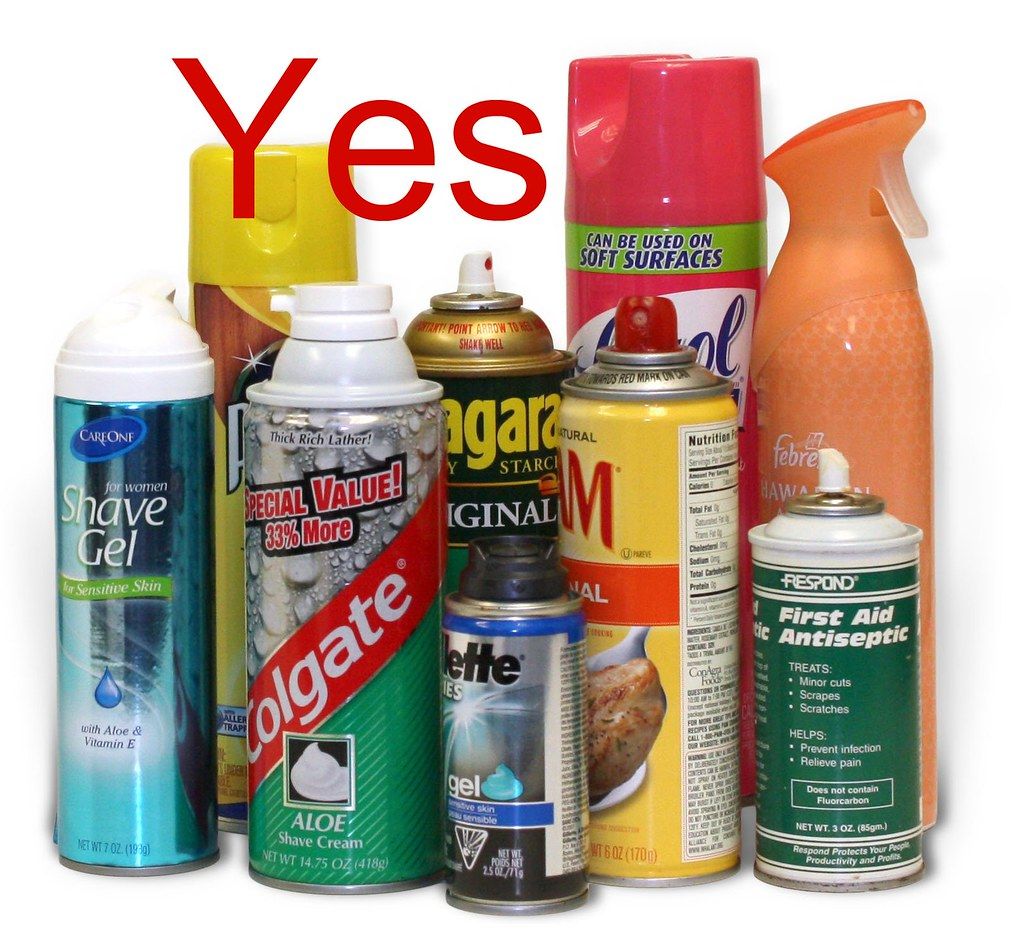
14. **Aerosol cans**Many everyday household and personal care products come in convenient aerosol form. While handy, these cans contain highly pressurized gas, which makes them extremely sensitive to temperature changes, particularly high heat. Unfortunately, the enclosed environment of your car can quickly become a dangerous pressure cooker for them.
The fine print on an aerosol can often contains a critical warning: “Do not store in temperatures above 120 degrees Fahrenheit.” This isn’t merely a suggestion; it’s a fundamental safety imperative designed to prevent hazardous incidents. High ambient temperatures, especially with direct sunlight, cause the gas inside the can to expand rapidly, building immense internal pressure.
In rare but alarmingly dangerous instances, if the heat becomes intense enough, the can can rupture, leak, or even violently explode. The consequences extend beyond a messy cleanup. As a couple in Louisiana discovered in 2024, a spray can became an unexpected projectile when it exploded due to heat, shattering their windshield. While no one was injured in their incident, this illustrates the potential for serious personal harm, significant property damage, or even a fire hazard. Always store aerosol cans in a cool, dry place indoors, away from direct sunlight, and never leave them exposed to high heat in your car.
Read more about: Your Car’s Hot Seat: 14 Everyday Essentials That Become Hazards in Summer Heat
By understanding these often-overlooked risks and proactively adopting conscious, safer storage habits, you can transform your vehicle from a potential hazard zone into a truly safe and convenient mode of transport. It’s about proactive prevention – safeguarding not just your valuables and your health, but also the longevity of your belongings, the safety of your loved ones, and your overall peace of mind. Implementing these simple yet crucial adjustments will put you well on your way to a smarter, more secure car-storage strategy for every journey.