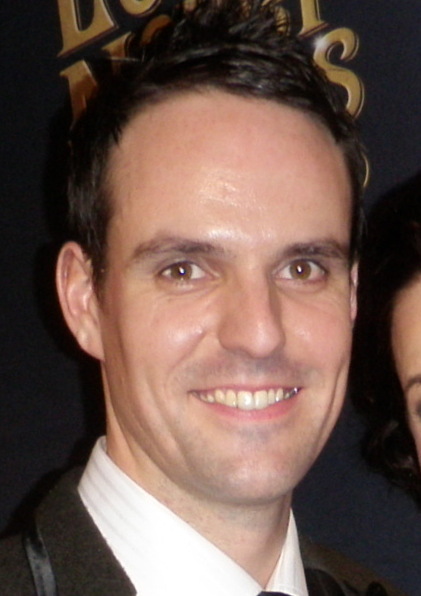
Ben Lewis, a highly regarded Australian actor and celebrated star of London’s West End, passed away at the age of 46 following a courageous battle with bowel cancer. His death marks a significant loss to the global musical theatre community, where he was widely known for his powerful portrayals of the titular character in Andrew Lloyd Webber’s iconic productions, “The Phantom of the Opera” and its sequel, “Love Never Dies.” The news, announced by close friends and subsequently confirmed by his family and industry figures, has prompted an outpouring of tributes reflecting on his talent, kindness, and profound impact on those he encountered both on and off stage.
Lewis’s career was distinguished by a profound dedication to his craft and an exceptional vocal talent that captivated audiences across continents. His ability to embody complex roles, particularly the enigmatic Phantom, solidified his reputation as one of his generation’s most compelling performers. Beyond his professional achievements, he was remembered by many as a compassionate and humorous individual, a mentor to younger artists, and a steadfast pillar of support for his family, especially his wife, Melle Stewart, during her own health struggles.
This article aims to provide an in-depth account of Ben Lewis’s life and career, examining the circumstances of his passing, the significant contributions he made to musical theatre, and the heartfelt tributes that underscore the deep respect and affection he garnered. Through detailed factual reporting, we honor the memory of an artist whose legacy will resonate in the hearts of his colleagues, friends, and countless admirers worldwide.

1. **The Announcement of His Passing**Ben Lewis, the esteemed West End performer, passed away at the age of 46 on October 6, leaving the entertainment world in mourning. His death was first publicly announced by his friend and Australian TV host, Todd Woodbridge, through an emotional social media post that characterized Lewis as “one of the great humans” and an irreplaceable loss to the Australian Musical Theatre family. Woodbridge’s tribute highlighted the suddenness and profound sadness of losing a friend “way too young.”
The announcement quickly spread across social media platforms, eliciting immediate reactions from fans and industry professionals alike. Woodbridge shared a series of photographs of Lewis, including their last picture together in late June at Woodbridge’s home, encapsulating the personal grief felt by those close to him. He concluded his heartfelt message by sending love to all of Lewis’s family, emphasizing the deep bond they shared.
Christina O’Neill, Lewis’s sister-in-law, also shared the news online, stating, “It is with heavy hearts that we share the passing of our beloved Ben who left us this morning, October 6. His wife, Melle, was by his side.” This detail underscored the intimate and loving environment in which Lewis spent his final moments, surrounded by the support of his immediate family. The collective sentiment was one of shock and immense sorrow, acknowledging the premature end to a life marked by significant artistic achievement and personal warmth.
Read more about: Department Store Drama: Macy’s Cuts 150 Locations—Is Your Favorite Shopping Spot Safe Amidst “Bold New Chapter” Closures?

2. **A Star of the West End and Australian Stage**Ben Lewis was widely recognized for his iconic performances as the Phantom, a role he inhabited with remarkable depth and vocal prowess in two of Andrew Lloyd Webber’s most beloved productions. His journey with the character began in 2011, when he starred in the original Australian production of “Love Never Dies,” the highly anticipated sequel to “The Phantom of the Opera.” This performance earned him international acclaim, establishing him as a compelling interpreter of the complex character.
Following his success in Australia, Lewis reprised the challenging role of the titular character in “The Phantom of the Opera” on London’s West End. From 2017 to 2018, he graced the stage of Her Majesty’s Theatre, captivating audiences with his commanding presence and powerful voice. His portrayal was lauded for its nuanced understanding of the Phantom’s tortured psyche, contributing significantly to the show’s enduring popularity and critical success during his tenure.
Andrew Lloyd Webber himself attested to Lewis’s crucial impact on the London production, noting, “His triumph in the role played a huge part in The Phantom of the Opera’s continuing London run.” Lewis’s ability to imbue the Phantom with both vulnerability and menace solidified his place as one of the most celebrated performers to take on the character. His dedicated artistry ensured that the Phantom’s legacy continued to enchant new generations of theatre-goers, leaving an indelible mark on both Australian and British stages.
Read more about: Mika: Tracing the Multifaceted Journey of a Global Pop Icon and Creative Force

3. **The Battle with Bowel Cancer**Ben Lewis’s untimely death at 46 was the result of an aggressive form of bowel cancer, a diagnosis he received in February of the preceding year. The circumstances of his illness were particularly tragic, as he reportedly experienced no symptoms prior to his diagnosis. By the time the cancer was discovered, it had already spread significantly, reaching his lymph nodes and liver, indicating an advanced stage of the disease from the outset.
Following the initial diagnosis, Lewis underwent major surgery to remove the primary tumor, an intensive procedure aimed at containing the spread. This was followed by a rigorous regimen of intensive chemotherapy treatment. Despite his inherent strength and determination, factors widely recognized by those close to him, the cancer proved to be highly aggressive and resistant to the chemotherapy drugs, posing a formidable challenge to his medical team and to Lewis himself.
The disease’s relentless progression necessitated further intervention, including additional liver surgery and more rounds of chemotherapy. However, even these extensive efforts could not halt the cancer’s spread. In April of the year of his passing, scans revealed new tumors in his liver, lungs, and pelvis, making surgical removal or radiation treatment no longer viable options. At this point, Lewis’s cancer was officially declared incurable, a devastating turn of events that underscored the rapid and resistant nature of his illness.
Read more about: Beyond the Curtain Call: Remembering the Stars Whose Final Roles Shone After Their Lights Dimmed

4. **Andrew Lloyd Webber’s Heartfelt Tribute**The news of Ben Lewis’s passing deeply affected Andrew Lloyd Webber, the renowned composer behind “The Phantom of the Opera” and “Love Never Dies.” Lloyd Webber, who had a long-standing professional relationship and personal regard for Lewis, issued a heartfelt tribute upon hearing of his death. He recounted their initial meeting when Lewis premiered in the “marvellous Australian production of Love Never Dies,” praising his “huge personal success” in the role of the Phantom.
Lloyd Webber further emphasized Lewis’s pivotal contribution to the enduring success of “The Phantom of the Opera” in London, stating, “After his huge personal success in the role, he came to London to play Phantom in the original show.” He acknowledged Lewis’s “triumph in the role,” recognizing the significant impact the actor had on the show’s continuing run and its ability to draw audiences night after night. The composer’s words highlighted not only Lewis’s exceptional talent but also his consistent dedication to the character and the production.
Beyond professional admiration, Lloyd Webber expressed a poignant “personal connection with Ben’s horrible cause of death.” He revealed that his own son, Nick, had tragically died of stomach and bowel cancer, and would have been the same age as Ben when he passed away. This shared experience added a layer of profound empathy to his tribute, as he lamented how “these dreadful stomach and bowel cancers are increasingly afflicting young men who are ever more often being taken from us so cruelly, so early,” underscoring a wider concern about the disease that resonated deeply with his personal loss.

5. **Tributes from Friends and Colleagues**The news of Ben Lewis’s death brought a wave of grief and remembrance across the theatrical community and among his wide circle of friends. Todd Woodbridge, a close family friend and TV host, was among the first to share his sorrow, describing Lewis as “one of the great humans” and a wonderful mentor. Woodbridge’s tribute highlighted cherished personal memories, including “holidays together in Scotland, visiting the dressing rooms of Her Majesty’s Theatre in London to times spent at Wimbledon,” painting a picture of a deep and meaningful friendship.
Cameron Mackintosh, a titan of West End theatre production, also conveyed his shock and sadness, calling the news a “tremendous shock” and “tragic.” His words reflected the profound impact Lewis had on the industry at large. Similarly, Australian actress Lucy Durack expressed her sorrow, hoping that Lewis was now reunited with another late Australian theatre figure, Kellie Dickerson, saying, “I hope Kel is up there giving Ben a welcome hug,” which spoke to the close-knit nature of the Australian theatre community.
Fans globally joined in the tributes, sharing emotional messages online that celebrated Lewis’s “unforgettable voice” and “limitless generosity.” Many recalled personal encounters, with one fan commenting on their meeting after a show, remembering Lewis as being “so kind to your fans and made each one feel like the most important person there.” These widespread sentiments underscored the actor’s ability to connect with people on a genuine level, leaving a lasting impression that transcended his performances and solidified his legacy as not just a performer, but a truly beloved individual.
Read more about: Distress in Every Policy: 12 Leadership Rules Managers Would Revoke Instantly to Unlock Team Potential

6. **A Legacy Forged in Opera: His Family’s Musical Roots**Ben Lewis’s profound connection to the performing arts was deeply rooted in his family’s rich operatic heritage. Born on September 28, 1979, in London, he was the son of acclaimed opera singers Michael Lewis and Patricia Price, a lineage that imbued his early life with a natural inclination towards music and theatre. This background provided a formative environment, exposing him from a young age to the disciplined and expressive world of classical vocal performance.
His upbringing alternated between the cultural hubs of London and Sydney, offering him a diverse perspective on the performing arts landscape. This exposure to both European and Australian theatrical traditions likely contributed to his versatility and broad appeal later in his career. It was a household where the pursuit of artistic excellence was not only encouraged but intrinsically part of daily life.
Following in the distinguished footsteps of his parents, Lewis pursued formal training at prestigious institutions. He undertook vocal performance studies at London’s Royal College of Music, honing his craft with classical rigor. Subsequently, he further refined his skills at the Western Australian Academy of Performing Arts, an institution renowned for nurturing theatrical talent, solidifying his foundation for a career on the stage. His brother, Alexander Lewis, also carved out a successful path as an opera singer and actor, underscoring the enduring artistic legacy of the Lewis family.

7. **Beyond the Mask: A Versatile Stage Career**While Ben Lewis gained international acclaim for his iconic portrayals of the Phantom, his theatrical career encompassed a far wider and more diverse range of roles, showcasing his remarkable versatility and commanding stage presence. Before and alongside his work in Andrew Lloyd Webber’s celebrated productions, Lewis built an impressive repertoire across both Australian and United Kingdom stages, demonstrating a commitment to varied and challenging material.
In the early 2000s, Lewis was a prominent figure in Sydney’s vibrant theatre scene. He appeared in critically acclaimed productions such as ‘Urinetown,’ where he demonstrated his comedic timing and vocal power. His work in ‘A Little Night Music’ further highlighted his ability to navigate complex musical scores, while his role in ‘Priscilla, Queen of the Desert’ showcased his capacity for vibrant and energetic performances, proving his adaptability across different genres.
His career in the U.K. was equally robust, extending beyond the hallowed halls of Her Majesty’s Theatre. Lewis undertook roles in several significant productions, including the U.K. tours of ‘Love Me Tender’ and ‘The Bodyguard,’ where he continued to captivate audiences with his distinctive voice and acting prowess. He also featured in the 2018 West End revival of Stephen Sondheim’s ‘Company,’ a testament to his reputation as a respected and sought-after performer capable of tackling intricate ensemble work.
His consistent engagement in a wide array of musicals and plays underscored his dedication to the craft and his eagerness to explore different facets of storytelling. These diverse credits, from contemporary satire to classic revivals, painted a picture of an actor who was continually evolving and pushing the boundaries of his artistic expression, enriching both the Australian and British theatre landscapes with his talent.

8. **From Stage to Screen: His Television Appearances**Ben Lewis’s artistic talents were not exclusively confined to the grand stages of musical theatre; he also ventured into the realm of television, demonstrating his ability to adapt his performances for the screen. These roles allowed him to reach broader audiences and explore different narrative mediums, showcasing a versatility that extended beyond the footlights.
He appeared in episodes of several well-known television series, including the Australian drama ‘McLeod’s Daughters.’ This role offered him an opportunity to engage with a different style of acting, demonstrating a nuanced approach suited to episodic storytelling. Such appearances provided him with exposure to a wider viewing public, allowing his work to be appreciated by those who might not typically frequent the theatre.
Lewis also held roles in British television productions, notably ‘Doctors’ and ‘EastEnders.’ These popular programs are mainstays of the U.K. broadcasting schedule and provided him with experience in long-running serials, further diversifying his acting portfolio. His engagements in these television roles underscored his capacity to perform across various platforms, reflecting a comprehensive approach to his career as an actor.
These screen credits, while perhaps less numerous than his extensive stage work, represented an important facet of his professional journey. They allowed him to explore the intimacy of camera acting and connect with audiences in their homes, demonstrating that his captivating presence translated effectively from the grand scale of the theatre to the more subtle demands of television performance.
Read more about: A Life Unveiled: The Transformative Journey of Jane Goodall, Captured Through Iconic Moments

9. **The Unwavering Caregiver: Supporting Melle Stewart Through Illness**Beyond his celebrated professional life, Ben Lewis’s personal narrative was marked by profound devotion and resilience, most notably in his role as a dedicated caregiver for his wife, Australian actress Melle Stewart. This aspect of his life, largely conducted away from the public eye, revealed the depth of his character and his unwavering commitment to those he loved.
In 2021, Melle Stewart experienced a debilitating stroke, a rare and severe medical event linked to vaccine-induced thrombocytopenic thrombosis (VITT) following her AstraZeneca vaccination. The stroke necessitated extensive medical intervention, including a partial removal of her brain, and required weeks of intensive care on a ventilator. This catastrophic event plunged the couple into a challenging period of recovery and rehabilitation.
Throughout Melle’s arduous journey to relearn fundamental life skills, such as walking and talking, Lewis stood by her side as her primary caregiver. His dedication was unwavering, as he reportedly “dedicated himself completely to her rehabilitation, despite his own declining health” during his own undisclosed battle with cancer. This commitment led the couple to make the difficult decision to leave their successful careers in London and return to Brisbane, prioritizing Melle’s recovery and well-being.
Despite the immense personal tragedy they faced, the couple maintained a remarkably principled stance on public health. In 2023, they publicly affirmed their pro-vaccination views, with Melle stating her pride in receiving multiple doses of the Pfizer vaccine and remaining a “staunch advocate for vaccination.” This demonstrated a remarkable degree of resilience and a commitment to broader societal welfare, even in the face of profound personal adversity. Lewis, in a message of gratitude, underscored Melle’s strength, stating, “the sheer strength and determination that my incredible wife has shown throughout this period, has taught me the importance of putting one foot in front of the other, staying as present as you possibly can.”

10. **A Community’s Embrace: Support During His Illness**As Ben Lewis navigated the advanced stages of his illness, he and his family experienced an outpouring of support from the global theatre community and a wide network of friends and admirers. This collective embrace manifested significantly through a GoFundMe campaign, initiated by his brother Alexander, which served as a testament to the profound respect and affection he had garnered throughout his life.
Established to assist Lewis and Stewart during an unimaginably difficult period, the fundraiser aimed to alleviate the financial burdens associated with his aggressive cancer treatment and to provide future support for Melle. The campaign resonated deeply with those who knew Lewis and his work, ultimately gathering over $180,000, underscoring the collective desire to offer tangible assistance to a beloved artist and his family.
Lewis himself acknowledged the overwhelming generosity in a message, expressing how he and Melle had been “completely and utterly overwhelmed by the love and support we have received from so many people.” This gratitude highlighted not only the financial aid but also the emotional solace derived from knowing they were not alone in their struggle. His message also revealed his primary concern: “Ben’s greatest concern is not for himself — it’s for Melle, and that he will be leaving her before their journey is complete.” This sentiment deeply moved donors, further illustrating his selflessness.
The widespread support enabled Lewis to focus on his battle with cancer and his devotion to Melle, rather than being consumed by financial anxieties. The collective contributions, coupled with the emotional encouragement from family and friends, served as a “guiding light,” a source of peace and joy during a period of immense challenge. This demonstration of community solidarity underscored the deep bonds Lewis had forged, both personally and professionally, leaving an indelible mark on those whose lives he touched.
Ben Lewis’s life, though tragically cut short at 46, was a testament to extraordinary talent, unwavering dedication, and profound human warmth. From his formative years steeped in operatic tradition to his commanding presence on stages across continents, he continually enriched the world of musical theatre with his powerful voice and nuanced characterizations. Beyond his celebrated performances, Lewis’s enduring legacy is also defined by his quiet strength, particularly as a devoted caregiver to his wife, Melle Stewart, and by the genuine connections he fostered with colleagues, friends, and fans. As the curtain falls on his remarkable journey, Ben Lewis is remembered not only as an iconic Phantom but as an individual whose impact, kindness, and indomitable spirit will resonate in the hearts of many, his memory an enduring melody in the grand tapestry of the performing arts.