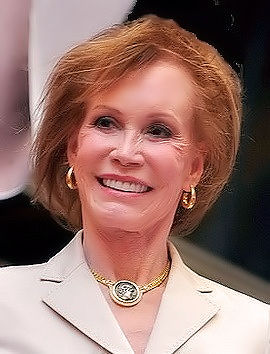
For decades, Mary Tyler Moore captivated America, her luminous smile and sparkling wit gracing television screens as the quintessential girl-next-door. From the charming Laura Petrie in ‘The Dick Van Dyke Show’ to the independent, career-driven Mary Richards in ‘The Mary Tyler Moore Show,’ she embodied a vivacious spirit that seemed utterly untroubled, an icon of warmth and resilience. Yet, behind this beloved public persona, the actress harbored a life woven with profound personal and professional turmoil, navigating dark corners largely unseen by her adoring audience.
It has been eight years since the tragic passing of this beloved actress from cardiopulmonary arrest, an event that reminded the world of her indelible legacy. However, a recent documentary, ‘Being Mary Tyler Moore,’ and insights from her own autobiographies and those close to her, offer a more nuanced, deeply human portrait, pulling back the curtain on the complexities that defined her journey. It is a testament to her enduring power that even now, her life continues to inspire deep investigation and reflection.
This in-depth look promises to explore the extraordinary duality of Moore’s existence: the radiant star who ‘turned the world on with her smile’ while battling a relentless series of personal heartaches and challenges. We delve into the struggles, the losses, the quiet victories, and the enduring spirit that made Mary Tyler Moore a figure far more intricate and compelling than any character she ever played.
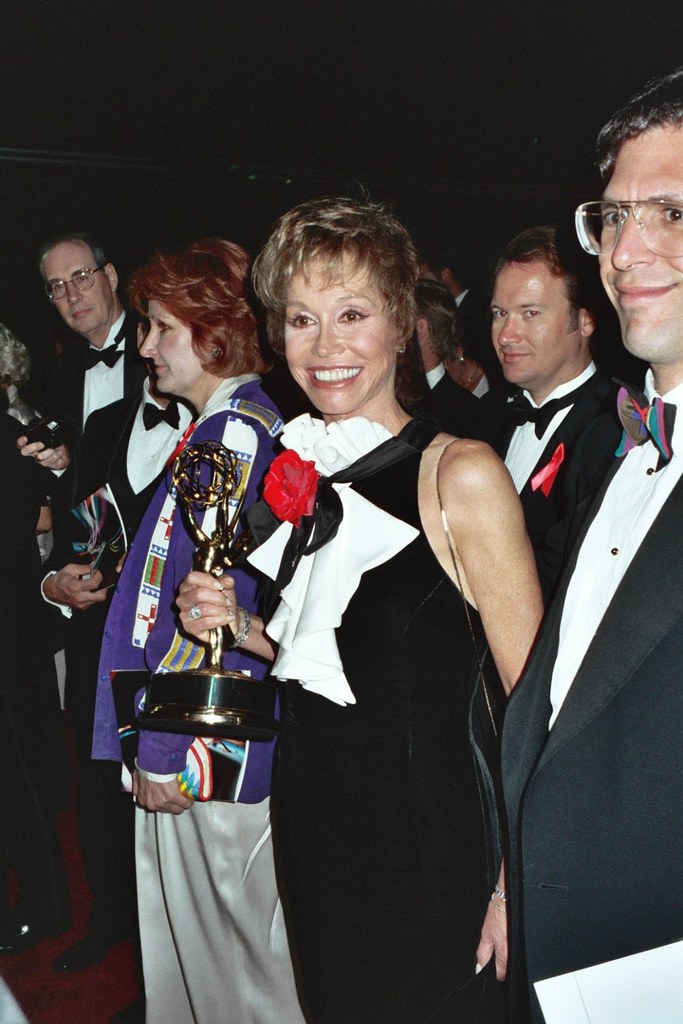
1. **The Enduring Smile: A Public Persona Veiling Private Turmoil**Mary Tyler Moore was, in essence, America’s sweetheart, an image she projected effortlessly from the confines of television screens into millions of homes. Her smile was iconic, a beacon of joy and geniality that many found safe and comforting. Dr. Robert Levine, Moore’s third and final husband, proudly recalled, “She always had a smile.” He elaborated on her captivating appeal, noting, “She was so brilliantly talented, she was also authentic and she would show her vulnerability — and she always had a smile.”
This carefully maintained facade, however, belied a life punctuated by significant personal struggle. While she may have been perceived as non-threatening and brilliantly comedic, the reality of her experience was far more challenging. Moore herself was no stranger to turmoil, grappling with personal demons and devastating losses that continually tested her inner strength, even as her career ascended to legendary status. She was, as Levine noted, “a compelling figure who was young and gorgeous and really talented, and people loved her from the first moment.”
Yet, the very nature of her fame meant that these struggles were often concealed, known only to her closest confidantes and, eventually, revealed through autobiographical reflections. The contrast between the bright, effervescent image broadcast to the world and the deep, often painful realities of her private life forms the central paradox of Mary Tyler Moore’s story, a testament to her resilience and the art of maintaining grace under immense pressure.
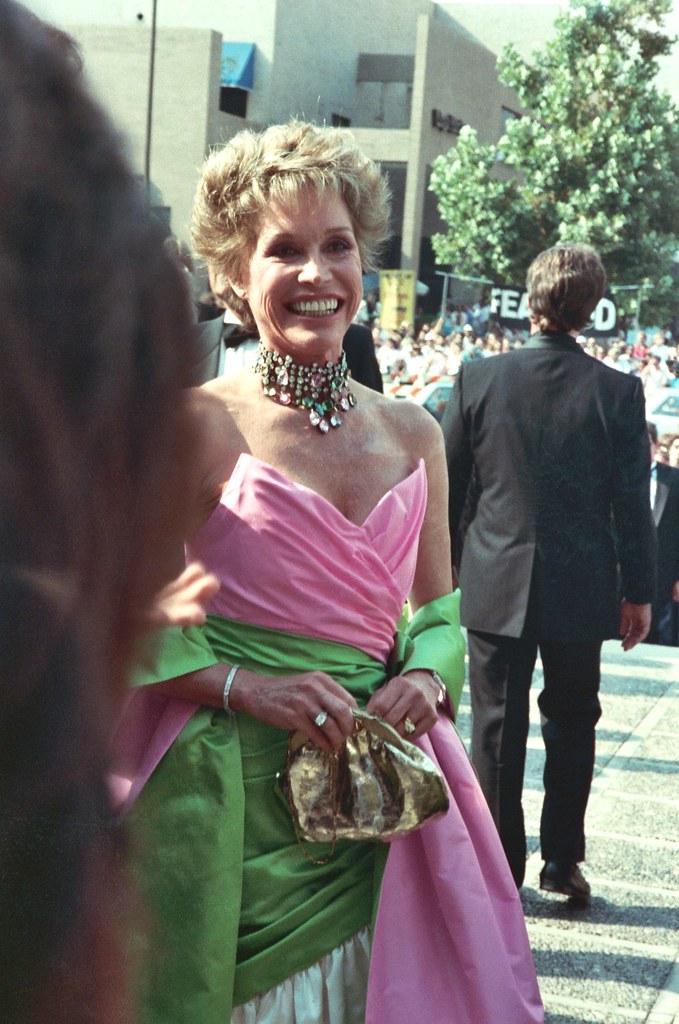
2. **A Devotion Beyond the Screen: Advocacy for Animals and Diabetes**Beyond her celebrated acting career, Mary Tyler Moore committed herself wholeheartedly to causes deeply personal to her, transforming private pain into public purpose. She distinguished herself as a dedicated advocate for animals, an empathy that offered a unique solace. Her animal advocacy, it is noted, “helped her deal with the troubled relationships she had with more than a few humans,” suggesting a profound connection to the unconditional companionship animals offered.
Equally significant was her unwavering commitment to those afflicted with diabetes, a disease she herself battled for many years. Diagnosed with Type 1 diabetes at the age of 32, on the cusp of the seven-year run of ‘The Mary Tyler Moore Show,’ her advocacy was rooted in personal experience. She became a prominent spokesperson for the Juvenile Diabetes Foundation, later renamed the Juvenile Diabetes Research Foundation (JDRF), channeling her formidable energy into raising awareness and funds.
This philanthropic work transcended mere celebrity endorsement; it was a deeply ingrained part of her later life, providing a sense of ultimate purpose. Her dedication to these causes revealed a generous spirit, demonstrating that even amidst her own struggles, Moore possessed an immense capacity for compassion and a desire to make a tangible difference in the lives of others, both human and animal.
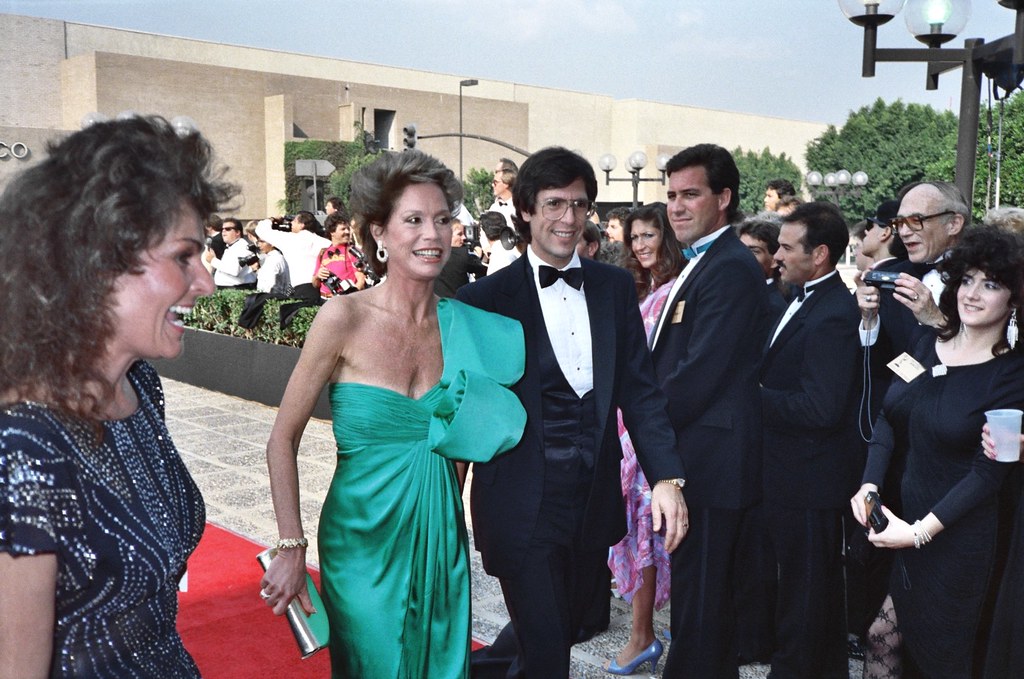
3. **Battles Within: Navigating Alcoholism and Type 1 Diabetes**Mary Tyler Moore’s journey was marked by profound personal health battles, primarily her struggles with alcoholism and Type 1 diabetes. These challenges were not merely private afflictions but deeply impacted her life, often coexisting with her professional triumphs. Her diagnosis of Type 1 diabetes at a relatively young age placed an immense burden on her, requiring constant vigilance and management, even as she juggled the demanding schedule of a television star.
In her autobiographies, Moore candidly confessed that her dependency on alcohol became a coping mechanism, particularly during the intense period of her eponymous show’s run. She revealed that “drinking at home was the crutch that kept her going,” offering a poignant glimpse into the pressures and emotional landscape she navigated behind closed doors. This admission was a stark contrast to her bubbly public image, highlighting the hidden struggles beneath the surface.
The interplay between her diabetes and alcoholism created a complex set of health challenges, underscoring the formidable strength required for her to maintain her career and public persona. Her eventual openness about these issues, particularly in her later years, provided a powerful example of vulnerability and resilience, transforming personal battles into a source of connection and understanding for her audience.
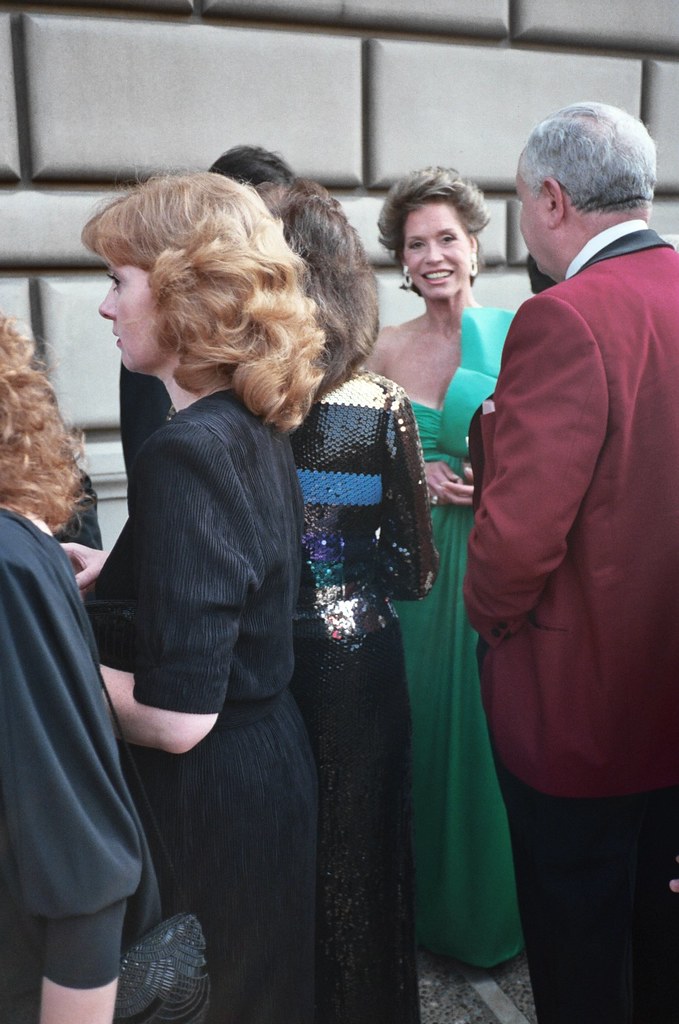
4. **Echoes of Childhood: Abuse, Self-Esteem, and Plastic Surgery**Moore’s profound personal struggles traced their roots back to a deeply challenging childhood, a period fraught with trauma and emotional hardship. The context reveals that she endured “childhood ual abuse, and suffered emotional and psychological abuse from her parents, particularly her father.” These early experiences left indelible scars, shaping her self-perception and contributing to a pervasive lack of self-esteem that followed her into adulthood.
This profound sense of inadequacy manifested in various ways, notably contributing to her “obsession with plastic surgery.” The pursuit of external perfection, in her case, was intimately linked to internal wounds, a poignant attempt to mend what had been broken during her formative years. Such a revelation offers a critical insight into the psychological toll of her early life, showing how deeply ingrained these experiences were in her identity.
Her desire to escape her origins was so potent that, at just 19, she wed her first husband, Richard Meeker, in a desperate bid “to leave her alcoholic parents.” This act, born of necessity and longing for liberation, underscores the severe and ongoing impact of her childhood environment. It suggests a formative period marked by instability and emotional deprivation, from which she sought solace and escape throughout her life.
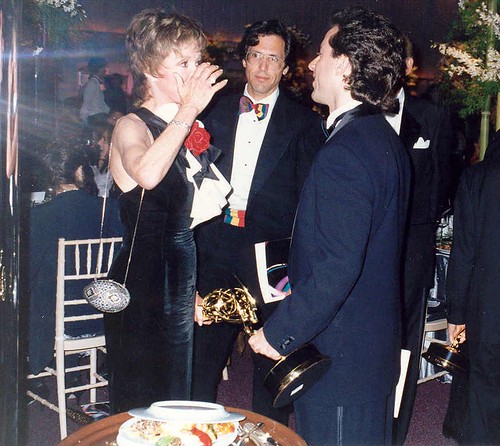
5. **The First Chapter: A Marriage of Desperation and its Dissolution with Richard Meeker**Mary Tyler Moore’s first marriage to Richard Meeker, undertaken when she was merely 19 years old, was less a romantic ideal and more a strategic escape from a tumultuous home life. In her 1995 autobiography, ‘After All,’ she referred to Dick Meeker as her “salvation” for providing an exit from the oppressive environment of her alcoholic parents. This candid admission speaks volumes about the desperation that fueled her decision, highlighting the profound need for stability and independence she sought at such a young age.
The marriage, however, was not destined to last, concluding in divorce in 1961 after six years. Meeker himself recalled the abruptness of its end, stating, “She just one day said the marriage is over.” Despite the separation, a lingering affection and respect for their shared history remained, particularly from Meeker’s perspective. He expressed a desire to cherish their positive memories, saying, “I can remember the times we had together that were good times and hope whatever after life, our spirits will be together.”
This initial marital chapter provided Moore with a critical stepping stone out of her difficult childhood, yet its dissolution marked another personal challenge. It underscored her evolving search for personal happiness and fulfillment, a quest that would continue through subsequent relationships and career milestones. The end of this marriage was not merely a personal event but a formative experience in her journey of self-discovery.
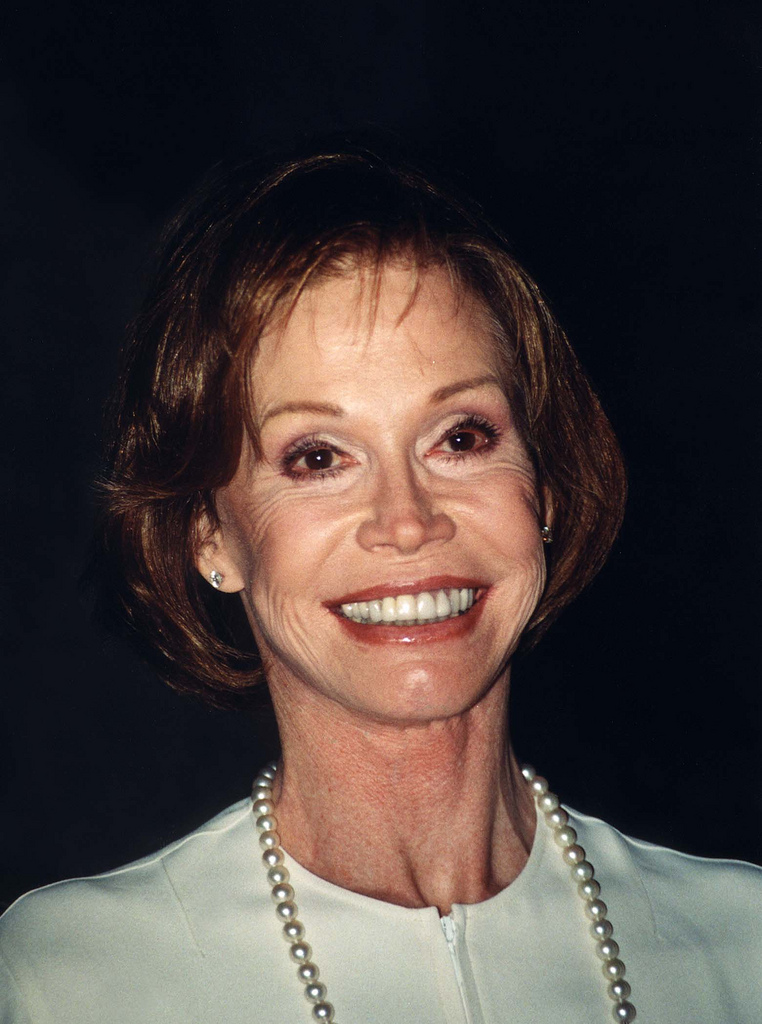
6. **Unspeakable Loss: The Tragic Death of Her Son, Richard**Among the many heartaches Mary Tyler Moore endured, the death of her only son, Richard, in 1980, stands as one of the most profoundly tragic. Richard, who was just 24 at the time, died from a gunshot wound to the head. While his death was officially ruled an accident, the circumstances led many to speculate about the possibility of suicide. Moore herself, however, firmly refuted such suggestions, telling the ‘Today’ show in 1995, “I can’t believe it was a suicide either.”
This devastating personal loss coincided with a remarkable professional achievement: her acclaimed role in the Robert Redford film ‘Ordinary People,’ released the same year. In a cruel twist of fate, Moore portrayed a frosty mother with a distant relationship with her son, a role that eerily mirrored the complexities of her own bond with Richard. This ‘art imitating life’ scenario tapped into parallels with her difficult relationship, earning her only Academy Award nomination.
Moore openly acknowledged her own perceived shortcomings in their relationship, admitting in a 1980 People magazine profile, “I demanded a lot of Richie,” and confessing, “I was responsible for a lot of alienation.” The profound grief was also shared by Richard’s father, Dick Meeker, who expressed his deep sorrow to Inside Edition in 1995, stating, “I loved that kid so much. We had so much together.” This shared tragedy left an indelible mark on Moore, a wound that likely never fully healed.
7. **Further Shadows: The Tragic Deaths of a Brother and Sister**While the loss of her son, Richard, cast an undeniable pall over Mary Tyler Moore’s life, it was tragically not the only family heartbreak she would endure. The profound grief she experienced was compounded by additional losses, further revealing the relentless personal adversities that punctuated her existence. These successive tragedies painted a picture of a woman continually forced to confront the harsh realities of life, even as she projected an image of unwavering strength to the world.
Indeed, the context reveals that “Moore also lost a brother around the same time” as her son’s passing, intensifying an already unbearable period of mourning. To suffer such grievous losses in quick succession must have tested the limits of her emotional endurance. This convergence of personal catastrophes with her professional peak in ‘Ordinary People’ underscores the immense internal fortitude required for Moore to navigate her public and private roles simultaneously.
Beyond her son and brother, Moore also “suffered through the tragic deaths… of her sister,” an additional blow that contributed to the tapestry of her life’s sorrows. While specific details of these familial losses remain less publicly documented than her son’s death, their mention paints a comprehensive portrait of the profound, cumulative grief she carried. These experiences undoubtedly shaped her quiet resilience, fueling her empathy and perhaps even her relentless drive to find purpose beyond her personal pain.
8. **An Intricate Partnership: The Relationship with Second Husband Grant Tinker**Following the dissolution of her first marriage, Mary Tyler Moore embarked on her second significant partnership with television executive Grant Tinker, a relationship that would become central to both her personal life and her unprecedented professional success. Marrying Tinker in 1962, when she was 24, their union quickly evolved into a powerful creative and business alliance. He was not just a husband but also her “business partner, TV executive Grant Tinker,” forming a formidable duo in the burgeoning world of television production.
Their collaboration led to the founding of MTM Enterprises, a groundbreaking production company responsible for ‘The Mary Tyler Moore Show’ and a host of other critically acclaimed and beloved series. This era saw Moore at the pinnacle of her career, wielding significant influence both as a star and as a producer. However, the blending of their romantic and professional lives inevitably led to “complex relationships,” a common challenge for couples who share such intense professional entanglement. Their marriage ultimately concluded in divorce in 1981, after nearly two decades.
The intricate dance between personal affection and professional ambition defined much of their time together. While the marriage itself ended, the legacy of their partnership through MTM Enterprises irrevocably changed the landscape of television, demonstrating Moore’s acumen and influence far beyond her on-screen performances. It was a relationship that, for better or worse, forged an integral part of her identity as a powerful figure in Hollywood.
9. **A Dramatic Turn: The Critical Acclaim for ‘Ordinary People’**Amidst the backdrop of deep personal sorrow, Mary Tyler Moore delivered one of her most critically lauded performances, a stark departure from her beloved comedic roles. In 1980, the same year as her son Richard’s tragic passing, she starred in Robert Redford’s directorial debut, ‘Ordinary People.’ This film offered Moore a profoundly challenging role as Beth Jarrett, “a frosty mother with a distant relationship with her son,” a character whose emotional landscape chillingly mirrored her own recent experiences.
Her portrayal was a tour de force, embodying a grieving mother struggling with emotional detachment and the impossible task of holding her fractured family together. The intense realism and raw vulnerability Moore brought to the role were undeniable, resonating deeply with critics and audiences alike. It was indeed “art imitating life,” drawing on the parallels to her own “difficult relationship with her son, Richard,” transforming her personal pain into a performance of stunning depth and authenticity.
This powerful dramatic turn earned Moore her “only Academy Award nomination,” a testament to her versatility and the profound impact of her work. While the film explored themes of grief and family dysfunction that were intensely personal, its critical success solidified her reputation as a formidable dramatic actress. ‘Ordinary People’ remains a poignant reminder of Moore’s artistic bravery and her capacity to transcend the comedic confines that had largely defined her illustrious career.
Read more about: Forgotten Now? 10 Classic Actors That Had Iconic Roles But Totally Vanished From Big Screens Today
10. **An Unwitting Torchbearer: Moore as a Feminist Icon**Beyond her considerable talents as an actress, Mary Tyler Moore inadvertently became a powerful symbol of the burgeoning women’s movement in the 1970s. Her character, Mary Richards, on ‘The Mary Tyler Moore Show,’ was far more than a fictional role; she was “a symbol of the Woman’s Movement of the 1970s,” representing a profound shift in societal expectations for women. Mary Richards was “a single woman who put career first,” a revolutionary concept for primetime television at the time.
This portrayal ignited “the debate then raging: could women have it all – a career and family – and find true happiness?” Moore’s character offered a compelling, aspirational vision for millions of women seeking independence and professional fulfillment. Such was her impact that even formidable feminist figures like “Gloria Steinem urged Moore – not eager to be at the front of that parade — to stand up and help show the way,” recognizing the powerful platform she commanded.
Her influence transcended mere entertainment, shaping the aspirations and decisions of many viewers. Documentary producer Debra Martin Chase eloquently captured this sentiment, stating that Mary Richards “was an icon for me and influenced my life decisions.” This legacy is further cemented by the words of Matt Asner, who praised Moore as “a hero for women and a hero for comedy,” underscoring her dual impact on both cultural progress and the art of performance. Moore’s unwitting role as a feminist icon was a powerful testament to her ability to reflect and inspire societal change.

11. **Grace Under Fire: Her Resilience in Confronting Public Scrutiny**Mary Tyler Moore’s journey was marked not only by personal tragedy and professional triumph but also by an exceptional resilience in the face of intense public and media scrutiny. Her remarkable composure and “stiff spine” were evident in numerous challenging interviews throughout her career, revealing a woman of profound inner strength. She consistently navigated deeply invasive questions with a dignity that set her apart.
One notable instance was an interview with David Susskind in the ’60s, where Moore encountered a “provocative chauvinist” who attempted to diminish her character, Laura Petrie, as a “typical housewife.” Yet, Moore, with unwavering resolve, “pushes back” against his patronizing remarks, demonstrating an early display of her unyielding spirit. This moment, highlighted in the documentary, revealed her refusal to be confined by narrow, conventional expectations.
Later, in the ’80s, during her “single in New York” period, Moore faced the probing questions of gossip columnist Rona Barrett. Despite Barrett’s intent to “show the real person behind the TV characters,” Moore remained “thoughtful but unfazed,” her demeanor reflecting a seasoned veteran comfortable in her own skin, impervious to superficial judgment. This steadfastness showcased her ability to protect her inner world from the relentless glare of celebrity.
Perhaps most strikingly, when confronted with a brazenly invasive question about her son’s death and whether she considered herself a good mother, Moore responded with astonishing fortitude. “Moore doesn’t blink,” the context notes, delivering her “answer is matter-of-fact and delivered without tears.” This incredible display of emotional discipline and strength, especially regarding such a raw and painful subject, would be almost unimaginable from a public figure today, underscoring her extraordinary ability to maintain grace under the most unbearable pressure.
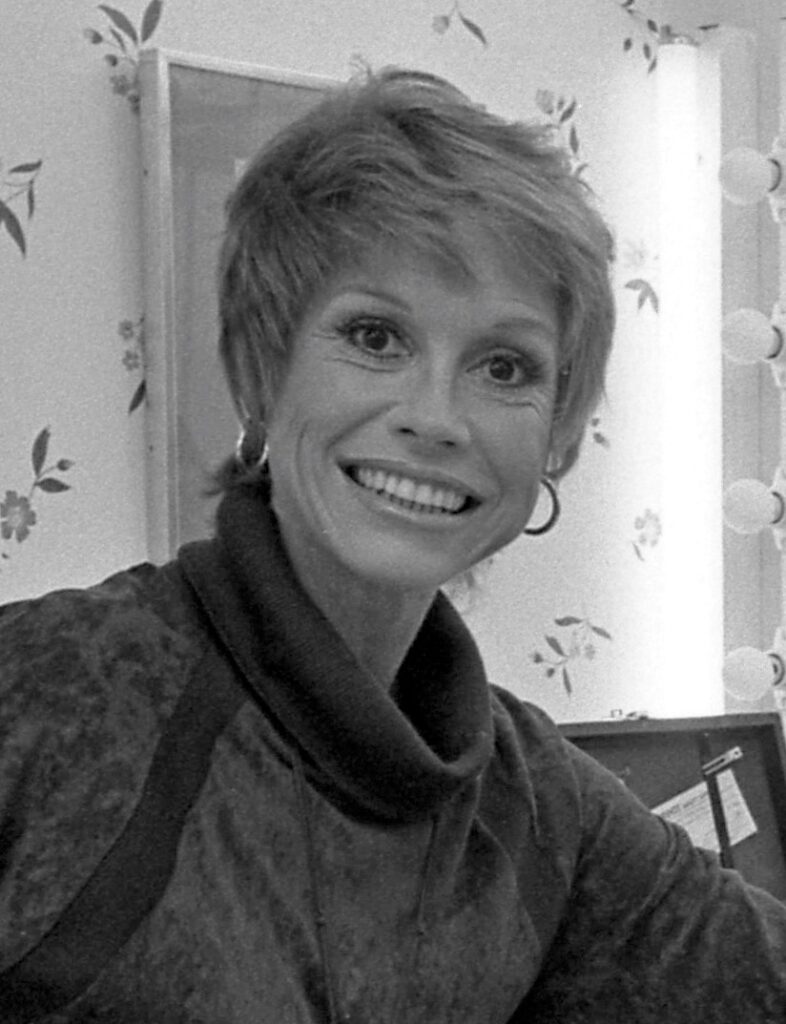
12. **A Late-Life Bloom: Profound Happiness with Dr. Robert Levine**After years of personal struggles and tumultuous relationships, Mary Tyler Moore finally discovered a profound and lasting happiness in the latter half of her life with her third husband, Dr. Robert Levine. Their connection offered a serenity that had long eluded her, marking a turning point where she “finally found true love.” This relationship blossomed when Moore was in her forties, a testament to love’s capacity to emerge even after a lifetime of challenges.
A unique aspect of their bond was Levine’s initial distance from the glare of her celebrity. He was “blissfully unaware of her TV fame,” a detail that undoubtedly allowed their relationship to develop on a foundation of genuine connection rather than public perception. Furthermore, the age difference, with Levine being “15 years her junior,” added another dimension to their partnership, challenging conventional norms and affirming that true companionship transcends societal expectations.
Dr. Levine fondly recalled Moore’s authentic nature, noting, “She was so brilliantly talented, she was also authentic and she would show her vulnerability — and she always had a smile.” This openness, combined with a sense of peace that came after her most demanding career years, led to the observation that “it was after her career was largely over that she seemed at her happiest.” Their marriage provided her with a sanctuary, a place of unconditional love and acceptance that allowed the resilient woman behind the smile to truly thrive in her later years.