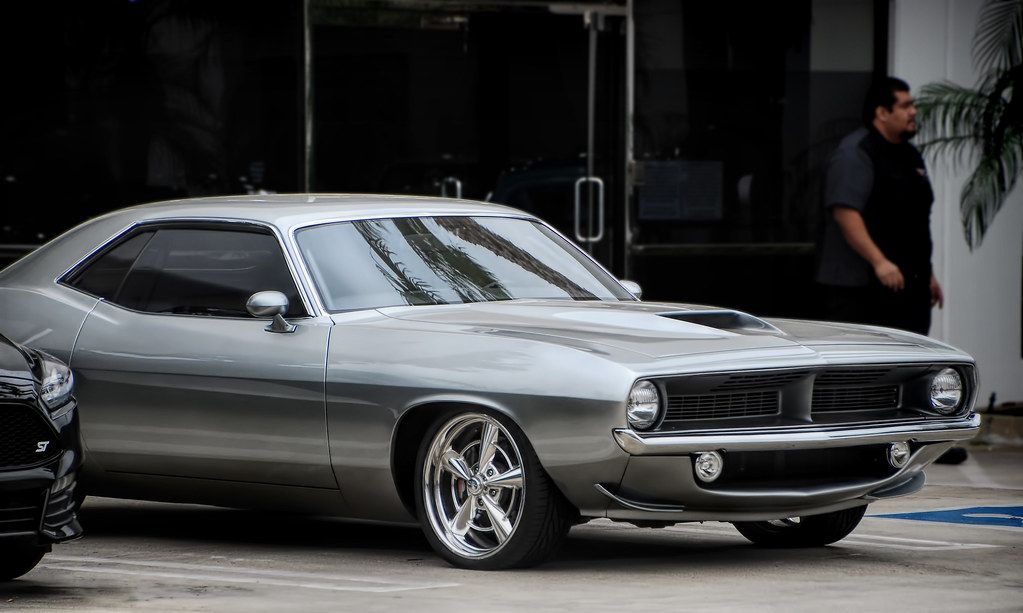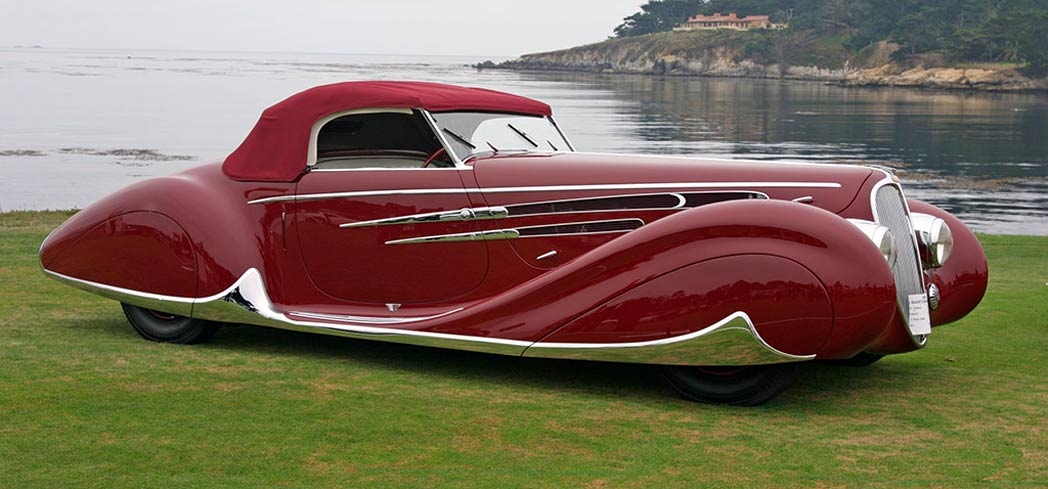
Buckle up, fellow car enthusiasts, and prepare to take a thrilling ride down memory lane! There’s something undeniably captivating about classic cars. They’re not just about getting from point A to point B; they represent a beautiful blend of history, groundbreaking innovation, and enduring craftsmanship that transcends mere transportation. These vehicles are rolling works of art, each with a story to tell and a legacy that continues to inspire.
When we talk about “timeless classics,” we’re not just discussing old cars; we’re referring to automotive masterpieces that have etched their names into the very fabric of history. From the thunderous growl of muscle cars to the graceful curves of European beauties, these machines have captured hearts and imaginations across generations. They embody a spirit of passion and engineering brilliance that truly never goes out of style, holding a special place in garages and dreams alike.
So, grab your keys, ignite your passion, and join us on an exhilarating journey as we explore the first eight of our 15 iconic classic cars. These are the legends that didn’t just drive on the roads; they helped pave the way for automotive excellence, setting standards and creating unforgettable experiences. Let’s dive into the fascinating world of these vintage marvels and discover what makes them truly immortal.

1. **Dodge Charger**The Dodge Charger, first revealed to an eager public in 1966, didn’t just arrive on the scene; it roared onto it with an undeniable presence that immediately cemented its place in American muscle car history. This wasn’t merely a vehicle; it was a statement, a bold declaration of power and style that captivated an entire generation. Its introduction marked a pivotal moment, unleashing a new breed of automotive excitement.
At the heart of this muscle car masterpiece was a heart-pounding Hemi V8 engine, an engineering marvel that delivered raw power and exhilarating performance. The Charger’s bold design, characterized by its distinctive lines and aggressive stance, perfectly complemented its formidable powertrain. It quickly became a favorite among performance enthusiasts who craved speed, sound, and a driving experience unlike any other.
But the Charger’s appeal wasn’t limited to the drag strip or the open road. It transcended the automotive world, solidifying its iconic status with unforgettable appearances in countless films and TV shows. From high-speed chases to dramatic entrances, the Charger became a cultural touchstone, recognized and revered far beyond the realm of car aficionados. Its cinematic legacy only amplified its legendary status, making it a true star in its own right.
For many, the Dodge Charger represents the golden age of American muscle, a period when cars were extensions of personality and power. Its lasting influence can still be seen and felt today, a testament to its groundbreaking design and exhilarating performance. It remains a symbol of raw, untamed automotive spirit, forever etched in the annals of classic car greatness.
Car Model Information: 2019 Dodge Charger SXT
Name: Dodge Charger
Caption: 1969 Dodge Charger
Manufacturer: Dodge
Production: 1966–1978,1981–1987,2005–present
ModelYears: 1966–1978,1982–1987,2006–present
Categories: 1960s cars, 1970s cars, 1980s cars, 2000s cars, 2010s cars
Summary: The Dodge Charger is a model of automobile marketed by Dodge in various forms over eight generations since 1966.
The first Charger was a show car in 1964. A 1965 Charger II concept car resembled the 1966 production version.
In the United States, the Charger nameplate has been used on mid-size cars, personal luxury coupes, subcompact hatchbacks, and full-size sedans.
Get more information about: Dodge Charger
Buying a high-performing used car >>>
Brand: Dodge Model: Charger
Price: $16,248 Mileage: 105,748 mi.
Read more about: 8 Times Ford Went Wild: Uncovering the Blue Oval’s Rarest & Most Experimental Rides

2. **Mercedes-Benz 300SL**Stepping onto the global stage in 1954, the Mercedes-Benz 300SL immediately captivated the world with its pioneering spirit and breathtaking design. This wasn’t just another luxury car; it was a groundbreaking marvel celebrated for its advanced engineering and, most notably, its iconic gullwing doors. These upward-swinging doors were not merely a stylistic flourish but a necessity born from the car’s tubular frame, instantly becoming a symbol of innovation and exclusivity.
Beneath its stunning exterior, the 300SL was a powerhouse of performance. It boasted a top speed exceeding an astonishing 160 mph, a figure that was truly revolutionary for its time. This made it the fastest production car of its era, leaving competitors in its dust and setting new benchmarks for automotive speed and capability. It was a testament to German engineering prowess, blending elegance with raw power.
The 300SL’s legacy wasn’t just built on speed and looks; it also carved its name deep into racing history. With remarkable achievements at prestigious events like the 24 Hours of Le Mans, the car proved its mettle on the track. Its racing pedigree further enhanced its allure, showcasing its durability and performance under extreme conditions.
Today, the Mercedes-Benz 300SL remains one of the most coveted and visually striking classic cars ever produced. Its blend of revolutionary design, unparalleled speed, and racing heritage makes it a true automotive icon. It continues to be admired and sought after by collectors and enthusiasts worldwide, a timeless masterpiece that effortlessly bridges the gap between art and engineering.
Read more about: Cruise Nights to Forgotten Rides: Boomer Classics Millennials *Need* to Experience

3. **Chevrolet Corvette**Since its grand debut in 1953, the Chevrolet Corvette has been more than just a car; it has been an enduring symbol, synonymous with American sports car excellence. For decades, the Corvette has consistently delivered on the promise of thrilling performance and distinctive style, becoming a benchmark against which others are often measured. It’s a truly iconic machine that has captivated generations of drivers and enthusiasts.
At the core of the Corvette’s enduring legacy are its signature design and engineering choices. Its lightweight fiberglass bodies, a revolutionary material for its time, contributed to its agile handling and performance. Coupled with a range of potent V8 engines, the Corvette consistently pushed the boundaries of what an American sports car could achieve, offering exhilarating power and a distinct rumble.
Beyond its technical specifications, the Corvette’s iconic styling has played a massive role in its appeal. Its sleek lines, aggressive stance, and distinctive fascia have evolved over the years while always retaining that unmistakable Corvette identity. This consistent ability to innovate while staying true to its roots has allowed it to continuously redefine performance and design in the sports car segment.
The Chevrolet Corvette isn’t just a vehicle; it’s a cherished piece of American automotive culture, representing dreams of the open road and exhilarating drives. Its continuous evolution and unwavering commitment to high performance and iconic design ensure its place as a timeless classic. It truly embodies the spirit of American ingenuity and passion for the automobile, making it a favorite for all time.
Car Model Information: 2025 Chevrolet Corvette Stingray w/3LT
Name: Chevrolet Corvette
Caption: 2021 Chevrolet Corvette C8
Manufacturer: Chevrolet
Production: 1953–present
ModelYears: bulleted list
Assembly: bulleted list
Class: Sports car
BodyStyle: coupé
Layout: Front-engine, rear-wheel-drive layout,Rear mid-engine, rear-wheel-drive layout
Categories: 1950s cars, 1960s cars, 1970s cars, 1980s cars, 1990s cars
Summary: The Chevrolet Corvette is a line of American two-door, two-seater sports cars manufactured and marketed by General Motors under the Chevrolet marque since 1953. Throughout eight generations, indicated sequentially as C1 to C8, the Corvette is noted for its performance, distinctive styling, lightweight fiberglass or composite bodywork, and competitive pricing. The Corvette has had domestic mass-produced two-seater competitors fielded by American Motors, Ford, and Chrysler; it is the only one continuously produced by a United States auto manufacturer. It serves as Chevrolet’s halo car.
In 1953, GM executives accepted a suggestion by Myron Scott, then the assistant director of the Public Relations department, to name the company’s new sports car after the corvette, a small, maneuverable warship. Initially, a relatively modest, lightweight 6‑cylinder convertible, subsequent introductions of V8 engines, competitive chassis innovations, and rear mid-engined layout have gradually moved the Corvette upmarket into the supercar class. In 1963, the second generation was introduced in coupe and convertible styles. The first three Corvette generations (1953–1982) employed body-on-frame construction, and since the C4 generation, introduced in 1983 as an early 1984 model, Corvettes have used GM’s unibody Y‑body platform. All Corvettes used front mid-engine configuration for seven generations, through 2019, and transitioned to a rear mid-engined layout with the C8 generation.
Initially manufactured in Flint, Michigan, and St. Louis, Missouri, the Corvette has been produced in Bowling Green, Kentucky, since 1981, which is also the location of the National Corvette Museum. The Corvette has become widely known as “America’s Sports Car.” Automotive News wrote that after being featured in the early 1960s television show Route 66, “the Corvette became synonymous with freedom and adventure,” ultimately becoming both “the most successful concept car in history and the most popular sports car in history.”
Get more information about: Chevrolet Corvette
Buying a high-performing used car >>>
Brand: Chevrolet Model: Corvette
Price: $85,990 Mileage: 3,779 mi.
Read more about: Cruise Nights to Forgotten Rides: Boomer Classics Millennials *Need* to Experience

4. **Porsche 911**When you talk about precision engineering and exhilarating performance, one name immediately springs to mind: the Porsche 911. This German icon has, for generations, been the gold standard for sports cars, celebrated worldwide for its unparalleled driving experience and uncompromising quality. It’s more than just a car; it’s a philosophy on wheels, a testament to what meticulous design and engineering can achieve.
The 911’s distinctive silhouette is instantly recognizable, a shape that has evolved subtly over the decades while retaining its iconic character. Its timeless aesthetic, characterized by smooth curves and a purposeful stance, speaks volumes about its performance capabilities. This visual identity has become as famous as its mechanical prowess, signaling pure automotive excellence.
A key aspect of the 911’s unique appeal lies in its rear-engine design, a configuration that sets it apart from many of its contemporaries. This engineering choice contributes to its distinctive handling characteristics, offering a driving dynamic that is both challenging and incredibly rewarding. It’s a design element that enthusiasts either love or learn to master, adding to the car’s legendary status.
For generations of car lovers, the Porsche 911 has been more than just a sports car; it’s been a symbol of automotive excellence, performance, and precision. Its ability to continually innovate while remaining true to its core principles has solidified its place as a true classic. The 911 continues to inspire awe and desire, proving that exceptional engineering and iconic design truly never go out of style.
Car Model Information: 2021 Porsche 911
Name: Porsche 911
Caption: The 1 millionth 911 produced on display at Volkswagen Group Forum, Berlin
Designer: Ferdinand Alexander Porsche
Manufacturer: Porsche
Production: September 1964 – present
Assembly: Stuttgart,Baden-Württemberg
Class: Sports car
BodyStyle: unbulleted list
Related: unbulleted list
Layout: Rear-engine design,rear-wheel drive
Predecessor: Porsche 356
Categories: 1970s cars, 1980s cars, 1990s cars, 2+2 coupés, 2000s cars
Summary: The Porsche 911 model series (pronounced Nine Eleven or in German: Neunelf) is a family of German two-door, high performance rear-engine sports cars, introduced in September 1964 by Porsche AG of Stuttgart, Germany, and now in its eighth generation. All 911s have a rear-mounted flat-six engine, and usually 2+2 seating, except for special 2-seater variants. Originally, 911s had air-cooled engines, and torsion bar suspension, but the 911 has been continuously enhanced, and evolved across generations. Though the 911 core concept has remained largely unchanged, water-cooled engines were introduced with the 996 series in 1998, and front and rear suspension have been replaced by Porsche-specific MacPherson suspension up front, and independent multi-link rear suspension.
The 911 has been raced extensively by private and factory teams, in a variety of classes. It is among the most successful competition cars. In the mid-1970s, the naturally aspirated 911 Carrera RSR won world championship races including Targa Florio and the 24 Hours of Daytona. The 911-derived 935 turbo also won the 24 Hours of Le Mans in 1979. Porsche won the World Championship for Makes in 1976, 1977, 1978, and 1979 with 911-derived models.
In a 1999 poll to determine the Car of the Century, the 911 ranked fifth — one of two in the top five that had remained continuously in production (the original Beetle remained in production until 2003). The one millionth example was manufactured in May 2017 and is in the company’s permanent collection.
Get more information about: Porsche 911
Buying a high-performing used car >>>
Brand: Porsche Model: 911
Price: $126,995 Mileage: 8,629 mi.
Read more about: Cruise Nights to Forgotten Rides: Boomer Classics Millennials *Need* to Experience

5. **Ford Mustang**Few cars have made an impact quite like the Ford Mustang. Introduced in a blaze of glory in 1964, it didn’t just enter the market; it ignited what would become known as the pony car revolution. This audacious blend of style, performance, and accessibility became an instant sensation, capturing the hearts of a youthful and aspirational American public. It wasn’t just a car; it was a cultural phenomenon.
The Mustang’s genius lay in its approachability and versatility. It offered seemingly endless customization options, allowing buyers to tailor their vehicle to their exact tastes, making it a truly personal statement. This, combined with a range of powerful engines, from spirited six-cylinders to roaring V8s, ensured there was a Mustang for every type of driver, from daily commuter to weekend racer.
Crucially, the Mustang came with an incredibly affordable price tag, making sports car ownership a reality for a wider audience. This combination of style, power, customization, and value propelled the Mustang to immediate cult status. It became a symbol of freedom, individuality, and the American dream, perfectly embodying the spirit of the 1960s and beyond.
Even today, decades after its debut, the Ford Mustang continues its impressive legacy. It has adapted and evolved, but its core identity as an accessible, powerful, and stylish vehicle remains intact. Its influence is undeniable, and it continues to be one of the most beloved and recognized cars on roads worldwide, forever a timeless icon.
Car Model Information: 2008 Ford Mustang GT Premium
Name: Ford Mustang
Caption: 2018 Ford Mustang GT 5.0
Aka: Ford T5 (Germany)
Manufacturer: Ford Motor Company
Production: March 1964 – present
ModelYears: 1965–present
Class: Unbulleted list
BodyStyle: Unbulleted list
Layout: Front-engine, rear-wheel-drive layout
Categories: 1970s cars, 1980s cars, 1990s cars, 2+2 coupés, 2000s cars
Summary: The Ford Mustang is an American automobile manufactured and marketed by Ford since 1964, as Ford’s longest nameplate in continuous production. Currently in its seventh generation, it is the fifth-best selling Ford car nameplate. The namesake of the “pony car” automobile segment, the Mustang was developed as a highly styled line of sporty coupes and convertibles derived from existing model lines, initially distinguished by its pronounced “long hood, short deck” proportions.
Originally predicted to sell 100,000 vehicles yearly, the 1965 Mustang became the most successful vehicle launch since the 1927 Model A. Introduced on April 17, 1964 (16 days after the Plymouth Barracuda), over 400,000 units were sold in its first year; the one-millionth Mustang was sold within two years of its launch. In August 2018, Ford produced the 10-millionth Mustang; matching the first 1965 Mustang, the vehicle was a 2019 Wimbledon White convertible with a V8 engine.
The success of the Mustang launch led to multiple competitors from other American manufacturers, including the Chevrolet Camaro and Pontiac Firebird (1967), AMC Javelin (1968), and Dodge Challenger (1970). It also competed with the Plymouth Barracuda, which was launched around the same time. The Mustang also had an effect on designs of coupes worldwide, leading to the marketing of the Toyota Celica and Ford Capri in the United States (the latter, by Lincoln-Mercury). The Mercury Cougar was launched in 1967 as a unique-bodied higher-trim alternative to the Mustang; during the 1970s, it included more features and was marketed as a personal luxury car.
From 1965 until 2004, the Mustang shared chassis commonality with other Ford model lines, staying rear-wheel-drive throughout its production. From 1965 to 1973, the Mustang was derived from the 1960 Ford Falcon compact. From 1974 until 1978, the Mustang (denoted Mustang II) was a longer-wheelbase version of the Ford Pinto. From 1979 until 2004, the Mustang shared its Fox platform chassis with 14 other Ford vehicles (becoming the final one to use the Fox architecture). Since 2005, Ford has produced two generations of the Mustang, each using a distinct platform unique to the model line.
Through its production, multiple nameplates have been associated with the Ford Mustang series, including GT, Mach 1, Boss 302/429, Cobra (separate from Shelby Cobra), and Bullitt, along with “5.0” fender badging (denoting 4.9 L OHV or 5.0 L DOHC V8 engines).
Get more information about: Ford Mustang
Buying a high-performing used car >>>
Brand: Ford Model: Mustang
Price: $16,785 Mileage: 81,832 mi.
Read more about: Cruise Nights to Forgotten Rides: Boomer Classics Millennials *Need* to Experience

6. **Nissan Fairlady Z (Datsun 240Z)**In 1969, a new challenger emerged from Japan that would forever change the landscape of the sports car market: the Nissan Fairlady Z, known to many as the Datsun 240Z. This sleek and sporty coupe wasn’t content to merely follow the rules; it boldly rewrote them, offering European-style performance and design at a price point that sent shockwaves through the automotive world. It was a truly disruptive force.
The heart of this game-changing machine was its potent inline-six engine. This smooth and powerful unit delivered an exhilarating driving experience that quickly made it a favorite among discerning drivers. Its balanced performance, combined with its striking long-hood, short-deck proportions, made it a joy to drive and behold, earning it widespread critical acclaim.
The Datsun 240Z proved that world-class sports car engineering wasn’t exclusive to Europe’s elite marques. It democratized the sports car, making high performance and elegant design accessible to a broader audience. This achievement firmly sealed its place as a timeless classic, demonstrating that innovation and value could coexist beautifully in the automotive sphere.
Its legacy continues to influence sports car design and engineering, particularly within Nissan’s own Z-car lineage. The original Fairlady Z remains a highly sought-after collector’s item, celebrated for its groundbreaking impact and its pure, unadulterated driving pleasure. It’s a testament to how one car can redefine expectations and create an enduring legend.
Car Model Information: 2020 RAM 1500 Laramie
Name: Nissan S130
Aka: Datsun 280ZX,Nissan Fairlady Z
Caption: 1982 Datsun 280ZX 2+2 (Europe)
Class: Sports car
Manufacturer: Nissan
BodyStyle: fastback
Production: June 1978–1983
Layout: Front-engine, rear-wheel-drive layout
Assembly: ubl
Engine: Nissan L engine#L20,Straight-six engine
Transmission: Borg-Warner,Borg-Warner T-5 transmission
Predecessor: Nissan Fairlady Z (S30)
Successor: Nissan 300ZX#Z31
Weight: cvt
Wheelbase: cvt
Length: cvt
Width: cvt
Height: cvt
Categories: 1980s cars, All articles needing additional references, All articles with unsourced statements, Articles needing additional references from May 2018, Articles with short description
Summary: The Nissan S130 is a sports coupé produced by Nissan in Japan from 1978 until 1983. It was sold as the Datsun 280ZX, Nissan Fairlady Z and Nissan Fairlady 280Z, depending on the market. In Japan, it was exclusive to Nissan Bluebird Store locations. It was the second generation Z-car, replacing the Nissan Fairlady Z (S30) in late 1978. The 280ZX was the first time the “by Nissan” subscript was badged alongside the Datsun logo, along with Nissan trucks. The 280ZX was Motor Trend’s import car of the year for 1979. The 280ZX was replaced by the Nissan 300ZX in 1984.
Get more information about: Nissan Fairlady Z (S130)
Buying a high-performing used car >>>
Brand: Nissan Model: Fairlady Z
Price: $36,995 Mileage: 64,342 mi.

7. **Shelby Mustang**When automotive legend Carroll Shelby teamed up with Ford in 1965, the result was nothing short of extraordinary: the Shelby Mustang. This wasn’t just another variant of the popular pony car; it represented the absolute pinnacle of American muscle car performance, taking an already exciting vehicle and elevating it to legendary status. It was a true collaboration of vision and engineering.
Shelby’s magic touch involved extensive upgrades across the board, transforming the Mustang into a track-ready beast. Significant enhancements were made to its power output, boosting the already potent engines to deliver even more thrilling acceleration and speed. But it wasn’t just about straight-line grunt; handling and aerodynamics were also meticulously refined, ensuring the car could corner with precision and stability.
These comprehensive modifications effectively took the Mustang from an everyday, mass-produced car to a highly coveted collector’s item, desired by enthusiasts and racers alike. The Shelby Mustang became synonymous with high-performance, exclusivity, and a no-compromise approach to speed and agility. It was the ultimate expression of what a muscle car could be.
Today, the Shelby Mustang remains a revered icon, a symbol of American engineering at its most ambitious. Its limited production numbers and formidable performance make it a prized possession, standing as a monument to Carroll Shelby’s genius and the golden age of muscle cars. It truly lives up to its billing as a timeless classic, a car that excites and inspires.
Read more about: Cruise Nights to Forgotten Rides: Boomer Classics Millennials *Need* to Experience
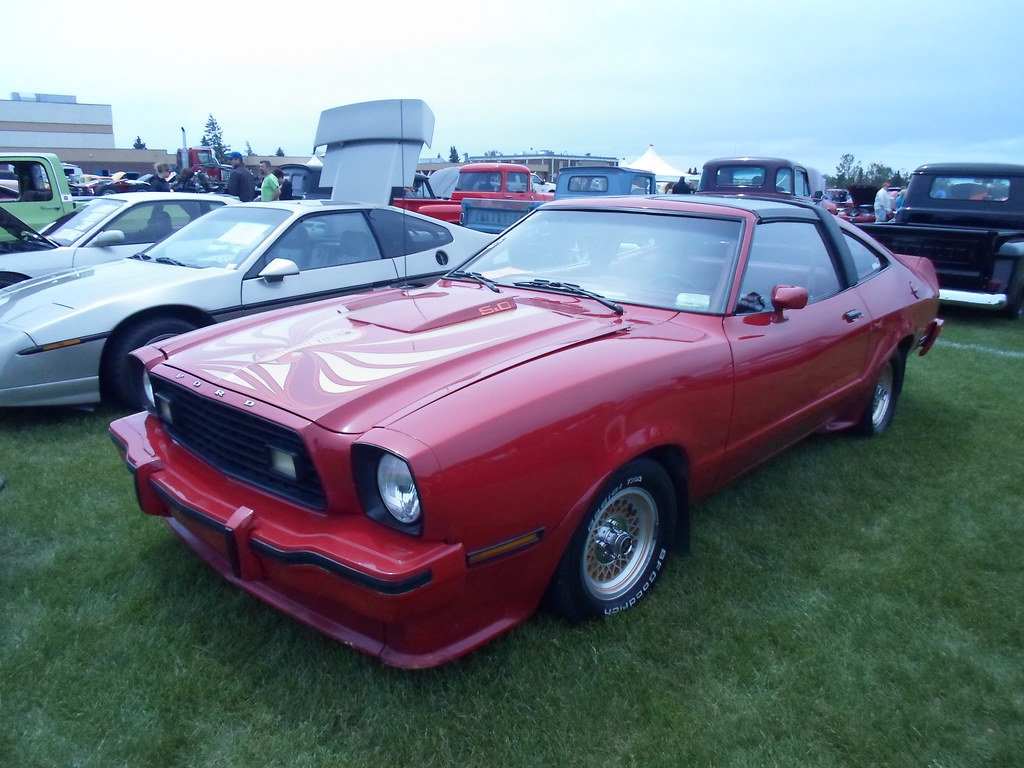
8. **AC Cobra**The AC Cobra, often referred to as the Shelby Cobra, is a legendary masterpiece born from a truly unique and powerful partnership. This iconic vehicle is the result of a groundbreaking joint work between the venerable British manufacturer AC Cars and the visionary American racing driver Carroll Shelby. It’s a transatlantic automotive fusion that produced a car of unparalleled character and performance, a true benchmark.
Shelby’s brilliant idea was simple yet revolutionary: take a lightweight British roadster chassis from AC Cars and implant it with a mighty American V8 engine, specifically Ford’s robust units. The result was a car that offered an incredible power-to-weight ratio, ensuring blistering acceleration and formidable speed. It was a recipe for success that would rewrite performance expectations.
With its potent V8 engine roaring and its lightweight chassis providing agile handling, the Cobra quickly dominated the racing circuit. Its raw power and nimble dynamics made it a formidable competitor, leaving a lasting impression wherever it competed. This racing prowess cemented its reputation not just as a fast car, but as a championship-winning machine.
The AC Cobra is more than just a car; it’s an enduring legend, celebrated for its stunning aesthetics and uncompromising performance. Its blend of European craftsmanship and American brute force created an automotive icon that remains highly sought after by collectors and revered by enthusiasts. It stands as a timeless testament to a daring vision and a collaborative spirit that pushed the boundaries of what a sports car could achieve.
The journey into automotive history doesn’t stop there! If you’ve loved buckling up for the ride through the first eight legends, prepare yourself, because we’re about to explore seven more unforgettable classic cars that have truly cemented their place in history. These machines didn’t just move; they inspired, innovated, and sculpted the very essence of automotive excellence, leaving an indelible mark on culture and engineering. Get ready to rev your engines for the enduring roar of these timeless masterpieces!
Car Model Information: 1965 AC Shelby Cobra Base
Caption: AC Cobra 427
Layout: front-engine, rear-wheel drive layout
Manufacturer: AC Cars,Shelby American
Production: 1965–1967
Name: MkIII
Aka: AC Shelby Cobra , Shelby AC Cobra
BodyStyle: Roadster (automobile)
Assembly: Thames Ditton,Surrey,England
Predecessor: AC Ace
Class: Sports car
Successor: AC MK IV
Related: AC 428,Shelby Daytona
Engine: cvt,V8 engine
Wheelbase: cvt
Length: cvt
Width: cvt
Height: cvt
Weight: cvt
Categories: 1960s cars, AC vehicles, All articles with unsourced statements, Articles with short description, Articles with unsourced statements from December 2014
Summary: The AC Cobra, sold in the United States as the Shelby Cobra and AC Shelby Cobra, is a sports car manufactured by British company AC Cars, with a Ford V8 engine. It was produced intermittently in both the United Kingdom and later the United States since 1962.
Get more information about: AC Cobra
Buying a high-performing used car >>>
Brand: AC Model: Cobra
Price: $64,997 Mileage: 8,070 mi.
Read more about: Cruise Nights to Forgotten Rides: Boomer Classics Millennials *Need* to Experience
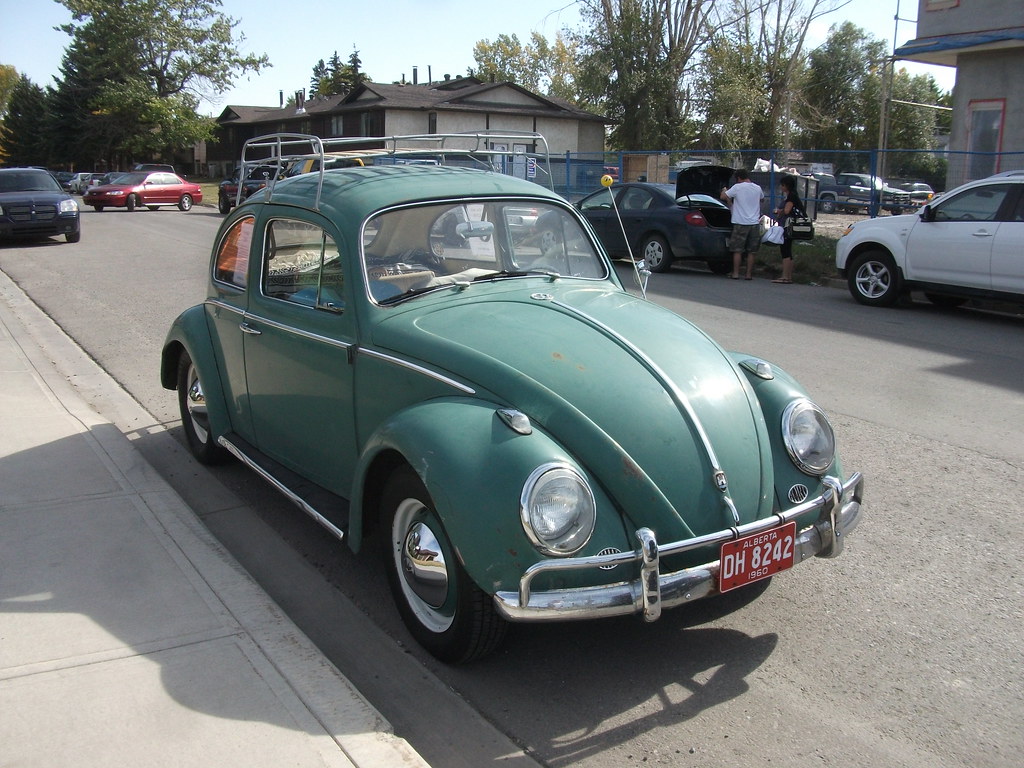
9. **Volkswagen Beetle**The Volkswagen Beetle has been one of those legendary vehicles that practically everyone recognizes, a true automotive everyman since its introduction in 1938. It wasn’t just a car; it was a symbol of German engineering ingenuity, designed with a vision of putting a reliable and affordable vehicle in every family’s driveway. Its charm and practicality quickly made it a global sensation and a beloved choice across various demographics.
What truly set the Beetle apart was its remarkably simple yet sturdy design, which coupled perfectly with an air-cooled engine renowned for its reliability. These “bugs,” as they affectionately became known, were built to last and navigate various terrains with impressive resilience. This combination of ruggedness and straightforward mechanics ensured that the Beetle remained accessible and dependable for millions, from bustling cities to quiet country roads.
The Beetle’s accessible price tag cemented its status as a beloved classic across generations and continents. It transcended its initial purpose to become a cultural icon, symbolizing freedom, individuality, and a no-frills approach to motoring. Its distinctive silhouette is instantly recognizable, sparking smiles and nostalgia wherever it rolls, proving its universal appeal and enduring charm.
Sadly, production finally ceased in 2003, but not before an astonishing 21 million Beetles had been produced in that timeframe. This incredible number testifies to its enduring appeal and impact, ensuring that this timeless classic continues to be seen and admired on roads worldwide. The Beetle truly proved that sometimes, simplicity is the ultimate sophistication, crafting a legacy that few other cars can match.
Car Model Information: 2012 Volkswagen Beetle 2.5L
Sp: uk
Name: Volkswagen Type 1,”Beetle”
Caption: 1965–1966 Volkswagen Käfer
Manufacturer: Volkswagen
Alt: A front-three quarters view of a pale-yellow Volkswagen Käfer. It features 165/80R15 tires, which shod 15×4. 5″ silver, circular wheels. The Käfer features a beetle-like body, and its window is open. The picture is taken with much greenery in the background, and the photo was edited to give it a more warmer tone.
Aka: List of names for the Volkswagen Type 1
Assembly: #Markets and assembly
Designer: Ferdinand Porsche
Class: Small family car
BodyStyle: Sedan (automobile),convertible
Production: 1938–2003,21,529,464 produced
Successor: Volkswagen Golf Mk1,Volkswagen Gol#First generation (Typ30, 1980),Volkswagen New Beetle
Layout: Rear-engine, rear-wheel-drive layout
Engine: Petrol,Volkswagen air-cooled engine,1192 cc H4,1285 cc H4,1493 cc H4,1584 cc H4
Transmission: manual transmission,Saxomat,Autostick
Wheelbase: convert
Length: convert
Width: convert
Height: 1500 mm
Abbr: on
Weight: convert
Categories: 1940s cars, 1950s cars, 1960s cars, 1970s cars, 1980s cars
Summary: The Volkswagen Beetle, officially the Volkswagen Type 1, is a small family car produced by the German company Volkswagen from 1938 to 2003. A global cultural icon known for its bug-like design, the Beetle is widely regarded as one of the most influential cars of the 20th century. Its production period of 65 years is the longest for any single generation of automobile, and its total production of 21.5 million units makes it the most produced car of a single platform in history and the second-highest of all nameplates manufactured in the 20th century.
The Beetle was conceived in the early 1930s. The leader of Nazi Germany, Adolf Hitler, decided there was a need for a people’s car—an inexpensive, simple, mass-produced car—to serve Germany’s new road network, the Reichsautobahn. The German engineer Ferdinand Porsche and his design team began developing and designing the car in the early 1930s, but the fundamental design concept can be attributed to Béla Barényi in 1925, predating Porsche’s claims by almost ten years. The result was the Volkswagen Type 1 and the introduction of the Volkswagen brand. Volkswagen initially slated production for the late 1930s, but the outbreak of war in 1939 meant that production was delayed until the war had ended. The car was originally called the Volkswagen Type 1 and marketed simply as the Volkswagen. It was not until 1968 that it was officially named the “Beetle”.
Volkswagen implemented designations for the Beetle in the 1960s, including 1200, 1300, 1500, 1600, 1302, and 1303. Volkswagen introduced a series of large luxury models throughout the 1960s and 1970s—comprising the Type 3, Type 4 and K70—to supplement the Beetle, but none of these models achieved the level of success that it did. In 1972, it became the best-selling car of all time, a position it retained for nearly three decades. Rapidly changing consumer preferences toward front-wheel drive compact hatchbacks in Europe prompted Volkswagen’s gradual shift away from rear-wheel drive, starting with the Golf in 1974. In the late 1970s and ’80s, Japanese automakers dominated some markets around the world, which contributed to the Beetle’s declining popularity.
The Beetle remains one of the best-selling cars of all time and is the first to sell over 20 million units. Over its lifespan, its design remained consistent, yet Volkswagen implemented over 78,000 incremental updates. These modifications were often subtle, involving minor alterations to its exterior, interior, colours, and lighting. Some more noteworthy changes included the introduction of new engines, models and systems, such as improved technology or comfort. The Beetle maintains a substantial cultural influence and is regarded as one of the most iconic vehicles in automotive history; its success largely influenced the way automobiles are designed and marketed, and propelled Volkswagen’s introduction of a Golf-based series of vehicles.
Get more information about: Volkswagen Beetle
Buying a high-performing used car >>>
Brand: Volkswagen Model: Beetle
Price: $13,985 Mileage: 27,389 mi.
Read more about: Cruise Nights to Forgotten Rides: Boomer Classics Millennials *Need* to Experience

10. **Chevrolet Camaro**Launched in 1966, the Chevrolet Camaro didn’t just enter the scene; it stormed onto it, quickly establishing itself as a formidable challenger in the burgeoning pony car segment, specifically targeting the Ford Mustang. It was a bold statement from Chevrolet, offering a thrilling combination of aggressive styling and sturdy engine options that immediately captured the attention of car enthusiasts. The Camaro quickly became a symbol of raw American power and style.
From its initial models, which utilized the F-body platform, the Camaro offered versatility with both convertible and hardtop coupe models, catering to a wide range of tastes. Under the hood, some models came out with powerful 6.5 L V8 engines, which truly made many gearheads instantly fall in love with the car’s performance capabilities. It was a car designed for exhilarating drives and commanding presence.
The Camaro rapidly earned a loyal following, building a reputation as a muscle car that delivered both on the track and on the street. Its distinctive look and powerful roar became synonymous with American automotive culture, defining an era of performance and style. It was the choice for those who wanted a car that looked as good as it performed, without compromise.
Even today, decades after its fiery debut, the Chevrolet Camaro remains a stalwart of American muscle. It has continuously evolved, adapting to modern demands while staying true to its high-performance roots and iconic design. Its legacy as a powerful, stylish, and thrilling machine ensures its place among the most cherished and enduring classic cars.
Car Model Information: 2018 Chevrolet Camaro 1LS
Name: Chevrolet Camaro
Manufacturer: Chevrolet
Production: 1966–2002,2009–2023
ModelYears: 1967–2002,2010–2024
Class: Pony car
BodyStyle: coupe,convertible
Platform: GM F platform,GM Zeta platform,GM Alpha platform
Layout: Front-engine, rear-wheel-drive layout
Categories: 1970s cars, 1980s cars, 1990s cars, 2+2 coupés, 2000s cars
Summary: The Chevrolet Camaro is a mid-size American automobile manufactured by Chevrolet, classified as a pony car. It first went on sale on September 29, 1966, for the 1967 model year and was designed to compete with the Ford Mustang. The Camaro shared its platform and major components with the Firebird, produced by General Motors’ Pontiac division that was also introduced for the 1967 model year.
Four distinct generations of the Camaro were developed before production ended in 2002. The nameplate was revived on a concept car that evolved into the fifth-generation Camaro; production started on March 16, 2009.
Production of the sixth generation of the Camaro ended in December 2023, for the 2024 model year.
Get more information about: Chevrolet Camaro
Buying a high-performing used car >>>
Brand: Chevrolet Model: Camaro
Price: $18,785 Mileage: 69,196 mi.
Read more about: Cruise Nights to Forgotten Rides: Boomer Classics Millennials *Need* to Experience
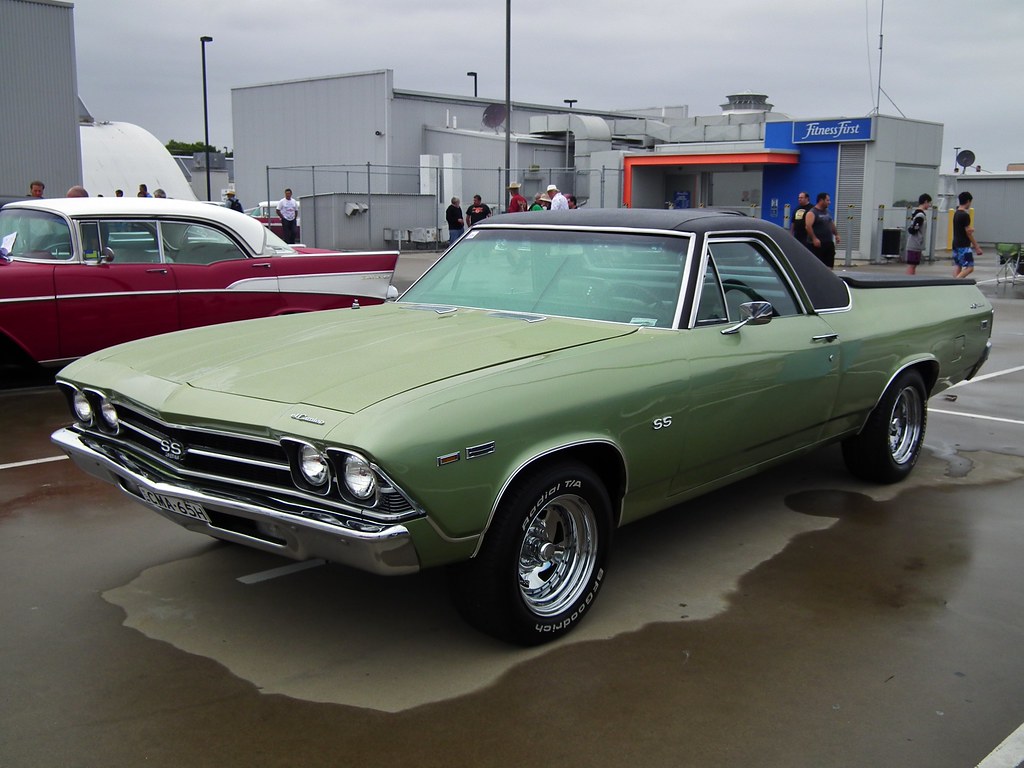
11. **Chevrolet El Camino**Presented to the public in 1959, the Chevrolet El Camino was an automotive innovator, masterfully blending the utility of a pickup truck with the comfort and style of a passenger car. It was a unique proposition that broke conventional molds, offering a versatile vehicle for those who needed both cargo space and a sleek, car-like driving experience. This daring design choice quickly set it apart in the automotive landscape.
The El Camino’s distinctive design and functionality were its true hallmarks. It provided the practicality of an open bed for hauling, combined with the refined interior and smoother ride characteristic of a coupe. This dual nature made it incredibly appealing to consumers who sought both a workhorse and a stylish daily driver, offering the best of both worlds in a single package.
Adding to its appeal, the powerful V8 option offered by the SS variants transformed the El Camino from merely practical to genuinely exciting. These performance enhancements imbued the vehicle with a muscular edge, making it a favorite among enthusiasts who appreciated its unique blend of form and function. It was a car that could effortlessly transition from utilitarian tasks to spirited cruising.
The Chevrolet El Camino’s distinctive blend of style and utility secured its place as a true classic. It represents a fascinating chapter in American automotive history, showcasing a period of bold experimentation and innovation. Its unique identity continues to be celebrated by collectors and fans, proving that breaking the mold can lead to timeless appeal.
Car Model Information: 2023 Dodge Charger GT
Name: Chevrolet El Camino
Caption: 1969 El Camino SS
Manufacturer: Chevrolet
ModelYears: 1959–1960 ,1964–1987
Layout: Front-engine, rear-wheel-drive layout,rear-wheel drive
Class: Coupé utility,Muscle car
Categories: 1960s cars, 1970s cars, 1980s cars, All articles lacking reliable references, All articles needing additional references
Summary: The Chevrolet El Camino is a coupé utility vehicle that was produced by Chevrolet between 1959–1960 and 1964–1987. Unlike a standard pickup truck, the El Camino was adapted from the standard two-door Chevrolet station wagon platform and integrated the cab and cargo bed into the body.
Introduced in the 1959 model year in response to the success of the Ford Ranchero coupé utility, its first run, based on the Biscayne’s B-body, lasted only two years. Production resumed for the 1964–1977 model years based on the Chevelle platform, and continued for the 1978–1987 model years based on the GM G-body platform.
Although based on corresponding General Motors car lines, the vehicle is classified in the United States as a pickup. GMC’s badge engineered El Camino variant, the Sprint, was introduced for the 1971 model year. Renamed Caballero in 1978, it was also produced through the 1987 model year.
Get more information about: Chevrolet El Camino
Buying a high-performing used car >>>
Brand: Chevrolet Model: El Camino
Price: $26,990 Mileage: 19,257 mi.
Read more about: Ford’s Worst Flops: 6 SUVs and Trucks That Prove Beauty Is Not Always American Made
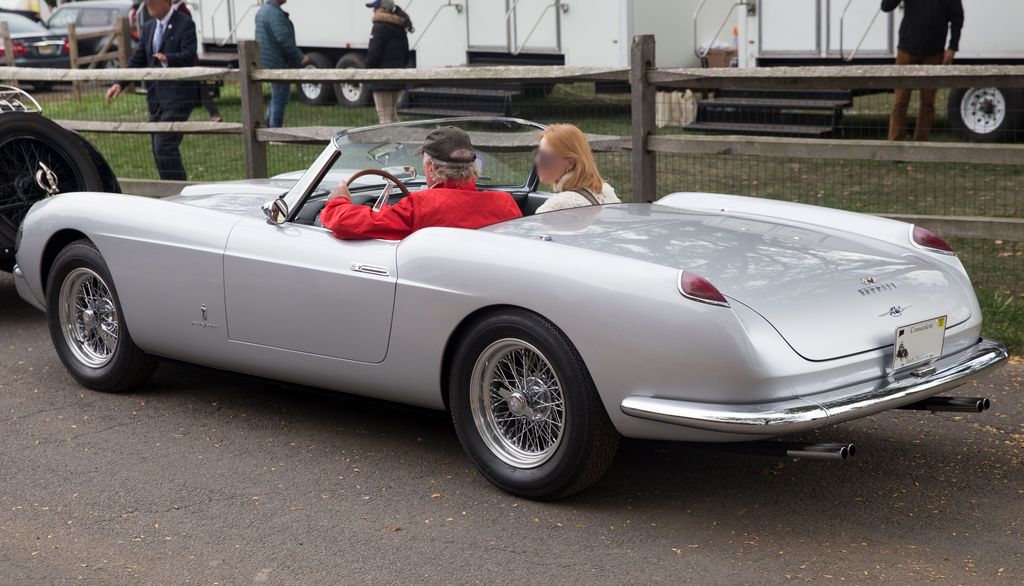
12. **Ferrari 250GT**The Ferrari 250GT, produced from 1953 to 1964, stands as a shimmering testament to the golden age of Italian automotive design and engineering. This isn’t just a car; it epitomizes elegance, performance, and exclusivity, representing a pinnacle of craftsmanship that defined an era of luxury sports cars. Its very name evokes images of speed, beauty, and unparalleled prestige.
At the heart of the 250GT’s legend was its potent V12 engine, a masterpiece of engineering that delivered thrilling power and an unmistakable, intoxicating roar. This formidable engine was perfectly matched with meticulously handcrafted coachwork, showcasing an obsessive attention to detail and aesthetic perfection. Every curve and line of the 250GT was sculpted for both beauty and aerodynamic prowess, making it a true work of art on wheels.
Beyond its exquisite design and powerful performance, the Ferrari 250GT boasts a rich legacy of racing success. Its triumphs on the track further enhanced its allure and cemented its reputation for speed and reliability under intense conditions. This formidable racing pedigree contributed significantly to its mystique and desirability among enthusiasts and collectors worldwide.
Today, the Ferrari 250GT remains one of the most coveted and valuable classic Ferraris ever produced. Its rarity, stunning aesthetics, engineering brilliance, and glorious history ensure its enduring status as an automotive icon. It’s a timeless masterpiece that continues to captivate, embodying the pure essence of Italian motoring passion and excellence.
Read more about: Whispers on Wheels: Unveiling the Private Car Choices of Hollywood’s Elite for Their Personal Lives
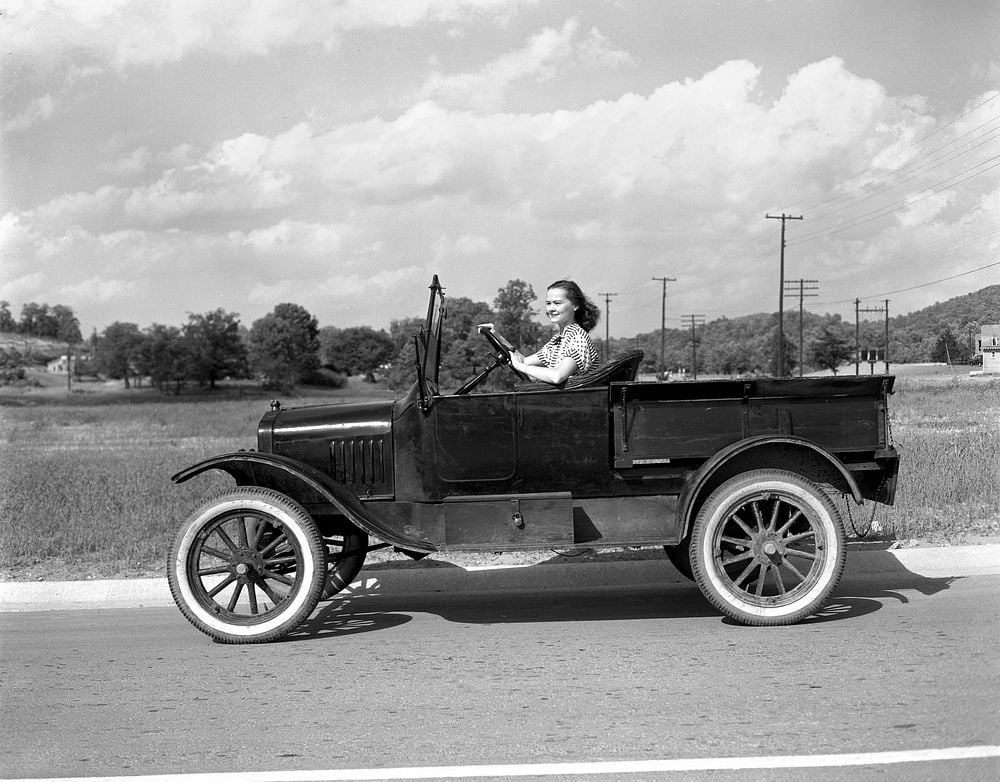
13. **Ford Model T**Since its introduction in 1908, the Ford Model T didn’t just introduce a new car; it revolutionized personal transportation and transformed mass production methods forever. This unassuming vehicle, affectionately known as the “Tin Lizzie,” single-handedly put America on wheels, making car ownership accessible to the average family for the very first time. Its impact on society was profound and far-reaching.
The Model T’s brilliance lay in its combination of a reasonable price, vigorous construction, and remarkably simple design. Henry Ford’s innovative assembly line production dramatically reduced costs and manufacturing time, making the car affordable for the masses. Its straightforward mechanics also meant it was relatively easy to maintain and repair, a significant advantage in an era when automobiles were still a novelty.
This sturdy and dependable machine quickly became a ubiquitous sight on roads across the nation, changing how people lived, worked, and traveled. It fostered unprecedented mobility and contributed significantly to the growth of suburbs, highways, and a new way of life. The Model T became more than just a car; it was a symbol of progress, innovation, and the burgeoning American dream.
While production ended in 1927, the Ford Model T’s legacy is undeniably immense, making it one of the most critical automobiles in history. It paved the way for modern manufacturing, democratized personal travel, and fundamentally reshaped the 20th century. Its influence is still felt today, ensuring its status as an undisputed timeless classic, revered for its revolutionary spirit.
Car Model Information: 2023 Dodge Charger GT
Caption: 1925 Ford Model T Touring Car
Manufacturer: Ford Motor Company
Production: October 1908 – May 1927
Assembly: collapsible list
Designer: Childe Harold Wills
Class: Economy car
BodyStyle: collapsible list
Layout: FMR layout
Engine: straight-4
Transmission: planetary gear
Wheelbase: 100.0 in
Abbr: on (1912 roadster)
Length: 134 in
Width: 1676 mm
Height: 1860 mm
Weight: convert
Predecessor: Ford Model N
Successor: Ford Model A (1927–1931)
Categories: 1900s cars, 1908 establishments in the United States, 1910s cars, 1920s cars, All articles needing additional references
Summary: The Ford Model T is an automobile that was produced by the Ford Motor Company from October 1, 1908, to May 26, 1927. It is generally regarded as the first mass-affordable automobile, which made car travel available to middle-class Americans. The relatively low price was partly the result of Ford’s efficient fabrication, including assembly line production instead of individual handcrafting. The savings from mass production allowed the price to decline from $780 in 1910 (equivalent to $26,322 in 2024) to $290 in 1924 ($5,321 in 2024 dollars). It was mainly designed by three engineers, Joseph A. Galamb (the main engineer), Eugene Farkas, and Childe Harold Wills. The Model T was colloquially known as the “Tin Lizzie”.
The Ford Model T was named the most influential car of the 20th century in the 1999 Car of the Century competition, ahead of the BMC Mini, Citroën DS, and Volkswagen Beetle. Ford’s Model T was successful not only because it provided inexpensive transportation on a massive scale, but also because the car signified innovation for the rising middle class and became a powerful symbol of the United States’ age of modernization. With over 15 million sold, it was the most sold car in history before being surpassed by the Volkswagen Beetle in 1972.
Get more information about: Ford Model T
Buying a high-performing used car >>>
Brand: Ford Model: Model T
Price: $26,990 Mileage: 19,257 mi.
Read more about: Cruise Nights to Forgotten Rides: Boomer Classics Millennials *Need* to Experience
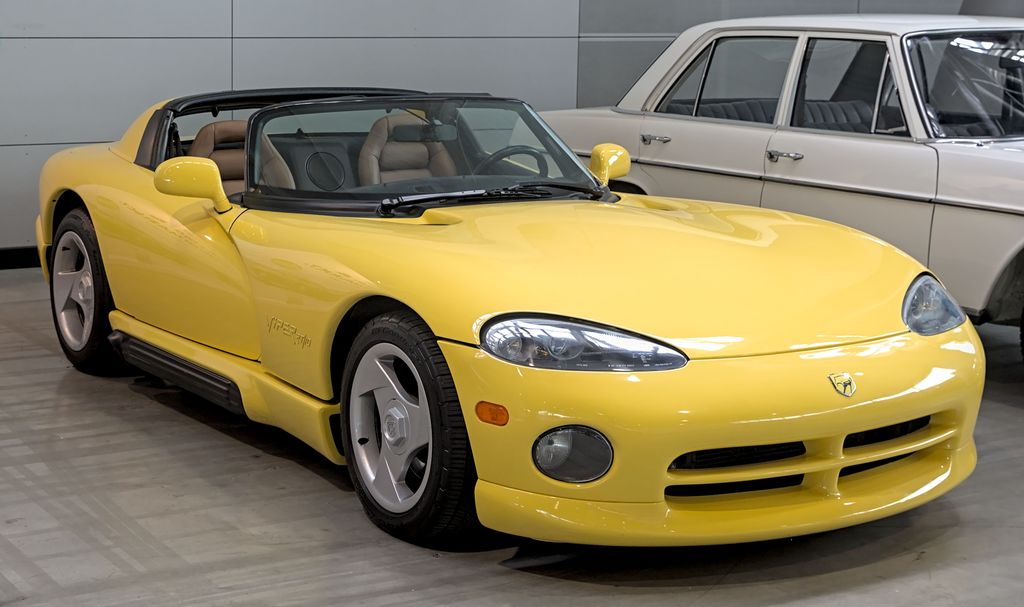
14. **Dodge Viper**When the Dodge Viper roared onto the scene in 1992, it wasn’t just another sports car; it was a bold, unapologetic statement of American automotive engineering prowess. It embodied a philosophy of raw power and unadulterated performance, designed to grab attention and dominate the road. The Viper immediately positioned itself as an American powerhouse, challenging the established order of exotic supercars.
This incredible machine incorporated the spirit of the modern supercar with its muscular, aggressive exterior and a truly massive V10 engine that delivered staggering horsepower. The Viper’s design was pure, unadulterated aggression, with wide fenders and a low-slung profile that screamed speed. It was a car that dared you to unleash its full potential, offering a visceral driving experience unlike any other.
The Viper quickly became a symbol of audacious design and exhilarating performance, commanding respect and admiration wherever it went. It didn’t rely on subtle sophistication; instead, it offered brute force and thrilling acceleration, becoming a dream car for a generation of enthusiasts who craved something truly extreme and distinctly American. Its raw appeal was undeniable and magnetic.
Today, the Dodge Viper remains an iconic figure, a testament to American ingenuity and a no-compromise approach to performance car design. Its legendary status is cemented by its unforgettable styling and the sheer power it unleashed. The Viper continues to be a highly sought-after classic, celebrated for its bold spirit and thrilling contribution to the world of high-performance automobiles.
Car Model Information: 2008 Dodge Viper SRT10
Name: Dodge Viper
Caption: 2013 SRT Viper GTS Launch Edition
Manufacturer: Dodge
Production: 1991–2006,2007–2017
Assembly: Detroit,Michigan
Class: Sports car
BodyStyle: liftback,coupe
Layout: Longitudinal engine,Front mid-engine, rear-wheel drive layout
Engine: Viper engine,{{convert,488,cuin,L,abbr=on,1,order=flip,lk=on
Abbr: on
Order: flip
Powerout: SR-I and II:,{{convert,400,hp,PS kW,0,abbr=on,lk=on
Lk: on
ModelYears: 1992-2006,2008-2017
Categories: 1990s cars, 2000s cars, 2010s cars, All accuracy disputes, All articles with unsourced statements
Summary: The Dodge Viper is a sports car that was manufactured by Dodge (by SRT for 2013 and 2014), a division of American car manufacturer Chrysler from 1992 until 2017, having taken a brief hiatus in 2007 and from 2011 to 2012. Production of the two-seat sports car began at New Mack Assembly Plant in 1991 and moved to Conner Avenue Assembly Plant in October 1995.
Although Chrysler considered ending production because of serious financial problems, on September 14, 2010, then–chief executive Sergio Marchionne announced and previewed a new model of the Viper for 2012. In 2014, the Viper was named number 10 on the “Most American Cars” list, meaning 75% or more of its parts are manufactured in the U.S. The Viper was eventually discontinued in 2017 after approximately 32,000 were produced over the 26 years of production.
The 0–60 mph (97 km/h) time on a Viper varies from around 3.5 to 4.5 seconds. Top speed ranges from 160 mph (260 km/h) to over 200 mph (320 km/h), depending on variant and year.
Get more information about: Dodge Viper
Buying a high-performing used car >>>
Brand: Dodge Model: Viper
Price: $104,995 Mileage: 8,082 mi.
Read more about: Dodge’s Unforgettable Missteps: A Deep Dive into the Brand’s Most Aesthetically Challenged and Underperforming Models
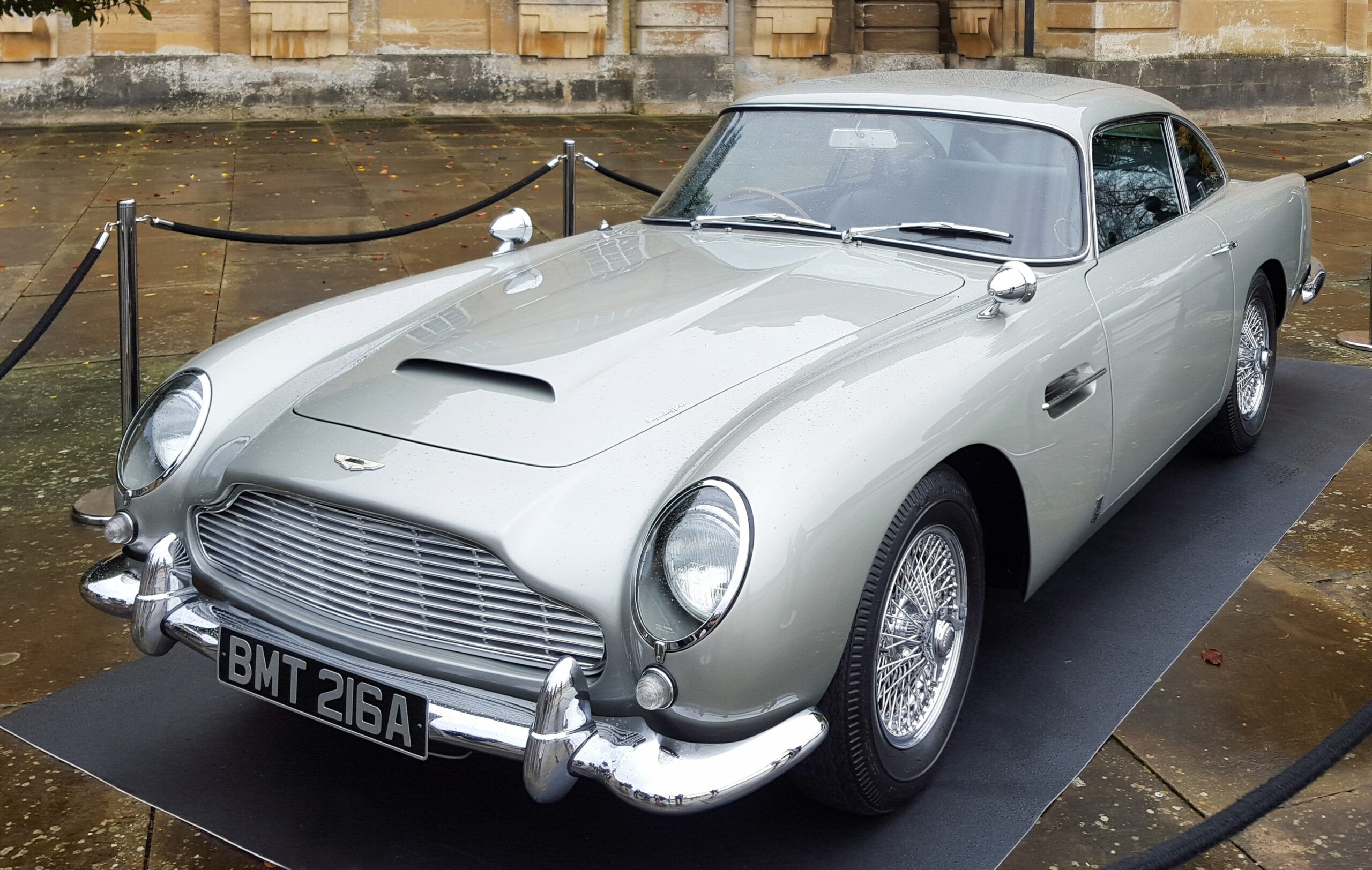
15. **Aston Martin DB5**Debuting in 1964, the Aston Martin DB5 didn’t just establish itself as a beautiful automobile; it became the very definition of a timeless design, exuding British elegance and sophisticated performance. Its sleek lines, refined proportions, and undeniable charisma instantly set it apart, making it an object of desire for car enthusiasts and luxury connoisseurs alike. The DB5 was a masterclass in automotive artistry.
Beyond its breathtaking aesthetics, the DB5 gained immense cultural fame with its impactful appearances in the James Bond film series. Driven by the fictional secret agent 007, this silver masterpiece became intrinsically linked with espionage, sophistication, and cutting-edge technology. This iconic association wasn’t merely product placement; it cemented the DB5’s status as an automotive icon, forever linked with themes of adventure, power, and timeless cool.
This British grand tourer featured advanced controls and styling, blending luxury with potent performance. Its powerful straight-six engine provided ample speed, while the exquisitely crafted leather interior and wood trim offered a cabin of unparalleled comfort and class. The DB5 was designed for both high-speed touring and making a grand statement, embodying automotive perfection for its era.
For many avid enthusiasts, the Aston Martin DB5 was more than just a fancy car; it was a cultural phenomenon, a symbol of aspirational luxury and understated power. It continues to be celebrated as one of the most beautiful and influential cars ever made, its legacy assured by its stunning design, cinematic fame, and enduring appeal. It truly represents the pinnacle of British automotive heritage.
Car Model Information: 2023 Dodge Charger GT
Name: Aston Martin DB5
Manufacturer: Aston Martin
Production: 1963–1965 (1,059 units),2020 (25 units)
Assembly: Newport Pagnell,England
Designer: Carrozzeria Touring Superleggera
Class: Grand tourer
BodyStyle: coupé
Layout: Front-engine, rear-wheel-drive layout
Engine: DOHC,Straight-6,3995 cc
Order: flip
Abbr: on
Powerout: convert
Transmission: ZF Friedrichshafen
Length: 4570 mm
Width: 1680 mm
Wheelbase: 98.0 in
Predecessor: Aston Martin DB4
Successor: Aston Martin DB6
Doors: 2
Weight: 3311 lb
Sp: uk
Categories: All Wikipedia articles written in British English, Articles with short description, Aston Martin vehicles, CS1: unfit URL, Cars discontinued in 1965
Summary: The Aston Martin DB5 is a British grand tourer (GT) produced by Aston Martin and designed by Italian coachbuilder Carrozzeria Touring Superleggera. Originally produced from 1963 to 1965, the DB5 was an evolution of the final series of DB4. The “DB” designation is from the initials of David Brown who built up the company from 1947 onwards.
The DB5 is best-known for its role in the James Bond films. It was first driven by the fictional spy in the film Goldfinger (1964). In 2013, the car featured on a “British Auto Legends” postage stamp issued by the Royal Mail.
Get more information about: Aston Martin DB5
Buying a high-performing used car >>>
Brand: Aston Martin Model: DB5
Price: $26,990 Mileage: 19,257 mi.
Read more about: Cruise Nights to Forgotten Rides: Boomer Classics Millennials *Need* to Experience
And there you have it, fellow automotive adventurers! Our thrilling ride through 15 timeless classics that will simply never go out of style comes to an end. From the thundering muscle of American legends to the sophisticated elegance of European masterpieces, each vehicle we’ve explored has a unique story, a groundbreaking design, and an undeniable spirit that transcends mere transportation. These aren’t just cars; they’re rolling monuments to human ingenuity, passion, and the relentless pursuit of automotive excellence. They remind us that true style, innovation, and performance are indeed immortal, continuing to ignite our imaginations and capture our hearts for generations to come. So, keep those classic dreams alive, and remember, the best drives are often those that take you back in time!” , “_words_section2”: “1940