The golden age of muscle cars—roughly from the mid-1960s to the early 1970s—was a thunderous symphony of horsepower, style, and street dominance. This was the era when American automakers locked horns to create the most powerful and aggressive cars the world had ever seen. Names like the Dodge Charger, Ford Mustang, and Chevrolet Camaro dominate conversations around muscle cars today, but the spotlight hasn’t always been fair.
Many remarkable machines from the muscle car heyday have faded into obscurity or never received the recognition they deserved. Overshadowed by more iconic siblings, discontinued due to poor timing, or just plain misunderstood, these forgotten beasts still deserve a second chance at fame. The muscle car market is once again roaring back with a vengeance. Modern reinterpretations of classics are flying off lots, and interest in vintage iron has never been higher. Yet some models continue to linger in the shadows, ignored by collectors and underappreciated in the broader car culture.
These are vehicles that offered something different—be it superior engineering, unique styling, or ahead-of-their-time innovation—but were unfairly overlooked. From misunderstood oddballs to powerful underdogs, these vehicles represent the hidden gems of America’s high-octane history. It’s time to dust off the rust, crank the ignition, and take a second look at some truly incredible muscle cars that could have (and still might) become legends.
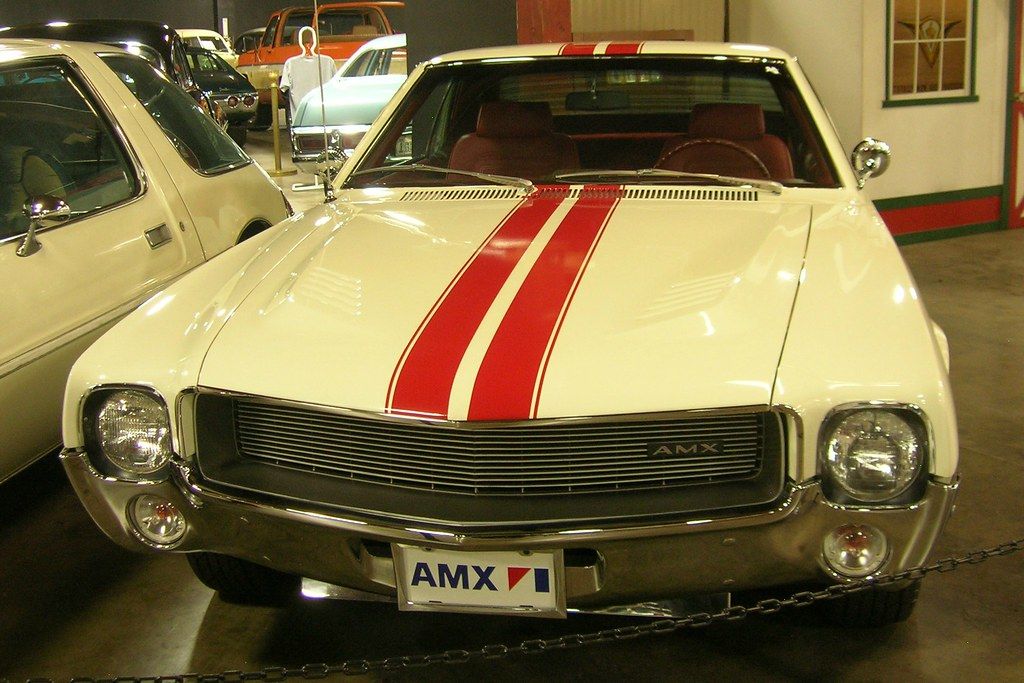
1. **AMC AMX (1968–1970)**Often overshadowed by the Javelin, the AMC AMX was a bold and innovative attempt by American Motors Corporation to step into the muscle car arena with something different. Unlike the long-wheelbase pony cars it competed against, the AMX was a true two-seater muscle car, a distinction it shared only with the Corvette during its production run. With a shorter wheelbase and potent V8 engine options, including a formidable 390-cubic-inch engine producing up to 325 horsepower, it delivered strong performance in a remarkably tight package.
Its lighter weight and nimble handling made it an instant favorite among the enthusiasts who discovered it, but AMC’s smaller budget and limited dealership reach sadly stifled its broader popularity. The AMX wasn’t just about raw power; it was also a captivating style icon. With its bold, muscular design and an aggressive stance, the car exuded undeniable presence. The wide-track look, a sleek fastback roofline, and a distinctive twin-vented hood gave it a unique aesthetic appeal that truly set it apart. Its interior also featured quality touches like full instrumentation and a driver-focused cockpit, further enhancing its sporty credentials.
Despite these inherent strengths, the AMX struggled to carve out a definitive niche in a market fiercely dominated by big names like the Mustang, Charger, and Camaro. Many consumers at the time perceived it more as an oddity rather than a true contender in the muscle car wars, a perception that regrettably led to disappointing sales figures. Today, however, the AMX has become a coveted collector’s dream for those in the know, though it remains a relative unknown to the broader public. Prices for well-kept examples are steadily beginning to rise, and those who have had the pleasure of driving or restoring one often transform into its most passionate advocates.
As classic car culture continues to appreciate variety and individuality, the AMX absolutely deserves a second chance to shine. It stands as a stylish, sporty, and historically significant muscle car that dared to be different, challenging conventions in an era of conformity. Its time for a true resurgence is long overdue, celebrating its unique place in automotive history.

2. **Mercury Cyclone Spoiler II (1969)**The Mercury Cyclone Spoiler II was born directly from the intense heat of NASCAR ambitions, meticulously crafted under the radar as a crucial part of the “aero wars” that defined late 1960s racing. This car was a pure homologation special, meaning Mercury was obligated to build and sell a specific number of road-going versions in order to qualify its formidable race cars for competition. The impressive result was an aerodynamically tuned muscle car, instantly recognizable by its distinctive sloped front nose and extended rear deck, a design perfectly optimized for blistering high-speed oval racing.
Under the hood, this formidable machine came equipped with powerful engines, including the robust 351 Cleveland and the legendary 428 Cobra Jet. These powerplants ensured that the Cyclone Spoiler II was a legitimate street beast, capable of delivering thrilling performance whenever called upon. Despite its singular engineering focus and undeniable racing pedigree, the Cyclone Spoiler II regrettably failed to gain widespread attention in the consumer market. The car was produced in incredibly limited numbers, with just over 500 units ever leaving the factory, immediately establishing it as a rare gem even in its own time.
Its arrival coincided with a period when the muscle car market was becoming increasingly saturated, and many potential buyers simply didn’t grasp what this unique vehicle was or why its specific attributes truly mattered. Its unusual design aesthetic didn’t help its cause on the showroom floor; while exceptionally effective on the racetrack, the long nose and dramatically low stance often appeared awkward or unconventional to the average street buyer. Adding to its challenges, Ford, Mercury’s parent company, was simultaneously pushing other, more mainstream performance models much harder in its marketing efforts, further overshadowing the specialized Cyclone Spoiler II.
However, for dedicated collectors and true racing enthusiasts, the Cyclone Spoiler II has emerged as a genuine hidden treasure. Its inherent rarity, purposeful, track-driven design, and undeniable connection to NASCAR impart a level of authenticity and historical significance that many better-known muscle cars simply cannot replicate. As interest steadily grows in obscure homologation specials and purpose-built racing machines, this Mercury absolutely deserves a powerful second chance to roar back into the limelight, not merely as a rare curiosity, but as an authentic performance icon of its high-octane era.
Car Model Information: 2020 RAM 1500 Laramie
Name: Mercury Cyclone Spoiler II
Manufacturer: Mercury (division)
Aka: Ford Torino Talladega
Production: 1969
ModelYears: 1969
Class: Race car
BodyStyle: fastback
Layout: FR layout
Designer: FoMoCo
Categories: All articles needing additional references, All articles with unsourced statements, Articles needing additional references from July 2025, Articles with short description, Articles with unsourced statements from April 2025
Summary: The Mercury Cyclone Spoiler II is a muscle car that was produced by Mercury in early 1969. The Mercury Cyclone Spoiler II was a special, more aerodynamic version of the Mercury Cyclone. It was produced specifically to compete against the Dodge Charger Daytona and Plymouth Superbird produced by Chrysler, and the nearly identical Ford Torino Talladega, in NASCAR stock car racing, and was sold to the public only because homologation rules required a minimum number of cars (500 in 1969) be produced and made available for sale to the public. A total of 503 cars were built in both Yarborough (285) and Gurney (215) versions, a during the first few weeks of 1969.
Get more information about: Mercury Cyclone Spoiler II
Buying a high-performing used car >>>
Brand: Mercury Model: Cyclone Spoiler II
Price: $36,995 Mileage: 64,342 mi.

3. **Buick GSX (1970–1972)**When the name Buick comes to mind, images of tire-shredding muscle might not be the very first thing that pops into your head. Yet, in a bold move in 1970, Buick truly shocked the automotive world with the introduction of the GSX—a factory hot rod built upon the capable Gran Sport platform. This formidable machine was armed with a massive 455-cubic-inch Stage 1 V8 engine, an absolute monster capable of producing an astounding 510 lb-ft of torque. It was, without exaggeration, one of the fastest muscle cars of its time, confidently outpacing many of its more famous and celebrated rivals.
With a blistering 0-60 mph time clocked at under 6 seconds, the GSX unequivocally proved that luxury and raw, unbridled power could indeed go hand-in-hand, a combination that defied conventional wisdom. Despite its absolutely incredible performance capabilities, the GSX unfortunately never achieved the widespread fame or recognition it so richly deserved. Buick had cultivated a strong and enduring reputation for producing refined, comfortable, and often luxurious vehicles, a brand image that, ironically, worked against the GSX’s aggressive, bad-boy persona. Many traditional Buick buyers simply weren’t in the market for a muscle car, while younger performance enthusiasts tended to gravitate towards more established and aggressively marketed performance brands.
Furthermore, the GSX was a relatively expensive proposition for its time, contributing to its exclusivity. Only around 800 units were sold in that pivotal year of 1970, and subsequent years saw even fewer produced, further cementing its status as a truly rare and tragically underappreciated machine. Today, the GSX has deservedly become a cult favorite among astute muscle car historians and die-hard fans. Its massive engine, aggressive styling—complete with bold stripes and a commanding rear spoiler—and surprisingly sophisticated ride quality make it an exceptionally compelling alternative to the more mainstream muscle cars that dominated the era.
With modern collectors increasingly seeking out unique stories and under-the-radar performance champions, the GSX stands perfectly poised for a significant resurgence. It’s truly one of the most impressive and capable muscle machines of its generation, waiting for its moment to be fully appreciated for the powerhouse it always was.

4. **Plymouth Duster 340 (1970–1973)**The Plymouth Duster 340 might not immediately scream “muscle car” to every enthusiast, especially given its rather compact A-body roots. But make no mistake—this lightweight coupe packed a truly serious punch beneath its unassuming exterior. With its high-winding 340-cubic-inch small-block V8 engine producing a formidable 275 horsepower (a figure widely believed to be underrated by the factory), the Duster delivered quick, exhilarating acceleration and remarkably nimble handling, all at a surprisingly budget-friendly price point. It wasn’t about brute, overwhelming force; instead, it was all about a meticulous balance of speed, agility, and undeniable value.
This agile machine could confidently hold its own against bigger, more expensive muscle machines of the era, while simultaneously offering the practical advantages of better fuel efficiency and a lighter, more responsive footprint. Despite its impressive capabilities and clever engineering, the Duster 340 was often unfortunately dismissed by many as merely an economy car equipped with a performance package. It certainly didn’t help that the car’s exterior design leaned towards the modest side when compared to the in-your-face, aggressive visuals of its more prominent Road Runner and GTX siblings.
Because of this rather subdued perception, many enthusiasts and collectors regrettably overlooked the Duster in favor of flashier, more overtly powerful alternatives. Yet, deep under the hood, the Duster 340 was every inch a legitimate street machine—remarkably easy to modify for even greater performance, quick off the line, and surprisingly reliable for daily use. Its lower price point and more accessible insurance costs made it a particularly attractive and attainable option for younger drivers, who often ran these cars hard and then moved on to the next big thing, leaving many Dusters to fade into obscurity.
Today, the Duster 340 is finally gaining the recognition it deserves among savvy collectors who truly appreciate its underdog status and its surprisingly potent performance. As the values for big-block muscle cars continue to skyrocket, a well-deserved spotlight is increasingly being cast on small-block sleepers like the Duster. Restored or even tastefully restomodded versions of these cars now offer an accessible and affordable entry point into the exhilarating world of muscle car ownership. With a growing appreciation for lightweight, balanced classics, the Duster 340 is at last being seen as the incredible performance bargain it always was—and it profoundly deserves a powerful comeback.
Car Model Information: 2020 RAM 1500 Laramie
Name: Plymouth Duster
Caption: 1970 Plymouth Duster 340
Manufacturer: Plymouth (automobile)
Production: 1969–1976
ModelYears: 1970–1976
Assembly: Hamtramck, Michigan,Commerce, California,Fenton, Missouri,Windsor, Ontario
Designer: Milt Antonick and Neil Walling
Class: Compact car
BodyStyle: coupe
Layout: Front-engine, rear-wheel-drive layout
Platform: Chrysler A platform
Related: Plymouth Valiant,Dodge Dart
Engine: {{convert,198,cuin,L,1,abbr=on,Chrysler Slant 6 engine,Straight-six engine
Abbr: on
Transmission: manual transmission,4-speed manual,TorqueFlite
Wheelbase: 108.0 in
Predecessor: Plymouth Barracuda
Successor: Plymouth Volare,Plymouth Gran Fury
Categories: 1970s cars, All Wikipedia articles needing clarification, All articles with dead YouTube links, Articles with dead YouTube links from February 2022, Articles with short description
Summary: The original Plymouth Duster is a semi-fastback two-door coupe version of the compact-sized Plymouth Valiant automobile that was marketed by Plymouth in the U.S. from 1970 until 1976 model years.
Get more information about: Plymouth Duster
Buying a high-performing used car >>>
Brand: Plymouth Model: Duster 340
Price: $36,995 Mileage: 64,342 mi.
Read more about: The Ultimate Guide to Affordable Classic Cars: 14 Reliable Rides That Won’t Break the Bank (and Are Surprisingly Easy to Own!)

5. **Ford Torino GT (1968–1971)**The Ford Torino GT emerged onto the scene during a dynamic period when Ford was actively experimenting with diverse ways to dominate both the racetrack and the bustling streets. With its distinctive long, flowing lines and an undeniably aggressive front grille, the Torino GT offered a compelling blend of striking aesthetics and potent muscle. Engine choices for this impressive vehicle were incredibly versatile, ranging from a respectable 302 small-block all the way up to the fire-breathing 429 Cobra Jet. The Torino GT was far more than just a superficial trim package; it was a full-on, dedicated performance machine engineered to compete head-to-head with the best offerings from both GM and Chrysler.
Unfortunately, the Torino GT perpetually lived in the considerable shadow of its far more famous Mustang sibling. Ford’s extensive marketing efforts and a significant portion of consumer interest remained heavily focused on the iconic Mustang throughout the late 1960s and early 1970s. This meant that the Torino rarely garnered the attention or the well-deserved fanfare that it truly deserved as a capable performance car. Its somewhat larger size, compared to the more compact muscle cars that were gaining traction, also worked against its broader appeal in an era when smaller, more agile performance machines were increasingly in vogue.
As the ominous shadow of the oil crisis loomed larger and prohibitive insurance rates began to skyrocket, the Torino GT quietly faded from the automotive scene. It regrettably never achieved the highly coveted collector status that was so readily attained by other, more prominent Ford performance offerings. However, a closer and more appreciative look at the Torino GT reveals it to be a remarkably well-rounded, stylish, and powerful alternative to the usual suspects that dominate muscle car conversations. Its impressive NASCAR success, particularly in its aerodynamically optimized fastback form, bestowed upon it a genuine and undeniable racing pedigree.
Its relative rarity today further enhances its appeal, making it a truly great candidate for a discerning restoration. Collectors are now slowly but surely rediscovering the significant merits of the Torino GT—its classic design, its impressive big power options, and its undeniable connection to Ford’s rich muscle legacy, all meticulously rolled into one compelling package. As interest continues to grow in alternative nameplates and less-celebrated classics, the Torino GT truly deserves a well-earned second chance to brightly shine in the muscle car spotlight, claiming its rightful place among the greats.
Car Model Information: 2023 Dodge Charger GT
Aka: Ford Fairlane (Venezuela)
Name: Ford Torino
Caption: 1970 Ford Torino Cobra SportsRoof
Manufacturer: Ford Motor Company
Production: 1968–1976
Class: Mid-size car,muscle car
Layout: FR layout
Related: Mercury Montego
Assembly: ubl
Predecessor: Ford Fairlane (Americas)
Successor: Ford LTD II
Categories: 1960s cars, 1970s cars, All Wikipedia articles written in American English, All articles with vague or ambiguous time, Articles with short description
Summary: The Ford Torino is an automobile that was produced by Ford for the North American market between 1968 and 1976. It was a competitor in the intermediate market segment and essentially a twin to the Mercury Montego line.
Just as the Ford LTD had been the upscale version of the Ford Galaxie, the Torino was initially an upscale variation of the intermediate-sized Ford Fairlane. In the 1968 and 1969 model years, the intermediate Ford line consisted of lower-trim Fairlanes and its subseries, the upper-trim Torino models. In 1970, Torino became the primary name for Ford’s intermediate, and the Fairlane was now a subseries of the Torino. In 1971, the Fairlane name was dropped altogether, and all Ford intermediates were called Torino.
Most Torinos were conventional cars, and generally the most popular models were the four-door sedans and two-door hardtops. However, Ford produced some high-performance “muscle car” versions of the Torino by fitting them with large powerful engines, such as the 428 cu in (7.0 L) and 429 cu in (7.0 L) “Cobra-Jet” engines. Ford also chose the Torino as the base for its NASCAR entrants, and it has a successful racing heritage.
Get more information about: Ford Torino
Buying a high-performing used car >>>
Brand: Ford Model: Torino GT
Price: $26,990 Mileage: 19,257 mi.
Read more about: 14 Ford Muscle Car Legends: The Collectible Beasts You Need to Drive (If You Can Find One)

6. **Oldsmobile Rallye 350 (1970)**The Oldsmobile Rallye 350 presented a truly unique proposition within the competitive muscle car world: it was essentially a budget-friendly performance car, boldly wrapped in a distinctive bright Sebring Yellow paint scheme, complete with color-matched bumpers, grille, and a sporty rear spoiler. Oldsmobile meticulously aimed this vibrant machine squarely at young, enthusiastic buyers who craved muscle car looks and decent performance without the prohibitive burden of the high insurance premiums typically associated with big-block beasts. Powered by a high-output 350 V8 engine, it confidently delivered a respectable 310 horsepower and possessed plenty of undeniable flair to match its impressive “go.”
Sadly, the Rallye 350 was often profoundly misunderstood during its brief time in the spotlight. Critics and prospective buyers alike weren’t quite sure what to make of its audacious, bold color scheme, which was a significant departure from the norm. Furthermore, the car’s performance, while respectable, didn’t quite measure up to the raw, untamed power of the legendary 442 or other contemporary big-block rivals. In an era that was utterly obsessed with sheer cubic inches and blistering straight-line speed, the Rallye 350, unfortunately, felt like a compromise to many discerning performance enthusiasts.
With just over 3,500 units ever made, the Rallye 350 was swiftly dropped from the lineup after a single model year, cementing its exclusivity. Its extremely limited production run and its rather niche appeal meant that it was largely forgotten by the broader automotive community for decades to come. Today, however, the Rallye 350 is finally recognized as an emerging and highly sought-after collector’s item, especially valued for its distinctiveness and inherent rarity. It compellingly represents a unique and fascinating moment in muscle car history, a time when style, the realities of insurance constraints, and accessible performance genuinely tried to find a harmonious middle ground.
Enthusiasts who truly appreciate oddball classics and profoundly underappreciated gems are now giving the Rallye 350 a well-deserved second look. Its standout, unmistakable design and solid engineering make it perfectly ripe for a vibrant revival, whether lovingly restored to its original, vivid glory or transformed into a stunning retro-mod masterpiece that captures its spirit anew.
Car Model Information: 2020 RAM 1500 Laramie
Caption: 1971 Oldsmobile Cutlass Supreme Convertible
Name: Oldsmobile Cutlass
Manufacturer: Oldsmobile
Production: 1961–1999
Successor: Oldsmobile Intrigue
Class: Compact car
Categories: 1970s cars, 1980s cars, 1990s cars, All Wikipedia articles needing clarification, All articles that may contain original research
Summary: The Oldsmobile Cutlass was a series of automobiles produced by General Motors’ Oldsmobile division between 1961 and 1999. At its introduction, the Cutlass was Oldsmobile’s entry-level model; it began as a unibody compact car, but saw its greatest success as a body-on-frame intermediate. The Cutlass was named after Vought F7U Cutlass, as well as the type of sword, which was common during the Age of Sail.
Introduced as the top trim level in Oldsmobile’s compact F-85 Series, the Cutlass evolved into a distinct series of its own, spawning numerous variants. These included the 4-4-2 muscle car in 1964, the upscale Cutlass Supreme in 1966, the high-performance Hurst/Olds in 1968, and the Vista Cruiser station wagon.
By the 1980s, Oldsmobile was using the Cutlass as a sub-marque, with numerous vehicle lines bearing the name simultaneously. The compact Cutlass Calais, midsize Cutlass Ciera, Cutlass Cruiser station wagon, and flagship midsize Cutlass Supreme were among the models available during this time.
In the 1990s, Oldsmobile began moving away from its traditional model lines, with other legacy vehicle nameplates like the 98 and 88 being discontinued in 1996 and 1999, respectively. The Cutlass name was likewise retired in 1999 in favor of the all-new Oldsmobile Alero, ending nearly 40 years of continuous Cutlass production.
Get more information about: Oldsmobile Cutlass
Buying a high-performing used car >>>
Brand: Oldsmobile Model: Rallye 350
Price: $36,995 Mileage: 64,342 mi.

7. **Chevrolet Nova SS (1968–1972)**The Chevrolet Nova SS has always navigated a fascinating fine line between being a stealthy sleeper and a bona fide star in the muscle car constellation. While it might not have possessed the immediate, flashy appeal of its more illustrious siblings, the Camaro or the Chevelle, the Nova SS nevertheless packed truly serious performance into its remarkably compact and unassuming package. With formidable engine options like the powerful 396 big-block V8 and even specially tuned small-block 350s designed for lightning-quick launches, the Nova SS had a knack for surprising unsuspecting challengers on both the street and the drag strip. It also boasted the significant advantages of being both cheaper and lighter than most of its direct competition, which quickly made it a firm favorite for dedicated drag racers looking for an edge.
Despite its impressive abilities and undeniable performance credentials, the Nova SS rarely received the same widespread praise or iconic status as Chevy’s more instantly recognizable nameplates. A significant part of this oversight was undoubtedly due to its inherently humble appearance, particularly in its base trims, and its deep-rooted origins as an economy car. For many potential buyers, the Nova wasn’t perceived as a dream machine, but rather as a practical, sensible choice that just happened to come with a surprising extra grunt under the hood. Its understated, almost invisible look also contributed to its inability to truly stand out on crowded showroom floors or amidst the glittering array of vehicles at car meets.
Over time, this lack of distinctive visual presence ultimately led to a regrettable lack of recognition among general automotive enthusiasts, causing it to fade from the collective memory. However, in recent years, the Nova SS has quietly, yet powerfully, experienced a well-deserved resurgence of interest. Collectors and dedicated restorers are now wholeheartedly embracing the car’s quintessential sleeper aesthetic, its immense tuning potential, and its relative affordability, recognizing the hidden gem it always was.
High-quality restorations and impressively drag-ready builds are increasingly making their rounds on social media platforms and prominent auction sites, slowly but surely shifting public perception of this understated powerhouse. It is definitively time to give the Nova SS its long-overdue due as a truly serious performer, a machine that never needed to shout or demand attention to unequivocally prove its immense worth on the asphalt.
Car Model Information: 2020 RAM 1500 Laramie
Caption: 1963 Chevrolet Chevy II 300 4-door sedan
Name: Chevrolet Chevy II / Nova
Manufacturer: unbulleted list
ModelYears: unbulleted list
Production: unbulleted list
Class: unbulleted list
Successor: unbulleted list
Categories: 1970s cars, 1980s cars, All articles needing additional references, Articles needing additional references from March 2025, Articles with short description
Summary: The Chevrolet Chevy II/Nova is a small automobile manufactured by Chevrolet, and produced in five generations for the 1962 through 1979, and 1985 through 1988 model years. Built on the X-body platform, the Nova was the top selling model in the Chevy II lineup through 1968. The Chevy II nameplate was dropped after 1968, with Nova becoming the nameplate for all of the 1969 through 1979 models. It was replaced by the 1980 Chevrolet Citation introduced in the spring of 1979. The Nova nameplate returned in 1985, produced through 1988 as a S-car based, NUMMI manufactured, subcompact based on the front wheel drive, Japan home-based Toyota Sprinter.
Get more information about: Chevrolet Chevy II / Nova
Buying a high-performing used car >>>
Brand: Chevrolet Model: Nova SS
Price: $36,995 Mileage: 64,342 mi.
Read more about: 12 Iconic Rides: The Vintage Cars That Defined the 1980s Automotive Landscape

8. **Dodge Coronet R/T (1967–1970)**Steering our focus now to another Mopar legend that yearned for more recognition, the Dodge Coronet R/T truly stood as one of the earliest muscle cars from Chrysler to flawlessly marry a full-sized body with a design fiercely dedicated to performance. Imagine the thrill of commanding a machine available with both the mighty 440 Magnum and the awe-inspiring 426 HEMI options! The Coronet R/T boasted every bit of raw muscle required to confidently stand toe-to-toe with its more famously lauded siblings, the Charger and the Super Bee.
This was a vehicle that wasn’t merely about brute force; it was a masterclass in understated aggression. Its clean, purposeful styling, prominently featuring a dual-scooped hood along with its distinctive R/T badging, gave it an instantly recognizable look without overplaying its aggressive hand. It possessed the rare quality of being a well-mannered brute, capable of dominating the drag strip while still providing a surprisingly comfortable ride for the family.
Despite its undeniable prowess, the Coronet R/T tragically found itself caught in a peculiar branding no-man’s-land. Dodge, in its relentless pursuit of performance, had flooded the market with an embarrassment of riches—the iconic Charger, the edgy Super Bee, and later, the revolutionary Challenger. Consequently, the Coronet R/T struggled to carve out a clear niche, becoming somewhat of the forgotten middle child in an illustrious family, never quite achieving the revered collector status of its brethren after the Coronet name was phased out.
Today, however, a new wave of astute Mopar enthusiasts is beginning to revisit the Coronet R/T with fresh, appreciative eyes. Its undeniable sleeper appeal, coupled with an incredibly powerful engine lineup and its relative rarity, makes it an exceptionally attractive option for those weary of mainstream muscle cars. This is a Mopar with genuine pedigree, a true hidden gem that has flown under the radar for far too long—and it’s absolutely primed for a long-overdue second chance in the limelight.
Car Model Information: 2023 Dodge Charger GT
Name: Dodge Coronet
Caption: 1967 Dodge Coronet R/T
Manufacturer: Dodge
Production: 1949–1959,1965–1976
Class: Full-size
Predecessor: Dodge Custom
Successor: Dodge Dart
Layout: FR layout
Categories: 1950s cars, 1970s cars, All articles with dead external links, All articles with unsourced statements, Articles with dead external links from June 2016
Summary: The Dodge Coronet is an automobile that was marketed by Dodge in seven generations, and shared nameplates with the same bodyshell with varying levels of equipment installed. Introduced as a full-size car in 1949, it was the division’s highest trim line and moved to the lowest level starting in 1955 through 1959. The name was reintroduced on intermediate-sized models from the 1965 until 1976 model years. Muscle car versions were available starting in 1965 with the 383 and 426 wedge cu in (7.0 L) Chrysler RB engine, followed in 1966 by the powerful 426 cu in (7.0 L) Chrysler Hemi. Other performance models included the “Superbee”, and featured, the 383 cu in (6.3 L) Magnum, among other engine options. The nameplate “coronet” is a type of crown worn by royalty.
In the 1980s, the Coronet was used on Dodge models marketed in Colombia.
Get more information about: Dodge Coronet
Buying a high-performing used car >>>
Brand: Dodge Model: Coronet R/T
Price: $26,990 Mileage: 19,257 mi.
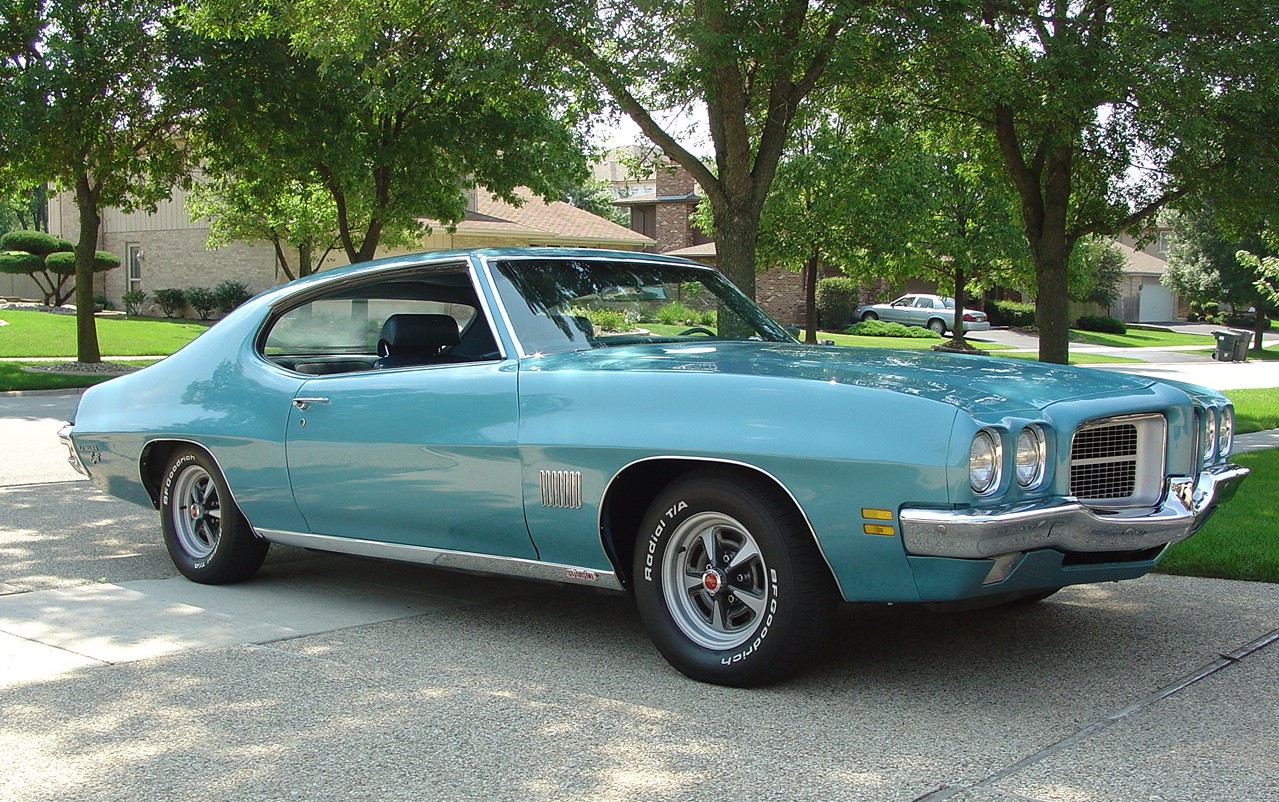
9. **Pontiac LeMans GT (1970–1972)**While the iconic GTO rightfully claims its place, it’s high time we cast a brilliant spotlight on its equally compelling, yet often overlooked, close cousin: the Pontiac LeMans GT. This exceptional machine was ingeniously conceived to deliver GTO-inspired styling and exhilarating performance, all while keeping it at a more accessible price point. It proudly offered potent V8 options, including the robust 400-cubic-inch engine, and boasted many of the very same aggressive design cues that adorned the more expensive GTO, often making it nearly indistinguishable at a glance.
Pontiac was making a bold and calculated bet with the LeMans GT, banking on buyers who passionately craved the head-turning style and unadulterated performance without necessarily needing the premium nameplate or higher cost associated with the revered GTO badge. It was a clever strategy to broaden the appeal of their performance lineup, offering an intoxicating taste of what made Pontiac muscle so special to a wider audience. This was a car that whispered performance while its sibling roared, a more subtle, yet equally potent, statement.
However, the LeMans GT tragically suffered from its very proximity to the legendary GTO. A significant number of enthusiasts either patiently saved up for the full-blown GTO experience or bypassed the LeMans entirely, perceiving it as merely the “junior” version. It unfortunately lacked the extensive marketing push and iconic status of its more famous sibling, and its trajectory was quickly outpaced by rising insurance costs and shifting market trends. Despite achieving solid sales figures, the LeMans GT gradually faded from collective memory, even as the GTO ascended to undisputed legendary status.
But now, the LeMans GT is powerfully emerging as an incredibly compelling mix of style, raw performance, and undeniable value for astute collectors looking beyond the obvious choices. With GTO prices continuing their stratospheric climb, these magnificent “clones” or exceptionally close cousins offer much of the very same thrilling experience at a mere fraction of the cost. With just a little bit of the right attention and the respect it has always deserved, the Pontiac LeMans GT could effortlessly take its rightful and long-overdue place in the revered muscle car pantheon. Its time to shine is definitively here.
Car Model Information: 2023 Dodge Charger GT
Caption: 1971 Pontiac LeMans Sport hardtop
Name: Pontiac LeMans
Manufacturer: Pontiac (automobile)
Production: 1961–1981 (U.S.),1971–1983 (Canada),1988–1993 (South Korea)
Class: Compact car
Successor: Pontiac 6000
Categories: 1970s cars, 1980s cars, All Wikipedia articles needing clarification, All articles with unsourced statements, Articles with short description
Summary: The Pontiac LeMans is a model name applied to automobiles marketed by Pontiac. The name came from the French city of Le Mans, the site of the 24 Hours of Le Mans, the world’s oldest active sports car endurance race that was first held in 1923. Originally a trim upgrade package based on the Tempest, the LeMans became a separate model in 1963.
In its first five generations spanning from 1961 until 1981 (1983 in Canada), the LeMans was a domestic RWD car; the first generation was a compact, with Gens 2-5 intermediates. From 1988 through 1993 the LeMans name was resurrected for a sixth generation, a FWD subcompact badge-engineered version of the Daewoo LeMans manufactured by Daewoo in South Korea.
Pontiac produced some notable GT/performance versions in the RWD models. The 1st generation not only featured a front-engine/rear-transaxle that very nearly resulted in an ideal 50/50 weight distribution, but also included four-wheel independent suspension for nimble handling, and could be ordered with an optional Buick 215 aluminum V8 engine.
The Pontiac GTO is credited with popularizing the muscle car market segment of the 1960s, and by many as the first muscle car. The 1970 model year introduced the LeMans GT-37 package. The 1973-75 Grand Am and 1977 Can Am combined luxury with performance features to emulate European coupes, focusing on balancing handling with power.
Get more information about: Pontiac LeMans
Buying a high-performing used car >>>
Brand: Pontiac Model: LeMans GT
Price: $26,990 Mileage: 19,257 mi.

10. **Chrysler 300 Hurst Edition (1970)**Prepare to be truly captivated by perhaps the most wonderfully unconventional entry on our illustrious list: the magnificent 1970 Chrysler 300 Hurst Edition. This wasn’t just any car; it was a luxurious, full-sized land yacht that defiantly packed a supremely serious punch under its imposing hood. Born from a powerful and innovative collaboration between Chrysler and the legendary Hurst Performance, this special edition 300 was armed with a colossal 440-cubic-inch TNT engine, a true behemoth producing an astounding 375 horsepower.
Visually, it was an absolute showstopper, resplendent in its striking Spinnaker White paint with exquisitely contrasting gold trim, and it featured a fiberglass hood and trunk lid—a truly cutting-edge and remarkably rare feature for its time. With its massive, commanding proportions and unmistakably unique styling, it presented a vision unlike any other muscle car gracing the asphalt during its entire era. This wasn’t a subtle statement; it was a grand declaration, pushing boundaries and defying expectations.
Yet, therein lay the perplexing problem. The 300 Hurst found itself in a curious automotive limbo, neither perfectly fitting the mold of a street-racing beast nor fully aligning with the expectations of traditional luxury buyers. It was simply too big and plush for the raw street-racing crowd, and simultaneously, far too overtly performance-oriented for discerning luxury car connoisseurs. Consequently, it profoundly struggled to pinpoint and capture a dedicated target audience. This niche appeal resulted in an exceptionally limited production run, with only around 500 units ever gracing the roads, and tragically, many of these magnificent machines faded into obscurity.
It was a spectacular, one-year-only wonder that, regrettably, faded from public consciousness all too quickly. However, its brilliant concept was truly decades ahead of its time, presciently laying the groundwork for the thrilling muscle-luxury fusion that we so admire today in modern powerhouses like the Dodge Charger Hellcat. Today, the Chrysler 300 Hurst stands as a truly fascinating and significant slice of automotive history, masterfully combining brute force with an undeniably bold design. As discerning collectors continue their passionate quest for unique, rare models, the 300 Hurst is finally receiving the profound appreciation it so richly deserves.
Car Model Information: 2021 Chrysler 300 Touring
Name: Chrysler 300
Aka: Lancia Thema
Manufacturer: Chrysler (automotive brand)
Production: February 1, 2004– December 2023
ModelYears: 2005–2023
Class: Executive car
Layout: Front-engine, rear-wheel-drive layout,automobile layout
Predecessor: Chrysler 300M,Chrysler Concorde,Chrysler Intrepid
Categories: 2010s cars, All articles with dead external links, All articles with unsourced statements, Articles with dead external links from June 2025, Articles with short description
Summary: The Chrysler 300 is a full-size car manufactured and marketed by Stellantis North America and its predecessor companies. It was available as a four-door sedan and station wagon in its first generation (model years 2005–2010), and solely as a four-door sedan in its second generation (model years 2011–2023).
The second generation 300 was marketed as the Chrysler 300C in the United Kingdom and Ireland and as the Lancia Thema in the remainder of Europe.
Get more information about: Chrysler 300
Buying a high-performing used car >>>
Brand: Chrysler Model: 300
Price: $24,127 Mileage: 38,829 mi.
Read more about: Beyond Myth and Legend: Unearthing 15 of the Rarest American Muscle Cars Ever Built

11. **1964 Studebaker Avanti R3**Now, let’s unearth a truly distinctive entry that often gets unfairly overlooked in the grand narrative of American muscle: the sensational 1964 Studebaker Avanti R3. This car wasn’t just a sleek design; it was a performance powerhouse that defied expectations. With its supercharged 289 cubic inch V8 engine, this mechanical marvel was capable of unleashing an exhilarating 335 horsepower, giving it a powerful, competitive edge that many of its more celebrated rivals struggled to match.
What truly set the Avanti R3 apart, beyond its formidable engine, was its revolutionary and undeniably sleek fiberglass body. This striking design, a vision of modernity and aerodynamic efficiency, effortlessly turned heads on every street it graced. You couldn’t help but appreciate its unique, futuristic aesthetic and the impressive performance credentials that lay beneath its sculpted skin.
The Avanti R3’s story is also one of exclusivity, as only a very limited number of these incredible machines were ever produced. This inherent rarity elevates it to the status of a true gem for astute collectors today, making it a highly coveted prize. If you possess a genuine passion for muscle cars that dare to be different, then the Avanti R3 absolutely deserves a prominent spot on your ultimate wish list.
Car Model Information: 1964 Studebaker Avanti
Name: Studebaker Avanti
Caption: 1963 Studebaker Avanti
Manufacturer: Studebaker
Aka: Avanti
Production: 1962: 1,200;
Assembly: Studebaker Corporation#Studebaker Factories,South Bend, Indiana
Predecessor: Studebaker Gran Turismo Hawk
Class: Personal luxury car
BodyStyle: coupe
Layout: FR layout
Engine: 289 CID
Abbr: on
Transmission: Manual transmission
Wheelbase: 109 in
Length: 192.4 in
Width: 70.3 in
Height: 53.8 in
Weight: 3095 lb
Related: Studebaker Lark
Designer: Raymond Loewy#Avanti
Categories: All articles with incomplete citations, Articles with incomplete citations from September 2018, Articles with short description, CS1 errors: missing title, Cars discontinued in 1963
Summary: The Studebaker Avanti is a personal luxury coupe manufactured and marketed by Studebaker Corporation between June 1962 and December 1963. A halo car for the maker, it was marketed as “America’s only four-passenger high-performance personal car.”
Described as “one of the more significant milestones of the postwar industry”, the Raymond Loewy-designed car offered safety features and high-speed performance. Called “the fastest production car in the world” upon its introduction, a modified Avanti reached over 170 mph (270 km/h) with its supercharged 289-cubic-inch (4,740 cm3) R3 engine at the Bonneville Salt Flats. In all, it broke 29 world speed records at the Bonneville Salt Flats.
Following Studebaker’s discontinuation of the model, a succession of five ventures manufactured and marketed derivatives of the Avanti model through 2006. These ventures licensed intellectual property and, in some cases procured parts, through arrangements with the successors to the Studebaker assets.
Get more information about: Studebaker Avanti
Buying a high-performing used car >>>
Brand: Studebaker Model: Avanti
Price: $57,000 Mileage: 45,354 mi.
Read more about: Unearthing the Thunder: 10 Forgotten Drag Cars That Dominated the Strip and Deserve a Roaring Comeback
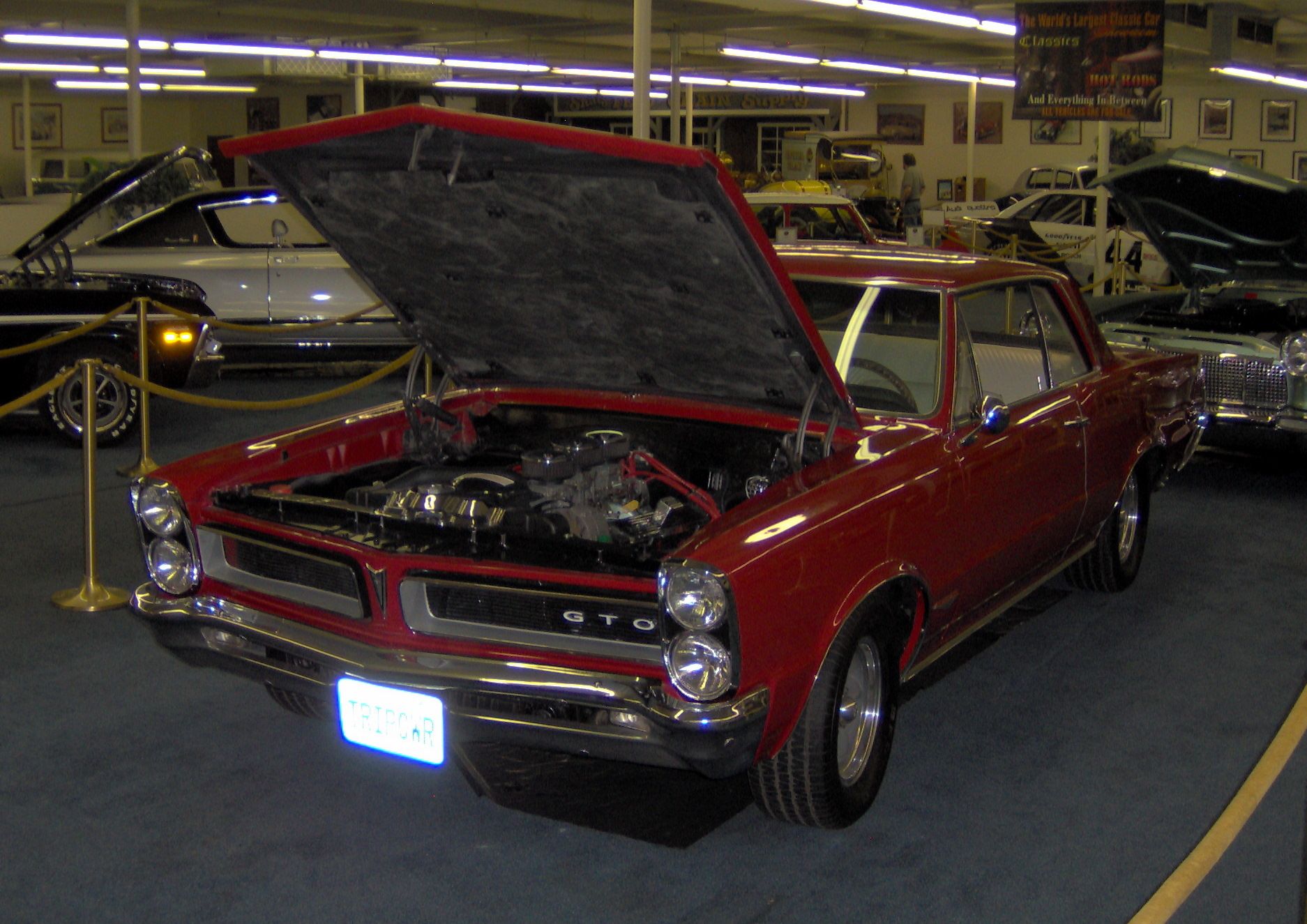
12. **1965 Pontiac 2+2**Prepare to be introduced to a bona fide hidden gem lurking within the vast and glorious universe of muscle cars: the magnificent 1965 Pontiac 2+2. This is a machine that, with its undeniably bold styling and profoundly powerful performance, absolutely merits significantly more recognition than it has historically received. Far from being just another large coupe, the 2+2 was a meticulously crafted statement of intent from Pontiac, eager to showcase that full-size comfort could coexist with true, unadulterated muscle car thrills.
This commanding full-size coupe truly packed a serious punch, coming standard with a formidable 421ci V-8 engine, a powerhouse capable of producing around 338 horsepower. It was a vehicle brilliantly designed with both blistering speed and luxurious comfort in mind, making it an utterly sublime choice for everything from spirited weekend cruises to epic cross-country journeys. The Pontiac 2+2 exuded an unmistakable sporty vibe, accentuated by its sleek, flowing lines and a host of unique design features that truly set it apart.
Adding to its allure and scarcity, the Pontiac 2+2 was, regrettably, produced for only a very brief period, ceasing production after 1967. This extremely limited production run has transformed it into an incredibly rare find today, a highly sought-after prize that evokes a deep sense of nostalgia among countless classic car collectors and enthusiasts. The prospect of lovingly restoring or majestically bringing back this automotive beauty to its former glory would undoubtedly ignite immense excitement across the entire classic car community.
Car Model Information: 2020 RAM 1500 Laramie
Name: Pontiac 2+2
Caption: 1965 Pontiac 2+2 Sports Coupe
Aka: Parisienne 2+2 (Canada)
Manufacturer: Pontiac (automobile)
Class: Full-size car
Production: 1964—1967 in the U.S.
Assembly: Pontiac Assembly,Pontiac, Michigan,Arlington Assembly,Arlington, Texas,Doraville Assembly,Doraville, Georgia,Fairfax Assembly,Kansas City, Kansas,Linden Assembly,Linden, New Jersey,South Gate Assembly,South Gate, California
BodyStyle: coupe,convertible
Engine: Pontiac V8 engine#389
Transmission: 3 or 4-speed manual, 3-speed automatic
Length: 214 in
Abbr: on
Height: 48 in
Wheelbase: 121 in
Related: Pontiac Catalina
Categories: 1970s cars, 2+2 coupés, All articles with unsourced statements, Articles with short description, Articles with unsourced statements from March 2017
Summary: The Pontiac 2+2 is a full size automobile that was manufactured by Pontiac, built on the B-body chassis. It debuted for the 1964 model year as a trim-only option for the Pontiac Catalina, with special door panels, bucket seats with a center console, and exterior badging. Pontiac marketed the 2+2 as the “big brother” to the popular Pontiac GTO.
Beginning in 1965 the name Catalina was no longer found on the car, although it was still an option on the Catalina. The 2+2 was equipped with a 421 cu in (6.9 L) V8 engine, dual exhaust, heavy-duty front springs as well as unique exterior body trim. It continued on the same platform, but became a separate Pontiac series for the 1966 model year. The 2+2 reverted to an option on the Catalina for 1967 and was discontinued in the United States the same year due to poor sales.
It continued as a series in Canada until 1970. All Canadian-built 2+2s were equipped with a Pontiac body on a Chevrolet chassis, with the full range of Chevrolet engines available from inline 6-cylinder to big-block V8.
The name 2+2 reappeared briefly in 1986 on the Pontiac Grand Prix 2+2 G-body “aerobody” coupe, of which 1,225 were built.
Get more information about: Pontiac 2+2
Buying a high-performing used car >>>
Brand: Pontiac Model: 2+2
Price: $36,995 Mileage: 64,342 mi.
Read more about: Cruise Nights to Forgotten Rides: Boomer Classics Millennials *Need* to Experience
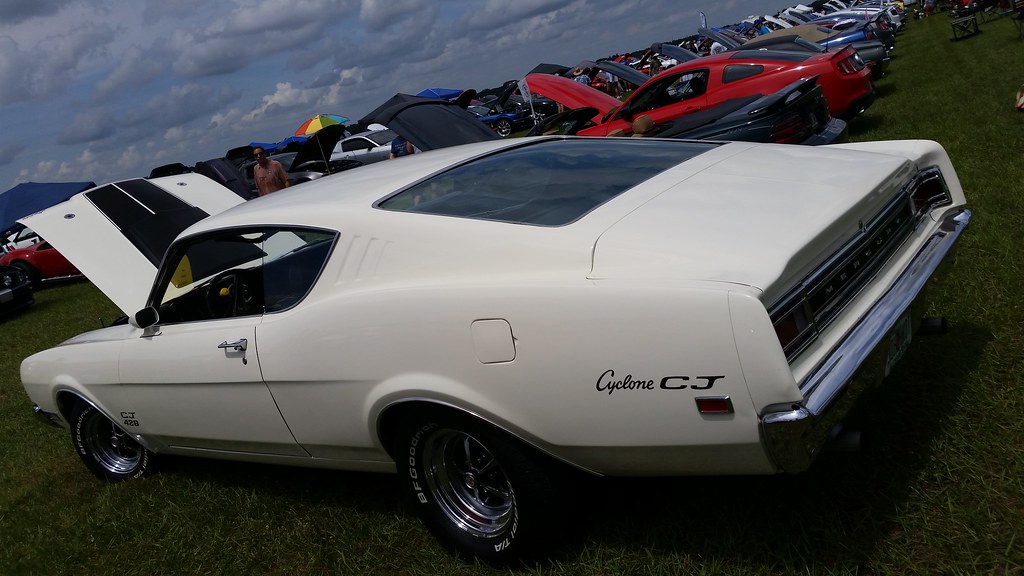
13. **1969 Mercury Cyclone CJ**Shifting gears once more, we absolutely must shine a brilliant spotlight on the incredible 1969 Mercury Cyclone CJ, a classic muscle car that undeniably deserves a prominent place in the automotive hall of fame. This isn’t merely a vehicle; it’s a roaring testament to raw power and distinctive design, a machine that captures the very essence of American performance with every curve and every roar of its engine. It proudly features a truly powerful 428 cu in V8 engine, a magnificent heart that beats with an impressive 335 hp and an earth-shaking 440 lb-ft of torque, ensuring an electrifying driving experience every single time.
But this car isn’t just about the sheer, unbridled power; it’s a visual spectacle with a truly distinctive design that ensures it stands out effortlessly in any crowd. With its aggressive racing stripes slicing across its muscular body and an undeniable, commanding stance that screams performance, the Cyclone CJ perfectly exudes the powerful, unyielding spirit of American muscle. Every angle of this car tells a story of speed, aggression, and uncompromised style, a design language that resonates deeply with true automotive aficionados.
Whether you dream of taking this formidable machine to the drag strip to unleash its full potential or simply wish to savor the exhilarating drive on the open road, the Cyclone CJ promises an unforgettable experience. Its masterful combination of head-turning style and formidable performance etches it indelibly into the annals of automotive history as a truly iconic piece of American engineering. If this magnificent car were to make a glorious comeback today, you would be incredibly lucky to witness its thrilling presence, tearing up the streets and reigniting the passion for pure, unadulterated muscle.
Car Model Information: 2020 RAM 1500 Laramie
Name: Mercury (Comet) Cyclone
Caption: 1971 Mercury Cyclone GT
Manufacturer: Mercury (automobile)
ModelYears: 1964–1971
Class: Muscle car
Layout: FR layout
Predecessor: Mercury Comet
Successor: Mercury Cougar#Third generation (1974–1976)
Related: Mercury Comet,Ford Fairlane (Americas),Mercury Montego,Ford Torino Talladega
BodyStyle: coupe
Categories: 1970s cars, Articles with short description, Cars introduced in 1964, Commons category link from Wikidata, Coupés
Summary: The Mercury Cyclone is an automobile that was marketed by the Mercury division of Ford from 1964 to 1971. Introduced in 1964 as the Mercury Comet Cyclone, the Cyclone replaced the S-22 as the performance-oriented version of the Mercury Comet model line. The Cyclone became a distinct nameplate for the 1968 model year, as the Mercury Montego was phased in to replace the Comet.
Within Mercury, the Cyclone was positioned between the Cougar pony car and the Marquis/Marauder full-size two-doors. Though largely overshadowed by the Cougar, the Cyclone was positioned as a muscle car, representing the Mercury brand in racing as a clone of the Ford Fairlane Thunderbolt.
Four generations of the Cyclone were produced, with production ending after the 1971 model year. For the 1972 model year, the Cyclone returned as an option package for the Montego; only 30 examples were produced. Within the Mercury line, the Cyclone was not directly replaced. The Cougar XR7 was repackaged as a personal luxury version of the Montego for 1974.
Get more information about: Mercury Cyclone
Buying a high-performing used car >>>
Brand: Mercury Model: Cyclone CJ
Price: $36,995 Mileage: 64,342 mi.
Read more about: Unleash the Beasts: The Most Powerful Muscle Cars from the Big Three’s Glorious Legacy

14. **1971 Plymouth GTX**Our journey through forgotten muscle car greatness wouldn’t be complete without celebrating the magnificent 1971 Plymouth GTX, a bona fide classic that, even decades later, continues to powerfully capture the unwavering attention of enthusiasts worldwide. This isn’t just a car; it’s a statement of aggressive elegance and uncompromising power, a machine that commanded respect on the streets and still does. Under its iconic hood pulses a mighty 440 cubic inch V8, a powerhouse that delivers an absolutely impressive 375 horsepower, making every acceleration a heart-thumping event.
You’ll immediately appreciate its undeniably bold design, a visual masterpiece that perfectly encapsulates the aggressive spirit of its era. The iconic twin-scooped hood, a signature element, isn’t just for show; it hints at the formidable performance capabilities lurking beneath. Furthermore, the GTX was available with a thrilling array of options for upgraded performance, allowing enthusiasts to tailor their beast to their exact specifications, solidifying its status as a firm favorite among those who demanded nothing but the best.
Adding to its profound allure and exclusivity, only approximately 7,000 GTX models were meticulously produced in that pivotal year of 1971. This exceptionally limited production run significantly contributes to its inherent rarity today, transforming it into a highly coveted prize for discerning collectors. If you are a true devotee of muscle cars, a connoisseur of power and unmistakable style, then the Plymouth GTX absolutely deserves a hallowed spot in your ultimate dream garage. It’s a testament to Mopar’s golden era, a masterpiece that fully warrants its long-overdue moment in the spotlight.
And there you have it, an exhilarating deep dive into the hidden chambers of muscle car history! Our journey through these overlooked legends—from the distinctively agile Dodge Coronet R/T to the luxurious yet ferociously powerful Chrysler 300 Hurst Edition, the innovative Studebaker Avanti R3, the stately Pontiac 2+2, the potent Mercury Cyclone CJ, and the bold Plymouth GTX—has been nothing short of a revelation. These machines weren’t mere footnotes; they were pioneers, rule-breakers, and underdogs that, for various reasons, didn’t get the roaring ovation they deserved in their prime.
Yet, as the automotive world continually spins forward, there’s an undeniable, palpable hunger for authenticity, for the unique stories and the raw, unadulterated engineering that defined an era. The beauty of the muscle car revival isn’t just about celebrating the well-known titans; it’s a thrilling rediscovery of the unsung heroes, the vehicles that dared to be different, that offered cutting-edge performance or unparalleled style, often against incredible odds. They challenge our perceptions and enrich our understanding of this golden age of horsepower.
Car Model Information: 1967 Plymouth GTX
Name: Plymouth GTX
Manufacturer: Plymouth (automobile)
Production: 1967–1971,44,178 units
Class: Muscle car
Assembly: Detroit,Michigan
Layout: FR layout
Platform: Chrysler B platform
Caption: 1970 Plymouth GTX
Categories: 1970s cars, All articles needing additional references, Articles needing additional references from February 2010, Articles with short description, Cars discontinued in 1971
Summary: The Plymouth GTX is an automobile manufactured by Chrysler and marketed under its Plymouth division from 1967 to 1971. Introduced as the Belvedere GTX, it was positioned as a mid-sized upscale-trimmed performance muscle car through the 1971 model year.
Get more information about: Plymouth GTX
Buying a high-performing used car >>>
Brand: Plymouth Model: GTX
Price: $55,975 Mileage: 59,997 mi.
Read more about: 8 Times Ford Went Wild: Uncovering the Blue Oval’s Rarest & Most Experimental Rides
So, let’s seize this moment to not only remember but to actively champion these incredible machines. Imagine the gleam of a perfectly restored Avanti R3, the thunder of a LeMans GT on the open road, or the subtle menace of a Nova SS at a local meet. Each car is a testament to ingenuity, passion, and the relentless pursuit of performance. It’s a call to arms for every enthusiast: let’s dust off these legends, ignite their engines once more, and ensure their thunderous legacies are finally recognized and revered by generations to come. The asphalt awaits their glorious return!