The roar of a V8, the intoxicating scent of burning rubber, and the unmistakable silhouette of raw power – these are the hallmarks of the American muscle car. While iconic names like the Mustang, Camaro, and Challenger rightfully command attention, the expansive landscape of automotive history is brimming with unsung heroes. These are the machines that, for various reasons, didn’t always grab the headlines but possessed every bit of the performance, style, and inherent thrill that defines the muscle car genre.
Indeed, the world of muscle cars is far richer and more diverse than the well-trodden paths might suggest. Many of these lesser-known titans were either overshadowed by their more commercially successful stablemates, born from smaller, less ubiquitous manufacturers, or simply ahead of their time, their true potential not fully recognized in their era. Yet, they offered a unique blend of visceral performance, distinctive aesthetics, and a charm that speaks directly to the hearts of true enthusiasts who look beyond the obvious.
Join us on an exhilarating journey as we delve into the stories of thirteen such vehicles – a collection of forgotten beasts and overlooked performers that, despite their understated presence, undeniably roar with glory. These are the cars that prove you don’t always need a household name to deliver an unforgettable driving experience; sometimes, the greatest treasures are found just off the beaten path, waiting to be discovered and appreciated for the engineering marvels they truly are.
1. 1970 AMC Rebel Machine
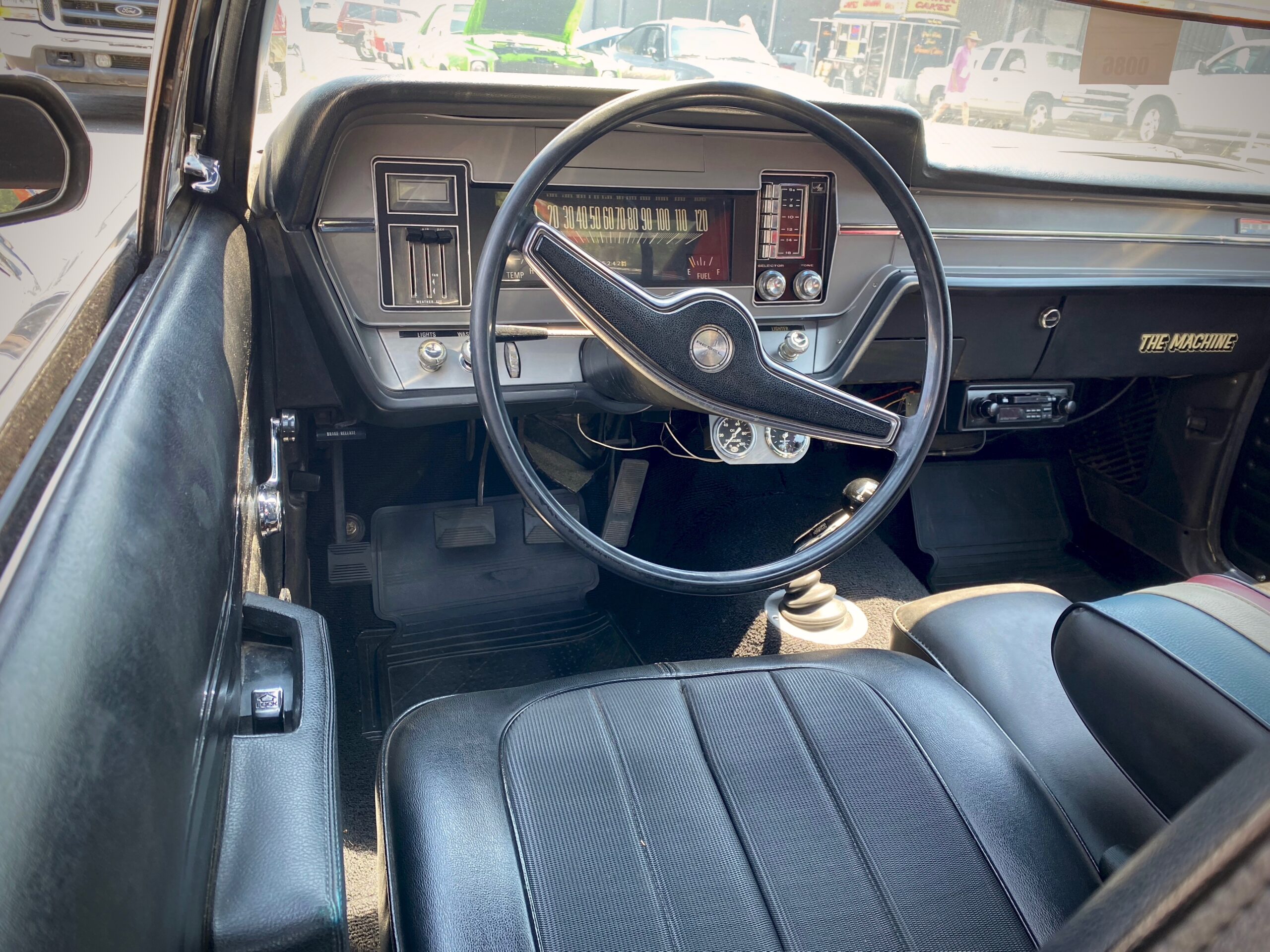
When American Motors Corporation (AMC) truly entered the muscle car arena, they made a bold statement with the 1970 Rebel Machine. This wasn’t merely a powerful car; it was a testament to innovation from a manufacturer often overshadowed by the Big Three. The Rebel Machine brought a distinctive flavor to the muscle car segment, a robust contender eager to prove its mettle on the street.
Underneath its aggressive exterior, the Rebel Machine housed a potent 390-cubic inch V8 engine, factory-rated at a commanding 340 horsepower. This figure positioned the Machine firmly against its more celebrated rivals. The engineering behind this powerplant ensured drivers had ample grunt, ready to launch the car with impressive force, making every press of the accelerator a thrilling experience and showcasing AMC’s commitment to performance.
Visually, the Rebel Machine was unmistakable, clad in a striking red, white, and blue paint scheme—a patriotic nod that instantly set it apart. This distinctive livery, combined with its aggressive stance, made it a true head-turner. Despite its formidable credentials and eye-catching aesthetics, the Rebel Machine often found itself overshadowed, unfairly relegated to a secondary status. With only about 2,500 built, its limited production contributed to its enduring mystique as an overlooked, rare, and powerful machine.
Car Model Information: 2020 RAM 1500 Laramie
Caption: 1968 AMC Rebel 770 station wagon
Name: AMC Rebel
Aka: Australia,Mexico,Europe
Manufacturer: American Motors Corporation
Production: 1967–1970 (US market)
ModelYears: 1967–1970 (US market)
Assembly: Australia
Class: Mid-size car
BodyStyle: sedan (car),convertible,hardtop,4-door sedan,station wagon
Engine: 232 CID
Abbr: on approx.
Transmission: Manual transmission,Overdrive (mechanics),4-speed manual floor or console,Automatic transmission,3-speed “Shift-Command” on console
Layout: Front-engine, rear-wheel drive layout
Wheelbase: 114 in
Length: {{convert,197,in,mm,0,abbr=on
Width: 77.29 in
Height: 53.5 in
Weight: 3500 lb
Platform: AMC’s “senior cars”
Predecessor: Rambler Classic
Successor: AMC Matador
Related: AMC Ambassador
Categories: 1970s cars, AMC vehicles, All articles with dead external links, Articles with dead external links from July 2023, Articles with permanently dead external links
Summary: The AMC Rebel (known as the Rambler Rebel in 1967) is a midsized car produced by American Motors Corporation (AMC) from the 1967 until the 1970 model year. It replaced the Rambler Classic. A similar AMC Matador line replaced the Rebel models, starting with the 1971 model year.
The Rebel was positioned as the high-volume seller in the independent automaker’s line of models. The Rebel was also available in several specialty models, including station wagons featuring themed trim and luxury equipment offered only in selected geographical regions. A high-performance, low-priced muscle car version was produced in 1970, the Machine, which is most recognized in its flamboyant white, red, and blue trim.
The Rebel is the shorter-wheelbase, intermediate-sized version of the longer-wheelbase, full-sized Ambassador line.
The Rebel was built at AMC’s West Assembly Line (along with the Ambassador) in Kenosha, Wisconsin, and in Brampton, Ontario, Canada (Bramalea – Brampton Assembly Plant).
The Rebel was also assembled from Complete Knock-down (CKD) kits under license in Europe (by Renault in 1967), in Mexico (by Vehiculos Automotores Mexicanos), in Costa Rica by Purdy Motor; and from Semi Knockdown kits (SKD) in Australia (by Australian Motor Industries), and in New Zealand (by Campbell Motor Industries). Although the Rambler name was discontinued on the Rebel in the U.S. and Canadian markets after the 1967 model year, the cars continued to be sold in international markets under the historic “Rambler” brand.
Get more information about: AMC Rebel
Buying a high-performing used car >>>
Brand: AMC Model: Rebel Machine
Price: $36,995 Mileage: 64,342 mi.
Read more about: Unleashed Fury: 10 Muscle Cars That Were Dangerously Overpowered for Their Era, Redefining Raw Performance on Public Roads
2. 1974 Pontiac Firebird Super Duty
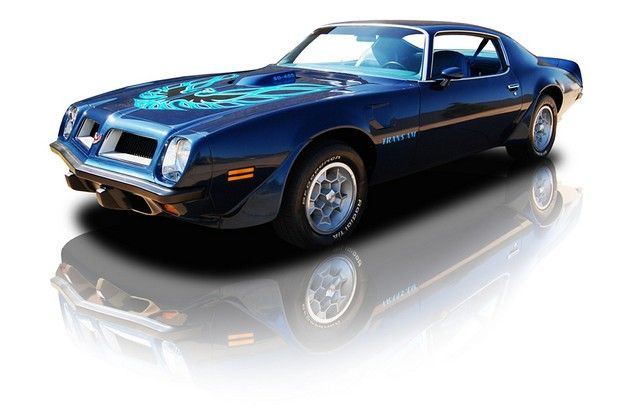
The mid-1970s presented a challenging period for muscle cars, with the oil crisis and emissions regulations threatening high-performance vehicles. Yet, defying these trends, Pontiac refused to let the muscle car dream die without a fight. The 1974 Firebird Super Duty stands as a powerful testament to this resistance, a true high-performance outlier when others shifted focus to efficiency.
At the heart of this defiant machine was the legendary 455-cubic inch V8. Even under the constraints of emissions standards, it produced a remarkable 290 horsepower—respectable numbers when many competitors struggled to break 200 hp. This engine, essentially a detuned racing unit, demonstrated serious engineering and Pontiac’s unwavering dedication to performance, representing the last gasp of true factory-produced muscle.
While maintaining the iconic Firebird styling, the Super Duty’s existence as a high-performance anomaly during a time of national focus on fuel conservation contributed to its lesser-known status. Celebrated by purists, it didn’t achieve the widespread fame of its earlier brethren. Today, it remains a potent symbol of resilience and a deeply underappreciated chapter in muscle car history, a genuine “firebird” rising from the ashes of an energy crisis.
Car Model Information: 2023 Dodge Charger GT
Name: Pontiac Firebird
Caption: The second, third, and fourth generations of,the Pontiac Firebird Trans Am
Manufacturer: Pontiac (automobile)
Production: February 23, 1967 – August 30, 2002
ModelYears: 1967 – 2002
Class: Pony car,Muscle car
Platform: GM F platform
Related: Chevrolet Camaro
Layout: Front engine, rear-wheel-drive layout
Categories: 1970s cars, 1980s cars, 1990s cars, 2000s cars, All articles with dead external links
Summary: The Pontiac Firebird is an American automobile built and produced by Pontiac from the 1967 to 2002 model years. Designed as a pony car to compete with the Ford Mustang, it was introduced on February 23, 1967, five months after GM’s Chevrolet division’s platform-sharing Camaro. This also coincided with the release of the 1967 Mercury Cougar, Ford’s upscale, platform-sharing version of the Mustang.
The name “Firebird” was also previously used by GM for the General Motors Firebird series of concept cars in the 1950s.
Get more information about: Pontiac Firebird
Buying a high-performing used car >>>
Brand: Pontiac Model: Firebird Super Duty
Price: $26,990 Mileage: 19,257 mi.
Read more about: Unleashed Fury: 10 Muscle Cars That Were Dangerously Overpowered for Their Era, Redefining Raw Performance on Public Roads
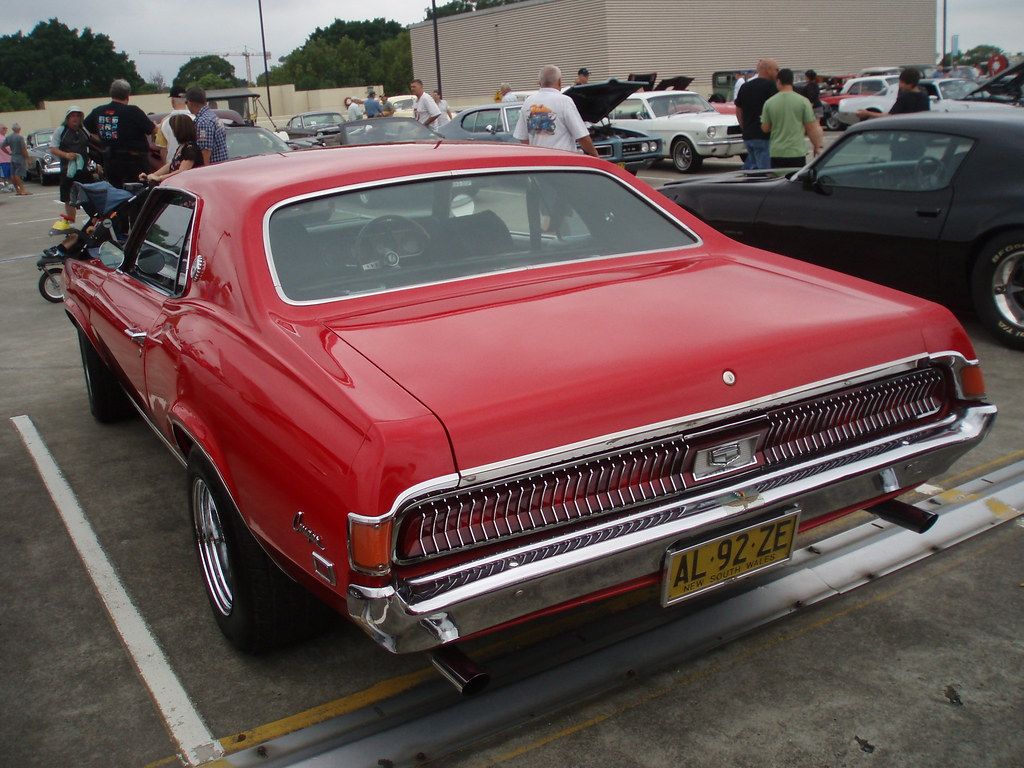
3. 1969 Mercury Cougar Eliminator
While the Ford Mustang often grabs the limelight, its more refined and equally potent cousin, the Mercury Cougar, offered a distinct blend of performance and style. The 1969 Mercury Cougar Eliminator, in particular, was a formidable contender, combining luxurious appointments with serious track-worthy power. It aimed to deliver a premium muscle experience, a sleek feline with a ferocious bite, appealing to those seeking something beyond the ubiquitous Mustang.
The Eliminator packed a serious punch under the hood. Buyers had exhilarating options, including the legendary 428 Cobra Jet engine. This powerplant ensured the Eliminator could “hang with the best of them,” challenging top-tier muscle cars of the era. With such a robust engine, the Cougar Eliminator was a force on the drag strip and open road, demonstrating Mercury’s commitment to performance that rivaled any segment. It was a truly potent machine, built for speed and engineered to thrill.
Visually, the Cougar Eliminator featured unique styling cues that differentiated it from its Ford cousin. Mercury instilled the Cougar with a more sophisticated design, enhanced by aggressive elements like a distinctive rear spoiler, hood scoop, and racing stripes. Despite its potent performance and unique aesthetic, the Eliminator remained overshadowed by the Mustang’s massive popularity. This was an unfair fate for a car offering such an impressive blend of muscle and refinement, making it a stylish, powerful, and often overlooked masterpiece.
Car Model Information: 1995 Mercury Cougar XR7
Name: Mercury Cougar
Caption: 1969 Mercury Cougar (first generation)
Manufacturer: Mercury (automobile)
Layout: Front-engine, rear-wheel-drive layout
ModelYears: 1967–1997,1999–2002
Class: Pony car,Personal luxury car,Mid-size car,Sport compact
Categories: 1960s cars, 1970s cars, 1980s cars, 1990s cars, 2000s cars
Summary: The Mercury Cougar is a series of automobiles that was sold by Mercury from 1967 to 2002. The model line is a diverse series of vehicles; though the Cougar nameplate is most commonly associated with two-door coupes, at various stages in its production, the model also was offered as a convertible and a hatchback. During its production as the mid-size Mercury line, the Cougar was also offered as a four-door sedan and five-door station wagon.
In production for 34 years across eight generations (skipping the 1998 model year), the Cougar is second only to the Grand Marquis (36 years) in the Mercury line for production longevity. 2,972,784 examples were produced, making it the highest-selling Mercury vehicle. During the 1970s and 1980s, the marketing of the Mercury division was closely associated with the Cougar, with promotional materials advertising Mercury dealers as “The Sign of the Cat” with big cats atop Lincoln-Mercury dealer signs. Cat-related nameplates were adopted by other Mercury lines, including the Bobcat and Lynx.
During its production, the Cougar was assembled at the Dearborn Assembly Plant (part of the Ford River Rouge Complex) in Dearborn, Michigan from 1967 until 1973, San Jose Assembly (Milpitas, California) from 1968 into early 1969, Lorain Assembly (Lorain, Ohio) from 1974 until 1997, and at Flat Rock Assembly (Flat Rock, Michigan) from 1999 through 2002.
Get more information about: Mercury Cougar
Buying a high-performing used car >>>
Brand: Mercury Model: Cougar
Price: $10,995 Mileage: 37,589 mi.
Read more about: Unleashing Power: 9 Muscle Cars Every True Enthusiast Should Consider for Driveway Dominance and Future Value
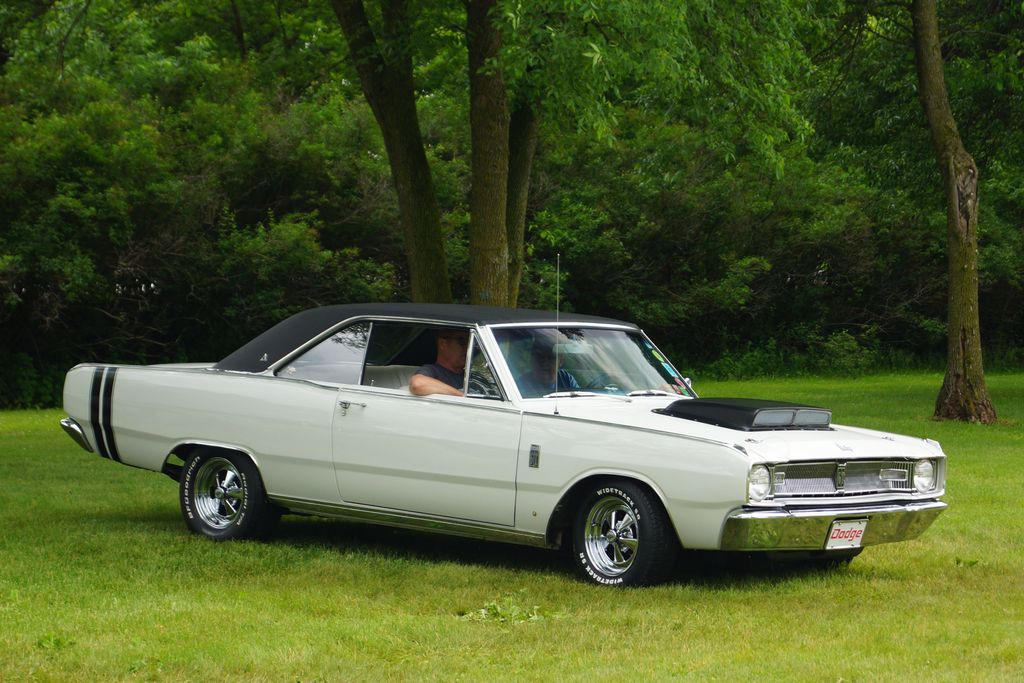
4. 1968 Dodge Dart GTS
In the world of muscle cars, size often dictated perception, with bigger often equating to more power. However, the 1968 Dodge Dart GTS ingeniously defied this, presenting itself as a compact yet incredibly potent machine—a true “wolf in sheep’s clothing.” Its smaller stature belied an explosive performance capability, making it a surprising and fiercely capable contender on the street, embodying discreet power with monstrous capabilities.
The secret to the Dart GTS’s formidable performance lay in its remarkable engine options. It could be optioned with either a big-block 383 or a ferocious 440 V8 engine. With the right configuration, this compact terror could unleash up to 375 horsepower—an astonishing figure for a car of its size. This potent combination resulted in an excellent power-to-weight ratio, ensuring blistering acceleration and a thrilling driving experience that could easily embarrass larger muscle cars.
Despite its undeniable prowess and ability to punch above its weight, it’s surprising the 1968 Dodge Dart GTS doesn’t command more attention. Its relatively understated appearance, compared to flashier siblings, likely contributed to its overlooked status. Yet, for those in the know, the Dart GTS represents a clever and effective approach to muscle car design: enormous power in a lighter, nimble package. It was a genuine performer, a discreet powerhouse that consistently delivered exhilarating thrills, cementing its place as an underappreciated legend.
Car Model Information: 2020 RAM 1500 Laramie
Name: Dodge Dart
Caption: 1966 Dodge Dart GT 2-door hardtop
Manufacturer: Dodge
Production: 1959–1976 (US market)
ModelYears: 1960–1976 (US market)
Class: Full-size
Layout: FR layout
Predecessor: Dodge Coronet#Fourth generation (1957–1959)
Related: Plymouth Valiant,Chrysler Valiant,Dodge Phoenix
Successor: Dodge Aspen,Dodge Diplomat,Talbot Tagora
Categories: 1970s cars, All articles with unsourced statements, Articles with short description, Articles with unsourced statements from December 2023, Articles with unsourced statements from May 2025
Summary: The Dodge Dart is a line of passenger cars produced by Dodge from the 1959 to 1976 model years in North America, with production extended to later years in various other markets.
The production Dodge Dart was introduced as a lower-priced full-size model in 1960 and 1961, but became a mid-size car for one model year for 1962, and was then reduced to a compact for two generations, from 1963 to 1976.
Chrysler had first used ‘Dart’ name plates on two Italian styled show cars, in 1956 and 1957, before it became a Dodge model name. The Dart nameplate was resurrected for a Fiat-derived compact car that was introduced in 2012.
Get more information about: Dodge Dart
Buying a high-performing used car >>>
Brand: Dodge Model: Dart GTS
Price: $36,995 Mileage: 64,342 mi.
Read more about: More Bark Than Bite: 14 Classic Cars That Didn’t Quite Live Up to Their Legendary Looks
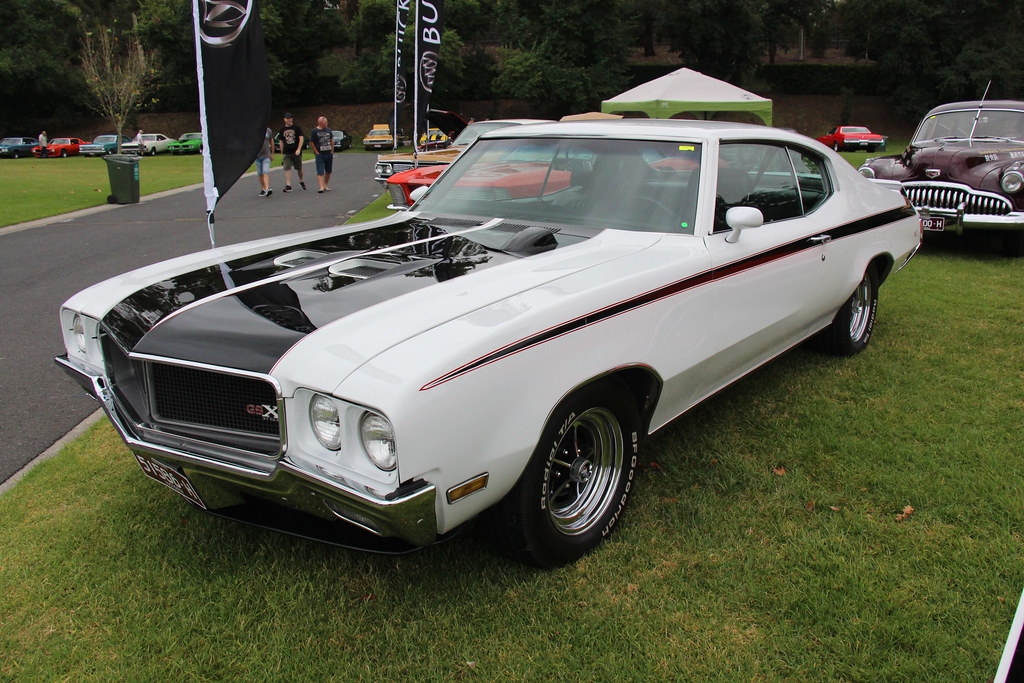
5. 1970 Buick GSX
Buick, often linked with luxury rather than raw performance, surprised the muscle car market with its stunning 1970 GSX. This car was a masterclass in blending executive refinement with brutal, tire-shredding capability, truly embodying “luxury meets performance.” It offered an experience both sophisticated and thrilling, proving a muscle car didn’t need to sacrifice comfort for speed.
The heart of the 1970 Buick GSX was its monumental 455-cubic inch V8 engine, generating an astonishing 510 lb-ft of torque. This figure was class-leading, more than any other production muscle car at the time. Such immense torque translated directly into mind-bending acceleration, providing an immediate, powerful surge that could pin occupants deep into their seats. The GSX was a low-revving torque monster, built for effortlessly devouring asphalt, a genuine powerhouse with unexpected finesse.
Despite its undisputed prowess and record-setting torque, the Buick GSX has remained in the shadow of more iconic muscle cars. Its more subdued, elegant styling, compared to overtly aggressive designs, likely contributed to its overlooked status. Yet, for those appreciating a unique blend of muscular performance and refined aesthetics, the GSX represents a pinnacle of the era. Available in striking Apollo White or Saturn Yellow with bold black stripes, it exuded quiet confidence. The GSX was, and remains, a sophisticated brute, deserving far more recognition.
Read more about: Unleashed Fury: 10 Muscle Cars That Were Dangerously Overpowered for Their Era, Redefining Raw Performance on Public Roads
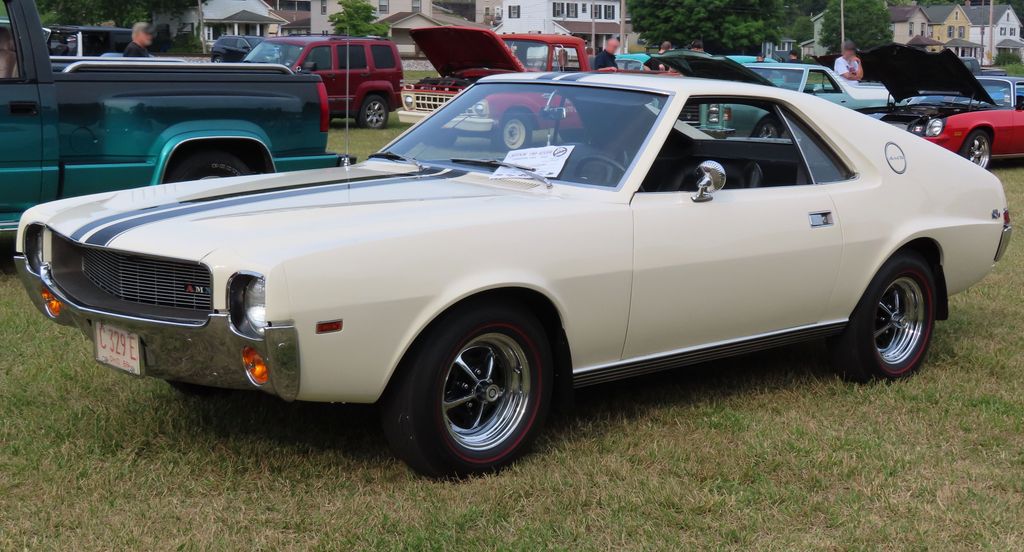
6. 1968 AMC AMX
American Motors Corporation (AMC) often approached automotive design with a unique perspective, and the 1968 AMX exemplifies this. While most muscle cars were four or five-seaters, AMC boldly ventured into producing a two-seater muscle car. This departure aimed to carve a distinct niche, offering a more focused and personal performance experience—a domestic sports car with true muscle car credentials.
The AMX wasn’t merely unique; it was a serious performer. Available with a formidable 390-cubic-inch V8 engine, it offered an excellent power-to-weight ratio. With less mass to propel compared to larger rivals, the AMX delivered exhilarating acceleration and surprisingly agile dynamics. This lightweight, powerful combination made it incredibly responsive and a joy to pilot, showcasing the potential of a compact, high-performance package that felt taut and athletic.
Unfortunately, the AMX’s two-seat configuration, while a strength for performance and individuality, also limited its broader market appeal. Many muscle car buyers sought practicality or preferred established norms. As a result, the 1968 AMC AMX, despite exceptional performance and distinctive styling, remained relatively rare and never achieved mainstream success. Today, its rarity and unique history only add to its allure, making it a highly desirable and genuinely underappreciated collectible for those valuing innovation and pure driving focus.
Read more about: Unleashing Power: 9 Muscle Cars Every True Enthusiast Should Consider for Driveway Dominance and Future Value

7. 1963 Ford Galaxie 500XL
Long before the Mustang redefined Ford’s performance image, the 1963 Ford Galaxie 500XL was already setting the stage for what an American muscle car could be. This full-size offering, often overshadowed by its younger, more celebrated sibling, was an early and powerful example of performance engineering, showcasing a commitment to speed and power that would become synonymous with the muscle car era. It was a pioneer, a large and imposing machine with an unexpected punch.
Beneath its expansive hood, the Galaxie 500XL could be outfitted with a truly monstrous 427-cubic inch V8 engine. This formidable powerplant, the heart of Ford’s early racing efforts, transformed the large sedan into a legitimate street brawler. It delivered prodigious horsepower and torque, propelling the Galaxie with surprising ferocity. This was a car built for speed, designed to dominate drag strips and oval tracks, yet available to the public, offering a taste of racing pedigree.
Despite its powerful engine and significant performance attributes, the 1963 Ford Galaxie 500XL often takes a backseat to the Mustang in discussions of Ford muscle cars. This is an unfortunate oversight, as it was a groundbreaking vehicle, proving a full-size car could be a genuine performance machine. Its powerful presence and the raw capability of its 427 V8 embodied the spirit of early muscle cars with undeniable authority. For enthusiasts seeking classic style, early muscle roots, and serious big-block power, the Galaxie 500XL remains a magnificent and deeply undervalued piece of automotive history.
Navigating the rich tapestry of muscle car history, we’ve already unearthed some truly magnificent machines that, for various reasons, didn’t quite get their moment in the blazing spotlight. Now, our journey accelerates further as we delve into six more astonishing examples—vehicles that demonstrate innovative approaches, leverage unexpected power sources, or simply masterfully blend luxury or utility with their formidable performance. These are the later-era contenders, the unconventional body styles, and the quiet powerhouses that truly cement the diverse and vibrant spirit of the underrated muscle car. Each one tells a story of engineering prowess and an enduring commitment to the thrill of the open road, proving that true glory often resides just outside the familiar.
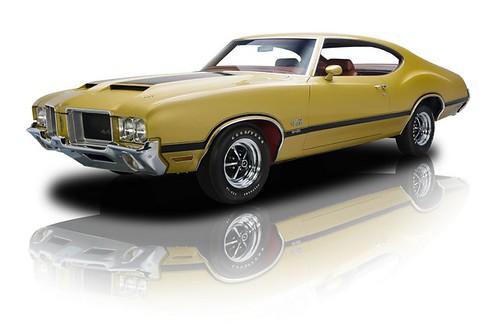
8. 1971 Oldsmobile 442
As the golden age of muscle cars began its transition, the 1971 Oldsmobile 442 roared onto the scene, a potent reminder that sophistication and sheer power could coexist in perfect harmony. While the 442 nameplate was undeniably well-known within enthusiast circles, this particular vintage, a true masterpiece of blending refinement with ferocity, sadly never achieved the widespread mainstream fame it so richly deserved. It stood as a formidable offering, a late-era contender that kept the flame of high performance burning brightly.
At the heart of this commanding Oldsmobile was a monstrous 455-cubic inch V8 engine. This powerplant was engineered to deliver nothing short of exhilarating performance, capable of unleashing an impressive 370 horsepower. But beyond horsepower, the 455 also churned out a staggering 500 lb-ft of torque, a figure that ensured relentless acceleration and effortless highway cruising. Such immense torque meant the 1971 442 possessed a brutal yet smooth power delivery, making every press of the accelerator an unforgettable experience.
Despite its undeniable prowess and significant output numbers, the 1971 Oldsmobile 442 faced stiff competition, not just from other brands but even from within General Motors’ own stables. Its more understated styling, compared to some flashier rivals, may have contributed to its struggle for broader recognition. Yet, for those who appreciated a muscular machine that didn’t scream for attention but commanded respect with every revolution of its engine, the ’71 442 remains an immensely rewarding and profoundly underappreciated piece of automotive history.
Car Model Information: 1969 Oldsmobile 442
Name: Oldsmobile 442
Manufacturer: Oldsmobile
ModelYears: 1964–1980,1985–1987,1990–1991
Class: Muscle car
Layout: FR layout
Caption: 1971 Oldsmobile 442
Categories: 1960s cars, 1970s cars, 1980s cars, All articles with unsourced statements, Articles with short description
Summary: The Oldsmobile 4-4-2 is a muscle car produced by Oldsmobile between the 1964 and 1987 model years. Introduced as an option package for US-sold F-85 and Cutlass models, it became a model in its own right from 1968 to 1971, spawned the Hurst/Olds in 1968, then reverted to an option through the mid-1970s. The name was revived in the 1980s on the rear-wheel drive Cutlass Supreme and early 1990s as an option package for the new front-wheel drive Cutlass Calais.
The “4-4-2” name (pronounced “Four-four-two”) derives from the original car’s four-barrel carburetor, four-speed manual transmission, and dual exhausts. It was originally written “4-4-2” (with badging showing hyphens between the numerals), and remained hyphenated throughout Oldsmobile’s use of the designation. Beginning in 1965, the 4-4-2s standard transmission was a three-speed manual along with an optional two-speed automatic and four-speed manual, but were still badged as “4-4-2″s.
Because of this change, from 1965 on, according to Oldsmobile brochures and advertisements, the 4-4-2 designation referred to the 400 cubic inch engine, four-barrel carburetor, and dual exhausts. By 1968, badging was shortened to simply “442”, but Oldsmobile brochures and internal documents continued to use the “4-4-2” model designation.
Get more information about: Oldsmobile 442
Buying a high-performing used car >>>
Brand: Oldsmobile Model: 442
Price: $43,990 Mileage: 24,000 mi.
Read more about: Unleashed Fury: 10 Muscle Cars That Were Dangerously Overpowered for Their Era, Redefining Raw Performance on Public Roads
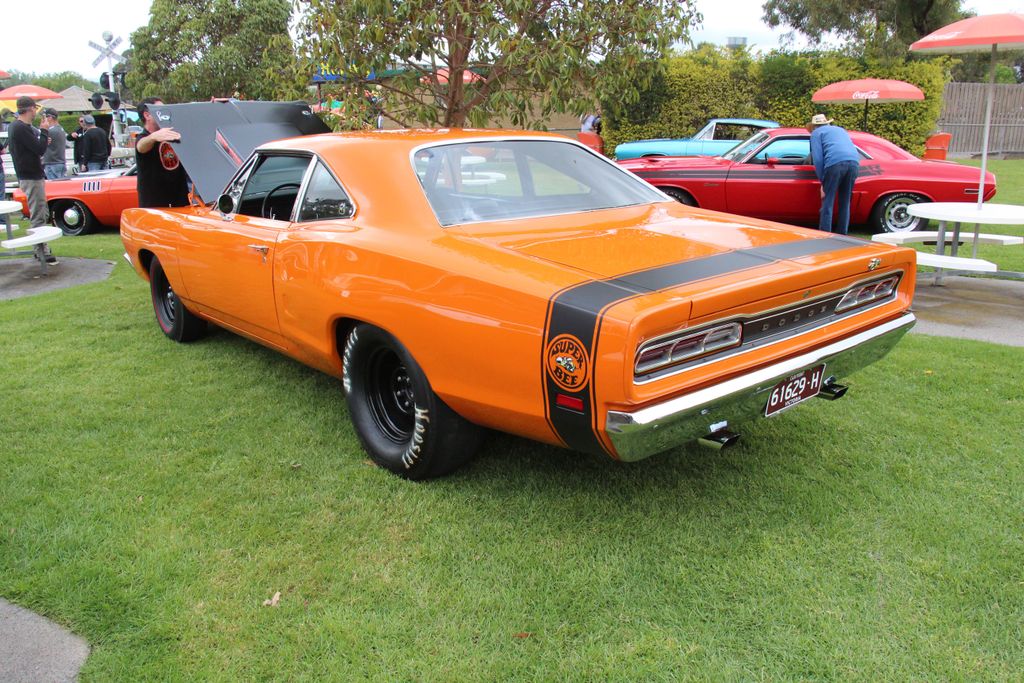
9. 1969 Dodge Coronet Super Bee
Don’t let the somewhat whimsical name fool you; the 1969 Dodge Coronet Super Bee was serious business on the street and strip. Conceived as a more affordable, back-to-basics muscle machine than its Charger sibling, the Super Bee was built for one primary purpose: to go fast, and do it with an accessible price tag. It represents a quintessential example of Mopar’s commitment to delivering raw, unadulterated performance to the masses.
Under the hood, the Super Bee offered legendary power options that cemented its performance credentials. Buyers could choose from the awe-inspiring 426 Hemi, a race-bred engine synonymous with Mopar dominance, or the formidable 440 Six Pack, a tri-carbureted V8 that delivered immense torque and horsepower. These powerplants ensured the Super Bee was not just fast, but terrifyingly quick, capable of challenging virtually any competitor of its era on a drag strip.
However, despite its blistering performance and attractive price point, the 1969 Dodge Coronet Super Bee often found itself playing second fiddle. It was frequently overlooked in favor of its more stylish and commercially successful stablemates, the Charger and Challenger. This historical oversight, while perhaps regrettable for the Super Bee’s original market fame, now presents an incredible opportunity for enthusiasts. For those seeking genuine Mopar muscle without the inflated price tag of its more famous relatives, the Super Bee remains an intelligent, powerful, and truly rewarding hidden gem.
Car Model Information: 2023 Dodge Charger GT
Name: Dodge Super Bee
Manufacturer: Chrysler Corporation
Production: 1968–1971 , 1970–1980 (Mexico only) , 2007–2009 , 2012–2013
Layout: FR layout
Class: Muscle car
Caption: 1969 Dodge Coronet Super Bee A12 “Six Pack”
Categories: 1960s cars, 1970s cars, All articles needing additional references, All articles with dead external links, All articles with unsourced statements
Summary: The Dodge Super Bee is a mid-sized muscle car marketed by Dodge, that was produced for the 1968 through 1971 model years.
In Mexico, the Super Bee was based on a compact-sized Chrysler platform and marketed from 1970 until 1980.
The Super Bee model name was resurrected for the 2007, 2008, 2009, 2012, and 2013 Dodge Charger Super Bee models.
Get more information about: Dodge Super Bee
Buying a high-performing used car >>>
Brand: Dodge Model: Coronet Super Bee
Price: $26,990 Mileage: 19,257 mi.
Read more about: Unleashed Fury: 10 Muscle Cars That Were Dangerously Overpowered for Their Era, Redefining Raw Performance on Public Roads
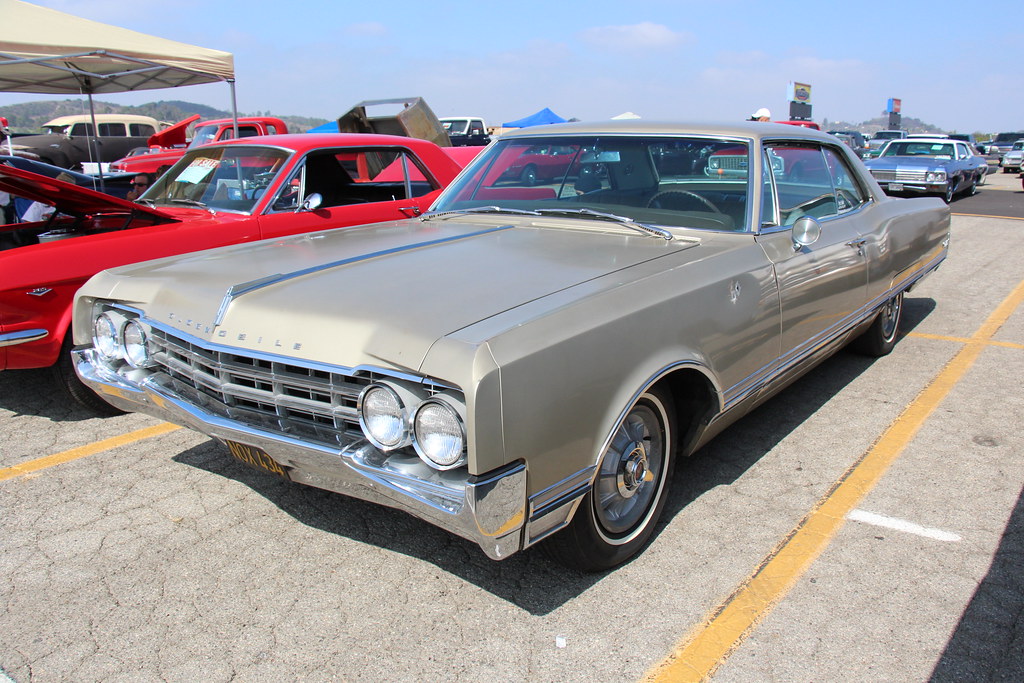
10. 1965 Oldsmobile 442
To truly appreciate the roots of muscle, we must rewind to the mid-1960s, where the 1965 Oldsmobile 442 emerged as an early pioneer, defining what a sophisticated performance car could be. While some muscle cars of the era emphasized brute force above all else, the 442 brought an unexpected layer of refinement and balanced engineering to the segment. It wasn’t just a powerful machine; it was an intelligently crafted performance statement from Oldsmobile.
The very name “442” wasn’t just a catchy badge; it was a clear declaration of its performance recipe. It stood for a 4-barrel carburetor, a 4-speed manual transmission, and dual exhausts—a trifecta of performance-enhancing features that were highly desirable to enthusiasts. Powering this early muscle icon was a robust 400-cubic-inch V8 engine, which generated a very respectable 345 horsepower, ensuring the 442 could more than hold its own against the burgeoning competition.
Oldsmobile positioned the 442 as a more upscale and polished offering, setting it apart from some of its more bare-bones rivals. This unique blend of power and panache, however, might have been a double-edged sword. While it was undoubtedly sophisticated for its time and highly capable, it didn’t always grab the same headlines or achieve the widespread, raw fame as some of its contemporaries. Its quieter elegance sometimes meant it was underestimated, despite its foundational role in shaping the muscle car landscape.
For modern enthusiasts, this makes the 1965 Oldsmobile 442 an absolute treasure. It offers a genuine early muscle car experience, imbued with a level of comfort and engineering thoughtfulness that was ahead of its time. Its distinct identity, combining a potent V8 with a meticulously engineered performance package, ensures it remains a significant and genuinely underappreciated entry in the pantheon of American high-performance vehicles, a testament to Oldsmobile’s engineering prowess.
Read more about: Unleashed Fury: 10 Muscle Cars That Were Dangerously Overpowered for Their Era, Redefining Raw Performance on Public Roads

11. 1971 Plymouth GTX
For those who sought the ultimate blend of power, style, and a touch of class in their muscle car, the 1971 Plymouth GTX offered an irresistible package. Positioned as Plymouth’s “gentleman’s muscle car,” it delivered uncompromising performance without sacrificing a slightly more upscale demeanor. It was a true grand tourer of the muscle era, built for covering ground quickly and in style, a sophisticated brute in the truest sense.
Beneath its sleek lines, the GTX provided an array of truly formidable engine options, ensuring it was a top performer on any road or track. Discerning buyers could spec their GTX with either a mighty 440-cubic inch V8, renowned for its incredible torque and robust power delivery, or the legendary 426 Hemi, an engine that needs no introduction, delivering unadulterated, race-bred horsepower. These were the pinnacle of Mopar performance, making the GTX a serious contender against any rival.
Yet, despite its incredible hardware and elegant performance, the 1971 Plymouth GTX found itself in the shadow of its more boisterous and arguably more famous siblings: the Road Runner and the Barracuda. These models, with their more youthful and aggressive marketing, often overshadowed the GTX’s more refined appeal. This is an unfortunate truth, as the GTX offered comparable, and in some cases, superior performance, wrapped in a package that exuded a more mature confidence. Today, the GTX remains an outstanding, often-overlooked choice for collectors and drivers who appreciate performance paired with a subtle touch of luxury.
Car Model Information: 1968 Plymouth GTX
Name: Plymouth GTX
Manufacturer: Plymouth (automobile)
Production: 1967–1971,44,178 units
Class: Muscle car
Assembly: Detroit,Michigan
Layout: FR layout
Platform: Chrysler B platform
Caption: 1970 Plymouth GTX
Categories: 1970s cars, All articles needing additional references, Articles needing additional references from February 2010, Articles with short description, Cars discontinued in 1971
Summary: The Plymouth GTX is an automobile manufactured by Chrysler and marketed under its Plymouth division from 1967 to 1971. Introduced as the Belvedere GTX, it was positioned as a mid-sized upscale-trimmed performance muscle car through the 1971 model year.
Get more information about: Plymouth GTX
Buying a high-performing used car >>>
Brand: Plymouth Model: GTX
Price: $79,900 Mileage: 62,200 mi.
Read more about: 8 Times Ford Went Wild: Uncovering the Blue Oval’s Rarest & Most Experimental Rides
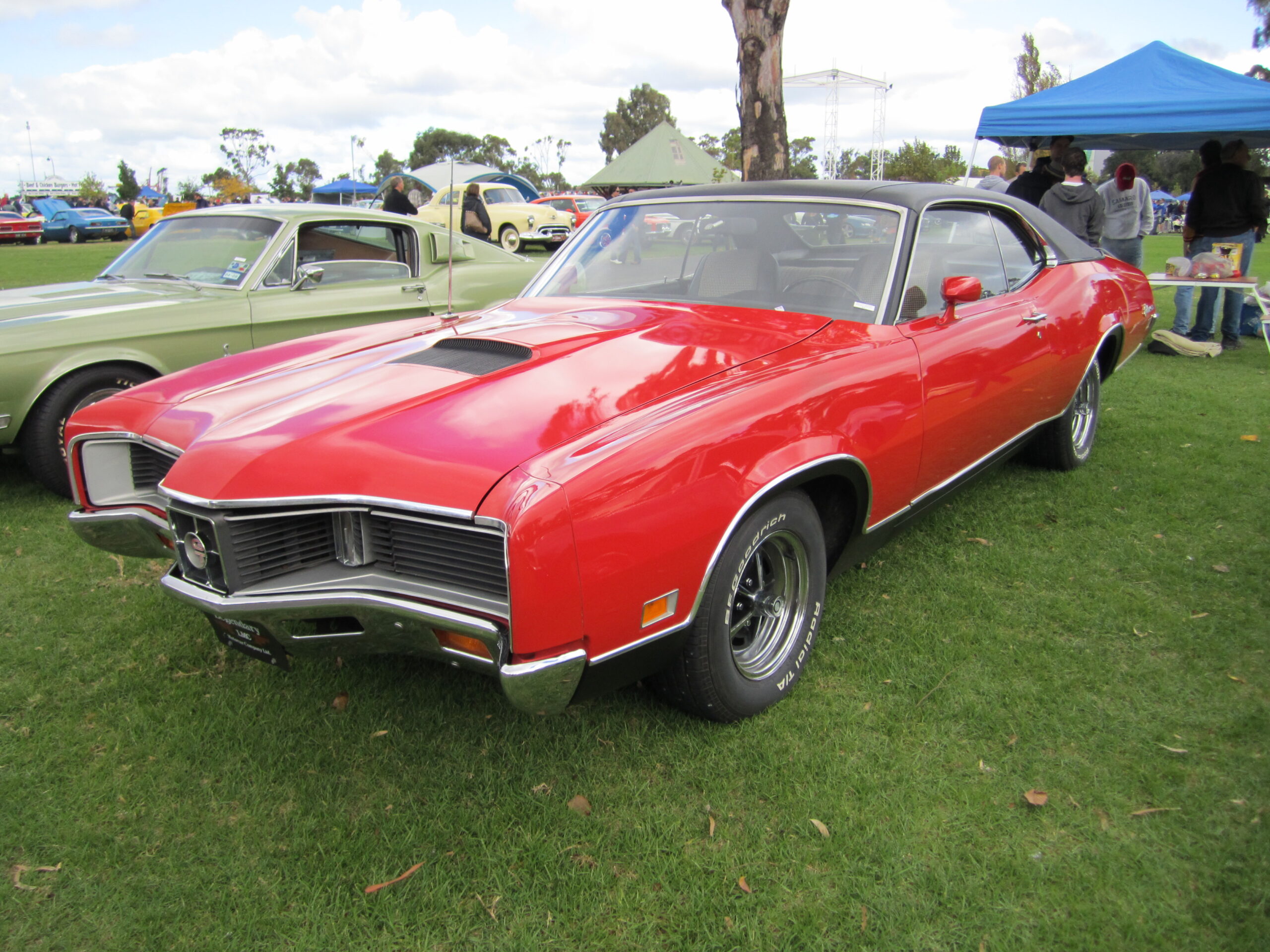
12. 1970 Mercury Cyclone GT
The 1970 Mercury Cyclone GT was a bold declaration from Ford’s upscale division, presenting a muscle car that blended aggressive styling with potent performance. This wasn’t merely a rebadged Ford; it was a distinct entity with its own unique visual identity and a clear mission to carve out its own niche in the highly competitive muscle car market. Its purposeful stance and distinctive front grille signaled its intentions to dominate.
Powering this assertive Mercury was a 351-cubic inch Cleveland V8 engine, a highly capable and well-regarded powerplant of the era. This engine ensured the Cyclone GT delivered a very respectable 300 horsepower, providing ample grunt for spirited driving and holding its own against many of its V8-powered contemporaries. Its performance was not only solid but delivered with a characteristically Ford-esque reliability that added to its appeal for those in the know.
However, the Cyclone GT faced an uphill battle for widespread recognition. It was often overshadowed by its more popular contemporaries, particularly the ubiquitous Ford Mustang and the formidable Chevrolet Camaro. Furthermore, Mercury’s traditional luxury branding and the Cyclone GT’s somewhat higher price point meant it didn’t always resonate with the core muscle car audience, who were often looking for raw performance over style or premium appointments. This made it a formidable, yet often misunderstood, machine that deserves a second look for its unique blend of attributes.
Car Model Information: 2020 RAM 1500 Laramie
Name: Mercury (Comet) Cyclone
Caption: 1971 Mercury Cyclone GT
Manufacturer: Mercury (automobile)
ModelYears: 1964–1971
Class: Muscle car
Layout: FR layout
Predecessor: Mercury Comet
Successor: Mercury Cougar#Third generation (1974–1976)
Related: Mercury Comet,Ford Fairlane (Americas),Mercury Montego,Ford Torino Talladega
BodyStyle: coupe
Categories: 1970s cars, Articles with short description, Cars introduced in 1964, Commons category link from Wikidata, Coupés
Summary: The Mercury Cyclone is an automobile that was marketed by the Mercury division of Ford from 1964 to 1971. Introduced in 1964 as the Mercury Comet Cyclone, the Cyclone replaced the S-22 as the performance-oriented version of the Mercury Comet model line. The Cyclone became a distinct nameplate for the 1968 model year, as the Mercury Montego was phased in to replace the Comet.
Within Mercury, the Cyclone was positioned between the Cougar pony car and the Marquis/Marauder full-size two-doors. Though largely overshadowed by the Cougar, the Cyclone was positioned as a muscle car, representing the Mercury brand in racing as a clone of the Ford Fairlane Thunderbolt.
Four generations of the Cyclone were produced, with production ending after the 1971 model year. For the 1972 model year, the Cyclone returned as an option package for the Montego; only 30 examples were produced. Within the Mercury line, the Cyclone was not directly replaced. The Cougar XR7 was repackaged as a personal luxury version of the Montego for 1974.
Get more information about: Mercury Cyclone
Buying a high-performing used car >>>
Brand: Mercury Model: Cyclone GT
Price: $36,995 Mileage: 64,342 mi.
Read more about: Blue Oval Blunders: The 10 Ford Cars So Ugly They Were Instant Market Failures

13. 1972 Pontiac Ventura Sprint
In an era where many muscle cars were either scaling back or disappearing, the 1972 Pontiac Ventura Sprint presented an intriguing, albeit understated, approach to performance. It was a compact package with a hint of muscle, an unexpected gem from a brand famous for its GTO. The Ventura Sprint embodies the idea that a muscle car doesn’t always have to be the largest or most ostentatious vehicle on the road; sometimes, quiet capability speaks volumes.
Under the hood, the Ventura Sprint was equipped with a 307-cubic inch V8. While this engine might be considered modest compared to the colossal powerplants found in its larger Pontiac siblings or the muscle titans of yesteryear, it still offered decent performance. It provided enough spirited acceleration and cruising power to make the lightweight Ventura a fun and engaging drive, especially for those who valued a more nimble and manageable muscle car experience. It was a practical punch for the everyday enthusiast.
The Ventura Sprint’s unassuming design and its relatively modest engine often caused it to fly under the radar. It notably struggled to gain the widespread spotlight, largely due to the overshadowing presence of the legendary Pontiac GTO, which continued to dominate Pontiac’s muscle car image with its more aggressive styling and significantly more powerful engine options. This created an unfair comparison, relegating the Sprint to a lesser-known status despite its own merits.
For enthusiasts seeking an entry point into Pontiac muscle, or those who appreciate a sleeper aesthetic, the 1972 Ventura Sprint offers a compelling case. Its blend of decent performance in a compact, often overlooked package means it can be an accessible and rewarding canvas for personalizing, or simply enjoying, a slice of understated automotive history. It truly is a hidden gem, waiting for those who appreciate its quiet strength.
Car Model Information: 2020 RAM 1500 Laramie
Name: Pontiac Ventura
Manufacturer: Pontiac (automobile)
Caption: 1973 Pontiac Ventura Sprint
Production: 1960–1977
Class: Full-size
Layout: FR layout
Categories: 1970s cars, Articles with short description, Cars discontinued in 1977, Cars introduced in 1960, Commons category link from Wikidata
Summary: The Pontiac Ventura is an automobile model which was produced by Pontiac between 1960 and 1977.
The Ventura started out as a higher content trim package on the Pontiac Catalina, and served as the inspiration for the luxury content Pontiac Grand Prix in 1962, then remained as a trim package on the Catalina until 1970. Its name was derived from Ventura, California, joining other similarly derived contemporary models such as the fellow Pontiac Catalina, the Chevrolet Malibu, and the rival Mercury Monterey.
The Ventura nameplate was also used on Pontiac’s version of the Chevrolet Nova from 1971 to 1977.
Get more information about: Pontiac Ventura
Buying a high-performing used car >>>
Brand: Pontiac Model: Ventura Sprint
Price: $36,995 Mileage: 64,342 mi.
Read more about: All Show, No Go: Unmasking the Classic Muscle Cars That Dazzled with Style But Disappointed on the Dragstrip
And there you have it, fellow enthusiasts: a thrilling ride through the annals of automotive history, bringing to light thirteen magnificent machines that truly embody the spirit of muscle. These aren’t just cars; they’re stories of defiance, innovation, and pure, unadulterated passion for performance, often against the odds. While the iconic names will always hold a special place, it’s in these unsung heroes that we find a deeper appreciation for the ingenuity and diverse character of the muscle car era. They remind us that the greatest treasures are often found when we dare to look beyond the obvious, offering an unforgettable roar and a driving experience that’s every bit as glorious as their more famous counterparts. So, the next time you hear a rumble and feel that undeniable pull of horsepower, remember these hidden gems, because they too roar with an unmatched glory, waiting for you to discover their enduring magic.