Nobody wants an unreliable vehicle. One of the joys of modern motoring, largely thanks to new technologies and major advances in reliability, is the ability to get out of the driveway, press the starter button, and light the fires on our beloved whip, no matter the weather or time of day. It wasn’t always like this, even just a few years ago, but today’s vehicles generally promise a smoother, more dependable experience.
Yet, cars remain complicated machines, and problems can still arise. This is precisely why the experts at Consumer Reports consistently release a list of the most reliable and least reliable cars each year. It’s crucial to understand that, in terms of CR, “least reliable” doesn’t automatically imply a car that breaks down on the side of the road in a cloud of steam from the radiator. Rather, it signifies models that exhibit a higher propensity for various issues, from minor nuisances to serious mechanical faults.
The Consumer Reports team meticulously monitors twenty potential problem areas, ranging from minor issues like noisy brakes and damaged interior trim to severe concerns such as problems with the engine, gearbox, EV battery, and EV charging. These comprehensive evaluations, combined with extensive data from surveys and rigorous testing, help identify models that, according to CR, are “the least reliable” based on their findings. Our aim today is to delve into some of these vehicles, offering an in-depth perspective to help you make truly informed purchasing decisions for 2024 and 2025.

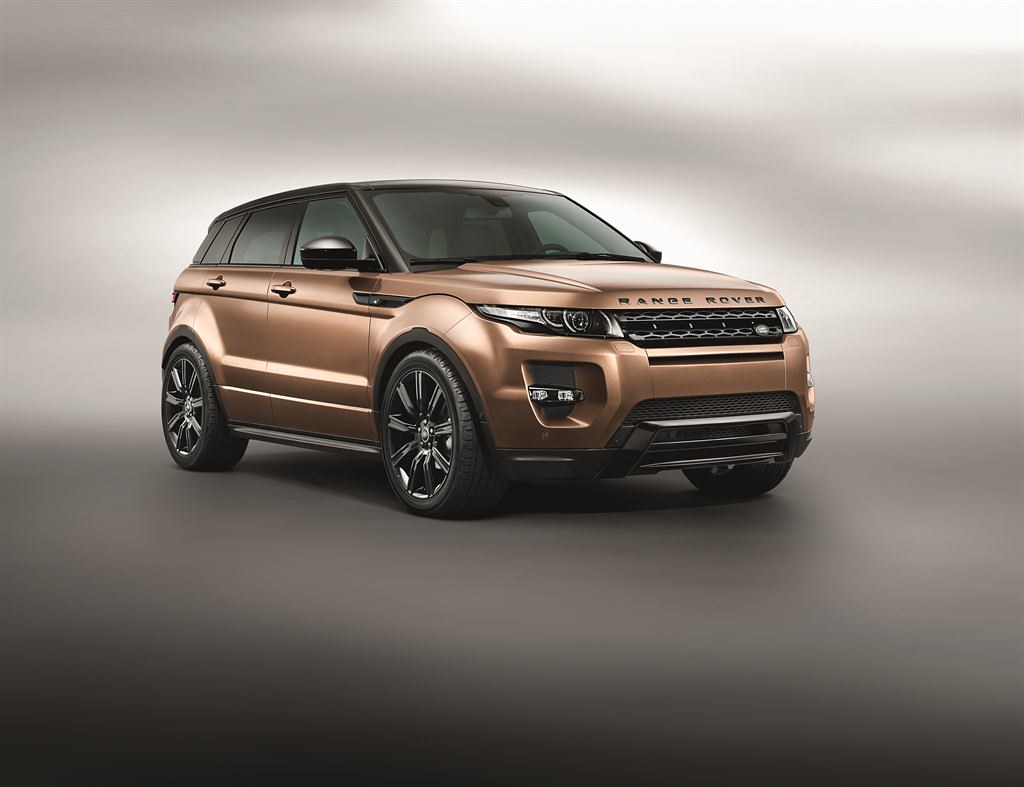
1. Land Rover Range Rover & Evoque PHEV
For many years, the Land Rover Range Rover has been the SUV of choice for rich elites and celebrities, exuding an undeniable aura of luxury and prestige. Offering powerplant options including a V-8, a plug-in hybrid, and an inline-six, it presents a range of choices. However, every version commands a six-figure price tag, making it inherently more expensive than many competitors’ entry-level models.
The cost implications extend to specific trims, with the exorbitantly priced plug-in hybrids available only in the top-tier Autobiography trim. While the Range Rover promises ample cabin space, even long-wheelbase trims may offer low headroom in the third row, potentially uncomfortable for taller passengers, though children might find it suitable.
Beyond the flagship model, its sibling, the Range Rover Evoque PHEV, raises significant concerns. Consumer complaints have been steadily accumulating for this vehicle, indicating a troubling pattern of reliability issues. A staggering “almost two-thirds” of the Evoque PHEVs included in a WhatCar? survey reported experiencing some form of breakage, pointing to widespread defects across the model line.
The nature of these reported problems further compounds the concern for prospective owners. Electrical issues emerged as the “biggest problem,” a category notoriously difficult and expensive to diagnose and repair. Engine and bodywork mishaps followed closely, suggesting that both core mechanical components and exterior integrity are susceptible to failures. This consistent pattern of critical breakdowns, despite the vehicle’s stylish appeal, makes the Range Rover Evoque PHEV a model that demands serious reconsideration.
Read more about: 11 Cars So Problematic, Owners Are Seriously Wishing for an ‘Insurance Event’ (If You Catch Our Drift)
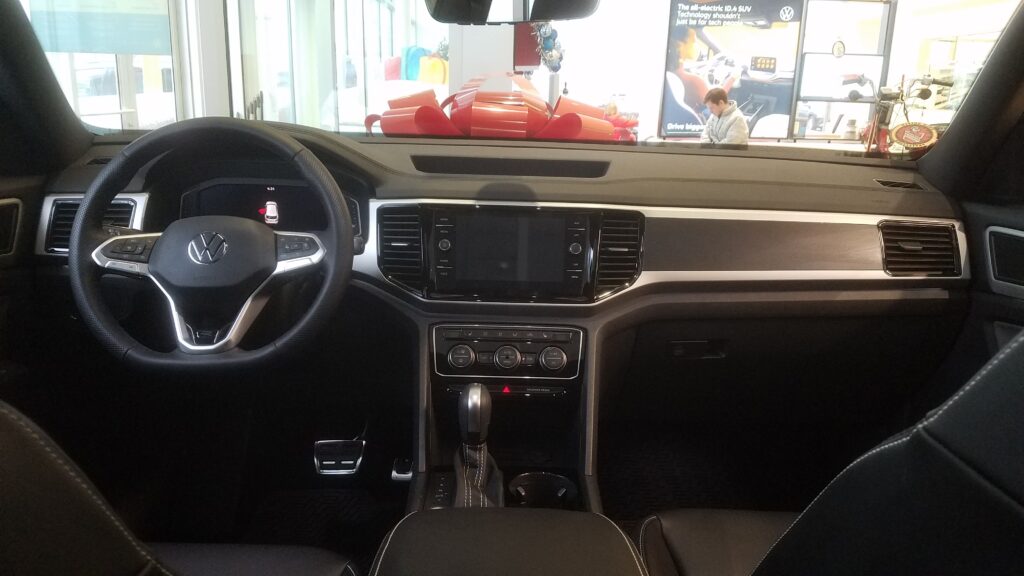
2. Volkswagen Atlas Cross Sport
Volkswagen has made considerable efforts to update the Atlas Cross Sport for its fifth generation, introducing several enhancements. These include modified headlights and taillights for a refreshed exterior and an upgraded interior. The 2.0-liter turbocharged four-cylinder engine has also received a power boost, aiming for improved daily driving performance.
Modern conveniences and safety features are now standard, with adaptive cruise control and lane-centering included. These improvements generally position the vehicle as one that is evolving to meet contemporary expectations, offering a blend of updated aesthetics, enhanced power, and advanced driver-assistance systems for a more secure driving experience.
However, despite these updates, the Atlas Cross Sport faces a critical challenge that buyers should seriously consider: its “boring driving dynamics.” In a segment where an engaging and responsive drive can significantly differentiate a vehicle, this characteristic is a notable drawback. This sentiment is starkly reflected in its consumer satisfaction ratings, which paint a worrying picture for prospective owners.
According to Consumer Reports, the Volkswagen Atlas Cross Sport holds the unenviable distinction of having the “lowest consumer satisfaction rating of any car on the road.” A deeply concerning statistic reveals that “only 38% of owners saying they would buy it again.” This exceptionally low repurchase intent suggests a significant majority of current owners are dissatisfied with their experience, indicating that the vehicle’s drawbacks outweigh its perceived benefits in real-world ownership. Such a strong negative consensus from actual users is a powerful indicator that this is a car to approach with extreme caution.
Car Model Information: 2020 RAM 1500 Laramie
Name: Volkswagen Atlas
Manufacturer: Volkswagen
Aka: Volkswagen Teramont
Production: 2017–present
ModelYears: 2018–present
Class: Mid-size crossover SUV
BodyStyle: SUV
Layout: unbulleted list
Predecessor: Volkswagen Touareg
Categories: 2020s cars, All-wheel-drive vehicles, Articles with short description, CS1 German-language sources (de), CS1 Mexican Spanish-language sources (es-mx)
Summary: The Volkswagen Atlas is a mid-size crossover SUV manufactured by the German automaker Volkswagen since 2017. Developed mainly for the North American and Chinese market, the vehicle is based on the Volkswagen Group MQB platform. Outside the US, Canadian, and Chilean markets, the vehicle is marketed as the Volkswagen Teramont. It is positioned above the long-wheelbase Tiguan and below the smaller but more upmarket Touareg.
Get more information about: Volkswagen Atlas
Buying a high-performing used car >>>
Brand: Volkswagen Model: Atlas Cross Sport
Price: $36,995 Mileage: 64,342 mi.
Read more about: Beyond the Specs: 16 Defining Characteristics and Groundbreaking Innovations of Classic Volvo Station Wagons

3. Nissan Sentra
The Nissan Sentra has long been a familiar name in reasonably priced sedans, often recognized for its stellar gas mileage record, which appeals to budget-conscious drivers. Its affordability and fuel efficiency make it an attractive option on paper for economical transportation. However, beneath this surface appeal, significant concerns regarding its long-term dependability quickly emerge, warranting a closer look.
Unfortunately, despite its reputation for economy, the Nissan Sentra is “known to be among the least reliable cars on the market right now.” This is critical information for any potential buyer, as reliability is paramount for a daily driver. The most common problem areas include the electrical systems, the engine, and the transmission—components fundamental to a vehicle’s operation, whose failures can lead to expensive and frustrating repairs.
Further dampening its appeal are its driving characteristics, which leave much to be desired. CarandDriver notes that the Sentra has “almost no go behind its show,” indicating a significant lack of power and acceleration. This is compounded by a “noisy powertrain,” which can detract significantly from the driving experience, especially during highway cruising or spirited acceleration. In the competitive compact car segment, these performance shortcomings mean its “rivals are much more fun to drive.”
While the Sentra does offer a “low starting price and array of standard safety features,” these positive attributes are simply “aren’t enough to propel it to the top of the compact car class.” The combination of pervasive reliability issues, particularly in key mechanical and electrical systems, and an uninspiring driving experience means its initial affordability comes with considerable compromises. Buyers seeking a dependable and enjoyable compact sedan might find the Sentra’s long-term ownership experience less than satisfactory.
Car Model Information: 2023 Nissan Sentra SV
Name: Nissan Sentra
Caption: 2021 Nissan Sentra SR (B18; Canada)
Manufacturer: Nissan
Aka: Nissan Sunny
Production: 1982–present
Class: Subcompact car
Predecessor: Nissan Sunny#B310
Categories: 1990s cars, 2000s cars, 2010s cars, 2020s cars, All Wikipedia articles written in American English
Summary: The Nissan Sentra is a series of automobiles manufactured by the Japanese automaker Nissan since 1982. Since 1999, the Sentra has been categorized as a compact car, while previously it occupied the subcompact class. Until 2006, Sentra was a rebadged export version of the Japanese Nissan Sunny, but since the 2013 model year, Sentra is a rebadged export version of the Sylphy. The Sentra nameplate is not used in Japan. Many other countries in Latin America sell their versions of the Sunny as the Sentra. In Mexico, the first three generations of the Sentra were known as the Nissan Tsuru (Japanese for crane), and the B13 model was sold under that name until 2017, alongside the updated models badged as Sentra.
In North America, the Sentra currently serves as Nissan’s compact car, despite being rated as a mid-size car by the EPA due to its interior volume since the 2007 model year. While previous Sentras were subcompacts, the Sentra has grown over the years, with the Nissan Versa having replaced the Sentra in the entry-level area.
The Sentra name was created for Nissan by Ira Bachrach of NameLab, and Bachrach describes the origin as “Nissan wanted consumers to understand that it was quite safe even though it was small. The word Sentra sounds like central as well as sentry, which evokes images of safety.”
Get more information about: Nissan Sentra
Buying a high-performing used car >>>
Brand: Nissan Model: Sentra
Price: $18,990 Mileage: 46,793 mi.
Read more about: An Expense in Every Mile: 13 Vehicles Owners Would Gladly Gift to Their Worst Enemy
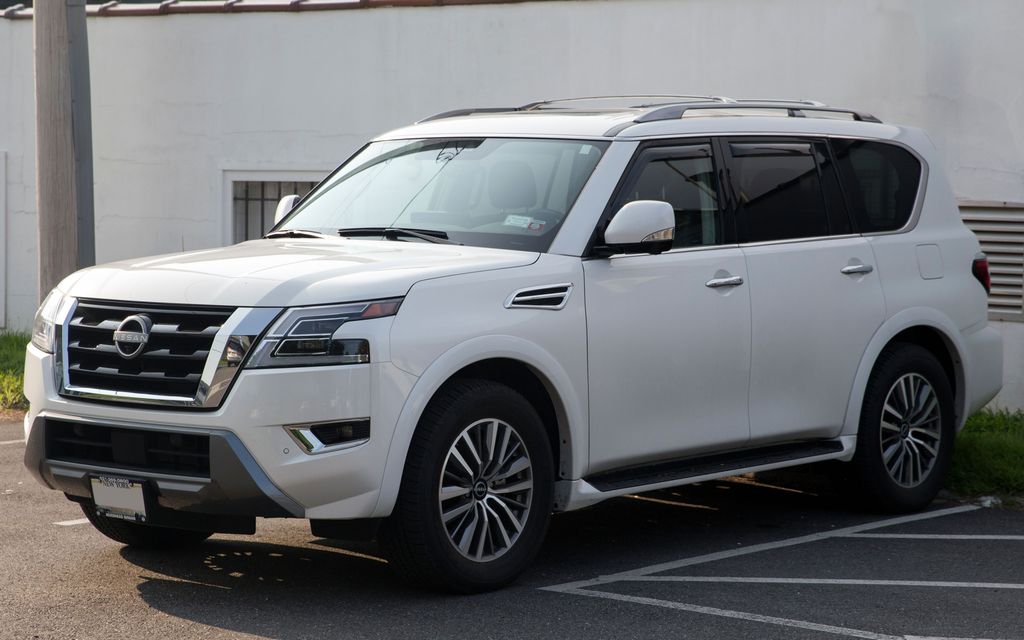
4. Nissan Armada
The Nissan Armada stands out as the largest car in its series, featuring a robust V8 engine as standard, a characteristic that initially appears to be a significant selling point. This substantial engine promises strong performance, suitable for towing and hauling, aligning with expectations for a full-size SUV. However, what makes it powerful also underpins one of its most critical flaws, turning a strength into a considerable weakness.
Indeed, this car’s main selling point, its powerful V8 engine, is “also one of its biggest drawbacks,” primarily due to its “not good fuel economy.” In an era where efficiency is increasingly prioritized, the Armada’s thirst for fuel makes it an expensive vehicle to operate daily, especially with fluctuating gas prices. The context further highlights that “in an era of fluctuating gas prices, the Armada’s poor efficiency makes it expensive to operate.”
Furthermore, the Armada’s sheer “large size and weight may make it more difficult for it to maneuver, particularly in confined locations or urban settings.” This practical limitation means “getting around in crowded places is difficult,” which can be a constant source of frustration for drivers navigating city streets or tight parking lots. While Nissan’s overall reliability has been “steadily improving,” the Armada still presents concerns for “upcoming maintenance expenses” for certain customers, adding another layer of potential financial burden.
The practical issues extend to its interior design and long-term costs. MotorTrend specifically calls the Armada’s third row “cramped,” diminishing its appeal as a comfortable family hauler, especially for longer journeys. Perhaps most damningly, MotorTrend “grades the vehicle’s five-year ownership expenses as ‘poor’ for all four trim options,” encompassing factors like depreciation, fuel, and maintenance. This comprehensive poor rating for ownership costs, combined with its fuel inefficiency and challenging maneuverability, should prompt serious deliberation from anyone considering this large SUV.
Car Model Information: 2011 Nissan Armada SV
Caption: 2023 Nissan Armada
Manufacturer: Nissan
Aka: Nissan Patrol
Production: 2003–present
ModelYears: 2004–present
Class: Full-size,sport utility vehicle
BodyStyle: SUV
Layout: Front-engine, rear-wheel-drive layout
Categories: 2010s cars, 2020s cars, All-wheel-drive vehicles, All Wikipedia articles written in American English, All articles with unsourced statements
Summary: The Nissan Armada (originally badged as the Nissan Pathfinder Armada) is a full-size SUV manufactured by Nissan for the North American market, since 2003 for the 2004 model year.
From 2003 to 2015, the first-generation Armada was assembled in Canton, Mississippi based on the Nissan Titan. From mid-2016 onwards, the second-generation Armada is built in Yukuhashi, Kyushu, Japan. It shares the same platform as the Nissan Patrol, with American-specific modifications, and went on sale in mid-2016 as a 2017 model. A luxury version of the Armada has been sold as the Infiniti QX80 (originally QX56).
Get more information about: Nissan Armada
Buying a high-performing used car >>>
Brand: Nissan Model: Armada
Price: $8,645 Mileage: 149,775 mi.
Read more about: Your Ultimate Guide to the Top 14 Long-Lasting SUVs Engineered to Surpass 250,000 Miles
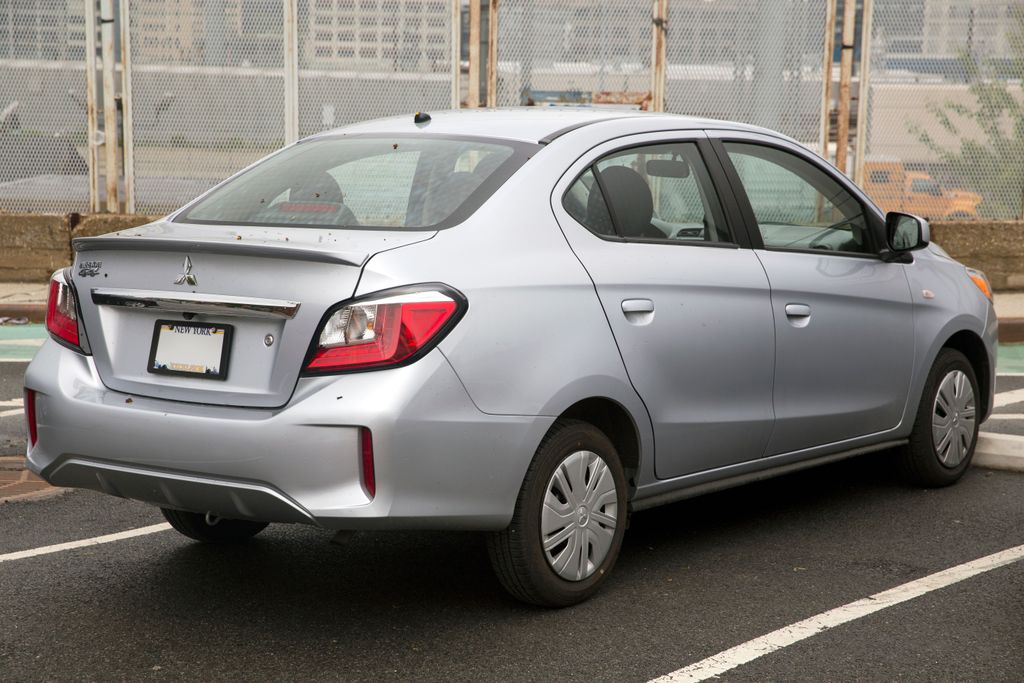
5. Mitsubishi Mirage
The Mitsubishi Mirage, one of the last subcompact hatchbacks available, often tempts drivers on a tight budget with a starting price under $18,000. For many, this initial affordability might seem like an irresistible draw, offering a brand-new car experience at an exceptionally low entry point. However, purchasers need to be critically aware that this vehicle isn’t merely “inexpensive”; it is, in fact, “cheap,” a distinction with significant implications.
The compromises associated with its low price quickly become apparent in its driving dynamics. The Mirage is unequivocally “not enjoyable to drive because of its lack of power.” It features a “hilariously small three-cylinder, 78-hp engine” that is “barely powerful enough for short trips around town, let alone highway cruising.” This severe underpowering transforms the car into what one source describes as “a glorified golf cart,” making even routine driving tasks laborious and often unsafe on faster roads.
The situation is compounded by the fact that there have been “no updates to suggest that the 2024 model year will be any better,” meaning these fundamental performance issues persist. For any buyer where “performance is important,” even in the most basic sense of keeping up with traffic, they “should consider a car with more power.” The lack of substantive improvements reinforces its status as a vehicle that prioritizes minimal cost over essential driving capabilities and comfort.
Adding to these concerns, the Mirage’s economic appeal is further undermined by its long-term financial implications. It is described as “one of the cheapest cars you can buy new, but you get exactly what you pay for — and maybe less.” This sentiment is particularly true when it comes to resale value, which is “rock-bottom.” This translates to buyers potentially taking “a big hit when trading it in,” effectively eroding any initial savings. The combination of an underwhelming driving experience, critical lack of power, and poor resale value makes the Mitsubishi Mirage a car that truly deserves careful reconsideration before purchase.
Car Model Information: 2023 Mitsubishi Mirage Ralliart
Name: Mitsubishi Mirage
Caption: Mitsubishi Mirage (sixth generation)
Manufacturer: Mitsubishi Motors
Production: 1978–2003,2012–present
Class: Subcompact car
Layout: Front-engine, front-wheel-drive
Predecessor: Mitsubishi Lancer (A70)
Successor: Mitsubishi Lancer#Eighth generation (2000)
Categories: 1980s cars, 1990s cars, 2000s cars, 2010s cars, 2020s cars
Summary: The Mitsubishi Mirage is a range of cars produced by the Japanese manufacturer Mitsubishi from 1978 until 2003 and again since. The hatchback models produced between 1978 and 2003 were classified as subcompact cars, while the sedan and station wagon models, marketed prominently as the Mitsubishi Lancer, were the compact offerings. The liftback introduced in 1988 complemented the sedan as an additional compact offering, and the coupé of 1991 fitted in with the subcompact range. The current Mirage model is a subcompact hatchback and sedan and it replaces the Mitsubishi Colt sold between 2002 and 2012.
Get more information about: Mitsubishi Mirage
Buying a high-performing used car >>>
Brand: Mitsubishi Model: Mirage
Price: $16,980 Mileage: 11,832 mi.
Read more about: Final Bow: 14 Iconic Vehicles Quietly Exiting the U.S. Market Forever – A CNET Deep Dive
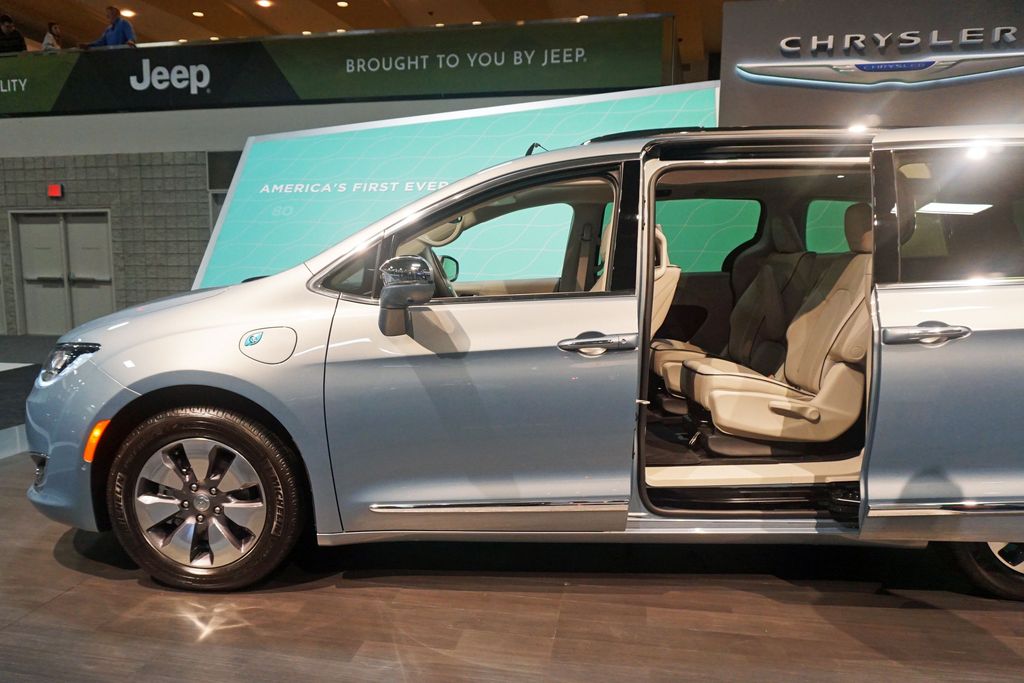
6. Chrysler Pacifica Hybrid
The Chrysler Pacifica is positioned as a versatile minivan, widely acknowledged as suitable for families due to its spacious design and practical features. It is equipped with a 3.6-liter V6 engine, producing 287 horsepower and 262 lb-ft of torque, paired with a nine-speed automatic gearbox. This powertrain configuration delivers performance and fuel efficiency that are “typical for a minivan with a V6 engine,” suggesting it meets basic expectations for its class.
A significant advantage for families is its “huge cargo area,” boasting dimensions of 32.3 cubic feet behind the third row, expanding to 87.5 cubic feet behind the second row, and a cavernous 140.5 cubic feet with all rear seats folded. This impressive capacity makes it highly functional for various hauling needs. However, despite these practical benefits, a crucial concern for its overall value proposition in 2024 is its “below-average resale value,” which contributes to its classification as unreliable in the long run.
When considering the Chrysler Pacifica Hybrid variant, a distinct set of considerations emerges that could negate some of its presumed benefits. One major drawback highlighted by Car and Driver is that “for those who opt for the AWD model, it will use up all the fuel that having a hybrid in the first place would save.” This effectively undermines a primary reason many consumers choose a hybrid: to achieve superior fuel economy. The additional weight and complexity of the all-wheel-drive system in the hybrid model can severely diminish its efficiency, turning a supposed advantage into a non-factor.
Furthermore, a significant practical feature that families have come to appreciate in minivans is notably absent in the Pacifica Hybrid. There are “no second-row ‘Stow ‘n Go’ seats for the hybrid model.” This omission removes a key element of the Pacifica’s versatility, as the ability to easily fold seats into the floor to maximize cargo space is a hallmark of family-friendly minivans. The loss of this convenient feature, coupled with the negated fuel savings in AWD hybrid configurations, means that buyers might be paying a premium for a hybrid system that doesn’t deliver on its core promise, while also sacrificing practical functionality.
Car Model Information: 2020 RAM 1500 Laramie
Name: Chrysler Pacifica (RU)
Manufacturer: Chrysler (automotive brand)
Aka: Chrysler Voyager,Chrysler Grand Caravan (Canada, 2021–present)
Production: 2016–present
ModelYears: 2017–present
Assembly: Windsor, Ontario
Designer: Irina Zavatski,Winnie Cheung (interior)
Class: Minivan
BodyStyle: 5-door minivan
Layout: Front-engine, front-wheel drive,Front-engine, all-wheel drive
Platform: Compact U.S. Wide platform
Related: Chrysler 200#Second generation (2014–)
Engine: Chrysler Pentastar engine#3.6L,FCA Global Medium Engine
Motor: 2x electric motors (SiEVT main motor & motor generator; PHEV)
Transmission: ZF 9HP transmission,automatic transmission,Continuously variable transmission
Drivetrain: PHEV
ElectricRange: cvt
Battery: val,lithium-ion battery
Wheelbase: 3089 mm
Abbr: on
Order: flip (hybrid)
Length: 203.6 in
Width: 79.6 in
Height: convert
Weight: {{convert,1964,kg,lb,abbr=on,order=flip
Predecessor: Chrysler minivans (RT)
Categories: 2010s cars, All-wheel-drive vehicles, Articles with short description, CS1 Spanish-language sources (es), Cars introduced in 2016
Summary: The Chrysler Pacifica is a minivan produced by the Chrysler division of Stellantis since the 2017 model year. Replacing the Chrysler Town & Country, the Pacifica is the sixth generation of Chrysler minivans, taking its name from the 2004–2008 product line. Along with serving as the first minivan with a plug-in hybrid drivetrain, the Pacifica has also served as a platform for autonomous vehicle development.
For the 2020 model year, Chrysler repackaged the lower-trim versions of the Pacifica as a revived Chrysler Voyager, largely to expand fleet sales of the model line; following the retirement of the Dodge Grand Caravan, the Chrysler Voyager was introduced in Canada for 2021 as the Chrysler Grand Caravan (moving the nameplate from Dodge to Chrysler after 36 years). Following the retirement of the Chrysler 300 sedan, the Pacifica/Voyager/Grand Caravan is currently the only vehicle marketed by Chrysler.
Chrysler has assembled the Pacifica minivan (and the Voyager/Grand Caravan) in its Windsor Assembly facility in Ontario (home to Chrysler minivan assembly since 1983).
Get more information about: Chrysler Pacifica (minivan)
Buying a high-performing used car >>>
Brand: Chrysler Model: Pacifica Hybrid
Price: $36,995 Mileage: 64,342 mi.
Read more about: An Expense in Every Mile: 13 Vehicles Owners Would Gladly Gift to Their Worst Enemy
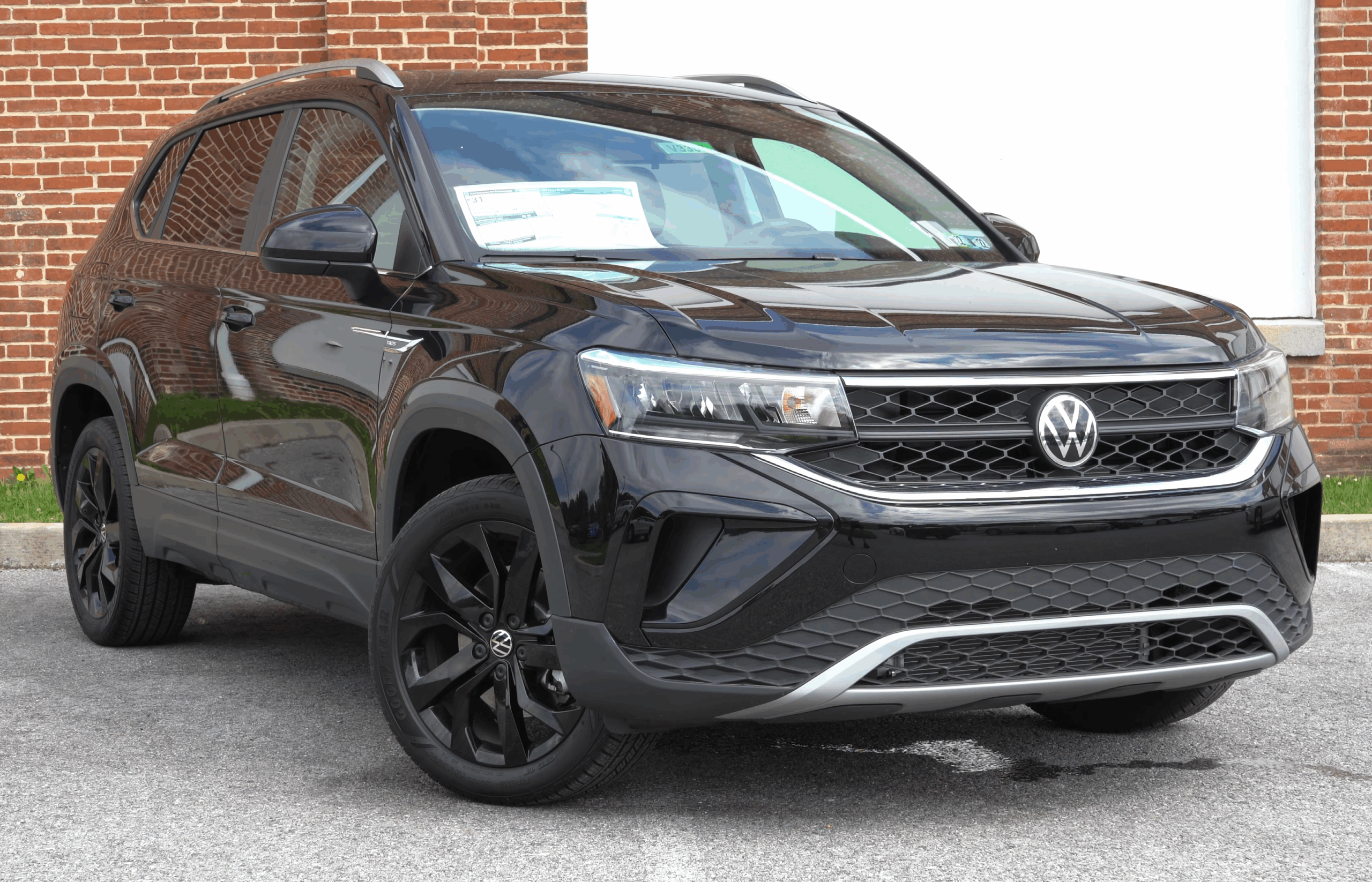
7. Volkswagen Taos
The 2024 Volkswagen Taos is positioned as the company’s smallest and most recent SUV, aiming for the compact crossover market. All 2024 versions are powered by a 1.5-liter turbocharged 4-cylinder engine, producing a modest 158 horsepower and 184 lb-ft of torque. A significant limitation is that there “isn’t a hybrid or upgrade engine option,” leaving buyers with a single propulsion choice.
Drivetrain options include front-wheel drive (FWD) with a conventional 8-speed automatic transmission, generally known for smooth operation. However, all-wheel drive (AWD) vehicles feature a 7-speed DCT (dual-clutch transmission), which, while shifting “faster swiftly,” is also noted to shift “frequently not smoothly.” This can lead to a less refined driving experience, particularly in stop-and-go traffic. The top-tier SEL variant is exclusively “limited to AWD,” meaning higher trims automatically come with this potentially less smooth transmission.
These mechanical characteristics contribute to significant drawbacks when compared to rivals. The Taos has “less power than its rivals,” which, combined with its “single engine choice,” restricts buyer options and limits its appeal for those seeking more robust performance. These factors have earned it a spot on various “least reliable” lists, indicating that its overall package may not meet consumer expectations.
Indeed, the Volkswagen Taos “has made some lists that are not worth celebrating — including Consumer Reports’ least reliable cars for 2024.” This is a strong warning sign for potential buyers, suggesting the vehicle may be prone to various issues that detract from owner satisfaction. Car and Driver reported that acceleration was “nothing to write home about” and emphasized that “there are better cars available for this price point.” These expert assessments collectively paint a picture of a vehicle that, despite its recent introduction, falls short in critical areas of reliability, driving performance, and overall value, compelling buyers to think twice.
Continuing our journey through the automotive landscape, we now turn our attention to the remaining vehicles that warrant a significant pause before you commit to a purchase. These models, while potentially appealing on the surface, carry a range of concerns from persistent mechanical issues to outdated features and prohibitive ownership costs that could turn a new car dream into a financial headache. Our aim, consistent with Consumer Reports’ rigorous standards, is to equip you with the detailed, unbiased information necessary to make truly informed decisions for the 2024 and 2025 model years.
We delve into the specific reasons why these cars have landed on our list, drawing on extensive data, expert evaluations, and real-world consumer feedback. From questions of fuel efficiency and practicality to significant reliability scores and design compromises, each vehicle presents a unique set of challenges that prospective buyers should be fully aware of before signing on the dotted line. This thorough examination ensures you understand the full scope of potential pitfalls, helping you navigate the complexities of today’s car market with confidence.
Car Model Information: 2022 Volkswagen Taos 1.5T S
Name: Volkswagen Taos/Tharu
Manufacturer: Volkswagen
Aka: Volkswagen Tharu
Production: ubl
Assembly: ubl
Designer: Klaus Zyciora
Class: Compact crossover SUV
BodyStyle: SUV
Layout: Front-engine, front-wheel-drive,Front-engine, all-wheel-drive
Platform: Volkswagen Group MQB A1
Related: SEAT Ateca,Škoda Karoq,Jetta VS5
Engine: Petrol engine,Turbocharger,1.4 L TSI 150 I4,1.5 L TSI 160 I4,Multi-point fuel injection,2.0 L TSI 190 I4
Transmission: Manual transmission
Battery: 44.1 kWh (e-Tharu)
ElectricRange: convert
Wheelbase: 105.9 in
Abbr: on
Order: 4453 mm
Length: 175.8 in
Width: 1841 mm
Height: convert
ModelYears: 2022–present
Categories: All-wheel-drive vehicles, All Wikipedia articles written in British English, Articles with short description, CS1 Brazilian Portuguese-language sources (pt-br), CS1 Mexican Spanish-language sources (es-mx)
Summary: The Volkswagen Taos is a compact crossover SUV marketed by Volkswagen. It was first released in October 2018 as the Volkswagen Tharu in China, while the Taos was released in October 2020 as a restyled version of the Tharu for the North American, South American, and Russian markets. In the brand’s lineup, the vehicle is positioned below the Tiguan, and in South America and China above the T-Cross. It is not marketed in core European market.
The Taos is named after Taos, New Mexico. The Tharu name is derived after the eponymous Tharu people, an ethnic group indigenous to Nepal and Northern India.
Get more information about: Volkswagen Taos
Buying a high-performing used car >>>
Brand: Volkswagen Model: Taos
Price: $15,991 Mileage: 76,116 mi.
Read more about: Expert Warning: 14 New 2025 Cars That Could Financially Cripple Buyers
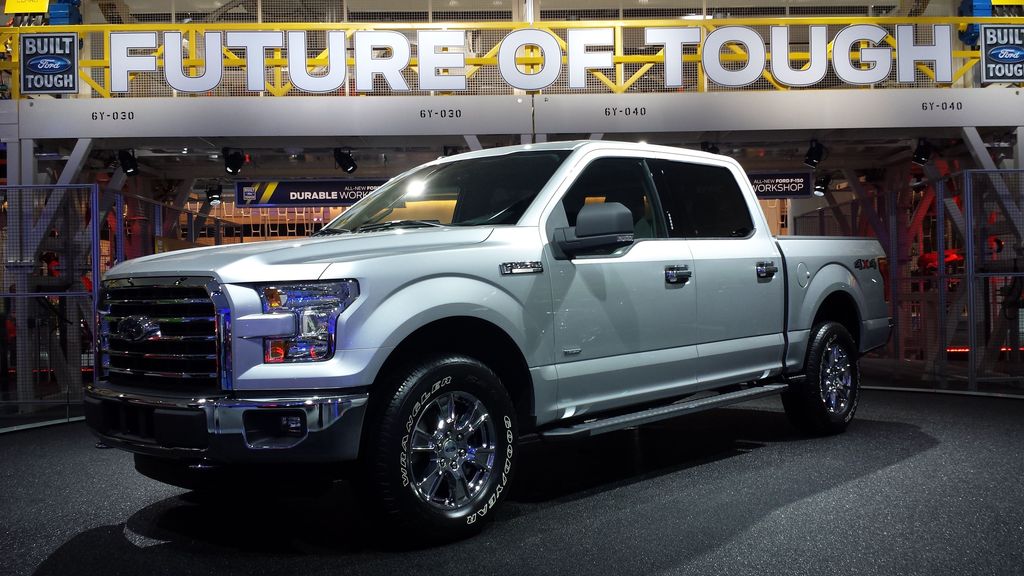
8. Ford F-150 Hybrid
As a cornerstone of American automotive culture, the Ford F-150 has long held royalty status in the full-size pickup truck segment. The 2024 model continues to offer robust engine options, including two turbocharged V6 engines—a 2.7-liter and a 3.5-liter—with the latter producing an impressive 400 hp and 500 lb-ft of torque, or even more in the Raptor variant. Ford also claims to have simplified the ordering process, bundling popular options to reduce complexity by 90% from the previous year, aiming to make the buying experience smoother for purchasers.
However, potential buyers should be aware of several notable adjustments and drawbacks. For the 2024 model year, Ford has “somewhat lowered the maximum payload and towing capacities of the F-150,” which could be a significant consideration for those relying on the truck for heavy-duty tasks. Furthermore, a diesel engine option is no longer available, narrowing the choices for certain buyers who prioritize diesel’s torque and fuel efficiency for specific applications.
Beyond these changes, the hybrid variant, in particular, presents specific concerns that align with our cautionary approach. Edmunds reported that there are “aren’t any big changes for the 2025 Ford F-150 hybrid,” suggesting that existing issues may persist. Critically, “the interior storage is pretty limited,” which can be a practical inconvenience for truck owners who often need ample cabin organization. Moreover, the “optional hybrid powertrain is quite noisy,” a factor that can detract from the driving experience, especially during longer hauls or daily commutes where refinement is expected.
This combination of slightly reduced capabilities, the absence of a diesel option, and persistent issues like limited interior storage and a noisy hybrid powertrain, makes the F-150 Hybrid a vehicle that demands a closer look. While its overall reputation is strong, these specific points could impact owner satisfaction and long-term utility for some buyers, suggesting it’s wise to consider alternatives that better align with individual needs and preferences.
Car Model Information: 2020 RAM 1500 Laramie
Name: Ford F-Series
Caption: 2022 Ford F-150 Lariat Luxury
Manufacturer: Ford Motor Company
Aka: Ford Lobo (Mexico, 1992–present)
Production: 1948–present
Class: Pickup truck#Full-size pickup truck
Layout: Front-engine, rear-wheel-drive layout,rear-wheel drive
Predecessor: 1941 Ford
Categories: All-wheel-drive vehicles, All Wikipedia articles written in American English, All articles that may contain original research, All articles with unsourced statements, Articles that may contain original research from September 2020
Summary: The Ford F-Series is a series of light-duty trucks marketed and manufactured by the Ford Motor Company since model year 1948 as a range of full-sized pickup trucks — positioned between Ford’s Ranger and Super Duty pickup trucks. Alongside the F-150 (introduced in 1975), the F-Series also includes the Super Duty series (introduced in 1999), which includes the heavier-duty F-250 through F-450 pickups, F-450/F-550 chassis cabs, and F-600/F-650/F-750 Class 6–8 commercial trucks.
Get more information about: Ford F-Series
Buying a high-performing used car >>>
Brand: Ford Model: F-150 Hybrid
Price: $36,995 Mileage: 64,342 mi.
Read more about: 2025 Ford F-150 Refresh: A Comprehensive MotorTrend Deep Dive into Changes, Pricing, and Next-Gen Features
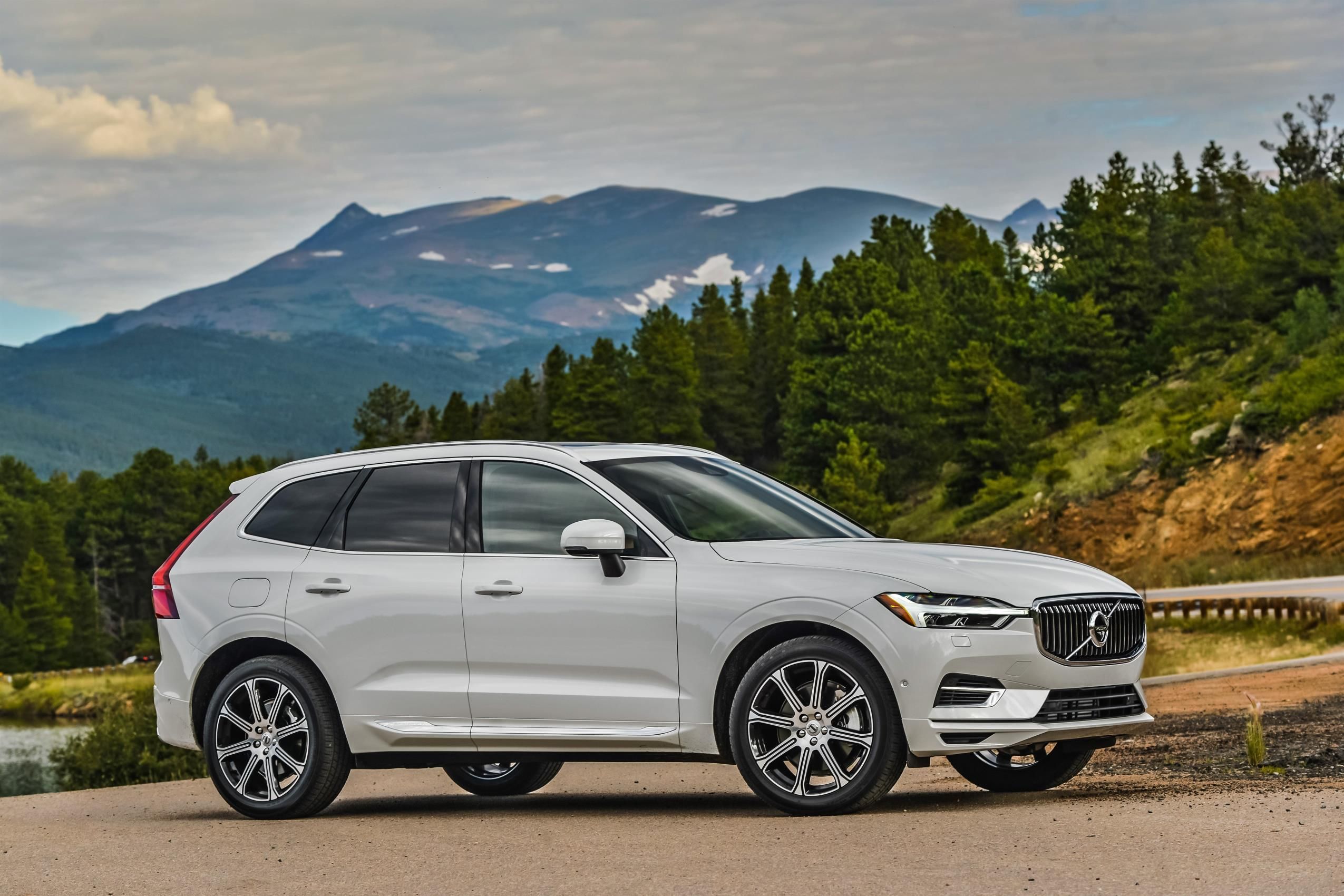
9. Volvo XC60
The 2024 Volvo XC60 presents itself as a sophisticated, compact luxury SUV with a distinct European flair, appealing to those seeking an alternative to German brands. Its Scandinavian-inspired interior and strong safety ratings contribute to its polished image. Volvo equips its XC60 trims with a 4-cylinder turbocharged engine, supported by modest hybrid (MHEV) electric systems for electrical components in the more reasonably priced B5 trims. These are paired with an 8-speed automatic transmission, designed to efficiently deliver the engine’s full power to the wheels.
For those seeking greater efficiency, the considerably more expensive XC60 Recharge trims feature a turbo-4 engine coupled with a plug-in battery-powered electric motor (PHEV) system. This setup allows Recharge models to achieve an impressive electric-only range of up to 35 miles (56 km). However, a notable limitation is that the PHEV variant is “only available with AWD,” which can restrict choices for some consumers and potentially add to the vehicle’s complexity and cost. Furthermore, the XC60 is characterized as “quite an old entry in the segment,” suggesting it may lag behind newer competitors in terms of technology or design.
Beyond these structural considerations, the XC60 raises significant reliability red flags. Consumer Reports assigns this car a concerning “reliability score of 21 out of 100,” a figure that should prompt serious deliberation for any prospective buyer. Such a low score indicates a higher likelihood of encountering various problems over the ownership period, which could lead to unexpected repair costs and diminished satisfaction.
Further compounding these reliability concerns, Car and Driver also noted the XC60’s “limited cargo space and bumpy ride” as significant downsides. These practical and comfort-related issues, combined with its advanced age in a rapidly evolving segment and its low reliability score, suggest that while the Volvo XC60 might offer a luxurious aesthetic and strong safety, its long-term ownership experience could be fraught with compromises. Buyers should carefully weigh these factors against its initial appeal.
Car Model Information: 2025 Volvo XC60 B5 Ultra Black Edition
Name: Volvo XC60
Caption: 2018 Volvo XC60 R-Design D5 P-Pulse
Manufacturer: Volvo Cars
Production: 2008–present
Class: Compact crossover SUV
BodyStyle: SUV
Layout: unbulleted list
Categories: 2010s cars, 2020s cars, All-wheel-drive vehicles, All Wikipedia articles written in British English, All articles with unsourced statements
Summary: The Volvo XC60 is a compact luxury crossover SUV manufactured and marketed by Swedish automaker Volvo Cars since 2008.
The XC60 is part of Volvo’s 60 Series of automobiles, along with the S60, S60 Cross Country, V60, and V60 Cross Country. The first generation model introduced a new style for the 60 Series models. Along with the rest of the line-up, the first-generation XC60 was refreshed in 2013. Similarly, the second-generation model, released in 2017, is the first in the series. The car was named Car of the Year Japan for 2017–2018.
Get more information about: Volvo XC60
Buying a high-performing used car >>>
Brand: Volvo Model: XC60
Price: $50,461 Mileage: 10,959 mi.
Read more about: Beyond the Specs: 16 Defining Characteristics and Groundbreaking Innovations of Classic Volvo Station Wagons
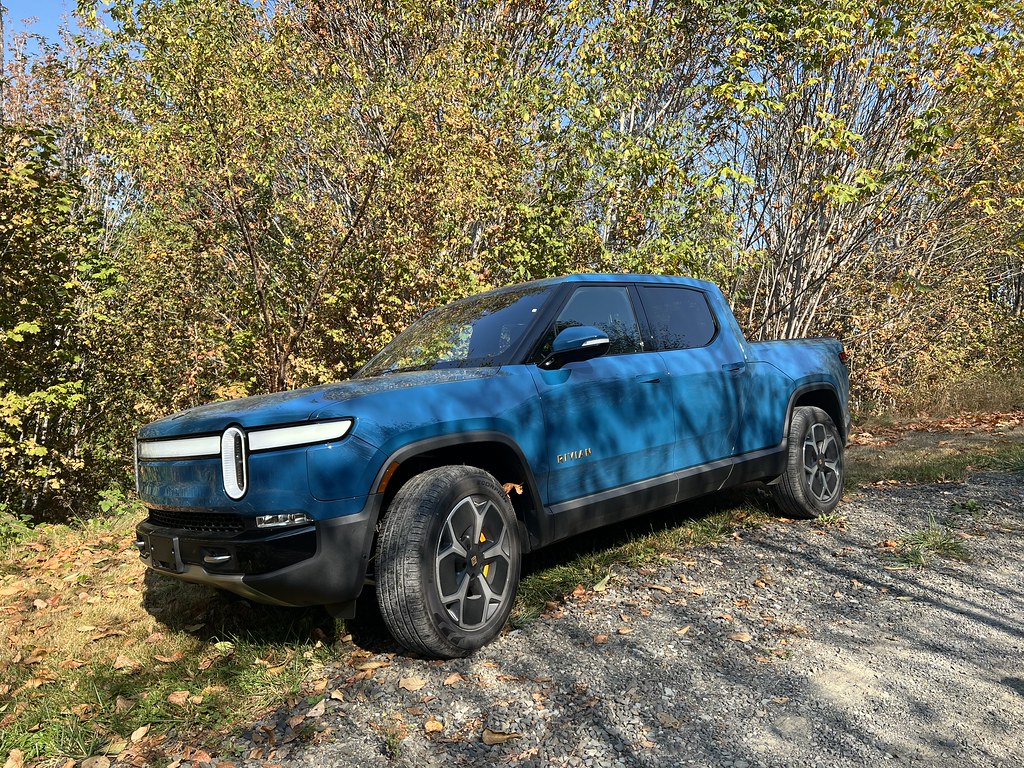
10. Rivian R1T
As a relatively new player in the electric vehicle market, Rivian debuted its R1T electric truck in 2021, quickly garnering attention for its innovative design and capabilities. All R1T trucks come standard with all-wheel drive, offering two configurations: dual-motor models with one motor per axle, and a quad-motor version boasting an impressive combined output of 835 hp and 908 lb-ft of torque. This advanced setup also enables precise torque vectoring, allowing for optimized power delivery across all four wheels, promising exceptional off-road and on-road performance.
Despite its groundbreaking technology and performance metrics, the Rivian R1T has several drawbacks that prospective buyers should seriously consider. One significant modern-day omission is the lack of seamless smartphone integration, as “Android Auto and Apple CarPlay are not available.” For many drivers accustomed to these ubiquitous features for navigation, entertainment, and communication, their absence can be a considerable inconvenience, detracting from the overall user experience.
Another critical consideration for an electric truck, where range anxiety is a common concern, is that the vehicle’s “range is impacted a lot by tire choice.” This means that selecting the correct tires becomes far more crucial for the R1T than for many other similar models, potentially adding complexity and cost to ownership, as well as influencing real-world utility. An uninformed tire choice could significantly reduce the expected range, undermining a key benefit of an EV.
Furthermore, independent evaluations raise questions about its overall performance and reliability. In a broader assessment, the Rivian R1T received a “score of 20” out of 100 in reliability surveys, indicating it “doing little in the way of performance or reliability to impress drivers.” This low score, combined with the lack of essential smartphone integration and the sensitivity of its range to tire selection, suggests that while the R1T is an exciting step in EV trucks, it still carries notable caveats that could impact owner satisfaction and practicality for many users.
Car Model Information: 2022 Rivian R1T Adventure
Name: Rivian R1T
Manufacturer: Rivian
Production: 2021–present
ModelYears: 2022–present
Assembly: Rivian Automotive,LLC
Designer: Jeff Hammoud
Class: Mid-size car,luxury car,pickup truck
BodyStyle: crew cab
Layout: unbulleted list
Related: Rivian R1S
Motor: Alternating current,Permanent magnet motor
Transmission: Single-speed
Battery: kWh,lithium-ion battery
ElectricRange: unbulleted list
Abbr: on
Charging: unbulleted list
Wheelbase: 135.9 in
Length: 217.1 in
Width: 81.8 in
Height: 75.7 in
Weight: cvt
Sp: us
Powerout: unbulleted list
Chassis: Body-on-frame
Categories: All Wikipedia articles written in American English, All articles with vague or ambiguous time, Articles with short description, Commons category link is on Wikidata, Electric trucks
Summary: The Rivian R1T is a battery electric mid-size light duty luxury pickup truck produced by the American company Rivian. The first production R1T was manufactured in Illinois on September 28, 2021, and was delivered to a customer. The official EPA range for the Rivian R1T (MY 2022–2024) ranges from 255–420 miles (410–676 km), depending on drivetrain, battery pack capacity and wheel size.
Get more information about: Rivian R1T
Buying a high-performing used car >>>
Brand: Rivian Model: R1T
Price: $85,000 Mileage: 1,309 mi.
Read more about: Your Retirement Car Checklist: Essential Brands to Consider and Those to Avoid for a Smooth Ride into Your Golden Years
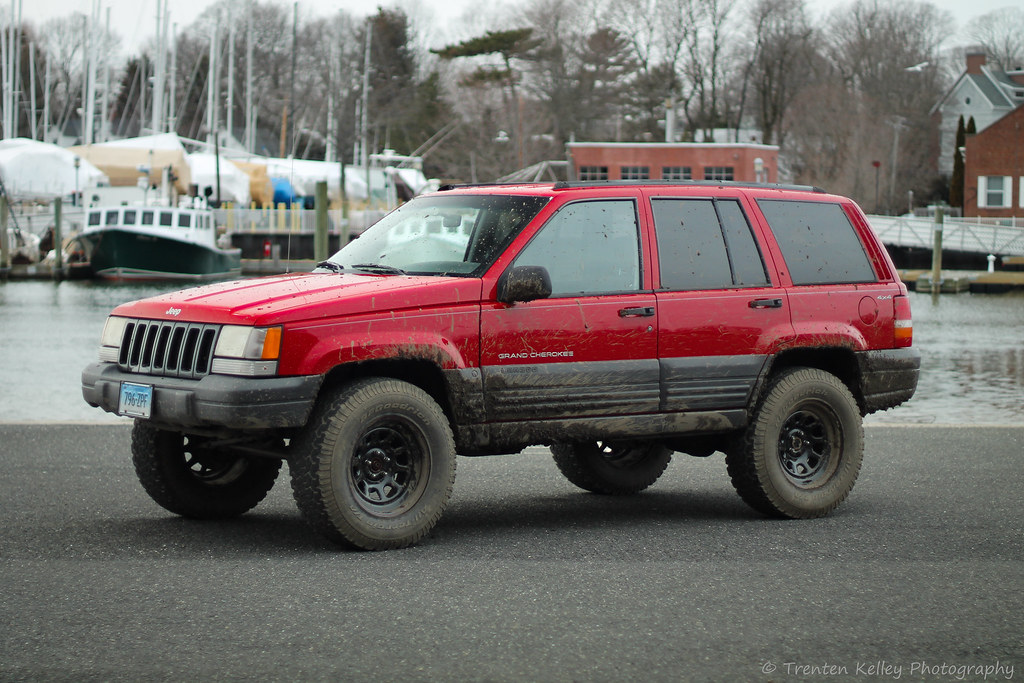
11. Jeep Grand Cherokee L
The 2024 Jeep Grand Cherokee L positions itself as a versatile three-row SUV, aiming to balance family suitability with off-road capability and luxurious offerings in its higher trim levels. The majority of models are powered by a standard 3.6-liter V6 engine, delivering a respectable 293 hp and 260 lb-ft of torque. With seating for up to seven people, the Grand Cherokee L promises ample space for larger families, complemented by an available V8 engine, refined top trims, and a plethora of standard equipment, aiming to bridge the gap between mainstream and luxury SUVs.
However, this balance comes with significant financial and practical trade-offs that warrant careful scrutiny. The optional V8 engine, while powerful, is notably “inefficient,” leading to higher fuel costs. Compounding this, the Grand Cherokee L also carries a “high starting price” which, combined with a “substantial price increase” for the 2024 model, makes it a considerable investment. Furthermore, the removal of standard features like the Quadra-Trac II system from the 2024 model year means buyers may be paying more for less capability, diminishing its value proposition.
Ownership costs are another major concern. The “total cost of ownership over five years is a significant $70,241,” highlighting substantial long-term expenses including depreciation, fuel, and maintenance. Adding to the list of potential frustrations are persistent “reliability concerns, including electrical problems and engine stalling,” which can lead to costly and inconvenient repairs. These issues directly contradict the expectation of a premium vehicle.
Despite its seemingly upscale interior, critics note that the “actual build quality is lacking,” which can lead to a less refined ownership experience than expected. This is further exacerbated by “excessive road noise,” which detracts from the quiet comfort typically associated with luxury SUVs. These combined factors — high costs, efficiency issues, reliability concerns, and compromises in build quality and cabin refinement — make the Jeep Grand Cherokee L a vehicle that potential buyers should approach with considerable caution.
Car Model Information: 2023 Dodge Charger GT
Name: Jeep Grand Cherokee
Manufacturer: Jeep
Production: 1992–present
ModelYears: 1993–present
Class: unbulleted list
BodyStyle: sport utility vehicle
Layout: unbulleted list
Chassis: Vehicle_frame#Uniframe
Categories: 2000s cars, 2010s cars, 2020s cars, All-wheel-drive vehicles, All Wikipedia articles written in American English
Summary: The Jeep Grand Cherokee is a range of mid-sized sport utility vehicles produced by American manufacturer Jeep. At its introduction, while most SUVs were still manufactured with body-on-frame construction, the Grand Cherokee has used a unibody chassis from the start.
Get more information about: Jeep Grand Cherokee
Buying a high-performing used car >>>
Brand: Jeep Model: Grand Cherokee L
Price: $26,990 Mileage: 19,257 mi.
Read more about: Unsafe at Any Speed: The 12 Automotive Deathtraps That Reshaped Car Safety Forever
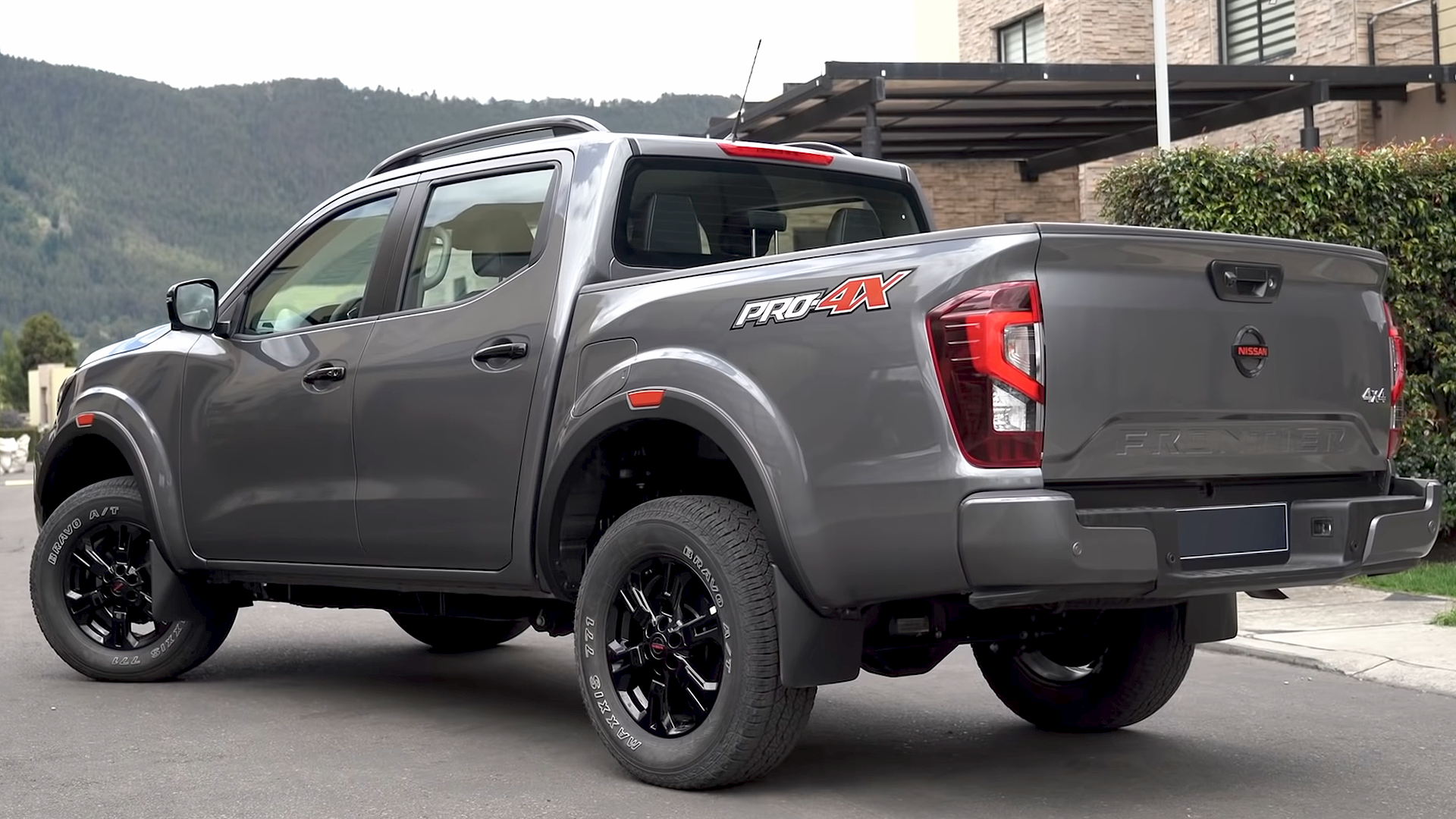
12. Nissan Frontier
The 2024 Nissan Frontier enters the midsize truck segment as a competitive option, yet it faces an uphill battle against “more advanced and modern competitors.” While it offers a capable single 3.8-liter V6 engine, producing 310 hp and 281 lb-ft of torque paired with a nine-speed automated gearbox, its initial release “didn’t break any ground.” This means it now struggles to stand out against recent midsize trucks from Ford, Toyota, and Chevy/GMC, which often boast more innovative features and updated designs.
A significant drawback for the Frontier is its limited customization, as it “does not have many choices” in configurations or features, restricting buyers’ ability to tailor the truck to their specific needs. A notable ergonomic oversight is the presence of a “non-telescoping steering column,” which can make finding a comfortable driving position challenging for many individuals, particularly on longer journeys.
Comfort and practicality also come into question, as the Frontier is said to have “tight space for passengers” compared to rivals, which could be a deal-breaker for those frequently carrying multiple occupants. Furthermore, its “less towing capacity than other trucks” in its class directly impacts its utility for hauling substantial loads, making it less competitive for heavy-duty tasks where power and capability are paramount.
Compounding these issues, there have been “no mechanical upgrades for the 2025 model,” indicating that previous complaints of “loud engines and disappointing fuel economy haven’t been addressed.” This stagnation in key areas means that the Frontier’s inherent drawbacks persist, making it a less compelling choice when viewed against its more evolved and refined competitors. For buyers prioritizing modern features, comfort, and uncompromised utility, the Nissan Frontier presents too many unaddressed compromises.
Car Model Information: 2015 Nissan Frontier PRO-4X
Categories: All set index articles, Articles with short description, Nissan vehicles, Set index articles on cars, Short description is different from Wikidata
Summary: The Nissan Frontier is a nameplate used on three different pickup truck models by Nissan:
Nissan Frontier (international), an alternative nameplate for the NP300/Navara on some markets
Nissan Frontier (North America), a rebadged NP300/Navara from 1997 to 2021, then became a separate model since 2021
Nissan Frontier Pro, a rebadged Dongfeng Z9 PHEV that will be available from 2025.
Get more information about: Nissan Frontier
Buying a high-performing used car >>>
Brand: Nissan Model: Frontier
Price: $17,865 Mileage: 154,112 mi.
Read more about: Prepare to Facepalm: 15 Hilariously Awful Product Designs That Will Make You Scream ‘WHO APPROVED THIS?!’
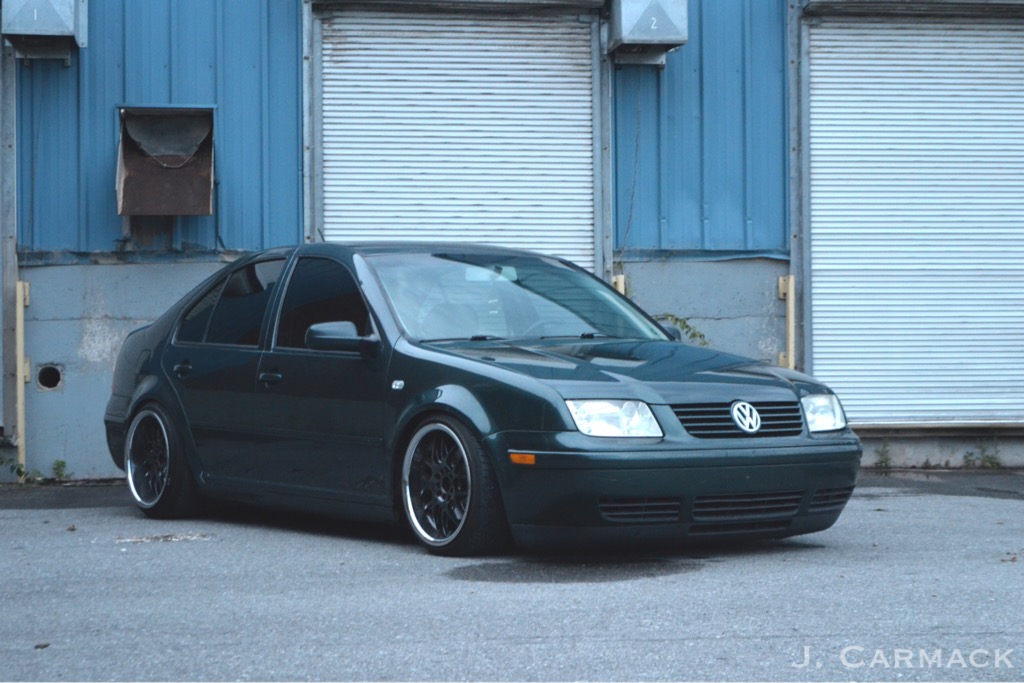
13. Volkswagen Jetta
In today’s automotive landscape, compact sedans like the Volkswagen Jetta continue to hold a significant place, appealing to drivers who value practicality and affordability. They are typically reasonably priced to buy and operate, tend to be at least somewhat entertaining to drive, offer a lockable trunk for added security, and are generally easy to park—attributes that certainly apply to the Jetta. For 2024, Volkswagen has equipped the Jetta with additional standard features to maintain its competitiveness in the small sedan market, including the IQ. Drive safety tech package now standard on all automatic transmission models.
The base engine for the 2024 Jetta models is a 1.5-liter 4-cylinder turbocharged engine, delivering 158 hp and 184 lb-ft of torque, which provides adequate power for daily commuting. These updates demonstrate an effort to keep the Jetta relevant and appealing to a broad audience, focusing on essential safety and modern conveniences to enhance its value proposition in a crowded segment.
However, despite these efforts, the Jetta is increasingly showing its age. Critics note that it is “growing old,” a sentiment that often translates to a design and technological platform that lags behind newer, more innovative competitors. This age factor can significantly impact its appeal in a market that constantly demands fresh designs and cutting-edge features. This is particularly relevant when considering long-term financial implications.
One of the most critical drawbacks of the Jetta, and a primary reason for hesitation, is that its “resale values aren’t competitive.” This means that while the initial purchase price might be attractive, owners are likely to take a greater hit on depreciation when it comes time to trade in or sell the vehicle. In a segment where overall cost of ownership is a major concern for budget-conscious buyers, poor resale value can erase initial savings and make the Jetta a less financially sound choice in the long run, prompting potential buyers to explore alternatives with stronger residual values.
Car Model Information: 2012 Volkswagen Jetta SE
Name: Volkswagen Jetta
Production: 1979–present
Class: Compact car
Sp: uk
Categories: 1980s cars, 1990s cars, 2000s cars, 2010s cars, All-wheel-drive vehicles
Summary: The Volkswagen Jetta () is a compact car/small family car manufactured and marketed by Volkswagen since 1979. Positioned to fill a sedan niche slightly above the firm’s Golf hatchback, it has been marketed over seven generations, variously as the Atlantic, Vento, Bora, City Jetta, Jetta City, GLI, Jetta, Clasico, and Sagitar (in China).
The Jetta has been offered in two- and four-door saloon / sedan and sometimes as five-door wagon / estate versions. Since the original version in 1980, the car has grown in size and power with each generation. By mid-2011, almost 10 million Jettas have been produced and sold all over the world. As of April 2014, Volkswagen marketed over 14 million, becoming its top selling model.
Get more information about: Volkswagen Jetta
Buying a high-performing used car >>>
Brand: Volkswagen Model: Jetta
Price: $8,765 Mileage: 81,223 mi.
Read more about: Lemon Law Legends: 12 Vehicles So Unreliable Their Owners Couldn’t Sell Them Fast Enough – Is Your Ride on the List?
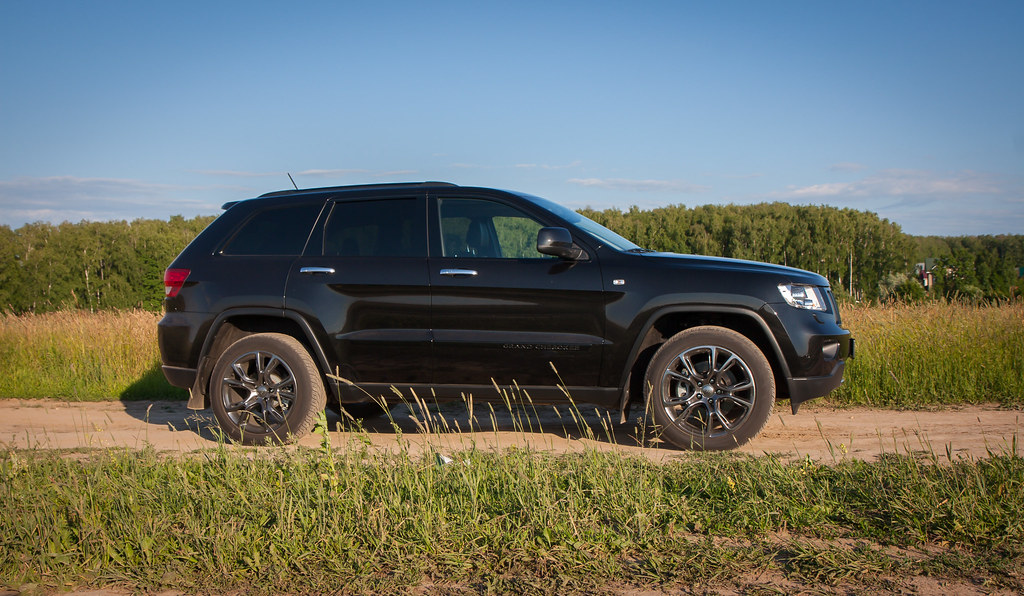
14. Jeep Grand Cherokee
The Jeep Grand Cherokee enjoys considerable popularity in the United States as a midsize SUV, renowned for its exceptional blend of off-road prowess and on-road comfort. It stands out as an all-around SUV, offering a spacious interior, cutting-edge technology, and a genuinely comfortable ride in its higher trim levels, even for owners who may never venture off-road. The Grand Cherokee is powered by a 3.6-liter V6 engine, producing 293 hp and 260 lb-ft of torque, a setup designed to strike an ideal balance between efficiency and performance for everyday driving and occasional adventures.
However, prospective buyers should be aware of certain aspects that could impact their purchasing decision. A key consideration is that “not every trim level comes standard with AWD,” which is a fundamental expectation for many seeking Jeep’s renowned capability, particularly in varied driving conditions or for off-road excursions. This means buyers need to carefully examine trim levels to ensure they acquire the drivetrain features they desire, potentially at a higher cost.
Furthermore, the Grand Cherokee’s price point is a notable factor. Its “price is a little higher than that of most competitors with comparable features,” which can make it less competitive for budget-conscious shoppers. This premium pricing, coupled with the need to upgrade for standard AWD, suggests that the Grand Cherokee requires a larger initial investment compared to many alternatives in its segment.
Broader concerns that apply to the Grand Cherokee line, as seen with the Grand Cherokee L, also factor into this model’s overall value. These include a “high cost of ownership” and persistent “reliability concerns, including electrical problems and engine stalling,” which can translate into unexpected maintenance expenses. While its interior may appear upscale, issues with “actual build quality” and “excessive road noise” can detract from the premium experience. Collectively, these factors suggest that while the Grand Cherokee offers significant appeal, its higher costs and potential reliability issues warrant thorough consideration.
Car Model Information: 2020 RAM 1500 Laramie
Name: Jeep Grand Cherokee
Manufacturer: Jeep
Production: 1992–present
ModelYears: 1993–present
Class: unbulleted list
BodyStyle: sport utility vehicle
Layout: unbulleted list
Chassis: Vehicle_frame#Uniframe
Categories: 2000s cars, 2010s cars, 2020s cars, All-wheel-drive vehicles, All Wikipedia articles written in American English
Summary: The Jeep Grand Cherokee is a range of mid-sized sport utility vehicles produced by American manufacturer Jeep. At its introduction, while most SUVs were still manufactured with body-on-frame construction, the Grand Cherokee has used a unibody chassis from the start.
Get more information about: Jeep Grand Cherokee
Buying a high-performing used car >>>
Brand: Jeep Model: Grand Cherokee
Price: $36,995 Mileage: 64,342 mi.
Read more about: Unsafe at Any Speed: The 12 Automotive Deathtraps That Reshaped Car Safety Forever
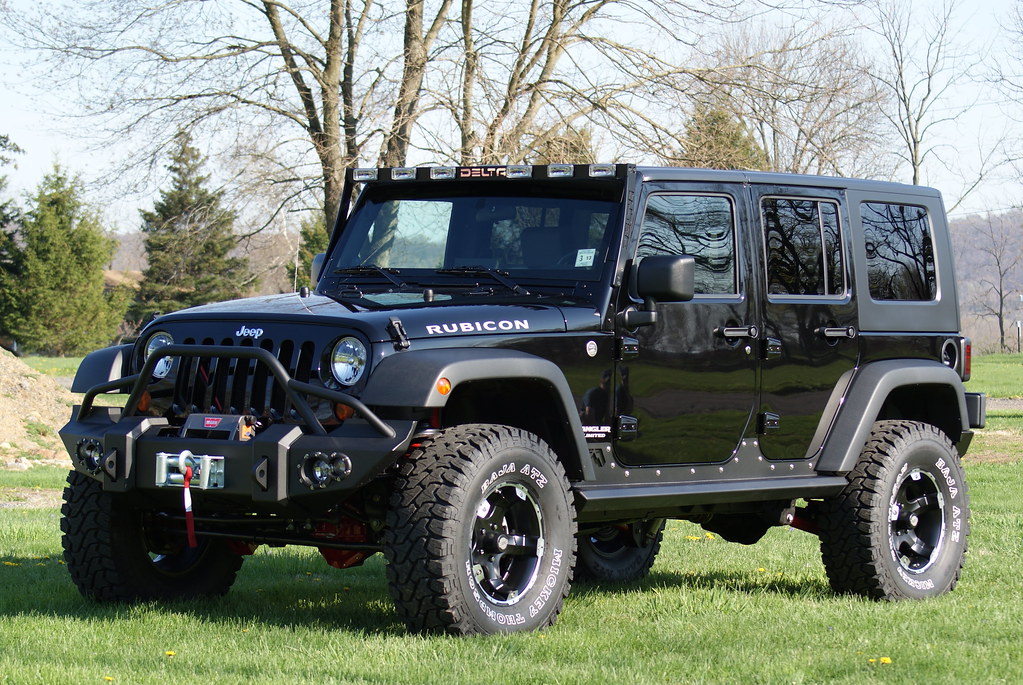
15. Jeep Wrangler
The 2024 Jeep Wrangler steadfastly upholds its legendary reputation as an off-road star, blending a contemporary style with cutting-edge technology. It offers an impressive range of four engine options, including a V6, a turbocharged 4-cylinder, a plug-in hybrid 4-cylinder, and a powerful V8, catering to various performance and efficiency preferences. For 2024, the classic Wrangler receives several appealing upgrades, such as a restyled grille, new wheel options, and a windshield-integrated stealth antenna, enhancing its iconic look while integrating modern touches.
Many consumers are drawn to the Wrangler, often trading in mainstream crossovers with the aspiration of living the “Jeep Life.” The allure of its rugged capability and distinctive aesthetic is undeniable. However, this lifestyle often comes with significant compromises that many new owners discover only after purchase. The reality of Wrangler ownership can diverge sharply from expectations, leading to dissatisfaction for those unprepared for its inherent characteristics.
One of the most frequently cited drawbacks by owners is the “wind noise” and the “rough ride,” which are inherent characteristics of its off-road oriented design. These factors, alongside “any of the other things that come with owning a Wrangler,” like potentially less refined on-road manners, can quickly diminish the daily driving enjoyment for those accustomed to the comfort of more conventional SUVs. These are not minor nuisances but fundamental aspects of the Wrangler’s design.
Expert evaluations further underscore these practical limitations. Edmunds reported that “the steering is slow and loose,” which can make handling feel less precise and demanding on paved roads. Additionally, it offers “not as much cargo space as other similarly-sized cars,” a practical limitation for families or those needing ample storage for daily life. Given these significant caveats, including lower comfort, less refined driving dynamics, and reduced practicality compared to its peers, the Jeep Wrangler, despite its undeniable off-road prowess, is a vehicle that truly requires careful consideration beyond its adventurous image.
Car Model Information: 2017 Jeep Wrangler Unlimited Sport
Name: Jeep Wrangler
Caption: Jeep Wrangler Unlimited, Sahara edition
Manufacturer: Jeep
Class: Compact SUV
Production: 1986–present
Predecessor: Jeep CJ
Layout: Front-engine, rear-wheel-drive layout,rear-wheel drive
Chassis: Body-on-frame
Related: AIL Storm
Categories: 1980s cars, 1990s cars, 2000s cars, 2010s cars, All-wheel-drive vehicles
Summary: The Jeep Wrangler is a series of compact and mid-size four-wheel drive off-road SUVs manufactured by Jeep since 1986, and currently in its fourth generation. The Wrangler JL, the most recent generation, was unveiled in late 2017 and is produced at Jeep’s Toledo Complex.
The Wrangler is a direct progression from the World War II Jeep, through the CJ (Civilian Jeeps) produced by Willys, Kaiser-Jeep, and American Motors Corporation (AMC) from the mid-1940s through the 1980s. Although neither AMC nor Chrysler (after it purchased AMC in 1987) have claimed that the Wrangler was a direct descendant of the original military model — both the CJ Jeeps and the conceptually consistent Wrangler, with their solid axles and open top, have been called the Jeep model as central to Jeep’s brand identity as the rear-engine 911 is to Porsche.
Similar to the Willys MB and the CJ Jeeps before it, all Wrangler models continue to use a separate body and frame, rigid live axles both front and rear, a tapering nose design with flared fenders, a fold-flat windshield, and can be driven without doors. Also, with few exceptions, they have part-time four-wheel drive systems, with the choice of high and low gearing, and standard open bodies with removable hard or soft tops. However, the Wrangler series was specifically redesigned to be safer and more comfortable on-road, to attract more daily drivers, by upgrading its suspension, drivetrain, and interior, compared to the CJ line. The suspension on all Wranglers included trackbars and anti-roll bars, and, from the 1997 TJ onwards, front and rear coil springs instead of the previous leaf springs.
From 2004 on, the Wrangler has been complemented with long-wheelbase versions, called Wrangler Unlimited. 2004-2006 models were longer versions with 2 doors. In 2004, only automatic transmission-equipped “Unlimited” versions were sold. In 2005, both an automatic and manual 6-speed (NSG-370) were offered. Since 2007, the long-wheelbase Wranglers were four-door models, offering over 20 in (508 mm) more room. By mid-2017, the four-door models represented three-quarters of all new Wranglers on the market.
Get more information about: Jeep Wrangler
Buying a high-performing used car >>>
Brand: Jeep Model: Wrangler
Price: $19,865 Mileage: 111,103 mi.
Read more about: Run-Flat vs. Standard Tires: The 14 Key Differences Consumers Need to Know for a Safer, Smarter Drive in 2025
Buying a new car is a huge investment, and with the rising prices of vehicles all over the world, it is getting difficult to find vehicles that will prove reliable in the long run. In this article, we have discussed 15 vehicles that you should approach with caution in 2024 and 2025. We have analyzed and reviewed their features and drawbacks in detail, drawing on expert data and consumer reports to highlight potential pitfalls. If you are thinking of getting a new vehicle, we strongly advise reviewing these insights to avoid spending your hard-earned money on a vehicle that may present unforeseen problems and diminish your satisfaction over time. Make an informed decision, and choose a vehicle that truly meets your long-term needs and expectations.