Alright, car fanatics and casual cruising connoisseurs, get ready to fire up your engines and shift your brains into high gear! We’re about to embark on an epic, high-octane journey through the thrilling world of classic cars. Forget what you *think* you know, because we’re diving deep into some seriously cool, mind-blowing facts about the vehicles that shaped history, pop culture, and our wildest driving dreams.
Ever wondered what makes a classic truly legendary? Is it the roar of the engine, the sleek lines, or perhaps the incredible stories hidden beneath the hood? From sophisticated European marvels to roaring American beasts, these aren’t just cars; they’re rolling pieces of art, engineering marvels, and undeniable legends that have left an indelible mark on the asphalt of time. So, buckle up, because we’re challenging you to see if you can truly recognize these automotive icons not just by their looks, but by their incredible backstories and secret trivia!
We’ve scoured the archives (okay, maybe just some super cool trivia lists!) to bring you a treasure trove of tidbits that will make you sound like the ultimate car expert at your next meetup. Get ready to have your automotive knowledge tested and expanded as we kick off the first half of our epic classic car recognition challenge. Let’s hit the road and discover some seriously awesome rides, one fascinating fact at a time!
1. The 1958 MG Magnette: England’s Stylish Secret for the Young Professional
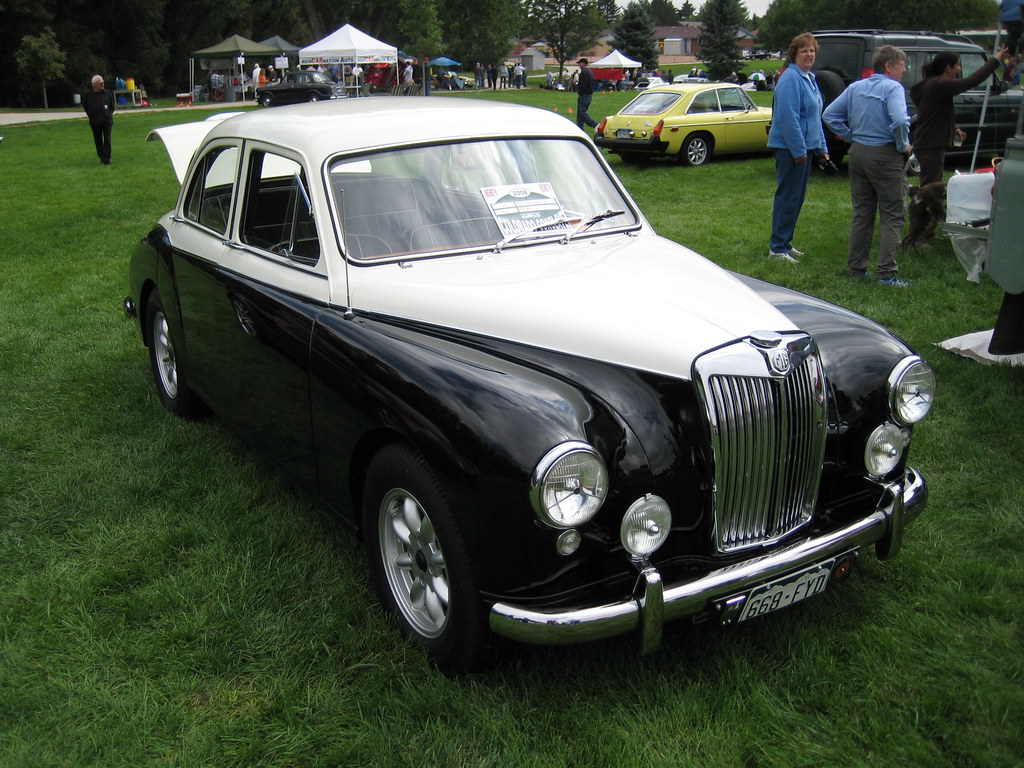
Imagine cruising the streets of 1950s England, looking effortlessly cool in a car marketed directly to the “young urban professional.” That’s the vibe of the 1958 MG Magnette, a truly distinctive ride that might just be rarer than you think. One enthusiastic owner, Mike Casey, spotted his in a used car ad back in 1999, recalling that he’d seen only “a couple of these even in the ’50s.” Talk about an exclusive club!
Mike’s personal journey with his Magnette is a fantastic testament to the allure of these classics. He already loved a different model from the same manufacturer and felt he “definitely needed this one.” Bringing it home, he found the engine “very familiar,” with a quickly remedied kink in the valve cover gasket that had been “regurgitating large puddles of oil onto my garage floor.” This hands-on tinkering is a joy for many classic car enthusiasts.
The Magnette wasn’t just about performance; it was about genuine craftsmanship and character. Mike fondly describes the dashboard and wood trim as “honest-to-goodness old English wood,” which he lovingly treated with Old English Lemon Oil. Even the “old door panels perked up with Armor All,” showing that with a little care, the original charm of a classic can be beautifully revived.
Driving this beauty was an experience in itself! With its “4:10 rear end and the four-speed floor shifter linked up to the 1.5-liter four-cylinder engine,” first gear would get you “about half the way across the intersection.” Mike humorously noted that “at 66 mph on the highway it sounded and felt as if the car was doing 99,” a spirited, if noisy, character that surely kept drivers on their toes! The refreshed 1956 model even got an engine upgrade to “68 horsepower,” raising the top speed to “86.”
2. Lamborghini: The Raging Bull’s Roar and Its Iconic Logo Mystery
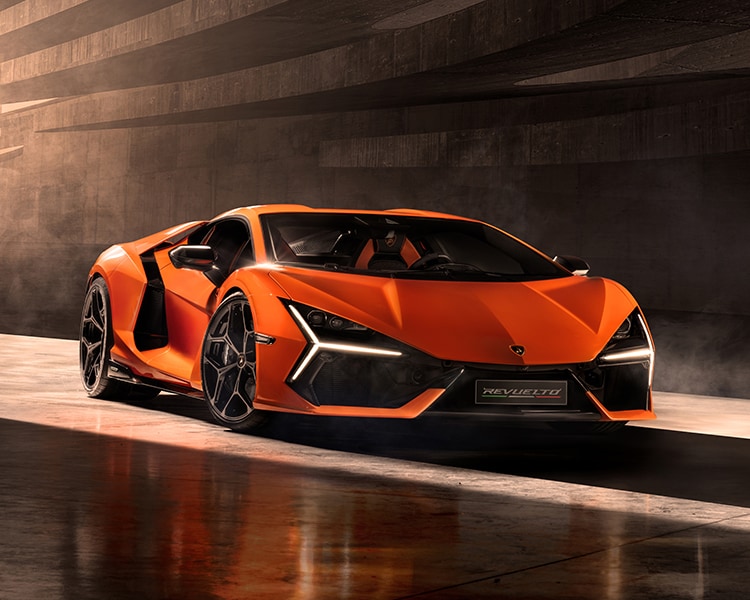
When you hear “Lamborghini,” what’s the first thing that comes to mind? Is it the sleek, aggressive lines, the mind-blowing speed, or perhaps that iconic, powerful bull logo? For many, it’s all of the above! This Italian supercar manufacturer has etched itself into the annals of automotive legend, not just for its breathtaking performance but for its striking visual identity.
Speaking of that logo, it’s one of the most recognizable in the world! The question “Which animal features in the logo for Lamborghini?” has a simple yet impactful answer: “A bull.” This choice isn’t just a random design; it’s steeped in the personal history and fiery spirit of Ferruccio Lamborghini himself, who was a Taurus. Each model name also often reflects a famous fighting bull, tying back to the brand’s powerful, untamed image.
It’s fascinating to consider the origin story that often gets whispered among car enthusiasts: what kind of car inspired Ferruccio Lamborghini to start his own automobile company? Well, the context actually points to something unexpected: a “10-Lira Tractor Clutch.” While the common lore involves a dispute with Enzo Ferrari over a clutch, the context here suggests an even more grounded, industrial beginning. Imagine that – a brand synonymous with luxury and speed born from tractor parts!
This detail highlights that even the most glamorous brands often have incredibly humble, or at least intensely practical, beginnings. It’s a reminder that true innovation and passion can spark from anywhere, transforming a functional component into the foundation for a dream machine. Who knew a tractor part could ignite such an automotive revolution?
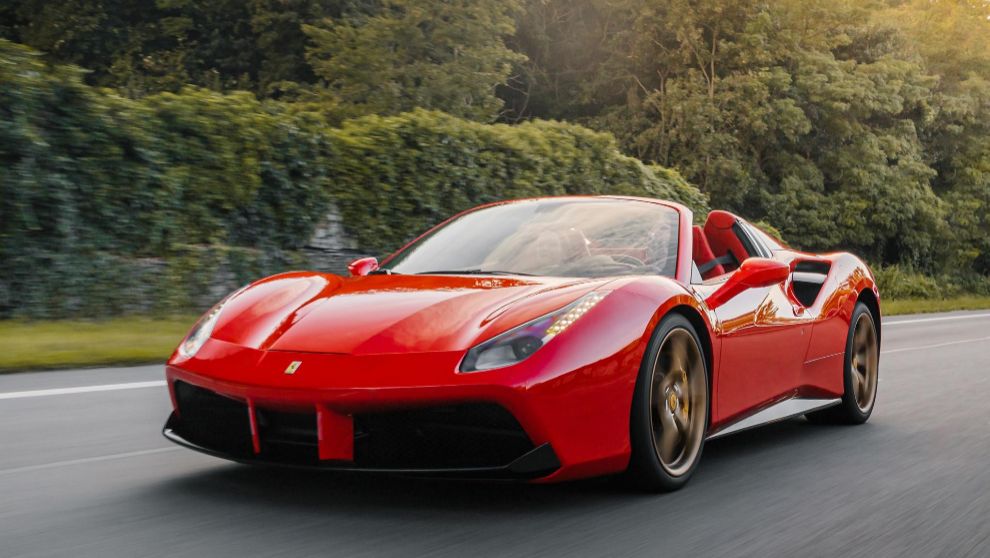
3. Ferrari: The Prancing Horse’s Crimson Roots and Legendary Founder
Ah, Ferrari. Just the name conjures images of blistering speed, exquisite Italian design, and, of course, that unmistakable vibrant red hue. It’s a color so intrinsically linked with the brand that it almost feels like part of its DNA, synonymous with racing prowess and undeniable passion. But was red always the chosen shade for these magnificent machines?
Indeed it was! For all the classic car buffs out there, you might already know this, but for those new to the game, it’s a fun fact to drop at your next car meetup. The context reveals that the “original color for all Ferrari models” was, unequivocally, “Red.” This wasn’t just a stylistic choice; in the early days of racing, specific colors were often assigned to different countries, and Italian race cars traditionally donned a striking rosso corsa.
Behind every legendary marque is a visionary, and for Ferrari, that man was Enzo Ferrari. His journey to automotive icon status is incredibly compelling. Before he ever founded his own powerhouse company, Enzo Ferrari was a driver for a different, yet equally storied, Italian brand: “Alpha Romeo.” Imagine driving for one giant, then deciding, “You know what? I think I’ll build my *own* empire of speed!”
This background as a driver for Alpha Romeo not only gave Enzo invaluable experience on the track but also an intimate understanding of what made a car truly perform. This hands-on knowledge, combined with an unparalleled drive and passion, set the stage for him to create one of the most revered and iconic car companies in the entire world. It’s a testament to how personal experience can truly fuel monumental achievements!
4. Volkswagen: From the ‘People’s Car’ to a Global Automotive Phenomenon
Volkswagen. The name itself speaks volumes, literally! Directly translated from German, “Volkswagen” means “The ‘people’s car’.” And what a car for the people it became! This brand’s mission, embedded right in its name, was to create accessible, reliable vehicles for the masses, a vision that truly revolutionized personal transportation around the globe.
No car embodies this ethos more perfectly than the legendary Volkswagen Beetle. It wasn’t just a car; it was a cultural phenomenon, a symbol of simplicity, durability, and a quirky charm that endeared it to millions. But who was the brilliant mind behind this iconic, instantly recognizable design? None other than “Ferdinand Porsche.” Yes, *that* Porsche – the same name associated with some of the world’s most high-performance sports cars!
It’s pretty amazing to think that the genius who would later define luxury sports cars was also responsible for designing a vehicle intended for the everyday person. This fact truly highlights the breadth of Ferdinand Porsche’s engineering prowess and his ability to innovate across the entire automotive spectrum, from the humble and practical to the opulent and powerful. His vision for the Beetle was instrumental in putting Germany, and eventually the world, on wheels.
The Beetle’s success paved the way for Volkswagen to become one of the largest and most influential automotive groups in the world. Today, the Volkswagen Group is a massive umbrella company, overseeing an incredible array of prestigious brands. In fact, our trivia tells us that “Bentley, Bugatti, Lamborghini and Porsche are auto manufacturers under what flagship company?” The answer, of course, is “The Volkswagen Group.” Talk about having some seriously impressive relatives under one roof! From the ‘people’s car’ to a powerhouse of luxury and speed, Volkswagen’s journey is truly remarkable.
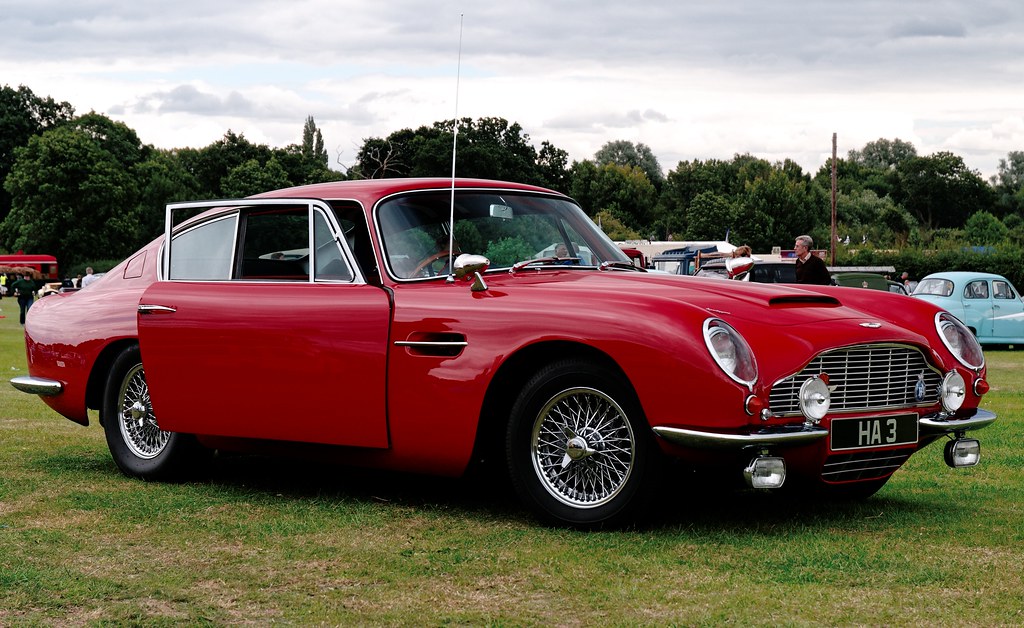
5. Aston Martin DB5: 007’s Ultimate Ride and Cinematic Stardom
Shaken, not stirred, and always arriving in style. When you picture James Bond, chances are you’re imagining him behind the wheel of a sophisticated, gadget-laden Aston Martin. And if you’re picturing *the* Aston Martin, it’s undoubtedly the iconic DB5. This car isn’t just a vehicle; it’s a co-star, a legend in its own right, and a symbol of cinematic cool that has transcended generations.
The Aston Martin DB5 made its unforgettable debut in the 1964 film *Goldfinger*, instantly cementing its place in movie history. But its appearance wasn’t a one-off cameo; this car has serious staying power! Our trivia confirms that the “iconic car has appeared in seven Bond films, making its debut in the 1964 Goldfinger.” Seven films! That’s an incredible run for any vehicle, showcasing its timeless appeal and its perfect fit for the world’s most famous secret agent.
What makes the DB5 so special for Bond? It’s not just its elegant lines or powerful engine; it’s the seamless blend of luxury, performance, and ingenious gadgetry that makes it the ultimate spy car. From ejector seats to machine guns hidden behind headlights, the DB5 redefined what a movie car could be, making every appearance a highlight for fans. It perfectly embodies the sophistication and danger inherent in 007’s missions.
Its recurring role across multiple eras of Bond films speaks volumes about its enduring legacy. The DB5 isn’t just a car; it’s a character, an extension of Bond himself, always ready for action and always ready to make a grand entrance (or escape!). It’s a car that truly needs no introduction, a silver screen icon that continues to capture imaginations and ignite the desire for thrilling automotive adventures.
Car Model Information: 2023 Dodge Charger GT
Name: Aston Martin DB5
Manufacturer: Aston Martin
Production: 1963–1965 (1,059 units),2020 (25 units)
Assembly: Newport Pagnell,England
Designer: Carrozzeria Touring Superleggera
Class: Grand tourer
BodyStyle: coupé
Layout: Front-engine, rear-wheel-drive layout
Engine: DOHC,Straight-6,3995 cc
Order: flip
Abbr: on
Powerout: convert
Transmission: ZF Friedrichshafen
Length: 4570 mm
Width: 1680 mm
Wheelbase: 98.0 in
Predecessor: Aston Martin DB4
Successor: Aston Martin DB6
Doors: 2
Weight: 3311 lb
Sp: uk
Categories: All Wikipedia articles written in British English, Articles with short description, Aston Martin vehicles, CS1: unfit URL, Cars discontinued in 1965
Summary: The Aston Martin DB5 is a British grand tourer (GT) produced by Aston Martin and designed by Italian coachbuilder Carrozzeria Touring Superleggera. Originally produced from 1963 to 1965, the DB5 was an evolution of the final series of DB4. The “DB” designation is from the initials of David Brown who built up the company from 1947 onwards.
The DB5 is best-known for its role in the James Bond films. It was first driven by the fictional spy in the film Goldfinger (1964). In 2013, the car featured on a “British Auto Legends” postage stamp issued by the Royal Mail.
Get more information about: Aston Martin DB5
Buying a high-performing used car >>>
Brand: Aston Martin Model: DB5
Price: $26,990 Mileage: 19,257 mi.
Read more about: Beyond Bond: Sean Connery’s Iconic Automotive Legacy – A Deep Dive into the Classic Cars He Made Famous
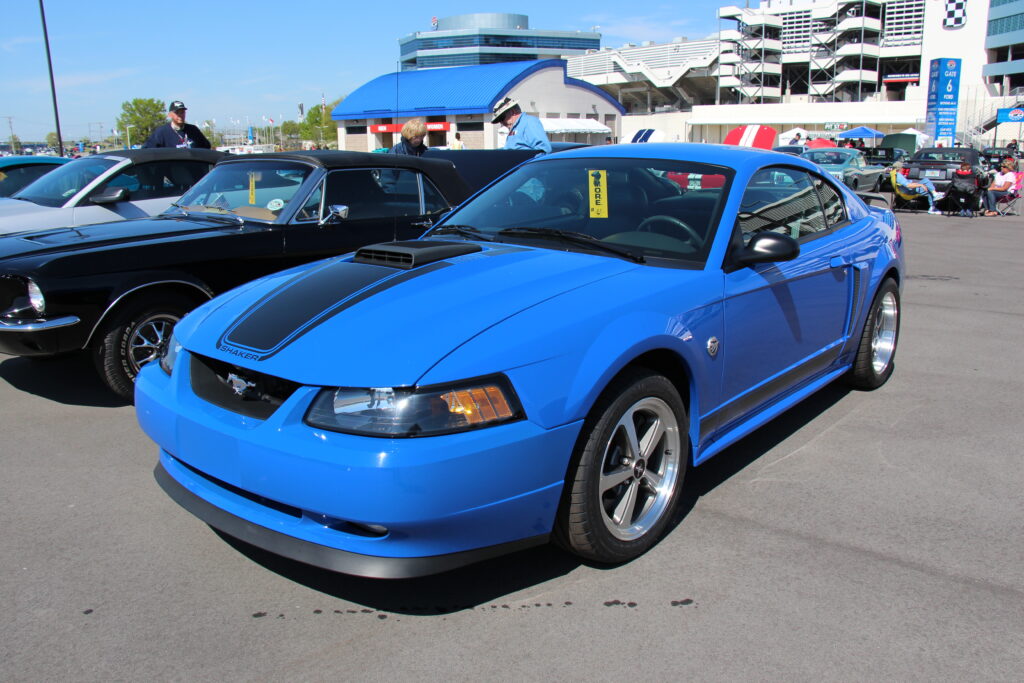
6. The Ford Mustang: Unleashing the First American ‘Pony Car’ Sensation
When we talk about American automotive legends, the Ford Mustang gallops straight to the forefront. This car didn’t just become popular; it created an entire *segment* of vehicles, forever changing the landscape of performance cars. It’s an icon of freedom, power, and accessible coolness, inspiring generations of drivers to hit the open road with a roar.
The Mustang is famous for being “considered to be the first ‘pony car’.” What’s a pony car, you ask? Think compact, sporty, affordable, and high-performance vehicles with long hoods and short rear decks. The Mustang nailed this formula, bursting onto the scene and captivating a massive audience, particularly younger buyers looking for something exciting and stylish without breaking the bank.
Its introduction year is etched in history: “The Ford Mustang in 1964.” And who was the visionary responsible for bringing this game-changer to life? None other than “Lee Iacocca.” His insight into the market and his determination to create a car that resonated with a new generation paid off in spectacular fashion, launching one of the most successful product launches in automotive history.
And what about the price tag that made it so accessible? The context gives us this juicy detail: “The first Ford Mustang was worth $2,368.” Later, it reiterates, “The first Mustang rolled off the assembly line with a list price of $2,368.” For a car that delivered so much style, performance, and desirability, that was an incredibly attractive price, making the dream of owning a sporty car a reality for countless Americans. The Mustang wasn’t just a car; it was a phenomenon that captured the spirit of an era.
Car Model Information: 2025 Ford Mustang GT Premium
Name: Ford Mustang
Caption: 2018 Ford Mustang GT 5.0
Aka: Ford T5 (Germany)
Manufacturer: Ford Motor Company
Production: March 1964 – present
ModelYears: 1965–present
Class: Unbulleted list
BodyStyle: Unbulleted list
Layout: Front-engine, rear-wheel-drive layout
Categories: 1970s cars, 1980s cars, 1990s cars, 2+2 coupés, 2000s cars
Summary: The Ford Mustang is an American automobile manufactured and marketed by Ford since 1964, as Ford’s longest nameplate in continuous production. Currently in its seventh generation, it is the fifth-best selling Ford car nameplate. The namesake of the “pony car” automobile segment, the Mustang was developed as a highly styled line of sporty coupes and convertibles derived from existing model lines, initially distinguished by its pronounced “long hood, short deck” proportions.
Originally predicted to sell 100,000 vehicles yearly, the 1965 Mustang became the most successful vehicle launch since the 1927 Model A. Introduced on April 17, 1964 (16 days after the Plymouth Barracuda), over 400,000 units were sold in its first year; the one-millionth Mustang was sold within two years of its launch. In August 2018, Ford produced the 10-millionth Mustang; matching the first 1965 Mustang, the vehicle was a 2019 Wimbledon White convertible with a V8 engine.
The success of the Mustang launch led to multiple competitors from other American manufacturers, including the Chevrolet Camaro and Pontiac Firebird (1967), AMC Javelin (1968), and Dodge Challenger (1970). It also competed with the Plymouth Barracuda, which was launched around the same time. The Mustang also had an effect on designs of coupes worldwide, leading to the marketing of the Toyota Celica and Ford Capri in the United States (the latter, by Lincoln-Mercury). The Mercury Cougar was launched in 1967 as a unique-bodied higher-trim alternative to the Mustang; during the 1970s, it included more features and was marketed as a personal luxury car.
From 1965 until 2004, the Mustang shared chassis commonality with other Ford model lines, staying rear-wheel-drive throughout its production. From 1965 to 1973, the Mustang was derived from the 1960 Ford Falcon compact. From 1974 until 1978, the Mustang (denoted Mustang II) was a longer-wheelbase version of the Ford Pinto. From 1979 until 2004, the Mustang shared its Fox platform chassis with 14 other Ford vehicles (becoming the final one to use the Fox architecture). Since 2005, Ford has produced two generations of the Mustang, each using a distinct platform unique to the model line.
Through its production, multiple nameplates have been associated with the Ford Mustang series, including GT, Mach 1, Boss 302/429, Cobra (separate from Shelby Cobra), and Bullitt, along with “5.0” fender badging (denoting 4.9 L OHV or 5.0 L DOHC V8 engines).
Get more information about: Ford Mustang
Buying a high-performing used car >>>
Brand: Ford Model: Mustang
Price: $43,944 Mileage: 7,784 mi.
Read more about: Beyond the Headlines: Unpacking Ford’s Enduring Legacy of Innovation, Resilience, and Global Impact
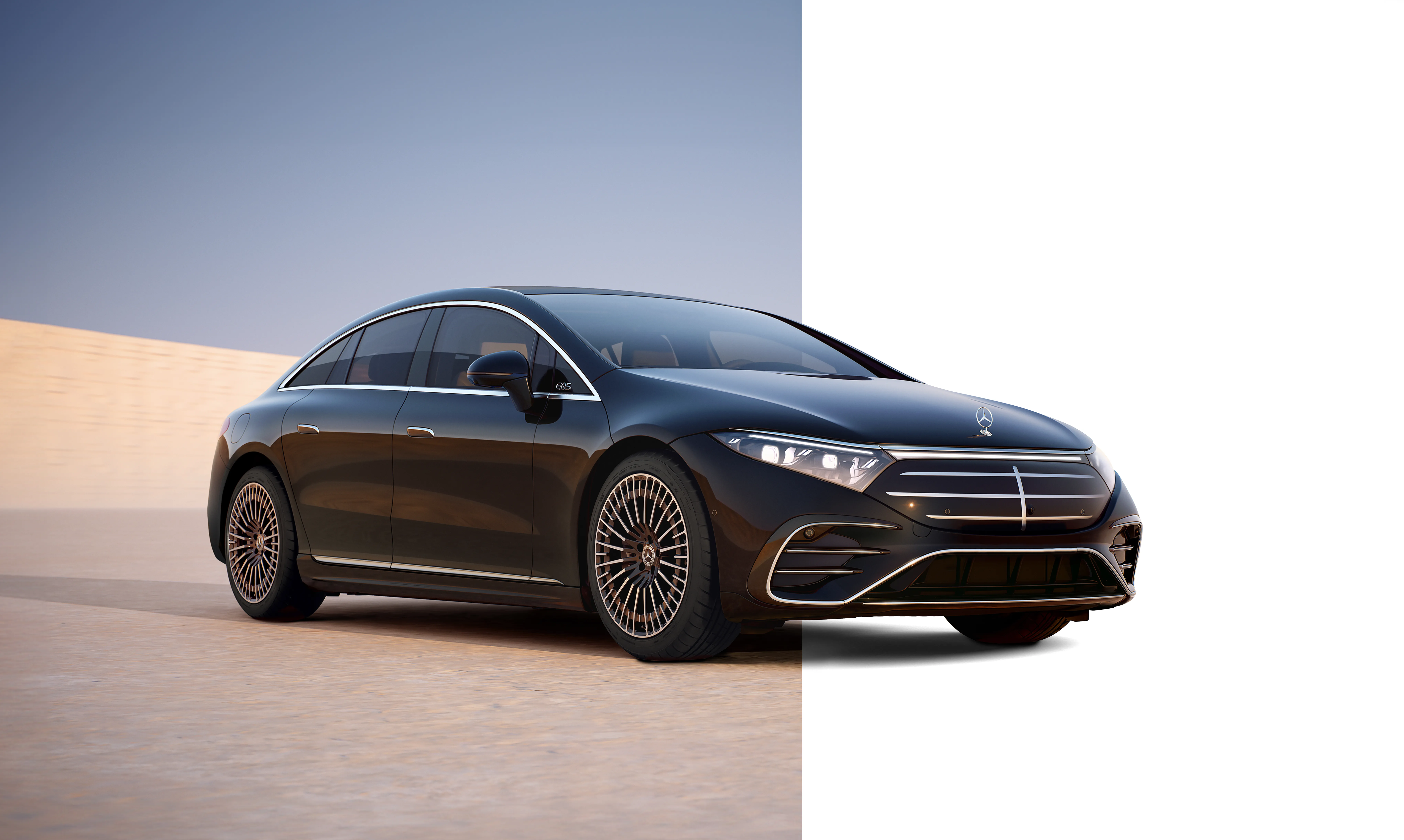
7. Mercedes-Benz: The Pioneering Star and Enduring Legacy of Automotive History
Hold onto your steering wheels, because we’re about to talk about a brand that literally kick-started the automotive world as we know it: Mercedes-Benz. This isn’t just a luxury car manufacturer; it’s the undisputed patriarch of the automobile industry, holding a legacy that stretches back to the very origins of motorized transport. It’s a brand built on innovation, elegance, and an incredible sense of history.
Just how old are we talking? Our trivia solidifies its elder statesman status: “What is the oldest car company still in business today? Mercedes Benz, originally founded in 1883.” That’s right, 1883! While other companies came and went, Mercedes-Benz has been a continuous force, innovating and setting benchmarks for over a century and a half. Talk about staying power!
The name “Mercedes” itself is wonderfully personal, adding another layer to its rich history. “The name Mercedes was named after whom? Emil Jellinek’s daughter Mercedes.” Jellinek, an Austrian automobile entrepreneur, marketed Daimler cars and insisted on naming new models after his beloved daughter. This charming origin story adds a personal touch to such a powerful brand name!
Completing the iconic identity is its universally recognized emblem. “What is the Mercedes logo? A three pointed star.” This star, famously representing Daimler’s ambition to motorize land, sea, and air, is one of the most elegant and enduring symbols in the automotive world. From its birth in 1883, pioneered by Karl Benz, and emblazoned with its three-pointed star, Mercedes-Benz continues to drive forward, a true legend of the road.
Okay, gearheads, if you thought the first half of our challenge was a wild ride, buckle up because we’re not done yet! We’ve got seven more incredible machines and their mind-blowing stories to uncover. Get ready to shift your brain into overdrive as we reveal some truly unexpected facts and pioneering innovations that have left a permanent mark on the automotive world, from luxurious emblems to record-breaking speeds. Let’s dive in!
Read more about: Are People Secretly Judging Your Ride? Uncovering the 12 Car Brands with Stellar Reputations in 2024!
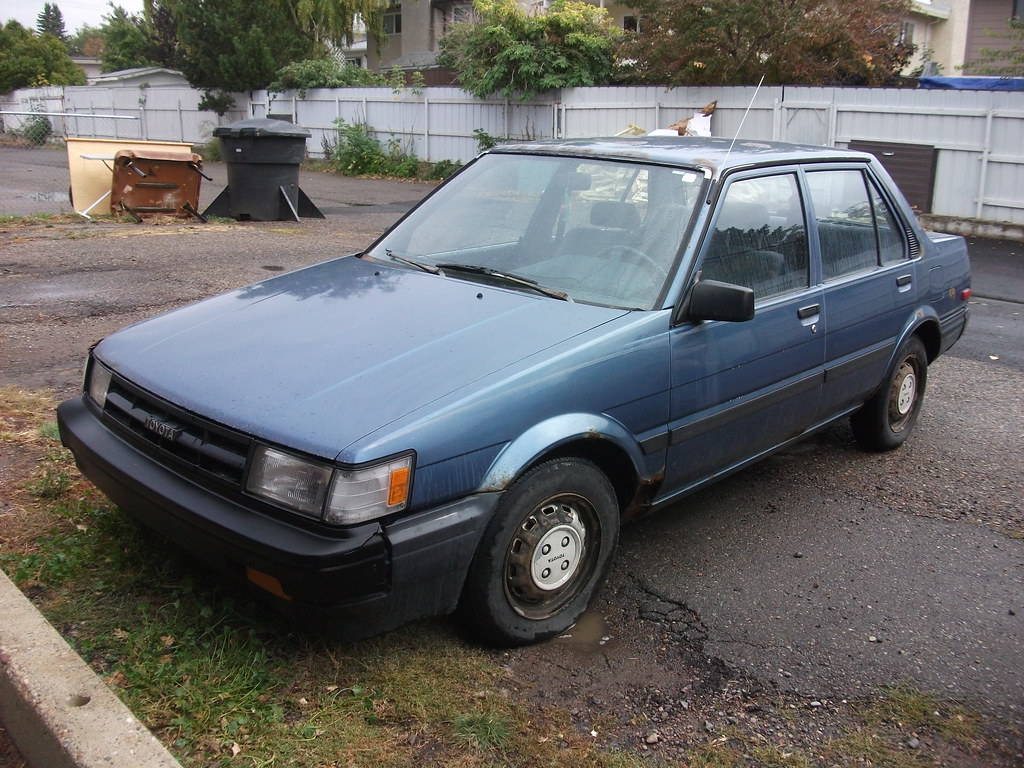
8. Toyota Corolla: The Unassuming King of the Road and Its Surprising Origins
When you think of a global automotive superstar, chances are the Toyota Corolla springs to mind. It’s not just a car; it’s a testament to reliability, efficiency, and sheer ubiquity, quietly dominating sales charts for decades. This unassuming champion holds the incredible title of “the world’s all-time best-selling car,” a remarkable feat that truly speaks volumes about its enduring appeal to drivers everywhere.
But here’s a mind-bender for you: before Toyota ever started rolling out cars that would conquer the world, they were in a completely different business! It turns out that “Japanese car company Toyota was originally established as a textiles manufacturer.” Seriously, imagine going from weaving fabric to engineering millions of cars. That’s a pivot worthy of its own blockbuster movie, showcasing an incredible journey of innovation and adaptation.
This incredible origin story highlights the company’s foundational ingenuity, which eventually translated into their automotive success. From textile looms to assembly lines, Toyota’s commitment to quality and efficient production has been a constant. The company’s very first factory, where this automotive revolution truly took root, was “built in Koromo-cho,” a place now synonymous with automotive prowess.
It’s a fantastic reminder that even the biggest names in the automotive world often have surprisingly humble, or at least wildly different, beginnings. Who would’ve guessed that the car you probably see everywhere started life as a textile venture? It just proves that great ideas can blossom from the most unexpected places, leading to global dominance.
Car Model Information: 2022 Toyota Corolla SE
Name: Toyota Corolla
Caption: Twelfth generation model (2020, hatchback)
Manufacturer: Toyota
Aka: unbulleted list
Production: November 1966 – present
Class: unbulleted list
Predecessor: Toyota Publica
Categories: 1970s cars, 1980s cars, 1990s cars, 2000s cars, 2010s cars
Summary: The Toyota Corolla (Japanese: トヨタ・カローラ, Hepburn: Toyota Karōra) is a series of compact cars (formerly subcompact) manufactured and marketed globally by the Japanese automaker Toyota Motor Corporation. Introduced in 1966, the Corolla has been the world’s best-selling automobile of all time since 1997, when it surpassed the Volkswagen Beetle. Toyota reached the milestone of 50 million Corollas sold over twelve generations in 2021.
The name Corolla is part of Toyota’s naming tradition of using names derived from the Toyota Crown for sedans, with “corolla” Latin for “small crown”. The Corolla has always been exclusive in Japan to Toyota Corolla Store locations, and manufactured in Japan with a twin, called the Toyota Sprinter until 2000. From 2006 to 2018 in Japan and much of the world, and from 2018 to 2020 in Taiwan, the hatchback companion had been called the Toyota Auris.
Early models were mostly rear-wheel drive, while later models have been front-wheel drive. Four-wheel drive versions have also been produced, and it has undergone several major redesigns. The Corolla’s traditional competitors have been the Nissan Sunny, introduced the same year as the Corolla in Japan and the later Nissan Sentra, Subaru Leone, Honda Civic and Mitsubishi Lancer. The Corolla’s chassis designation code is “E”, as described in Toyota’s chassis and engine codes.
Get more information about: Toyota Corolla
Buying a high-performing used car >>>
Brand: Toyota Model: Corolla
Price: $23,500 Mileage: 60,613 mi.
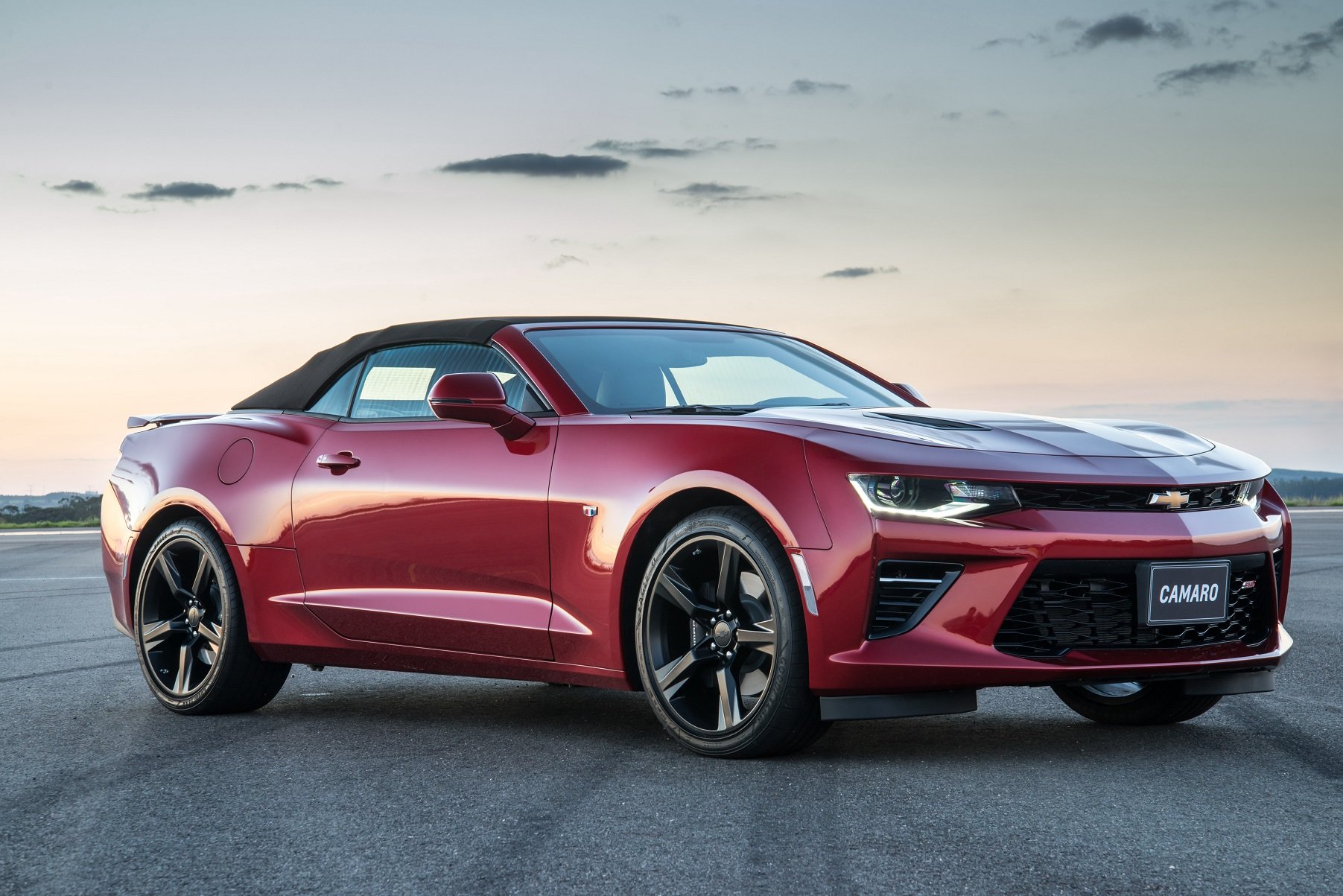
9. Chevrolet Camaro: America’s Answer to the Pony Car Phenomenon
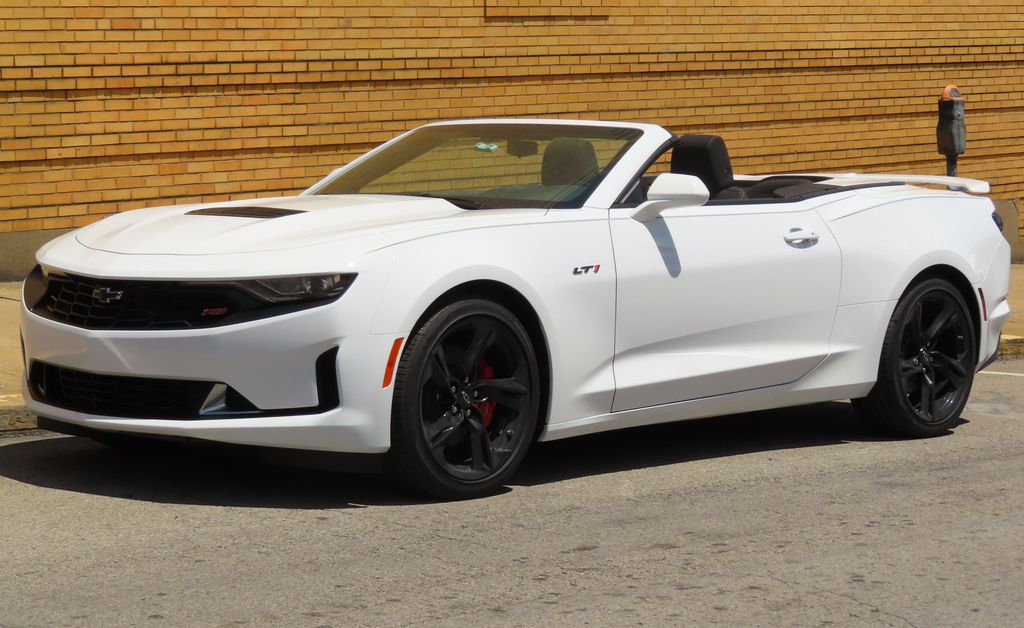
If the Ford Mustang sparked a revolution, the Chevrolet Camaro was the roaring, equally iconic response! Born from a desire to compete in the burgeoning “pony car” segment, the Camaro immediately established itself as a formidable force, forever igniting one of the most legendary rivalries in automotive history. It’s a tale of American muscle, style, and fierce competition that continues to captivate enthusiasts.
The question “Which is the famous car that was designed to compete with the Ford Mustang?” has one thrilling answer: “Chevrolet Camaro.” This fierce competitor wasn’t just a response; it was a statement, offering its own unique blend of aggressive styling, powerful engines, and an undeniable cool factor. The very name of the company, Chevrolet, also carries its own intriguing history, taking its name from a “French race car driver” named “Louis” Chevrolet.
This connection to a racing legend from its very inception underscores the brand’s commitment to performance and speed. Louis Chevrolet’s legacy lives on in every roaring engine and sleek design that rolls off the assembly line. While the classic Camaro remains a timeless icon of American power, Chevrolet as a brand continues to innovate, even venturing into the electric future with models like “the electric vehicle the Bolt EV.”
From its competitive birth to its continuous evolution, the Chevrolet Camaro and its parent company embody the dynamic spirit of American automotive innovation. It’s a brand that has consistently pushed boundaries, whether on the drag strip against its rivals or in the cutting-edge development of electric vehicles, proving its ability to adapt and thrive.
Car Model Information: 2018 Chevrolet Camaro 1LS
Name: Chevrolet Camaro
Manufacturer: Chevrolet
Production: 1966–2002,2009–2023
ModelYears: 1967–2002,2010–2024
Class: Pony car
BodyStyle: coupe,convertible
Platform: GM F platform,GM Zeta platform,GM Alpha platform
Layout: Front-engine, rear-wheel-drive layout
Categories: 1970s cars, 1980s cars, 1990s cars, 2+2 coupés, 2000s cars
Summary: The Chevrolet Camaro is a mid-size American automobile manufactured by Chevrolet, classified as a pony car. It first went on sale on September 29, 1966, for the 1967 model year and was designed to compete with the Ford Mustang. The Camaro shared its platform and major components with the Firebird, produced by General Motors’ Pontiac division that was also introduced for the 1967 model year.
Four distinct generations of the Camaro were developed before production ended in 2002. The nameplate was revived on a concept car that evolved into the fifth-generation Camaro; production started on March 16, 2009.
Production of the sixth generation of the Camaro ended in December 2023, for the 2024 model year.
Get more information about: Chevrolet Camaro
Buying a high-performing used car >>>
Brand: Chevrolet Model: Camaro
Price: $18,785 Mileage: 69,196 mi.
Read more about: Boomers, Get Ready to Rev! These 12 Iconic ’60s Car Models Still Drive Our Dreams

10. The MINI: Mr. Bean’s Quirky Companion and a Cultural Icon
Alright, hands up if you immediately picture a certain clumsy, beloved character when you hear “MINI”! That’s right, we’re talking about the utterly charming, instantly recognizable car that became a true pop culture icon thanks to its most famous driver. It’s a small car with an absolutely massive personality, proving that you don’t need a huge engine to leave a gigantic mark.
The context explicitly asks, “What is the car driven by Mr. Bean, the hapless character played by Rowan Atkinson?” And the answer, of course, is “A MINI.” This particular model, with its distinctive small size and quirky demeanor, became almost a character in itself, perfectly complementing Mr. Bean’s eccentric adventures and cementing its place in television history. It’s hard to imagine his shenanigans without that vibrant little car!
This particular role elevated the MINI far beyond just being an economical mode of transport. It transformed into a symbol of British ingenuity and playful spirit, recognized and loved by millions around the globe. Its compact size, combined with a surprisingly spacious interior, made it a practical car for city life, but its screen presence gave it an undeniable coolness that continues to this day.
So, while it might not be a roaring muscle car or a sleek supercar, the MINI holds a special place in the hearts of many, thanks to its unique charm and its memorable turn as the automotive sidekick to one of comedy’s greatest creations. It’s a testament to how a vehicle can truly transcend its function and become an integral part of our cultural fabric!
Car Model Information: 2023 MINI Hardtop Cooper S
Sp: uk
Caption: 1959 Morris Mini-Minor (first one built)
Name: Mini
Aka: Austin 850,Rover Mini,Austin Cooper,Austin Mini,Austin Partner,Austin Seven,Innocenti Mini,Leyland Mini,Morris 850,Morris Mascot,Morris Mini Minor,Riley Elf,Wolseley 1000 (South Africa),Wolseley Hornet
Layout: Front-engine, front-wheel-drive layout
Manufacturer: British Motor Corporation,British Leyland,Rover Group
Production: 1959–2000 (5.38 million)
Class: City car
BodyStyle: sedan (car),convertible,Station wagon,sedan delivery,coupe utility
Engine: BMC A-series engine,Straight-four engine
Designer: Alec Issigonis,John Sheppard (car designer)
Transmission: 4-speed manual,AP automatic transmission,5-speed manual (optional extra on some later models)
Length: cvt,cvt,cvt
Width: cvt
Height: cvt
Weight: cvt
Wheelbase: cvt,cvt
Related: Mini Moke,Austin Metro,Innocenti Mini,Mini Wildgoose,Mini Marcos
Successor: Austin Metro,Mini Hatch
Assembly: Panmure, New Zealand
Categories: 1960s cars, 1970s cars, 1980s cars, 1990s cars, 2000s cars
Summary: The Mini is a very small two-door, four-seat car, produced for four decades over a single generation, with many names and variants, by the British Motor Corporation (BMC) and its successors British Leyland and the Rover Group, and finally (briefly) under BMW ownership. Minis were built as fastbacks, estates, convertibles, and various other body styles. Minus a brief 1990s hiatus, from 1959 into 2000, an estimated 5.38 million of all variations combined were built, and the Mini’s engines also powered another 2 million Mini Metros, though the Mini eventually outlasted its successor.
Initially, the Mini was marketed under the Austin and Morris names, as the Austin Seven and Morris Mini-Minor; the Austin Seven was renamed Austin Mini in 1962 and Mini became a marque in its own right in 1969. Retrospectively, the car is known as the “Classic Mini” to distinguish it from the modern MINI family of vehicles produced since 2001 by German carmaker BMW, who took ownership of the Mini name following the sale of Rover Group in 2000.
This distinctive two-door car was designed for BMC by Sir Alec Issigonis. Its space-saving transverse engine and front-wheel drive layout – allowing 80% of the area of the car’s floorpan to be used for passengers and luggage – influenced a generation of car makers. The front-wheel-drive, transverse-engine layout were used in many other “supermini” style car designs such as Honda N360 (1967), Nissan Cherry (1970), and Fiat 127 (1971). The layout was also adapted for larger subcompact designs. In 1999, the Mini was voted the second-most influential car of the 20th century, behind the Ford Model T, and ahead of the Citroën DS and Volkswagen Beetle. It is also considered an icon of 1960s British popular culture.
The Mini Mark I had three major UK updates: the Mark II, the Clubman, and the Mark III. Within these was a series of variations, including an estate car, a pick-up, a van, and the Mini Moke, a jeep-like buggy. The performance versions, the Mini Cooper and Cooper “S”, were successful as both race and rally cars, winning the Monte Carlo Rally in 1964, 1965, and 1967. The Mini was manufactured in England at the Longbridge plant in Birmingham located next to BMC’s headquarters and at the former Morris Motors plant at Cowley, as well as in Australia (Victoria Park/Zetland BMC Australia factory) and later also in Spain (Authi), Belgium, Italy (Innocenti, as the Innocenti Mini), Chile, Malta, Portugal, South Africa, Uruguay, Venezuela, and Yugoslavia (IMV). In 1980, British Leyland launched the Mini’s follow-up, the Austin Metro, however the Mini outlasted it and continued to be produced at Longbridge until October 2000.
Get more information about: Mini
Buying a high-performing used car >>>
Brand: MINI Model: MINI
Price: $19,844 Mileage: 34,875 mi.
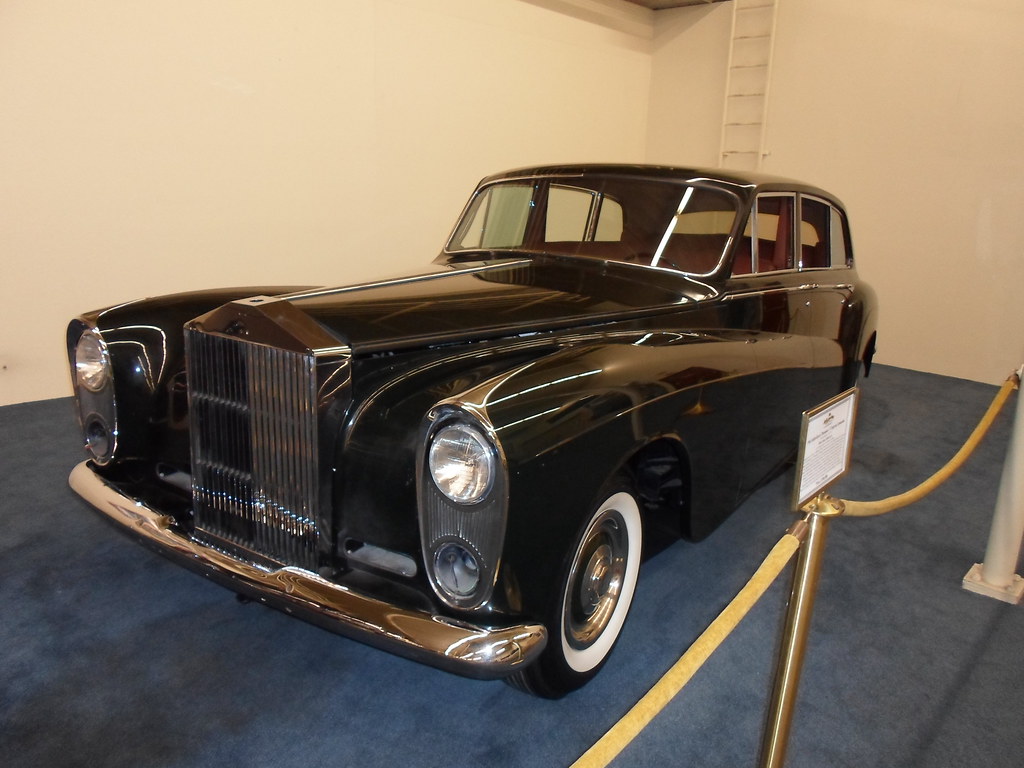
11. Rolls Royce: Beyond Luxury Cars – Engines for the Skies and Royal Exclusivity
When you hear “Rolls Royce,” your mind probably conjures images of unparalleled luxury, handcrafted interiors, and a ride so smooth it feels like floating on air. But get this: this legendary marque isn’t just about crafting magnificent road-going machines. They have a fascinating history that literally reaches for the skies!
Prepare to have your mind blown, because “Which iconic car manufacturer also made airplane engines?” has a stunning answer: “Rolls Royce.” That’s right, the same company known for its opulent sedans has a rich heritage in aerospace engineering, contributing to the power behind some of the world’s most impressive aircraft. Talk about a company with diverse talents and an incredible engineering pedigree!
Fast-forward to more modern times, and this prestigious brand saw a significant shift in its ownership. Our trivia reveals “Who bought Rolls Royce in 1998?” The answer is none other than “BMW.” This acquisition brought together two titans of automotive excellence, ensuring the continued legacy of Rolls Royce under the umbrella of another German engineering powerhouse. It’s a classic example of big business shaping the future of luxury.
And speaking of luxury, Rolls Royce has always been synonymous with exclusivity. How exclusive? Well, for a time, certain models were literally for royalty only! “Who can get a Phantom 4 model? Only royals.” Imagine that level of prestige, where a car is so special it’s reserved for kings and queens. Rounding off its iconic status is its famous hood ornament, known globally as “The Spirit of Ecstasy,” a symbol of grace and speed that perfectly encapsulates the brand’s aspirational elegance.
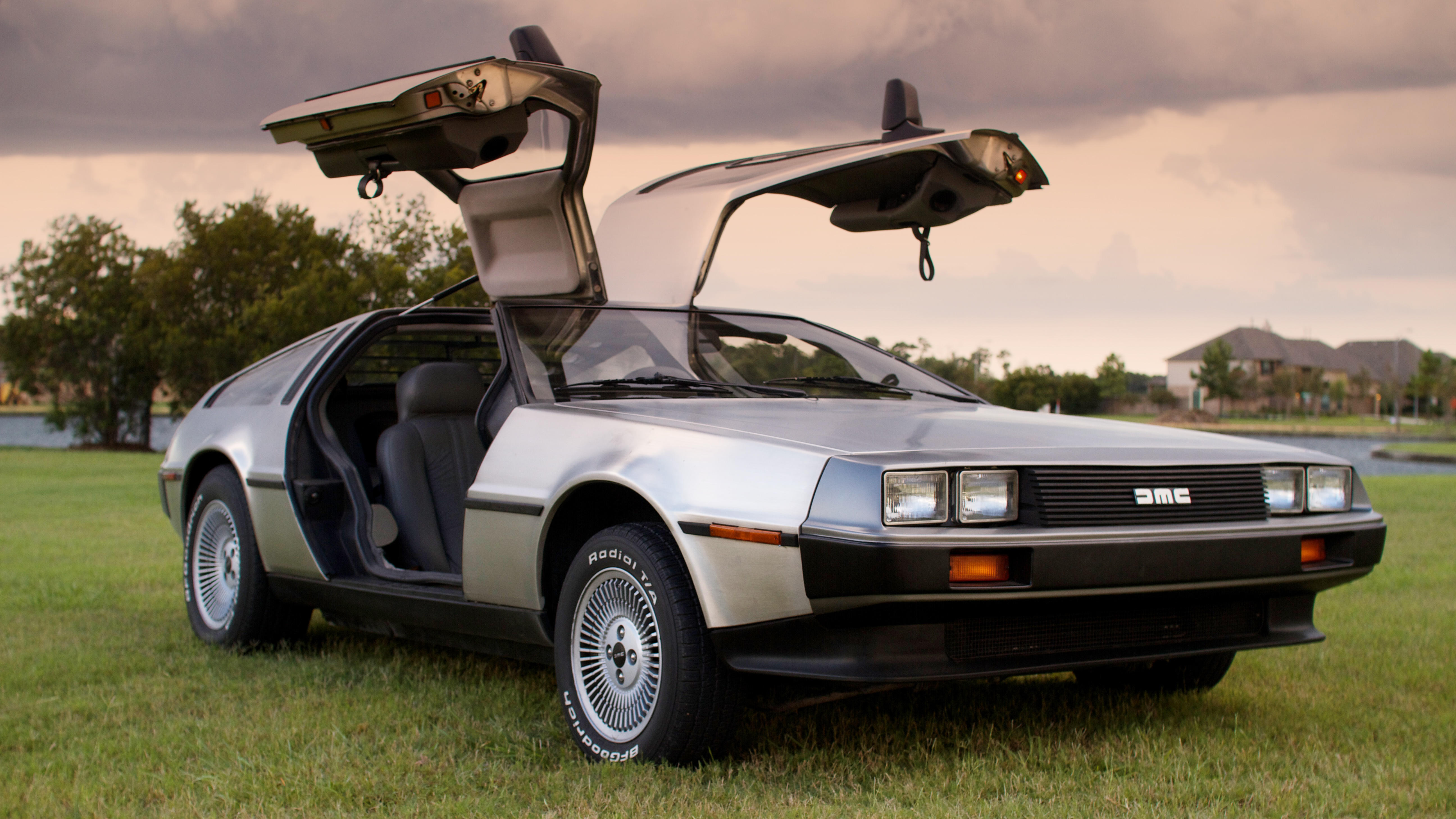
12. DeLorean: The Time-Traveling Icon That Defined a Generation
Alright, future-fanatics and movie buffs, get ready to travel back in time (or forward, depending on your flux capacitor status!) with an automobile that isn’t just a car; it’s a bonafide pop culture legend. We’re, of course, talking about the one and only DeLorean, a vehicle so unique it became inextricably linked with cinematic magic and inspired countless dreams of time travel.
There’s no mistaking its silver gleam and distinctive lines, especially when you consider its starring role. The context asks, “Which sports car features in the Back To The Future trilogy?” And the answer is a resounding “DeLorean.” This car didn’t just appear in the movies; it *was* the time machine, making it arguably the most famous cinematic vehicle of all time and capturing the imaginations of audiences worldwide.
Its appearance in the *Back to the Future* films instantly catapulted the DeLorean DMC-12 to iconic status. The idea of a sports car being capable of temporal displacement was revolutionary, making every fan wonder, “What if?” It perfectly blended futuristic sci-fi with tangible automotive design, creating an enduring legacy that continues to resonate with new generations of viewers and car enthusiasts.
The DeLorean, despite its tumultuous real-world production history, achieved immortality on the silver screen. It’s a powerful example of how cinema can elevate a vehicle from a mere mode of transport to an object of wonder and a symbol of limitless possibility. Whenever you see those distinctive gull-wing doors, you can almost hear the iconic movie score playing in your head!
Car Model Information: 1981 Delorean DMC-12
Name: DMC DeLorean
Alt: 1983 DeLorean
Caption: 1983 DeLorean
Manufacturer: DeLorean Motor Company
Production: January 21, 1981 – December 1982
ModelYears: 1981–1983
Assembly: Dunmurry
Designer: Giorgetto Giugiaro
Class: Sports car
BodyStyle: coupé
Layout: Rear-engine, rear-wheel-drive layout
Doors: Gull-wing doors
Engine: 2.85 L
Abbr: on
Powerout: 130 hp
Transmission: 5-speed manual ,3-speed automatic
Wheelbase: 2413 mm
Length: 4267 mm
Width: 1988 mm
Height: 1140 mm
Weight: 1233 kg
Sp: us
Categories: 1980s cars, All Wikipedia articles written in American English, Articles with short description, Automobiles with backbone chassis, Automobiles with gull-wing doors
Summary: The DMC DeLorean is a rear-engine, two-seat sports car manufactured and marketed by John DeLorean’s DeLorean Motor Company (DMC) for the American market from 1981 until 1983—ultimately the only car brought to market by the fledgling company. The DeLorean is sometimes referred to by its internal DMC pre-production designation, DMC-12, although this was not used in sales or marketing materials for the production model.
Designed by Giorgetto Giugiaro, the DeLorean is noted for its gull-wing doors and brushed stainless-steel outer body panels, as well as its lack of power and performance. Though its production was short-lived, the DeLorean became widely known after it was featured as the time machine in the Back to the Future films.
With the first production car completed on January 21, 1981, the design incorporated numerous minor revisions to the hood, wheels and interior before production ended in late December 1982, shortly after DMC filed for bankruptcy and after total production reached an estimated 9,000 units.
Despite the car having a reputation for poor build quality and an unsatisfactory driving experience, the DeLorean continues to have a strong following, driven in part by the popularity of Back to the Future. 6,500 DeLoreans were estimated to still be on the road as of 2015.
Get more information about: DMC DeLorean
Buying a high-performing used car >>>
Brand: DeLorean Model: DeLorean
Price: $37,500 Mileage: 0 mi.
Read more about: From Child Stars to Screen Legends: 14 A-Listers and Icons Who Seemingly Vanished from the Spotlight
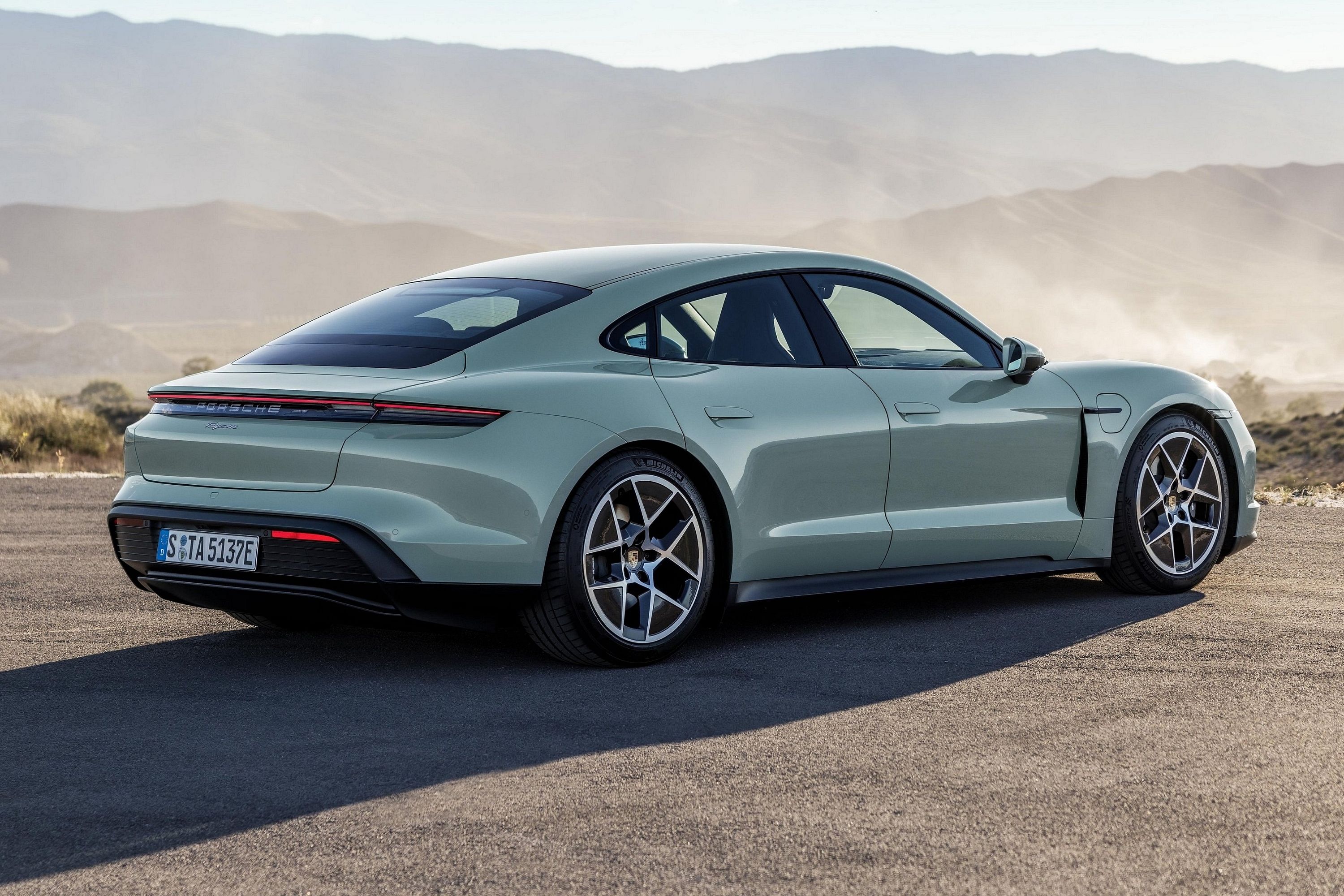
13. Porsche: From Prancing Horse to ‘Widow Maker’ – A Legacy of Speed and Innovation
When you hear “Porsche,” you probably think of sleek sports cars, incredible engineering, and blistering speeds. But did you know their iconic logo tells a story deeply rooted in German heritage, and that one of their most legendary race cars earned a terrifying nickname? Get ready to rev your engines for some fascinating Porsche trivia!
First, let’s talk about that emblem. The question “Which animal is on the Porsche logo?” has a clear answer: “A horse.” This isn’t just any horse; “The logo, taken from Stuttgart’s Coat of Arms, represents the stud farm on which the city was built.” It’s a powerful symbol, elegantly linking the brand’s identity to its geographical and historical roots, embodying both strength and grace.
Now, brace yourself for a dose of raw racing history. Porsche has a reputation for pushing limits, and sometimes those limits were truly, terrifyingly high. The “Porsche 917” earned the chilling moniker “the widow maker.” This race car was so ferociously powerful and notoriously difficult to handle in its early iterations that it struck fear into the hearts of even the most seasoned drivers, etching its name into legend for its incredible speed and inherent danger.
Beyond raw power, Porsche has also been at the forefront of automotive innovation. Our trivia highlights that the “Porsche’s Group B rally efforts” were home to “the first car to use active aerodynamics.” This was a groundbreaking step, using movable components to adjust airflow and optimize performance – a technology that now graces many high-performance vehicles. Porsche truly is a pioneer, continually shaping the future of fast cars.

14. Honda Accord: The Harmony of Engineering and a Pioneer in the USA
Prepare for some fantastic facts about a car that brought a whole new level of reliability and thoughtful design to American roads: the Honda Accord! This isn’t just another car; it’s a testament to Japanese engineering prowess and a symbol of how meticulous design can truly embody a brand’s core philosophy.
Did you know that the Accord holds a pioneering status in the US market? It was, in fact, “the first Japanese car to be introduced in the United States.” Talk about making history! This bold move by Honda opened the floodgates for a wave of Japanese imports, forever changing the American automotive landscape and introducing drivers to new standards of quality and efficiency.
The first “Accord model was produced” back “in 1976,” and it quickly became a sensation. Its original engine, “a 1.6l four-cylinder engine,” was a marvel of efficiency and smooth operation, setting a benchmark for compact performance. But the car’s very name, “Accord,” is perhaps its most profound feature, reflecting “Honda’s mission statement: the desire for accord and harmony between people, society, and automobiles.”
This philosophical approach to car manufacturing sets Honda apart, infusing every vehicle with a sense of purpose beyond mere transportation. The brand’s commitment to innovation also extends to its other models, with the “1988 Honda Prelude” being recognized as “the first automobile with active four-wheel steering.” This illustrates Honda’s continuous drive to push technological boundaries, always striving for balance and advanced engineering.
Car Model Information: 2019 Honda Accord LX
Name: Honda Accord
Caption: 2023 Honda Accord LX (US)
Alt: Front three-quarter view of a front-engined four-door car.
Manufacturer: Honda
Production: 1976–present
Class: Compact car
BodyStyle: hatchback
Layout: Front-engine, front-wheel-drive layout
Predecessor: Honda 1300
Categories: 1980s cars, 1990s cars, 2000s cars, 2010s cars, 2020s cars
Summary: The Honda Accord (Japanese: ホンダ・アコード, Hepburn: Honda Akōdo; ), also known as the Honda Inspire (Japanese: ホンダ・インスパイア, Hepburn: Honda Insupaia) in Japan and China for certain generations, is a series of automobiles manufactured by Honda since 1976, best known for its four-door sedan variant, which has been one of the best-selling cars in the United States since 1989. The Accord nameplate has been applied to a variety of vehicles worldwide, including coupes, station wagons, hatchbacks and a Honda Crosstour crossover.
Get more information about: Honda Accord
Buying a high-performing used car >>>
Brand: Honda Model: Accord
Price: $16,987 Mileage: 126,595 mi.
Whew, what a ride! From humble textile beginnings to time-traveling movie stars, and from the oldest car companies still kicking to the fiercest rivals on the track, we’ve explored some truly wild and wonderful facts about classic cars. These machines are more than just metal and rubber; they’re stories, innovations, and cultural touchstones that continue to thrill and inspire us. So, the next time you see one of these legends cruising by, you’ll know a little bit more about the epic tales hidden behind their iconic steering wheels. Keep those engines revving and that curiosity sparking, because the world of cars is always full of incredible discoveries!