
The power of cinema is immense, capable of transporting us to fantastical worlds, igniting our laughter, or sending shivers down our spines. But perhaps no genre offers a more profound emotional release than the tearjerker. These aren’t just movies; they are experiences that tap directly into our deepest feelings, offering a cathartic journey that leaves us feeling refreshed, even after shedding a torrent of “weapons-grade tissues,” as our colleagues at Rotten Tomatoes aptly put it. The desire to watch a sad movie isn’t about wallowing; it’s about connecting with shared human experiences, understanding the breadth of emotion, and finding beauty even in sorrow.
What truly elevates a sad film from merely melancholic to genuinely heartbreaking is its ability to resonate on multiple levels. It’s not a one-cry-fits-all approach; instead, these cinematic masterpieces weave intricate narratives that explore loneliness, love, loss, resilience, and the sometimes-harsh realities of life. From tales of unlikely friendships to poignant reflections on systemic injustice, the films we’re about to delve into represent the pinnacle of emotional storytelling, each crafted to touch a specific chord in your heart. They challenge us to look beyond superficial descriptions, providing context, background, and a degree of analysis that movie and TV buffs, like yourselves, truly appreciate.
Prepare yourselves, cinephiles, as we embark on a thoughtful catalog of truly tragic films, selected for their profound impact and unwavering ability to get the tears flowing. Our journey begins by exploring some of the most emotionally resonant films ever made, examining their unique narrative strengths and the thematic depth that secures their place in the pantheon of ultimate tearjerkers. So grab your tissues, settle in, and let’s explore seven definitive movies designed to make you feel emotional, profoundly connecting with humanity through the silver screen.
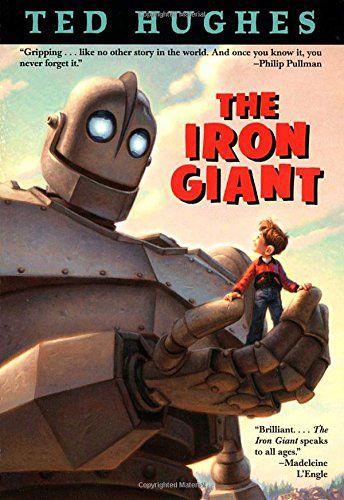
1. **The Iron Giant (1999)**Brad Bird’s animated classic, *The Iron Giant*, introduces us to an unforgettable premise: a giant alien robot crash-lands near a small Maine town during the Cold War. This setup immediately hints at themes of the unknown and the potential for conflict, but what unfolds is a surprisingly tender narrative centered on an unlikely friendship. It’s a story that defies expectations, transforming a sci-fi premise into a deeply emotional experience.
The film beautifully explores themes of loneliness and the profound impact of community. The Iron Giant himself, a being of immense power, grapples with his identity and the destructive purpose he was perhaps designed for. His relationship with young Hogarth Hughes becomes the beating heart of the story, allowing the movie to touch upon the powerful idea that inherent goodness can ultimately win the day, even in the face of fear and prejudice.
Through Hogarth’s innocent perspective, the audience witnesses the Giant’s transformation from a perceived threat to a protective friend. This journey of acceptance and self-discovery for both characters is incredibly poignant, forcing viewers to confront their own biases and understand the importance of empathy. The animation style, coupled with the nuanced storytelling, creates a world where simple kindness holds extraordinary power.
Critics were quick to praise *The Iron Giant* for tackling “ambitious topics and complex human relationships with a steady hand and beautifully animated direction.” It stands as a testament to the power of animation to deliver profound messages, resonating with audiences of all ages long after its initial release. Its emotional depth and timeless message of choosing to be good ensure its place as a quintessential tearjerker.
Read more about: Beyond Belief: 12 Incredible Films That Shockingly Tanked at the Box Office, Only to Become Classics

2. **If Beale Street Could Talk (2018)**Barry Jenkins’ *If Beale Street Could Talk* transports us to early 1970s Harlem, where daughter and wife-to-be Tish vividly recounts the deep passion, unwavering respect, and steadfast trust that bind her and her partner, Fonny. Their love story, set against a backdrop of racial injustice, becomes both a celebration of their connection and a harrowing depiction of its threatened undoing. It’s a narrative that grips you from the very first frame with its tender yet unflinching portrayal of devotion.
The film masterfully looks systematic racism right in the eye, unflinchingly portraying the devastating impact it has on individuals and families. Through Tish and Fonny’s struggle, viewers are confronted with the crushing weight of a system designed to oppress. Yet, amidst this profound injustice, the film simultaneously explores the incredible strength that can be found in family and the enduring, transformative power of love. Their bond serves as a beacon of hope against despair.
Jenkins’ direction creates a visually stunning and emotionally rich tapestry, where every shot and every musical note serves to deepen the audience’s connection to the characters. Tish’s narration, drawn from James Baldwin’s powerful novel, guides us through their history, their dreams, and the painful realities they face. The performances are captivating, drawing you into their world with raw honesty and vulnerability, making their joys and sorrows acutely felt.
The critics hailed *If Beale Street Could Talk* for honoring “its source material with a beautifully filmed adaptation that finds director Barry Jenkins further strengthening his visual and narrative craft.” Its ability to meld a deeply personal love story with broader social commentary ensures its emotional resonance. It’s a film that leaves an indelible mark, reminding us of the fragility of justice and the unbreakable spirit of love.
Read more about: The Best New York City Movies: Iconic Films That Define the Big Apple

3. **The Elephant Man (1980)**David Lynch’s *The Elephant Man* introduces us to Dr. Frederic Treves, who makes a startling discovery: Joseph Merrick, a man born with a congenital disorder, exhibited as a sideshow attraction in Victorian-era England. The film immediately confronts the audience with Merrick’s severe facial deformities, forcing an initial reaction that mirrors the societal prejudice he faced. However, Lynch’s masterful direction quickly steers us towards a much deeper understanding.
The film is a profound and moving exploration of shared humanity. It asks its viewers to set aside any preconceived notions they might have about Joseph Merrick based on his appearance and instead acknowledge the inherent dignity and spirit within him. It challenges us to look beyond the physical and recognize the person underneath, fostering empathy and understanding in a way few films achieve. This compassionate lens is central to its enduring emotional power.
Merrick’s journey, from an object of morbid curiosity to a man treated with respect and kindness, is heartbreakingly portrayed. John Hurt’s transformative performance as Merrick, combined with Anthony Hopkins’s nuanced portrayal of Dr. Treves, brings immense depth to their complex relationship. Their bond highlights the transformative power of compassion and how it can restore a soul that has been cruelly isolated and dehumanized by society.
Critics praised David Lynch’s “relatively straight second feature” for finding “an admirable synthesis of compassion and restraint in treating its subject, and features outstanding performances by John Hurt and Anthony Hopkins.” The film’s black-and-white cinematography also adds to its timeless, classic feel, stripping away distractions to focus purely on the human element. *The Elephant Man* is not just a sad movie; it is a deeply humanizing experience that teaches us about dignity, acceptance, and the true meaning of connection.
Read more about: Binge-Worthy Bliss: 14 Movies You’ll Never Get Tired Of Watching (Seriously!)
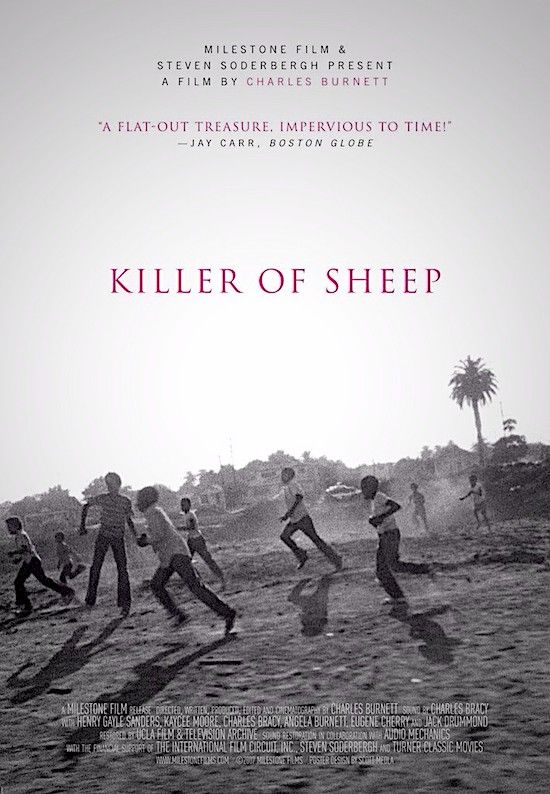
4. **Killer of Sheep (1978)**Charles Burnett’s *Killer of Sheep* offers a poignant, slice-of-life look into Watts, an urban and mostly African-American section of Los Angeles, during the recession of the 1970s. The film centers on Stan, portrayed by Henry Gayle Sanders, who spends his days toiling away at a slaughterhouse. It’s a narrative stripped of conventional plot arcs, instead immersing the audience in the daily struggles and fleeting moments of joy experienced by Stan and his family.
Burnett’s directorial vision is remarkable in its ability to explore the beauty, the joy, the desolation, and the resilience of an economically oppressed Black family. The film doesn’t preach; it simply observes, using powerful images and soul-stirring music to convey the raw realities of their existence. It’s a testament to the human spirit’s capacity to find moments of grace and connection even amidst hardship and systemic disadvantage.
The struggles of Stan to provide for his family and maintain his own sense of self are depicted with stark realism. His weariness is palpable, yet so too is the love he holds for his wife and children. The film captures the texture of life in Watts—the games children play, the conversations neighbors have, the quiet moments of despair and hope—creating a vivid and unforgettable portrait of a community often overlooked by mainstream cinema.
Critically, *Killer of Sheep* was lauded as “By turns funny, sad, and profound,” offering “a sympathetic and humane glimpse into inner-city life.” Its independent spirit and neorealist approach set it apart, making it a foundational work in American cinema. It’s a film that resonates deeply because it mirrors the lived experiences of so many, transforming the mundane into something truly profound and emotionally affecting.
Read more about: From the Digital Abyss: Unpacking the Resurgence of Once-Unstreamable Films on Today’s Unexpected Platforms
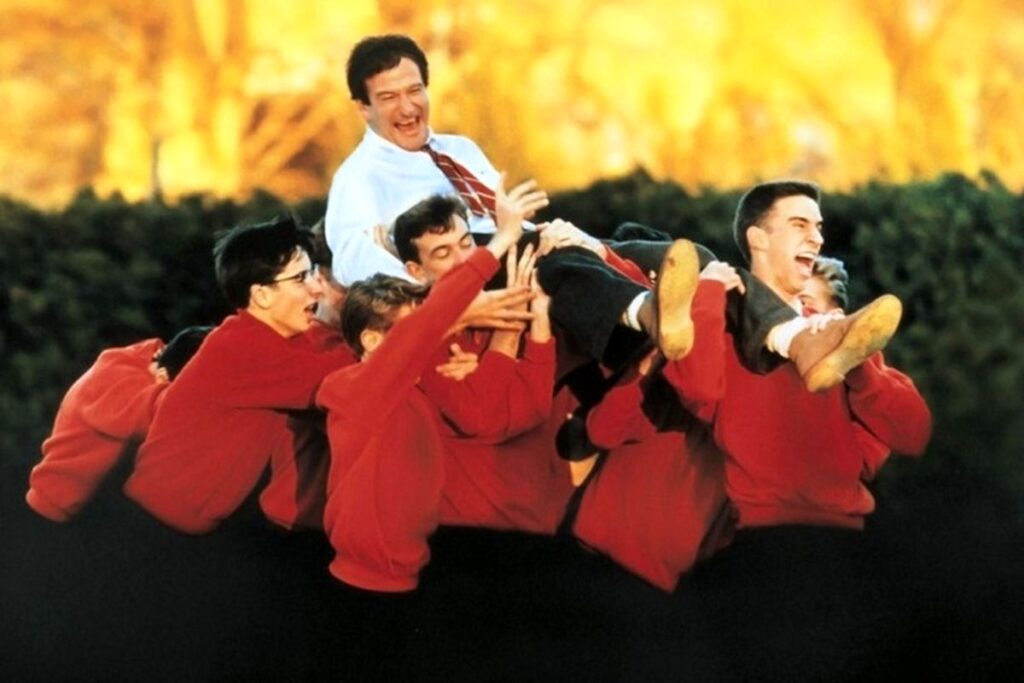
5. **Dead Poets Society (1989)**Peter Weir’s *Dead Poets Society* introduces us to a new English teacher, John Keating, brilliantly portrayed by Robin Williams, at an all-boys preparatory school renowned for its rigid traditions and high academic expectations. Keating’s arrival disrupts the staid environment, challenging his students to think differently and embrace a more passionate approach to life and learning. It sets the stage for a story about finding one’s voice and charting an individual path.
Keating’s unorthodox teaching methods quickly become an ode to the power of teachers to guide their students towards a life led with intelligence and a sense of wonder. He encourages them to “Carpe diem!” — seize the day — inspiring them to find their own poetic voices and to live authentically. This message deeply resonates with a group of young men stifled by expectation, leading to moments of exhilarating discovery and profound self-expression.
The film beautifully explores the delicate balance between conformity and individuality. The students, particularly Neil Perry and Todd Anderson, grapple with parental pressures and societal norms versus the intoxicating freedom that Keating’s philosophy offers. Their journeys highlight the triumphs and tragedies of daring to be different, showing the incredible impact a single mentor can have on shaping young lives, for better or for worse.
The critics recognized *Dead Poets Society* for its “affecting performances from the young cast and a genuinely inspirational turn from Robin Williams,” ultimately granting Peter Weir’s prep school drama “top honors.” The film’s emotional impact is largely thanks to Williams’s ability to embody both humor and profound depth, creating a character that remains iconic. It’s a tearjerker that inspires as much as it saddens, reminding us of the importance of passion and independent thought.
Read more about: Prepare for Tears: 14 Movie Character Deaths That Absolutely Crushed Our Souls, From Iconic Sacrifices to Unforgettable Goodbyes

6. **Coco (2017)**Pixar’s vibrant and heartfelt animated film, *Coco*, centers on young Miguel, who harbors a secret dream of becoming an accomplished musician, much like his idol Ernesto de la Cruz. This dream, however, flies in the face of his family’s generations-old ban on music, a mysterious decree that has shaped their lineage. Miguel’s pursuit of his passion leads him on an extraordinary journey into the Land of the Dead, a visually breathtaking and culturally rich realm.
The film brilliantly explores changing family dynamics, highlighting the tensions between tradition and individual ambition. More than that, *Coco* delves into profound themes of forgiveness and the power of shared memory across generations. Through Miguel’s adventures, the audience learns the critical importance of remembering one’s ancestors and understanding the stories that bind a family together, even after death.
As Miguel navigates the colorful and magical Land of the Dead, he encounters various family members, living and deceased, piecing together the true reasons behind his family’s music ban. This unraveling of history is not just a plot device; it’s a deeply emotional exploration of grief, reconciliation, and the ways in which love transcends life itself. The music, central to Miguel’s dream, becomes a powerful tool for healing and connection.
Critics celebrated *Coco*’s “rich visual pleasures” which are “matched by a thoughtful narrative that takes a family-friendly—and deeply affecting—approach to questions of culture, family, life, and death.” Its universal themes, combined with its cultural specificity and breathtaking animation, create an experience that moves audiences to tears while simultaneously uplifting their spirits. *Coco* stands as a powerful testament to the enduring bonds of family and the importance of remembering where you come from.
Read more about: Mind-Bending Moments: 14 Movie Plot Twists That Will Leave You Saying ‘Just Happened?’
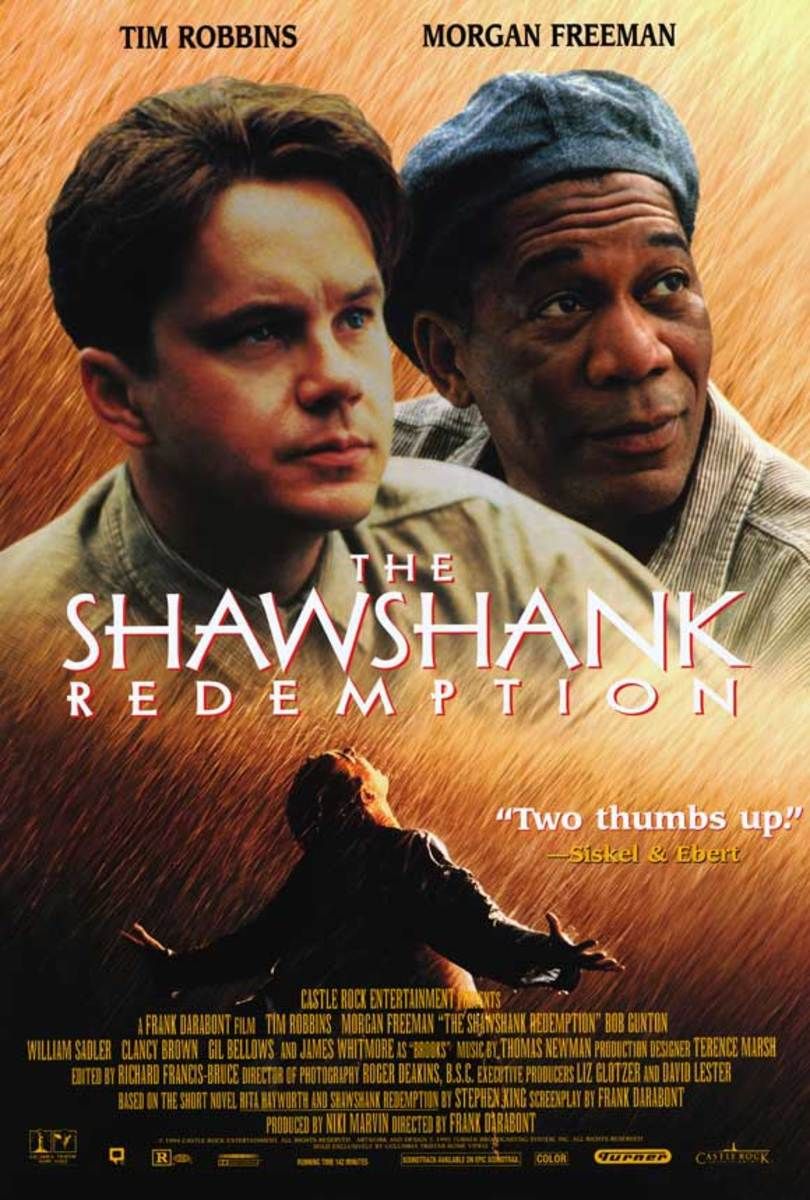
7. **The Shawshank Redemption (1994)**Frank Darabont’s cinematic masterpiece, *The Shawshank Redemption*, plunges us into the grim reality of Andy Dufresne, portrayed by Tim Robbins, who is sentenced to two consecutive life terms in prison for the murders of his wife and her lover. From the outset, the film establishes a setting of brutal confinement and despair, forcing Andy to navigate the harsh hierarchy and unforgiving routines of Shawshank State Penitentiary. It’s a story about survival, but more profoundly, about the human spirit’s capacity for hope.
Despite the arduous circumstances, the film chronicles the hardship of incarceration with a patient and honest gaze, yet always pointing towards an honest uplift. It’s not simply about surviving prison; it’s about maintaining one’s inner freedom and dignity in a place designed to strip it away. Andy’s quiet resilience, his intelligence, and his unwavering belief in the possibility of redemption become a beacon in the darkness for himself and those around him.
The heart of the film lies in the deep, unlikely friendship that develops between Andy and Ellis “Red” Redding, brought to life by the incomparable Morgan Freeman. Their bond, forged in the confines of a maximum-security prison, explores themes of companionship, perseverance, and the long road to personal freedom. Red’s narration provides a reflective and deeply human lens through which we witness Andy’s extraordinary journey and the profound impact he has on the lives of others within Shawshank’s walls.
Critics lauded *The Shawshank Redemption* as being “Steeped in old-fashioned storytelling and given evergreen humanity by Morgan Freeman and Tim Robbins.” Its narrative chronicles “the hardship of incarceration patiently enough to come by its uplift honestly,” avoiding cheap sentimentality for a more earned and powerful emotional release. It’s a film that proves hope can indeed be a good thing, perhaps the best of things, and good things never die, solidifying its status as an iconic and deeply moving tearjerker for generations of viewers.
Having explored the foundational tearjerkers, we now delve deeper into an additional eight powerful films. These cinematic gems are lauded for their enduring legacies, specific emotional resonance, and masterful storytelling techniques that truly guarantee a cathartic cry. From subtle explorations of missed connections to grand romantic sacrifices, prepare for another profound journey through the most impactful sad movies of all time.
Read more about: Full Of Masculinity: 15 Must-See Movies That Will Seriously Level Up Your Guy Code

8. **Past Lives (2023)**Celine Song’s remarkable debut, *Past Lives*, offers a poignant exploration of missed connections and the powerful mysteries of love, drawing inspiration from the Korean concept of In-Yun. This concept beautifully articulates how different lives intersect, sometimes briefly, sometimes for a lifetime, leaving an indelible mark. It’s a story that resonates deeply with anyone who has ever wondered about roads not taken, or the people who come and go from our lives.
The narrative follows Nora and Hae Sung, two deeply connected childhood friends torn apart when Nora’s family emigrates from South Korea. Their story unfolds across decades and continents, as they reconnect through chance encounters, grappling with what might have been. This delicate dance between past and present, what was and what is, forms the emotional core, creating a powerful sense of longing and introspection.
Critics praised the film’s ability to capture complicated family dynamics with a poignant, well-acted drama. It masterfully marries cultural specificity with universally relatable themes, making the audience reflect on their own relationships and the profound impact of time and distance. *Past Lives* leaves an affecting impression, ensuring a thoughtful, melancholic cry for those who appreciate its nuanced portrayal of love’s many forms.
Read more about: Your Couch Is Calling: 15 Absolutely EPIC Must-Watch Movies on Netflix Right Now!

9. **Roman Holiday (1953)**A timeless classic, *Roman Holiday* introduces an unexpected connection between a runaway European princess, Ann, and an ethically murky American journalist, Joe Bradley, played exquisitely by Audrey Hepburn and Gregory Peck. This film isn’t just a romantic comedy; it’s a poignant journey where two individuals from vastly different worlds find common ground. They ultimately learn the true meaning of sacrifice for the greater good, a charming narrative with a deep emotional undercurrent.
Princess Ann, overwhelmed by her suffocating royal schedule, escapes for a night of freedom in Rome. There, she serendipitously encounters Joe. What follows is a delightful romp through the Eternal City, but beneath the surface lies a blossoming affection, both innocent and deeply felt. Their adventure allows Ann to experience genuine human connection and Joe to rediscover his moral compass, leading to an inevitable, heartbreaking realization.
Critics hailed *Roman Holiday* with Audrey Hepburn “luminous in her American debut,” setting “the standard for the modern romantic comedy.” Beyond the laughter and picturesque Roman scenery, the film achieves its emotional impact through the palpable chemistry and the quiet dignity of their final choices. The unspoken understanding shared by Ann and Joe makes their farewell a truly tear-jerking moment, leaving audiences with a bittersweet appreciation for fleeting beauty and profound responsibility.
Read more about: Laughing All The Way To The Screen: 12 Fan-Favorite Movies So Bad They’re Absolutely Brilliant

10. **On Golden Pond (1981)***On Golden Pond* is a heartwarming, yet often bittersweet, exploration of family dynamics, aging, and the enduring power of love. Brought to life by Katharine Hepburn and Henry Fonda’s captivating late-career performances, the film centers on the cantankerous Norman Thayer and his conciliatory wife, Ethel. They spend their summers at a New England vacation home, setting up a familiar, yet deeply affecting, tableau of a long-married couple.
The narrative beautifully unpacks ly family tensions that arise when their estranged daughter, Chelsea, visits with her new fiancé and his son. Through these interactions, the film delves into unresolved conflicts and generational gaps. Norman’s gruff exterior slowly softens through his unexpected bond with young Billy, highlighting the restorative power of new connections and quiet wisdom.
Critical acclaim for *On Golden Pond* highlights Fonda and Hepburn as a “wondrous duo,” affirming the film as a wistful drama that “movingly explores the twilight years of a loving marriage.” The emotional resonance comes from its honest portrayal of aging, the complexities of familial love, and tender moments of reconciliation. It tugs at heartstrings not through grand gestures, but authentic human interaction and the quiet realization that love endures.
Read more about: 15 John Carpenter Classics That Haunt The Dreams (And The Screen): An In-Depth Retrospective

11. **Umberto D (1952)**Vittorio De Sica’s *Umberto D.* stands as a poignant masterpiece of Italian neorealism, offering a stark yet deeply empathetic character study of an elderly pensioner, Umberto Domenico Ferrari. His profound dedication to his beloved dog, Flike, forms the film’s core. This raw, unflinching look at the forgotten elderly in post-war Italy, and the quiet desperation accompanying loneliness and poverty, is designed to touch any heart.
The narrative follows Umberto’s daily struggles as he faces eviction from his boarding house, navigating bureaucratic indifference and harsh societal realities. His only true companion and source of comfort is Flike, their bond becoming the emotional anchor. The film’s power lies in its detailed observation of small gestures of affection and immense unspoken love, making the threat to their companionship all the more agonizing.
Critics praised *Umberto D.*, anchored by Carlo Battisti’s moving performance, for being a “bracing glimpse into the lives of the downtrodden.” De Sica’s direction captures Umberto’s quiet dignity and resilience. The ultimate emotional impact stems from the universal understanding of companionship and the fear of losing it, making *Umberto D.* an incredibly powerful, tear-inducing cinematic experience championing profound connections.

12. **Little Women (1994)**Gillian Armstrong’s 1994 adaptation of Louisa May Alcott’s timeless novel, *Little Women*, captures hearts with its tender portrayal of the March sisters. They navigate growing pains, financial shortages, and family tragedies. This version, distinguished by its powerhouse lineup of talented actresses, truly brings the beloved characters to life, making their joys and sorrows deeply relatable. It’s a film that reminds us of enduring strength found within family bonds.
Among its many emotionally resonant scenes, Claire Danes’ monologue as Beth stands out as a particular tear-jerker. Her portrayal imbues Beth with a gentle spirit and quiet resilience, making her struggles and eventual fate incredibly impactful. The film expertly weaves together the individual journeys of Jo, Meg, Amy, and Beth, showcasing their distinct personalities, ambitions, and sacrifices within a rich tapestry of sisterhood.
The critical consensus notes this adaptation proves “a timeless story can succeed no matter how many times it’s told,” thanks to strong performances. Beyond its faithful rendition, *Little Women* (1994) earns its place as a tearjerker through its celebration of individuality, artistic passion, and the bittersweet realities of life and loss. It’s a beautifully crafted film that evokes powerful nostalgia and familial love, guaranteeing a heartfelt cry.
Read more about: Still Totally Obsessed? We’re Unpacking 15 Pivotal ’90s Moments That Defined a Decade and Still Echo Today!

13. **Brokeback Mountain (2005)**Ang Lee’s *Brokeback Mountain* is a stunning, epic Western offering a heartbreakingly universal love story between two cowboys, Ennis Del Mar and Jack Twist. Portrayed with raw intensity by Heath Ledger and Jake Gyllenhaal, it’s set against the majestic, yet unforgiving, landscapes of Wyoming and Texas in 1963. The film immediately establishes a sense of both grandeur and isolation, mirroring the forbidden nature of their burgeoning relationship. It’s a tale of profound connection forged in secrecy.
The film’s emotional core lies in the quiet, desperate longing and profound, unfulfilled love that defines Ennis and Jack’s lives over decades. Their relationship, begun as sheep herders on Brokeback Mountain, becomes a powerful, poignant secret they carry. Societal pressures and ingrained prejudices create an insurmountable barrier, transforming their love into enduring sorrow.
Critics lauded *Brokeback Mountain* for its “beautiful, epic Western” feel, attributing its heartbreaking universality to “moving performances by Heath Ledger and Jake Gyllenhaal.” The film’s ending, particularly Heath Ledger’s Ennis breaking down while holding his lover’s jacket, is an iconic moment of emotional devastation. It’s a film that resonates long after viewing, a powerful, tragic testament to love denied and the pain of unspoken truths, making it an undeniable tearjerker.
Read more about: Prepare for Tears: 13 Movie Deaths That Still Emotionally Wreck Us, Decades Later

14. **The Florida Project (2017)**Sean Baker’s *The Florida Project* offers a colorfully empathetic, yet devastating, look at an underrepresented part of the population living in the shadow of “the most magical place on Earth.” The film centers on six-year-old Moonee and her two best friends, forging mischievous adventures in rundown motels surrounding Disney World. It’s a vibrant, chaotic, often hilarious portrayal of childhood, sharply contrasted with the harsh realities of poverty.
The movie masterfully captures children’s innocence and resilience against a backdrop of struggle, primarily focusing on Moonee’s mother, Halley. She fights tooth and nail to provide for her daughter. The narrative doesn’t shy away from economic hardship or precariousness, but allows audiences to witness it through Moonee’s unjaded, yet increasingly aware, eyes. This dual perspective creates a deeply unsettling and emotionally charged atmosphere.
Critics praised *The Florida Project* for being absorbing, raising sobering questions about modern America, led by incredible performances like Brooklynn Prince. The film builds to an incredibly powerful and tear-inducing climax as Moonee must say goodbye to her mother. This moment of raw, visceral pain underscores the fragility of their situation. It’s a film that leaves an indelible mark, forcing viewers to confront uncomfortable truths about poverty and societal neglect.
Read more about: Beyond the Bottle: Decoding the Real ‘Secret Ingredients’ Behind Dwayne ‘The Rock’ Johnson’s Sustained Brilliance

15. **Casablanca (1942)**Michael Curtiz’s *Casablanca* is an undisputed masterpiece, perhaps Hollywood’s quintessential statement on love and romance, boasting career-defining performances from Humphrey Bogart and Ingrid Bergman. Set during World War II, the film plunges us into Rick’s Café Américain, a neutral zone in Vichy-controlled Casablanca. This city teems with refugees, spies, and resistance fighters, a narrative immediately capturing its urgent and morally complex historical setting.
The plot thickens with the arrival of Ilsa Lund, Rick’s old flame, and her resistance leader husband, Victor Laszlo. This forces Rick to confront his past and choose between love and a greater cause. The film expertly weaves themes of sacrifice, duty, and tragic romance against a backdrop of global conflict. Bogart’s Rick Blaine, with his cynical exterior masking a deeply principled heart, and Bergman’s Ilsa, torn between two honorable men, create an unforgettable emotional dilemma.
The critics consensus declares *Casablanca* has “only improved with age,” recognizing its profound impact on cinematic history. The iconic line, “We’ll always have Paris,” delivered by Humphrey Bogart, symbolizes the bittersweet nature of their sacrifice and love that transcends personal happiness. It’s a film that leaves audiences with a profound sense of melancholy and admiration for its characters’ noble choices, ensuring that hearts of movie-goers for decades have yet to recover, making it a timeless tearjerker.
Read more about: Binge-Worthy Bliss: 14 Movies You’ll Never Get Tired Of Watching (Seriously!)
As we conclude our journey through these profound cinematic tearjerkers, it’s clear that the power of film to evoke deep emotion is boundless. These movies, whether grand epics or intimate character studies, each offer a unique lens through which to explore the human condition—love, loss, resilience, and the myriad feelings that make us who we are. They are not merely films to watch; they are experiences to be felt, shared, and remembered. So, the next time you’re seeking a cathartic release, or simply a deeper understanding of the world around you, reach for one of these masterpieces. Grab your your weapons-grade tissues, settle in, and allow yourself to be transported by the sheer emotional artistry of cinema. After all, a good cry isn’t just an ending; it’s a beautiful, essential part of the human journey.