
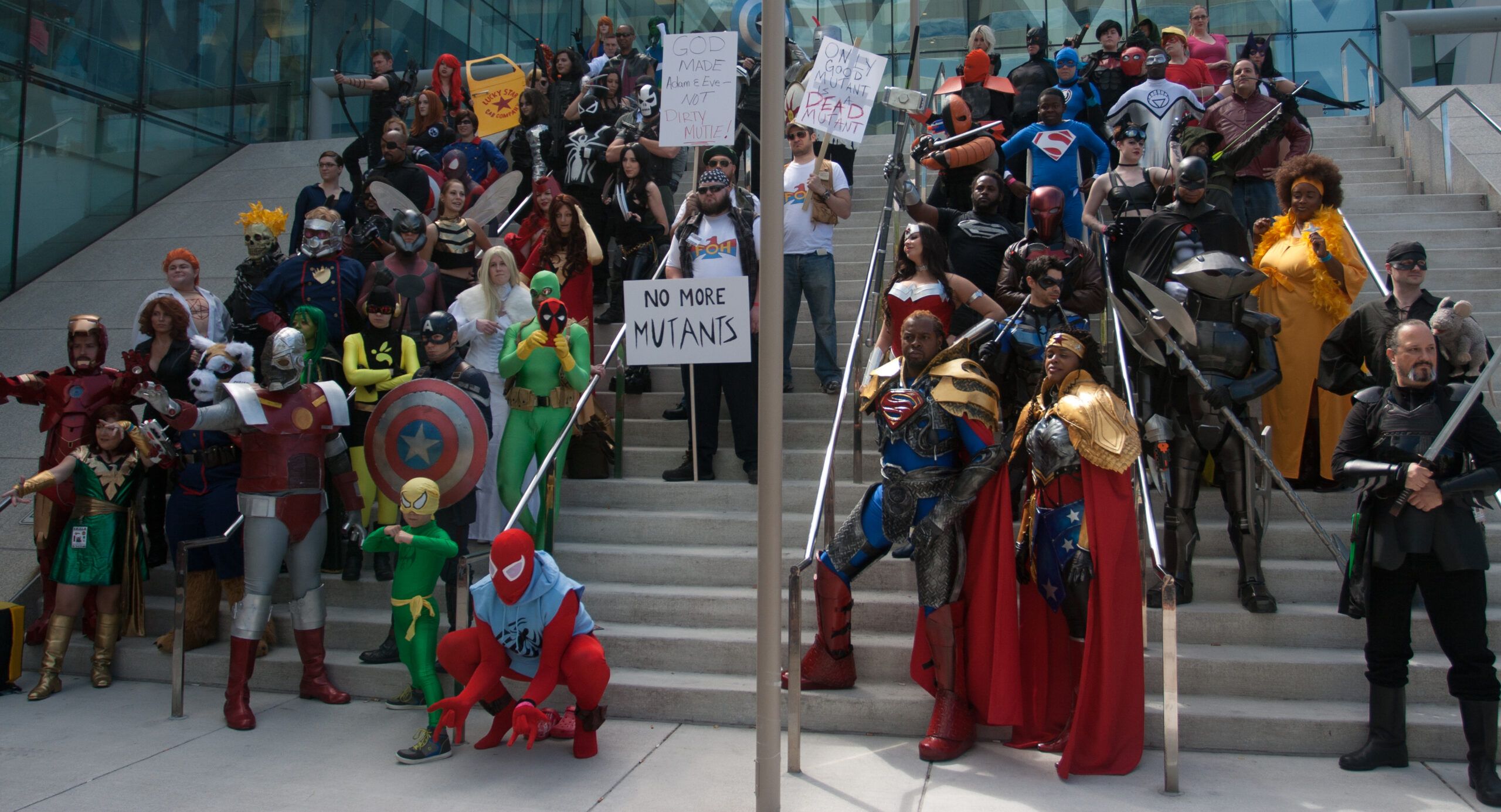
The Marvel Cinematic Universe (MCU) stands as an unparalleled achievement in modern storytelling, a sprawling interconnected narrative that has captivated global audiences and redefined what a film franchise can accomplish. Since its inception in 2007, Marvel Studios has not just produced films; it has meticulously constructed a shared universe, based on characters from Marvel Comics, that has blossomed into the highest-grossing film franchise of all time, accumulating over $32.4 billion at the global box office from 37 films.
This isn’t merely a collection of blockbuster movies; it’s a testament to a deliberate, long-term strategy—a “Marvel Method” that subtly guides audience expectations and fosters an enduring connection with its vast cast of characters and unfolding sagas. Marvel Studios president Kevin Feige, a central architect of this vision, helped conceive this shared media universe, orchestrating a complex dance of individual hero journeys converging into epic, universe-altering events.
To understand the sophisticated mechanisms behind this cinematic juggernaut, we must analyze how Marvel Studios consistently informs and engages its audience, effectively shaping their understanding and enthusiasm for its evolving narrative. This article delves into 14 pivotal films, examining how each contributed to establishing the foundational strategies, diversifying the storytelling approach, and continually cultivating audience investment in what has become an enduring cultural phenomenon.

1. **Iron Man**Released on May 2, 2008, *Iron Man* was far more than just a successful superhero origin story; it was the audacious first step in a meticulously planned cinematic experiment. Produced by Avi Arad and Kevin Feige, and directed by Jon Favreau, this film laid the groundwork for the entire Marvel Cinematic Universe, signaling to audiences that something unprecedented was on the horizon.
The film’s success immediately validated Marvel’s ambitious vision: to produce its own films independently and then merge individual character narratives into crossover events. It began to teach audiences the language of a shared universe, planting the seeds of interconnectedness through its post-credits scene, a subtle yet powerful piece of strategic communication about the future.
While distributed by Paramount Pictures, *Iron Man* firmly established the tone and potential for the universe. It showcased Marvel’s early commitment to telling compelling, character-driven stories that resonated with viewers, even as it quietly built the framework for a much larger narrative tapestry. This foundational film was the initial persuasive argument for the MCU’s existence and its unique storytelling model.
Read more about: Reviving Legends: Your Ultimate Guide to Vintage Car Maintenance and Restoration
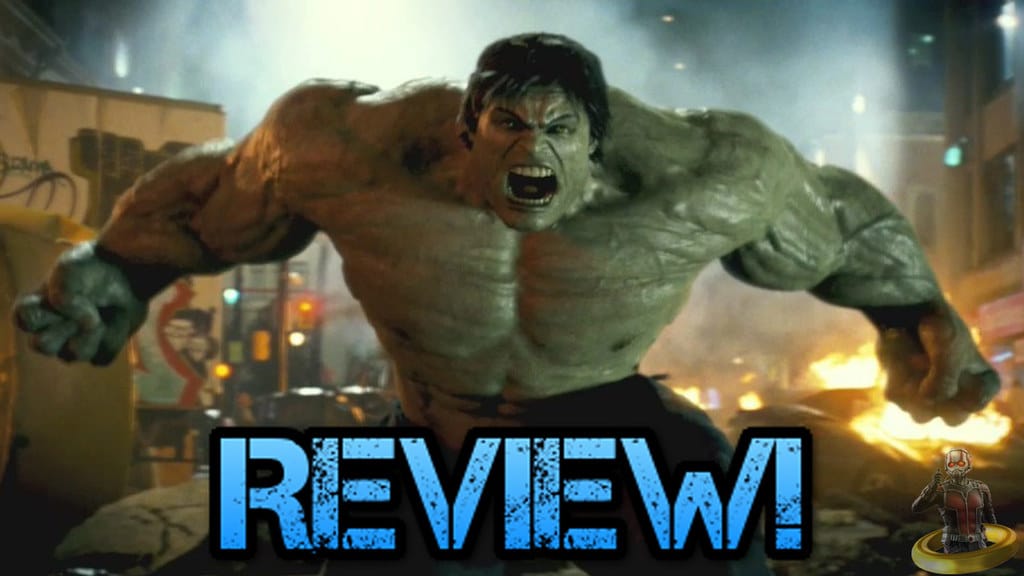
2. **The Incredible Hulk**Following just a month after *Iron Man* on June 13, 2008, *The Incredible Hulk* presented an early challenge and demonstrated Marvel Studios’ adaptability in managing its burgeoning universe. Directed by Louis Leterrier and produced by Avi Arad, Gale Anne Hurd, and Kevin Feige, its distribution through Universal Pictures, rather than Paramount, highlighted the complex web of agreements inherent in building such a massive franchise.
This film, while distinct in its distribution and co-production with Hurd’s Valhalla Motion Pictures, was still firmly integrated into the nascent MCU. It served as an early lesson in how Marvel would navigate disparate creative and business partnerships while maintaining the integrity of its shared narrative vision. The fact that the distribution rights for *The Incredible Hulk* eventually reverted to Marvel Studios and Disney in June 2023 underscores the long-term strategic planning at play.
The inclusion of *The Incredible Hulk* in Phase One demonstrated that the MCU was robust enough to incorporate characters with different studio entanglements, further communicating Marvel’s unwavering commitment to its expansive universe. It was an early exercise in establishing brand cohesion despite external complexities, subtly shaping audience acceptance of an evolving, multi-faceted narrative.
Read more about: 13 Shocking Plot Points & Scenes Major Stars Refused To Film Or Demanded Changes To

3. **The Avengers**Released on May 4, 2012, *The Avengers* was the grand culmination of Phase One and the definitive proof of concept for the shared cinematic universe. Joss Whedon’s film brought together Iron Man, Captain America, Thor, and Hulk, validating Kevin Feige’s long-held vision of individual character films merging into a colossal crossover event. This film definitively showed general audiences “about the notion of the characters existing separately, coming together for specific events and going away and existing separately in their own worlds again. Just like comic readers have been doing for decades.”
This movie cemented the strategic importance of crossover events, which Feige described as the “big, giant linchpins” within the shared universe. The success of *The Avengers* was a powerful message to both audiences and the industry: this unprecedented model worked, and it was here to stay. It generated immense excitement and loyalty, transforming casual viewers into invested followers of the MCU’s overarching story.
With Walt Disney Studios Motion Pictures beginning its distribution of the series with *The Avengers*, the film also marked a significant consolidation of power and resources behind the MCU. This shift ensured a more unified promotional and distribution strategy, further strengthening the brand’s reach and impact. *The Avengers* was a masterclass in cinematic persuasion, solidifying the audience’s belief in the grand narrative.
Read more about: 14 Wild Deleted Scenes That Would’ve Made Your Favorite MCU Movies R-Rated
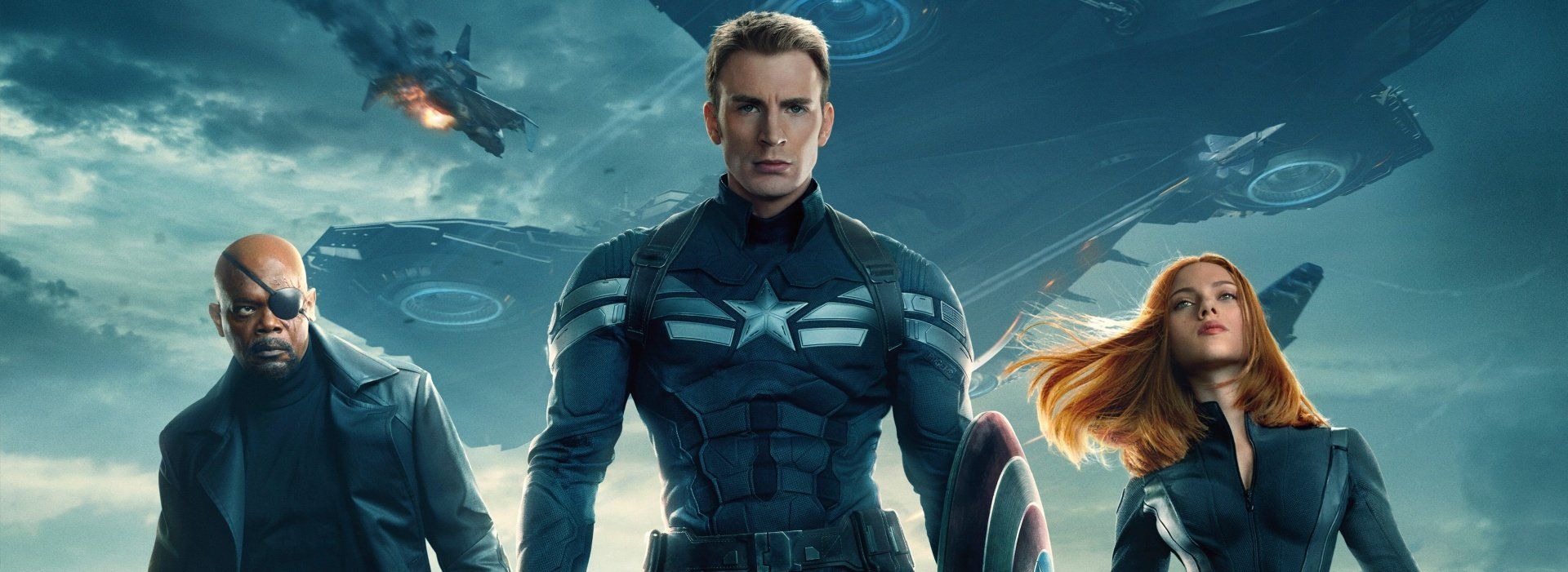
4. **Captain America: The Winter Soldier***Captain America: The Winter Soldier*, released on April 4, 2014, was a pivotal entry in Phase Two, demonstrating Marvel Studios’ willingness to diversify genres within the superhero framework. Directed by Anthony and Joe Russo, this film was praised for its political thriller elements, proving that MCU films could offer unique stylistic qualities that differentiated them from other superhero fare, as Feige noted in combating “superhero fatigue.”
This film was a clear signal that the MCU wasn’t afraid to evolve its storytelling, offering thematic depth and complex narratives alongside its superhero action. It helped to challenge any notions of formulaic repetition, reassuring audiences that each installment would bring something fresh and unexpected. The critical acclaim reinforced the idea that Marvel was dedicated to quality and innovation within its shared universe.
The success of *The Winter Soldier* also highlighted the importance of directors like the Russo brothers, who would go on to helm some of the most crucial films in the Infinity Saga. Their ability to deliver a distinct vision while staying true to the overarching narrative further exemplified the Marvel Method: finding talent that could both innovate and integrate. It was a persuasive argument for the MCU’s narrative flexibility.
Read more about: You’ll Cheer! The 13 Most Satisfying Villain Defeats That Still Feel Absolutely Earned (and Trust Us, They’re Epic!)

5. **Guardians of the Galaxy**Released on August 1, 2014, *Guardians of the Galaxy* was a bold statement from Marvel Studios, pushing the boundaries of its cinematic universe far beyond Earth. This Phase Two film, directed by James Gunn, took a relatively obscure group of characters and transformed them into global sensations, proving that the MCU’s appeal wasn’t limited to its most famous comic book heroes. This was another powerful demonstration of how the studio aimed to surprise audiences and “not [fall] into things becoming too similar.”
The film’s distinct comedic tone, vibrant visuals, and cosmic setting further diversified the MCU’s offerings, effectively broadening its audience demographic and reinforcing the idea that the universe was vast and full of unexpected adventures. It was a masterstroke in audience engagement, inviting viewers to embrace new corners of the shared reality and invest in entirely new ensembles.
*Guardians of the Galaxy* also underscored Marvel’s confidence in its ability to introduce and develop new franchises alongside existing ones, a “nice rhythm” Feige mentioned for balancing familiar and new characters. This film was a subtle form of reassurance, demonstrating that the quality and imaginative storytelling would remain consistent, regardless of the characters’ prior popularity.
Read more about: 14 Wild Deleted Scenes That Would’ve Made Your Favorite MCU Movies R-Rated
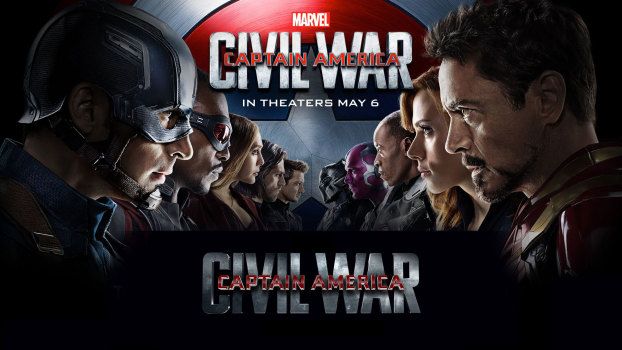
6. **Captain America: Civil War***Captain America: Civil War*, hitting theaters on May 6, 2016, served as the potent kick-off to Phase Three and was described by frequent MCU director Joe Russo as the beginning of the “deconstruction Phase” of the MCU. This film was a pivotal moment, shifting the internal dynamics of the hero team and setting the stage for the massive conflicts to come in the culminating Avengers films. It presented a complex moral dilemma, forcing heroes to choose sides.
Crucially, *Civil War* was a major crossover event that *wasn’t* an Avengers film, a deviation from the established rhythm. This move further educated general audiences about the fluid nature of the shared universe, showing that significant character interactions and universe-altering consequences could happen in solo hero films. It maintained high stakes and continuous engagement, keeping the audience on its toes.
Moreover, *Captain America: Civil War* marked the highly anticipated introduction of Spider-Man into the MCU, a direct result of a licensing deal between Sony Pictures Entertainment and Marvel Studios. This demonstrated Marvel’s agility and strategic flexibility, leveraging external opportunities to enhance its narrative and deliver on long-held fan desires. It was a potent example of adapting to opportunity to strengthen the overall brand narrative.
Read more about: Chris Hemsworth: An In-Depth Profile of a Global Star’s Journey from Australian Television to Hollywood Blockbusters
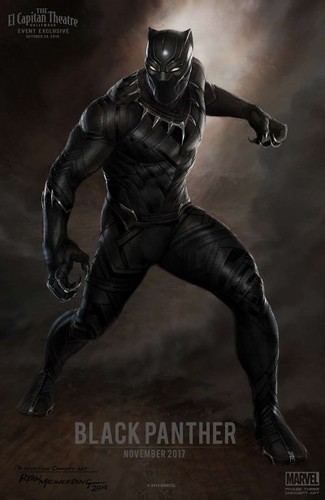
7. **Black Panther**Released on February 16, 2018, *Black Panther* was more than just a box-office success; it was a cultural phenomenon that profoundly impacted the cinematic landscape and reinforced Marvel Studios’ commitment to diverse storytelling. Directed by Ryan Coogler, the film was a critical and commercial triumph, demonstrating that superhero narratives could delve into rich cultural themes and still achieve global appeal.
This Phase Three film further highlighted Feige’s belief that each MCU film had “unique qualities” that differentiated it from others, offering a fresh perspective and genre blend within the overarching universe. *Black Panther* expanded the thematic scope of the MCU, proving that the studio could tell powerful, culturally significant stories without sacrificing entertainment value or interconnectedness.
The immense success of *Black Panther* was a strong piece of communication, signaling to both audiences and the industry that diverse representation and storytelling were not only valuable but also immensely profitable. It broadened the definition of what an MCU film could be, cementing its status as a franchise capable of both spectacle and profound social relevance. The film was a testament to the idea that inclusive narratives could be universally engaging and impactful.
Read more about: The Automotive Graveyard: Unearthing the Tragic Demise of 12 Legendary Car Brands That Vanished
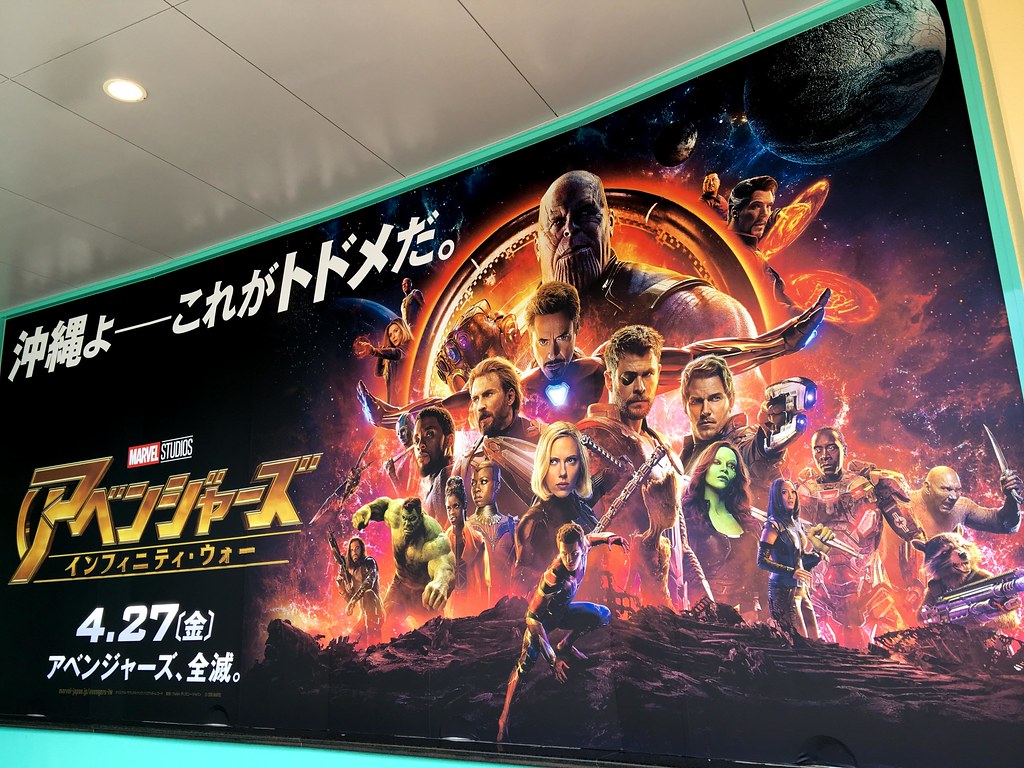
8. **Avengers: Infinity War**The climax of a decade of storytelling, *Avengers: Infinity War*, released on April 27, 2018, represented the culmination of the Infinity Saga’s foundational phase and a dramatic shift in the MCU’s strategic communication. Directed by Anthony and Joe Russo, this Phase Three film was not merely a crossover but a universe-altering event that forced audiences to confront the ultimate consequences of the heroes’ collective journey, directly leading into what director Joe Russo termed the “culmination films.” It was a powerful statement about the interconnectedness and ambition that Marvel Studios had meticulously built since 2008.
This film masterfully demonstrated Marvel’s ability to orchestrate a vast ensemble, bringing together nearly every significant character introduced across its many films. The narrative choice to end on a devastating defeat for the heroes was a bold move, designed to profoundly impact the audience and deepen their investment in the overarching saga. It showcased a heightened sense of stakes and thematic expansion, moving beyond individual hero narratives to a truly cosmic threat that demanded a unified, yet ultimately insufficient, response from the entire cinematic universe.
By embracing such a high-stakes, tragic ending, Marvel Studios effectively communicated that no character was entirely safe and that the narrative would push boundaries even further. This strategic storytelling decision, which left audiences on a global cliffhanger, solidified the MCU’s capacity for emotional depth and critical engagement, proving that its intricate web of stories could deliver profound, collective experiences. It prepared viewers for an unprecedented narrative resolution, setting the stage for an even larger event to follow.
Read more about: 14 Wild Deleted Scenes That Would’ve Made Your Favorite MCU Movies R-Rated
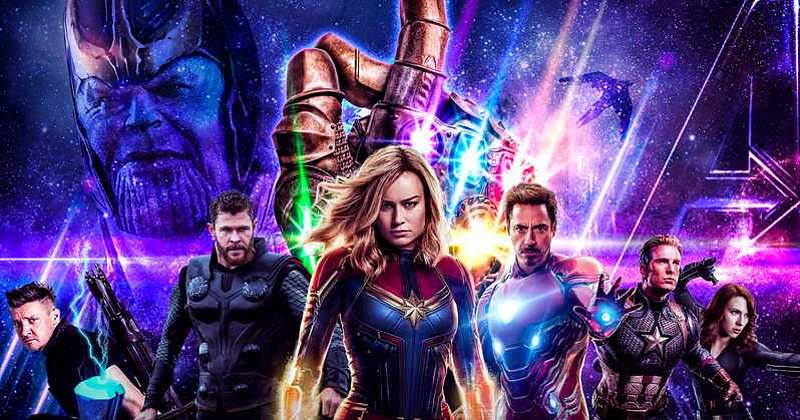
9. **Avengers: Endgame**Released on April 26, 2019, *Avengers: Endgame* was heralded by Kevin Feige as the “definitive end” to the films and storylines preceding it, marking a clear division between “Everything before [Endgame] and everything after.” This Phase Three epic, again helmed by the Russo brothers, was not just a blockbuster but a strategic punctuation mark in the MCU’s history, designed to provide a satisfying, yet emotionally resonant, conclusion to “The Infinity Saga” while simultaneously hinting at “new beginnings.” It was a masterclass in post-saga continuity.
The film’s immense success and emotional weight stemmed from its ability to tie together storylines from dozens of previous films, offering closure for beloved characters and arcs that had developed over more than a decade. This meticulous planning underscored Marvel’s commitment to delivering on its long-term narrative promises, reinforcing audience trust and loyalty. It represented a strategic effort to reset audience expectations, acknowledging the past while clearly signaling a shift towards “a very different, a distinctively different chapter.”
*Endgame*’s impact on content delivery was profound; it allowed the studio to move into a period where many subsequent films would be “intentionally different” from those that defined the Infinity Saga. By providing such a comprehensive conclusion, Marvel created the necessary narrative space for new characters, themes, and even narrative structures to emerge, demonstrating a calculated approach to evolving the franchise without alienating its established fanbase. It was the ultimate statement of both finality and strategic forward momentum.
Read more about: 14 Wild Deleted Scenes That Would’ve Made Your Favorite MCU Movies R-Rated

10. **Spider-Man: Far From Home**Although released on July 2, 2019, as the concluding film of Phase Three, *Spider-Man: Far From Home* served a crucial strategic role in bridging the Infinity Saga to the emerging Multiverse Saga. Directed by Jon Watts, this film directly addressed the aftermath of *Avengers: Endgame*, showcasing how characters and the world itself navigated a reality profoundly altered by the “Blip.” It was Marvel Studios’ immediate answer to “post-saga continuity,” guiding audiences through the emotional and practical implications of the monumental events that had just unfolded.
The narrative of *Far From Home* was explicitly crafted to explore the psychological and societal shifts following *Endgame*, demonstrating Marvel’s capacity to maintain thematic relevance and character development even in the wake of such a grand conclusion. By focusing on Peter Parker’s struggle to step into the shoes of fallen heroes like Iron Man, the film subtly communicated the burden of legacy and the evolution of the superhero archetype in a post-Avengers world. It was a clear demonstration of how the studio integrates new narratives while respecting established lore.
Crucially, this film also introduced elements of deception and questioned established truths, subtly preparing audiences for a more complex and morally ambiguous future. Its strategic positioning, immediately following *Endgame*, ensured a smooth transition for viewers, easing them into the new narrative landscape while still leveraging the emotional resonance of the previous saga. It underscored Marvel’s ability to maintain high stakes and continuous engagement, ensuring that the MCU remained dynamic and unpredictable, even as it entered a new era.
Read more about: 14 Wild Deleted Scenes That Would’ve Made Your Favorite MCU Movies R-Rated

11. **Black Widow***Black Widow*, released on July 9, 2021, marked the official commencement of Phase Four, ushering in “The Multiverse Saga” era with a nuanced strategic communication. Directed by Cate Shortland, this film, while a prequel in its timeline, was a pivotal post-Endgame release, demonstrating how Marvel Studios would integrate “new narratives and characters” while also providing closure for a significant hero. It highlighted the studio’s evolving approach to content delivery, exploring character backstories and setting the stage for future ensembles.
The film skillfully addressed Natasha Romanoff’s past, a narrative space that had been left unexplored, showcasing Marvel’s commitment to rounding out its foundational characters even after their on-screen demise. More importantly, *Black Widow* served as a critical vehicle for introducing new characters, most notably Yelena Belova, who was positioned as a successor figure. This strategic move illustrated how the MCU planned to refresh its roster and expand its narrative possibilities, ensuring a continuous stream of fresh faces and compelling stories for the Multiverse Saga.
By focusing on a standalone adventure that delved into espionage and found family, *Black Widow* also proved that the MCU could thrive with more grounded, genre-specific storytelling, even without the immediate threat of universal destruction. It broadened the thematic expansion of the franchise, showcasing a willingness to explore varied narrative tones and scales. This approach helped maintain audience engagement by providing diverse content while subtly weaving in connections to the larger, unfolding saga, demonstrating Marvel’s adaptability in its post-Infinity Saga content delivery.
Read more about: Hollywood’s Fiercest Front Lines: 11 A-Listers Who Dared to Defy Studios and Rewrite Their Contracts
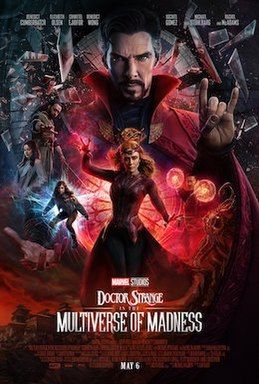
12. **Doctor Strange in the Multiverse of Madness**Released on May 6, 2022, *Doctor Strange in the Multiverse of Madness* was a foundational pillar of Phase Four, explicitly and dramatically engaging with the concept central to the new “Multiverse Saga.” Directed by Sam Raimi, this film represented a significant step in the MCU’s thematic expansion, delving into alternate realities and showcasing the profound narrative implications of a fractured multiverse. It was a direct and strategic communication about the future direction of the franchise, moving beyond the shared universe model to a much broader, multi-dimensional canvas.
The film’s exploration of the multiverse allowed Marvel to experiment with new storytelling conventions, introducing diverse character variants and demonstrating the potential for infinite narrative possibilities. This strategic shift in content delivery allowed the studio to re-contextualize existing characters and introduce entirely new ones, like America Chavez, while maintaining a sense of continuity across different realities. It showcased Marvel’s agility in evolving its overarching mythos to keep the universe fresh and unpredictable for a global audience.
By embracing horror elements and a distinct stylistic approach, *Doctor Strange in the Multiverse of Madness* also reinforced Kevin Feige’s long-standing belief that each MCU film should possess “unique qualities that differentiated them from the others.” This commitment to genre diversification within the superhero framework was a key component of preventing “superhero fatigue” and ensuring thematic expansion. The film was a clear signal that the Multiverse Saga would not only expand in scope but also in its creative and stylistic daring, further cementing Marvel’s strategic narrative innovation.
Read more about: 14 Wild Deleted Scenes That Would’ve Made Your Favorite MCU Movies R-Rated
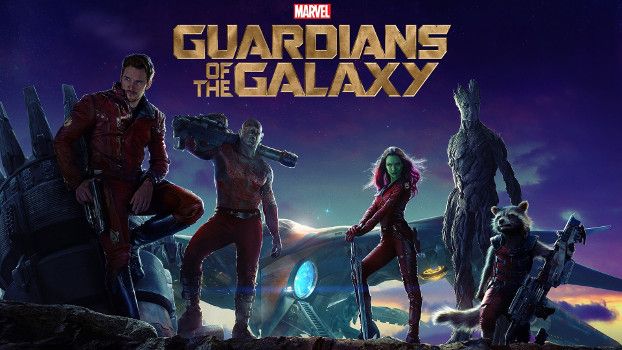
13. **Guardians of the Galaxy Vol. 3***Guardians of the Galaxy Vol. 3*, hitting theaters on May 5, 2023, served as a poignant and strategically important entry in Phase Five, illustrating the MCU’s continued commitment to concluding established character arcs while navigating the broader shifts in content strategy. Directed by James Gunn, this film demonstrated Marvel’s ability to deliver deeply emotional and character-driven stories, even as the studio began to recalibrate its overall output to focus on quality and manage budgetary considerations. It was a testament to balancing sequels with new franchises, as mentioned by Disney CEO Bob Iger.
The film’s focus on Rocket’s origin story provided significant thematic expansion, delving into complex themes of trauma, animal rights, and found family, which resonated deeply with audiences. This demonstrated that Marvel was not shying away from emotionally rich narratives within its cosmic adventures, reinforcing the idea that even long-running franchises could still offer fresh, impactful storytelling. It was a clear communication of the studio’s dedication to high-quality narrative conclusions for beloved characters.
In the context of recent discussions about Marvel Studios reducing its content output—from four films in some years down to two or three—*Guardians of the Galaxy Vol. 3* stood out as a prime example of quality over sheer volume. It provided a satisfying, definitive conclusion for its beloved ensemble, strategically showcasing how Marvel could deliver critical and commercial successes while adhering to a more focused production schedule. This approach reflects a calculated adaptation of content delivery, ensuring that each release feels significant and well-crafted within the larger, evolving Multiverse Saga.
Read more about: 14 Wild Deleted Scenes That Would’ve Made Your Favorite MCU Movies R-Rated
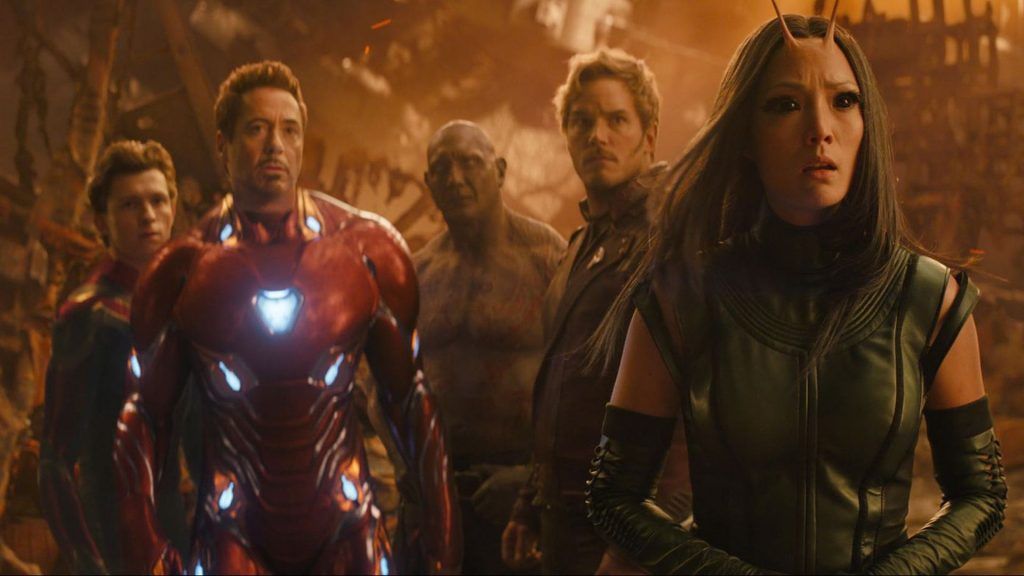
14. **Avengers: Secret Wars**Looking ahead, *Avengers: Secret Wars*, currently scheduled for December 17, 2027, stands as a strategic cornerstone of Phase Six and the anticipated culmination of “The Multiverse Saga.” Directed by Anthony and Joe Russo, this future film represents Marvel Studios’ long-term planning for narrative finality and the grand-scale integration of new characters and thematic elements. It’s poised to deliver a monumental event that will likely “reset” the MCU, significantly impacting post-saga continuity and laying the groundwork for the *next* major era, potentially centering on the X-Men.
The very concept of “Secret Wars” suggests an unparalleled scope, demanding innovative content delivery and strategic resource allocation. Kevin Feige has already alluded to a “seven-year plan through 2032” and the studio’s efforts to reduce film budgets, with “Secret Wars” being a prime example of a tentpole event benefiting from these new financial strategies. The meeting with *The Creator* team to understand low-budget filmmaking signals a pragmatic approach to maintaining cinematic grandeur while controlling costs, reflecting a sophisticated balance of ambition and fiscal responsibility.
Furthermore, *Secret Wars* is expected to be a pivotal moment for integrating characters Marvel inherited from 21st Century Fox, notably the X-Men, with Feige reportedly having a “10-year plan” for their introduction. This strategic foresight highlights how Marvel plans to introduce a “very youth-oriented, focused and cast movie” for the X-Men post-Secret Wars, showcasing a deliberate approach to refreshing its character roster and setting up future franchises within the Multiverse Saga. It’s a testament to Marvel’s methodical and comprehensive approach to an ever-evolving narrative universe.
Read more about: Confession Time: 15 TV & Movie Villains We Can’t Help But Find Seriously Attractive (And Why That’s Totally Okay!)
The Marvel Cinematic Universe, a monumental achievement in modern storytelling, has consistently redefined what a film franchise can accomplish. From its audacious beginnings with *Iron Man* to the intricate web of “The Infinity Saga” and the mind-bending expansions of “The Multiverse Saga,” Marvel Studios has demonstrated an unparalleled ability to not only captivate global audiences but also to strategically guide their expectations, adapt to evolving media landscapes, and foster an enduring connection with its vast universe. This meticulous “Marvel Method” is not merely about making movies; it is about building a cultural phenomenon, one strategically placed film and narrative development at a time, continually ensuring that the shared universe remains both expansive and deeply resonant for generations of fans.