The electric vehicle revolution is rapidly changing how we view car ownership, sustainability, and crucially, long-term maintenance. As more drivers transition from gasoline-powered vehicles to battery electric models, the conversation around ownership costs has shifted. Concerns that once centered on fuel and oil changes now encompass more complex issues like battery health and the potential expense of battery replacement.
While EVs often promise lower running costs due to their fewer moving parts and elimination of fossil fuel needs, the battery pack remains the most expensive and vital component. This “beating heart” of any electric vehicle inevitably faces gradual degradation over time. Understanding the potential cost associated with battery replacement is paramount, as it can be the deciding factor between a shrewd investment and a financial drain over the vehicle’s lifespan.
This article aims to empower consumers with essential knowledge, diving deep into the full lifecycle cost of EV ownership, particularly concerning battery replacements. We will explore specific electric vehicles that stand out on both ends of the spectrum: those offering relatively cheap and easy battery maintenance, and those where owners might face considerable financial burden. This comparison will help buyers make informed decisions tailored to their driving needs, budget, and long-term financial goals.
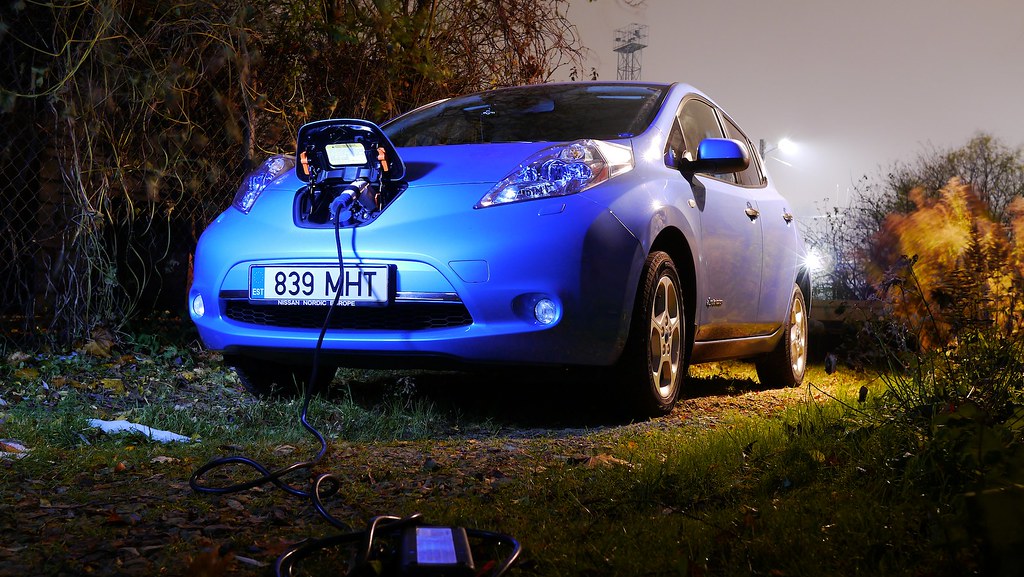
1. **Nissan Leaf**The Nissan Leaf holds a distinguished position as one of the most accessible and affordable electric vehicles on the market, widely credited for bringing EVs into the mainstream. A significant contributor to its enduring appeal, beyond its initial purchase price, is the comparatively low cost associated with battery replacement. Nissan’s deliberate approach to battery design prioritizes modularity, meaning that if a specific section of the battery pack experiences failure or diminished capacity, it’s often feasible to replace only that individual module rather than the entire unit. This design philosophy dramatically reduces potential replacement costs, saving owners from the expense of a complete, new battery pack.
Furthermore, given that the Leaf first debuted in 2010, there’s now an extensive and mature supply chain for refurbished and pre-owned battery modules. Nissan itself actively supports this by offering reconditioned battery packs, which are available at a substantially lower price point than brand-new units, thereby helping to keep repair bills manageable for owners. This ready availability of varied battery options, combined with the Leaf’s generally simpler battery chemistry when compared to some more advanced EVs, ensures that owners can anticipate considerably lower expenditures for battery replacement over the vehicle’s lifetime.
Nissan further enhances owner confidence through one of the most consumer-friendly battery warranties in the industry. The company’s warranty typically covers battery capacity retention for 8 years or 100,000 miles, providing crucial peace of mind regarding the long-term durability and performance of their EV’s battery. This extensive coverage significantly mitigates the risk of unexpected costs during the vehicle’s early life, often meaning that owners will not incur out-of-pocket expenses for replacements or repairs if premature battery degradation occurs within the warranty period.
Even for vehicles that eventually fall outside the warranty period, the aftermarket ecosystem for Leaf batteries remains robust and active. Independent repair shops are well-equipped and experienced in diagnosing, repairing, or replacing individual battery modules at a cost that is substantially less than opting for a full pack replacement. This synergistic combination of comprehensive warranty support and widespread aftermarket availability fosters a highly favorable environment for affordable battery care, making the Leaf a practical choice for budget-conscious EV drivers.
A significant factor in the Leaf’s sustained affordability for battery care lies in Nissan’s continuous advancements in battery management technology. The vehicle integrates sophisticated software and hardware systems meticulously designed to monitor overall battery health and precisely regulate charging patterns. This proactive management actively works to prevent excessive wear and mitigate degradation over time, effectively extending the usable life of the battery pack. Consequently, many Leaf owners can comfortably expect to enjoy 8 to 10 years or even longer of reliable service before any battery replacement might become a consideration.
Car Model Information: 2018 Nissan Titan SV
Name: Nissan Leaf
Caption: A second generation Nissan Leaf
Manufacturer: Nissan
Production: October 2010 – present
ModelYears: 2011–present
Class: Unbulleted list
BodyStyle: Unbulleted list
Layout: Front-engine, front-wheel-drive layout
Predecessor: Unbulleted list
Categories: 2020s cars, All articles containing potentially dated statements, All articles with dead external links, Articles containing Japanese-language text, Articles containing potentially dated statements from December 2015
Summary: The Nissan Leaf (Japanese: 日産・リーフ, Hepburn: Nissan Rīfu; stylized as LEAF) is a battery-electric car manufactured by Nissan, produced since 2010. It was offered exclusively as a 5-door hatchback which since then has become a crossover SUV model. The term “LEAF” serves as a backronym to leading environmentally-friendly affordable family car.
The Leaf was unveiled on 1 August 2009 as the world’s first mass market electric and zero-emission vehicle. Among other awards and recognition, it received the 2010 Green Car Vision Award, the 2011 European Car of the Year, the 2011 World Car of the Year, and the 2011–2012 Car of the Year Japan. The Leaf’s range on a full charge has been steadily increased from 117 km (73 miles) to 364 km (226 miles) (EPA rated) by the use of larger battery packs and several minor improvements.
As of September 2021, European sales totalled more than 208,000, and as of December 2021, over 165,000 had been sold in the U.S., and 157,000 in Japan. Global sales across both generations totalled 577,000 by February 2022. The Leaf was the world’s all-time top selling plug-in electric car until it was surpassed in early 2020 by the Tesla Model 3.
Get more information about: Nissan Leaf
Buying a high-performing used car >>>
Brand: Nissan Model: Leaf
Price: $21,685 Mileage: 89,835 mi.
Read more about: Unsafe at Any Speed: The 12 Automotive Deathtraps That Reshaped Car Safety Forever
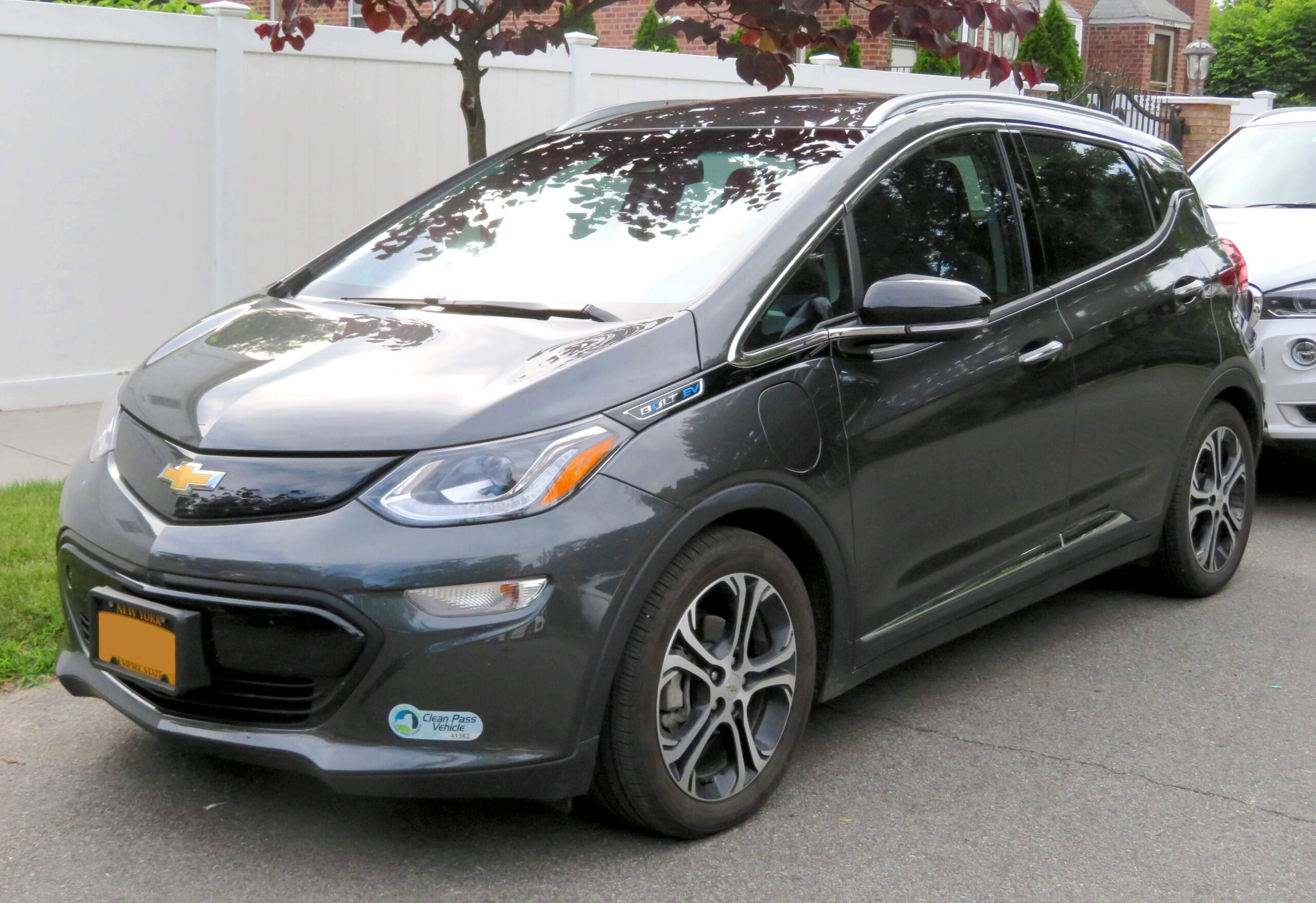
2. **Chevrolet Bolt EV**The Chevrolet Bolt EV offers a compelling blend of range, performance, and affordability, with battery replacement costs that are among the more reasonable in the EV market. General Motors designed the Bolt’s battery packs with cost-effective maintenance in mind, incorporating a modular architecture. This design allows technicians to replace only faulty sections instead of the entire battery, significantly reducing parts and labor costs during repairs. The widespread adoption of the Bolt across North America has also cultivated a robust supply chain for battery components, fostering economies of scale that drive down prices.
Chevrolet backs the Bolt EV’s battery with a solid warranty, typically covering 8 years or 100,000 miles. This robust coverage aligns with other mainstream electric vehicles, assuring buyers that the battery will maintain at least 70% of its original capacity throughout this period. This reduces the likelihood of expensive replacements during the early years of ownership, providing essential financial security for consumers.
Even after warranty expiration, the Bolt’s relatively straightforward battery chemistry and the widespread availability of replacement modules contribute to more affordable repair costs compared to many other EV brands. GM’s continuous improvements in battery manufacturing techniques have further enhanced battery longevity and overall reliability, making the Bolt EV a practical choice for those prioritizing manageable long-term ownership expenses in the electric vehicle segment.
Car Model Information: 2023 Dodge Charger GT
Name: Chevrolet Bolt EV
Caption: 2022 Chevrolet Bolt EV
Manufacturer: General Motors
Production: unbulleted list
ModelYears: unbulleted list
Class: Subcompact car
BodyStyle: hatchback
Layout: Front-engine, front-wheel-drive layout
Predecessor: Chevrolet Spark EV
Categories: 2020s cars, All Wikipedia articles in need of updating, All articles containing potentially dated statements, All articles with unsourced statements, Articles containing potentially dated statements from February 2018
Summary: The Chevrolet Bolt EV (marketed in Europe as Opel Ampera-e) is a battery electric subcompact hatchback manufactured and marketed by General Motors under its Chevrolet brand from late 2016 until late 2023, with a brief hiatus between mid-2021 and early 2022.
The first-generation Bolt was developed and manufactured with LG Corporation. Sales of the 2017 Bolt began in California in December 2016; it was released nationwide and international markets release in 2017. A rebadged European variant was marketed as the Opel Ampera-e in mainland Europe. In 2017, the Bolt was the second-best-selling plug-in car in the United States. It was named the 2017 Motor Trend Car of the Year, the 2017 North American Car of the Year, an Automobile magazine 2017 All Star, and was listed in Time magazine’s Best 25 Inventions of 2016. The Ampera-e was discontinued after 2018. By the end of 2020, GM had sold 112,000 Bolt and Ampera-e cars worldwide. The first-generation Bolt had been subject to at least three recalls due to battery fire risks.
In mid-2023, GM officials said they would discontinue the Bolt; after outcry, they announced plans for a next-generation model, which is expected to be revealed in 2025 for model year 2026.
Get more information about: Chevrolet Bolt
Buying a high-performing used car >>>
Brand: Chevrolet Model: Bolt EV
Price: $26,990 Mileage: 19,257 mi.
Read more about: Beyond the Legends: 14 Forgotten Muscle Cars Ready for a Second Look and a Resurgence
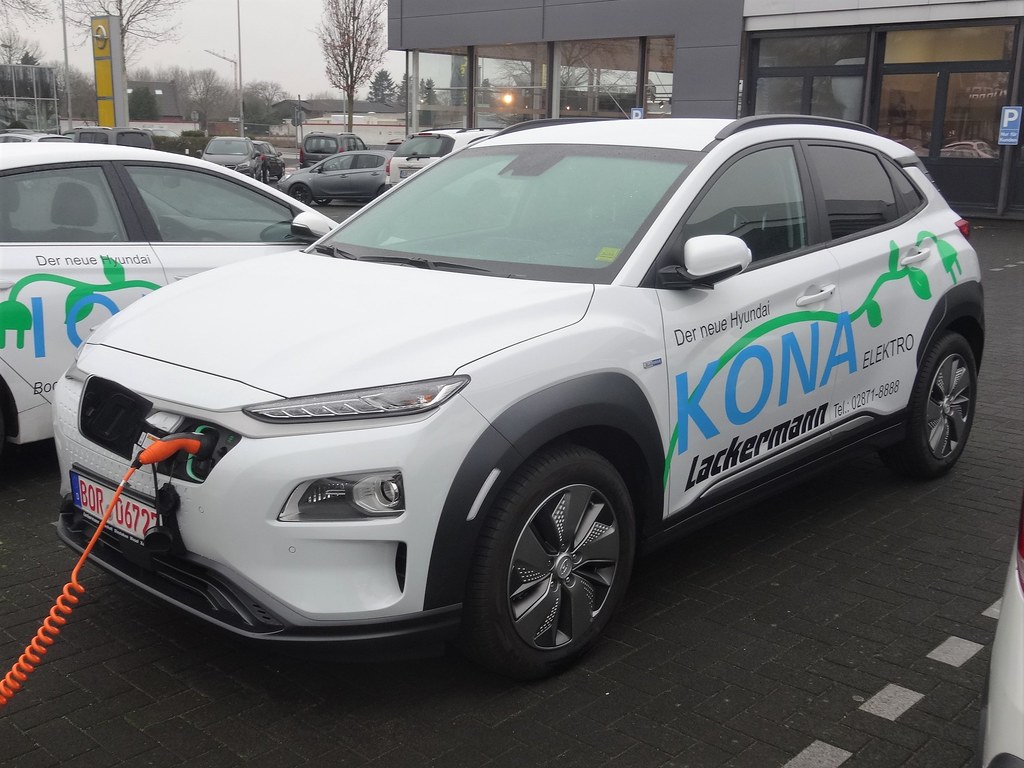
3. **Hyundai Kona Electric**The Hyundai Kona Electric has earned its place as a popular, versatile compact SUV within the electric vehicle market, appealing to buyers who seek a practical EV that delivers on range and everyday usability. While specific battery replacement cost details aren’t exhaustively detailed for this model in all discussions, the Kona Electric is generally positioned among electric vehicles known for more budget-friendly long-term battery care. This alignment stems from its design as a mainstream offering, emphasizing accessible ownership for a broad consumer base.
A significant factor in managing long-term EV ownership costs, including potential battery replacements, is the comprehensive warranty coverage provided by manufacturers. Hyundai, like other mainstream automakers, typically offers robust battery warranties. As stipulated by industry standards mentioned in the context, “Most battery coverage runs for 8 years or 100,000 miles after the initial purchase, whichever comes first.” This ensures that a substantial period of the vehicle’s lifespan is protected against major battery degradation, offering vital peace of mind against unforeseen expenditures.
Furthermore, the increasing maturity of the electric vehicle market benefits models like the Kona Electric. As “Total EV sales will increase as manufacturers continue introducing new models into the mainstream,” the ecosystem for EV maintenance, including specialized technicians and parts availability, expands. This growth fosters more competitive pricing for battery-related services and reinforces the Kona Electric’s reputation as a pragmatic choice for drivers looking for an EV with sustainable long-term financial implications, keeping overall ownership costs in check.
Car Model Information: 2023 Dodge Charger GT
Name: Hyundai Kona
Caption: Hyundai Kona N Line (SX2)
Manufacturer: Hyundai Motor Company
Aka: Hyundai Kauai (Portugal)
Production: 2017–present
ModelYears: 2018–present
Class: Subcompact crossover SUV
BodyStyle: SUV
Layout: ubl
Categories: 2020s cars, All-wheel-drive vehicles, All Wikipedia articles in need of updating, All Wikipedia articles written in British English, Articles containing Chinese-language text
Summary: The Hyundai Kona (Korean: 현대 코나) is a subcompact crossover SUV produced by the South Korean manufacturer Hyundai. The first-generation Kona debuted in June 2017 and the production version was revealed later that year. It is positioned between the Venue or Bayon and the Tucson in Hyundai crossover SUV line-up. The battery electric version called the Kona Electric (or Kona EV) was first launched in South Korea during the first half of 2018 and rolled out gradually worldwide afterwards.
Get more information about: Hyundai Kona
Buying a high-performing used car >>>
Brand: Hyundai Model: Kona Electric
Price: $26,990 Mileage: 19,257 mi.
Read more about: An Expense in Every Mile: 13 Vehicles Owners Would Gladly Gift to Their Worst Enemy
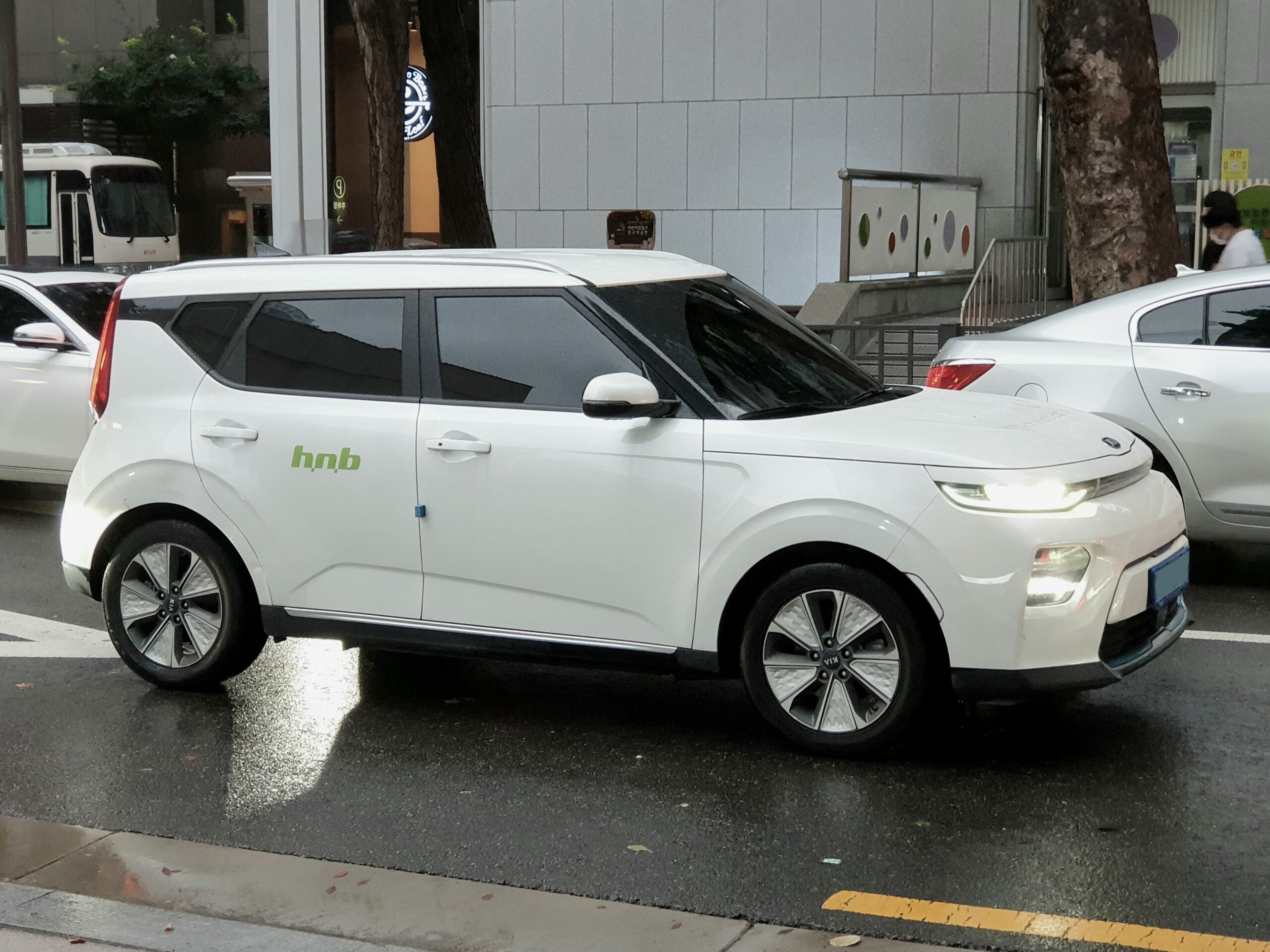
4. **Kia Soul EV**The Kia Soul EV distinguishes itself with its iconic, practical design and a strong presence in the mainstream electric vehicle market. It offers a unique value proposition for consumers seeking a functional EV, and its positioning implies an overall cost-effectiveness that extends to considerations for battery replacement. This aligns it with other models designed for widespread adoption, where long-term battery maintenance is structured to be economically manageable rather than prohibitive, reflecting a commitment to accessible EV ownership.
Central to the affordability of EV ownership is the extensive warranty coverage provided for high-voltage battery packs. The general principle that “All mainstream automakers include more warranty coverage for battery packs” applies to the Kia Soul EV. This assurance protects new owners against significant battery defects or premature degradation for a substantial duration, often mirroring the industry benchmark of “8 years or 100,000 miles.” Such coverage acts as a crucial financial safeguard against unexpected battery-related expenses during the early and mid-life of the vehicle.
The expanding landscape of the electric vehicle industry generally benefits owners of practical models like the Soul EV. With the market projected to grow as “manufacturers continue introducing new models into the mainstream,” the support infrastructure for EVs—including skilled technicians, diagnostic tools, and parts—also expands. This growing ecosystem naturally leads to more competitive and accessible pricing for battery services, helping to keep the overall cost of ownership manageable. The Soul EV’s focus on consumer practicality makes it a compelling choice for those prioritizing distinctive design, utility, and predictable long-term maintenance costs.
Car Model Information: 2020 RAM 1500 Laramie
Name: Kia Soul EV
Caption: Second generation
Manufacturer: Kia
Production: 2014–2024
Class: Battery electric vehicle,subcompact crossover SUV
BodyStyle: hatchback
Related: Kia Soul
Engine: Permanent Magnet AC Synchronous Electric Motor
Motor: 81.4 kW
Abbr: on
Battery: Lithium-ion polymer battery
Range: 93 mi
Successor: Kia EV3
Categories: All articles containing potentially dated statements, All articles with dead external links, All articles with unsourced statements, Articles containing potentially dated statements from December 2015, Articles containing potentially dated statements from September 2014
Summary: The Kia Soul EV (also known as Kia e-Soul) is an all-electric subcompact crossover SUV manufactured by Kia and based on the Kia Soul. The US Environmental Protection Agency (EPA) official range for the 2020 Kia Soul EV is 243 miles (391 km).
Deliveries of the first generation began in South Korea in May 2014. European sales began in July 2014. Sales started in the U.S. in October 2014; initially it was sold only in California, Oregon, and several Eastern states with the largest EV markets and infrastructure including New York, New Jersey and Maryland. Global sales exceeded the 10,000 unit milestone in January 2016, with Europe as the leading market with 6,770 units sold. Germany was the leading European market with 3,853 units sold through December 2015.
A second generation was introduced in 2019 for the 2020 model year, sold in both Europe and Canada. It was delayed until 2021 for the US market.
Get more information about: Kia Soul EV
Buying a high-performing used car >>>
Brand: Kia Model: Soul EV
Price: $36,995 Mileage: 64,342 mi.
Read more about: Your Retirement Car Checklist: Essential Brands to Consider and Those to Avoid for a Smooth Ride into Your Golden Years
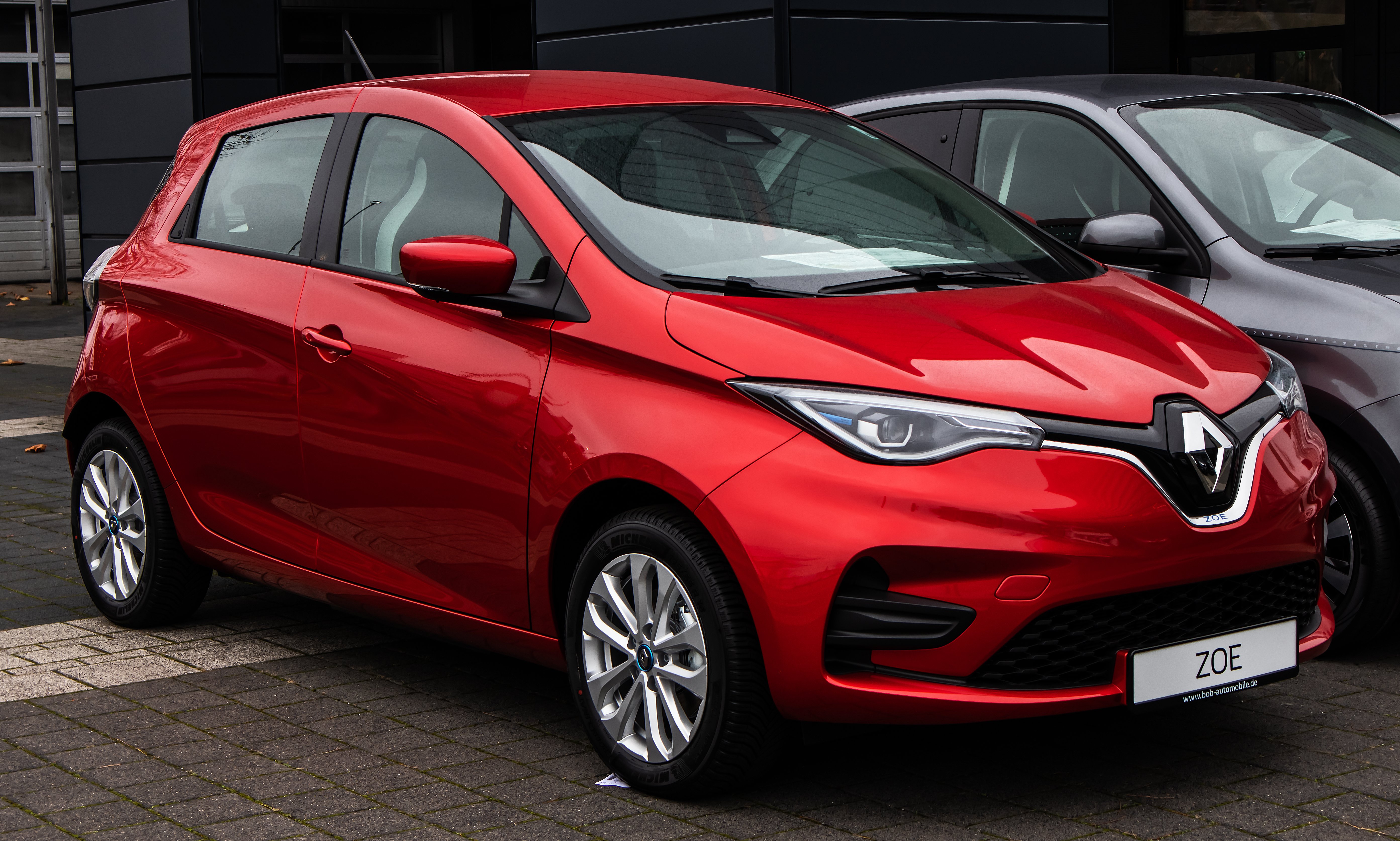
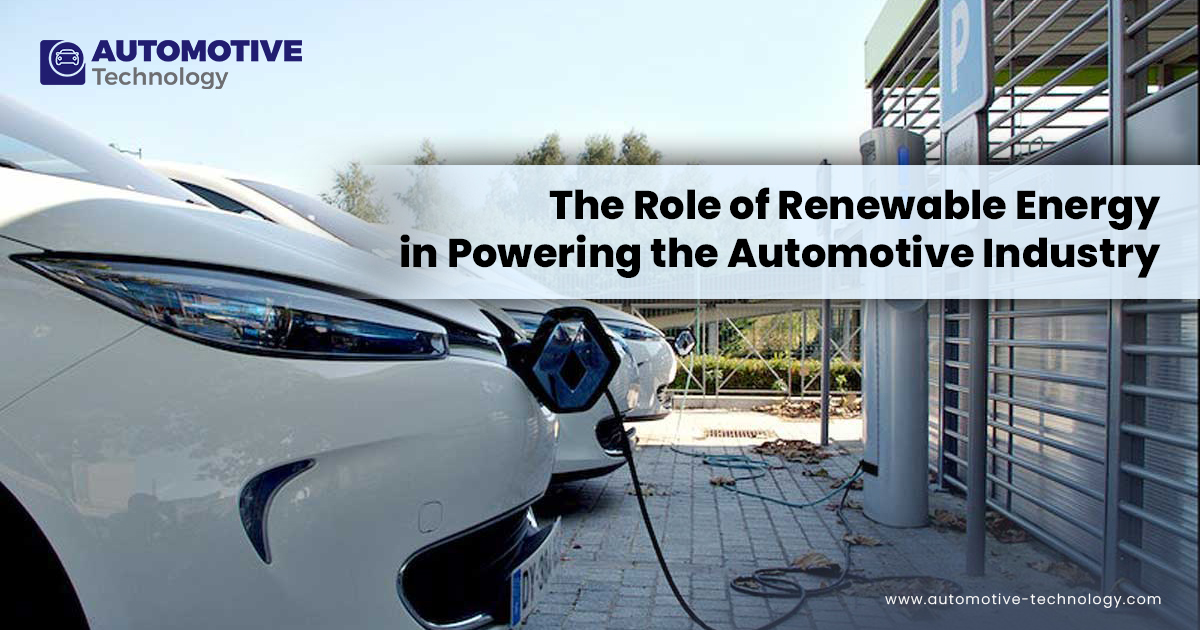
5. **Renault Zoe**The Renault Zoe, an exemplar of urban-focused electric vehicles, is designed for exceptional efficiency and daily practicality. Its inclusion in the category of EVs offering “cheap battery replacements” signifies a core design philosophy centered on making electric mobility both accessible and financially sustainable for a broad consumer base. This commitment to affordable ownership is a defining trait, aligning it with other mainstream electric models that prioritize long-term value and manageable maintenance over proprietary, high-cost solutions.
For EVs like the Zoe, managing long-term battery costs is inherently tied to manufacturer warranties. The general statement that “All mainstream automakers include more warranty coverage for battery packs” is particularly relevant here. These warranties, commonly providing coverage for “8 years or 100,000 miles,” offer crucial financial protection against unforeseen battery degradation expenses during a significant portion of the vehicle’s lifespan. This robust protection is key to mitigating concerns about potential battery replacement costs.
Furthermore, the expanding and increasingly competitive global EV market fundamentally supports models like the Renault Zoe. As more “new models are coming soon” and total EV sales increase, the infrastructure for service and parts becomes more developed and efficient. This market evolution fosters greater availability of specialized repair knowledge and more cost-effective options for battery maintenance. This positions the Zoe to benefit from a broader industry trend towards making EV ownership more enduring and less financially burdensome over the vehicle’s entire operational life.
Now, let’s pivot to the other end of the spectrum, where the allure of cutting-edge technology, breathtaking performance, and luxurious appointments often comes with a less discussed, yet significant, financial consideration: potentially exorbitant battery replacement costs. While the vehicles in our previous section prioritize accessibility and long-term affordability through thoughtful design and robust support ecosystems, the premium and high-performance segment often operates under a different set of priorities. Here, the emphasis is on pushing boundaries in range, speed, and luxury, which can lead to complex, integrated battery systems and proprietary technologies that, while delivering exceptional performance, can also result in a substantial financial burden when the time comes for battery maintenance or replacement.
These high-end electric vehicles are engineering marvels, designed for discerning buyers who seek the pinnacle of automotive innovation. However, this pursuit of excellence frequently translates into battery packs that are not only larger and more powerful but also intricately integrated into the vehicle’s structure or reliant on highly specialized, proprietary components. Such designs inherently complicate repairs and replacements, making them less modular and often requiring extensive labor and specialized parts directly from the manufacturer. Understanding these underlying factors is crucial for any prospective owner contemplating a luxury EV, as the decision between a shrewd investment and a costly commitment can hinge on the overlooked price tag of future battery care.
Read more about: Understanding the Electric Shock: A Consumer Report on EVs Losing Over Half Their Value in Just Two Years
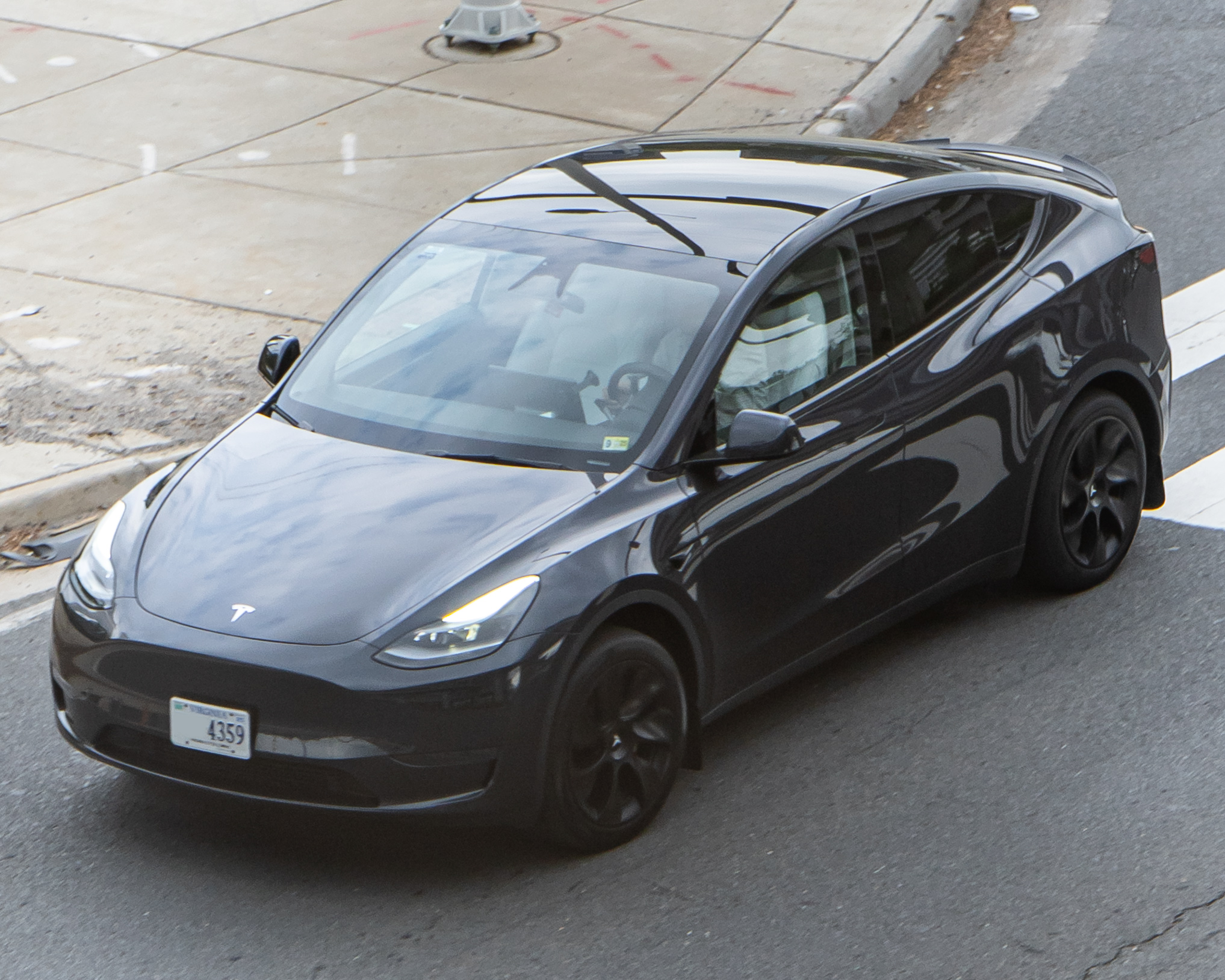
6. **Tesla Model S**The Tesla Model S has long stood as an icon in the luxury EV segment, celebrated for its pioneering technology, impressive range, and blistering performance. As one of the early disruptors in the electric vehicle market, it set benchmarks for what an EV could achieve. However, the very advancements that make the Model S a formidable machine also contribute to a landscape where battery replacement can be a notably expensive undertaking, diverging significantly from the more budget-friendly options available to mainstream EV owners.
Tesla’s approach to vehicle architecture, particularly in its earlier models like the Model S, often involves a highly integrated design where the battery pack is a fundamental structural component. This deep integration, while contributing to rigidity and performance, means that accessing or replacing individual battery modules is frequently not straightforward. Instead, technicians often replace a substantial portion, if not the entirety, of the battery pack, which naturally inflates both parts and labor costs far beyond what one might expect for a simpler, modular system found in other EVs.
Furthermore, Tesla’s proprietary battery technology and its tightly controlled service network play a significant role in these elevated costs. Owners are primarily reliant on official Tesla service centers for battery-related issues, limiting competitive pricing and making cost-effective alternatives scarce. While Tesla offers a robust battery warranty (typically 8 years or 150,000 miles), prospective owners must diligently consider the substantial financial outlay for an out-of-warranty battery replacement, which can easily run into tens of thousands of dollars, making long-term planning a vital part of owning this high-performance luxury EV.
Car Model Information: 2023 Dodge Charger GT
Name: Tesla Model S
ModelYears: 2013–present
Alt: A front-three quarter view of a gray Model S
Caption: #2016–2019: First major update
Designer: Franz von Holzhausen
Weight: cvt
Height: cvt
Width: cvt
Length: cvt
Wheelbase: cvt
ElectricRange: cvt
Battery: kWh,lithium-ion battery
Motor: Unbulleted list
Transmission: Reduction drive
Related: Tesla Model X
Layout: Rear-motor, rear-wheel drive,Dual-motor, all-wheel-drive,Tri-motor, all-wheel-drive layout
BodyStyle: liftback,sedan (automobile)
Class: Full-size car
Assembly: Unbulleted list
Production: June 2012 – present
Manufacturer: Tesla, Inc.
Sp: us
Chassis: Unibody
Categories: 2020s cars, All-wheel-drive vehicles, All Wikipedia articles written in American English, All articles containing potentially dated statements, Articles containing potentially dated statements from 2025
Summary: The Tesla Model S is a battery-electric, four-door full-size car produced by the American automaker Tesla since 2012. The automaker’s second vehicle and longest-produced model, the Model S has been described as one of the most influential electric cars in the industry. Car and Driver named it one of the best cars of the year in 2015 and 2016. Its various accolades include the Motor Trend Car of the Year Award in 2013.
Tesla started developing the Model S around 2007 under the codename WhiteStar, with Henrik Fisker appointed as lead designer for the project. After a dispute with Elon Musk, Tesla’s CEO, Fisker was replaced by Franz von Holzhausen who, by 2008, had designed the production Model S’s exterior. Tesla unveiled a prototype of the vehicle in March 2009 in Hawthorne, California. In 2010, Tesla acquired a facility in Fremont, California, to produce the Model S, which was previously owned by General Motors and Toyota. Series manufacture of the car officially began at the Tesla Fremont Factory in June 2012. Tesla carried out the final assembly for European markets at its facilities in Tilburg, Netherlands, between 2013 and 2021.
Constructed mostly of aluminum, the Model S shares 30 percent of its components with the Model X—a crossover SUV that was introduced in 2015. The Model S has undergone several updates during its production, the most prominent ones occurring in 2016 and 2021. These updates have usually included modifications to the motor, such as changes to power or torque, revised exterior elements, and refreshed interior features. One such change included the 2015 introduction of Tesla Autopilot—a partial vehicle automation advanced driver-assistance system. The 2021 update led to the introduction of the high-performance, three-motor Plaid—Tesla’s most powerful model.
In 2015, the Model S was the world’s best-selling plug-in electric vehicle. In 2012, it was included on Time’s list of the Best Inventions of the Year, and the magazine later included it on its list of the 10 Best Gadgets of the 2010s in 2019. In 2014, The Daily Telegraph described the Model S as a “car that changed the world”. Road & Track argued that, with the introduction of the Plaid and features such as the yoke steering wheel, Tesla managed to turn the Model S into “perhaps one of the worst [cars in the world]”.
Get more information about: Tesla Model S
Buying a high-performing used car >>>
Brand: Tesla Model: Model S
Price: $26,990 Mileage: 19,257 mi.
Read more about: Cruise Nights to Forgotten Rides: Boomer Classics Millennials *Need* to Experience
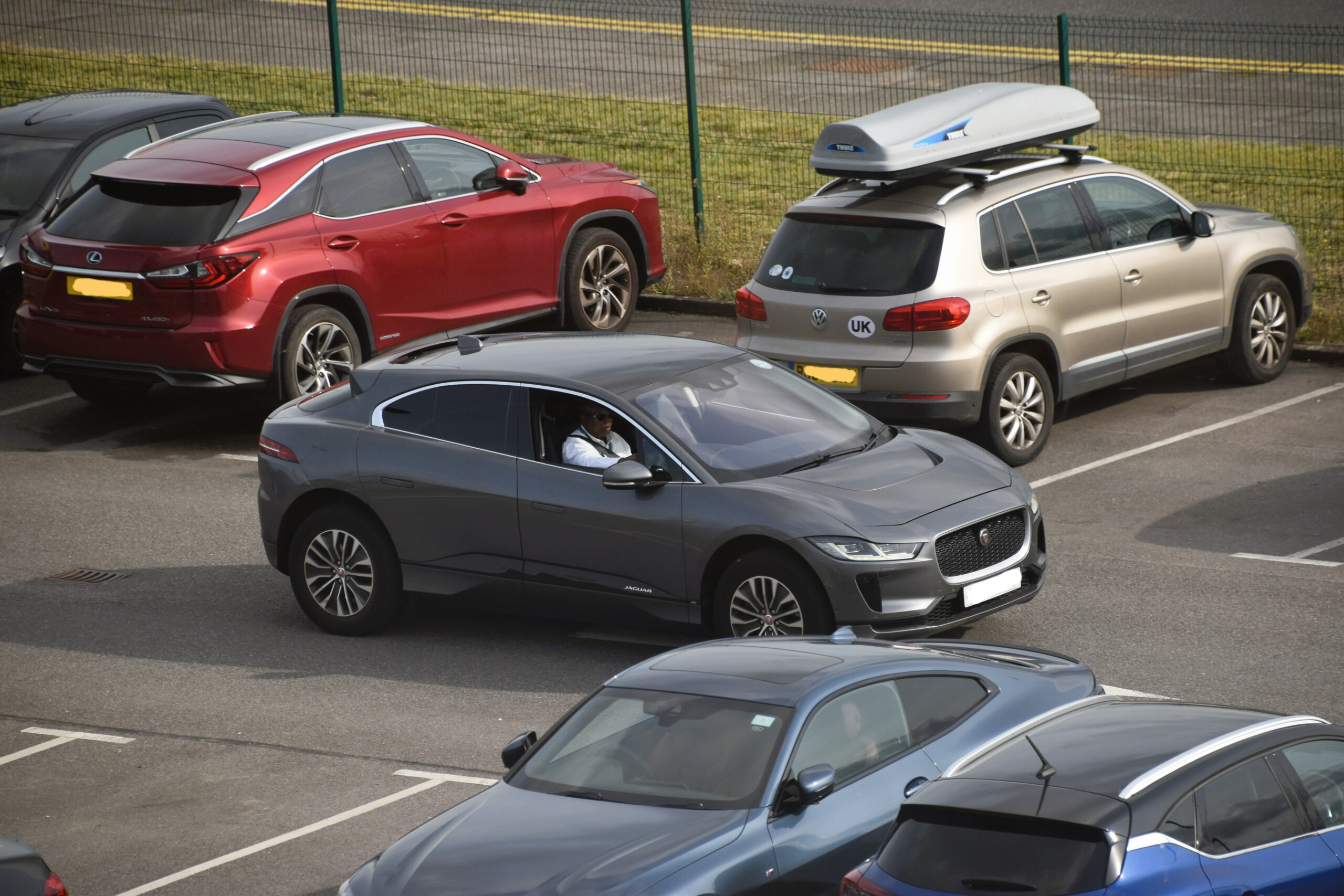
7. **Jaguar I-PACE**The Jaguar I-PACE represents a bold leap for the iconic British luxury brand into the electric vehicle arena, combining elegant design with spirited performance. As Jaguar’s first all-electric SUV, it aims to deliver a premium driving experience characterized by quick acceleration, refined handling, and a sophisticated interior. However, this premium pedigree also places it in a category where battery replacement costs can escalate quickly, far exceeding average repair expenses found with more common electric models.
Luxury vehicles like the I-PACE employ sophisticated engineering and specialized components. This translates into a meticulously engineered battery pack that is integral to its dynamic chassis and overall weight distribution. Such a complex, integrated design can make any significant battery repair or replacement a highly labor-intensive and technically challenging endeavor. The proprietary nature of its battery modules contributes to higher unit costs for replacement parts, elevating the total expense considerably.
Beyond the hardware, the service ecosystem for a niche luxury EV like the Jaguar I-PACE is inherently more limited. Jaguar’s certified service centers are not as widespread, and specialized training and equipment are required for I-PACE battery work. This limited availability of service options, coupled with a nascent aftermarket, reduces competition and reinforces higher pricing for any out-of-warranty battery services. While the I-PACE comes with a robust battery warranty (typically 8 years or 100,000 miles), owners should be prepared for the possibility of significant financial outlay if a battery replacement becomes necessary post-warranty.
Car Model Information: 2022 Jaguar I-PACE HSE EV400 AWD Automatic
Name: Jaguar I-Pace
Manufacturer: Jaguar Land Rover
Production: 2018–2024
Assembly: Magna Steyr
Designer: Ian Callum
Class: Compact crossover SUV#Luxury vehicles
BodyStyle: SUV
Layout: all-wheel-drive
Platform: Jaguar Land Rover car platforms#D7e
Motor: Permanent magnet synchronous motor
Abbr: on
Transmission: 1-speed direct-drive reduction
Battery: kW·h,Lithium-ion battery
ElectricRange: United States Environmental Protection Agency
Charging: 11kW AC (7.4kW “1-phase/32A only” AC 2018–2020),100 kW DC
Wheelbase: 2990 mm
Length: 4682 mm
Width: ubl
Height: 1565 mm
Weight: 2133 kg
Sp: uk
Categories: 2020s cars, All-wheel-drive vehicles, All Wikipedia articles written in British English, All accuracy disputes, All articles lacking reliable references
Summary: The Jaguar I-Pace (stylised as I-PACE) is a battery-electric crossover SUV produced by Jaguar Land Rover (JLR) under their Jaguar marque. The I-Pace was announced in March 2018, European deliveries began in June 2018 and North American deliveries started in October 2018. Amid slowing sales and a change in corporate vision, Jaguar has announced that the I-Pace will be discontinued by 2025.
Get more information about: Jaguar I-Pace
Buying a high-performing used car >>>
Brand: Jaguar Model: I-PACE
Price: $34,999 Mileage: 32,938 mi.
Read more about: After Driving Dozens of Models: The Top 10 Electric Cars to Steer Clear Of in 2025
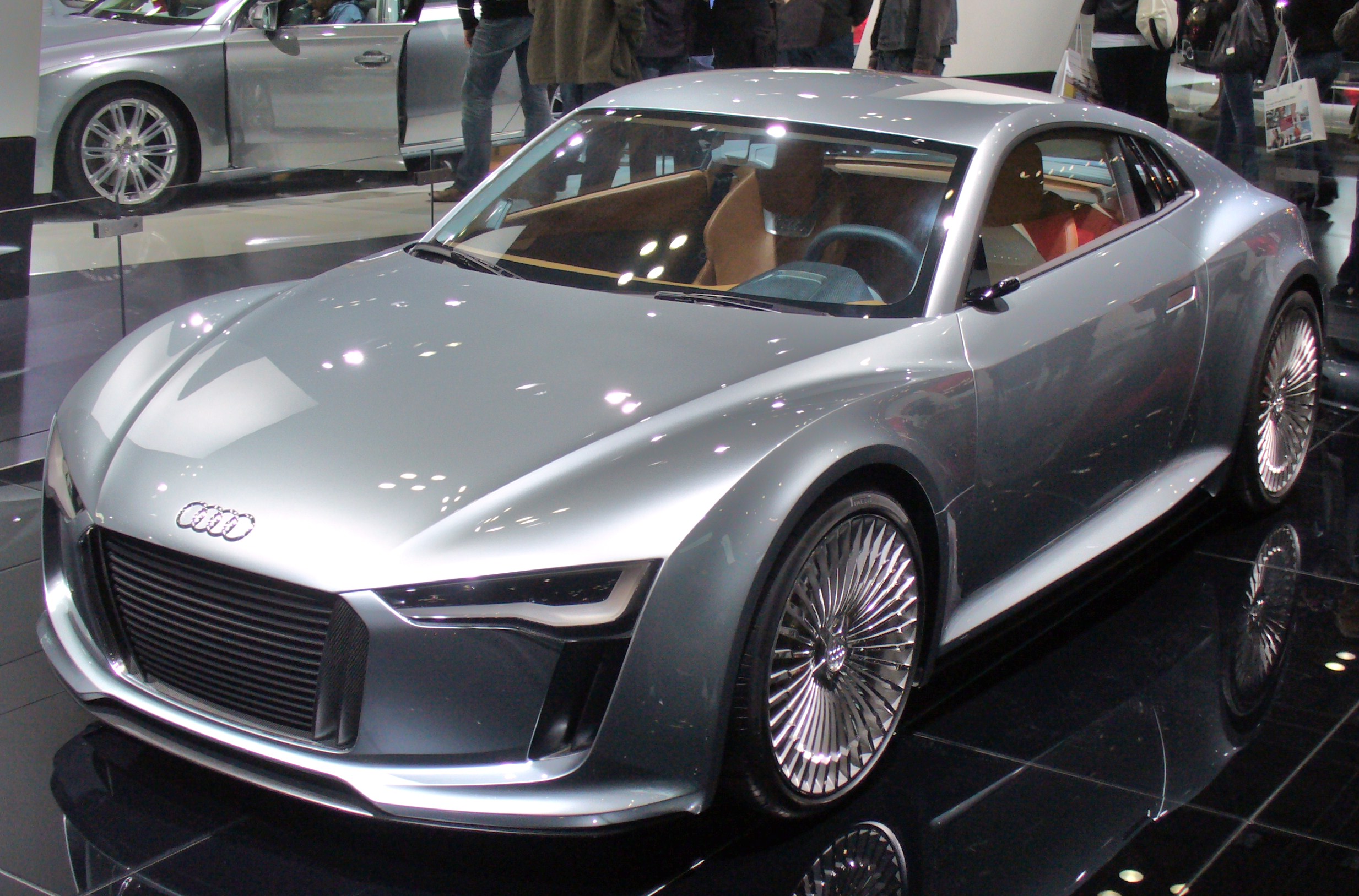
8. **Audi e-tron**The Audi e-tron marked Audi’s significant entry into the luxury electric SUV market, blending the brand’s signature refinement, quattro all-wheel drive, and advanced technology with an all-electric powertrain. Designed to offer a seamless transition for traditional luxury car buyers into the EV world, the e-tron delivers a comfortable ride, a premium cabin, and respectable performance. However, like many of its high-end counterparts, the e-tron’s sophisticated battery system and its integration into a meticulously engineered chassis can translate into considerable costs when battery replacement becomes a factor.
The battery packs in premium vehicles like the Audi e-tron are engineered to exacting standards, often featuring advanced thermal management systems and complex internal structures. While beneficial for performance and longevity, these components are highly specialized and often proprietary to Audi. These intricate designs tend to be less modular than those found in economy-focused EVs, often necessitating the replacement of large, expensive sections rather than smaller, individual modules if an issue arises, significantly driving up repair costs.
Moreover, obtaining replacement parts and specialized service for a luxury EV such as the Audi e-tron primarily funnels through Audi’s authorized dealership network. This centralized approach, while ensuring high-quality expertise, also means limited access to independent repair shops or alternative parts suppliers. The specialized tools, diagnostic software, and technician training required further contribute to a premium service cost. While Audi provides a comprehensive battery warranty (typically 8 years or 100,000 miles), once this coverage expires, owners face a potentially multi-thousand-dollar expense for a new battery pack.
Car Model Information: 2022 Audi e-tron Sportback S line Premium Plus
Categories: All Wikipedia articles in need of updating, All pages needing cleanup, Articles needing cleanup from September 2025, Articles with short description, CS1 German-language sources (de)
Summary: The Audi e-tron is a series of electric and hybrid cars shown by Audi from 2009 onwards. In 2012 Audi unveiled a plug-in hybrid version, the A3 Sportback e-tron, released to retail customers in Europe in August 2014, and slated for the U.S. in 2015. A decade after the unveiling of the first e-tron concept at the 2009 International Motor Show Germany, Audi’s first fully electric e-tron SUV went into production in 2019.
The name has also been used on some racing cars.
Get more information about: Audi e-tron
Buying a high-performing used car >>>
Brand: Audi Model: e-tron
Price: $26,443 Mileage: 46,574 mi.
Read more about: Rev Up Your Engines: 14 Mind-Blowing Rides That Will Make You Dream Big!
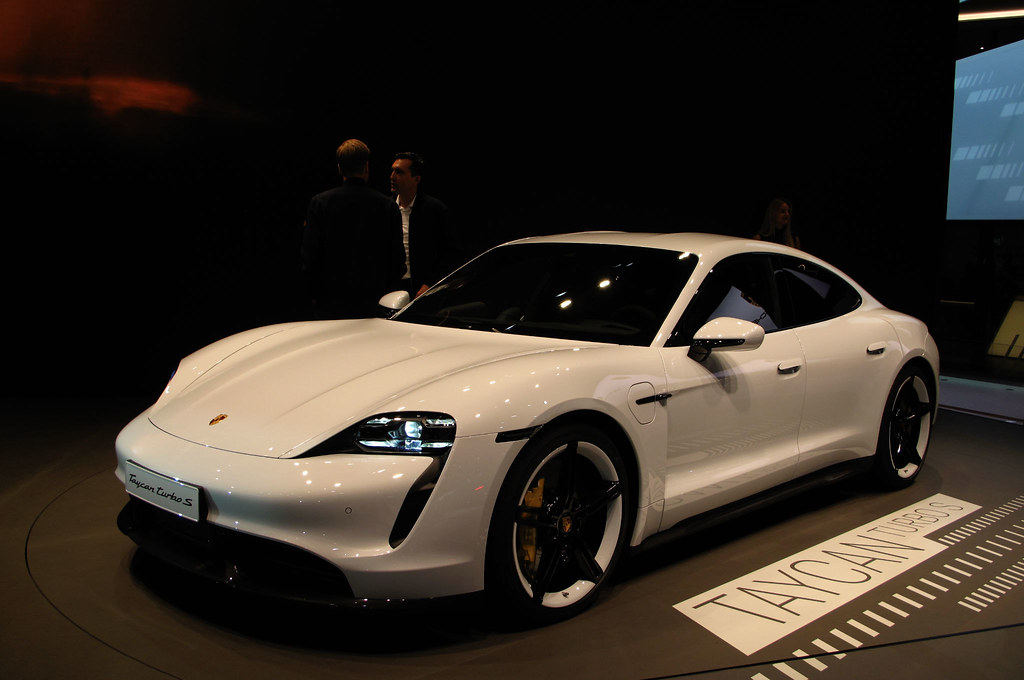
9. **Porsche Taycan**The Porsche Taycan represents a groundbreaking achievement in electric vehicle engineering, embodying Porsche’s legendary performance heritage in an all-electric sports car. From its stunning acceleration to its precise handling and luxurious interior, the Taycan is designed for enthusiasts who demand uncompromising driving dynamics and cutting-edge technology. This pursuit of extreme performance, however, translates directly into a highly sophisticated and robust battery system, positioning the Taycan in a category where battery replacement can be an exceptionally costly proposition.
Porsche’s commitment to performance means the Taycan’s battery pack is a meticulously designed, high-voltage system built to withstand rigorous demands and deliver consistent power. Its advanced thermal management and complex cell structures are proprietary and deeply integrated, contributing to the vehicle’s overall performance. This extreme level of engineering customization and integration leaves little room for modularity, often implying that if a significant battery issue arises, a large, expensive component replacement is the more likely solution, escalating repair costs.
Furthermore, the exclusive nature of Porsche ownership extends to its service and maintenance ecosystem. The Porsche service network is highly specialized, and technicians working on the Taycan require specific, extensive training and proprietary diagnostic tools. This limited pool of expertise, coupled with premium parts pricing and the absence of a robust aftermarket, ensures that any battery-related service, particularly an out-of-warranty replacement, will command a premium price. While backed by a standard 8-year or 100,000-mile warranty, the cost of a full battery pack replacement post-warranty can rival the cost of an entirely new mainstream EV.
Car Model Information: 2024 Porsche Taycan Base
Name: Porsche Taycan
ModelCode: Type 9J1
Manufacturer: Porsche
Production: 2019–present
Assembly: Stuttgart
Designer: Emiel Burki
Class: Executive car
BodyStyle: Sedan (automobile),shooting brake
Platform: Volkswagen Group MSB platform#J1 Platform Models
Engine: Synchronous motor#Permanent-magnet
Layout: Rear-motor, rear-wheel-drive
Transmission: 1-speed direct-drive (front 8.05:1),2-speed automatic (rear; 16:1 and 8.05:1)
Battery: lithium-ion battery,lithium-ion battery
ElectricRange: cvt
Charging: Direct current,Direct current,Alternating current,Alternating current
Length: Convert
Wheelbase: Convert
Width: Convert
Height: Convert
Weight: Convert
Related: Audi e-tron GT
Sp: uk
Categories: 2020s cars, All-wheel-drive vehicles, All articles with unsourced statements, Articles with short description, Articles with unsourced statements from January 2025
Summary: The Porsche Taycan is a battery electric luxury sports sedan and shooting brake car produced by German automobile manufacturer Porsche. The concept version of the Taycan, named the Porsche Mission E, debuted at the 2015 Frankfurt Motor Show. Four years later, the production Taycan was revealed at the 2019 Frankfurt Motor Show. As Porsche’s first series production electric car, it is sold in several variants at different performance levels, and may spawn further derivatives in future models. It is built on the J1 electric car platform shared with the similarly shaped Audi e-tron GT.
The name “Taycan” (/taɪ-kan/) is a reference to the steed on the coat of arms of the city of Stuttgart, found on the Porsche crest. In Turkish, tay means colt or young horse, and can means lively. The “Turbo” name used in the higher trims, being electrically powered, does not mean to have turbochargers, but to have “increased power”.
Get more information about: Porsche Taycan
Buying a high-performing used car >>>
Brand: Porsche Model: Taycan
Price: $97,995 Mileage: 5 mi.
Read more about: Rev Up Your Engines: 14 Mind-Blowing Rides That Will Make You Dream Big!
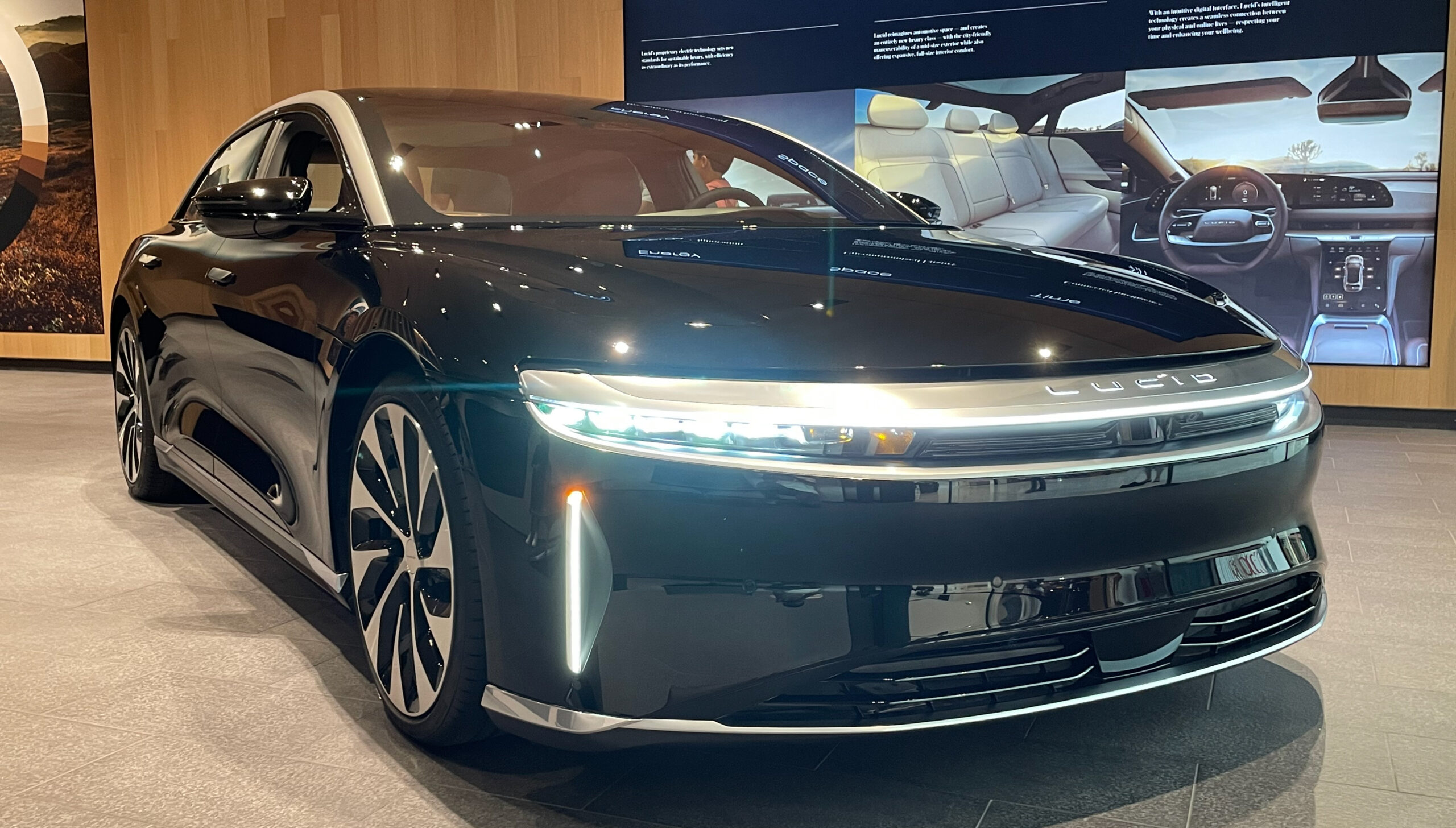
10. **Lucid Air**The Lucid Air has rapidly established itself as a groundbreaking luxury EV, pushing boundaries in terms of range, performance, and opulent design. With its sleek aesthetics and an estimated range of up to 420 miles on a charge, and a high starting price of $70,900, it represents the pinnacle of electric luxury motoring. This pursuit of hyper-efficiency and supreme luxury, however, also positions the Lucid Air within the category of EVs where battery replacement costs are likely to be substantial, aligning with other premium, high-performance models.
Lucid Motors prides itself on its innovative in-house developed powertrain technology, including its proprietary battery architecture designed for unparalleled energy density and efficiency. This bespoke engineering means the battery pack is a highly customized and deeply integrated component of the vehicle. Such advanced, proprietary systems typically lack the modularity seen in mainstream EVs, making individual cell or module replacement less feasible. Instead, a more extensive—and thus more expensive—pack replacement is often the only viable solution for significant issues, driving up repair costs considerably.
As a relatively newer entrant, Lucid Motors is still building out its service infrastructure, which is currently more limited compared to established automakers. This narrower service footprint, combined with specialized tools, diagnostics, and factory-trained technicians, means owners will have fewer repair options and potentially face higher labor rates and parts costs. While Lucid backs its battery with a comprehensive warranty (typically 8 years or 100,000 miles), the financial implications of an out-of-warranty battery replacement are significant. The cost of replacing the entire battery pack is anticipated to be exceptionally high, underscoring the total cost of ownership for such a cutting-edge luxury EV.
**Navigating the Electric Future: Knowledge as Your Power Source**
As we’ve journeyed through the diverse landscape of electric vehicles, from the budget-friendly and easily maintainable to the luxurious and high-performing with potentially significant battery replacement costs, one truth shines brightly: knowledge is power. The electric vehicle market is dynamic and ever-evolving, offering an incredible array of choices to suit every need and desire. Whether you’re a pragmatic commuter seeking predictable long-term costs or a connoisseur of automotive excellence drawn to the pinnacle of EV performance, understanding the full lifecycle cost of ownership—especially concerning the vital battery pack—is paramount.
Read more about: A Visionary’s Legacy: Jane Goodall’s Transformative Journey from Chimpanzee Observer to Global Conservation Icon
Making an informed decision about an EV purchase goes beyond initial sticker price, range anxiety, or charging convenience. It delves into the granular details of battery design, warranty protections, service networks, and the availability of affordable maintenance solutions. Ultimately, the goal is to empower you, the consumer, to choose an electric vehicle that not only aligns with your lifestyle and environmental aspirations but also fits comfortably within your long-term financial plan, allowing you to embrace a sustainable, electrifying future on the road with confidence.