Alright, gearheads and automotive aficionados, let’s talk about a rift as wide as the Grand Canyon, but instead of geological formations, it’s paved with chrome, vinyl tops, and massive V8 engines. We’re talking about the generational divide in car tastes, specifically how a whole swathe of classic vehicles beloved by Baby Boomers are being outright ghosted by Millennials. It’s not just a preference; it’s a cultural chasm, and we’re here to dissect it with the precision of a master mechanic and the wit of a stand-up comedian.
Sure, we often hear about the squabbles between Boomers and Millennials in just about every other facet of life, but rarely does that transfer over into the sacred realm of automobiles. Yet, here we are, facing a landscape littered with once-proud chariots of the Boomer era that younger generations just won’t touch. These aren’t necessarily bad cars—some are legends, others are infamous—but they all share one thing in common: a distinct lack of appeal for the demographic born between 1981 and 1996. It’s a fascinating look at how values, technology, and aesthetics shift over time, turning yesterday’s dream ride into today’s forgotten relic.
So, why the cold shoulder? What makes these machines, once the envy of neighborhoods and the stars of drive-ins, utterly unpalatable to a generation raised on fuel injection, airbags, and integrated infotainment? Is it the sheer size, the questionable fuel economy, the lack of modern safety features, or simply a perceived ‘old-man’ vibe? We’re taking a closer look at 14 such vehicles, dissecting the reasons why these classic Boomer cars are being passed over by Millennials, often for compelling reasons that reflect a completely different approach to what makes a car ‘cool’ or even tolerable. Get ready for some hard truths and perhaps a little bit of nostalgic melancholy.
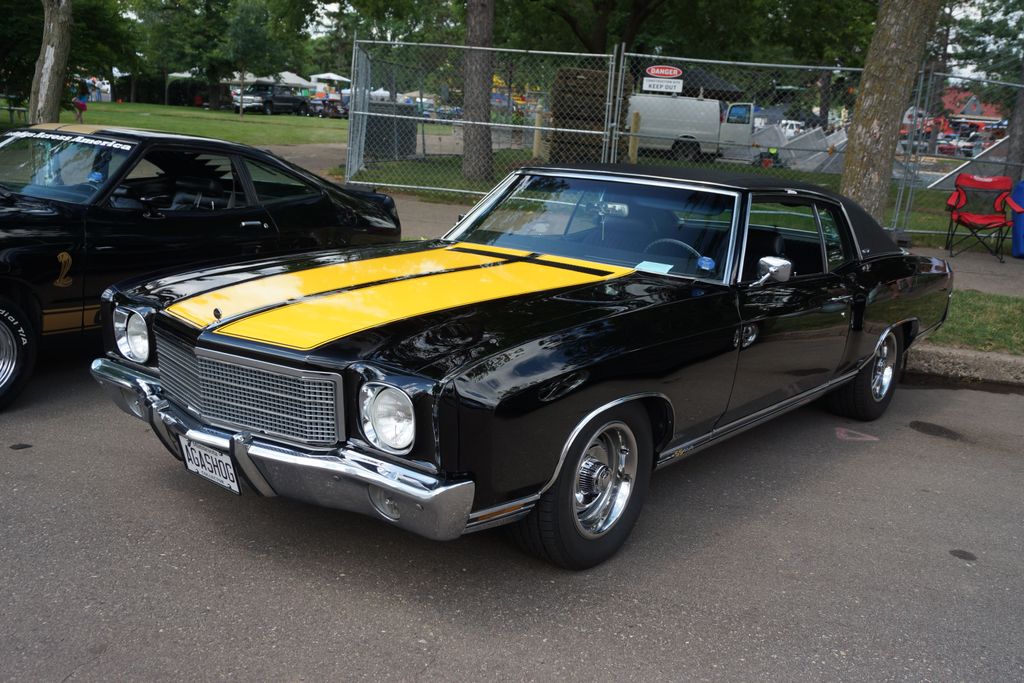
1. **Chevrolet Monte Carlo**The Chevrolet Monte Carlo, a name that evokes images of velvet seats and long, sweeping lines, enjoyed a considerable run from 1970 to 2007. In its heyday, particularly through the 1970s and 1980s, it reigned as a popular personal luxury car and, at times, a formidable muscle car. Its appeal was undeniable, with a range of powerful V8 engines under that impressively long hood, offering a blend of performance and style that defined an era. This was a car that announced your arrival, often with a rumbling soundtrack.
However, the very characteristics that made the Monte Carlo a Boomer darling now serve as its millennial kryptonite. Younger buyers often bypass this classic due to its sheer, unapologetic large size. In an age of tight parking spaces and urban sprawl, a car that eats up two spots and then some just isn’t practical. Furthermore, its notorious fuel inefficiency is a non-starter for a generation acutely aware of both environmental impact and the pinch at the gas pump.
Then there’s the perception, the dreaded ‘old man’s car’ label. Despite its potential retro style, spacious interior, and robust engine options, Millennials are often drawn to more modern, fuel-efficient vehicles. The Monte Carlo’s prominence in NASCAR history, while a point of pride for many, does little to sway younger generations’ perceptions, who often criticize it for its bulky size and lackluster handling. It’s a sad reality that historical racing pedigree doesn’t always translate into modern-day desirability.
Car Model Information: 2023 Dodge Charger GT
Name: Chevrolet Monte Carlo
Manufacturer: Chevrolet
Production: 1969–1987,1994–2007
ModelYears: 1970–1988,1995–2007
Class: Personal luxury car
BodyStyle: coupé
Layout: FR layout
Caption: 2006 Chevrolet Monte Carlo LS
Categories: 1980s cars, 1990s cars, 2000s cars, All Wikipedia articles written in American English, All articles needing additional references
Summary: The Chevrolet Monte Carlo is a two-door coupe that was manufactured and marketed by the Chevrolet division of General Motors. Deriving its name from the city in Monaco, the Monte Carlo was marketed as the first personal luxury car of the Chevrolet brand. Introduced for the 1970 model year, the model line was produced across six generations through the 2007 model year, with a hiatus from 1989 until 1994. The Monte Carlo was a variant of the Pontiac Grand Prix throughout its production.
From 1970 until 1972, the Monte Carlo rode on the unique “A-Special” platform with the Grand Prix, shifting to the standard A-body intermediate chassis from the 1973 through 1977 model years. For 1978, the Monte Carlo line underwent downsizing, but was still considered a midsized coupe. The rear-wheel drive A-body platform of this generation of Monte Carlo was redesignated as the G-body when GM’s front-wheel drive A-body cars were introduced for the 1982 model year. After an abbreviated 1988 model year, the Monte Carlo was replaced by the two-door Chevrolet Lumina.
For the 1995 model year, the Monte Carlo was revived, replacing the two-door Lumina. It shared the front-wheel drive W-platform with the two-door Grand Prix, and was the largest coupe in the Chevrolet lineup. After the 2002 model year, the Grand Prix coupe was discontinued, the Monte Carlo became the largest two-door model produced by an American auto manufacturer.
In response to declining sales of the model line, Chevrolet discontinued the Monte Carlo after the 2007 model year. During much of its production, the Monte Carlo represented the Chevrolet brand in stock car racing. During the 1980s, the Monte Carlo SS was introduced, featuring aerodynamically enhanced styling; as part of its revival, the Monte Carlo again represented Chevrolet in stock car racing from 1995 through its discontinuation.
Get more information about: Chevrolet Monte Carlo
Buying a high-performing used car >>>
Brand: Chevrolet Model: Monte Carlo
Price: $26,990 Mileage: 19,257 mi.
Read more about: 8 Times Ford Went Wild: Uncovering the Blue Oval’s Rarest & Most Experimental Rides
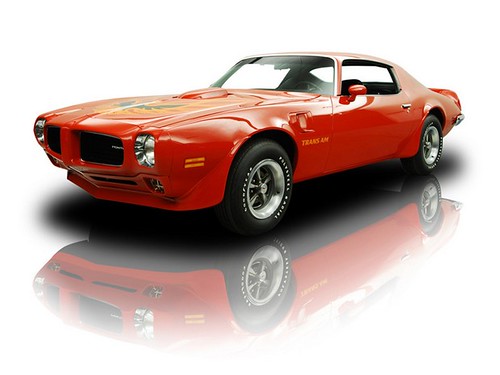
2. **Pontiac Firebird / Trans Am**Ah, the Pontiac Firebird. A true muscle car icon, particularly its legendary Trans Am variant, forever etched into popular culture thanks to the “Smokey and the Bandit” movies. Produced from 1967 to 2002, this machine was a celebration of raw power and audacious design, sporting engines ranging from inline-sixes to monstrous V8 powerhouses. And who could forget that glorious “screaming chicken” hood decal, a statement piece that demanded attention on every highway and byway?
Despite its undeniable charisma and performance, Millennials often give the Firebird a wide berth. The primary culprits? Dated technology and higher maintenance costs. While Boomers might appreciate the raw, unadulterated driving experience, younger generations are accustomed to a baseline of modern conveniences, safety features, and reliability that older Firebirds simply can’t offer without significant (and costly) upgrades. The visceral thrill is often overshadowed by the practical realities of owning a vintage machine.
Their preference for newer sports cars with better fuel efficiency and modern amenities is a pragmatic decision. The Firebird, with its often-less-than-stellar fuel economy and the constant hum of potential repairs, simply doesn’t fit into the contemporary automotive landscape for many. While its legacy as a Boomer icon associated with performance and style is celebrated, Millennials often overlook the Trans Am due to its perceived lack of sophistication and refinement compared to the technologically advanced, sharper-handling sports cars of today.
Car Model Information: 1967 Pontiac Firebird LS3
Name: Pontiac Firebird
Caption: The second, third, and fourth generations of,the Pontiac Firebird Trans Am
Manufacturer: Pontiac (automobile)
Production: February 23, 1967 – August 30, 2002
ModelYears: 1967 – 2002
Class: Pony car,Muscle car
Platform: GM F platform
Related: Chevrolet Camaro
Layout: Front engine, rear-wheel-drive layout
Categories: 1970s cars, 1980s cars, 1990s cars, 2000s cars, All articles with dead external links
Summary: The Pontiac Firebird is an American automobile built and produced by Pontiac from the 1967 to 2002 model years. Designed as a pony car to compete with the Ford Mustang, it was introduced on February 23, 1967, five months after GM’s Chevrolet division’s platform-sharing Camaro. This also coincided with the release of the 1967 Mercury Cougar, Ford’s upscale, platform-sharing version of the Mustang.
The name “Firebird” was also previously used by GM for the General Motors Firebird series of concept cars in the 1950s.
Get more information about: Pontiac Firebird
Buying a high-performing used car >>>
Brand: Pontiac Model: Firebird
Price: $109,999 Mileage: 20 mi.
Read more about: Cruise Nights to Forgotten Rides: Boomer Classics Millennials *Need* to Experience

3. **Ford Thunderbird (Fifth Generation)**The Ford Thunderbird, a name synonymous with American automotive style and evolving luxury, had a sprawling production run from 1955 to 2005. While the earliest two-seat sports cars and elegant 1960s models are cherished by many, it’s the later iterations, especially the fifth-generation models that moved firmly into personal luxury territory, that often elicit a shrug from Millennials. These later Thunderbirds, with their V8 engines and sleek, stylish designs, were once the epitome of a smooth, comfortable ride.
However, for Millennials, the Thunderbird often falls into the category of ‘a car for older generations’. They tend to pass over it, viewing it as a vehicle that lacks the sporty essence of its predecessors, considering it more of a personal luxury car with less performance focus. The absence of modern technology and, critically, better fuel efficiency, makes it a less appealing proposition to younger buyers who are looking for more contemporary features and economical operation.
This iteration of the Thunderbird struggled with an identity crisis in the eyes of younger enthusiasts. What was once seen as a refined, comfortable cruiser is now often perceived as bulky and somewhat disconnected from the driving experience that modern vehicles offer. The blend of classic design and powerful engines can be alluring on paper, but the practical drawbacks and the feeling of driving something that belongs to a different era tend to keep Millennials from experiencing this particular bird of prey.
Car Model Information: 1966 Ford Thunderbird Base
Name: Ford Thunderbird
Caption: 1957 Thunderbird
Manufacturer: Ford Motor Company
Production: unbulleted list
ModelYears: unbulleted list
Class: unbulleted list
Layout: Front-engine, rear-wheel drive layout
Categories: 1960s cars, 1970s cars, 1980s cars, 1990s cars, 2000s cars
Summary: The Ford Thunderbird is a personal luxury car manufactured and marketed by Ford Motor Company for model years 1955 to 2005, with a hiatus from 1998 to 2001.
Ultimately gaining a broadly used colloquial nickname, the T-Bird, the model was introduced as a two-seat convertible, subsequently offered variously in a host of body styles including as a four-seat hardtop coupe, four-seat convertible, five-seat convertible and hardtop, four-door pillared hardtop sedan, six-passenger hardtop coupe, and five-passenger pillared coupe, before returning in its final generation, again as a two-seat convertible.
At its inception, Ford targeted the two-seat Thunderbird as an upscale model. The 1958 model year design introduced a rear seat and arguably marked the expansion of a market segment that came to be known as personal luxury cars, positioned to emphasize comfort and convenience over handling and high-speed performance.
Get more information about: Ford Thunderbird
Buying a high-performing used car >>>
Brand: Ford Model: Thunderbird
Price: $44,999 Mileage: 71,017 mi.
Read more about: Blue Oval Blunders: The 10 Ford Cars So Ugly They Were Instant Market Failures

4. **Buick Riviera (Boat-tail)**When the Buick Riviera arrived in 1963, it marked a significant stylistic departure for American automotive design, borrowing cues from European sports cars and sedans. But it’s the early 1970s “boat-tail” models, produced from 1971-1973, that truly stand out as a testament to daring design and a unique vision. With powerful V8 engines and an unwavering focus on comfort and luxury, the Riviera was a bold statement, a true status symbol that demanded attention wherever it went.
Fast forward to today, and the very audacity that made the boat-tail Riviera iconic is now a point of contention for Millennials. Its large size is a major practical hurdle, especially in denser urban environments where smaller, more maneuverable cars are king. Compounding this is its inherent fuel inefficiency, a hallmark of vehicles from that era, which makes it a difficult sell in a world grappling with fluctuating gas prices and environmental concerns.
Moreover, the high maintenance costs associated with older, luxury vehicles of this caliber are a significant deterrent. While the car’s classic design and opulent features could theoretically appeal to those with an interest in vintage aesthetics, the practical issues ultimately deter many younger buyers. Millennials tend to view it as an outdated gas-guzzler with a design that’s simply too bold for their contemporary tastes, often lacking the subtlety or modern performance they seek in a classic car, even if they respect its historical significance.
Car Model Information: 1971 Buick Riviera
Caption: 1963 Buick Riviera
Name: Buick Riviera
Predecessor: Buick Super
Manufacturer: Buick
ModelYears: 1963–1993,1995–1999
Class: Personal luxury car
Categories: 1960s cars, 1970s cars, 1980s cars, 1990s cars, All articles with specifically marked weasel-worded phrases
Summary: The Buick Riviera is a personal luxury car that was marketed by Buick from 1963 to 1999, with the exception of the 1994 model year.
As General Motors’ first entry into the personal luxury car market segment, the Riviera was highly praised by automotive journalists upon its high-profile debut. It was a ground-up design on a new GM E platform debuting for the 1963 model year and was also Buick’s first unique Riviera model.
Unlike its subsequent GM E platform stablemates, the Oldsmobile Toronado and Cadillac Eldorado, the Riviera was initially a front engine/rear-wheel drive platform, switching to front-wheel drive starting with the 1979 model year.
While the early models stayed close to their original form, eight subsequent generations varied substantially in size and styling. A total of 1,127,261 Rivieras were produced.
The Riviera name was resurrected for two concept cars that were displayed at auto shows in 2007 and in 2013.
Get more information about: Buick Riviera
Buying a high-performing used car >>>
Brand: Buick Model: Riviera
Price: $22,499 Mileage: 91,150 mi.
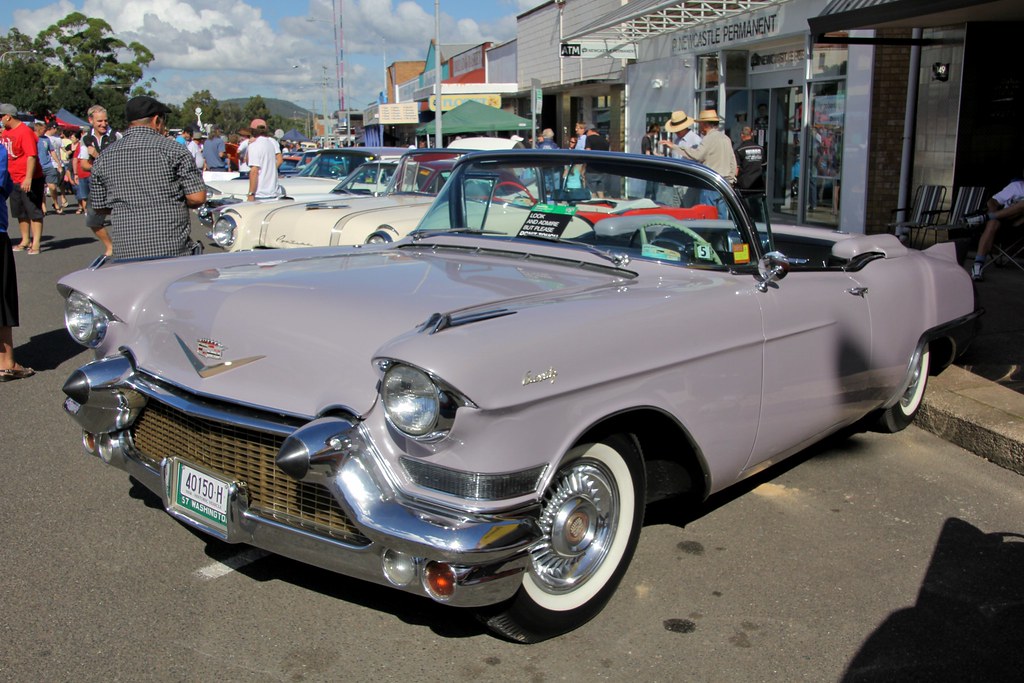
5. **Cadillac Eldorado**For decades, the Cadillac Eldorado, produced from 1952 to 2002, was more than just a car; it was a rolling declaration of American luxury and opulence. These were the cars of presidents, movie stars, and anyone who wanted to convey undisputed affluence. Featuring massive V8 engines and interiors so plush you could get lost in them, the Eldorado was a consistent favorite among affluent buyers seeking the pinnacle of comfort and grandeur. It was a proper land yacht, commanding respect and road presence.
Yet, this very grandeur is precisely why Millennials often overlook the Eldorado. Its enormous size, while a symbol of status in its prime, translates to an impractical behemoth for today’s drivers. Poor fuel economy is another major strike against it, directly clashing with a generation’s values of environmental consciousness and economic practicality. The idea of feeding a massive V8 purely for the sake of ‘presence’ simply doesn’t compute for many younger buyers.
Beyond size and thirst, the high maintenance costs associated with such a complex and aged luxury machine are a significant barrier. While its classic design, luxurious interiors, and powerful engines might hold a certain aesthetic appeal, the practical drawbacks make it far less attractive to younger generations. Millennials view the Eldorado as emblematic of the excesses of past American automotive design, preferring vehicles that balance luxury with efficiency and a more restrained footprint.
Car Model Information: 1976 Cadillac Eldorado Convertible
Caption: 1963 Cadillac Eldorado Convertible
Name: Cadillac Eldorado
Manufacturer: Cadillac
Production: 1952–2002
Layout: Front-engine, rear-wheel-drive layout
Aka: Cadillac Fleetwood Eldorado
Class: Personal luxury car
Successor: Cadillac CTS
Categories: 1960s cars, 1970s cars, 1980s cars, 1990s cars, 2000s cars
Summary: The Cadillac Eldorado is a luxury car manufactured and marketed by the Cadillac Motor Car Division of General Motors from 1952 until 2002, over twelve generations.
The Eldorado was at or near the top of the Cadillac product line. The original 1953 Eldorado convertible and the Eldorado Brougham models of 1957–1960 had distinct bodyshells and were the most expensive models offered by Cadillac during those years. The Eldorado was never less than second in price after the Cadillac Series 75 limousine until 1966. Beginning in 1967, the Eldorado retained its premium position in the Cadillac price structure, but was manufactured in high volumes on a unique, two-door personal luxury car platform.
The Eldorado carried the Fleetwood designation from 1965 through 1972, and was seen as a modern revival of the pre-war Cadillac V-12 and Cadillac V-16 roadsters and convertibles.
Get more information about: Cadillac Eldorado
Buying a high-performing used car >>>
Brand: Cadillac Model: Eldorado
Price: $28,499 Mileage: 31,898 mi.
Read more about: 12 Iconic Boomer-Era Cars Millennials Are Totally Ignoring (And Why!)
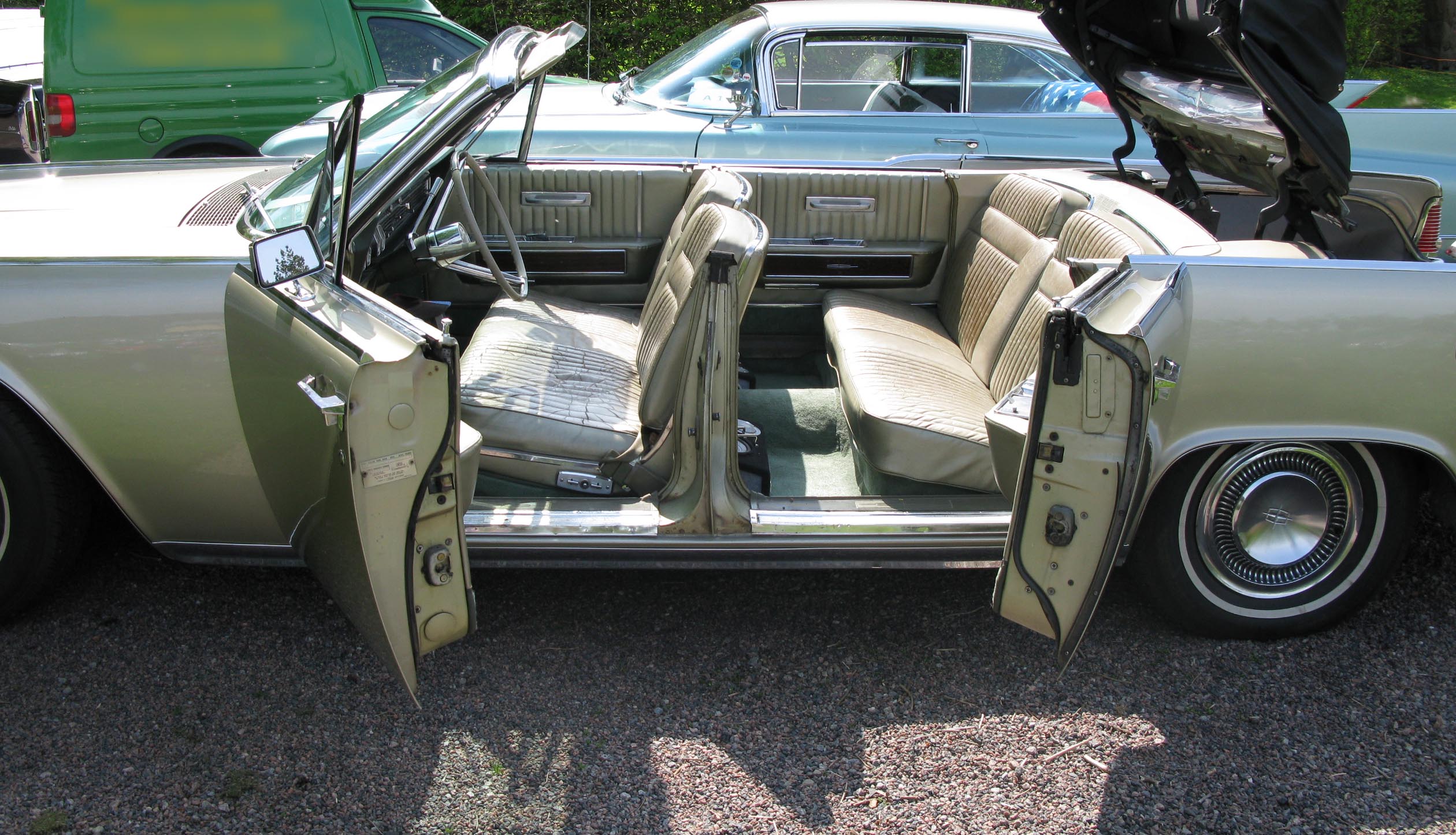
6. **Lincoln Continental Mark IV (with Suicide Doors)**Stepping into a Lincoln Continental Mark IV, particularly one with the iconic “suicide doors” (a feature more prominent in earlier generations but the overall luxurious, large aesthetic persisted), was to experience automotive royalty. Produced from 1972 to 1976, the Mark IV defined personal luxury with its distinctive design, including those signature opera windows and a body so long and sleek it seemed to stretch for miles. Powered by a colossal 460 cubic inch V8 engine, it promised—and delivered—a ride that was both smooth and powerfully effortless.
For Boomers, these cars, especially those Continental models with the rear-hinged doors, held a special place, representing the ultimate in luxury and an unashamed expression of success. However, Millennials tend to pass over the Mark IV for reasons that are now all too familiar. Its gargantuan size is a significant impediment for urban navigation and parking, transforming a grand tourer into a cumbersome burden. The terrible fuel economy of that massive V8 is another deal-breaker, making it economically unsustainable for daily use in contemporary times.
Furthermore, the Mark IV carries the indelible perception of being a ‘car for older generations.’ Despite its genuinely luxurious interior and unique, imposing styling, the practicality issues and the inevitability of high maintenance costs deter many younger buyers. Millennials view its large, impractical design as less appealing, finding it cumbersome and inefficient in today’s urban environments, a stark contrast to their preference for more agile, efficient, and technologically advanced vehicles.
Car Model Information: 2023 Dodge Charger GT
Manufacturer: Lincoln Motor Company
Caption: 1975 Continental Mark IV
Name: Mark IV
Production: 1971–1976
ModelYears: 1972–1976
BodyStyle: coupe
Layout: Front-engine, rear-wheel-drive layout
Engine: 460 cuin
Abbr: on
Assembly: Wixom Assembly,Wixom, Michigan
Transmission: Ford C6 transmission
Predecessor: Lincoln Continental Mark III
Wheelbase: 120.4 in
Length: 228.1 in
Width: 79.8 in
Height: 53.5 in
Weight: convert
Successor: Lincoln Continental Mark V
Related: Ford Thunderbird (sixth generation)
Categories: 1970s cars, All Wikipedia articles needing clarification, Articles with short description, Cars discontinued in 1976, Cars introduced in 1972
Summary: The Continental Mark IV is a personal luxury car that was marketed by the Lincoln division of Ford Motor Company from the 1972 to 1976 model years. The third generation of the Mark series, the Mark IV grew in size over its Continental Mark III predecessor. As with the previous generation, the Mark IV saw little direct competition in the American marketplace, competing nearly exclusively against the Cadillac Eldorado (redesigned for 1971).
As with the Mark III, the Mark IV shared its chassis with the Ford Thunderbird, with the Mark IV receiving its own bodywork below the windows. Hidden headlights and a faux Rolls-Royce chrome grille were retained, and a Continental spare tire trunklid. For 1976, the Designer Series option package was introduced; in what would become a tradition for the Mark series (and later Lincoln), the option consisted of specially coordinated exterior and interior trims developed between Lincoln and contemporary fashion designers.
Ford assembled the Continental Mark IV at its Wixom Assembly Plant in Michigan) facility alongside the Ford Thunderbird and the Lincoln Continental. For 1977, the Mark IV underwent a substantial revision, becoming the Continental Mark V.
Get more information about: Lincoln Continental Mark IV
Buying a high-performing used car >>>
Brand: Lincoln Model: Continental Mark IV
Price: $26,990 Mileage: 19,257 mi.
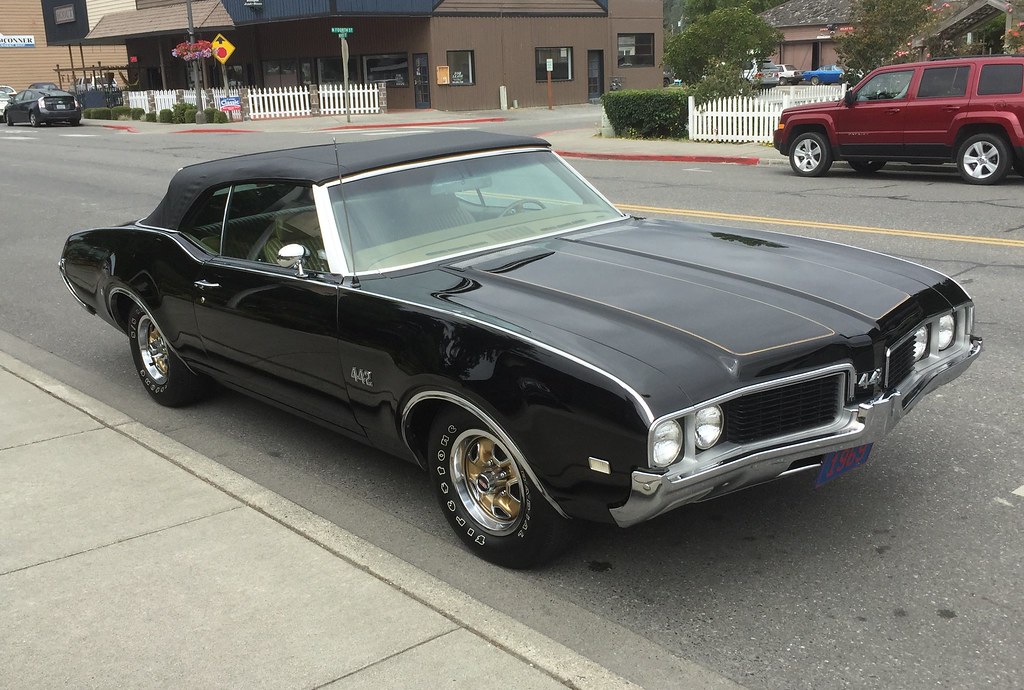
7. **Oldsmobile 442**The Oldsmobile 442, manufactured from 1964 to 1987, stands as a quintessential American muscle car, renowned for its potent V8 engines and unmistakably aggressive styling. The ‘442’ moniker itself was a coded message to enthusiasts: four-barrel carburetor, four-speed manual transmission, and dual exhausts—a recipe for pure, unadulterated performance. This was a car designed to tear up the drag strip and turn heads on Main Street, embodying the raw, powerful spirit of its era.
While its classic muscle car appeal, powerful engines, and iconic design might theoretically attract younger enthusiasts, the practical drawbacks often limit its appeal to Millennials. The primary offenders? Fuel inefficiency and high maintenance costs. These cars were built in a different automotive ecosystem, one where gas was cheap and engineering prioritized brute force over sophisticated economy. Trying to run a vintage 442 today can feel like pouring money directly into the gas tank and then immediately into the mechanic’s waiting hands.
Millennials, with their preference for modern performance cars that offer a blend of speed, handling, and efficiency, often find the 442’s charms insufficient to outweigh its practical realities. The sheer, unrefined power is certainly captivating, but it comes without the creature comforts, precise handling, and relative reliability of contemporary vehicles. It represents a different philosophy of performance—one that, while celebrated by Boomers, doesn’t quite align with the driving experiences younger generations seek today.
Alright, car fanatics, we’ve navigated the personal luxury behemoths and early muscle machines of Section 1, dissecting why their appeal hasn’t quite translated across the generational divide. But hold onto your lug nuts, because we’re not done yet! Now, we’re diving headfirst into another fascinating—and sometimes infamous—collection of Boomer-era rides that, for a whole host of reasons from questionable design to outright safety concerns, Millennials wouldn’t touch with a ten-foot pole. Get ready for some automotive history lessons that are equal parts informative and eyebrow-raising.
This isn’t just about old cars; it’s about the evolution of what we value in a vehicle, from brute force and sheer presence to efficiency, safety, and integrated tech. The next seven entries on our list aren’t just relics; they’re cultural touchstones, albeit some with a few significant caveats. We’ll explore controversial pasts, peculiar aesthetics, and the practical headaches that ensure these vintage beauties—or beasts, depending on your perspective—remain firmly off the Millennial shopping list.
Car Model Information: 1969 Oldsmobile 442
Name: Oldsmobile 442
Manufacturer: Oldsmobile
ModelYears: 1964–1980,1985–1987,1990–1991
Class: Muscle car
Layout: FR layout
Caption: 1971 Oldsmobile 442
Categories: 1960s cars, 1970s cars, 1980s cars, All articles with unsourced statements, Articles with short description
Summary: The Oldsmobile 4-4-2 is a muscle car produced by Oldsmobile between the 1964 and 1987 model years. Introduced as an option package for US-sold F-85 and Cutlass models, it became a model in its own right from 1968 to 1971, spawned the Hurst/Olds in 1968, then reverted to an option through the mid-1970s. The name was revived in the 1980s on the rear-wheel drive Cutlass Supreme and early 1990s as an option package for the new front-wheel drive Cutlass Calais.
The “4-4-2” name (pronounced “Four-four-two”) derives from the original car’s four-barrel carburetor, four-speed manual transmission, and dual exhausts. It was originally written “4-4-2” (with badging showing hyphens between the numerals), and remained hyphenated throughout Oldsmobile’s use of the designation. Beginning in 1965, the 4-4-2s standard transmission was a three-speed manual along with an optional two-speed automatic and four-speed manual, but were still badged as “4-4-2″s.
Because of this change, from 1965 on, according to Oldsmobile brochures and advertisements, the 4-4-2 designation referred to the 400 cubic inch engine, four-barrel carburetor, and dual exhausts. By 1968, badging was shortened to simply “442”, but Oldsmobile brochures and internal documents continued to use the “4-4-2” model designation.
Get more information about: Oldsmobile 442
Buying a high-performing used car >>>
Brand: Oldsmobile Model: 442
Price: $43,990 Mileage: 24,000 mi.
Read more about: Beyond the Legends: 14 Forgotten Muscle Cars Ready for a Second Look and a Resurgence
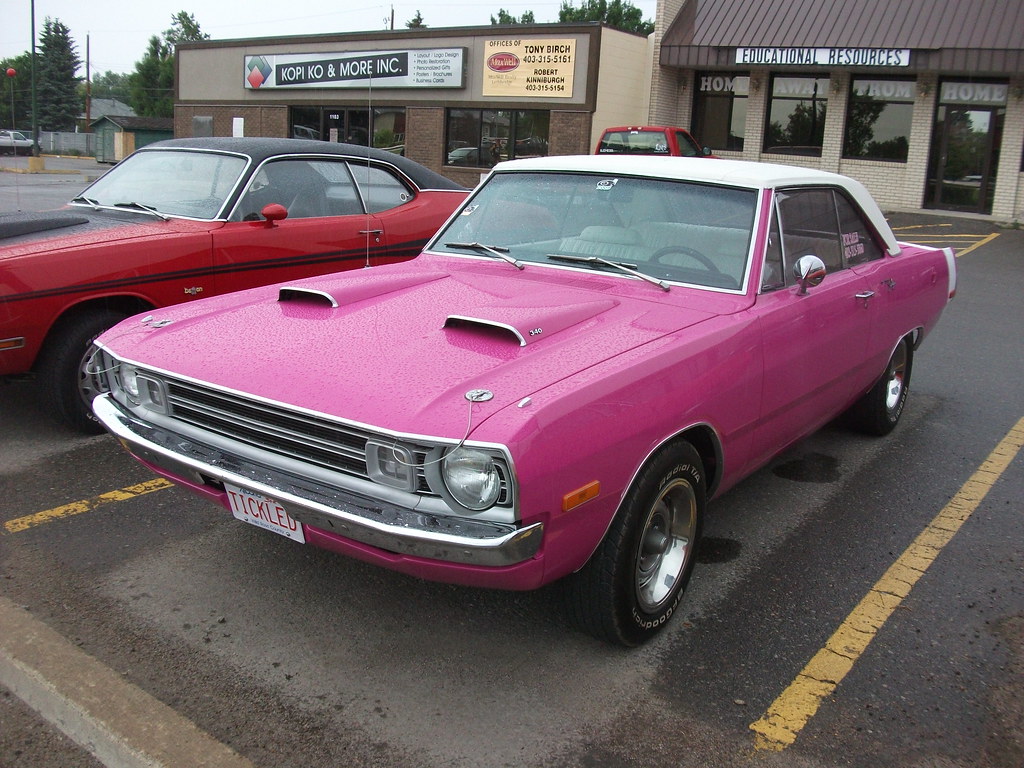
8. **Dodge Dart Swinger**The Dodge Dart Swinger, gracing roads from 1967 to 1976, was a beloved compact muscle car of its time. With a range of V8 engine options, it struck a chord with drivers seeking an affordable slice of performance. Its lightweight design combined with those powerful engines made for a genuinely fun ride, a point of pride for many Boomer enthusiasts who appreciated its no-frills approach to going fast. It was a proper compact pocket rocket, and for a while, it seemed unstoppable.
However, despite its retro charm and performance chops, the Dart Swinger often gets a hard pass from Millennials. The primary offenders? Its decidedly dated technology and a build quality that, let’s be honest, often left something to be desired even in its prime. Younger generations, raised on a diet of increasingly reliable and technologically advanced vehicles, aren’t usually keen on wrestling with carburetors or worrying about chassis flex on a Sunday drive.
Millennials gravitate towards newer, more reliable cars that offer a baseline of modern features and amenities. While the Dart Swinger might have a certain ‘cool factor’ for vintage enthusiasts, the lack of contemporary conveniences and the specter of higher maintenance costs make it a tough sell. It’s a testament to raw, unadulterated driving, but without the modern creature comforts, it becomes more of a museum piece than a daily driver for many.
Car Model Information: 2020 RAM 1500 Laramie
Name: Dodge Dart
Caption: 1966 Dodge Dart GT 2-door hardtop
Manufacturer: Dodge
Production: 1959–1976 (US market)
ModelYears: 1960–1976 (US market)
Class: Full-size
Layout: FR layout
Predecessor: Dodge Coronet#Fourth generation (1957–1959)
Related: Plymouth Valiant,Chrysler Valiant,Dodge Phoenix
Successor: Dodge Aspen,Dodge Diplomat,Talbot Tagora
Categories: 1970s cars, All articles with unsourced statements, Articles with short description, Articles with unsourced statements from December 2023, Articles with unsourced statements from May 2025
Summary: The Dodge Dart is a line of passenger cars produced by Dodge from the 1959 to 1976 model years in North America, with production extended to later years in various other markets.
The production Dodge Dart was introduced as a lower-priced full-size model in 1960 and 1961, but became a mid-size car for one model year for 1962, and was then reduced to a compact for two generations, from 1963 to 1976.
Chrysler had first used ‘Dart’ name plates on two Italian styled show cars, in 1956 and 1957, before it became a Dodge model name. The Dart nameplate was resurrected for a Fiat-derived compact car that was introduced in 2012.
Get more information about: Dodge Dart
Buying a high-performing used car >>>
Brand: Dodge Model: Dart Swinger
Price: $36,995 Mileage: 64,342 mi.
Read more about: 14 Times Brilliant Actors Stumbled: The Biggest Miscasting Debates in Fantastic Movies
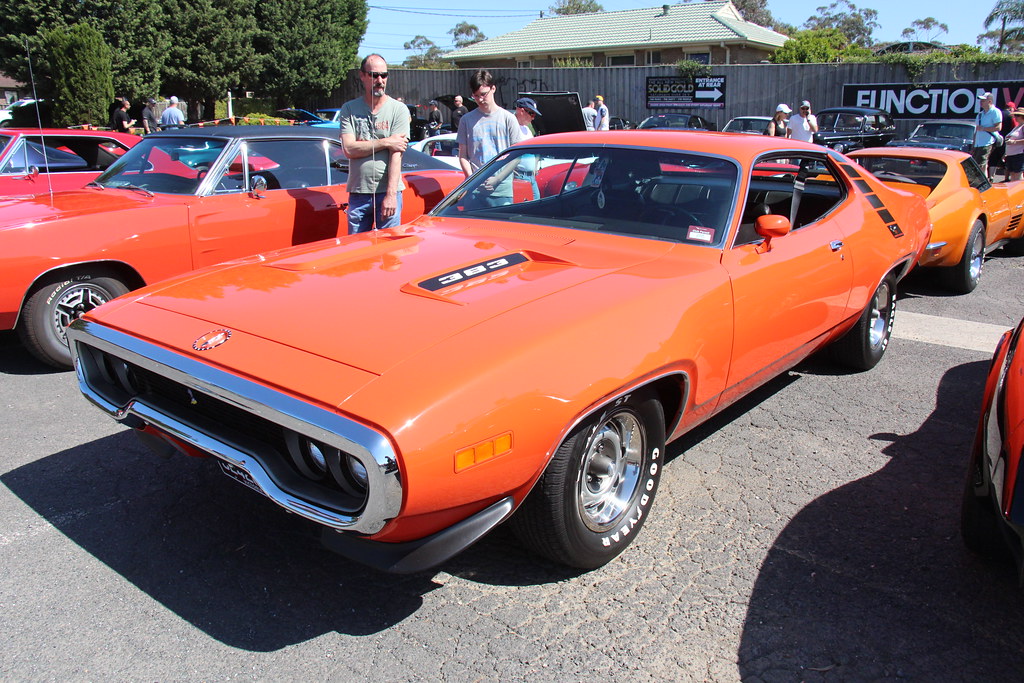
9. **Plymouth Road Runner**Beep, beep! The Plymouth Road Runner, produced from 1968 to 1980, isn’t just a car; it’s a cartoon character brought to life with a V8 soundtrack. It was a quintessential muscle car, celebrated for its raw performance and a refreshingly no-frills, straight-to-the-point approach to speed. Performance enthusiasts absolutely adored its powerful V8 engines, which prioritized brute force and tire-shredding capability over pretty much everything else.
Yet, even with that undeniable muscle car swagger, the Road Runner often finds itself on the ‘overlooked’ list for Millennials. Fuel inefficiency is, predictably, a major drawback. These cars were designed in an era where gasoline flowed freely and cheaply, a stark contrast to today’s economic and environmental realities. Filling up a Road Runner with modern pump prices is enough to make anyone wince.
Add to that the higher maintenance costs typical of vintage performance machines, and you’ve got a recipe for Millennial disinterest. While the raw power and classic design are undeniably cool, the practical realities often overshadow the nostalgic appeal. Younger buyers typically lean towards modern, fuel-efficient sports cars that deliver performance without constantly bleeding their bank accounts dry or requiring a mechanic on speed dial.
Car Model Information: 2020 RAM 1500 Laramie
Name: Plymouth Road Runner
Assembly: Detroit,Michigan
Manufacturer: Plymouth (automobile)
Class: Mid-size car
Production: 1968–1980
Related: unbulleted list
Layout: FR layout
Categories: 1970s cars, 1980s cars, All articles needing additional references, All articles with peacock terms, All articles with unsourced statements
Summary: The Plymouth Road Runner is a muscle car introduced by Chrysler in the United States for the 1968 model year and marketed under its Plymouth brand. Initially based on the Belvedere, the brand’s basic mid-size model, the Road Runner combined a powerful engine with a spartan trim level and a price that undercut increasingly upscale and expensive muscle cars such as the Pontiac GTO and Plymouth’s own GTX. It was initially a sales success.
The Road Runner was built in three generations on the mid-size B platform. Like most muscle cars, its performance and sales declined in the 1970s due to an increasing focus on fuel economy and the adoption of more stringent U.S. emission standards. The nameplate became to a trim package for the compact Plymouth Volaré for model year 1976—no longer offering any special performance capability—and was discontinued in 1980.
Get more information about: Plymouth Road Runner
Buying a high-performing used car >>>
Brand: Plymouth Model: Road Runner
Price: $36,995 Mileage: 64,342 mi.
Read more about: Beyond the Legends: 14 Forgotten Muscle Cars Ready for a Second Look and a Resurgence
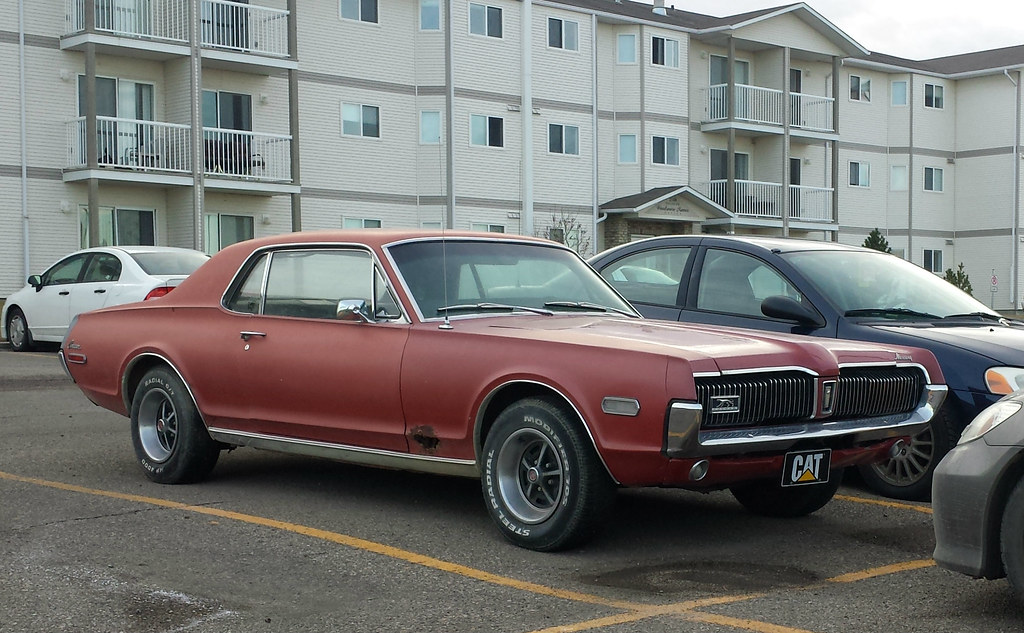
10. **Mercury Cougar**Initially launched in 1967 and running through 2002, the Mercury Cougar aimed to be the more sophisticated, upscale sibling to the Ford Mustang. It boasted luxurious interiors and a range of powerful V8 engines, seeking to blend muscle car performance with a touch of comfort and refinement. For Boomers, it was the perfect blend of style and substance, offering something a little more mature than the Mustang without sacrificing the roar of a V8.
However, the Cougar’s identity as a ‘luxury Mustang’ often works against it with younger generations. Millennials frequently bypass it due to its larger size and, you guessed it, fuel inefficiency – common complaints with many Boomer-era vehicles. There’s also the persistent perception that it’s an ‘older generation’s car,’ which, for a demographic focused on contemporary cool, can be an instant turn-off.
While its stylish design and powerful engines could theoretically draw some younger enthusiasts, the absence of modern features and the burden of potentially high maintenance costs are significant deterrents. Many Millennials simply dismiss the Cougar as an “unnecessary deviation from the Mustang’s more classic appeal,” preferring the purer, more focused identity of its stablemate. It’s a sad fate for a car that tried to be all things to all people.
Car Model Information: 1995 Mercury Cougar XR7
Name: Mercury Cougar
Caption: 1969 Mercury Cougar (first generation)
Manufacturer: Mercury (automobile)
Layout: Front-engine, rear-wheel-drive layout
ModelYears: 1967–1997,1999–2002
Class: Pony car,Personal luxury car,Mid-size car,Sport compact
Categories: 1960s cars, 1970s cars, 1980s cars, 1990s cars, 2000s cars
Summary: The Mercury Cougar is a series of automobiles that was sold by Mercury from 1967 to 2002. The model line is a diverse series of vehicles; though the Cougar nameplate is most commonly associated with two-door coupes, at various stages in its production, the model also was offered as a convertible and a hatchback. During its production as the mid-size Mercury line, the Cougar was also offered as a four-door sedan and five-door station wagon.
In production for 34 years across eight generations (skipping the 1998 model year), the Cougar is second only to the Grand Marquis (36 years) in the Mercury line for production longevity. 2,972,784 examples were produced, making it the highest-selling Mercury vehicle. During the 1970s and 1980s, the marketing of the Mercury division was closely associated with the Cougar, with promotional materials advertising Mercury dealers as “The Sign of the Cat” with big cats atop Lincoln-Mercury dealer signs. Cat-related nameplates were adopted by other Mercury lines, including the Bobcat and Lynx.
During its production, the Cougar was assembled at the Dearborn Assembly Plant (part of the Ford River Rouge Complex) in Dearborn, Michigan from 1967 until 1973, San Jose Assembly (Milpitas, California) from 1968 into early 1969, Lorain Assembly (Lorain, Ohio) from 1974 until 1997, and at Flat Rock Assembly (Flat Rock, Michigan) from 1999 through 2002.
Get more information about: Mercury Cougar
Buying a high-performing used car >>>
Brand: Mercury Model: Cougar
Price: $10,995 Mileage: 37,589 mi.
Read more about: Beyond the Legends: 14 Forgotten Muscle Cars Ready for a Second Look and a Resurgence
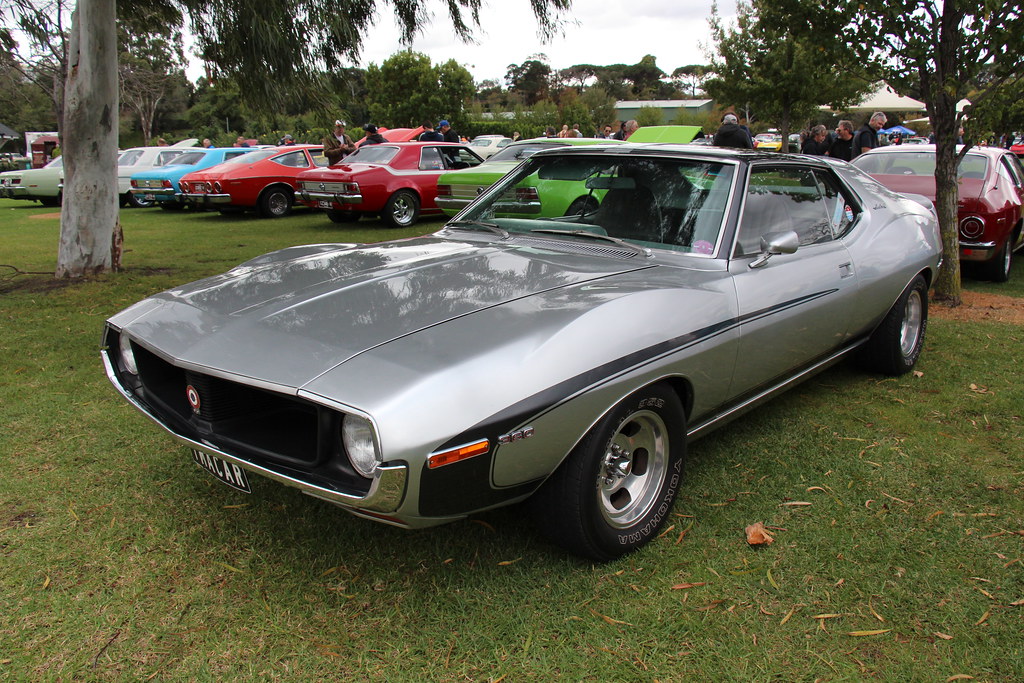
11. **AMC Javelin**The AMC Javelin, roaring onto the scene from 1968 to 1974, remains a testament to American Motors Corporation’s attempt to carve out its own niche in the hotly contested muscle car market. It was a distinctly styled machine, known for its unique aesthetics and robust performance, particularly when equipped with powerful V8 engines like the formidable 401 cubic inch option. For those who owned one, it was a statement, a bold alternative to the more common Mustangs and Camaros.
But for Millennials, the Javelin often gets lost in the shuffle, or rather, actively avoided. Once again, fuel inefficiency crops up as a major sticking point. These engines were designed for a different economic landscape, and the thirsty nature of a classic V8 simply doesn’t align with modern sensibilities. The cost of keeping one running regularly is a steep price for nostalgia.
Furthermore, the higher maintenance costs inherent to a rarer vintage vehicle, coupled with a preference for modern performance cars that offer a more refined and technologically advanced driving experience, push the Javelin to the sidelines. While its distinctive design and legitimate muscle car heritage might pique the interest of some, the practical drawbacks of ownership consistently limit its broad appeal to younger buyers. It’s a cult classic, for sure, but a difficult daily driver.
Read more about: Beyond the Legends: 14 Forgotten Muscle Cars Ready for a Second Look and a Resurgence
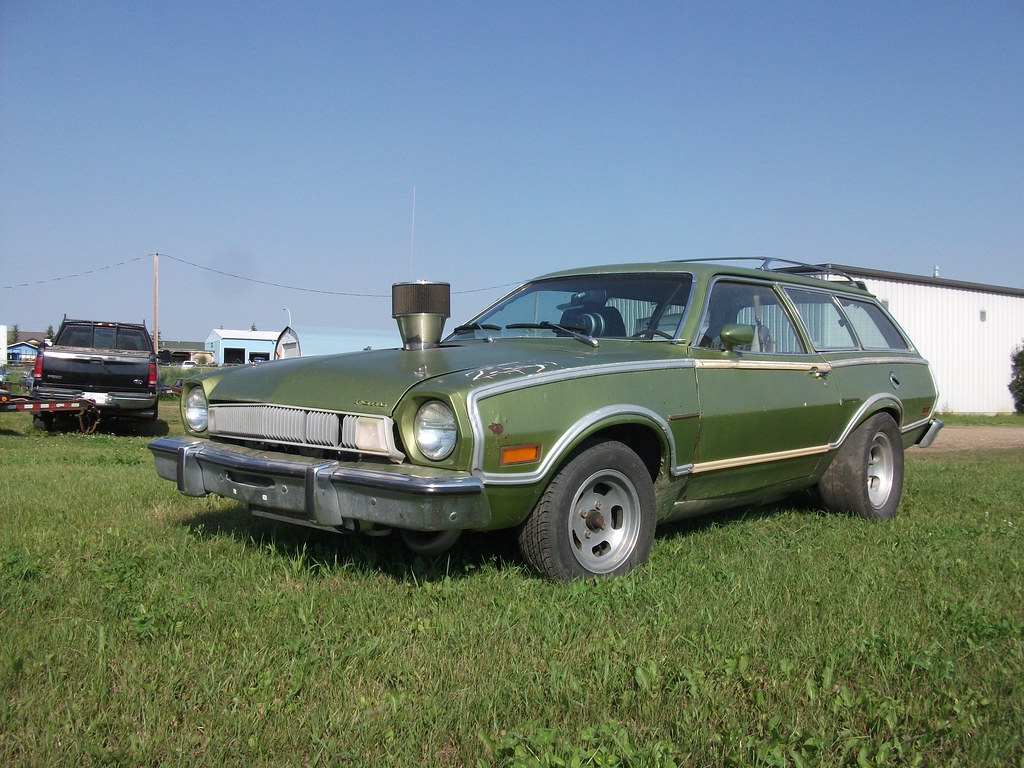
12. **Ford Pinto**Ah, the Ford Pinto. Produced throughout the 1970s, this compact car was initially popular for its affordability and practicality, especially during an era of rising fuel costs. Boomers might recall it as a ubiquitous sight, a no-nonsense commuter car that got you from A to B without breaking the bank. It was Ford’s answer to the influx of smaller, more economical foreign cars, and for a while, it did quite well in sales.
However, the Pinto’s legacy is inextricably linked to one of the most infamous safety scandals in automotive history. It became notorious for its poorly designed fuel tank, which had a disturbing propensity to rupture and catch fire in rear-end collisions. This critical flaw has permanently stained the car’s reputation, making it less of a classic and more of a cautionary tale.
For Millennials, who rightly prioritize safety and reliability in their vehicles, the Pinto’s “reputation for being unsafe makes it difficult…to recommend.” Despite any historical context of affordability, the overwhelming perception is that of a dangerous and flawed design. It’s a car that might provoke curiosity but certainly not desirability for a generation acutely aware of vehicle safety ratings and the importance of a structurally sound design.
Car Model Information: 1980 Ford Pinto WAGON
Name: Ford Pinto
Caption: Ford Pinto
Manufacturer: Ford Motor Company
Aka: Mercury Bobcat
Production: September 1970 – July 1980
ModelYears: 1971–1980 (Pinto),1974–1980 (Bobcat)
Assembly: Edison, New Jersey,Milpitas, California
Designer: Robert Eidschun (1968)
Class: Subcompact car
BodyStyle: Sedan (automobile),sedan delivery,station wagon,hatchback
Related: #Mercury Bobcat (1974–1980),Ford Mustang (second generation)
Layout: Front-engine, rear-wheel-drive layout
Chassis: Unibody
Engine: unbulleted list
Abbr: on
Disp: Ford Cologne engine
Transmission: unbulleted list
Wheelbase: 94.0 in
Length: 163 in
Width: 69.4 in
Height: 50 in
Weight: convert
Predecessor: Ford Cortina#Mark II (1966–1970)
Successor: Ford Escort (North America)
Categories: 1980s cars, Articles with short description, Cars discontinued in 1980, Cars introduced in 1970, Commons category link from Wikidata
Summary: The Ford Pinto is a subcompact car that was manufactured and marketed by Ford Motor Company in North America from 1970 until 1980. The Pinto was the first subcompact vehicle produced by Ford in North America.
The Pinto was marketed in three body styles throughout its production: a two-door fastback sedan with a trunk, a three-door hatchback, and a two-door station wagon. Mercury offered rebadged versions of the Pinto as the Mercury Bobcat from 1975 until 1980 (1974–1980 in Canada). Over three million Pintos were produced over its ten-year production run, outproducing the combined totals of its domestic rivals, the Chevrolet Vega and the AMC Gremlin. The Pinto and Mercury Bobcat were produced at Edison Assembly in Edison, New Jersey, St. Thomas Assembly in Southwold, Ontario, and San Jose Assembly in Milpitas, California.
Since the 1970s, the safety reputation of the Pinto has generated controversy. Its fuel-tank design attracted both media and government scrutiny after several deadly fires occurred when the tanks ruptured in rear-end collisions. A subsequent analysis of the overall safety of the Pinto suggested it was comparable to other 1970s subcompact cars. The safety issues surrounding the Pinto and the subsequent response by Ford have been cited widely as business ethics and tort reform case studies.
Get more information about: Ford Pinto
Buying a high-performing used car >>>
Brand: Ford Model: Pinto
Price: $5,951 Mileage: 107,000 mi.
Read more about: Cruise Nights to Forgotten Rides: Boomer Classics Millennials *Need* to Experience
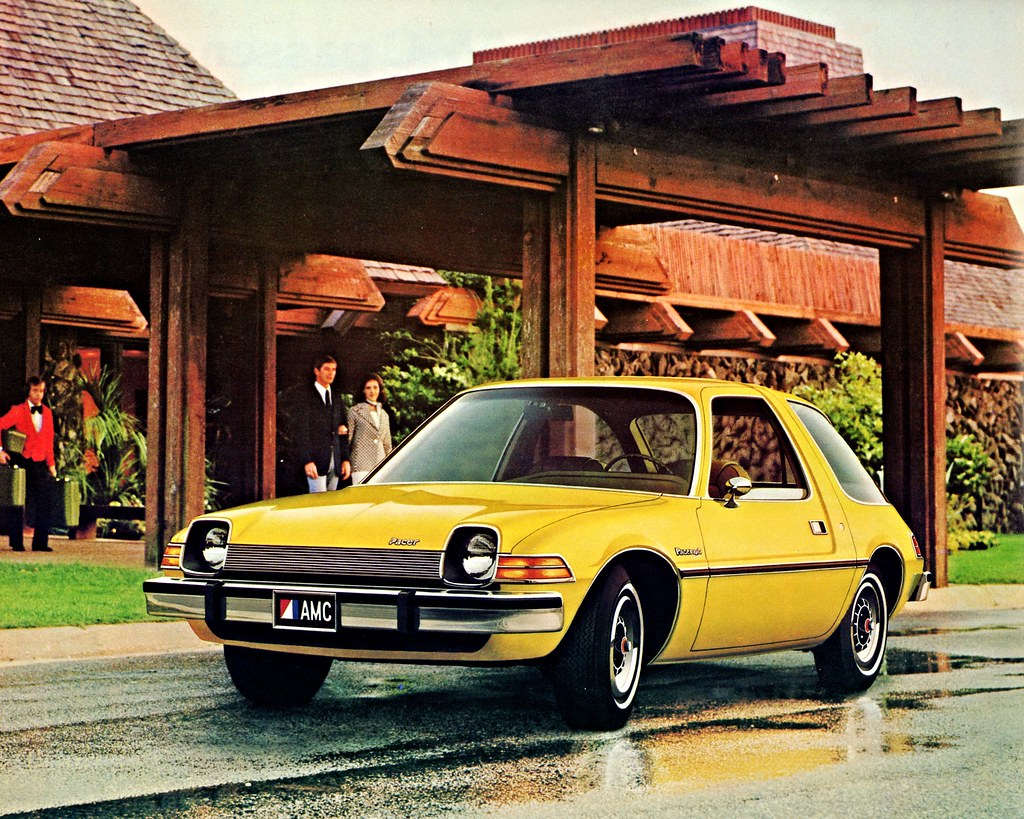
13. **AMC Pacer**The AMC Pacer, hitting the streets from 1975 to 1980, was nothing if not distinctive. Touted for its innovative, wide, and bulbous design, it aimed to be a futuristic compact that offered unparalleled interior space and visibility for its size. For Boomers, it represented an attempt at breaking the mold, a quirky and bold statement in a sea of more conventional automobiles. It was certainly an unforgettable sight, whether you loved it or hated it.
Yet, this very uniqueness is precisely why Millennials tend to give the Pacer a wide berth. Its “oddly shaped and inefficient” nature, often derided as a “bubble-like appearance,” is a source of amusement rather than admiration for younger generations. What was once pitched as innovation is now more often seen as a significant “misstep” in automotive design, embodying a peculiar aesthetic that hasn’t aged gracefully.
Beyond the divisive looks, the Pacer also suffered from typical Boomer-era drawbacks like questionable fuel efficiency and often underwhelming performance. Millennials, with their preference for sleek lines, aerodynamic efficiency, and modern powertrain options, find little to celebrate in its peculiar form factor. It’s a car that stands out, yes, but often for reasons that don’t translate into contemporary coolness or practicality.
Read more about: The 14 Most Embarrassing Market Misses: When Styling Blunders and Feature Failures Drove Cars Off a Cliff
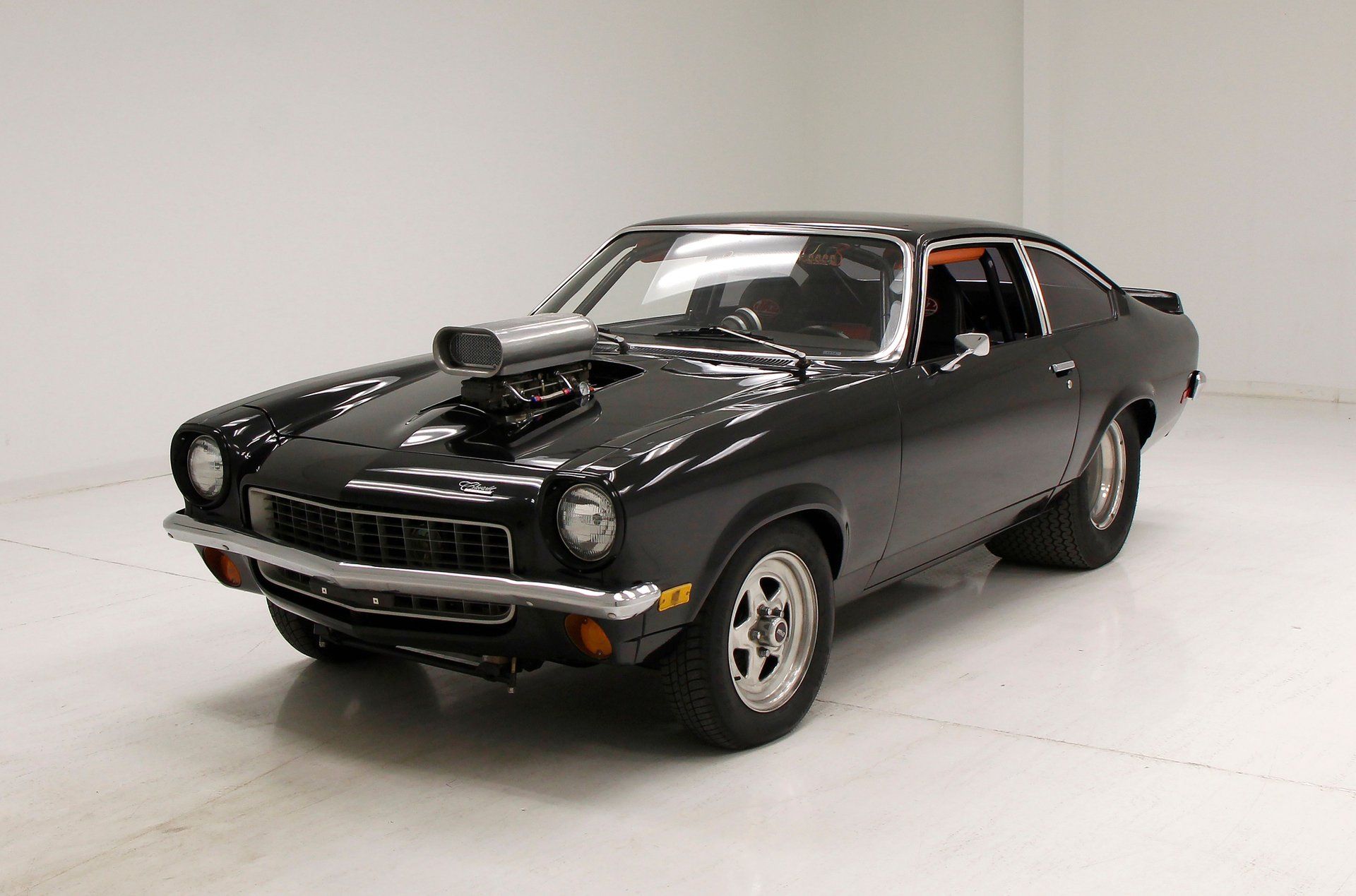
14. **Chevrolet Vega**Introduced in 1970, the Chevrolet Vega was GM’s earnest attempt to compete with the growing tide of compact, fuel-efficient European and Japanese imports. It was pitched as an economical and stylish small car, initially winning over a segment of Boomers with its promise of affordability and practicality. For a moment, it seemed like America finally had its answer to the compact car craze, a domestic champion ready to take on the world.
However, the Vega’s initial promise quickly dissolved into a series of unfortunate reliability issues that would haunt its entire production run. From prone-to-rust body panels to notoriously problematic aluminum engines that suffered from oil consumption and premature wear, the Vega became infamous for its mechanical woes. It was a car that seemed to spend more time in the shop than on the road.
Millennials, a generation that values dependability and low ownership costs, readily “point out [the Vega’s] reliability issues as a major drawback.” The idea of inheriting a car with a documented history of major mechanical headaches and rapid deterioration is an absolute non-starter. While its intentions were good, the execution made the Vega a poster child for what happens when ambition outstrips engineering quality, ensuring it remains firmly on the ‘do not touch’ list.
Car Model Information: 1976 Chevrolet Vega
Name: Chevrolet Vega
Caption: 1971 Chevrolet Vega
Aka: Vega 2300
Manufacturer: Chevrolet
Production: 1970–1977
ModelYears: 1971–1977
Assembly: Lordstown, Ohio
Predecessor: Chevrolet Corvair
Successor: Chevrolet Monza
Class: Subcompact car
BodyStyle: notchback,hatchback,station wagon,Panel van
Layout: FR layout
Platform: GM H platform (RWD)
Engine: {{cvt,2.3,L,cuin,0,Chevrolet 2300 engine
Transmission: manual transmission,4-speed manual,overdrive (mechanics),Torque-Drive 2-speed Powerglide requiring manual shifting,Powerglide,Turbo-Hydramatic
Wheelbase: cvt
Length: cvt
Width: cvt
Height: cvt
Weight: cvt
Related: Pontiac Astre,Chevrolet Monza,Pontiac Sunbird#First generation (1976–1980),Buick Skyhawk#First generation (1975–1980),Oldsmobile Starfire#Second generation (1975–1980)
Designer: Bill Mitchell (designer)
Categories: 1970s cars, All articles needing additional references, All articles with unsourced statements, Articles needing additional references from July 2023, Articles with short description
Summary: The Chevrolet Vega is a subcompact automobile manufactured and marketed by GM’s Chevrolet division from 1970 until 1977. Available in two-door hatchback, notchback, wagon, and sedan delivery body styles, all models were powered by an inline four-cylinder engine designed specifically for the Vega, with a lightweight aluminum alloy cylinder block. The Vega first went on sale in Chevrolet dealerships on September 10, 1970. Variants included the Cosworth Vega, a short-lived limited-production performance version introduced spring 1975.
The Vega received the 1971 Motor Trend Car of the Year. Subsequently, the car became widely known for a range of problems related to its engineering, reliability, safety, propensity to rust, and engine durability. Despite numerous recalls and design upgrades, Vega’s problems tarnished its reputation and that of General Motors. Production ended with the 1977 model year.
The car was named for Vega, the brightest star in the constellation Lyra.
Get more information about: Chevrolet Vega
Buying a high-performing used car >>>
Brand: Chevrolet Model: Vega
Price: $30,000 Mileage: 82,344 mi.
Read more about: The 14 Most Embarrassing Market Misses: When Styling Blunders and Feature Failures Drove Cars Off a Cliff
So there you have it, folks – a deep dive into the automotive chasm separating Boomers and Millennials. What was once a cherished ride or a symbol of practicality for one generation has become a relic, an oddity, or even a cautionary tale for the next. It’s not about disrespecting history; it’s about a fundamental shift in values, technological expectations, and what defines a truly desirable set of wheels. Whether it’s the thirst of a massive V8, the questionable safety of a notorious design, or simply an aesthetic that time forgot, these classic Boomer cars serve as powerful reminders that the open road of automotive taste is constantly being repaved. And for now, Millennials are happily cruising down a different path.