Movies based on true stories and real history have been staples in Hollywood since its earliest days, drawing us in with their promise of drama, grand costumes, and epic declarations. There’s something undeniably captivating about seeing the past brought to life on the big screen, allowing us to step into different eras and experience pivotal moments. Yet, a peculiar tradition has also emerged alongside this love affair with history: getting the history incorrect.
Indeed, once the dust settles and the credits roll, you’ll often find that the facts were bent, twisted, or even outright broken for the sake of a compelling narrative. Filmmakers sometimes put storytelling first, historical accuracy somewhere near the credits, or perhaps even in a forgotten draft. It’s an interesting tension between art and truth, leaving us with films that are wildly entertaining but definitely shouldn’t double as history lessons.
So, if you’re ready to have your mind blown (and maybe feel a little annoyed on behalf of historians), join us as we dive into 14 blockbusters that are practically fiction. These are the films that took creative license to the extreme, giving us unforgettable cinematic experiences that are, for better or worse, far from reality. Get ready to discover which of your favorite ‘true stories’ might actually be more fantasy than fact!
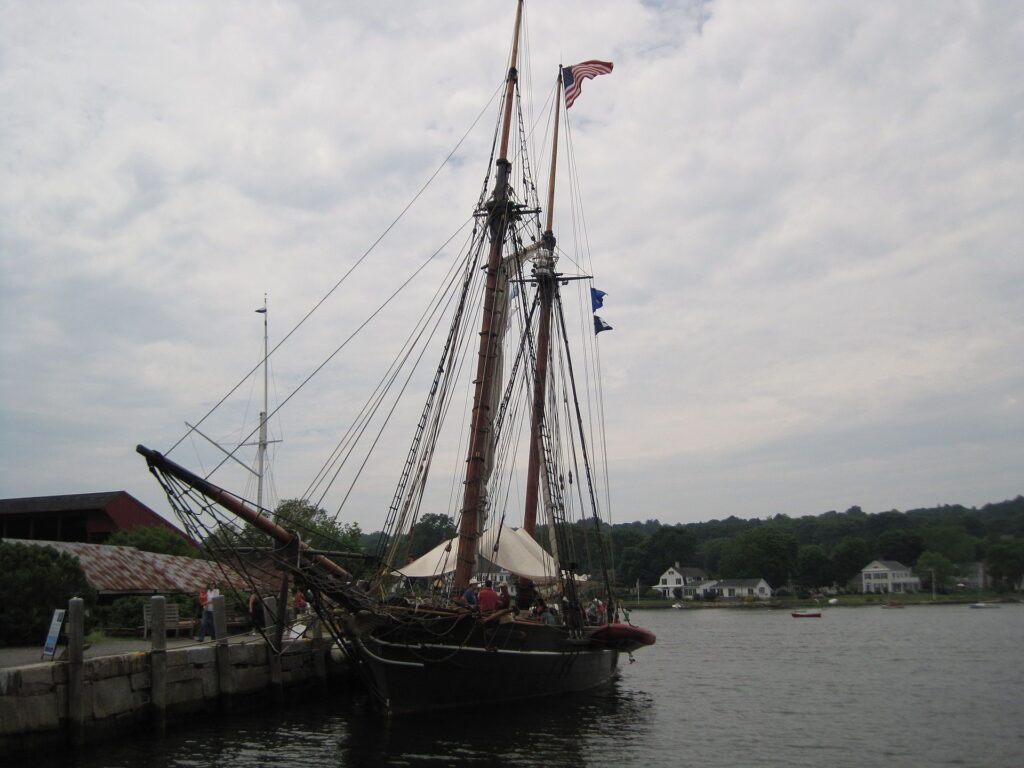
1. **Amistad**Steven Spielberg’s epic drama, “Amistad,” recounts the true 1839 slave ship rebellion and the subsequent Supreme Court case, a powerful and poignant moment in history. However, while aiming for an impactful narrative, the film does take a lot of liberties with the facts, mainly to create what could be perceived as ‘white heroes.’ This narrative framing can subtly shift the focus and impact of the historical events.
The portrayal of John Quincy Adams, played by Anthony Hopkins, is a key example. In the movie, Adams passionately argues for the African refugees’ freedom, which he did in real life, too. Yet, the film simplifies his stance, presenting his antislavery positions as more resolute than they historically were. In reality, his views were “more wishy-washy” than the film would suggest, adding a layer of complexity that the movie chose to streamline.
Perhaps one of the most glaring omissions is a detail that speaks volumes about the societal attitudes of the time. The movie “left out the part when 3,000 white people paid 12 cents to stare at the Africans while they were in jail awaiting the trial that would decide their fate.” This significant detail, showcasing the public’s dehumanizing curiosity, was excluded, likely because it would have complicated the film’s ‘white hero’ narrative, diminishing its intended emotional impact.
Read more about: Beyond the Script: Deconstructing the Singular Imperative Steven Spielberg Instills in His Actors for Unparalleled On-Screen Authenticity

2. **Pocahontas**Disney’s 1995 animated feature, “Pocahontas,” sets itself up as a story about the life of the Native American woman Amonute, known as Pocahontas, and her supposed role in brokering peace between the Powhatan tribe and English colonizers. It’s a tale presented with friendly overtones, colorful animation, and catchy songs, creating an idealized version of early 17th-century encounters.
The central narrative of Pocahontas saving Captain John Smith’s life, a story Smith himself spread, is a point of contention among historians. They still “debate whether throwing herself over the captured Smith actually was an act of mercy or just part of a traditional adoption ceremony ritual that Smith didn’t understand.” Regardless, the romantic involvement between Smith and the then-12-year-old Pocahontas depicted in the film is entirely fabricated. Historical records show no such romance.
Furthermore, Pocahontas’s actual fate was far less romanticized than her animated counterpart. She was captured and went on to marry John Rolfe, about seven years after the events portrayed in the film. This divergence from her real-life journey, alongside the film’s “friendly overtones,” creates a significant distortion of history, especially when considering the broader context of European settlement.
Crucially, the movie’s cheerful atmosphere entirely sidesteps the devastating reality of the period: “90 percent of the native population died of disease and genocide, thanks to the European settlers.” This tragic and brutal truth is “not exactly Disney material,” but its omission fundamentally misrepresents the true nature of colonial interactions, opting for a palatable narrative over historical accuracy.
Read more about: 17 Movies So Historically Inaccurate, They’re Basically Fiction
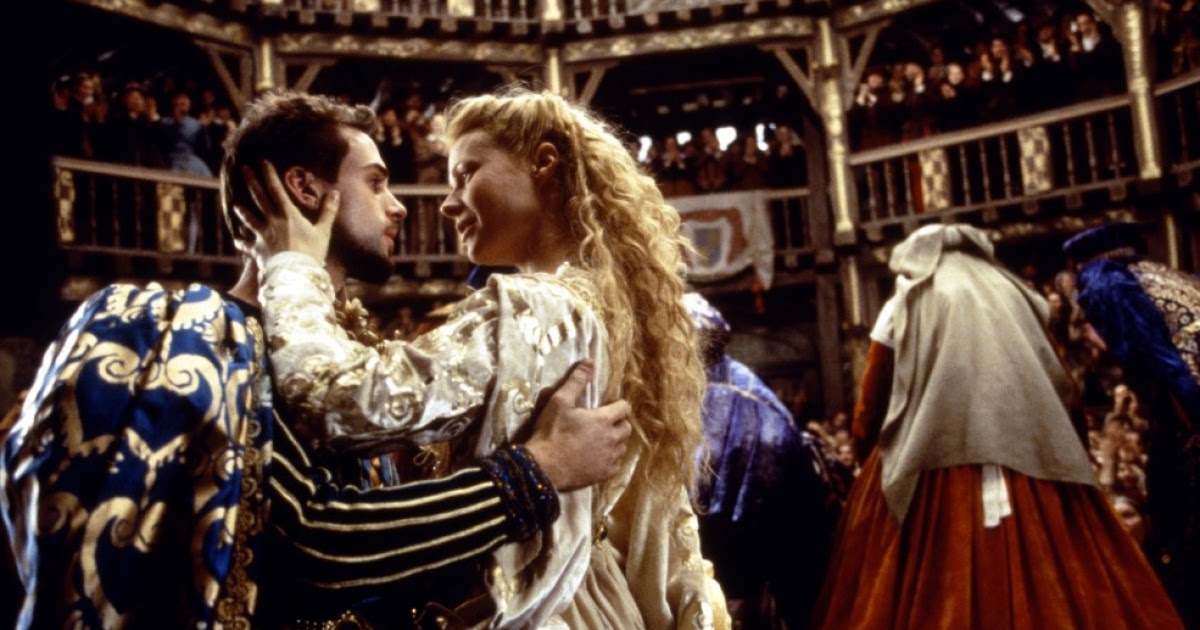
3. **Shakespeare in Love**The much-beloved romance “Shakespeare in Love” charmed audiences and critics alike, even bagging an Oscar for Best Picture. However, if you happen to be an academic specializing in Shakespeare or Renaissance history, you might have found yourself cringing through a litany of glaring errors. The film, while a delightful romantic comedy, takes liberties that stretch far beyond poetic license.
According to academics, “Nothing was accurate, from the props to the ways the characters talked.” This means that from the smallest details of daily life to the very language spoken, the film painted a picture that was more anachronistic than authentic. It was essentially “like the 1990s dating scene, except set in Elizabethan England,” a humorous but pointed criticism of its historical infidelity.
The film’s central premise, that the Bard wrote “Romeo and Juliet” after falling for an aspiring actress and finding a muse, is a romantic fantasy. While it makes for a captivating love story, it is “entirely made up.” Historians confirm “there’s no record of such a muse, and the plot of the play had been circulating for years before Shakespeare adapted it.” His genius was his adaptation, not necessarily a whirlwind, fictional romance.
Even a playful detail, like Shakespeare being seen writing a play called “Romeo and Ethel, the Pirate’s Daughter,” highlights the film’s fictional nature. While one might wish for such a masterpiece, it serves as a reminder that the movie prioritizes its charming narrative over any attempt at factual accuracy regarding Shakespeare’s life or creative process.
Read more about: Decoding Kelly Reilly’s Transformation: A Look at the ‘Yellowstone’ Star’s Journey and the Facts Behind Her Changing Appearance

4. **300**Zack Snyder’s visually stunning action film, “300,” is based on the legendary battle that took place in 480 BC between the Spartans and the massive Persian army. It’s a movie celebrated for its stylized violence and heroic imagery, but it definitely belongs on our list of historically inaccurate blockbusters. While the core event is real, the details are heavily, and sometimes comically, fictionalized.
First off, the “300” in the title refers to the Spartan warriors, but historical records suggest there would have been significantly more warriors from Sparta present, “probably closer to 7,000” in total. And as for those chiseled physiques, the film showcases an abundance of six-pack abs and battle outfits designed to display them, leaving us to wonder “who knows if they actually had six-pack abs” in ancient Sparta, or if their attire was quite so revealing.
Then there’s the unforgettable portrayal of Xerxes, the real-life Persian king. In the film, he’s depicted as “a scantily clad giant god with a nose ring and covered in jewelry.” This over-the-top characterization makes for a formidable antagonist, but it’s a far cry from reality. Historical records imply “the ruler dressed in clothes and was human,” not an “8-foot-tall God” as the movie would have you believe.
While acknowledging that “300 is supposed to be a fictionalized version of history,” the extent of these changes transforms key figures and events into mythological caricatures. It’s an entertaining spectacle, but one where the history is definitely taking a back seat to the special effects and dramatic flair, turning historical figures into larger-than-life comic book characters.
Read more about: Buyer’s Remorse Hall of Fame: 12 Automotive Mistakes That Make Owners Physically Cringe

5. **JFK**Oliver Stone’s epic, three-hour-and-26-minute film about the JFK assassination made over $200 million at the box office and was nominated for eight Oscars, including Best Picture. Stone famously claimed the film was based on “research” and even prompted pushes to have classified files about the assassination released. However, despite its cinematic impact and political influence, many of the scenes in “JFK” are, quite frankly, “completely made up.”
One striking example of this cinematic fabrication involves a crucial witness. In the movie, this witness is murdered after confessing that he worked with the CIA, had a close relationship with Lee Harvey Oswald, and knew the identities of the real killers. This dramatic plot point fuels the conspiracy theories central to Stone’s narrative. Yet, “in real life, that same man was never found guilty and died of natural causes,” completely undermining the film’s portrayal.
This makes “JFK” a “tricky” film in terms of historical accuracy. The movie focuses on Jim Garrison’s (Kevin Costner) investigation into John Kennedy’s assassination, an investigation that has been “criticized as being mostly conspiracy theory.” Thus, while the movie is “actually pretty accurate to Garrison’s investigation,” it simultaneously makes it “both accurate and inaccurate,” a rare paradox.
Ultimately, Oliver Stone’s film “uses real names and places, but it fills the gaps with invented scenes and conspiracy.” The dramatic confession of David Ferrie, for instance, is described as “pure Hollywood.” Historians and even the Warren Commission called out the film for blurring the line between speculative storytelling and factual representation, presenting fiction as truth.
Read more about: Starbucks’ ‘Global Reset’ Unveils Key Cafe Closures: A Look at 12 Major State-Level Impacts on the 2024-2025 List.

6. **The Patriot**Mel Gibson’s revolutionary war drama, “The Patriot,” aims to tell a tale of family, vengeance, and the fight for freedom against British tyranny. While it certainly delivers on the drama, it is also “filled with a bunch of events that never took place,” making it a prime example of a film where historical accuracy is sacrificed for dramatic effect.
One of the “most glaring addition[s]” in the movie is a horrific scene where British troops lock civilians in a church and then set it on fire. This emotionally charged event is a powerful cinematic moment, but it is entirely a product of the scriptwriters’ imagination. Furthermore, Gibson’s character constantly accuses the “monstrous British troops of breaking the ‘rules of war,’ even though there weren’t any at the time,” creating an anachronistic moral framework.
The film also glosses over the brutal realities of slavery during the era. It “showed few slaves, and those it did represent were upbeat,” a stark contrast to the pervasive and inhumane institution that deeply shaped American society. Such selective portrayal whitewashes a critical aspect of the period’s history, presenting a sanitized version of events.
Even smaller, more intimate details are distorted. Heath Ledger’s character is sewn into a “bundling bag” so he can spend the night with his girlfriend without having , but this is an inaccurate depiction of the traditional practice; “it was typically the woman who wore the bag.” The film’s historical liberties were so extensive that “even Gibson himself called it ‘sheer fantasy,'” and the character is loosely based on Francis Marion, whose “real-life record was far more controversial” and was “no clean-cut hero.”
Read more about: 14 ’70s ‘Comedies’: The Decade’s Most Dramatic Flops and Vanishing Acts
7. **Argo**Ben Affleck’s “Argo” swept the Academy Awards, including Best Picture, for its thrilling true story of a fake movie production designed to rescue six Americans from Iran. It’s undoubtedly a “great movie” that masterfully builds suspense, but it also “wouldn’t win any history awards” for its factual accuracy. The film takes considerable liberties with the actual history, primarily to amplify the American role.
While the premise of a fake movie production as a cover is true, the film “completely downplays Canada’s involvement and help.” In reality, Canada played an absolutely crucial role, taking all the credit at the time to avoid any repercussions about CIA involvement. This significant contribution by America’s northern neighbor is largely minimized in the cinematic retelling, shifting the heroic spotlight.
“Most of the real action happened in the Canadian embassy.” Ambassador Ken Taylor and his team were instrumental, taking in the Americans, hiding them, and diligently working out the details for their safe return. As many people involved, “including President Jimmy Carter,” have stated, “the role of the Canadian government, especially Ambassador Ken Taylor, played by Victor Garber, was greatly diminished in the movie and that they deserve most of the credit.”
Moreover, the film ratchets up the tension with a nail-biting airport climax, featuring intense hijinks and last-minute saves. However, the real-life airport scene actually “went as smoothly as hoped,” meaning “most of the tense airport hijinks in the film’s climax never took place.” This highlights the film’s prioritization of cinematic drama and nationalistic narrative over the unvarnished historical truth, making for an exciting watch but a less accurate historical account.
Okay, are you ready for more mind-bending revelations? Because we’re not done yet! Get ready to unpack even more cinematic ventures that took a creative detour from the history books. We’re talking misrepresented timelines, questionable military details, and personal stories that got a serious Hollywood makeover. Grab your popcorn, but maybe keep a history textbook handy!
Read more about: Hit the Road! Relive Your Best Childhood Memories with 14 Legendary Family Wagons That Defined an Era
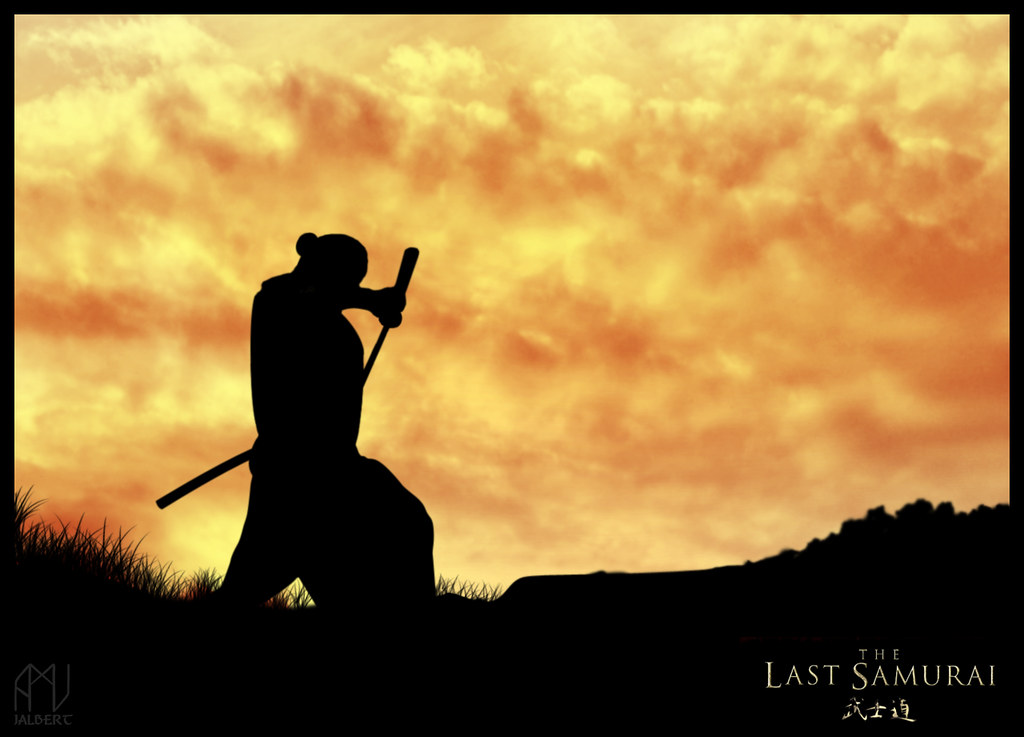
8. **The Last Samurai**Ah, “The Last Samurai”! Who doesn’t love Tom Cruise riding into battle against a backdrop of feudal Japan? This visually stunning action film transports us to Japan during the 1877 Satsuma Rebellion, focusing on the nation’s struggle with Westernization. It’s an epic tale of cultural clash and honor, but much like a samurai sword against a rifle, some of its historical details don’t quite hit the mark.
For starters, Tom Cruise’s character, Captain Nathan Algren, is completely fictional. There was no American Civil War veteran hanging around Japan to ‘help out’ during this period. The movie conjures up a compelling foreign hero, but in reality, the historical figures involved in this complex period were entirely Japanese, shaping their own destiny.
Then there are the ninjas. While undeniably cool, ninjas as we know them were no longer an active, organized force during this 1870s time period. And while the film features breathtaking sword fights, it conveniently downplays the fact that guns and rifles were very much in use at the time, playing a significant role in the actual conflicts. It’s a classic case of aesthetic over accuracy.
Read more about: Unsafe at Any Speed: The 12 Automotive Deathtraps That Reshaped Car Safety Forever
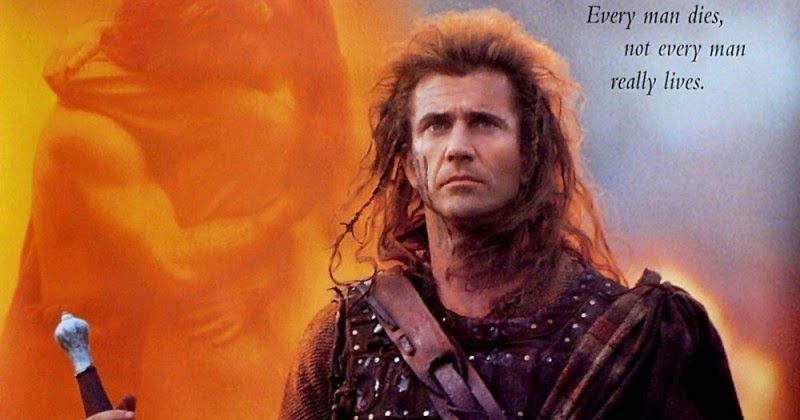
9. **Braveheart**Mel Gibson’s “Braveheart” is practically a legend in itself, beloved for its rousing speeches and epic battle sequences depicting late 13th- and early 14th-century Scottish rebellions against English rule. It’s the kind of movie that makes you want to shout “Freedom!” from the rooftops, but if you’re a historian, you might be shouting something else entirely.
The film, which won Best Picture, is famous (or infamous) for its cavalier attitude toward historical facts. Take, for example, the iconic Battle of Stirling Bridge – a pivotal moment in Scottish history where William Wallace brilliantly used a narrow bridge to defeat a larger English army. In the movie? No bridge! Just a massive, chaotic melee on an open field. Talk about missing the point of the battle!
And let’s not forget the blue face paint. While incredibly striking, the Scots in Wallace’s time never actually used it; that was a tradition of the ancient Picts, centuries earlier. The film also depicts Wallace as being raised as a farmer, when historical records suggest he was born into the Scottish aristocracy. His entire motivation in the film – fighting the English because they killed his wife – is also likely a dramatic embellishment, as very little is actually known about the real William Wallace’s personal life or what truly sparked his rebellion. It’s a great story, but definitely more Gibson than historical record.
Read more about: Full Of Masculinity: 15 Must-See Movies That Will Seriously Level Up Your Guy Code
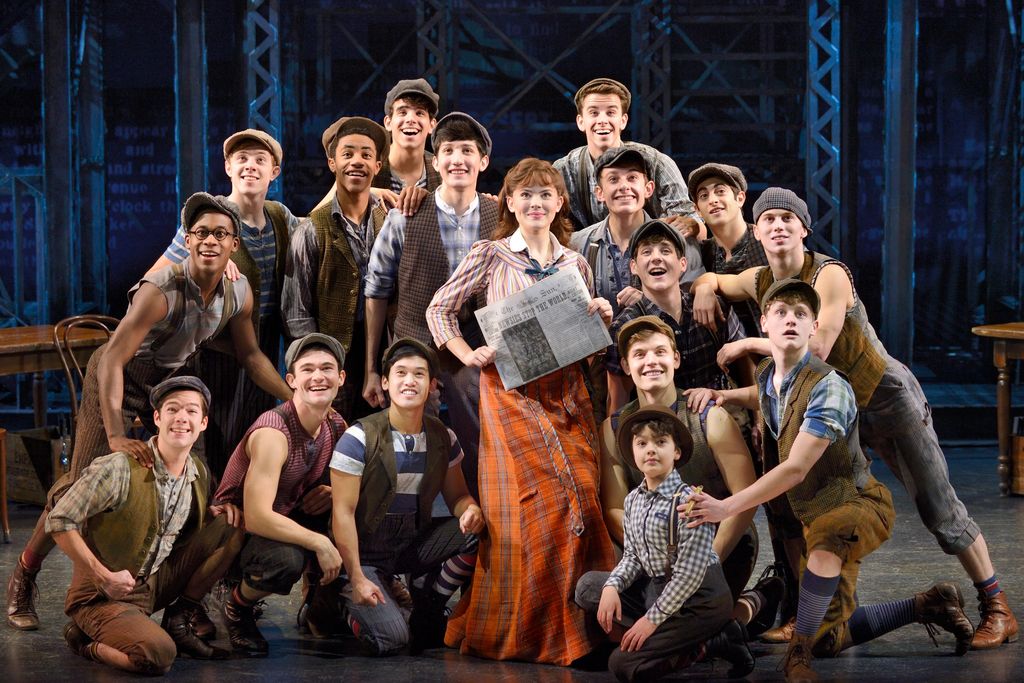
10. **Newsies**Disney’s 1992 musical “Newsies,” starring a young Christian Bale, introduced many to the true story of the Newsboys strike of 1899. It’s a high-energy, feel-good film about young, spirited newspaper sellers fighting against powerful publishers. It’s certainly got heart, and a catchy soundtrack, but let’s be real, it’s a musical—and that comes with some built-in creative licenses!
While the film is based on a real event – newsboys striking to protest increased profits for newspaper bigwigs – those real-life newsboys weren’t, shall we say, prone to breaking into spontaneous song and dance routines in the streets. Imagine the headlines: “Newsboys Protest with Choreographed Numbers!” Probably not quite how it went down in Lower Manhattan.
The general events of the strike remain pretty accurate, but the characters themselves are often composites or entirely fictionalized for dramatic effect. For instance, the charismatic lead character, Jack Kelly, played by Bale, was actually based on a combination of several real strike leaders, rather than one specific individual. So, while the spirit of the strike is there, don’t expect a shot-for-shot documentary of 1899 child labor protests.
Read more about: Beyond the Brilliant: 14 Sci-Fi Masterpieces Marred by Just One Unforgettable Flaw
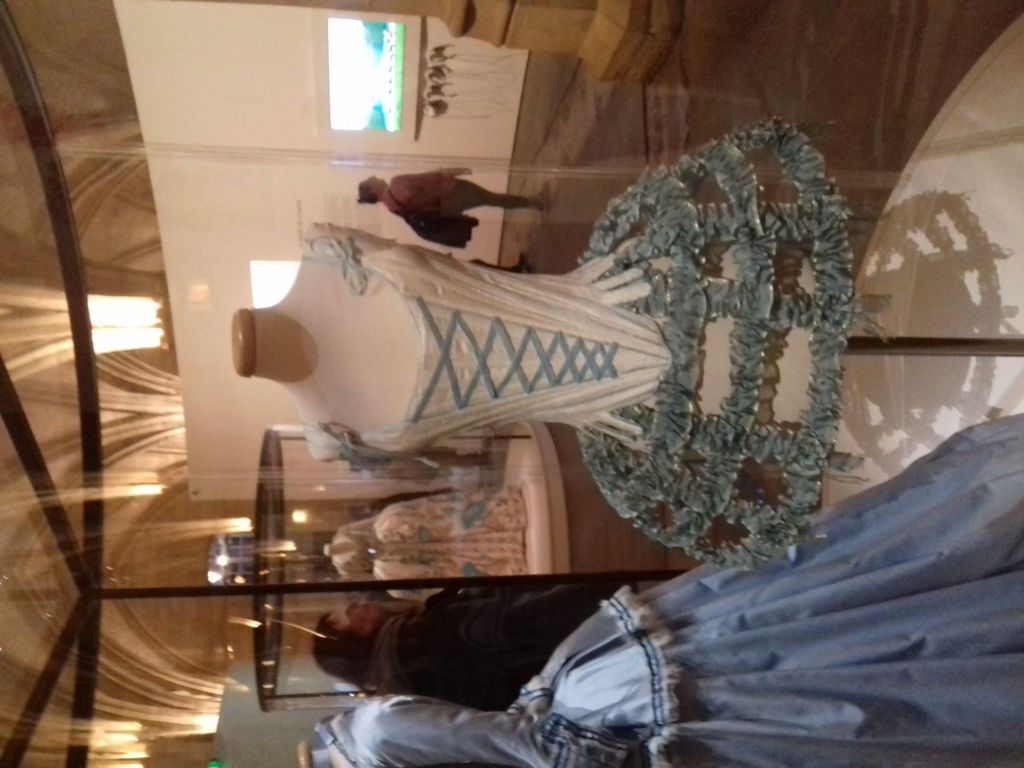
11. **Marie Antoinette**Sofia Coppola’s “Marie Antoinette” is an absolute feast for the eyes, all pastel cakes, lavish gowns, and a killer soundtrack. Kirsten Dunst’s portrayal of the famous French queen is undoubtedly iconic, capturing a certain youthful exuberance and rebellious spirit. However, for historians, this visual spectacle often overshadowed a few *minor* details – like, you know, accuracy!
Critics of the biopic argued that the film depicted Antoinette as a rather shallow teenager, obsessed with fashion and excess, almost entirely ignoring her political intelligence and savvy. The actual queen was a complex figure who navigated immense political pressures, something the film, with its focus on aesthetics and personal life, largely glossed over.
And that famous line, “Let them eat cake”? While attributed to her for centuries, historians largely agree she probably never actually said it. It’s a legendary quote, but firmly in the realm of historical myth. The film also rushes her romantic connection with her husband, King Louis XVI, even though in reality, their marriage reportedly wasn’t consummated for seven years. Talk about a slow burn!
Crucially, the movie pretty much skips over the escalating political turmoil and brewing unrest outside the opulent walls of Versailles. The film’s vibrant, dreamlike aesthetic creates an immersive experience, but it sometimes feels like a beautiful escape from the very real and dramatic historical context that defined Marie Antoinette’s reign and ultimate fate.
Read more about: From Spooky Kid to Unrecognizable Star: The Wild Journey of Pugsley from The ’90s Addams Family Movies!
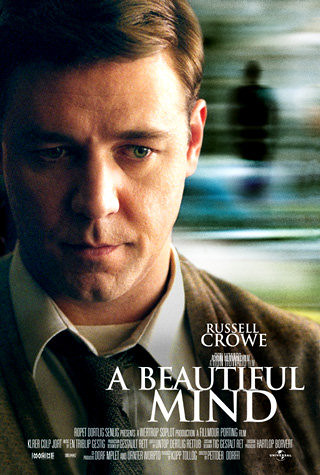
12. **A Beautiful Mind**Russell Crowe’s portrayal of the brilliant but troubled math genius John Nash in “A Beautiful Mind” earned the film an Oscar for Best Picture and widespread acclaim. It’s a powerful story about overcoming mental illness and achieving greatness. Yet, despite its emotional resonance, critics and historians pointed out that the biopic didn’t always accurately reflect the real man or the nuances of his mental health journey.
Nash was indeed diagnosed with schizophrenia, but the way it manifested in the film differed significantly from his actual experiences. The dramatic visual hallucinations used in the movie, while cinematically effective, don’t fully align with how his specific symptoms presented in real life. This simplification, while understandable for storytelling, can misrepresent the complex reality of mental illness.
Beyond the portrayal of his diagnosis, the film didn’t quite capture the complexities of Nash’s treatment or his personal life with complete accuracy. Many of the events depicted, particularly aspects of his social interactions and his professional environment at Bletchley Park (which, for the record, he wasn’t involved in like Turing), were either highly stylized or even fabricated. While the movie successfully conveyed a sense of his struggle and eventual triumph, it definitely took some artistic liberties with the biographical details.
Read more about: Sci-Fi Adventure Pick: 14 Visually Awesome Future World Movies to Transport Your Mind!
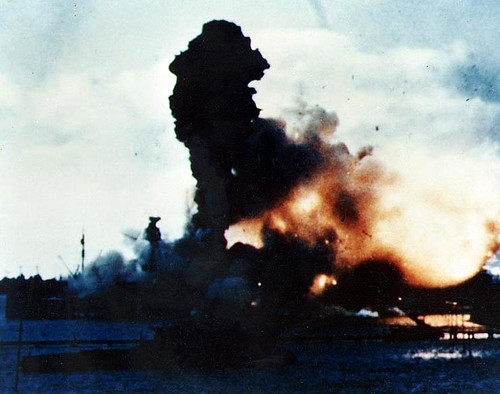
13. **Pearl Harbor**Michael Bay’s “Pearl Harbor” aimed for an epic, rousing, action-packed depiction of one of America’s most pivotal historical moments. With a star-studded cast and dramatic romance, it certainly delivered on spectacle. But when it came to history, well, let’s just say the experts found plenty to drive them crazy!
Perhaps one of the most glaring and controversial inaccuracies was the film’s depiction of Japanese pilots deliberately targeting hospitals during their bombing raids. Historians have long disputed this, pointing out that pilots actually avoided civilian targets. While one hospital was indeed hit, only one staff member died during the attack, making the film’s dramatic portrayal a significant distortion that survivors themselves found unnecessary and insulting.
The movie also heavily glossed over numerous other military details in favor of boosting its star power and romantic subplots. And let’s not forget the particularly baffling scene where Franklin D. Roosevelt, played by Jon Voight, dramatically climbs out of his wheelchair to prove that “impossible” things can happen. A powerful cinematic moment, perhaps, but entirely made up by the scriptwriters, far from the reality of FDR’s physical condition.
Furthermore, the movie introduced a fictional character who somehow managed to be in the Battle of Britain, at Pearl Harbor, *and* took part in the Doolittle Raid. While this makes for a busy, heroic character, it frankly diminishes the actual people who participated in each of those distinct, incredibly brave events. It’s a classic example of Hollywood taking liberties to create a grander, more marketable story, often at the expense of historical integrity.
Read more about: Tears and Turmoil: 14 Celebs Who Honestly Admitted Their Divorce Was Their Life’s Toughest Regret

14. **Anonymous**Okay, buckle up for this one because “Anonymous” dives headfirst into one of the most enduring and controversial literary conspiracy theories: the idea that William Shakespeare didn’t actually write his own plays. The film, directed by Roland Emmerich, posits that Edward de Vere, the 17th Earl of Oxford, was the true genius behind the Bard’s masterpieces, using Shakespeare as a mere frontman.
This premise alone is enough to send Shakespeare scholars into a furious debate, and let’s be honest, make them absolutely livid! The film’s central argument is that de Vere wrote the plays as a subtle way to exert political control over the masses, using the stage as a platform for his own coded messages. This is, to put it mildly, totally at odds with the established facts of Shakespeare’s life, career, and the general understanding of Elizabethan theater.
Historians widely acknowledge Shakespeare’s authorship, citing a wealth of evidence, and the idea of a nobleman using a commoner as a literary puppet for such elaborate political maneuvering is largely dismissed as speculative fiction. While the ‘authorship question’ is a topic of debate for some, the film’s dramatic, conspiratorial take pushes it far beyond credible historical theory, serving up a narrative that is pure cinematic intrigue rather than a factual account of literary history.
Read more about: The Gospel of Mark: An In-Depth Examination of its Historical Context, Authorship, and Enduring Influence
So there you have it! From ancient battles to modern political thrillers, Hollywood has never been shy about rewriting history for the sake of a good story. These films are often fantastic, engaging, and genuinely unforgettable. But as we’ve seen, that doesn’t always mean they’re giving us the full, unvarnished truth. It’s a fascinating dance between artistic freedom and historical responsibility, reminding us that while movies can transport us to another time, it’s always worth double-checking the map to make sure we’re still on the right historical road!