Every movie fan has at least one or two dozen iconic lines of dialogue seared into their cerebral cortex. One-liners, come-backs, zingers – all coming together to form a repertoire of phrases that thrill, inspire, and make us laugh. Great movie lines stick with us forever – even the misquoted movie lines.
Yeah – that’s right. As it turns out, the life of an iconic movie quote tends to play out much like the film industry’s version of broken telephone. A slight adjustment here, a word dropped there, until eventually a misquote vaguely resembling Frankenstein’s monster takes unshakeable hold over the collective cultural consciousness.
Don’t believe us? Prepare to have your mind absolutely blown as we dive deep into some of the most famous lines you’ve been butchering for years. We’re talking about the cinematic moments that became so iconic, we collectively decided to rewrite history. Sure, some of these are more egregious than others (we’re sticklers when it comes to tenses), but it’s still hilarious to see just how off-the-mark some of the most misquoted movie lines truly are. Let’s bust the myths around these silver screen moments, exposing how misheard lines took on lives of their own and became more legendary than the originals.

1. **The Empire Strikes Back: “Luke, I am your father.”**This is arguably the most famous misquote in movie history, a pop culture staple that has resonated across generations. The moment Darth Vader drops this bombshell is etched into the minds of pretty much everyone who’s ever seen a movie, or even just heard about movies. It’s the ultimate twist, the ultimate “OMG!” moment that changed everything we thought we knew about a galaxy far, far away. This particular revelation redefined familial ties in fiction and altered the saga’s entire trajectory.
But here’s the kicker: in *The Empire Strikes Back* (1980), Darth Vader never actually says, “Luke, I am your father.” Mind blown, right? The actual line, delivered with that iconic, heavy breathing, is simply “No, I am your father.” It’s a powerful, concise statement that packs an incredible punch, leaving audiences stunned by the sheer gravity of the disclosure.
The addition of “Luke” likely came from people retelling the scene outside of its cinematic context. When you’re explaining it to someone or quoting it in conversation, adding the name helps clarify exactly who Vader is addressing. It provides immediate context, making the misquote feel more complete and self-contained for casual retelling.
It makes total sense why the misquote stuck, though. The version with “Luke” is just inherently more dramatic and impactful in isolation. Without Luke’s name, the line can feel less direct when repeated outside the film. Over time, that slightly altered version became the one everyone remembered, even though it was never actually spoken on screen. It’s a powerful example of how a narrative’s impact can literally rewrite our memories of the dialogue itself, showing the enduring power of storytelling.
2. **Snow White and the Seven Dwarfs: “Mirror, mirror on the wall”**In a kingdom of enchantment and jealous queens, this iconic phrase is one that pops into almost everyone’s head when thinking of classic Disney. We can all picture the Evil Queen, standing before her magical looking glass, demanding answers about who truly reigns supreme in the beauty department. It’s a staple of childhood, a cornerstone of fairy tale lore, and the quintessential moment of vanity and envy.
However, prepare for another dose of truth serum! While the sentiment and scene are spot-on, the true incantation from Disney’s *Snow White and the Seven Dwarfs* (1937) is actually “Magic mirror on the wall, who is the fairest one of all?” The change from “magic” to “mirror” might seem small, but it has completely overtaken the original in public memory. Snopes.com confirms that the Evil Queen actually says, “Magic mirror on the wall.”
The reason for this mix-up is actually pretty simple: “Mirror, mirror” is just more rhythmic and memorable. It rolls off the tongue in a way that “Magic mirror” doesn’t, making it easier for audiences—especially children—to repeat and pass along. It has a poetic repetition that appeals to our ears, making it an instant classic for recollection.
This subtle alteration transforms a simple query into an almost mystical ritual, emphasizing the fairy tale’s otherworldly charm and the magical properties of the mirror itself. The misquote persists, symbolizing our collective memory’s whimsical nature and reminding us of the enchantment woven into classic tales. It highlights how the catchier version often wins out in the battle for cultural remembrance, even against the original script.

3. **The Silence of the Lambs: “Hello, Clarice”**If you’ve ever wanted to creep someone out with a single phrase, chances are you’ve tried your hand at a Hannibal Lecter impression, complete with a sinister “Hello, Clarice.” Anthony Hopkins’ chilling performance as the brilliant, terrifying Dr. Lecter in *The Silence of the Lambs* (1991) is legendary, and this line is often seen as the perfect encapsulation of his eerie charm and intellectual menace. It’s the greeting that signals impending psychological mind games, a predatory familiarity that sends shivers down your spine.
Yet, here’s another shocking revelation from Mental Floss: Hannibal Lecter never actually says this exact phrase in the film! When Clarice Starling first meets him, in one of cinema’s most unforgettable introductions, he simply says, “Good evening.” Later, he uses her name, and there are variations like “Well, Clarice,” but never that specific, iconic “Hello, Clarice” combination that has become so famous.
So, where did it come from? The false memory of “Hello, Clarice” may very well come from later parodies and impressions. Comedians and other media often simplify or exaggerate memorable character traits, and this phrase clearly emerged as a perfect, concise summary of Lecter’s unsettling way of addressing her. It’s a line that feels so intrinsically *him*.
The phrase just perfectly captures Lecter’s eerie calm and has become shorthand for his complex, unsettling relationship with Clarice, even though it doesn’t exist in the film’s actual dialogue. It’s a testament to how iconic a character can be that we invent lines for them that feel so perfectly *them*, demonstrating how cultural imitation can solidify a phantom quote in our minds.

4. **Casablanca: “Play it again, Sam”**Step into the smoky ambiance of Rick’s Café Américain, and you can practically hear Ilsa Lund’s wistful plea, “Play it again, Sam.” This line has become synonymous with lost love, longing, and the timeless romance of *Casablanca* (1942). It evokes images of Humphrey Bogart, Ingrid Bergman, and a piano player named Sam, pouring out his heart through the keys. It’s a piece of film folklore that feels utterly essential to the movie’s charm, capturing a universal sense of nostalgia and regret.
But guess what? Humphrey Bogart never actually utters the phrase “Play it again, Sam” in the movie! According to Corner of Film, the real line is a bit more specific and emotionally charged. Ingrid Bergman’s character, Ilsa, is the one who first asks Sam to play it, saying, “Play it, Sam. Play ‘As Time Goes By’.” Bogart’s Rick later enters the scene and says, “You played it for her, you can play it for me… If she can stand it, I can. Play it!” Notice, he also doesn’t say “again.”
The shorter, punchier misquote likely emerged because people naturally condensed the dialogue for convenience and memorability. It distills the emotional core of the scene into a highly repeatable snippet. This version became so ingrained in popular culture that it even inspired the title of Woody Allen’s 1969 play *Play It Again, Sam*, showing its significant cultural impact.
Ironically, this misquote may now be more famous and recognizable than the actual lines from the movie itself, showcasing how the essence of a scene can transcend its precise wording and become a cultural touchstone. It perfectly captures the longing to relive a moment, a sentiment that resonates deeply with audiences even if the specific words are slightly off.
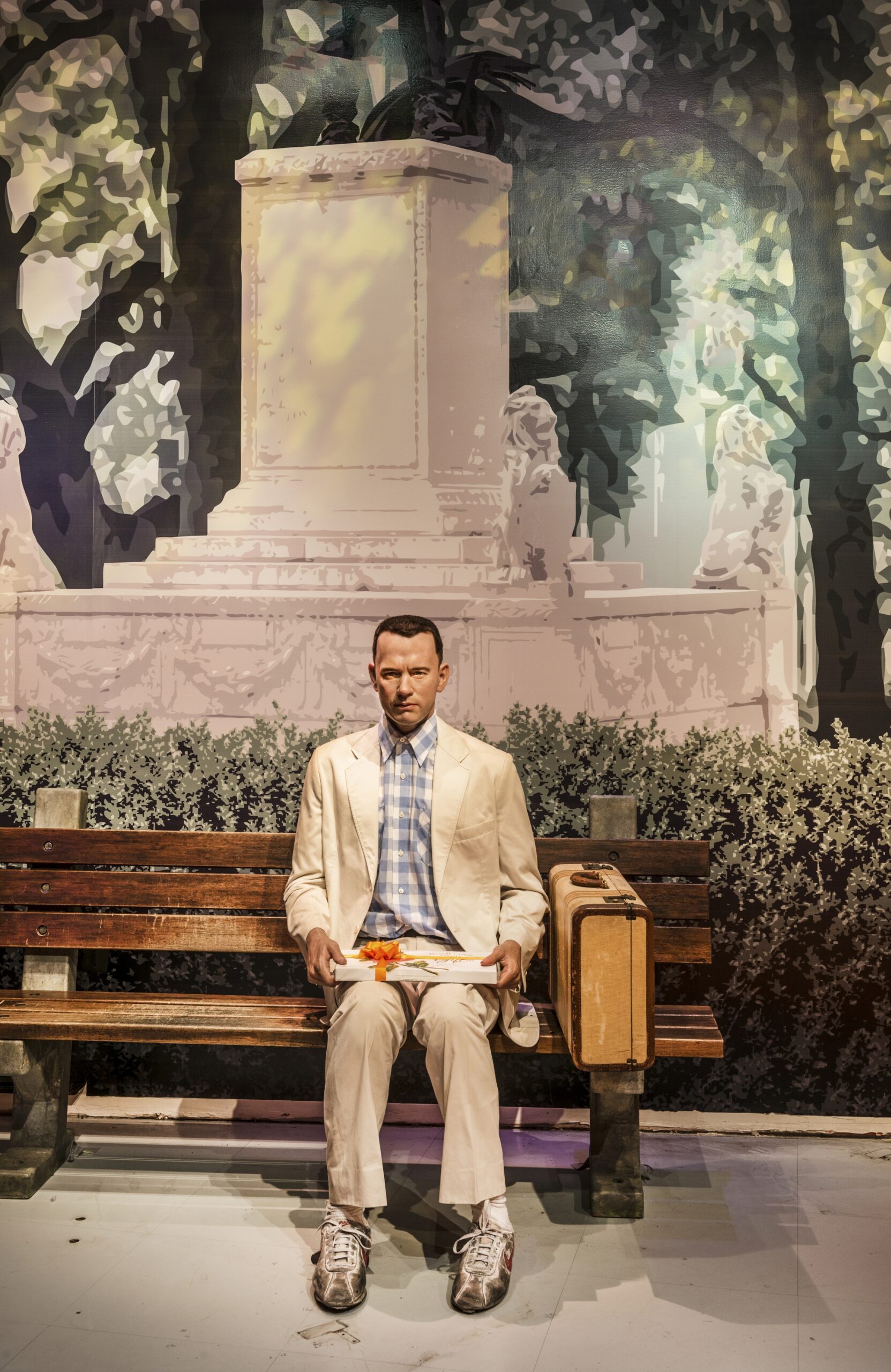
5. **Forrest Gump: “Life is like a box of chocolates”**”My mama always said, ‘Life is like a box of chocolates.'” This heartwarming, philosophical gem from *Forrest Gump* (1994) has been quoted countless times, used in greeting cards, and shared as a nugget of wisdom about the unpredictable nature of existence. It’s a line that perfectly encapsulates the gentle, profound spirit of Tom Hanks’ iconic character and his mother’s simple yet deeply resonant teachings. It’s a universal truth wrapped in a folksy metaphor that instantly clicks with people.
However, as pointed out by Forbes, Tom Hanks’ character doesn’t *quite* say, “Life is like a box of chocolates.” The actual line is, “My mama always said life *was* like a box of chocolates. You never know what you’re gonna get.” The difference lies in the tense—“was” instead of “is.” It’s a subtle distinction, but it actually changes the implication of the statement from a timeless present-day observation to a recounting of a past lesson.
The misquote became popular because “life *is* like a box of chocolates” feels more immediate, more timeless, and like a universal philosophical truth applicable right now. It removes the layer of Forrest quoting his mother and makes it his own direct observation of the world. This makes it easier to use in various contexts without needing the full setup.
The original, however, with “was,” directly reflects Forrest quoting his mother, grounding it in his personal story and memory rather than presenting it as a general, ongoing statement about the present moment. This little shift transforms a personal remembrance into a universal adage, showing how easily a powerful quote can be slightly altered to fit a broader, more immediate, and more generalized context, making it incredibly adaptable for everyday wisdom.
6. **Dirty Harry: “Do you feel lucky, punk?”**When you think of Clint Eastwood’s Dirty Harry, you probably picture him staring down a perp, revolver aimed, delivering that iconic challenge: “Do you feel lucky, punk?” It’s a line that oozes cool, menace, and a stark sense of justice, embodying the gritty, no-nonsense attitude of the ultimate police detective. This phrase has become shorthand for calling someone’s bluff and has been imitated and referenced endlessly in pop culture.
But let’s get down to the gritty truth. As highlighted by Film Cred, the real line from *Dirty Harry* (1971) is actually much longer and more intense, a true monologue that builds to its punch. Clint Eastwood’s full delivery is: “I know what you’re thinkin’. ‘Did he fire six shots or only five?’ Well, to tell you the truth, in all this excitement, I’ve kinda lost track myself. But being as this is a .44 Magnum, the most powerful handgun in the world, and would blow your head clean off, you’ve got to ask yourself one question: ‘Do I feel lucky?’ Well, do ya, punk?”
The common misquote ruthlessly trims away all that masterful setup, leaving only the punch. It removes the internal dialogue Harry forces his target to confront, reducing it to a more direct, simplified taunt. The monologue itself establishes the high stakes and Harry’s cold, calculating nature, making the question far more potent.
The misquote works better as a quick, sharp taunt or reference, which is undoubtedly why it’s survived and thrived in pop culture. Still, the original line is far more nuanced, capturing Harry Callahan’s intimidating calm and philosophical approach to dispensing justice just before the storm. It’s not just a challenge; it’s a moment of terrifying introspection forced upon his adversary, a chilling invitation to consider their own fate. This lengthy original dialogue provides rich character insight, which the shortened version, for all its iconic status, simply can’t convey.

7. **The Wizard of Oz: “Toto, I don’t think we’re in Kansas anymore”**Ah, the classic moment when Dorothy, after her house has landed in a magical, colorful, and utterly bizarre land, turns to her faithful canine companion and delivers a line that perfectly sums up being utterly out of your depth. “Toto, I don’t think we’re in Kansas anymore” is practically a universal phrase for finding yourself in an unfamiliar or surreal situation. It’s cheerful, a little bewildered, and totally relatable, making it an enduring part of our collective vocabulary.
But hold onto your ruby slippers, because Judy Garland’s Dorothy never actually says that exact phrase in *The Wizard of Oz* (1939)! According to Screen Rant, the actual line is, “Toto, I’ve a feeling we’re not in Kansas anymore.” It’s a subtle difference, but one that shifts the tone ever so slightly. The original phrasing emphasizes Dorothy’s internal observation and feeling, a gentle recognition of the profound change in her circumstances.
The misquote, by contrast, softens the phrasing into something more conversational, a direct declaration rather than an observation of a feeling. It’s more definitive and perhaps easier to internalize as a general statement of disorientation. This minor alteration seems to have made it even more accessible for everyday use when someone finds themselves in a bewildering new environment.
The altered version stuck because “I don’t think we’re in Kansas anymore” feels like something anyone might say when encountering the truly unexpected, whether it’s a bizarre office meeting or a surprise party. It has since become a universal expression for being out of one’s comfort zone, completely overshadowing the original line from the film. It’s a prime example of how a line can evolve in the collective memory to become even *more* universally applicable than its initial cinematic context, making it a perfect fit for our everyday bewildered moments, allowing it to transcend its cinematic origins.
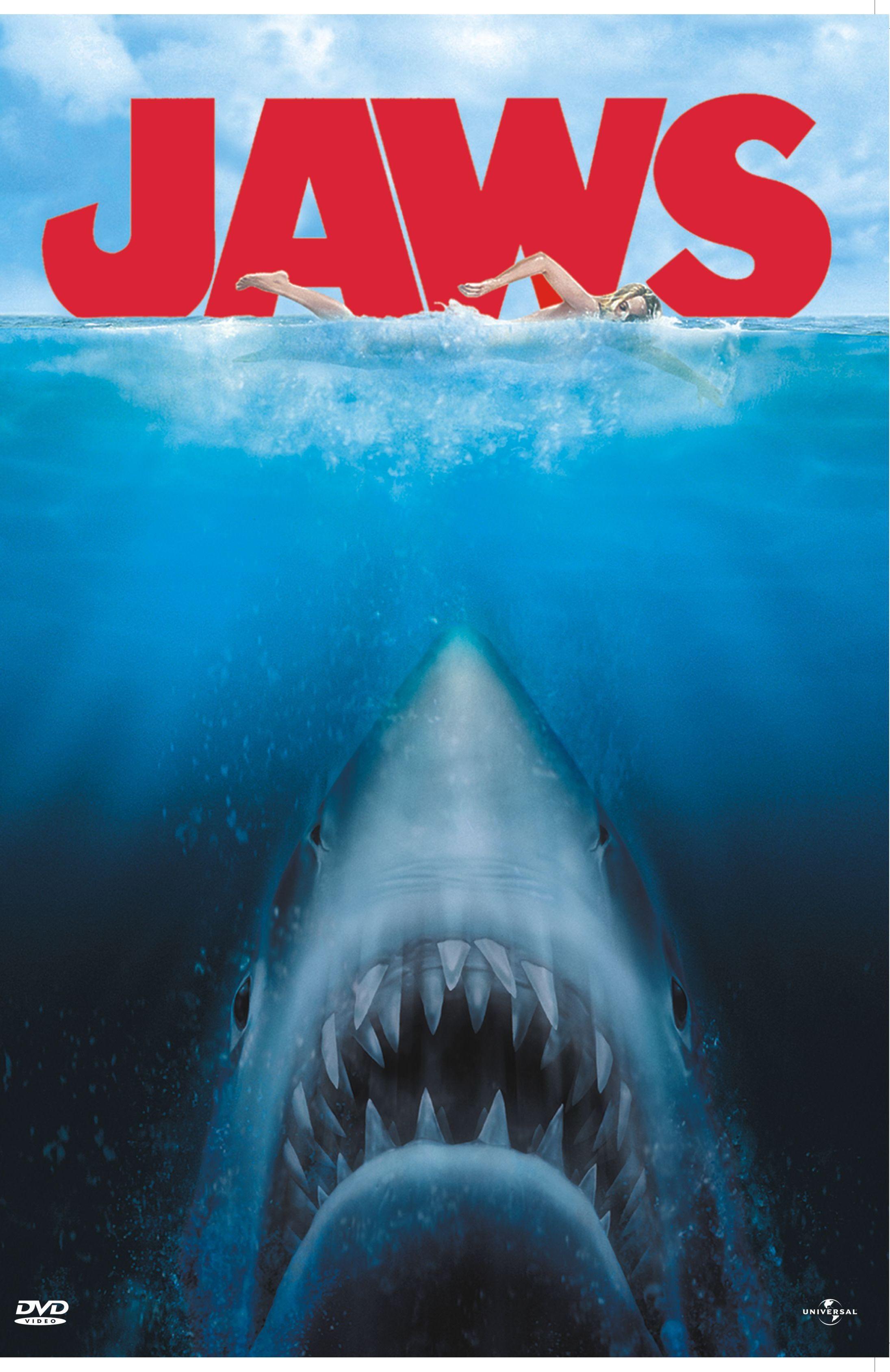
8. **Jaws: “We’re gonna need a bigger boat”**This line from *Jaws* (1975) is practically a primal scream of cinematic dread, perfectly capturing the moment of horrifying realization when Chief Brody first truly grasps the monstrous size of their underwater foe. It’s not just a statement; it’s a gut feeling, a desperate plea, and a universal signifier for when a situation has escalated far beyond initial expectations. We’ve all used it when faced with an unexpectedly massive challenge, haven’t we? It perfectly embodies that sudden, sinking feeling of being completely outmatched.
Here’s where the reel of reality rewinds a bit. While the sentiment is spot-on, the exact words we so often repeat are a tad off. According to Film School, the actual line Chief Brody says when he sees the shark is, “You’re gonna need a bigger boat.” The crucial difference lies in the pronoun: “you’re” instead of “we’re.” This subtle shift in dialogue actually changes the implication quite a lot, making it a direct statement to Quint, the grizzled shark hunter, rather than a shared realization among the crew.
So, why did “we’re” muscle its way in? The misquote likely stuck because “we” feels more inclusive and dramatic, instantly pulling the audience into the shared predicament. It makes the danger feel more universal and immediate for the entire group, fitting the high-stakes moment when the colossal shark first makes its terrifying appearance. It turns a specific directive into a collective expression of awe and fear, which resonates more broadly.
This small tweak reshaped one of cinema’s most famous lines, transforming a command into a shared understanding of impending doom. It highlights how our collective memory can subtly alter dialogue to enhance the emotional impact and relatability, making it a more powerful, albeit inaccurate, cultural touchstone. It’s a testament to how even minor word changes can profoundly influence how we remember and recount cinematic history.
9. **Star Trek: “Beam me up, Scotty”**Even if you’ve never journeyed through the final frontier, you’ve almost certainly heard, or probably even said, “Beam me up, Scotty!” It’s the ultimate shorthand for needing a quick escape, a magical teleportation out of a sticky situation. This phrase is so deeply embedded in pop culture that it’s practically synonymous with *Star Trek* itself, conjuring images of Captain Kirk, a futuristic communicator, and the iconic voice of engineer Montgomery Scott. It’s the go-to phrase for science fiction enthusiasts and casual viewers alike, capturing the essence of instant transport.
But here’s a mind-bending revelation that might just make you question everything you thought you knew about the Enterprise: Captain Kirk never actually says that exact phrase in the original series! It’s true. While variations like “Scotty, beam us up,” “Beam us up, Scotty,” or simply “Beam me up” do appear, that precise, universally recognized sequence of words, “Beam me up, Scotty,” is nowhere to be found in the actual dialogue. Talk about a major plot twist for your memory banks!
So, how did this phantom line become such an undeniable part of *Star Trek* lore? The streamlined version became iconic because it’s short, incredibly catchy, and instantly recognizable. It distills the complex idea of teleportation into a perfectly concise and repeatable command, making it incredibly easy for fans and parodists alike to adopt and spread. It’s the ultimate example of a line that felt so right for the character and context, that it essentially wrote itself into the cultural script.
This legendary misquote perfectly encapsulates the enduring appeal of the *Star Trek* universe and its profound influence on language. It’s a powerful reminder of how cultural phenomena can generate new phrases that become even more famous than the original script, cementing their place in our shared lexicon despite never actually being uttered on screen. It’s proof that sometimes, the legend is more memorable than the fact!
10. **Apollo 13: “Houston, we have a problem”**Prepare for lift-off into another zone of cinematic myth-busting! The phrase “Houston, we have a problem” has soared into our collective consciousness as the quintessential signal for an unexpected, high-stakes emergency. It’s the line you hear when something has gone seriously, dramatically wrong, whether you’re talking about a space mission or just a bad day at the office. Tom Hanks delivered it with such calm intensity in *Apollo 13* (1995) that it forever etched itself into the annals of dramatic pronouncements. It’s a phrase that instantly conveys a sense of controlled crisis.
However, let’s bring it back to ground control for a second. In the film, Tom Hanks’ character, Jim Lovell, actually delivers the line as, “Houston, we’ve *had* a problem.” And even more accurately, the real-life astronaut Jack Swigert said, “Okay, Houston, we’ve *had* a problem here.” The subtle shift from the immediate “have” to the past tense “had” indicates that the issue had already occurred or was in progress at the time of communication, rather than being an unfolding present-tense event. It’s a small but significant detail.
So, why did the present tense version become the standard? The altered version, “Houston, we *have* a problem,” has since become a go-to phrase for signaling immediate trouble in everyday situations because it sounds more immediate, more pressing, and undeniably more dramatic. It removes the historical distance of the past tense, making the emergency feel like it’s happening *right now*, which has greater rhetorical punch for general usage.
Its adaptability, its punchiness, and its ability to perfectly capture the essence of an unfolding crisis helped the misquote outshine the original line from the film. It’s a fascinating example of how a slight modification can make a cinematic moment even more impactful and versatile for general communication, demonstrating the power of present-tense urgency in capturing attention and conveying immediate concern.
11. **General Wisdom: “Money is the root of all evil”**This next one isn’t tied to a single movie scene, but it’s a piece of wisdom that many attribute to films, ancient texts, or just plain common sense. “Money is the root of all evil” is a statement that has been quoted, debated, and referenced countless times throughout history, especially in stories where greed leads to ruin. It’s often used to explain corruption, betrayal, and the downfall of characters driven by avarice, becoming a moral touchstone for many cinematic narratives. It serves as a simple, powerful maxim against materialism.
Yet, here’s where a crucial detail often gets lost in translation. While the sentiment is often portrayed in films and seems to echo ancient wisdom, the actual, more precise phrase, especially if we look to its popular biblical origin, is, “The *love of* money is the root of all evil.” That little addition, “the love of,” changes everything, doesn’t it? It’s not money itself that’s inherently bad, but rather the unhealthy attachment and obsession with it that leads to destructive behavior.
Movies and popular culture, perhaps for brevity or dramatic effect, often shortened this profound statement, dropping “the love of.” By doing so, the phrase became more absolute, more accusatory, and undeniably punchier. It’s easier to deliver a powerful moral lesson or condemn a villain with a direct statement like “Money is the root of all evil,” making it a more effective soundbite in a script.
It’s no wonder that audiences remember the simpler, punchier version, even though it subtly strays from the original meaning and intent. This misquote highlights how complex philosophical or religious statements can be distilled and simplified for mass consumption, often losing their nuance in the process. It’s a powerful illustration of how storytelling can inadvertently reshape deep-seated beliefs, creating a more dramatic, albeit less precise, version of truth.

12. **Tarzan the Ape Man: “Me Tarzan, you Jane”**Swing into the jungle of another classic misquote! When you picture the iconic Tarzan, one of the first lines that probably leaps to mind is his supposedly simple, declarative introduction: “Me Tarzan, you Jane.” It’s become the go-to phrase to represent primal communication, a foundational moment in the relationship between the wild man and the civilized woman. This snippet of dialogue has been parodied, celebrated, and repeated so often that it feels utterly authentic to the character.
However, let’s peel back the layers of that jungle lore. In the early *Tarzan* films, particularly *Tarzan the Ape Man* (1932), the character never actually says that exact sequence of words. The dialogue is much more organic, showing Jane teaching Tarzan names through repetition. For example, Jane points to herself and says “Jane.” Tarzan repeats “Jane.” She points to him and asks “You?” He thumps his chest and says “Tarzan.” It’s an evolving, more nuanced language lesson.
So, if Tarzan didn’t say it, where did this famous line come from? The misquote was simplified and parodied in popular culture and later adaptations, leading to the creation of this iconic but entirely false line. It became a cultural shorthand that fit the stereotype of Tarzan’s broken English and perfectly summarized his nascent linguistic development and his unique relationship with Jane.
It’s a fascinating case where parody and cultural imitation completely overshadowed reality, embedding itself so deeply in public memory that it became more “real” than the original source material. This misquote demonstrates how characters can become so iconic that we collectively invent lines for them that perfectly capture their essence, even if those words were never actually spoken on screen.
13. **Dragnet: “Just the facts, ma’am”**Next up, let’s don our trench coats and dive into the world of hardboiled detective work! For generations, the stern and methodical Sergeant Joe Friday from the classic TV series *Dragnet* has been synonymous with the no-nonsense demand, “Just the facts, ma’am.” It’s the ultimate phrase for cutting through the fluff and getting straight to the point, a mantra for anyone seeking unvarnished truth. This line has become a staple of pop culture, often delivered in a deadpan, authoritative tone to highlight a desire for clarity.
But prepare for a shocking cross-examination of your memory! In reality, Sergeant Joe Friday never actually used this exact phrase in *Dragnet*. While he was certainly all about the facts and used variations to convey this sentiment, the precise wording “Just the facts, ma’am” isn’t found in the original series’ dialogue. What he actually said was closer to phrases like, “All we want are the facts,” or “All we know are the facts,” or the famously succinct, “My name’s Friday. I’m a cop. These are the facts.”
So, if it wasn’t in the show, how did it become so famous? The misquote became popular primarily through comedic impersonations and parodies, most notably on shows like *The Stan Freberg Show* in the 1950s. Comedians often simplify and exaggerate character traits for humorous effect, and this phrase perfectly encapsulated Friday’s unyielding pursuit of objective information in a short, memorable snippet.
Over time, this simplified, punchier version became the line most people associated with the character, completely overriding the actual dialogue from the show. It’s a prime example of how satire and cultural imitation can create a “new” iconic line that takes on a life of its own, becoming more celebrated and remembered than the original script. It shows just how powerful and pervasive comedic interpretations can be in shaping our collective memory of beloved characters.

14. **The Treasure of the Sierra Madre: “Badges? We don’t need no stinkin’ badges!”**Hold onto your sombreros, because we’re about to confront a truly legendary misquote from the classic Western, *The Treasure of the Sierra Madre* (1948)! This line, “Badges? We don’t need no stinkin’ badges!” is practically woven into the fabric of cinematic history. It’s the ultimate defiant retort, a declaration of outlaw independence, and a phrase that’s been quoted and parodied endlessly, instantly bringing to mind a dusty, standoffish confrontation. It’s pure, unadulterated cinematic gold for embodying a rebellious spirit.
However, let’s dig a little deeper into that gold mine of dialogue. While the sentiment is absolutely there, the actual line delivered by the bandit Gold Hat is much longer and even more emphatic. What he truly says is: “Badges? We ain’t got no badges! We don’t need no badges! I don’t have to show you any stinkin’ badges!” That’s a whole lot more “no badges” than we usually remember, isn’t it? The extended monologue builds the tension and reveals a deeper, more agitated refusal.
So, why did the shorter version take hold? The longer line was trimmed down in pop culture, parodies, and comedic sketches to the more concise, punchy version we all know. It’s simply easier to repeat, more memorable, and perfectly encapsulates the defiance in a quick, digestible soundbite. The shortened misquote works far better as a punchy, repeatable catchphrase, shedding the slightly more cumbersome full dialogue.
It has since appeared in countless parodies, from *The Simpsons* to countless other shows and movies, cementing its place as one of the most enduring misremembered lines in film history. This classic misquote illustrates how a line’s essence can be distilled and amplified through repetition and comedic imitation, creating a more potent cultural artifact than the original, lengthier dialogue. It’s a gold-star example of cultural evolution in action!
So, there you have it, fellow movie buffs! Our deep dive into the most famously misquoted movie lines has peeled back the layers of collective memory, revealing the subtle (and sometimes not-so-subtle) ways our brains and pop culture conspire to rewrite cinematic history. From the depths of space to the dusty plains of the Old West, these beloved phrases have evolved, often becoming even more iconic in their altered forms. It just goes to show that while the silver screen gives us the words, it’s our shared experience and endless retellings that truly shape their legend. Keep watching, keep quoting, and maybe, just maybe, double-check your favorite lines every now and then – you might just surprise yourself!