

In the vast universe of cinema, some films are designed not just to be watched, but to be experienced, pondered, and ultimately, revisited. These aren’t your everyday blockbusters or straightforward dramas; they are cinematic puzzles, elaborate tapestries woven with subtle clues, shifting perspectives, and narratives that refuse to lay all their cards on the table in a single sitting. For the dedicated film enthusiast, there’s an immense satisfaction in peeling back these narrative layers, in discovering the hidden gears and mechanisms that make a truly complex story tick.
These are the movies that linger in your mind long after the credits roll, prompting late-night discussions, frantic online searches for explanations, and an undeniable urge to press play again, armed with newfound knowledge. It’s on this second viewing that the true artistry often shines through, transforming initial confusion into profound understanding, and turning what felt like a disorienting ride into a meticulously crafted journey. We move beyond the surface, recognizing how every line of dialogue, every camera angle, and every seemingly innocuous detail contributes to a grander design.
From the abstract dreamscapes of David Lynch to the meticulously constructed paradoxes of Shane Carruth, these films challenge us to engage on a deeper intellectual and emotional level. They reward patience and curiosity, promising a richer, more comprehensive appreciation of the filmmaker’s vision. Join us as we dive into the first five of these extraordinary cinematic works that truly demand to be watched at least twice, transforming your viewing experience from passive observation to active investigation.
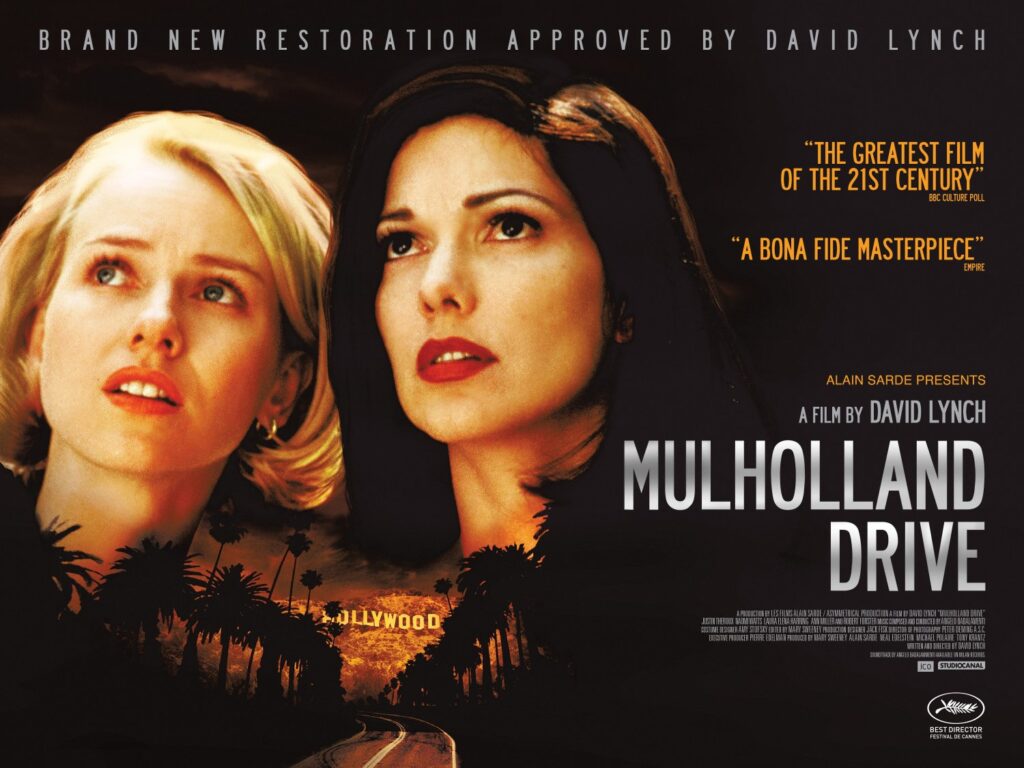
1. **Mulholland Drive (David Lynch, 2001)**David Lynch is a filmmaker who has truly mastered the art of mining cinematic artistry from the abstract, and `Mulholland Drive` stands as arguably his masterpiece in this regard. An initial watch often leaves audiences in a state of dreamlike bewilderment, as the narrative takes frequent erratic tangents, drawing viewers through the seedy underbelly of Los Angeles in a way that feels both mesmerizing and profoundly unsettling. Lynch expertly lulls us into a false sense of security, making us believe we’ve got things figured out, only to pull the rug out from under us with another surreal twist.
The beauty of revisiting `Mulholland Drive` lies in the ability to re-evaluate every scene, every character interaction, and every seemingly random detail. The story begins with an amnesiac woman and an aspiring actor in Los Angeles attempting to solve a mystery, only to later shift into a different arrangement of identities and relationships, completely altering the context of everything that came before. This deliberate structural choice is what makes repeat viewings not just beneficial, but essential to grasp the full emotional and thematic weight of the film.
On a second viewing, you can begin to meticulously match objects, names, and even actor performances across the film’s two distinct halves, revealing the intricate connections Lynch so cleverly obscured. Pay close attention to key locations, such as an apartment complex, a theater, and a diner, which repeat with altered contexts. The iconic Club Silencio scene, for instance, takes on a dramatically different meaning, reframing earlier moments of optimism and aspiration through a lens of stark, often brutal, reality. Faces, specific blue items, and recurring musical cues act as subtle signposts, helping you navigate which version of events a scene belongs to, enriching your understanding of the characters’ fractured psyches.
Lynch, in his typical fashion, has never been concerned with explicitly outlining the true meaning of `Mulholland Drive`, and perhaps it is much better off that way. This deliberate ambiguity means the film is many things to many people, and because he hasn’t dictated a single interpretation, infinite rewatches can theoretically provide an infinite number of perspectives. Each subsequent viewing is an opportunity to uncover new nuances, identify previously missed clues, and construct your own, ever-evolving understanding of this complex and captivating work.
Read more about: 14 Heart-Stopping Horror Moments Where the Cast’s Pure Terror Was Unfiltered – Get Ready to Jump!
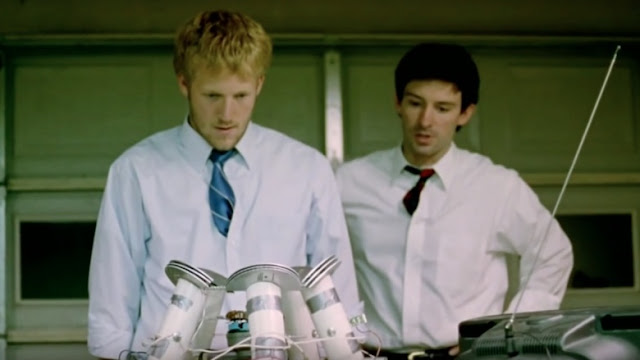
2. **Primer (Shane Carruth, 2004)**Made for a remarkably thrifty $7,000, Shane Carruth’s `Primer` is an astonishing feat of independent filmmaking and easily one of the densest sci-fi films ever conceived. Carruth, a former engineer and mathematics graduate, loaded the screenplay with technically accurate scientific jargon, seemingly disregarding the notion of holding the audience’s hand in favor of letting them figure it out themselves—or at least, try to. The initial viewing experience is often described as a mind-bending exercise, as the film plunges viewers into a complex set of overlapping timelines, filled with doubles and copies, all moving through the same day without clear visual markers.
The film revolves around two engineers who accidentally build a device that creates these overlapping timelines through a limited window of time. The dialogue is brisk, the explanations are dense, and the implications of their discovery unfold with a bewildering pace that can leave even the most attentive viewer scrambling for comprehension. Carruth’s genius lies in grounding such a complex concept within mundane settings, making the extraordinary feel terrifyingly plausible, even as it defies easy understanding. It’s a true testament to its ambition that it dares to challenge its audience so profoundly.
Rewatching `Primer` becomes less about passively following a story and more about actively charting a labyrinthine map of events. You’ll find yourself needing to meticulously track who is the ‘original’ in each scene, and which version of the characters holds critical recordings or information. Paying close attention to the number of time-travel devices in play, the precise length of each temporal loop, and the strategic use of noise-canceling headphones and failsafes becomes paramount. These seemingly small details are crucial breadcrumbs that help decode the escalating complexity of the narrative.
Small wardrobe choices and time stamps on notes, which might seem insignificant on a first pass, become vital clues on a repeat viewing, helping you accurately place scenes within their correct chronological and temporal order. `Primer` is paradoxical to a fault, a film where it’s not an understatement to suggest that even two viewings might not be enough to truly begin to comprehend its intricate design. Five, ten, or even twenty watches may still not reveal every secret, but that, as Carruth intended from the very beginning, is precisely its enduring appeal—it continually rewards careful study and deep analysis.
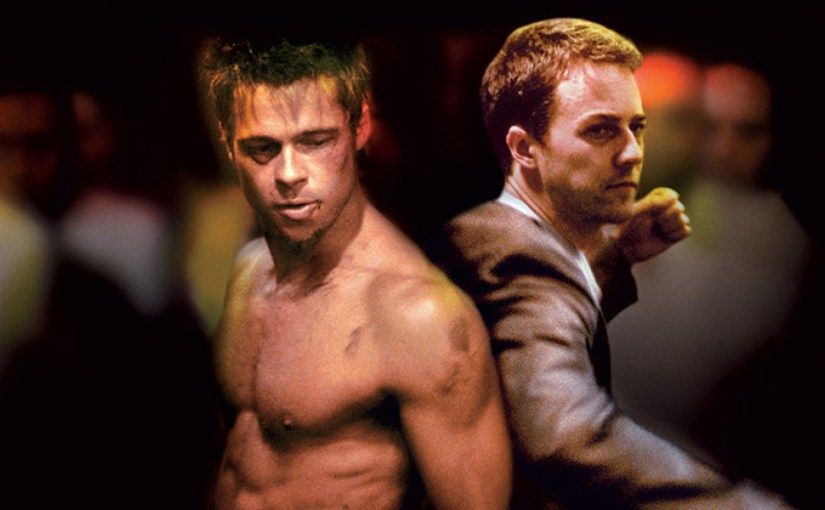
3. **Fight Club (David Fincher, 1999)**`Fight Club` is a film that has, curiously, been misinterpreted by many upon its initial release, despite director David Fincher never being shy about the targets he was aiming at. The first viewing is often dominated by the sheer spectacle of its anti-establishment ethos, its scathing critiques of consumerism, corporate America, and toxic masculinity, presented as a thrilling, two-handed narrative. The revelation that Brad Pitt’s Tyler Durden and Edward Norton’s unnamed narrator are, in fact, one and the same, was a twist that famously blindsided audiences everywhere, cementing the film’s reputation as a genre-bending classic.
However, the true magic of `Fight Club` unfurls on a second viewing, where the entire film transforms into what feels like a completely different cinematic experience. Once armed with the knowledge of the central twist, the film sheds its initial guise as an explosive buddy thriller and reveals itself to be a profound and deeply unsettling existential character study. Every interaction, every fight, every act of rebellion by Tyler Durden is recontextualized through the lens of a single man’s desperate struggle to find his place in a world he perceives as suffocatingly artificial and meaningless.
This second watch allows for a meticulous re-examination of the narrator’s state of mind, observing the subtle, and not-so-subtle, clues that hint at his fractured psyche. You begin to notice the moments where Tyler Durden’s presence is subtly implied but visually absent to anyone but the narrator, or how certain lines of dialogue, when delivered, take on a chilling new significance. The film becomes a powerful exploration of cultural and societal malaise, manifesting itself in the vivid, charismatic, and ultimately destructive persona of Tyler Durden—the man the narrator always wanted to be but didn’t believe he could embody without breaking from reality.
Revisiting `Fight Club` elevates it from a mere twist-heavy thriller to a searing commentary on identity, mental health, and the pressures of modern life. It forces you to confront the film not just as an external critique of society, but as an internal journey into one man’s psyche. The brilliance of Fincher and writer Jim Uhls is in creating a narrative that functions perfectly on both levels, providing a visceral, thought-provoking experience on the first viewing, and an even deeper, more resonant one once the veil of the twist has been lifted, revealing its true, haunting heart.
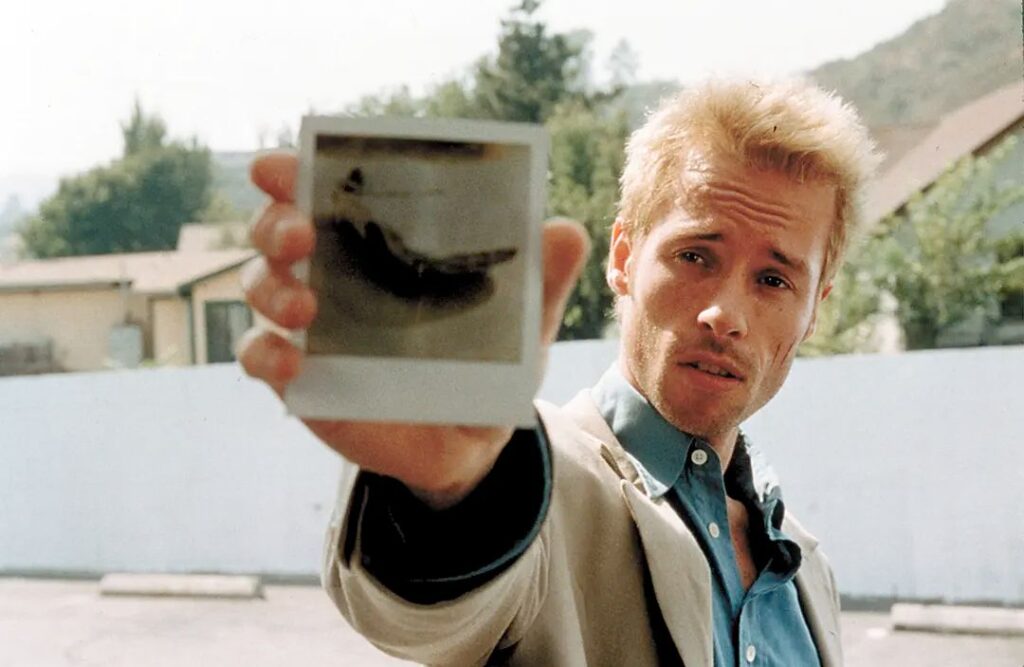
4. **Memento (Christopher Nolan, 2000)**Christopher Nolan has always been a filmmaker who trusts his audience, rarely feeling the need to overexplain or oversimplify complex narrative ideas. With `Memento`, however, he pushed this approach to its most extreme, creating a film that deliberately challenges conventional storytelling. The movie’s ambitious narrative tricks, primarily its reverse-chronological color scenes interwoven with forward-moving black and white segments, can make a first viewing a disorienting, albeit thrilling, experience. The brisk pace and Nolan’s refusal to get into specifics at times can leave viewers feeling adrift, constantly trying to piece together a fragmented puzzle.
The core conceit of `Memento` centers on a lead character afflicted with anterograde amnesia, a condition that prevents him from forming new memories. To track facts and aid his relentless quest for vengeance, he relies on a system of instant photos, detailed notes, and crucial tattoos covering his body. On a first watch, the audience is deliberately placed in a similar state of confusion as the protagonist, experiencing events without a clear chronological framework, making it incredibly difficult to discern the true sequence of happenings or the reliability of the information presented.
A second viewing of `Memento` is where the film truly comes alive and, arguably, becomes a much superior experience. While knowing the narrative’s ins and outs might take away some of its immediate suspense, it grants you the clarity needed to meticulously line up the clues. You can now pay close attention to the specific wording on each tattoo, the details on every photograph, and the nuances of the phone calls. Critically, you can analyze the differences in handwriting and trace how names and license plates move between scenes, revealing the manipulative threads that bind the plot.
This rewatch allows you to trace precisely who fed what information to whom, and more importantly, *why* that information mattered within the broader scheme of deception and self-deception. It provides the intellectual satisfaction of seeing the full, intricate clockwork of Nolan’s screenplay in motion, rather than just glimpsing its disjointed parts. If even Nolan himself had to write down the complex timeline to clarify it for himself, as legend suggests, then it’s clear that one viewing was never intended to be enough to fully grasp the genius layered within `Memento`.

5. **2001: A Space Odyssey (Stanley Kubrick, 1968)**For any self-proclaimed cinephile, deeming Stanley Kubrick’s seminal `2001: A Space Odyssey` as a one-and-done movie would be a significant oversight. This is a film that doesn’t just invite contemplation; it demands it. Upon first viewing, it’s an awe-inspiring spectacle of visual and conceptual grandeur, but also a deeply ambiguous journey that asks some of the biggest questions humanity has ever grappled with—questions about evolution, artificial intelligence, and our place in the cosmos. In many instances, the film has no interest in providing a concrete answer, leaving audiences to grapple with its profound mysteries.
The sheer audacity of `2001` lies in its willingness to eschew conventional narrative structures and explicit dialogue in favor of evocative imagery, mesmerizing soundscapes, and deliberate pacing. This can lead to an initial sense of bewilderment for viewers accustomed to more straightforward storytelling. However, it’s precisely this ambiguity that makes the film a masterpiece, a canvas onto which endless interpretations can be projected. Its brilliance is in its open-endedness, a challenge to the audience to actively engage with its philosophical core rather than passively consume a pre-digested plot.
It is through repeat viewings that `2001: A Space Odyssey` truly cements its status as an unparalleled masterpiece. The film can be seen one hundred times, and even on that centenary viewing, it continues to throw up new nuances, subtle details, or unexpected surprises that enrich your understanding and spark fresh intellectual inquiry. The seemingly simple transitions, the deliberate camera movements, the iconic classical score – all take on deeper significance once the initial shock and awe have settled, allowing for a more analytical and meditative experience.
More than half a century after its release, scholars and film enthusiasts alike continue to wade deep into its thought-provoking ambiguities, dissecting every frame, every sound, and every symbolic element. `2001` is almost the epitome of a movie that demands to be seen as many times as possible to even begin to gain a true handle on what it is, what it’s about, and what it’s trying to say. Each viewing is an intellectual expedition, uncovering new layers of meaning and reinforcing its timeless relevance as a cornerstone of science fiction and cinematic art.
Having delved into the initial masterpieces that compel us to press play again, we continue our journey through cinematic landscapes that offer even richer rewards on subsequent viewings. These next films are renowned for their intricate plot twists, hidden contextual clues, and profound thematic depths that only fully reveal themselves after a second, more informed watch, transforming mere observation into active investigation.
Read more about: Mind Blown! 14 Iconic Movies That Absolutely Reworked Everything We Know About Film (Wait Till You See Number 7!)
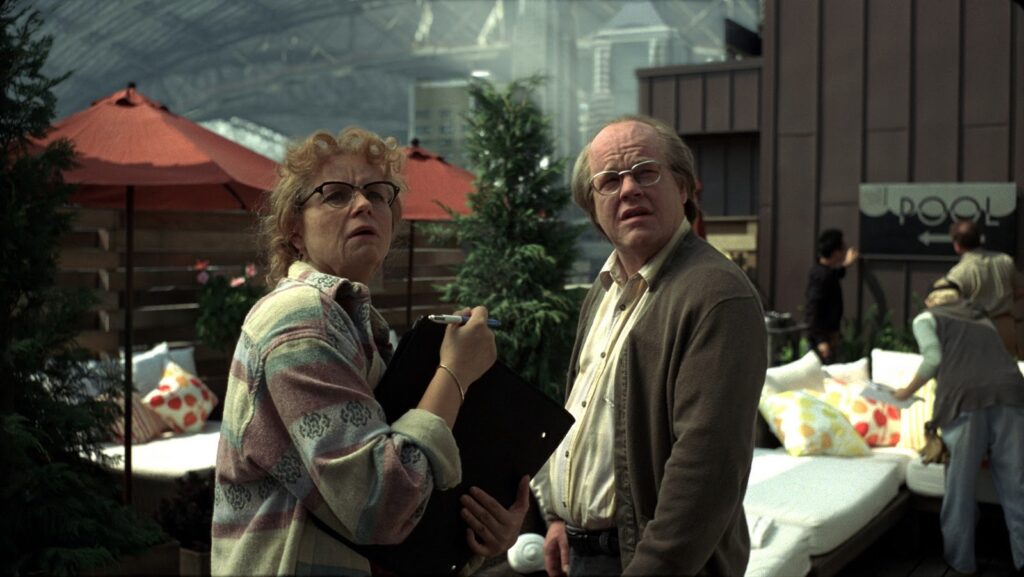
6. **Synecdoche, New York (Charlie Kaufman, 2008)**Charlie Kaufman has always been the maestro of the mind-bend, a filmmaker who delights in dissecting the human psyche through surreal and often bewildering narratives. His directorial debut, `Synecdoche, New York`, stands as a towering example of his unique artistry, even by his own standards. A challenging experience that gently, but firmly, works its way under the viewer’s skin, it’s a film that bravely eschews conventional storytelling in favor of a profoundly introspective, albeit opaque, exploration of existence.
Philip Seymour Hoffman delivers a towering performance as Caden Cotard, a theater director who becomes the audience’s surrogate, plunging both his cast and us into his increasingly surrealist worldview. His ambition to create a sprawling, life-sized replica of his life and the city around him morphs into an allegorical descent into the very nature of art, identity, and the relentless march of time. The film’s narrative is a labyrinth, constantly blurring the lines between reality and staged performance, making a first viewing a disorienting, yet strangely captivating, ride.
The true genius of `Synecdoche, New York` unfurls dramatically on a repeat viewing. Once the initial shock of its existential scope and narrative complexity subsides, viewers can begin to piece together the film’s meticulously constructed layers. The deliberate opaqueness, which might initially cause frustration, transforms into an invitation for deeper philosophical engagement, allowing for a more analytical and meditative appreciation of Kaufman’s daring vision.
Revisiting the film allows you to trace the subtle, almost imperceptible shifts in time and scale within Caden’s sprawling play-within-a-play. You start to understand the poignant connections between his real-life relationships and their mirrored representations on his stage, finding profound meaning in the seemingly mundane details and unexpected character transformations. This second watch isn’t just about comprehension; it’s about internalizing the film’s poignant meditation on mortality, legacy, and the inescapable loneliness of the artistic endeavor, filling in the gaps and making its unique idiosyncrasies all the more engrossing.
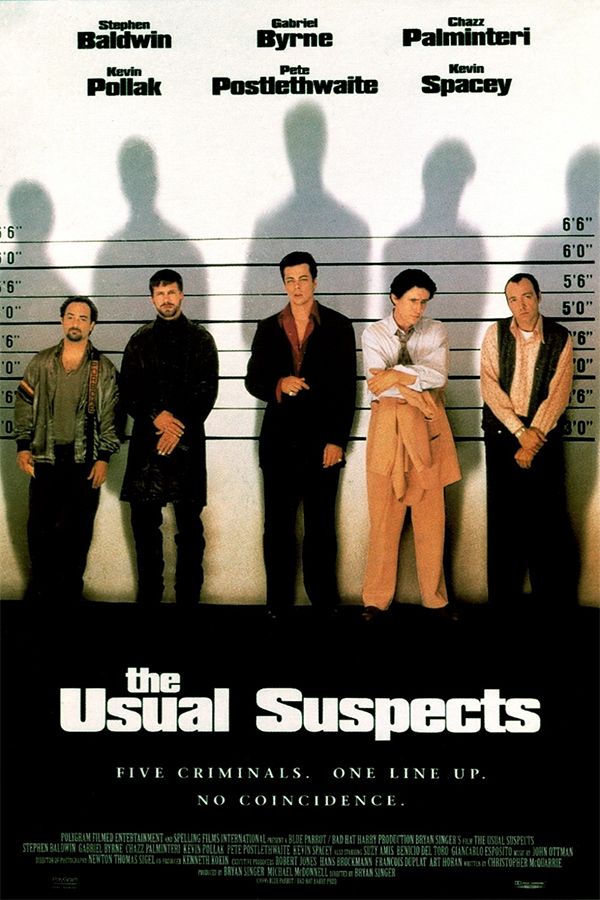
7. **The Usual Suspects (Bryan Singer, 1995)**A crime thriller that redefined the genre with its audacious narrative and iconic ending, `The Usual Suspects` is a film that quickly cemented its place in cinematic history. However, much like `The Sixth Sense`, its brilliance is amplified tenfold when revisited. The first viewing is a suspenseful ride, piecing together the events leading to a catastrophic boat explosion through the eyes of the enigmatic Verbal Kint, but the true artistry lies in how director Bryan Singer and screenwriter Christopher McQuarrie meticulously laid out their cards, leaving everything in plain sight.
McQuarrie’s Academy Award-winning screenplay is a masterclass in misdirection, building an elaborate house of cards that collapses with a single, unforgettable revelation. The film’s enduring appeal in the realm of “repeat viewings” comes from the sheer joy of knowing the twist and then observing how flawlessly it was executed. It shifts from a ‘whodunit’ to a ‘how’d-they-do-it’ as you scour every frame for the cleverly hidden clues.
Verbal Kint, portrayed by a mesmerizing Kevin Spacey, stands as one of cinema’s most unreliable narrators. His detailed, yet fabricated, account of the events and the mythical Keyser Söze is not just a story; it’s a meticulously crafted performance designed to misdirect the investigation. Every item in the police chief’s office, every seemingly inconsequential detail, becomes a crucial prop in Kint’s grand deception, making his interrogation a clinic in psychological manipulation.
On a second viewing, armed with the knowledge of Söze’s true identity, the film transforms into an engaging treasure hunt. You’ll find yourself keeping your “peepers peeled” for the specific names, places, and connections Kint references, realizing they are drawn directly from the objects and papers scattered around the room. This contextual relevance elevates the film beyond a simple twist-driven narrative, showcasing the sheer audacity and intelligence of its construction, making `The Usual Suspects` a testament to the power of a perfectly executed narrative deception.

8. **Enemy (Denis Villeneuve, 2013)**The second collaboration between director Denis Villeneuve and star Jake Gyllenhaal to hit screens in 2013, `Enemy` is a deeply unsettling and profoundly enigmatic psychological thriller that demands more than a single viewing. Far from the more straightforward tension of their other film, `Prisoners`, `Enemy` plunges viewers into an eerie, dreamlike atmosphere where the line between reality and hallucination is constantly blurred. Its deliberate obtuseness and refusal to provide easy answers are central to its lasting, haunting impact.
The film follows Adam Bell, a history professor who discovers he has an exact doppelgänger, an actor named Anthony Claire. This shocking discovery leads to a terrifying obsession and a descent into a labyrinthine narrative steeped in symbolism, particularly involving spiders, which are both visually present and thematically resonant throughout the film. Villeneuve masterfully utilizes suggestion and subtle visual cues, making the skin crawl through an atmosphere thick with dread and unspoken anxieties, rather than explicit horror.
A first viewing of `Enemy` can often leave audiences feeling disoriented and confused, struggling to reconcile the film’s quasi-realistic narrative with its abrupt, surreal, and ultimately shocking climax. The film intentionally withholds key information, forcing viewers into Adam’s fragmented state of mind, making the grand finale feel utterly out of the blue and challenging any conventional interpretation of the story that had unfolded. It’s a bold artistic choice that ensures the film lingers in the mind, prompting a burning desire for clarification.
It is precisely this intentional ambiguity and the film’s jarring conclusion that make a second viewing not just beneficial, but almost requisite. Fans and scholars alike have intensely scrutinized `Enemy` for well over a decade, dissecting every frame, every interaction, and every symbolic motif to piece together its elusive meaning. Armed with the knowledge of the ending, a rewatch allows you to trace the subtle psychological undercurrents, the metaphorical representations of identity and repression, and the pervasive sense of dread that Villeneuve so expertly weaves, revealing a much deeper, more disturbing tapestry than initially perceived.
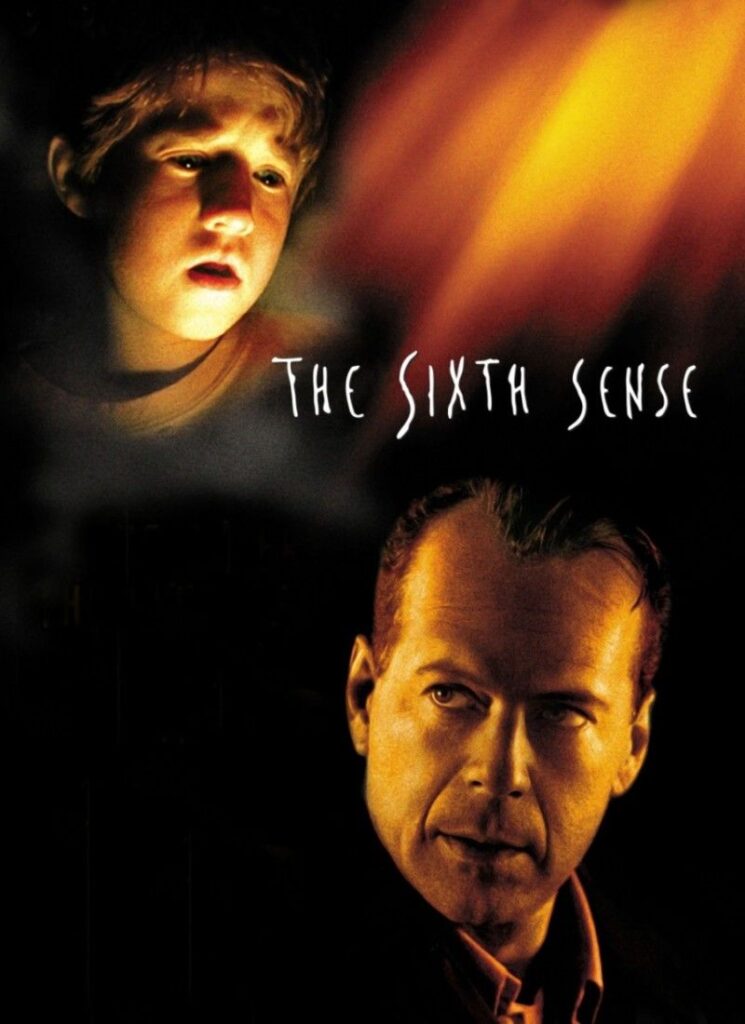
9. **The Sixth Sense (M. Night Shyamalan, 1999)**M. Night Shyamalan’s `The Sixth Sense` is undeniably home to one of cinema’s most iconic and impactful twists, a revelation that famously stunned audiences worldwide upon its initial release. The film quickly established itself as a cultural phenomenon, but its true genius extends far beyond that single, powerful moment. Revisiting this atmospheric supernatural chiller is an essential exercise, not just to relive the surprise, but to truly appreciate the meticulous craftsmanship and subtle foreshadowing that made its legendary twist possible.
While the emotional impact of the ending may not hit with the same force the second time around, knowing the truth completely transforms the viewing experience. The film sheds its guise as a straightforward ghost story and instead becomes a fascinating study in narrative construction and psychological subtlety. Viewers become detectives, actively searching for the hints and contextual clues that were expertly hidden in plain sight, transforming what was once a passive watch into an active investigation of Shyamalan’s masterful sleight of hand.
On a rewatch, it becomes strikingly clear that the fact Bruce Willis’s character, Malcolm Crowe, is dead all along is far more “heavily signposted” than anyone would care to admit during their initial bewildered reaction. From his interactions with his wife, who never directly acknowledges him, to Cole Sear being the only one who truly communicates with him, these details, once seemingly innocuous, become glaring breadcrumbs leading directly to the film’s haunting conclusion.
This second viewing allows for a deeper appreciation of the film’s emotional core, too. The nuances of Malcolm’s unfinished business and his quiet interactions with Cole gain profound new meaning, underscoring the film’s exploration of grief, communication, and acceptance. It’s a testament to Shyamalan’s direction and writing that `The Sixth Sense` functions perfectly as both a captivating mystery on first watch and an even richer, more emotionally resonant character study once the veil of its famous twist has been lifted, solidifying its place as a classic that continually rewards analytical engagement.
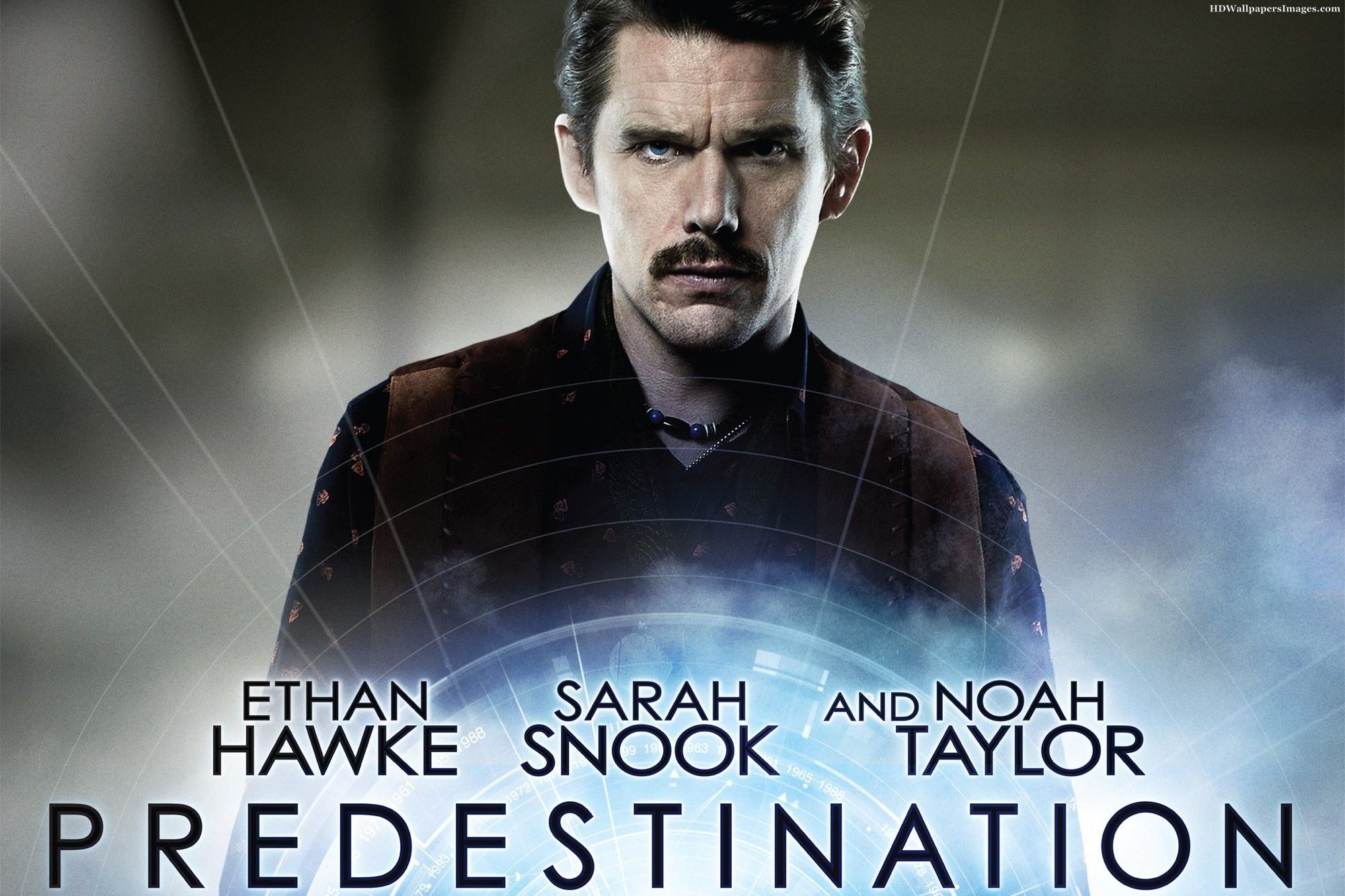
10. **Predestination (The Spierig Brothers, 2014)**`Predestination` is nothing short of a riveting sci-fi thriller, yet it’s also a film that can leave first-time viewers in a state of utter bewilderment, compelling an immediate rewatch. The overarching feeling after the credits roll is often one of needing to make sense of what just happened, as sibling filmmakers Michael and Peter Spierig concoct a narrative so mind-bending, time-warping, and reality-twisting that it practically demands repeat analysis. It’s a film that thrives on the very paradoxes the time-travel genre often grapples with, but amplifies them to an astonishing degree.
The movie is a relentless series of twists on top of turns, overwhelmingly packed with rug-pulling revelations that continue right up until its jaw-dropping climax. It follows a temporal agent, tasked with preventing major crimes by traveling through time, who encounters a mysterious individual with an extraordinary life story. The Spierig Brothers, known for their innovative genre work, craft a narrative that is both meticulously structured and deliberately disorienting, challenging the audience to keep pace with its escalating temporal complexities.
The central, mind-blowing twist revolves around the stunning revelation that Ethan Hawke’s Temporal Agent and Sarah Snook’s unnamed character, referred to as ‘The Unmarried Mother’, are in fact the same individual at different points in their life. This extraordinary paradox sees the character falling in love with, and ultimately having a baby with, themselves—a child who also turns out to be both of them. It’s a complex, self-referential loop that pushes the boundaries of identity and causality, daring viewers to fully grasp its implications.
To suggest that anyone could watch `Predestination` just once and emerge with a complete, question-free understanding of its intricate design is, frankly, unlikely. The film’s brilliance lies in its recursive logic and dense narrative, making multiple viewings not merely recommended, but essential to untangle its intricate and often disturbing temporal loops. Each rewatch provides new insights into the cyclical nature of its events, the motivations of its characters, and the sheer audacity of its storytelling, solidifying its status as a sci-fi puzzle box that truly rewards dedicated deciphering.

11. **Inception (Christopher Nolan, 2010)**Christopher Nolan has a reputation for crafting films that challenge and engage audiences on an intellectual level, and `Inception` stands as one of his most ambitious and intricate creations. It’s a cinematic labyrinth built upon layers of dreams within dreams, where a specialized team enters shared subconscious realms to plant an idea rather than steal one. This high-concept premise, coupled with breathtaking visual effects and a pulsating score, makes the first viewing an exhilarating, if sometimes overwhelming, experience that leaves many questions lingering.
The film’s complex mechanics are central to its appeal. Each dream level operates with its own set of rules, particularly regarding the distortion of time—a minute in one layer can be hours or even days in another. The success of the mission hinges on precise ‘kicks’ to wake the team from each dream, and personal ‘totems’ are used by each member to discern reality from the dream state. This multi-level heist, spanning dynamic environments from rain-soaked cities to snowy fortresses, is a masterclass in narrative orchestration that demands careful attention.
Beyond the thrilling action and intricate plot, `Inception` is also deeply rooted in the personal journey and psychological struggles of its protagonist, Dom Cobb. His guilt and longing for his deceased wife, Mal, are woven into the very fabric of the dreamscape, creating an emotional core that is as complex and layered as the narrative itself. This personal dimension often takes a backseat during a first watch, as viewers focus on unraveling the plot’s immediate complexities, but it enriches the film profoundly on repeat viewings.
A second viewing of `Inception` transforms the experience from trying to simply follow the plot to actively deconstructing its brilliance. You can meticulously map out the rules for each dream level, track the synchronized movements, and scrutinize the subtle visual cues that distinguish reality from the subconscious. This rewatch allows you to delve deeper into Cobb’s internal conflicts, understanding his motivations and the profound weight of his past, rather than just the mechanics of the heist.
Furthermore, the film’s famously ambiguous ending, with its spinning totem, becomes a focal point for analytical engagement and fan theories. Knowing the journey, viewers can analyze every frame of the final sequence, searching for definitive clues, or simply appreciating Nolan’s deliberate choice to leave the ultimate reality to interpretation. This commitment to intellectual stimulation makes `Inception` a film that continuously rewards dedicated study, revealing new facets of its narrative, thematic depth, and groundbreaking technical execution with every return to its dream worlds.
As we conclude our exploration of these cinematic marvels, it becomes clear that some films are more than just a fleeting spectacle; they are invitations to a deeper intellectual and emotional engagement. The act of rewatching transforms us from passive observers into active participants, unlocking layers of meaning, uncovering subtle clues, and appreciating the intricate artistry that makes these movies truly unforgettable. They challenge our perceptions, ignite our curiosity, and ultimately, enrich our understanding of what cinema can achieve, making the second, third, or even tenth viewing an essential part of the enduring cinematic journey.


.jpg "Ever Wondered What It Costs? Unpacking the Wild World of Celebrity Event Fees, Featuring 10 Stars Whose Price Tags Will Make Your Jaw Drop!")