The thrill of purchasing a new or new-to-you car is an exhilarating experience, often the culmination of considerable research, saving, and negotiation. You’ve likely spent hours poring over models, comparing features, and haggling over the price, feeling a sense of accomplishment as you approach the final paperwork. However, the journey isn’t quite over, and a critical phase awaits: the financing office, where dealerships often present a fresh set of challenges in the form of tempting add-ons.
While the agreed-upon price for your vehicle might be firm, the dealer still aims to increase your total expenditure. Finance managers and sales consultants are adept at presenting various upgrades and accessories, often with aggressive sales pitches designed to make them seem indispensable. What many consumers don’t realize is that a significant number of these so-called ‘enhancements’ are of questionable value, carry massive markups, or are available elsewhere for a mere fraction of the price.
Understanding which dealer add-ons are truly beneficial and which are simply profit centers for the dealership can save you thousands of dollars. Before you commit, it’s absolutely crucial to arm yourself with knowledge about these products, their actual worth, and their availability outside the dealership. By being informed, you can navigate these final pitches with confidence, protecting your investment and ensuring you only pay for what genuinely adds value. Let’s explore some of the most common add-ons you’re likely to encounter, starting with those that often lead to unnecessary spending.
1. **Extended Warranties**Extended warranties, often presented as vehicle protection plans or vehicle service contracts, promise peace of mind by covering repairs after your manufacturer’s warranty expires. The discussion around these is often contentious, with strong opinions on both sides regarding their true value. While the allure of protection against catastrophic vehicle failure is strong, the reality of purchasing one from a dealership at the point of sale is frequently an expensive mistake.
Buying an extended warranty at full price from a car dealer when you purchase your car almost always means you’ll overpay, potentially by thousands of dollars. Even manufacturer-backed extended warranties, which may offer some legitimate savings in the event of a major breakdown, come with significant markups. When you venture into third-party extended warranties, the markups can be even more substantial, and the contracts are often laden with extensive fine print that details numerous exclusions and limitations.
Attempting to thoroughly research an extended warranty offer while sitting in the dealership’s finance office is, frankly, a huge mistake. The pressure to make an immediate decision, combined with the lack of detailed contract review time, can lead to poor choices. If you’re considering a warranty, insist on reviewing the actual contract, not just a glossy brochure, to understand all the terms, conditions, and exceptions. It’s also wise to check with the Better Business Bureau or other consumer advocacy agencies to assess the company’s reputation and track record for handling complaints.
Crucially, consider where you can get service under the extended warranty. If your only option is the selling dealership, the coverage becomes worthless if you move or if that dealership closes its doors. Look into deductibles for repairs and the process for getting a claim approved. Remember, despite any pressure tactics, you are not obligated to purchase an extended warranty at the same time you buy the car, nor are you required to buy it from the dealership unless it’s the brand’s proprietary program. Explore options with your lender, insurance agent, and conduct online research to find more affordable and comprehensive coverage.
Read more about: 15 Cinematic Catastrophes: The Movie Remakes That Should’ve Stayed Locked in the Vault
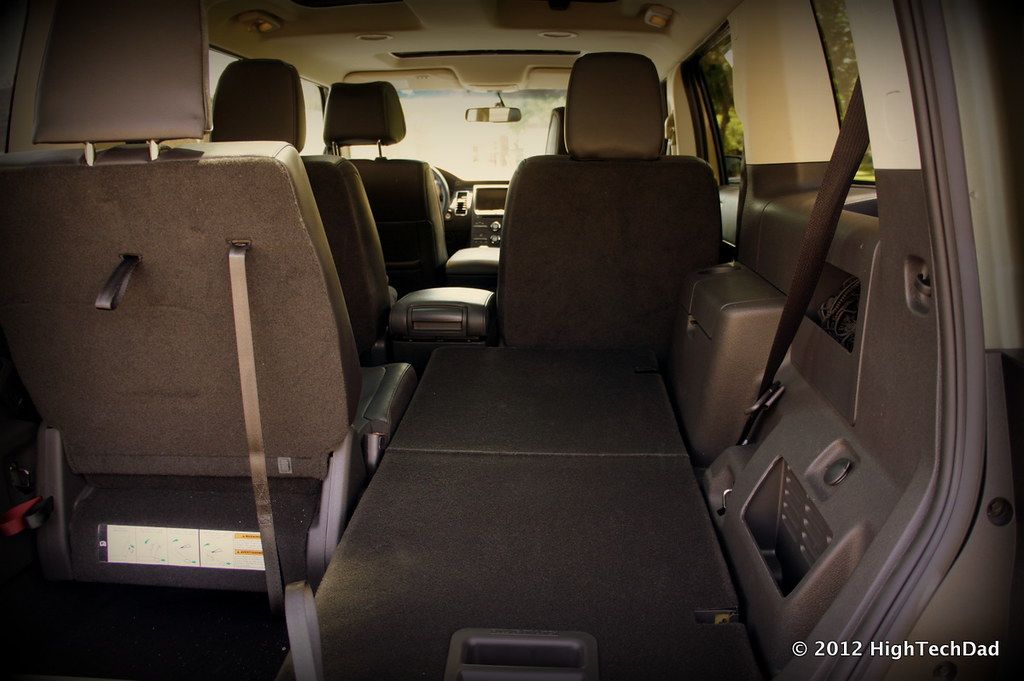
2. **Rear-Seat Entertainment Systems**For families with children, rear-seat entertainment systems in an SUV or minivan can seem like a godsend for long road trips, providing a welcome distraction. These systems, featuring screens for second-row passengers, can be installed either at the factory during vehicle production or as aftermarket accessories by the dealership. While the convenience is undeniable, the decision to purchase one at the dealership requires careful consideration of cost and alternatives.
If a dedicated entertainment system is a high priority for your family, the most cost-effective approach is to seek out vehicles that offer these systems as a factory-installed option. Factory options are typically integrated seamlessly and are often more reliable than dealer-installed aftermarket versions. Paying the dealership to install an aftermarket system after the fact can be significantly more expensive, with higher labor and parts costs.
A far more versatile and often cheaper solution lies in modern portable electronics. Equipping your children with iPads or other tablets, paired with headphones, provides superior flexibility. These devices can be used not only in your new car but also in other vehicles, during flights, or simply at home. They offer a much broader range of entertainment options and can be updated and replaced independently of your vehicle, making them a more practical long-term investment than a fixed, dealer-installed system.
Read more about: Tesla’s Cybertruck vs. Ford F-150 Lightning: An In-Depth Wired Analysis of the Electric Pickup Showdown

3. **Paint and Fabric Protection**Dealerships frequently present paint sealants and interior fabric protection packages as essential upgrades, often commanding hundreds or even thousands of dollars. The sales pitch emphasizes safeguarding your vehicle’s appearance and preserving its resale value. However, for a car that likely already boasts a high-quality factory finish and comes with inherent interior fabric protection, the added expense of these dealer add-ons is highly questionable.
Many vehicles arrive from the factory with robust paint and fabric protection already applied, designed to withstand the rigors of daily use. Even if your specific vehicle doesn’t have these features, the price difference between a dealer’s package and quality protection obtained elsewhere is immense. There are far more economical ways to achieve comparable or superior protection without incurring exorbitant dealership markups.
A key selling point for these costly packages is usually a warranty that covers damage to the paint or upholstery. But it’s vital to ask yourself: how much would the cost of the product actually cover if you needed repairs? A thousand dollars, for example, could cover many minor dents or stains without relying on a restrictive warranty. Moreover, many of these protection plans are riddled with limits and exclusions, significantly reducing their utility precisely when you might need them most.
For those who wish to enhance their vehicle’s protection without the dealer’s markup, there are simple and affordable DIY solutions. Applying spray-on fabric protectors like Scotchguard yourself, after testing on an inconspicuous spot, is an effective and inexpensive way to add a layer of defense to your interior. For paintwork, frequent washing and waxing with a high-quality car wax offers excellent protection against environmental elements, keeping your car’s finish pristine for a fraction of the cost.
Read more about: Beyond the Horizon: A Deep Dive into the Airstream Interstate 19X, the $200K Off-Road Touring Coach Redefining Adventure

4. **Key Protection**A relatively new strategy dealerships employ to sell expensive add-ons involves highlighting the hefty replacement cost of modern car keys directly on a price tag attached to them. It’s an undeniable fact that today’s car keys, with their integrated electronics and sophisticated programming, are far more complex and costly to replace than traditional keys. However, paying hundreds of dollars for a ‘key protection’ plan from the dealership is rarely a sound financial decision.
Consider the economics: paying a couple of hundred dollars to insure a key that might cost $500 to replace and reprogram represents a significant portion of the key’s value. This becomes an even poorer investment if the cost of the key protection is rolled into your auto loan, meaning you’ll pay interest on it for the entire life of the loan. Furthermore, if your key fails due to a mechanical or electrical issue, it’s highly probable that such a defect would be covered under your car’s bumper-to-bumper manufacturer warranty, making separate insurance redundant for these types of failures.
While most standard automobile insurance policies might not explicitly cover the loss or damage of car keys or key fobs, it is always worth checking with your insurance provider. Many companies offer the option to add this coverage at a very affordable price as an endorsement to your existing policy. This could provide more comprehensive coverage than a dealer’s specific key protection plan.
For those primarily concerned about losing their keys, numerous inexpensive tracking devices are available that link to smartphone apps, offering a practical solution for locating misplaced fobs. Some dealer key protection packages also include towing and locksmith services, but these can often be found for less money, and with additional benefits like roadside assistance, through established automobile clubs such as AAA. Prioritizing these external options can offer better value and broader utility.
Read more about: America’s Perilous Pavement: Unveiling 12 Highways Where Road Conditions and Hazards, Including Sinkholes, Demand Extreme Caution
5. **Anti-Theft Window Etching**The anti-theft window etching sales pitch is often presented with compelling logic: by etching your vehicle identification number (VIN) onto your car’s glass, you supposedly reduce its appeal to thieves, making it less likely to be stolen. Should the unthinkable happen and your car is stolen, the etching is said to make it easier for law enforcement to recover the vehicle. While these claims might sound persuasive, paying a significant sum—often a hundred dollars or more—at the dealership for this service is largely a waste of your money.
The efficacy of VIN etching as a theft deterrent is highly questionable. It’s very unlikely that a criminal would pause to inspect the car’s windows for etching before stealing it, and if noticed, it’s doubtful that such a detail would deter them. More importantly, your vehicle’s VIN is already stamped in numerous locations throughout the car, including on the dashboard visible through the windshield, and various frame components. Adding it to the glass provides minimal, if any, additional value in aiding its recovery.
Dealerships frequently have the cost of window etching pre-printed on sales forms, giving the impression that it’s a mandatory part of the purchase contract. It is crucial to understand that this is simply not the case. If you do not want this service, you have every right to insist that the cost be removed or substantially discounted. Often, these etching packages are bundled with some form of theft protection coverage, which, for the most part, comes with numerous exclusions and primarily serves to inflate the dealer’s profit margin on the product.
If, despite its questionable value, you still desire VIN etching for your vehicle, there’s no need to pay the dealership’s inflated price. Do-it-yourself kits for VIN etching are readily available online from retailers like Amazon.com for approximately $20. This allows you to apply the etching yourself at a fraction of the dealer’s cost, offering the same purported benefit without the unnecessary financial outlay.
Read more about: Consumer’s Essential Guide: 14 Dealer Add-Ons and Fees to Approach with Caution (or Avoid Entirely)
6. **Gap Coverage**Gap coverage, or guaranteed asset protection, is a type of insurance designed to bridge the financial ‘gap’ that can arise if your car is declared a total loss or is stolen, and you owe more on your auto loan than the vehicle is worth. In such scenarios, gap coverage pays the difference, ensuring your financing is fully paid off. It’s often required by leasing companies and can indeed be a prudent investment for certain buyers who might find themselves upside down on their loan.
However, the crucial point of contention is where you purchase this coverage. Buying gap insurance directly from a car dealer without thoroughly exploring other options, researching the specifics of the coverage, and comparing prices can easily become an expensive mistake. While gap coverage itself has a valid purpose, its sale is a significant profit center for car dealerships, meaning their prices are often highly inflated compared to alternatives.
Consumers are not obliged to purchase gap insurance from the dealership, even if their lease agreement mandates it. It is strongly recommended to shop for this coverage through your own auto insurance company or even your lender. When comparing options, don’t base your decision solely on price. It’s essential to examine what the policy specifically covers, any limitations or exclusions that apply, and the overall reputation of the company offering the gap insurance with consumers. Understanding these details ensures you get adequate protection.
An important consideration for some buyers is if they have rolled the remaining balance of a previous car’s loan into their new car’s financing. In such cases, standard gap coverage may not cover your entire, inflated loan balance. Nonetheless, in most situations, gap coverage can be added to your regular car insurance policy as an affordable rider, providing exactly the financial safeguard you need if your car becomes a total loss. Once you have a clear idea of fair pricing and superior coverage options from external sources, you can always give the dealership an opportunity to match or beat those offers.
Read more about: The 13 Unforgettable Marketing Misses: How Brands Blundered Their Way to Backlash and Damaged Reputations
7. **Nitrogen-Filled Tires**The sales pitch for nitrogen-filled tires emphasizes several advantages over traditional air. Proponents claim that nitrogen is more temperature stable, leading to less fluctuation in tire pressure with seasonal changes. It also purportedly seeps out of tires more slowly than regular air, meaning you might need to top off your tires less frequently. Because of this slightly more stable tire pressure, the argument is made that your tires might even last a bit longer due to more consistent wear. These points, while technically true, do not justify the typical dealership price.
Should any customer pay a hundred dollars or more at the dealership just to have their tires filled with nitrogen? The unequivocal answer is no. If you are genuinely interested in the marginal benefits of nitrogen in your tires, many independent tire shops and service centers offer this service for a mere few dollars per tire, a stark contrast to the dealership’s exorbitant charge. This makes the dealership’s offer an unnecessary and overpriced convenience.
While maintaining correct tire pressure is absolutely critical for performance-oriented vehicles like race cars, for the average passenger vehicle, a variation of a couple of pounds per square inch (psi) due to temperature changes will not have a significant, noticeable effect on your vehicle’s mileage, drivability, tire wear, or safety. The notion of wanting nitrogen purely to avoid checking your tire pressures is also a misconception and a potential safety oversight.
Regularly checking your tire pressures is not just about maintaining optimal performance; it’s also a crucial opportunity to visually inspect your tires for any signs of damage, punctures, or uneven wear patterns. Neglecting this routine check by relying solely on nitrogen to maintain pressure means you could miss early warning signs of tire issues, which are far more important for safety and longevity than the minimal benefits offered by nitrogen over regular, properly maintained air.
Navigating the car purchase journey can feel like a marathon, and just when you think you’ve crossed the finish line with a negotiated vehicle price, dealerships often introduce yet another obstacle: a second wave of tempting, yet often superfluous, add-ons. These products, presented in the high-pressure finance office, are primarily designed to boost the dealer’s profits, frequently at your expense. It’s time to peel back the layers on these final pitches and equip ourselves with the knowledge to distinguish genuine value from costly distractions, protecting our investment and preventing financial pitfalls.
We continue our exposé by examining the next seven common dealer offerings, scrutinizing their actual worth, highlighting inflated prices, and guiding you toward smarter, more economical choices. Our aim is to empower you, the consumer, to confidently reject what you don’t need and secure a deal that truly benefits your bottom line, extending well beyond the initial sale.
Read more about: Decoding the FTC’s CARS Rule: The Ambitious Blueprint to Combat Deceptive Auto Sales and Its Lasting Regulatory Influence
8. **Credit Insurance Products**The dealership’s pitch for credit insurance products can sound incredibly reassuring, promising to pay off your auto loan if you become disabled or pass away, thereby shielding your family from debt. However, this seemingly compassionate offering often serves the lender’s interest far more than the borrower’s, typically coming with a substantial, often inflated, price tag for the coverage provided. Essentially, you are purchasing an insurance policy primarily for the benefit of the bank or other lender.
These products usually come with either a significant upfront payment covering the loan’s duration or a fee integrated into your monthly payments. Opting for the upfront payment and rolling it into your car’s financing means you’ll be paying interest on that insurance for the entire life of your loan, an unnecessary added cost. Before committing, conduct independent research. A more affordable term life and disability policy can often be found elsewhere, offering greater flexibility as proceeds can pay off any debts or be used for other pressing obligations, with any remaining money going directly to your bank account or estate.
A cousin to credit life and disability insurance is coverage for unemployment. Before accepting this at a car dealer, check with your existing loan provider and car insurance company, as they might offer equivalent coverage for less money. Importantly, in most states, car dealerships cannot legally require you to purchase these policies as a condition of buying a car. If a dealer attempts to enforce this, it’s a significant red flag, signaling that it might be time to walk away from that particular deal.
Read more about: Unleashed Fury: 10 Muscle Cars That Were Dangerously Overpowered for Their Era, Redefining Raw Performance on Public Roads
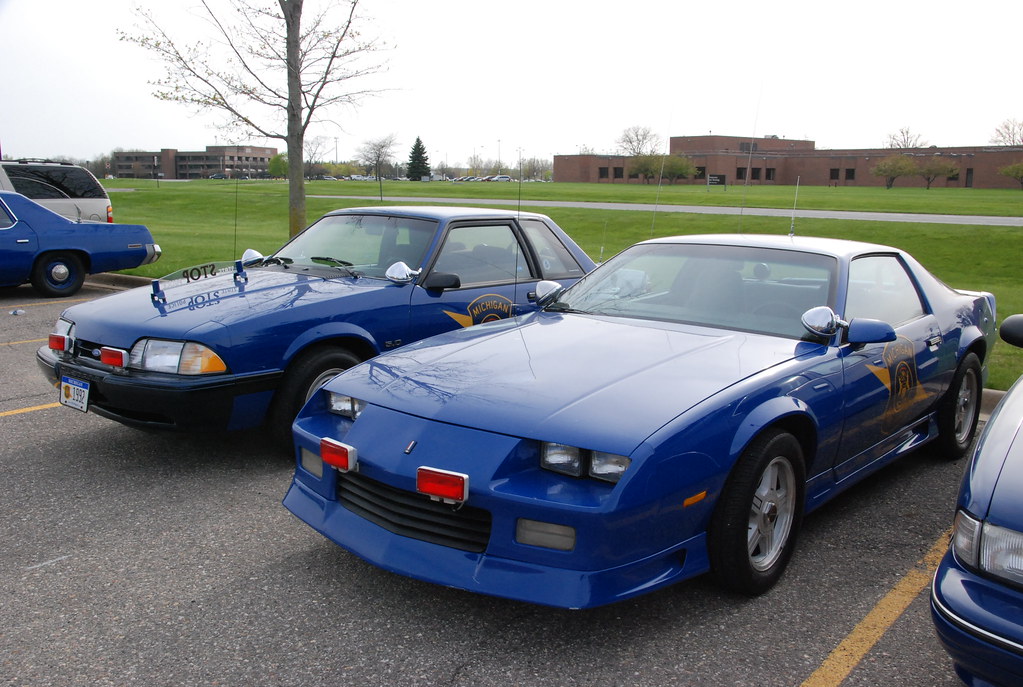
9. **Factory Roof Rack Accessories**Many automakers offer a proprietary range of roof rack accessories specifically designed to fit their factory-installed racks. While convenient, these often prove to be costly and restrictive choices. The initial price can be steep, and the accessories themselves are often limited in scope compared to what’s available elsewhere. You can save a ton of money in the long run by skipping these dealer items.
A far more economical and versatile strategy involves investing in accessories from reputable independent rack companies such as Thule or Yakima. These industry leaders provide a vast array of universal accessories that, with the right adapters, can seamlessly fit your car’s factory crossbars. This approach not only saves you significant money upfront but also offers long-term benefits, as these generic components are transferable from one car to another, eliminating the need to repurchase them with every new vehicle.
Furthermore, the selection of accessories from specialized companies is typically far broader and more innovative than the limited options offered directly by dealerships, allowing you to find the perfect gear for all your adventures. While some automakers integrate parts from Thule and Yakima, and dealers might offer financing or warranty coverage, careful comparison shopping remains paramount to avoid inflated prices.
Read more about: 15 Unforgettable Facts About The AMC Javelin Only Hardcore Car Fans Know
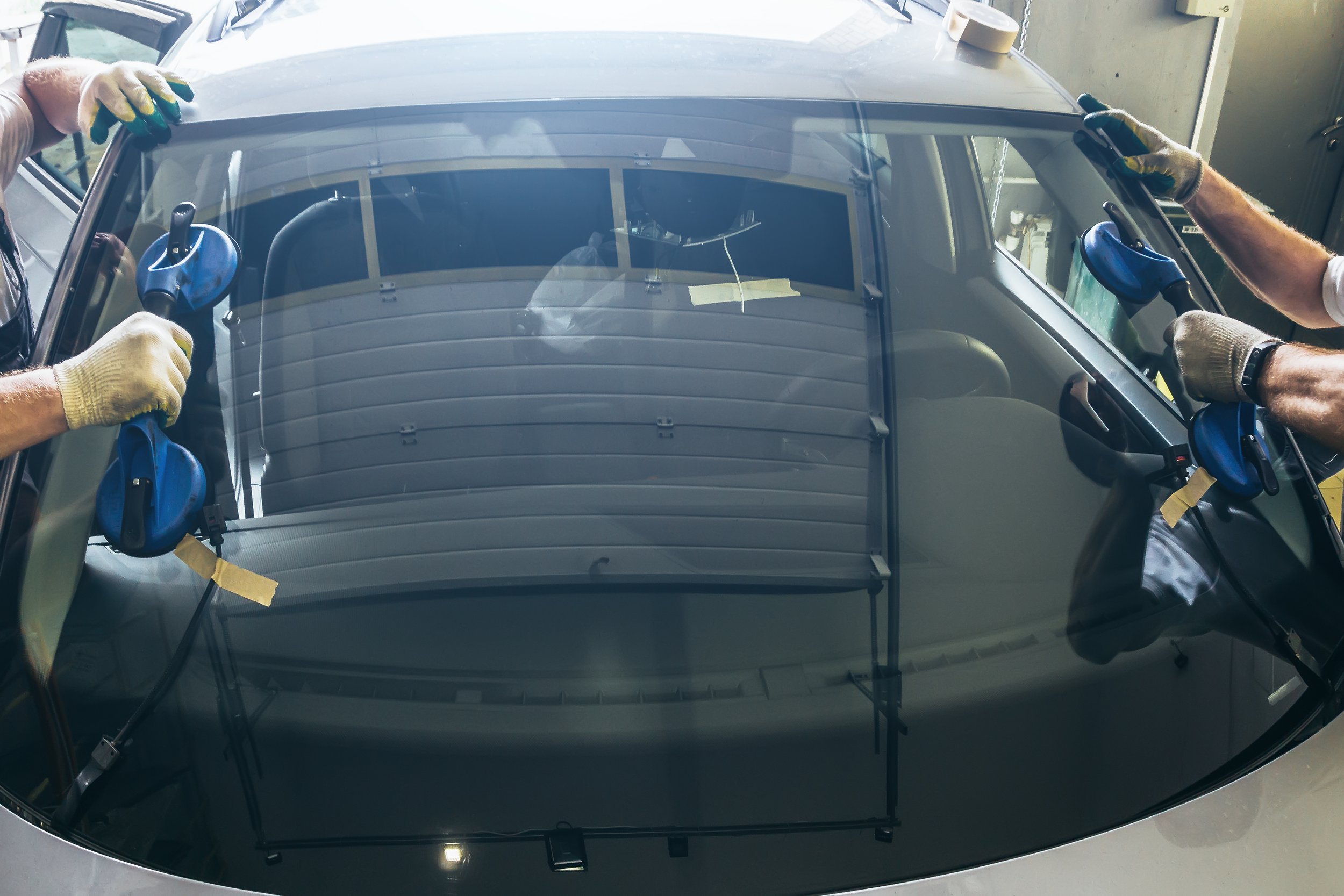
10. **Windshield, Tire & Wheel, or Dent Protection**Dealerships frequently present a suite of protection packages covering various components like windshields, tires/wheels, and minor bodywork dents. These plans are marketed as comprehensive safeguards against everyday mishaps, promising to save you from unexpected repair costs. However, for most buyers, it is a much sounder financial decision to simply save your money and pay for any repairs out-of-pocket if and when they become necessary.
If you consider one of these plans, look beyond the glossy sales materials. Insist on reviewing the actual contracts, where you will likely discover extensive conditions, limitations, and exclusions that dramatically diminish their real-world value. The fine print frequently renders the coverage far less comprehensive than the sales pitch suggests, often making them more frustrating than helpful when actually needed.
Investigate the reputation of the companies administering these plans through online searches or by contacting the Better Business Bureau. For windshield protection treatments, apply skepticism: if such a substance existed and was effective, automakers would apply it universally. Most damage is covered by comprehensive auto insurance. For non-covered incidents, you’re financially better off saving the money and addressing issues independently. Be wary of sales consultants claiming these packages are mandatory; this is a clear signal to seek a different dealership.
Read more about: America’s Perilous Pavement: Unveiling 12 Highways Where Road Conditions and Hazards, Including Sinkholes, Demand Extreme Caution
11. **Tire and Wheel Packages**Many showrooms display vehicles outfitted with eye-catching aftermarket or upgraded tire and wheel packages, with additional costs clearly listed on addendum stickers. While visually appealing, purchasing these upgrades directly from the dealership is often an unnecessarily expensive venture. The original, standard tires and wheels are most likely stored in the dealership’s back shop.
If you like a car but not the premium for fancy wheels, negotiate their removal and the reinstallation of original wheels. Stand firm, and ensure this swap is completed and verified before signing any final paperwork. It’s crucial to consider the warranty implications, as dealer-purchased aftermarket components may have different or more limited warranty coverage than stock items.
Research what a similar package would cost from outside sources like independent tire stores or online retailers (e.g., Tirerack.com). These often offer more competitive prices and the significant advantage of selecting the exact wheels and tires that align with your personal aesthetic and performance preferences, rather than being limited to showroom options.
Read more about: Reviving Legends: Your Ultimate Guide to Vintage Car Maintenance and Restoration

12. **Window Tinting and Clear Film Protection**In some climates, automotive window tinting is a practical necessity, providing privacy, reducing interior heat, and making it harder for thieves to see inside. Clear film protection products, like Clear Bra, offer a valuable shield against stone chips. However, buying these services at the dealership often means paying a substantial premium, making diligent comparison shopping essential.
Research and compare prices and product offerings from multiple independent retailers. There’s a wide spectrum of products varying significantly in quality, durability, and longevity. Search online for products performing best in your area, as environmental factors influence efficacy and lifespan, ensuring you find high-quality solutions that genuinely meet your needs, not just overpriced dealer options.
Crucially, the quality of installation is paramount. A flawless application ensures optimal appearance and performance. Selecting a shop that specializes in these installations, with a proven track record, is almost always a superior choice compared to a dealership that might only occasionally apply such products. This ensures a professional and lasting finish, maximizing your investment in these valuable enhancements.
Read more about: Don’t Get Stranded: The 15 Critical Reasons Your Car’s Warranty Could Be Voided (and How to Protect It)
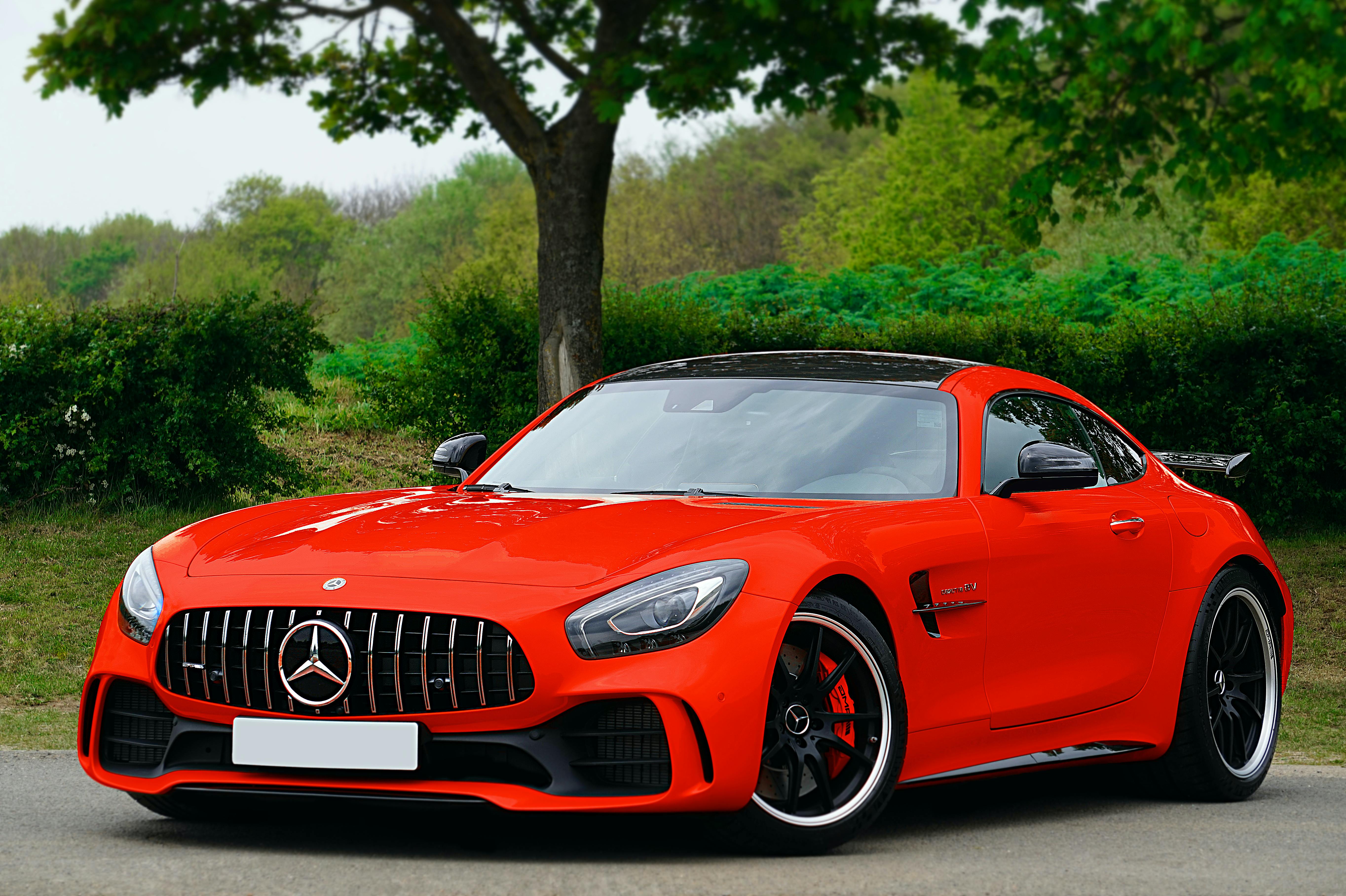
13. **Car Alarms and Tracking Systems**The allure of enhanced security for your new vehicle is understandable, and dealerships capitalize on this by offering car alarm systems and tracking devices like LoJack. Before committing to any dealer-offered security solutions, extensively shop around at independent car electronics retailers. You might discover better prices, more advanced systems, or options that are simply a better fit for your specific security needs, assuming an aftermarket system is truly required.
Some dealerships proactively install security systems on every lot vehicle to deter theft from their inventory, then attempt to sell you this pre-installed system. If you don’t want it, insist on its complete removal or a substantial discount before buying the vehicle. Dealers often portray it as non-negotiable, but this is rarely true.
For special orders, explicitly request no aftermarket security system installation upon arrival. Many new cars already have sophisticated factory alarms. Additionally, integrated telematics systems like Chevrolet OnStar, Kia Connect, or Hyundai BlueLink include tracking capabilities as part of a monthly subscription, potentially rendering additional aftermarket systems redundant. Informed decisions here protect both your car and your wallet.
Read more about: Unlocking Performance Safely: Essential Track Driving Techniques for Every Enthusiast

14. **Delivery Fees**While not an add-on product, a ‘delivery fee’ is an insidious charge dealerships increasingly use to inflate the final price. This new tactic tricks buyers into paying twice for a service already fully covered in the vehicle’s original price. You’ll typically encounter this fee in the final stages, poised to sign paperwork.
It will appear identical or very similar to the legitimate ‘destination charge’ already on the manufacturer’s price sticker. Many shoppers, overwhelmed by documents, confuse the two and inadvertently pay both, effectively doubling the transportation cost. If a dealer claims this separate fee covers delivery from manufacturer to lot, they are being dishonest. The destination fee on the sticker explicitly covers this.
If you spot a separate, additional delivery fee, unequivocally ask to have it removed. Should the dealership refuse, it is a definitive sign of unscrupulous practices and a crucial moment to seriously consider walking away from the deal altogether. Your vigilance can save you from this blatant financial gouge.
—
The exhilarating experience of acquiring a new or new-to-you car should be a moment of triumph, not a gauntlet of hidden costs and unnecessary upsells. The journey, from initial research to negotiating the price, requires considerable effort, and the final stop in the finance office is where your vigilance can truly pay off, saving you thousands of dollars.
If you find yourself at the dealership without time to thoroughly research any expensive add-on products presented, it is unequivocally in your best interest to decline them. Dealerships often create a false sense of urgency, pressuring buyers. Understand that this is a tried-and-true sales tactic, nothing more, designed to bypass your rational judgment.
For those who anticipate difficulty in saying no, bringing a trusted friend or family member can be invaluable. Choose someone discerning—not the one who encourages impulsive purchases, but rather the meticulous individual who scrutinizes every penny. Their presence provides a crucial buffer and a second opinion, strengthening your resolve.
Read more about: Buyer’s Remorse Hall of Fame: 12 Automotive Mistakes That Make Owners Physically Cringe
You will almost certainly be told that if you don’t purchase these add-ons now, you can’t include them in your financing. The truth is, financing these products is precisely what you should avoid. Not only will you incur interest, but they typically add no value to the vehicle. In fact, more add-ons in financing increase the likelihood of owing more than the car is worth. Rest assured, if these products genuinely hold value for you later, a dealership will still be happy to sell them to you, likely at a better price. Stay informed and assertive to spend wisely.