Remember those times you eagerly picked up a book, fell in love with its world, and then headed to the cinema only to leave feeling…underwhelmed? It happens way too often. Book lovers everywhere will tell you that the original text almost always reigns supreme, and honestly, who can blame them? There’s a special magic in turning pages and letting your imagination run wild.
However, once in a blue moon, Hollywood pulls off a miracle. There are those rare, shining moments when filmmakers don’t just adapt a story; they elevate it, transforming a beloved book into a cinematic experience that somehow, against all odds, surpasses its literary counterpart. These are the films that manage to capture the essence of the original while adding layers of visual storytelling, stellar performances, and clever narrative twists that make them truly unforgettable.
We’re diving deep into some of the most phenomenal movie adaptations in cinema history, films that prove the exception to the “book is always better” rule. Get ready to revisit some classics and discover why these 13 movies didn’t just meet expectations, but absolutely blew them out of the water, bringing brilliant stories to life in ways only the big screen could achieve.
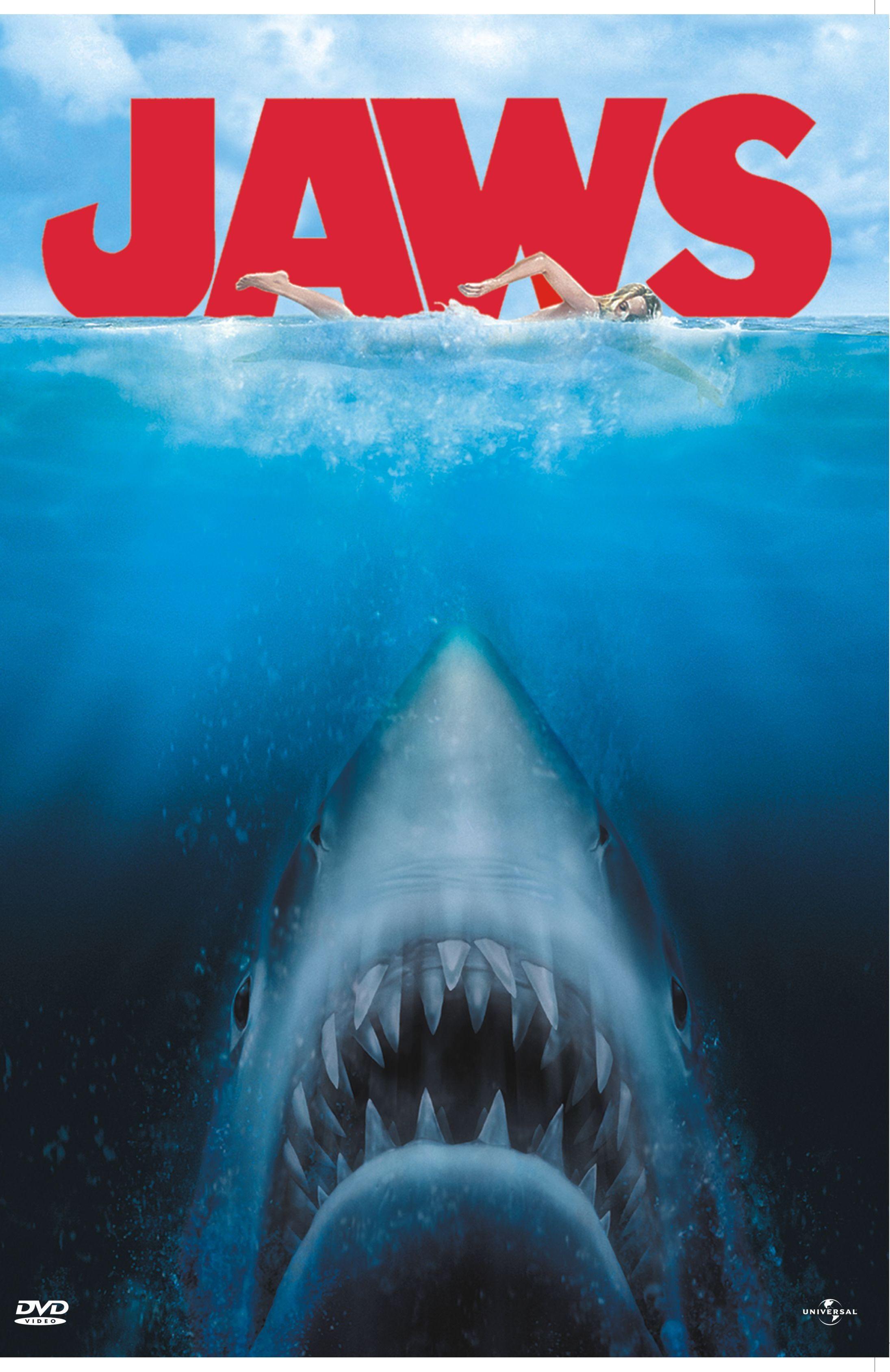
1. **Jaws (1975)**We’ve all felt that primal fear of the unknown, and “Jaws” brilliantly tapped into it, creating an adaptation that truly thrived on what it didn’t show. The film famously trimmed away distracting side plots present in Peter Benchley’s novel, allowing the tension to build relentlessly. This laser focus on human dynamics and that terrifying, unseen predator locked audiences into a suspenseful journey.
The broken mechanical shark, affectionately nicknamed Bruce, actually turned into an unexpected gift for director Steven Spielberg. It forced him to suggest the horror rather than explicitly display it, making the terror even more potent and psychological. This creative constraint amplified the dread, proving that sometimes, less is indeed more when it comes to scaring the pants off an audience.
Adding another layer to this masterpiece was John Williams’s iconic score. Those two ominous notes alone could fill the gaps, creating an unbearable sense of impending doom that became instantly recognizable and synonymous with fear. What could have easily been just another campy thriller, thanks to these brilliant choices, evolved into something monumental: the first true summer blockbuster.
Audiences poured out of theaters both exhilarated by the cinematic ride and profoundly terrified of the ocean, a testament to the film’s immersive power. In this exceptional case, the camera lens didn’t just retell a story; it sharpened it, creating an enduring narrative that words alone simply couldn’t convey with the same visceral impact.
Read more about: Your Couch Is Calling: 15 Absolutely EPIC Must-Watch Movies on Netflix Right Now!
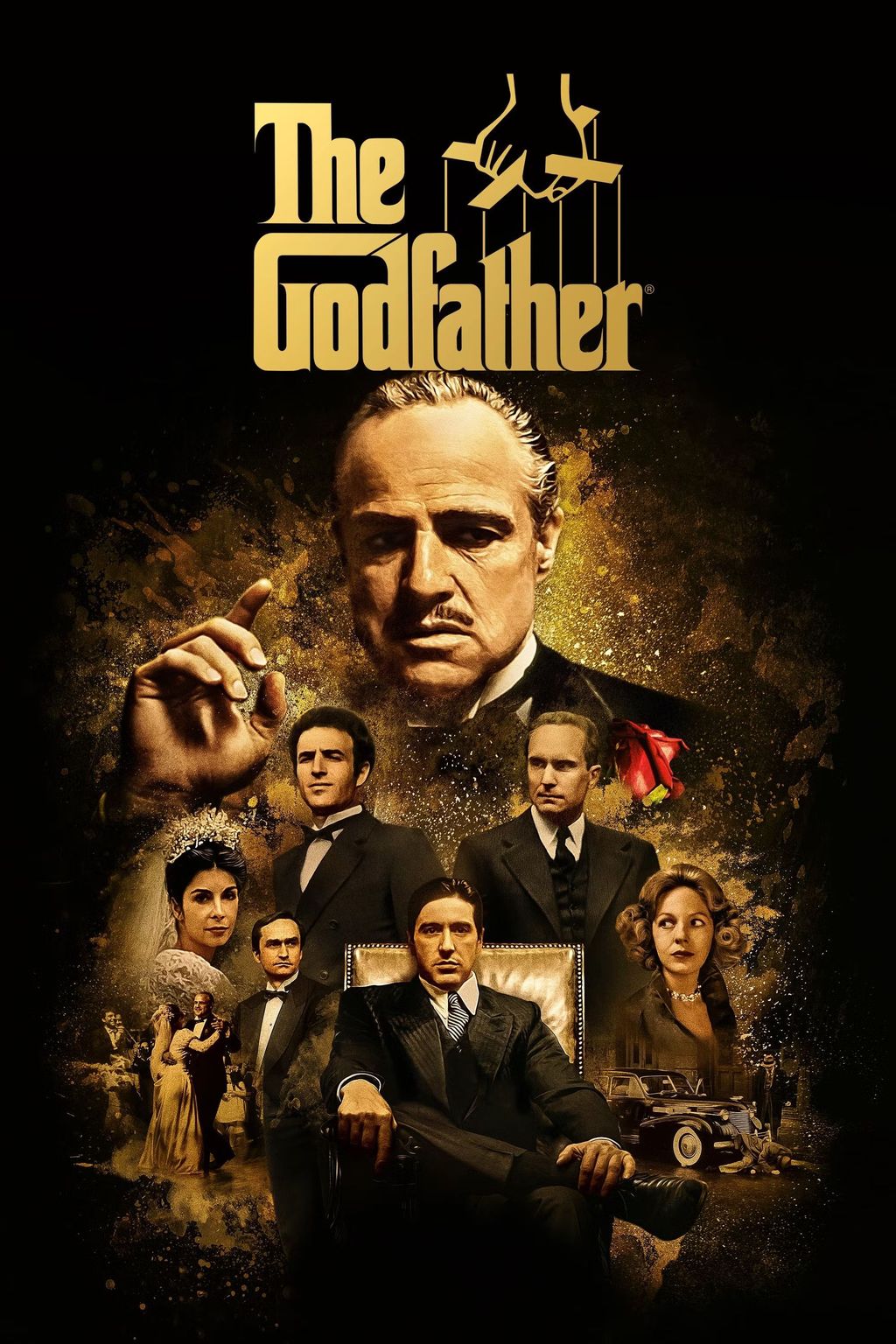
2. **The Godfather (1972)**When we talk about movies that outshine their books, “The Godfather” often comes up as the undisputed champion. While Mario Puzo’s novel had all the ingredients of power, loyalty, and family, the film distilled these themes into something truly mythic, elevating a pulp crime tale into high art. The original book, at times, could get bogged down in melodrama and somewhat lurid subplots.
However, Francis Ford Coppola’s visionary adaptation transformed the material into a timeless tragedy of operatic scale. With its careful cinematography, a meticulous approach to storytelling, and a cast delivering unforgettable performances, the narrative took on a gravitas that transcended the page. Every scene, every line of dialogue, felt deeply significant.
Just think of Marlon Brando’s quiet, menacing portrayal of Don Corleone, or Al Pacino’s incredible transformation from innocent war hero to a hardened mob boss. These performances carried an immense weight and depth that resonated far beyond what words could capture on paper. It’s a testament to the combined prowess of Coppola’s direction and a powerhouse cast that included Diane Keaton and Robert Duvall.
Mario Puzo himself, the genius behind the 1969 novel, meticulously refined and polished his ideas when crafting the screenplay, ensuring they shined brighter on screen. While the novel certainly entertained, the movie absolutely immortalized the Corleones in cultural memory. Its dialogue, imagery, and pacing didn’t just reshape a story; they redefined cinematic history, cementing its status as an unparalleled pillar of cinema.
Read more about: Full Of Masculinity: 15 Must-See Movies That Will Seriously Level Up Your Guy Code
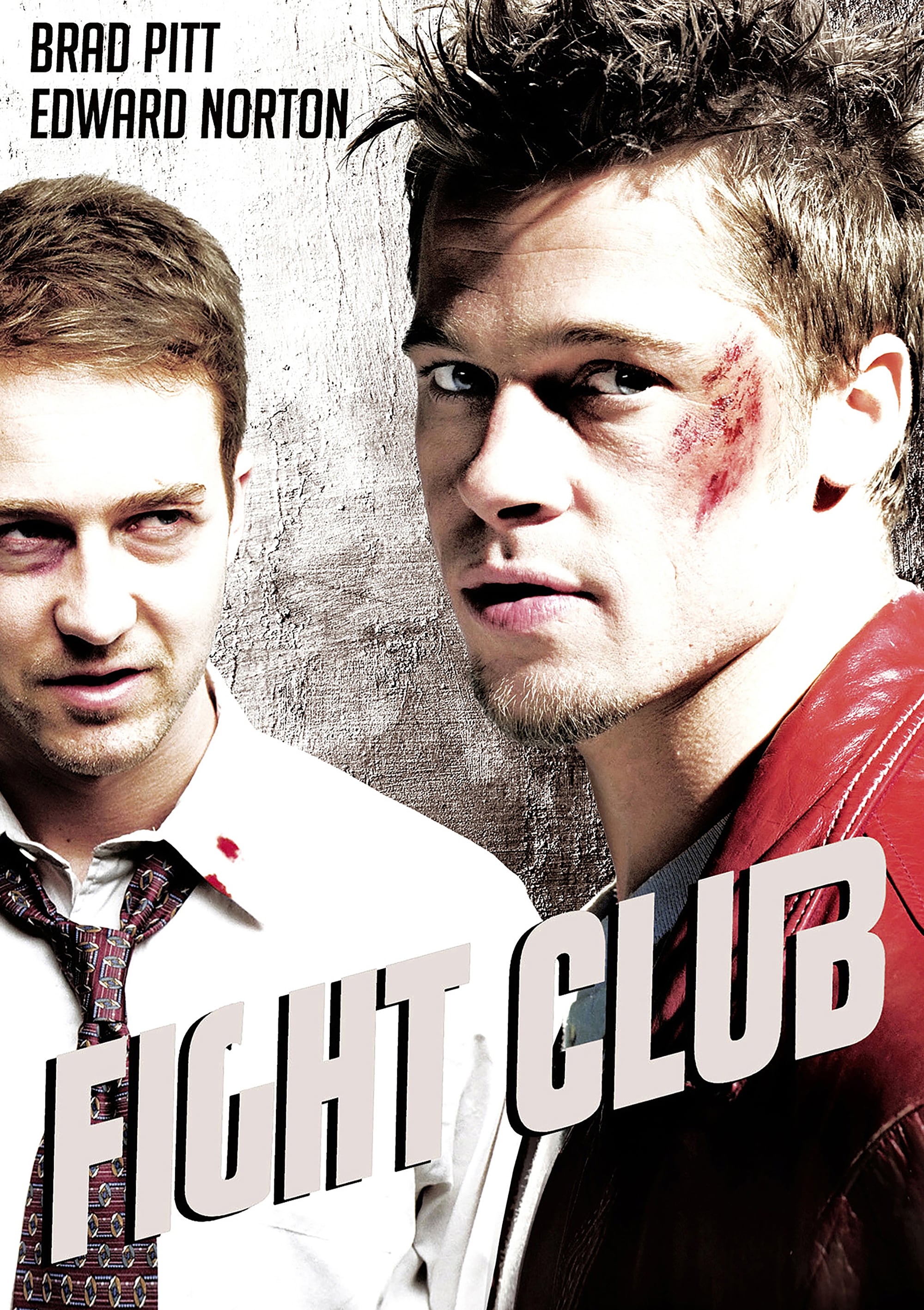
3. **Fight Club (1999)**There’s an undeniable anarchic energy that pulses through both the novel and the film adaptation of “Fight Club,” but the cinematic vision truly sharpened that chaos into something unforgettable. Chuck Palahniuk’s novel, while groundbreaking, could sometimes be unrelenting in its cynicism, potentially alienating some readers with its stark bleakness.
On screen, however, director David Fincher employed a masterful blend of fourth-wall breaks, an unreliable narrator, and a truly stylish visual aesthetic that made the descent into this world far more gripping and immersive. It wasn’t just a story; it was an experience, forcing the audience to question reality alongside the protagonist.
The casting was also pitch-perfect, with Edward Norton grounding the story in a relatable vulnerability, while Brad Pitt absolutely embodied the swaggering, charismatic, and dangerously alluring Tyler Durden. This dynamic duo brought a palpable energy that made the philosophical and violent undertones incredibly compelling, making the characters jump off the screen.
The film’s ending also diverged significantly from the book’s bleaker conclusion, replacing it with something far more explosive and ironically impactful, leaving a lasting impression. The dark humor came alive in ways that print alone couldn’t fully deliver, perfectly capturing generational angst not just in words, but in powerful, resonant images. Without the film, “Fight Club” might have remained a niche cult hit; with it, it became a true cultural phenomenon.
Read more about: Sci-Fi Adventure Pick: 14 Visually Awesome Future World Movies to Transport Your Mind!
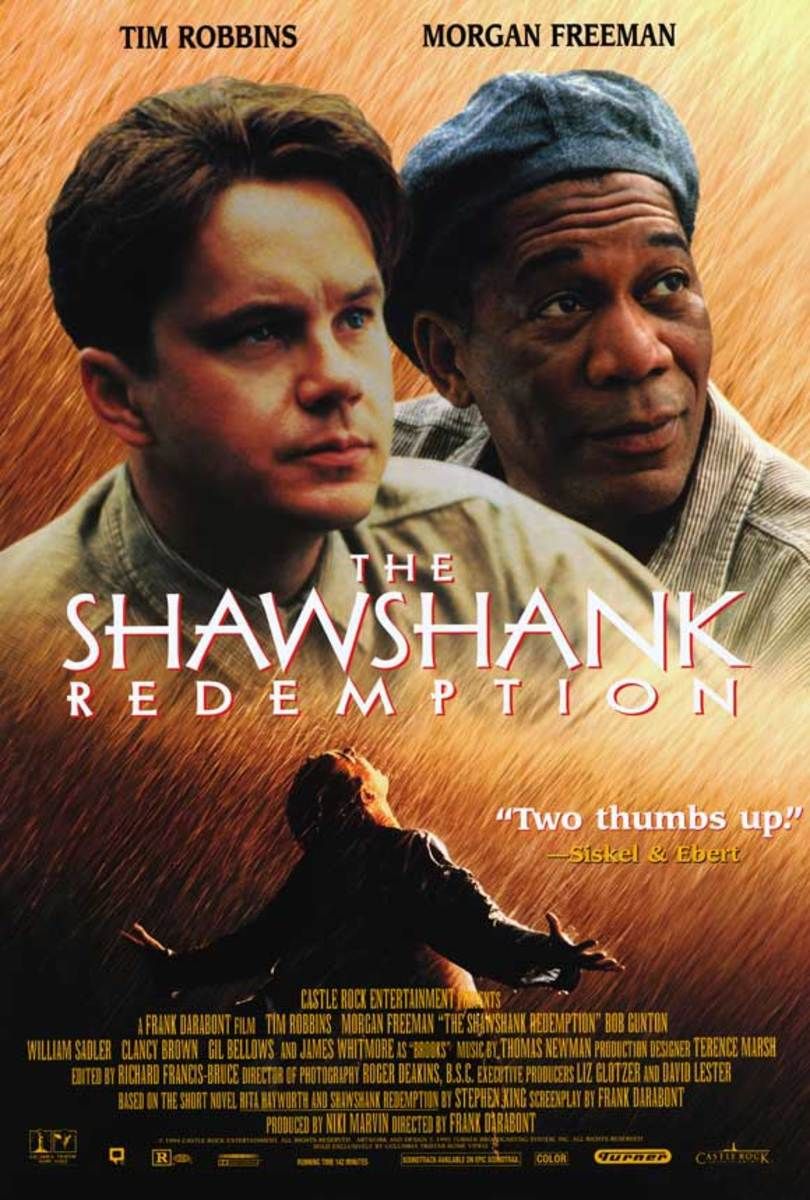
4. **The Shawshank Redemption (1994)**Stephen King is a master of storytelling, but even he has seen his works elevated by the magic of cinema. “The Shawshank Redemption,” originally a shorter, more clinical novella by King, was transformed into an enduring masterpiece on the big screen. The film took the quiet suffering of Andy Dufresne and amplified its emotional resonance.
What truly blossomed in the adaptation was the profound friendship between Andy and Red. This bond became the undeniable beating heart of the story, giving audiences a powerful emotional anchor within the confines of Shawshank prison. Morgan Freeman’s iconic narration provided warmth, authority, and a philosophical depth to every single reflection, drawing viewers deeper into the inmates’ lives.
The movie also excelled at fleshing out the secondary inmates, giving them dimension and making the prison feel like a living, breathing community despite its harsh realities. These small moments of humanity and resilience were stretched into timeless lessons about perseverance, hope, and the indomitable human spirit, making every character feel significant.
Where King’s original text ended on a somewhat quieter note, the film delivered a powerful, cathartic closing scene on a sunlit beach. That final, unforgettable reunion didn’t just conclude a strong short story; it transformed it into an inspirational masterpiece, solidifying “The Shawshank Redemption” as one of cinema’s most beloved and uplifting tales.
Read more about: Full Of Masculinity: 15 Must-See Movies That Will Seriously Level Up Your Guy Code
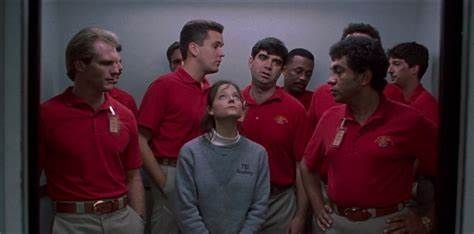
5. **The Silence of the Lambs (1991)**Thomas Harris’s novel “The Silence of the Lambs” is undoubtedly a detailed and methodical thriller, but its film adaptation managed to condense the narrative with razor-sharp precision, turning it into a gripping masterpiece that amplified the suspense and stakes exponentially. The movie brought the chilling cat-and-mouse game to a new level of intensity.
Jodie Foster’s unforgettable portrayal of Clarice Starling turned the character into an icon of resilience, intelligence, and unwavering determination, navigating a world dominated by menacing men. Her vulnerability combined with her steely resolve made her a protagonist that audiences instantly rooted for, adding immense depth to the psychological thriller.
And then there’s Anthony Hopkins. His chilling, refined, and utterly monstrous performance as Hannibal Lecter redefined villainy for a generation. Every line, every subtle facial expression, seeped with intelligence and terror, creating a character that was both captivating and utterly terrifying. His presence dominated the screen even when he wasn’t physically present.
The electrifying psychological duel between Clarice and Lecter became the undeniable core of the film, a masterclass in tension and intellectual sparring. The movie’s expert atmosphere and pacing ensured that dread seeped through every single frame, making it a truly immersive horror experience. While the book chilled its readers, the movie haunted its audience long after the credits rolled, cementing its place in horror history.
Read more about: Get Ready to Scream! 12 Essential Horror Flicks So Good You’ll Force Your Friends to Watch Them
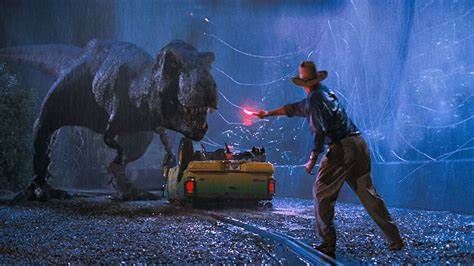
6. **Jurassic Park (1993)**Michael Crichton’s “Jurassic Park” novel was rich with scientific theory and cautionary tales, but Steven Spielberg’s cinematic adaptation infused it with an overwhelming sense of wonder that captured the hearts and imaginations of audiences worldwide. It wasn’t just about the science; it was about the sheer, breathtaking spectacle of it all.
Spielberg masterfully balanced jaw-dropping awe with heart-stopping terror, presenting audiences with dinosaurs that felt incredibly alive and terrifyingly real. The film became a benchmark for special effects, seamlessly blending groundbreaking animatronics with pioneering digital wizardry to create creatures that truly leaped off the screen.
The characters in the movie also underwent a shift, becoming more sympathetic and relatable, which grounded the immense spectacle with genuine human heart. Dr. Alan Grant, for instance, developed a reluctant yet tender bond with the children, softening his more gruff edge from the novel and providing a crucial emotional core to the high-stakes adventure.
John Williams’ soaring musical score turned moments of scientific discovery and first encounters with the dinosaurs into pure transcendence, amplifying the emotional impact of every scene. The book excited the mind with its intelligent premise; the movie, however, captured the soul with its blend of adventure, wonder, and terror. Few stories of science run amok have ever inspired such global awe and left such an indelible mark on pop culture.
Read more about: BuzzFeed Presents: Classics Never Die! 15 Iconic Movies You’ll Want to Rewatch Again (And Again!)
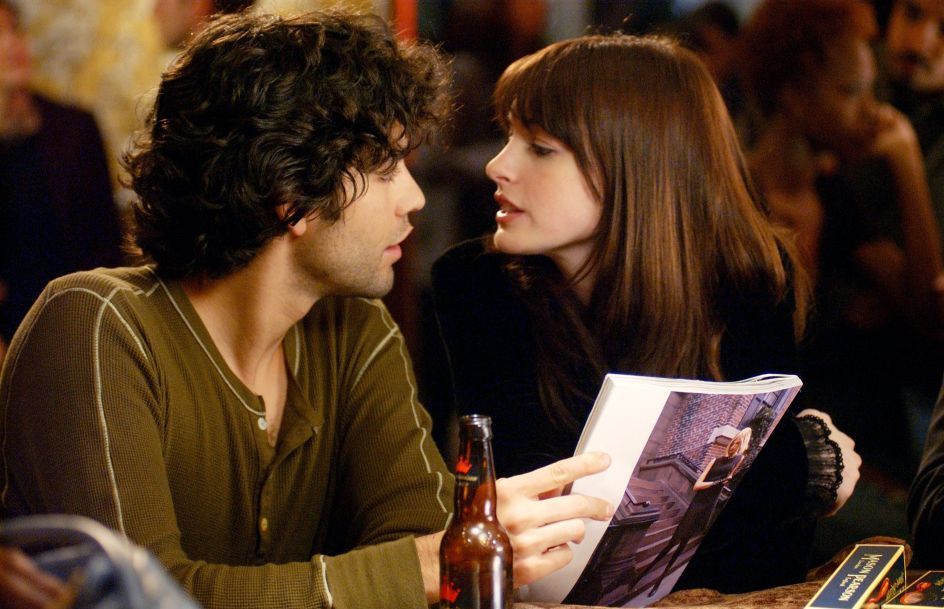
7. **The Devil Wears Prada (2006)**Lauren Weisberger’s novel, “The Devil Wears Prada,” was a fun, biting satire offering an insider’s look at the cutthroat world of high fashion. However, the film adaptation chose to elevate the material, opting for a sophisticated charm over the book’s sometimes bitter tone, transforming it into a more nuanced and enduring critique of power dynamics.
The magic truly happened with Meryl Streep’s iconic performance as Miranda Priestly. She took what could have been a cartoonish villain from the pages of the book and transformed her into a complex cultural icon, a powerful woman whose icy demeanor hinted at layers of vulnerability and demanding professionalism. It was a performance that earned widespread acclaim.
Anne Hathaway, as Andy Sachs, also brought a more balanced portrayal to her character. Her Andy embodied ambition and relatability without losing her core identity, making her journey through the glamorous yet brutal world of Runway magazine incredibly compelling. The witty dialogue and polished direction gave the fashion world an irresistible sparkle, making it aspirational yet equally terrifying.
Crucially, the film benefited from outstanding supporting performances that added much-needed levity and warmth, aspects that were somewhat lacking in the novel’s more scornful approach. Even viewers who had no prior familiarity with haute couture found themselves completely swept up in the story. This intelligent shift in tone made the film a sharper, more universally beloved, and ultimately more enduring narrative about ambition and the price of success.
Delving into 6 more unforgettable movie adaptations that elevated their source material, transforming compelling narratives into cinematic spectacles, beloved classics, and cultural touchstones.
Read more about: Meryl Streep at 75: Peering into the Hollywood Doyenne’s Timeless Performances and Enduring Influence
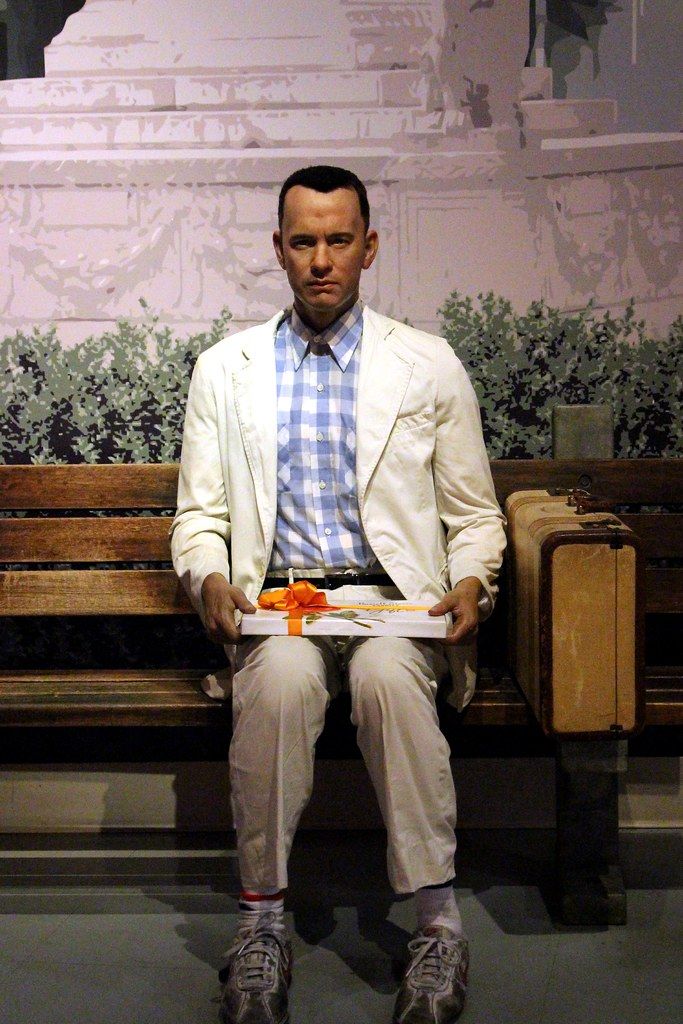
8. **Forrest Gump (1994)**Alright, let’s be real: the novel’s Forrest Gump was a very different guy. He came off as pretty cynical, even crude at times, making it tough to really get behind him. The book painted a darker, more satirical picture of American history, and Forrest often felt more like a narrative device than a hero you’d genuinely cheer for. It was an interesting read, but it didn’t quite possess the heartwarming magic that made the movie such a phenomenon.
But then director Robert Zemeckis worked his cinematic wizardry, transforming the story into a sweeping American tale centered on unwavering innocence. A huge part of this magic was Tom Hanks, who redefined Forrest, imbuing him with such profound humanity and warmth. Hanks made Forrest relatable, lovable, and genuinely inspiring, reshaping how audiences perceived him and turning a flawed character into an iconic figure of hope and endurance.
The film expertly blended humor, genuine heartbreak, and an unshakeable optimism, catapulting it into cultural landmark status. Its historical cameos felt whimsical, not biting, and crucially, the movie swapped the book’s bleaker conclusion for a powerfully hopeful and emotional ending. By wholeheartedly embracing sincerity and a message of enduring possibility, “Forrest Gump” didn’t just become a memorable film; it solidified its place as an unforgettable, timeless classic that continues to move hearts worldwide.
Read more about: Beyond Belief: 12 Incredible Films That Shockingly Tanked at the Box Office, Only to Become Classics
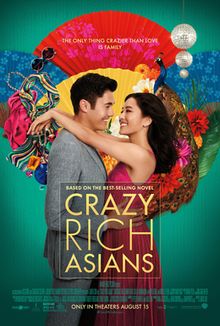
9. **Crazy Rich Asians (2018)**Kevin Kwan’s “Crazy Rich Asians” novel was an absolute explosion of opulence, detailing a world where extravagance knew no limits. However, the book’s narrative sprawled across countless subplots and a dizzying array of side characters, which, while rich in detail, could sometimes make the story feel a little unfocused. It was an immersive experience, but perhaps a bit *too* much to track for some readers.
The film adaptation, on the other hand, took that inherent extravagance and amplified it, delivering it to audiences with an unparalleled cinematic flair that truly sparkled. Director Jon M. Chu cleverly honed in on the central romance between Rachel Chu and Nick Young, creating a tighter, more focused narrative that maintained the story’s emotional core. This smart streamlining allowed the heart of the story to shine through, cutting out the narrative fat without losing any of the dazzling charm.
Constance Wu and Henry Golding were simply magical together, anchoring the dizzying world of Singapore’s elite with genuine relatability and undeniable charm. Wu’s Rachel brought a grounded perspective, making her journey through this lavish yet intimidating society incredibly compelling. The breathtaking production design, exquisite costumes, and perfectly sharp humor from an outstanding supporting cast turned what could have been mere indulgence into irresistibly entertaining cinema, creating a cultural phenomenon that celebrated love, family, and heritage with dazzling style.
Read more about: Beyond the Gloss: 14 Unveiled Challenges and Enduring Legacies of Iconic ’80s Supermodels

10. **Die Hard (1988)**Let’s kick things off with a classic. Roderick Thorp’s novel, “Nothing Lasts Forever,” which inspired “Die Hard,” was a much grimmer, more realistic affair. It presented an aging detective caught in a bleak, almost hopeless standoff, focusing on the sheer grit of survival rather than heroic bravado. The original tone was somber, digging deep into the psychological toll, a stark contrast to the festive chaos we know and love.
But then director John McTiernan arrived with a truly brilliant vision, completely reshaping the narrative and gifting us a reluctant yet incredibly witty hero: John McClane, brought to life unforgettably by Bruce Willis. Willis’s portrayal of McClane, cracking sarcastic jokes through bruises and bullet wounds, single-handedly redefined what it meant to be an action star. He was a hero we could genuinely root for, precisely because he was so human and wonderfully out of his element.
The film’s genius truly lies in how it transformed a single skyscraper into a masterclass of tension and claustrophobia, making every floor and air vent a new obstacle. Alan Rickman’s iconic Hans Gruber elevated villainy into an art form—suave, intelligent, and terrifyingly charismatic. “Die Hard” flawlessly pivoted from bleak realism to pure popcorn spectacle without losing any of its high stakes. This masterful adaptation didn’t just create an entertaining movie; it became *the* definitive modern action film. Yippee-ki-yay, indeed!
Read more about: 12 Legendary Laugh-Out-Loud Comedies from the Last 50 Years You NEED to Rewatch (Some Are Even Ranked!)
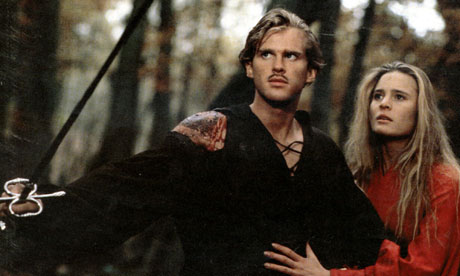
11. **The Princess Bride (1987)**William Goldman’s novel “The Princess Bride” was already a fantastic fairy tale parody, brimming with clever observations and playful meta-commentary that readers adored. It brilliantly poked fun at classic tropes, offering a fresh, witty, and intellectually engaging take on the genre. However, the book’s narrative could sometimes meander a bit, especially with its extensive authorial interruptions and philosophical digressions, which, while clever, occasionally slowed the story down.
The film adaptation, under Rob Reiner’s inspired direction, achieved something truly magical by finding the absolute perfect balance between sharp satire and genuine, heartfelt sincerity. The narrative snapped into place with brisk humor and an utterly irresistible charm that immediately captivated audiences. Cary Elwes and Robin Wright embodied the timeless romance of Westley and Buttercup with such pure heart that their “twue wuv” became instantly iconic and entirely believable amidst the fantastical chaos.
The supporting characters like Inigo Montoya, with his unforgettable quest for revenge, added unexpected layers of depth and pathos, resonating deeply and lingering long after the credits rolled. The movie didn’t just amuse; it enchanted, with its dialogue becoming endlessly quotable and weaving itself into the fabric of pop culture for generations. “The Princess Bride” wasn’t just another adaptation; it created a cinematic experience to be cherished, a timeless tale that perfectly blended adventure, humor, and heartfelt romance in a way only film could. As you wish!
Read more about: BuzzFeed Presents: Classics Never Die! 15 Iconic Movies You’ll Want to Rewatch Again (And Again!)
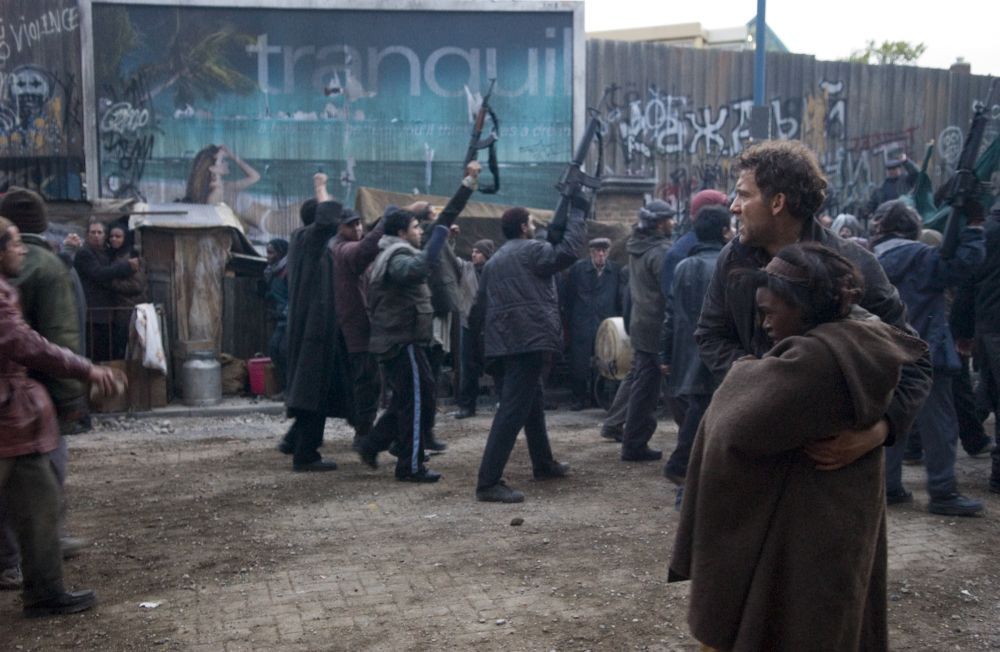
12. **Children of Men (2006)**P.D. James’ dystopian novel “The Children of Men” was a deeply intellectual and philosophically dense exploration of a world facing human extinction. The book unfolded at a deliberate, almost academic pace, often diving deep into inner monologues and abstract ideas about society, faith, and the very essence of the human condition. While profoundly thought-provoking, its contemplative nature could, at times, keep readers at an emotional arm’s length.
However, Alfonso Cuarón, with his absolutely masterful cinematic vision, fundamentally stripped the story down to its raw, visceral essence: pure, relentless survival, desperate hope, and profound desperation. He expertly took the book’s intellectual concepts and grounded them in a breathtakingly immediate, intensely visual, and undeniably harrowing narrative. His signature use of incredibly long, unbroken takes immersed audiences directly into the heart of the chaos, making the danger feel terrifyingly inescapable and remarkably real, a true cinematic triumph.
Clive Owen’s portrayal of the weary, disillusioned protagonist, Theo Faron, was far more relatable and emotionally accessible than the novel’s more detached intellectual figure. Owen brought a raw weariness and reluctant heroism to Theo, making his journey from apathy to desperate hope incredibly compelling. The film amplified the emotional weight of Kee’s miraculous pregnancy, turning it into a luminous beacon amidst a crumbling world. This profound shift from abstract thought to palpable human struggle made “Children of Men” an unforgettable, profoundly moving, and truly immersive cinematic experience that grabs you and refuses to let go.
Read more about: The 11Unsettling Movies You Haven’t Seen (Yet) That Will Haunt Your Dreams
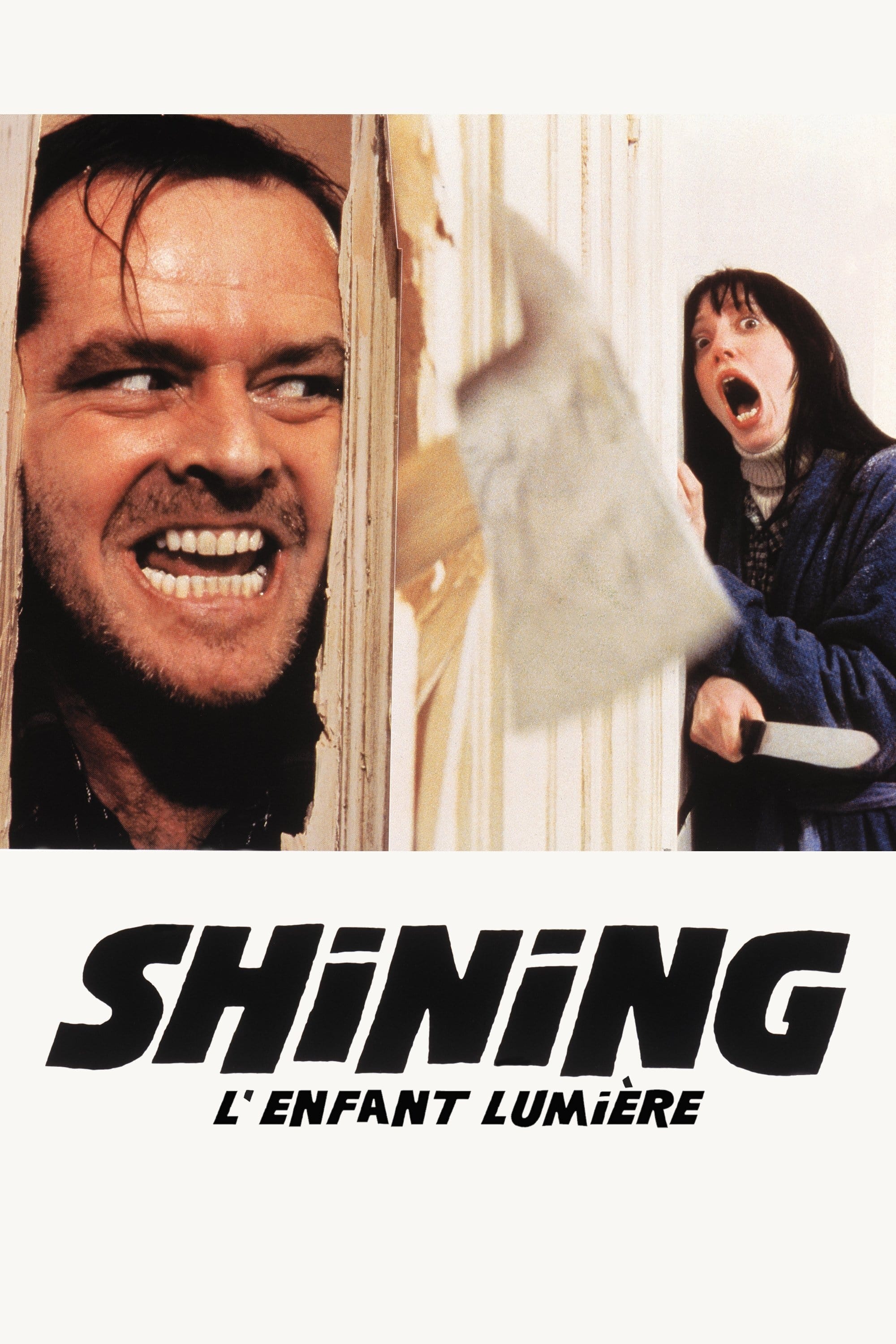
13. **The Shining (1980)**Stephen King’s novel “The Shining” is, without question, a deeply psychological horror story, meticulously detailing Jack Torrance’s slow, agonizing descent into madness. The book achieves this through a rich tapestry of internal monologues, extensive backstory, and a powerful focus on the Overlook Hotel’s sentient, insidious malevolence. King’s original text offers a clear, linear path to Jack’s unraveling, rooted firmly in his personal demons and the hotel’s cunning, supernatural influence, making it a terrifying journey into the darkest corners of the human mind.
Stanley Kubrick’s film, however, was a bold, audacious, and frankly revolutionary departure, deliberately diverging from King’s more explicit psychological approach. On screen, the narrative famously embraced ambiguity and a pervasive, almost inexplicable sense of creeping menace, effectively replacing detailed explanations with a chilling, deeply unsettling atmosphere. Kubrick masterfully allowed the terror to simmer, letting the unsettling unknown and the sheer visual power do much of the heavy lifting, creating a different, yet equally potent, kind of dread that truly lingers.
Jack Nicholson’s iconic performance as Jack Torrance was a tour de force, embodying a terrifyingly intense and almost immediate shift into full-blown madness. Complementing Nicholson’s intensity, Shelley Duvall’s portrayal of Wendy Torrance brilliantly captured a raw, primal fragility under immense psychological pressure, her increasing frantic fear creating an almost unbearable tension. The Overlook Hotel itself became a character—an oppressive, labyrinthine, and profoundly surreal entity. Its iconic imagery defined horror for decades, embedding itself permanently in cinematic lore. While Stephen King famously voiced his objections, audiences embraced its haunting brilliance, solidifying its place as a horror masterpiece.
Read more about: 12 Legendary Laugh-Out-Loud Comedies from the Last 50 Years You NEED to Rewatch (Some Are Even Ranked!)
So, there you have it! We’ve taken a deep dive into 13 cinematic marvels that dared to not just adapt, but truly *outshine* their literary origins. While the age-old debate of ‘book versus movie’ will probably rage on forever, these films are living proof that sometimes, just sometimes, Hollywood magic can elevate a story to breathtaking new heights. From chilling horrors to heartwarming sagas, these movies brought phenomenal acting, masterful filmmaking, and a sprinkle of pure genius to the screen, transforming beloved tales into unforgettable cultural touchstones. They’re more than just adaptations; they’re shining examples of cinema’s incredible power to move, thrill, and inspire us in ways words alone simply can’t. Which one is your favorite? Let us know!