The 1960s stand as an indisputably vibrant and turbulent period in history, with societal norms undergoing radical transformations as the baby boomer generation reached young adulthood. This decade witnessed monumental shifts, from political assassinations and global conflicts to the civil rights movement, culminating in humanity’s extraordinary achievement of landing on the moon. Amidst this backdrop of profound change, the automotive world was equally swept up in a tide of seismic shifts, profoundly reshaping how vehicles were conceived, engineered, and perceived.
While Detroit’s automotive giants thrived on the burgeoning youth market’s insatiable appetite for muscle cars, a quiet revolution was simultaneously unfolding. Acknowledgment slowly grew within the Big Four American automakers that the appeal of foreign manufacturers was a looming threat, prompting a realization that young buyers were as quick to embrace new automotive trends as they were to abandon traditional entertainment or societal conventions. This era forged an indelible mark on car culture, with bold designs and formidable engines setting the stage for some of the most iconic vehicles ever conceived.
Cars in the 1960s transcended mere transportation; they were potent symbols of freedom, personal style, and technological innovation. It was a golden era for automobile enthusiasts, characterized by revolutionary designs and engineering marvels that collectively left an indelible mark on automotive history. From groundbreaking compacts that challenged conventional wisdom to the thunderous arrival of the muscle car, this decade gave birth to vehicles that continue to captivate the imagination of car lovers and collectors today. We embark on a journey through this remarkable period to spotlight the first eight of fifteen vehicles that stand as true testaments to the era’s innovative spirit and enduring appeal.
1. 1960 Chevrolet Corvair
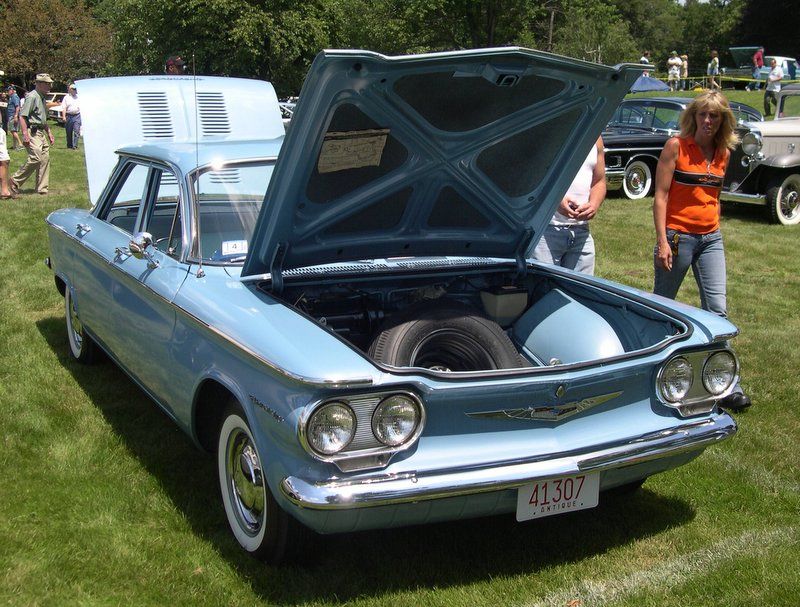
The 1960 Chevrolet Corvair represented a significant departure from Detroit’s post-World War II engineering traditions, demonstrating a willingness to innovate when prompted by external competition. Its development was largely spurred by the unexpected success of the Volkswagen Beetle, which highlighted a market for compact, efficient, and unconventional vehicles. The Corvair, in its initial iteration, bravely broke away from the prevalent body-on-frame construction, instead adopting a monocoque or unibody design, which was rare for American cars at the time.
Further distinguishing itself, the Corvair featured a four-wheel independent suspension, a sophisticated setup that promised superior ride quality and handling compared to its domestic counterparts. Most notably, it boasted a rear-mounted, air-cooled engine, with the innovative option of a turbocharger—a cutting-edge feature for a mass-produced American car. This engineering philosophy was a stark contrast to the front-engine, water-cooled V8s that dominated the American market, signaling a bold new direction for Chevrolet.
Visually, the Corvair also eschewed the excesses of the late 1950s, notably lacking the pervasive chrome grille and exaggerated tail fins that had become synonymous with Detroit styling. This minimalist approach was as radical as its mechanical layout. So revolutionary was its design and engineering that MotorTrend rightfully named it our Car of the Year for 1960, recognizing its pioneering spirit and potential to redefine American automotive standards.
Despite its initial acclaim, the Corvair’s legacy was severely damaged by Ralph Nader’s influential book, “Unsafe at Any Speed,” which critically questioned its safety. Although a 1972 government report later found the Corvair’s stability comparable to contemporary compact cars, the controversy irrevocably altered public perception and brought an unprecedented emphasis on safety to both automotive manufacturers and governmental regulators. The Corvair, for a time, offered American buyers a compelling domestic alternative in a market increasingly seeing sales chipped away by imports, showcasing Detroit’s capacity for ingenuity when properly motivated.
Car Model Information: 1964 Chevrolet Corvair Monza
Caption: 1964 Chevrolet Corvair Monza
Name: Chevrolet Corvair
Manufacturer: Chevrolet
Production: July 1959
Platform: GM Z platform
Chassis: Unibody
ModelYears: 1960–1969
Assembly: United States,Kansas City, Missouri,Oakland, California,Van Nuys,St. Louis,Flint, Michigan,Belgium,Canada,Mexico,South Africa,Switzerland,Venezuela
Class: Compact car
Successor: Chevrolet Vega
Layout: Rear-engine, rear-wheel-drive layout
Categories: All Wikipedia articles written in American English, All articles lacking in-text citations, All articles needing additional references, All articles with dead external links, All articles with specifically marked weasel-worded phrases
Summary: The Chevrolet Corvair is a rear-engined, air-cooled compact car manufactured and marketed by Chevrolet over two generations from the 1960 through 1969 model years. The Corvair was a response to the increasing popularity of small, fuel-efficient automobiles, particularly the imported Volkswagen Beetle and American-built compacts like the Rambler American and Studebaker Lark.
The first generation (1960–1964) was offered in four-door sedan, two-door coupe, convertible, and four-door station wagon configurations. A two- and four-door hardtop, as well as a convertible, were available as second-generation variants (1965–1969). The Corvair platform was also offered as a subseries known as the Corvair 95 (1961–1965), which consisted of a passenger van, commercial van, and pickup truck variant. Total production was approximately 1.8 million vehicles from 1960 until 1969.
The name “Corvair” was first applied in 1954 to a Corvette-based concept with a hardtop fastback-styled roof, part of the Motorama traveling exhibition. When applied to the production models, the “air” part referenced the engine’s cooling system.
A prominent aspect of the Corvair’s legacy derives from controversy surrounding the handling of early models equipped with rear swing axles, articulated aggressively by Ralph Nader’s Unsafe at Any Speed but tempered by a 1972 Texas A&M University safety commission report for the National Highway Traffic Safety Administration (NHTSA) which found that the 1960–1963 Corvair possessed no greater potential for loss of control in extreme situations than contemporary compacts.
To better counter popular inexpensive subcompact competitors, notably the Beetle and Japanese imports such as the Datsun 510, GM replaced the Corvair with the more conventional Chevrolet Vega in 1970.
Get more information about: Chevrolet Corvair
Buying a high-performing used car >>>
Brand: Chevrolet Model: Corvair
Price: $29,988 Mileage: 74,787 mi.
Read more about: The 14 Most Embarrassing Market Misses: When Styling Blunders and Feature Failures Drove Cars Off a Cliff
2. 1961 Lincoln Continental
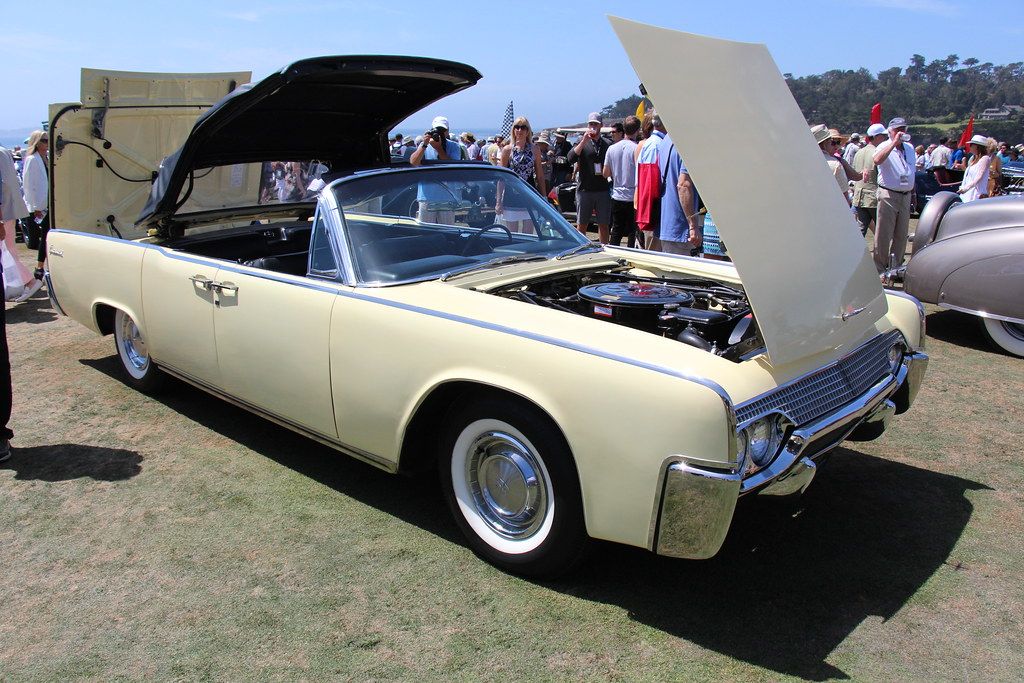
The 1961 Lincoln Continental emerged as a beacon of triumph from the shadows of financial disaster that plagued its 1958–60 predecessors. Lincoln decisively shed the stylistic excesses of the 1950s, giving birth to a luxury car that was strikingly forward-thinking and profoundly influential. Its design was a radical departure, abandoning the chrome-laden, fin-tailed aesthetics of the era for a sleek, smooth, and elegantly restrained silhouette that instantly rendered its opulent rival, Cadillac, as a relic of the past.
Built on a unibody platform shared with the Ford Thunderbird, the new Continental streamlined Lincoln’s offerings, consolidating a myriad of previous body styles into just two: a sophisticated four-door sedan and an equally elegant four-door convertible. Both models famously featured rear-hinged “suicide” doors, a distinctive touch that not only added to its unique allure but also facilitated easier entry and exit, further cementing its status as a paragon of luxury and thoughtful design.
Lincoln underpinned its renewed emphasis on quality and customer satisfaction by introducing an industry-first two-year, 24,000-mile bumper-to-bumper warranty. This bold commitment to durability was revolutionary for its time, setting a new standard for luxury vehicle assurance. The Continental’s inherent elegance and quality made it a natural choice for official use, continuing Lincoln’s tradition of providing presidential limousines since the Franklin D. Roosevelt administration.
However, the car’s association with the nation’s youthful new president was a tremendous public relations coup that, regrettably, became inextricably linked to a fateful November day in Dallas. Despite this profound tragedy, the Continental miraculously transcended its unfortunate connection, solidifying its place as an enduring symbol of American luxury. It cast a definitive mold for luxury sedans that continued to influence automotive design for decades, celebrated for its iconic styling and innovative features like the vertical steering wheel adjustment available from 1964 to 1965.
Car Model Information: 2018 Lincoln Continental Black Label
Name: Lincoln Continental
Caption: 2019 Lincoln Continental
Manufacturer: Lincoln Motor Company
Production: 1939–1942,1946–1948,1956–2002,2016–2020
ModelYears: 1940–1942,1946–1948,1958–1980,1982–2002,2017–2020
Class: Full-size car,luxury car
Layout: Longitudinal engine,Front-engine, rear-wheel-drive layout
Categories: 1930s cars, 1940s cars, 1950s cars, 1960s cars, 1970s cars
Summary: The Lincoln Continental is a series of mid-sized and full-sized luxury cars produced between 1939 and 2020 by Lincoln, a division of the American automaker Ford. The model line was introduced following the construction of a personal vehicle for Edsel Ford, who commissioned a coachbuilt 1939 Lincoln-Zephyr convertible, developed as a vacation vehicle to attract potential Lincoln buyers. In what would give the model line its name, the exterior was designed with European “continental” styling elements, including a rear-mounted spare tire.
In production for over 55 years across nine different decades, Lincoln has produced ten generations of the Continental. Within the Lincoln model line, the Continental has served several roles ranging from its flagship to its base-trim sedan. From 1961 to 1976, Lincoln sold the Continental as its exclusive model line. The model line has also gone on hiatus three times. From 1949 to 1955, the nameplate was briefly retired. In 1981, the Continental was renamed the Lincoln Town Car to accommodate the 1982 seventh-generation Continental. After 2002, the Continental was retired, largely replaced by the Lincoln MKS in 2009; in 2017, the tenth-generation Continental replaced the MKS.
As part of its entry into full-scale production, the first-generation Continental was the progenitor of an entirely new automotive segment, the personal luxury car. Following World War II, the segment evolved into coupes and convertibles larger than sports cars and grand touring cars with an emphasis on features, styling, and comfort over performance and handling. From 1956 to 1957, the Continental nameplate was the namesake of the short-lived Continental Division, marketing the 1956–1957 Continental Mark II as the worldwide flagship of Ford Motor Company; as a second successor, Ford introduced the Continental Mark series in 1969, produced over six generations to 1998.
Along with the creation of the personal luxury car segment, the Lincoln Continental marked the zenith of several designs in American automotive history. The Continental is the final American vehicle line with a factory-produced V12 engine (1948), the final four-door convertible (1967), and the final model line to undergo downsizing (for the 1980 model year).
American production of the Continental and MKZ, its only two sedans, ended in 2020 thereby making Lincoln a crossover/SUV-only brand in the US.
Get more information about: Lincoln Continental
Buying a high-performing used car >>>
Brand: Lincoln Model: Continental
Price: $33,888 Mileage: 45,001 mi.
Read more about: When Innovation Stalled: Unearthing the 1940s’ Most Overlooked and Underperforming Automobiles
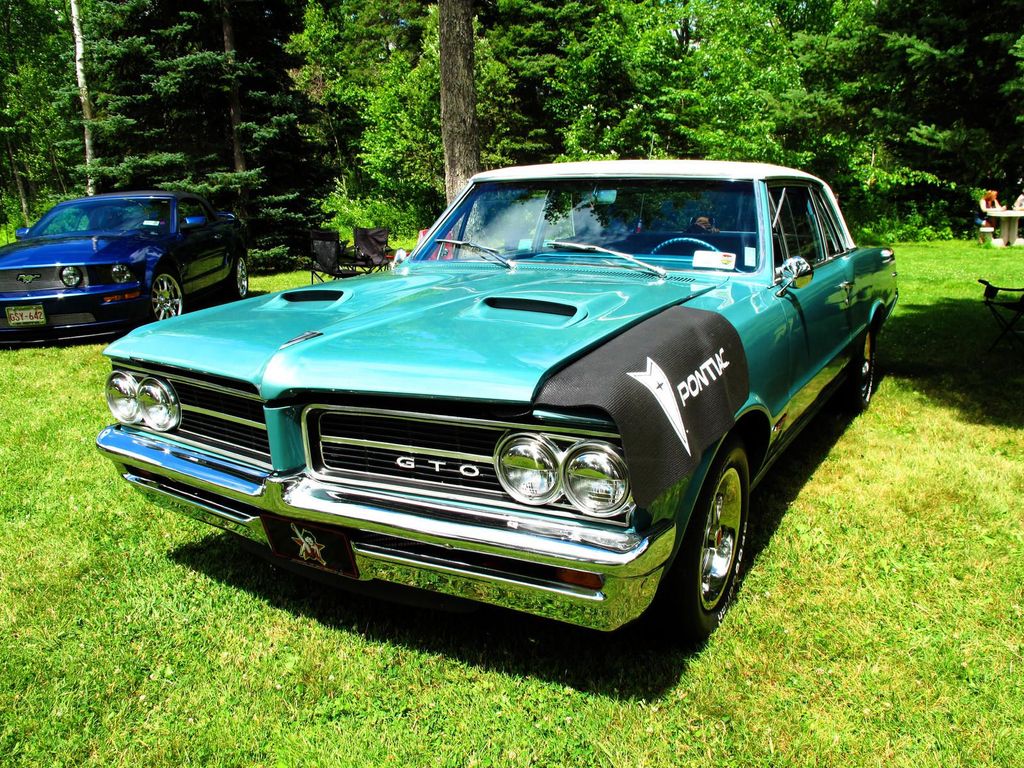
3. 1964 Pontiac GTO
The 1964 Pontiac GTO was more than just a car; it was a cultural phenomenon, mirroring the revolutionary spirit of the 1960s. Spearheaded by Pontiac chief John DeLorean, a figure often seen as an unconventional thinker by General Motors’ conservative management, the GTO cleverly circumvented corporate rules. DeLorean exploited a loophole in GM’s internal displacement limits, audaciously stuffing a potent 389-cubic-inch (6.4-liter) V-8 engine into the relatively compact Tempest platform, thereby giving birth to the muscle car genre.
This audacious creation, the GTO, was specifically designed to be both accessible and highly desirable to the burgeoning youth market, who craved power and style at an affordable price point. Pontiac initially set a modest sales target of 5,000 units for the first year, but the market’s response was overwhelming, with over 32,000 GTOs sold. This immediate and immense success underscored a profound shift in consumer preference and established muscle cars as a dominant force in the automotive landscape.
The GTO’s influence quickly grew, with the restyled 1965 model contributing significantly to the entire Pontiac division earning the 1965 MotorTrend Car of the Year award. Later, the entirely new 400ci (6.6L) 1968 GTO seized the prestigious award for itself, cementing its individual status as an automotive icon. Initially offered as a package option for the Pontiac LeMans, its immense popularity quickly led it to become its own standalone model by 1966.
The car was available in a hardtop, sports coupe, and convertible, with the hardtop being the runaway favorite. The GTO continued to evolve with smart updates, such as the visually striking and affordable 1969 GTO Judge, famously named after a comedy sketch. The introduction of a massive 455ci (7.5L) V-8 for 1970 further solidified its dominance. The GTO bestrode the muscle car genre like a colossus, reigning supreme until the twin pressures of the oil crisis and stricter emissions regulations ultimately brought the horsepower craze to a screeching halt, yet its legend endures.
Car Model Information: 1966 Pontiac GTO Coupe
Name: Pontiac GTO
Caption: 2005 Pontiac GTO
Manufacturer: Pontiac (automobile),Holden
Class: Mid-size car,Compact car,Mid-size car
Production: 1963–1974,2003–2006
Predecessor: Pontiac Tempest
Layout: Front-engine, rear-wheel-drive layout
ModelYears: 1964-1974 2004-2006
Categories: 1970s cars, 2000s cars, All articles with unsourced statements, Articles with short description, Articles with unsourced statements from October 2008
Summary: The Pontiac GTO is a front-engine, rear-drive, two-door, and four-passenger automobile manufactured and marketed by the Pontiac division of General Motors over four generations from 1963 until 1974 in the United States — with a fifth generation made by GM’s Australian subsidiary, Holden, for the 2004 through 2006 model years.
The first generation of the GTO is credited with popularizing the muscle car market segment in the 1960s. Some consider the Pontiac GTO to have started the trend with all four domestic automakers offering a variety of competing models.
For the 1964 and 1965 model years, the GTO was an optional package on the intermediate-sized Pontiac LeMans. The 1964 GTO vehicle identification number (VIN) started with 22, while the 1965 GTO VIN began with 237. The GTO was designated as a separate Pontiac model from 1966 through 1971 (VIN 242…). It became an optional package again for the 1972 and 1973 intermediate LeMans. For 1974, the GTO was an optional trim package on the compact-sized Ventura.
The GTO model was revived for the 2004 through 2006 model years as a captive import for Pontiac, a left-hand drive version of the Holden Monaro, itself a coupé variant of the Holden Commodore.
Get more information about: Pontiac GTO
Buying a high-performing used car >>>
Brand: Pontiac Model: GTO
Price: $59,991 Mileage: 4,408 mi.
Read more about: Beyond the Legends: 14 Forgotten Muscle Cars Ready for a Second Look and a Resurgence
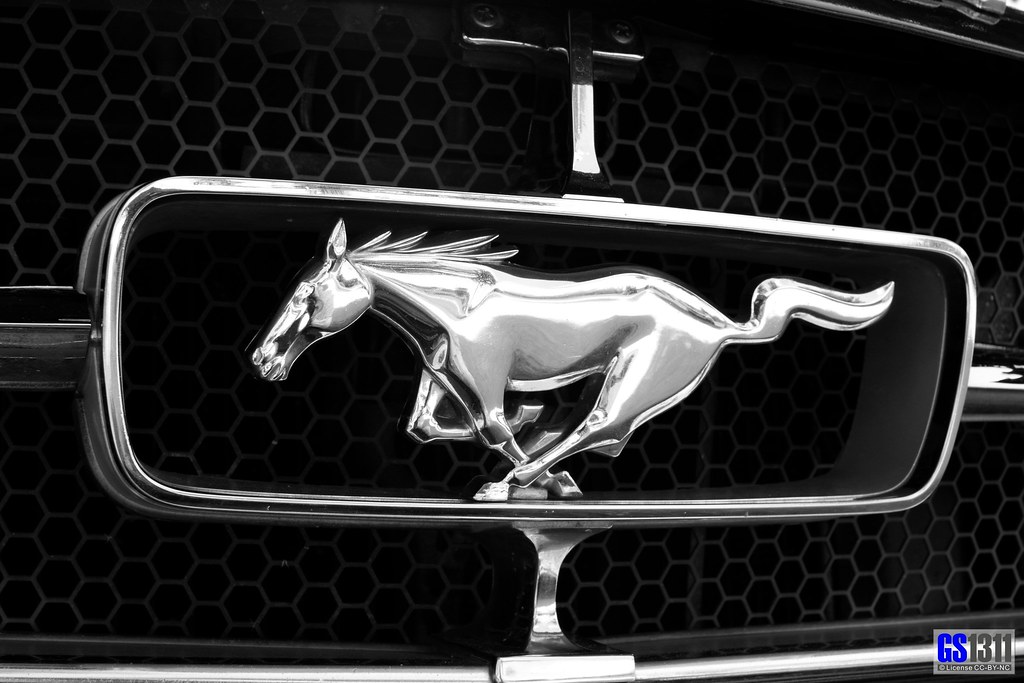
4. 1965 Ford Mustang
Lee Iacocca’s visionary brainchild, the Ford Mustang, stands as one of the automotive industry’s most monumental successes. Its inception was rooted in a brilliant strategy to create a car that was simultaneously stylish, sporty, and exceptionally affordable. This was achieved by ingeniously utilizing readily available chassis and drivetrain components from existing Ford models like the Falcon and Fairlane, effectively keeping production costs at a minimum and retail prices within reach of a wide demographic, particularly the youthful market.
Ford harbored ambitious hopes of selling 100,000 Mustangs in its inaugural year. However, the public’s reaction far exceeded even the most optimistic projections. An astonishing 22,000 units were sold on the very first day, and the 100,000-unit milestone was reached in less than five months. This unprecedented demand unequivocally demonstrated that Ford had tapped into a profound consumer desire for a car that offered personalized style, performance, and value, launching a new automotive segment known as the “pony car.”
The Mustang’s design versatility was a key element of its appeal. It could be optioned to fulfill a wide array of roles, from a practical economy runabout to a luxurious personal coupe, or even transformed into a fire-breathing V-8 track star. This adaptability allowed buyers to tailor the car to their individual tastes and budgets, fostering a deep connection with the vehicle. The initial prototypes, developed in 1962 and 1963, saw it evolve from a two-seater compact to a four-seater, ultimately culminating in the 1964½ model year launch, effectively five months ahead of the traditional 1965 model production start.
Beyond its commercial triumph, the Mustang’s cultural significance permeated deeply into pop culture, becoming an icon of American freedom and adventure. It starred in legendary car-themed films such as “Bullitt” and “Gone In 60 Seconds,” cementing its image as a cinematic legend. The Mustang’s unforeseen success caught the entire industry off guard, compelling other automakers to hastily develop their own competitors, all of which were, in deference to the original, dubbed ‘pony cars’. While many of its rivals have faded into history, the Ford Mustang remarkably remains in continuous production 60 years later, still faithfully pursuing its original mission goals of offering style, sportiness, and accessibility.
Car Model Information: 2008 Ford Mustang GT Premium
Name: Ford Mustang
Caption: 2018 Ford Mustang GT 5.0
Aka: Ford T5 (Germany)
Manufacturer: Ford Motor Company
Production: March 1964 – present
ModelYears: 1965–present
Class: Unbulleted list
BodyStyle: Unbulleted list
Layout: Front-engine, rear-wheel-drive layout
Categories: 1970s cars, 1980s cars, 1990s cars, 2+2 coupés, 2000s cars
Summary: The Ford Mustang is an American automobile manufactured and marketed by Ford since 1964, as Ford’s longest nameplate in continuous production. Currently in its seventh generation, it is the fifth-best selling Ford car nameplate. The namesake of the “pony car” automobile segment, the Mustang was developed as a highly styled line of sporty coupes and convertibles derived from existing model lines, initially distinguished by its pronounced “long hood, short deck” proportions.
Originally predicted to sell 100,000 vehicles yearly, the 1965 Mustang became the most successful vehicle launch since the 1927 Model A. Introduced on April 17, 1964 (16 days after the Plymouth Barracuda), over 400,000 units were sold in its first year; the one-millionth Mustang was sold within two years of its launch. In August 2018, Ford produced the 10-millionth Mustang; matching the first 1965 Mustang, the vehicle was a 2019 Wimbledon White convertible with a V8 engine.
The success of the Mustang launch led to multiple competitors from other American manufacturers, including the Chevrolet Camaro and Pontiac Firebird (1967), AMC Javelin (1968), and Dodge Challenger (1970). It also competed with the Plymouth Barracuda, which was launched around the same time. The Mustang also had an effect on designs of coupes worldwide, leading to the marketing of the Toyota Celica and Ford Capri in the United States (the latter, by Lincoln-Mercury). The Mercury Cougar was launched in 1967 as a unique-bodied higher-trim alternative to the Mustang; during the 1970s, it included more features and was marketed as a personal luxury car.
From 1965 until 2004, the Mustang shared chassis commonality with other Ford model lines, staying rear-wheel-drive throughout its production. From 1965 to 1973, the Mustang was derived from the 1960 Ford Falcon compact. From 1974 until 1978, the Mustang (denoted Mustang II) was a longer-wheelbase version of the Ford Pinto. From 1979 until 2004, the Mustang shared its Fox platform chassis with 14 other Ford vehicles (becoming the final one to use the Fox architecture). Since 2005, Ford has produced two generations of the Mustang, each using a distinct platform unique to the model line.
Through its production, multiple nameplates have been associated with the Ford Mustang series, including GT, Mach 1, Boss 302/429, Cobra (separate from Shelby Cobra), and Bullitt, along with “5.0” fender badging (denoting 4.9 L OHV or 5.0 L DOHC V8 engines).
Get more information about: Ford Mustang
Buying a high-performing used car >>>
Brand: Ford Model: Mustang
Price: $16,785 Mileage: 81,832 mi.
Read more about: Revving Through Time: 15 Iconic Classic Cars That Will Never Go Out of Style
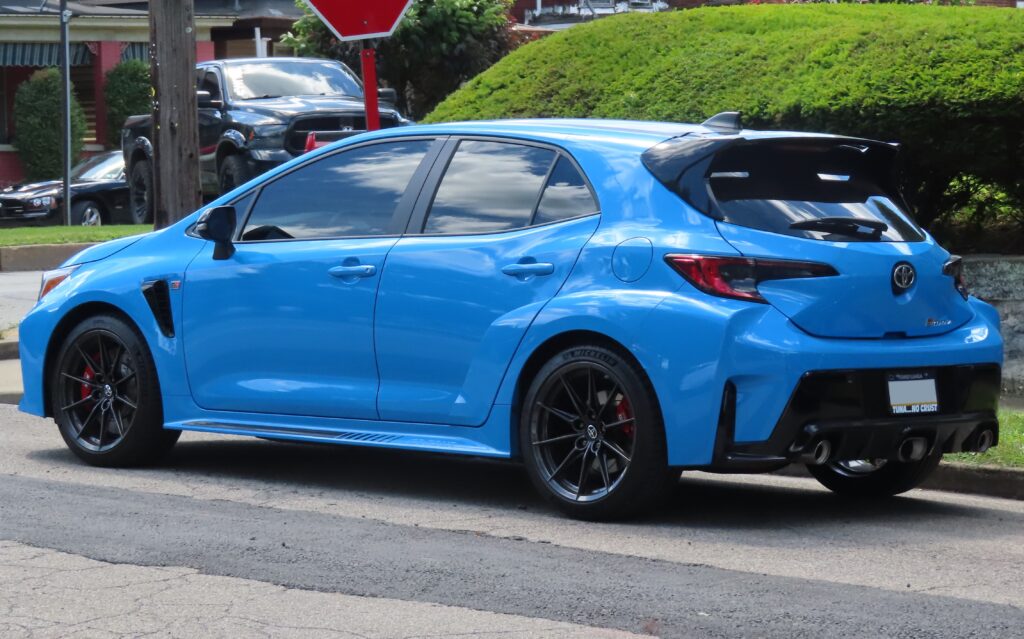
5. 1969 Toyota Corolla
The 1969 Toyota Corolla, making its stateside debut as a ’69 model two years after its Japanese launch, arrived at a time when American perceptions of Japanese cars were largely limited to notions of cheap, tinny, and underpowered curiosities. Yet, the Corolla quickly distinguished itself. It possessed an elusive quality that went beyond its expected frugality and surprising build quality; it had genuine appeal, a combination of practicality, reliability, and an understated charm that resonated with a growing segment of buyers.
This seemingly unassuming compact car would soon embark on a remarkable journey of global dominance. By the mid-1970s, the Toyota Corolla had not only become the world’s bestselling car but had also begun to fundamentally challenge established norms within the American automotive industry. Its undeniable success, predicated on consistent quality and economy, compelled American automakers to critically reassess their own approaches to vehicle manufacturing, particularly in the crucial areas of efficiency and reliability.
As the decades progressed, the Corolla’s legendary status continued to grow. By the late 1990s, it achieved an extraordinary feat, surpassing iconic nameplates like the Ford Model T and the Volkswagen Beetle to become the bestselling nameplate in automotive history. This enduring success was built upon a steadfast commitment to a core formula that never wavered, regardless of stylistic variations or market adaptations.
Through various iterations—from sporty versions to more mundane commuter cars, and even those rebadged as Chevrolet Novas—the fundamental character of the Corolla remained constant. It consistently delivered on its promise of being sensible, economical, and utterly reliable. Toyota’s meticulous engineering and unwavering focus on these core tenets have resulted in over 50 million Corollas sold globally, a staggering figure that continues to climb with each passing day, solidifying its legacy as a true automotive phenomenon.
Car Model Information: 2023 Toyota Corolla LE
Name: Toyota Corolla
Caption: Twelfth generation model (2020, hatchback)
Manufacturer: Toyota
Aka: unbulleted list
Production: November 1966 – present
Class: unbulleted list
Predecessor: Toyota Publica
Categories: 1970s cars, 1980s cars, 1990s cars, 2000s cars, 2010s cars
Summary: The Toyota Corolla (Japanese: トヨタ・カローラ, Hepburn: Toyota Karōra) is a series of compact cars (formerly subcompact) manufactured and marketed globally by the Japanese automaker Toyota Motor Corporation. Introduced in 1966, the Corolla has been the world’s best-selling automobile of all time since 1997, when it surpassed the Volkswagen Beetle. Toyota reached the milestone of 50 million Corollas sold over twelve generations in 2021.
The name Corolla is part of Toyota’s naming tradition of using names derived from the Toyota Crown for sedans, with “corolla” Latin for “small crown”. The Corolla has always been exclusive in Japan to Toyota Corolla Store locations, and manufactured in Japan with a twin, called the Toyota Sprinter until 2000. From 2006 to 2018 in Japan and much of the world, and from 2018 to 2020 in Taiwan, the hatchback companion had been called the Toyota Auris.
Early models were mostly rear-wheel drive, while later models have been front-wheel drive. Four-wheel drive versions have also been produced, and it has undergone several major redesigns. The Corolla’s traditional competitors have been the Nissan Sunny, introduced the same year as the Corolla in Japan and the later Nissan Sentra, Subaru Leone, Honda Civic and Mitsubishi Lancer. The Corolla’s chassis designation code is “E”, as described in Toyota’s chassis and engine codes.
Get more information about: Toyota Corolla
Buying a high-performing used car >>>
Brand: Toyota Model: Corolla
Price: $21,090 Mileage: 53,375 mi.
Read more about: Hit the Road! Relive Your Best Childhood Memories with 14 Legendary Family Wagons That Defined an Era

6. 1963 Chevrolet Corvette Sting Ray
The 1963 Chevrolet Corvette Sting Ray stands as an undisputed American icon, celebrated for its pioneering design and visceral performance that redefined the sports car segment. Its most distinctive and instantly recognizable feature was the unique split rear window, a bold styling cue that contributed significantly to its aggressive and futuristic aesthetic. This fiberglass-bodied marvel was not just about looks; its lightweight and aerodynamic construction directly enhanced its performance capabilities on the road, setting new benchmarks for American sports cars.
Under the hood, the Sting Ray delivered exhilarating acceleration, powered by a range of potent V8 engines that roared with an unmistakable American growl. Beyond raw power, the 1963 model introduced an independent rear suspension, a significant engineering advancement that vastly improved handling dynamics and ride comfort. This sophistication in chassis design allowed drivers to experience a level of control and precision previously uncommon in American high-performance vehicles.
The interior of the Sting Ray further reinforced its performance-oriented character. Its cockpit-like design enveloped the driver, emphasizing control and creating a sense of intimate connection with the machine. Despite its focus on driving dynamics, the interior did not skimp on luxury, blending sporty functionality with premium finishes. This careful balance between performance and refinement cemented its appeal among enthusiasts and luxury car buyers alike.
The Sting Ray profoundly symbolized America’s spirit of innovation and relentless pursuit of performance. It is widely considered by many to be the pinnacle of Corvette design, a testament to its beauty, engineering excellence, and groundbreaking features. Collectors and enthusiasts worldwide continue to cherish this classic, not only for its striking appearance and thrilling performance but also for its lasting impact on American automotive history, representing a truly golden era for the ‘Vette.
Car Model Information: 2020 RAM 1500 Laramie
Name: Chevrolet Corvette (C2)
Caption: 1963 Chevrolet Corvette Sport Coupe
Manufacturer: Chevrolet
Aka: Chevrolet Corvette Sting Ray
Production: August 1962–July 1967
ModelYears: 1963–1967
Platform: Series 0800 (1962-1964),Series 194 (1965-1967)
Chassis: Body-on-frame
Assembly: St. Louis, Missouri
Predecessor: Chevrolet Corvette (C1)
Successor: Chevrolet Corvette (C3)
Class: Sports car
BodyStyle: Convertible (car),coupé
Layout: Front-engine, rear-wheel-drive layout
Engine: {{cvt,327,cuin,L,1,Chevrolet small-block engine (first- and second-generation)#327,V8 engine
Wheelbase: cvt
Length: cvt
Width: cvt
Height: cvt
Weight: cvt
Transmission: manual transmission,manual transmission,Powerglide
Related: Bill Thomas Cheetah
Designer: Larry Shinoda
Categories: 1960s cars, All articles needing additional references, All articles with specifically marked weasel-worded phrases, All articles with unsourced statements, Articles needing additional references from July 2024
Summary: The Chevrolet Corvette (C2) is the second-generation Corvette sports car, produced by the Chevrolet division of General Motors (GM) for the 1963 through 1967 model years.
Get more information about: Chevrolet Corvette (C2)
Buying a high-performing used car >>>
Brand: Chevrolet Model: Corvette Sting Ray
Price: $36,995 Mileage: 64,342 mi.
Read more about: Revving Through Time: 15 Iconic Classic Cars That Will Never Go Out of Style
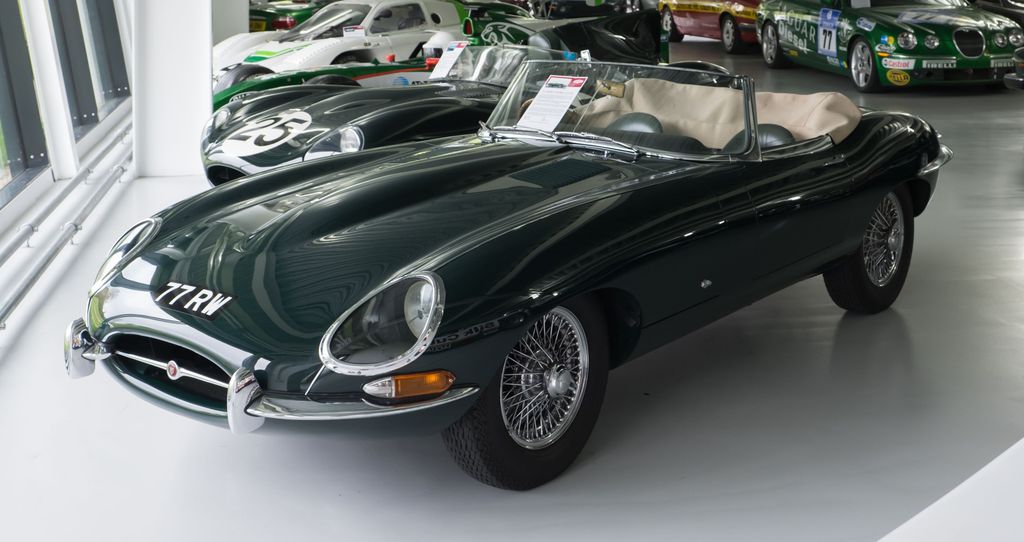
7. 1961 Jaguar E-Type
The 1961 Jaguar E-Type is globally acclaimed as a masterpiece of British automotive engineering and design, a vehicle so exquisitely crafted that even Enzo Ferrari famously declared it “the most beautiful car ever made.” Its breathtaking aesthetics are defined by graceful, curvilinear forms, a dramatically long hood, a short rear deck, and a low, aerodynamic profile that commanded attention and turned heads wherever it graced the tarmac. The E-Type’s timeless elegance was matched only by its formidable performance capabilities.
Beneath its sculptural bodywork lay a robust 3.8-liter engine, capable of producing exhilarating speeds that positioned it squarely among the world’s elite sports cars. To match its impressive acceleration, the E-Type was equipped with disc brakes, a state-of-the-art stopping technology for its time, ensuring not only thrilling performance but also a crucial element of safety and control. This combination of speed and stopping power made for a truly engaging driving experience that few rivals could match.
Inside, the E-Type offered a cabin that exuded both luxury and comfort, adorned with sumptuous leather upholstery. This opulent interior provided a refined driving environment, blending the thrill of a high-performance sports car with the sophistication of a grand tourer. The meticulous craftsmanship and attention to detail within the cockpit underscored Jaguar’s commitment to delivering a truly premium experience.
Celebrated universally for its unparalleled beauty and dynamic performance, the Jaguar E-Type has rightfully earned its place as an enduring symbol of elegance and pure driving pleasure. Its revolutionary and timeless design has continued to inspire generations of car designers worldwide, proving that some automotive creations are not merely machines, but works of art that transcend their era and maintain an eternal allure, securing its spot in the pantheon of automotive legends.
Car Model Information: 1971 Jaguar E-Type Restomod
Sp: uk
Name: Jaguar E-Type
Caption: 1961 E-Type Series 1 3.8-Litre, the first production model of this open two-seater
Aka: Jaguar XK-E (North America),Jaguar V-12
Manufacturer: Jaguar Cars
Production: 1961–1974
Class: Sports car
Predecessor: Jaguar XK150
Related: Jaguar D-Type,Jaguar XJ13
Successor: Jaguar XJS
Layout: FMR layout
Assembly: Coventry,England
Designer: Malcolm Sayer
Categories: 1970s cars, 2+2 coupés, All Wikipedia articles written in British English, All articles with dead external links, All articles with specifically marked weasel-worded phrases
Summary: The Jaguar E-Type, or the Jaguar XK-E for the North American market, is a British front mid-engined sports car that was manufactured by Jaguar Cars Ltd from 1961 to 1974. Its sleek appearance, advanced technologies, high performance, and competitive pricing established it as an icon. The E-Type’s claimed 150 miles per hour (240 km/h) top speed, sub-7-second 0 to 60 mph (97 km/h) acceleration, largely unitary body construction, front and rear independent suspension with disc brakes, mounted inboard at the rear, and rack-and-pinion steering spurred industry-wide changes.
The E-Type was based on Jaguar’s D-Type racing car, which had won the 24 Hours of Le Mans for three consecutive years beginning in 1955.
The E-Type employed what was, for the early 1960s, a novel design principle, with a front subframe carrying the engine, front suspension and front bodywork bolted directly to the body tub. No ladder frame chassis, as was common at the time, was needed and as such the first cars weighed only 1,315 kg (2,899 lb).
It is rumored that, on its debut on 15 March 1961, Enzo Ferrari called it “the most beautiful car ever made”, but this statement is not fully confirmed. In 2004, Sports Car International magazine placed the E-Type at number one on their list of Top Sports Cars of the 1960s. In March 2008, the Jaguar E-Type ranked first in The Daily Telegraph’s online list of the world’s “100 most beautiful cars” of all time.
Get more information about: Jaguar E-Type
Buying a high-performing used car >>>
Brand: Jaguar Model: E-Type
Price: $64,900 Mileage: 2,455 mi.
Read more about: Cruise Nights to Forgotten Rides: Boomer Classics Millennials *Need* to Experience
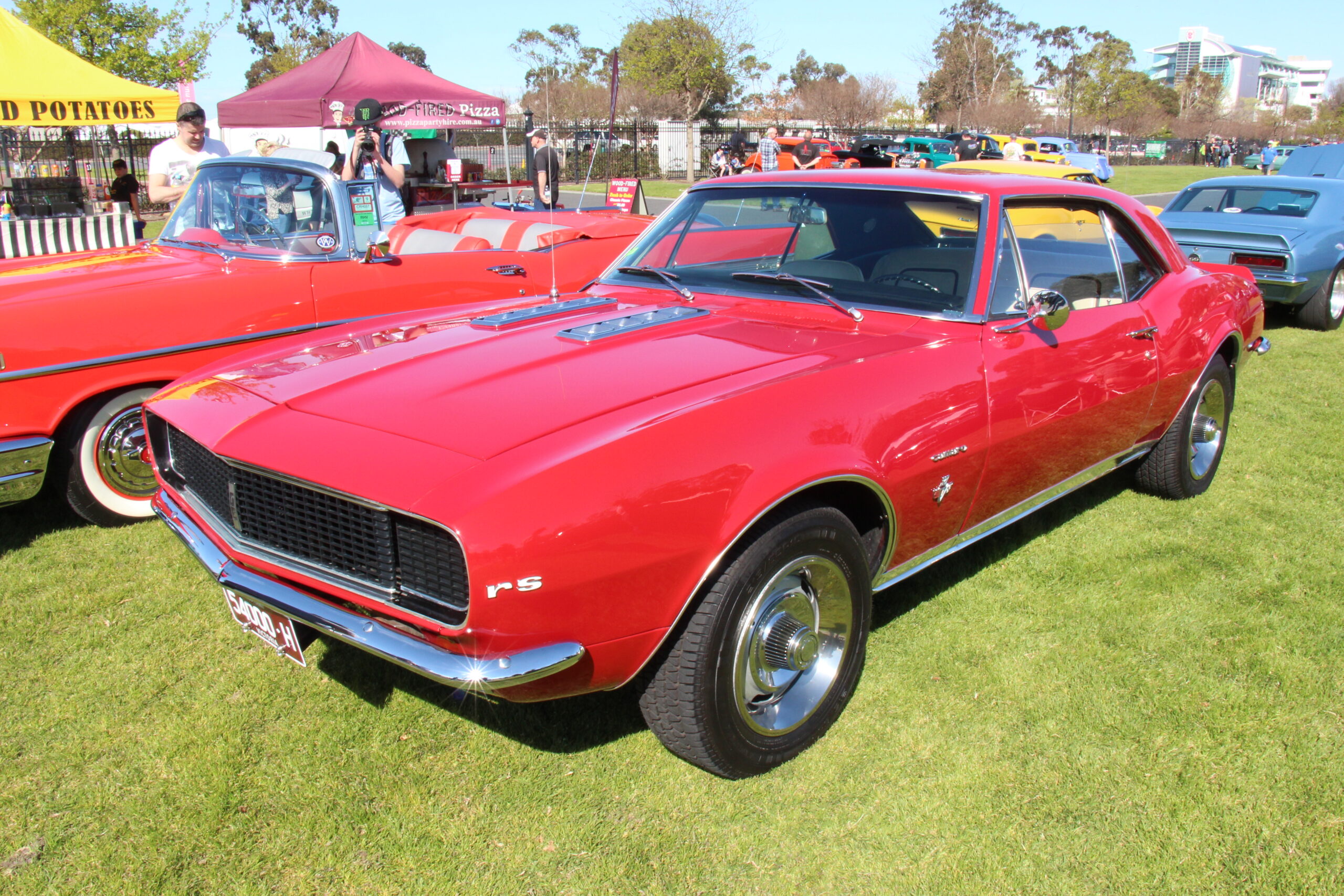
8. 1967 Chevrolet Camaro
In response to the unprecedented success and explosion in popularity of the Ford Mustang, Chevrolet emphatically burst onto the scene in 1967 with its own pony car contender: the Camaro. From its very inception, the Camaro was designed to be a formidable competitor in the burgeoning muscle car segment, and it certainly held its own. Its bold styling and aggressive stance immediately appealed to a broad audience, signaling Chevrolet’s serious intent to capture a significant share of this exciting new market.
The Camaro offered a diverse range of powerful engine options, including the highly coveted SS and Z/28 performance packages, which quickly endeared it to performance enthusiasts. These options provided the ‘extra jam’ that drivers craving raw power and exhilarating speed demanded. The availability of both a two-door coupe and a convertible model further broadened its appeal, allowing buyers to choose a style that best suited their desire for open-road excitement or classic coupe aesthetics.
Beyond its powerful engines and diverse body styles, the Camaro’s aggressive front end, distinctive grille, and sporty interior layout made it an unmistakable presence on the road. The standard engine option was a competent 3.8L inline-six, but the availability of several V8 options underscored its true muscle car credentials. This blend of accessible style and potent performance quickly established the Camaro as an emblem of American muscle, a symbol of freedom and youthful exuberance.
A clever engineering advantage of the early Camaros was their ability to borrow parts from the Chevrolet Nova, which offered convenience for both vehicle owners and service technicians, potentially lowering maintenance costs and increasing the car’s practical appeal. Today, the Chevrolet Camaro’s legacy continues to thrive, as Chevy is still producing this iconic vehicle, a testament to its enduring design and the lasting contribution it made to the golden age of muscle cars and the automotive landscape as a whole.
As we navigate further through this extraordinary era, our focus shifts to the enduring cultural legacy, engineering excellence, and design evolution of seven more iconic cars. These vehicles, ranging from European luxury and speed machines to American muscle legends, captivated the world and continued to define the automotive landscape long after their initial introductions. Each one represents a pinnacle of innovation and style, leaving an indelible mark on enthusiasts and setting benchmarks for generations to come.
Car Model Information: 2018 Chevrolet Camaro 1LS
Name: Chevrolet Camaro
Manufacturer: Chevrolet
Production: 1966–2002,2009–2023
ModelYears: 1967–2002,2010–2024
Class: Pony car
BodyStyle: coupe,convertible
Platform: GM F platform,GM Zeta platform,GM Alpha platform
Layout: Front-engine, rear-wheel-drive layout
Categories: 1970s cars, 1980s cars, 1990s cars, 2+2 coupés, 2000s cars
Summary: The Chevrolet Camaro is a mid-size American automobile manufactured by Chevrolet, classified as a pony car. It first went on sale on September 29, 1966, for the 1967 model year and was designed to compete with the Ford Mustang. The Camaro shared its platform and major components with the Firebird, produced by General Motors’ Pontiac division that was also introduced for the 1967 model year.
Four distinct generations of the Camaro were developed before production ended in 2002. The nameplate was revived on a concept car that evolved into the fifth-generation Camaro; production started on March 16, 2009.
Production of the sixth generation of the Camaro ended in December 2023, for the 2024 model year.
Get more information about: Chevrolet Camaro
Buying a high-performing used car >>>
Brand: Chevrolet Model: Camaro
Price: $18,785 Mileage: 69,196 mi.
Read more about: Revving Through Time: 15 Iconic Classic Cars That Will Never Go Out of Style
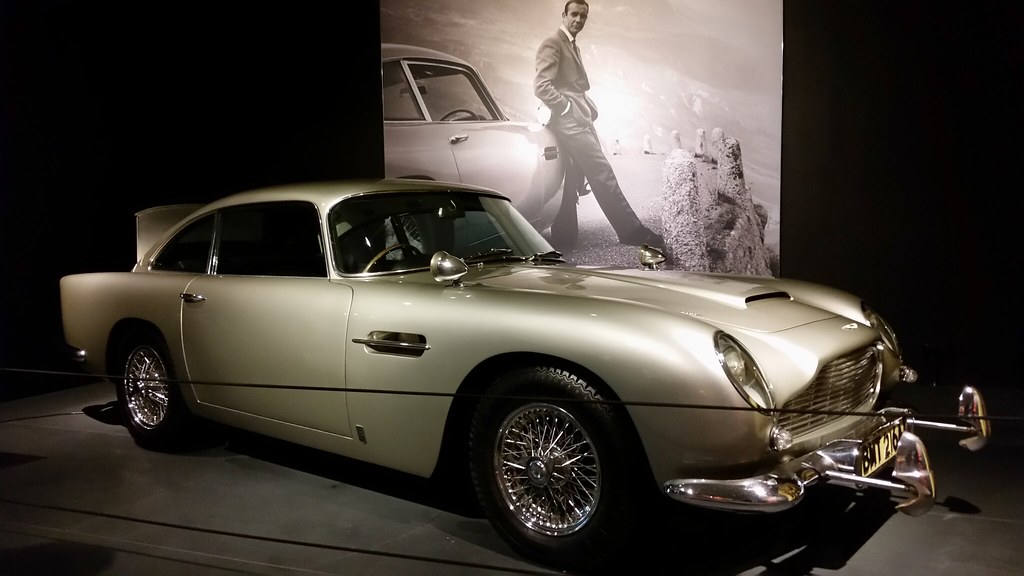
9. 1964 Aston Martin DB5
The 1964 Aston Martin DB5 is a name that immediately evokes images of clandestine operations, sophisticated espionage, and undeniable British elegance. Famously associated with James Bond, this grand tourer transcended mere transportation to become a cinematic legend, cementing its status as a cultural icon. Its sleek design, characterized by an exquisite balance of curves and muscularity, spoke volumes about its blend of beauty and underlying power, making it a dream car for enthusiasts and casual observers alike.
Under its polished bonnet lay a powerful 4.0-liter inline-six engine, which, combined with its refined chassis, made it both a beauty to behold and a beast on the road. The DB5 was not just about speed; it was about the entire driving experience. Its luxurious interior, adorned with Connolly leather seats and rich walnut trim, offered a supremely comfortable and refined environment, reflecting the meticulous craftsmanship that went into every detail of its construction. This blend of performance and luxury placed it firmly in the pantheon of elite vehicles.
Equipped with state-of-the-art technology for its time, the DB5 was considered ahead of its peers, setting new standards for grand tourers. Its advanced features and impeccable build quality contributed to its reputation for sophistication and reliability. The car’s undeniable magnetism, further amplified by its enduring presence in popular culture, has ensured its place as a sought-after classic, adored by collectors and car enthusiasts who appreciate its unique blend of heritage and performance.
The DB5’s cinematic fame, particularly from ‘Goldfinger,’ did more than just boost sales; it imbued the car with a mystique that few others could rival. It became a symbol of a certain lifestyle, a blend of adventure, class, and understated power. This enduring legacy continues to captivate, making the 1963 Aston Martin DB5 a timeless masterpiece that embodies the pinnacle of 1960s British motoring and a revered name in the automotive world.
Car Model Information: 2020 Toyota Tacoma TRD Sport
Name: Aston Martin DB5
Manufacturer: Aston Martin
Production: 1963–1965 (1,059 units),2020 (25 units)
Assembly: Newport Pagnell,England
Designer: Carrozzeria Touring Superleggera
Class: Grand tourer
BodyStyle: coupé
Layout: Front-engine, rear-wheel-drive layout
Engine: DOHC,Straight-6,3995 cc
Order: flip
Abbr: on
Powerout: convert
Transmission: ZF Friedrichshafen
Length: 4570 mm
Width: 1680 mm
Wheelbase: 98.0 in
Predecessor: Aston Martin DB4
Successor: Aston Martin DB6
Doors: 2
Weight: 3311 lb
Sp: uk
Categories: All Wikipedia articles written in British English, Articles with short description, Aston Martin vehicles, CS1: unfit URL, Cars discontinued in 1965
Summary: The Aston Martin DB5 is a British grand tourer (GT) produced by Aston Martin and designed by Italian coachbuilder Carrozzeria Touring Superleggera. Originally produced from 1963 to 1965, the DB5 was an evolution of the final series of DB4. The “DB” designation is from the initials of David Brown who built up the company from 1947 onwards.
The DB5 is best-known for its role in the James Bond films. It was first driven by the fictional spy in the film Goldfinger (1964). In 2013, the car featured on a “British Auto Legends” postage stamp issued by the Royal Mail.
Get more information about: Aston Martin DB5
Buying a high-performing used car >>>
Brand: Aston Martin Model: DB5
Price: $37,795 Mileage: 39,984 mi.
Read more about: Revving Through Time: 15 Iconic Classic Cars That Will Never Go Out of Style
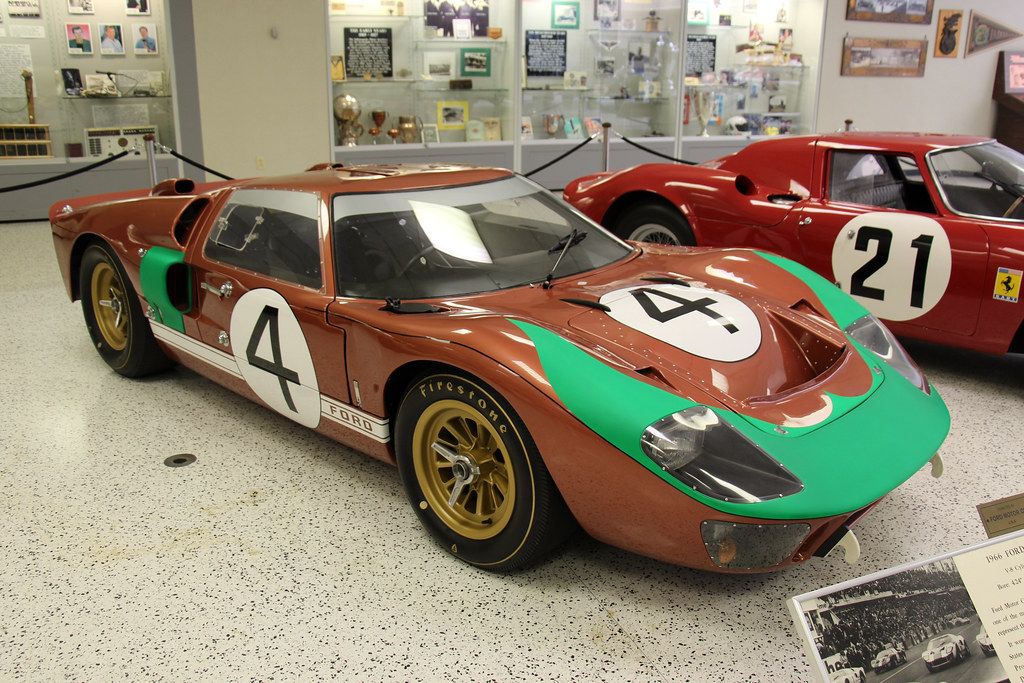
10. 1966 Ford GT40
The 1966 Ford GT40 is a legend born from fierce competition and an unyielding desire for victory, a true American powerhouse designed to challenge the established dominance of Ferrari on the world’s most prestigious race tracks. Its very existence was a statement, a bold declaration of intent from Ford to conquer the grueling 24 Hours of Le Mans. This vehicle was not merely engineered; it was forged in the crucible of motorsport, showcasing unparalleled engineering excellence that remains celebrated to this day.
Its distinctive low-slung body and revolutionary mid-engine layout were crucial to its superior aerodynamics and handling, allowing it to slice through the air and maintain incredible stability at blistering speeds. Every line and curve of the GT40 was meticulously crafted for performance, a testament to the single-minded focus of its creators. The car’s aggressive stance communicated its purpose without a doubt: this was a machine built for one thing, and that was to win.
Underneath its purposeful shell, the GT40 packed a formidable V8 punch, delivering impressive speed and unyielding performance that consistently pushed the boundaries of what was thought possible. Its raw power, combined with sophisticated chassis dynamics, made it a formidable competitor on any circuit. The visceral roar of its engine became synonymous with its racing prowess, striking fear into the hearts of its European rivals.
The GT40’s historic 1-2-3 finish at the 1966 24 Hours of Le Mans marked a pivotal moment in motorsport history, irrevocably establishing Ford as a major contender on the international stage. This triumph was not just a win; it was a vindication, a testament to American ingenuity and perseverance. The GT40 remains a celebrated symbol of racing success and innovation, revered by automotive enthusiasts worldwide for its groundbreaking design and its unforgettable contribution to the golden age of racing.
Car Model Information: 1966 Ford GT40
Name: Ford GT40
Caption: Ford GT40 Mk.I in JWA Gulf Oil racing colors
Manufacturer: Ford Advanced Vehicles,John Wyer,Kar Kraft,Holman-Moody,Shelby American
Production: 1964–1969
Assembly: Slough,Los Angeles
Designer: Ron Bradshaw
Class: Group 4 (racing),Group 5 (racing),Group 6 (racing)
BodyStyle: coupé
Layout: MR layout
Engine: Cubic inch,289 CID (4737 cc) V-8,302 CID (4942 cc) V-8,427 CID (6997 cc) V-8
Transmission: Manual transmission
Wheelbase: 95 in
Abbr: on
Length: 160 in
Width: 70 in
Height: 40.5 in
Weight: convert
Successor: Ford P68
Sp: uk
Categories: 24 Hours of Le Mans race cars, All Wikipedia articles needing clarification, All Wikipedia articles written in British English, All articles needing additional references, All articles that may contain original research
Summary: The Ford GT40 is a high-performance mid-engined racing car originally designed and built for and by the Ford Motor Company to compete in 1960s European endurance racing and the World Sportscar Championship. Its specific impetus was to beat Scuderia Ferrari, which had won the prestigious 24 Hours of Le Mans race for six years running from 1960 to 1965. As rules of the time required that GT cars were built in dozens and sold, around 100 cars in total have been made, mostly as 289 cu in (4.7 L) V8-powered Mk Is, of which at least 50 were made in 1965, which allowed FIA-homologation as Group-4-Sportscar for 1966 until 1971. This gave the old MK.I car of Gulf-Wyer the chance to enter and win Le Mans in 1968 and 1969 after prototypes had been limited to 3 litre, with the performance of the Ford 7-litre-V8 in the factory 1966 Mk.II and 1967 Mk.IV prototypes causing this rule change, which also banned the 4-litre V12 Ferrari 330P4 and others after 1967. The Mk.III designation was used for some road-legal cars.
The Ford GT40 debuted in 1964, and improvements in 1965 led to Ford winning World Championships categories from 1966 to 1968. The first Le Mans win came in 1966 with three 427 cu in (7.0 L) powered Mk.II prototypes crossing the finish line together, the second in 1967 with the same engine now in quite different US-built Mk.IV prototype chassis similar to the “J-car” mule. In order to lower ever-higher race top speeds, a rule change from 1968 onwards limited prototypes to 3.0 litre Formula 1 engines; the sportscar “loophole”, however, allowed the private JW “Gulf Oil” team to win at Le Mans in 1968 and 1969 running a Mk.I with a 5.0 litre engine.
The GT40 effort began in Britain in the early 1960s when Ford Advanced Vehicles began to build the Mk I, based upon the British Lola Mk6, in Slough, UK. After disappointing race results, the engineering team was moved in 1964 to Dearborn, Michigan, US, to design and build cars by its advanced developer, Kar Kraft. All chassis versions were powered by a series of American-built Ford V8 OHV engines modified for racing.
In the 1966 Le Mans, the GT40 Mk II car broke Ferrari’s winning streak, making Ford the first American manufacturer to win a major European race since Jimmy Murphy’s Duesenberg in the 1921 French Grand Prix. In the 1967 Le Mans, the GT40 Mk IV car became the only car developed and assembled entirely (both chassis and engine) in the United States to achieve the overall win at Le Mans.
Get more information about: Ford GT40
Buying a high-performing used car >>>
Brand: Ford Model: GT40
Price: $110,000 Mileage: 13,350 mi.
Read more about: Cruise Nights to Forgotten Rides: Boomer Classics Millennials *Need* to Experience
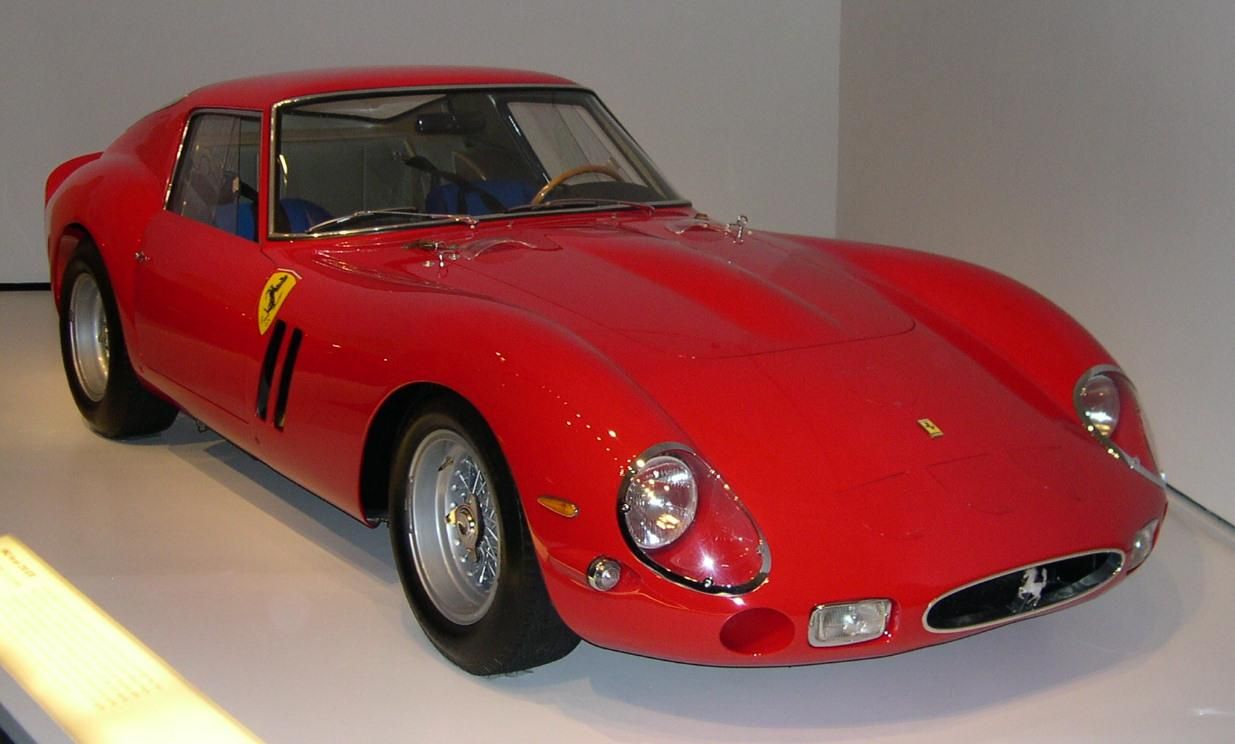
11. 1962 Ferrari 250 GTO
Often hailed as one of the greatest sports cars ever built, the 1962 Ferrari 250 GTO is more than just a car; it’s a rolling piece of art, a testament to automotive perfection, and a formidable racing machine. Its legendary status is amplified by its extreme rarity, with only 36 units ever produced, making each example a highly coveted treasure among collectors and enthusiasts globally. The scarcity contributes significantly to its mythical allure and astronomical value.
The GTO’s aerodynamic design, characterized by its elegant curves, aggressive stance, and iconic triple air vents on the nose, was not merely for aesthetics; it was a masterpiece of form following function. Every contour was optimized to enhance its performance on the track, making it a truly formidable competitor. This breathtaking design was perfectly complemented by a powerful V12 engine, a symphonic powerhouse that delivered exhilarating performance and a captivating soundtrack.
On the track, the 250 GTO was an undeniable force, achieving numerous victories in the 1960s and solidifying Ferrari’s reputation for unparalleled racing pedigree. Its success was a direct result of Enzo Ferrari’s unwavering commitment to building the fastest, most beautiful, and most dominant racing cars in the world. The minimalist interior of the GTO was starkly focused on performance, with little distraction from the essential driving experience, reinforcing its pure racing intent.
The 250 GTO’s legacy as a masterpiece of engineering, design, and competitive prowess continues to captivate car enthusiasts and collectors. It represents a golden age of sports car manufacturing, where passion and performance converged to create vehicles that transcended their utility to become enduring legends. Its timeless appeal and historical significance ensure its permanent place at the very top of automotive desirability.
Car Model Information: 2020 RAM 1500 Laramie
Name: Ferrari 250 GTO
Caption: 1963 Ferrari 250 GTO (chassis 4153GT)
Manufacturer: Ferrari
Production: 1962–1964,(36 produced)
Designer: Giotto Bizzarrini,Scaglietti
Class: Sports car
BodyStyle: berlinetta
Related: Ferrari 330#330 LMB,Ferrari P#250 LM
Layout: FR layout
Engine: 2,953 cc,Ferrari Colombo engine#250,Overhead camshaft#Single Overhead camshatf,Weber carburetor,Compression ratio
Powerout: 300 PS
Abbr: on
Order: flip @ 5500 rpm
Transmission: Manual transmission
Wheelbase: 2400 mm
Length: 4325 mm
Width: 1600 mm
Height: 1210 mm
Weight: convert
Predecessor: Ferrari 250 GT SWB
Successor: Ferrari 250 LM,Ferrari 288 GTO
Categories: All articles lacking reliable references, All articles needing additional references, All articles with bare URLs for citations, All articles with unsourced statements, Articles lacking reliable references from March 2022
Summary: The Ferrari 250 GTO is a grand tourer produced by Ferrari from 1962 to 1964 for homologation into the FIA’s Group 3 Grand Touring Car category. It was powered by Ferrari’s Tipo 168/62 Colombo V12 engine. The “250” in its name denotes the displacement in cubic centimeters of each of its cylinders; “GTO” stands for Gran Turismo Omologato, Italian for “Grand Touring Homologated”.
Just 36 of the 250 GTOs were manufactured between 1962 and 1964. This includes 33 cars with 1962–63 bodywork (Series I) and three with 1964 (Series II) bodywork similar to the Ferrari 250 LM. Four of the older 1962–1963 (Series I) cars were updated in 1964 with Series II bodies.
When new, the 250 GTO cost $18,000 in the United States, with buyers personally approved by Enzo Ferrari and his dealer for North America, Luigi Chinetti. This model has since become highly desired by automobile collectors and sales have repeatedly set price records. The current record for world’s most expensive Ferrari was set in June 2018 when a 1963 250 GTO (chassis 4153GT) was sold in a private sale for $70 million.
In 2004, Sports Car International placed the 250 GTO eighth on their list of Top Sports Cars of the 1960s, and nominated it the top sports car of all time. Similarly, Motor Trend Classic placed the 250 GTO first on a list of the “Greatest Ferraris of All Time”. Popular Mechanics named it the “Hottest Car of All Time”.
Get more information about: Ferrari 250 GTO
Buying a high-performing used car >>>
Brand: Ferrari Model: 250 GTO
Price: $36,995 Mileage: 64,342 mi.
Read more about: Beyond the Fab Four: Unearthing George Harrison’s Eleven Iconic Rides That Prove His Automotive Taste Was Nothing Short of Legendary

12. 1966 Lamborghini Miura
The 1966 Lamborghini Miura is a truly revolutionary machine, widely credited with establishing the entire supercar genre as we know it today. Its audacious and groundbreaking mid-engine layout, placing the formidable V12 engine transversely behind the passenger compartment, was a radical departure from conventional designs and set new standards in automotive engineering. This innovative configuration provided exceptional weight distribution, contributing significantly to its legendary handling and performance.
Its stunning design, a sleek and curvilinear masterpiece penned by Marcello Gandini at Bertone, captivated audiences worldwide upon its debut. The Miura’s incredibly low profile, sensuous lines, and distinctive pop-up headlights made it an instant star of the 1960s automotive landscape. It was an aesthetic marvel, turning heads and redefining what a high-performance luxury vehicle could look like, exuding an aura of exotic glamour and speed.
Underneath that breathtaking bodywork, a powerful V12 engine delivered breathtaking speeds, ensuring that the Miura wasn’t just a beauty to behold but a true beast on the road. The symphony of its twelve cylinders at full throttle was an experience in itself, promising exhilarating acceleration and an unforgettable driving sensation. It was a car that dared to challenge the established order, particularly Ferrari, and in doing so, created an entirely new category of automotive excellence.
The Miura’s revolutionary design and unparalleled performance continue to influence sports car design today, proving its enduring impact. It remains a beloved icon, admired for its innovation, timeless elegance, and its pivotal role in shaping the trajectory of high-performance automobiles. The 1966 Lamborghini Miura is a testament to Ferruccio Lamborghini’s vision to create grand touring cars that were both powerful and luxurious, cementing its place as an automotive legend.
Read more about: Bertone’s Bold Revival: A MotorTrend Deep Dive into the Enduring Legacy of Pop-Up Headlights

13. 1963 Porsche 911
The 1963 Porsche 911 stands as a cornerstone of sports car history, immediately recognizable for its iconic design and unparalleled engineering excellence that would go on to define the Porsche brand for decades. Launched initially as the 901 before being rebranded as the 911, its distinctive rear-engine layout and timeless silhouette instantly set it apart from anything else on the road. This unique configuration laid the groundwork for six decades of continuous evolution, a testament to its enduring brilliance.
The 911’s exceptional agility and spirited performance on the road quickly earned it accolades from drivers and critics alike. Its carefully balanced chassis, combined with the distinctive air-cooled flat-six engine, provided a driving experience that was both engaging and highly rewarding. The direct feedback and precise handling became hallmarks of the 911, fostering a deep connection between driver and machine, making every journey an exhilarating adventure.
Inside, the minimalist cockpit focused intently on driver engagement, with its perfectly positioned gauges and controls providing an intuitive and focused environment. The functional elegance of the interior mirrored the meticulous engineering found beneath the surface, emphasizing clarity and purpose over unnecessary frills. This driver-centric philosophy became a core tenet of Porsche design, enhancing the car’s appeal to true driving enthusiasts.
The 911’s enduring appeal lies in its remarkable blend of performance, distinctive design, and everyday usability, a combination that has allowed it to continuously evolve while staying true to its original spirit. It has remained a benchmark for sports cars and a potent symbol of Porsche’s legacy of innovation and precision. The 1963 Porsche 911 captures the essence of German automotive artistry, making it a beloved icon of performance and style that continues to inspire.
Car Model Information: 2021 Porsche 911
Name: Porsche 911
Caption: The 1 millionth 911 produced on display at Volkswagen Group Forum, Berlin
Designer: Ferdinand Alexander Porsche
Manufacturer: Porsche
Production: September 1964 – present
Assembly: Stuttgart,Baden-Württemberg
Class: Sports car
BodyStyle: unbulleted list
Related: unbulleted list
Layout: Rear-engine design,rear-wheel drive
Predecessor: Porsche 356
Categories: 1970s cars, 1980s cars, 1990s cars, 2+2 coupés, 2000s cars
Summary: The Porsche 911 model series (pronounced Nine Eleven or in German: Neunelf) is a family of German two-door, high performance rear-engine sports cars, introduced in September 1964 by Porsche AG of Stuttgart, Germany, and now in its eighth generation. All 911s have a rear-mounted flat-six engine, and usually 2+2 seating, except for special 2-seater variants. Originally, 911s had air-cooled engines, and torsion bar suspension, but the 911 has been continuously enhanced, and evolved across generations. Though the 911 core concept has remained largely unchanged, water-cooled engines were introduced with the 996 series in 1998, and front and rear suspension have been replaced by Porsche-specific MacPherson suspension up front, and independent multi-link rear suspension.
The 911 has been raced extensively by private and factory teams, in a variety of classes. It is among the most successful competition cars. In the mid-1970s, the naturally aspirated 911 Carrera RSR won world championship races including Targa Florio and the 24 Hours of Daytona. The 911-derived 935 turbo also won the 24 Hours of Le Mans in 1979. Porsche won the World Championship for Makes in 1976, 1977, 1978, and 1979 with 911-derived models.
In a 1999 poll to determine the Car of the Century, the 911 ranked fifth — one of two in the top five that had remained continuously in production (the original Beetle remained in production until 2003). The one millionth example was manufactured in May 2017 and is in the company’s permanent collection.
Get more information about: Porsche 911
Buying a high-performing used car >>>
Brand: Porsche Model: 911
Price: $126,995 Mileage: 8,629 mi.
Read more about: Revving Through Time: 15 Iconic Classic Cars That Will Never Go Out of Style
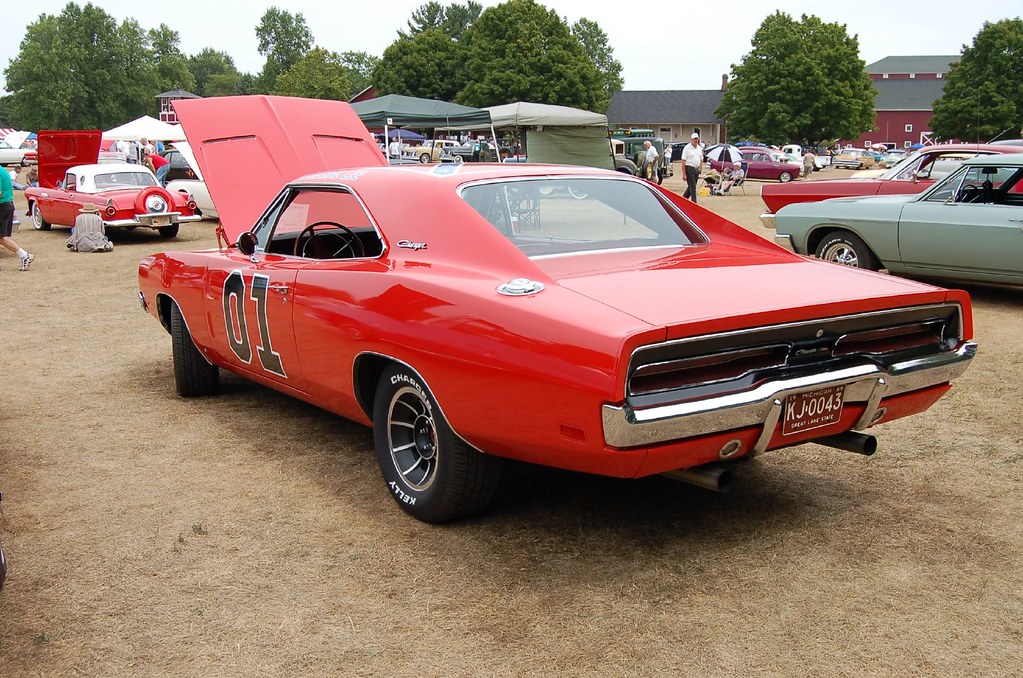
14. 1969 Dodge Charger
The 1969 Dodge Charger is an undeniable icon of the muscle car era, a vehicle that has been immortalized not just by its formidable performance but also by its pervasive role in popular culture, from television shows to blockbuster films. Its distinctive “coke bottle” shape and signature hidden headlights gave it an instantly recognizable and aggressive presence on the road, distinguishing it from its contemporaries and making it a sought-after machine.
Under its menacing hood, the Charger offered a range of powerful V8 engines, including the legendary Hemi, delivering thrilling performance and prodigious torque that made it a true force to be reckoned with. These engines were specifically designed to appeal to those who craved raw power and exhilarating speed, making the Charger a favorite among performance enthusiasts. Its ability to dominate both the drag strip and the street cemented its muscle car credentials.
Beyond its powerful engines, the Charger’s spacious interior provided ample comfort, balancing its performance-oriented nature with a degree of practicality, which was a significant factor in its widespread appeal. The R/T model, in particular, became synonymous with high-performance capabilities, further enhancing its reputation and desirability. It was a car that not only performed but also looked every bit the part of an American powerhouse.
Whether tearing through dusty roads on the silver screen or cruising down Main Street, the Charger profoundly symbolizes American automotive passion, embodying the spirit of freedom and raw power. Its enduring popularity and classic design continue to attract admirers across generations, ensuring its place as a standout in automotive history and a cherished representative of the golden age of American muscle cars.
Car Model Information: 2019 Dodge Charger SXT
Name: Dodge Charger
Caption: 1969 Dodge Charger
Manufacturer: Dodge
Production: 1966–1978,1981–1987,2005–present
ModelYears: 1966–1978,1982–1987,2006–present
Categories: 1960s cars, 1970s cars, 1980s cars, 2000s cars, 2010s cars
Summary: The Dodge Charger is a model of automobile marketed by Dodge in various forms over eight generations since 1966.
The first Charger was a show car in 1964. A 1965 Charger II concept car resembled the 1966 production version.
In the United States, the Charger nameplate has been used on mid-size cars, personal luxury coupes, subcompact hatchbacks, and full-size sedans.
Get more information about: Dodge Charger
Buying a high-performing used car >>>
Brand: Dodge Model: Charger
Price: $16,248 Mileage: 105,748 mi.
Read more about: When Innovation Stalled: Unearthing the 1940s’ Most Overlooked and Underperforming Automobiles
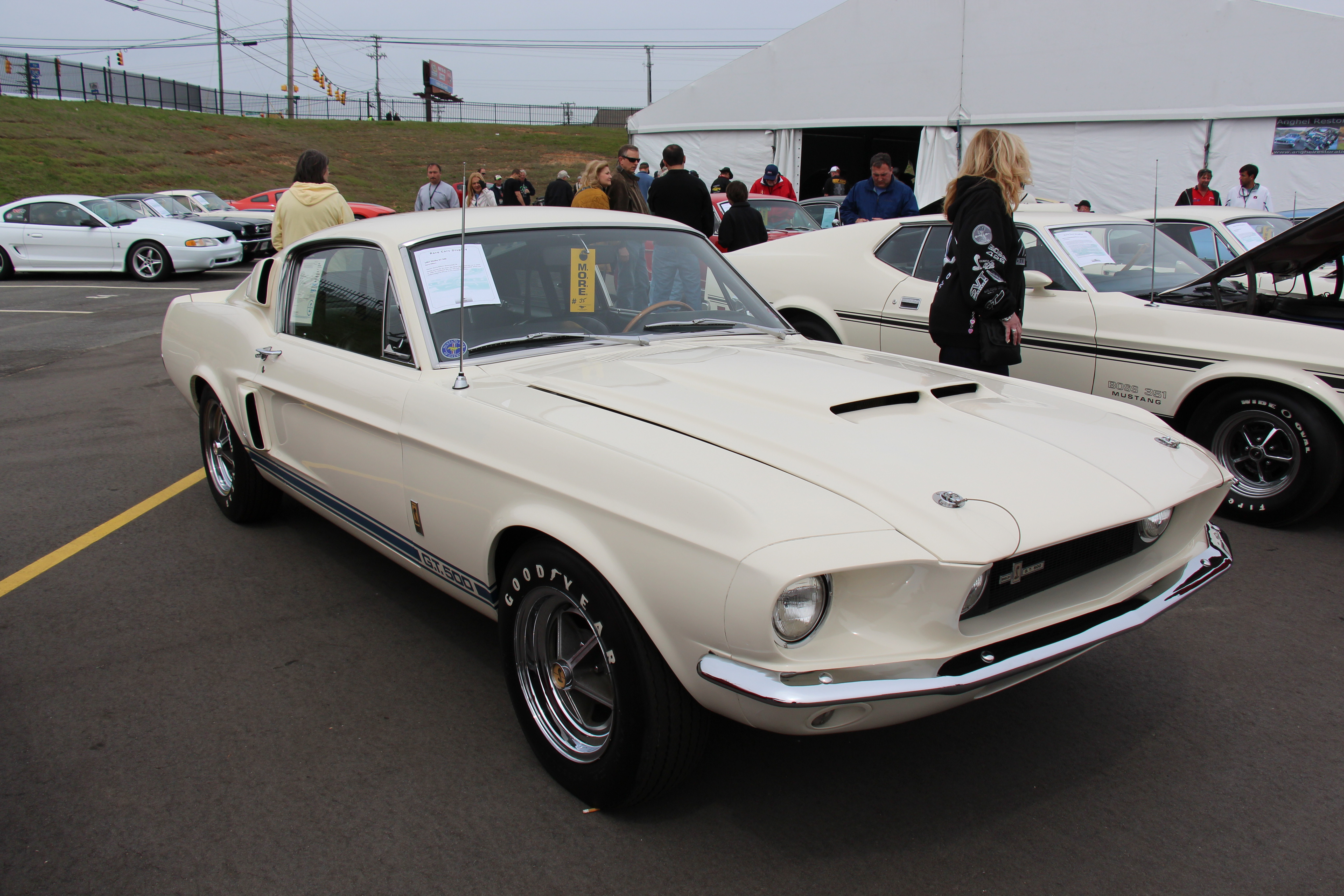
15. 1967 Shelby GT500
The 1967 Shelby GT500 is a legendary muscle car, a masterpiece of high-performance engineering personally crafted by the iconic American automotive designer and racing driver, Carroll Shelby. Building upon the already successful Ford Mustang, Shelby transformed it into a more aggressive, potent, and exclusive machine, imbuing it with a level of performance that set it apart from nearly everything else on the road.
At its heart was a colossal 428 cubic-inch V8 engine, specifically designed to deliver exhilarating performance and immense power, making the GT500 a true force. This engine, combined with a race-tuned suspension and enhanced braking system, ensured that the GT500 was not just fast in a straight line but also capable of handling its formidable power with a degree of precision uncommon for muscle cars of the era. Its visceral roar was unmistakable, announcing its presence with authority.
Its aggressive styling, with distinctive racing stripes, a unique front grille, and often a prominent rear spoiler, instantly set it apart from lesser Mustangs and other cars of its time. The visual cues screamed performance and exclusivity, cementing its image as a top-tier American muscle machine. Inside, the GT500 combined sportiness with surprising comfort, offering a driving experience that thrilled enthusiasts while retaining a degree of luxury.
The Shelby GT500’s reputation for speed, style, and exclusivity made it a powerful symbol of American muscle and automotive prowess. Collectors and enthusiasts worldwide prize the GT500 not only for its formidable performance and striking aesthetics but also for its rich heritage and the significant impact it had on automotive culture. It remains a pinnacle of what can be achieved when raw power meets visionary engineering, embodying the very essence of American performance cars.
Read more about: Unleashing Power: 9 Muscle Cars Every True Enthusiast Should Consider for Driveway Dominance and Future Value
The 1960s was an unparalleled decade in automotive history, a period of relentless innovation, audacious design, and a cultural embrace of the automobile as more than just transport. From the sleek lines of European grand tourers that defined luxury and speed to the thunderous roar of American muscle cars that embodied freedom and raw power, the vehicles of this era left an indelible mark. These fifteen cars, each in their own way, pushed boundaries, challenged conventions, and captured the imagination of a generation, ensuring their timeless legacy for all who appreciate the art and engineering of the automobile. They are not just machines, but chapters in a story of progress, passion, and enduring appeal that continues to captivate today.