Classic muscle cars, the true icons of American automotive prowess, are becoming painfully expensive. We’re talking about those golden-era legends, the Chevelle SS 454s, anything with a 426 Hemi, or those early GTOs that used to rule the streets. They’ve absolutely skyrocketed into collector territory, commanding prices that most of us mere mortals will likely never touch. With inflation on the rise and wages struggling to keep pace, it feels like middle-class buyers are getting squeezed right out of the market for their dream ride.
But hold on a second, because that doesn’t mean the dream of owning a slice of V8 glory is dead. Not by a long shot! There’s still a sweet spot out there for folks who crave real, honest-to-goodness V8 muscle without having to shell out a six-figure price tag. You just need to know where to look, and lucky for you, we’ve done the legwork to uncover some genuinely fantastic, wallet-friendly options that still pack a serious punch.
Now, before anyone raises an eyebrow or pulls out their muscle car rulebook, let’s be clear: we’ve cast a wide net here. Yes, we know not all of these are “true” muscle cars by the strictest, textbook definition. You’ll find some pony cars, a few Malaise-era holdouts, and even a couple of later-model performance sedans on this list. But what ties them all together, what truly matters to us gearheads, is that they all deliver on the spirit of muscle: classic looks, roaring V8 power (or the undeniable potential for it), rear-wheel drive excitement, and that unmistakable street presence that turns heads wherever you go. These are the machines that let you light up the rear tires with one good stomp, and frankly, that’s all the definition we need.
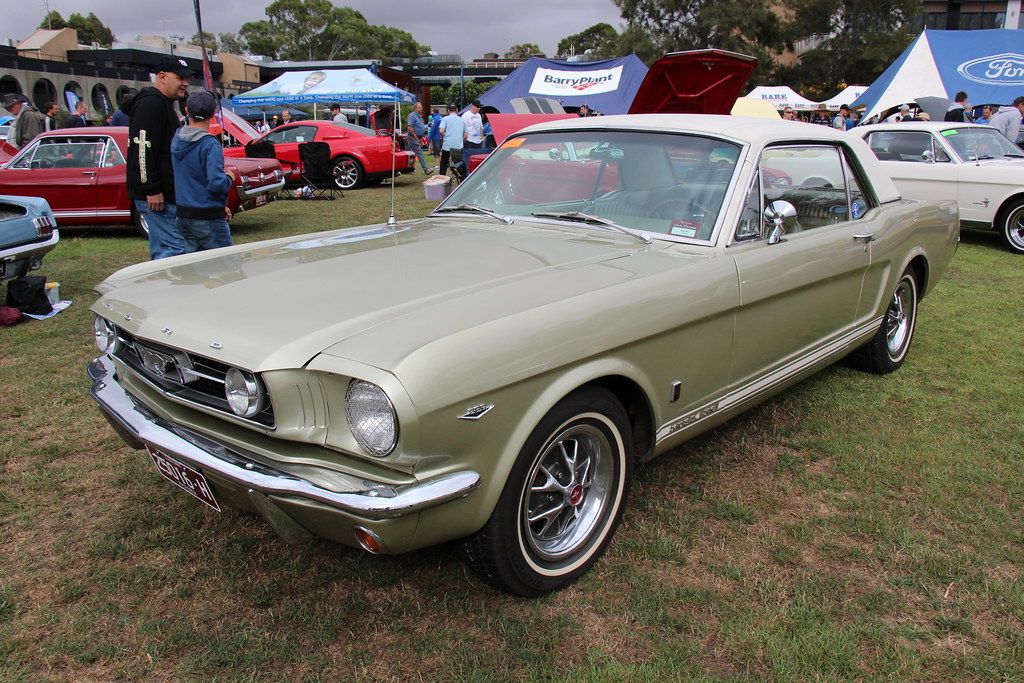
1. **1966 Ford Mustang**Let’s be honest, we just had to kick things off with the legendary Ford Mustang. And yes, for all you purists out there, some might argue that it’s technically a pony car, not a “true” muscle car. But let’s be real, does anyone truly care about that distinction anymore when you’re talking about a car that embodies pure Americana? The Mustang wasn’t just a car; it was a phenomenon, bringing an intoxicating blend of affordable style, raw power, and an undeniable sense of freedom to an entire generation of drivers. It quickly became the benchmark for accessible performance and remains a cultural icon.
What makes the ’66 Mustang such a fantastic pick for the budget-conscious gearhead? Well, according to the trusty Hagerty’s Valuation Tool, you can snag a 2-door coupe, complete with the iconic 289 V8 engine, for around $22,000 if you’re looking for something in good, drivable condition. That’s an incredible entry point for a car with such pedigree and undeniable cool factor. Imagine cruising down the boulevard, the rumble of that small-block V8 echoing through the streets, all for a price tag that won’t send your accountant into a panic.
And here’s where the Mustang truly shines as a project car: you can absolutely pay a lot less upfront and dive into a restoration project. The aftermarket support for these cars is, to put it mildly, absolutely mahoosive. We’re talking about an almost endless selection of parts and upgrades available. This means you’re not just buying a car; you’re buying a canvas, a platform that you can meticulously shape and mold into the car of your wildest dreams, all while maintaining that classic Mustang DNA. The possibilities for customization are truly limitless, from mild tweaks to wild restomods, ensuring your pony car is as unique as your driving style.
Car Model Information: 2025 Ford Mustang GT Premium
Name: Ford Mustang
Caption: 2018 Ford Mustang GT 5.0
Aka: Ford T5 (Germany)
Manufacturer: Ford Motor Company
Production: March 1964 – present
ModelYears: 1965–present
Class: Unbulleted list
BodyStyle: Unbulleted list
Layout: Front-engine, rear-wheel-drive layout
Categories: 1970s cars, 1980s cars, 1990s cars, 2+2 coupés, 2000s cars
Summary: The Ford Mustang is an American automobile manufactured and marketed by Ford since 1964, as Ford’s longest nameplate in continuous production. Currently in its seventh generation, it is the fifth-best selling Ford car nameplate. The namesake of the “pony car” automobile segment, the Mustang was developed as a highly styled line of sporty coupes and convertibles derived from existing model lines, initially distinguished by its pronounced “long hood, short deck” proportions.
Originally predicted to sell 100,000 vehicles yearly, the 1965 Mustang became the most successful vehicle launch since the 1927 Model A. Introduced on April 17, 1964 (16 days after the Plymouth Barracuda), over 400,000 units were sold in its first year; the one-millionth Mustang was sold within two years of its launch. In August 2018, Ford produced the 10-millionth Mustang; matching the first 1965 Mustang, the vehicle was a 2019 Wimbledon White convertible with a V8 engine.
The success of the Mustang launch led to multiple competitors from other American manufacturers, including the Chevrolet Camaro and Pontiac Firebird (1967), AMC Javelin (1968), and Dodge Challenger (1970). It also competed with the Plymouth Barracuda, which was launched around the same time. The Mustang also had an effect on designs of coupes worldwide, leading to the marketing of the Toyota Celica and Ford Capri in the United States (the latter, by Lincoln-Mercury). The Mercury Cougar was launched in 1967 as a unique-bodied higher-trim alternative to the Mustang; during the 1970s, it included more features and was marketed as a personal luxury car.
From 1965 until 2004, the Mustang shared chassis commonality with other Ford model lines, staying rear-wheel-drive throughout its production. From 1965 to 1973, the Mustang was derived from the 1960 Ford Falcon compact. From 1974 until 1978, the Mustang (denoted Mustang II) was a longer-wheelbase version of the Ford Pinto. From 1979 until 2004, the Mustang shared its Fox platform chassis with 14 other Ford vehicles (becoming the final one to use the Fox architecture). Since 2005, Ford has produced two generations of the Mustang, each using a distinct platform unique to the model line.
Through its production, multiple nameplates have been associated with the Ford Mustang series, including GT, Mach 1, Boss 302/429, Cobra (separate from Shelby Cobra), and Bullitt, along with “5.0” fender badging (denoting 4.9 L OHV or 5.0 L DOHC V8 engines).
Get more information about: Ford Mustang
Buying a high-performing used car >>>
Brand: Ford Model: Mustang
Price: $43,944 Mileage: 7,784 mi.
Read more about: Revving Through Time: 15 Iconic Classic Cars That Will Never Go Out of Style

2. **1968 Plymouth Barracuda**While the third-generation Plymouth Hemi ‘Cuda often steals all the spotlight and collector attention, making it excruciatingly expensive, its predecessor, the second-generation Barracuda, is often criminally overlooked. And what a shame that is! Because this really is a cool muscle car in its own right, boasting aggressive lines and a distinct personality that truly sets it apart. It’s a fantastic example of Mopar muscle that offers something a little different from the more ubiquitous Challengers and Chargers.
But here’s the silver lining to its overlooked status: it makes it relatively affordable for regular folks like us to actually get our hands on one. You’re not competing with high-roller collectors driving prices into the stratosphere. Hagerty, our reliable guide in these matters, estimates that a ’68 Barracuda 2-door hardtop coupe, in good condition and rocking the capable 318 V8, should cost you just under $16,000. Now, if that isn’t a bargain for a piece of authentic Mopar history, we don’t know what is!
For those with a wrenching itch, aspiring to bring a classic back to its former glory, a restoration object can likely be acquired for a price closer to $10,000. This opens up a whole world of possibilities for a dedicated gearhead. With its sleek fastback styling and the potential for some serious V8 modifications, the ’68 Barracuda offers an engaging project that will reward you with a unique and powerful classic that will undeniably stand out at any car show or cruise night. It’s a chance to own a truly cool muscle car without needing a second mortgage.
Car Model Information: 1971 Plymouth Barracuda
Caption: 1970 Hardtop Coupe
Name: Plymouth Barracuda
Manufacturer: Plymouth (automobile)
Production: 1964–1974
Assembly: Fenton, Missouri,Hamtramck, Michigan,Maywood, California,Windsor, Ontario
Layout: Front-engine, rear-wheel drive layout
Class: Pony car
Categories: 1970s cars, All articles with dead external links, All articles with unsourced statements, Articles with dead external links from February 2018, Articles with dead external links from January 2022
Summary: The Plymouth Barracuda is a two-door pony car that was manufactured by Chrysler Corporation from 1964 through 1974 model years.
The first-generation Barracuda was based on the Chrysler A-body and was offered from 1964 until 1966. A two-door hardtop (no B-pillar) fastback design, it shared a great majority of parts and bodywork with the Plymouth Valiant, except for the distinctive wraparound rear glass.
The second-generation Barracuda, though still Valiant-based, was heavily redesigned. Built from 1967 through 1969, it was available as a two-door in fastback, notchback, and convertible versions.
The third generation, offered from 1970 until 1974, was based on the Chrysler E-body, exclusive to it, and the slightly larger Dodge Challenger. A completely new design, the two-door Barracuda was available in hardtop and convertible body styles.
Get more information about: Plymouth Barracuda
Buying a high-performing used car >>>
Brand: Plymouth Model: Barracuda
Price: $44,999 Mileage: 12,468 mi.
Read more about: Revving Through Time: 15 Iconic Classic Cars That Will Never Go Out of Style
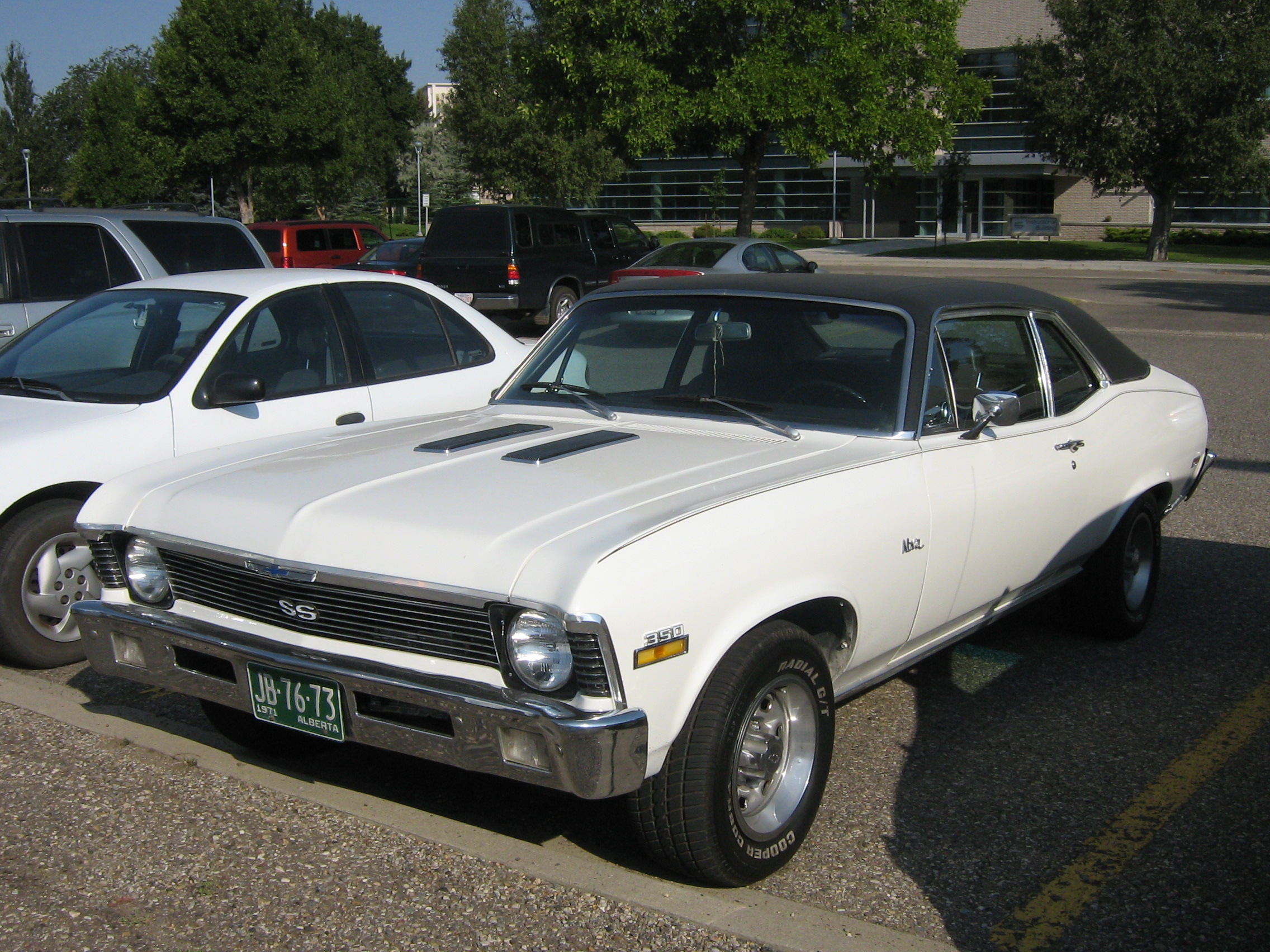
3. **1971 Chevy Nova**For a long time, many self-proclaimed muscle car enthusiasts used to turn their noses up at the Chevrolet Nova, dismissing it as a lesser entry in the pantheon of GM performance. But honestly, as time marches on, I think the Nova has aged incredibly well. It offers that quintessential classic styling, a clean and cool design that really holds up, and with the right engine under the hood, it delivers all the right noises and enough grunt to get us into a healthy amount of trouble on the street. Best of all? It’s still wonderfully affordable.
Our trusted friends over at Hagerty tell us that you can pick up a ’71 Nova SS, equipped with the potent 270-horsepower 350 V8, for less than $30,000. That’s a serious chunk of classic American iron for your money, offering both performance and undeniable style. The SS badging signifies a certain level of factory performance, making it a desirable model for those who appreciate a turn-key experience with plenty of power to spare. It’s a car that quietly commands respect.
Now, if that price point is a little too steep, or if you’re explicitly looking for a project car to sink your teeth into, I’ve got a fantastic alternative: the 1975 Nova SS. While it might only come with a 110-horsepower 262 V8 in its stock form, the real magic happens next. You can grab one of these for roughly $11,000, and then, with the money you saved, you’re perfectly positioned for the ultimate upgrade: an LS swap. Imagine the look on the faces of sports car drivers as your seemingly unassuming Nova leaves them dining on your dust when the light turns green. That, my friends, is muscle car satisfaction.
Car Model Information: 2009 Chevrolet Colorado LT Crew Cab
Caption: 1963 Chevrolet Chevy II 300 4-door sedan
Name: Chevrolet Chevy II / Nova
Manufacturer: unbulleted list
ModelYears: unbulleted list
Production: unbulleted list
Class: unbulleted list
Successor: unbulleted list
Categories: 1970s cars, 1980s cars, All articles needing additional references, Articles needing additional references from March 2025, Articles with short description
Summary: The Chevrolet Chevy II/Nova is a small automobile manufactured by Chevrolet, and produced in five generations for the 1962 through 1979, and 1985 through 1988 model years. Built on the X-body platform, the Nova was the top selling model in the Chevy II lineup through 1968. The Chevy II nameplate was dropped after 1968, with Nova becoming the nameplate for all of the 1969 through 1979 models. It was replaced by the 1980 Chevrolet Citation introduced in the spring of 1979. The Nova nameplate returned in 1985, produced through 1988 as a S-car based, NUMMI manufactured, subcompact based on the front wheel drive, Japan home-based Toyota Sprinter.
Get more information about: Chevrolet Chevy II / Nova
Buying a high-performing used car >>>
Brand: Chevrolet Model: Nova
Price: $10,950 Mileage: 127,501 mi.
Read more about: Beyond the Legends: 14 Forgotten Muscle Cars Ready for a Second Look and a Resurgence

4. **1971 Plymouth Duster**Much like its Chevrolet Nova counterpart, the Plymouth Duster has traditionally been viewed as something of a second-tier classic muscle car in certain circles, often overshadowed by its more flamboyant siblings. However, this perception, while perhaps unfair to the Duster’s capabilities, is certainly reflected in the prices, which makes it a prime candidate for our list of affordable V8 fun. It’s a practical, straightforward, and undeniably cool option for those who want Mopar performance without the Mopar premium.
Hagerty’s Valuation Tool clearly illustrates that it’s entirely possible to get your hands on a 2-door Duster coupe in good, solid condition for less than $28,000. This isn’t just any Duster either; we’re talking about one equipped with the formidable 340 V8, an engine renowned for pushing out a very respectable 275 American workhorses. That’s a serious amount of power for a car in this price bracket, capable of delivering thrilling acceleration and a truly engaging driving experience. However, a word to the wise: prices for these have been on the rise, increasing nearly 5% in the last year, so if you’re interested, you’d better hurry up!
For the astute bargain hunter, or those who relish the challenge of a rewarding restoration, the 1976 Duster presents an even more appealing proposition. This later model will only set you back roughly $14,000, making it an incredibly accessible entry point into classic Mopar ownership. While it is a product of the Malaise Era, meaning its 360 V8 only churns out around 220 horsepower in stock trim, that’s hardly a terminal diagnosis. This is an easily fixable situation with either a well-planned engine swap or a selection of readily available aftermarket performance parts, allowing you to unlock its true potential and transform it into a tire-shredding machine.
Car Model Information: 1973 Plymouth Duster
Name: Plymouth Duster
Caption: 1970 Plymouth Duster 340
Manufacturer: Plymouth (automobile)
Production: 1969–1976
ModelYears: 1970–1976
Assembly: Hamtramck, Michigan,Commerce, California,Fenton, Missouri,Windsor, Ontario
Designer: Milt Antonick and Neil Walling
Class: Compact car
BodyStyle: coupe
Layout: Front-engine, rear-wheel-drive layout
Platform: Chrysler A platform
Related: Plymouth Valiant,Dodge Dart
Engine: {{convert,198,cuin,L,1,abbr=on,Chrysler Slant 6 engine,Straight-six engine
Abbr: on
Transmission: manual transmission,4-speed manual,TorqueFlite
Wheelbase: 108.0 in
Predecessor: Plymouth Barracuda
Successor: Plymouth Volare,Plymouth Gran Fury
Categories: 1970s cars, All Wikipedia articles needing clarification, All articles with dead YouTube links, Articles with dead YouTube links from February 2022, Articles with short description
Summary: The original Plymouth Duster is a semi-fastback two-door coupe version of the compact-sized Plymouth Valiant automobile that was marketed by Plymouth in the U.S. from 1970 until 1976 model years.
Get more information about: Plymouth Duster
Buying a high-performing used car >>>
Brand: Plymouth Model: Duster
Price: $26,500 Mileage: 77,403 mi.
Read more about: Beyond the Legends: 14 Forgotten Muscle Cars Ready for a Second Look and a Resurgence
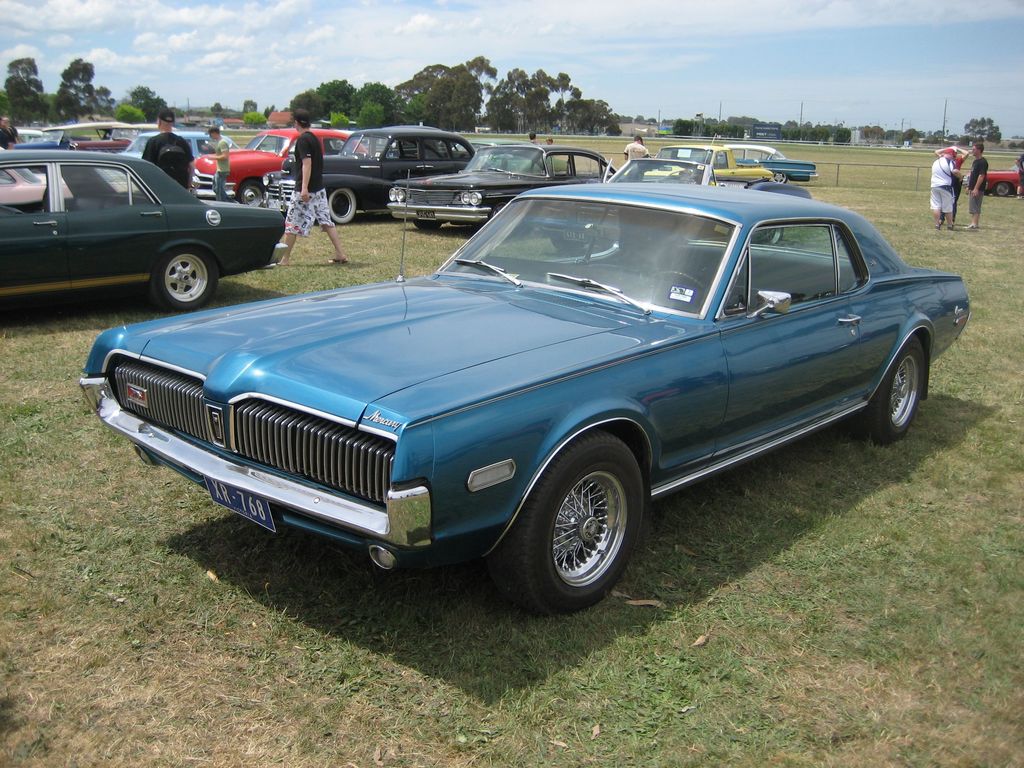
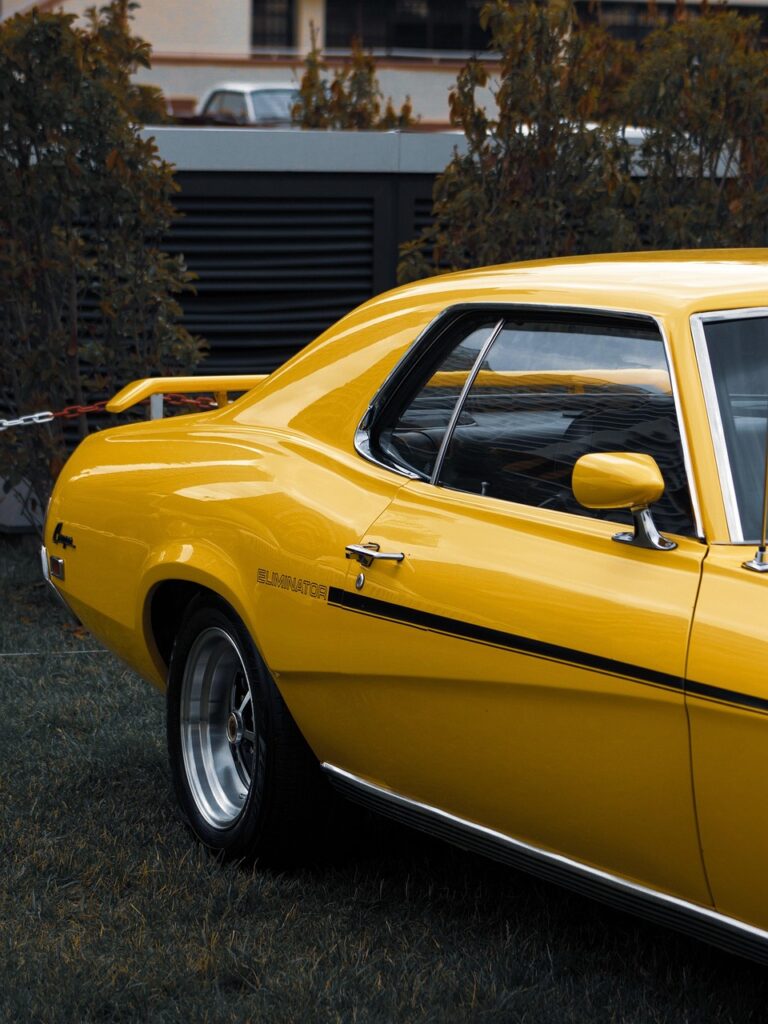
5. **1968 Mercury Cougar**Earlier on, we celebrated the iconic Ford Mustang, a car that needs no introduction. But what if you’re a gearhead looking for something that offers all the same fantastic attributes – the classic styling, the potent V8 options, the sheer driving fun – but with an added dash of exclusivity, and, crucially, for even less money? If that sounds like your kind of ride, then what you truly want, my friend, is the Mercury Cougar. It’s a sophisticated alternative that often gets overlooked, much to our benefit.
Built on the exact same platform as its illustrious Ford cousin, the Cougar is every bit as cool and capable as the ‘Stang. However, it boasts a distinctly different and more refined aesthetic, a look that sets it apart from the sea of Mustangs. This unique styling means you’ll undoubtedly have more people staring, pointing, and eagerly asking about your car wherever you go. It possesses a slightly more upscale, predatory vibe that screams classic performance without being overly ostentatious, embodying a “gentleman’s muscle car” persona.
And here’s the kicker for our budget-conscious quest: according to Hagerty, it’s entirely possible to pick up a 1968 Mercury Cougar in good, solid condition for an incredibly appealing price, sometimes as little as $15,800. Think about that for a moment – a legitimate, stylish, V8-powered classic that shares its DNA with one of America’s most beloved cars, all for a price that’s frankly unbelievable. It’s a smart choice for the gearhead who appreciates subtle cool and wants to stand out from the crowd without emptying their wallet.
Car Model Information: 1995 Mercury Cougar XR7
Name: Mercury Cougar
Caption: 1969 Mercury Cougar (first generation)
Manufacturer: Mercury (automobile)
Layout: Front-engine, rear-wheel-drive layout
ModelYears: 1967–1997,1999–2002
Class: Pony car,Personal luxury car,Mid-size car,Sport compact
Categories: 1960s cars, 1970s cars, 1980s cars, 1990s cars, 2000s cars
Summary: The Mercury Cougar is a series of automobiles that was sold by Mercury from 1967 to 2002. The model line is a diverse series of vehicles; though the Cougar nameplate is most commonly associated with two-door coupes, at various stages in its production, the model also was offered as a convertible and a hatchback. During its production as the mid-size Mercury line, the Cougar was also offered as a four-door sedan and five-door station wagon.
In production for 34 years across eight generations (skipping the 1998 model year), the Cougar is second only to the Grand Marquis (36 years) in the Mercury line for production longevity. 2,972,784 examples were produced, making it the highest-selling Mercury vehicle. During the 1970s and 1980s, the marketing of the Mercury division was closely associated with the Cougar, with promotional materials advertising Mercury dealers as “The Sign of the Cat” with big cats atop Lincoln-Mercury dealer signs. Cat-related nameplates were adopted by other Mercury lines, including the Bobcat and Lynx.
During its production, the Cougar was assembled at the Dearborn Assembly Plant (part of the Ford River Rouge Complex) in Dearborn, Michigan from 1967 until 1973, San Jose Assembly (Milpitas, California) from 1968 into early 1969, Lorain Assembly (Lorain, Ohio) from 1974 until 1997, and at Flat Rock Assembly (Flat Rock, Michigan) from 1999 through 2002.
Get more information about: Mercury Cougar
Buying a high-performing used car >>>
Brand: Mercury Model: Cougar
Price: $10,995 Mileage: 37,589 mi.
Read more about: Revving Through Time: 15 Iconic Classic Cars That Will Never Go Out of Style
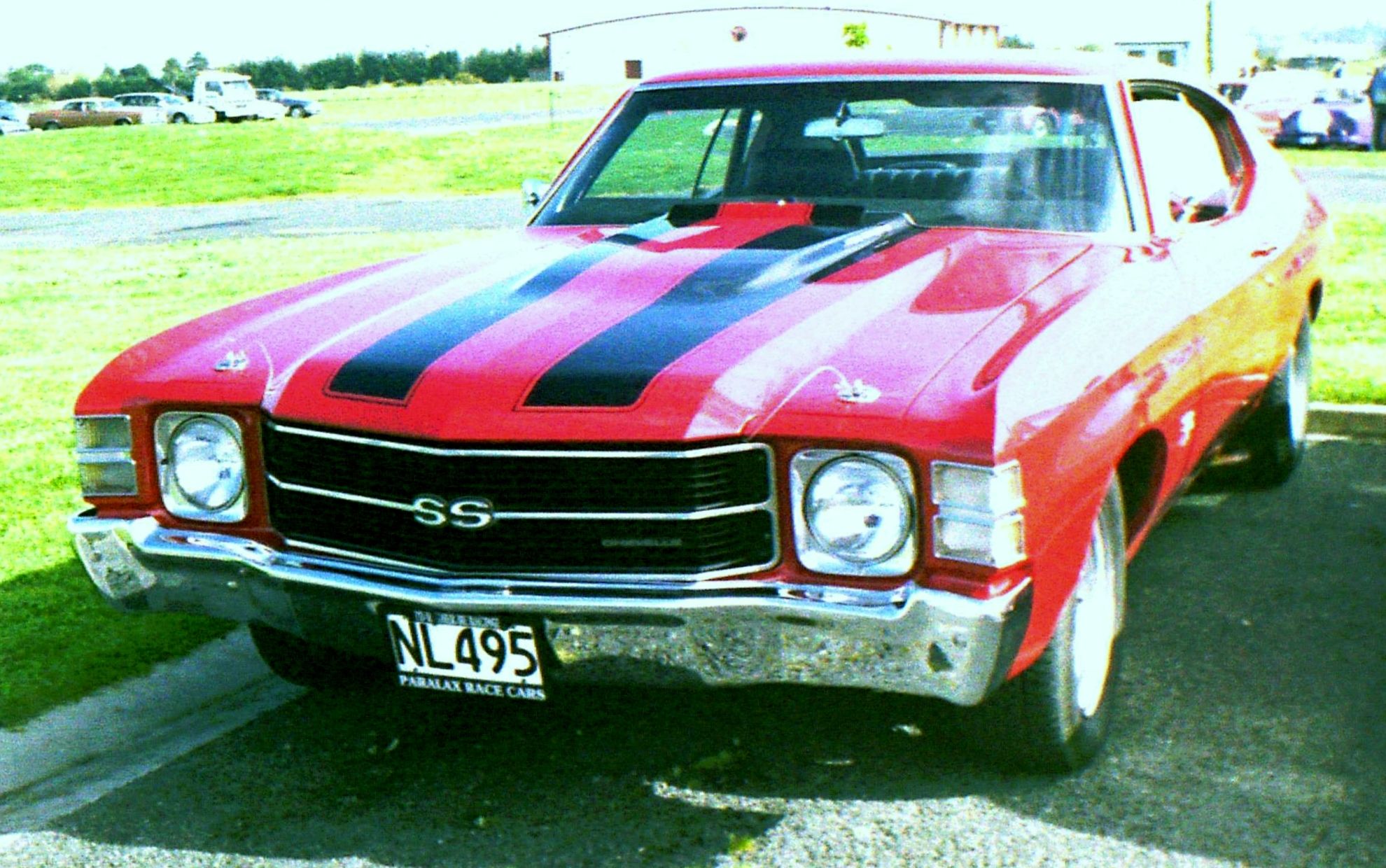
6. **1971 Chevrolet Chevelle**Ah, the Chevrolet Chevelle. In 1970, Chevrolet unleashed arguably the most iconic Chevelle ever, the SS 454 LS6 – a truly rare beast boasting an astonishing 450 horsepower. As you may have already (and correctly) guessed, there’s simply no way we’re getting our hands on one of those legends within our budget, unless we’re talking about a total wreck and a basket case requiring a king’s ransom in restoration. The golden-era Chevelles are firmly in collector territory, and rightly so for their pedigree.
However, do not despair, because there’s a surprisingly accessible door into Chevelle ownership: the far less iconic, but still incredibly cool, 1971 Chevrolet Chevelle Heavy Chevy. This often-overlooked variant offers a fantastic pathway to that classic A-body styling without the astronomical price tag. Hagerty, our go-to for valuations, kindly informs us that we can get away with paying just $17,200 for one of these gems. That’s a fraction of the cost of its more famous sibling, making it a truly attainable dream.
Granted, the Heavy Chevy doesn’t come with the same aggressive design cues or the mind-bending power of the SS454. But let’s be clear, it still looks absolutely cool, sporting those classic Chevelle lines that are instantly recognizable and admired. And under the hood, the 307 V8, while not a monster, still spits out a respectable 200 horsepower along with a glorious, unmistakable V8 soundtrack. It’s a solid performer that offers plenty of mod potential, allowing you to tailor it to your exact desires, whether you’re chasing more power or simply enjoying the rumble of a classic.
Car Model Information: 1969 Chevrolet Chevelle SS
Name: Chevrolet Chevelle
Caption: 1970 Chevrolet Chevelle SS 396 Sport Coupe
Manufacturer: Chevrolet
Production: 1963–1977
ModelYears: 1964–1977
Class: Mid-size
Platform: GM A platform (RWD)
Layout: FR layout
Successor: Chevrolet Malibu
Categories: 1970s cars, All articles needing additional references, All articles that may contain original research, All articles with specifically marked weasel-worded phrases, All articles with unsourced statements
Summary: The Chevrolet Chevelle is a mid-sized automobile that was produced by the Chevrolet division of General Motors (GM) in three generations for the 1964 to 1977 model years. Part of the GM A-body platform, the Chevelle was one of Chevrolet’s most successful nameplates. Body styles included coupes, sedans, convertibles, and station wagons. The “Super Sport” versions were produced through the 1973 model year and Lagunas from 1973 through to 1976.
After a four-year absence, the El Camino was reintroduced as part of the new Chevelle lineup in 1964.
From 1964 to 1969, GM of Canada sold a modified version of the Chevelle that included a Pontiac-style grille, and a LeMans instrument panel, marketed as the Beaumont.
The Malibu was the top-of-the-line model to 1972, and completely replaced the Chevelle nameplate starting with the redesigned, and downsized 1978 model year.
Get more information about: Chevrolet Chevelle
Buying a high-performing used car >>>
Brand: Chevrolet Model: Chevelle
Price: $119,550 Mileage: 93 mi.
Read more about: Revving Through Time: 15 Iconic Classic Cars That Will Never Go Out of Style

7. **1979 Pontiac Firebird Trans Am**Let’s be completely honest with ourselves from the outset: the 1979 Trans Am isn’t what most textbook definitions would classify as a “true” muscle car. Technically speaking, it’s a pony car, a descendant of that original breed of compact performance. However, this list, as we’ve established, isn’t about rigid academic definitions; it’s about attainable classics that exude serious street presence, pack a potent V8 punch, and offer the potential to be an incredibly fun hobby, a head-turning weekend cruiser, or even a surprisingly smart investment.
And on all those counts, the 1979 Trans Am absolutely checks every single box with an emphatic flourish. With its unmistakable shaker hood, those iconic T-tops just begging for summer drives, and a general air of untamed attitude, it brings serious swagger to the party. It practically screams “Smokey and the Bandit” vibes, even if the ’77 Trans Am was the one immortalized on the silver screen. While prices for those ’77 models have surged into the stratosphere thanks to Hollywood, the ’79 model kept the spirit alive, offering subtle styling updates, an improved steering feel that drivers appreciate, and even available rear disc brakes for better stopping power.
Some purists might debate whether the cosmetic tweaks of the ’79 model helped or hurt the design compared to earlier versions, but honestly, from the sidewalk, when one of these beasts rumbles by, they all look like absolute movie stars. And here’s the absolute best part for us budget-minded gearheads: you can still find well-maintained examples of the 1979 Trans Am for under $20,000, according to Hagerty. That, my friends, is a small price to pay for a huge dose of instant nostalgia, incredible style, and countless T-top summer drives. It’s a genuine icon waiting for its next owner.
Continuing our journey through more overlooked muscle car gems, it’s clear that the dream of owning a slice of V8 glory isn’t just alive; it’s thriving on a budget! We’ve already covered some fantastic rides, but there are even more hidden treasures waiting to be discovered, each offering an authentic V8 experience and serious street cred without demanding a king’s ransom. These are the machines that offer surprising performance, unique heritage, and that undeniable gearhead connection.
Whether you’re looking for a project to pour your soul into, a weekend cruiser that turns heads, or even a smart investment that appreciates while you enjoy it, this next batch of cars proves that you don’t need a six-figure salary to have real, honest-to-goodness muscle in your garage. So, buckle up as we dive into eight more incredible finds that will make you wonder why anyone ever said owning a classic V8 had to be expensive.
Read more about: Revving Through Time: 15 Iconic Classic Cars That Will Never Go Out of Style
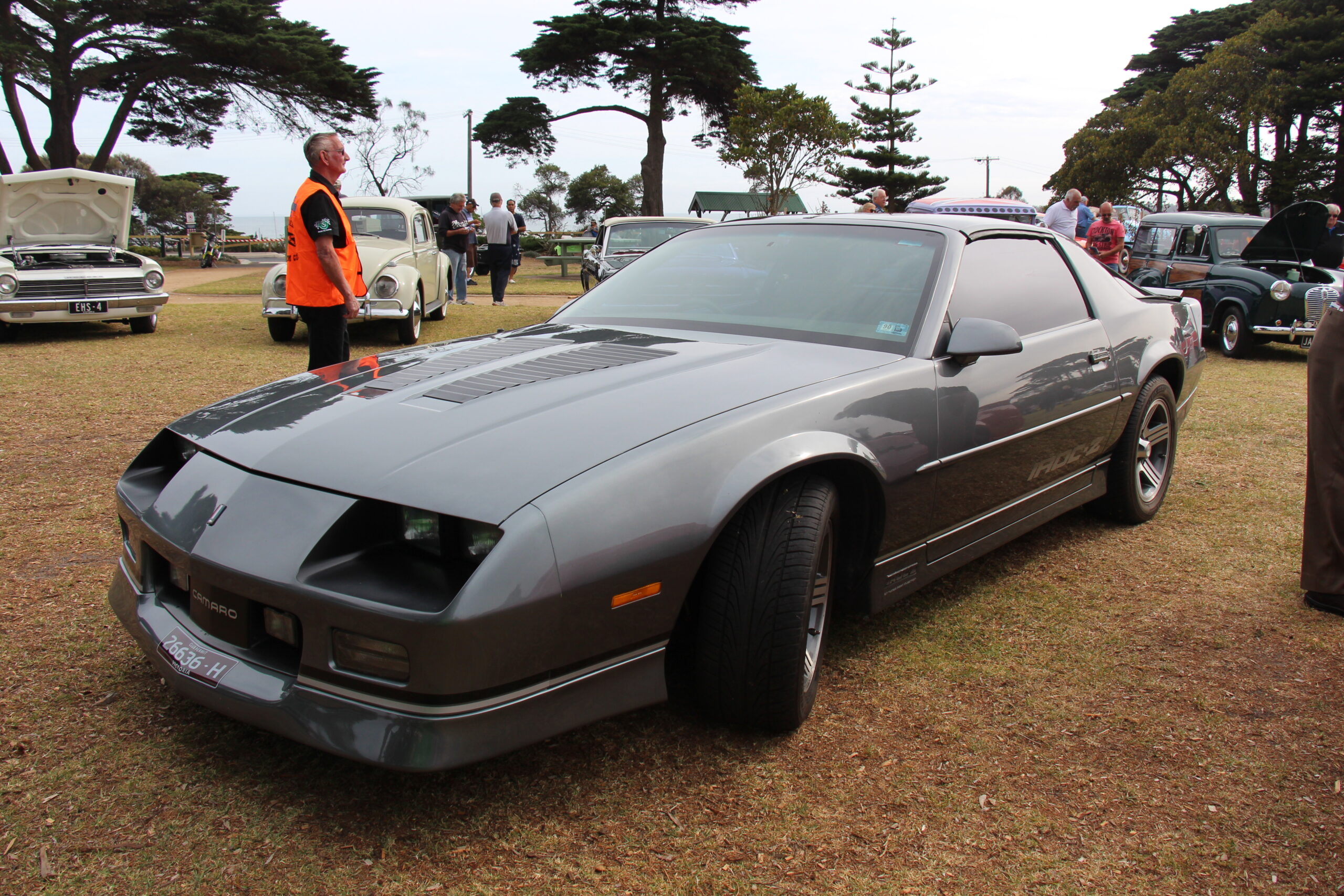
8. **1988 Chevrolet Camaro**So far, we’ve covered some really cool old-school muscle cars, and while they’re certainly more affordable compared to the stratosphere-bound collector models, let’s be real: they’re not exactly dirt cheap for everyone. If your budget is tighter than Mick Jagger’s pants and those earlier classics seem just a tad out of reach, don’t despair! The automotive landscape of the 1980s might have been a bit of a wilderness for true muscle, as the Malaise Era had wreaked havoc on the industry, but by the late 1980s, things were finally starting to pick up, and the Camaro was right there, leading the charge.
This is where the third-gen Camaro swoops in to save the day for the truly budget-conscious gearhead. Hagerty, our trusted oracle of classic car values, confidently claims it’s entirely possible to snag a 1988 Camaro, complete with a throaty 5.0-liter V8 engine, for an astonishingly low price—we’re talking just $5,400. That, my friends, is pocket change for a car that embodies the essence of American performance. Imagine the possibilities that open up with such a low entry point.
And here’s the kicker: this isn’t just a cheap way to get into a V8; it’s a potential goldmine for the savvy enthusiast. If you’re willing to put in some time, a bit of money, and a healthy dose of elbow grease, you can easily make that initial investment back, and then some. Immaculate base models of these very cars are currently listed for as much as $21,000 on Cars.com. This means you’re not just buying a car; you’re buying a canvas for restoration, a project with serious return on investment, and a whole lot of fun along the way.
Car Model Information: 2023 Chevrolet Camaro 1LT
Name: Chevrolet Camaro
Manufacturer: Chevrolet
Production: 1966–2002,2009–2023
ModelYears: 1967–2002,2010–2024
Class: Pony car
BodyStyle: coupe,convertible
Platform: GM F platform,GM Zeta platform,GM Alpha platform
Layout: Front-engine, rear-wheel-drive layout
Categories: 1970s cars, 1980s cars, 1990s cars, 2+2 coupés, 2000s cars
Summary: The Chevrolet Camaro is a mid-size American automobile manufactured by Chevrolet, classified as a pony car. It first went on sale on September 29, 1966, for the 1967 model year and was designed to compete with the Ford Mustang. The Camaro shared its platform and major components with the Firebird, produced by General Motors’ Pontiac division that was also introduced for the 1967 model year.
Four distinct generations of the Camaro were developed before production ended in 2002. The nameplate was revived on a concept car that evolved into the fifth-generation Camaro; production started on March 16, 2009.
Production of the sixth generation of the Camaro ended in December 2023, for the 2024 model year.
Get more information about: Chevrolet Camaro
Buying a high-performing used car >>>
Brand: Chevrolet Model: Camaro
Price: $26,221 Mileage: 48,869 mi.
Read more about: Revving Through Time: 15 Iconic Classic Cars That Will Never Go Out of Style
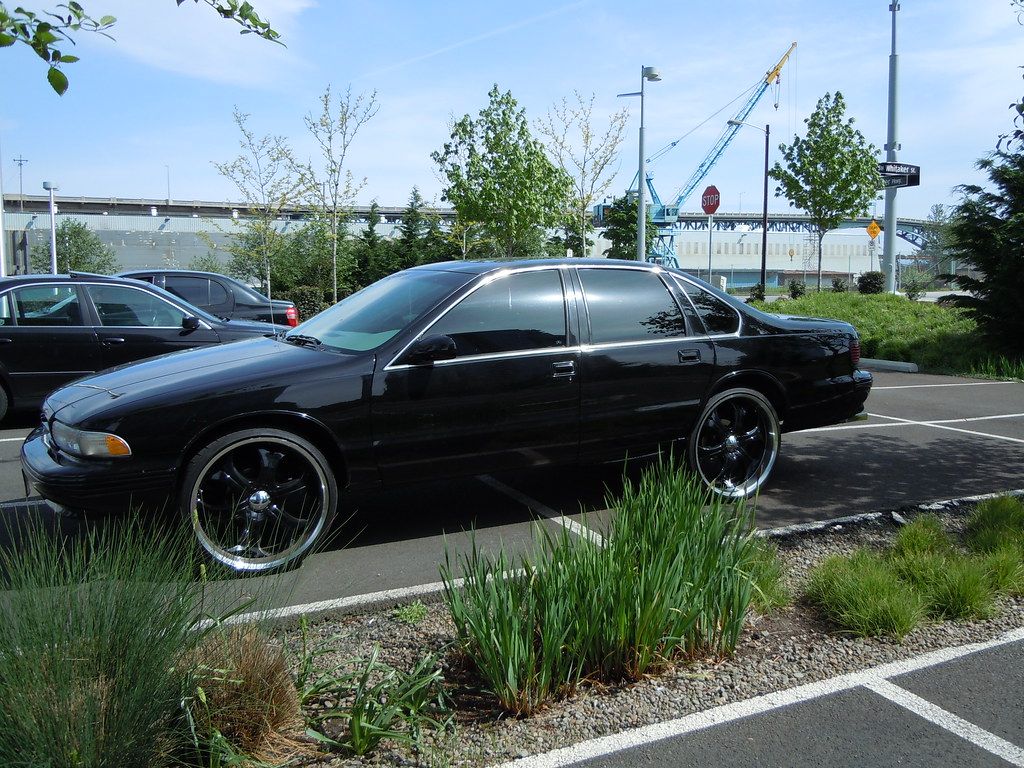
9. **1995 Chevrolet Impala SS**For decades, the idea of a four-door sedan being considered a “muscle car” would have sent purists into a frothing rage, probably leading to a heated debate over the true meaning of performance. However, by the time the Impala SS roared onto the scene in the mid-1990s, the automotive landscape had been starved of proper, high-performance models for what felt like an eternity. So, when this beast arrived, dripping with attitude and packing serious heat, even the most traditional muscle car fanatics welcomed it with open arms, because frankly, it was exactly what they needed.
This seventh-generation Impala SS wasn’t just any sedan; it marked the return of the iconic Impala badge, last seen in 1985, and it did so with a vengeance. Based on the robust Chevy Caprice platform, it had the kind of solid bones you could trust. But the real magic happened under the hood: a Corvette-derived 5.7-liter LT1 V8 engine, sending a respectable 260 horsepower directly to the rear wheels. This was a car that could not only haul the family but also absolutely light up the tires, proving that muscle could indeed come with four doors.
Adding to its appeal for the discerning budget buyer, prices for the Impala SS, after a few years of creeping upwards, have actually taken a refreshing dip, dropping around 6% in the last 12 months. Our reliable source, Hagerty, informs us that a 1995 Impala SS in good condition can be yours for approximately $17,000. That’s an incredible deal for a piece of modern classic muscle, offering a unique blend of practicality, performance, and undeniable street presence that still turns heads today.
Car Model Information: 2020 Toyota Tacoma TRD Sport
Name: Chevrolet Impala
Caption: Fourth-generation model (1967)
Manufacturer: Chevrolet
Production: 1957–1985,1994–1996,1999–2020
ModelYears: 1958–1985,1994–1996,2000–2020
Predecessor: Chevrolet Bel Air,Chevrolet Lumina#Second generation (1995–2001)
Successor: Chevrolet SS,Chevrolet Caprice
Platform: GM B platform,GM W platform,GM W platform (GMX211) (2005–2013),GM Epsilon platform#Epsilon II
Class: Full-size car,Mid-size car
Layout: Front-engine, rear-wheel-drive layout,Front-engine, front-wheel-drive layout
Categories: 1960s cars, 1970s cars, 1980s cars, 1990s cars, 2000s cars
Summary: The Chevrolet Impala () is a full-size car that was built by Chevrolet for model years 1958 to 1985, 1994 to 1996, and 2000 to 2020. The Impala was Chevrolet’s popular flagship passenger car and was among the better-selling American-made automobiles in the United States.
For its debut in 1958, the Impala was distinguished from other models by its symmetrical triple taillights. The Chevrolet Caprice was introduced as a top-line Impala Sport Sedan for model year 1965, later becoming a separate series positioned above the Impala in 1966, which, in turn, remained above the Chevrolet Bel Air and the Chevrolet Biscayne. The Impala continued as Chevrolet’s most popular full-sized model through the mid-1980s. Between 1994 and 1996, the Impala was revised as a 5.7-liter V8–powered version of the Chevrolet Caprice Classic sedan.
In 2000, the Impala was reintroduced again as a mainstream front-wheel drive car. In February 2014, the 2014 Impala ranked No. 1 among Affordable Large Cars in U.S. News & World Report’s rankings. When the 10th generation of the Impala was introduced for the 2014 model year, the 9th generation was rebadged as the Impala Limited and sold only to fleet customers through 2016. During that time, both versions were sold in the United States and Canada. The 10th-generation Impala was also sold in the Middle East and South Korea.
Get more information about: Chevrolet Impala
Buying a high-performing used car >>>
Brand: Chevrolet Model: Impala SS
Price: $37,795 Mileage: 39,984 mi.
Read more about: The Restoration Trap: 10 Classic Collector Models That Could Cost You More Than Their Worth

10. **1971 Dodge Charger SE**The second-generation Dodge Charger, an absolute icon, has graced the silver screen in legendary movies and TV shows like *Bullitt*, *The Dukes of Hazzard*, and the *Fast & Furious* franchise. Its cinematic immortality means that finding one for reasonable money today is, to put it mildly, nigh on impossible – especially if you’re dreaming of an R/T model with that monstrous 440 or the mythical 426 Hemi engine. Those cars are firmly in the realm of lottery winners and serious collectors.
However, for those of us without a trust fund, all is certainly not lost. If you’re willing to cast your gaze slightly forward and give the third-generation Charger a chance, you can absolutely get your hands on an incredible bargain that still screams Mopar muscle. The 1971 model, in particular, offers a fantastic entry point into the Charger family without having to sell a kidney. It retains that unmistakable Dodge attitude, albeit with a slightly different aesthetic.
Hagerty’s Valuation Tool, our go-to for market realities, reveals that a 1971 base model Charger SE, equipped with the solid 318 engine, can be acquired for a very appealing $19,300. Now, let’s talk about savings: that’s a whopping $10,000-plus less compared to a base model from the year before! For that price, you’re getting a genuine piece of Charger heritage, a car with incredible mod potential, and a distinctive look that will still draw admiring glances wherever you rumble.
Car Model Information: 2023 Dodge Charger SRT Hellcat Widebody Jailbreak
Name: Dodge Charger
Caption: 1969 Dodge Charger
Manufacturer: Dodge
Production: 1966–1978,1981–1987,2005–present
ModelYears: 1966–1978,1982–1987,2006–present
Categories: 1960s cars, 1970s cars, 1980s cars, 2000s cars, 2010s cars
Summary: The Dodge Charger is a model of automobile marketed by Dodge in various forms over eight generations since 1966.
The first Charger was a show car in 1964. A 1965 Charger II concept car resembled the 1966 production version.
In the United States, the Charger nameplate has been used on mid-size cars, personal luxury coupes, subcompact hatchbacks, and full-size sedans.
Get more information about: Dodge Charger
Buying a high-performing used car >>>
Brand: Dodge Model: Charger
Price: $89,285 Mileage: 4,260 mi.
Read more about: Revving Through Time: 15 Iconic Classic Cars That Will Never Go Out of Style

11. **1996 Ford Mustang SVT Cobra**When Ford introduced the first SVT Cobra Mustang in 1993, built on the venerable Fox body platform and featuring the beloved “5.0” 4.9-liter engine, it was an instant hit, blending performance with accessibility. But three years later, the Blue Oval made a bold move, replacing that aging powerplant with something entirely new and exciting: the all-aluminum 4.6-liter DOHC modular unit. This wasn’t just an engine swap; it was a statement, pushing the Mustang into a new era of performance and refinement.
This new engine breathed fresh life into the Mustang, offering a more sophisticated power delivery and an exhilarating driving experience that stood apart from its predecessors. It was a clear signal that Ford was serious about performance, and the SVT Cobra badge ensured that everyone knew this wasn’t your average pony car. With its aggressive styling and advanced powerplant, the 1996 SVT Cobra was a formidable machine on the street and track.
And here’s where things get really interesting for the budget-minded gearhead: checking out Hagerty’s Valuation Tool tells us that this incredible car can be had for a song these days. Its value has mercifully dropped over 15%, with prices for well-maintained examples in good condition now hovering around the $11,500 mark. That, my friends, is an absolute steal for a car that not only offers serious performance but can also easily pull double duty as a thrilling daily driver. It’s a performance bargain waiting to be snatched up!
Car Model Information: 2020 Toyota Tacoma TRD Sport
Caption: 2004 Ford Mustang SVT Cobra
Name: Ford SVT Mustang Cobra
Manufacturer: Special Vehicle Team
Production: 1993–2004 (79,958 produced)
Assembly: Dearborn, Michigan
Class: Pony car
BodyStyle: 1993:,hatchback,coupe,convertible
Successor: Shelby Mustang#2007.E2.80.932009 Ford Shelby GT500
Platform: Ford Fox platform
Layout: Front-engine, rear-wheel drive layout
Categories: 2000s cars, All articles with specifically marked weasel-worded phrases, Articles with short description, Articles with specifically marked weasel-worded phrases from July 2025, Cars introduced in 1993
Summary: The Ford SVT Mustang Cobra (also known as “SVT Mustang Cobra, SVT Cobra,” or simply as “Cobra”) is a pony car that was built by American automobile manufacturer Ford Motor Company’s Special Vehicle Team division (or SVT) for the 1993 to 2004 model years.
The SVT Cobra was a high-performance version of the Ford Mustang and was considered the top-of-the-line variant, being positioned above the Mustang GT and Mach 1 models during its production run. On three occasions, the race-ready, street-legal SVT Cobra R variant was produced in limited numbers.
The SVT Cobra was succeeded by the Mustang Shelby GT500 which was introduced for the 2007 model year.
Get more information about: Ford Mustang SVT Cobra
Buying a high-performing used car >>>
Brand: Ford Model: Mustang SVT Cobra
Price: $37,795 Mileage: 39,984 mi.
Read more about: Muscle Car Shame: Revisiting 10 of the Ugliest Ford and Mustang Designs Ever Produced
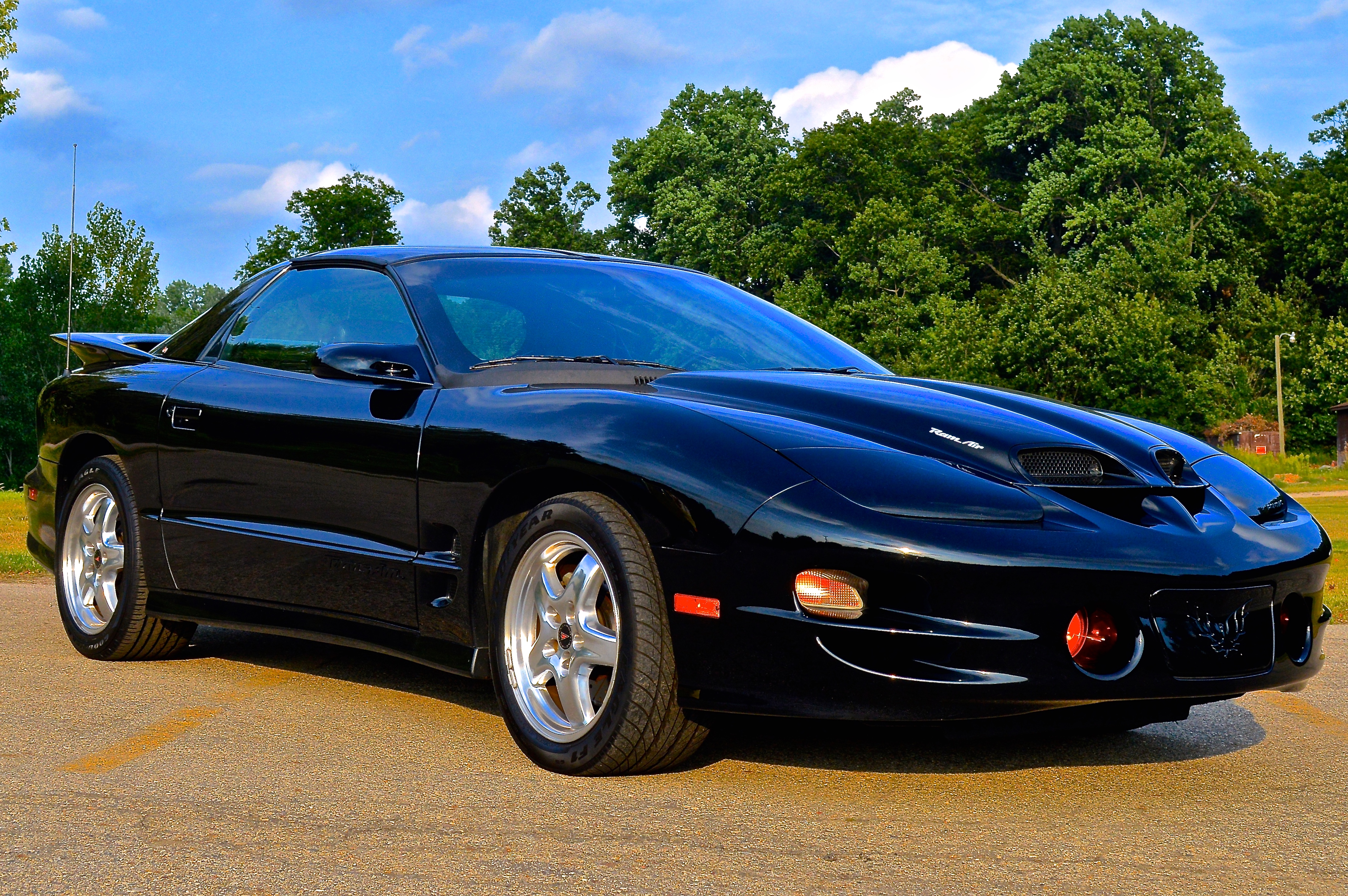
12. **1996 Pontiac Firebird Trans Am WS6**Pontiac really knew how to make a statement, and in 1996, they unleashed the Firebird Trans Am WS6 upon an unsuspecting world. This wasn’t just another Trans Am; it was a special, high-performance variant that, despite its relatively short six-year production run, has become somewhat sought-after by discerning collectors and enthusiasts. It’s a car that perfectly encapsulates the raw, unadulterated attitude that defined Pontiac performance.
Underneath that aggressively styled hood, according to Hagerty, beat the heart of a beast: a Corvette-derived LT1 small-block V8, churning out a very healthy 305 horsepower. As if that wasn’t enough, the following year saw an upgrade to the legendary LS1 engine, pushing output to an even more potent 310 horses. With giant nostrils on the hood, striking graphics, and a generally aggressive stance, the WS6 certainly looked the part of a street-brawler, and it had the muscle to back it up.
The good news for us budget-conscious adrenaline junkies is that Hagerty also notes prices for these incredible machines have dropped by 5%. This means you can get behind the wheel of this monster of a car if you’re willing to part with approximately $15,100. For that price, you’re not just buying a car; you’re investing in a piece of unbridled 90s muscle car glory, a car that delivers both visceral power and undeniable visual impact, making every drive an event.
Read more about: Remember These? 14 Classic Cars From the 1980s That Everyone Forgot About
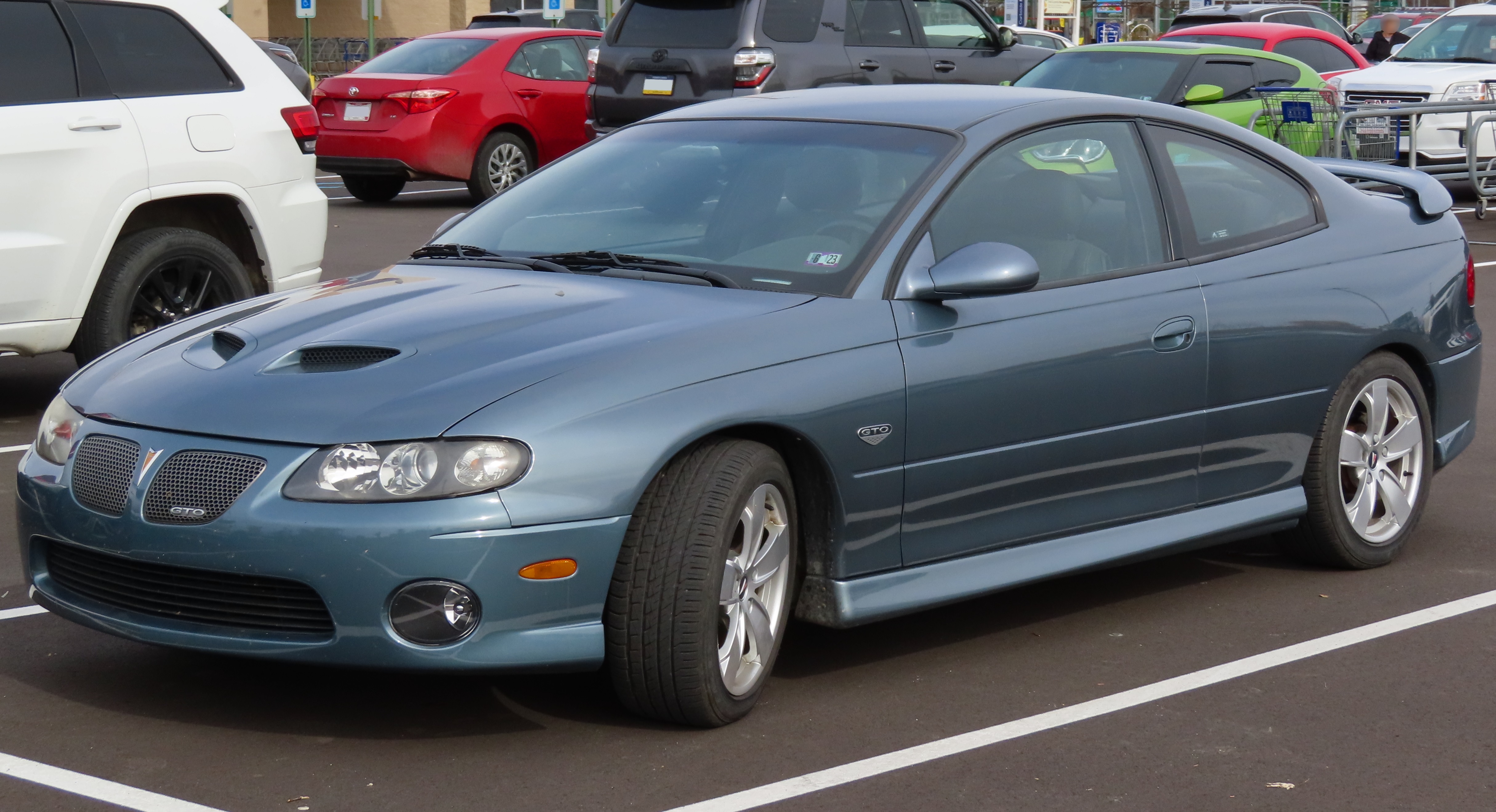
13. **2005–2006 Pontiac GTO**Alright, alright, we know what you’re thinking. “This isn’t your granddad’s GTO!” And you’d be absolutely right. From a distance, it might even look more like a rental Grand Am, which, let’s be honest, wasn’t exactly setting the world on fire. But before you scroll past, thinking this is some kind of sacrilege, we implore you: do *not* sleep on the last great Pontiac muscle car. Underneath that deceptively subtle Aussie skin (yes, it was built in Australia by Holden) beats the thumping, glorious heart of a true beast.
We’re talking about the legendary 6.0-liter LS2 V8 engine, a powerhouse pushing out a staggering 400 horsepower. This isn’t some watered-down, emissions-choked lump; this is pure, unadulterated American muscle, delivered with rear-wheel drive and, bless its heart, even an available 6-speed manual transmission for maximum driver engagement. This thing eats tires for breakfast, pulls hard enough to rearrange your internal organs, and sounds like a thunderclap echoing through a canyon.
The real beauty of this GTO, for our purposes, is that it never quite garnered the same collector adoration as its retro-styled rivals – we’re definitely looking at you, Mustang and Challenger. This oversight has kept its prices flying wonderfully under the radar and, more importantly, well under budget. Hagerty shows good-condition examples hovering between $17,000 and $25,000, with higher-mileage drivers available for even less. It may not have the vintage aesthetic, but if you want modern muscle with old-school grunt, the 2005-2006 GTO is still an absolute steal—for now.
Read more about: Lethal Legacy: 15 Iconic Vehicles and Flaws That Shaped Automotive Safety

14. **1974 Pontiac Ventura GTO**By 1974, the glorious era of the original GTO as a standalone, fire-breathing machine had somewhat diminished, finding itself morphed into a trim package on the Pontiac Ventura, which was essentially Pontiac’s subtly restyled version of the humble Chevy Nova. This might sound like a demotion, but don’t let its economy-car roots fool you; this GTO still had plenty to offer for the discerning enthusiast, especially when it came to affordability and potential.
Standard fare for this iteration of the GTO was a robust 350-cubic-inch V8. While it might not have delivered the earth-shattering punch of the legendary 389s or 455s from its golden-era predecessors, it was undeniably a legitimate performer in its own right. With the right tuning and a bit of a gearhead’s touch, this GTO-badged Ventura could certainly move with enthusiasm, surprising many who underestimated its capabilities based on its more mundane origins. It was a sleeper before sleepers were cool.
The fact that most buyers at the time overlooked this particular GTO, perhaps swayed by its economy-car underpinnings, has actually become a massive boon for today’s budget-minded collectors. This oversight has kept prices commendably low, making the 1974 Pontiac Ventura GTO one of the absolute cheapest ways to get a legitimate GTO badge on your fender. It’s a fantastic entry point into the storied GTO lineage, offering V8 power and a piece of history without the prohibitive cost.
Car Model Information: 2020 Toyota Tacoma TRD Sport
Name: Pontiac GTO
Caption: 2005 Pontiac GTO
Manufacturer: Pontiac (automobile),Holden
Class: Mid-size car,Compact car,Mid-size car
Production: 1963–1974,2003–2006
Predecessor: Pontiac Tempest
Layout: Front-engine, rear-wheel-drive layout
ModelYears: 1964-1974 2004-2006
Categories: 1970s cars, 2000s cars, All articles with unsourced statements, Articles with short description, Articles with unsourced statements from October 2008
Summary: The Pontiac GTO is a front-engine, rear-drive, two-door, and four-passenger automobile manufactured and marketed by the Pontiac division of General Motors over four generations from 1963 until 1974 in the United States — with a fifth generation made by GM’s Australian subsidiary, Holden, for the 2004 through 2006 model years.
The first generation of the GTO is credited with popularizing the muscle car market segment in the 1960s. Some consider the Pontiac GTO to have started the trend with all four domestic automakers offering a variety of competing models.
For the 1964 and 1965 model years, the GTO was an optional package on the intermediate-sized Pontiac LeMans. The 1964 GTO vehicle identification number (VIN) started with 22, while the 1965 GTO VIN began with 237. The GTO was designated as a separate Pontiac model from 1966 through 1971 (VIN 242…). It became an optional package again for the 1972 and 1973 intermediate LeMans. For 1974, the GTO was an optional trim package on the compact-sized Ventura.
The GTO model was revived for the 2004 through 2006 model years as a captive import for Pontiac, a left-hand drive version of the Holden Monaro, itself a coupé variant of the Holden Commodore.
Get more information about: Pontiac GTO
Buying a high-performing used car >>>
Brand: Pontiac Model: Ventura GTO
Price: $37,795 Mileage: 39,984 mi.
Read more about: Unleashed Fury: 10 Muscle Cars That Were Dangerously Overpowered for Their Era, Redefining Raw Performance on Public Roads

15. **1977 Dodge Aspen R/T**Let’s be brutally honest from the get-go: the 1977 Dodge Aspen R/T wasn’t exactly designed to strike fear into the hearts of hot-shot Camaro or Trans Am owners. The late 70s were a challenging time for performance, a truly “down year” for muscle as emissions regulations and fuel crises took their toll. However, in that challenging landscape, the Aspen R/T emerged as Mopar’s very best budget muscle offering, a testament to squeezing performance out of limited circumstances. It’s a genuine underdog worth celebrating.
Under the hood, an optional 360 V8 provided the necessary grunt, and while it wasn’t going to win any drag races fresh off the lot against earlier legends, this car had surprising potential. With the right gearing adjustments and some judicious weight savings, the Aspen R/T could genuinely surprise slower competition, proving that even in a subdued era, Mopar engineers were still finding ways to deliver performance. These cars were light, rear-wheel drive, and, crucially for enthusiasts, had decent aftermarket support, offering a solid foundation for upgrades.
Despite its subdued reputation, production numbers for the Aspen R/T were solid but not overwhelming, which means there are still survivors out there today, waiting to be rediscovered at truly reasonable prices. It’s a unique opportunity to own a piece of Mopar history from an often-maligned era, a car that embodies the resilience of American performance. For the gearhead who appreciates a hidden gem and a rewarding project, the ’77 Aspen R/T offers a distinctly different, yet utterly authentic, V8 experience that absolutely belongs in your garage.
Car Model Information: 1976 Dodge Aspen
Caption: Dodge Aspen coupe
Name: Plymouth Volaré / Dodge Aspen
Manufacturer: Chrysler
Production: 1976–1980
ModelYears: 1976–1980
Class: Compact car
Layout: Front-engine, rear-wheel-drive layout
Platform: Chrysler F platform
Assembly: Hamtramck, Michigan
BodyStyle: station wagon,sedan (car),coupe
Engine: {{convert,225,CID,L,1,abbr=on,Chrysler Slant-6 engine
Abbr: on (wagon)
Transmission: manual transmission,TorqueFlite,A998/A999 3-speed TorqueFlite automatic,manual transmission
Predecessor: Plymouth Valiant
Successor: Plymouth Reliant,Dodge 400
Aka: ubl
Wheelbase: {{convert,108.7,in,mm,0,abbr=on
Weight: 3200 lb
Length: {{convert,198.8,in,mm,0,abbr=on
Width: 73.3 in
Height: {{convert,53.3,in,mm,0,abbr=on
Related: Monteverdi Sierra
Categories: All articles needing additional references, All articles with unsourced statements, Articles needing additional references from June 2025, Articles with short description, Articles with unsourced statements from December 2008
Summary: The Dodge Aspen, and its badge-engineered variant, the Plymouth Volaré, are compact rear-drive cars manufactured and marketed by Chrysler for model years 1976-1980 in four-door sedan, two-door coupe, and four-door wagon styles.
During the Volaré/Aspen’s production, North American automakers were actively “downsizing” their lineups, reducing size and weight for improved fuel economy — and the industry was reclassifying its size nomenclature. The Volaré/Aspen were thus classified originally as compact cars, but as intermediate-sized cars by the time their production ended.
The Volaré/Aspen were discontinued following the 1980 model year prior to the introduction of the front-wheel-drive Plymouth Reliant and Dodge Aries, known collectively as K-cars. The end of production also marked the demise of Dodge Main Assembly, which was closed the same day.
Get more information about: Dodge Aspen
Buying a high-performing used car >>>
Brand: Dodge Model: Aspen
Price: $10,500 Mileage: 68,590 mi.
Read more about: From Anemic to Awkward: Unmasking 15 Muscle Cars That Truly Missed the Mark – And Why We Can’t Forget Them
There you have it, folks! Proof positive that the dream of owning a roaring, V8-powered slice of American iron doesn’t have to remain just that—a dream. While the golden-era kings might be out of reach for many, our journey through these 15 incredible, budget-friendly muscle cars reveals a vibrant, accessible world of classic and near-classic performance. From pony cars with undeniable style to overlooked sedans packing a Corvette heart, each one offers a unique entry point into the gearhead lifestyle. So, stop scrolling, start wrenching, and get ready to light up those rear tires, because your next cheap muscle car adventure is just waiting to begin!