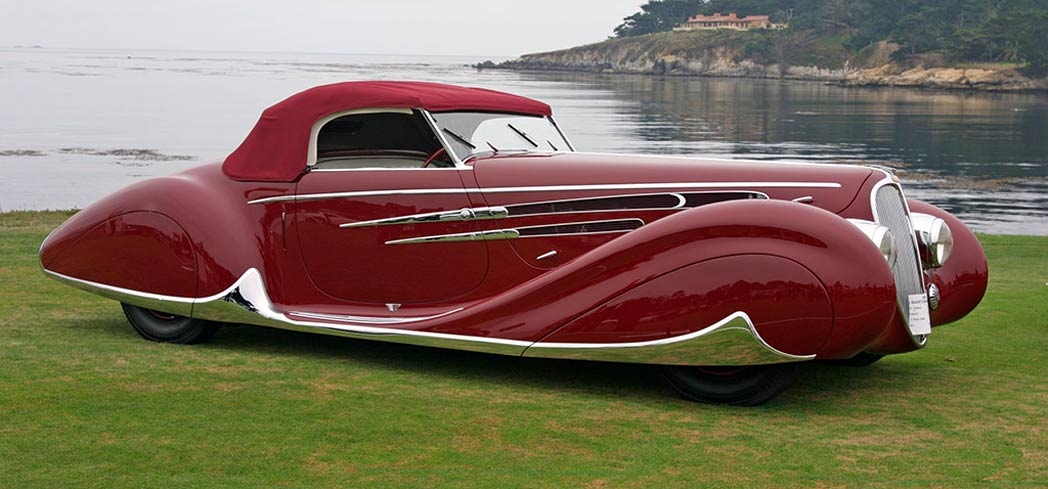
Ever feel like you’re speaking a totally different language when you talk cars with someone from another generation? You’re not alone! It turns out, when it comes to classic cars, the generational divide between Baby Boomers and Millennials isn’t just about preference—it’s a full-on clash of values and lifestyles, and honestly, it’s pretty fascinating.
What one generation considers a symbol of automotive prowess, freedom, or pure luxury, another might look at and just… shrug. Or worse, giggle. We’re diving deep into the automotive time capsule to check out 15 vintage rides that perfectly highlight this ‘you had to be there’ phenomenon, leaving younger generations completely baffled.
So, buckle up, because we’re about to explore the metal machines that stole the hearts of Boomers but might just leave you, dear Millennial reader, wondering if we’re even talking about the same planet. It’s a journey through chrome, horsepower, and some seriously questionable design choices, all seen through the eyes of different eras. Let’s get this engine revving!
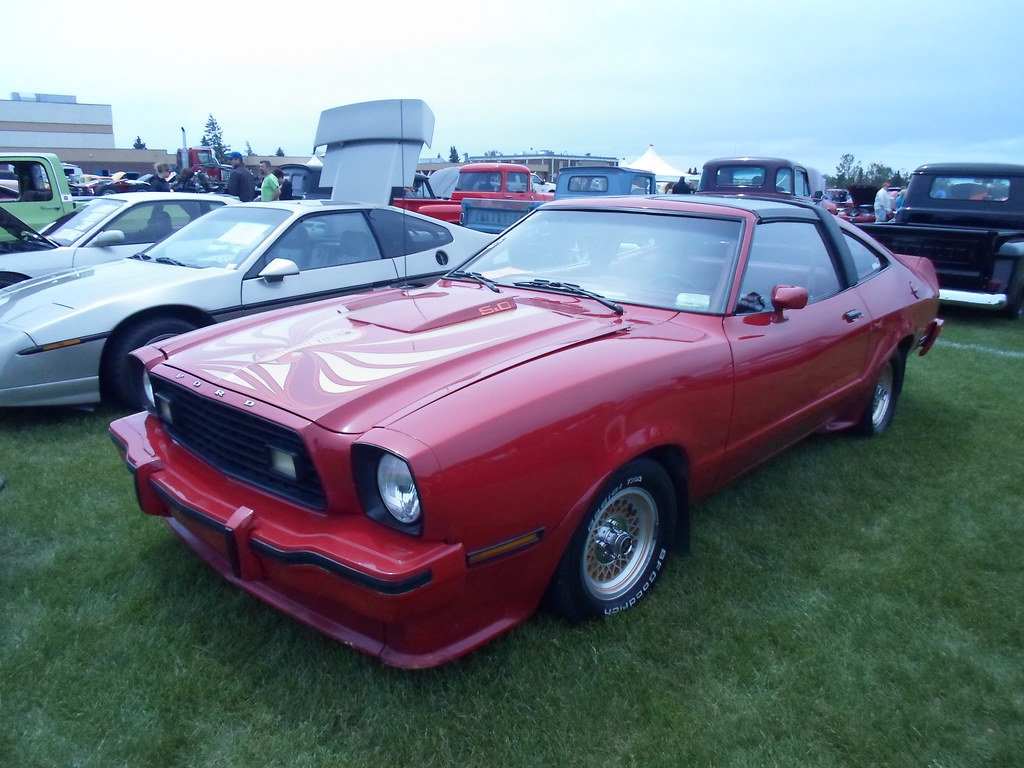
1. **Ford Mustang II**The Ford Mustang is, without a doubt, a titan in the automotive world, but its lineage has had a few detours that spark major debates across generations. For Baby Boomers, the Ford Mustang II holds a surprisingly soft spot in their hearts. Introduced during a period of significant change for the auto industry, specifically the fuel crisis era, this model represented Ford’s attempt to keep the iconic pony car relevant and accessible, adapting to the economic realities of the time. It was seen as a continuation, a necessary evolution to ensure the Mustang name endured.
Boomers who lived through the 1970s often appreciate the Mustang II for its role in navigating these challenging times. It offered a more compact and (relatively) fuel-efficient option when gas prices were soaring and larger, thirstier muscle cars were falling out of favor. For them, it wasn’t just a car; it was a symbol of resilience, a familiar nameplate adapting to new demands, and a practical choice that still carried a hint of that Mustang magic. It connected them to the brand they grew up with, providing a familiar yet practical option for a new era.
However, when you show a Ford Mustang II to a Millennial, prepare for some serious head-scratching. The younger generation often criticizes this particular iteration for “straying too far from its roots,” viewing it as a significant departure from the muscle car ethos that defined earlier Mustangs. They’re looking for that raw power, that aggressive styling, and the performance pedigree that the original Mustangs boasted. The Mustang II, in their eyes, just doesn’t deliver on those classic Mustang promises.
Millennials often point to the Mustang II’s “underwhelming performance and bland design” as major drawbacks. Compared to the roaring V8s and audacious lines of the 1960s Mustangs, the second generation felt, well, a bit muted. Its attempt to blend economy with sportiness resulted in a car that didn’t quite excel at either, leading many younger enthusiasts to see it as a diluted version of a legend, a misstep in an otherwise glorious automotive history. It truly highlights how different eras value different attributes in a vehicle.
Car Model Information: 2020 RAM 1500 Laramie
Name: Second generation
Caption: Ford Mustang II coupe
Aka: Ford Mustang II , Ford T5 (in Germany)
Class: Pony car,Subcompact car
Production: 1973–1978
ModelYears: 1974–1978
Predecessor: Ford Mustang (first generation)
Successor: Ford Mustang (third generation)
Assembly: Unbulleted list
Layout: Front-engine, rear-wheel-drive layout
BodyStyle: coupé,hatchback
Related: Ford Pinto,Ford Pinto
Manufacturer: Ford Motor Company
Engine: ubl
Transmission: ubl
Wheelbase: cvt
Length: cvt
Width: cvt
Height: cvt
Designer: Buck Mook, Dick Nesbitt
Categories: All articles with dead external links, All articles with unsourced statements, Articles with dead external links from April 2024, Articles with permanently dead external links, Articles with short description
Summary: The second-generation Ford Mustang, marketed as the Ford Mustang II, is a two- or three-door, four-passenger, front-engine/rear-drive pony car manufactured and marketed by Ford from 1973 until 1978. Introduced in September 1973 for the 1974 model year, the Mustang II arrived roughly coincident with the oil embargo of 1973 and subsequent fuel shortages. Developed under Lee Iacocca, it was an “entirely new kind of pony car.” Ford “decided to call it Mustang II, since it was a new type of pony car designed for an era of high gas prices and fuel shortages.”
The Mustang II was 490 lb (222 kg) lighter and almost 19 in (483 mm) shorter than the 1973 Mustang, and derived from the subcompact Pinto platform. While sharing a limited number of driveline components with the Pinto, the Mustang II employed an exclusive subframe, isolating its front suspension and engine mount subframe. The steering used a rack-and-pinion design.
Named Motor Trend’s 1974 Car of the Year and reaching over 1.1 million sales over four years of production, the Mustang II is noted simultaneously for both its marketing prescience and strong sales – while criticized as having abandoned essential aspects of the Mustang heritage and described, in a retrospective after 40 years since its introduction, as embodying the Malaise era.
Get more information about: Ford Mustang (second generation)
Buying a high-performing used car >>>
Brand: Ford Model: Mustang II
Price: $36,995 Mileage: 64,342 mi.
Read more about: Unleash Your Inner Gearhead: 15 Affordable Muscle Cars That Deserve a Spot in Your Garage
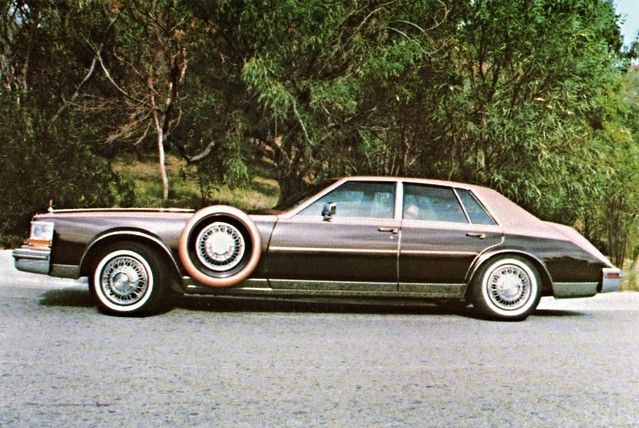
2. **Cadillac Seville**Ah, the Cadillac Seville! For many Baby Boomers, this car conjures images of uncompromised American luxury, a vehicle that truly defined premium motoring for its era. They recall the Cadillac Seville as a “premium American sedan that offered comfort and style,” a testament to American engineering and opulence. When it debuted, it was a statement car, signaling success and a taste for the finer things in life, wrapped in a package designed for smooth cruising and refined aesthetics.
In the Boomer mindset, the Seville wasn’t just transport; it was an experience. Its spacious interiors, plush seating, and smooth ride were hallmarks of a luxury sedan built for comfort, whether for daily commutes or long road trips. The styling, with its distinctive lines and commanding presence, exuded an air of sophistication that resonated deeply with the older generation’s aspirations and definition of automotive excellence. It was a vehicle that embodied a certain American dream, a symbol of reaching a comfortable peak.
Now, let’s fast forward to the Millennial perspective, and the narrative takes a sharp turn. For them, the Cadillac Seville is often viewed as “emblematic of the excesses of past American automotive design.” They see its “large body and fuel inefficiency” not as features of luxury, but as glaring anachronisms in a world increasingly focused on sustainability and practicality. The sheer size, once a mark of grandeur, now appears as a wasteful indulgence that doesn’t fit contemporary values.
The generational shift towards “smaller, more economical vehicles makes this model outdated” in the eyes of Millennials. They prioritize fuel economy, compact footprints suitable for urban environments, and designs that are less about overt flash and more about understated efficiency. The Seville, with its grand proportions and thirst for gasoline, just doesn’t align with these modern sensibilities, making it a head-scratcher for those who grew up in an era of environmental consciousness and pragmatic car choices.
Car Model Information: 1985 Cadillac Seville Base
Name: Cadillac Seville
Caption: 1998–2004 Cadillac Seville
Manufacturer: Cadillac
Production: 1975–2003
ModelYears: 1976–2004
Class: luxury car
Layout: FR layout
Predecessor: Cadillac Calais
Successor: Cadillac STS
Categories: 1980s cars, 1990s cars, All articles with unsourced statements, Articles with short description, Articles with unsourced statements from October 2016
Summary: The Cadillac Seville is a mid-size luxury car manufactured by Cadillac from the 1976 to 2004 model years as a smaller-sized, premium model. It was replaced by the STS in 2004 for the 2005 model year.
Get more information about: Cadillac Seville
Buying a high-performing used car >>>
Brand: Cadillac Model: Seville
Price: $25,900 Mileage: 45,064 mi.
Read more about: Drive Far, Spend Less: 15 Highly Reliable Used Cars That Won’t Break Your Budget
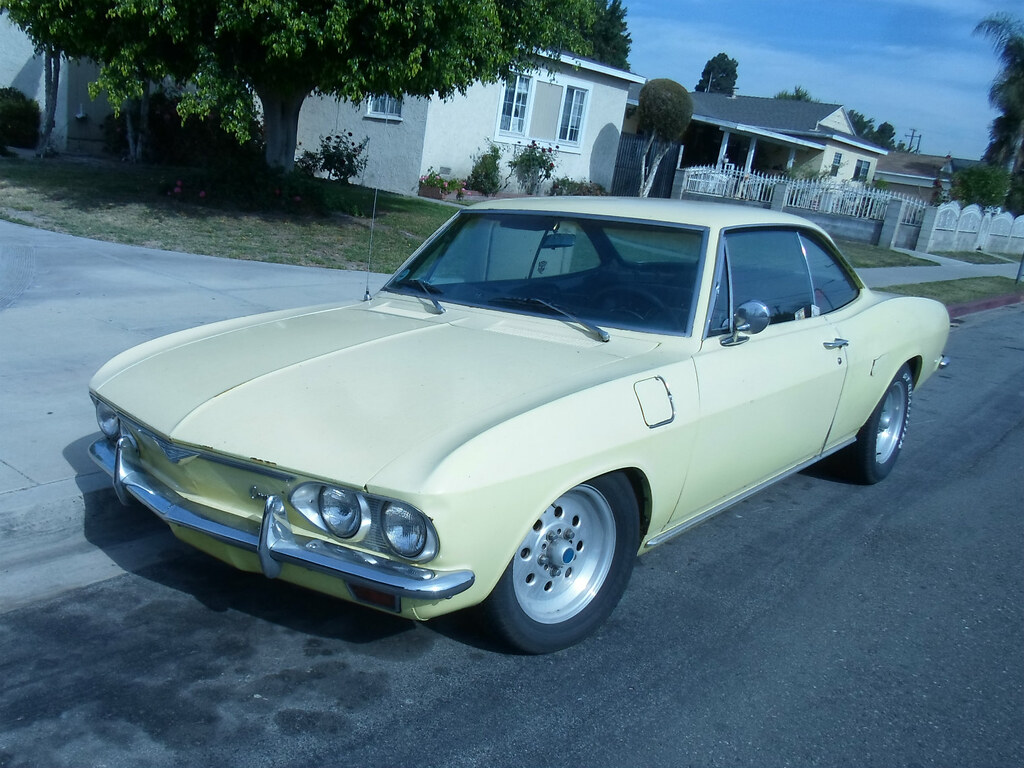
3. **Chevrolet Corvair**The Chevrolet Corvair is a car with a truly intriguing history, a vehicle that sparked both admiration and controversy, and perfectly embodies the generational divide. For Baby Boomers, this car was a marvel of engineering, boasting a “rear-mounted air-cooled engine and innovative design that captivated boomers.” It was a bold departure from traditional American car manufacturing, offering something genuinely different and forward-thinking in its time. This unique approach to design and mechanics made it stand out from the crowd.
Boomers appreciated the Corvair for its distinctiveness. Its air-cooled, horizontally opposed engine positioned in the rear was a direct challenge to the norms of American car production, often compared to the iconic Volkswagen Beetle. This innovative spirit, combined with its sleek, unadorned styling, was a breath of fresh air for many. It was a car that represented a new direction, a blend of European sophistication with American manufacturing might, and it quickly became a conversation starter.
Fast forward to Millennials, and the Corvair’s story takes on a much darker tone. Younger enthusiasts “often criticize it for its handling issues and safety concerns,” largely influenced by historical critiques and safety campaigns. The car’s reputation, particularly after Ralph Nader’s book “Unsafe at Any Speed,” casts a long shadow, making it “less desirable among younger enthusiasts” who prioritize safety and reliable handling above all else.
For Millennials, the tales of the Corvair’s swing-axle rear suspension leading to unpredictable handling under certain conditions are hard to overlook. Even though later models addressed many of these issues, the initial concerns have permanently etched themselves into the car’s legacy. This historical baggage makes it difficult for a generation raised on advanced safety features and precise engineering to see past its perceived flaws and appreciate the original innovation that once so captivated their grandparents’ generation.
Car Model Information: 1964 Chevrolet Corvair Monza
Caption: 1964 Chevrolet Corvair Monza
Name: Chevrolet Corvair
Manufacturer: Chevrolet
Production: July 1959
Platform: GM Z platform
Chassis: Unibody
ModelYears: 1960–1969
Assembly: United States,Kansas City, Missouri,Oakland, California,Van Nuys,St. Louis,Flint, Michigan,Belgium,Canada,Mexico,South Africa,Switzerland,Venezuela
Class: Compact car
Successor: Chevrolet Vega
Layout: Rear-engine, rear-wheel-drive layout
Categories: All Wikipedia articles written in American English, All articles lacking in-text citations, All articles needing additional references, All articles with dead external links, All articles with specifically marked weasel-worded phrases
Summary: The Chevrolet Corvair is a rear-engined, air-cooled compact car manufactured and marketed by Chevrolet over two generations from the 1960 through 1969 model years. The Corvair was a response to the increasing popularity of small, fuel-efficient automobiles, particularly the imported Volkswagen Beetle and American-built compacts like the Rambler American and Studebaker Lark.
The first generation (1960–1964) was offered in four-door sedan, two-door coupe, convertible, and four-door station wagon configurations. A two- and four-door hardtop, as well as a convertible, were available as second-generation variants (1965–1969). The Corvair platform was also offered as a subseries known as the Corvair 95 (1961–1965), which consisted of a passenger van, commercial van, and pickup truck variant. Total production was approximately 1.8 million vehicles from 1960 until 1969.
The name “Corvair” was first applied in 1954 to a Corvette-based concept with a hardtop fastback-styled roof, part of the Motorama traveling exhibition. When applied to the production models, the “air” part referenced the engine’s cooling system.
A prominent aspect of the Corvair’s legacy derives from controversy surrounding the handling of early models equipped with rear swing axles, articulated aggressively by Ralph Nader’s Unsafe at Any Speed but tempered by a 1972 Texas A&M University safety commission report for the National Highway Traffic Safety Administration (NHTSA) which found that the 1960–1963 Corvair possessed no greater potential for loss of control in extreme situations than contemporary compacts.
To better counter popular inexpensive subcompact competitors, notably the Beetle and Japanese imports such as the Datsun 510, GM replaced the Corvair with the more conventional Chevrolet Vega in 1970.
Get more information about: Chevrolet Corvair
Buying a high-performing used car >>>
Brand: Chevrolet Model: Corvair
Price: $29,988 Mileage: 74,787 mi.
Read more about: The 14 Most Embarrassing Market Misses: When Styling Blunders and Feature Failures Drove Cars Off a Cliff
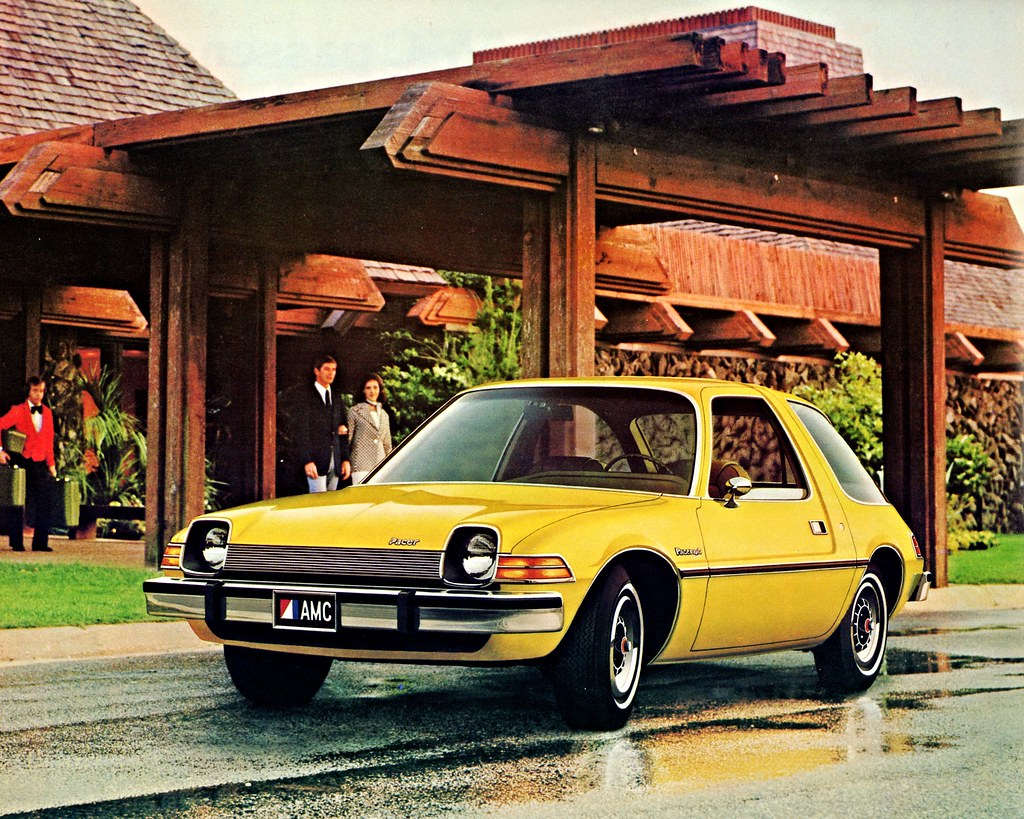
4. **AMC Pacer**If ever there was a car that dared to be different, it was the AMC Pacer. For Baby Boomers, this truly unique vehicle was “once touted for its innovation and unique styling,” representing a brave new world in automotive design. It was conceived as a “wide small car,” an attempt to combine the maneuverability of a compact with the interior roominess of a much larger vehicle, creating a futuristic vision that intrigued many in the 1970s.
Boomers saw the Pacer’s unconventional features as groundbreaking. Its exceptionally wide stance, large glass area (reportedly 37% of the car’s surface), and asymmetrical door lengths (the passenger door being longer for easier rear access) were considered innovative solutions to perceived problems of compact cars. It was designed to be spacious and airy, a comfortable cocoon for its occupants, and its smooth, rounded lines were a stark contrast to the boxy designs prevalent at the time, marking it as a car ahead of its time for many admirers.
Now, introduce the AMC Pacer to a Millennial, and prepare for some serious laughs, or at least a confused stare. Younger generations “tend to regard the Pacer as oddly shaped and inefficient, making fun of its bubble-like appearance.” What Boomers saw as innovative, Millennials often see as just plain weird, a design that hasn’t aged gracefully and stands out for all the wrong reasons in modern automotive aesthetics.
For Millennials, “this car’s attempt at breaking the mold is now viewed more as a misstep rather than a mark of innovation.” They might find its proportions awkward, its fuel consumption less than ideal for a ‘compact,’ and its overall aesthetic jarring. The Pacer, intended as a revolutionary design, has unfortunately become a punchline for many younger car enthusiasts, a stark example of how design trends and societal values shift dramatically across the decades.
Read more about: The 14 Most Embarrassing Market Misses: When Styling Blunders and Feature Failures Drove Cars Off a Cliff
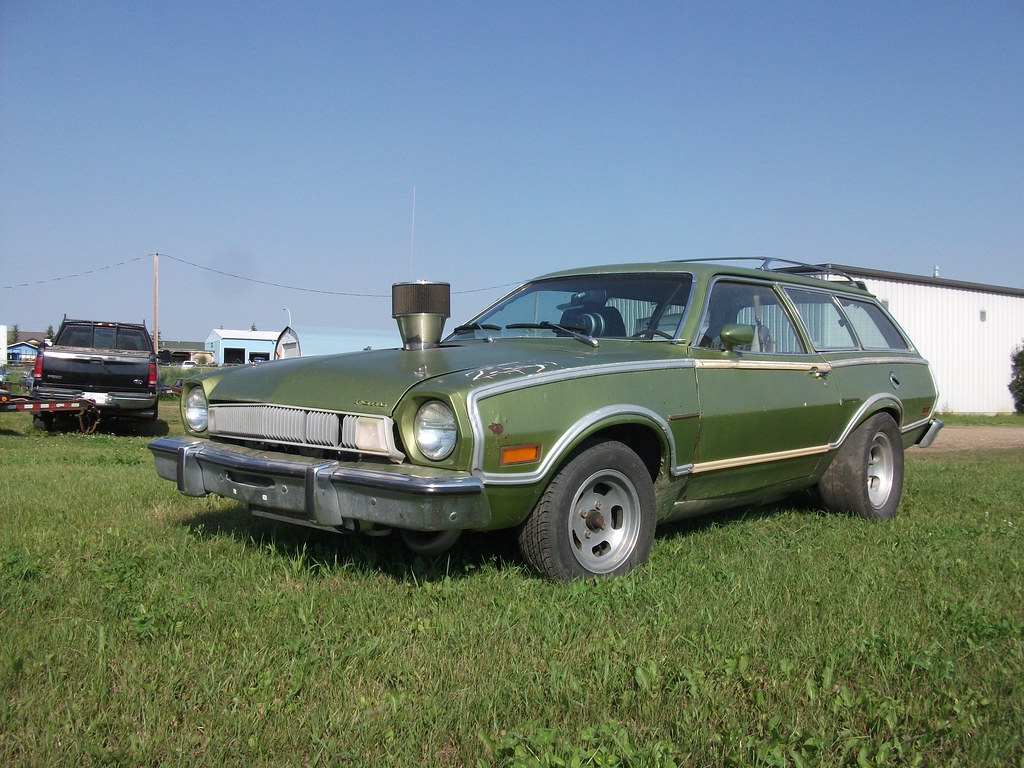
5. **Ford Pinto**The Ford Pinto is a car that carries a heavy weight of history, a vehicle that for many Baby Boomers evokes memories of affordability and practicality during their formative years. “Despite its popularity during the 1970s,” it represented accessible motoring, a compact and economical choice for families and individuals alike in an era of changing automotive needs. It was a common sight on American roads, a testament to its widespread appeal and perceived value.
For Boomers, the Pinto offered a straightforward solution for transportation. Its compact size made it easy to maneuver and park, and its price point made new car ownership a reality for many. It was a no-frills, get-you-from-A-to-B kind of car that served its purpose efficiently. They “might reminisce about its affordability and practicality during their youth,” recalling it as a dependable daily driver that fit their budgets and lifestyles without much fuss.
However, the Pinto’s legacy is irrevocably stained for Millennials. The car “has become notorious for its safety issues, particularly the risk of its fuel tank catching fire upon rear impact.” This critical flaw, which led to significant controversy and legal battles, is the first—and often only—thing Millennials associate with the vehicle. They don’t see the practicality; they see the danger, a vehicle whose design had potentially fatal consequences.
Consequently, “millennials see it as dangerous.” In an era where vehicle safety is paramount, with airbags, crumple zones, and advanced driver-assistance systems being standard, the notion of a car with such a significant, well-documented safety defect is simply unacceptable. For the younger generation, the Ford Pinto is a cautionary tale, a symbol of corporate negligence over consumer safety, making any nostalgic appeal utterly baffling and easily overshadowed by its infamous reputation.
Car Model Information: 1980 Ford Pinto WAGON
Name: Ford Pinto
Caption: Ford Pinto
Manufacturer: Ford Motor Company
Aka: Mercury Bobcat
Production: September 1970 – July 1980
ModelYears: 1971–1980 (Pinto),1974–1980 (Bobcat)
Assembly: Edison, New Jersey,Milpitas, California
Designer: Robert Eidschun (1968)
Class: Subcompact car
BodyStyle: Sedan (automobile),sedan delivery,station wagon,hatchback
Related: #Mercury Bobcat (1974–1980),Ford Mustang (second generation)
Layout: Front-engine, rear-wheel-drive layout
Chassis: Unibody
Engine: unbulleted list
Abbr: on
Disp: Ford Cologne engine
Transmission: unbulleted list
Wheelbase: 94.0 in
Length: 163 in
Width: 69.4 in
Height: 50 in
Weight: convert
Predecessor: Ford Cortina#Mark II (1966–1970)
Successor: Ford Escort (North America)
Categories: 1980s cars, Articles with short description, Cars discontinued in 1980, Cars introduced in 1970, Commons category link from Wikidata
Summary: The Ford Pinto is a subcompact car that was manufactured and marketed by Ford Motor Company in North America from 1970 until 1980. The Pinto was the first subcompact vehicle produced by Ford in North America.
The Pinto was marketed in three body styles throughout its production: a two-door fastback sedan with a trunk, a three-door hatchback, and a two-door station wagon. Mercury offered rebadged versions of the Pinto as the Mercury Bobcat from 1975 until 1980 (1974–1980 in Canada). Over three million Pintos were produced over its ten-year production run, outproducing the combined totals of its domestic rivals, the Chevrolet Vega and the AMC Gremlin. The Pinto and Mercury Bobcat were produced at Edison Assembly in Edison, New Jersey, St. Thomas Assembly in Southwold, Ontario, and San Jose Assembly in Milpitas, California.
Since the 1970s, the safety reputation of the Pinto has generated controversy. Its fuel-tank design attracted both media and government scrutiny after several deadly fires occurred when the tanks ruptured in rear-end collisions. A subsequent analysis of the overall safety of the Pinto suggested it was comparable to other 1970s subcompact cars. The safety issues surrounding the Pinto and the subsequent response by Ford have been cited widely as business ethics and tort reform case studies.
Get more information about: Ford Pinto
Buying a high-performing used car >>>
Brand: Ford Model: Pinto
Price: $5,951 Mileage: 107,000 mi.
Read more about: Unleash Your Inner Gearhead: 15 Affordable Muscle Cars That Deserve a Spot in Your Garage
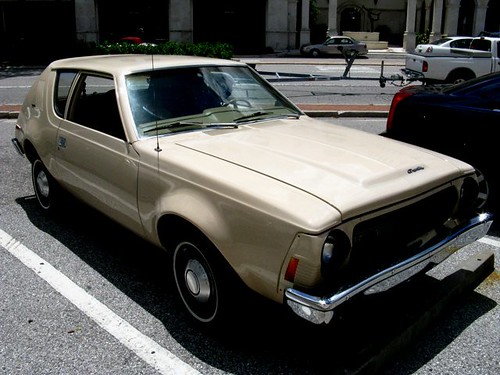
6. **AMC Gremlin**Get ready for another truly distinctive ride from the archives: the AMC Gremlin. This car, much like the Pacer, took a decidedly unconventional path in its design, and for many Baby Boomers, it holds a special place. The AMC Gremlin “sports a unique design that boomers view with nostaglia,” recalling a time when automotive manufacturers weren’t afraid to take bold risks, even if the results were, shall we say, memorable.
Boomers who lived through the Gremlin’s heyday appreciate its quirky charm and its attempt to be different. It was an economical subcompact with a distinctive ‘truncated’ rear, a design choice that certainly made it stand out. For them, it represents a certain freedom of expression in automotive styling, a car that didn’t conform to the traditional sedan or hatchback molds. It was a car with personality, and that personality is what fuels the nostalgic feelings for many older enthusiasts.
On the other hand, show a Gremlin to a Millennial, and you’re likely to get a very different reaction. “However, millennials tend to dislike the Gremlin for its unusual aesthetics and less-than-stellar performance metrics.” What Boomers view as unique, Millennials often perceive as awkward or even comical. The car’s chopped-off rear end and overall proportions don’t align with modern design sensibilities, which favor sleeker, more aerodynamic, or robust profiles.
The “less-than-stellar performance metrics” also play a significant role in its lack of appeal for younger generations. Millennials, who grew up with cars that emphasize efficiency, responsiveness, and often a higher degree of refinement, find the Gremlin’s driving dynamics and power output underwhelming. It’s a vehicle that, for them, struggles to find its footing between quirky charm and genuine automotive merit, making its nostalgic appeal to Boomers a true head-scratcher.
Read more about: The 14 Most Embarrassing Market Misses: When Styling Blunders and Feature Failures Drove Cars Off a Cliff
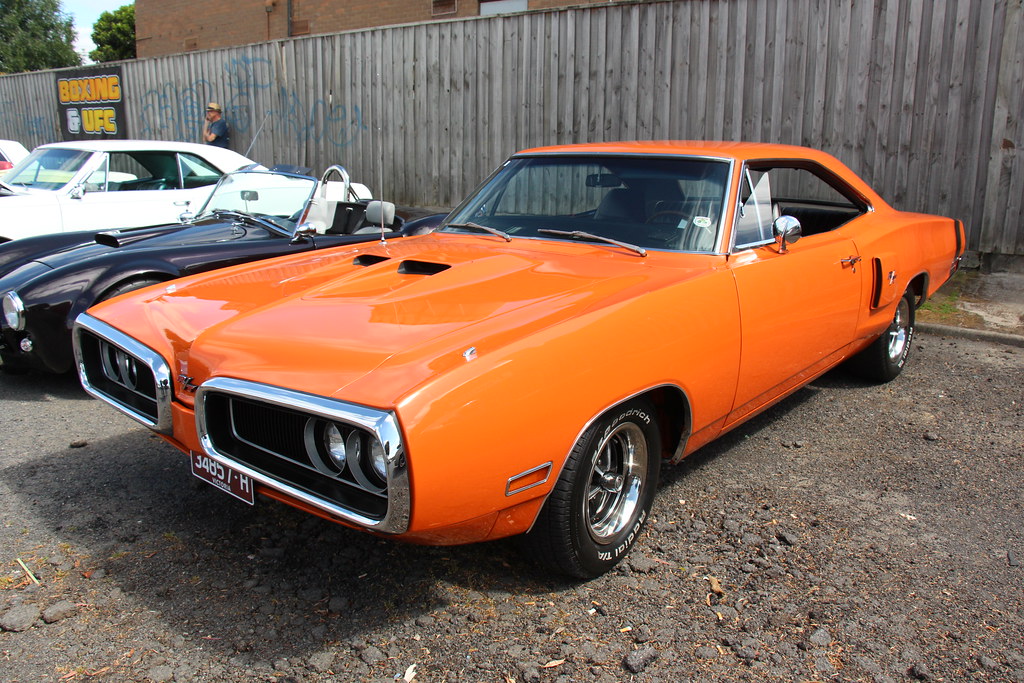
7. **Dodge Coronet**Let’s shift gears to a more understated, yet equally generation-dividing classic: the Dodge Coronet. For Baby Boomers, this car represents a cornerstone of automotive reliability and family-oriented practicality. The Dodge Coronet “was seen as a solid, reliable family car,” a dependable workhorse that served countless households across America during its prime. It was the kind of car you could count on, day in and day out, to get the job done.
Boomers valued the Coronet for its honest utility and robust construction. It offered ample space for families, a comfortable ride, and the kind of straightforward engineering that inspired confidence. For many, it was their first family car, a vehicle that carried them on countless vacations and daily errands. Its reputation for durability and no-nonsense performance cemented its place in the hearts of those who appreciated practicality over flash.
However, introduce the Dodge Coronet to a Millennial, and the reaction is often one of polite dismissal. “Millennials often dismiss the Coronet for its plain design and large size, which appears out of step with contemporary automotive values of style and efficiency.” They look at its utilitarian lines and ample dimensions and don’t find the excitement or modern relevance that they seek in vehicles. The aesthetic, once considered dependable, now seems simply… uninspired.
The “large size” is a particular sticking point for younger generations, who increasingly navigate congested urban environments where a smaller, more nimble vehicle is highly valued. Coupled with the “plain design,” the Coronet struggles to capture the imagination of Millennials who are accustomed to cars with more distinctive styling or those that prioritize fuel economy and a compact footprint. For them, the Coronet is less a nostalgic icon and more a relic from a bygone era, perfectly illustrating the evolving priorities in car culture.
Okay, gearheads, if you thought the first seven picks were a wild ride through automotive history, buckle up! We’re not done yet with our deep dive into the cars that made Baby Boomers swoon but leave Millennials utterly bewildered. It’s time to uncover even more metal marvels that perfectly illustrate how different generations define ‘cool’ on four wheels. Get ready for more head-scratching, because these next 8 rides are truly something else!
Car Model Information: 1967 Dodge Coronet Restomod
Name: Dodge Coronet
Caption: 1967 Dodge Coronet R/T
Manufacturer: Dodge
Production: 1949–1959,1965–1976
Class: Full-size
Predecessor: Dodge Custom
Successor: Dodge Dart
Layout: FR layout
Categories: 1950s cars, 1970s cars, All articles with dead external links, All articles with unsourced statements, Articles with dead external links from June 2016
Summary: The Dodge Coronet is an automobile that was marketed by Dodge in seven generations, and shared nameplates with the same bodyshell with varying levels of equipment installed. Introduced as a full-size car in 1949, it was the division’s highest trim line and moved to the lowest level starting in 1955 through 1959. The name was reintroduced on intermediate-sized models from the 1965 until 1976 model years. Muscle car versions were available starting in 1965 with the 383 and 426 wedge cu in (7.0 L) Chrysler RB engine, followed in 1966 by the powerful 426 cu in (7.0 L) Chrysler Hemi. Other performance models included the “Superbee”, and featured, the 383 cu in (6.3 L) Magnum, among other engine options. The nameplate “coronet” is a type of crown worn by royalty.
In the 1980s, the Coronet was used on Dodge models marketed in Colombia.
Get more information about: Dodge Coronet
Buying a high-performing used car >>>
Brand: Dodge Model: Coronet
Price: $46,500 Mileage: 2,818 mi.
Read more about: Beyond the Legends: 14 Forgotten Muscle Cars Ready for a Second Look and a Resurgence
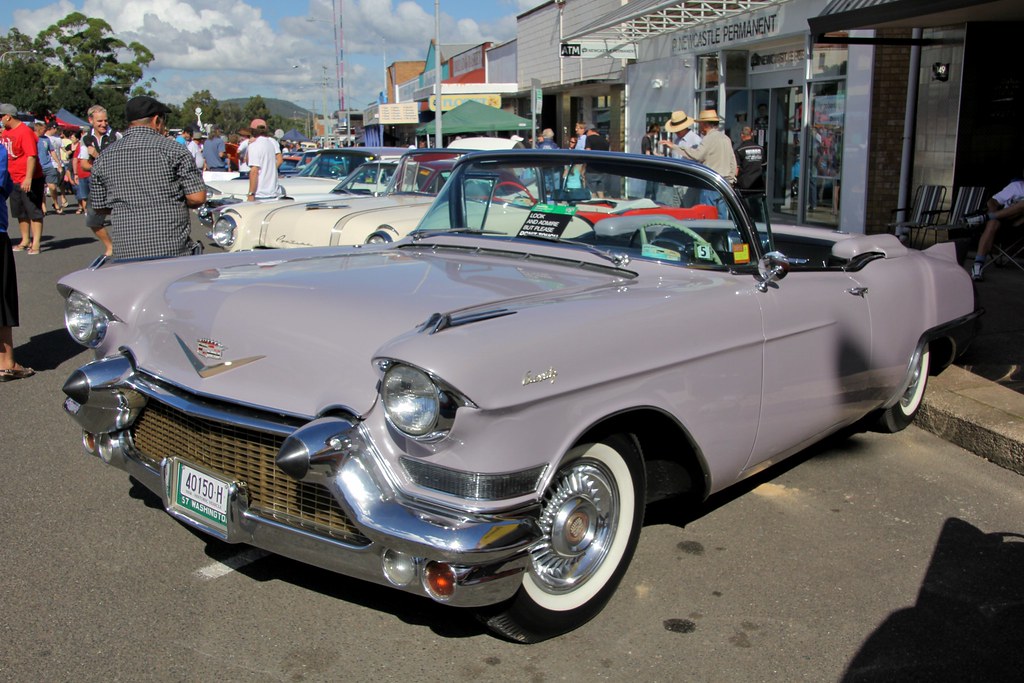
8. **Cadillac Eldorado**Prepare for a blast from the past, because for many Baby Boomers, the Cadillac Eldorado wasn’t just a car; it was a bona fide symbol of opulence and high status. This was the kind of vehicle that whispered, “You’ve arrived,” with its luxurious comfort and undeniable presence. Boomers cherished it as a rolling testament to American grandeur, a true statement car for its era.
Imagine cruising down the highway, surrounded by plush interiors and enjoying that famously smooth ride. The Eldorado embodied the aspiration of the American dream, reflecting an era when bigger often meant better, and chrome was king. It was designed for comfort and prestige, a true king of the road that resonated deeply with the generation that valued such displays of success and engineering.
However, introduce this majestic beast to a Millennial, and you might get a bewildered stare, or perhaps a polite chuckle. Younger generations often criticize the Eldorado for its “excessive size and poor fuel efficiency,” which, let’s be real, are pretty much cardinal sins in today’s eco-conscious and compact-loving world. For Millennials, this car feels less like luxury and more like a relic of wasteful indulgence.
It simply clashes with their core values of environmental consciousness and practicality. They’re looking at its massive footprint and thinking about urban parking woes and gas pump anxiety, rather than its historical grandeur. What Boomers saw as a symbol of aspiration, Millennials often see as an impractical dinosaur that just doesn’t fit into their modern, efficiency-driven lifestyle.
Car Model Information: 1976 Cadillac Eldorado Convertible
Caption: 1963 Cadillac Eldorado Convertible
Name: Cadillac Eldorado
Manufacturer: Cadillac
Production: 1952–2002
Layout: Front-engine, rear-wheel-drive layout
Aka: Cadillac Fleetwood Eldorado
Class: Personal luxury car
Successor: Cadillac CTS
Categories: 1960s cars, 1970s cars, 1980s cars, 1990s cars, 2000s cars
Summary: The Cadillac Eldorado is a luxury car manufactured and marketed by the Cadillac Motor Car Division of General Motors from 1952 until 2002, over twelve generations.
The Eldorado was at or near the top of the Cadillac product line. The original 1953 Eldorado convertible and the Eldorado Brougham models of 1957–1960 had distinct bodyshells and were the most expensive models offered by Cadillac during those years. The Eldorado was never less than second in price after the Cadillac Series 75 limousine until 1966. Beginning in 1967, the Eldorado retained its premium position in the Cadillac price structure, but was manufactured in high volumes on a unique, two-door personal luxury car platform.
The Eldorado carried the Fleetwood designation from 1965 through 1972, and was seen as a modern revival of the pre-war Cadillac V-12 and Cadillac V-16 roadsters and convertibles.
Get more information about: Cadillac Eldorado
Buying a high-performing used car >>>
Brand: Cadillac Model: Eldorado
Price: $28,499 Mileage: 31,898 mi.
Read more about: Neil Young’s Garage: 8 Legendary Rides That Define His Eclectic Taste and Eco-Warrior Spirit
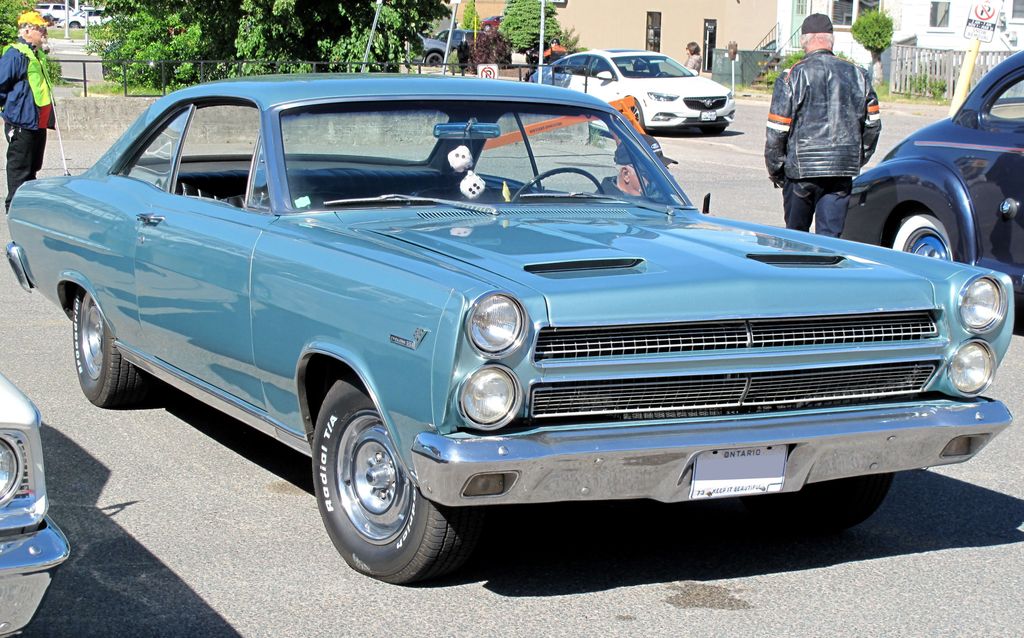
9. **Mercury Comet**Next up, we have the Mercury Comet, a car that evokes a certain kind of practical nostalgia for Baby Boomers. It was conceived as a “stylish yet affordable compact car,” a brilliant middle-ground option for those who wanted a bit of flair without breaking the bank. For Boomers, it represented accessible style and smart economy, a solid choice for daily life.
This car wasn’t about raw power or outrageous luxury; it was about being a dependable, good-looking ride that fit into everyday budgets. Its clean lines and sensible size made it a popular choice for families and individuals alike, embodying a sense of understated cool that many Boomers remember fondly from their formative years. It was just a great, all-around car.
Now, try showing a Mercury Comet to a Millennial, and their reaction might be less enthusiastic, to say the least. Younger generations “often see the Comet as unremarkable,” especially when stacked against the roaring muscle cars or sleek imports that dominate their nostalgic interests. It simply doesn’t grab their attention in the same way.
For Millennials, the Comet’s performance and style were often “overshadowed by more iconic muscle cars of the era,” making it blend into the background. In a landscape filled with Chargers and Mustangs, the Comet just doesn’t have that ‘wow’ factor or cultural cachet that captivates younger car enthusiasts who crave distinctiveness and undeniable performance. It’s a case of being good, but not *iconic* enough.
Read more about: Beyond the Legends: 14 Forgotten Muscle Cars Ready for a Second Look and a Resurgence
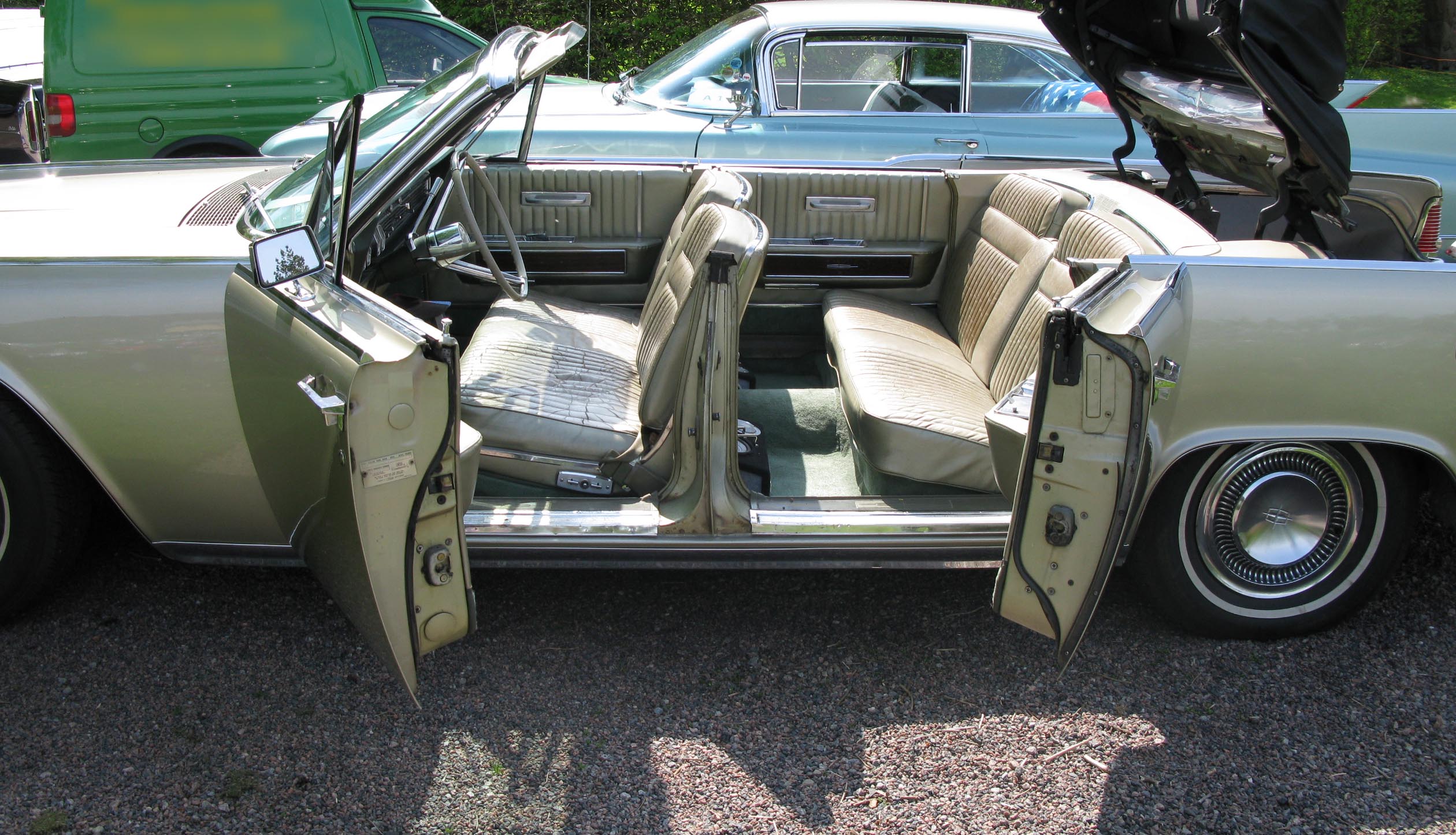
10. **Lincoln Continental with Suicide Doors**Alright, let’s talk about a car that literally has a nickname that sounds like it’s from a movie: the Lincoln Continental with suicide doors! For Baby Boomers, this car holds a truly “special place” in their hearts, revered as the ultimate representation of luxury and cool. Those iconic rear-hinged doors weren’t just a design quirk; they were a statement, a touch of unparalleled elegance and sophistication.
Boomers connect with this Continental for its grandeur and the prestige it exuded. It was the epitome of automotive luxury, often associated with presidents and Hollywood stars, cementing its status as a vehicle of dreams. The sprawling interiors, the commanding presence, and those unforgettable doors all contributed to its legendary appeal, making it a true classic in their eyes.
But here’s where the generational gap really widens. Millennials, bless their practical hearts, “find the large, impractical design less appealing.” They look at this majestic land yacht and see something that’s, well, a bit cumbersome and not exactly ideal for navigating tight city streets or fitting into compact parking spots. The charm of those suicide doors? Not quite enough to win them over.
They tend to view it as “inefficient in today’s urban environments,” where nimble, fuel-efficient, and easy-to-park vehicles are the real MVPs. What was once a hallmark of grand luxury now often comes across as an extravagant indulgence that simply doesn’t align with modern sensibilities or the realities of contemporary driving. It’s a clash of old-school grandeur versus new-school pragmatism.
Car Model Information: 2018 Lincoln Continental Black Label
Name: Lincoln Continental
Caption: 2019 Lincoln Continental
Manufacturer: Lincoln Motor Company
Production: 1939–1942,1946–1948,1956–2002,2016–2020
ModelYears: 1940–1942,1946–1948,1958–1980,1982–2002,2017–2020
Class: Full-size car,luxury car
Layout: Longitudinal engine,Front-engine, rear-wheel-drive layout
Categories: 1930s cars, 1940s cars, 1950s cars, 1960s cars, 1970s cars
Summary: The Lincoln Continental is a series of mid-sized and full-sized luxury cars produced between 1939 and 2020 by Lincoln, a division of the American automaker Ford. The model line was introduced following the construction of a personal vehicle for Edsel Ford, who commissioned a coachbuilt 1939 Lincoln-Zephyr convertible, developed as a vacation vehicle to attract potential Lincoln buyers. In what would give the model line its name, the exterior was designed with European “continental” styling elements, including a rear-mounted spare tire.
In production for over 55 years across nine different decades, Lincoln has produced ten generations of the Continental. Within the Lincoln model line, the Continental has served several roles ranging from its flagship to its base-trim sedan. From 1961 to 1976, Lincoln sold the Continental as its exclusive model line. The model line has also gone on hiatus three times. From 1949 to 1955, the nameplate was briefly retired. In 1981, the Continental was renamed the Lincoln Town Car to accommodate the 1982 seventh-generation Continental. After 2002, the Continental was retired, largely replaced by the Lincoln MKS in 2009; in 2017, the tenth-generation Continental replaced the MKS.
As part of its entry into full-scale production, the first-generation Continental was the progenitor of an entirely new automotive segment, the personal luxury car. Following World War II, the segment evolved into coupes and convertibles larger than sports cars and grand touring cars with an emphasis on features, styling, and comfort over performance and handling. From 1956 to 1957, the Continental nameplate was the namesake of the short-lived Continental Division, marketing the 1956–1957 Continental Mark II as the worldwide flagship of Ford Motor Company; as a second successor, Ford introduced the Continental Mark series in 1969, produced over six generations to 1998.
Along with the creation of the personal luxury car segment, the Lincoln Continental marked the zenith of several designs in American automotive history. The Continental is the final American vehicle line with a factory-produced V12 engine (1948), the final four-door convertible (1967), and the final model line to undergo downsizing (for the 1980 model year).
American production of the Continental and MKZ, its only two sedans, ended in 2020 thereby making Lincoln a crossover/SUV-only brand in the US.
Get more information about: Lincoln Continental
Buying a high-performing used car >>>
Brand: Lincoln Model: Continental
Price: $33,888 Mileage: 45,001 mi.
Read more about: When Innovation Stalled: Unearthing the 1940s’ Most Overlooked and Underperforming Automobiles
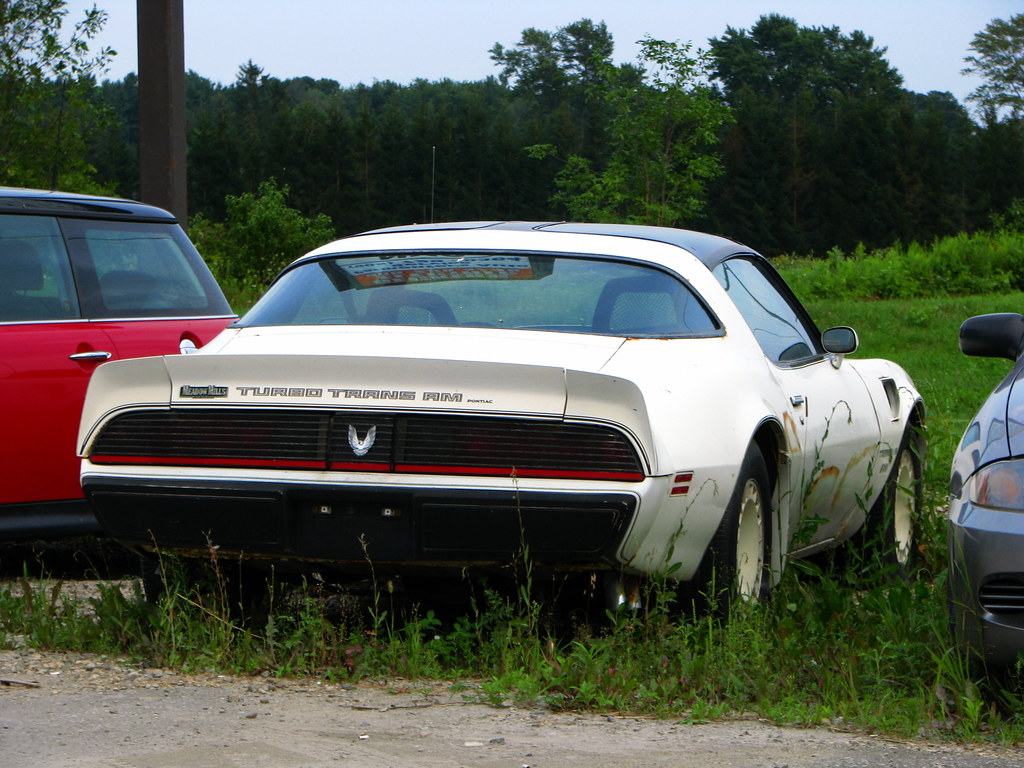
11. **Pontiac Trans Am**Now, for a car that practically roared off the silver screen and into the hearts of Baby Boomers: the Pontiac Trans Am! This beast was “celebrated in numerous films and shows during the ‘70s and ‘80s,” becoming an absolute icon synonymous with performance, rebellious style, and a whole lot of cool. For Boomers, it wasn’t just a car; it was a legend, a symbol of freedom on the open road.
From its unmistakable ‘Screaming Chicken’ hood decal to its raw V8 power, the Trans Am captured the very essence of American muscle. It represented an era of unbridled automotive enthusiasm, a car that commanded attention and delivered an exhilarating driving experience. Boomers fondly remember it as the ultimate expression of automotive excitement, a true piece of pop culture history.
Yet, when it comes to Millennials, the Trans Am often struggles to make the same powerful impression. Younger generations “often overlook the Trans Am due to its perceived lack of sophistication and refinement compared to contemporary sports cars.” They might appreciate its historical significance, but the raw, unpolished nature of its performance doesn’t always translate to their modern tastes.
Millennials, accustomed to precision engineering, advanced handling, and sleek, aerodynamic designs, might find the Trans Am a bit… unsubtle. They’re looking for a different kind of performance, one that blends speed with technological finesse, rather than just brute force. For them, it’s less about the ‘Screaming Chicken’ and more about the ride quality, and in that comparison, the Trans Am sometimes falls short of their expectations.
Car Model Information: 2020 Toyota Tacoma TRD Sport
Name: Pontiac Firebird
Caption: The second, third, and fourth generations of,the Pontiac Firebird Trans Am
Manufacturer: Pontiac (automobile)
Production: February 23, 1967 – August 30, 2002
ModelYears: 1967 – 2002
Class: Pony car,Muscle car
Platform: GM F platform
Related: Chevrolet Camaro
Layout: Front engine, rear-wheel-drive layout
Categories: 1970s cars, 1980s cars, 1990s cars, 2000s cars, All articles with dead external links
Summary: The Pontiac Firebird is an American automobile built and produced by Pontiac from the 1967 to 2002 model years. Designed as a pony car to compete with the Ford Mustang, it was introduced on February 23, 1967, five months after GM’s Chevrolet division’s platform-sharing Camaro. This also coincided with the release of the 1967 Mercury Cougar, Ford’s upscale, platform-sharing version of the Mustang.
The name “Firebird” was also previously used by GM for the General Motors Firebird series of concept cars in the 1950s.
Get more information about: Pontiac Firebird
Buying a high-performing used car >>>
Brand: Pontiac Model: Trans Am
Price: $37,795 Mileage: 39,984 mi.
Read more about: Unleash Your Inner Gearhead: 15 Affordable Muscle Cars That Deserve a Spot in Your Garage
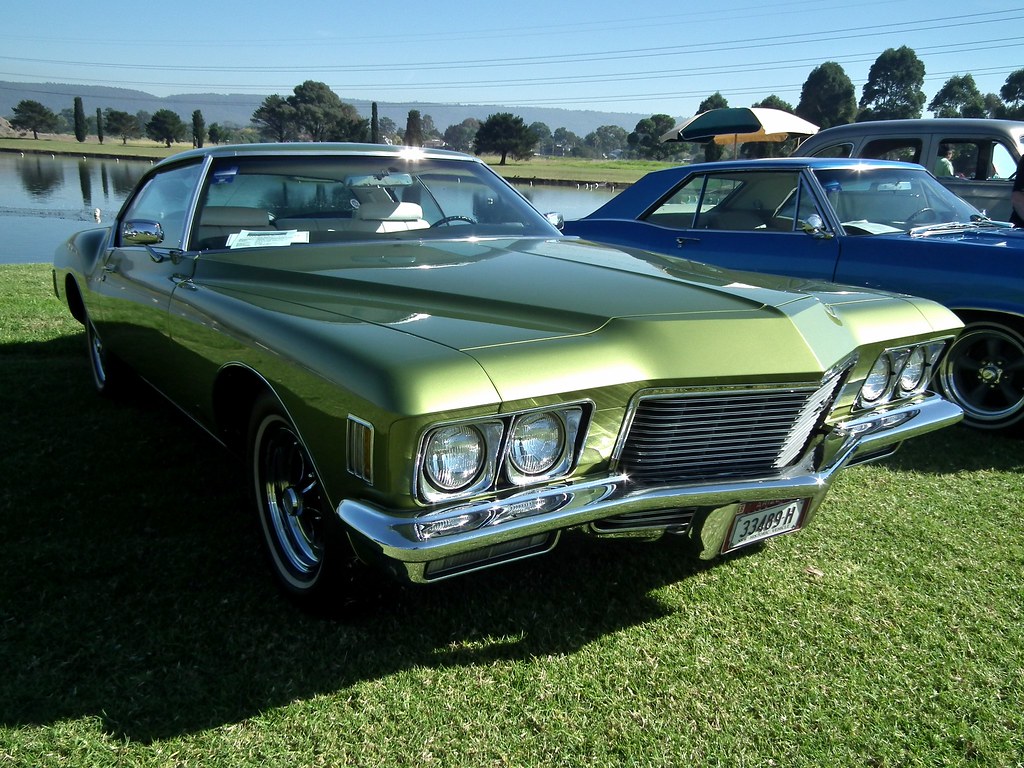
12. **Buick Riviera**Let’s talk about the Buick Riviera, a car that definitely had a personality! For Baby Boomers, the Riviera, especially models with its distinctive “boat-tail rear window,” was greatly admired for its daring design and incredibly smooth ride. It was a stylish, personal luxury coupe that really pushed the boundaries of automotive aesthetics, a bold statement without being ostentatious.
Boomers appreciated the Riviera for its unique blend of sophistication and audacious styling. It offered a comfortable, composed cruising experience, combined with a look that stood out from the crowd. This car represented American luxury with an artistic flair, capturing the spirit of innovation and individuality that many Boomers admired in their vehicles.
However, when a Millennial encounters a Buick Riviera, their perspective often takes a different turn. They “tend to view it as an outdated gas-guzzler with a design that’s too bold for their tastes.” What Boomers saw as daring, Millennials often perceive as a bit over-the-top, a design that hasn’t gracefully transitioned into modern sensibilities.
Its generous proportions and fuel consumption are also major sticking points for a generation focused on efficiency and a more understated aesthetic. The Riviera’s flamboyant styling, once a hallmark of its appeal, now seems a bit out of sync with the sleek, often minimalist designs preferred by younger car enthusiasts, making its charm a mystery to them.
Car Model Information: 1971 Buick Riviera
Caption: 1963 Buick Riviera
Name: Buick Riviera
Predecessor: Buick Super
Manufacturer: Buick
ModelYears: 1963–1993,1995–1999
Class: Personal luxury car
Categories: 1960s cars, 1970s cars, 1980s cars, 1990s cars, All articles with specifically marked weasel-worded phrases
Summary: The Buick Riviera is a personal luxury car that was marketed by Buick from 1963 to 1999, with the exception of the 1994 model year.
As General Motors’ first entry into the personal luxury car market segment, the Riviera was highly praised by automotive journalists upon its high-profile debut. It was a ground-up design on a new GM E platform debuting for the 1963 model year and was also Buick’s first unique Riviera model.
Unlike its subsequent GM E platform stablemates, the Oldsmobile Toronado and Cadillac Eldorado, the Riviera was initially a front engine/rear-wheel drive platform, switching to front-wheel drive starting with the 1979 model year.
While the early models stayed close to their original form, eight subsequent generations varied substantially in size and styling. A total of 1,127,261 Rivieras were produced.
The Riviera name was resurrected for two concept cars that were displayed at auto shows in 2007 and in 2013.
Get more information about: Buick Riviera
Buying a high-performing used car >>>
Brand: Buick Model: Riviera
Price: $22,499 Mileage: 91,150 mi.
Read more about: 12 Iconic Boomer-Era Cars Millennials Are Totally Ignoring (And Why!)
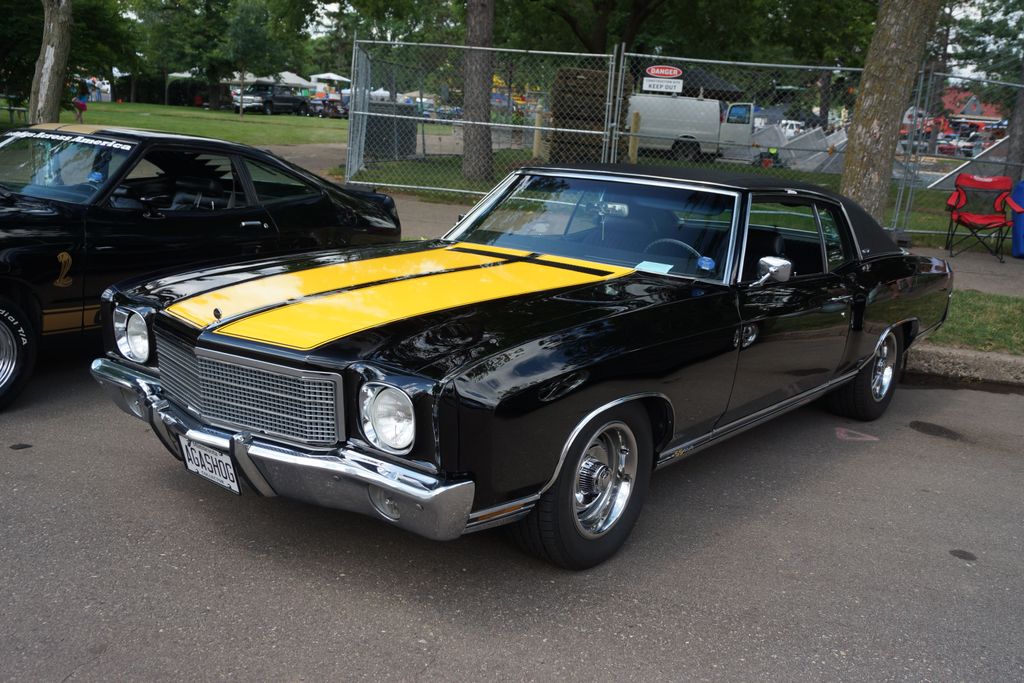
13. **Chevrolet Monte Carlo**Ah, the Chevrolet Monte Carlo! For Baby Boomers, this car holds a special spot as a “stylish, affordable luxury coupe” that hit all the right notes in its heyday. It offered a compelling mix of sportiness and comfort, making it a popular choice for those who wanted a touch of class without breaking the bank. It was the epitome of accessible cool.
Boomers appreciated its distinctive long hood, classic coupe lines, and comfortable ride, seeing it as a versatile vehicle suitable for both daily commutes and weekend cruises. The Monte Carlo represented a slice of Americana, a car that delivered on its promise of an enjoyable, stylish driving experience for the masses, making it a fondly remembered classic.
But when it comes to Millennials, the Monte Carlo often gets a less-than-glowing review. Younger generations “criticize the Monte Carlo for its bulky size and lackluster handling.” They look for nimbleness and precise control, and the Monte Carlo, with its grander dimensions, doesn’t always deliver on those expectations.
It’s interesting to note that even the car’s “prominence in NASCAR history does little to change younger generations’ perceptions.” While they might respect its racing pedigree, the practical realities of its driving dynamics and overall size still outweigh the nostalgic appeal for many. For Millennials, it’s a car that feels like a compromise rather than a triumph of design or performance.
Car Model Information: 2020 Toyota Tacoma TRD Sport
Name: Chevrolet Monte Carlo
Manufacturer: Chevrolet
Production: 1969–1987,1994–2007
ModelYears: 1970–1988,1995–2007
Class: Personal luxury car
BodyStyle: coupé
Layout: FR layout
Caption: 2006 Chevrolet Monte Carlo LS
Categories: 1980s cars, 1990s cars, 2000s cars, All Wikipedia articles written in American English, All articles needing additional references
Summary: The Chevrolet Monte Carlo is a two-door coupe that was manufactured and marketed by the Chevrolet division of General Motors. Deriving its name from the city in Monaco, the Monte Carlo was marketed as the first personal luxury car of the Chevrolet brand. Introduced for the 1970 model year, the model line was produced across six generations through the 2007 model year, with a hiatus from 1989 until 1994. The Monte Carlo was a variant of the Pontiac Grand Prix throughout its production.
From 1970 until 1972, the Monte Carlo rode on the unique “A-Special” platform with the Grand Prix, shifting to the standard A-body intermediate chassis from the 1973 through 1977 model years. For 1978, the Monte Carlo line underwent downsizing, but was still considered a midsized coupe. The rear-wheel drive A-body platform of this generation of Monte Carlo was redesignated as the G-body when GM’s front-wheel drive A-body cars were introduced for the 1982 model year. After an abbreviated 1988 model year, the Monte Carlo was replaced by the two-door Chevrolet Lumina.
For the 1995 model year, the Monte Carlo was revived, replacing the two-door Lumina. It shared the front-wheel drive W-platform with the two-door Grand Prix, and was the largest coupe in the Chevrolet lineup. After the 2002 model year, the Grand Prix coupe was discontinued, the Monte Carlo became the largest two-door model produced by an American auto manufacturer.
In response to declining sales of the model line, Chevrolet discontinued the Monte Carlo after the 2007 model year. During much of its production, the Monte Carlo represented the Chevrolet brand in stock car racing. During the 1980s, the Monte Carlo SS was introduced, featuring aerodynamically enhanced styling; as part of its revival, the Monte Carlo again represented Chevrolet in stock car racing from 1995 through its discontinuation.
Get more information about: Chevrolet Monte Carlo
Buying a high-performing used car >>>
Brand: Chevrolet Model: Monte Carlo
Price: $37,795 Mileage: 39,984 mi.
Read more about: 8 Times Ford Went Wild: Uncovering the Blue Oval’s Rarest & Most Experimental Rides
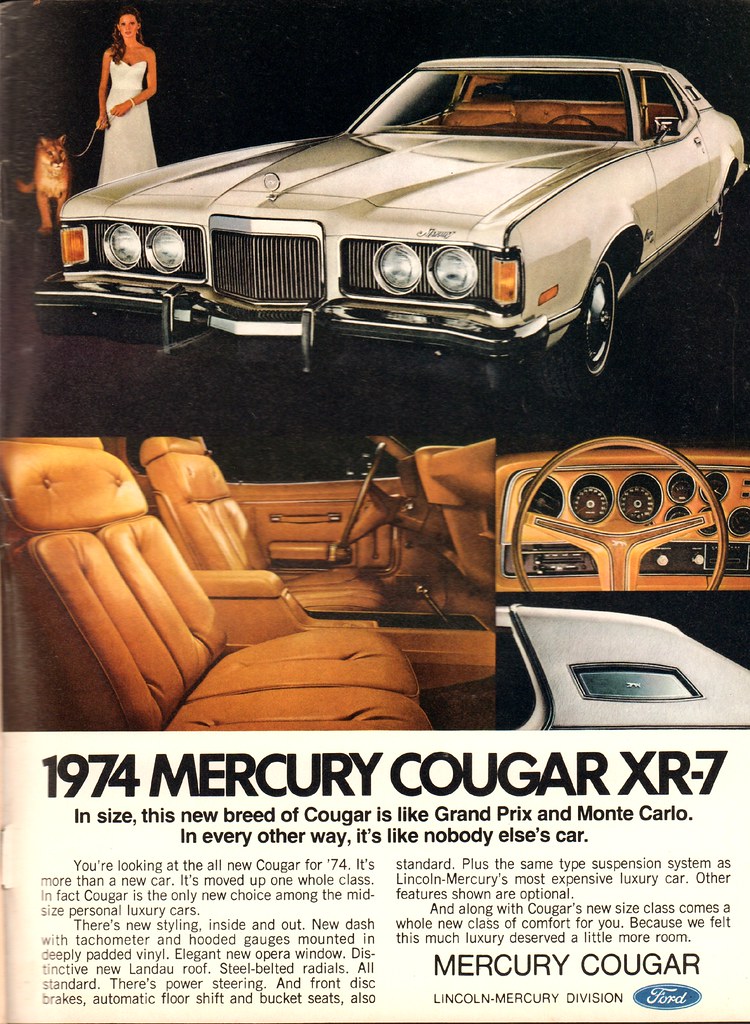
14. **Mercury Cougar**Let’s talk about the Mercury Cougar, a car that aimed to be a bit more refined than its wilder Ford sibling! For Baby Boomers, the Cougar was “initially intended as a more luxurious version of the Ford Mustang,” and it absolutely delivered on that promise. Revered for its elegance and a subtle muscle car vibe, it was the sophisticated choice for many.
Boomers appreciated the Cougar’s blend of sporty performance with a touch of upscale comfort and distinctive styling. It had a more refined interior and often a smoother ride than the Mustang, appealing to those who wanted power and style but with a dash more polish. It was a class act, a car that felt grown-up without losing its exciting edge.
However, Millennials often “dismiss the Cougar for what they see as an unnecessary deviation from the Mustang’s more classic appeal.” In their eyes, if you’re going for a classic muscle car, why not go for the original, the undisputed icon? The Cougar, despite its own merits, sometimes gets lost in the shadow of its more famous cousin.
Younger enthusiasts tend to favor the raw, unadulterated muscle and iconic status of the Mustang, viewing the Cougar’s attempt at luxury as potentially diluting the pure performance spirit. For them, it’s not about elegance; it’s about authenticity and the uncompromised power that defined the era, making the Cougar a bit of a head-scratcher when placed next to its legendary relative.
Car Model Information: 1995 Mercury Cougar XR7
Name: Mercury Cougar
Caption: 1969 Mercury Cougar (first generation)
Manufacturer: Mercury (automobile)
Layout: Front-engine, rear-wheel-drive layout
ModelYears: 1967–1997,1999–2002
Class: Pony car,Personal luxury car,Mid-size car,Sport compact
Categories: 1960s cars, 1970s cars, 1980s cars, 1990s cars, 2000s cars
Summary: The Mercury Cougar is a series of automobiles that was sold by Mercury from 1967 to 2002. The model line is a diverse series of vehicles; though the Cougar nameplate is most commonly associated with two-door coupes, at various stages in its production, the model also was offered as a convertible and a hatchback. During its production as the mid-size Mercury line, the Cougar was also offered as a four-door sedan and five-door station wagon.
In production for 34 years across eight generations (skipping the 1998 model year), the Cougar is second only to the Grand Marquis (36 years) in the Mercury line for production longevity. 2,972,784 examples were produced, making it the highest-selling Mercury vehicle. During the 1970s and 1980s, the marketing of the Mercury division was closely associated with the Cougar, with promotional materials advertising Mercury dealers as “The Sign of the Cat” with big cats atop Lincoln-Mercury dealer signs. Cat-related nameplates were adopted by other Mercury lines, including the Bobcat and Lynx.
During its production, the Cougar was assembled at the Dearborn Assembly Plant (part of the Ford River Rouge Complex) in Dearborn, Michigan from 1967 until 1973, San Jose Assembly (Milpitas, California) from 1968 into early 1969, Lorain Assembly (Lorain, Ohio) from 1974 until 1997, and at Flat Rock Assembly (Flat Rock, Michigan) from 1999 through 2002.
Get more information about: Mercury Cougar
Buying a high-performing used car >>>
Brand: Mercury Model: Cougar
Price: $10,995 Mileage: 37,589 mi.
Read more about: Unleash Your Inner Gearhead: 15 Affordable Muscle Cars That Deserve a Spot in Your Garage
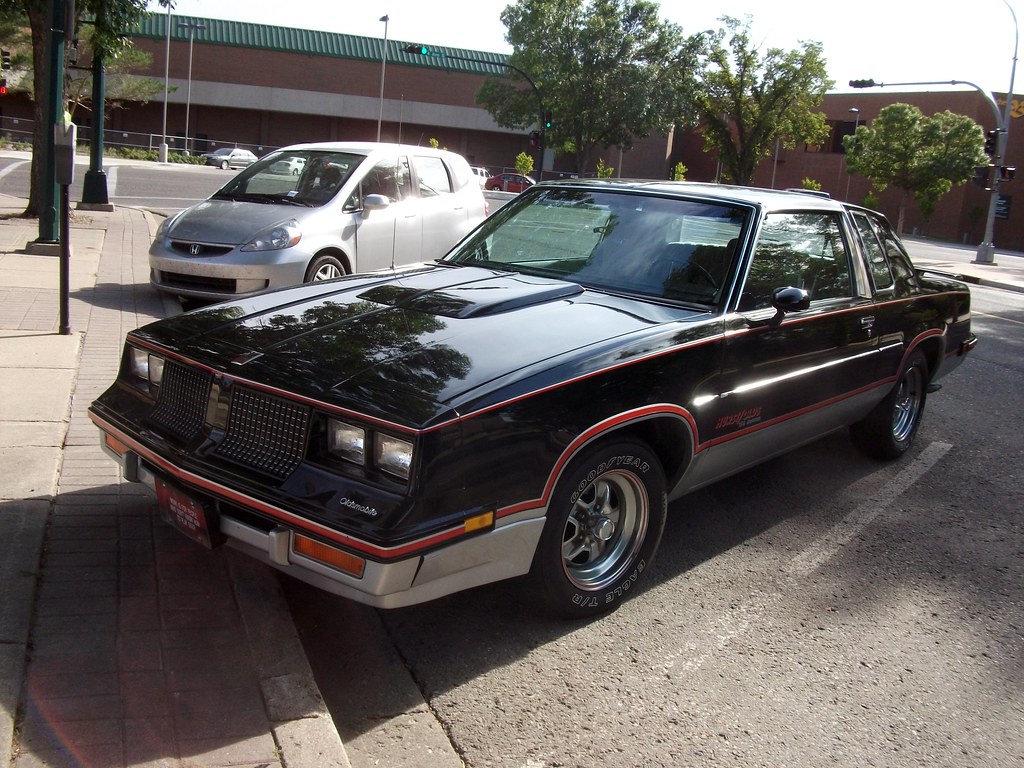
15. **Oldsmobile Cutlass**Finally, we arrive at the Oldsmobile Cutlass, a car that was once a true powerhouse on American roads! It was “one of America’s best-selling cars, known for its style and reliability,” making it an absolute favorite among Baby Boomers. The Cutlass was a ubiquitous symbol of dependable, stylish family transportation, a car that countless Americans grew up with and relied upon.
Boomers remember the Cutlass for its versatility, offering various body styles from coupes to sedans to wagons, catering to every need. Its comfortable ride, robust build, and appealing aesthetics made it a practical yet desirable choice, solidifying its place as a beloved classic that represents a golden era of American motoring. It was truly a car for everyone.
But for Millennials, the story is quite different. Today, younger generations “tend to pass over the Cutlass in favor of cars with better performance and modern technologies.” While they might acknowledge its historical popularity, the Cutlass simply doesn’t possess the flash or cutting-edge features that capture their contemporary interest.
In a world dominated by turbocharged engines, advanced infotainment systems, and superior handling, the Cutlass often feels like a relic. Its focus on traditional reliability and widespread appeal, while admirable in its time, just doesn’t resonate with a generation seeking immediate performance, modern connectivity, and a more dynamic driving experience. It’s another example of how values shift dramatically over the decades, making one generation’s beloved classic another’s overlooked artifact.
Car Model Information: 1972 Oldsmobile Cutlass
Caption: 1971 Oldsmobile Cutlass Supreme Convertible
Name: Oldsmobile Cutlass
Manufacturer: Oldsmobile
Production: 1961–1999
Successor: Oldsmobile Intrigue
Class: Compact car
Categories: 1970s cars, 1980s cars, 1990s cars, All Wikipedia articles needing clarification, All articles that may contain original research
Summary: The Oldsmobile Cutlass was a series of automobiles produced by General Motors’ Oldsmobile division between 1961 and 1999. At its introduction, the Cutlass was Oldsmobile’s entry-level model; it began as a unibody compact car, but saw its greatest success as a body-on-frame intermediate. The Cutlass was named after Vought F7U Cutlass, as well as the type of sword, which was common during the Age of Sail.
Introduced as the top trim level in Oldsmobile’s compact F-85 Series, the Cutlass evolved into a distinct series of its own, spawning numerous variants. These included the 4-4-2 muscle car in 1964, the upscale Cutlass Supreme in 1966, the high-performance Hurst/Olds in 1968, and the Vista Cruiser station wagon.
By the 1980s, Oldsmobile was using the Cutlass as a sub-marque, with numerous vehicle lines bearing the name simultaneously. The compact Cutlass Calais, midsize Cutlass Ciera, Cutlass Cruiser station wagon, and flagship midsize Cutlass Supreme were among the models available during this time.
In the 1990s, Oldsmobile began moving away from its traditional model lines, with other legacy vehicle nameplates like the 98 and 88 being discontinued in 1996 and 1999, respectively. The Cutlass name was likewise retired in 1999 in favor of the all-new Oldsmobile Alero, ending nearly 40 years of continuous Cutlass production.
Get more information about: Oldsmobile Cutlass
Buying a high-performing used car >>>
Brand: Oldsmobile Model: Cutlass
Price: $43,500 Mileage: 20,500 mi.
Read more about: Beyond the Legends: 14 Forgotten Muscle Cars Ready for a Second Look and a Resurgence
So there you have it, folks! Our wild ride through the automotive archives shows just how vastly different Baby Boomers and Millennials see the world, especially when it comes to what makes a car truly ‘awesome.’ From luxurious land yachts that scream status to quirky designs that dared to be different, these machines tell a fascinating story of evolving values, technological leaps, and cultural shifts. It’s not just about horsepower or chrome; it’s about the memories, the aspirations, and the distinct generational lenses through which we view these incredible pieces of history. It proves that a car is never just a car—it’s a time capsule, a reflection of an era, and a brilliant conversation starter across the generations!