In the sprawling, glittering universe of Hollywood, where dreams are chased with relentless ambition and fortunes can be made or lost in the blink of an eye, the narrative of an actor’s journey is rarely a straight line. It’s a landscape of peaks and valleys, where a single role can catapult a performer to superstardom, or, in a cruel twist of fate, send their burgeoning career spiraling into an unforeseen abyss. The industry is rife with stories of actors who seemed destined for greatness, only to encounter a cinematic project that, for various complex reasons, acted as a powerful brake, or even a full stop, on their momentum.
We often celebrate the triumphs, the roles that define legacies and fill trophy cases. Yet, there’s an equally compelling, if more cautionary, tale to be found in the missteps – the movies that, despite their potential, ended up being so profoundly disliked, so critically panned, or so poorly received by audiences, that they fundamentally altered an actor’s trajectory. These aren’t just bad movies; they are pivotal moments where the confluence of poor choices, unfortunate timing, and intense public scrutiny conspired to undermine what once seemed like an unstoppable ascent. They serve as potent reminders that in the highly volatile world of entertainment, every decision carries immense weight.
Join us as we delve into some of the most striking examples of such cinematic missteps, exploring the specific films and the talented individuals whose lives and careers were undeniably reshaped by their involvement. We’ll uncover the narratives behind these roles, understanding how a single performance or project became a significant hurdle, a shadow that proved difficult to escape, and in some cases, a defining moment of retreat from the spotlight. These are the stories of when the magic of the movies turned into a very public and personal challenge.

1. Jake Lloyd: *Star Wars: Episode I – The Phantom Menace*
For many young actors, landing a role in a *Star Wars* film would be the ultimate dream, a ticket to cinematic immortality and a career brimming with possibilities. Jake Lloyd, cast as the pint-sized Anakin Skywalker in *Star Wars: Episode I – The Phantom Menace*, surely thought he had scored the role of a lifetime. The anticipation surrounding the film was immense, and his portrayal of the future Darth Vader in his innocent youth was set to be a cornerstone of the burgeoning prequel trilogy.
However, what began as a golden opportunity swiftly transformed into a living nightmare for the young performer. The movie’s release, met with a divisive reception from fans and critics alike, made his life, in his own words, “hell.” The relentless grind of promoting such a colossal film at a tender age took an immeasurable toll on his mental health, thrusting him into a spotlight he was ill-equipped to handle and subjecting him to scrutiny far beyond what any child actor should endure.
The trauma didn’t end with the film’s theatrical run; it followed him into his everyday life. He started getting bullied in school, relentlessly taunted by peers who couldn’t separate the actor from the character or the perceived flaws of the film. This constant barrage of negativity led him to hate *Star Wars* entirely, the very franchise that had once represented his biggest break. He turned his back on acting, seeking an escape from the relentless public judgment that had tainted his childhood. His attempts to forge a filmmaking career later in life appear not to have materialized as he had hoped, culminating in a troubling incident in 2015 when he led police on a car chase, a stark reminder of the personal struggles that had persisted long after his brief moment of cinematic fame.
2.Ahmed Best: *Star Wars: Episode I – The Phantom Menace*
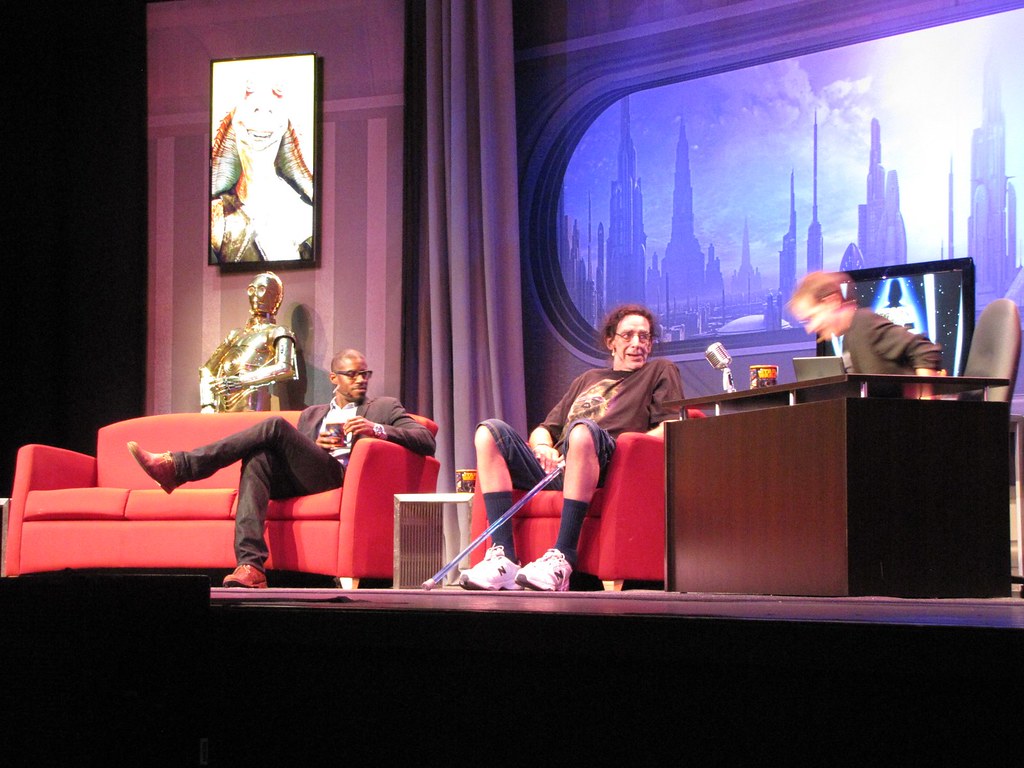
Jake Lloyd was not alone in experiencing the harsh realities that came with the *Star Wars: Episode I – The Phantom Menace* backlash. Ahmed Best, who lent his voice and motion-capture performance to the character of Jar Jar Binks, also found his life irrevocably upended by the most overhyped movie of its time. The character, a bumbling Gungan, was conceived as a lighthearted comic relief, intended to inject a sense of levity into the film, especially for younger audiences.
Yet, the audience reaction was anything but lighthearted. Fans turned on Jar Jar Binks with an intensity that was unprecedented, especially for an era predating the ubiquity of modern social media. Hate sites sprung up across the internet, and angry commentators flooded forums and message boards, voicing their profound displeasure with Best’s character. What was meant to be the starting point of a promising career instead became a crucible of public scorn, leaving Best feeling like the fans had personally turned against him.
Best, in anticipation of the career changes he envisioned, had even relocated to Los Angeles before the movie’s release. However, he soon discovered the immense difficulty of shaking Jar Jar’s shadow. The widespread vilification of the character became inextricably linked to his identity as an actor, making it challenging for him to secure other significant roles. His presence in the subsequent *Star Wars* prequels was greatly diminished, a testament to the palpable impact of the fan backlash on the creative direction and the actor’s professional standing, a poignant reminder of how a single role, no matter how well-intended, can define an entire career in unforeseen and often cruel ways.

3. Mike Myers: *The Love Guru*
Mike Myers, a comedic powerhouse, carved out a truly stellar career through his unforgettable run on *Saturday Night Live* and his undeniable presence as one of the funniest movie stars of the late 20th century. With iconic ’90s comedy movies like the *Wayne’s World* and *Austin Powers* franchises, he had established himself as a master of character comedy, creating wildly successful and culturally resonant personas that garnered immense box office success and critical acclaim. His brand of humor was quirky, often irreverent, and undeniably popular.
However, the 2000s proved to be a far less kind decade for the esteemed comedian. After a string of projects that didn’t quite recapture his earlier magic, Myers starred in 2008’s *The Love Guru*. This film, intended as another vehicle for his unique comedic sensibilities, was instead met with a reception so overwhelmingly negative that it stands out as a significant turning point, not just in his career, but in the landscape of modern comedy critiques. It was widely derided as a “comedy” that was “so bad, so tasteless, and so unfunny” by many, a harsh indictment that reflected a significant disconnect between Myers’ comedic vision and what audiences and critics were willing to embrace.
The impact was profound and lasting. Following *The Love Guru*, Mike Myers never truly rebounded in live-action leading roles. While he continued to find success and critical acceptance in voice roles, showcasing his versatility in animated features, his once-dominant presence as a major live-action movie star effectively vanished. The film became an undeniable stain on his impressive filmography, effectively marking the end of an era for a comedian who had once seemed unstoppable, proving that even the most established stars are vulnerable to the whims of public and critical opinion.

4. Elizabeth Berkley: *Showgirls*
Elizabeth Berkley appeared to be a star on a rapid ascent after concluding her memorable run on the popular early ‘90s television series, *Saved by the Bell*. With a recognizable face and a burgeoning fanbase, the stage seemed set for her to transition seamlessly into a successful big-screen career. She embodied the promise of Hollywood’s next big thing, ready to leave her teen sitcom persona behind and prove her mettle in more mature, challenging roles.
This trajectory, however, came crashing down with her decision to take the lead role in Paul Verhoeven’s highly anticipated erotic drama, *Showgirls*. The film, a gritty and provocative look at a young drifter navigating the cutthroat world of Las Vegas’s showgirl scene, was ambitious in its scope and daring in its content. It aimed to push boundaries and offer a raw, unvarnished portrayal of ambition and exploitation, but its execution and reception were far from the sophisticated drama it aspired to be. Upon its release, *Showgirls* was savaged by critics, widely ridiculed for its over-the-top performances, explicit content, and often clunky dialogue, quickly becoming a symbol of cinematic excess and critical failure.
The immediate fallout for Berkley’s career was devastating. Despite the film’s later reevaluation by some as a cult classic, a phenomenon that often happens with initially derided films, there’s a clear reason why audiences “didn’t see too much of Berkley on the big screen after this one.” The negative critical response and the film’s controversial reputation effectively stalled her momentum, making it incredibly difficult for her to shake off the film’s shadow. The role, meant to be a bold step into adult acting, instead pigeonholed her and significantly curtailed her opportunities in mainstream cinema, demonstrating how a single, polarizing project can profoundly reshape an actor’s professional narrative and public perception for years to come.
Read more about: Beyond Bayside and Backlash: Unpacking the Enigmatic Career and Enduring Legacy of Elizabeth Berkley

5. Alicia Silverstone: *Batman & Robin*
Alicia Silverstone was undeniably one of the “it” girls of ‘90s cinema, enchanting audiences with her magnetic charm and distinctive talent. Her iconic performances in films like *Clueless*, where she delivered a defining portrayal of a witty and fashion-forward teenager, and her memorable appearances in The Crush and a series of popular Aerosmith music videos, cemented her status as a beloved and highly sought-after young star. She possessed a unique blend of vulnerability and confident swagger that resonated strongly with the youth culture of the decade, making her a formidable presence in romantic comedies and dramas alike.
Given her soaring popularity and undeniable star power, it seemed like a natural and almost inevitable progression for her to land one of the lead roles in the highly anticipated superhero blockbuster, *Batman & Robin*, where she was cast as Batgirl. This was a massive opportunity, placing her within a globally recognized franchise and alongside established stars, promising to further solidify her position as a major Hollywood player. The potential for expanding her audience and showcasing her talents on a grander scale was enormous, and many expected this role to be another feather in her cap.
Unfortunately for Silverstone, and indeed for nearly everyone else involved, the movie proved to be an unmitigated disaster. *Batman & Robin* was universally panned by critics and largely rejected by audiences for its campy tone, convoluted plot, and general lack of coherence. The abysmal critical and commercial performance of the film was so profound that it resulted in a complete reboot of the entire Batman franchise, a drastic measure that wouldn’t see the light of day until Christopher Nolan’s critically acclaimed *Batman Begins* debuted nearly a decade later. For Silverstone, this cinematic misstep meant that a role intended to elevate her career instead became intrinsically linked to a widely mocked failure, making it challenging for her to regain the same level of mainstream prominence she had enjoyed, demonstrating the precarious nature of navigating high-stakes blockbuster productions and the lasting impact of their reception on individual careers.
Continuing our exploration into the precarious world of Hollywood, where a single film can dramatically reshape an actor’s path, we turn our attention to additional instances where cinematic endeavors, intended for triumph, instead became indelible marks on promising careers. These stories further illustrate the delicate balance between ambition, opportunity, and the often-unpredictable forces of critical and public opinion that can either elevate or undermine an actor’s journey in the unforgiving spotlight. The long-term consequences of these roles often involved subsequent struggles and, for some, eventual attempts at career recovery or redefinition, proving that even after the cameras stop rolling, the impact continues to resonate.
6. Dana Carvey: *The Master Of Disguise*
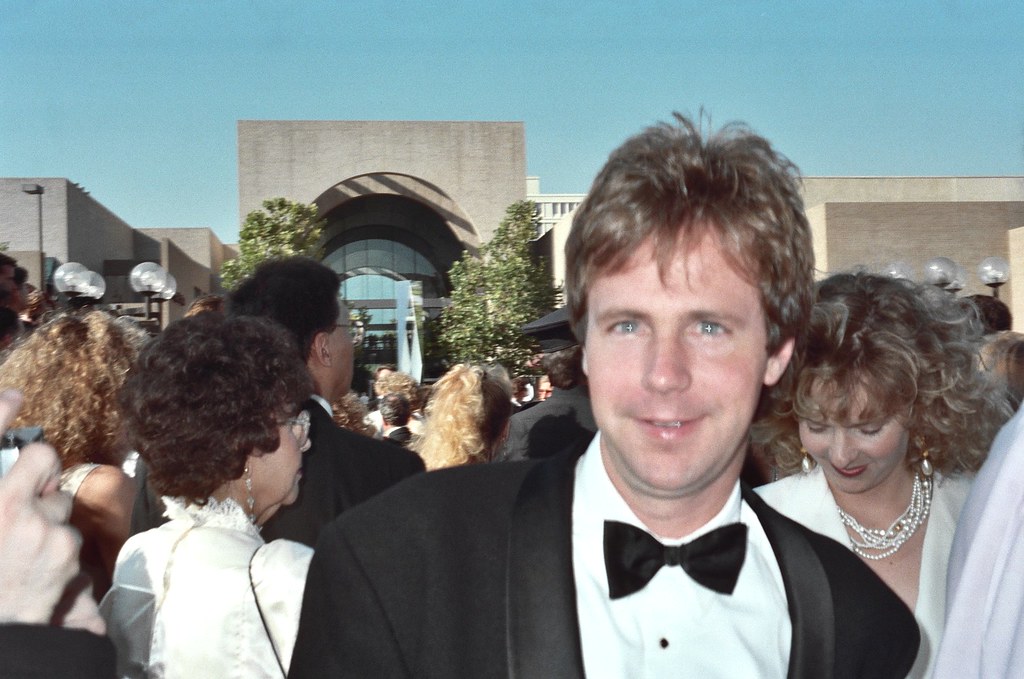
Dana Carvey had firmly established himself as a comedic titan, a formidable presence both on the iconic sketch comedy show *Saturday Night Live* and in a string of successful feature films. Before and after his legendary run on *SNL*, Carvey captivated audiences with his distinctive brand of humor, showcasing his talent in beloved classics such as *This Is Spinal Tap* and the hugely popular *Wayne’s World* franchise. His ability to craft memorable, often zany, characters was undeniable, setting a high bar for any of his subsequent projects and cementing his status as a genuinely gifted performer with a proven track record of comedic genius.
However, this impressive trajectory of success encountered a significant hurdle with the 2002 release of *The Master of Disguise*. The film was conceived as a prime vehicle for Carvey, designed specifically to highlight the very “zany characters” that had become his comedic hallmark. It was an opportunity, ostensibly, to allow him to fully unleash his unique brand of character-driven comedy on a grand scale, promising audiences more of the playful absurdity they had come to expect and adore from his work.
Yet, despite this intention, the outcome was starkly different. The movie was widely perceived as a misfire, a project where, as the industry noted, it “showcased Carvey’s zany characters, but not much else.” This critical assessment was damning, suggesting that while Carvey brought his signature performance style, the film itself lacked the substance, wit, or engaging narrative necessary to elevate it beyond a mere showcase. The implication was clear: the vehicle failed its driver, and the film struggled to find an audience or critical appreciation beyond its lead’s familiar antics.
The repercussions for Carvey’s film career were palpable; the consistent “success would run dry” following this release. While he continued to lend his voice to animated projects and make occasional appearances, *The Master of Disguise* undeniably marked a downturn in his prominence as a live-action leading man. It became a cautionary tale, illustrating how even a comedian with a celebrated history and a dedicated fanbase can find their momentum severely hampered by a project that fails to resonate, leading to a long-term struggle to reclaim their former cinematic glory.

7. Chris Klein: *Rollerball*
Chris Klein, in the late 1990s, was undeniably a “star in the making,” poised for a robust career in Hollywood. He had garnered significant attention and critical praise for his “great performances” in films like the highly acclaimed *Election* and the wildly successful teen comedy *American Pie*. With his fresh-faced charm and demonstrated acting range, Klein embodied the archetype of the rising young talent, capturing the hearts of audiences and piquing the interest of industry insiders who saw immense potential in his burgeoning career. He represented the bright, hopeful future of leading men.
This promising ascent, however, took a sharp and unexpected turn with his involvement in the 2002 remake of *Rollerball*. The original 1970s film of the same name was lauded for its foresight and narrative cohesion, becoming a cult classic. The remake, by contrast, was conceived as a high-octane action spectacle, aimed at updating the dystopian sports narrative for a new millennium, but it struggled to capture the same thematic depth or critical gravitas that had defined its predecessor. It was a project fraught with immense expectations, but burdened by the challenge of living up to a beloved original.
Upon its release, the film was met with a scathing reception, critically derided and largely rejected by audiences. The industry consensus quickly branded it as an inferior reimagining, noting it was a remake of a “better and more cohesive ‘70s movie of the same name.” This direct comparison highlighted the remake’s deficiencies, particularly its perceived lack of direction and narrative integrity. For Klein, who was prominently featured in this heavily scrutinized project, the critical failure proved to be devastating, marking a significant and immediate blow to his upward trajectory.
The impact on Klein’s career was immediate and profound; the narrative states that “that was all ruined” by *Rollerball*. The film’s overwhelming negativity effectively stalled his momentum, making it exceptionally difficult for him to secure similarly prominent leading roles in major studio productions. While he continued to work steadily in various projects, the shadow of *Rollerball* cast a long, undeniable pall over his once-bright prospects, serving as a stark reminder of how a single, ill-conceived blockbuster can dismantle a promising career, forcing an actor into a prolonged battle for redemption and redefinition in the eyes of Hollywood.
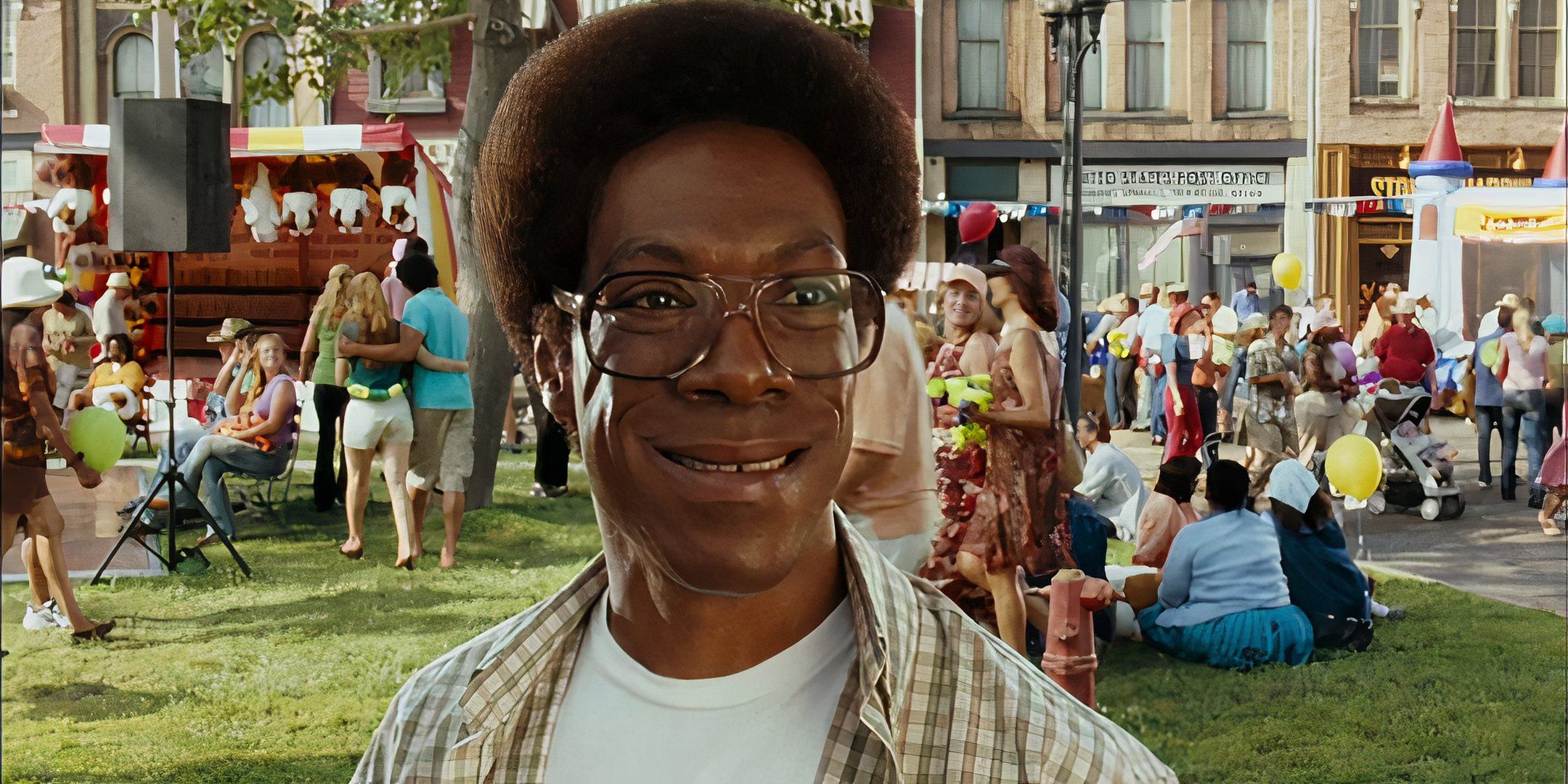
8. Eddie Murphy: *Norbit*
Eddie Murphy stands as a legendary figure in comedy, a master of transformation renowned for his ability to portray “multiple characters” with unparalleled comedic timing and range. Throughout his illustrious career, he delivered some of his “best movies” by embracing this unique talent, notably in genre-defining comedies like *Coming to America* and *The Nutty Professor*. These films not only showcased his extraordinary versatility but also achieved immense box office success and critical acclaim, solidifying his reputation as a comedic icon whose character work was both hilarious and artistically impressive.
In 2007, Murphy once again delved into this familiar territory with *Norbit*, a comedy where he played an “unhappily married couple,” among other roles. The film was ostensibly designed to play to his strengths, leveraging his proven ability to embody diverse personas for comedic effect. However, despite the familiar premise, the movie failed to recapture the magic or critical acceptance of his earlier, more celebrated works. It was released at a time when expectations for Murphy, especially in this specific style of comedy, were still incredibly high, given his past triumphs.
Regrettably, *Norbit* was “received so poorly” by both critics and audiences, earning widespread condemnation for its humor and overall execution. The overwhelming negativity surrounding the film was such that it quickly became a significant talking point within the industry, not just as a bad movie, but as a potential career impediment. It was explicitly stated that “people are still not convinced it didn’t cost him an Oscar for his *Dreamgirls* performance,” a testament to the film’s pervasive and damaging impact on his reputation at a critical juncture.
This particular fallout is a rare and striking example of how a comedic misstep can ripple through an actor’s career, even affecting their chances at prestigious awards in unrelated, critically acclaimed projects. The timing was especially cruel, as *Dreamgirls*, released shortly before *Norbit*, had garnered Murphy significant Oscar buzz. The widespread derision for *Norbit* created an unfortunate narrative, underscoring the relentless scrutiny and unforgiving memory of Hollywood, demonstrating how even a comedy flop can cast a long, impactful shadow over an otherwise stellar and critically praised dramatic performance, hindering deserved recognition.

9. Brandon Routh: *Superman Returns*
For any actor, stepping into the iconic suit of Superman is an unparalleled opportunity, a role that promises instant global recognition and the potential for a monumental career. Brandon Routh seized this “grand start” in 2006, cast as the titular hero in *Superman Returns*. The film, a continuation of the beloved Christopher Reeve *Superman* saga, was met with immense anticipation, positioning Routh to become the face of one of cinema’s most enduring and heroic figures. It was, by all accounts, a dream role that could have launched him into superstardom.
Despite the gravity of the role, the film itself garnered a mixed reception. While some praised its reverential tone and Routh’s earnest portrayal, others criticized its pacing and plot. In the wake of *Superman Returns*, a sequel was ultimately shelved, and the franchise eventually underwent a complete reboot years later. This outcome meant that Routh, despite his earnest efforts, was unable to fully capitalize on the role’s immense potential, and it’s “safe to say his career never reached great heights after the 2006 movie either,” indicating a significant stagnation following such a high-profile debut.
While *Superman Returns* did not entirely halt his acting career, it undeniably failed to propel him to the A-list status often afforded to actors who embody such legendary characters. The industry often seeks to replicate success, and when a blockbuster like *Superman Returns* doesn’t quite hit the desired commercial or critical heights, it can unfortunately pigeonhole its lead. His trajectory demonstrated the immense challenge of carrying a legacy character without the full backing of a universally acclaimed and commercially explosive franchise to follow.
Years later, Routh did find a moment of critical acceptance and fan appreciation with his role as “Todd Ingram in *Scott Pilgrim vs. the World*,” showcasing his comedic timing and versatility. This performance proved that his talent was far from diminished and that he could deliver impactful roles in different genres. However, even this well-received turn could not fully reverse the broader trend in his film career.
Ultimately, the narrative for Brandon Routh post-*Superman Returns* has been one of consistent work across television and smaller film projects, but he “hasn’t had a remarkable go of it after having such a grand start.” His story underscores the intense pressure and often unforgiving nature of taking on an iconic role; even a competent performance cannot always overcome a film’s broader reception, leaving an actor in a perpetual state of trying to prove their mettle beyond that single, career-defining, yet ultimately limiting, role.
As we’ve journeyed through these narratives of Hollywood’s unforgiving landscape, it becomes abundantly clear that an actor’s path is rarely predictable. From child stars burdened by immense public scrutiny to established comedians and promising newcomers, the impact of a cinematic misstep can resonate for years, fundamentally reshaping careers in unforeseen ways. These stories serve as poignant reminders of the immense pressures, critical judgments, and unpredictable whims that govern the entertainment world, where one project can alter an entire destiny, leaving behind a legacy not just of performance, but of the struggle for redemption and redefinition in the glare of the silver screen.