In the vibrant, ever-evolving world of cinema, not every masterpiece arrives to immediate, universal acclaim. Sometimes, the most groundbreaking and beloved films are those that initially faced skepticism, were met with raised eyebrows, or grappled with challenging productions and critical doubts. These are the stories of cinematic courage, where bold visions pushed boundaries, often leading to a period of uncertainty before their brilliance shone through, ultimately earning them rave reviews and a permanent spot in our hearts.
It’s a fascinating aspect of film history, isn’t it? The journey from an intriguing concept or a challenging shoot to becoming an undeniable classic is rarely a straight line. Whether it’s a director’s audacious debut, a seemingly controversial storyline, or a massive production battling against public perception, these films often had to fight to be understood and appreciated. Yet, it’s precisely this initial questioning that makes their eventual triumph all the more satisfying, highlighting the power of perseverance and artistic integrity.
Join us as we celebrate these remarkable cinematic achievements—films that dared to be different, that weathered the storm of early apprehension, and emerged victorious, leaving an indelible mark on the landscape of film. We’re about to explore the first half of a list dedicated to those extraordinary movies that were questioned at first but later received nothing short of rave reviews, proving that sometimes, the greatest art takes a little time to be truly seen.

1. **Reservoir Dogs (1992)**Quentin Tarantino exploded onto the scene with his uber-cool and supremely confident directorial debut, *Reservoir Dogs*, a film that immediately announced a singular new voice in cinema. Before its release, many might have wondered if a newcomer could truly deliver a fresh take on the crime genre. Tarantino didn’t just deliver; he hit audiences with a terrific twist on the heist-gone-wrong thriller, a narrative style that felt both familiar and revolutionary.
For the most part, this was a single-location chamber piece, delighting in the ricocheting zing and fizz of its dialogue around its gloriously intense setting. The majority of the movie’s action centered around one long and incredibly bloody death scene, a stylistic choice that was, for a debut, undeniably bold and unconventional. It wasn’t just another indie crime flick; it was a masterclass in tension, character, and sharp writing.
Packing killer lines, killer needle-drops, and killer, well, killers too, *Reservoir Dogs* proved to be a rollicking ride. It didn’t just entertain; it set the blueprint for everything we’ve come to expect from a Tarantino joint, showcasing a director with an unwavering vision from his very first feature. This film wasn’t just a success; it was a phenomenon that instantly cemented Tarantino’s reputation.
Read more about: More Than Just Popcorn Spills: 14 Blockbusters Viewers *Actually* Walked Out Of, From Gruesome Gore to Pure Boredom

2. **Amélie (2001)**Jean-Pierre Jeunet’s fourth feature, *Amélie*, marked a significant departure from his earlier, darker works like *Delicatessen* and *Alien: Resurrection*. This shift towards the glorious sunshine of Amélie’s whimsical, fantasy-driven Paris could have been met with skepticism. Audiences accustomed to his more macabre style might have questioned whether he could pull off such a dramatic tonal change.
Indeed, the description notes that “a cynic could read the film as the story of Audrey Tautou’s monomaniacal title character’s relentless, somewhat stalkerish pursuit of the hapless Nino” around Montmartre’s dream-like cityscape. This perfectly encapsulates the kind of initial questioning the film faced: Was its whimsical nature merely a superficial gloss on something darker, or even unsettling?
However, the film resolutely declared that “this one isn’t for the cynics — it’s a tribute to the daydreamers of this world.” It’s a sweet, nostalgic, sentimental romantic comedy that only Jeunet could have conceived, ultimately winning over hearts with its unique charm and visual poetry. *Amélie* defied expectations by proving that a director can successfully reinvent their style, creating an unforgettable cinematic experience.
Read more about: Beyond the Screen: 13 Visually Stunning Films Every Artistic Movie Lover Needs to See Right Now
3. **Donnie Darko (2001)**Richard Kelly’s *Donnie Darko* arrived as a high school drama with a mind-bending, time-traveling, tangential universe-threading, sinister rabbit-featuring twist. Its labyrinthine opus was not immediately embraced by mainstream audiences or critics upon its initial theatrical release, often leaving viewers more confused than captivated. It was destined, however, for something else entirely: cult classic status.
This film proved to be an early beneficiary of physical media’s move to DVD. Its complex narrative, which seemed impenetrable in a single viewing, gained a passionate fandom among film obsessives who could pause, play, and skip back and forth through it at will. This allowed deeper analysis and appreciation for its intricate plot and philosophical undertones, which weren’t fully graspable on first glance.
Any attempt to truly synopsize the movie is, as the context states, “a fool’s errand,” yet its powerful themes resonated profoundly. The film, “with all its heavy themes and brooding atmosphere, manages to eventually land on a note of overwhelming optimism,” which is a testament to Kelly’s mercurial moviemaking. *Donnie Darko* is a prime example of a film that needed time and repeat viewings to unlock its genius, transforming initial bewilderment into rave reviews and dedicated adoration.
Read more about: Get Ready to Rewatch! 8 R-Rated Sci-Fi Movies That Are Just Plain Awesome

4. **Léon: The Professional (1994)**Luc Besson’s *Léon: The Professional* was something of a spiritual spin-off to his earlier film *Nikita*, yet it was very much its own beast. One of the primary elements that drew initial scrutiny was the “ickiness inherent in the relationship the film presents between a middle-aged man and a pre-teen girl.” This controversial dynamic naturally invited questions and discomfort from some viewers and critics alike.
However, the film’s greatest strength, arguably, wasn’t just Jean Reno’s titular contract killer or Gary Oldman’s unhinged baddie Stansfield, but a very young Natalie Portman. She delivered a luminous, career-creating performance as the vengeful 12-year-old Mathilda. It was Portman’s phenomenal performance that skillfully helped to “augment an unlikely kinship” between the two leads, transcending the potentially problematic premise.
Despite the initial concerns over its subject matter, the film ultimately wound up being “deeply affecting to watch.” Its raw emotional power and the compelling performances carried it beyond its controversies, allowing it to be recognized for its powerful storytelling and profound impact. *Léon: The Professional* showcased how exceptional acting and delicate direction can navigate sensitive territory to create a lasting and respected work.
Read more about: The Cult ’90s Gem Quietly Conquering Netflix: Deconstructing ’10 Things I Hate About You’ and Other Essential Watch-Worthy Classics
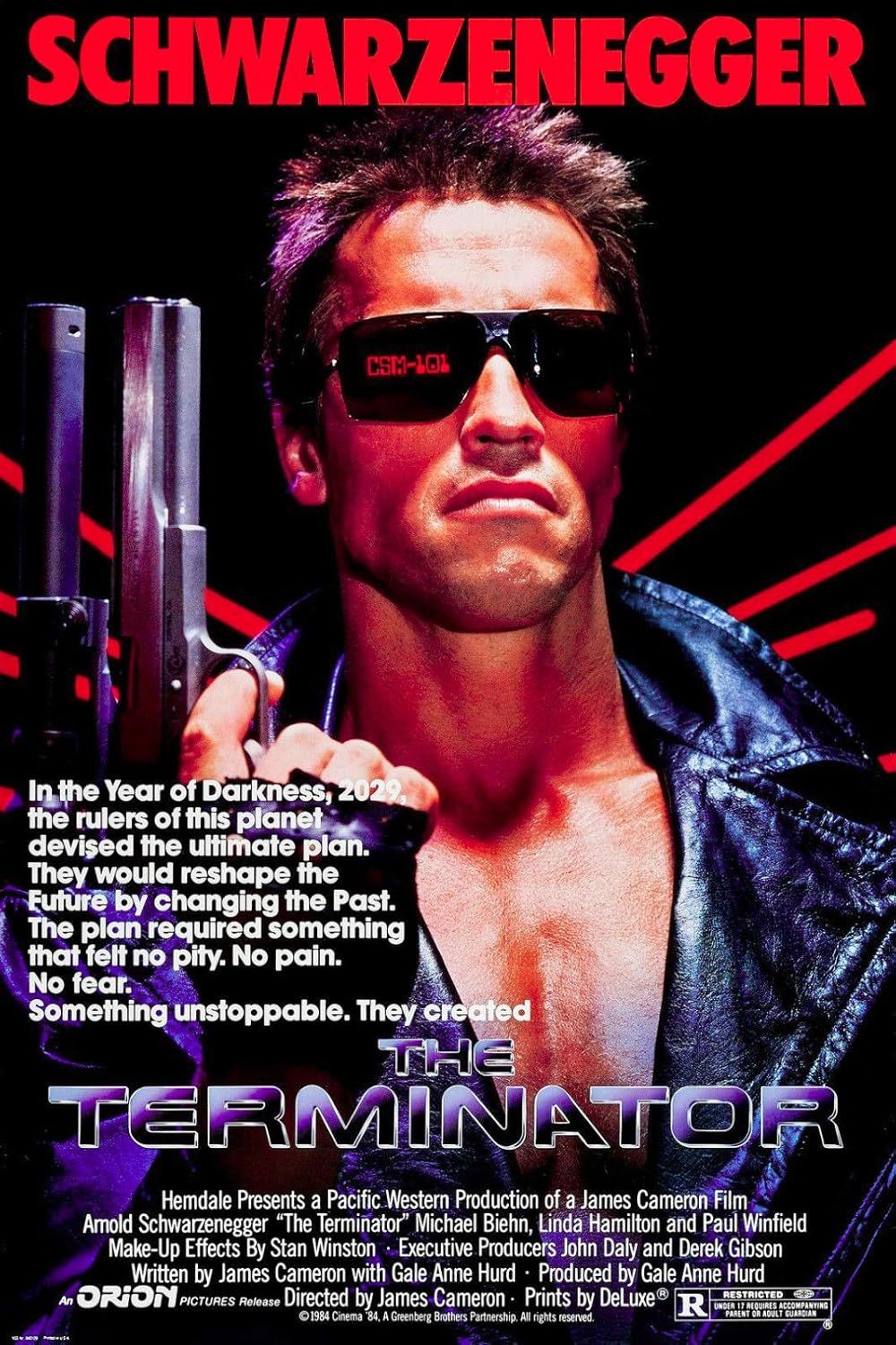
5. **The Terminator (1984)**After his less-than-stellar experience with *Piranha II: Flying Killers*, director James Cameron could have very easily called it quits on a Hollywood career. Coming from such a background, and with *The Terminator* being shot for a relatively modest $6 million, there might have been low expectations or even skepticism about whether this project could launch him into a more successful trajectory. It was a gamble, to say the least.
Cameron, however, didn’t just survive; he thrived. He “cribbed from Michael Crichton’s Westworld and Harlan Ellison’s Outer Limits episode ‘Soldier’, and amped up the action,” creating something wholly original and incredibly effective. The film delivered the relentless tension of a slasher with the kinetic thrills of a balls-to-the-wall blockbuster, defying any initial doubts about its low budget or its director’s unproven track record.
What happened next, as the description notes, is “history.” Arnold Schwarzenegger’s instantly iconic shotgun-toting, shades-rocking, time-traveling cyborg killer, the T-800, became a cultural touchstone. *The Terminator* proved that a lean budget, combined with immense creativity and vision, could produce a genre-defining masterpiece that forever changed action cinema, making Cameron a name to watch.
Read more about: Digital Immortality or Unsettling Impersonation? The High-Stakes Legal and Ethical Battle Over Actors’ Faces in the CGI Era

6. **Titanic (1997)**James Cameron’s epic romantic tragedy, *Titanic*, is a film whose tumultuous production saga is almost as legendary as the movie itself. With a “difficult, overrunning shoot,” and unprecedented costs, it was widely “predicted to be a career-ending flop for Cameron.” The sheer scale and ambition of the project seemed destined to sink under the weight of its own hubris, prompting widespread public and industry skepticism about its potential for success.
Yet, defying all predictions, *Titanic* didn’t just stay afloat; it soared. Instead of a flop, “it became one of the most successful films of all time, both at the box office and at the Oscars,” sweeping awards and captivating global audiences. The chemistry between Leonardo DiCaprio and Kate Winslet, coupled with breathtaking special effects and an emotionally resonant story, transformed doubt into adoration.
As Cameron himself proudly declared upon its Oscar win, it made him “king of the world!” *Titanic* wasn’t merely a blockbuster; it was a cultural phenomenon that proved that even the most arduous and initially questioned productions could, through sheer willpower and a compelling narrative, achieve unparalleled success and become a cherished part of cinematic history. It was a resounding victory against the naysayers.
Read more about: 12 Movies So Unbelievably Boring You’d Rather Watch Paint Dry (Seriously, We Asked!)
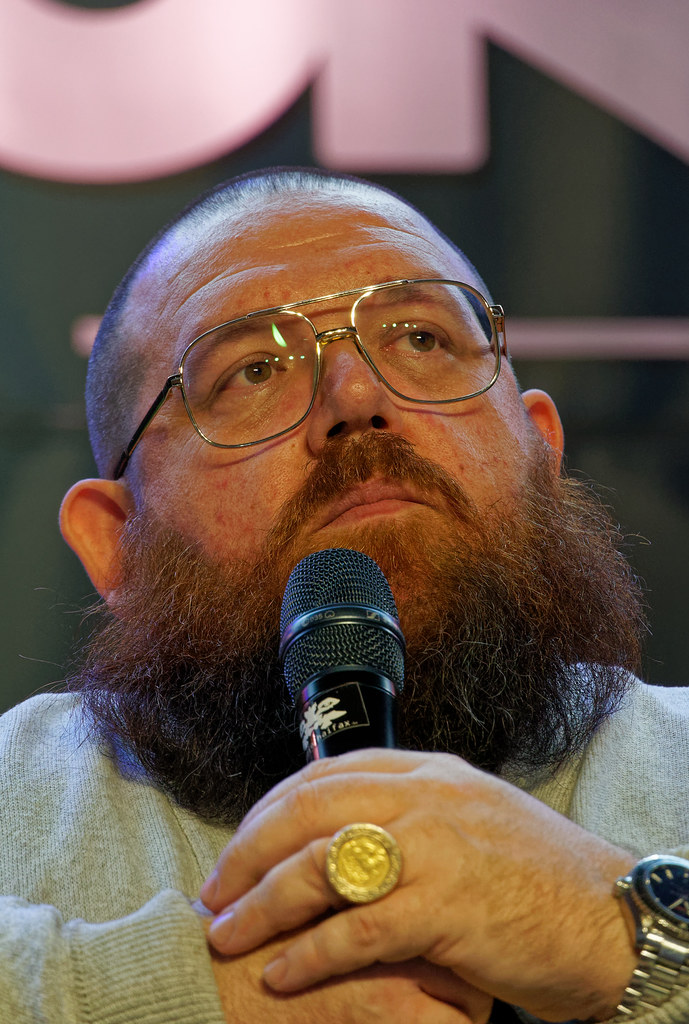
7. **Shaun Of The Dead (2004)**Before its release, Edgar Wright’s proper feature directorial debut, *Shaun Of The Dead*, was met with a degree of pre-conceived notions. Many might have been “forgiven for thinking that… it would be ‘Spaced: The Movie’,” a direct adaptation or continuation of the beloved British TV show from which its stars, Simon Pegg and Nick Frost, originated. This initial assumption set a specific, perhaps limited, expectation for what the film could be.
However, what audiences got was “so much more.” *Shaun Of The Dead* emerged as a brilliantly crafted zom-rom-com, made with real genre nous and a distinctly British sense of humor. It expertly struck “the perfect balance between laugh-out-loud comedy and seriously gruesome undead horror,” a combination that could have easily gone awry but instead became its defining strength. It defied the idea that it was just a TV show extended onto the big screen.
From its perfectly synchronized ‘Don’t Stop Me Now’ zombie beatdown to Nick Frost and Simon Pegg’s star-making, side-splitting performances, and Edgar Wright’s go-for-broke gonzo approach to shooting and editing, this film proudly showcased British filmmaking at its finest. *Shaun Of The Dead* broke free from the shadow of its predecessors and established itself as an original, influential, and universally praised genre classic, proving its unique value beyond any initial expectations.
The cinematic journey is truly full of surprises, isn’t it? Just when you think you’ve got a film pegged, it defies every expectation, every raised eyebrow, and every whispered doubt to carve its own indelible mark. We’ve seen how some directors and stories battled against the odds, but the well of films that initially faced questions only to emerge as undeniable triumphs runs deep. It’s a testament to vision, perseverance, and the often-unpredictable nature of what truly resonates with audiences and critics alike. Let’s delve into more of these remarkable movies that turned skepticism into resounding success, proving that sometimes, you just need to give genius a little time to shine.
Read more about: Screaming for More? Dive Into the Top 14 Horror Movies of All Time, According to Rotten Tomatoes!

8. **Groundhog Day (1993)**On the surface, a comedy about a weatherman reliving the same day might have seemed like a clever but ultimately lighthearted premise. While time-loop narratives weren’t entirely new, the potential for a repetitive gimmick was certainly present, leading some to perhaps underestimate its eventual profundity. Could a film built around such a concept truly offer something more than easy laughs?
However, what audiences received was far more than just a surface-level chuckle-fest. With Bill Murray at the peak of his sardonic charm as Phil Connors, and Andie MacDowell providing the perfect counterbalance, director Harold Ramis spun cinematic gold. His masterful direction and co-writing (with Danny Rubin) elevated the film far beyond its well-worn trope, proving it wasn’t just another entry in the time-loop subgenre but stood head and shoulders above the rest.
While Murray’s customarily snarky delivery ensured the laughs flowed early and often, the film subtly transitioned into something deeper. *Groundhog Day* deftly explores themes of existence, morality, self-improvement, and redemption without ever feeling preachy. Its ability to layer profound philosophical questions within a genuinely hilarious narrative is precisely what keeps fans returning to it again, and again, and again, revealing new insights with each viewing.
Read more about: Beyond the First Frame: 15 Stellar Movies You’ll Never Tire of Watching, According to the Experts

9. **Paddington 2 (2017)**When the first *Paddington* film arrived, it charmed audiences with its warmth and wit, setting a high bar for any potential follow-up. In the often-treacherous landscape of sequels, where the pressure to replicate success can lead to diminishing returns, many might have questioned if a second adventure for the beloved Peruvian bear could possibly live up to, let alone surpass, its predecessor. Was it destined to be merely ‘good for a sequel,’ rather than genuinely great?
Defying all such expectations, director Paul King, once again, didn’t just meet the challenge; he soared past it. *Paddington 2* quickly cemented its place not merely as one of the greatest sequels ever made, but as one of the best, most feel-good movies, period. It took everything wonderful about the original – the joy, the imagination, the kindness – and amplified it, creating a truly spectacular and emotionally resonant experience.
The film masterfully introduced a deliciously outré villain in Hugh Grant’s moustache-twirlingly evil Phoenix Buchanan, adding layers of hilarious hijinks to Paddington’s quest for a special present for his Great Aunt Lucy. By dialing up the spectacle, the silliness, and crucially, the emotional stakes, the movie transcended the ‘sequel curse.’ The result is a film as sweet and satisfying as marmalade, beloved by critics and audiences globally.
Read more about: Beyond the Buzz: Deconstructing the Decade’s Most Overrated Films and the Illusions of Acclaim
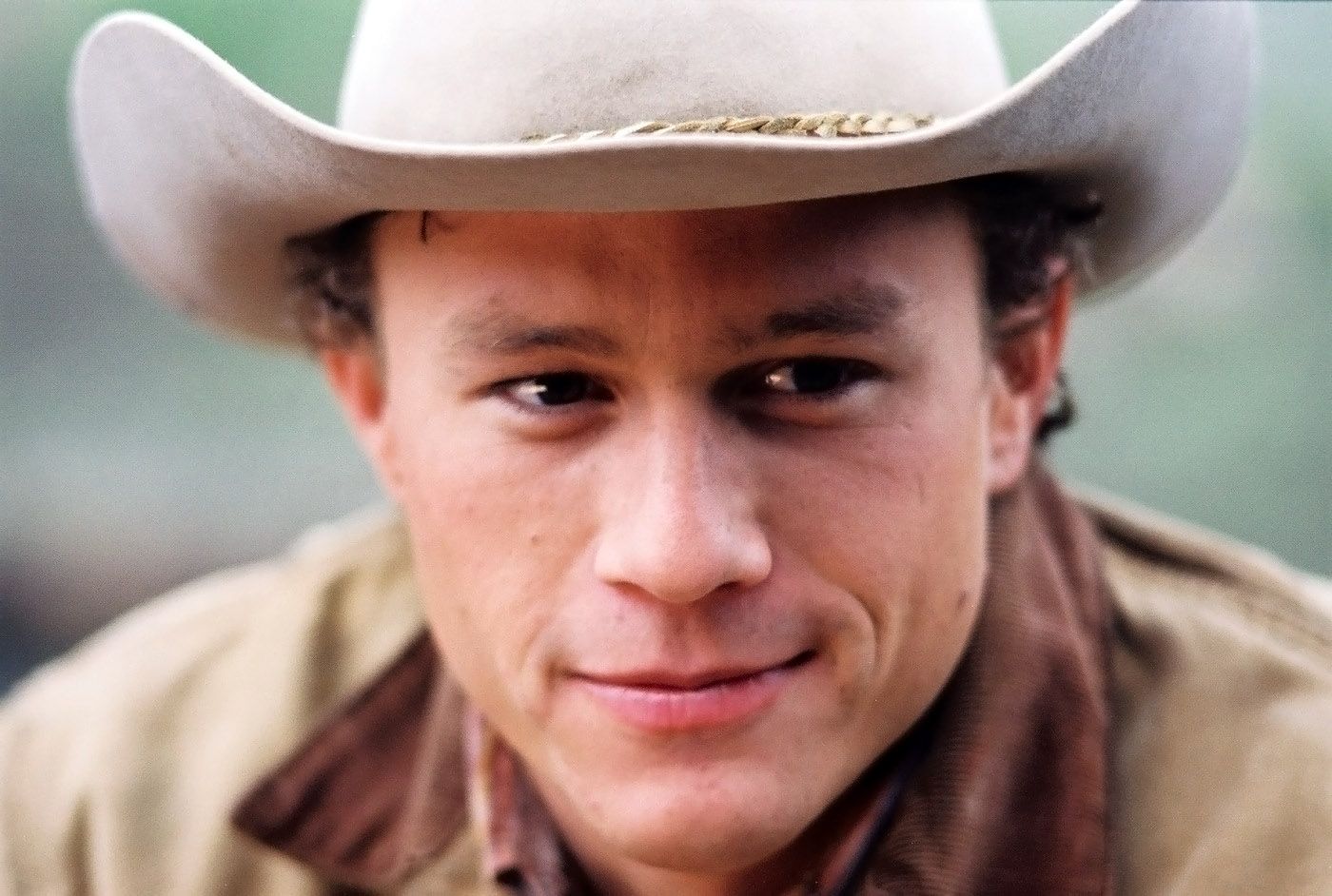
10. **Brokeback Mountain (2005)**Ang Lee’s adaptation of Annie Proulx’s poignant short story arrived in a landscape where its central theme—a decades-spanning secret love affair between two men—still carried a significant weight of social apprehension and cinematic risk. There was genuine questioning whether mainstream audiences and critics would embrace such a sensitive portrayal of queer love, or if it would be dismissed due to ingrained heteronormative expectations. Could such a story achieve widespread acclaim without being reduced to its controversial elements?
Yet, Lee approached the material with immense sensitivity and grace, expanding the story’s scope against the breathtaking backdrop of the Wyoming mountains (filmed in the Canadian Rockies). The performances by Heath Ledger as Ennis Del Mar and Jake Gyllenhaal as Jack Twist were nothing short of revelatory, imbuing their characters with a raw, understated emotional depth that transcended any potential discomfort the subject matter might have initially stirred. Their unlikely love story, tested by societal norms, was sensually observed and immaculately shot.
*Brokeback Mountain* delivered hope and heartbreak in equal measure, earning multiple Academy Awards and profoundly impacting queer cinema. Its success proved that powerful storytelling and exceptional performances could break down barriers, allowing its universal themes of love, loss, and longing to resonate deeply. The film became an undeniable landmark, forever altering perceptions and making a lasting emotional connection with countless viewers.
Read more about: Prepare for Tears: 13 Movie Deaths That Still Emotionally Wreck Us, Decades Later

11. **Scott Pilgrim Vs. The World (2010)**Adapting a beloved and visually distinct graphic novel series like Bryan Lee O’Malley’s *Scott Pilgrim* was always going to be a high-stakes endeavor. Fans of the source material would have had incredibly specific expectations for how its unique blend of video game aesthetics, pop culture references, and quirky humor could translate to the big screen. Many might have questioned if a film could truly capture the kinetic energy and stylistic idiosyncrasies without losing its charm or alienating newcomers. Would it simply be a niche curiosity?
However, director Edgar Wright, known for his singular style, didn’t just attempt to adapt the graphic novels; he leaned all the way into their essence. He unleashed his signature blend of excellent needle drops, a poppy visual palette, whip-pans, and whip-smart wit to create a cinematic experience that felt both faithful and revolutionary. The film became a masterclass in how to honor source material while forging a distinct cinematic identity.
Michael Cera delivered a pitch-perfect, socially-awkward performance as Scott Pilgrim, forced to confront his new girlfriend Ramona Flowers’ seven evil exes in a series of increasingly wild, video-game-inspired face-offs. Complementing this was an extraordinarily stacked ensemble cast, including Chris Evans, Brie Larson, Anna Kendrick, and Aubrey Plaza. The film’s mixed-media aesthetics and endless pool of iconic quotes cemented its status as one of Wright’s most memorable and influential works, silencing any initial doubts about its adaptability.
Read more about: Dude, You *Have* to See These: 15 Epic Movies Men Can’t Stop Rewatching

12. **Logan (2017)**By 2017, Hugh Jackman had embodied Wolverine for nearly two decades across numerous X-Men films, and the idea of yet another outing might have led to a collective groan from some audiences. Superhero finales, particularly for such an iconic character, often grapple with the pressure of delivering a satisfying conclusion while avoiding formulaic pitfalls. The question loomed: could this film offer a truly fresh and meaningful end to Logan’s story, or would it simply be a nostalgic cash-in?
Under the direction of a never-better James Mangold, *Logan* didn’t just deliver; it completely redefined what a superhero film could be. Punching out the clock on Jackman’s tenure as Wolverine, the movie eschewed typical superhero tropes for a gritty, R-rated Western aesthetic, taking cues from classics like *Shane*. Set in a dark near-future, it explored an aging Logan caring for a mentally unstable Professor Xavier, forcing Wolvie to wrestle profoundly with his mortality and a long history of violence.
This was a truly original superhero tale, mournful without being morbid, and deeply character-driven. Mangold’s mutant masterwork provided a perfect, emotionally resonant end to Logan’s saga, earning widespread critical acclaim for its mature storytelling, powerful performances, and willingness to break from the superhero mold. It proved that even the most established comic book characters could be given a complex, dramatic, and unforgettable send-off.
Read more about: The 13 Unforgettable Marketing Misses: How Brands Blundered Their Way to Backlash and Damaged Reputations

13. **No Country For Old Men (2007)**When the Coen brothers announced their adaptation of Cormac McCarthy’s acclaimed novel, *No Country For Old Men*, it raised both excitement and a degree of apprehension. McCarthy’s literary great is dense with existentialism and stark violence, posing a significant challenge for any filmmaker. Many might have questioned whether the Coens could capture the novel’s bleak, philosophical core without simply delivering another stylishly dark, violent thriller, or if its slow burn narrative would resonate with wider audiences accustomed to more conventional pacing.
Yet, the film proved to be a perfect meeting of artistic sensibilities. The Coen brothers successfully imbued the McCarthy book’s profound existentialism with their signature brand of dark, violent filmmaking, creating something uniquely potent. The result was a tense, slow, and utterly mysterious take on the chase movie format, elevated further by the immaculate lensing of legendary cinematographer Roger Deakins, whose visuals perfectly mirrored the story’s desolate beauty.
Beyond its gripping narrative, *No Country For Old Men* thoughtfully considers the enduring question of how, or even if, good people can hope to contend with a world that has seemingly gone to . The film also unleashed Javier Bardem’s cold-blooded sociopathic killer Anton Chigurh, a villain so terrifying and iconic that he instantly became a benchmark for cinematic evil. Its critical acclaim and Oscar wins proved that this challenging, philosophical neo-Western resonated deeply, becoming a modern classic.
Read more about: 15 Cinematic Masterpieces That Will Stir Your Soul and Resonate Deeply
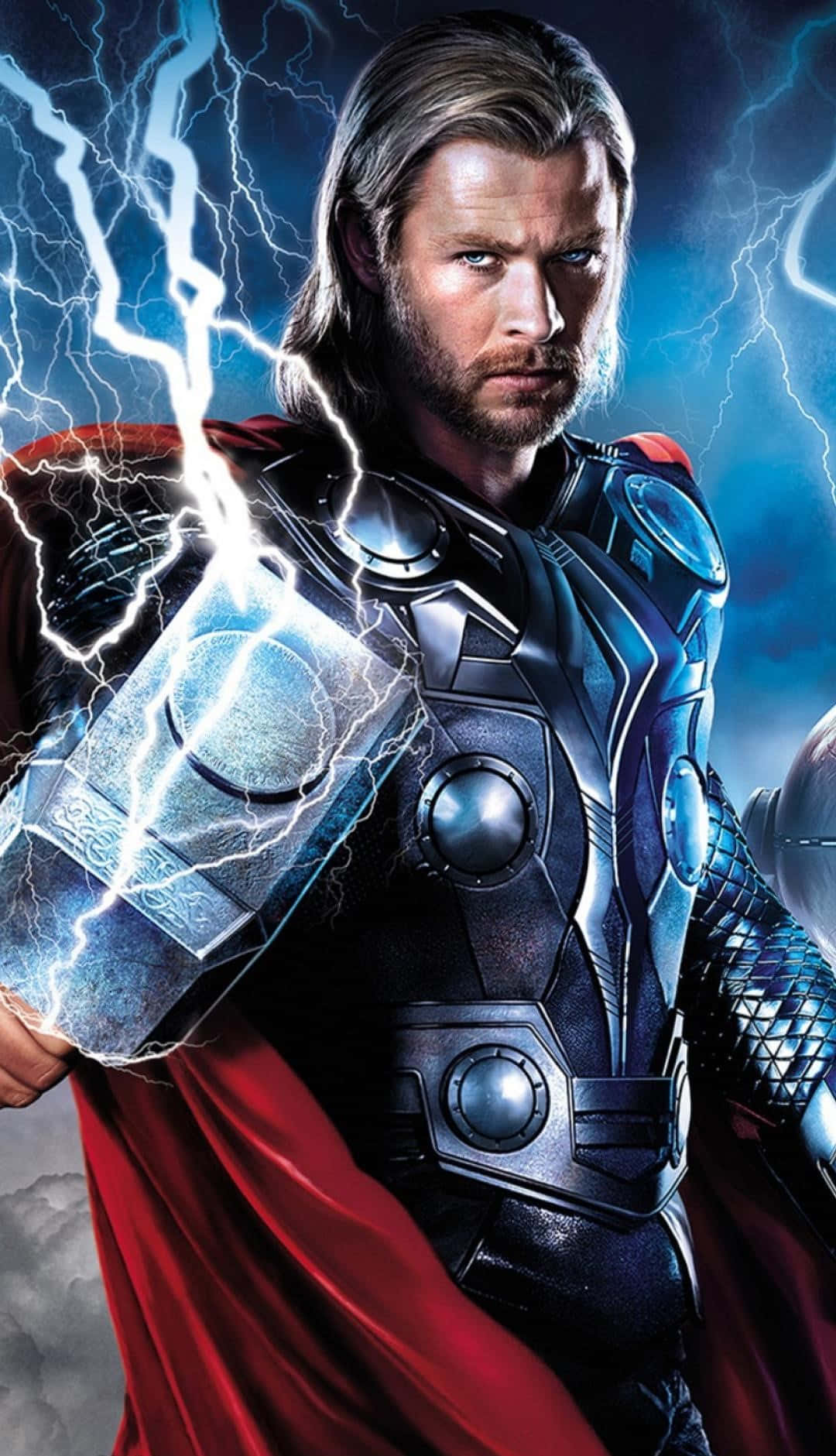
14. **Thor: Ragnarok (2017)**The *Thor* franchise within the Marvel Cinematic Universe had, at times, struggled to find its consistent footing, with previous solo outings often criticized for being overly serious or conventional. So, when it was announced that indie darling Taika Waititi would be taking the helm, injecting a drastic tonal shift towards comedy, skepticism was naturally rampant. Could a comedic overhaul truly work for the God of Thunder, or would it alienate fans who preferred the more stoic hero, potentially turning a major character into a joke?
However, Kevin Feige’s astute choice to employ directors known for smaller, independent movies paid off spectacularly with Waititi. He not only grasped the opportunity but transformed it, helping Chris Hemsworth’s Thor discover a weapon more mighty than Mjölnir – his funny bone! *Thor: Ragnarok* gleefully shook up the God of Thunder’s entire world by, well, pretty much destroying it, and had an absolute blast doing so, creating a vibrant, laugh-out-loud adventure.
The film burst with color and action, boasting a uniformly excellent ensemble cast including Mark Ruffalo, Tessa Thompson, Jeff Goldblum, and Cate Blanchett, all embracing the new comedic energy. It quickly became the Platonic ideal of a popcorn superhero blockbuster, proving that a bold tonal pivot could revitalize a character and deliver both critical and commercial success, delighting audiences and critics who had yearned for a fresh take.
Read more about: 17 Marvel Movies Perfect for When You Don’t Know What to Watch
15. **The Usual Suspects (1995)**Upon its initial release, *The Usual Suspects* faced a curious form of questioning—it was often marketed and perceived as ‘just another crime movie,’ sometimes even drawing direct comparisons to the stylistic bravado of *Reservoir Dogs*. This immediate pigeonholing led many to believe they knew exactly what they were in for: a run-of-the-mill ensemble heist flick. The real question was, could it truly stand apart from the burgeoning crime genre of the 90s, or would it be lost in the shadow of its more prominent contemporaries?
However, Bryan Singer’s direction, coupled with Christopher McQuarrie’s super-twisted, uber-cool screenplay, delivered something altogether different in execution. The film took the seemingly straightforward concept of a police line-up as its starting point and cleverly warped it into an intricate, labyrinthine narrative. It was a masterclass in misdirection and unreliable narration, challenging viewers to piece together the truth from fragmented perspectives.
*The Usual Suspects* attained true greatness through its inventive evocation of the mythic crime lord Keyser Soze, a phantom menace terrifying enough to send shivers down the spines of even the most hardened criminals. This iconic villain, alongside the film’s shocking twist ending, proved that the greatest trick the Devil ever pulled was convincing people it would be just another crime movie. It ultimately transcended its initial perceptions to become a critically adored, endlessly discussed classic.
Read more about: Hollywood’s Blind Spots: How Studios Rejected ‘Pulp Fiction’ and 10 Other Iconic Films That Reshaped Cinema
And there you have it – a powerful reminder that in the grand tapestry of cinema, initial doubts and preconceived notions often pave the way for the most glorious revelations. These films, once questioned, now stand as shining examples of courage, creativity, and the enduring magic that happens when artists dare to defy expectations. They teach us that sometimes, the greatest treasures are found not in what’s immediately celebrated, but in the bold visions that stubbornly, brilliantly, and beautifully forge their own path to cinematic immortality.