Alright, movie lovers, let’s get real for a sec! How many times have you settled in for a new installment of a beloved film franchise, only to find yourself wondering, “Why is this still happening?” It’s a question that echoes across living rooms and theater aisles more often than we’d like to admit. In a world absolutely obsessed with sequels, prequels, spin-offs, and reboots, it feels like the classic advice, “always leave ’em wanting more,” has completely gone out the window. Seriously, Hollywood, read the room!
Sure, some sagas hit their stride later in life, evolving and delivering fresh, exciting takes that redefine what a long-running series can be. We’re talking about those rare gems like ‘John Wick: Chapter Four’ or even the ‘Mission: Impossible’ films, which somehow got better with age after a few bumps in the road. These are the franchises that genuinely understand how to keep the magic alive, consistently delivering top-tier entertainment and proving that growth is possible. They make us believe in the power of a good, long story.
But let’s be honest, those examples are the exception, not the rule. More often than not, studios keep churning out new entries long after the sparkle has faded, leaving us with a string of ignominious sagas that simply didn’t know when to press the pause button. So, grab your popcorn (maybe with a side of tissues for the cinematic disappointments), because we’re taking a walk down memory lane to revisit some iconic film series that, bless their hearts, really should have quit while they were ahead. Let’s dive into the first few that truly missed their graceful exit!
1. **Die Hard**
Oh, John McClane, how we loved you! Few franchises, indeed, have seen such a clear-cut and, dare we say, predictable decline as the ‘Die Hard’ films. It felt like a running gag that every time Bruce Willis strapped on that increasingly tatty vest, the box office returns and critical acclaim would just… dwindle. The magic started to fizzle, and fans could almost feel the cinematic quality diminishing by a noticeable percentage with each new release, like a slow leak from a trusty tire.
Now, don’t get us wrong, the third film in the series, ‘Die Hard with a Vengeance’ from 1995, still hit all the right notes. It was a perfectly good cat-and-mouse thriller, injecting some fresh buddy-cop energy that kept the pulse pounding and the one-liners sharp. It showed that the franchise could still innovate while staying true to its roots, delivering the kind of high-stakes action and clever plot twists that audiences had come to expect and adore. That movie, for many, was a true highlight that proved the formula could still work wonders.
However, things really started to go sideways once ‘Die Hard 4.0’ rolled around in 2007. By this point, it was clear that the franchise had, as the saying goes, “yippied its last ki-yay.” The distinctive grit and grounded, everyman heroics that defined the earlier films began to morph into something else, something less believable and more generic. The charm and raw intensity that made McClane such an iconic character felt increasingly diluted, replaced by bigger explosions and a noticeable drift away from what made the original so special.
And then came ‘A Good Day to Die Hard’ in 2013, which somehow managed to take things from bad to worse. It was a bewildering experience for many fans, delivering a film that felt disconnected from the very essence of ‘Die Hard’. The plot became convoluted, the stakes felt less personal, and the once-beloved hero seemed to be operating in a different universe entirely. At that point, it became undeniably clear: ‘Die Hard’ had, well, “died, hard.” It was an unfortunate end for a series that once defined the action genre.
Read more about: Beyond the Showroom: An Expert’s Comprehensive Guide to Making Your Car Last 400,000 Miles and Beyond
2. **Fast and Furious**
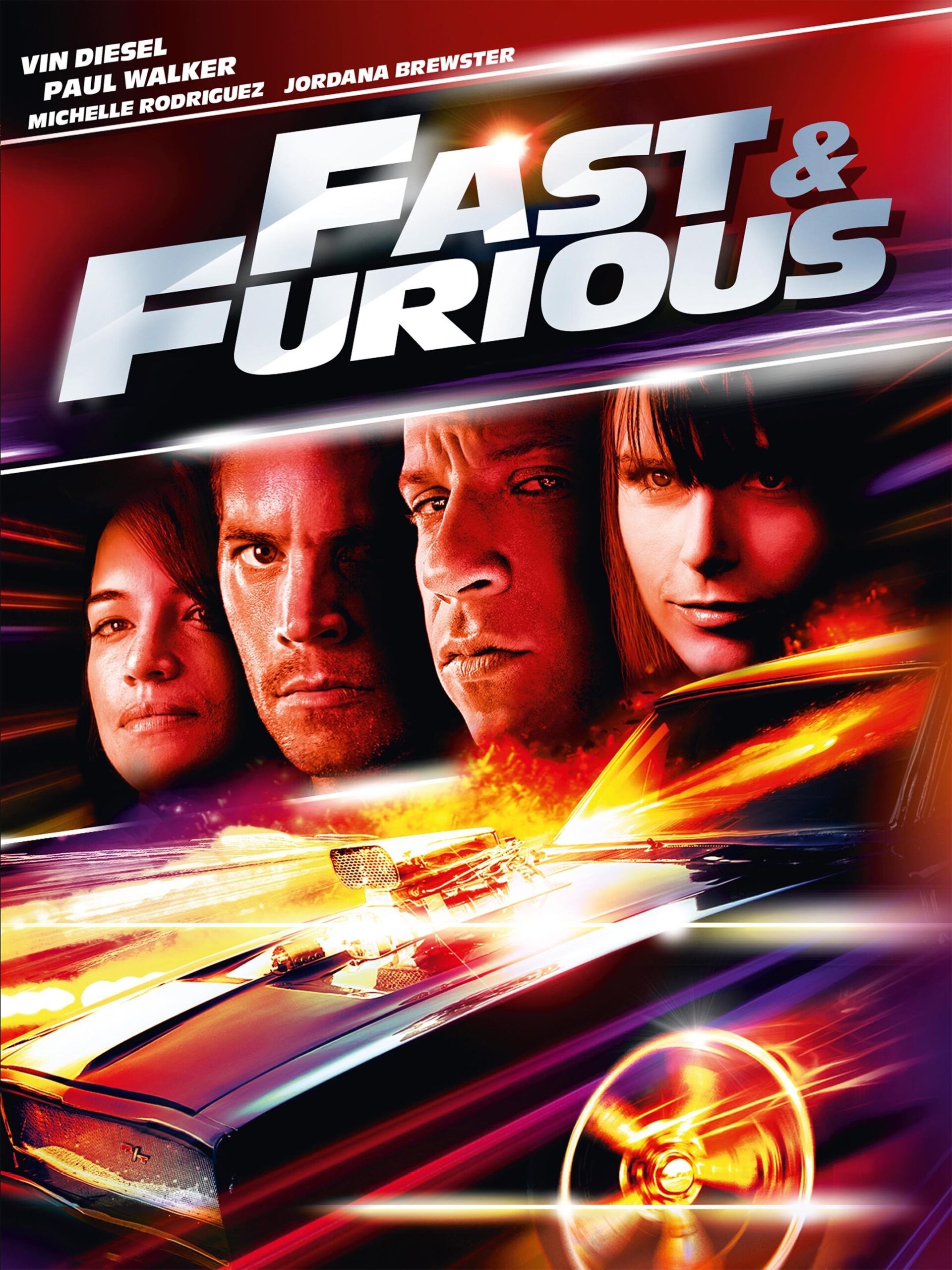
Talk about a glow-up that went a little too far! The ‘Fast and Furious’ franchise is a fascinating beast because, unlike ‘Die Hard,’ it didn’t necessarily come out of the gate as an instant classic that immediately began its descent. Instead, it was one of those franchises that took its sweet time going through the gears, slowly but surely transforming from a modest street racing drama into something almost unrecognizable. What started as a gritty look at the underground world of illegal car races blossomed, or perhaps bloated, into a bombastic thriller of truly “world-ending stakes.”
This evolution, or escalation, wasn’t without its merits for a while. The series found its zenith with the 2015 film ‘Furious 7,’ which many would argue perfectly balanced the high-octane action with the themes of family and loyalty that had become the franchise’s emotional core. It was a heartfelt, explosive, and genuinely entertaining ride that managed to pay tribute to its roots while pushing the boundaries of what was possible in an action film. This entry truly represented the peak of its powers, a moment where everything clicked.
But here’s the thing about zeniths: once you hit the top, there’s only one way to go. And for ‘Fast and Furious,’ everything that has come since ‘Furious 7’ has, unfortunately, been underwhelming. The constant need to outdo the previous film, to push the boundaries of physics and logic even further, eventually led to a sense of exhaustion. The stories started to feel less about character and more about spectacle for spectacle’s sake, losing that grounded (however loosely) feel that initially hooked audiences.
Between ‘F9’ and the “bonafide stinker” that was ‘Fast X,’ it truly feels like Vin Diesel and the rest of the crew have simply “run out of road.” The plots have become increasingly outlandish, the stunts more ridiculous, and the emotional resonance that once tied the films together feels stretched thinner than a worn-out tire. It’s a classic case of a franchise continuing far beyond its natural endpoint, relying on diminishing returns and fan loyalty rather than truly compelling storytelling.
Read more about: Unleash Your Inner Gearhead: 15 Affordable Muscle Cars That Deserve a Spot in Your Garage
3. **Ghostbusters**
Who you gonna call when your franchise needs to be laid to rest? Apparently, not Hollywood, because they just keep trying! It’s an absolute testament to the enduring appeal and cultural impact of Ivan Reitman’s original 1984 sci-fi comedy classic that studios are still trying to churn out sequels and reboots decades later. The original ‘Ghostbusters’ captured lightning in a bottle, blending unique humor, innovative special effects, and a genuinely spooky premise to create something truly special and unforgettable. It’s a beloved film that holds a special place in the hearts of generations of moviegoers.
However, despite that iconic status, pretty much all of the subsequent attempts to recapture that magic have ended up as duds. The immediate follow-up, ‘Ghostbusters II,’ was badly received, and frankly, it put a kibosh on the franchise for decades. It struggled to live up to the sky-high expectations set by its predecessor, delivering a less inspired story and fewer memorable moments. This early stumble proved that replicating the original’s charm was no easy feat, leading to a long hiatus for the supernatural comedy team.
Fast forward to 2016, and the “gender-flipped reboot” arrived with much fanfare, only to be largely flat and forgettable, “ist backlash notwithstanding.” While it aimed to bring a new perspective and energy to the series, it largely missed the mark, failing to connect with either new audiences or longtime fans. It highlighted the challenge of re-imagining a classic while trying to forge a new path, and unfortunately, it didn’t quite stick the landing, leaving many feeling underwhelmed and wondering what could have been.
But wait, it gets even more perplexing! Worst by far, in many estimations, was 2021’s ‘Ghostbusters: Afterlife.’ This film saw the “decrepit return of the original franchise stars,” attempting to tap into nostalgia but instead delivering a somewhat melancholic and forced revival. The emotional weight of seeing beloved characters brought back was often overshadowed by the film’s attempts to bridge generations, culminating in the controversial “CGI recreation of the late Harold Ramis.” It was an unsettling moment that underscored the desperate lengths taken to evoke past glories, making it abundantly clear that at this point, ‘Ghostbusters’ desperately needs to be laid to rest. Seriously, “who you gonna call?” Because it’s time to call it quits.
Alright, movie lovers, still with us on this bittersweet journey? After tackling some serious heavy hitters that missed their cue to exit stage left, we’re diving back into the archives for more iconic film series that, bless their hearts, just couldn’t resist the allure of “one more.” It’s a tough truth, but sometimes, even the most beloved sagas should’ve quit while they were ahead, preserving their legacy instead of stretching it thin. Let’s get into it!
Read more about: The Hollywood Curveball: Iconic Movies That Unexpectedly Derailed an Actor’s Unstoppable Winning Streak
4. **Halloween**
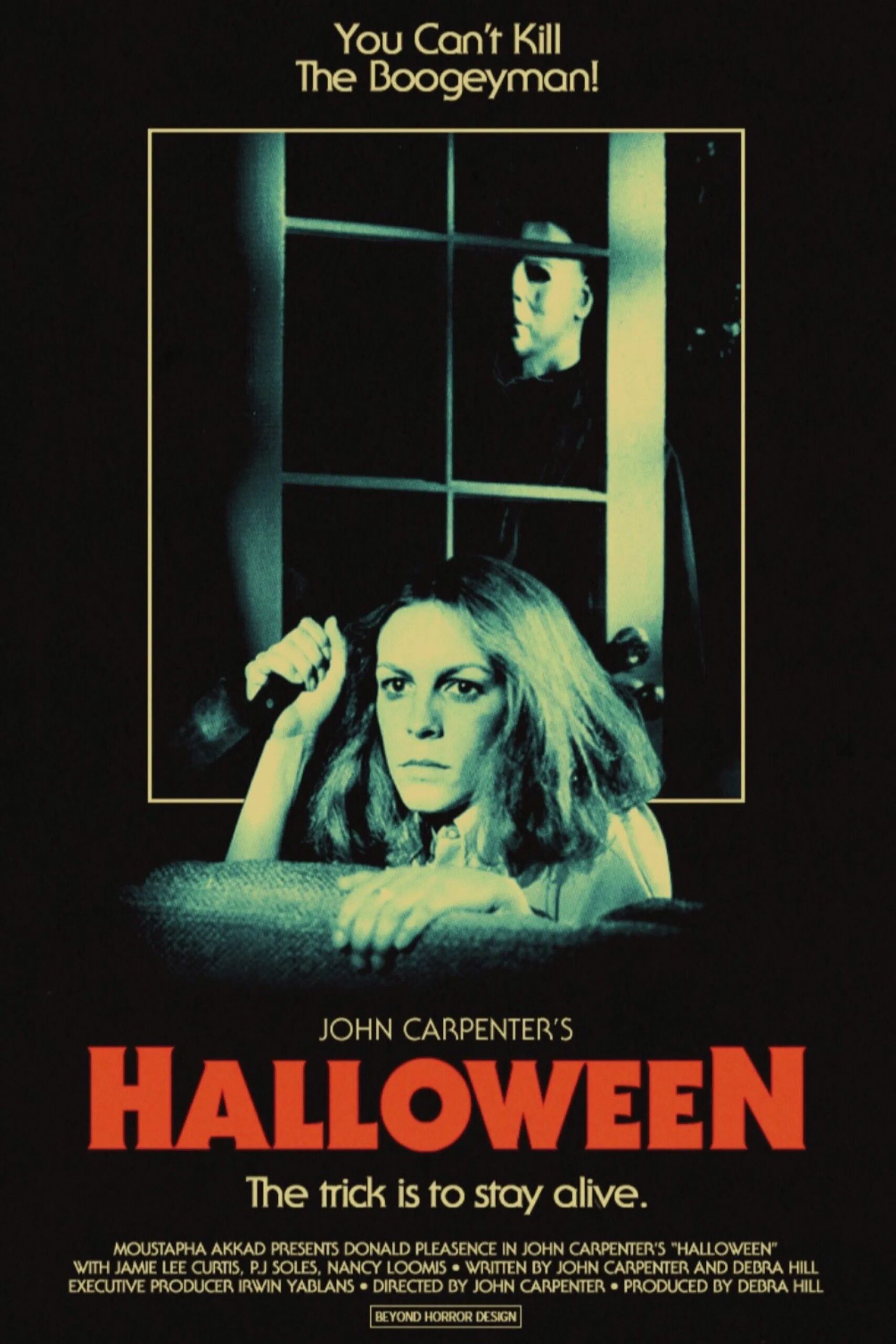
Oh, Michael Myers, you just *love* to stick around, don’t you? It’s genuinely mind-boggling to think that there have been a staggering 13 films in the ‘Halloween’ franchise, all stemming from John Carpenter’s chilling 1978 horror classic. That original movie? A masterpiece! It literally redefined the slasher genre, giving us one of cinema’s most iconic, silent, and terrifying villains. The raw fear it instilled and the pure suspense it built were unlike anything else, making it a cornerstone of horror that generations of fans have adored.
Of course, with so many films, the series has been on a rollercoaster of highs and lows—more lows than highs, if we’re being honest. Various timelines, reboots, and retcons tried to capture that original spark, but very few came close. Then, something genuinely exciting happened: the “roundly well-received 2018 legacy sequel ‘Halloween'” hit theaters. It was a fresh take that honored the past, brought back Jamie Lee Curtis, and delivered the kind of brutal, suspenseful horror that reminded us why we fell in love with Michael Myers in the first place. It felt like a perfect, modern continuation that could have, and perhaps *should* have, been the triumphant final chapter.
But alas, Hollywood just couldn’t resist. What a shame, then, that the franchise “went for two more bites of the pumpkin” after that stellar 2018 comeback. We were then treated to “the dire ‘Halloween Kills’ (2021) and the execrable ‘Halloween Ends’ (2022).” Seriously, “dire” and “execrable” are strong words, but they’re not wrong! These films felt like an immediate undoing of all the good work done by the 2018 entry, descending into convoluted plots and a noticeable dip in quality that left many fans scratching their heads.
It’s a classic example of a franchise not knowing when to quit while it’s ahead. The 2018 film offered a rare opportunity for a beloved series to bow out gracefully, leaving audiences with a renewed sense of respect and satisfaction. Instead, we got a lingering, muddled ending that frankly sullied the goodwill. Sometimes, less is truly more, especially when your antagonist is a silent, unstoppable force of nature. Give us a strong finish, not a drawn-out whimper!
Read more about: Dude, You *Have* to See These: 15 Epic Movies Men Can’t Stop Rewatching
5. **Harry Potter/Fantastic Beasts**
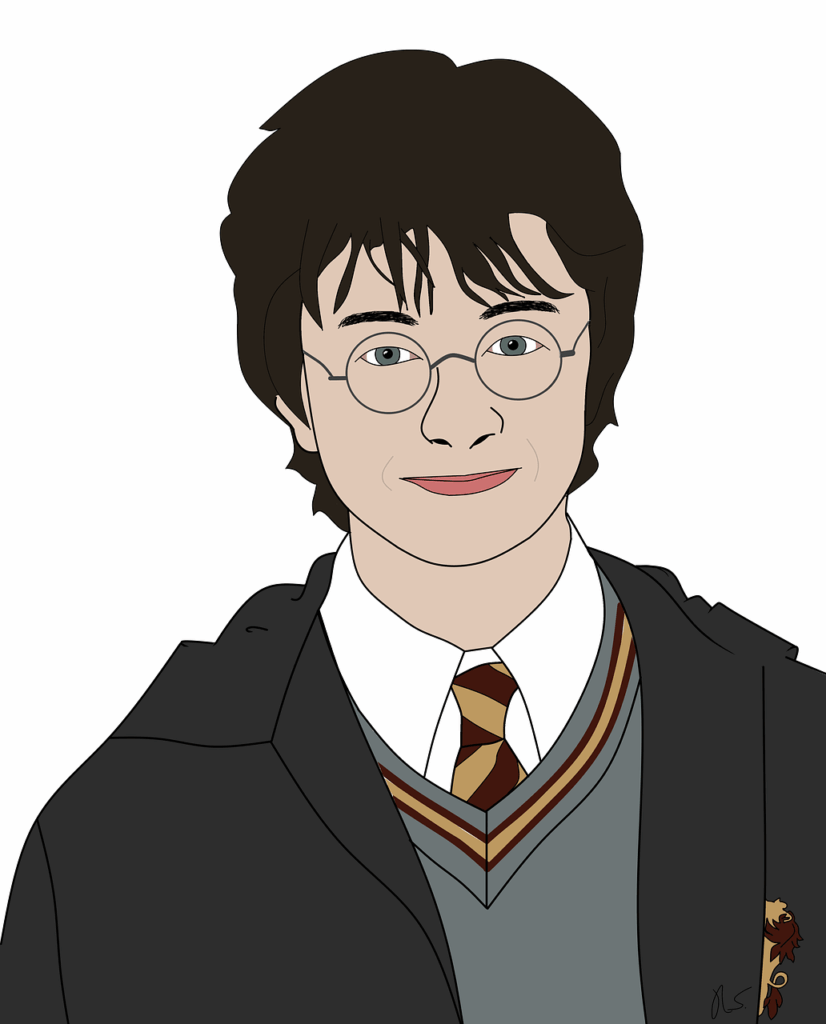
Alright, Potterheads, this one might sting a little, but hear us out! The ‘Harry Potter’ films captured the hearts of a generation, perfectly translating J.K. Rowling’s magical world onto the big screen. The journey through Hogwarts was epic, culminating in a satisfying and emotional conclusion that felt earned after years of devotion. While the entire main series holds a special place, many would argue that the films “peaked with its third entry, Alfonso Cuarón’s moody ‘Prisoner of Azkaban’ (2004),” which introduced a darker, more sophisticated tone and narrative depth.
Now, Warner Bros. can definitely “be forgiven for adapting the subsequent four entries in J.K. Rowling’s popular book series.” When you have such a globally successful literary phenomenon, it’s only natural, and arguably necessary, to complete the story. The fans demanded it, and the studio delivered, ensuring that every page of Harry’s journey was brought to life. These films completed the saga, tying up loose ends and providing a narrative arc that felt whole and complete.
But then, enter the ‘Fantastic Beasts’ spin-off. And oh, what a different story that became! This prequel series, attempting to expand the Wizarding World, proved to be a real head-scratcher. It was a “dreary and imaginationless fantasy series” that, for many, simply didn’t capture the magic or wonder of the original ‘Harry Potter’ saga. The plots often felt convoluted, the characters less compelling, and the sense of discovery and joy that defined Harry’s adventures was largely absent, leaving a significant void for longtime fans.
The general sentiment was that the ‘Fantastic Beasts’ saga was “so lacklustre that the saga was abandoned after just three films.” Imagine that—a prequel series originally planned for five movies getting cut short because it just wasn’t landing with audiences or critics. It’s a pretty clear indicator that sometimes, a story is better left undisturbed. While it tried to build on an established universe, it ultimately felt like an unnecessary addition, proving that not every corner of a beloved world needs its own sprawling cinematic universe. As the saying goes, sometimes “three too many” films can really dilute the legacy.

6. **Indiana Jones**
Ah, Indiana Jones! The fedora, the whip, the daring escapes – Harrison Ford’s iconic adventurer is one of cinema’s all-time greats, a character who embodies discovery and thrilling action. The original trilogy established a legendary blueprint for adventure films, filled with memorable villains, thrilling set pieces, and a hero whose charm was undeniable. He was the kind of hero you rooted for, imperfections and all, making those first films truly special.
But when it comes to the question of “when it was that Indiana Jones went bad,” well, “there’s no real consensus.” It’s like trying to find a clear path through a booby-trapped temple! Some “hardliners might say ‘Temple of Doom’ (1984),” while others point to “the cornball antics of ‘Last Crusade’ (1989).” However, “‘Kingdom of the Crystal Skull’ (2008) is probably the most popular answer” for when things started to go off the rails, with its introduction of aliens and a noticeable tonal shift.
Despite its divisiveness, even ‘Crystal Skull’ has its “cadre of staunch defenders” who appreciated its attempt to update the character for a new era. Yet, for many, myself included, it was “Dial of Destiny” that finally pushed this franchise “into the ravine.” While it aimed to give Harrison Ford a proper send-off, the film often felt more like a wistful reflection on what once was rather than a vibrant new adventure. The emotional weight was there, but the spark of old Indy seemed dimmed, and the plot struggled to ignite the same excitement.
“Whichever way you slice it, though, it’s clear Harrison Ford’s whip-cracking adventurer should have hung up his hat sooner than he did.” The magic of Indiana Jones was in its original, thrilling simplicity and the sheer charisma of its lead. Extending it beyond its natural narrative arcs, especially into films that didn’t fully resonate, only served to highlight the difficulty of recapturing lightning in a bottle. Sometimes, the greatest adventure is knowing when to let a legend ride off into the sunset.
Read more about: Hollywood’s Tough Calls: Iconic Roles & The Casting Replacements That Damaged Actors’ Careers

7. **Jurassic Park**
Hold onto your butts, because we’re talking dinosaurs! “Steven Spielberg’s inimitable dinosaur adventure ‘Jurassic Park’ remains a landmark of blockbuster filmmaking.” Seriously, can we just take a moment to appreciate what an absolute game-changer that 1993 film was? It blended groundbreaking visual effects with a genuinely thrilling story, sparking wonder and terror in equal measure. It wasn’t just a movie; it was an experience, a scientific marvel, and a masterclass in suspense that captured the imaginations of millions.
The sheer audacity and brilliance of bringing dinosaurs to life with such realism had never been seen before. It set a new standard for CGI, making us believe in a world where a theme park full of resurrected prehistoric creatures was not just possible, but terrifyingly real. The awe, the wonder, the nail-biting escapes – every moment of that first film was pure cinematic gold, leaving audiences breathless and proving that some stories are simply too big, and too good, to be contained.
It’s a testament to that undeniable impact that the franchise, much like its genetically engineered creatures, just *kept* finding a way. While the first film’s legacy is untouchable, the ongoing pursuit of more stories in this incredible world has, for many fans, felt like a journey that strayed too far from the original’s genius. The subsequent entries, in their earnest attempts to expand the universe, often struggled to recapture the unique blend of awe and grounded suspense that made the first film so revolutionary. It’s a tricky balance to maintain, especially when you’re trying to outdo the spectacle of seeing a T-Rex for the very first time.
You see, the problem with creating something so utterly perfect and groundbreaking is that everything that comes after lives in its shadow. While we all love seeing our favorite dinosaurs stomp across the big screen, the escalating stakes and increasingly convoluted plots in later films often left us wishing they had packed up the park after a few less entries. It’s a bittersweet feeling, seeing a beloved world continue, but knowing that the true, unadulterated magic was perhaps best confined to that original, unparalleled adventure.
Read more about: From Page to Screen: 13 Movies That Totally Crushed Their Books (And Why You NEED to Watch Them!)
Phew! What a ride! Looking back at these franchises, it’s clear that the temptation to extend a successful story is incredibly strong in Hollywood. But as we’ve seen time and again, sometimes the most courageous decision is knowing when to roll the credits for good. It’s not about loving these movies any less; it’s about acknowledging that even the greatest cinematic worlds have a natural lifespan, and pushing beyond it can often dilute the very magic that made us fall in love in the first place. So, here’s to hoping future filmmakers remember the wisdom of a well-timed exit, preserving the legacy of our beloved tales for generations to come. After all, we’d rather be left wanting more than left wondering “why?”.