Oh, hey there, fellow movie fanatics! Grab your popcorn (or maybe a strong drink for what we’re about to discuss), because we’re diving headfirst into one of Hollywood’s most baffling phenomena: the utterly unnecessary movie sequel. You know the drill, right? A film hits big, makes a mountain of cash, and suddenly, the studio execs see dollar signs instead of a perfectly crafted, self-contained story. And just like that, a beloved classic gets a follow-up that absolutely nobody asked for.
It’s almost like Benjamin Franklin himself, if he were around today, would update his famous quote to include: “Nothing is certain but death and taxes. And that most movies, if they make a reasonable profit, will get sequels whether they need one or not.” Anachronistic Ben Franklin really hit the nail on the head! Hefty profits can magically transform the most standalone and self-contained movies into a trilogy, tetralogy, or something even worse. We’ve all been there, sitting in the theater (or, more likely, on our couches) watching a sequel unfold and thinking, “Was this really necessary?” Sometimes, the answer is a resounding, head-shaking NO.
So, buckle up, buttercups! We’re embarking on a journey through the cinematic landscape to spotlight 16 sequels that, frankly, didn’t need to happen. Some were clearly made to satisfy shareholders, not because anyone was clamoring for them. Others were just so bafflingly bad that they probably shouldn’t exist at all, sequel or not. Get ready to commiserate with us as we unpack the films where things started going wrong, kicking off a string of even more unnecessary follow-ups and completely depleting audience goodwill. Let’s get into it!
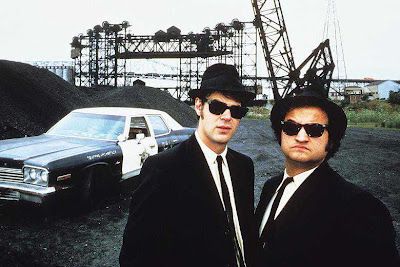
1. Blues Brothers 2000
Okay, imagine this: you have a classic, iconic movie, beloved for its music, its humor, and the undeniable chemistry of its leads. Now, imagine making a sequel to that movie, almost two decades later, when one of those leads is, well, no longer with us. The very premise of “Blues Brothers 2000” feels like an act of cinematic defiance. The context even suggests that if you’re ever near Abel Hill Cemetery in Chilmark, Massachusetts, and it’s quiet, you might just hear John Belushi’s corpse spinning in its grave with plenty of momentum to spare! That’s how much this sequel missed the mark.
Freshly released from prison, Elwood Blues (Dan Aykroyd) has to reunite with his old band members to raise enough funds for Sister Mary Stigmata. Sound familiar? That’s because it’s essentially a beat-for-beat copy of the original, but one so pale as to be virtually transparent. On their journey, they’re pursued by the police, a white supremacist group, the Russian mafia, and more. It tries to replicate the magic, but it just doesn’t land.
John Goodman, bless his heart, does his best to fill some very large shoes, but even he can’t compete against the one element single-handedly guaranteed to ruin any movie (except maybe “Indiana Jones and the Temple of Doom”): a wisecracking kid sidekick. The film’s only real claim to fame? Crashing more cars than the original, a piece of trivia that’s ironically perfect for this cinematic car crash of a movie.
Read more about: Ivan: A Comprehensive Chronicle of a Name’s Enduring Legacy Across History and Culture
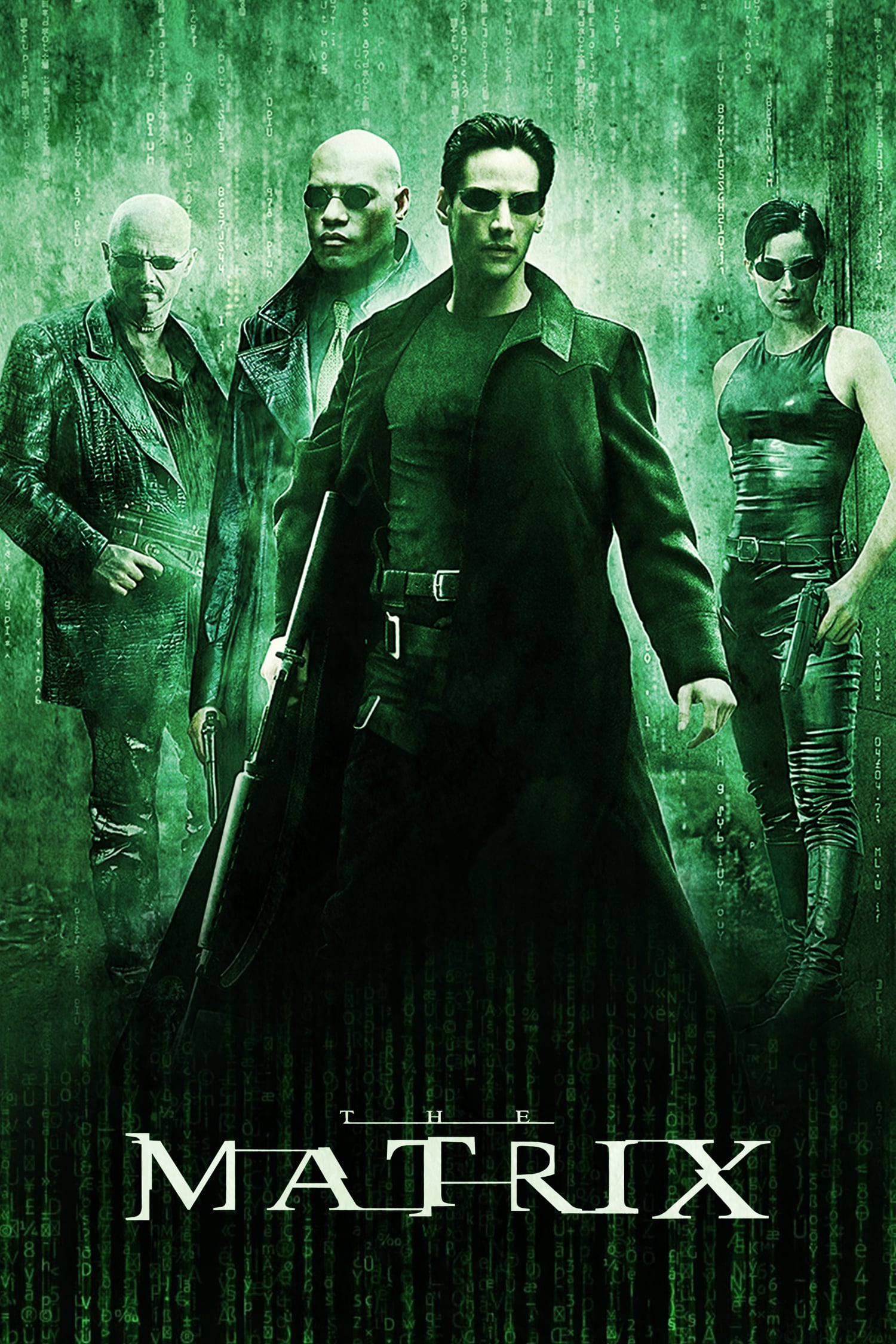
2. The Matrix: Reloaded & Revolutions
Now, let’s get one thing straight: the “Matrix” sequels are undeniably fun, entertaining movies with some seriously memorable set pieces. Nobody’s denying the cool factor of those bullet-time stunts or epic freeway chases. But here’s the kicker, and it’s a big one: they are just so utterly unnecessary. Think back to the end of the original “The Matrix.” Neo is basically a god. He’s got all the cheat codes, he sees the Matrix for what it truly is – a decipherable construct of code – and he can manipulate it at will. He defeats Agent Smith with ease, promises the machines their end is nigh, and then, with a glorious flight, cue Rage Against the Machine and the end credits. Victory. Assumed. Perfect!
So, if Neo is the One, effectively a god who can crack the Matrix wide open, why in the digital world did we need both “Reloaded” and “Revolutions”? The original “Matrix” is a perfectly formed standalone film, a self-contained masterpiece that captivated audiences worldwide. Sure, the Wachowskis might have had an eye towards a trilogy from the start, but nobody could have predicted how monumentally popular that first movie would become. Its runaway success, in many ways, thrust these unnecessary sequels upon us.
While “Reloaded” can be considered a decent action movie, it started the trend of dumbing down and wasting the novel, enthralling premise of the original by just leaning into the ‘chosen one’ angle way too hard. And as for “Revolutions”? Well, let’s just say if you’re a total nutter and want to defend robot fights above all else, then maybe that one was for you. For the rest of us, it felt like a philosophical journey derailed by an excess of CGI and a plot that lost its way.
Read more about: Keanu Reeves Broke His Silence On Rumors That He Secretly Wed Alexandra Grant
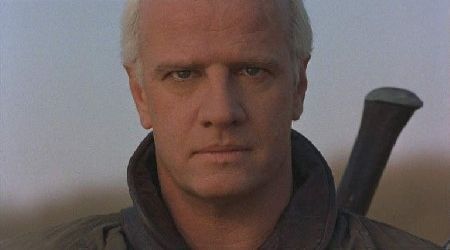
3. Highlander II: The Quickening
Some movie mysteries are truly best left untouched. Seriously, we didn’t need to know why Bill Murray was trapped in a time loop in “Groundhog Day,” and the Xenomorph from “Alien” has only gotten less terrifying with Ridley Scott’s repeated attempts to explain its background. And perhaps the most glaring example of a mystery nobody – and we mean nobody – was crying out for an origin story for? The immortals in “Highlander.”
The 1986 original was a blast! A fun, throwaway action film with an excellent soundtrack, a neat bit of self-contained mythology (people find they’re immortal at the point of death, decapitate another and gain their powers), and a whole lot of Christopher Lambert and Clancy Brown scrapping on rooftops with neon lights and clanging swords. It was simple, it was cool, and it worked.
Then came “Highlander II: The Quickening.” Returning director Russell Mulcahy, for reasons known only to the immortals themselves, decided to throw unnecessary backstory into a convoluted mess of a plot that only an immortal would have the time (or patience) to understand. Suddenly, our Highlander heroes and villains weren’t just living forever; they were also from outer space! While it’s true that Michael Ironside improves any movie he’s in by at least 60%, even his undeniable presence couldn’t save this bewildering addition to the legend. It took a perfectly good, simple idea and tied it in so many knots that it became unrecognizable.
Read more about: 18 Popular ’90s Movies That Are Secretly Awful
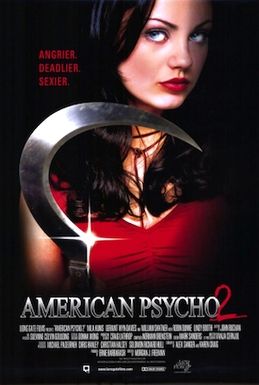
4. American Psycho 2: All-American Girl
Oh, where do we even begin with “American Psycho 2: All-American Girl”? The original “American Psycho” is a sharp, witty satire of 1980s excess, a chilling look at how everything, including human life, gets devalued and commoditized by the wealthy. It’s smart, it’s disturbing, and it’s brilliant. Its 2002 sequel, however, is a different beast entirely. It’s 88 minutes that you will genuinely never get back, and according to the context, it will make you long for the cold, blessed relief of death. Yikes!
Here’s the real kicker: this Mila Kunis-starring sequel wasn’t even written as a follow-up to “American Psycho.” The story, which revolves around an ambitious criminology student willing to kill for continued success, only had its tenuous links to the original added after the first movie’s success. Even Kunis herself, who has since proven her immense talent far beyond this shoddy material, reportedly thought it was a different project until it was edited and released. Imagine that surprise!
Patrick Bateman, the titular American Psycho, only appears in the film’s introduction, and it’s a poor body double filmed from behind. So, the star of the original is barely a footnote here! Not even the appearance of William Shatner, who seems to be thoroughly enjoying himself in his role, can redeem this cinematic atrocity. It’s a textbook example of a studio slapping a recognizable name onto an unrelated project, hoping for a quick buck, and instead delivering a completely forgettable and frankly, offensive, experience.
Read more about: 9 Movie Sequels Nobody Asked For (And Honestly, You Can Skip ‘Em)
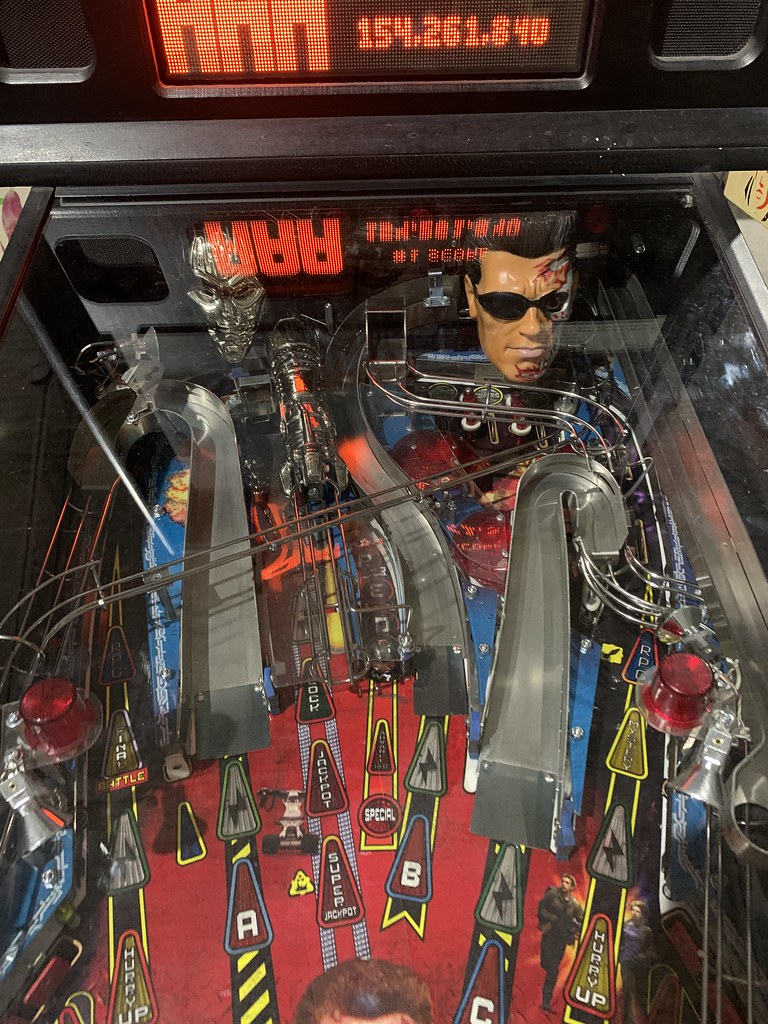
5. Terminator 3: Rise of the Machines
Ever wish that *he* wouldn’t be back? Just once? Sadly, much like the relentless Skynet itself, the Terminator franchise has proven to be a behemoth that seems impossible to truly wipe out. “Terminator 2: Judgment Day” was a masterpiece; it never felt like a cheap cash-in, but rather a more than worthy sequel to the 1985 original, neatly continuing and concluding the tale of Sarah Connor versus the machines. It was epic, emotional, and satisfying. The story felt *done*.
“Terminator 3: Rise of the Machines,” however, screams “cynical excuse to prolong a story that had effectively already ended.” With Edward Furlong wisely not returning to reprise his role, “Terminator 3” sees John Connor and his girlfriend pursued by yet another unstoppable Skynet agent. Sound familiar? It’s another chase movie, but one that sadly lacks the style or intelligence of its two predecessors.
Truthfully, it’s only a vaguely novel and interesting ending that stops “Terminator 3” from being just another generic action movie. And let’s be real, “Terminator: Salvation” could have easily occupied this spot too, being a film that left people scratching their heads and asking, “What does Skynet actually *want* anymore?” The sheer number of Terminator movies since T2 just proves that as long as Skynet still has access to time travel technology, studios will keep this franchise going forever, whether we need them or not.
Read more about: From Austrian Oak to Global Statesman: An In-Depth Chronicle of Arnold Schwarzenegger’s Enduring Legacy

6. Grease 2
Alright, let’s talk “Grease.” There was this fascinating fan theory circulating around the time of the original movie’s 40th anniversary, suggesting that Sandy (Olivia Newton-John) was actually dying the whole movie – she drowned that summer night with Danny, and the entire film is a coma hallucination. When Greased Lightning (automatic, systematic, and hydromatic, incidentally!) ascends to the heavens with Sandy riding shotgun, it’s her spirit passing on. Given the existence of “Grease 2,” I’m honestly inclined to believe that rather theistic take on the classic. Why? Because “Grease 2” feels less like a sequel and more like some kind of hell, or at least an awfully specific flavor of purgatory.
It transports us to a dreadful limbo realm where actors in their mid-20s and early 30s pretend to be teenagers, singing awful, unmemorable songs, all while sporting ’80s hair and fashions, even though they’re supposedly pretending it’s the ’50s. The clash of eras, the cringeworthy musical numbers, and the palpable lack of charm make it a truly bewildering experience. It’s a blatant retread of the first film, but with even fewer stakes and none of the undeniable charisma that made the original a timeless hit.
Seriously, this is not the one that anyone wanted, ooh, ooh, ooh, honey. It’s a pale imitation that proves some stories are best left as a singular, iconic moment in time. Trying to recapture lightning in a bottle, especially when the bottle is already full of amazing singing and dancing, rarely works. In this case, it spectacularly failed, leaving us all wondering why we ever went back to Rydell High without Danny and Sandy leading the way.
Read more about: Hollywood’s Tough Calls: Iconic Roles & The Casting Replacements That Damaged Actors’ Careers
7. Book of Shadows: Blair Witch 2
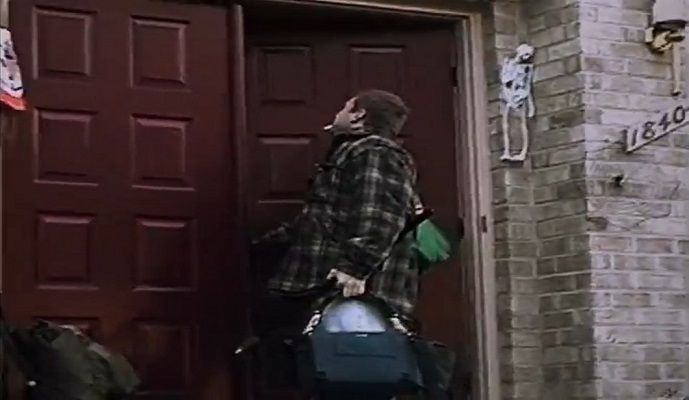
“The Blair Witch Project” was a game-changer. It terrified audiences with its novel use of the found-footage format and its brilliantly nebulous, unsettling backstory, making us believe that what we were seeing was real. It was a cultural phenomenon. Then, a mere year later, came “Book of Shadows: Blair Witch 2.” It was clearly rushed to theaters, a blatant attempt to exploit the intense hype that the original movie was still generating. And in doing so, it eschewed everything that made the first film memorable.
Instead of the chilling subtlety and implied horror, “Blair Witch 2” felt like a completely different movie, abandoning the found-footage gimmick and the mysterious allure of the original. The context states it’s not a terrible film, but it’s certainly not a great one either. It just feels… wasted. The original premise was completely squandered in this meandering, formulaic effort, and that’s a genuine shame. It was like nobody even tried to live up to the standard set by its predecessor.
Admittedly, following the phenomenal success of “The Blair Witch Project” would have been an incredibly difficult task for any sequel. But this movie just took the easy way out. If it weren’t for the “Blair Witch” moniker in the title, you’d be completely forgiven for mistaking this for one of a million identical horror films – specifically, one that randomly cannibalizes elements from a handful of better movies. It’s a classic case of striking while the iron is hot, but completely missing the mark on what made the iron hot in the first place.
Read more about: 16 Sequels That Should Have Stayed Unmade
8. Son of the Mask
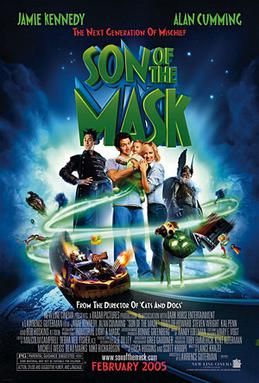
Remember 1994’s “The Mask”? It was an above-average comic book adaptation elevated to sheer excellence by Cameron Diaz’s big debut and Jim Carrey’s absolutely unhinged, over-the-top performance. He was a live-action Tex Avery cartoon, leaving no piece of scenery unchewed, conjuring up memories of Michael Keaton’s excellent portrayal of Beetlejuice. It was vibrant, hilarious, and just plain *fun*. Now, try to remember “Son of the Mask”… yeah, thought so.
“Son of the Mask” is the exact opposite. It’s a lackluster movie that replaces a coherent plot and characterization with an endless barrage of underwhelming CGI. It’s like someone decided that more computer effects automatically equaled more fun, forgetting that Jim Carrey’s physical comedy and the cartoonish charm were the real magic. Instead of innovative visual gags, we got a barrage of effects that felt more irritating than inspiring.
It’s genuinely unclear who the intended audience for “Son of the Mask” even was. It’s neither clever nor deep enough to hold the attention of the average adult, and it’s far too vulgar and confusing for kids. Seriously, Alan Cumming and Bob Hoskins? You both deserved so much better than this cinematic mess! The context perfectly describes it as the cinematic equivalent of a fever dream – you’ll be glad when it’s finally all over, and you’ll probably wonder if you imagined at least half of it. Sadly, you did not. It was real, and it was… a lot. And definitely not needed.
Continuing our epic quest through Hollywood’s most questionable decisions, we’re not done exposing the sequels that made us collectively ask, “Why, just *why*?” Get ready to cringe, laugh, and maybe even shed a tear for what could have been. We’ve got eight more cinematic misfires to dissect, each a testament to the sheer audacity of studios greenlighting projects that nobody was clamoring for, often to the detriment of beloved franchises.
Read more about: Hollywood’s Tough Calls: Iconic Roles & The Casting Replacements That Damaged Actors’ Careers
9. Jaws: The Revenge
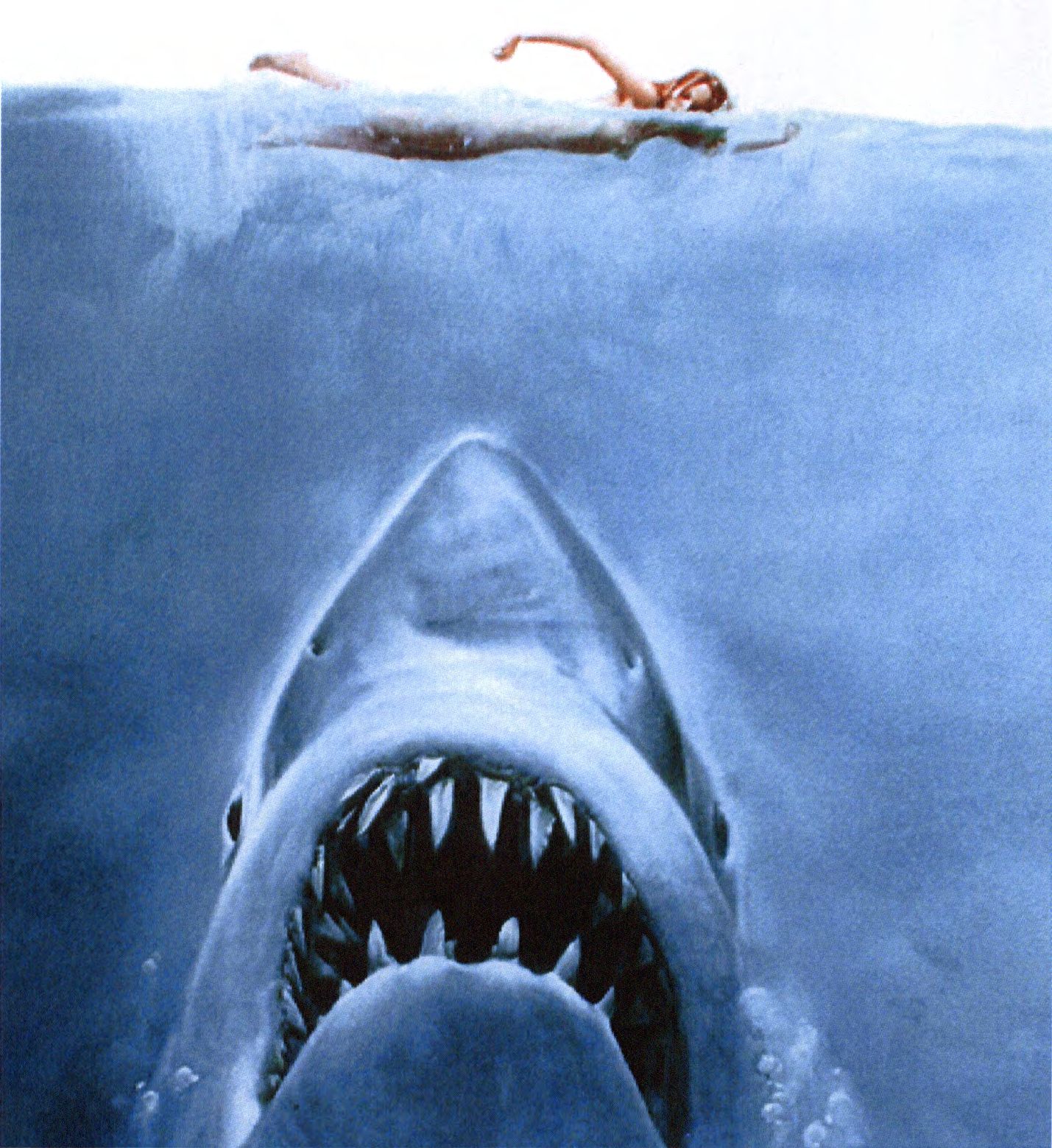
Alright, buckle up, because this one’s a real head-scratcher. Michael Caine, bless his legendary soul, famously explained his participation in “Jaws: The Revenge” with a classic line: “I have never seen it, but by all accounts, it is terrible. However, I have seen the house that it built, and it is terrific!” And honestly, that quote might be the most memorable thing about this entire film. It’s hard to argue with a man who prioritized building a fantastic home, even if it meant starring in a movie where a shark seeks revenge.
But seriously, let’s unpack the sheer lunacy. Are we, the audience, really expected to believe that a shark has the mental capacity to seek revenge for another dead shark? The context hilariously questions how this super-shark managed to swim 1,250 miles from Amity Island to the Bahamas in less than three days. Forget logical plot progression; this film threw it overboard the second it decided a shark could hold a grudge.
And it gets even better (or worse, depending on your perspective). This revenge-seeking aquatic monster can *roar*. Underwater! This movie literally achieved a 0% on Rotten Tomatoes, a feat that speaks volumes about its quality, or rather, lack thereof. It’s truly a globetrotting shark stalking a now ‘shark-psychic’ Ellen Brody for a final, underwhelming showdown. We’re still wondering if it was worth it, Michael.
Read more about: Gone Too Soon: The Poignant Legacies of 11 Child Stars Who Rose to Fame and Left Us Too Young
10. Exorcist 2: The Heretic
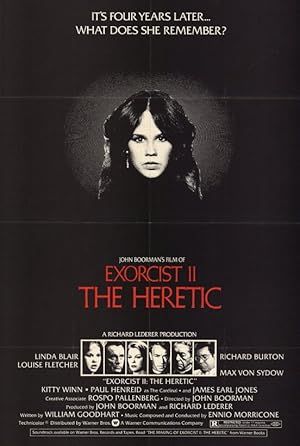
When a Leslie Nielsen comedy from 1990, “Repossessed,” is considered both a better movie and a more serious sequel to “The Exorcist,” you know something has gone terribly, terribly wrong. “The Exorcist” is a landmark horror film, genuinely terrifying and thought-provoking. Its sequel, “Exorcist 2: The Heretic,” however, veers so wildly off course that it barely feels like it belongs in the same genre, let alone the same franchise.
Richard Burton, an actor of immense talent, stars as Father Lamont, an experienced priest on a quest to uncover the truth about the demon Pazuzu. While the original’s writer and director were notably absent, John Boorman, known for “Deliverance” and “Excalibur,” took the helm. The film even boasted a stellar cast and a soundtrack by the legendary Ennio Morricone. So, on paper, it had potential, right?
Wrong. So, incredibly wrong. The context bluntly states that “Exorcist 2” is often “so dull and incomprehensible” that it barely registers as a horror film. It completely misses the chilling, psychological dread of its predecessor, opting instead for a meandering plot that alienates rather than engages. Seriously, the power of Christ compels you to avoid this turkey at all costs! (Though, we hear “Exorcist 3: Legion” totally makes up for this accursed nonsense, so there’s that!)
Read more about: 12 Awful Movie Sequels That Ruined Their Franchises
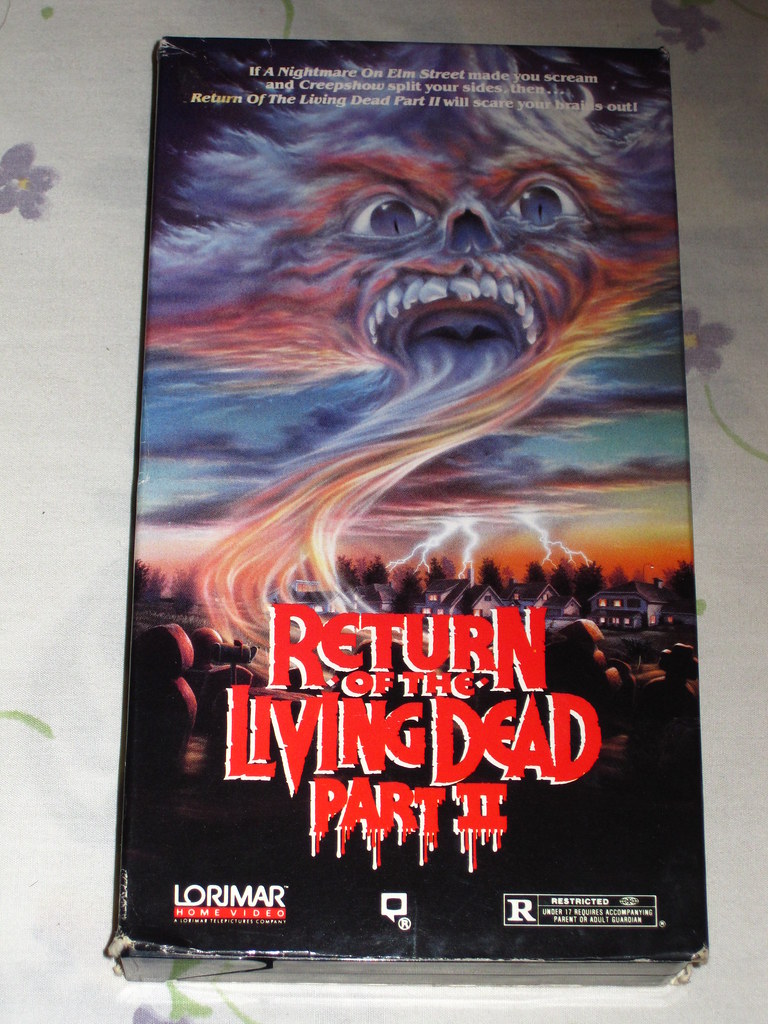
11. Return of the Living Dead II
“The Return of the Living Dead” (1985) is an absolute horror-comedy classic, a true gem of the ’80s that perfectly blended gore, laughs, and genuinely iconic zombies. It even had a definitive ending: the military launches a nuclear strike on Louisville to contain the outbreak. Tragically, this meant the survivors perished. Even more tragically, it didn’t destroy any chances of a sequel, leading us directly to “Return of the Living Dead II.”
Attempting to recapture that lightning in a bottle, the filmmakers behind this sequel tried to replicate the magic by recruiting several members of the original cast. They even kept the general premise of a zombie outbreak, albeit changing the setting from a funeral home to a small town. However, the original writer-director, Dan O’Bannon, wisely made the career-saving move of staying clear, and his absence is palpable.
This sequel, on the other hand, is a considerably weaker affair on both counts. It feels clumsy, rushed, and severely lacking in the chemistry that made the original so unique and stand out. Characters like the series-favorite Tarman show up simply because, well, he’s Tarman, not because he serves any real narrative purpose. It’s a textbook example of a sequel that blindly repeats the plot beats of its predecessor without understanding *why* those beats worked in the first place.
Read more about: Hit the Road! Relive Your Best Childhood Memories with 14 Legendary Family Wagons That Defined an Era
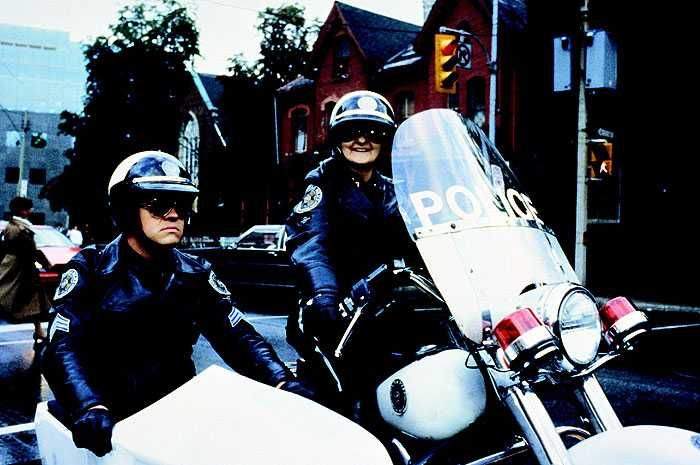
12. Police Academy 4: Citizens on Patrol
You know a franchise is in trouble when you start to suspect the entire writing team was replaced by a Commodore 64 running a random plot generator. We’re talking about “Police Academy 4: Citizens on Patrol,” folks, and while that’s purely speculative, it’s honestly the only logical explanation for how we got this film and its three subsequent sequels. “Police Academy 3: Back in Training” (1986) was already stretching it, but the fourth installment is where the rot *truly* started to set in.
The brilliant “plot” devised by our hypothetical Commodore 64 involves the police commander creating a plan to make everyday citizens work alongside police officers. And naturally, our beloved, hapless bunch of rejects from the Police Academy are the ones picked to spearhead this noble scheme. What could possibly go wrong? Everything, apparently. “Hilarity ostensibly ensues,” the context notes, “although honestly, nothing here is particularly funny.”
This film marked a significant turning point, not just for the franchise’s quality, but also for its cast. Even the venerable Steve Guttenberg, who had been a staple, bailed after this installment. Let that sink in: Steve Guttenberg, who later went on to star in a movie called “Lavalantula,” decided “Police Academy 4” was his limit. When your movie drives away even that level of commitment, you know you’ve created something truly special in the “unnecessary” department.
Read more about: The Double Life: 15 Celebrities Who Hid Their Intense Military Service From the Public—Why the Secrecy?
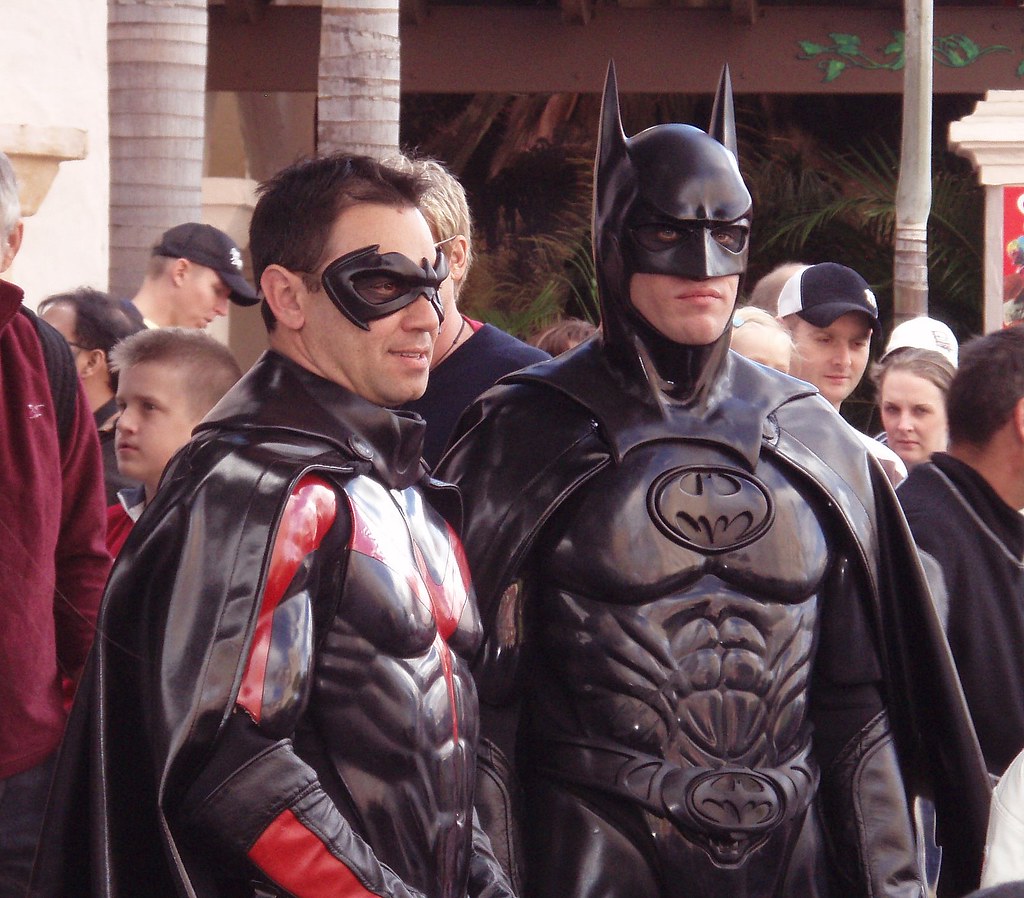
13. Batman & Robin
Forget the Joker, the Riddler, or the Penguin. The true arch-nemesis in Batman’s illustrious rogues’ gallery, according to the context, is none other than director Joel Schumacher. Over the course of just two films, he managed to take a thriving, dark, and Gothic franchise and kill it stone dead. While both Tim Burton and the comics were steering Batman towards a grittier aesthetic, Schumacher was apparently busy buying every single neon light he could get his hands on.
“Batman & Robin” is a masterclass in what *not* to do with a superhero movie. Hollywood hadn’t yet learned that adding more villains generally makes a film worse, so our Caped Crusaders, along with Batgirl, found themselves confronting Mister Freeze, Poison Ivy, *and* Bane. It’s a villain-palooza that completely overwhelms any semblance of plot or character development.
And then there’s George Clooney, who, despite his later acclaim, donned the cowl and managed to be mediocre at portraying both Bruce Wayne and Batman. But perhaps the most enduring (and cringeworthy) aspect of the film is Arnold Schwarzenegger’s Mister Freeze, who single-handedly attempts to shoehorn every possible pun about snow and ice into the movie. Watching “Batman & Robin” thus transforms from a superhero thriller into an “endurance test,” as the context aptly puts it.
Read more about: You Won’t Believe These 16 Movie Villains Were Actually Right All Along!
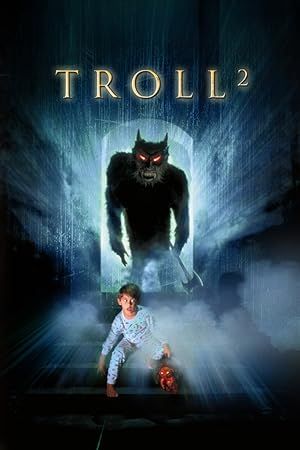
14. Troll 2
Now, if you’re compiling a list of truly unnecessary sequels, not including “Troll 2” would be like forgetting to mention “Pet Sounds” on a list of the best albums of all time. It’s almost a reflex to put it here. But here’s the kicker: “Troll 2” has fallen so far through the bottom of the “bad movie” barrel that it has somehow re-emerged gleaming at the very top. It’s not just a bad movie; it’s a cinematic phenomenon, a work of such dazzling, unintentional majesty that it defies conventional criticism.
The context speculates that when humanity eventually vanishes, future travelers might stumble upon a copy of “Troll 2” and consider it one of mankind’s greatest achievements, right up there with mastering flight and inventing the spork. How, they might wonder, with a budget of “twenty-three dollars and two buttons,” a cast of individuals generously referred to as “actors,” and a script that seems to have been written by throwing lines around a room, was such a masterpiece of bizarre cinema created?
It’s the quintessential “so bad it’s good” film, so much so that it cycles back around to being “bad” again, creating its own unique category. “Troll 2” is the film that “Plan 9 from Outer Space” *wants* to be. It has nothing to do with the original “Troll” movie, features no actual trolls (only goblins disguised as humans), and its dialogue is hilariously stilted. It’s a film that exists purely as a beautiful, bewildering accident, a sequel that absolutely nobody asked for.
Read more about: Master the Art of Deception: Your Cracked Guide to Faking 15 ‘Best Movies Ever Made’ Conversations
15. The Hangover Part II & Part III
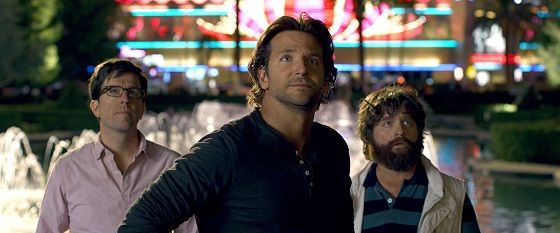
Oh, “The Hangover.” The first one was a riot, a genuinely hilarious and inventive comedy that delivered exactly what it promised: a wild, blackout night in Vegas with hilarious consequences. It was a smash hit, and naturally, Hollywood decided that meant we needed more. So, we got “The Hangover Part II” and “The Hangover Part III,” sequels that truly cemented the idea that some stories are best left as a one-off adventure.
The question isn’t always “why did this get made?” but sometimes “why do people keep going to see these?” The context nails it: “Part II was exactly the same premise, just in Bangkok.” It was a carbon copy, taking the formula of a missing groom, a crazy night, and a quest to piece together what happened, and transplanting it to a new, exotic locale. The original’s fresh, spontaneous chaos felt engineered and tired the second time around.
By the time “Part III” rolled around, everyone involved seemed to realize the formula wasn’t working. They tried to take it back to Las Vegas to recapture the original’s success, but it was too late. The magic was gone. The context even jokingly suggests a conspiracy theory that “Part III” was funded by the Las Vegas tourism board, which is honestly not that far-fetched given the state of the franchise at that point.
Read more about: Hollywood’s Most Unwanted: A Deep Dive into the Cinematic Sequels Nobody Asked For and the Shocking Reasons They Still Happened
16. Indiana Jones and the Kingdom of the Crystal Skull
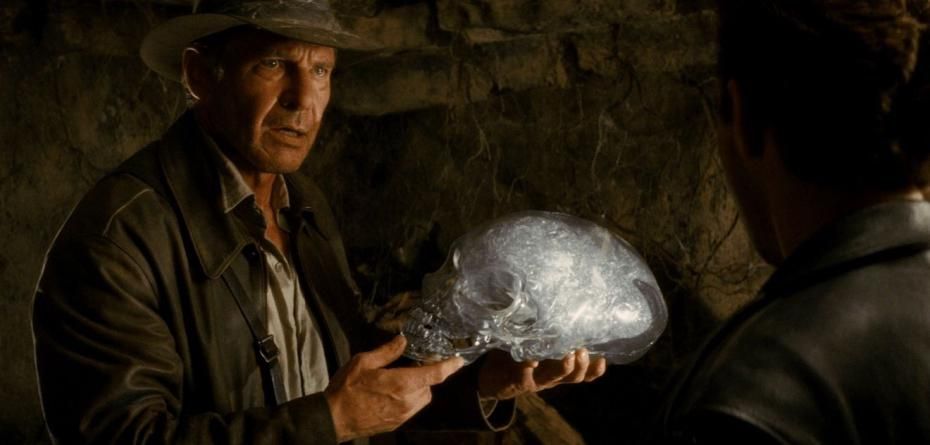
Ah, Indiana Jones. Harrison Ford’s gritty yet endearing portrayal of Spielberg’s reimagined 1930s action hero is a cornerstone of cinema, always a crowd-pleaser, delivering thrilling adventures, ancient mysteries, and plenty of whip-cracking action. The first three films were iconic, culminating in what felt like a perfect farewell with “Indiana Jones and the Last Crusade.” But alas, as we’ve learned, Hollywood often sees a good ending not as a conclusion, but as an opportunity for another paycheck.
Enter “Indiana Jones and the Kingdom of the Crystal Skull,” a sequel that many fans would prefer to pretend never happened. After almost two decades, audiences were finally treated to a new Indy adventure, only to find themselves grappling with aliens, refrigerators, and Shia LaBeouf as a greaser swinging through trees with monkeys. The film seemed to discard much of what made the original trilogy so beloved, opting for an increasingly fantastical plot that felt out of place with the established tone.
The context points out that Harrison Ford seems to keep getting “sucked into those reboots!” referring also to “Star Wars: The Force Awakens” and “Blade Runner 2049.” While some of these reboots were well-received, “Crystal Skull” stands out as a particularly egregious example of a beloved franchise returning with a whimper rather than a bang. It sullied the legacy of one of cinema’s greatest adventurers, demonstrating that sometimes, even iconic heroes are better left in the sunset, rather than being dragged back for one more unnecessary outing.
Read more about: Crazy Payday Stories: 10 Actors Who Took Almost Nothing Upfront But Raked In Millions!
So there you have it, fellow film enthusiasts, 16 prime examples of cinematic ventures that, despite their shiny budgets and famous faces, completely missed the mark. From questionable plot devices to rehashed storylines and outright tonal shifts, these sequels serve as stark reminders that sometimes, just sometimes, a story is perfect as it is. Let’s hope that one day, Hollywood learns to let sleeping dogs (and well-told narratives) lie, saving us all from the collective groans of “Was this *really* necessary?” Until then, we’ll keep our popcorn ready and our eyes peeled for the next baffling follow-up. And hey, if you’re a total nutter and want to defend any of these abominations of cinema, we invite you to share your incorrect opinions with us! Just head to facebook.com/fudgeanimation or @fudgeanimation on Twitter.