Driving a luxury car offers an undeniable thrill, a potent blend of sleek design, unparalleled comfort, and cutting-edge technology. These high-end vehicles promise an experience that transcends mere transportation, often symbolizing success, status, and refined taste. From the moment one considers a purchase, the allure is powerful, presenting what many hope will be both a personal indulgence and a sound financial choice.
However, the reality of luxury car ownership often comes with a significant financial caveat: depreciation. While the initial investment might be substantial, the speed at which some of these glamorous machines lose value can be truly shocking. It’s a critical consideration that can turn a dream purchase into an unexpected financial pitfall, with thousands of dollars evaporating as quickly as the new car smell.
This article delves into the less glamorous side of luxury car ownership, examining specific models and brands that famously struggle with resale value. We’ll also dissect the systemic factors that contribute to this rapid decline, offering practical insights into why some high-end vehicles prove to be less-than-stellar investments. Understanding these dynamics is crucial for any discerning buyer looking to navigate the complex landscape of luxury automotive depreciation.
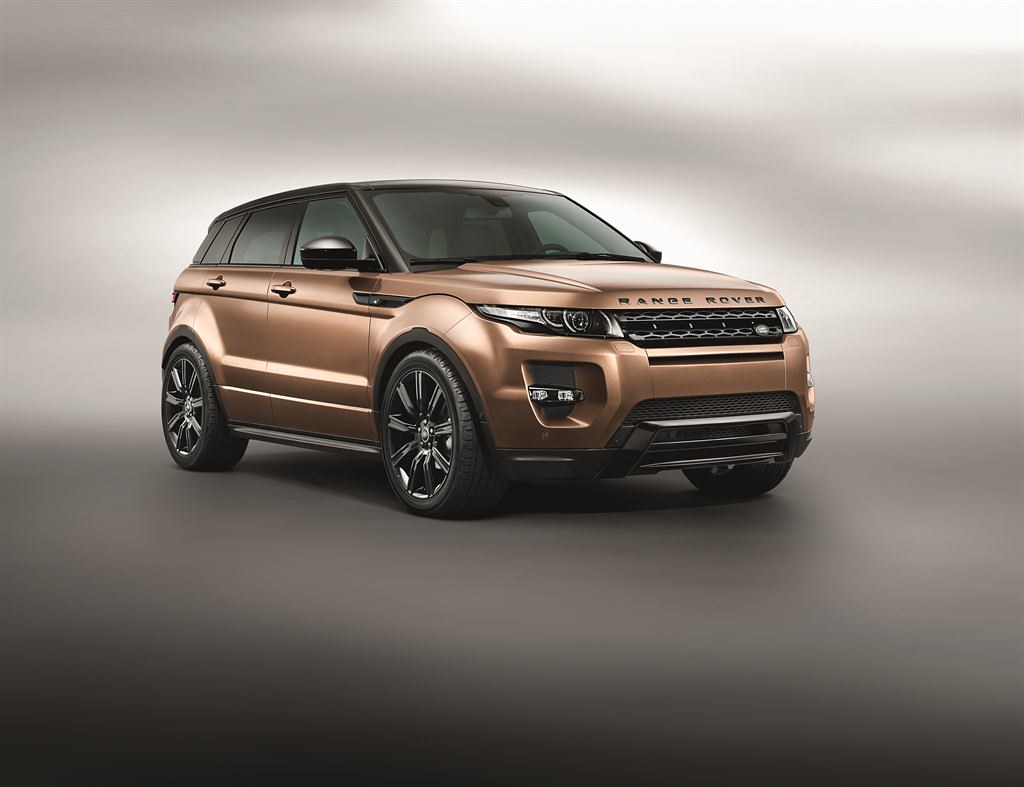
1. Range Rover: The Cost of Command
The Range Rover brand evokes images of rugged luxury, offering an imposing road presence and the promise of conquering any terrain, often associated with a certain ‘mob boss’ level of sophistication. For many, the opportunity to command such a vehicle is an enticing prospect, embodying power and prestige. Yet, beneath the veneer of opulence and capability lies a significant challenge when it comes to long-term value.
The primary drivers behind the Range Rover’s struggle with resale value are its consistently high maintenance requirements and frequently low-reliability rankings. These factors make the vehicles considerably less appealing to second-hand buyers who are wary of inheriting expensive problems. The dream of adventure can quickly turn into a nightmare of repair bills.
Specific issues plague the brand, with frequent needs for repairs often cited for the engine, electrical systems, and suspension. These advanced features, while contributing to the luxury experience, paradoxically lead to extremely costly fixes when they fail. Jamie Mitri, manager at Cumberland Auto Sales and Services, emphasized this, stating, “Parts and labor are incredibly expensive and difficult to find.”
Moreover, the brand’s overall history casts a long shadow over its resale prices. Even as newer models show some improvements in quality and reliability, the cumulative reputation for high upkeep costs continues to affect market perception for both new and used car sales. This historical burden means that even a relatively problem-free used Range Rover might struggle to fetch a strong price.
Car Model Information: 2018 Lincoln Navigator Reserve
Name: Range Rover (L460)
Manufacturer: Jaguar Land Rover
ModelCode: L460
Designer: Gerry McGovern
Production: 2022–present
Assembly: Solihull
Class: Full-size SUV
BodyStyle: Sport utility vehicle
Layout: Front-engine, four-wheel-drive layout
Platform: Jaguar Land Rover car platforms#MLA-Flex
Related: Range Rover Sport#L461
Engine: Petrol engine,Straight-six engine,twin-turbo,Diesel engine,3.0 L twin-turbo I6,3.0 L twin-turbo I6 MHEV,Petrol engine,3.0 L turbo I6 PHEV
Motor: ubl
Abbr: on
Drivetrain: class=nowrap,Mild hybrid,Plug-in hybrid,P510e/P550e)
Transmission: ZF 8HP transmission
Battery: Kilowatt-hour,Lithium-ion battery
Wheelbase: class=nowrap,{{convert,2997,mm,in,1,abbr=on
Length: class=nowrap,{{convert,5052,mm,in,1,abbr=on
Width: class=nowrap,{{convert,2047,mm,in,1,abbr=on
Height: 1870 mm
Weight: [object Object]
Sp: uk
Predecessor: ubl
Categories: All-wheel-drive vehicles, All Wikipedia articles written in British English, All articles containing potentially dated statements, All articles with unsourced statements, Articles containing potentially dated statements from 2023
Summary: The Land Rover Range Rover (L460), generally shortened to Range Rover, is the fifth generation of the Range Rover, a range of mid- and full-size luxury crossovers produced by Land Rover. It was revealed in London on 26 October 2021. The car is available in two different wheelbases, and the vehicle is available in guises consisting of petrol, petrol mild hybrid, petrol plug-in hybrid, and diesel mild hybrid. A seven-seater option was available slightly after launch.
Get more information about: Range Rover (L460)
Buying a high-performing used car >>>
Brand: Range Rover Model: Range Rover
Price: $27,695 Mileage: 114,117 mi.
Read more about: Beyond the Hype: An In-Depth Look at the 14 SUVs That Best Save and Worst Waste Your Money
2. Maserati Ghibli: Beauty That Betrays Value
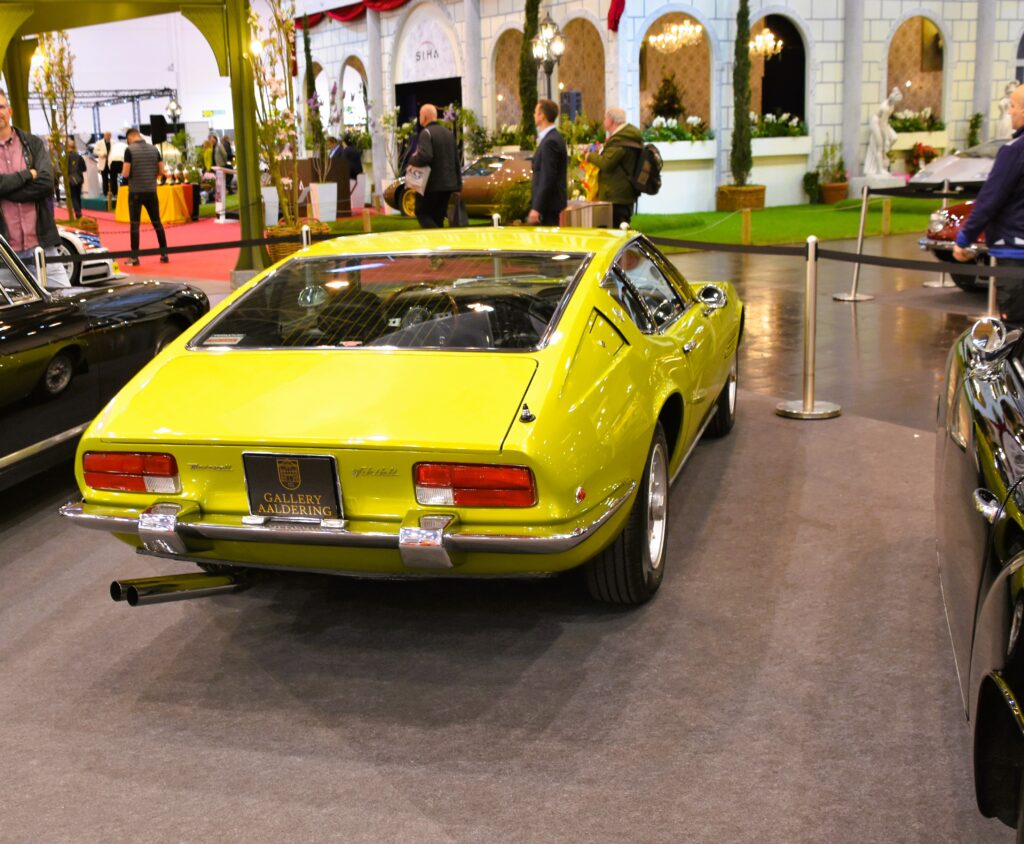
The Maserati Ghibli, with its distinct Italian styling and seductive lines, undoubtedly promises a thrilling and visually stunning driving experience. Automotive consultant Gretchen Seidel, despite her expertise on depreciation, admits to purchasing one, swayed by its aesthetic appeal: “He’s red, gorgeous, and lovely to drive — low reliability and all.” This sentiment captures the emotional draw of the Ghibli, a car that captivates despite its known shortcomings.
However, the Ghibli is consistently flagged as a luxury car with significant resale value issues. For Seidel, it is “top of mind” when discussing vehicles that struggle to retain their worth. This trepidation among potential buyers is rooted in very good reason, backed by industry reliability studies and expert opinions.
Specifically, Maserati “continually ranks at the bottom of reliability studies and has known problems with engine concerns and fuel leak recalls,” Seidel reported. These significant mechanical and safety issues undermine buyer confidence in the pre-owned market. The high cost of potential repairs, coupled with the brand’s reputation for unreliability, makes a used Ghibli a risky proposition for many.
The Ghibli, therefore, embodies the conflict between immediate glamour and long-term financial prudence. While its visual beauty and driving pleasure are undeniable, the consistent mechanical concerns and a poor reliability track record ensure that its depreciation is steep. Buyers are effectively paying a premium for aesthetics, accepting a significant hit on resale value as part of the ownership experience.
Car Model Information: 2014 Maserati Ghibli Base
Name: Maserati Ghibli
Caption: 2018 Maserati Ghibli GranLusso
Manufacturer: Maserati
Assembly: Modena,Grugliasco,Turin
Class: Grand tourer,Executive car
BodyStyle: fastback,coupé,Roadster (automobile),Sedan (automobile)
Production: AM115: 1967–1973,AM336: 1992–1998,M157: 2013–2023
Categories: 1970s cars, 1990s cars, 2010s cars, Articles with short description, CS1 Italian-language sources (it)
Summary: Maserati Ghibli is the name of three different cars produced by Italian automobile manufacturer Maserati: the AM115, a V8 grand tourer from 1967 to 1973; the AM336, a V6 twin-turbocharged coupé from 1992 to 1998; and the M157, an executive saloon from 2013 to 2023.
Ghibli is the Libyan Arabic name for the hot dry south-westerly wind of the Libyan desert.
Get more information about: Maserati Ghibli
Buying a high-performing used car >>>
Brand: Maserati Model: Ghibli
Price: $10,980 Mileage: 83,121 mi.
3. Tesla Models X and S: The EV Depreciation Curve
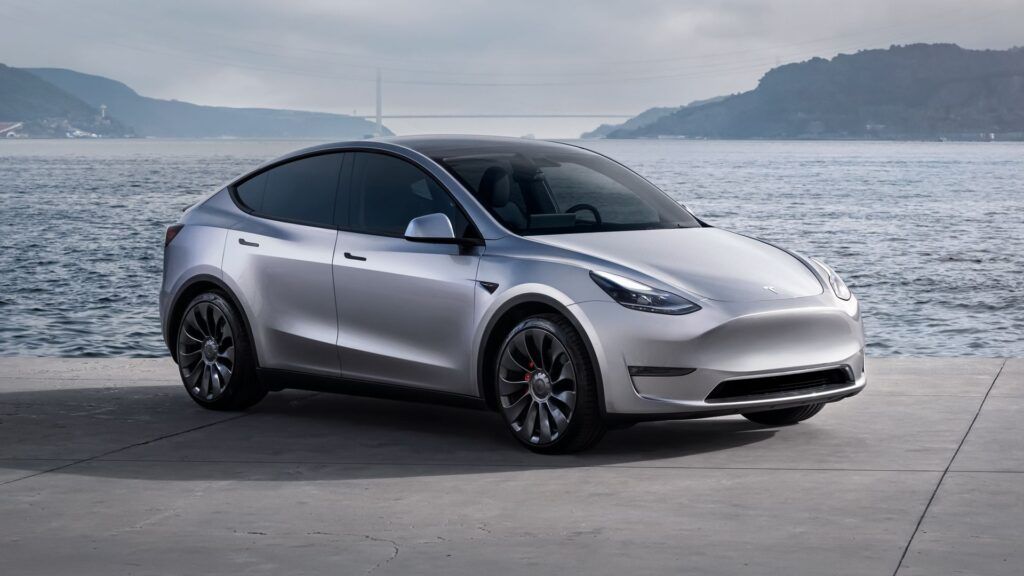
Tesla’s Model X and Model S revolutionized the luxury SUV and sedan segments, respectively, setting new benchmarks for styling, performance, and cutting-edge electric vehicle technology. With their iconic designs, rapid acceleration, and advanced features like Autopilot, these vehicles deliver a futuristic driving experience that initially commands a premium. The promise of ongoing software updates ensures that the cars remain technologically current for a period, adding to their allure.
Despite their innovative appeal, pre-owned Tesla Models X and S face unique depreciation challenges that can terrify prospective buyers, primarily centered around the electric powertrain. A significant concern is the potential for expensive battery failure in a used vehicle, a repair that can be exceptionally costly. This uncertainty alone creates hesitation in the secondary market.
Furthermore, electric vehicle batteries inherently degrade over time, impacting range. Chris Pyle, an auto expert and mechanic at JustAnswer, noted, “Every day you own an electric car, the distance you can travel drops a few tenths of a percent.” He illustrated this with a clear example: “You may have gotten 300 miles on a full charge when new; after 3 years, it is 270 miles.” This diminishing capacity directly affects a used EV’s desirability.
Another major factor is the rapid pace of technological advancements within the EV market itself. Pyle likened buying an old Tesla to “buying a flip phone,” emphasizing how quickly models become outdated as new, more efficient, and feature-rich competitors emerge. This technological obsolescence, coupled with increased competition from other EV automakers, means that pre-owned Teslas are reportedly trading even lower, accelerating their depreciation.
Read more about: The Automotive Journey: A Comprehensive Look at the Car’s Evolution, Impact, and Future

4. Audi A3, A4, A5, A6, S4, Q5: The Hidden Costs of German Engineering
Audi vehicles, renowned for their sophisticated design, refined interiors, and advanced Quattro all-wheel-drive systems, offer a compelling luxury proposition. While some Audi models, like a redesigned Q5, have shown impressive resale value in certain estimates, a specific group of popular models—including the A3, A4, A5, A6, S4, and the original Q5—struggle considerably with depreciation over time.
Jamie Mitri pointed out that the resale value of these specific Audi models “drastically depreciates over time due to costly parts, repairs, and (fittingly enough) warranties.” The complexity and proprietary nature of Audi’s engineering mean that when components need replacing, the cost of parts and specialized labor can be exceptionally high, deterring second-hand buyers who anticipate future expenses.
Adding to this depreciation challenge is their initial pricing strategy. Pyle highlighted that these cars “were priced too high from the get-go and often are sold over MSRP value.” This means that owners not only face the standard depreciation but also lose the amount they initially overpaid, compounding the financial hit. The premium paid for new luxury cars often does not translate into equivalent retained value.
Consequently, the promise of refined German engineering in these Audi models is often overshadowed by the practical realities of ownership costs. For a potential used-car buyer, the allure of luxury quickly fades when confronted with the prospect of expensive, recurring maintenance and repair bills, leading to a significant drop in market value.
Car Model Information: 2022 Audi A3 40 Premium
Name: Audi A3
Caption: Audi A3 Saloon (4th generation)
Manufacturer: Audi
Production: 1996–present
Class: Small family car
BodyStyle: hatchback
Layout: Front-engine, front-wheel-drive layout
Sp: uk
Categories: 1990s cars, 2000s cars, 2010s cars, 2020s cars, All-wheel-drive vehicles
Summary: The Audi A3 is a small family car (C-segment) manufactured and marketed by the German automaker Audi AG since September 1996.
The first two generations of the Audi A3 were based on the Volkswagen Group A platform, while the third and fourth generations use the Volkswagen Group MQB platform.
Get more information about: Audi A3
Buying a high-performing used car >>>
Brand: Audi Model: A3
Price: $23,490 Mileage: 27,987 mi.
5. BMW (General): The Premium of Performance and Maintenance
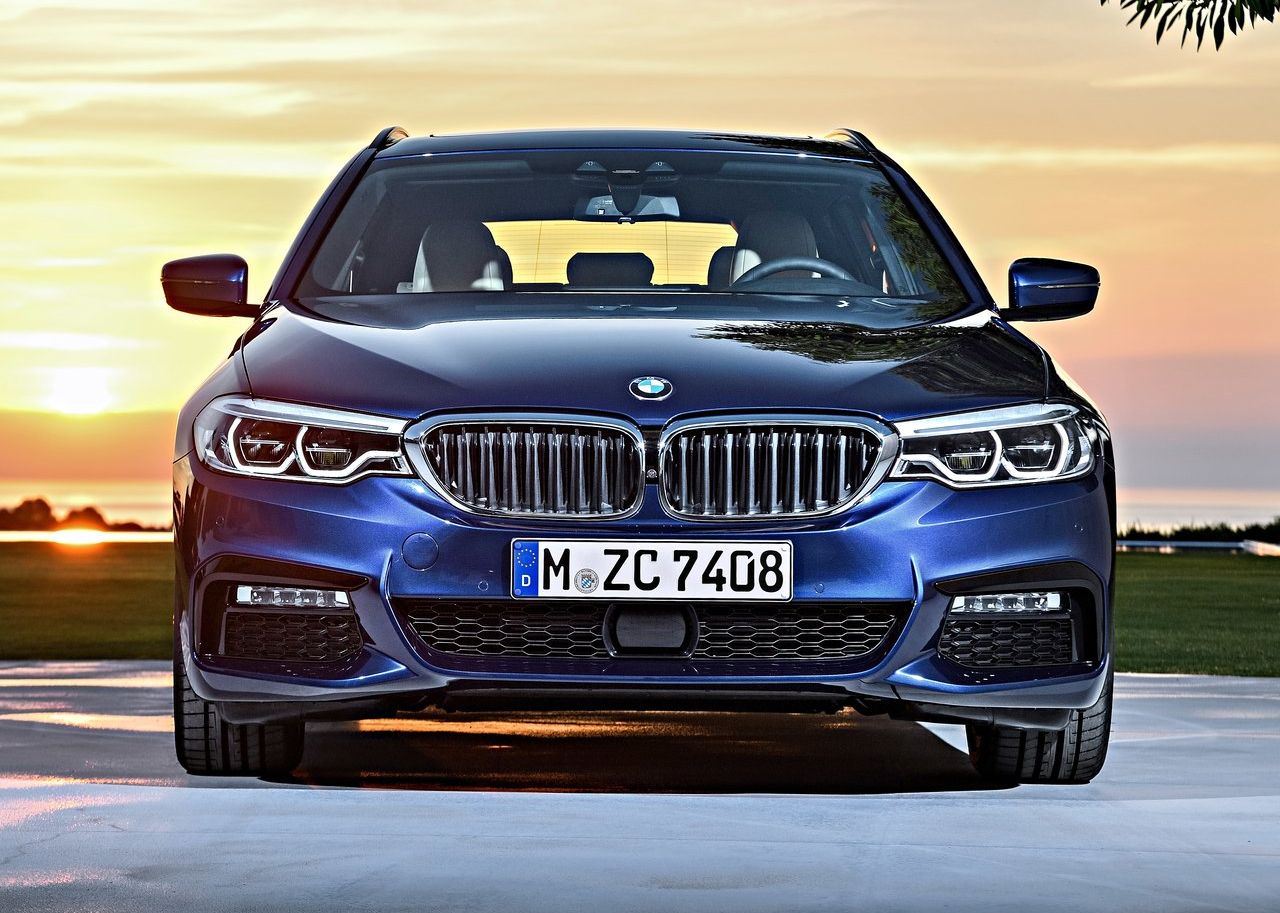
BMW has long been synonymous with the “ultimate driving machine,” offering a powerful blend of performance, luxury, and advanced technology. The brand’s reputation for dynamic handling and a premium driving experience makes its models highly desirable when new, promising an exhilarating ride and sophisticated comfort. However, this same complexity and focus on performance can lead to substantial financial burdens down the line.
Experts familiar with the used car market, including Beneke, Mitri, and Pyle, collectively identify BMWs as having some of the worst resale values among luxury cars. This consensus stems from a recurring pattern of mechanical issues that become prevalent as the vehicles age. BMWs are “infamous for oil leaks, faulty fuel pumps and electrical component failures over time,” presenting a daunting prospect for subsequent owners.
The resolution of these common issues requires parts and labor that are “incredibly expensive,” making maintenance a significant cost of ownership. This high cost of upkeep severely impacts the appeal of pre-owned BMWs. Buyers are often unwilling to shell out for projected maintenance fees, leading to reduced demand in the secondary market.
Pyle further explained the market consequence: pre-owned BMWs “sit for sale too long, so car lots do not give them a good trade value knowing their funds are going to be tied up for a long while.” This reluctance from dealerships to offer competitive trade-in values underscores the brand’s depreciation problem, as they factor in the difficulty and cost of reselling such vehicles.
6. The Peril of High MSRPs: A Luxury Tax on Value Retention
At the heart of luxury car depreciation lies a fundamental truth: the higher the initial Manufacturer’s Suggested Retail Price (MSRP), the greater the potential for value loss in absolute dollar terms. Luxury vehicles inherently command elevated prices due to their superior materials, advanced engineering, and exclusive branding. This initial premium, while defining their luxury status, also establishes a steeper decline in value compared to more affordable counterparts.
Vehicles with high MSRPs are often associated with more intricate and specialized components, leading to increased maintenance costs. These expected expenses can act as a significant deterrent for potential second-hand buyers, thereby reducing demand. The perception that a high-value car will inevitably incur high running costs makes it a less attractive long-term proposition for the budget-conscious used car shopper.
For many affluent buyers, a luxury car purchase is often seen as a dual satisfaction – fulfilling both an indulgence and a perceived good business decision. However, this expectation of retained value frequently proves to be flawed when the initial price point is so high. The sheer amount of capital tied up in the initial purchase means that even a moderate percentage of depreciation translates into a substantial financial hit.
Ivan Drury, director of insights for Edmunds, succinctly put it: “Luxury buyers typically want the newest vehicle with the newest technology.” This constant desire for innovation means that today’s high-MSRP marvel can quickly become yesterday’s technology, accelerating its perceived obsolescence and, consequently, its depreciation. The cycle of high cost and rapid obsolescence is a central theme in luxury vehicle depreciation.
Continuing our exploration into the complex landscape of luxury car depreciation, it becomes clear that beyond individual models and initial sticker prices, a confluence of broader market dynamics and consumer perceptions plays a pivotal role. These additional factors often subtly, yet profoundly, erode the long-term value of glamorous vehicles, transforming a dream purchase into a challenging financial reality. Understanding these systemic pressures is key for any astute buyer navigating the high-stakes world of luxury automotive investments.
7. The Double-Edged Sword of Heavy Incentives
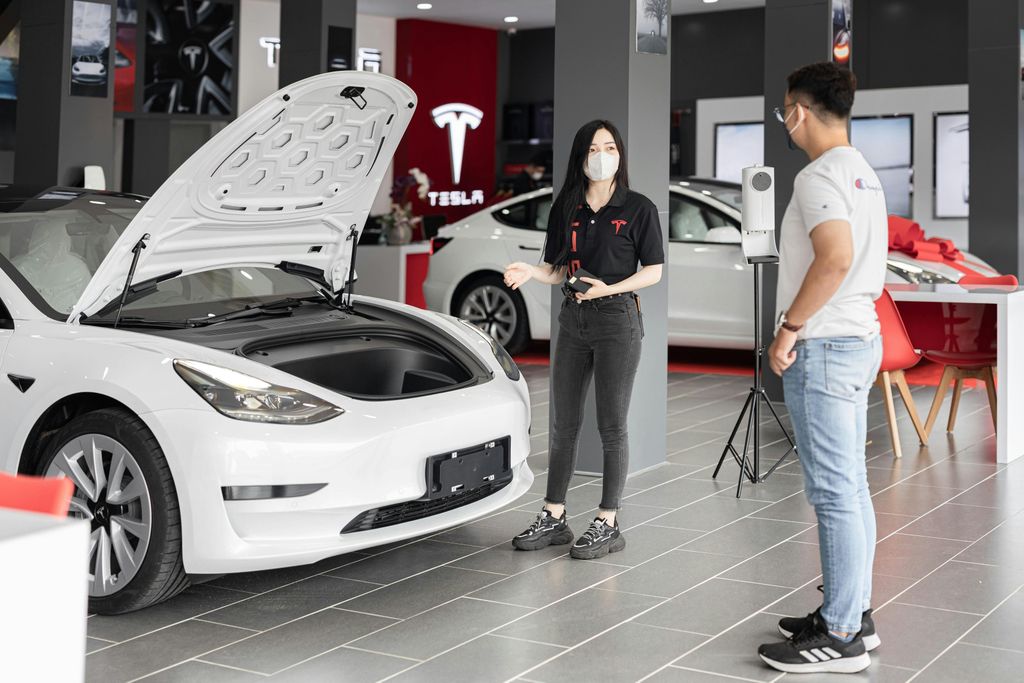
While incentives might seem like a golden ticket for a new luxury car buyer, offering a seemingly attractive discount, they often act as a significant detractor from a vehicle’s long-term resale value. Automakers frequently employ these strategies to boost sales, but their impact on the secondary market can be profoundly negative. For the discerning buyer, a heavily incentivized vehicle often carries an invisible asterisk that whispers of future value loss.
As the automotive market expert Jamie Mitri noted, “Jokingly, car manufacturers will tell you that the second you drive these cars off of the dealer lot, you are throwing money out of the car window.” Heavy incentives simply amplify this effect, signaling to the market that a particular model may not be in high demand at its original price point. This immediately diminishes the perceived value of the vehicle in the used car market.
Furthermore, the use of big incentives can “flood the market with a specific model,” creating an oversupply that naturally lowers demand for all used examples. When potential buyers know that a car was readily available with substantial discounts when new, they are less inclined to pay a premium for it on the secondhand market. This saturation makes it difficult for a pre-owned luxury vehicle to stand out and retain its worth.
In essence, what benefits the new car sale often penalizes the resale. The initial perceived saving from incentives is often recouped by a steeper depreciation curve, leaving owners with a less valuable asset than they might have anticipated. It’s a critical consideration that highlights the importance of looking beyond the immediate purchase price.
Read more about: The Hidden Hype: 10 Desirable Cars and Brands That Are Total Money Pits
8. Fleet Sales: Diluting Exclusivity and Value
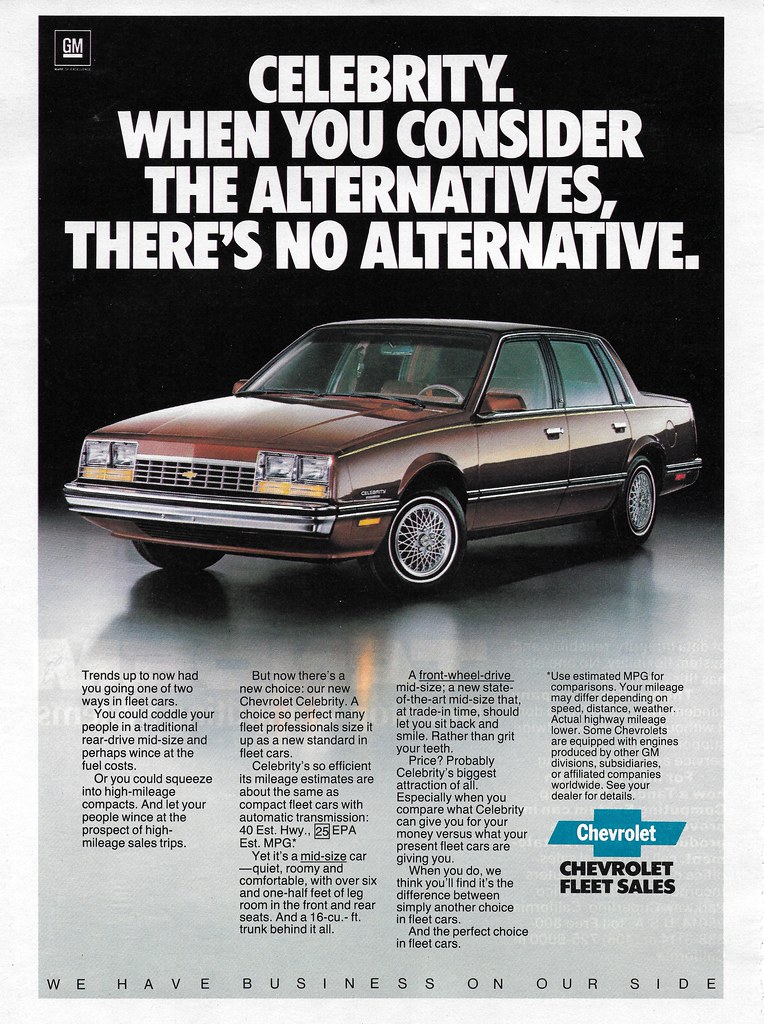
Another often-overlooked factor contributing to rapid depreciation in the luxury segment is the practice of selling models to rental fleets or other large commercial buyers. While fleet sales ensure moving units for automakers, they can significantly undermine the exclusivity and perceived value of a luxury brand in the secondary market. This phenomenon particularly impacts models that might otherwise command a respectable resale price.
Similar to heavy incentives, commonly selling vehicles to rental fleets “can lead to an oversupply of a particular model in the used car market.” This influx of vehicles, often with higher mileage and varying levels of wear and tear, creates a glut that drives down prices for all units of that model, including those meticulously maintained by private owners. The sheer volume overwhelms demand.
Consequently, this practice “naturally reduces demand and pushes down the resale value for all used units of that model.” Buyers in the luxury used car market are often seeking a vehicle that feels special and has been well cared for. The knowledge that a significant portion of a model line spent its early life as a rental car can deter these buyers, who associate fleet vehicles with heavy use and less careful ownership.
For luxury brands that pride themselves on exclusivity and pristine ownership experiences, widespread fleet sales can be particularly damaging. The luster of a high-end badge diminishes when it becomes commonplace in rental lots, making it harder to justify a premium price point once it transitions to the private used car market.
9. The Peril of Poor Reliability: A Long-Term Drain on Value
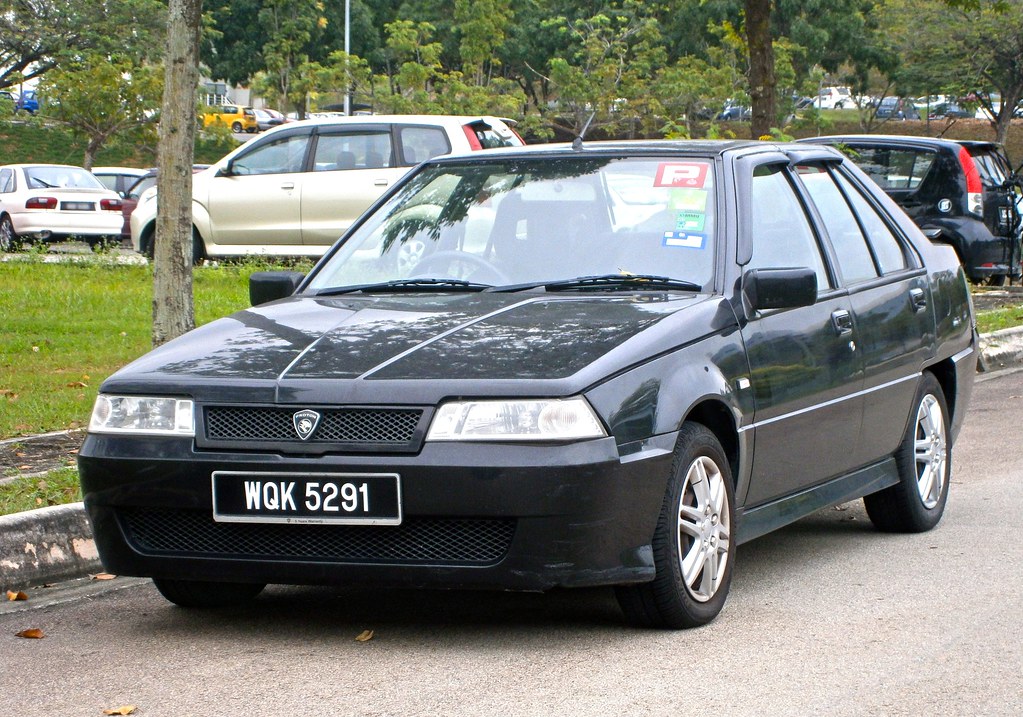
Reliability stands as a cornerstone of value retention in the automotive world, and its absence can be a severe impediment to a luxury car’s resale prospects. While the initial appeal of sophisticated engineering and opulent features is strong, the prospect of frequent, costly repairs can quickly erode buyer confidence and suppress demand in the secondary market. A car’s reputation for dependability is paramount.
As highlighted by experts, a vehicle with “a reputation for frequent issues reduces buyer confidence and lowers demand in turn.” For example, BMWs are “infamous for oil leaks, faulty fuel pumps and electrical component failures over time,” presenting a daunting prospect for subsequent owners. Maserati, too, “continually ranks at the bottom of reliability studies and has known problems with engine concerns and fuel leak recalls,” according to Gretchen Seidel.
These mechanical woes are compounded by the exceptionally high cost of parts and specialized labor associated with luxury vehicles. Jamie Mitri underscored this, stating that for brands like Range Rover, “parts and labor are incredibly expensive and difficult to find.” Even for Audis, the resale value “drastically depreciates over time due to costly parts, repairs, and (fittingly enough) warranties.” This makes potential used car buyers wary of inheriting a money pit.
Ultimately, a brand’s historical reputation for quality issues and expensive repairs casts a long shadow over its resale prices. Even if newer models show some improvements, the cumulative perception for high upkeep costs continues to affect market perception for both new and used car sales, making reliability a non-negotiable factor for value retention.
10. Electric Vehicles: Navigating a Rapidly Evolving Landscape
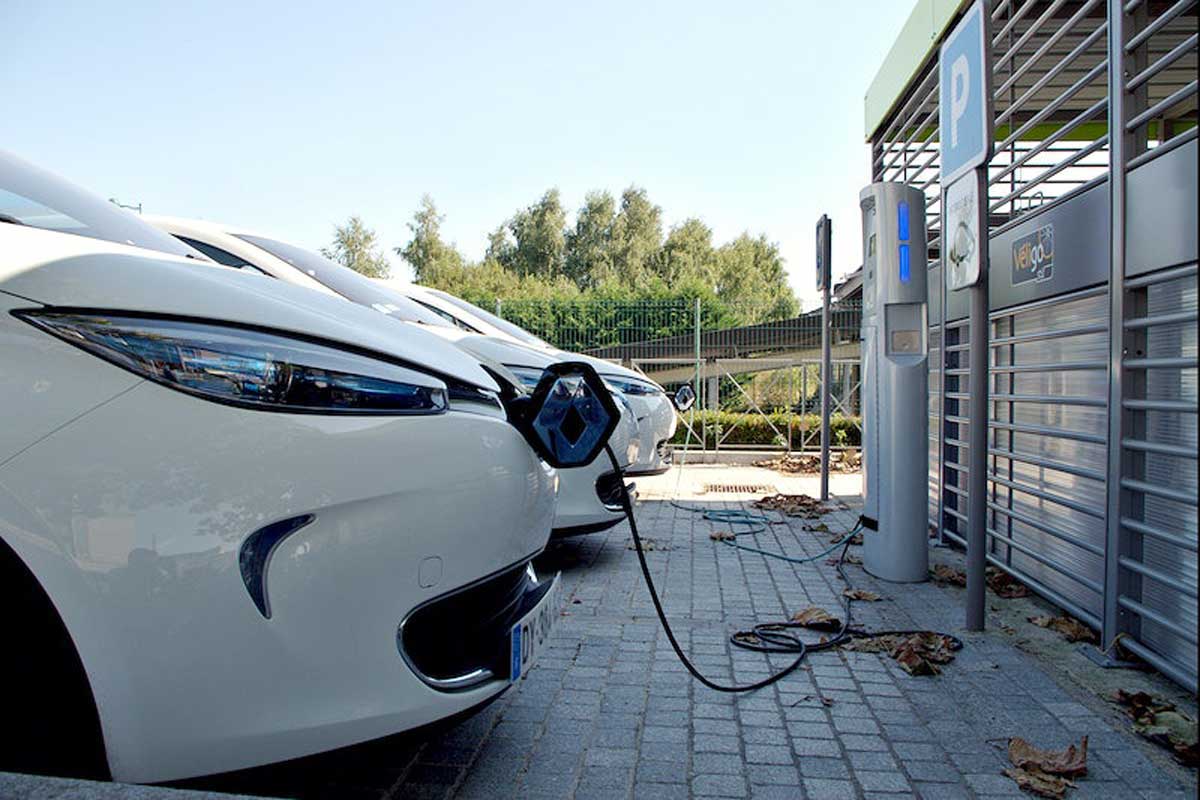
Electric vehicles (EVs) have revolutionized the automotive industry, promising cutting-edge technology and a sustainable future. However, their rapid evolution also presents unique and significant challenges to resale value, particularly for luxury models. While initial performance and innovation are impressive, the secondary market faces an array of uncertainties that impact depreciation.
A primary concern for pre-owned EVs revolves around battery longevity and replacement costs. As auto expert Chris Pyle notes, “Every day you own an electric car, the distance you can travel drops a few tenths of a percent.” He vividly illustrates this: “You may have gotten 300 miles on a full charge when new; after 3 years, it is 270 miles.” This diminishing capacity directly affects a used EV’s desirability, alongside the potential for “expensive battery failure.”
Adding to this challenge is the relentless pace of technological advancements within the EV market. Pyle likens buying an old Tesla to “buying a flip phone,” emphasizing how quickly models become outdated as new, more efficient, and feature-rich competitors emerge. “Technological upgrades to the brand are akin to that of a cell phone — everyone wants the latest and greatest,” creating a constant pressure on older models’ values.
Furthermore, the market for electric vehicles is becoming increasingly crowded. “Increased competition from other EV automakers” means that pre-owned Teslas, for example, are reportedly trading even lower. As more manufacturers introduce compelling new models, the supply of used EVs grows, inherently driving down prices across the board.
The broader EV ecosystem also plays a role. As Beneke points out, if variables like “the efficiency of EVs, infrastructure of charging stations, affordability of EVs and availability of EV options ‘are not set up to make it consumer friendly for the masses,'” demand for gas-powered options might follow, which can impact EV resale. The ongoing uncertainty surrounding charging infrastructure and long-term battery performance makes used EV purchases a complex proposition for many.
Read more about: Stop the Mistake: The 14 Vehicles Industry Insiders Are Steering Clear Of as Tariffs Reshape the Auto Market
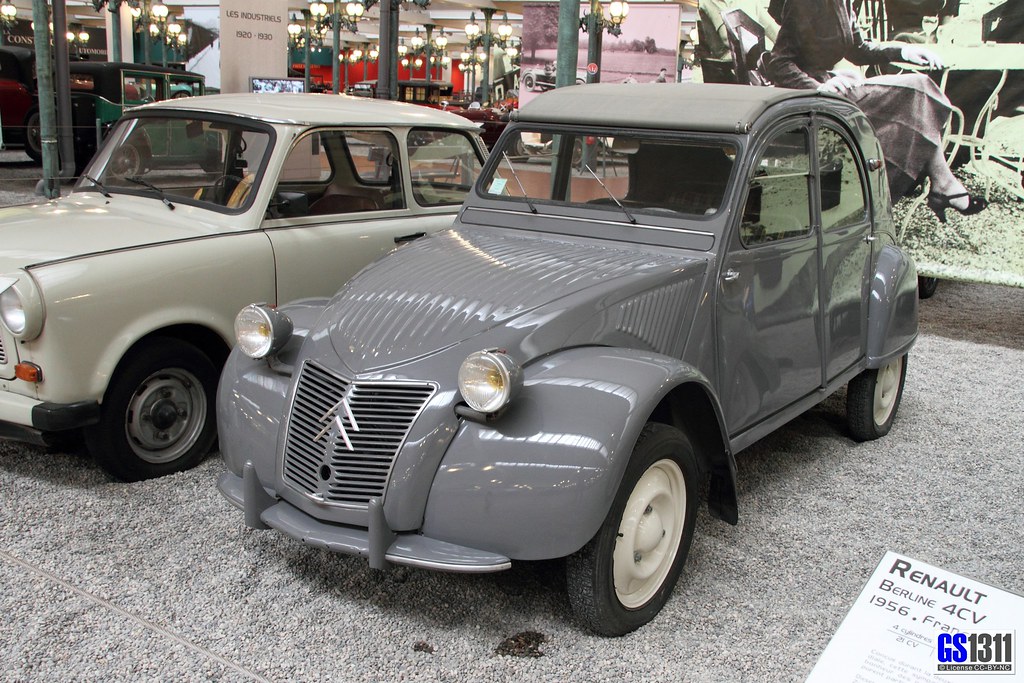
11. The Pitfalls of Unconventional Styling: A Niche Appeal
While distinctive design is often celebrated in luxury automobiles, unconventional or “bizarre styling” can inadvertently become a significant impediment to resale value. What may appear avant-garde or striking to a select few can prove polarizing for the broader market, limiting the pool of potential buyers and accelerating a vehicle’s perceived obsolescence.
An unconventional design can fundamentally “limit a vehicle’s appeal,” restricting its market to a niche audience. Unlike timeless designs that appeal to a wide demographic over many years, highly specific or trend-driven aesthetics may not translate well as tastes evolve. This narrow appeal inherently reduces demand when the car eventually hits the used market, pushing prices downwards.
Moreover, such styling can “make it appear outdated sooner than other models in its class.” Designs that push boundaries often run the risk of quickly looking passé as new trends emerge or as the initial novelty wears off. This rapid visual aging contributes to a quicker drop in perceived value, as buyers seeking a luxury vehicle often prioritize a sense of contemporary elegance or enduring class.
For luxury vehicles, where aesthetics often play a crucial role in the initial purchase decision, the long-term impact of design choice cannot be underestimated. A design that is too idiosyncratic may struggle to find a second owner willing to pay a premium, reinforcing the idea that broad appeal often translates to better value retention.
The journey through luxury car ownership, while undoubtedly glamorous, is fraught with financial considerations extending far beyond the initial purchase price. From the subtle depreciation triggered by manufacturer incentives and fleet sales, to the critical importance of reliability and the rapid technological shifts in the electric vehicle market, alongside the subjective nature of styling, numerous factors conspire to erode value. For those drawn to the allure of high-end automobiles, a thorough understanding of these dynamics is not just wise; it’s essential for making an informed decision that balances desire with financial prudence. The path ahead for luxury car depreciation, especially with the rise of EVs and potential ‘vintage’ status for gas models, remains dynamic, urging buyers to stay informed and strategic.