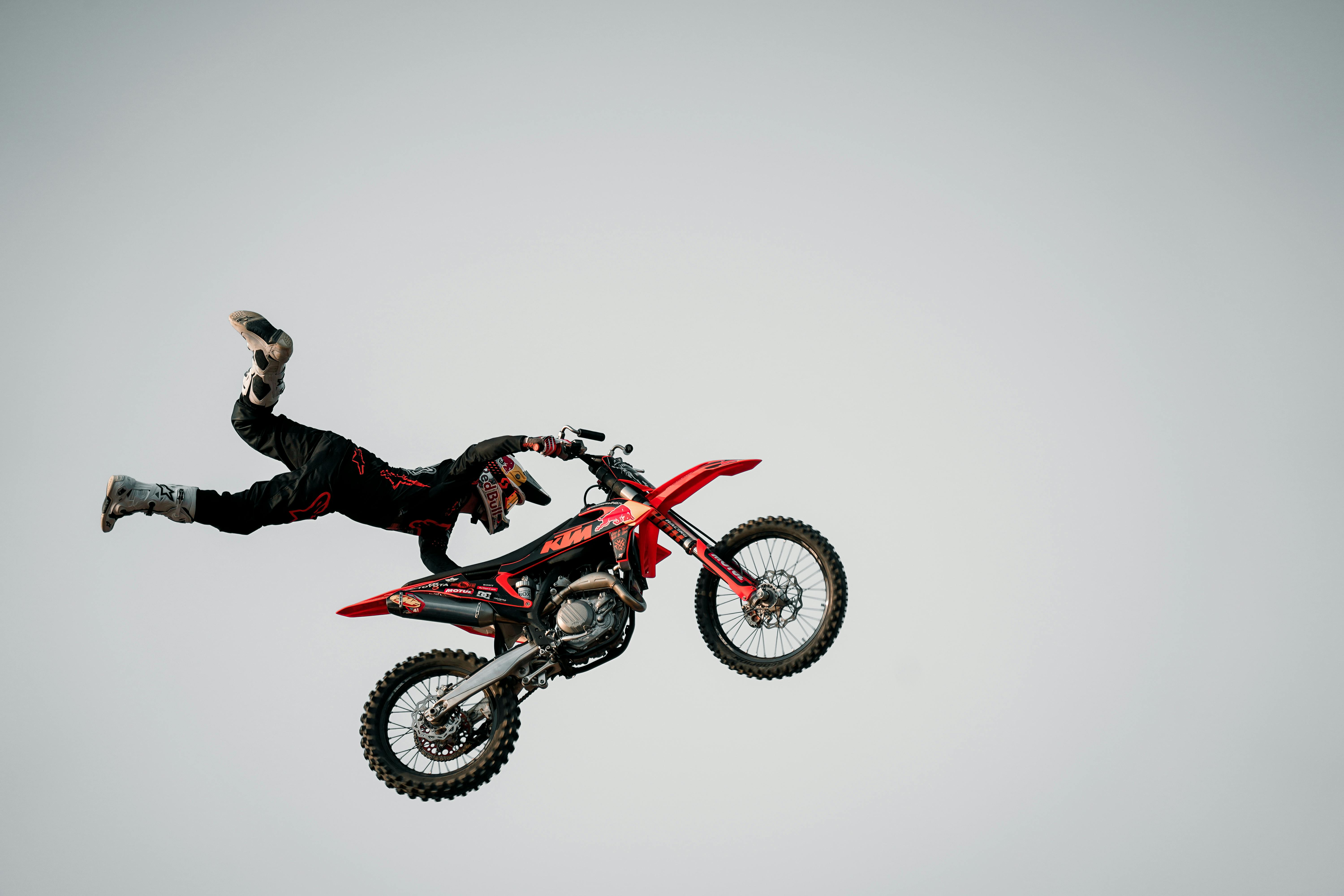
There’s an element of risk and thrill intrinsic to motorcycles that, paradoxically, forms part of their irresistible allure. From the pulse-racing acceleration to the raw connection between rider and machine, motorcycling is a passion that brings joy to countless enthusiasts. But let’s be honest, we’re not always talking about joy rides on sensible machines built for Sunday cruises. Sometimes, that irresistible allure is tinged with a dash of sheer, unadulterated terror.
This isn’t a list of bikes that are merely *fast* – almost any powerful machine can be dangerous in the wrong hands, especially for inexperienced riders. No, we’re diving headfirst into the glorious, chaotic past where engineering often outpaced common sense, and rider aids were little more than hope and a prayer. This golden era of motorcycling, as one passionate rider put it, was a time when an “Anything Goes” approach really tested the limits of bike and rider, leading to some real breakthroughs, but also some truly hair-raising failures.
These bikes, mostly hailing from a time before modern safety regulations turned every design into a committee-approved compromise, were the wild west of two-wheeled innovation. Traction control? ABS? Electronic stability programs? Forget about it! The only ‘rider aids’ you had were the brakes, clutch, and throttle – and you better know how to use them, because these machines took no prisoners. They were bikes that would bite at the slightest provocation, demanding skill, courage, and sometimes, a bit of recklessness. So, buckle up, because we’re about to explore the first half of a collection of motorcycles so fearsome, so unpredictable, and so downright deadly, they’ve earned a permanent place in the annals of automotive infamy.
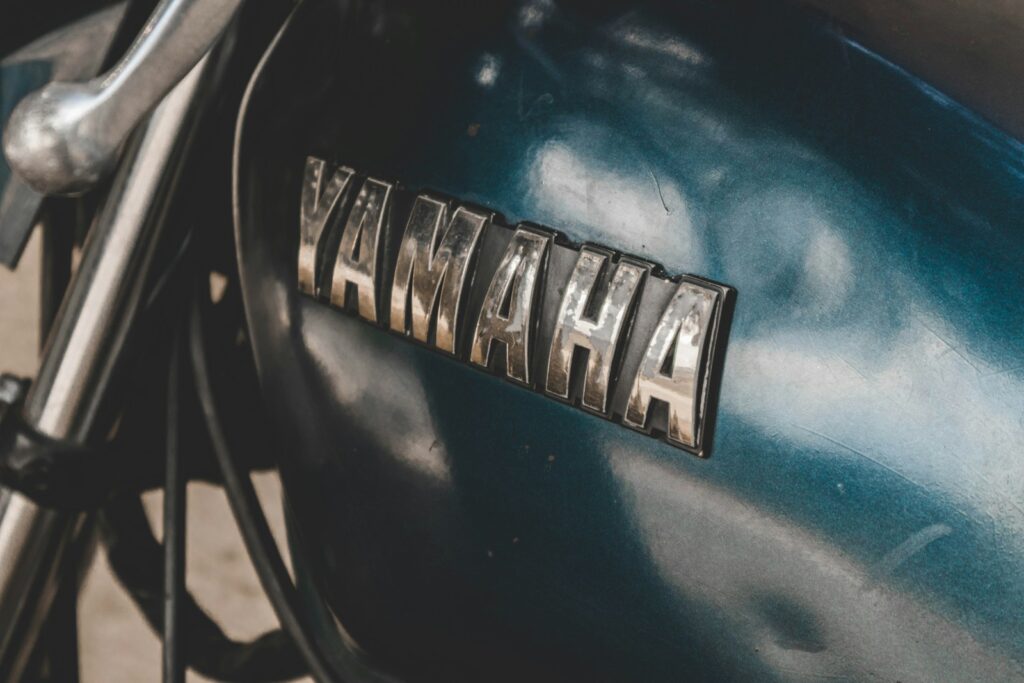
1. **Yamaha V-Max VMX1200: Power Over Control**Next up, we have the ubiquitous Yamaha V-Max 1200, a motorcycle that redefined the term ‘muscle bike.’ When it burst onto the scene in 1985, this V4 1200cc monster wasn’t merely challenging Honda’s VF1100C Magna in the nascent power cruiser category; it completely obliterated it. The V-Max didn’t just win the horsepower wars; it effectively swept the V65 Magna into the annals of history with a dismissive pat on the head.
Yamaha’s engineers went to town, boosting the engine’s power by enlarging intake and exhaust valves, adding aggressive camshafts, lighter pistons, and huge carburetors. But the real game-changer was the fabled “V-Boost” system. This ingenious (and terrifying) mechanism essentially supercharged each cylinder, drawing extra fuel once the engine hit around 6,000 RPM. This pushed the engine’s output to a massive 145 horsepower, effortlessly dwarfing the VF1100C’s 100HP.
The results were exhilarating, if not downright suicidal. Despite its hefty weight of 274kg, the V-Max could rocket from a standstill to 60mph in a blistering 3.3 seconds, hit 100mph in about five seconds, and reach a maximum speed of around 150mph before you even had time to fully process what was happening. This raw, unadulterated acceleration was, for many, an addictive thrill, with a huge rush of both power and torque descending at 6000rpm and continuing well past 9000rpm.
However, this insane power came with significant downsides. The V-Max was a heavy bike with equally heavy cast wheels, making quick direction changes a monumental effort. Its standard braking system was famously “wooden” with almost no feel, leading to a host of accidents. The truth is, the bike’s cornering abilities left much to be desired, and its tendency to wobble at high speeds made it a challenge for anyone who dared venture off a straight line. The only real problem, as many riders discovered, was stopping it. It swiftly earned a notorious reputation as a motorcycle for “hooligans” due to its demanding nature.
Such was its notoriety that after the first year, most models globally were restricted to gradually produce less power, with some even losing the V-Boost system entirely. Yet, its die-hard fans quickly found ways around these restrictions, ensuring the legend lived on. It’s no wonder that this dangerous beast found its way into popular culture, serving as Ghost Rider’s ride of choice in a Nicolas Cage film and inspiring the iconic Hardy-Daytona from “Final Fantasy 7.”
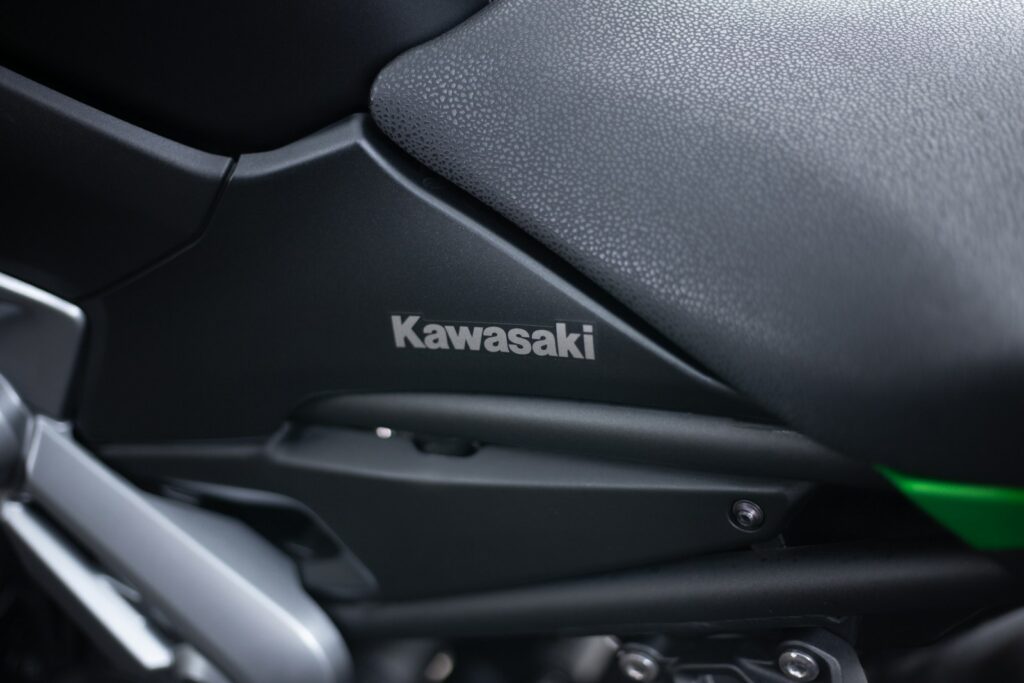
2. **Kawasaki KH750 H2: The Original Widow Maker**If you thought the V-Max was a handful, prepare yourself for the legend that is the Kawasaki KH750 H2, affectionately (or perhaps, terrifyingly) known as ‘The Original Widow Maker.’ This monstrous three-cylinder, air-cooled two-stroke engine motorcycle truly earned its fearsome moniker. Back in 1971, when Kawasaki unleashed the H2, they didn’t just tear up the rule book; they burned it to ashes. Their singular, unwavering focus was speed, and boy, did they achieve it.
Boasting 75 horsepower, this Mach IV was the fastest production bike in the world at the time, capable of a blistering 126 mph top speed. It might have been a featherweight in its class, but that power-to-weight ratio made it an absolute beast on the straights. However, that’s where the good news for rider safety pretty much ended. The H2 was notoriously a handful to ride, largely due to a chassis that flexed “like a fishing rod” and brakes that were “inadequate at best, and downright dangerous in the wet.”
These glaring traits, far more than its blistering speed, were what truly cemented its nickname, ‘the Widow Maker.’ It’s often cited as the very first bike to earn that chilling title, and it was undeniably well deserved. While 75HP might not seem like much by today’s superbike standards, the H2’s 77Nm of torque hit like a sledgehammer at 6500rpm. This unpredictable powerband often delivered a sudden, violent burst of power when riders least expected it, transforming high-speed corners and emergency stops into absolute nightmares.
Kawasaki did attempt to reign in this two-stroke rocket, reworking its steering geometry and adding a longer swinging arm after 1974. These modifications did make it a little more manageable, but let’s be clear: it never handled *well*. For anyone seeking a quick crash course in all three of Newton’s Laws of Motion, the H2 delivered with ruthless efficiency. Stricter regulations and the oil crisis of the 1970s eventually spelled the end for this dangerous yet iconic machine, but not before it secured its legacy – and a well-deserved spot on this list. If there ever was an award for the bike most likely to throw you into oncoming traffic, the Kawasaki H2 750 would win all three podium positions.
/cloudfront-us-east-1.images.arcpublishing.com/octane/VYCBWWIREBFMJPH77X4G4LBYFI.jpg)
3. **Suzuki TL1000S/TL1000R: The V-Twin Menace**Suzuki’s entry into the ‘Widowmaker’ hall of fame came in the form of the TL1000 series, specifically the ‘S’ and ‘R’ models, which quickly earned a reputation for being an animal of a motorcycle. The TL1000S, aptly nicknamed the “Widowmaker” by many, had all the makings of a legendary sportbike: a powerful V-twin engine and aggressive styling. However, it harbored one small, critical flaw: it possessed a nasty habit of trying to shake riders off at high speeds.
The core of the problem lay in a truly unforgivable design flaw in its rear suspension system. Suzuki’s innovative, yet deeply problematic, rotary-style rear damper proved to be a novel but ultimately flawed piece of engineering. It simply struggled to handle the intense heat and pressure generated during spirited riding. When pushed hard, this damper would overheat and lose its effectiveness, turning what was meant to be a high-performance machine into a mobile rodeo simulator, notoriously unstable in corners and prone to sudden, terrifying tank slappers.
The TL1000R, intended as a superbike competitor, inherited some of these unpredictable handling characteristics. While its V-Twin engine produced an impressive 135HP, its aggressive steering geometry and the same questionable rear suspension design made it inherently unstable. Suzuki acknowledged the issues, even issuing a recall for the ‘S’ model and adding a steering damper in an attempt to mitigate the problem. While it did help “for the most part,” the damage to its reputation, and perhaps a few riders’ bones, had already been done.
Many riders reported that at high speeds, both the TL1000S and TL1000R felt unstable and twitchy, often leading to violent headshakes that could easily result in a crash. One rider candidly put it: “I mean, sure, slap on a pair of modern tires and a new shock and you can barely feel anything off, but if I have to change the parts off a bike like a real life Ship of Theseus just to make it road safe, I think I’ll take my chances elsewhere.” Suzuki certainly learned its lesson the hard way, but the TL1000S and its R-variant still hold their places as some of the most unpredictable and dangerous motorcycles ever made, cementing their infamous status.
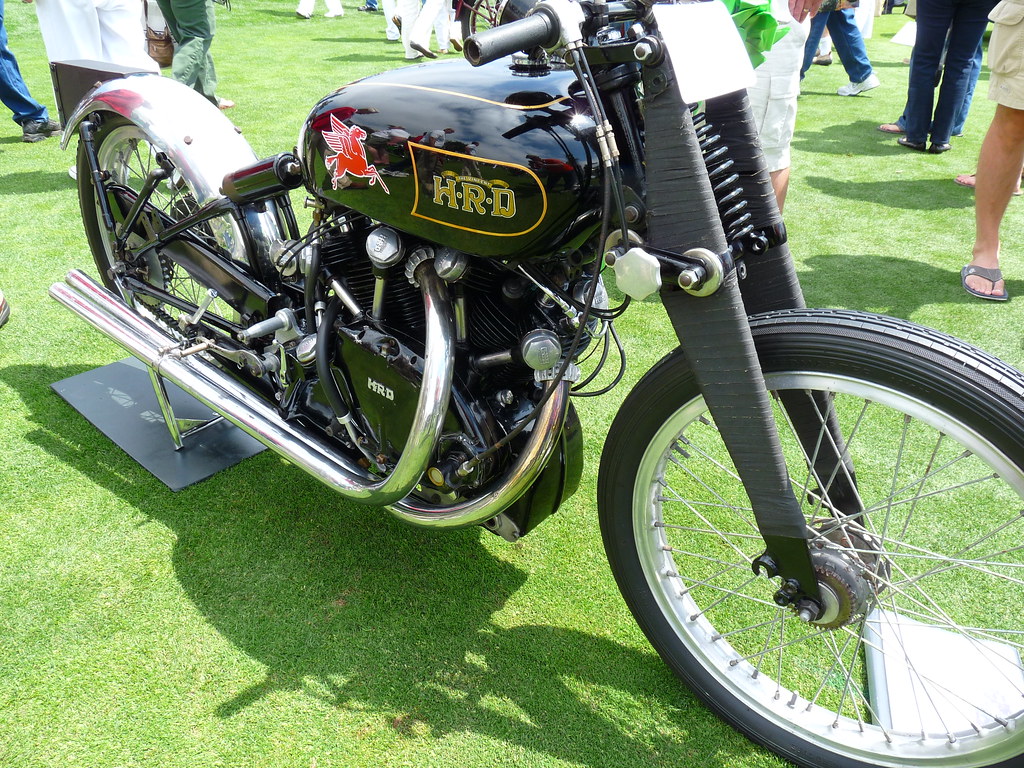
4. **Vincent Black Shadow: The Lethal Masterpiece**Following in the formidable footsteps of the Brough Superior, the Vincent Black Shadow emerged in the 1940s as the fastest production motorcycle of its time, achieving speeds that, frankly, no one in that decade had any business reaching on two wheels. Powered by a potent 998cc V-twin engine that cranked out a huge 55 horsepower for its day, it could effortlessly hit 125 mph in an era when most automobiles struggled to scratch 70 mph. It was, without a doubt, a lean, mean machine.
However, much like its predecessors in the high-speed, low-safety category, the Black Shadow wasn’t truly built to handle that kind of velocity – at least not by any modern standards of rider expectation. The frame flexed unpredictably under stress, and its braking and suspension systems were, by contemporary accounts, akin to those found on a horse-drawn carriage. In essence, if you twisted the throttle on a Black Shadow, stopping became more of a polite “suggestion” than a guaranteed outcome.
This British-made legend, while a masterpiece of craftsmanship and undeniably ahead of its time, was terrifyingly unstable. Yet, its sheer audacity and performance inspired some truly iconic moments. It’s the bike associated with one of the most famous motorcycle photos ever: Rollie Free, breaking a speed record in his swimsuit, a testament to the machine’s raw capability. Riding one of its variants, the Vincent Black Lightning, even inspired Richard Thompson to pen a famous song.
Unsurprisingly, much like the Brough Superior, collectors today salivate at the prospect of owning a Black Shadow, with prices for one of the remaining 700 or so easily soaring into the six figures. But for all its legendary status and cultural impact, it’s crucial to heed the chilling words of Hunter S. Thompson, who wrote in a 1995 issue of Cycle World: “If you rode the Black Shadow at top speed for any length of time, you would almost certainly die. That is why there are not many life members of the Vincent Black Shadow Society.” That, folks, is truly saying something about a machine as beautiful as it was deadly.
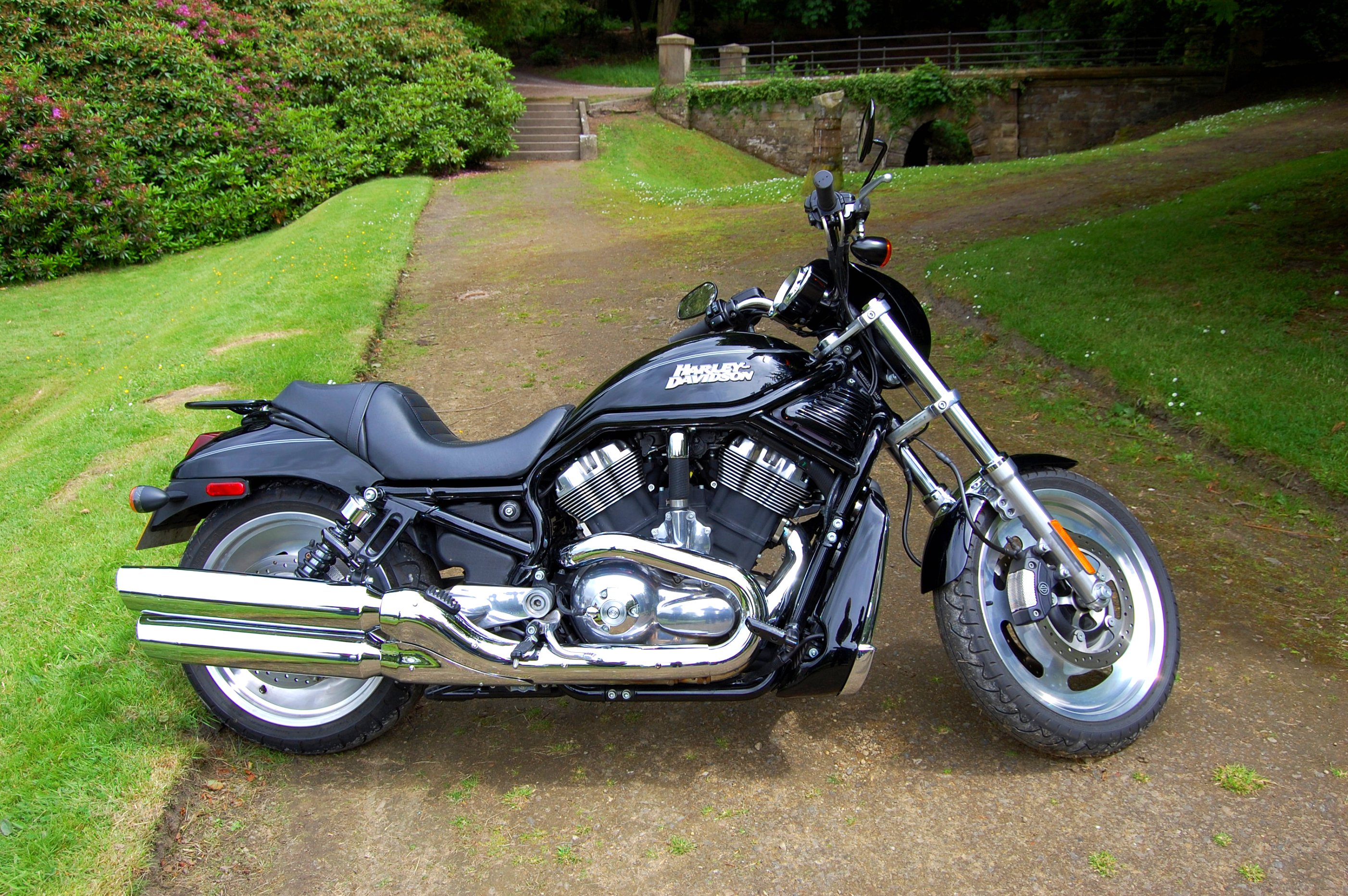
5. **Harley-Davidson V-Rod: A Flawed Power Cruiser**Harley-Davidson. The very name conjures up images of classic American cruisers, with their signature rumble, chrome glinting in the sun, and a focus on comfort for the long haul. But then, there was the V-Rod, a motorcycle that decided to throw that traditional Harley playbook right out the window. This wasn’t your grandpa’s hog; it was a radical departure, built not for laid-back cruising, but for sheer, unadulterated speed, powered by a liquid-cooled engine designed in an unlikely collaboration with Porsche.
Unveiled to the world, this machine was, for its era, the fastest Harley ever produced, flexing a potent 60-degree V-twin that could churn out up to 125 horsepower. Those are genuinely serious numbers for a cruiser, and the V-Rod definitely packed a punch that few expected from Milwaukee’s finest. However, this aggressive performance, while exhilarating, came at a significant cost, particularly for riders who enjoyed things like, oh, say, confidently navigating a bend in the road.
Riders quickly discovered the V-Rod suffered from notoriously limited cornering clearance. This meant that leaning too far in a turn would inevitably lead to the alarming sound and feel of the bike’s belly scraping against the asphalt. Combine this with its exceptionally long wheelbase, designed more for drag-strip stability than canyon carving, and you had a machine that felt inherently unstable at higher speeds, especially when you dared to venture off a perfectly straight line. It was a straight-line rocket, no doubt, but attempting a tight corner felt like wrestling a particularly stubborn, greased pig in a phone booth.
The V-Rod’s weight distribution was also quite poor, making slow-speed maneuvering a surprisingly awkward affair, and further contributing to its nerve-wracking stability at speed. Its design truly was a conundrum: all the power of a modern performance bike, but with handling characteristics that left much to be desired for anything other than a straight-line blast. It was Harley’s first real attempt at modern performance, a bold move that, ironically, alienated some of its most die-hard, tradition-loving fans.
The irony wasn’t lost on anyone, especially given that Harley even produced a non-street legal V-Rod Destroyer variant specifically for drag racing. This absolute monster produced a staggering 165 HP and required a professional drag racing license just to throw a leg over it, and even then, only on a sanctioned drag strip. Harley, in its infinite wisdom, still cranked out 646 of these beasts for those brave enough to tame them. The V-Rod was ultimately retired in 2018 after a respectable 16-year run, leaving behind a legacy of power, compromise, and a whole lot of scraped exhaust pipes. It was a bittersweet end for a bike that dared to be different.
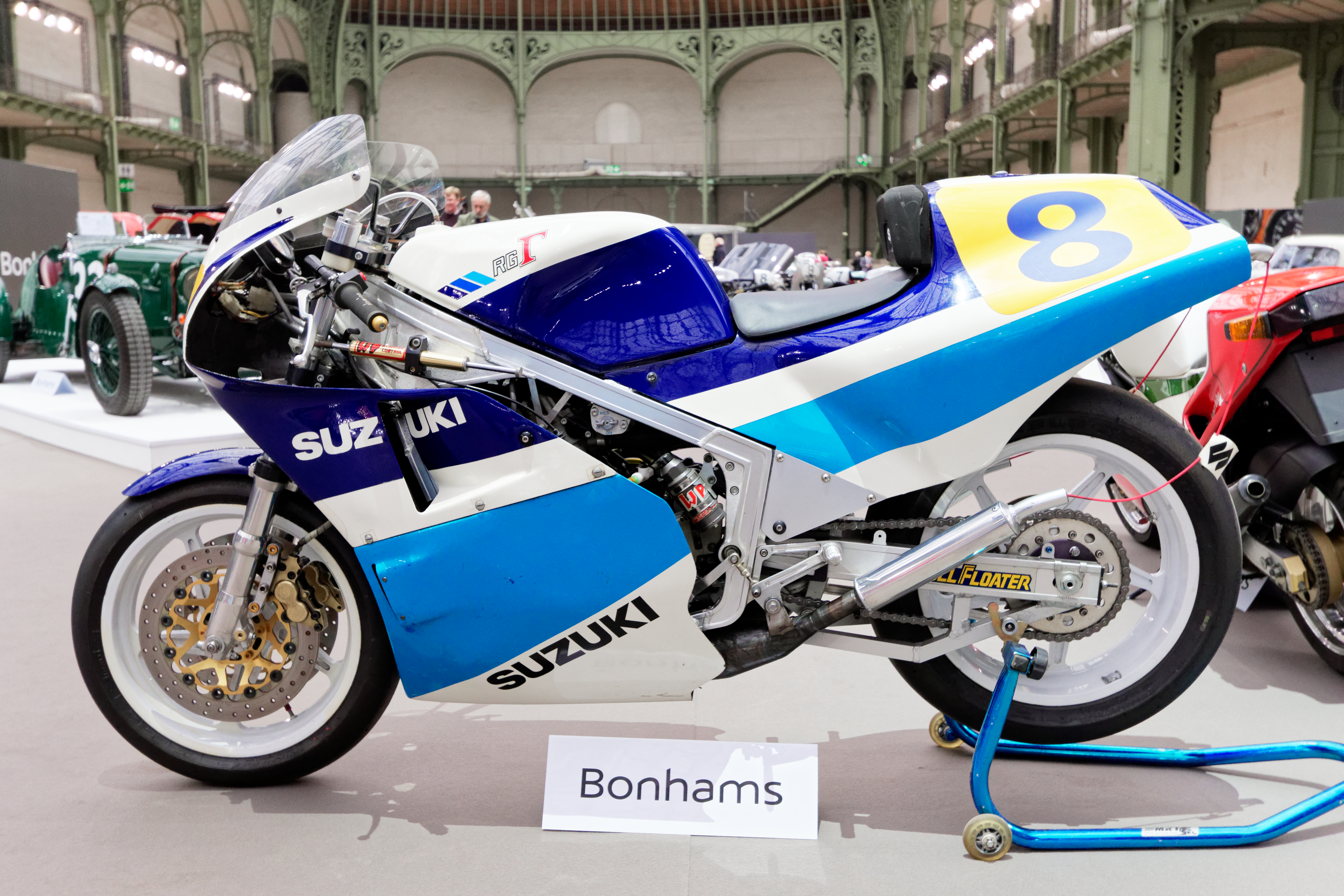
6. **Suzuki RG500 Gamma: The Two-Stroke Rocket**Imagine taking a world-championship-winning Grand Prix race engine, softening it *just* enough to pass street-legal requirements, and then selling it to the general public. That’s precisely what Suzuki did in the 1980s with the RG500 Gamma, and boy, was it a wild ride. This wasn’t merely a fast bike; it was a street-legal two-stroke rocket with a personality disorder, a machine born for the track but unleashed on unsuspecting roads, daring riders to tame its aggressive spirit.
The heart of the Gamma was its 500cc square-four two-stroke engine, notorious for an unbelievably aggressive powerband. Below 6,000 rpm, it would lull you into a false sense of security, feeling almost sluggish and manageable. But then, as the revs climbed fiercely towards 9,000 rpm, all hell would spectacularly break loose. The bike would literally explode forward with a sudden and violent surge of power, transforming a quiet commute into a full-blown Grand Prix experience – a true mobile jumpscare demanding absolute respect.
As if one monstrous power surge wasn’t enough to contend with, some riders reported an *even more unpredictable* second powerband kicking in past 9,600 rpm. This meant that just when you thought you’d wrestled the beast into submission, it could catapult you forward again at terrifying, dangerous speeds without the slightest warning. This kind of brutally unpredictable power delivery turned every ride into a high-stakes gamble, punishing those who didn’t know how to finesse the throttle with alarming regularity and often dire consequences.
While the lightweight machine itself was lauded for its beautiful handling capabilities, this was a massive “if” — if you could actually keep the engine’s raw, untamed aggression under control. Even the most skilled motorcyclists found it an immense challenge to manage its high-revving power delivery and sudden, explosive acceleration. It was a bike that demanded a pilot, not just a rider.
Despite its terrifying nature and penchant for unexpected theatrics, the RG500 remains a cult classic, a testament to humanity’s unyielding need for pure speed and a stark reminder that street-legal doesn’t always equate to safe. It’s truly considered one of the most successful Suzuki lines ever made, which, honestly, says more about people’s wild side and their hunger for extreme performance than it does about sensible engineering or rider comfort. A true two-stroke rocket, indeed.
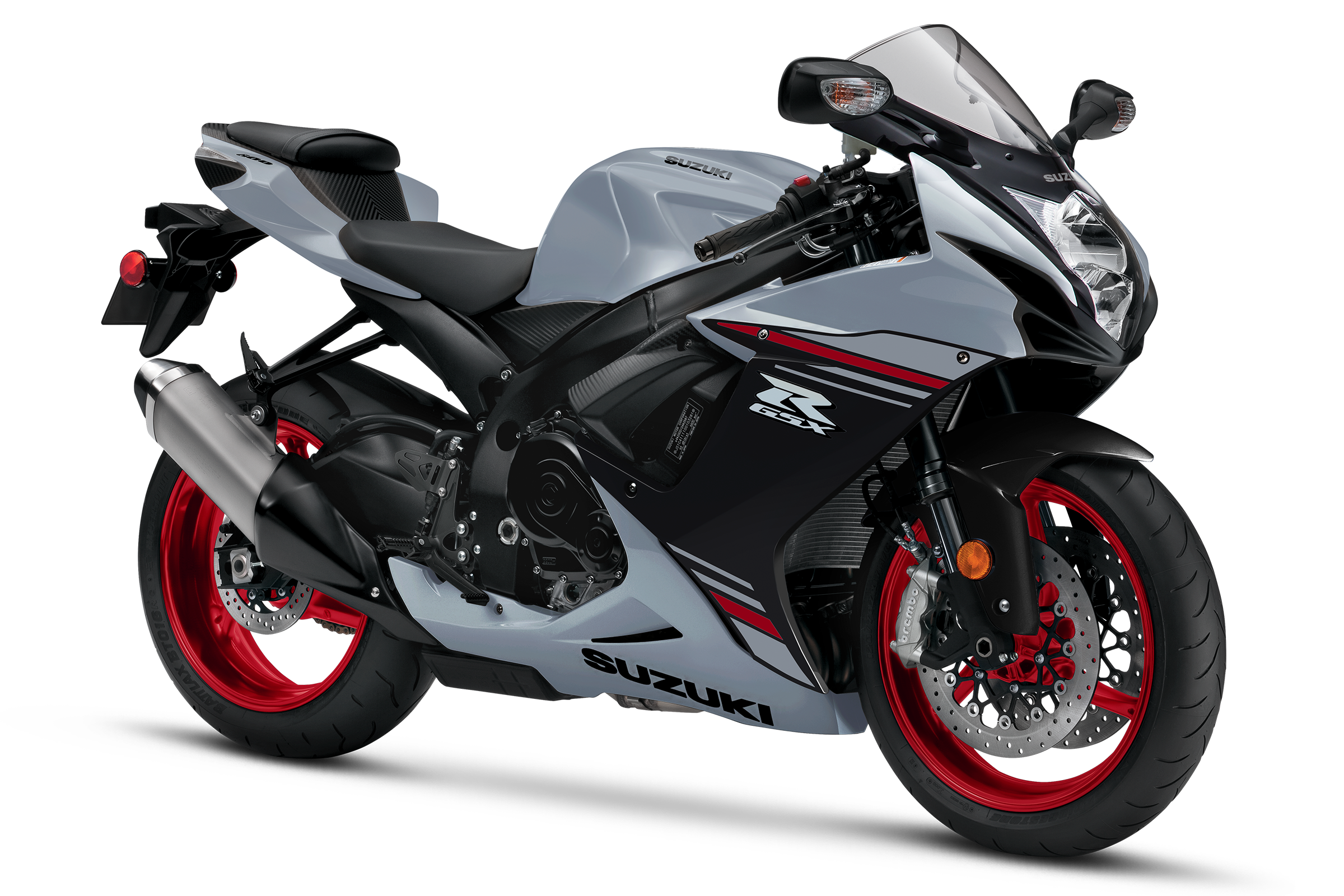
7. **Suzuki TM400: The Unruly Motocross Monster**If you thought road bikes had a monopoly on unpredictability and the dubious title of “Widow Maker,” then you clearly haven’t met the motocross monster that is the Suzuki TM400, affectionately known as the “Cyclone.” This machine, which spun into the early 1970s, was like a literal force of nature, and not in the “beautiful sunset” kind of way. Suzuki’s ambition was grand: dominate the burgeoning motocross scene. Their execution, however, was spectacularly flawed, a testament to the era’s “anything goes” philosophy.
The recipe for this two-wheeled disaster was deceptively simple, and profoundly dangerous: cram a ridiculously overpowered 396cc two-stroke engine, producing a hefty 40HP for its time, into a frame so light and flimsy it could barely handle its own existence, let alone the engine’s explosive output. The result was a bike plagued by terrible stability, profoundly unpredictable handling, and a powerband so erratic it would randomly kick in at different RPM levels, often launching unsuspecting riders skyward at the worst possible moment. Imagine turning a race track into a launchpad, and you’re halfway there.
To add insult to the very real possibility of literal injury, the TM400’s ignition system was notoriously unreliable, a critical flaw that directly contributed to those sudden, unwanted power surges. The frame itself was so weak it would visibly flex even on smooth terrain, making consistent control an absolute fantasy. It felt less like riding a motorcycle and more like trying to ride a bucking bronco that decided when and where it wanted to throw you.
Experienced motocross riders found the TM400 barely manageable, a constant, exhausting battle against a machine actively trying to eject them into the nearest ditch or obstacle. For beginners, it wasn’t just a challenge; it was an almost guaranteed trip to the nearest emergency room, often leaving them questioning their life choices. This truly was a bike that separated the brave from the absolutely reckless.
Even Captain Kirk himself, William Shatner, couldn’t charm away the TM400’s deadly flaws when tasked with its glitzy unveiling at Warner Studios. The bike simply refused to cooperate, no amount of Starfleet charm making it any less of a deathtrap. As one of the most experienced motocross editors in history, Jody Weisel, so eloquently put it, “Criticizing the 1971-74 Suzuki TM400 is like picking low-hanging fruit—it is too easy. It is the poster child for the phrase ‘injury forces sale.’ … If you expected bad things to happen, it never disappointed you.” Enough said, really. This “unruly motocross monster” truly lived up to its infamous name, and then some.
They challenged riders not just with speed, but with their fundamental flaws, forcing a level of skill, courage, and sometimes, a healthy dose of recklessness. These machines carved their places in history, cementing reputations not just for their power, but for their uncanny ability to deliver unforgettable thrills, and occasionally, a trip to the hospital. They truly were the untamed beasts of motorcycling, and their stories continue to echo through the roar of every engine to this day.