Modern vehicles promise a future filled with unparalleled convenience, efficiency, and safety, integrating a level of technology that was once the stuff of science fiction. From AI-equipped navigation systems echoing tales from “Star Wars” to sophisticated driver assistance, innovations abound across the automotive landscape. Yet, as we accelerate into this high-tech era, it’s becoming increasingly clear that not every “innovation” genuinely enhances the driving experience, and some even actively detract from it.
While many advancements undoubtedly streamline our daily commutes, a growing chorus of drivers and seasoned automotive experts alike voices strong dissent against certain features. These elements, despite their seemingly good intentions, prove to be more bothersome than beneficial. “Some of that is just get-off-my-lawn in automotive terms,” acknowledges MotorTrend, “but there’s a case to be made automakers are running out of ideas for genuinely useful new features and are instead greenlighting increasingly niche add-ons with diminishing use cases.” It’s a sentiment that resonates deeply with those behind the wheel, transforming what should be upgrades into sources of anxiety and frustration.
Having rigorously tested every new car, truck, and SUV on the market, our experts at MotorTrend are acutely familiar with this phenomenon of “feature bloat.” We’ve polled our staff and delved into broader driver feedback to identify the most egregious examples of modern car tech that simply drive drivers crazy. Let’s peel back the layers and examine the first half of these hotly contested features, dissecting why they often miss the mark and what truly makes them so disliked by the very people they’re supposed to serve.

1. **Multi-Function Switches & The Retreat of Tactile Buttons**In the quest for minimalist interior design and perceived technological advancement, many automakers have opted to consolidate multiple functions into single switches or, more commonly, to shunt them entirely into touchscreens. This trend is perhaps the most universally reviled among our experts, with MotorTrend noting, “More editors complained about this trend than any other.” Whether it’s “two window switches that do the work of four (Volkswagen, Volvo, Polestar)” or “knobs and touch-sensitive buttons that switch from volume and stereo controls to temperature and climate controls (Kia, Hyundai),” the cost-cutting combination often backfires spectacularly in terms of user experience.
The fundamental issue lies in the loss of tactile feedback, which is crucial for safe operation while driving. “Touchscreens give no feedback, so you must take your eyes off the road to find the right control instead of feeling around for a button,” highlights one frustrated driver. This necessitates diverting precious attention from the road, transforming a simple adjustment into a potentially dangerous distraction.
Another critical aspect of tactile controls that touchscreens eliminate is the ability to “anchor” your finger. As explained by a poster, “Cars bounce a lot, so it helps to put your finger on the button to stabilize your hand before pressing it, but you can’t do this on a touchscreen.” This means that precise input becomes significantly harder in a moving vehicle, leading to missed presses or accidental activations. The promise of a sleek, button-free dash often comes at the steep price of practical usability and driver safety.
This shift away from physical controls extends beyond just consolidated switches. “We never knew how much we loved actual buttons until they were ripped away from us and replaced with massive touchscreens that control everything from the headlights to the trunk release,” laments one critic. The elegance of physical buttons, offering instant, intuitive control without a glance, has been sacrificed for a visually “futuristic” aesthetic that often overcomplicates basic tasks and introduces unnecessary hazards. When a function is used frequently enough to warrant a dedicated control, it unequivocally deserves its own physical button.
2. **Hyperactive & Assertive Active Safety Systems (ADAS)**Advanced Driver Assistance Systems, or ADAS, are marketed as the vanguard of automotive safety, promising to prevent accidents and alleviate driver stress. Features like lane assist are “marketed as a lifesaver,” and on paper, the technology sounds impressive. Yet, in practice, these well-intentioned systems frequently devolve into sources of profound anxiety and irritation, prompting many drivers to simply deactivate them, thereby defeating their entire purpose.
One of the primary complaints revolves around their hyperactive nature. “Some of them beep at you about every little thing (Subaru),” observes MotorTrend, creating a cacophony of unnecessary alerts. Even more alarming, “Some of them slam on the brakes when you’re backing into a garage and are still four feet from the wall.” Such false positives, or systems that “grab the brakes when there’s no actual danger,” erode driver trust and transform supposed safety nets into disruptive nuisances.
Lane assist, a subset of ADAS, is a frequent offender. Drivers recount the annoyance of having to “fight with the steering wheel to change lanes,” especially when navigating around obstacles or on poorly marked roads. This technology “struggles when the road lines are faded, or the weather obscures visibility,” and frustratingly, “many lane keep assist systems don’t recognize you’re moving outside of your lane to avoid hitting someone and will try to steer you back to the center.” This interference, rather than assistance, can paradoxically increase stress and distraction, leading to drivers questioning if “lane assist actually worth it?”
Beyond the driver experience, these complex systems introduce significant financial burdens. “ADAS systems allow drivers to be lazier than they already are, and it also increases the price of windshields by hundreds, sometimes thousands of dollars,” notes a driver, as modern vehicles often require specialized, sensor-equipped windshields. For repair shops, “a once straightforward job like replacing a bumper can now require hours of sensor and camera recalibration,” translating directly into “higher repair bills for customers.” These systems rely on pinpoint accuracy, with even a millimeter off causing malfunctions.
3. **Air Vents Controlled by Screens**The integration of climate controls into infotainment screens is a widely criticized trend, and adjusting air vents via a touchscreen stands as a particularly galling example. While some manufacturers, notably Tesla, have implemented “clever fluid dynamics to control airflow out of the vents,” offering a visually impressive solution, the practical utility of this design is deeply flawed. As MotorTrend bluntly states, “We don’t care” about the cleverness if it sacrifices usability.
The core problem is the needless complexity introduced to a task that should be instantaneous and intuitive. “Adjusting air direction through touchscreens is needlessly complicated and frustrating, especially while driving,” explains our editorial staff. Instead of a quick, physical sweep or click, drivers are forced to navigate menus, taking their eyes and attention off the road for a simple adjustment of airflow. This adds an unnecessary layer of distraction in a critical driving environment.
Furthermore, this digital control of physical components comes with substantial engineering and repair costs. “Worse, it’s expensive to engineer—adding cost to the vehicle which is reflected in its MSRP—and expensive to repair if any of those hidden motors and flaps has an issue,” points out MotorTrend. What should be a simple, robust mechanical part becomes a complex electronic assembly, susceptible to failure and costly fixes.
The solution is surprisingly straightforward and rooted in good design. Instead of over-engineering a simple function, automakers should “Focus on making manually adjusted vents beautiful instead.” Prioritizing elegant, tactile design for essential controls not only enhances the user experience but also maintains a practical, cost-effective, and reliable system for drivers.
Read more about: Unleashed: 10 Jaw-Dropping Modified Cars That Command the Road and Steal the Show

4. **Bad Blind-Spot Monitoring**Blind-spot monitoring systems, when executed correctly, are hailed as genuinely beneficial safety features. In an era where “beltlines [are] rising and roof pillars thickening” – another common frustration that impedes visibility – these electronic aids “can be great” in mitigating dangerous blind spots. However, the efficacy of these systems is entirely dependent on their calibration and intelligence, and many fall short, becoming more of a nuisance than an aid.
The primary grievance against poorly implemented blind-spot monitoring is its over-sensitivity. These systems “can be needlessly frustrating, particularly when they freak out if there’s a car anywhere within 100 yards of you in the next lane,” as noted by our MotorTrend experts. When a system issues warnings in situations where no immediate collision risk exists, it rapidly loses credibility and becomes a source of “anxiety and frustration.” The common sentiment: “If we’re not going to collide, shut up.”
Another perplexing issue arises from the design choice of some manufacturers to combine blind-spot warning lights with turn signal repeaters on door mirrors. MotorTrend advises, “we need automakers to stop putting visible turn signal repeaters on door mirrors if they’re also going to put orange blind-spot warning lights on the same mirrors.” This redundancy creates a confusing visual signal for the driver, leading to uncertainty about “which light is blinking when you’re trying to change lanes.”
Ultimately, a blind-spot monitoring system’s value lies in its accuracy and discernment. A system that constantly cries wolf or creates visual ambiguity undermines its own purpose, forcing drivers to either ignore potentially critical warnings or contend with needless distractions. Refining these systems to be precise and less intrusive is essential for them to be truly appreciated as safety enhancements.
Read more about: I’m a Car Expert: These 12 SUVs Are the Best Frugal Buys of 2025
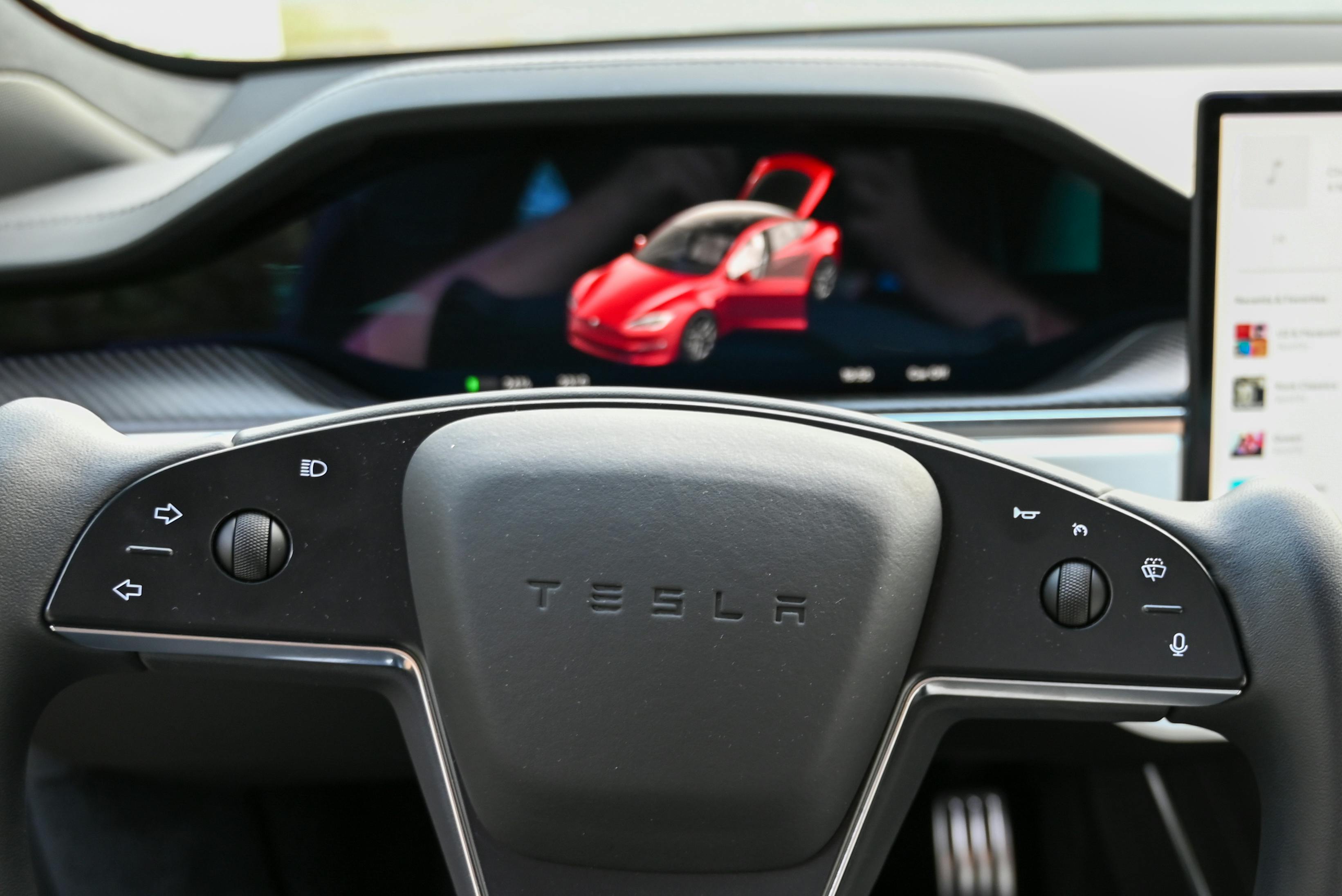
5. **Touch-Sensitive Steering Wheel & Volume Controls**The touch-sensitive control trend has unfortunately infiltrated the steering wheel and volume controls, leading to widespread driver exasperation. What designers might perceive as high-tech or futuristic is, for many, simply infuriating. MotorTrend’s unequivocal stance: “Just stop.” This move away from physical buttons on the steering wheel, seen in brands like “Volkswagen, Mercedes-Benz, Ferrari,” creates more problems than it solves.
A core frustration is the inconsistency of responsiveness. These touch-sensitive surfaces “are never responsive enough when you want them to be and yet, somehow, can be activated accidentally just by shifting your hands on the wheel.” This paradoxical behavior means drivers struggle to intentionally activate functions while inadvertently triggering others, leading to a profound sense of lack of control and increased distraction. The benefits that traditional buttons offer in terms of reliability and tactile certainty are completely lost.
The problem extends directly to volume adjustments, which are frequently relegated to similar touch-sensitive strips or surfaces. MotorTrend places “Touch-Sensitive Volume Controls” squarely “right up there with touch-sensitive steering wheel controls.” The act of “Swiping or tapping at a touch-sensitive strip is a dumb way to adjust the volume in moving vehicles.” This demands visual confirmation and precise movement, a stark contrast to the effortless, eyes-on-the-road adjustment provided by a traditional volume knob.
The consensus is clear: these digital replacements “don’t do anything better than buttons and they introduce driver distraction. Enough.” Reverting to the tried-and-true physical volume knob and dedicated steering wheel buttons would immediately address a significant source of frustration, restoring intuitive control and enhancing driver focus where it matters most – on the road ahead.
Read more about: From Billion-Dollar Bloopers to Daily Drive Disasters: The Top 15 Automotive Tech Fails That Left Drivers Shaking Their Heads
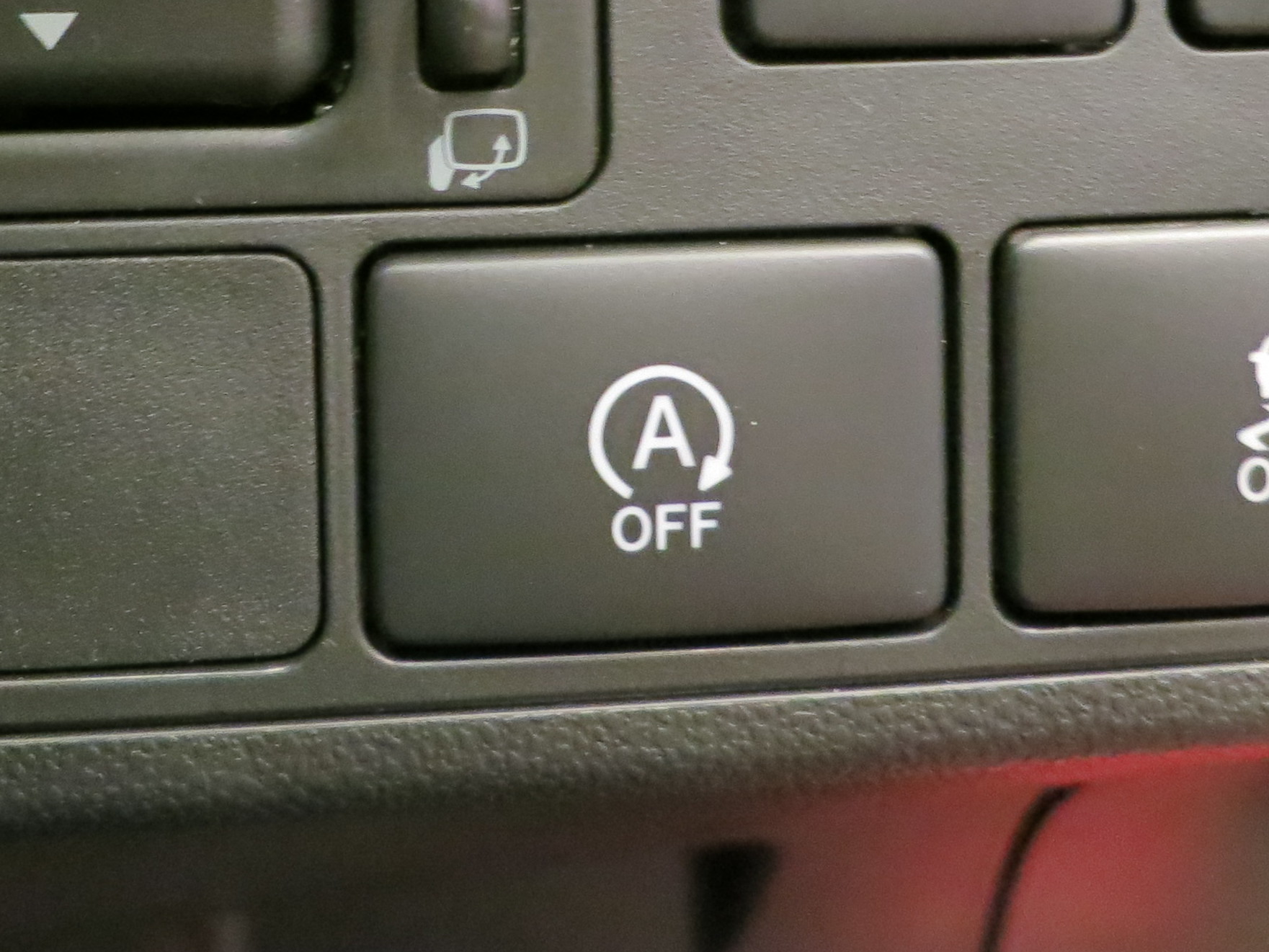
6. **Auto Start/Stop Systems**Auto Start/Stop, often acronymed as A-S-S by its detractors, is one of those features that sounds excellent on paper. It’s conceived as “a smart, eco-conscious advancement,” designed to “shut off the engine while idling, like at red lights or in bumper-to-bumper traffic.” The promised benefits include “reducing idling emissions and fuel usage,” contributing to “cleaner air and less cash out of your wallet for fueling up.” Indeed, car manufacturers contend that this feature reduces gas emissions and fuel consumption.
However, the real-world experience often falls far short of the theoretical advantages. “In reality, the savings are negligible at best,” states one analysis. “Most estimates show the fuel saved per trip amounts to little more than spare change, hardly worth the trade-off in performance.” Drivers frequently find themselves questioning the value proposition, especially when confronted with the system’s intrusive operation.
The primary driver-focused complaint is the system’s effect on the driving experience itself. “It’s jerky, intrusive, and can dampen any mood in heavy traffic,” describes one account. Many feel that “cars today are way too computerized,” leading to the feature “kicking in at the wrong times.” The consequence can be unnerving: “some people have found themselves stranded at a red light or when pulling out on the highway,” a particularly dangerous scenario when quick acceleration is required.
Compounding the frustration is the inability to permanently disable this feature. “Many automakers have the auto start-stop enabled by default,” meaning drivers must “manually turn it off if you don’t like it” on every single drive. Automakers refuse to allow permanent deactivation because the feature is “crucial for the best EPA mileage figures during testing.” This prioritization of regulatory compliance over driver preference clearly signals who the system is truly designed to please. There’s also “plenty of debate over whether the aptly acronymed A-S-S may actually shorten the lifespan of your starter motor and battery,” adding another layer of concern.
Read more about: Tech Geek’s ‘Unknown’ Code: Unlock Your Car’s Hidden Menu Instantly Without Ever Visiting the Dealership
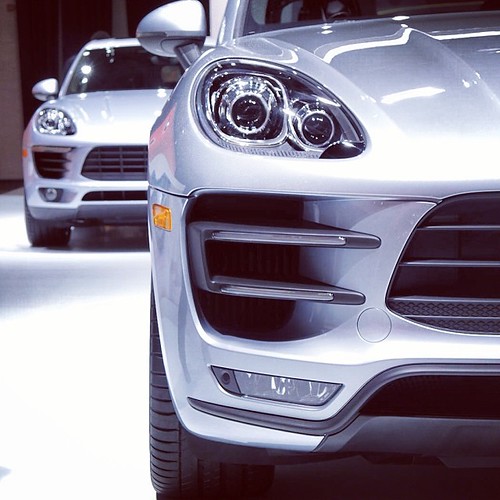
7. **Extremely Bright Yet Dumb Headlights**The advent of LED headlights has brought a significant improvement in nighttime visibility, a universally “good thing.” These “very impressive” lighting systems undeniably illuminate the road more effectively for the driver. However, the current implementation in many modern vehicles has created a pervasive and dangerous problem: “Everyone blinding each other with super bright headlights is not.”
The issue stems from headlights that are intensely bright but lack the intelligence to adapt to varying driving conditions and oncoming traffic. Drivers routinely complain, “Every modern car coming towards me or in my rear view blinds me without even having beams on.” This constant assault on other drivers’ vision poses a serious safety hazard, turning night driving into a frustrating and often perilous experience for everyone else on the road, with some calling them “distracting and dangerous.”
What makes this problem truly infuriating is the knowledge that “we have the technology to prevent it.” The solution, advanced adaptive headlight systems, has existed for years. “Europeans have had adaptive headlights on their cars for years which don’t shine any light at all on other cars, instead bending it around them (Mercedes-Benz, Audi),” highlights the glaring disparity. These intelligent systems effectively illuminate the road for the driver without dazzling others.
The roadblock to this widely desired improvement lies not in technological capability, but in “archaic American regulations” that prohibit the widespread adoption of adaptive headlights. This regulatory lag means that drivers continue to suffer from an issue that has a readily available and proven technological fix. “It’s high time we got this technology” and prioritized the safety and comfort of all road users over outdated rules.
As we navigate the increasingly complex landscape of modern automotive technology, it becomes clear that the pursuit of innovation sometimes overshadows practical functionality. While the first half of our deepest automotive frustrations focused on the direct interface and immediate operational annoyances, the journey through disliked features doesn’t end there. Automakers, in their zealous drive to integrate digital systems and “convenient” access, have inadvertently created new layers of inconvenience and introduced practices that burden drivers unnecessarily. From monitoring systems that misunderstand driver behavior to features that disappear behind subscriptions, the second half of our list delves into the ways digital overload, inconvenient access, and questionable manufacturer decisions continue to drive us crazy.
Read more about: Beyond the Hype: 14 Car Tech Features That Drive Drivers Absolutely Bonkers (and Make Us Miss Simple Dials)
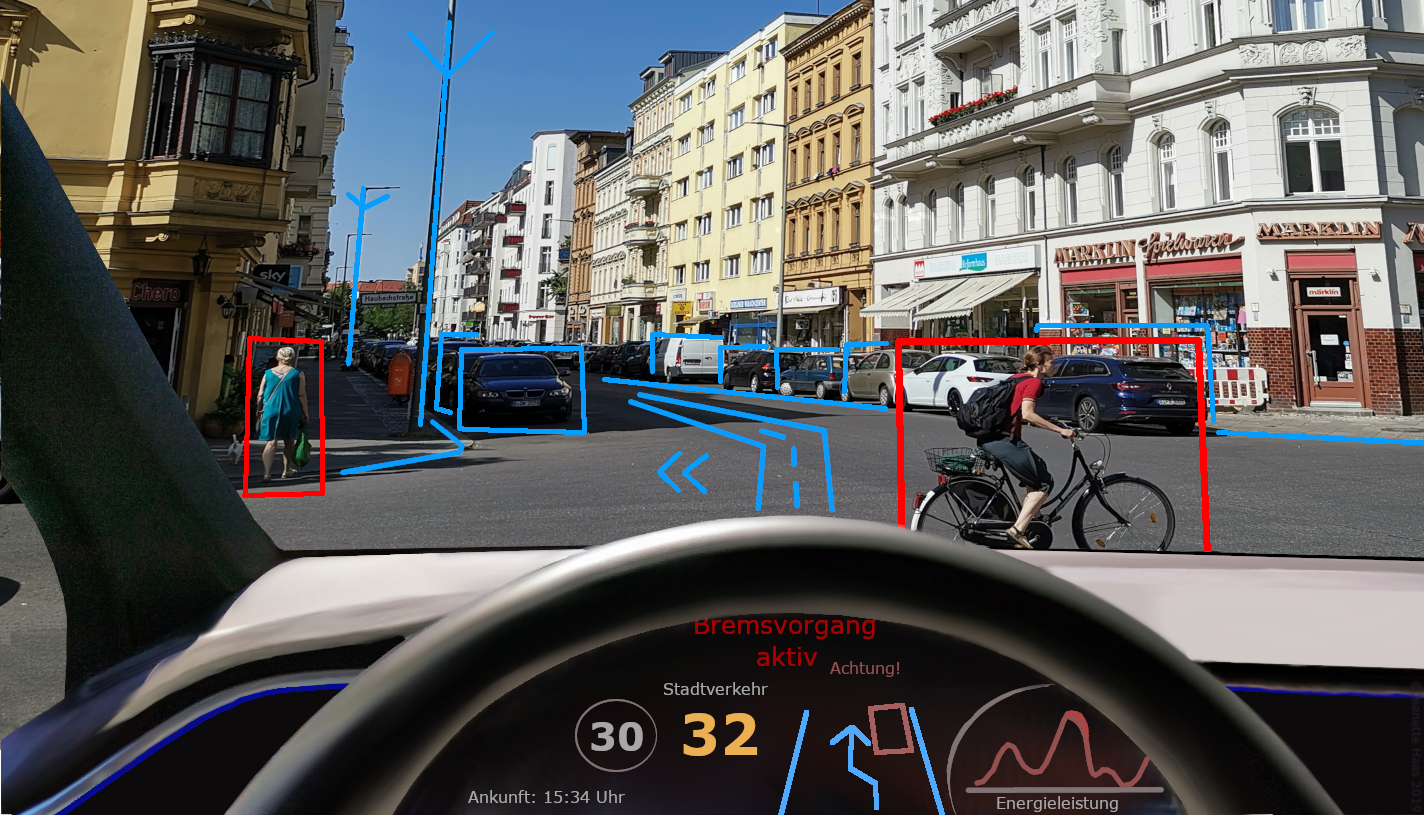
8. **Bad Driver-Monitoring Systems**While advanced driver assistance systems (ADAS) are meant to enhance safety, their implementation often misses the mark, especially when it comes to driver-monitoring. The intention is sound: ensuring drivers remain attentive, particularly with steering-assistance and hands-free systems. However, as MotorTrend points out, the execution can be “obnoxious,” frequently demanding drivers to “jiggle the steering wheel periodically, even when their hands are already on it and their eyes are on the road,” especially on the long, straight stretches of America’s roads.
This intrusive behavior creates a sense of distrust and irritation. Instead of genuinely assessing driver attention, many systems rely on rudimentary inputs that don’t reflect actual engagement. The result is a constant, nagging reminder that the car doesn’t quite trust its operator, even when the operator is being perfectly responsible and attentive. It’s a solution in search of a problem, or at least, a highly imperfect solution for a complex human behavior.
Furthermore, the interference extends to the very act of steering. Drivers find themselves having to “fight with the steering wheel” as the car attempts to correct its position, even when the driver is intentionally moving slightly within the lane. MotorTrend urges automakers to “quit grabbing at the steering wheel if the car isn’t in the exact center of the lane,” advocating for “a little wiggle room to account for traffic and objects in the road.” This constant battle undermines the very idea of assistance, turning it into an unnecessary struggle for control.
The technology exists to do this better. A more effective approach would involve investing in “a driver-facing camera or a touch-sensitive steering wheel rim,” which could more accurately gauge driver attention without resorting to frustrating, arbitrary demands. Such systems, as seen in other contexts, are far more nuanced in their understanding of genuine distraction versus a momentary glance or a slight adjustment. Without proper context, these monitoring systems become yet another source of irritation rather than a genuine safety net.
Read more about: Beyond the Hype: 14 Car Tech Features That Drive Drivers Absolutely Bonkers (and Make Us Miss Simple Dials)
9. **Forgetful Settings**Modern vehicles offer an astonishing array of personalization options, allowing drivers to tailor everything from seating positions and mirror angles to climate control preferences and driving modes. This ability to customize is a major draw, promising a bespoke driving experience. Yet, a pervasive and utterly baffling flaw in many modern cars is their inability to remember these meticulously chosen settings. Drivers personalize their cars, selecting “which features they want enabled and at what sensitivity or intensity,” only to find them reset on every single drive.
This oversight is particularly galling when a vehicle boasts an “individual” or similar settings mode, explicitly designed to save personalized configurations. The expectation is clear: once set, these preferences should persist, providing a consistent and ready-to-go experience upon starting the car. Instead, drivers are forced into a tedious ritual of re-adjusting multiple parameters, transforming what should be a smooth start into a frustrating dance of menu navigation.
The problem compounds with the increasing complexity of vehicle settings. It’s not just about a single radio preset; it’s about active safety system sensitivities, climate control behaviors, display layouts, and even specific engine or transmission responses. Having to “reset everything on every single drive” is a significant drain on time and patience, eroding the perceived value of these customizable features.
For MotorTrend experts, the solution is unequivocally straightforward: “Every setting should remain the same when you turn the car off and back on again.” This isn’t a demand for new technology, but rather for a fundamental commitment to user-centric design and a recognition that a personalized car should *stay* personalized. The current trend suggests a baffling disconnect between design intent and user expectation, making the act of driving unnecessarily complicated.
Read more about: Beyond the Hype: 14 Car Tech Features That Drive Drivers Absolutely Bonkers (and Make Us Miss Simple Dials)

10. **Key Cards Instead of Fobs**In the pursuit of sleek design and digital integration, some automakers are replacing the familiar, robust key fob with credit card-sized key cards or, worse, relying solely on smartphone apps. While the idea of using your phone as a key, or sharing a digital key with family, sounds undeniably futuristic and convenient, the reality often presents more hurdles than it solves. The first major hurdle arises when lending your vehicle; expecting others to “download the app just to unlock the door or run an errand is ridiculous.”
Beyond the digital complexities, the physical key card itself introduces a host of practical problems. These cards are “easy to lose, easier to lock in the car, and has to be in physical contact with the vehicle to work.” This direct contact requirement is a significant step backward from the convenience of traditional fobs, which allow for remote unlocking and trunk access from a distance. Imagine fumbling with a card while juggling groceries in a downpour, or realizing your only way into the car is now inside it.
The simplicity and reliability of a traditional key fob are sorely missed. Fobs allow drivers to “unlock the doors or open the trunk from a distance without any additional steps,” a small but crucial convenience in daily life. This is particularly relevant when approaching a vehicle in a dark parking lot or trying to quickly access the trunk for loading. The tactile certainty and range of a fob offer peace of mind that a delicate key card simply cannot match.
MotorTrend’s plea is direct and practical: “Sell us a key fob anyone can use to unlock the doors or open the trunk from a distance without any additional steps.” While digital solutions have their place, they should complement, not completely replace, proven and user-friendly physical tools. The current trend often prioritizes a minimalist aesthetic over the robust, everyday functionality that drivers truly need and appreciate.
Read more about: Beyond the Hype: 14 Car Tech Features That Drive Drivers Absolutely Bonkers (and Make Us Miss Simple Dials)

11. **No Direct Tune (Radio)**The evolution of in-car entertainment systems has brought us an overwhelming number of options, from hundreds of satellite radio channels to dozens of local FM and AM stations. While choice is generally a good thing, the manner in which many modern infotainment systems force drivers to navigate these options is nothing short of infuriating. Instead of a straightforward way to select a desired station, drivers are often made to “scroll through endless options you don’t want or go through a decision tree of genres just to tune the radio.”
This digital labyrinth turns a simple task into a frustrating, attention-sapping exercise. Trying to find a specific news channel or a favorite music station requires a significant diversion of visual and mental focus from the road. The intuitive act of punching in a number, a staple of car radios for decades, has been sacrificed for graphical interfaces that prioritize browsing over direct access. It’s an example of technological “advancement” that actively makes things harder.
The problem isn’t the existence of browsing features; indeed, “some folks like to browse.” The core issue is the *absence* of a direct input method. As MotorTrend emphatically states, automakers need to “give us a number pad that allows us to type in the channel or frequency we want.” This would allow drivers to quickly and safely access their preferred content without the needless distraction of scrolling through multiple layers of digital menus.
A well-designed infotainment system should offer both convenience and control. Browsing is fine for discovery, but for a known destination, direct input is paramount for safety and efficiency. The refusal to include a simple number pad for radio tuning is a glaring oversight, reflecting a design philosophy that misunderstands fundamental driver behavior and prioritizes a clean screen aesthetic over practical, everyday usability.
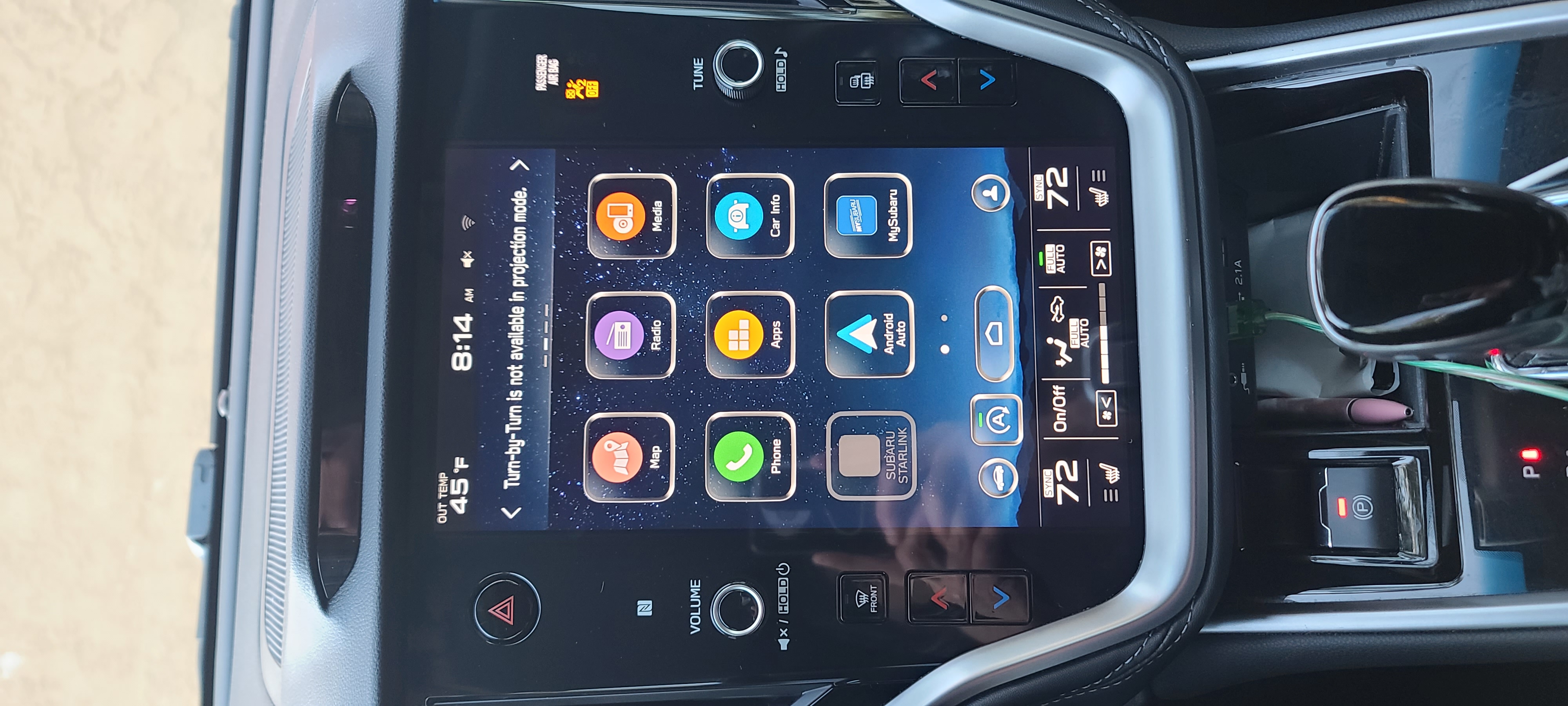
12. **No Home Screen (Infotainment)**The central infotainment screen has become the command center for virtually every modern vehicle, controlling navigation, media, climate, and vehicle settings. Given its critical role, one would expect a logical, intuitive interface. Yet, some automakers, particularly “Toyota and Lexus, especially, but also Rivian,” have inexplicably chosen to “forgo home screens for their infotainment systems,” presumably in an attempt to make them appear simpler.
This decision, however, often backfires, creating more complexity than it eliminates. MotorTrend experts are “OK with a little complexity in this case,” acknowledging that a properly designed home screen can actually simplify the user experience. Without a central hub, drivers are left to “searching through endless menus” to locate even frequently used features, transforming quick adjustments into hazardous treasure hunts. This is a prime example of design aiming for minimalist aesthetics at the expense of functionality.
A home screen, at its minimum, should serve as an accessible gateway where drivers “can easily find all the major features and categories of features.” This provides a quick overview and a starting point for navigation, drastically reducing the time and attention required to interact with the system. It organizes the digital clutter into a coherent, navigable structure.
The gold standard, as identified by MotorTrend, is “the customizable home screen which you can pin multiple features to simultaneously is king.” Such a feature allows drivers to personalize their interface, placing their most-used functions front and center for immediate access. This empowers drivers, reduces distraction, and genuinely enhances the user experience, rather than stripping away essential organizational tools in the name of a misguided simplicity.
13. **Hot Wireless Phone Chargers**Wireless phone charging pads were initially hailed as a brilliant convenience, promising to eliminate cable clutter and keep devices topped up effortlessly. The reality, however, often falls short, turning what should be a seamless charging experience into a frustrating exercise in thermal management. The fundamental issue is heat: “Wireless charging creates heat, and phones stop charging when they get too hot.”
This problem is exacerbated by the simultaneous demands placed on phones in modern cars. When drivers are “running CarPlay or Android Auto while streaming maps and audio,” their devices generate even more heat. Compounding this, many charging pads are located in “a little slot or compartment,” which effectively “creates an oven” for the phone. The consequence is a wireless charger that frequently fails at its primary task, leaving drivers with a phone that “ends up with less charge than when you started.”
It’s an ironic and deeply inconvenient flaw. A feature designed to provide power ends up draining it or rendering itself useless. This leads to drivers abandoning the wireless pad altogether in favor of traditional wired connections, or worse, dealing with a constantly overheating and undercharged device. The promise of convenience is undermined by a basic engineering oversight.
Fortunately, as MotorTrend notes, “There’s a simple solution, and some automakers are already doing it: blow cool air on the phone.” Integrating a small cooling fan or a dedicated air vent directly into the charging pad ensures that the phone remains at an optimal temperature for continuous, efficient charging. It’s a design tweak that makes all the difference, transforming a deeply flawed feature into a genuinely useful one.
Read more about: 9GadgetsTech Fans’ Nightmare: The Hidden Power Drains Making Devices and Cars Fail
14. **Subscription Features**Perhaps one of the most contentious and widely disliked trends in modern automotive practices is the emergence of subscription-based features. The traditional model of car ownership meant that once you bought a vehicle and selected its options, those features were yours. Now, however, “some modern-day brands are testing the waters to see if they can charge a monthly/yearly subscription fee for certain features.” This shift fundamentally alters the value proposition of buying a car.
The most infamous example, as highlighted in the context, was “BMW’s infamous $18 ‘heated seats subscription,’ which, as expected, was abandoned due to public outcry.” This particular instance perfectly encapsulated the absurdity of charging a recurring fee for hardware that is already physically installed in the vehicle. It felt like a blatant attempt to monetize basic comfort features that historically came with the initial purchase price, and it rightly sparked widespread resentment among consumers.
The move towards subscriptions extends beyond mere comfort features, potentially encompassing performance upgrades, connectivity services, or even remote functionalities that were once standard or a one-time activation. This creates a scenario where the full potential of a vehicle is held hostage by ongoing payments, leading to a feeling of incomplete ownership. Drivers are not just buying a car; they are entering into a long-term rental agreement for its capabilities.
As the context ominously warns, “not all is set in the world of subscription car features, as these only seem to be heating up.” This suggests a future where more and more aspects of vehicle functionality could be locked behind paywalls, adding unforeseen costs and layers of frustration to the ownership experience. Automakers must realize that physical features should be purchased outright, not rented indefinitely, to maintain driver trust and satisfaction.
Read more about: Steer Clear: 16 Car Dealership Add-Ons That Are a Waste of Your Hard-Earned Money
The journey through the most disliked modern car features reveals a clear and consistent message from drivers: innovation for innovation’s sake, or driven purely by cost-cutting and questionable monetization strategies, is not progress. While the automotive industry has delivered truly remarkable advancements, a significant portion of new technology often overcomplicates, distracts, or simply underperforms. The experts at MotorTrend, alongside countless drivers, are united in their call for a return to common sense in design. It’s time for automakers to listen intently, prioritize genuine utility, intuitive controls, and transparency in features, ensuring that the driving experience remains centered on the driver—safe, efficient, and, above all, enjoyable. Only then can we truly embrace the future of automotive technology without feeling like we’re constantly battling against it.