Electric vehicles (EVs) have zoomed from being a futuristic fantasy to a common sight on our roads, constantly being celebrated as a crucial tool in the fight against climate change and offering a thrilling driving experience with their instant torque. There’s no doubt that the EV revolution is well underway, bringing with it a host of compelling advantages, from zero tailpipe emissions that are kinder to our planet to potential savings on fuel costs and that wonderfully zippy acceleration. These benefits are indeed powerful drivers for change, pushing more and more people to consider making the switch.
However, as with any rapidly evolving technology, particularly one that asks us to rethink our deeply ingrained driving habits, the journey isn’t always perfectly smooth. While the technology is advancing at an incredible pace, and many of the early ‘deal-breakers’ are becoming less problematic, it’s still essential to approach EV ownership with a clear-eyed view. This means looking beyond the glossy marketing and understanding the practical realities that might just become everyday nuisances for some drivers.
So, before you sign on the dotted line, let’s take a practical, in-depth look at some of the less-talked-about aspects of owning an electric vehicle. Our aim here isn’t to discourage you, but to equip you with all the information you need to make an informed decision that truly suits your lifestyle. We’re breaking down the primary hurdles that many EV owners encounter, helping you anticipate and potentially navigate these challenges effectively.

1. **Limited Driving Range**One of the most widely recognized challenges, and indeed a significant barrier to early EV adoption, has historically been the limited driving range. Think back to early models like the 2011 Nissan Leaf, which offered a mere 73 miles on a full charge. It’s easy to see why, a decade ago, many car buyers found this range impractical and opted for traditional gasoline-powered vehicles instead. This perception of ‘range anxiety’ became deeply embedded in the public consciousness, shaping initial views on EVs.
Thankfully, battery technology has made leaps and bounds since those early days, dramatically improving the range capabilities of modern EVs. For instance, the 2025 Nissan Leaf, a direct successor, now boasts up to 212 miles on a full charge, which is a significant improvement. Yet, even with these advancements, it’s a critical point that gas-powered vehicles still hold a notable advantage in terms of average range. According to Energy Innovation, a respected energy and environmental policy firm, the average driving range for gas-powered cars exceeds 400 miles, while for EVs, it currently stands at 291 miles.
While the class average is 291 miles, it’s important to acknowledge that there are outliers in the EV market offering truly impressive ranges. The 2025 Lucid Air, for example, can travel an astonishing 512 miles between charges, blurring the lines between EV and gasoline vehicle range capabilities. The Lucid Air Dream Edition R was even rated at 520 miles of EPA-certified road-tripping. This shows the potential of EV technology, but it also highlights that such extended ranges often come with a higher price tag, placing them outside the average buyer’s budget.
Moreover, the stated range figures are often based on ideal conditions, such as the WLTP (Worldwide Harmonized Light Vehicles Test Procedure) lab-tested standard. In real-world driving, several factors can significantly reduce your actual range. Cold weather, for instance, can cause a noticeable drop, with drivers in northern climates budgeting for at least a 25% decrease in winter. High speeds on motorways, heavy loads, or frequent use of heating and air conditioning can all eat into your battery life, potentially reducing your range by 20% or more. Even aftermarket additions like roof racks or non-standard tires can create a drain on your battery, reminding us that range is not just a number on a spec sheet, but a dynamic figure influenced by myriad conditions.
For many drivers, especially those with average daily commutes of around 19-20 miles, a range of 250+ miles means recharging might only be necessary every 5-10 days, making limited range less of a daily barrier. However, if your routine involves regular long journeys of 200+ miles in a single day, or frequent travel without reliable charging infrastructure, then this reduced range can become a genuine limiting factor, requiring careful planning and adaptation. The key takeaway is to assess your typical driving habits honestly before committing to an EV.
Car Model Information: 2015 Nissan Frontier SV
Name: Nissan Leaf
Caption: A second generation Nissan Leaf
Manufacturer: Nissan
Production: October 2010 – present
ModelYears: 2011–present
Class: Unbulleted list
BodyStyle: Unbulleted list
Layout: Front-engine, front-wheel-drive layout
Predecessor: Unbulleted list
Categories: 2020s cars, All articles containing potentially dated statements, All articles with dead external links, Articles containing Japanese-language text, Articles containing potentially dated statements from December 2015
Summary: The Nissan Leaf (Japanese: 日産・リーフ, Hepburn: Nissan Rīfu; stylized as LEAF) is a battery-electric car manufactured by Nissan, produced since 2010. It was offered exclusively as a 5-door hatchback which since then has become a crossover SUV model. The term “LEAF” serves as a backronym to leading environmentally-friendly affordable family car.
The Leaf was unveiled on 1 August 2009 as the world’s first mass market electric and zero-emission vehicle. Among other awards and recognition, it received the 2010 Green Car Vision Award, the 2011 European Car of the Year, the 2011 World Car of the Year, and the 2011–2012 Car of the Year Japan. The Leaf’s range on a full charge has been steadily increased from 117 km (73 miles) to 364 km (226 miles) (EPA rated) by the use of larger battery packs and several minor improvements.
As of September 2021, European sales totalled more than 208,000, and as of December 2021, over 165,000 had been sold in the U.S., and 157,000 in Japan. Global sales across both generations totalled 577,000 by February 2022. The Leaf was the world’s all-time top selling plug-in electric car until it was surpassed in early 2020 by the Tesla Model 3.
Get more information about: Nissan Leaf
Buying a high-performing used car >>>
Brand: Nissan Model: Leaf
Price: Not Priced Mileage: 153,941 mi.
Read more about: The Tesla Owner’s Conundrum: Unlocking the Real Cost Savings of Electric Vehicle Charging
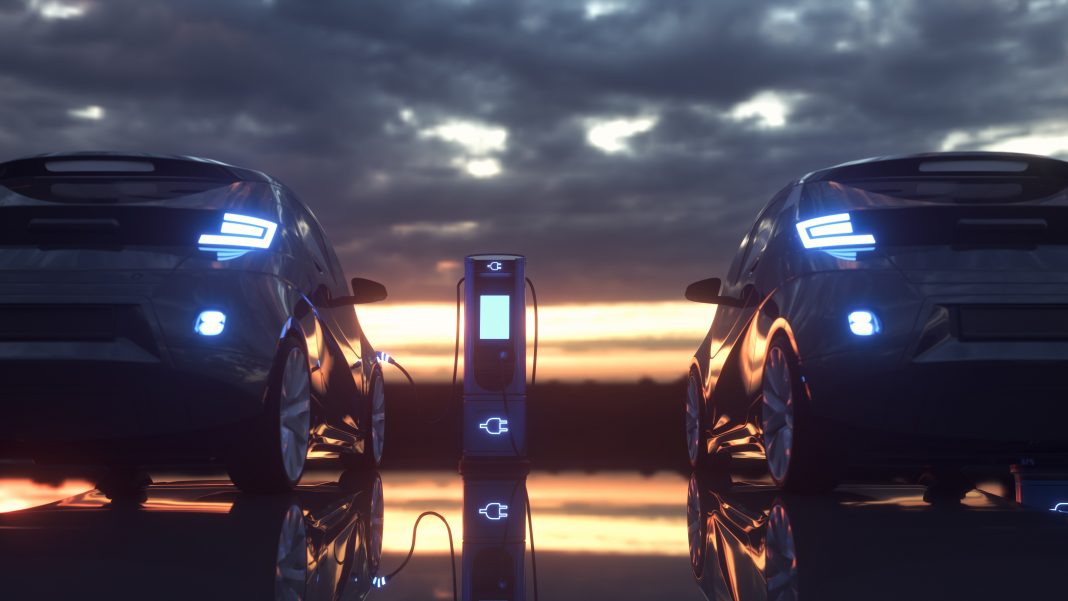
2. **Limited Charging Infrastructure**When it comes to fueling up, the accessibility of gas stations is something most drivers take for granted. With an estimated 145,000 gas stations across the United States, according to the Pew Research Center, finding a place to refuel is rarely a concern. This widespread availability has been built up over more than a century, forming a robust and dependable network that supports almost every driving scenario.
In stark contrast, the public charging infrastructure for electric vehicles is still playing catch-up. Pew Research reports approximately 61,000 publicly accessible EV charging stations in the U.S., a figure that, while growing rapidly, is nowhere near the ubiquity of gas stations. While about 60% of Americans live within two miles of a public EV charger, this availability is heavily concentrated in urban areas, leaving rural communities with significantly less access. This disparity means that an EV road trip requires a network of strategically located charging stations, often necessitating more planning than a journey in a gasoline-powered car.
Despite the current gap, it’s encouraging to note the rapid expansion of the charging network. The Department of Energy highlights that the number of charging stations has more than doubled since 2020, and the UK’s network now boasts over 84,000 public charging points, including more than 17,000 rapid and ultra-rapid chargers. This momentum, driven by automakers, governments, and NGOs, suggests a future where charging access is far more widespread. However, the present reality is that EV drivers, particularly those venturing off well-traveled urban corridors, must remain acutely aware of charging station locations and availability.
For apartment dwellers or those without a private driveway or garage, relying entirely on public chargers can present a unique set of challenges. Without the convenience of overnight home charging, these drivers must actively seek out public stations, which can be less convenient and more time-consuming. While legislation, such as England’s requirement for new constructions to feature EV charging, aims to address this in the long term, millions of older housing units currently lack the necessary infrastructure. Companies like ConnectDer are working on solutions to make home charging more accessible for a broader range of housing types, but for now, it remains a hurdle for many.
Furthermore, the quality and accessibility of public charging points can vary widely. Not all charging networks are created equal, and some stations might not be fully suited for drivers with disabilities, presenting difficulties with heavy cables and plugs. While the charging infrastructure is constantly improving, it’s undeniably one of the practical hurdles that prospective EV owners need to consider, especially if their living situation or travel habits don’t align perfectly with the current state of network development. Patience and planning are still required for longer journeys.
Read more about: The Tesla Owner’s Conundrum: Unlocking the Real Cost Savings of Electric Vehicle Charging

3. **Longer Charging Times**One of the most immediate and tangible differences between fueling a gasoline car and an electric vehicle is the time commitment. Pumping gas into your car’s tank is a task that typically takes just a few minutes, allowing you to quickly get back on the road to work or errands. It’s a brief, almost instantaneous interruption in your day, a convenience that has shaped our expectations of vehicle refueling.
Refueling an electric car, however, demands a significant shift in mindset due to its more time-consuming nature. Even with the fastest public charging options, known as DC fast charging, you’re looking at anywhere from 20 minutes to an hour to charge your battery to 80%. This duration depends heavily on the specific vehicle model and the speed of the charging point itself. To put it simply, recharging an EV takes considerably longer than filling up a gas tank, which can be an instant deal-breaker for those accustomed to quick pit stops.
Level 2 charging, a common option for public stations and home wallboxes, is even slower, requiring several hours for a full charge. While this might sound daunting, this type of charging is often done overnight at your home, transforming a potential inconvenience into a seamless part of your daily routine. Many EV owners simply plug in their vehicle when they get home and wake up to a fully charged car, ready for the day’s tasks. This home charging convenience, in many ways, can be more practical than frequent trips to a gas station.
However, the challenge arises when you’re on a road trip or if you lack access to home charging. Planning for long journeys with an EV requires strategic use of rapid chargers along your route. A 150kW charger can add significant range in a relatively short time, but it still means factoring in regular stops that are longer than a typical gas station visit. Moreover, charging smart means avoiding the need to top up to 100% unless absolutely necessary; often, charging to 80-90% is sufficient for daily needs and can be more cost-effective.
Ultimately, the takeaway is clear: while electric cars offer the unique benefit of convenient overnight home charging, public charging, especially for those longer stretches or unexpected top-ups, still demands a greater time investment. This requires a re-evaluation of how you approach ‘refueling’ and incorporating these longer stops into your travel plans. The ability to charge your car while you’re asleep or at work is a huge plus, but it doesn’t negate the fact that when you do need a public top-up, you’ll be waiting longer.
Read more about: The Tesla Owner’s Conundrum: Unlocking the Real Cost Savings of Electric Vehicle Charging
4. **Battery Degradation and Diminished Range Over Time**For owners of traditional gasoline-powered cars, the driving range of their vehicle is a fairly constant and predictable factor throughout its lifespan. If your car gets 400 miles on a full tank, you can generally count on that figure remaining consistent year after year, providing a reassuring sense of predictability. This stable performance is a luxury that EV owners, unfortunately, cannot always take for granted, as their vehicle’s driving range is intricately linked to the health of its battery.
It is a known characteristic of EV batteries that they degrade with time and use, a process that inevitably shortens the vehicle’s maximum driving range. This means that after a few years of ownership, the range you experienced when the car was new will likely diminish. As more and more EVs hit the road, there’s a growing body of research that allows us to draw meaningful conclusions about this degradation. Published studies suggest that batteries can lose approximately 10% of their range after 200,000 miles of driving, with general data indicating an average loss of about 2% to 3% of range each year.
This gradual reduction in capacity is a significant consideration for long-term ownership. While modern electric cars are typically designed to last for 10-15 years or 100,000-150,000 miles, with warranties usually covering 8 years or 100,000 miles, the reality is that the usable range will slowly tick downwards. This means a car that offered 300 miles on a full charge initially might only manage 270-280 miles after a few years, potentially impacting its suitability for certain commutes or travel patterns.
Moreover, certain charging habits can accelerate this degradation. Frequent reliance on DC fast charging, for example, can cause an EV’s battery to heat up considerably. This increased thermal stress is known to hasten battery degradation and, consequently, reduce the overall driving range more rapidly than if you primarily used slower charging methods. While fast charging is incredibly convenient for road trips, its long-term impact on battery health is a factor worth considering for any prospective owner.
While total battery failures are rare, most drivers will experience this gradual drop in range. It’s a trade-off that comes with battery-powered vehicles, and understanding these long-term implications is crucial. Unlike a gasoline engine where major repairs might be needed after many years, the ‘wear and tear’ of an EV battery manifests as a subtle, but noticeable, reduction in its core utility. Thus, budgeting for this diminishing return in range, both practically and psychologically, becomes an integral part of EV ownership.
Read more about: Avoiding Used Car Pitfalls: Essential Models and Brands to Steer Clear Of for Savvy Buyers
5. **Higher Initial Purchase Price**One of the most significant barriers for many prospective EV owners is the sticker price. Generally speaking, electric vehicles tend to command a higher initial purchase price compared to their directly comparable gasoline-powered counterparts. This difference can be quite substantial, representing a considerable hurdle for budget-conscious buyers who are looking to make the switch to electric mobility.
To illustrate this point, consider a direct comparison: the 2024 Hyundai Kona starts at $24,250, offering a base model with a 147-horsepower four-cylinder engine and a suite of standard features including a 12.3-inch touchscreen and driver-assist technologies. Its electrified sibling, the 2024 Kona Electric, begins at $32,675. This represents an approximate $8,000 premium for the EV version, even with a slightly less powerful 133-horsepower single-motor powertrain in its base trim. While higher trims offer more range, the initial price difference remains stark.
While the current average cost of an EV is about $2,800 more than a gas vehicle, this premium is still significant, especially for those stretching their budget. The primary reason for this higher cost often lies in the battery pack itself. Modern batteries require materials like lithium and cobalt, which can only be mined in a handful of countries, and the complex manufacturing process involving thousands of carefully monitored cylindrical cells adds to the expense. Furthermore, the cost of incorporating environmental and crash protection measures to prevent battery fires also contributes to the elevated price tag.
For buyers looking for truly affordable new vehicles, the pickings are slim in the EV market. While you can find numerous new gas-powered cars and SUVs for under $30,000, and even some for less than $20,000, the selection of new EVs in that price range is severely limited. The Chevrolet Bolt EUV, once an option under $30,000, was discontinued after the 2023 model. Currently, the 2024 or 2025 Nissan Leaf, with a base price of $28,140, stands out as one of the very few new electric vehicles available for less than $30,000.
Of course, no discussion about EV prices is complete without mentioning government tax incentives. The U.S. government offers a tax credit of up to $7,500 for new EVs and $4,000 for used models, and combined federal and state incentives could total up to $15,000 for some Americans. These incentives can certainly help defray the upfront cost, making EVs more accessible. However, it’s critical to remember that not all EVs and EV owners qualify for these credits, as eligibility depends on factors such as the vehicle’s price, where it was assembled, the source of its battery components, and the owner’s income. Despite these incentives, the initial purchase price remains a considerable financial hurdle for many potential buyers, forcing automakers to initially appeal to upmarket buyers. While prices have fallen recently and are expected to continue to do so due to economies of scale, it’s still an investment that requires careful consideration.
Having explored the more immediate and tangible challenges of EV ownership, let’s now delve into some of the longer-term and more nuanced considerations that often arise further down the road. These aspects touch upon the deeper implications of living with an electric vehicle, from the substantial cost of replacing its core component to its broader environmental footprint, and even the subjective elements that shape the driving experience.
Read more about: A Mechanic’s Insider Look: Unveiling 14 Vehicles That Become Costly Money Pits Over Time
6. **High Cost of Battery Replacements**At the very core of every all-electric vehicle lies its battery pack. This sophisticated component is not just an energy source; it’s intricately integrated into the vehicle’s design and accounts for the most significant portion of its overall cost. While it’s encouraging that most EVs sold in the U.S. come with a substantial warranty, typically covering eight years or 100,000 miles, this doesn’t cover the vehicle’s entire lifespan.
The average age of a vehicle on the road in the U.S. is over 12 years. This means that for many long-term EV owners, the prospect of an out-of-warranty battery replacement is a very real one. Estimates for this crucial service range widely, typically falling between $6,000 and $20,000 or even more, depending heavily on the specific make and model of your vehicle. This substantial figure can often be more than the depreciated value of the car itself, making the decision to replace a battery a challenging financial calculation.
The high cost stems from several factors. Modern batteries require specific materials like lithium and cobalt, which are only mined in a limited number of countries. The manufacturing process itself is complex, involving thousands of precisely monitored cylindrical cells. Additionally, the expense of incorporating advanced environmental and crash protection measures, designed to prevent battery fires and ensure safety, further contributes to the elevated price tag of these essential units.
However, the good news is that solutions are emerging. The aftermarket supplier sector is actively working to address this issue, with companies like EVs Enhanced in New Zealand developing replacement packs that can even offer improved capacity. While these solutions are not inexpensive, with current pricing estimates in the $10,000-$15,000 range, the increasing competition and advancements in manufacturing are expected to drive these costs down over time, making long-term EV ownership more sustainable.
Read more about: Beyond the Showroom: 15 Essential Car Upgrades That Are Truly Worth Every Penny for the Savvy Driver

7. **Broader Environmental Impacts and Resource Demand**Electric vehicles are rightly celebrated for their zero tailpipe emissions, making them a cleaner choice for local air quality compared to gasoline-powered cars. However, the narrative of EVs being entirely “clean and green” requires a more nuanced perspective when considering their full lifecycle. The environmental impact extends beyond what comes out of the exhaust pipe, or rather, the lack thereof.
One significant factor is the source of the electricity used for charging. An EV’s environmental footprint is directly tied to the power plant that generates its energy. While the science behind “well-to-wheels” efficiency unequivocally shows EVs are greener even when powered by coal, the carbon footprint improves dramatically when charging from renewable sources like solar or wind. As energy grids become cleaner, so too does the environmental benefit of driving an EV.
Beyond energy generation, the issue of e-waste from used batteries presents a more insidious problem. Lithium-ion batteries, while generally safer than older Nickel-Cadmium cells, are still considered toxic components in our waste stream. The industry is grappling with finding effective and widespread solutions for recycling the vast volume of used batteries anticipated in the coming years. A concerning report from the EPA noted at least 65 landfill fires caused by lithium-ion battery waste in the last year alone, underscoring the urgent need for robust recycling infrastructure.
Furthermore, the production of EVs places considerable demands on global resources. Each electric vehicle requires significantly more copper wiring than a comparable gasoline vehicle, with some estimates suggesting two to four times as much. This increased demand, multiplied across millions of new cars, can lead to global resource strain, potential price spikes for materials, and the need for new mining operations. These mining activities inherently carry their own environmental impact, raising questions about sustainability and ethical sourcing for materials like lithium and cobalt.
Read more about: The Automotive Journey: A Comprehensive Look at the Car’s Evolution, Impact, and Future
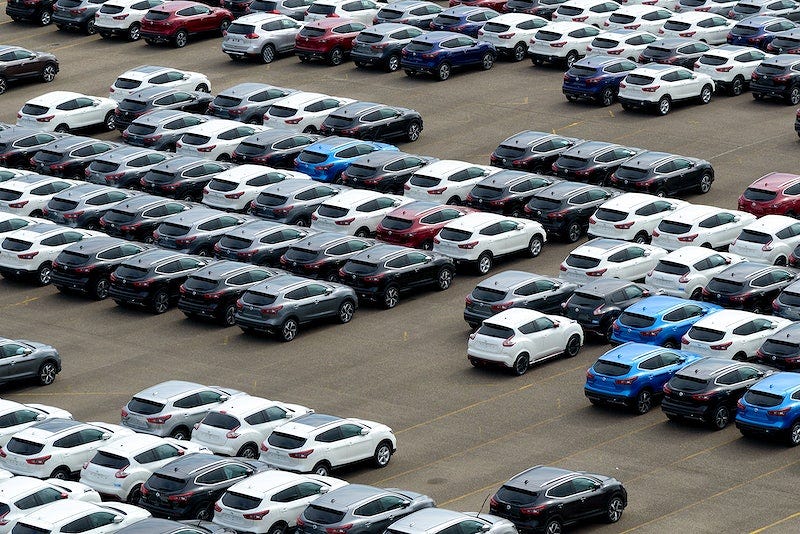
8. **Increased Vehicle Weight and Its Consequences**One of the less intuitive downsides of electric vehicles is their substantial weight. EVs are inherently heavier than their gasoline counterparts, and the reason for this added bulk is straightforward: their battery packs. These massive energy storage units are not light; for instance, the battery in a new Hummer EV weighs nearly as much as an entire new Honda Civic. This extra weight, while often cleverly disguised by automakers through low-chassis placement for better handling, has several practical consequences.
While designers excel at integrating these heavy battery packs low in the chassis to improve stability and keep the center of gravity down, mitigating the feel of the weight in terms of handling, the added momentum remains undeniable. This means EV drivers often need to recalibrate their braking habits, starting to apply pressure earlier to account for the greater mass. It’s a subtle but important adaptation for safe and efficient driving, impacting how the vehicle responds, particularly in emergency situations.
The increased weight of electric vehicles has a direct impact on the wear and tear of certain components, most notably tires and brakes. Heavier vehicles exert more force on the road, accelerating tire degradation and requiring more robust braking systems, which in turn wear out faster. This translates to more frequent replacements and potentially higher maintenance costs over the vehicle’s lifetime. Beyond the financial aspect, increased tire wear contributes to microplastic pollution, impacting both human health and delicate ecosystems.
Moreover, the specialized construction of EVs, particularly around the battery pack, can lead to higher repair costs in the event of a collision. Because the battery is such an integral and sensitive component, repairs often require specialized training and equipment, which can increase labor rates at repair shops. This added complexity and cost are important considerations for owners, especially when weighing insurance premiums and long-term financial planning for potential repairs.
Read more about: A Mechanic’s Insider Look: Unveiling 14 Vehicles That Become Costly Money Pits Over Time

9. **Limitations on Top Speed**Electric vehicles have undeniably revolutionized the perception of power and acceleration in automobiles. Their instant torque delivery means even family-oriented EVs can feel remarkably quick off the line, often outpacing many traditional sports cars in a drag race. This effortless, smooth acceleration is a major draw for many drivers and a testament to the efficiency of brushless electric motors. However, this impressive acceleration doesn’t always translate into record-breaking top speeds.
For most family-friendly electric vehicles, the engineering focus is more on efficient power delivery for daily driving and rapid acceleration rather than achieving extreme top-end speeds. For instance, models like the Kia EV6 GT Line, while capable of hitting 0-60 mph in around five seconds, typically top out at about 115 mph. Similarly, a Skoda Enyaq might max out closer to 110 mph. For the vast majority of drivers, especially in regions with strict speed limits like the UK where limits don’t exceed 70 mph, these speeds are more than adequate for everyday motoring.
The reason for these top-speed limitations often comes down to battery consumption. Moving at very high speeds consumes a significantly larger amount of battery energy, rapidly depleting the vehicle’s range. To optimize for practicality, range, and overall efficiency, automakers typically electronically limit the top speed of their EVs. While high-performance outliers like some Tesla models or the Lucid Air can achieve much higher top speeds, these often come with a premium price tag and are exceptions rather than the norm for the average consumer EV.
Read more about: The Unsung Visionaries: 10 Classic Muscle Cars That Dared to Define the Future

10. **The Absence of Traditional Engine Sounds**For a specific segment of car enthusiasts and even casual drivers, one of the most significant and often overlooked downsides of EV ownership is the subjective loss of traditional engine sounds. The silent, smooth operation of an electric powertrain, while praised for its quiet comfort by many, can leave a void for those who appreciate the visceral feedback and auditory experience of a combustion engine. This isn’t just about noise; it’s about the emotional connection to a car’s character.
The roar of a powerful V8, the distinctive thrum of a high-revving four-cylinder, or the characteristic idle of a diesel engine are all deeply ingrained parts of the driving experience for many. These sounds provide a direct, unmediated connection to the mechanical workings of the vehicle, offering sensory feedback about speed, power, and engine effort. For many, this auditory landscape is an integral part of what makes driving engaging and enjoyable, almost akin to the soundtrack of a journey.
Automakers are certainly aware of this perceived ‘soullessness’ and have attempted to address it with synthetic sound systems. These systems aim to replicate the feel of an engine note through the car’s speakers, often varying with acceleration and speed. However, for many purists, these artificial sounds are simply a poor substitute for the organic, mechanical symphony of a real engine. They often lack the nuance, resonance, and authentic character that enthusiasts crave, feeling more like a digital overlay than an integral part of the driving experience.
Ultimately, whether the absence of engine sounds is a disadvantage comes down to personal preference. For those who prioritize a quiet, serene cabin and a smooth ride, the silence of an EV is a significant advantage. But for the dyed-in-the-wool gearhead, the loss of that tangible, auditory feedback can diminish the joy of driving, making an EV feel less engaging and more like a high-tech appliance rather than a passionate machine.
Read more about: Unleash Your Inner Gearhead: 15 Affordable Muscle Cars That Deserve a Spot in Your Garage
Steering clear of potential pitfalls with an electric vehicle requires a comprehensive understanding of these longer-term and often nuanced considerations. While the immediate environmental benefits and driving thrills of an EV are compelling, an informed decision rests on weighing these less-discussed factors against your personal lifestyle and priorities. The journey of EV ownership, like any significant change, comes with its own set of trade-offs, and knowing them upfront is the best way to ensure a smooth ride.