The Baby Boomer generation, born between 1946 and 1964, has truly witnessed an astonishing parade of automotive history. They’ve lived through the roar of muscle cars, felt the pinch of the 1970s oil crisis that forced a pivot to efficiency, and seen the dawn of hybrid and electric vehicles that now dominate headlines. It’s a journey filled with incredible innovations and groundbreaking designs, but let’s be honest, not every vehicle from this vast timeline earned a place in their hearts. In fact, some models have achieved the rather dubious honor of being utterly despised.
So, why do certain cars stick in the craw of a generation that’s seen it all? Sometimes it’s a design that utterly misses the mark, looking like a concept sketch that accidentally escaped. Other times, it’s mechanical woes that turn daily commutes into endless repair sagas, draining bank accounts faster than a V8 on a quarter-mile strip. And then there are the cars that just don’t align with their values or lifestyle, feeling more like a political statement than practical transportation. These are the machines that taught the auto industry lessons the hard way, often costing more than just sales figures.
Buckle up, because we’re about to take a reflective, albeit bumpy, ride down memory lane. We’ll kick things off by dissecting some of the more modern, environmentally-focused, and tech-heavy vehicles that simply couldn’t convert the Boomers, despite their perceived merits. These are the cars that, for a myriad of reasons, just didn’t speak the Boomer language, proving that sometimes, even good intentions pave the road to automotive infamy.
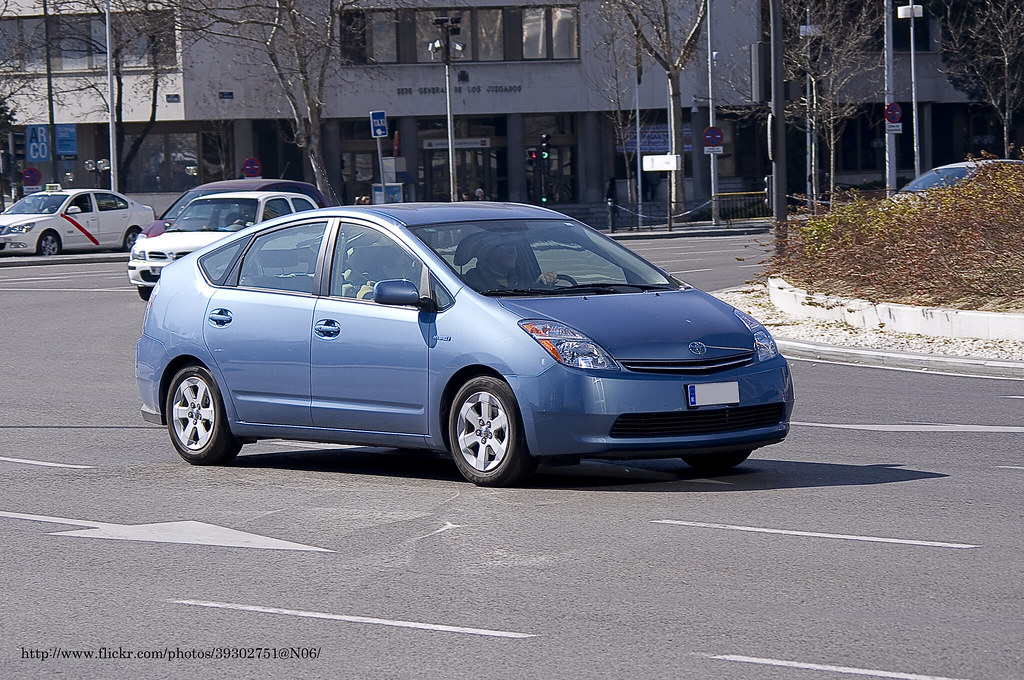
1. **Toyota Prius**It’s a car almost synonymous with environmental consciousness, yet the Toyota Prius often finds itself squarely in the crosshairs of Boomer disapproval. While it’s certainly not universal—personal tastes are as varied as car colors—there are some rather consistent reasons why this hybrid hero becomes a villain for many in this demographic. Its design, for one, is frequently cited. The Prius embraced a unique, distinctly futuristic aesthetic that, let’s just say, wasn’t everyone’s cup of tea. For those who prefer the classic lines of, well, almost anything else, it could feel like something beamed in from another planet.
Then there’s the question of size. The Prius is a compact car, which means space isn’t exactly its strongest suit. Many Boomers, accustomed to larger, more substantial vehicles, might find it a bit too cramped for their liking, especially if they’re carting around grandkids or a week’s worth of groceries. This perceived lack of practicality, paired with its smaller stature, often relegates it to the “not quite right” pile for those who value roominess and a commanding road presence.
Its reliance on electric power also raises a few eyebrows. For a generation that grew up with, and largely relied on, tried-and-true gasoline engines, the idea of an electric-heavy powertrain can spark concerns about range anxiety and the availability of charging stations. It’s a leap into the unknown that many just aren’t ready to take, particularly if their driving habits include frequent, long-distance journeys. The fear of being stranded due to a lack of juice is a powerful deterrent.
Finally, the very marketing of the Prius as an “environmentally friendly car” can inadvertently alienate some Boomers. Rather than seeing it as a practical or efficient choice, some perceive it as a “politically correct or trendy choice.” The car’s image as a vehicle for younger, tech-savvy individuals doesn’t help its cause, either. It’s a perception that can be off-putting, making the Prius feel like it’s just not built for them.
Car Model Information: 2021 Toyota Prius XLE
Name: Toyota Prius
Caption: Fifth generation Prius (XW60)
Manufacturer: Toyota
Production: December 1997 – present
ModelYears: 2001–present (US)
Class: ubl
BodyStyle: unbulleted list
Layout: unbulleted list
Sp: uk
Categories: 2000s cars, 2010s cars, 2020s cars, All-wheel-drive vehicles, All Wikipedia articles in need of updating
Summary: The Toyota Prius ( PREE-əss) (Japanese: トヨタ・プリウス, Hepburn: Toyota Puriusu) is a compact/small family liftback (supermini/subcompact sedan until 2003) produced by Toyota. The Prius has a hybrid drivetrain, which combines an internal combustion engine and an electric motor. Initially offered as a four-door sedan, it has been produced only as a five-door liftback since 2003.
The Prius was developed by Toyota to be the “car for the 21st century”; it was the first mass-produced hybrid vehicle, first going on sale in Japan in 1997 at all four Toyota Japan dealership chains, and subsequently introduced worldwide in 2000.
In 2011, Toyota expanded the Prius family to include the Prius v, an MPV, and the Prius c, a subcompact hatchback. The production version of the Prius plug-in hybrid was released in 2012. The second generation of the plug-in variant, the Prius Prime, was released in the U.S. in November 2016. The Prius family totaled global cumulative sales of 6.1 million units in January 2017, representing 61% of the 10 million hybrids sold worldwide by Toyota since 1997. Toyota sells the Prius in over 90 markets, with Japan and the United States being its largest markets.
Get more information about: Toyota Prius
Buying a high-performing used car >>>
Brand: Toyota Model: Prius
Price: $21,790 Mileage: 55,905 mi.
Read more about: King of the Road: A Closer Look at Toyota’s Most Popular Vehicles in the United States
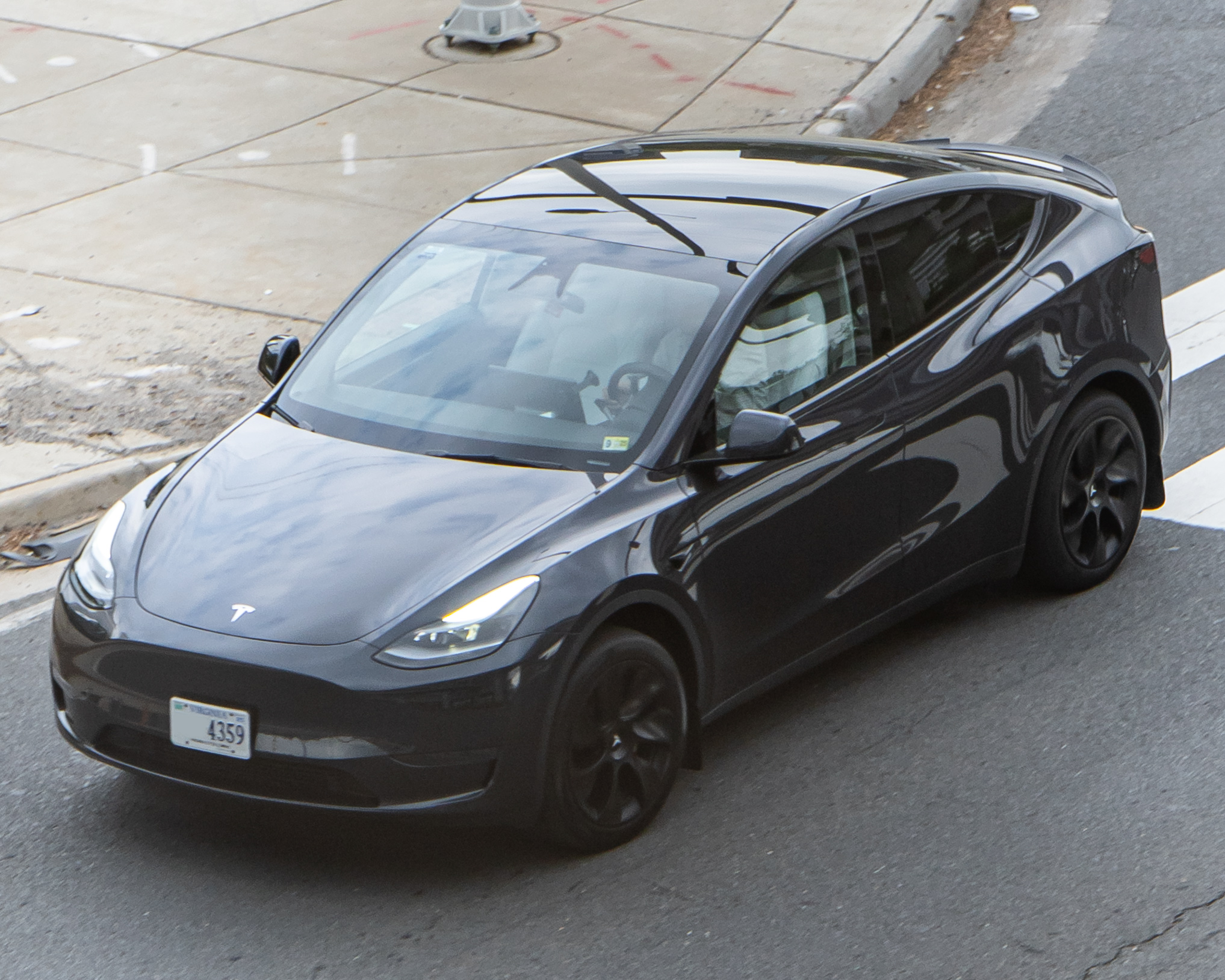
2. **Tesla Model 3**Ah, Tesla. The undisputed king of electric vehicles, a brand that has undeniably disrupted the automotive industry. Yet, even the sleek, technologically advanced Tesla Model 3 fails to impress a significant portion of the Boomer demographic. The primary barrier for many is often the price point. Tesla vehicles typically come with a higher sticker price than their traditional gasoline-powered counterparts, which can be a significant hurdle for Boomers who are often on fixed incomes or simply prefer to be more budget-conscious.
Beyond the cost, there’s a noticeable discomfort with the sheer newness of electric vehicle technology itself. For a generation that values reliability and proven track records, the idea of an EV can feel “untested and unreliable” compared to the century-plus legacy of internal combustion engines. This apprehension about unfamiliar technology creates a sense of unease, making the Model 3 seem like a risky proposition rather than a wise investment.
Then we come to the design, both inside and out. Tesla’s unique, futuristic look, characterized by minimalist interiors and advanced, screen-centric controls, isn’t for everyone. While appealing to some, many Boomers find it overwhelming or confusing, preferring the more traditional layouts and tactile buttons they’ve grown accustomed to. The absence of a traditional gauge cluster, for example, can be a major turn-off, feeling more alien than innovative.
Lastly, the brand image of Tesla itself plays a crucial role. Often associated with a younger, forward-thinking demographic, Tesla’s identity as a “disruptor in the automotive industry” and its unwavering focus on sustainability can be perceived by some Boomers as “dismissive of traditional car culture.” It’s not just a car; it’s a statement, and that statement might not resonate with those who hold traditional automotive values dear.
Car Model Information: 2021 Mazda Mazda3 AWD w/Premium Package
Name: Tesla Model 3
Manufacturer: Tesla, Inc.
Production: 2017–present
Assembly: unbulleted list
Designer: Franz von Holzhausen
Class: Mid-size car
BodyStyle: Sedan (car)
Layout: unbulleted list
Related: Tesla Model Y
Motor: unbulleted list
Transmission: Single-speed fixed (9:1 ratio)
Battery: unbulleted list
ElectricRange: unbulleted list
Charging: unbulleted list
Wheelbase: cvt
Length: unbulleted list
Width: cvt
Height: unbulleted list
Weight: cvt
Caption: 2019 Tesla Model 3 Performance
Categories: 2020s cars, ANCAP large family cars, All-wheel-drive vehicles, All Wikipedia articles in need of updating, All Wikipedia articles written in American English
Summary: The Tesla Model 3 is a battery electric powered mid-size sedan with a fastback body style built by Tesla, Inc., introduced in 2017. The vehicle is marketed as being more affordable to more people than previous models made by Tesla. The Model 3 was the world’s top-selling plug-in electric car for three years, from 2018 to 2020, before the Tesla Model Y, a crossover SUV based on the Model 3 chassis, took the top spot. In June 2021, the Model 3 became the first electric car to pass global sales of 1 million.
A facelifted Model 3 with revamped interior and exterior styling was introduced in late 2023 for countries supplied by Gigafactory Shanghai and in early 2024 in North America and other countries supplied by the Tesla Fremont Factory.
Get more information about: Tesla Model 3
Buying a high-performing used car >>>
Brand: Tesla Model: Model 3
Price: $19,148 Mileage: 54,821 mi.
Read more about: The Tesla Owner’s Conundrum: Unlocking the Real Cost Savings of Electric Vehicle Charging
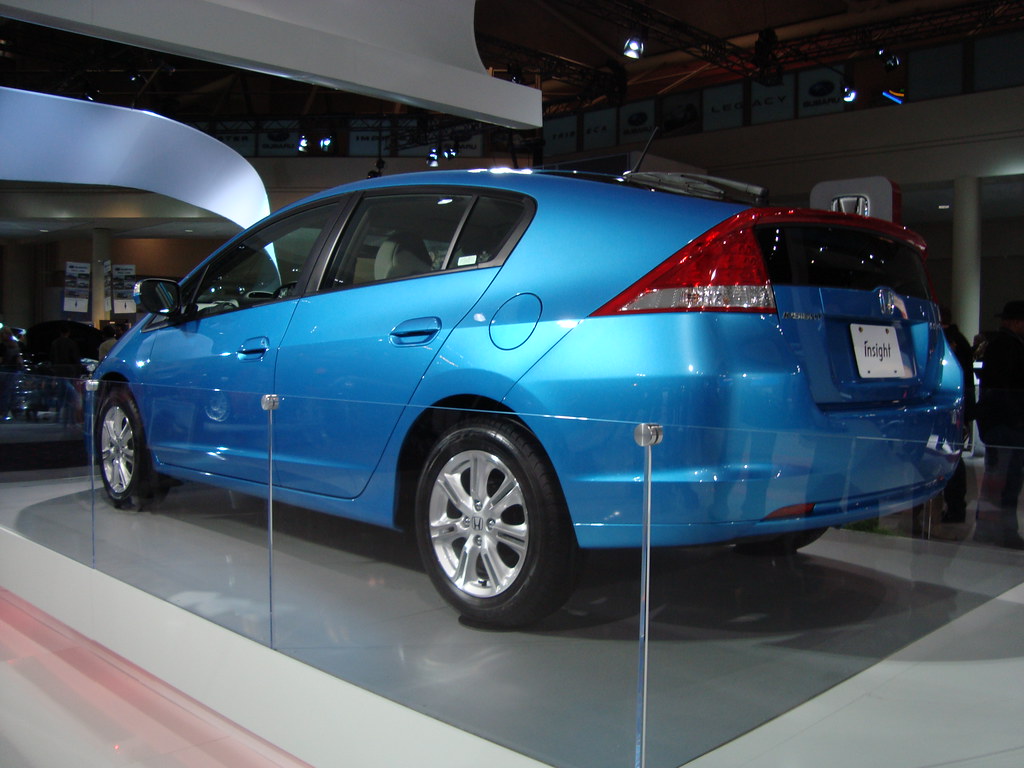
3. **Honda Insight**Honda, a name synonymous with reliability, might surprise some by appearing on this list, but the Insight is often cited as another green machine that just didn’t click with the Boomer crowd. Despite Honda not being “renowned for its futuristic styles,” many Boomers still expressed a “relative hatred” for the Insight, largely due to its design. It was often seen as “less attractive than other vehicles on the market,” failing to capture the aesthetic appeal that would typically draw in more traditional buyers.
Its hybrid powertrain and singular focus on fuel efficiency also contributed to its unpopularity. For a generation that often prioritizes robust performance and unquestionable dependability, the Insight’s engine configuration could be perceived as “less reliable or less potent than traditional gasoline-powered cars.” This concern over long-term durability and the feeling of reduced power could easily push it out of contention for those seeking a more conventional driving experience.
Predictably, its compact size also worked against it. The Insight, being a smaller car, just didn’t offer the expansive interior or cargo space that many Boomers desire. If you’re used to a roomy sedan or even a moderately sized SUV, the Insight could feel like a significant downgrade in practicality, especially for those who need to haul gear, groceries, or simply enjoy a more spacious cabin.
And much like its hybrid brethren, the Insight’s marketing as an “environmentally friendly car” could be a double-edged sword. Some Boomers might view it as “a politically correct or trendy choice rather than a practical one,” similar to the Prius. Its association with a particular “image” could also be off-putting, cementing its status as a car that simply didn’t align with the preferences of many traditional-minded buyers.
Car Model Information: 2022 Honda Insight EX
Name: Honda Insight
Caption: Honda Insight (ZE4; 2019)
Manufacturer: Honda
Production: 1999–2006,2009–2014,2018–2022
ModelYears: 2000–2006 , 2010–2014 , 2019–2022
Class: Subcompact car
BodyStyle: liftback
Layout: Front-engine, front-wheel-drive
Sp: us
Categories: 2010s cars, All Wikipedia articles written in American English, All articles containing potentially dated statements, All articles that may contain original research, All articles with dead external links
Summary: The Honda Insight (ホンダ・インサイト, Honda Insaito) is a hybrid electric vehicle that is manufactured and marketed by Honda. Its first generation was a two-door, two passenger liftback (1999–2006) and in its second generation was a four-door, five passenger liftback (2009–2014). In its third generation, it became a four-door sedan (2018–2022). It was Honda’s first model with Integrated Motor Assist system and the most fuel efficient gasoline-powered car available in the U.S. without plug-in capability for the length of its production run.
Honda introduced the second-generation Insight in Japan in February 2009 and in the United States on March 24, 2009. The Insight was the least expensive hybrid available in the US.
In December 2010, Honda introduced a less expensive base model for the 2011 model year. The Insight was launched in April 2009 in the UK as the lowest priced hybrid on the market and became the best selling hybrid for the month.
The Insight ranked as the top-selling vehicle in Japan for the month of April 2009, a first for a hybrid model. During its first twelve months after first available in the Japanese market, the second-generation Insight sold 143,015 units around the world. In July 2014, Honda announced the end of production of the Insight for the 2015 model, together with the Honda FCX Clarity hydrogen fuel-cell car and the Honda Fit EV electric car.
At the 2018 North American International Auto Show, Honda announced the third-generation Honda Insight prototype, based on the tenth-generation Honda Civic sedan. Unlike the previous Insight, it was a traditional sedan, not a five-door liftback. The third-generation Insight went on sale later that year.
In April 2022, Honda announced that the Insight would be discontinued after the 2022 model year, with production ending in June. It has been replaced by a new Civic Hybrid.
Get more information about: Honda Insight
Buying a high-performing used car >>>
Brand: Honda Model: Insight
Price: $21,900 Mileage: 47,158 mi.
Read more about: Engineering Excellence: An In-Depth Look at the 12 Most Reliable Trucks Ever Built
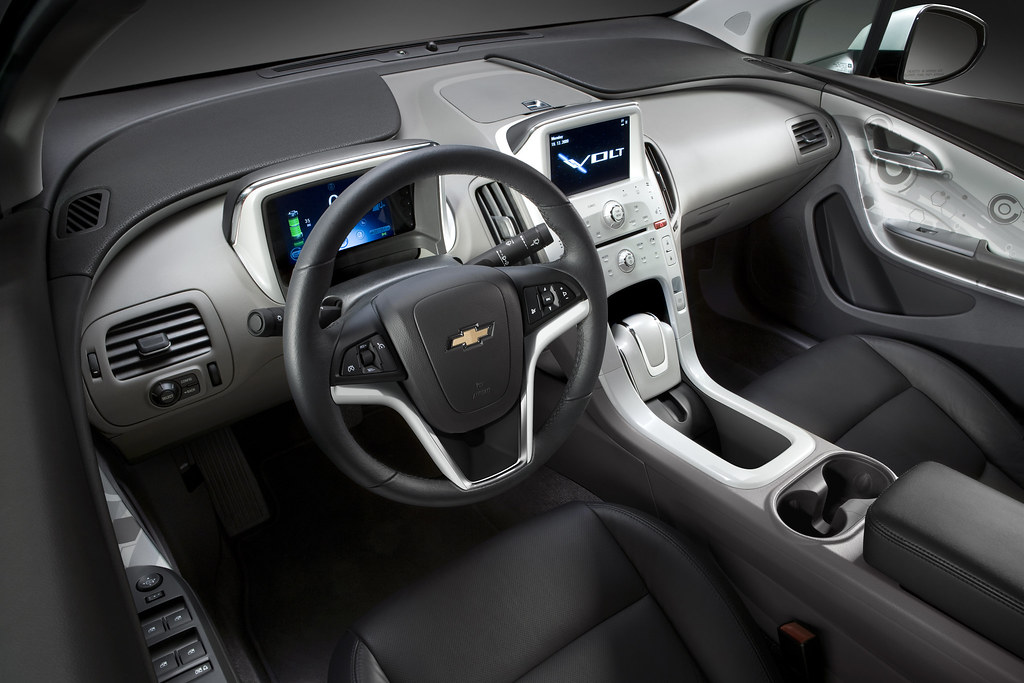
4. **Chevrolet Volt**The Chevrolet Volt is another hybrid that, despite its innovative extended-range electric powertrain, struggled to win over the hearts and minds of many Baby Boomers. While it’s certainly a generalization to say all Boomers despised it, numerous factors contributed to its lukewarm reception among this demographic. A significant point of contention was often its aesthetics; the Volt simply wasn’t “seen as attractive or stylish compared to other vehicles,” failing to deliver the visual appeal that often drives a purchase decision.
Beneath the surface, the core technology presented its own challenges. Many Boomers expressed discomfort with the idea of electric cars and the inherent technology behind them. The perception that these vehicles “are not tried and tested like traditional petroleum-based engines that have existed for over a century” created a barrier of trust. This apprehension meant that, despite GM’s best efforts, the Volt was often viewed with skepticism rather than enthusiasm.
Adding to the technological unease was the nature of its hybrid powertrain. This system, while clever, was sometimes seen as “less robust or unreliable than traditional gasoline-powered cars.” For a demographic that often places a premium on long-term reliability and straightforward performance, any perception of complexity or potential fragility in the engine system could be a significant deterrent. They simply wanted a car that would start every time and keep going without a fuss.
Finally, the Volt, like other green vehicles, found itself entangled in a perception battle due to its environmental marketing. For some Boomers, it was more than just a car; it was “marketed as an environmentally friendly car, which some boomers may view as a negative and appealing to a specific political persuasion.” This framing, whether intentional or not, positioned the Volt as a car with an agenda, rather than just a practical mode of transport, further alienating a segment of the market.
Car Model Information: 2021 Chevrolet Silverado 1500 RST
Name: Chevrolet Volt
Caption: 2012 Chevrolet Volt
Manufacturer: General Motors
Production: November 2010 – February 2019
ModelYears: 2011–2019
Class: Compact car
BodyStyle: liftback
Layout: Front-engine, front-wheel drive
Designer: Jelani Aliyu
Categories: All Wikipedia articles written in American English, All articles containing potentially dated statements, All articles with dead external links, Articles containing potentially dated statements from August 2016, Articles containing potentially dated statements from February 2014
Summary: The Chevrolet Volt is an electric vehicle car that was manufactured by General Motors, and also marketed in rebadged variants as the Holden Volt in Australia and New Zealand and the Buick Velite 5 in China, and with a different fascia as the Vauxhall Ampera in the United Kingdom and as the Opel Ampera in the remainder of Europe. Volt production ended in February 2019. While similar in some ways to hybrid vehicles, the Chevy Volt is an electric car with an onboard gasoline generator.
Sales of the Volt began in the United States in mid-December 2010, followed by some European countries and other international markets in 2011. Global combined Volt/Ampera-family sales totaled about 177,000 units by the end of October 2018. The U.S. was the leading market, with 157,054 Volts delivered through the end of 2019, followed by Canada with 16,653 Volts sold through September 2018. Just over 10,000 Opel/Vauxhall Ampera cars had been sold in Europe as of June 2016. Until December 2018, the Volt/Ampera family of vehicles was the world’s bestselling plug-in hybrid vehicle. When it was discontinued, the Chevrolet Volt was still listed as the top-selling plug-in hybrid in the American market.
The Volt operates as a pure battery electric vehicle until its battery capacity drops to a predetermined threshold from full charge. From there, its internal combustion engine powers an electric generator to extend the vehicle’s range as needed. While running on gasoline at high speeds the engine may be mechanically linked (by a clutch) to the car’s gearbox, improving efficiency by 10% to 15%. The Volt’s regenerative braking also contributes to the on-board electricity generation. Under the United States Environmental Protection Agency (EPA) cycle, the 2013–15 model year Volt all-electric range is 38 mi (61 km), with a combined electric mode/gasoline-only rating of 62 mpg‑US (3.8 L/100 km; 74 mpg‑imp) equivalent (MPG equivalent).
The second-generation Volt’s improved battery system and drivetrain increased the all-electric range to 53 miles (85 km), its EPA-rated fuel economy in charge-sustaining mode to 42 mpg‑US (5.6 L/100 km; 50 mpg‑imp), and the combined city/highway fuel economy in all-electric mode to 106 MPG-e, up from 98 MPG-e. Deliveries to retail customers in the U.S. and Canada began in October 2015 as a 2016 model year.
The Volt won several awards, including the 2009 Green Car Vision Award, 2011 Green Car of the Year, 2011 North American Car of the Year, 2011 World Green Car, 2011 SAE Best engineered car, 2012 European Car of the Year, and 2016 Green Car of the Year.
Get more information about: Chevrolet Volt
Buying a high-performing used car >>>
Brand: Chevrolet Model: Volt
Price: $39,977 Mileage: 44,142 mi.
Read more about: Neil Young’s Garage: 8 Legendary Rides That Define His Eclectic Taste and Eco-Warrior Spirit
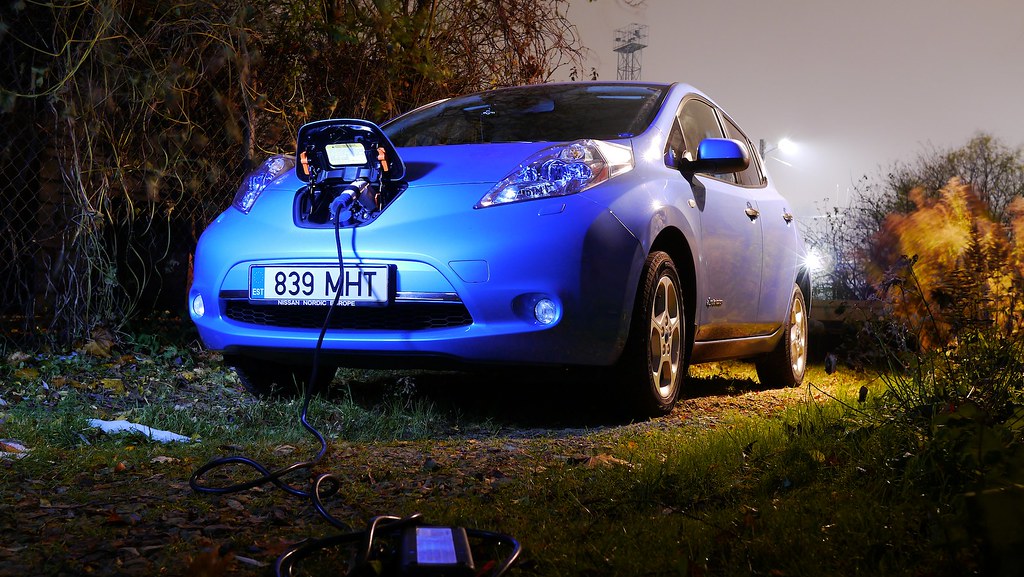
5. **Nissan Leaf**The Nissan Leaf, one of the pioneering mass-market all-electric vehicles, often faced a similar uphill battle for acceptance among the Boomer generation. Its design was a common sticking point; many found it “may need to be more attractive and stylish than other vehicles” on the market. In an era where car aesthetics can be as important as performance, the Leaf’s somewhat quirky and utilitarian appearance didn’t always hit the mark for those preferring more conventional or luxurious lines.
Then there’s the elephant in the room when it comes to early EVs: the perception of reliability and the discomfort with new technology. Boomers, by and large, were less inclined to embrace vehicles where the underlying tech was “untested and unreliable” in their view. The charging infrastructure was still in its infancy, and the idea of relying solely on electric power for daily driving, especially for those accustomed to the ubiquitous nature of gasoline stations, was a significant psychological hurdle.
A major practical concern for the Leaf was its “all-electric powertrain, which can have a limited range compared to traditional gasoline-powered vehicles.” In its early iterations, the Leaf’s range was indeed a constraint, making it less appealing to Boomers who might need a car for longer road trips or were simply worried about the availability of charging stations during their journeys. This range anxiety was a palpable barrier, restricting its appeal to a niche market rather than widespread adoption.
The combination of these factors — a polarizing design, an unfamiliar and sometimes intimidating technology, and practical limitations like range — meant the Nissan Leaf struggled to gain traction with many Boomers. It represented a fundamental shift in automotive philosophy that, for various valid reasons, simply didn’t align with the established preferences and practical requirements of a significant portion of this experienced driving demographic.
Car Model Information: 2015 Nissan Frontier SV
Name: Nissan Leaf
Caption: A second generation Nissan Leaf
Manufacturer: Nissan
Production: October 2010 – present
ModelYears: 2011–present
Class: Unbulleted list
BodyStyle: Unbulleted list
Layout: Front-engine, front-wheel-drive layout
Predecessor: Unbulleted list
Categories: 2020s cars, All articles containing potentially dated statements, All articles with dead external links, Articles containing Japanese-language text, Articles containing potentially dated statements from December 2015
Summary: The Nissan Leaf (Japanese: 日産・リーフ, Hepburn: Nissan Rīfu; stylized as LEAF) is a battery-electric car manufactured by Nissan, produced since 2010. It was offered exclusively as a 5-door hatchback which since then has become a crossover SUV model. The term “LEAF” serves as a backronym to leading environmentally-friendly affordable family car.
The Leaf was unveiled on 1 August 2009 as the world’s first mass market electric and zero-emission vehicle. Among other awards and recognition, it received the 2010 Green Car Vision Award, the 2011 European Car of the Year, the 2011 World Car of the Year, and the 2011–2012 Car of the Year Japan. The Leaf’s range on a full charge has been steadily increased from 117 km (73 miles) to 364 km (226 miles) (EPA rated) by the use of larger battery packs and several minor improvements.
As of September 2021, European sales totalled more than 208,000, and as of December 2021, over 165,000 had been sold in the U.S., and 157,000 in Japan. Global sales across both generations totalled 577,000 by February 2022. The Leaf was the world’s all-time top selling plug-in electric car until it was surpassed in early 2020 by the Tesla Model 3.
Get more information about: Nissan Leaf
Buying a high-performing used car >>>
Brand: Nissan Model: Leaf
Price: Not Priced Mileage: 153,941 mi.
Read more about: Buyer Beware: 15 New Cars You Should Seriously Reconsider Before Driving Off the Lot in 2024 and 2025
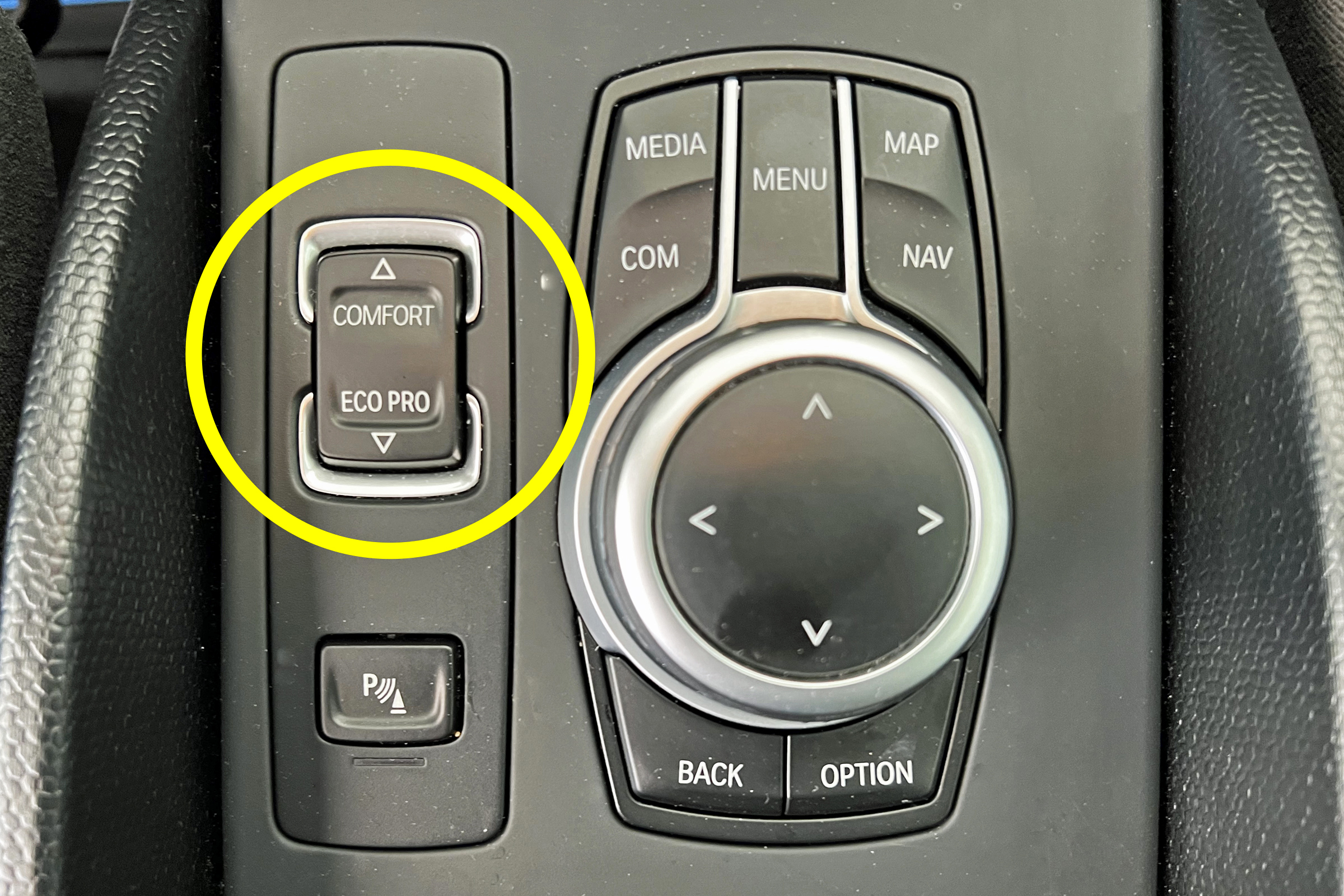
6. **BMW i3**The BMW i3 was a bold departure for the German luxury automaker, a quirky electric city car that aimed for urban efficiency and sustainable luxury. However, for many Boomers, it became another electric vehicle they simply chose “not to buy,” and the reasons are quite telling. Its range, while “decent for an electric vehicle,” was often “more than enough… needed for some who drive long distances frequently.” This limitation immediately boxed the i3 into a specific use-case that didn’t fit the versatile needs of many Boomer drivers.
Cost was another formidable barrier. The i3’s price tag was “relatively high compared to other electric vehicles,” let alone gasoline cars. For budget-conscious buyers, or those simply unwilling to pay a premium for a novel technology, this made the i3 a non-starter. The expectation of luxury and performance from a BMW, combined with the premium price of an EV, created a tough proposition that often didn’t justify the investment for this demographic.
Another significant “consideration is the charging infrastructure, which is still being developed, especially in rural areas.” This practical hurdle, the challenge of “finding a charging station,” directly affected the perceived practicality and convenience of owning an electric vehicle like the i3. The worry about where and when to charge, particularly outside of dense urban environments, made ownership seem like a chore rather than a convenience.
Ultimately, a foundational reason many Boomers shied away from the i3 was a simple reluctance to “switch to an electric vehicle” altogether. There’s a strong preference for “a traditional gasoline-powered car,” a known quantity that requires no learning curve or adaptation to new fueling habits. The i3, with its distinct electric powertrain and unique driving characteristics, was often seen as requiring “some getting used to,” a commitment many were simply unwilling to make.”
While the previous entries highlighted the Boomers’ struggle with newfangled green tech and the electric revolution, this next batch dives deep into the truly unforgettable—the vehicles that were just plain *bad*. We’re talking about cars that made mechanics weep and drivers question their life choices, the absolute poster children for ‘automotive ambition gone wrong.’ These are the models that stand as enduring symbols of engineering woes and design blunders from the Boomer era, and frankly, they’re still remembered for all the wrong reasons.
Car Model Information: 2017 BMW i3 94 Ah w/Range Extender
Name: BMW i3
Manufacturer: BMW
ModelCode: I01
Production: September 2013 – August 2022 (250,000 units)
Assembly: Leipzig
Successor: BMW iX,BMW iX1,BMW i4
Class: Supermini
BodyStyle: hatchback
Doors: Suicide doors
Layout: Rear-motor, rear-wheel-drive
Chassis: Carbon-fiber,Monocoque
Motor: BMW eDrive synchronous permanent magnet motor 125 kW
137 kW
Battery: kWh
ElectricRange: ampere hour,Convert,United States Environmental Protection Agency,Range extender (vehicle)
Engine: Straight-twin engine,range extender,9 L
Abbr: on
Transmission: Single speed with fixed ratio
Drivetrain: Series hybrid,plug-in hybrid,Range extender
Charging: Combo Coupler
Wheelbase: 2570 mm
Length: 3999 mm
Width: 1775 mm
Height: 1578 mm
Weight: 1195 kg
Sp: uk
Designer: Richard Kim (car designer)
ModelYears: 2014–2021 (North America)
Categories: All articles containing potentially dated statements, All articles with dead external links, Articles containing potentially dated statements from December 2019, Articles containing potentially dated statements from December 2021, Articles containing potentially dated statements from February 2014
Summary: The BMW i3 is an electric car that was manufactured by German marque BMW from 2013 to 2022. The i3 was BMW’s first mass-produced zero emissions vehicle and was launched as part of BMW’s electric vehicle BMW i sub-brand. It is a B-segment, high-roof hatchback with an electric powertrain. It uses rear-wheel drive via a single-speed transmission and an underfloor lithium-ion battery pack with an optional range-extending petrol engine.
Styled by Richard Kim, the i3 is a five-door with a passenger module of high strength, ultra-lightweight carbon fibre reinforced polymer adhered to an aluminium chassis, battery, drive system and powertrain. The body features two clamshell rear-hinged rear doors.
The i3 debuted as a concept at the 2011 International Motor Show Germany, and production began in September 2013 in Leipzig.
It ranked third amongst electric cars sold worldwide from 2014 to 2016. Its global sales totaled 250,000 units by the end of 2022. Germany was its biggest market with over 47,500 units delivered through December 2021, followed by the U.S. with over 45,000.
The i3 won two World Car of the Year Awards, selected as 2014 World Green Car of the Year and as 2014 World Car Design of the Year. The i3 received an iF Product Design Gold Award, and won UK Car of the Year 2014 and Best Supermini of 2014 in the first UK Car of the Year Awards.
Get more information about: BMW i3
Buying a high-performing used car >>>
Brand: BMW Model: i3
Price: $13,888 Mileage: 72,933 mi.
Read more about: The Unvarnished Truth: 12 Sports Cars That Left Enthusiasts Regretting Their Purchase After Just a Year of Ownership
7. **Pontiac Aztek**This vehicle, introduced in 2001, remains an absolute marvel of questionable design, truly one for the history books. It aimed to redefine versatility as a crossover but instead redefined confusion with its baffling proportions and lines that seemed to pull in three different directions at once. The result was a visual cacophony that left onlookers genuinely bewildered.
From its multi-level nose to the oddly protruding rear, the Aztek looked less like a finished production vehicle and more like a concept sketch that desperately escaped the editing room before anyone could hit “delete.” Boomers, who often prefer straightforward aesthetics, simply couldn’t decipher its design language, making it an instant “don’t want” for many.
Credit where credit is due, the interior of the Aztek was surprisingly functional. It even boasted features like a camping-ready setup, complete with a tent and air mattress—a desperate attempt, perhaps, to make up for the visual assault. This showed genuine imagination in utility, but the exterior execution felt relentlessly clunky rather than clever, a stark testament to how badly a good idea can be visually butchered when styling goes completely awry.
Buyers certainly struggled to understand its visual identity, and the sales figures spoke volumes about its reception. GM had ambitious targets of 75,000 units annually, but the Aztek only managed around 27,000 in its best year, proving that “bold” and “ugly” are often synonymous in the court of public opinion. It was a commercial flop that left a lasting impression, just not the kind you want.
Still, the Aztek did dare to be different in a sea of safe, bland designs, even if that difference was profoundly polarizing. It eventually found a second life through pop culture, particularly *Breaking Bad*, becoming the unofficial car of a mental breakdown. For better or worse, it always started a conversation—a very confused, and often critical, conversation among anyone who saw it.
Car Model Information: 2004 Pontiac Aztek 4dr All Purpose FWD
Name: Pontiac Aztek
Manufacturer: General Motors
Production: July 2000 – December 2004
Assembly: Ramos Arizpe
Designer: Tom Peters (chief designer: 1997)
Class: Mid-size crossover SUV
BodyStyle: SUV
Platform: GM U platform
Related: Buick Rendezvous
Layout: Front-engine, front-wheel-drive layout
Engine: General Motors 60° V6 engine#LA1,V6
Transmission: GM 4T65-E transmission,Automatic transmission
Wheelbase: 108.3 in (2,751 mm)
Length: 182.1 in (4,625 mm)
Width: 73.7 in (1,872 mm)
Height: 66.7 in (1,694 mm)
Weight: 3,779–4,043 lb (1,714–1,834 kg)
Predecessor: Pontiac Sunrunner
Successor: Pontiac Torrent
ModelYears: 2001–2005
Categories: All-wheel-drive vehicles, All articles needing additional references, All articles with unsourced statements, Articles needing additional references from October 2013, Articles with short description
Summary: The Pontiac Aztek is a mid-size crossover SUV marketed by General Motors introduced in 2000 for the model years 2001 through 2005. As a four-door crossover with front-wheel drive and optional all-wheel drive, the Aztek featured a four-speed automatic transmission with a V6 engine. Marketed by Pontiac as a “sport recreational vehicle,” the Aztek used a shortened platform shared with GM’s minivans (e.g., the Pontiac Montana) featuring 94 cubic feet of cargo room with its rear seats removed. The design employed conventional rear outswing doors rather than sliding doors, and a split rear tailgate, the lower section formed with seat indentations and cupholders. Other features included a front center console that doubled as a removable cooler, optional rear stereo controls in the cargo area, optional sliding cargo floor with grocery compartments, and optional camping package with an attachable tent and air mattress.
Get more information about: Pontiac Aztek
Buying a high-performing used car >>>
Brand: Pontiac Model: Aztek
Price: $995 Mileage: 0 mi.
Read more about: The Automotive Graveyard: 14 Infamous Cars That Made Drivers Wish They’d Walked Instead
8. **Yugo GV**Ah, the Yugo GV, imported to the U.S. in 1985 with hopes of offering extreme affordability, quickly earned its infamous reputation as the undisputed face of bargain-bin motoring. Priced at a laughable $3,990, it was quite literally cheaper than some performance bicycles, which, frankly, would have offered a more exhilarating and considerably more reliable ride. This was truly the ultimate “you get what you pay for” lesson, delivered in a wheezing 45 horsepower.
The styling of the Yugo resembled something dredged up from a decade earlier, perfectly encapsulating a time warp that nobody, especially Boomers seeking modern value, asked for. Its fit and finish rarely, if ever, inspired confidence, unless your confidence was exclusively in its uncanny ability to fall apart at the most inconvenient times imaginable. It was a rolling testament to corners cut and standards ignored.
Drivers often described it as more of a project than a product, a four-wheeled IKEA furniture kit that arrived not just without instructions, but with several crucial pieces missing and a distinct smell of regret. This meant owners had to be amateur mechanics, constantly tinkering just to keep the thing moving.
Yet, for those who desperately needed basic transportation at the absolute lowest possible cost, the Yugo GV technically met the need—if “the need” involved frequent roadside assistance and a deep, abiding love for unexpected adventure. It inadvertently taught a generation how to keep a car running with creativity, a whole lot of duct tape, and the patience of a saint.
Maintenance might have been frequent, but at least the parts were simple and easily accessible—mostly because you could usually just pull them off a non-running one parked down the street. In its own bizarre way, the Yugo created a subculture of survivors, proving that even the most humble (and terrible) vehicle can find its dedicated, if slightly unhinged, fans.
Read more about: Lethal Legacy: 15 Iconic Vehicles and Flaws That Shaped Automotive Safety
9. **Ford Pinto**The Ford Pinto, launched in 1971, emerged in a market hungry for small, fuel-efficient cars, and its initial shape followed the trends of its time, looking reasonably practical for urban use. However, its story quickly devolved into a truly horrifying cautionary tale, as pervasive concerns about its rear-impact safety utterly overwhelmed any positive reputation it might have hoped to build. This car became a rolling punchline, and a literal fire hazard, for all the wrong reasons.
The now-infamous internal cost-benefit analysis by Ford, allegedly prioritizing profits over safety ($11 versus a $209 million fix for the fuel tank), became one of the most cited examples in automotive safety debates and business ethics textbooks. It was a stark, brutal lesson in corporate responsibility, showing exactly what happens when bean counters dictate safety standards, deeming human lives less valuable than a few dollars.
Ford, in essence, was willing to roast its drivers alive to save eleven bucks per car, a truly shocking indictment of corporate ethics. Despite this appalling revelation, the Pinto tragically demonstrated Ford’s willingness to experiment with compact formats, a crucial step in a changing automotive landscape, but at an unforgivable cost.
Many owners who miraculously avoided becoming statistics appreciated its affordability and agility in tight spaces, at least until tragedy struck from a seemingly minor rear-end collision. It truly started with good intentions, but history rightly and unequivocally judged it for what came *after* the crash tests, etching its dark legacy into automotive lore.
It’s the car that permanently cemented the notion that you probably shouldn’t trust an accountant’s safety assessment, especially when it comes to vehicle design. Despite this toxic relationship, where Ford was seemingly okay with cooking its customers, we still somehow maintain a love affair with the brand. It’s a relationship worthy of a Netflix mini-docuseries, honestly.
Car Model Information: 1980 Ford Pinto WAGON
Name: Ford Pinto
Caption: Ford Pinto
Manufacturer: Ford Motor Company
Aka: Mercury Bobcat
Production: September 1970 – July 1980
ModelYears: 1971–1980 (Pinto),1974–1980 (Bobcat)
Assembly: Edison, New Jersey,Milpitas, California
Designer: Robert Eidschun (1968)
Class: Subcompact car
BodyStyle: Sedan (automobile),sedan delivery,station wagon,hatchback
Related: #Mercury Bobcat (1974–1980),Ford Mustang (second generation)
Layout: Front-engine, rear-wheel-drive layout
Chassis: Unibody
Engine: unbulleted list
Abbr: on
Disp: Ford Cologne engine
Transmission: unbulleted list
Wheelbase: 94.0 in
Length: 163 in
Width: 69.4 in
Height: 50 in
Weight: convert
Predecessor: Ford Cortina#Mark II (1966–1970)
Successor: Ford Escort (North America)
Categories: 1980s cars, Articles with short description, Cars discontinued in 1980, Cars introduced in 1970, Commons category link from Wikidata
Summary: The Ford Pinto is a subcompact car that was manufactured and marketed by Ford Motor Company in North America from 1970 until 1980. The Pinto was the first subcompact vehicle produced by Ford in North America.
The Pinto was marketed in three body styles throughout its production: a two-door fastback sedan with a trunk, a three-door hatchback, and a two-door station wagon. Mercury offered rebadged versions of the Pinto as the Mercury Bobcat from 1975 until 1980 (1974–1980 in Canada). Over three million Pintos were produced over its ten-year production run, outproducing the combined totals of its domestic rivals, the Chevrolet Vega and the AMC Gremlin. The Pinto and Mercury Bobcat were produced at Edison Assembly in Edison, New Jersey, St. Thomas Assembly in Southwold, Ontario, and San Jose Assembly in Milpitas, California.
Since the 1970s, the safety reputation of the Pinto has generated controversy. Its fuel-tank design attracted both media and government scrutiny after several deadly fires occurred when the tanks ruptured in rear-end collisions. A subsequent analysis of the overall safety of the Pinto suggested it was comparable to other 1970s subcompact cars. The safety issues surrounding the Pinto and the subsequent response by Ford have been cited widely as business ethics and tort reform case studies.
Get more information about: Ford Pinto
Buying a high-performing used car >>>
Brand: Ford Model: Pinto
Price: $5,951 Mileage: 107,000 mi.
Read more about: Rev Up Your Nostalgia (or Confusion!): 15 Classic Cars Baby Boomers Love That Leave Millennials Utterly Baffled
10. **Chevrolet Vega**The Chevrolet Vega, introduced in 1970, rolled off the assembly line with bold expectations and a genuinely sleek appearance that initially made it seem like a winner. It possessed a confident stance and a price point that skillfully drew crowds, positioned as GM’s direct answer to the rising tide of Japanese imports. Yet, over time, it struggled with quality and durability so profoundly that it morphed into a legendary cautionary tale for the ages, a true automotive nightmare for Boomers.
Its rust resistance was an absolute joke; some cars reportedly showed visible signs of corrosion right there on the showroom floor, which is less of a car and more of a rapidly deteriorating sculpture. This was compounded by GM’s cost-cutting measures that ignored vital rust-proofing processes, a decision that haunted owners for years.
The innovative aluminum-block engine, developed with Reynolds Aluminum, was another engineering marvel—just not a durable one. It was constantly prone to overheating, excessive oil consumption, and catastrophic failure due to cylinder bore issues, making ownership a constant gamble. This engine, meant to be a technological triumph, became its Achilles’ heel.
In its fleeting prime, the Vega did receive praise for its modern styling and accessible feel, promising a new era of compact American motoring. It certainly had the looks to succeed, but its staying power faded faster than a politician’s promise, leaving a trail of broken engines and rusted body panels. It proved a painful truth: you truly cannot polish a turd, especially if that turd is already dissolving into iron oxide before your very eyes.
The Vega stands as a testament to what happens when ambition outstrips execution, leaving a legacy of mechanical misery in its wake. It looked good on paper and in photos, but owning one was a masterclass in frustration, teaching drivers that sometimes, appearances are indeed deceiving, especially when it comes to long-term reliability and the basic expectation of a car that doesn’t self-destruct.
Car Model Information: 1976 Chevrolet Vega
Name: Chevrolet Vega
Caption: 1971 Chevrolet Vega
Aka: Vega 2300
Manufacturer: Chevrolet
Production: 1970–1977
ModelYears: 1971–1977
Assembly: Lordstown, Ohio
Predecessor: Chevrolet Corvair
Successor: Chevrolet Monza
Class: Subcompact car
BodyStyle: notchback,hatchback,station wagon,Panel van
Layout: FR layout
Platform: GM H platform (RWD)
Engine: {{cvt,2.3,L,cuin,0,Chevrolet 2300 engine
Transmission: manual transmission,4-speed manual,overdrive (mechanics),Torque-Drive 2-speed Powerglide requiring manual shifting,Powerglide,Turbo-Hydramatic
Wheelbase: cvt
Length: cvt
Width: cvt
Height: cvt
Weight: cvt
Related: Pontiac Astre,Chevrolet Monza,Pontiac Sunbird#First generation (1976–1980),Buick Skyhawk#First generation (1975–1980),Oldsmobile Starfire#Second generation (1975–1980)
Designer: Bill Mitchell (designer)
Categories: 1970s cars, All articles needing additional references, All articles with unsourced statements, Articles needing additional references from July 2023, Articles with short description
Summary: The Chevrolet Vega is a subcompact automobile manufactured and marketed by GM’s Chevrolet division from 1970 until 1977. Available in two-door hatchback, notchback, wagon, and sedan delivery body styles, all models were powered by an inline four-cylinder engine designed specifically for the Vega, with a lightweight aluminum alloy cylinder block. The Vega first went on sale in Chevrolet dealerships on September 10, 1970. Variants included the Cosworth Vega, a short-lived limited-production performance version introduced spring 1975.
The Vega received the 1971 Motor Trend Car of the Year. Subsequently, the car became widely known for a range of problems related to its engineering, reliability, safety, propensity to rust, and engine durability. Despite numerous recalls and design upgrades, Vega’s problems tarnished its reputation and that of General Motors. Production ended with the 1977 model year.
The car was named for Vega, the brightest star in the constellation Lyra.
Get more information about: Chevrolet Vega
Buying a high-performing used car >>>
Brand: Chevrolet Model: Vega
Price: $30,000 Mileage: 82,344 mi.
Read more about: Rev Up Your Nostalgia (or Confusion!): 15 Classic Cars Baby Boomers Love That Leave Millennials Utterly Baffled
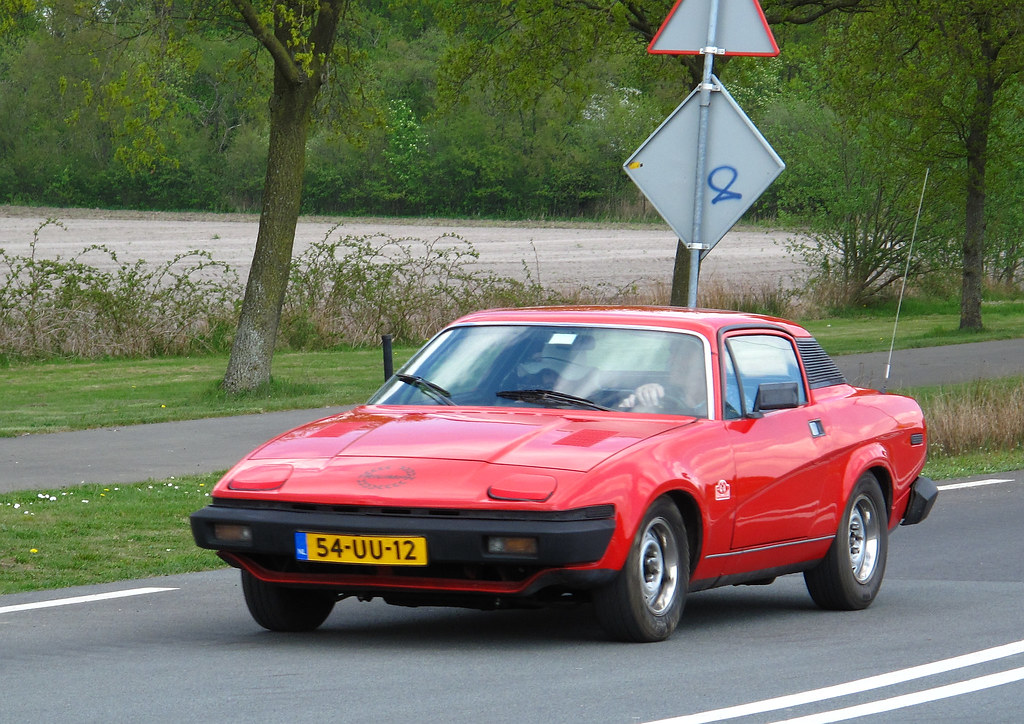
11. **Triumph TR7**The Triumph TR7, with its bold, distinctive wedge-shaped body, was an ambitious attempt to inject British flair and a “shape of things to come” attitude into a broader market, particularly the U.S. Its design made a stark statement, looking like absolutely nothing else on the road—a fact that wasn’t always a compliment, especially to Boomers accustomed to more traditional sports car aesthetics. As we’ve noted before, this was the kind of car that sparked a desperate war to save American drivers from questionable automotive aesthetics and persistent mechanical maladies.
Unfortunately, the driving and mechanical experience rarely, if ever, matched the visual promise. This was a British Leyland product, after all, meaning reliability concerns and inconsistent build quality were practically baked into its DNA, following it throughout its entire production run. The infamous “wedge” became more synonymous with frequent breakdowns than with avant-garde styling.
Owners, with a weary sigh and a well-used tow strap, often joked that “the TR7 is a reliable car, it’s just reliable at breaking down.” From electrical gremlins to persistent leaks, the TR7 seemed determined to live up to every negative stereotype about British automobiles, much to the chagrin of its hopeful buyers.
But for all its flaws, the TR7 did something few cars dared: it fundamentally challenged tradition. It presented sharp lines and a futuristic attitude in an era dominated by more curvaceous designs, attempting to carve out a unique niche. For drivers craving something genuinely offbeat, it still offered those fleeting, questionable moments of joy before inevitably sputtering to a halt by the roadside.
Even when it stumbled, which was often, it did so while reaching for something radically different. It became the brave, stylish attempt that, through no fault of its own design ethos but rather its parent company’s pervasive industrial issues, became a poster child for British Leyland’s woes. A truly bold misstep, if there ever was one, leaving a trail of confused and frustrated Boomer owners.
Car Model Information: 1976 Triumph TR7
Sp: uk
Name: Triumph TR7
Caption: 1975 Triumph TR7
Production: unbulleted list
Manufacturer: Triumph Motor Company
Class: Sports car
Layout: FR layout
Predecessor: Triumph TR6
Transmission: unbulleted list
Related: Triumph TR8
Engine: unbulleted list
Abbr: on (coupé)
BodyStyle: unbulleted list
Wheelbase: 85 in
Length: 160 in
Width: 66.2 in
Weight: 1101 kg
Order: flip (coupé)
Height: 50 in
Assembly: unbulleted list
Designer: Harris Mann
Categories: 1980s cars, All Wikipedia articles written in British English, All articles with unsourced statements, Articles tagged with the inline citation overkill template from January 2024, Articles with short description
Summary: The Triumph TR7 is a sports car that was manufactured in the United Kingdom from September 1974 to October 1981 by British Leyland Motor Corporation (BLMC), which changed its name to British Leyland (BL) in 1975. The car was launched in the United States in January 1975, with its UK home market debut in May 1976. The UK launch was delayed at least twice because of high demand for the vehicle in the US, with final sales of new TR7s continuing into 1982.
It was initially produced at the Speke, Liverpool, factory, moving to Canley, Coventry, in 1978 and then finally to the Rover Solihull plant in 1980.
Get more information about: Triumph TR7
Buying a high-performing used car >>>
Brand: Triumph Model: TR7
Price: $15,000 Mileage: 520 mi.
Read more about: Bertone’s Bold Revival: A MotorTrend Deep Dive into the Enduring Legacy of Pop-Up Headlights
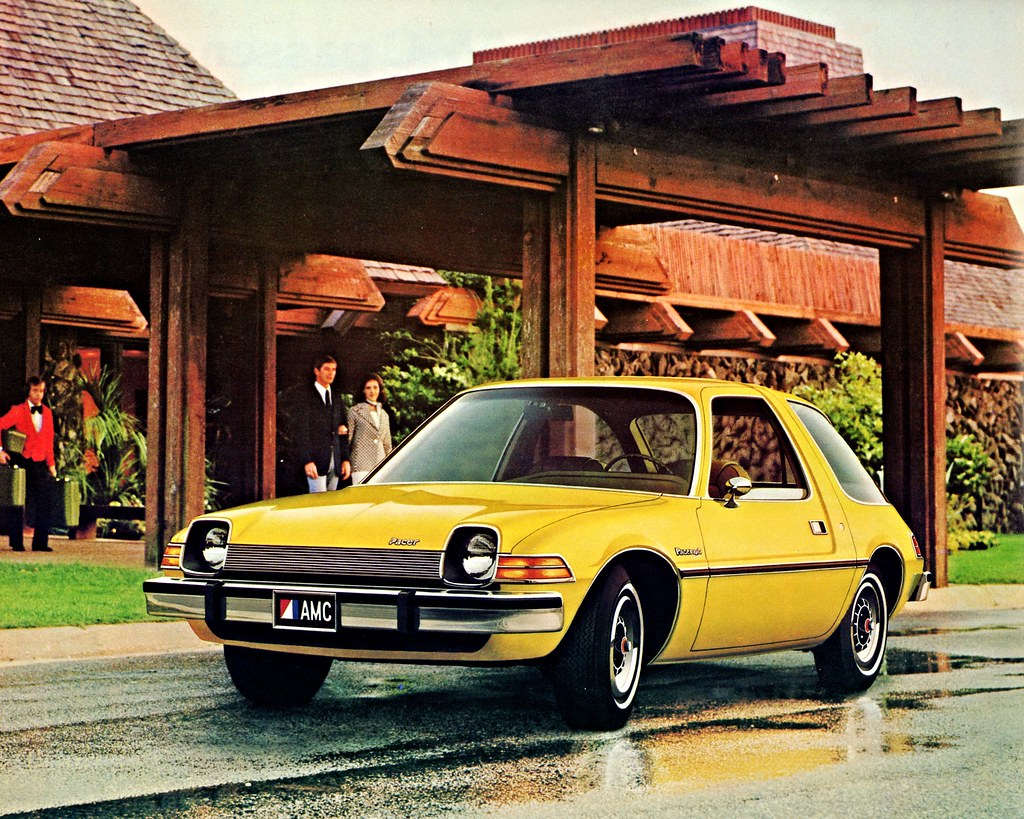
12. **AMC Pacer**The AMC Pacer embraced a vision of openness and unparalleled visibility, proudly sporting unusually wide glass areas and a distinctively rounded, bubble-like shape. It was a radical departure, completely breaking from the angular norms that defined its 1970s contemporaries, earning it nicknames like “the flying greenhouse” or “a fishbowl among boxes.” It looked playful and futuristic, if a little bewildered, and utterly unlike anything else on the road.
While the intention behind its fresh design was groundbreaking—including asymmetrical doors where the passenger side was notably longer for easier rear access, a thoughtful but visually odd touch—the reality often fell short when practicality and performance entered the equation. The Pacer was an absolute unit for its size, weighing over 3,000 pounds, a significant burden for what was supposed to be a compact car.
The driving experience felt inherently uneven, thanks to its antiquated straight-six engine valiantly attempting to haul all that glass and steel down the road with limited enthusiasm. It was like piloting a very heavy, slightly confused goldfish bowl, offering a numb and uninspired ride that left many Boomers longing for something more substantial and responsive.
However, the Pacer undeniably made people smile, or at the very least, scratch their heads in genuine bewilderment, showcasing AMC’s creative spirit in full, glorious, oddball force. In a world drowning in automotive rectangles, the Pacer boldly chose curves, boasting an astounding 37% glass-to-body ratio, making it incredibly airy inside but also strikingly peculiar from the outside.
That alone earns it a permanent, if bizarre, place in automotive memory. Famously featured in *Wayne’s World*, it proved that even the most peculiar automotive oddballs can achieve undeniable cult status. It was bold, it was weird, and it certainly wasn’t boring—but being weird doesn’t always translate into sales, especially when that weirdness comes with compromised performance. As the saying goes, if being weird made you rich, we’d all have tickets to the next furry convention.
Read more about: Rev Up Your Nostalgia (or Confusion!): 15 Classic Cars Baby Boomers Love That Leave Millennials Utterly Baffled
History remembers victories, but it also must learn from missteps. These cars may not have topped sales charts or won beauty contests, yet they left behind stories filled with unwarranted ambition, odd choices, bold risks, and questionable decisions. It’s like listening to your friend at the bar recount their worst dating fiascos, except now we’re all subjected to it on four wheels. What truly makes a car ‘bad’ — is it the questionable design that assaults the eyes, the frustrating drive that tests the soul, or the profound disappointment it brings as a symbol of wasted potential? Sometimes it is all of these, wrapped in a body that, despite everything, still manages to spark curiosity. Maybe you once drove one of these automotive abominations, or perhaps you just watched it roll by and genuinely wondered what the designers were smoking. Each of these machines tried to change something, even if the results fell spectacularly short. They pushed limits, often into the realm of the truly regrettable. And for that, we can all collectively shudder, share a knowing laugh, and be profoundly grateful for how far automotive engineering has come, mostly by *not* repeating these particular mistakes.